

Social Skills Activities for Children with Autism
AutismTeachingStrategies.com
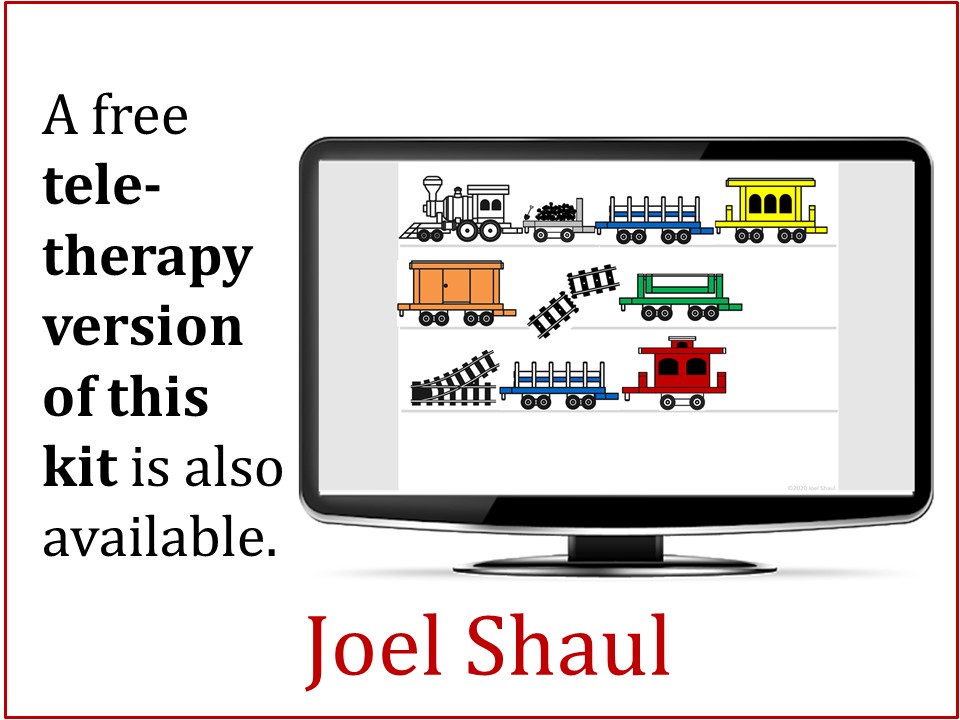
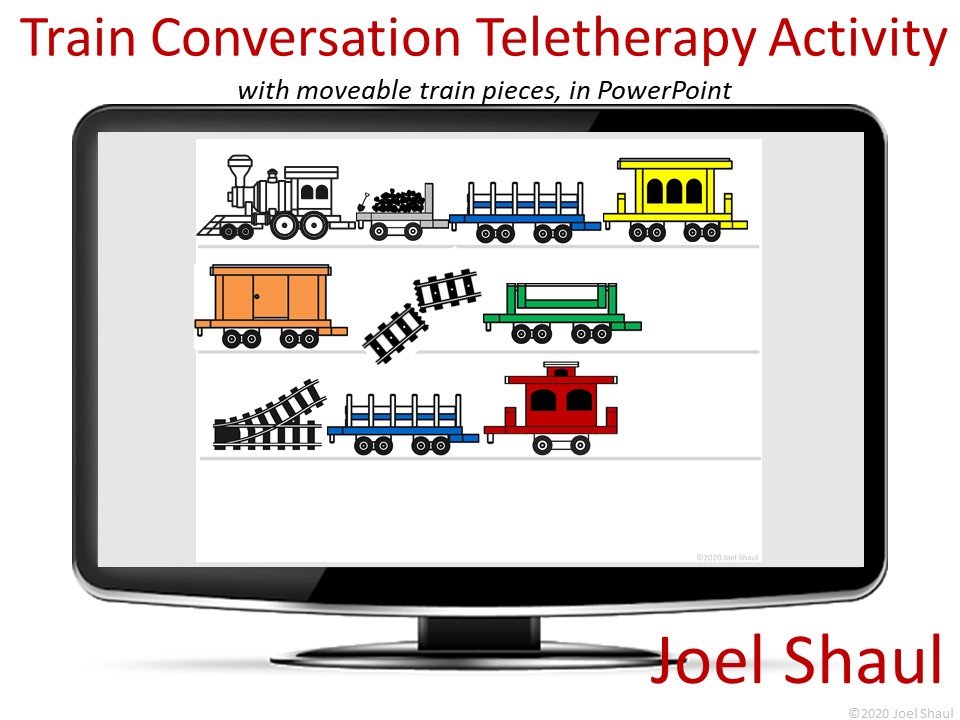
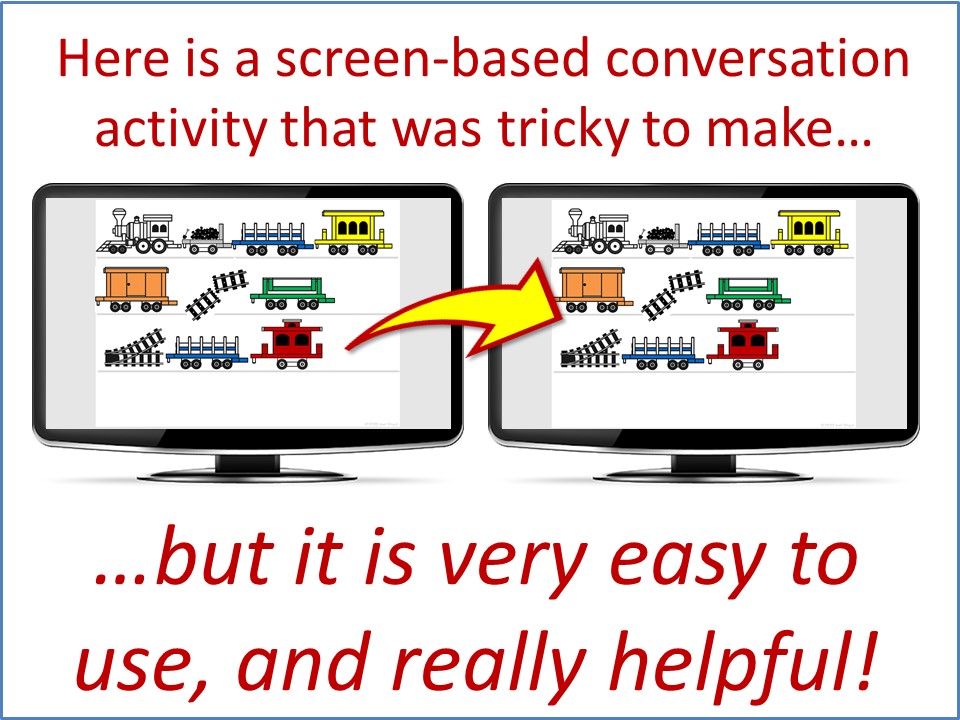
For the computer screen-based, teletherapy version of this resource, click HERE
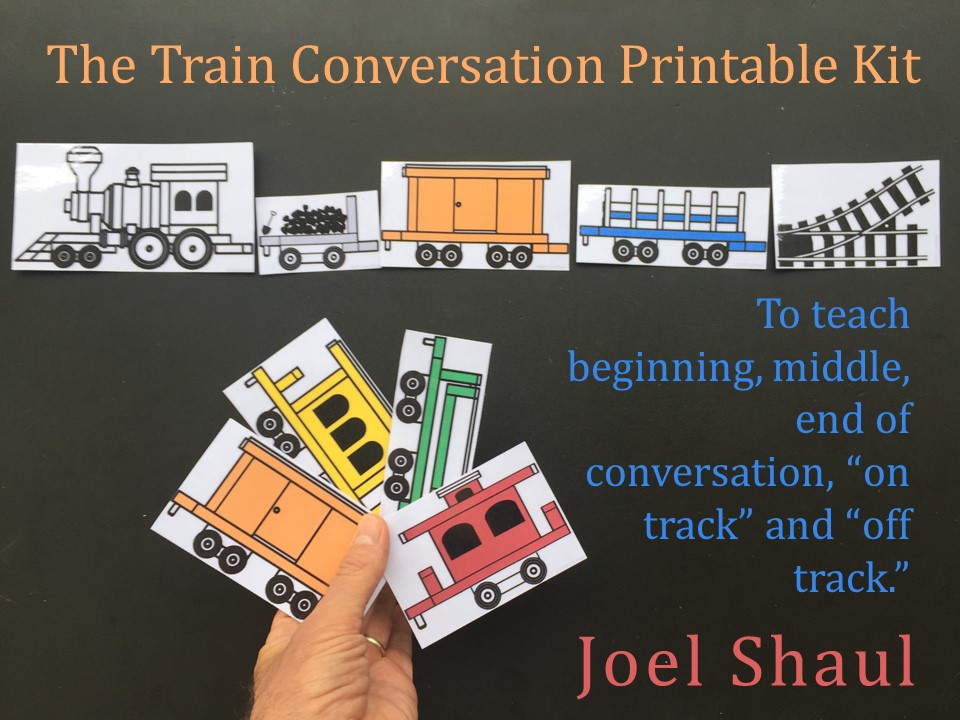
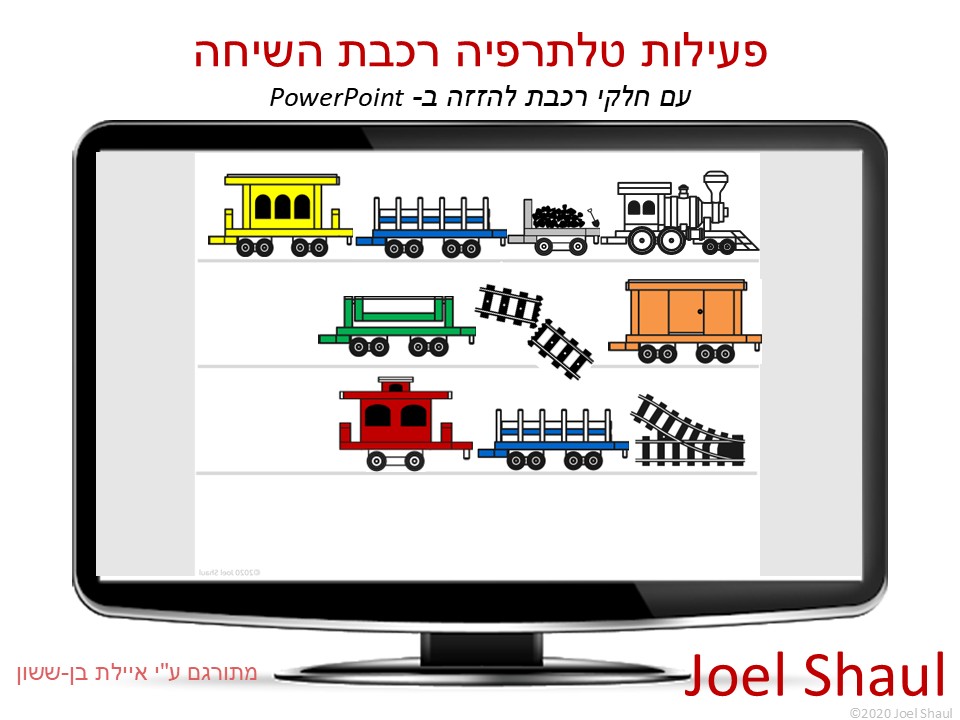
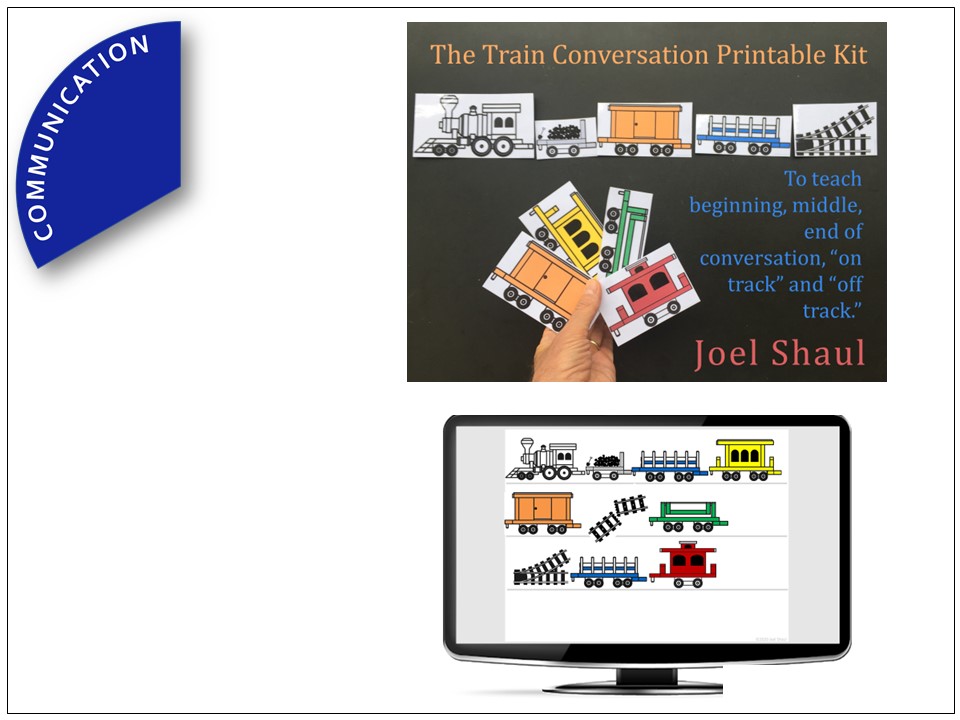
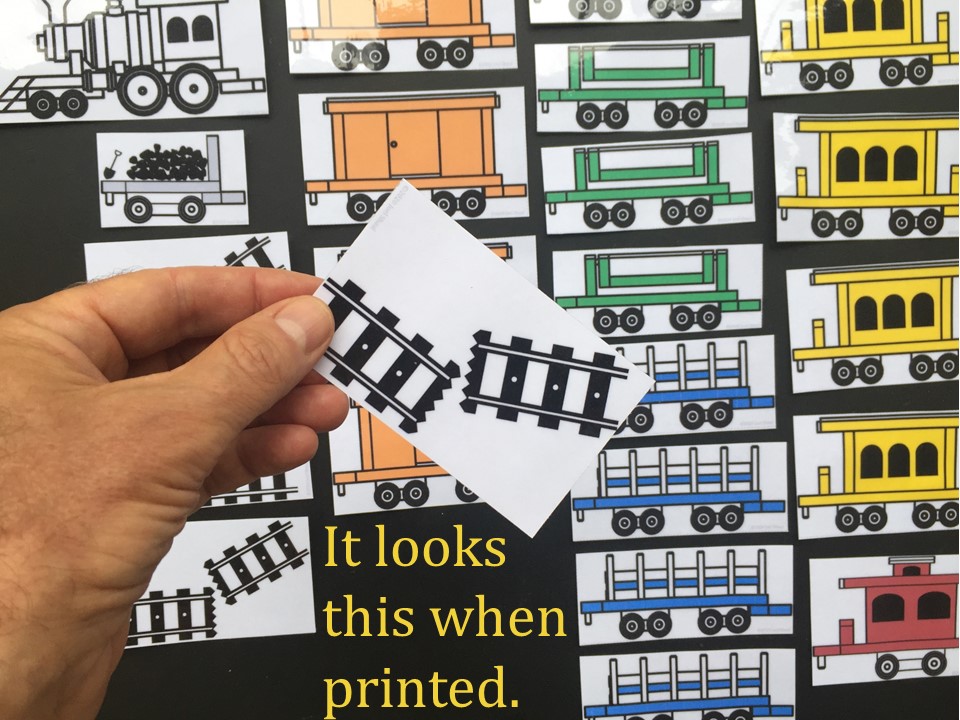
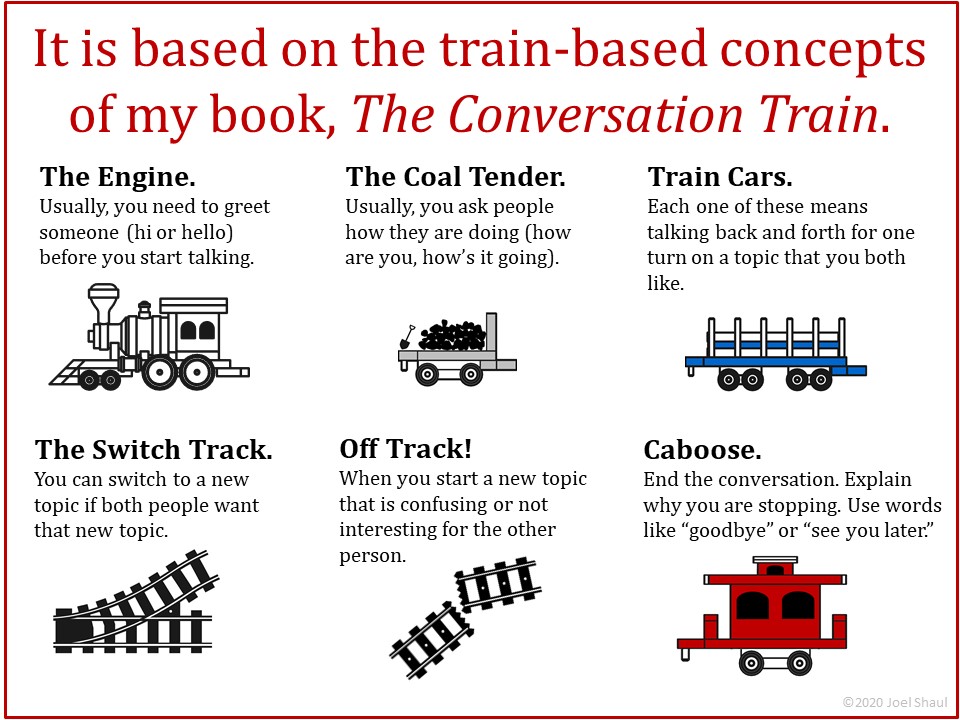
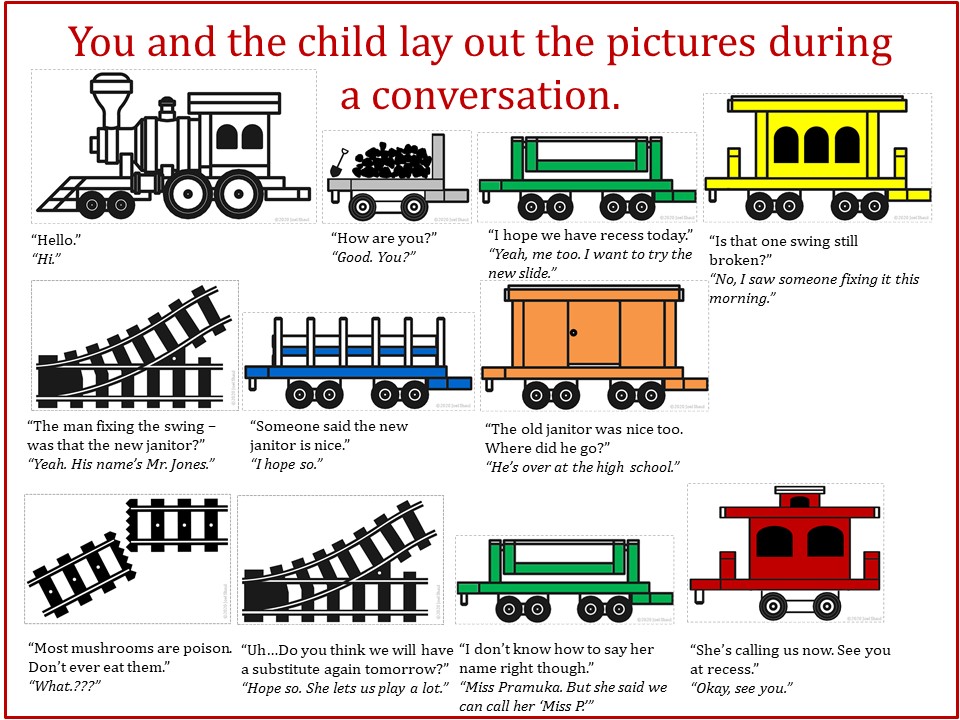
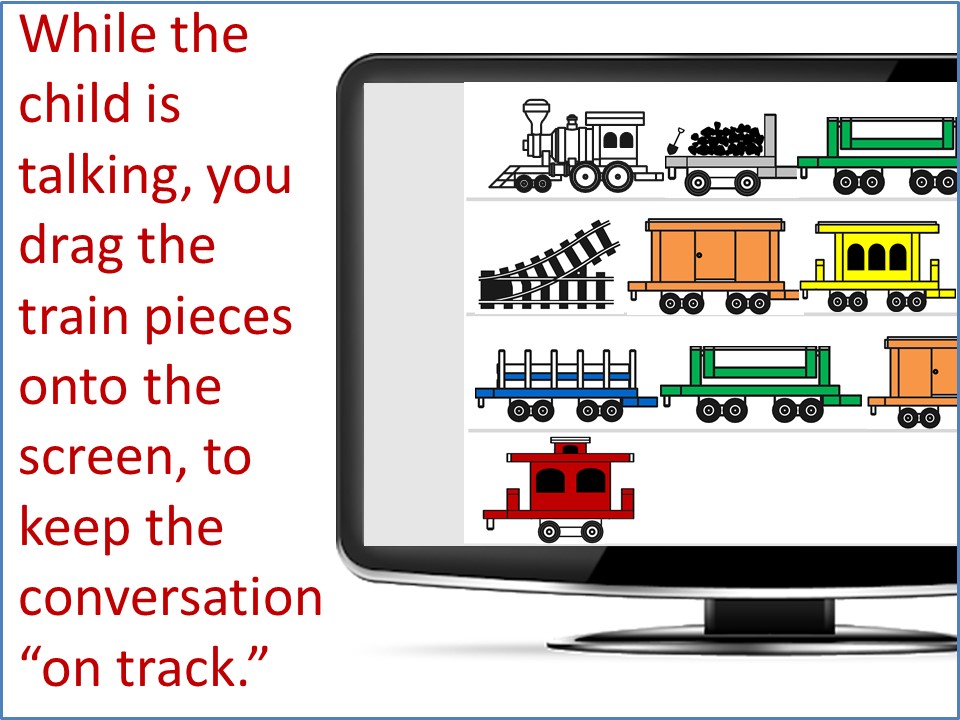
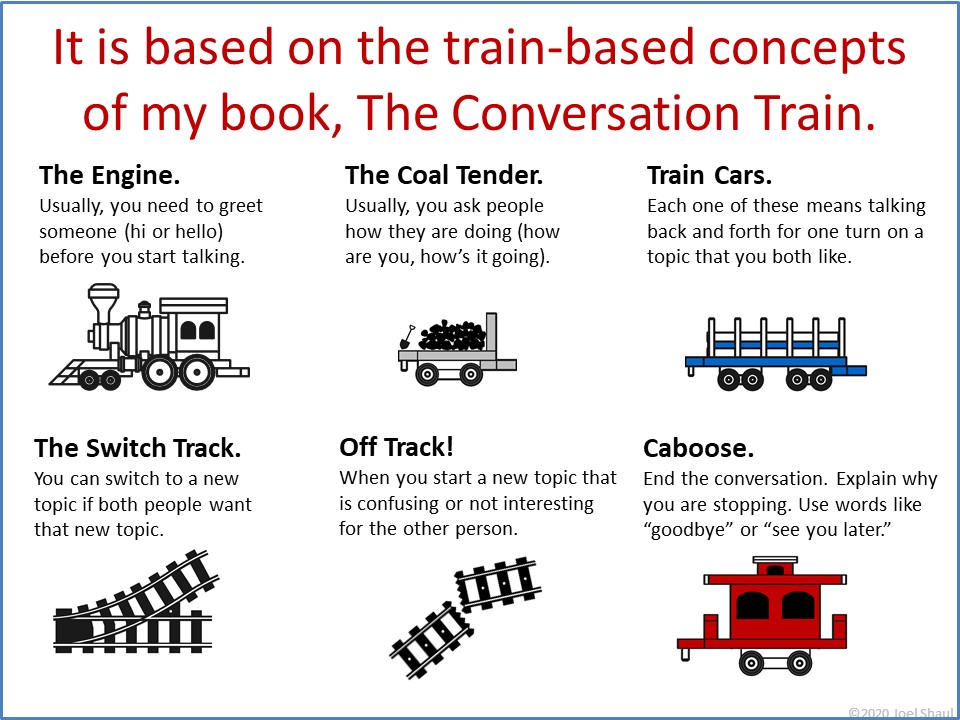
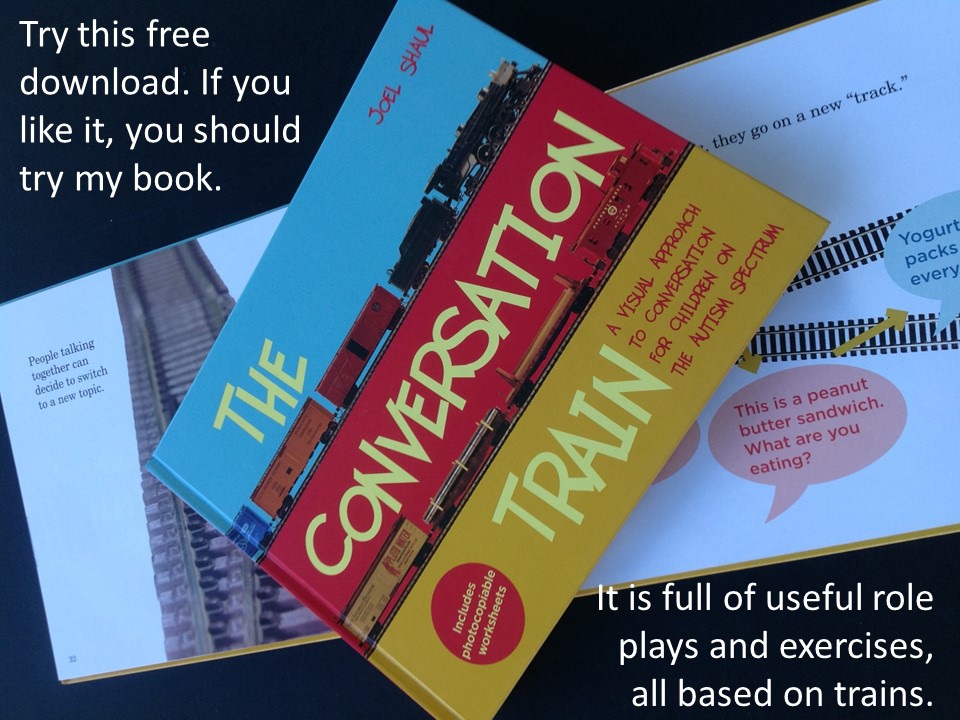
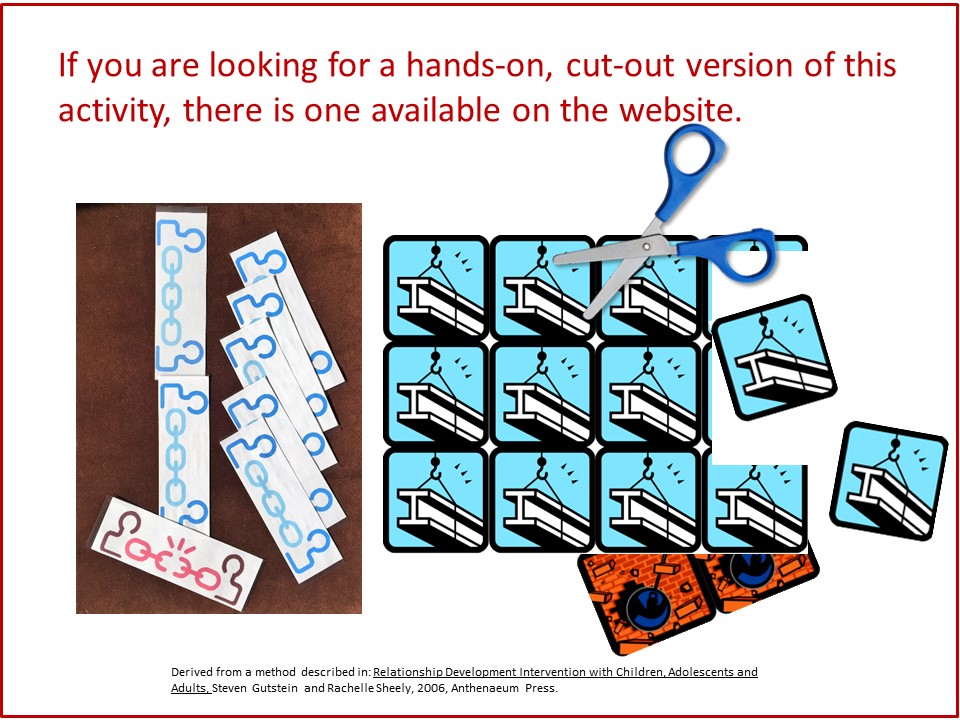
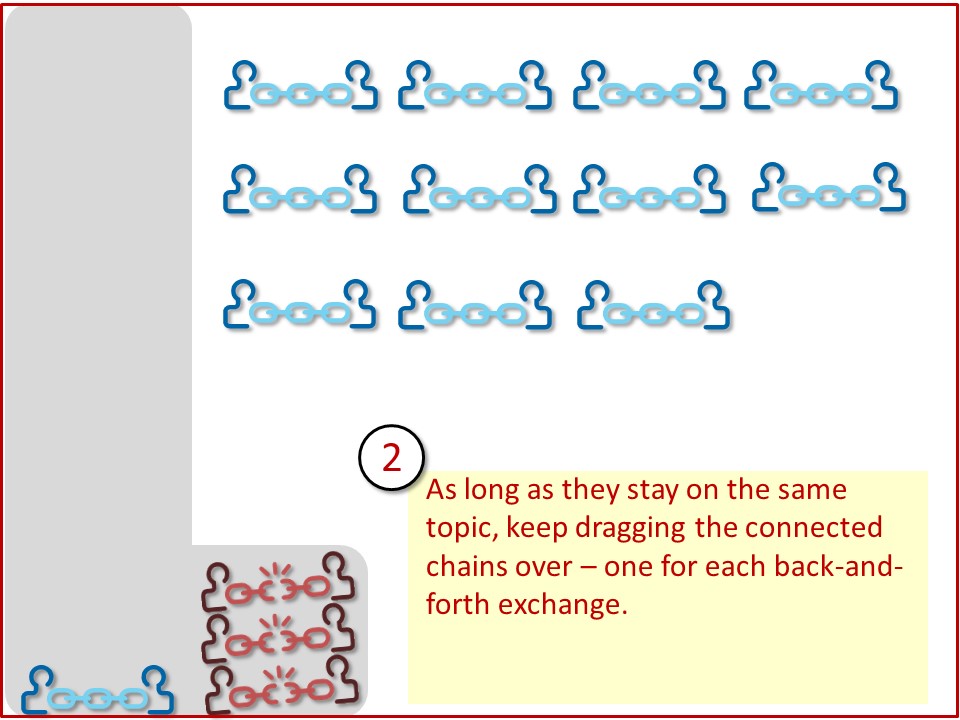
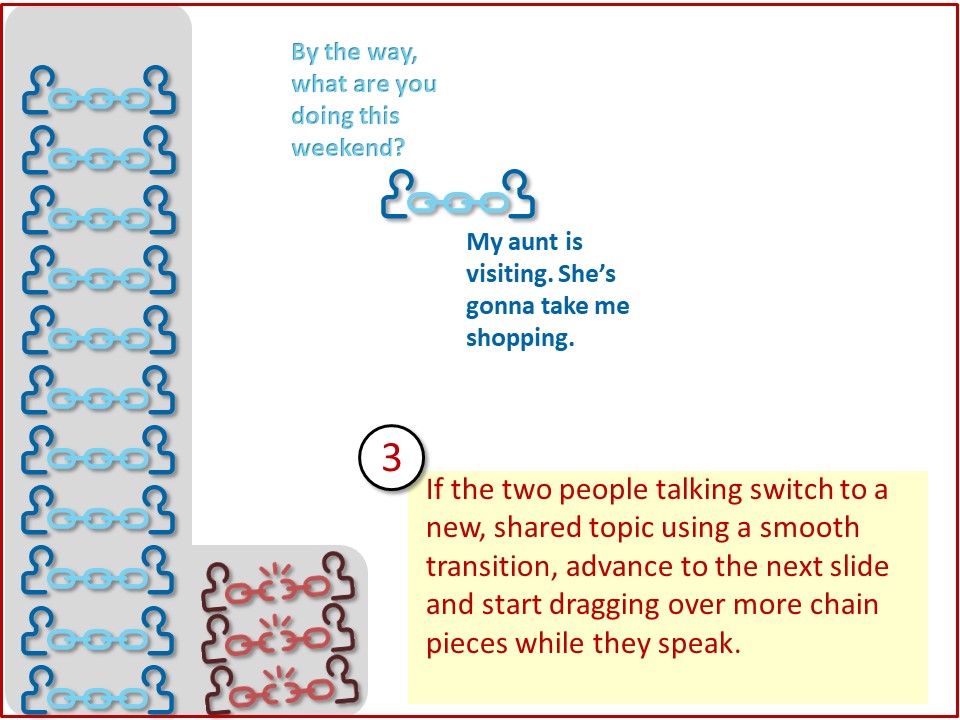
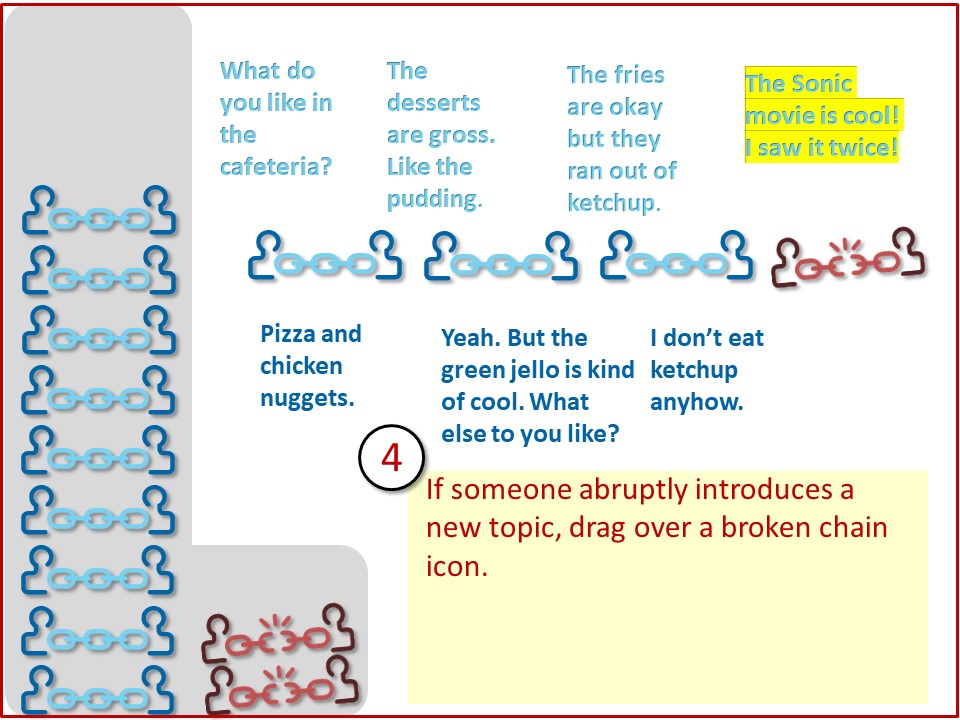
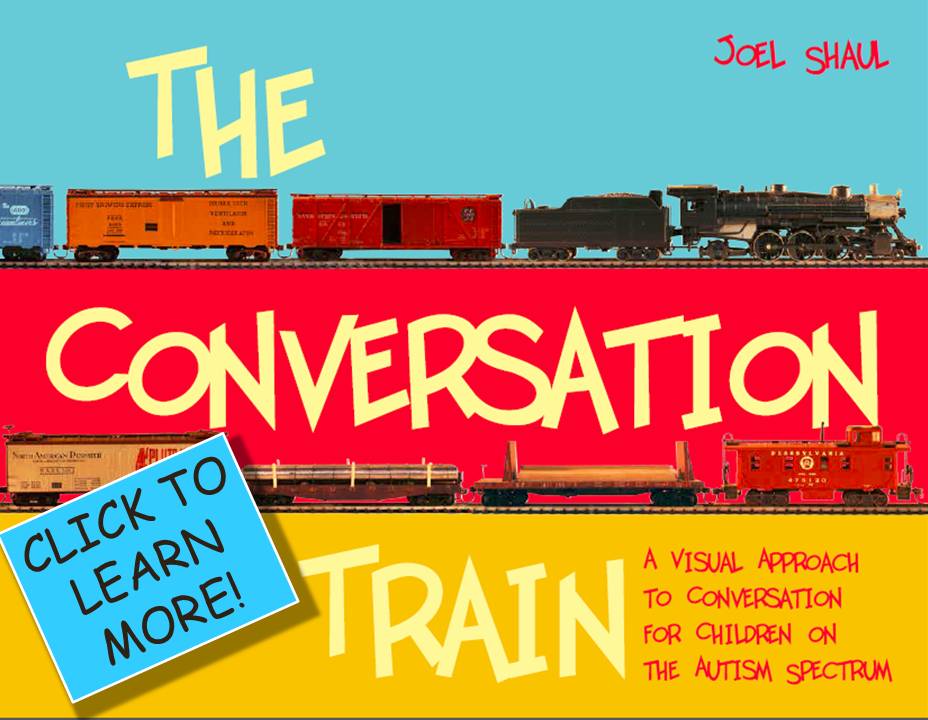
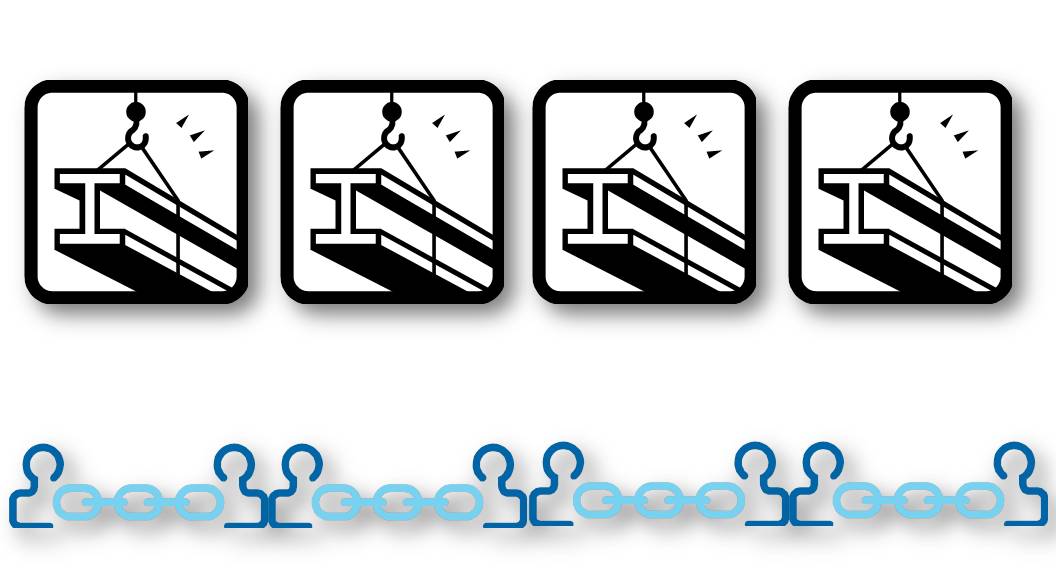
When helping young people with ASD to learn conventions of conversation such as greetings, goodbyes, topic coherence and how to avoid non-sequiturs, it really helps to employ hands-on methods to engage and sustain children’s interest. Using hand-held train pictures to practice “connected” conversation is a method I refined over many years in my own work with children on the spectrum. This downloadable kit might become a useful addition to your repertoire of methods for teaching conversation pragmatics.
Your comments on these resources are most welcome, and often helpful. Click HERE to send an email.
For a print out version of this activity, CLICK HERE.
For the free Boom Cards version of this activity, CLICK HERE.
Your comments on these resources are most welcome, and often helpful. Click HERE to send an email.
For an excellent Boom Card version of this resource, click HERE.
Your comments on these resources are most welcome, and often helpful. Click HERE to send an email.
For the free Boom Cards version of this activity, click HERE.


Your comments on these resources are most welcome, and often helpful. Click HERE to send an email.

(In German): Bildarbeitsblätter für Gespräche mit Familienmitgliedern
(in Spanish): Cómo hablar con un adulto que vive contigo ~ hoja de trabajo
(In Polish): Porozmawiaj z Rodzicami i Rodze?stwem- materia?y do ?wicze?
(In Hebrew): Talk to Family Worksheets, Hebrew Translation
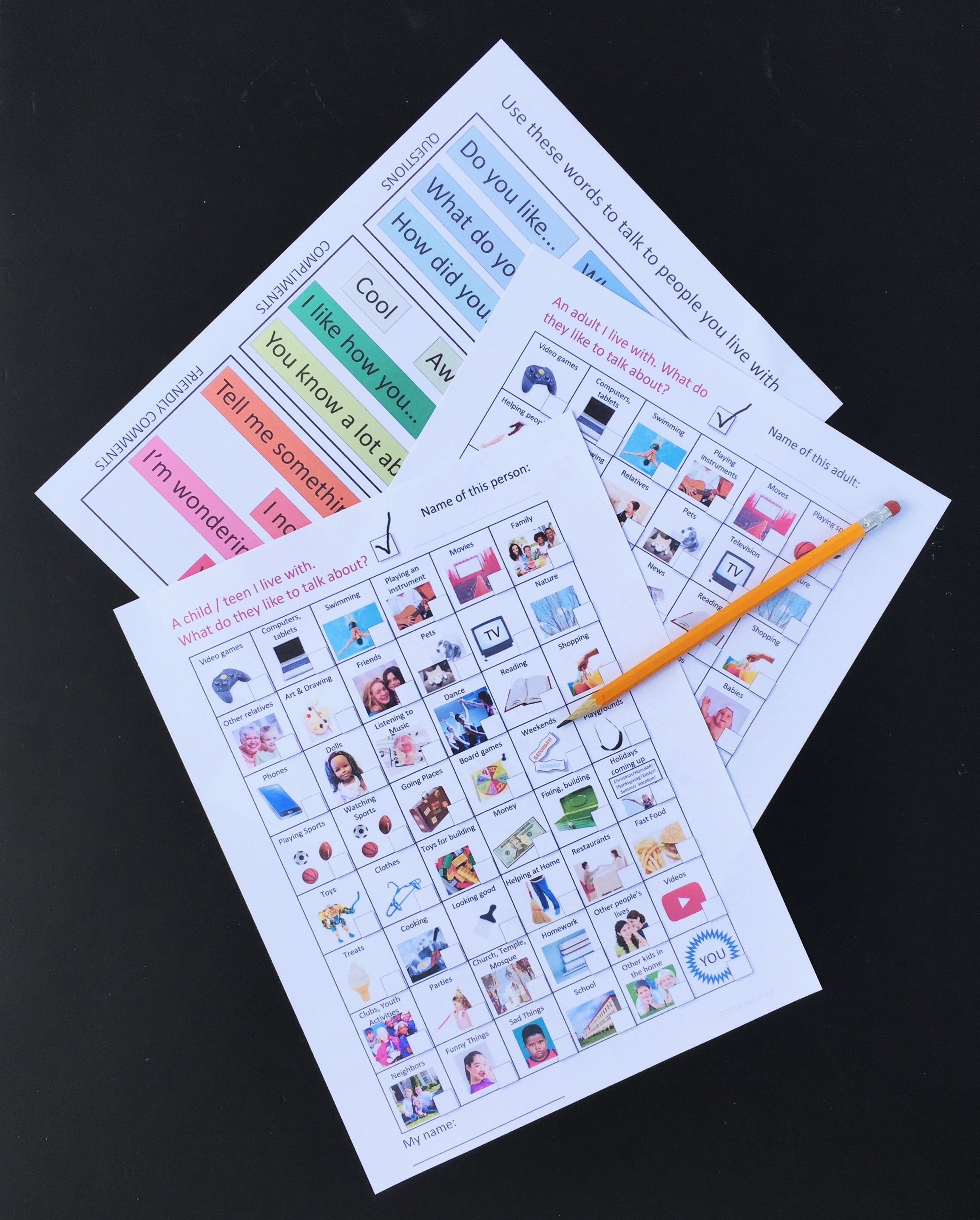
Children with autism spectrum disorders often have difficulties having conversations with the people they live with. It really helps to use picture guides. Here is a set of easy-to-use worksheets for classroom, speech room and home.
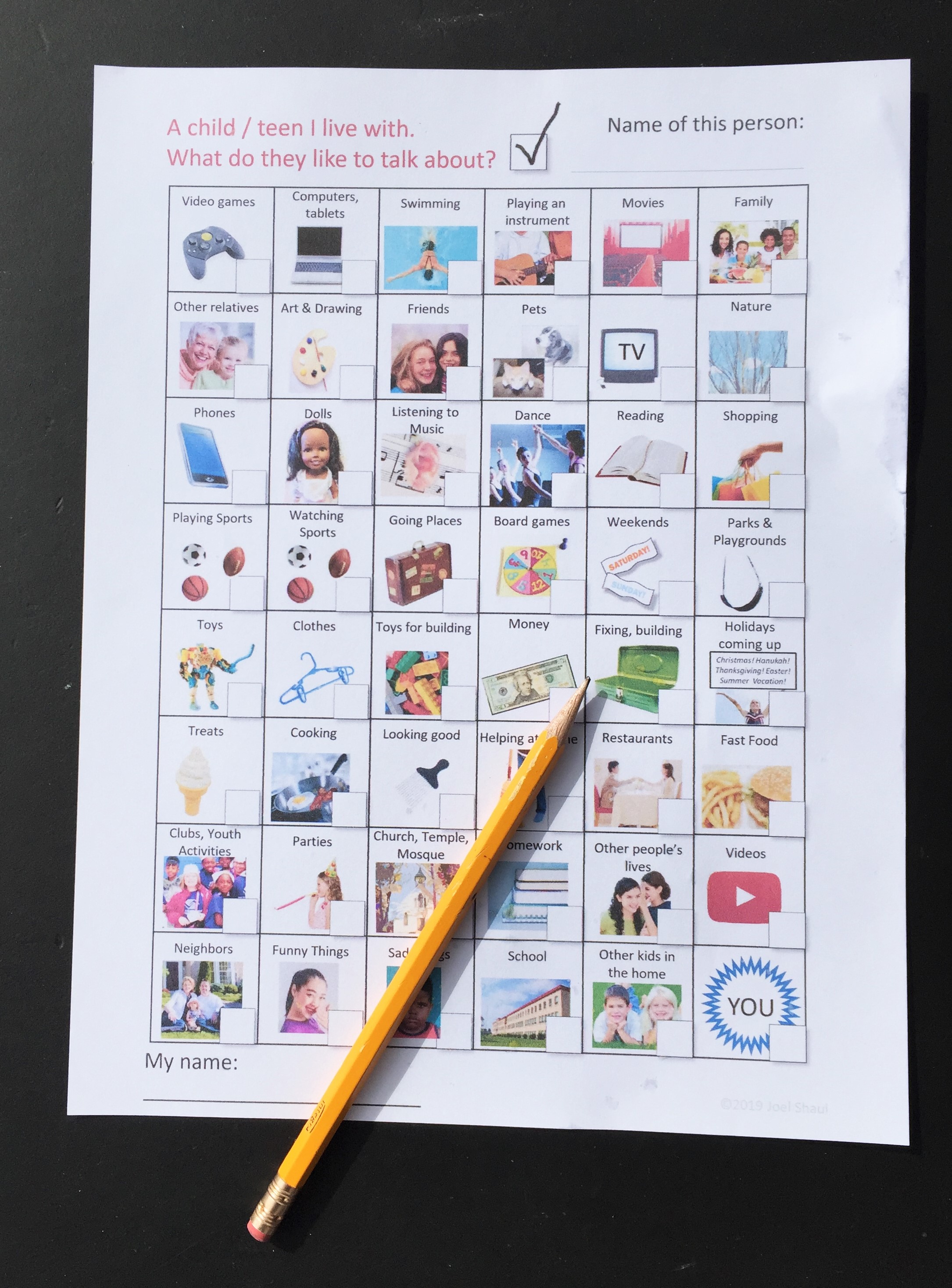
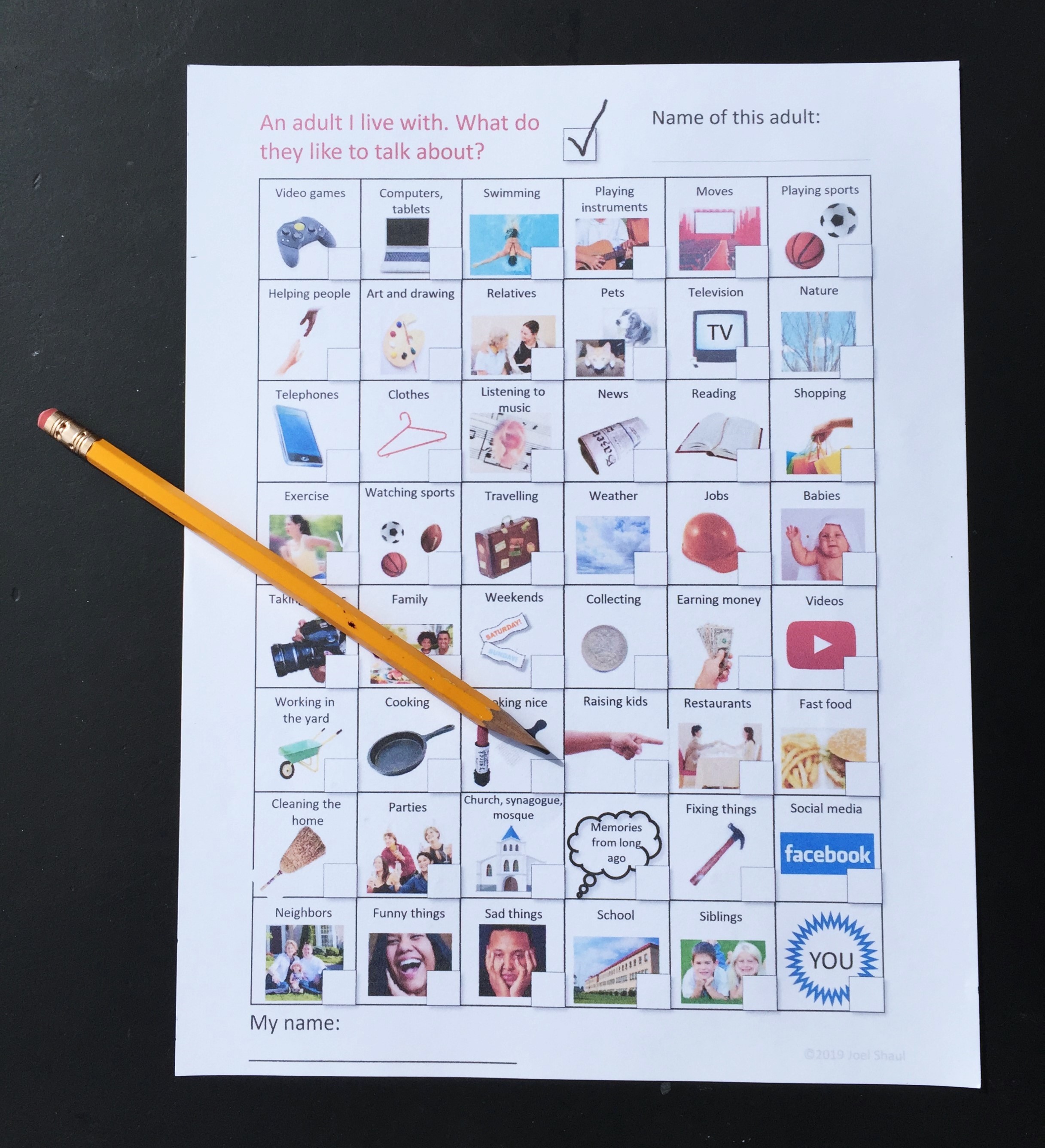
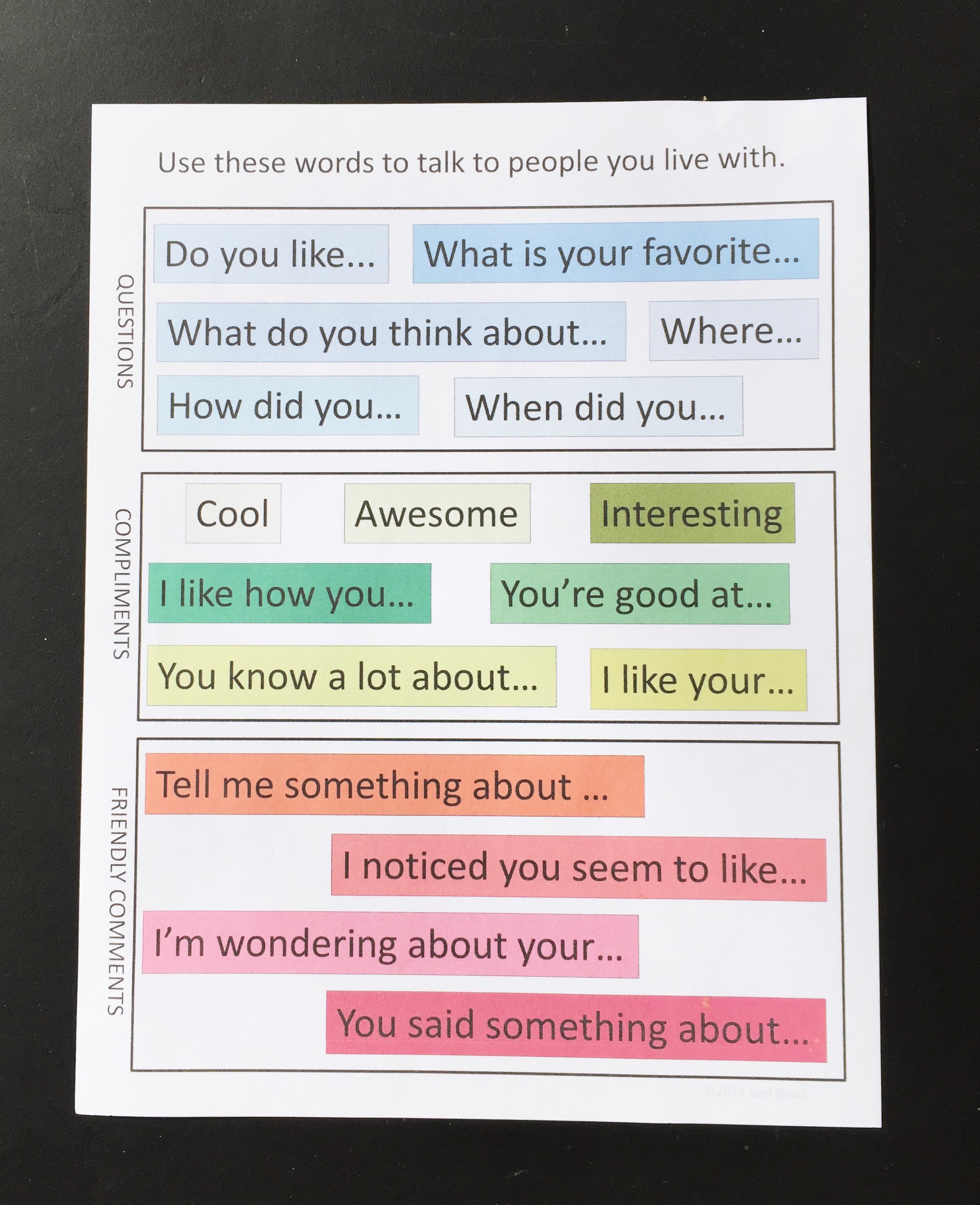
1. Have the child put check marks next to the photos they think represent the person’s interests.
2. Go over the images one at a time with the child. Explain that the family member probably has many interests that are different from the child’s own interests.
3. The sheet “Questions, Comments, Compliments” can be used to set up role plays and actual conversation practice with family members.
4. Have family members fill them out for the child to use as a reference.
5. Project the sheets using a smart board or projector – this really helps for small group or classroom discussions about family members.
I hope these worksheets are useful for you.
For more free materials on facilitating parent/child conversation for children with autism: How Was Your Day? Sheets
Your comments on these resources are most welcome, and often helpful. Click HERE to send an email.
i
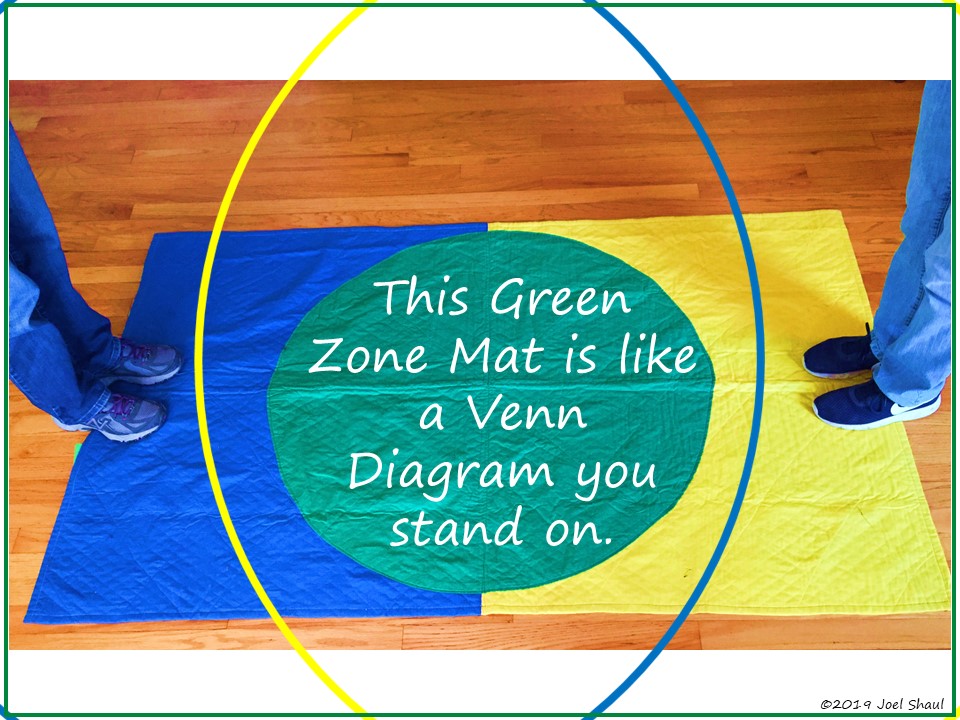
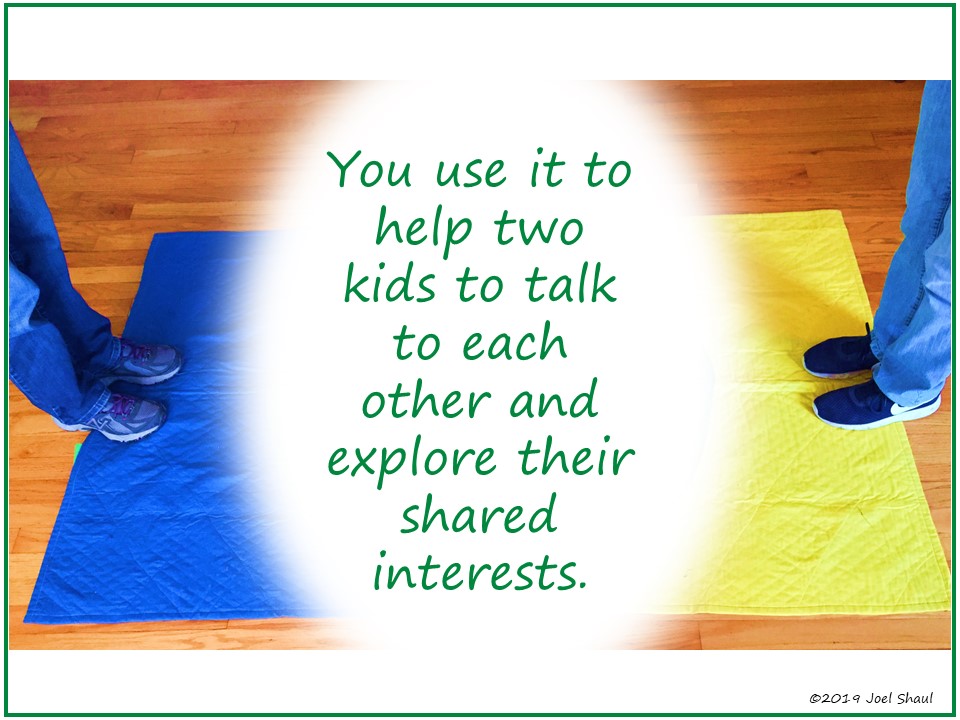
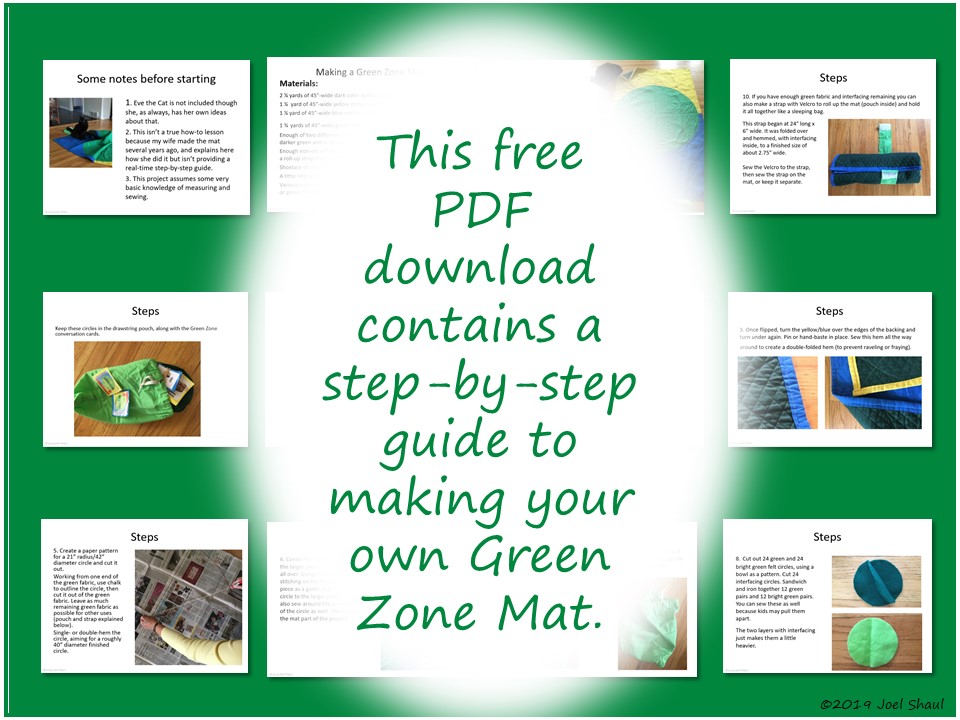
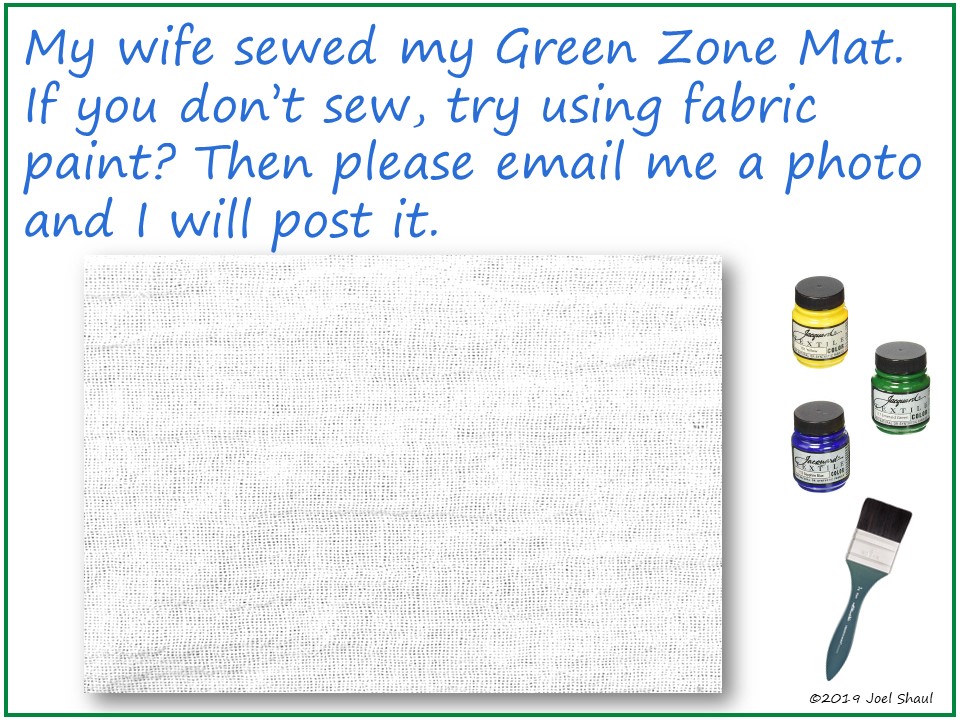
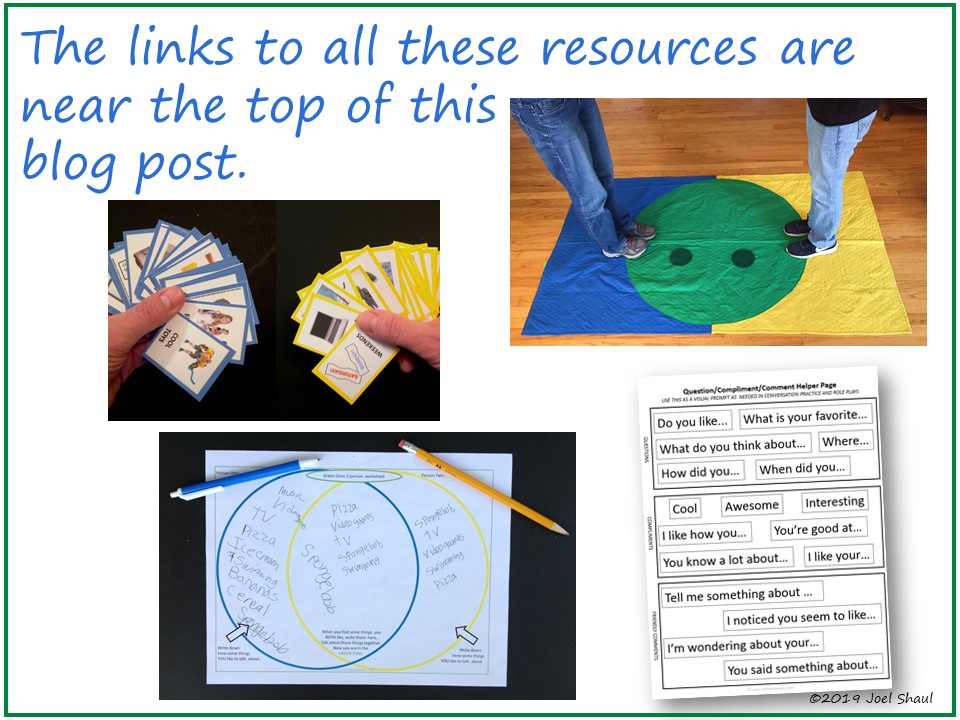
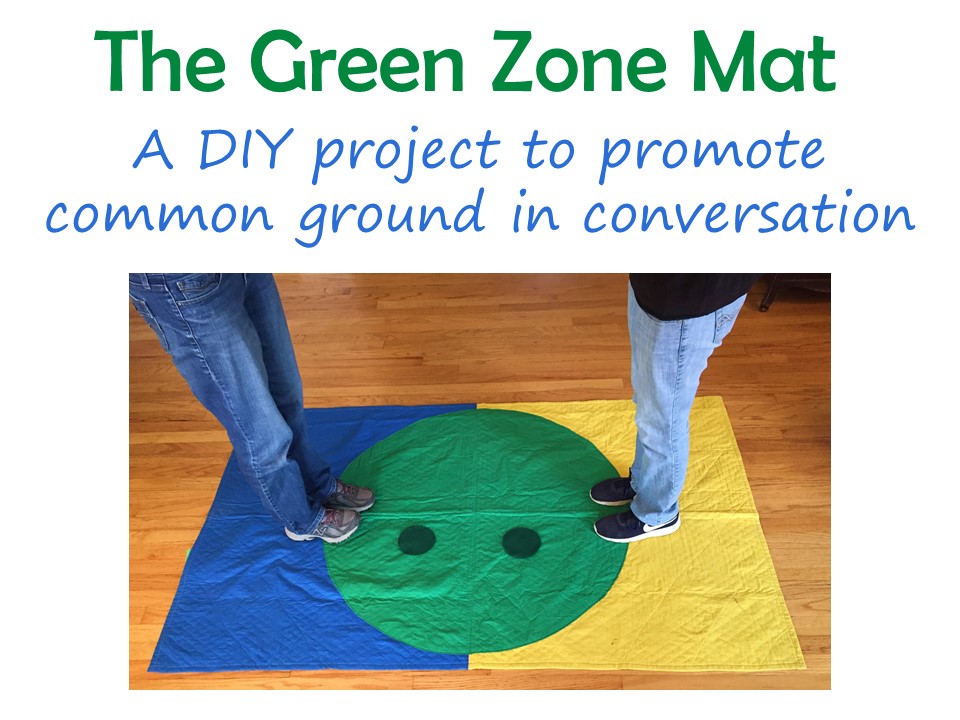 To download directions to make it, click on the link right below here:
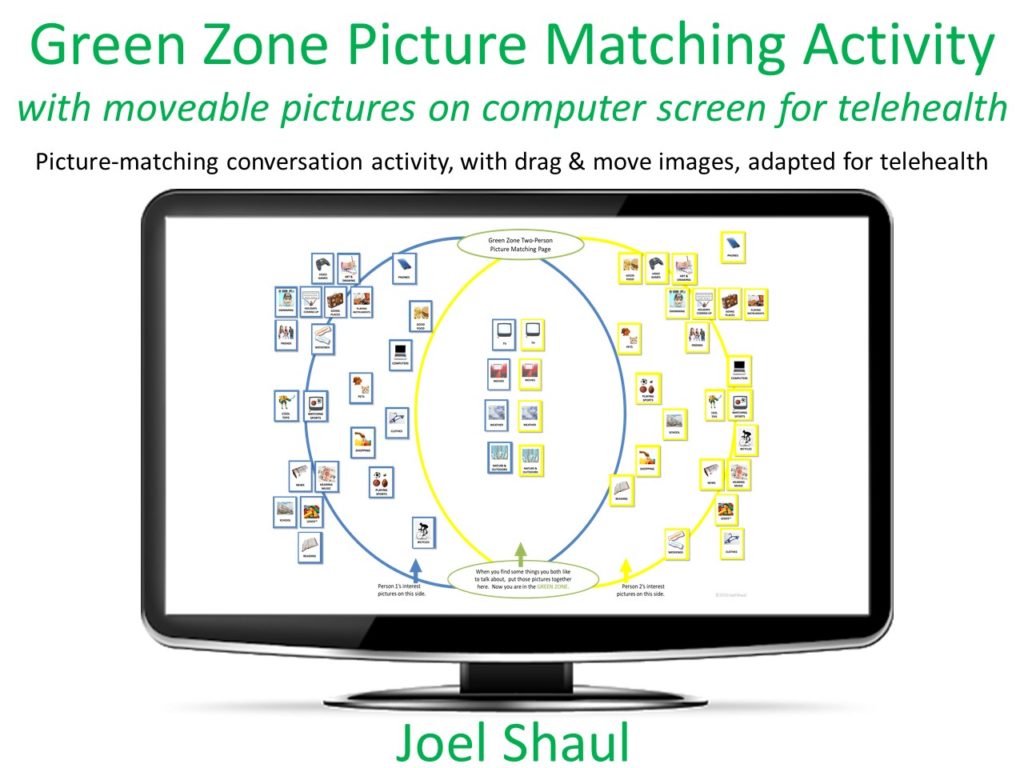
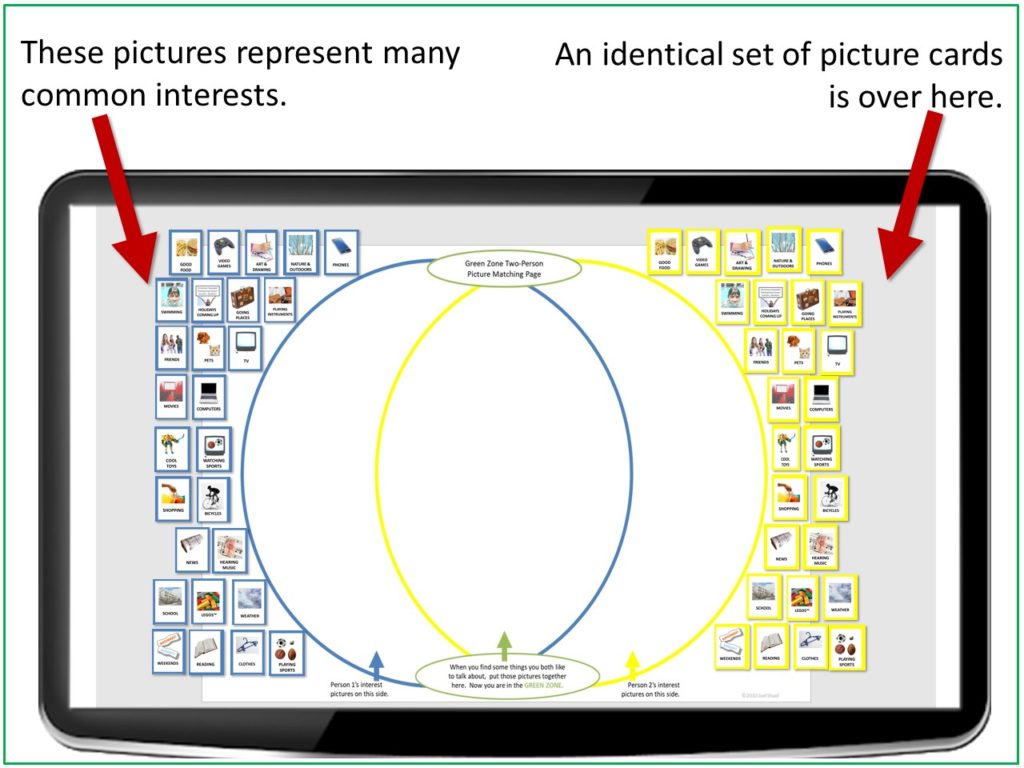
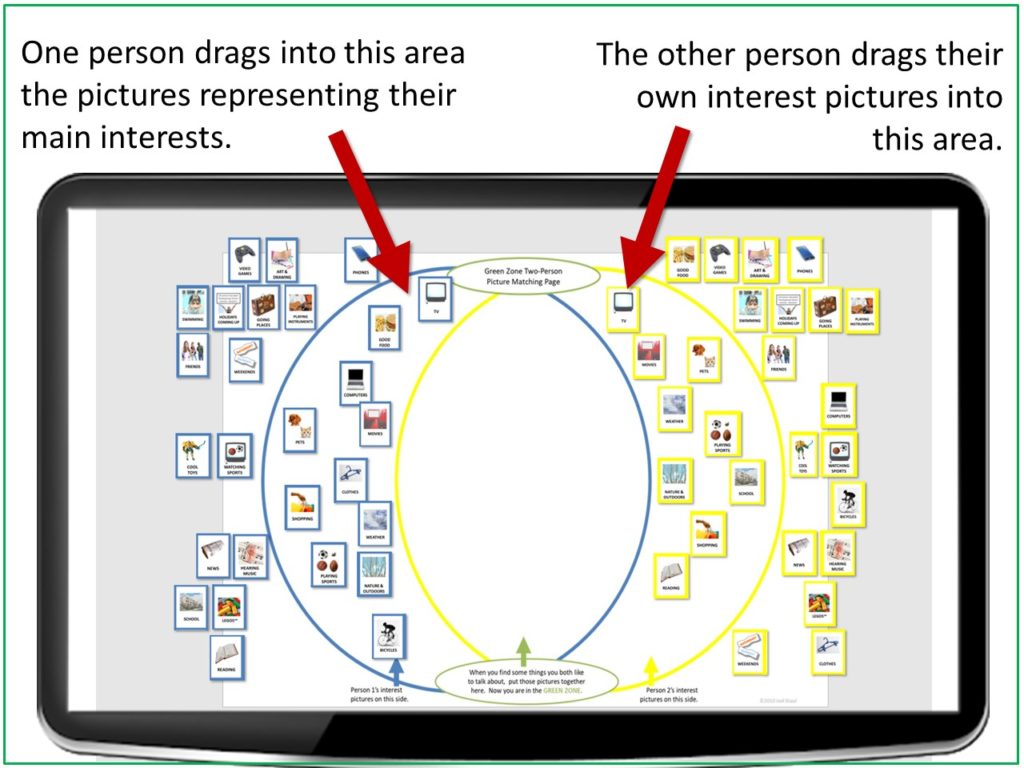
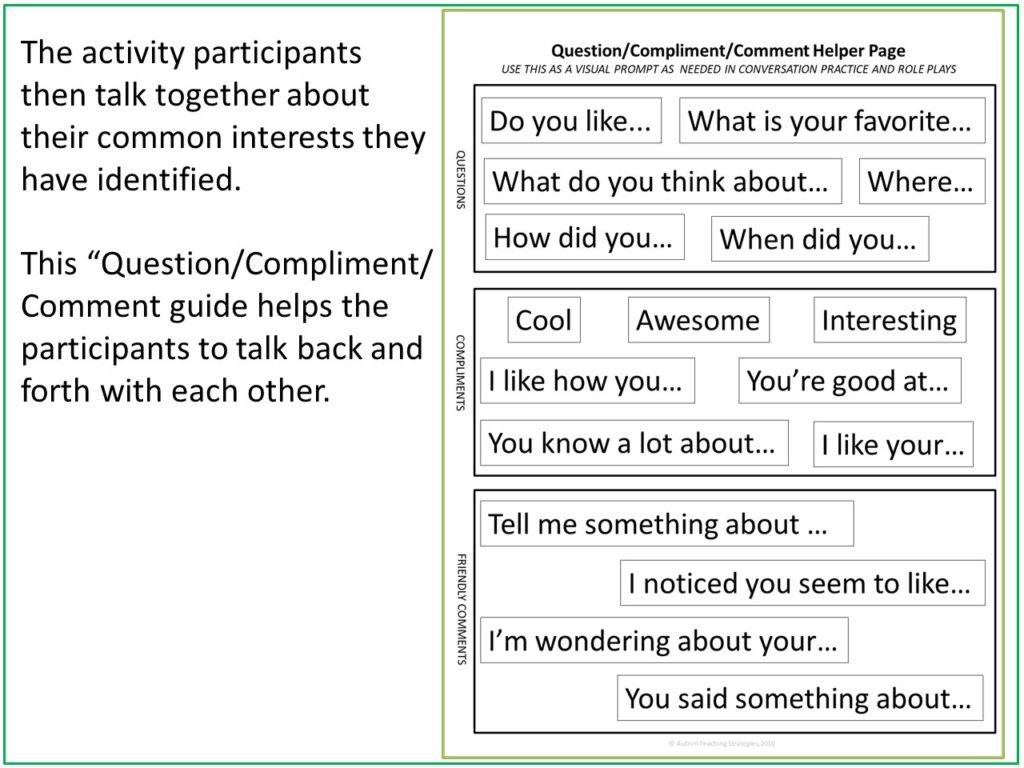
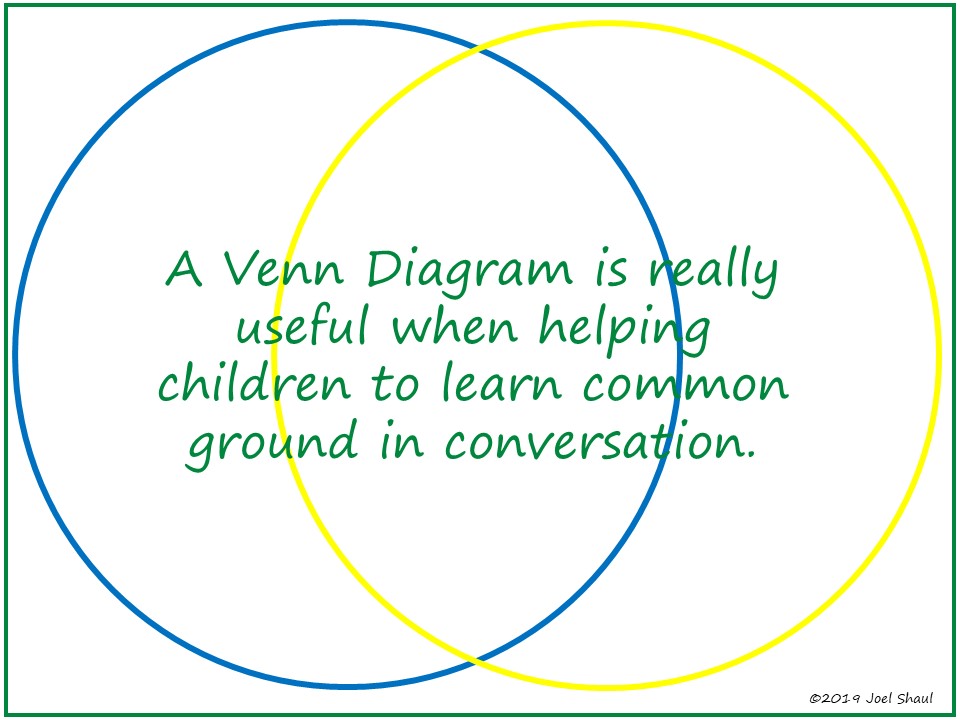
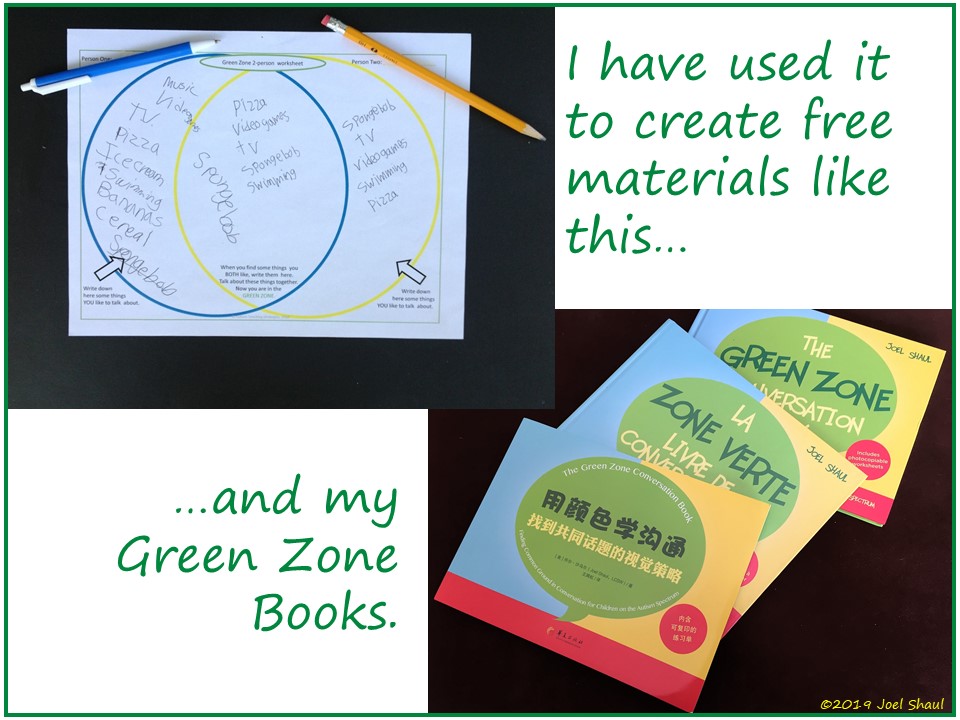
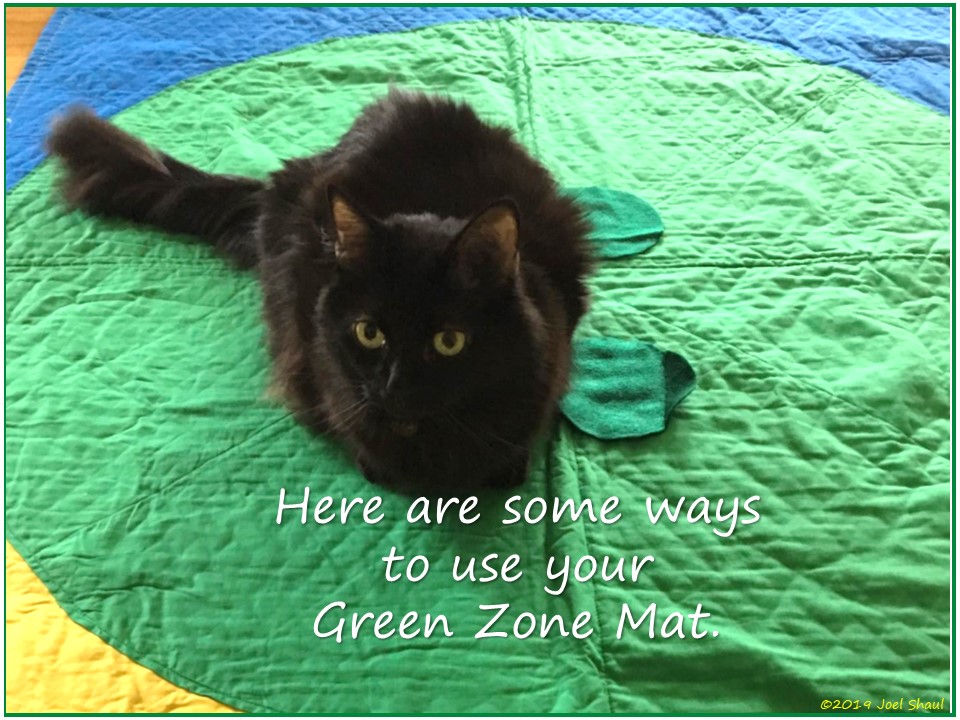
To download the Green Zone Venn Diagram Worksheet and Picture Cards, click on the link right below here:
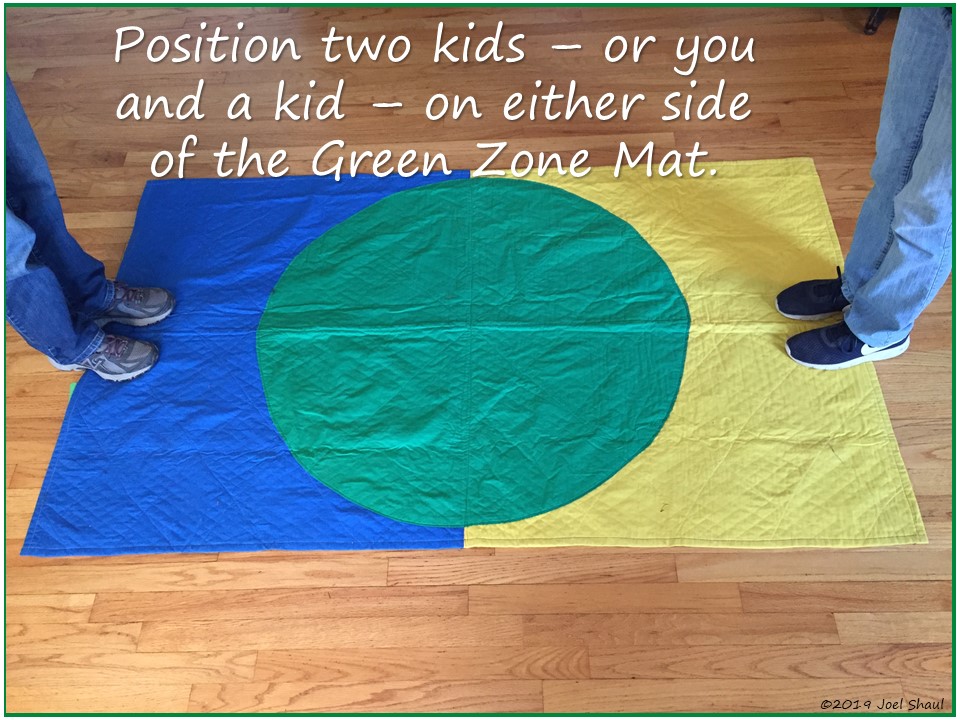
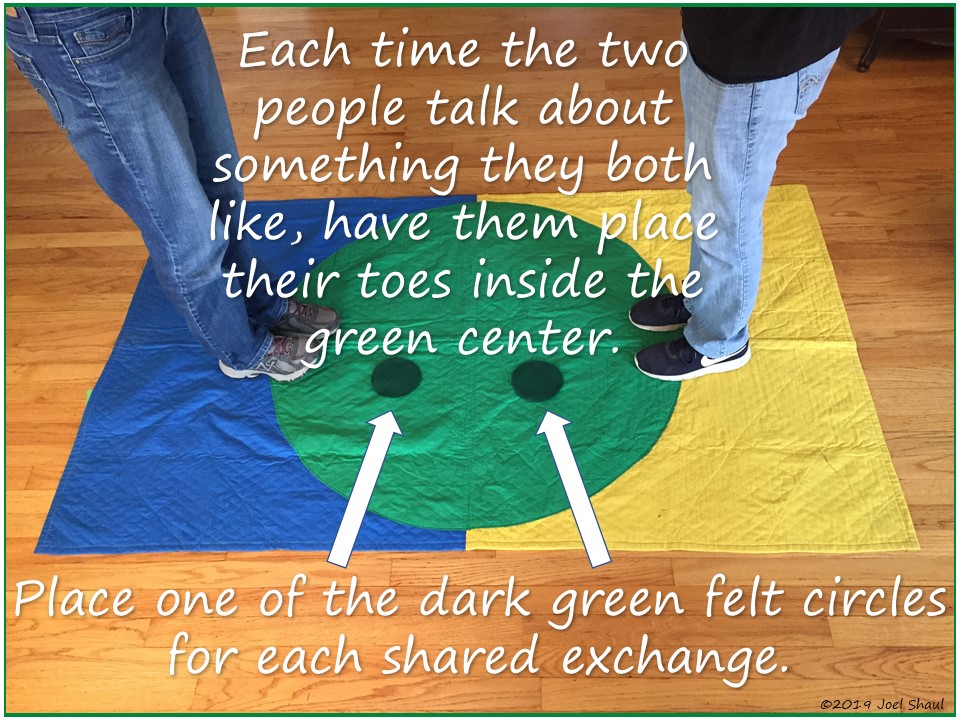
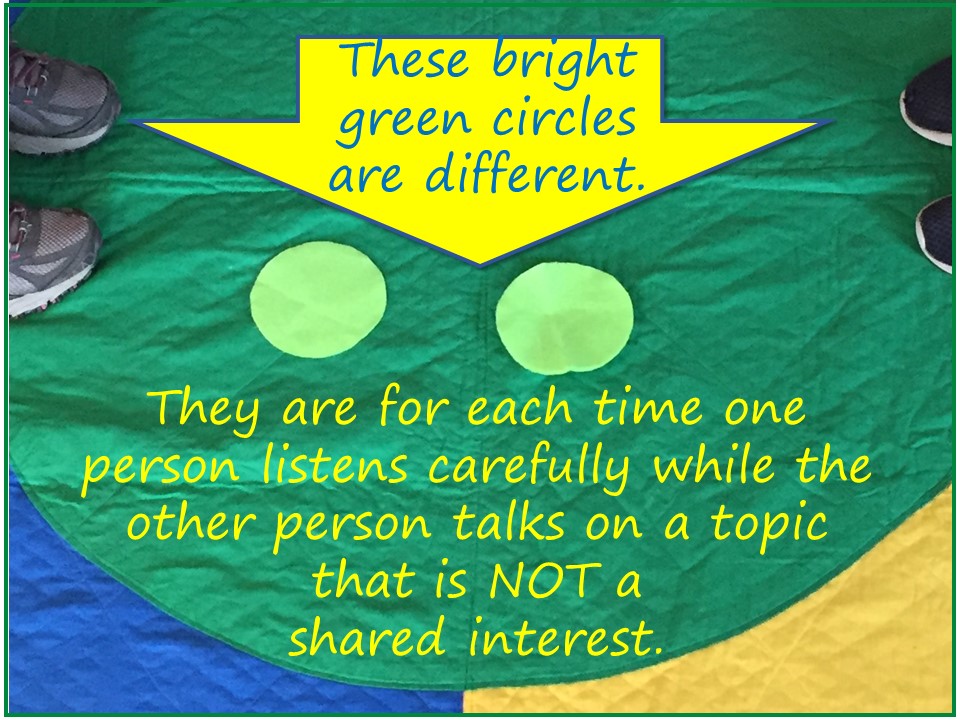
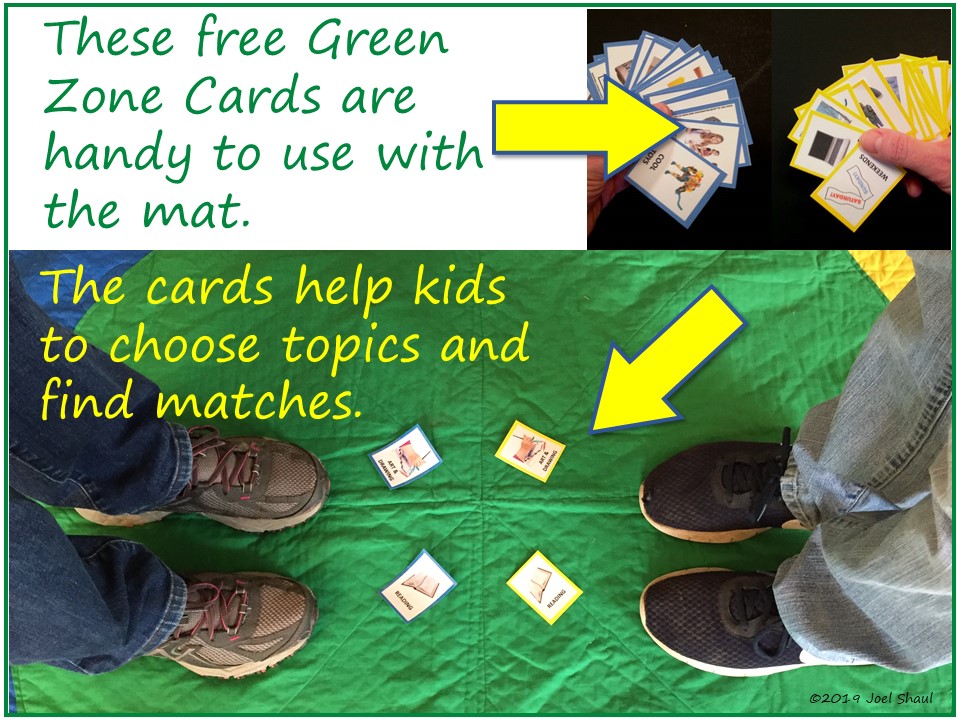
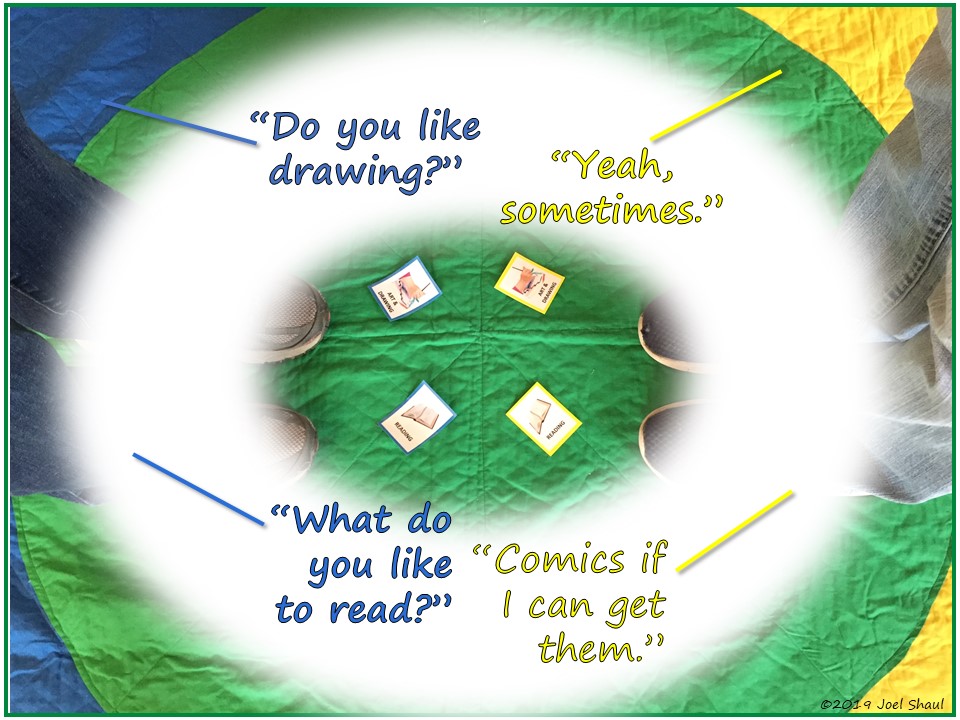
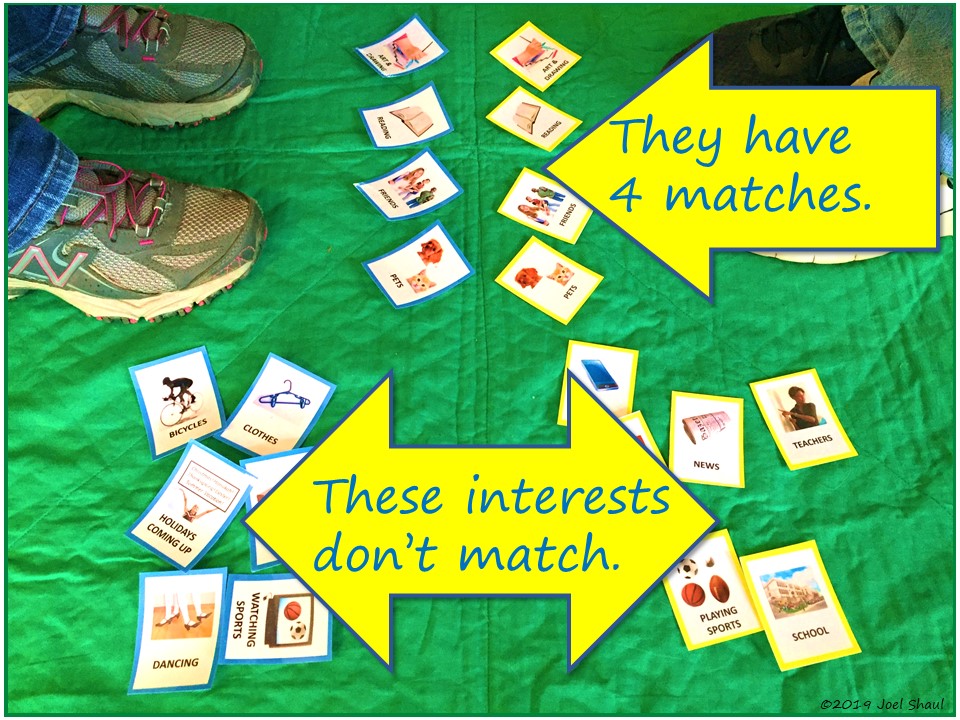
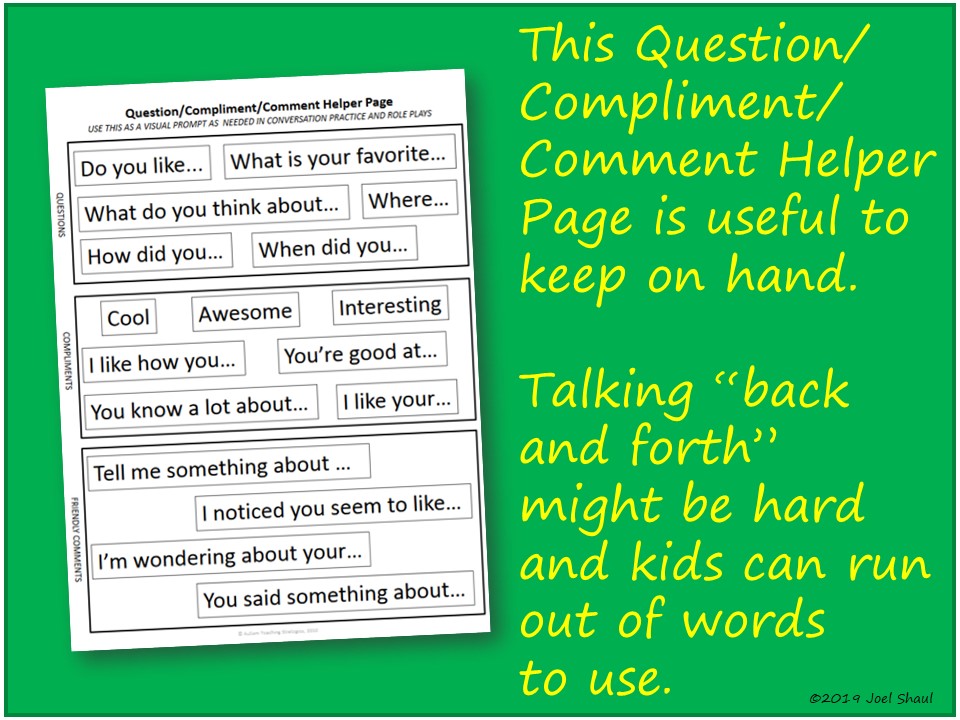
Your comments on these resources are most welcome, and often helpful. Click HERE to send an email.
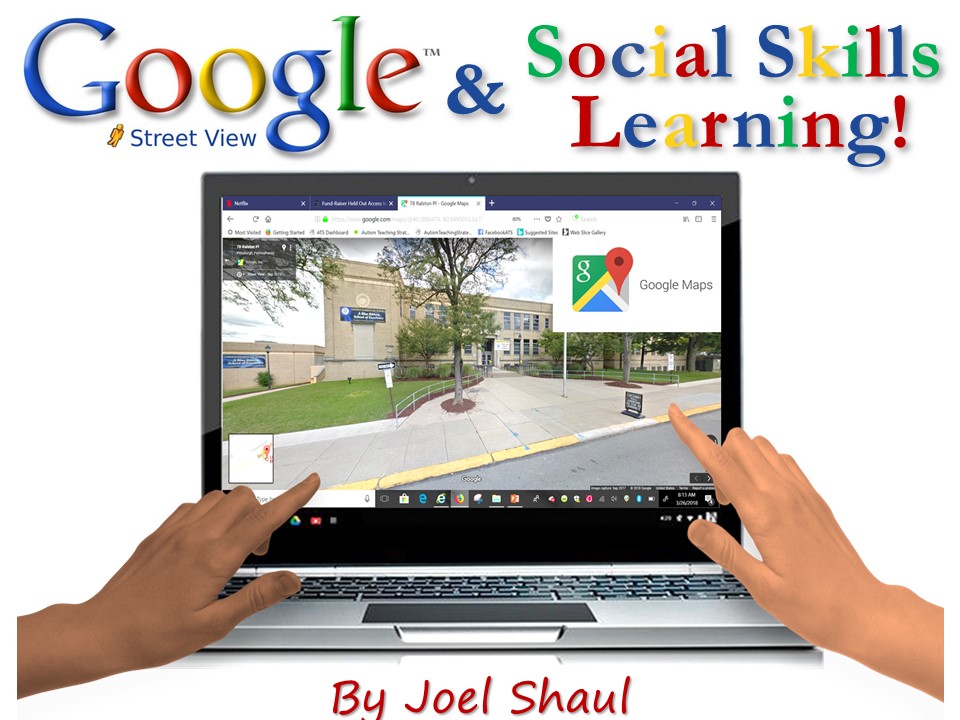
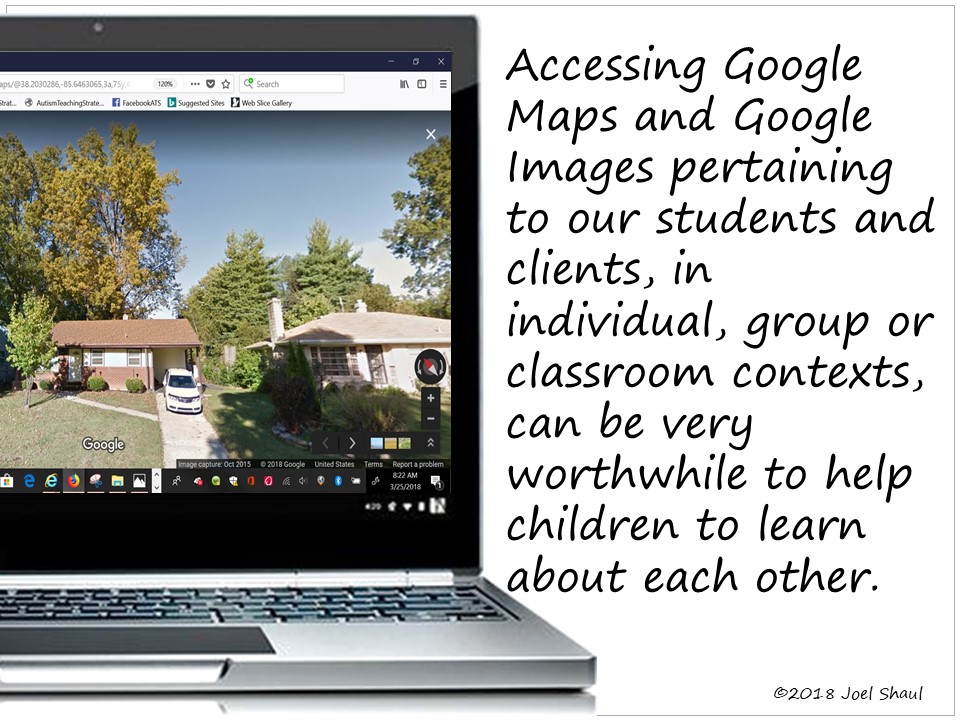
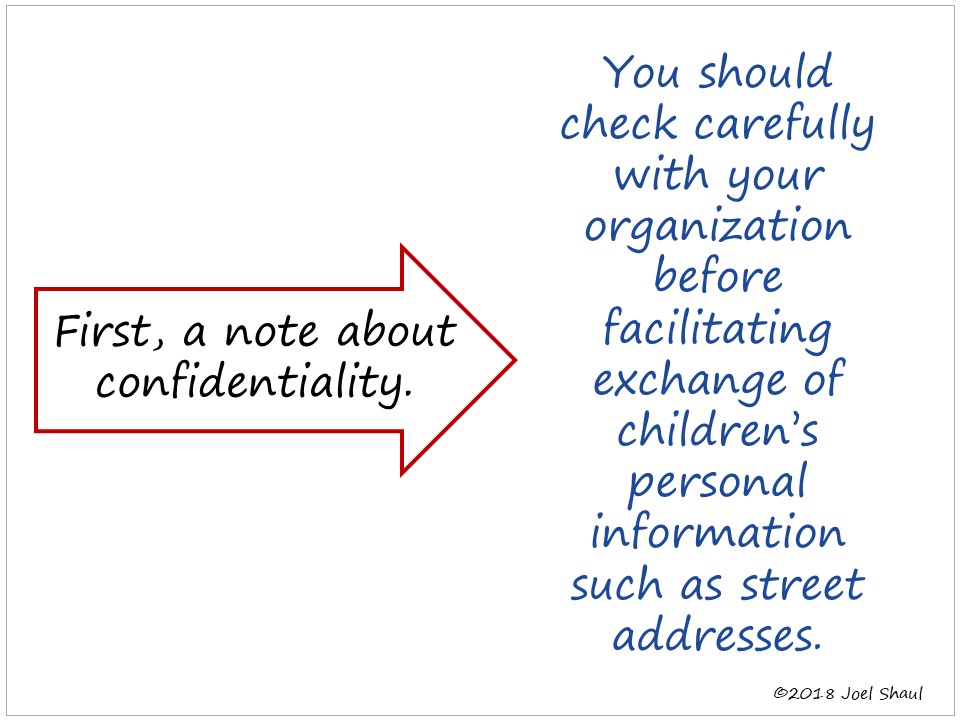
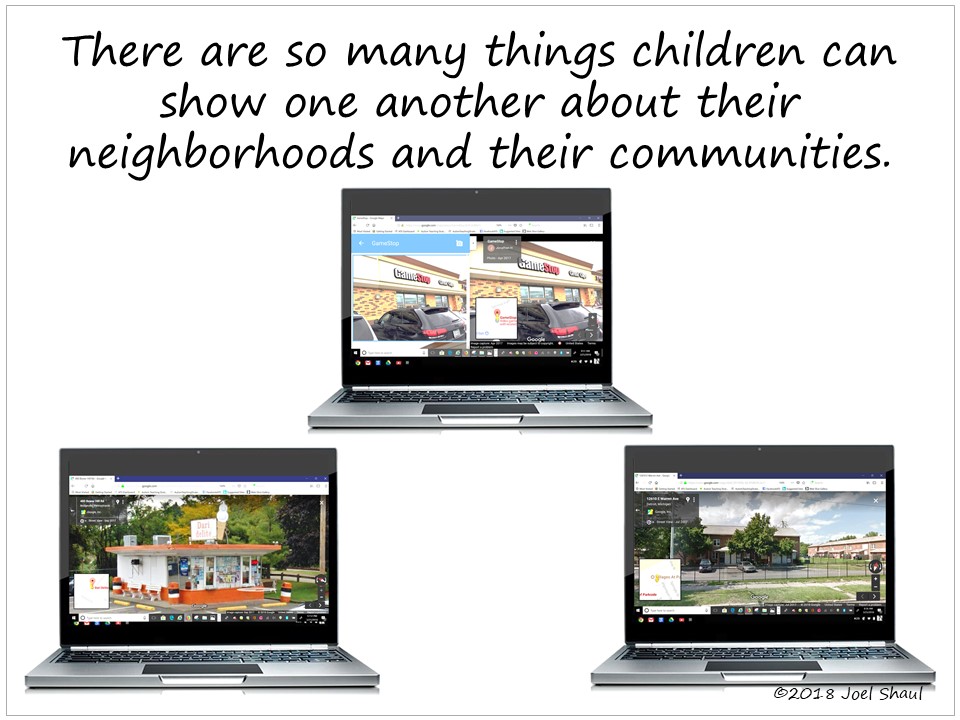
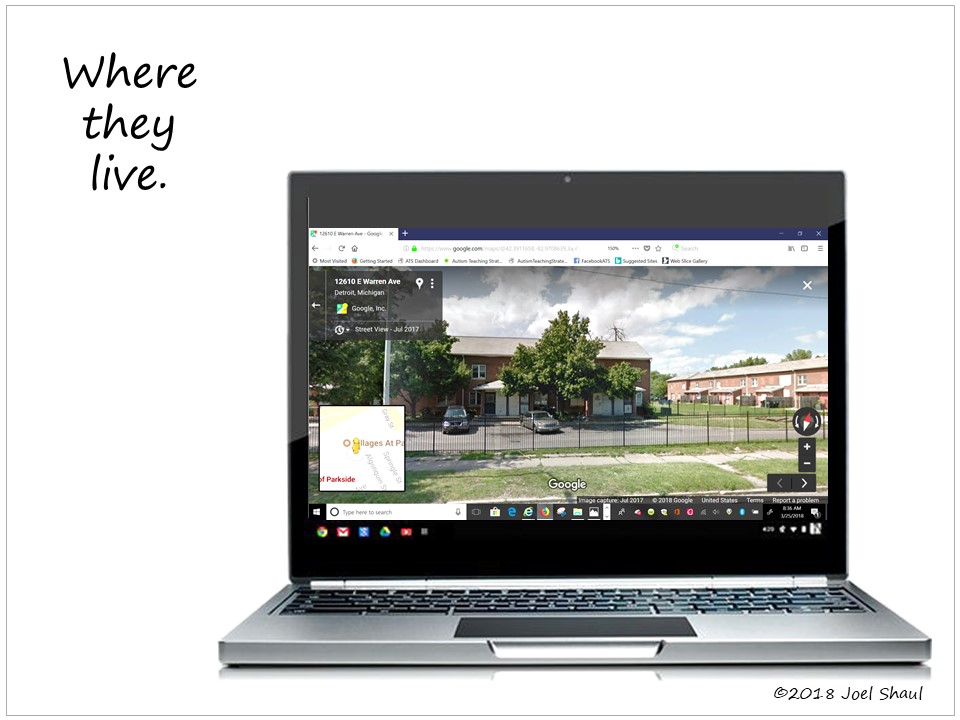
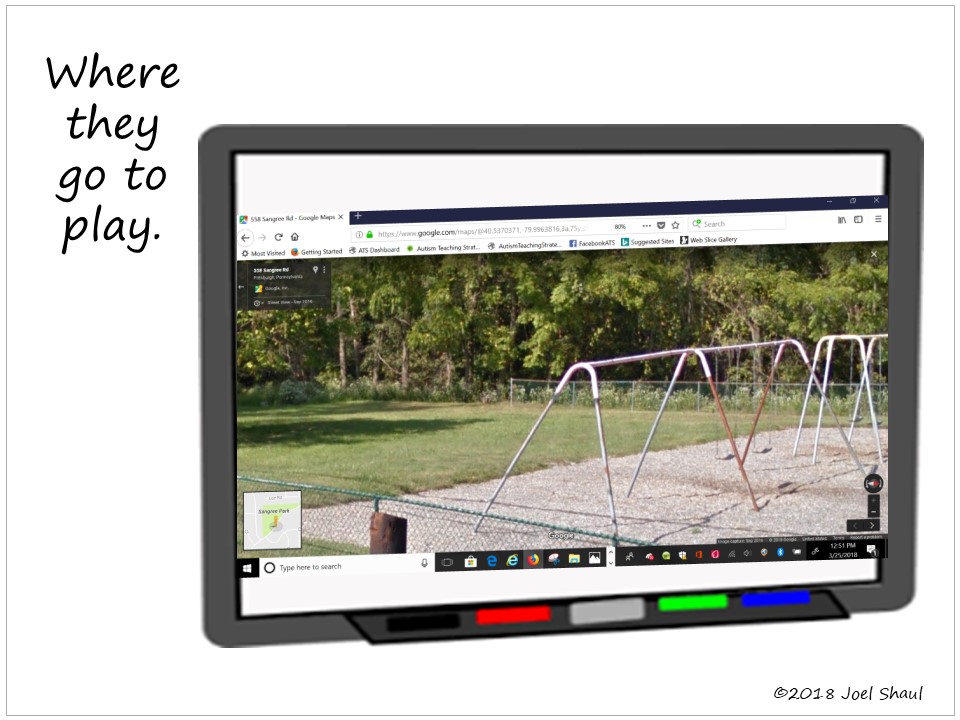
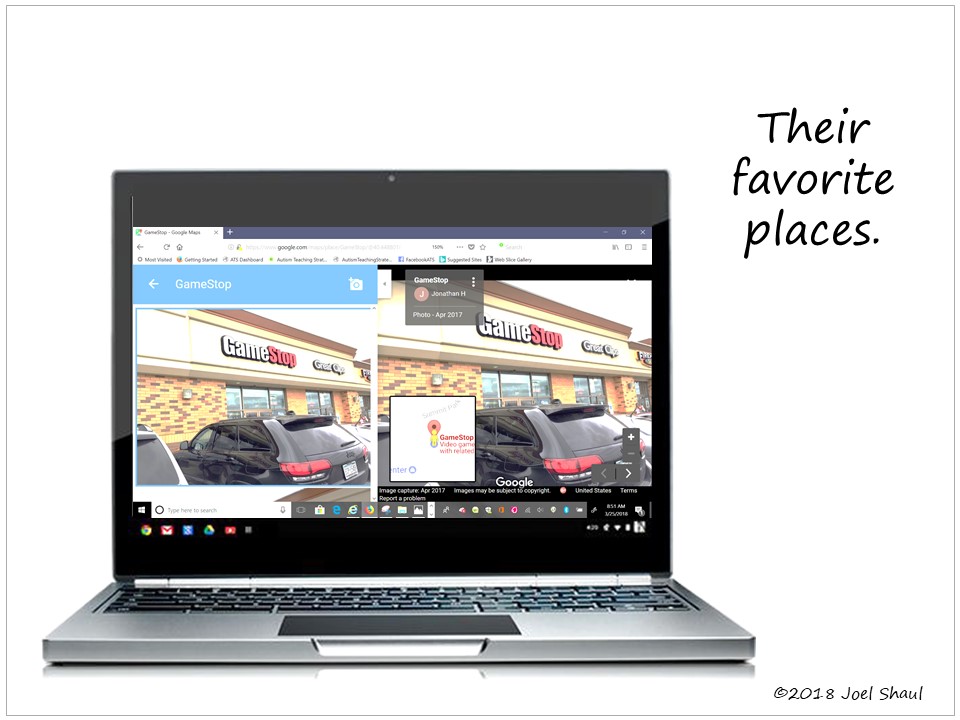
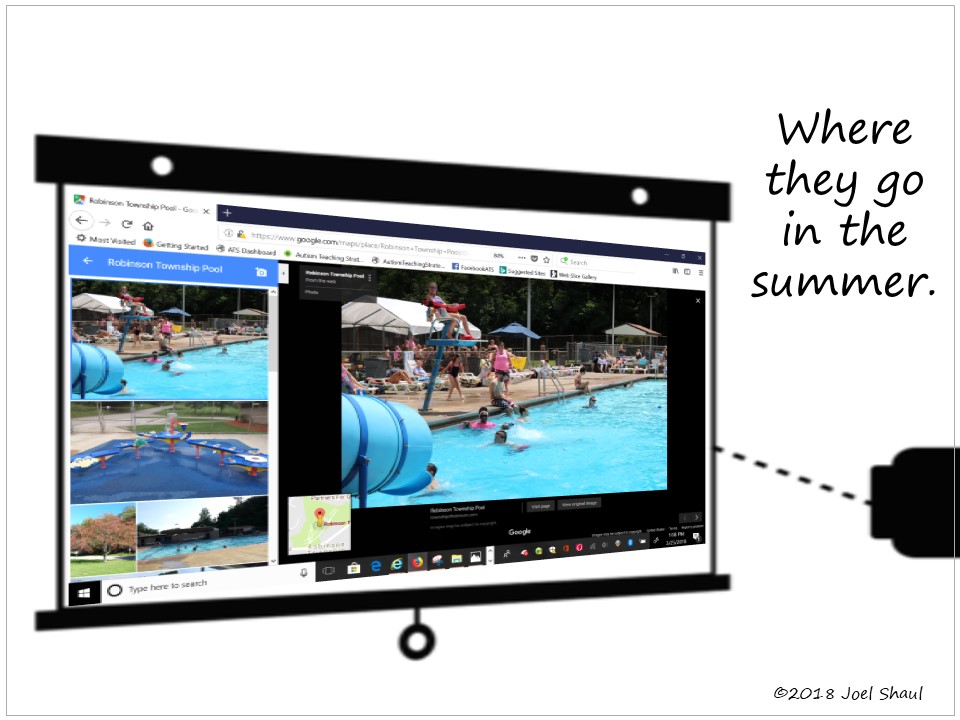
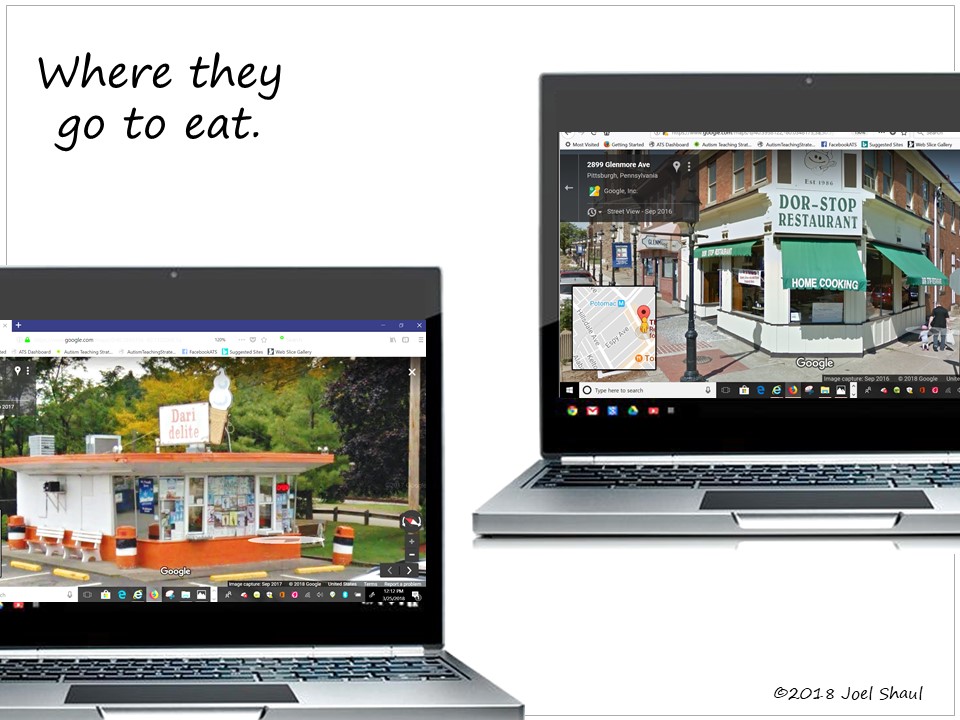
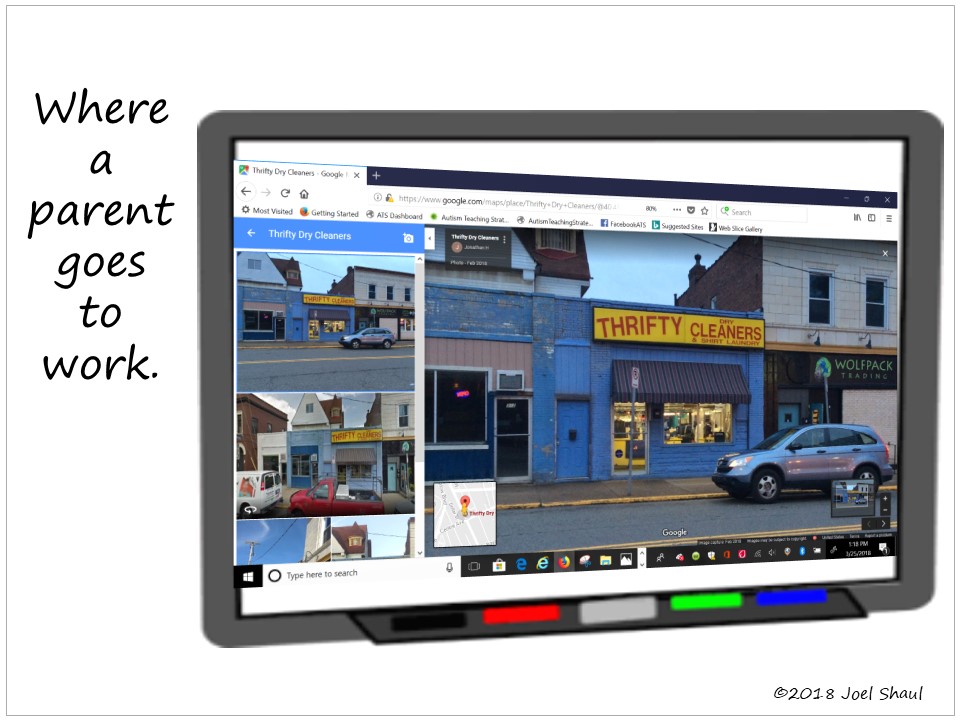
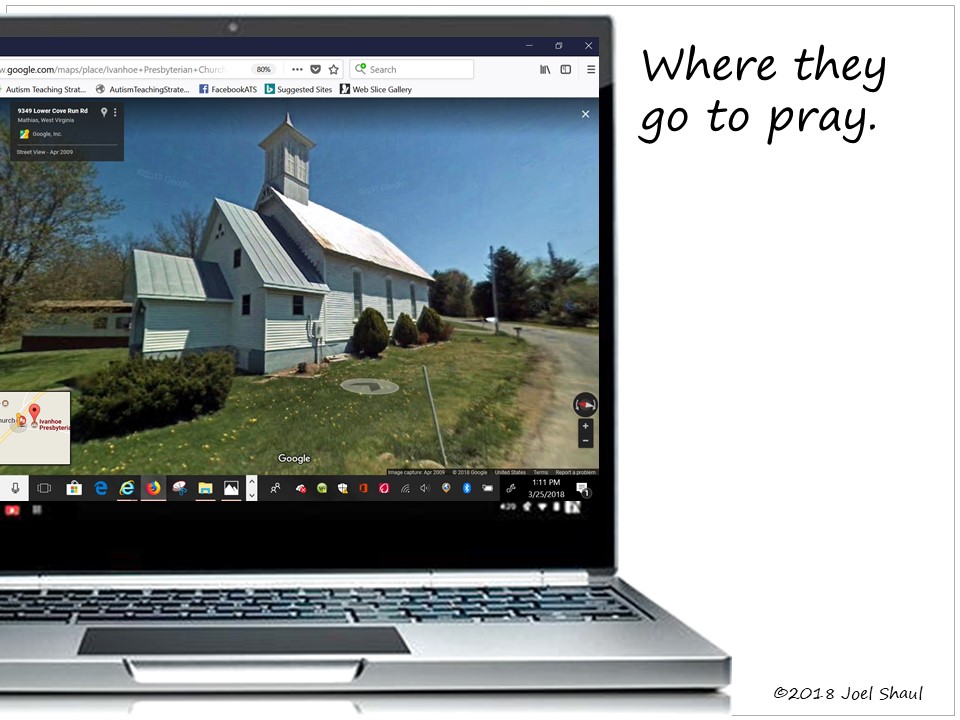
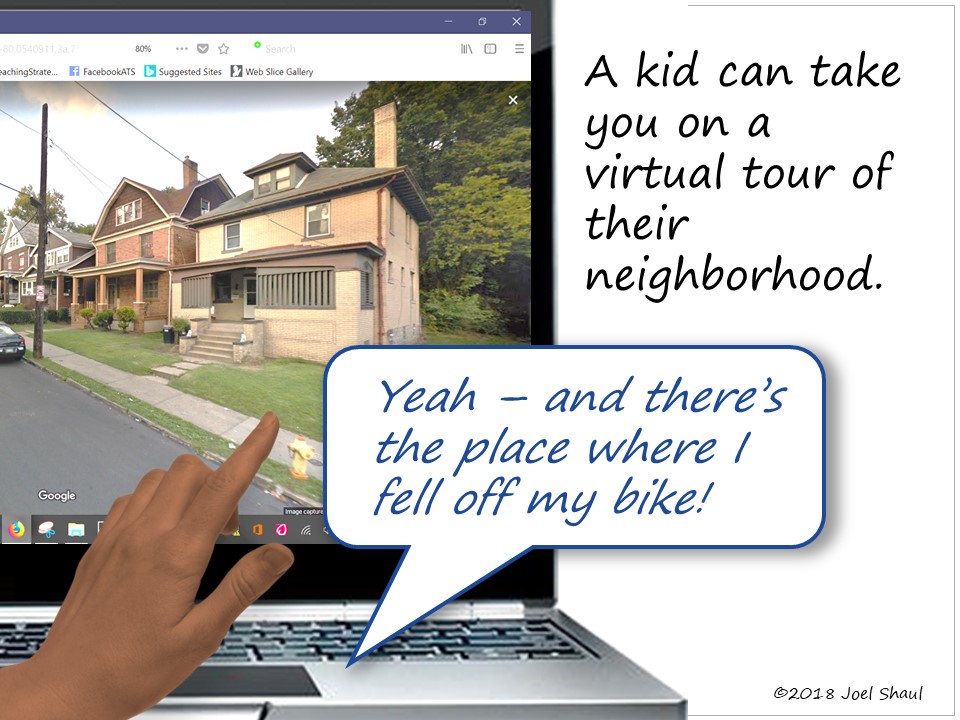
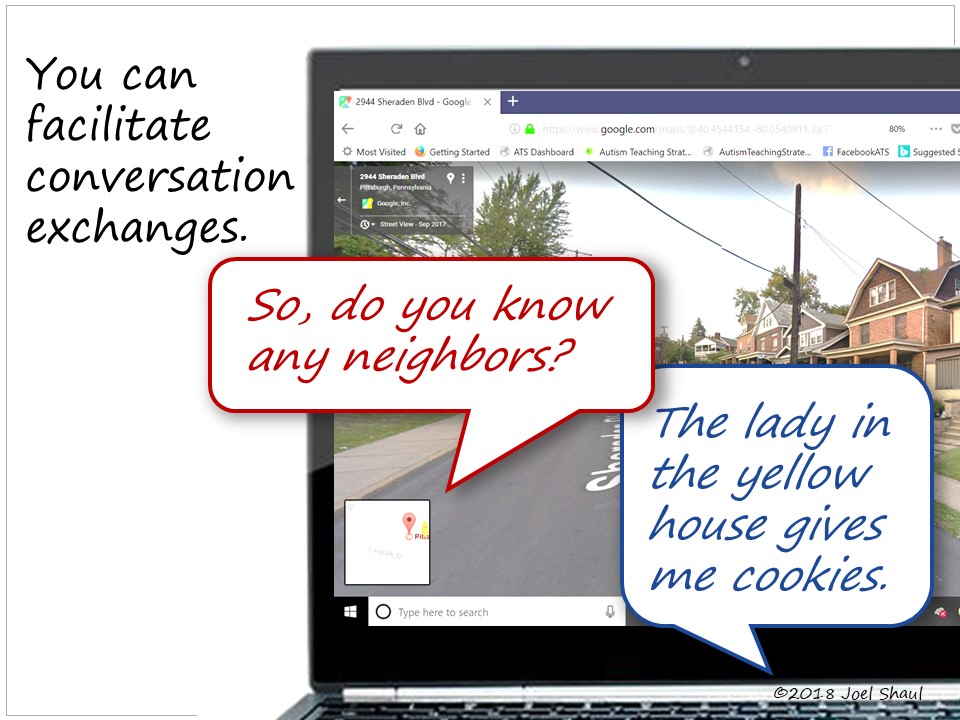
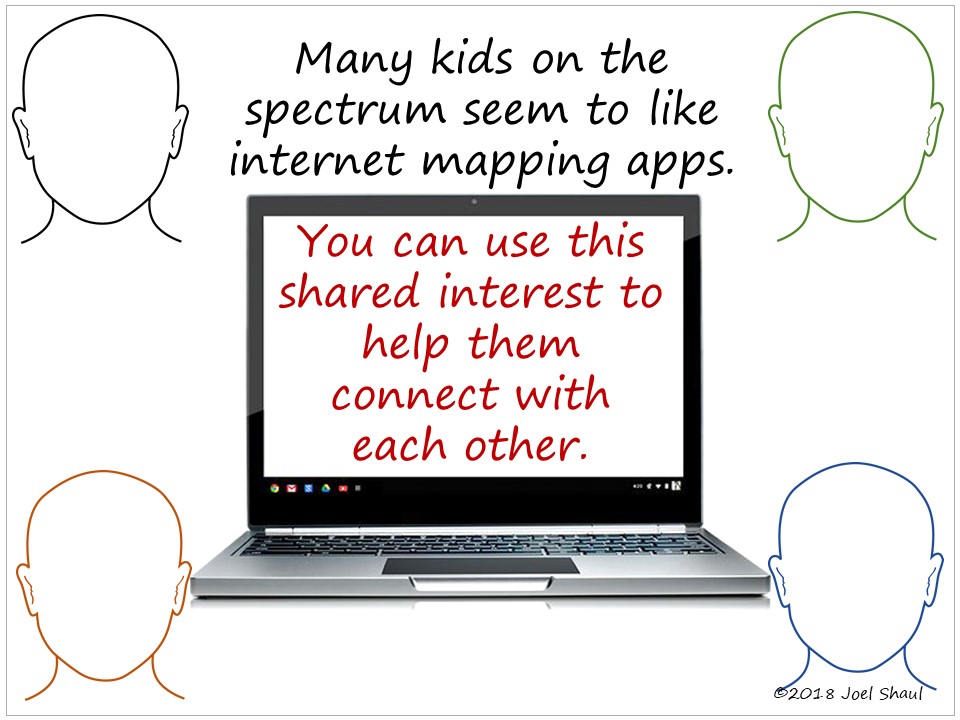
Here is another activity to promote learning about peers – check it out.
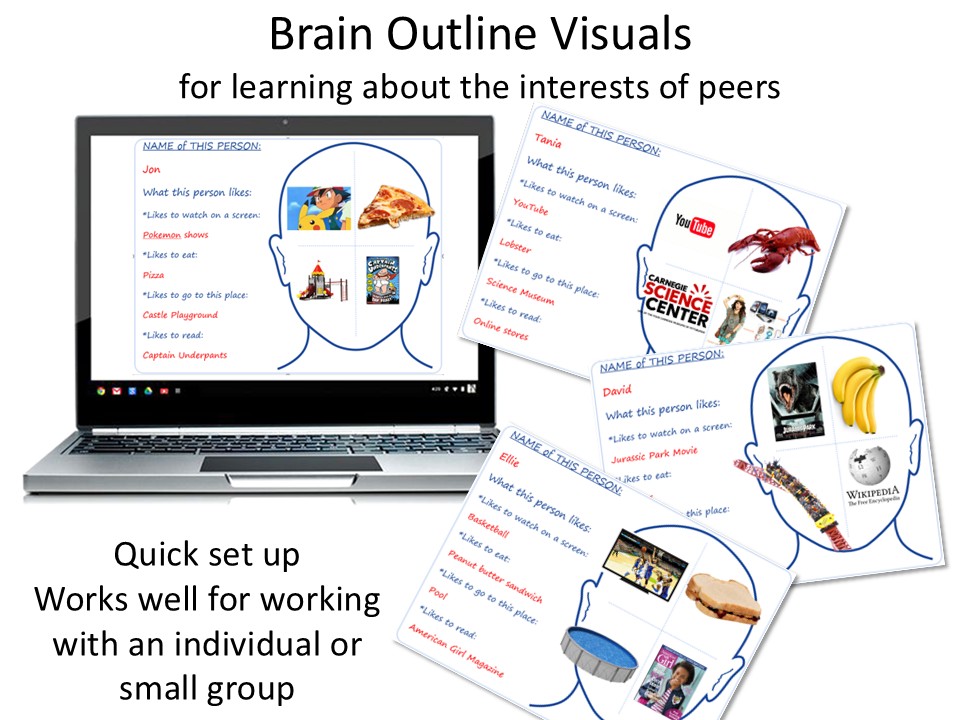
This is a good activity to do along with the Google maps activity. It further develops knowledge and interest about peers.
Your comments on these resources are most welcome, and often helpful. Click HERE to send an email.
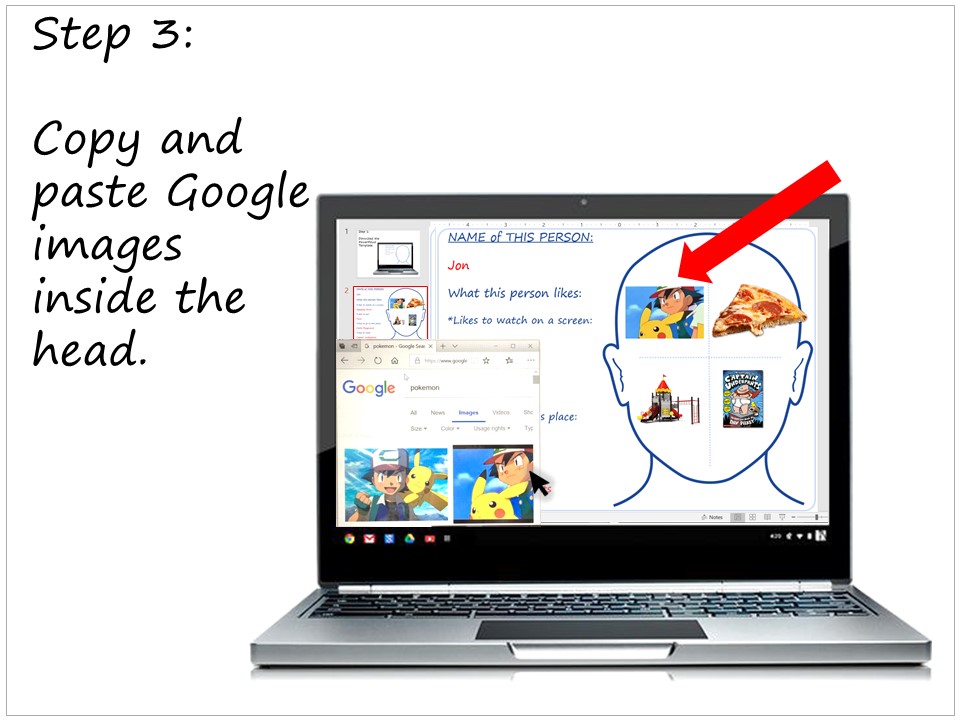
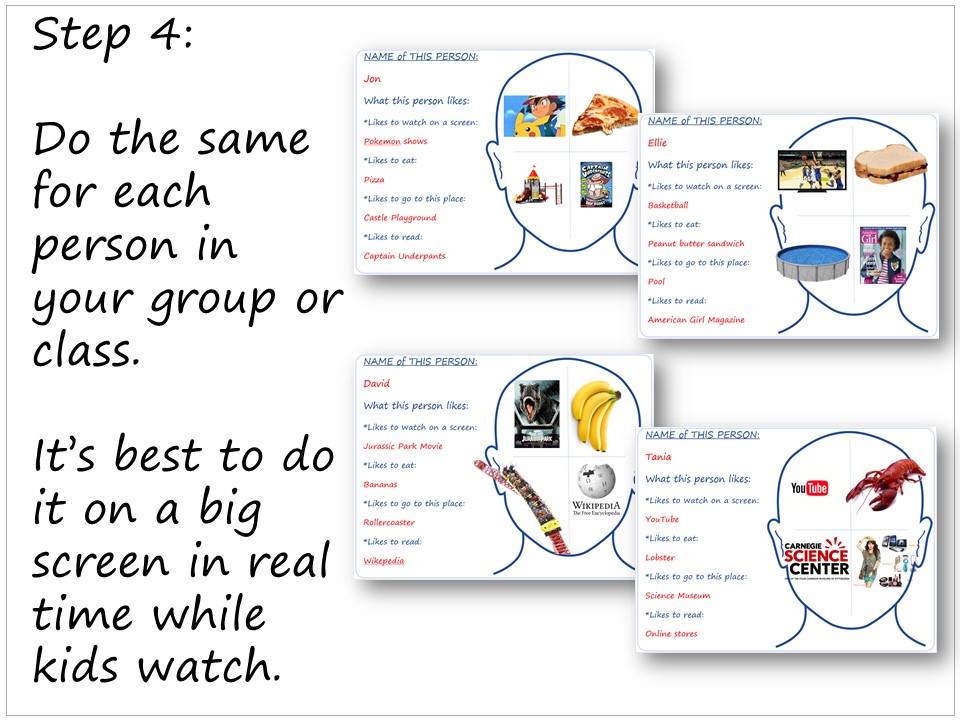
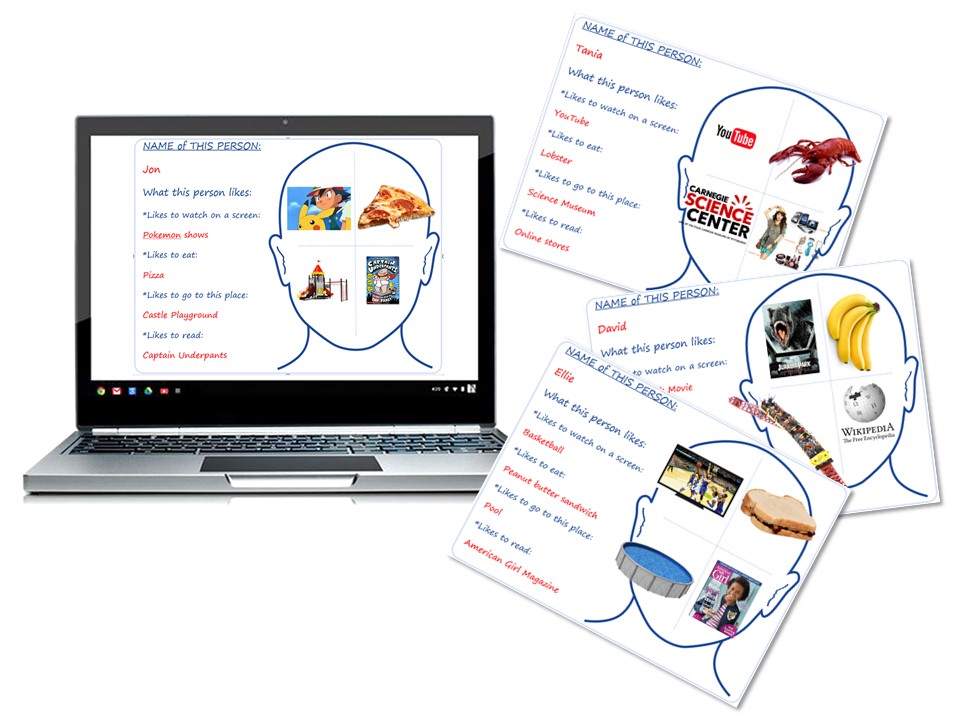 Quick and easy method to help children with autism to learn interests of other people
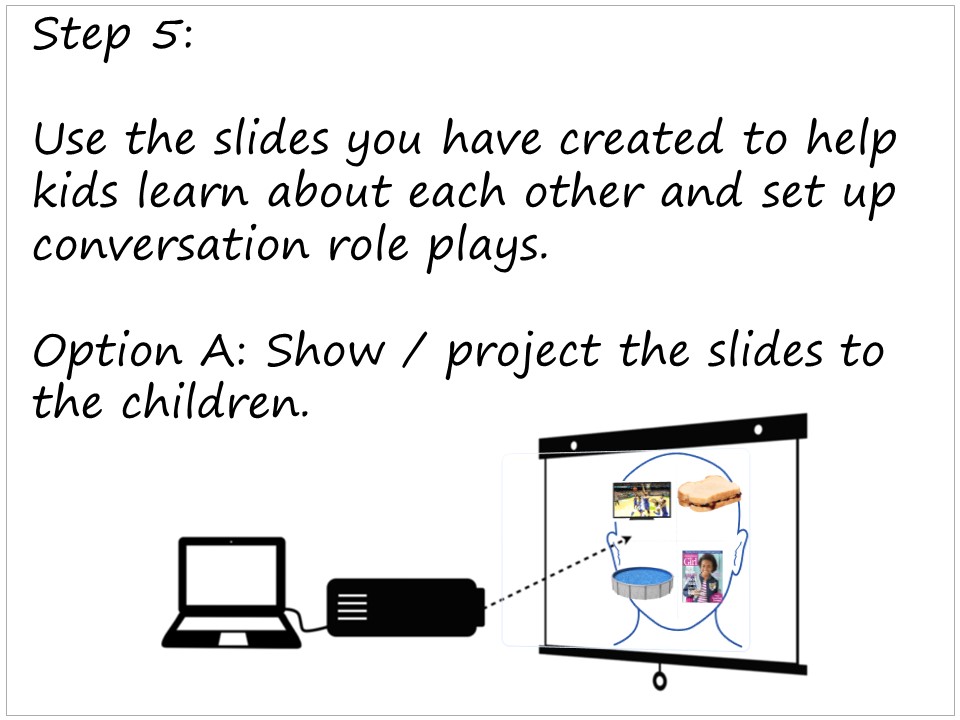
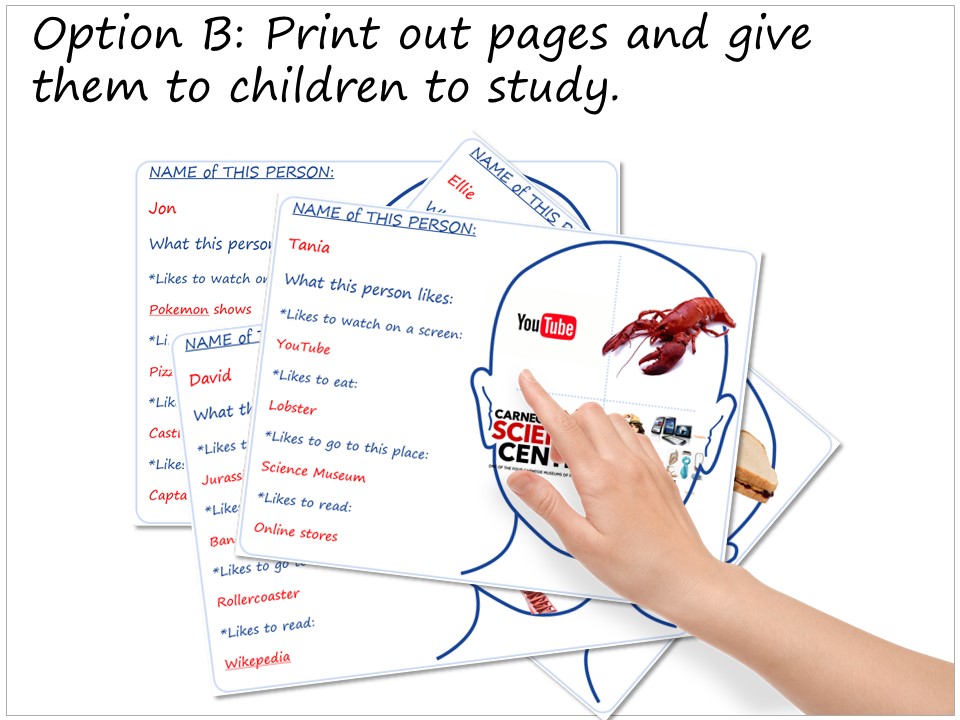
Children with autism spectrum disorders, or children whose knowledge of peers is affected by isolation, anxiety or intellectual disability, benefit from colorful and concrete learning materials when we are helping them learn about other people. Whether you are working with one child or a whole room full of kids, you really should try this social skills learning activity. It is quick to set up. I give you PowerPoint templates and you just copy and paste images onto them, add some text, and you are ready to go. This social skills activity is screen-based, and many children seem to never get tired of looking at screens. There are options to print out drawing worksheets as well.
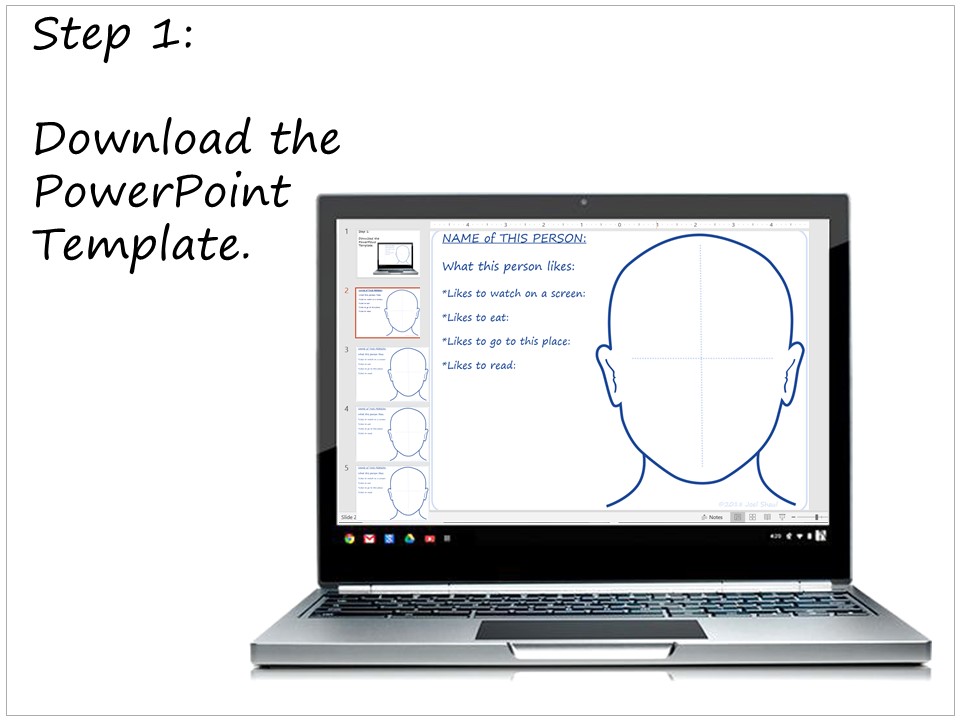
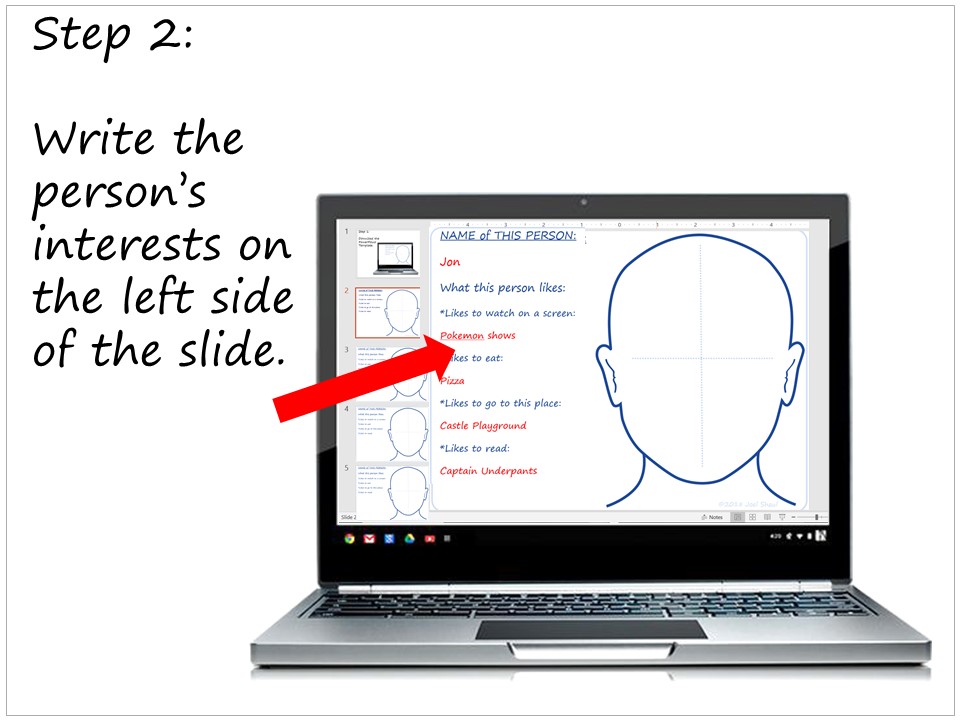
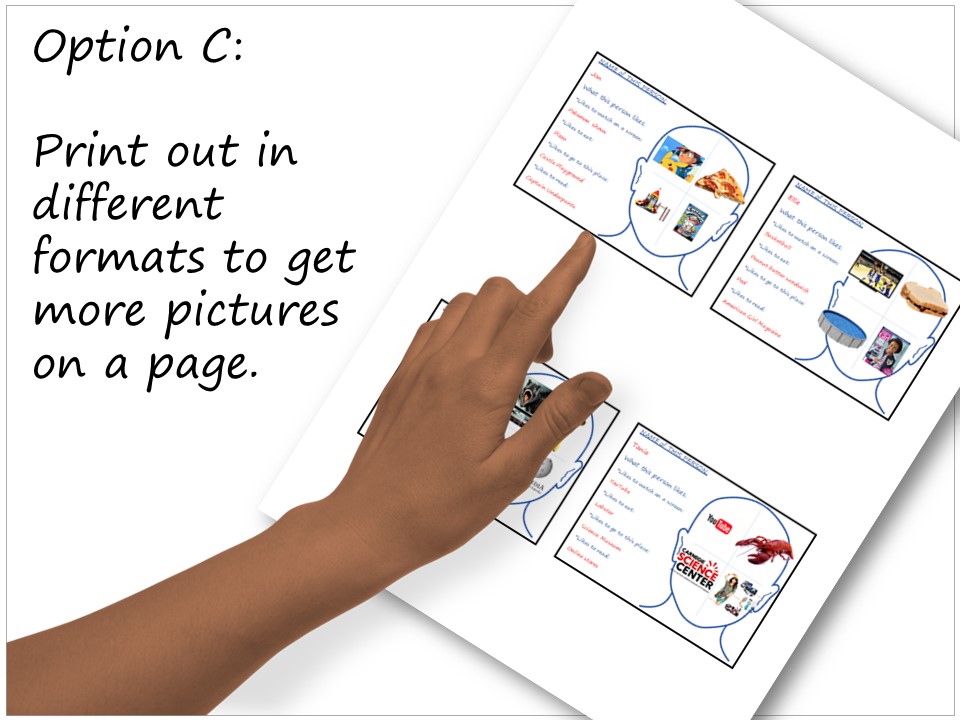
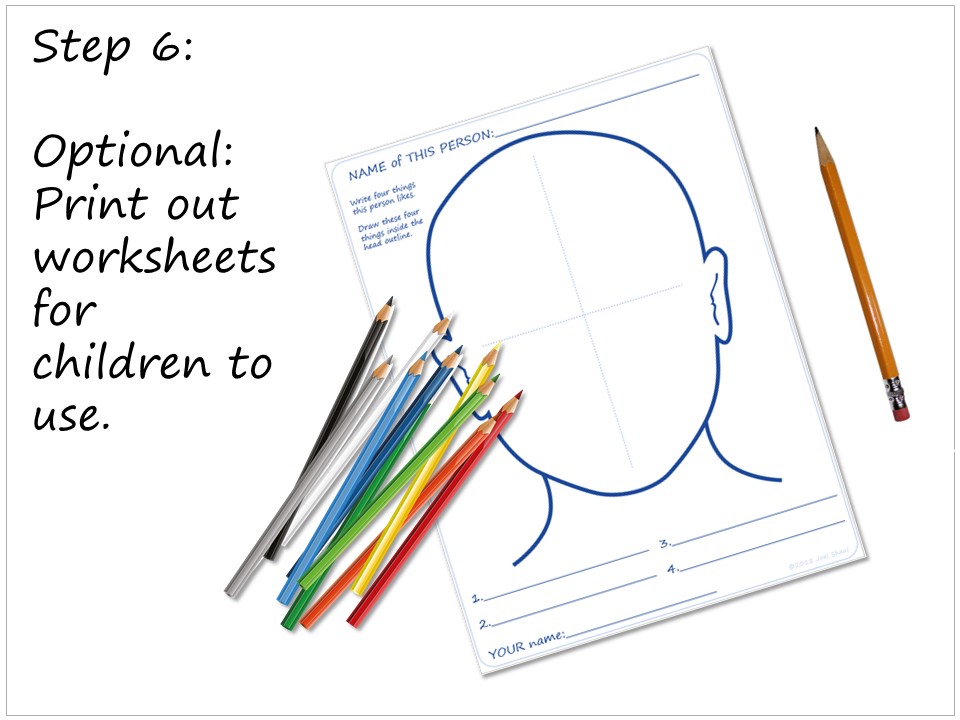 I hope you enjoy enjoy this activity.
Your comments on these resources are most welcome, and often helpful. Click HERE to send an email.
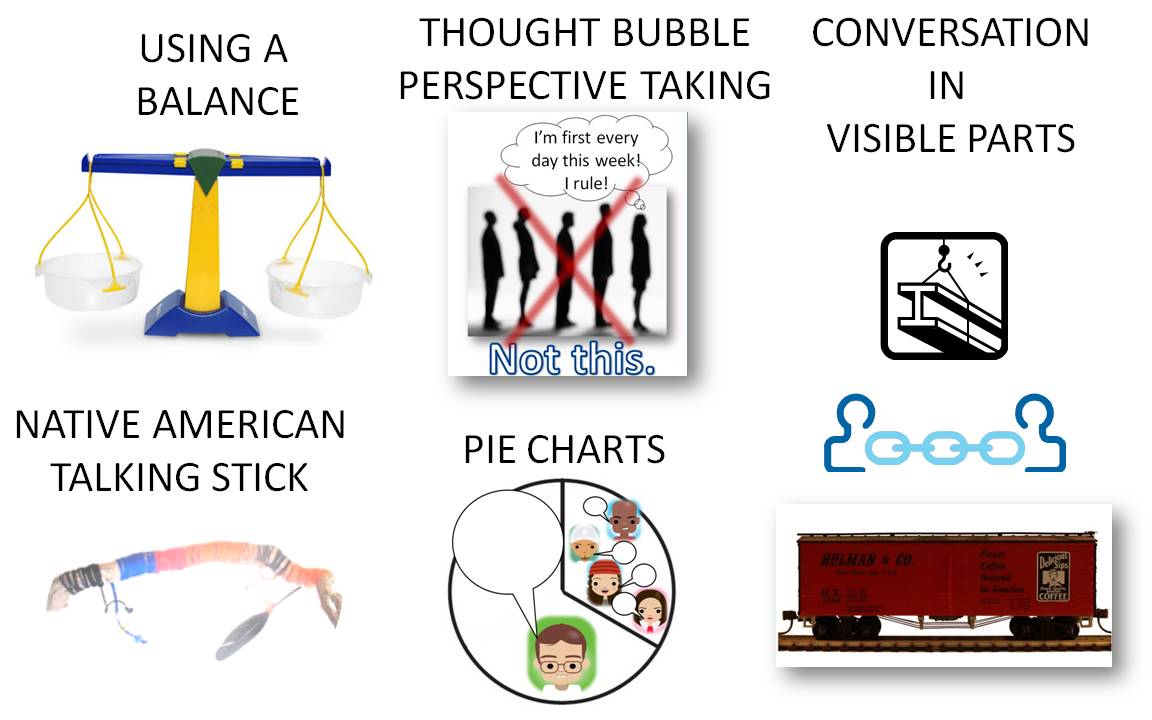
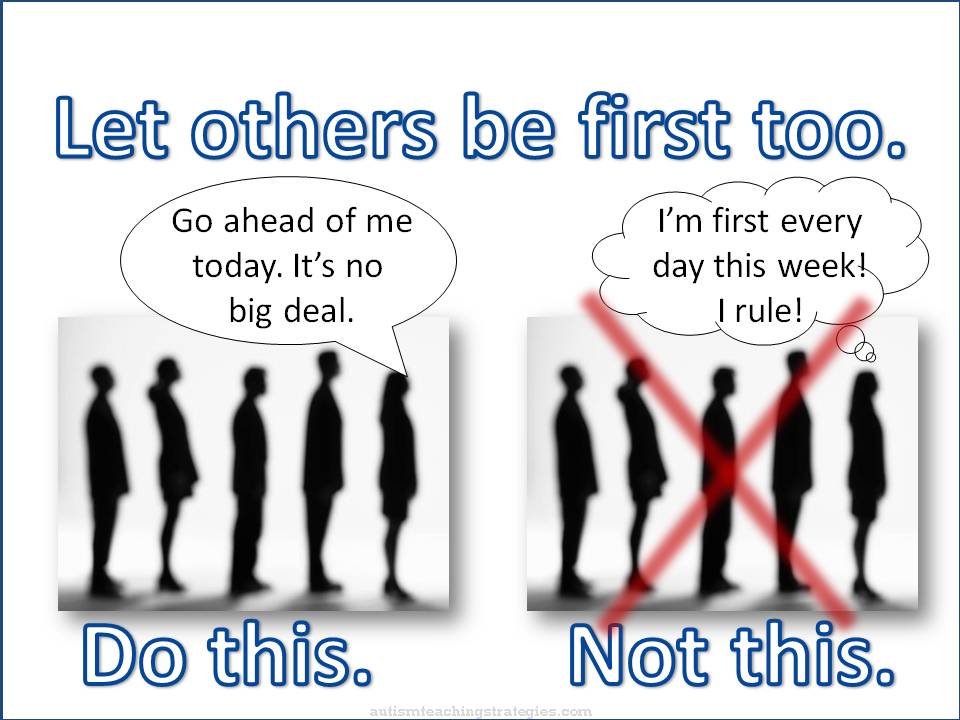
Your comments on these resources are most welcome, and often helpful. Click HERE to send an email.