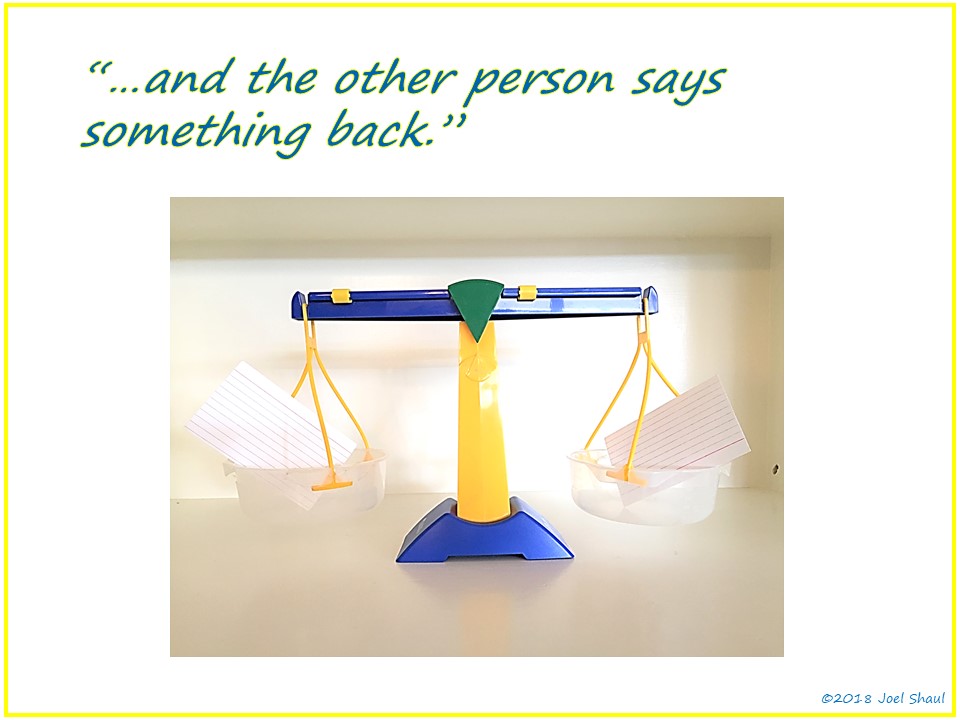
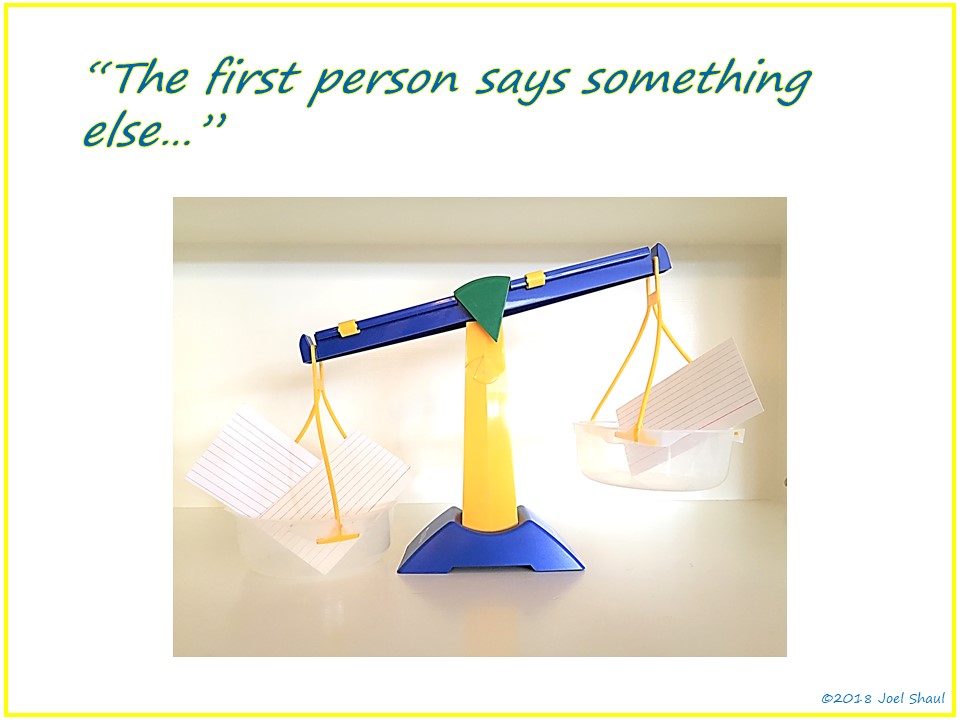
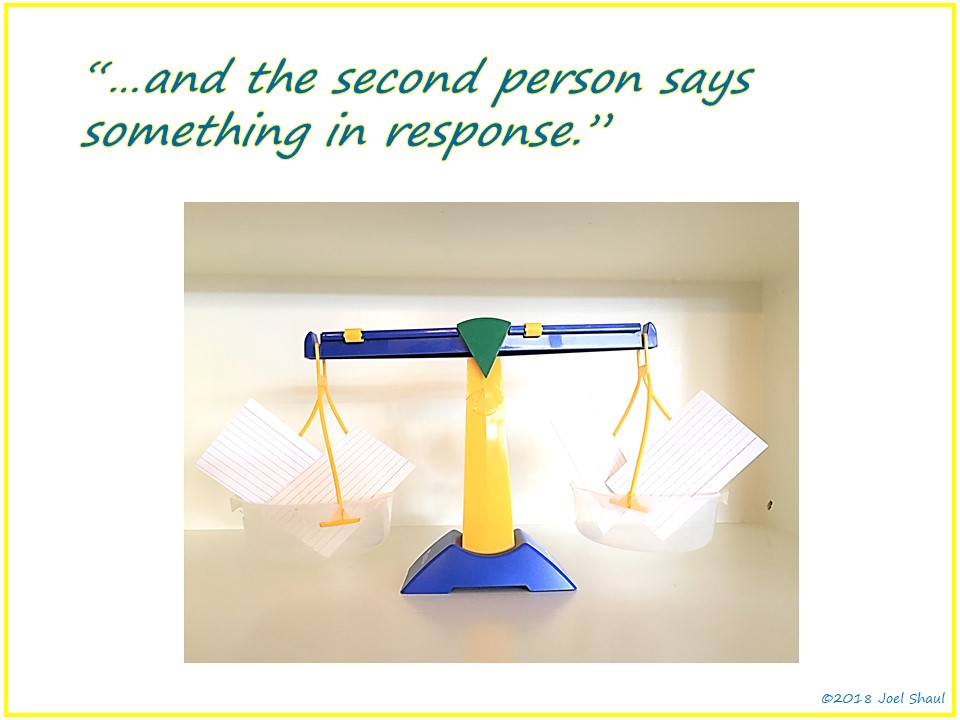
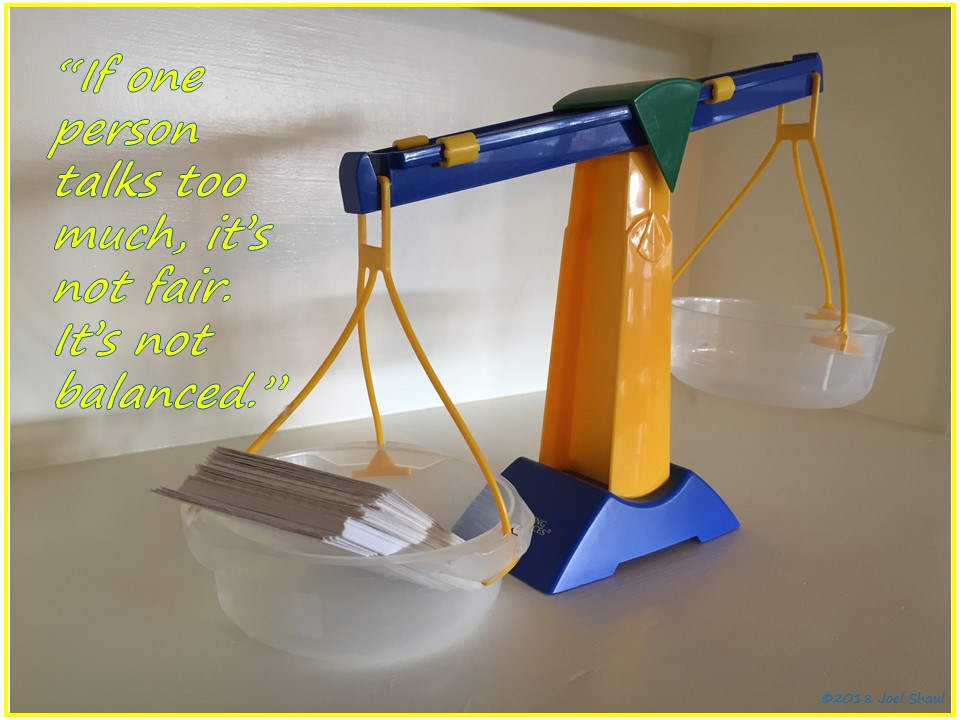
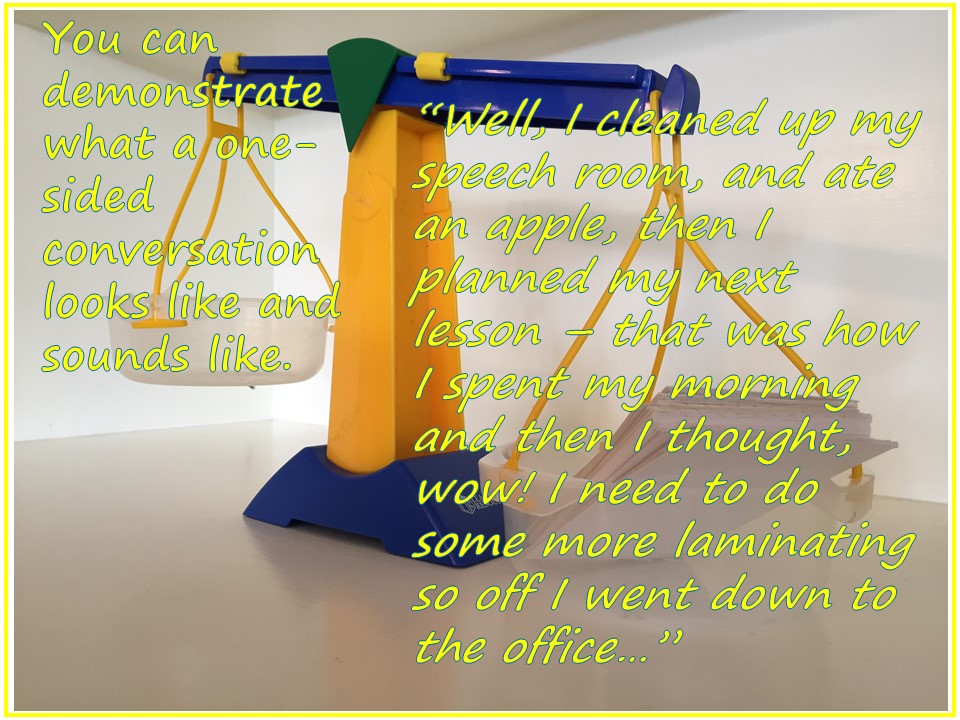
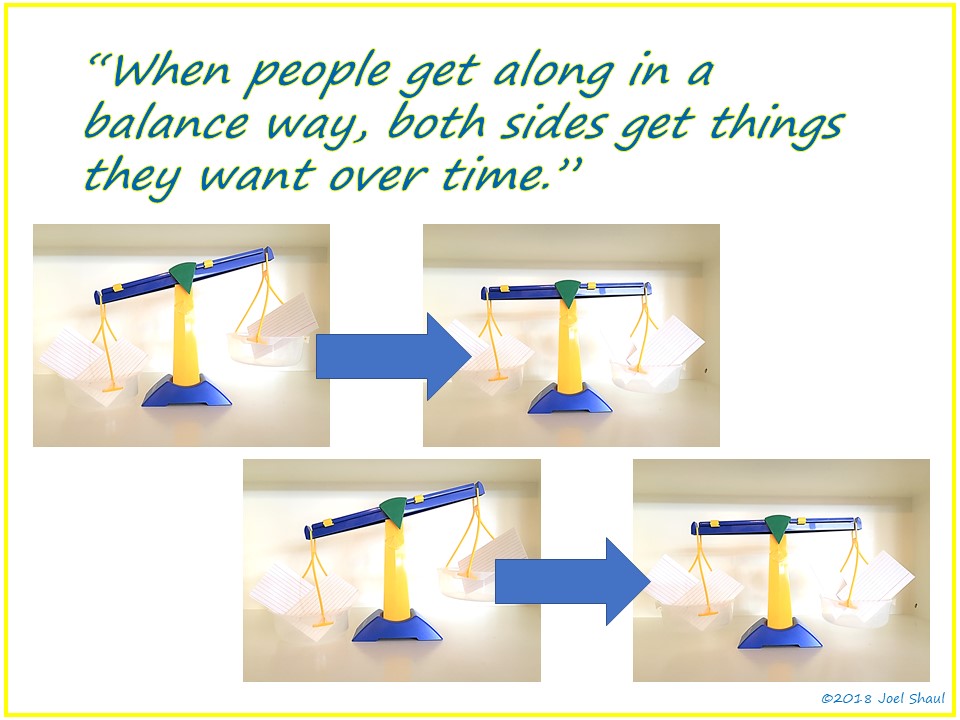
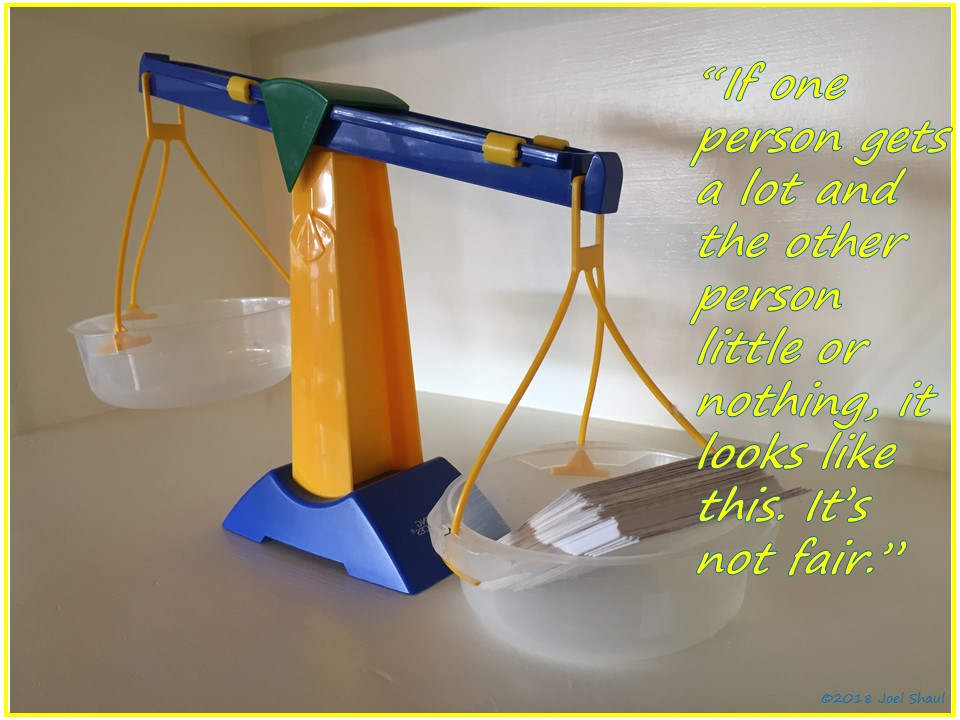
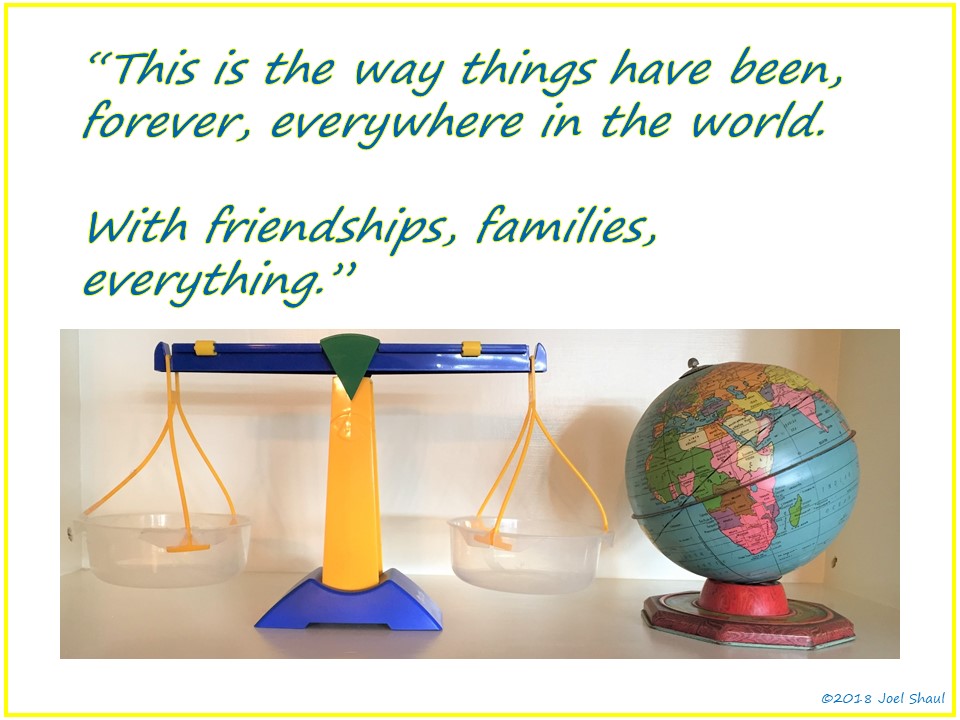
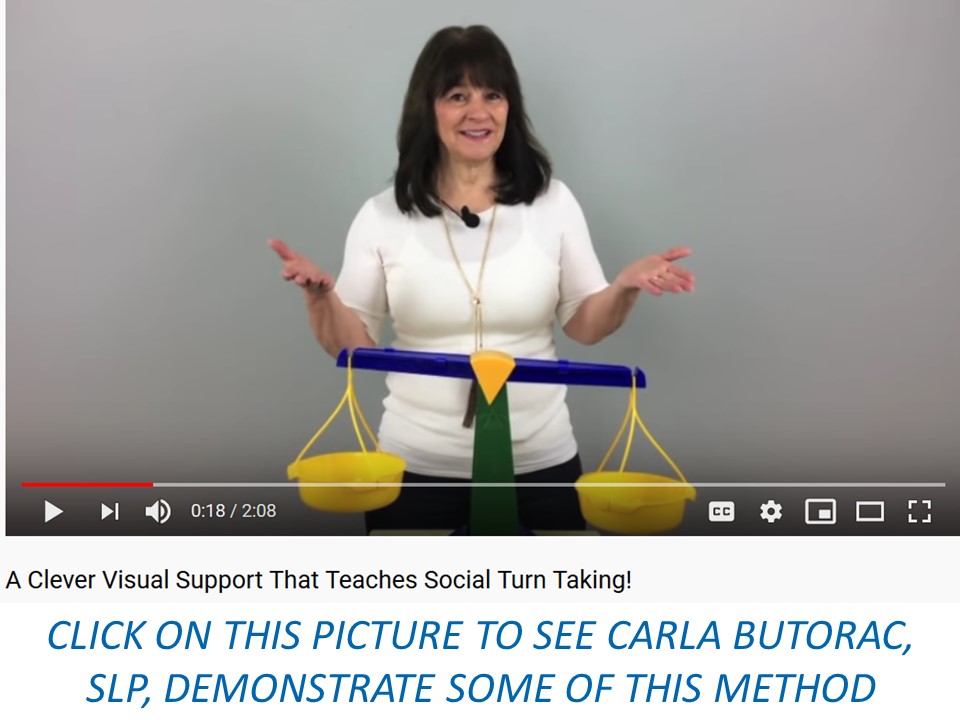
A toy balance is an amazing social skills lesson strategy to teach children with Asperger's and other autism spectrum disorders about "balance" in relationships
{Dear reader: If you are in a hurry to get to the point, just go to my basic but succinct YouTube video:http://bit.ly/AxtMPU}
This is the third in a multi-part series on using compelling, hands-on visuals to help children on the autism spectrum to learn about “balance” in relationships.
To restate our premise: Children with Asperger’s and other autism spectrum disorders often have great difficulty comprehending cause and effect in relationships. These same children tend to not learn well from unguided social experience. They do, however, often learn really well when they are taught about these social concepts using visual methods, since many children with autism are strong visual learners.
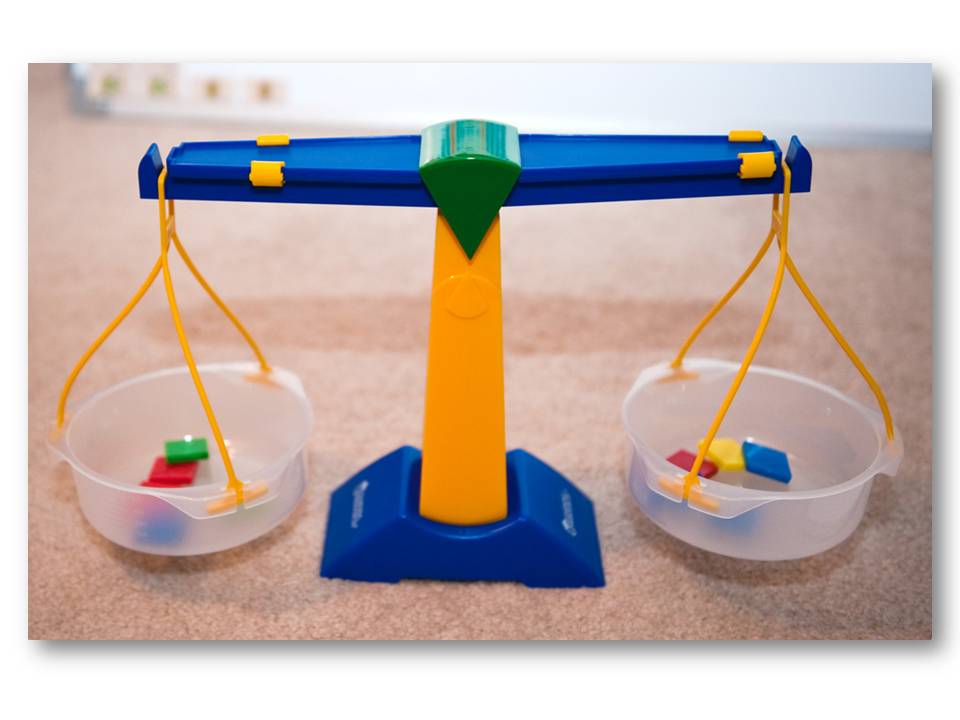
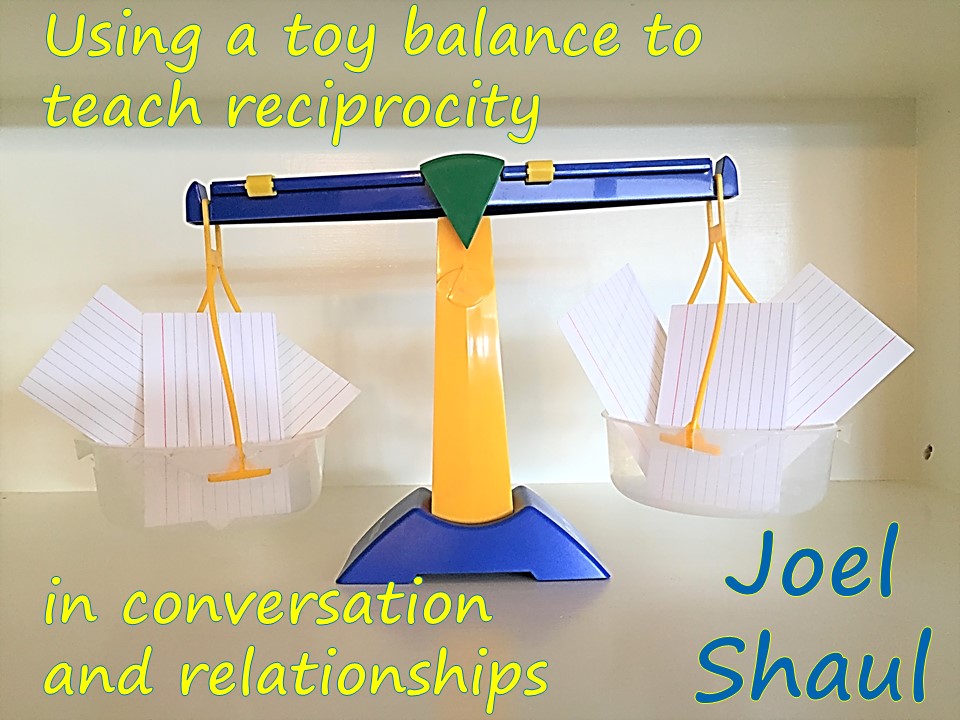
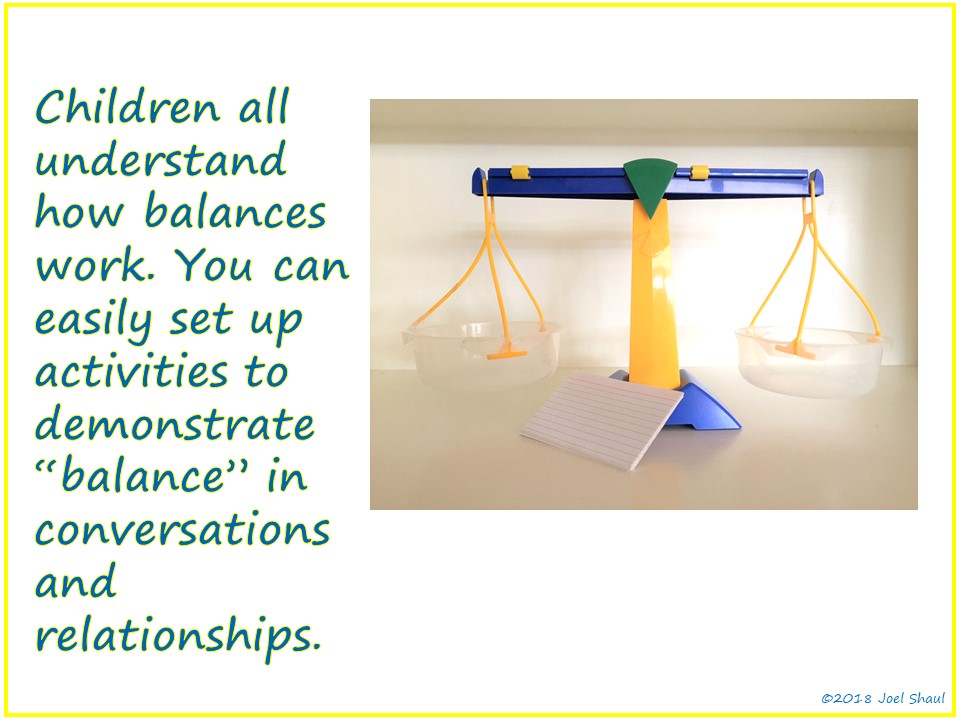
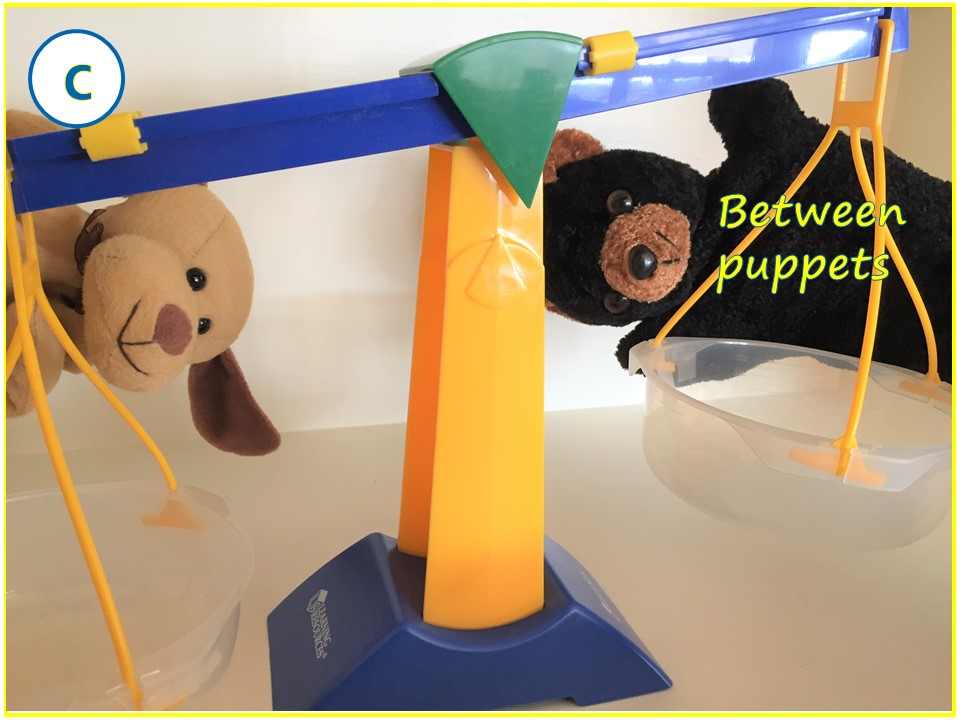
This social skills teaching method employs a toy balance, which is used to concretely demonstrate the basic back-and-forth in relationships between individuals. It works really well. The idea was suggested to me six years ago by Joseph McAllister, a supervisor, and I have been developing the method ever since.
How to use a toy balance for social skills lessons on reciprocity:
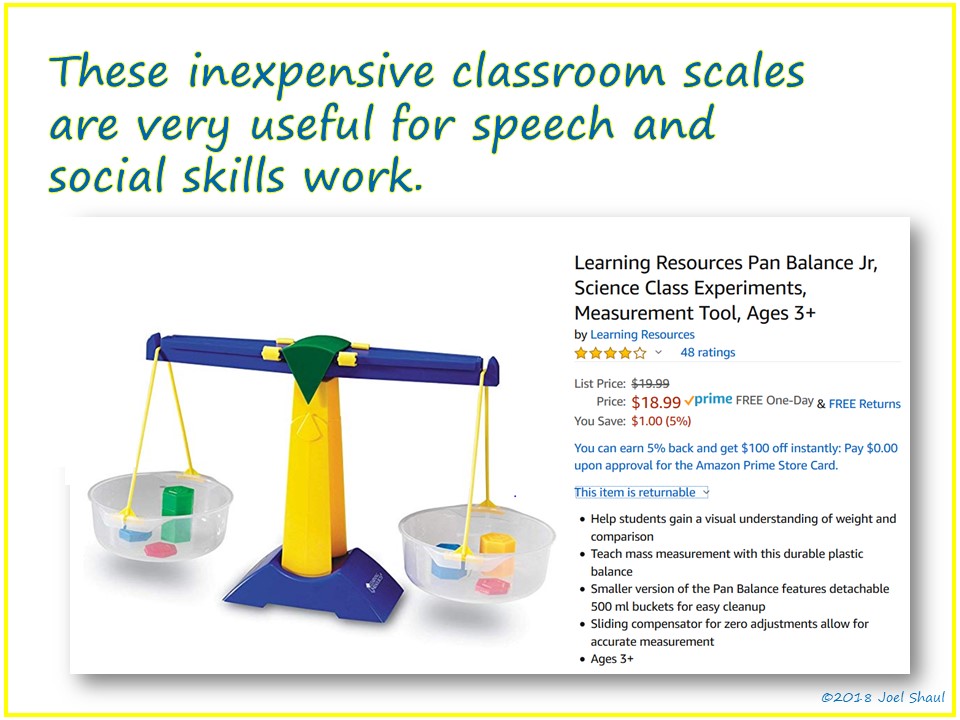
1. Get a balance. I suggest the Pan Balance Junior, Learning Resources, available online for 15 to 20 dollars.
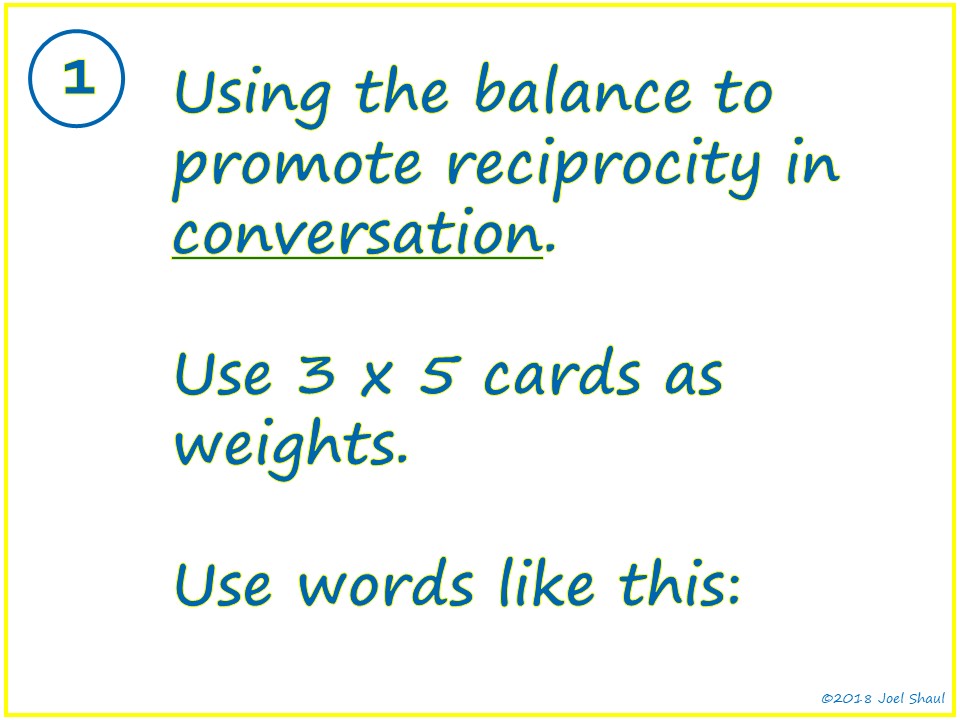
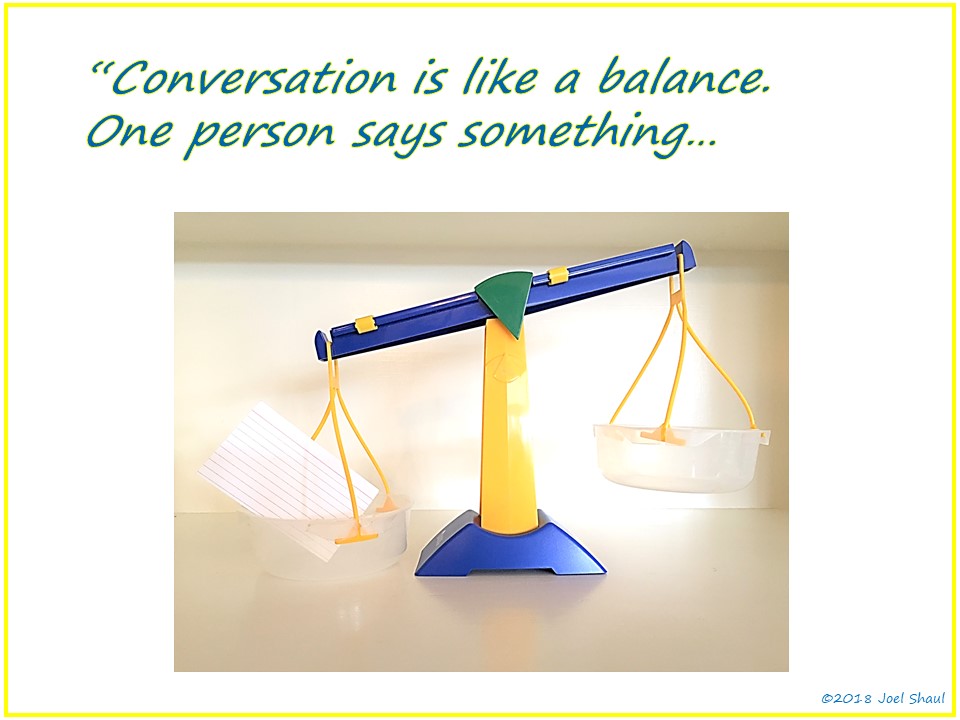
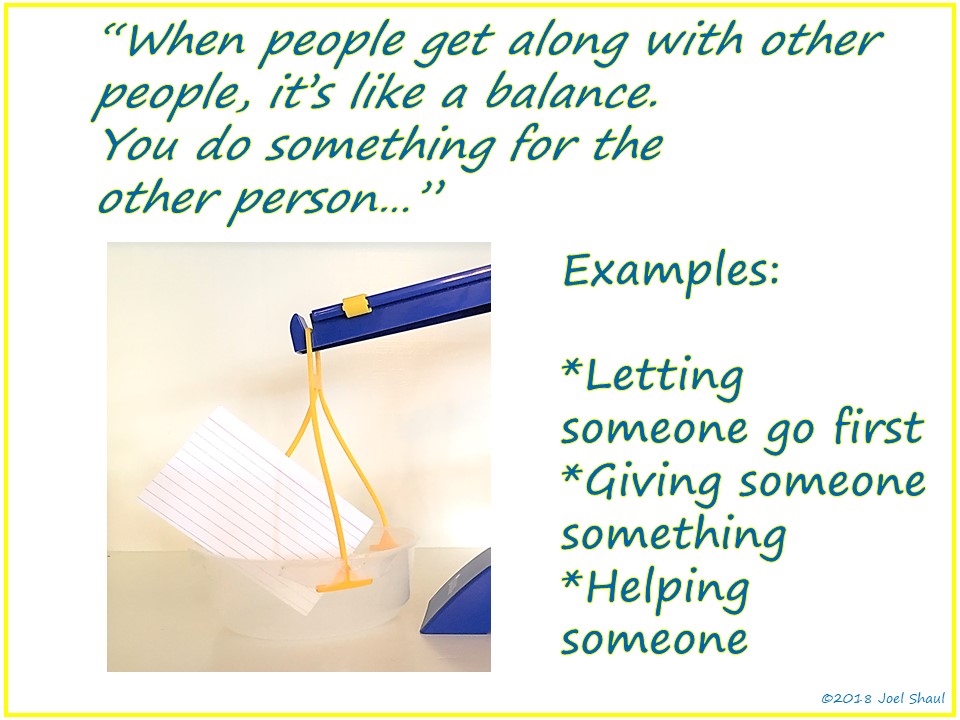
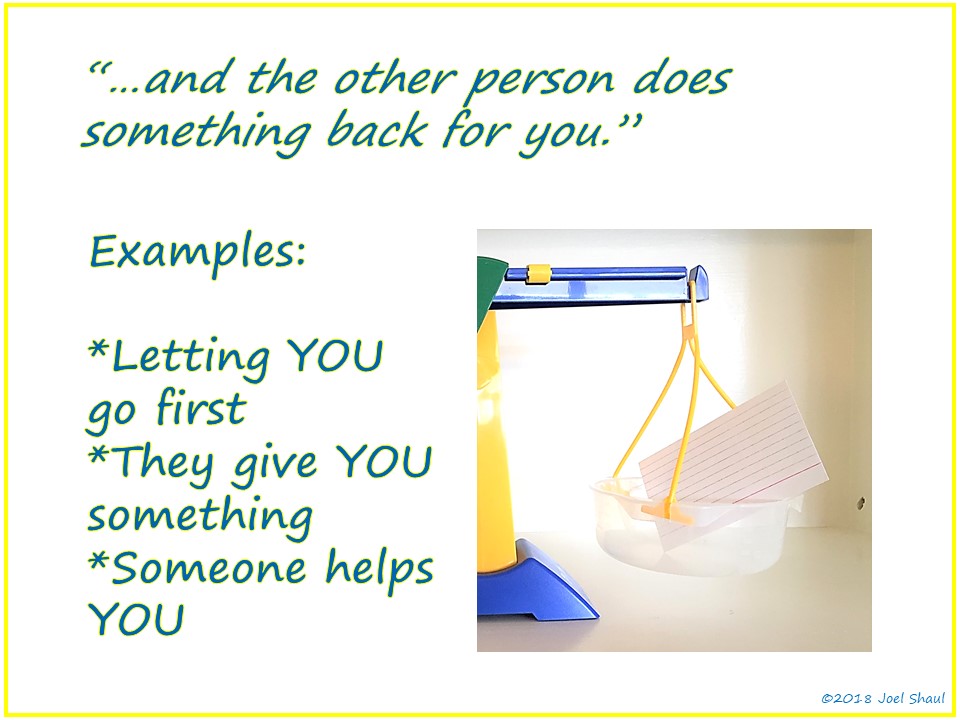
(Now, place weights on either side of the balance as you talk)
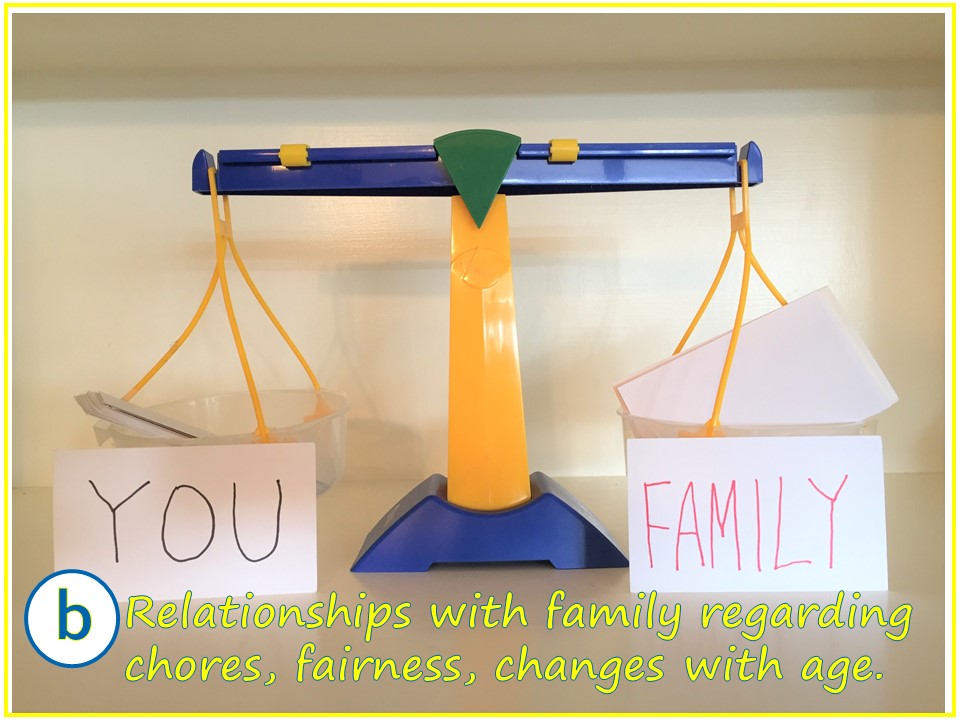
“Here is an example: Bob gives Mary his dessert at lunch one day. What is something that Mary can do to balance this out?”
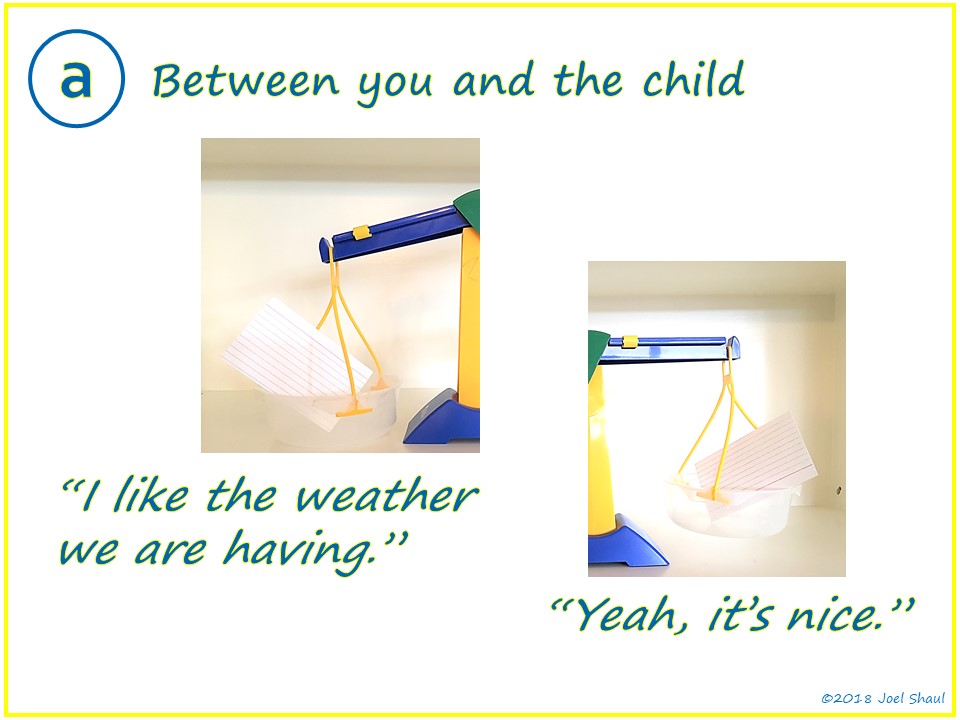
(Continue placing weights on one side then the other as you took, demonstrating give-and-take in a relationship)
“Here is another example: Alice helps Robert with some hard Math. Robert sees Alice sitting all by herself at lunch. What can Robert do to balance it out?”
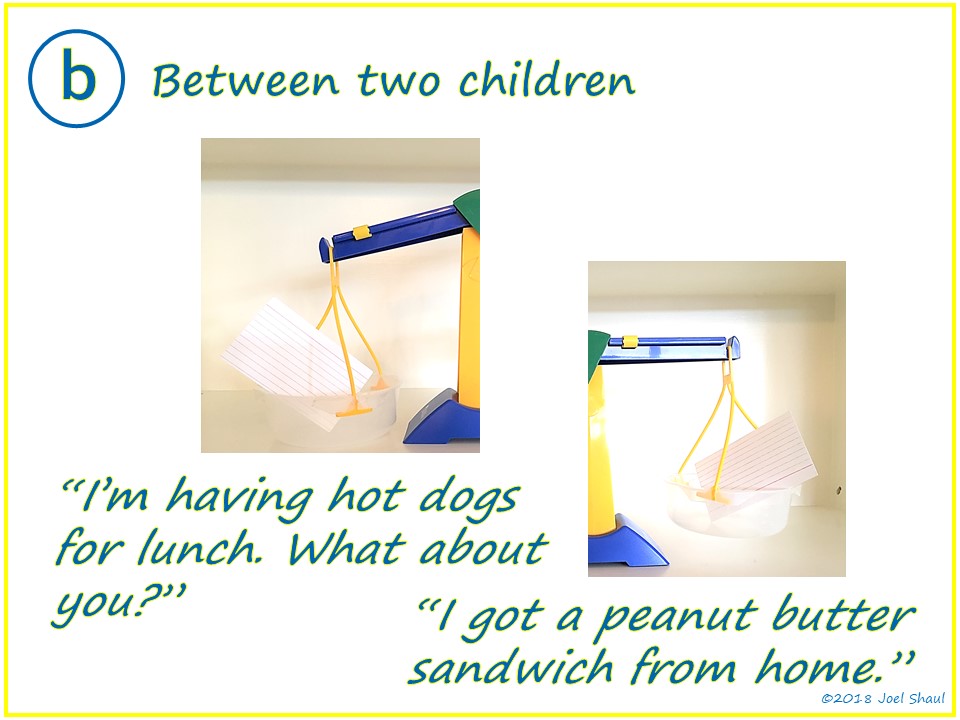
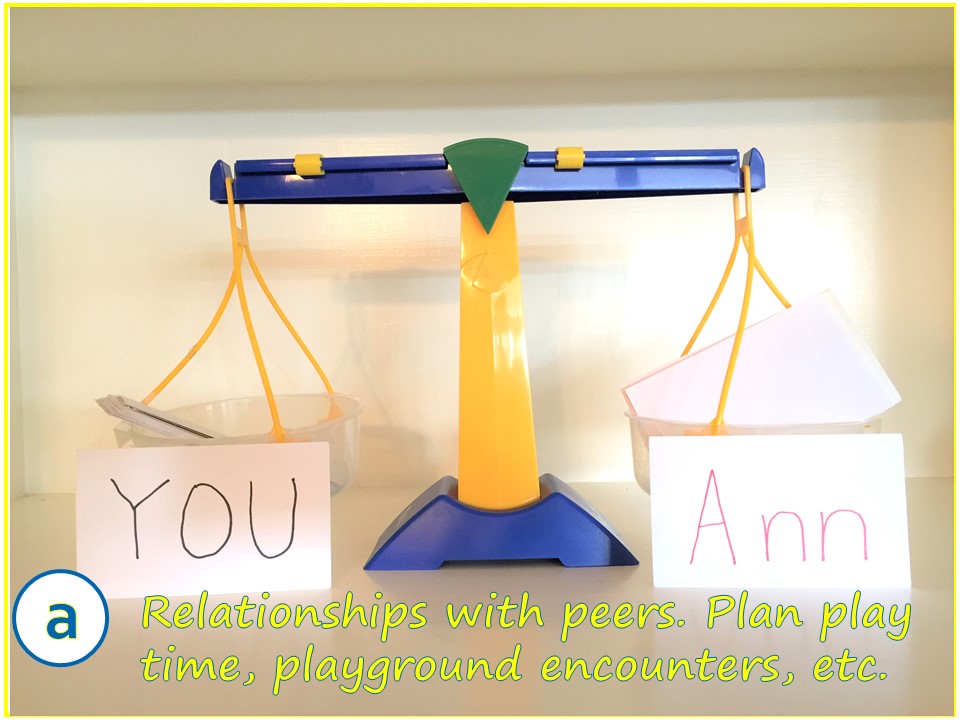
b. Use as way to analyze and troubleshoot social relationships with peers. For example,
“Sam says hello to you. (weight on one side). You______________” (weight on the other side. Continue)
“Sam says he likes your drawing. You ________________”
“Sam helps you with (something) You ______________”
“Sam gives you a pencil when you don’t have one. Later, you _________________________”
“At Sam’s house, Sam lets you __________” When he’s at your house, you let him __________”
These examples only begin to demonstrate the many ways you can use a balance to create social skills lessons for children on the autism spectrum. Try it. You will probably think of some ideas of your own. When you do, kindly return to the blog and leave your own comments.
*For instruction on how to use the balance for teaching reciprocity in communication, see this other YouTube video: http://bit.ly/z56zED
Joel Shaul, LCSW

Speaking of balances and reciprocity, here are two of the 62 Ryuu trading cards I made with Rebecca Klaw. They are part of a social skills game and social skills lesson kit for kids on the autism spectrum. For more informaiton, click on the picture.