
Social Skills Activities for Children with Autism
AutismTeachingStrategies.com



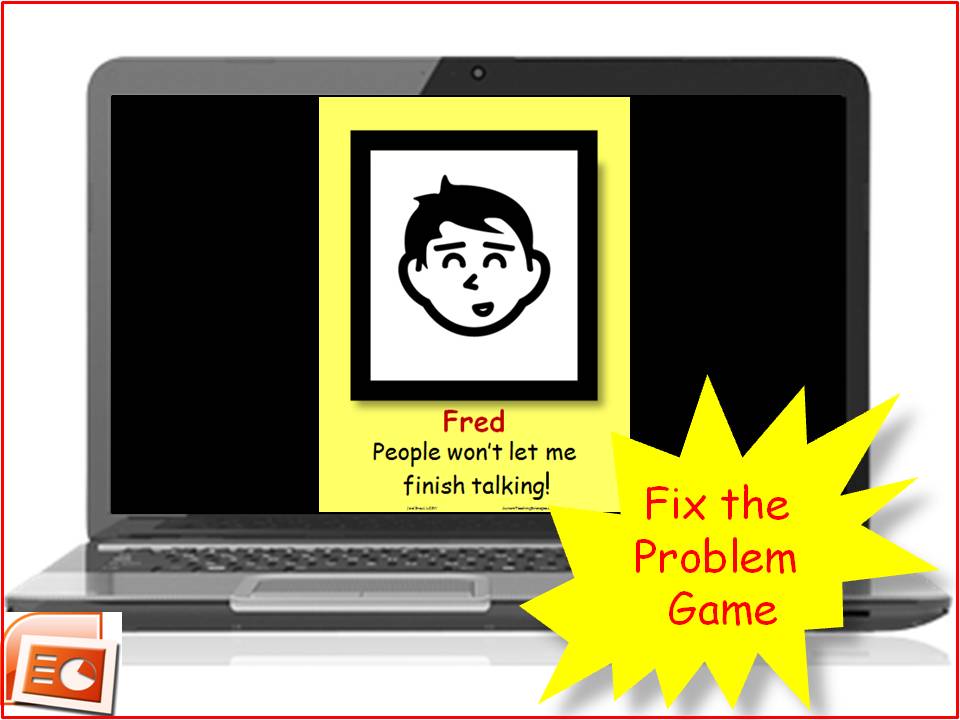
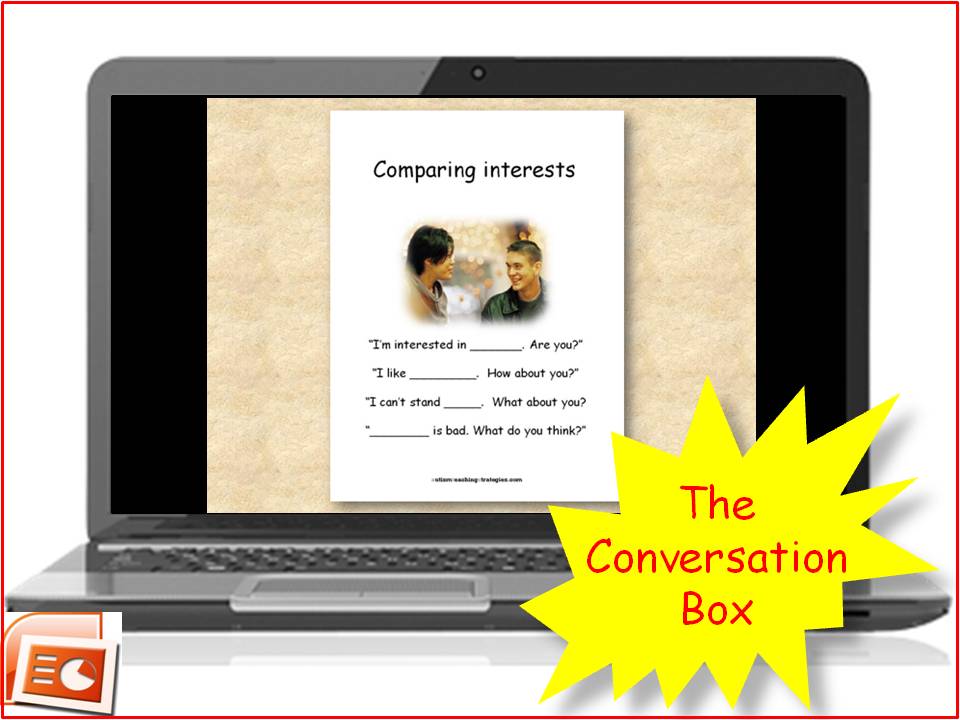
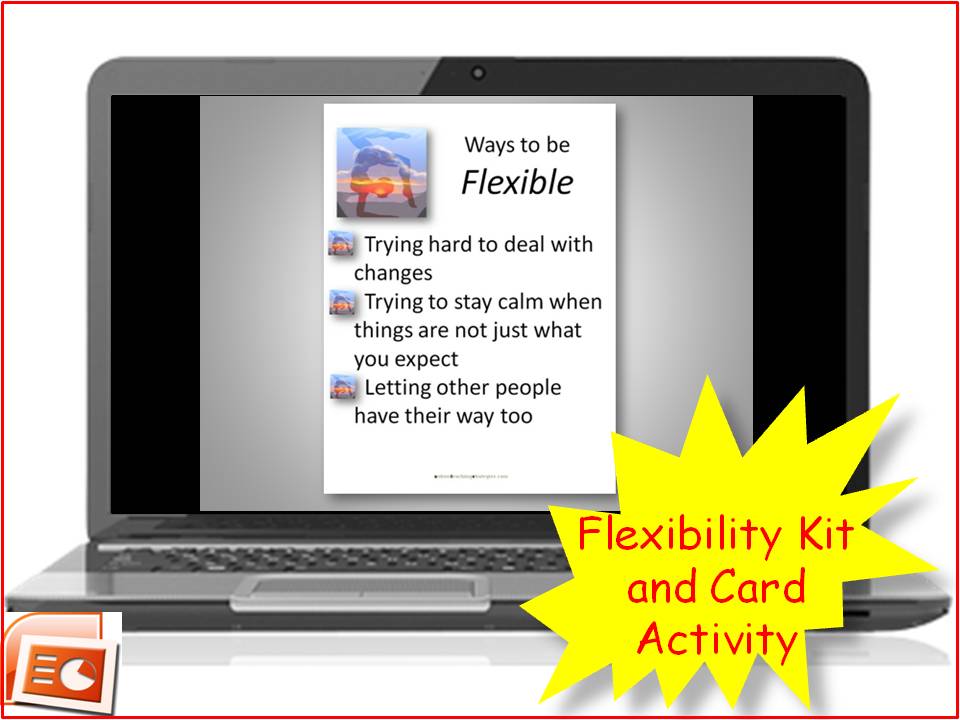
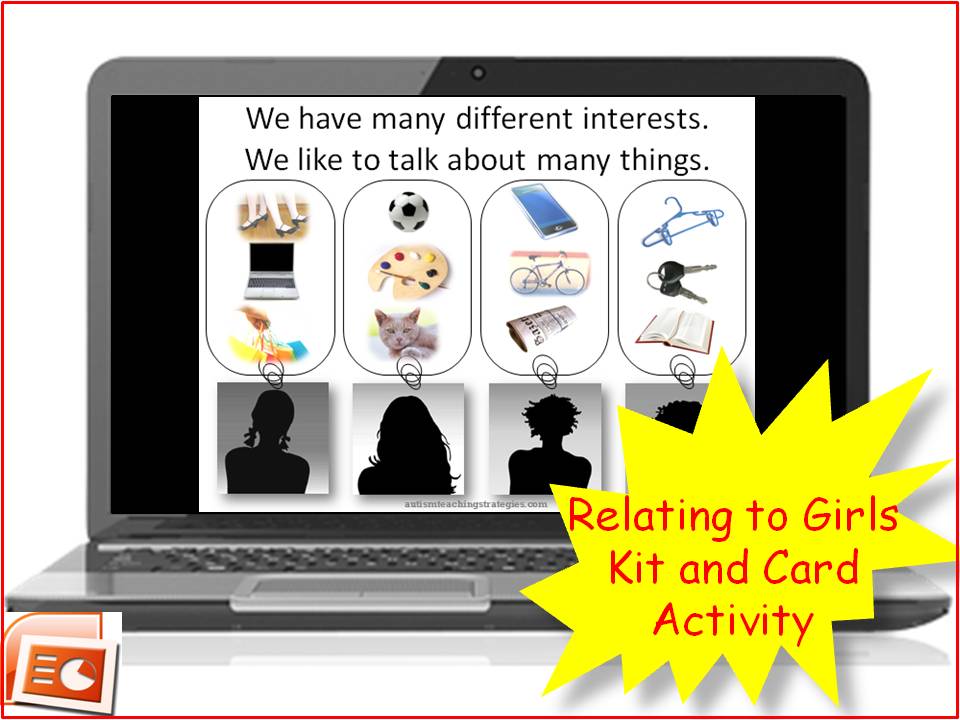

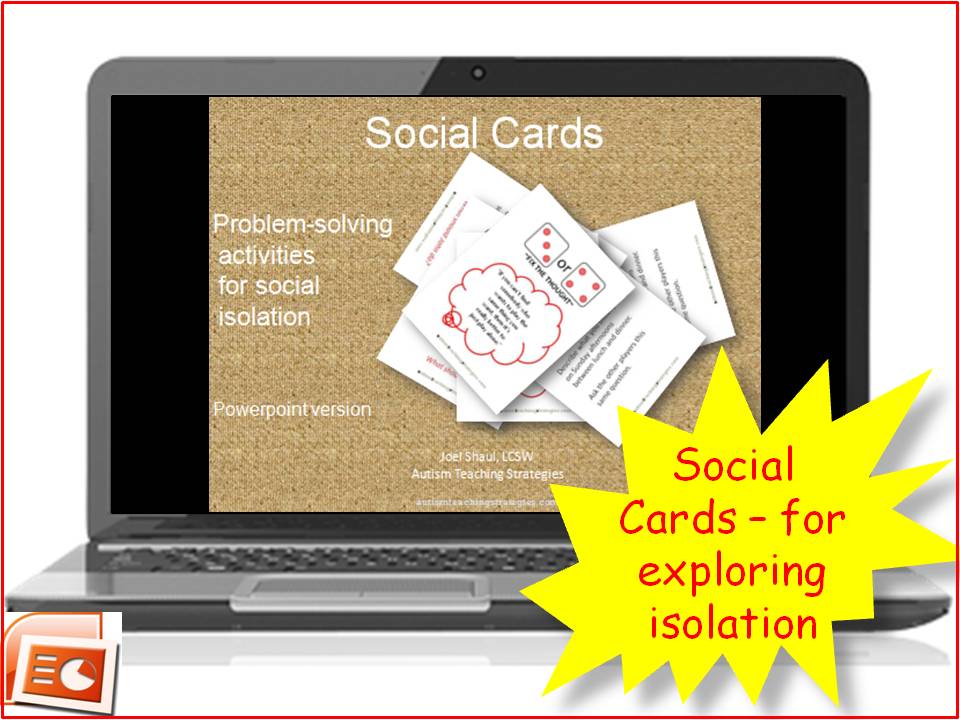
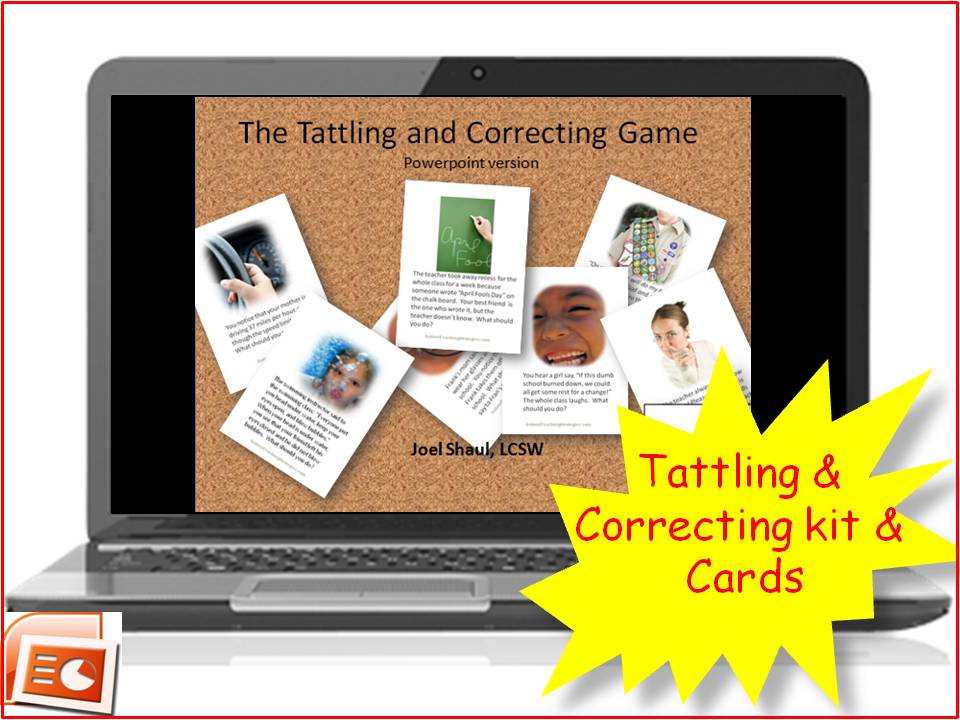
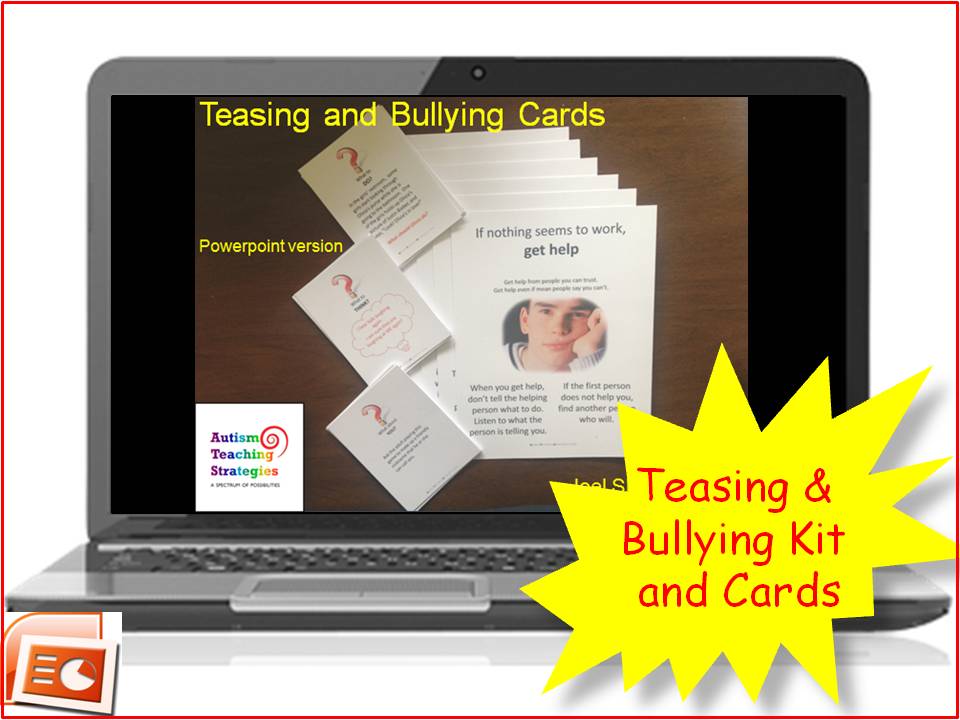
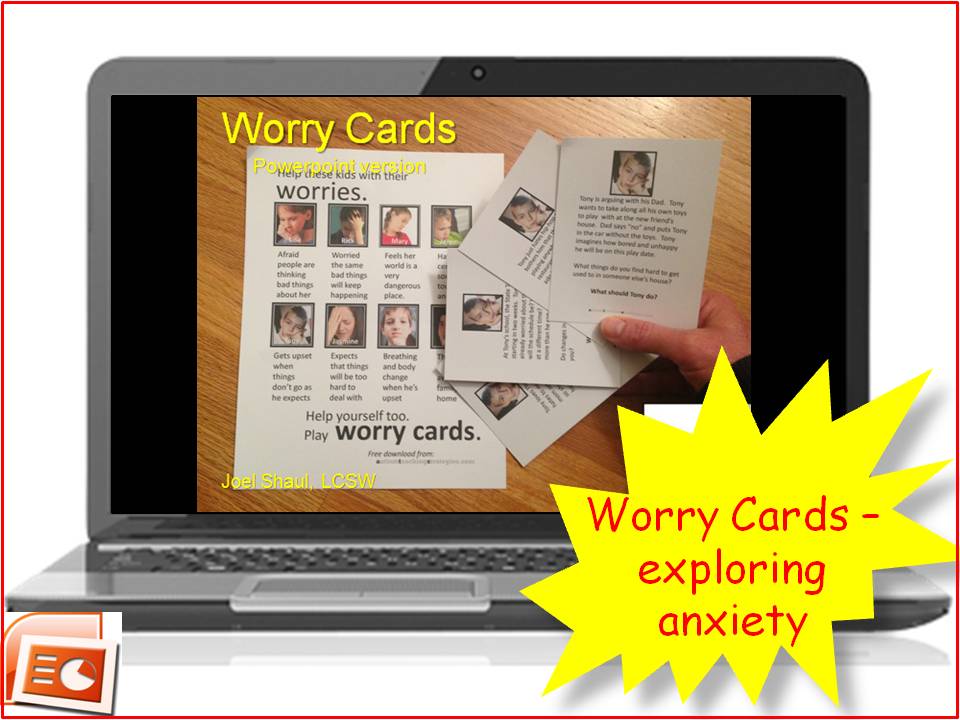

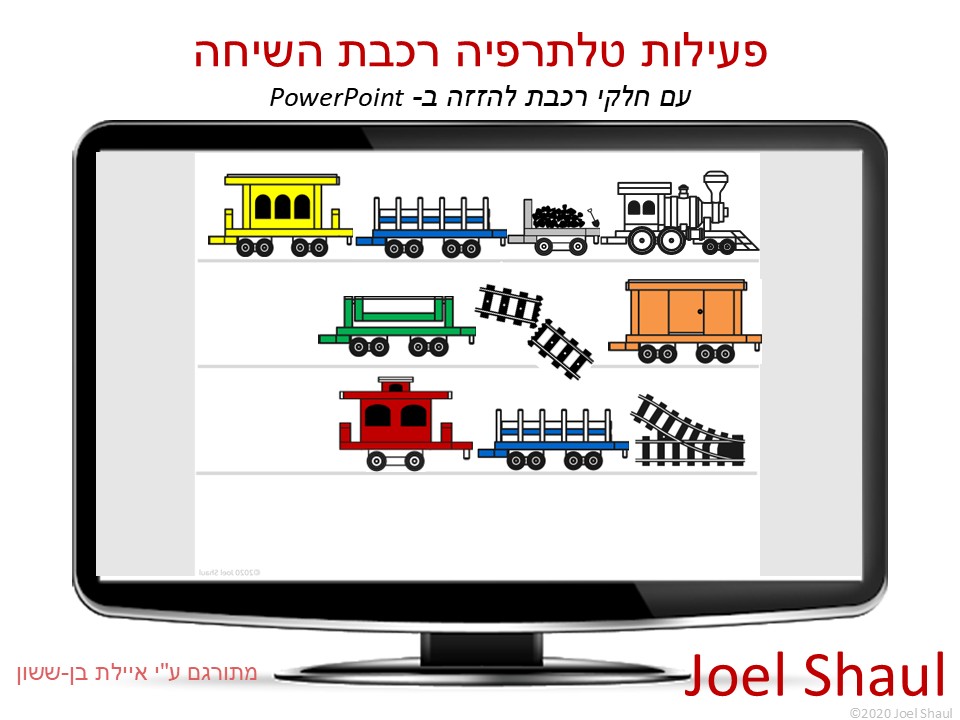
Update – In addition to the resources shown on this page, I now have a large collection of teletherapy resources, all adaptable for office-based and classroom instruction. Click HERE to access teletherapy resources and Boom Cards.

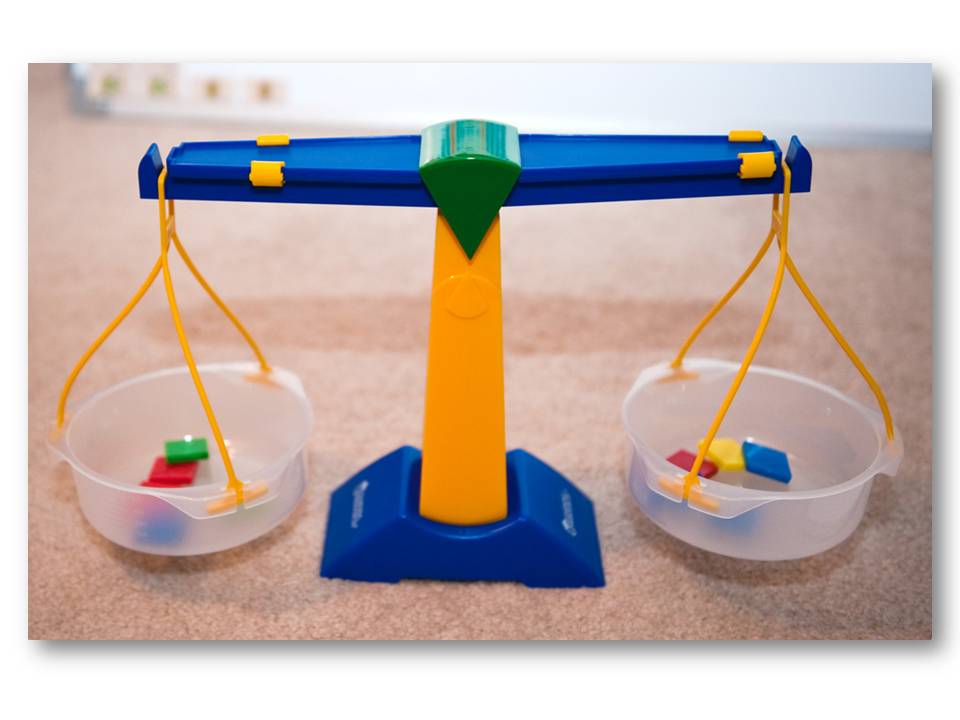
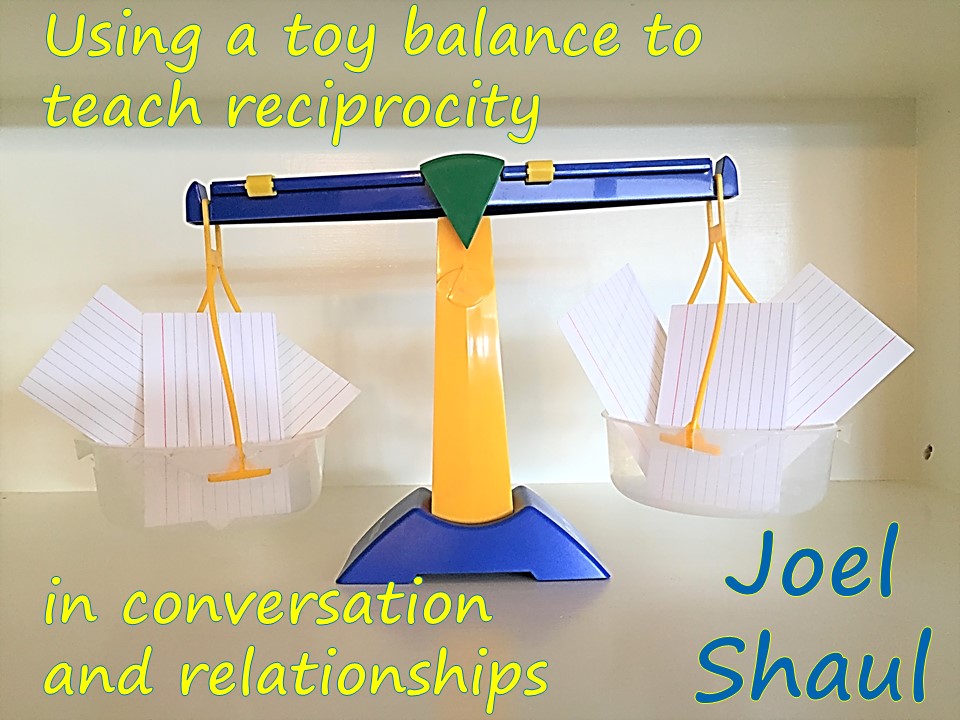
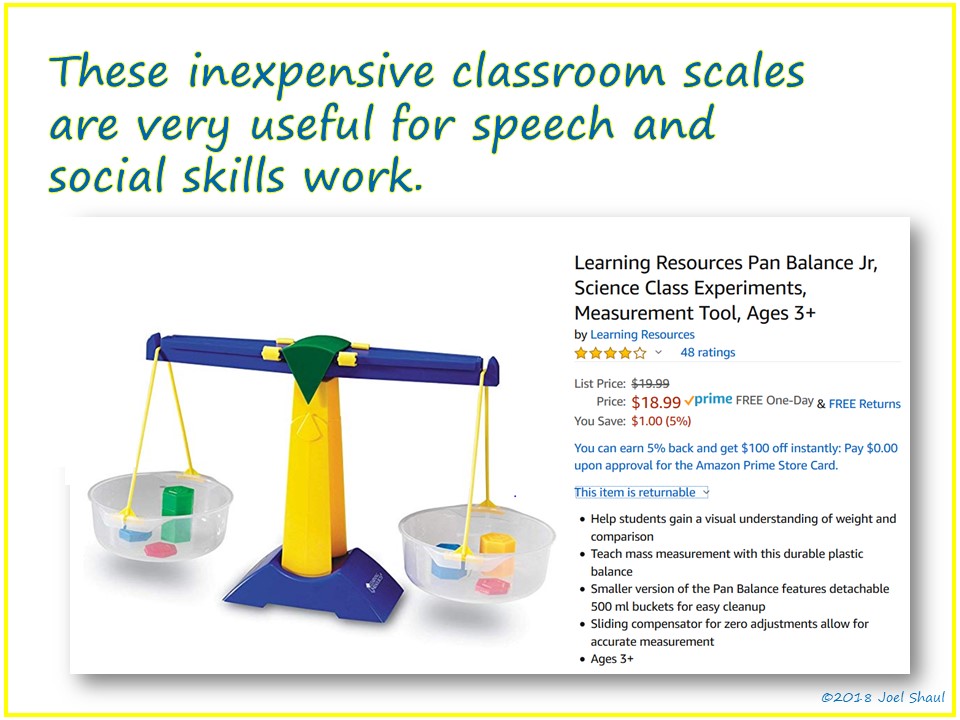
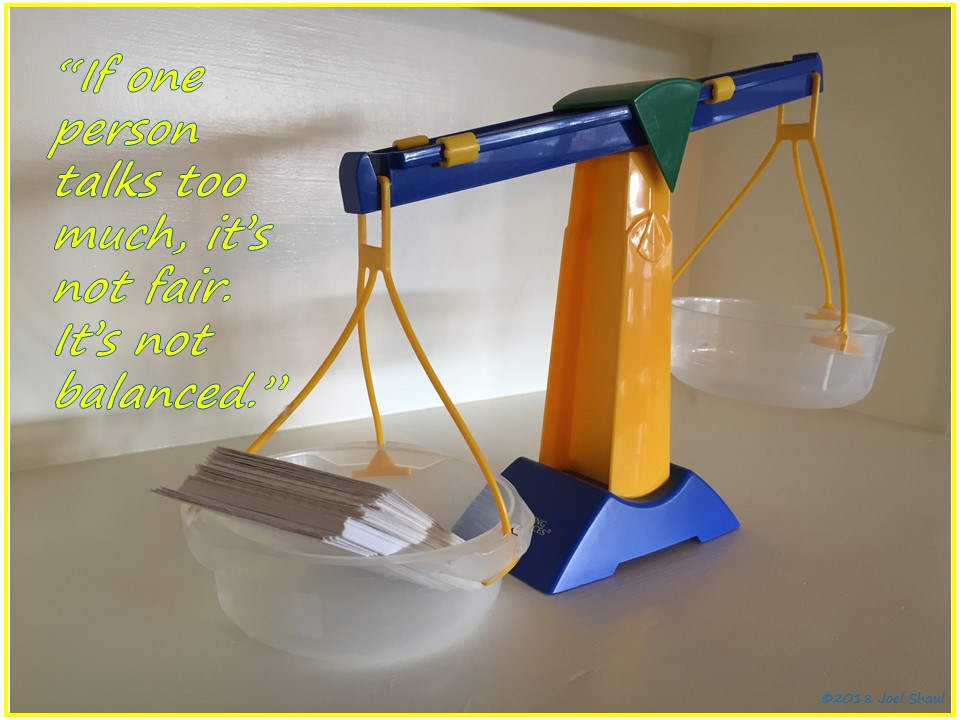
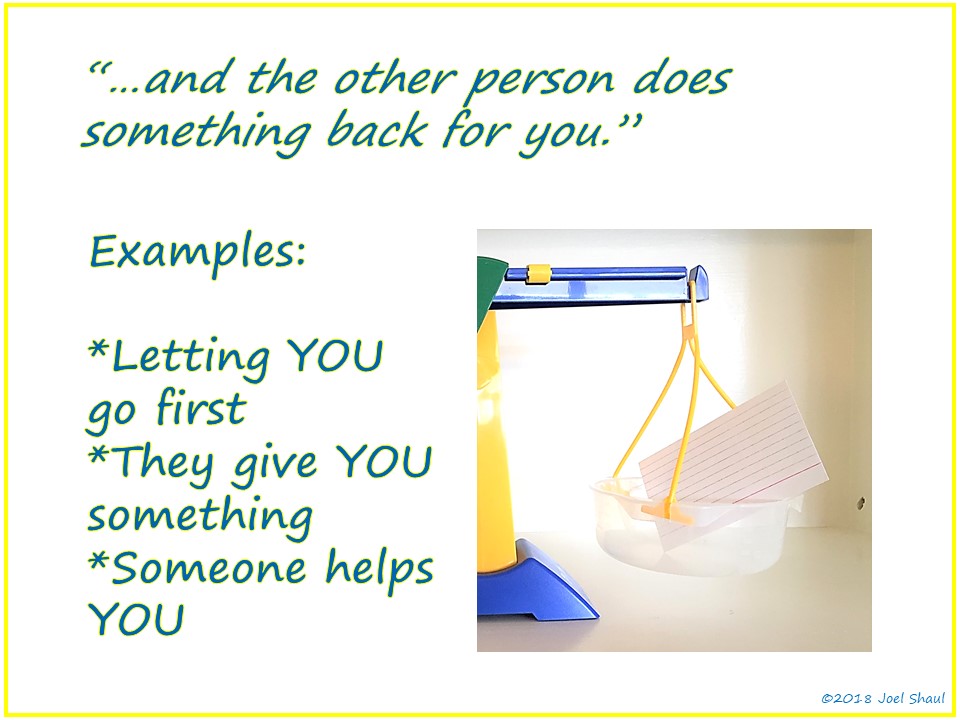
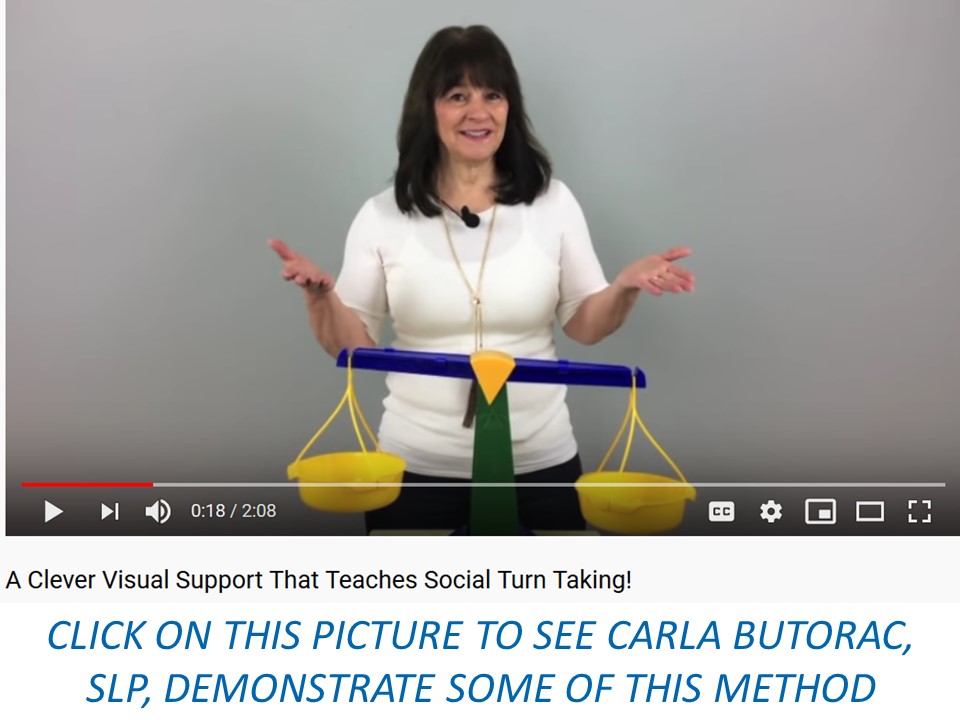
Inexpensive toy balances are terrific for teaching and practicing reciprocity in conversation and social interaction. If you have one on hand for your work with kids on the spectrum, I think you may end up using it frequently, as I have in my own work.
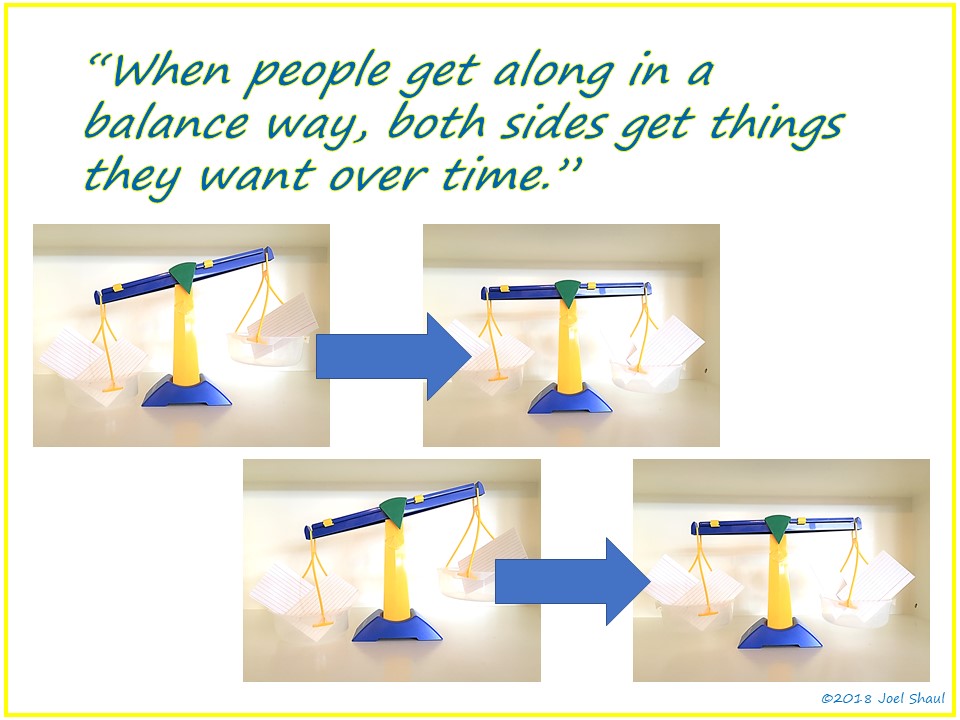
This illustrated tutorial shows you how to use the manipulate the balance and place 3×5 cards on the balance to demonstrate how to have a “balanced” conversation in which both people take and equal part. Children on the spectrum who many sometimes “monologue” can find this hands-on learning method engaging and valuable.
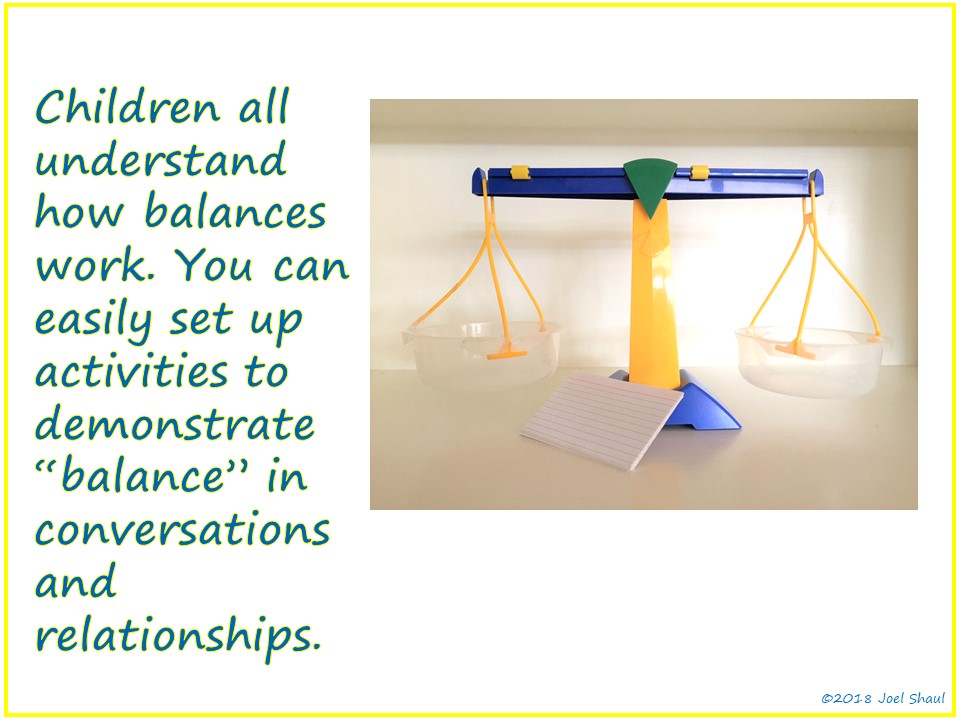
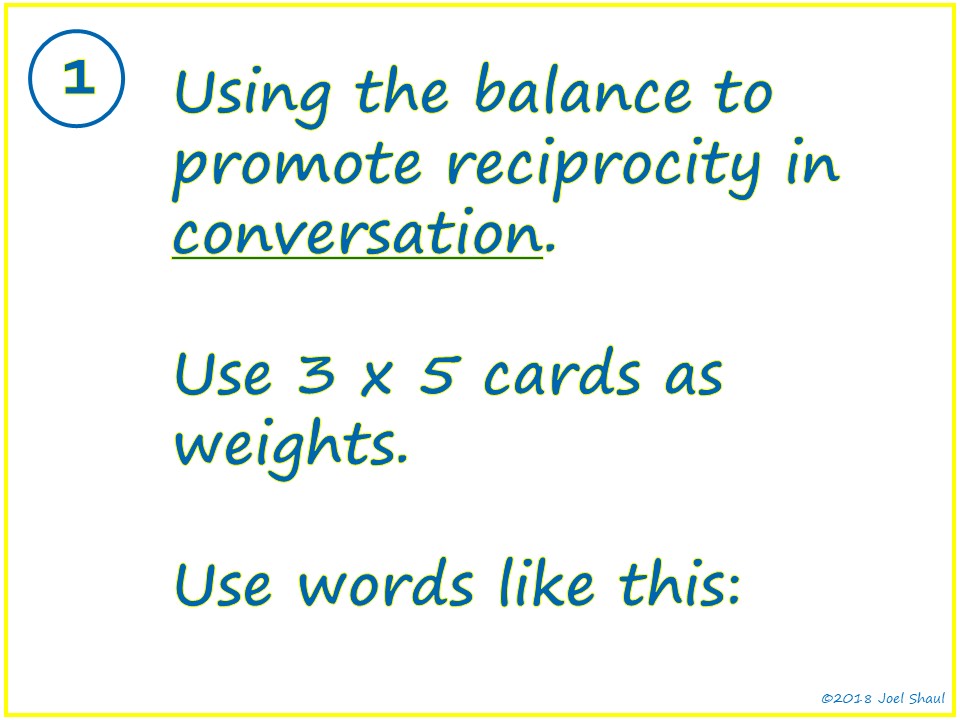
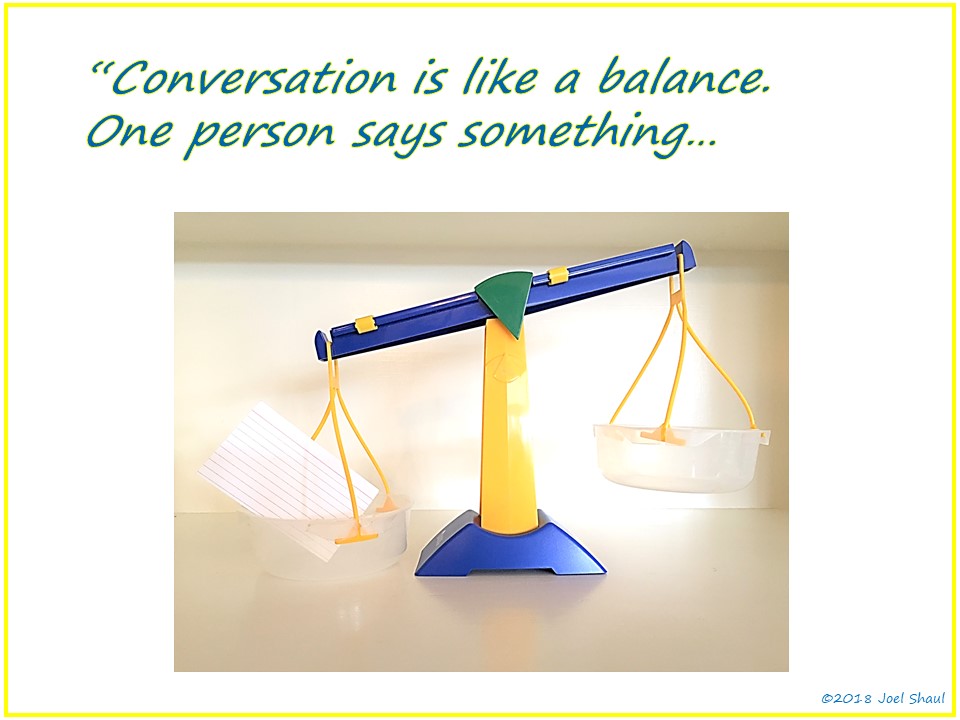
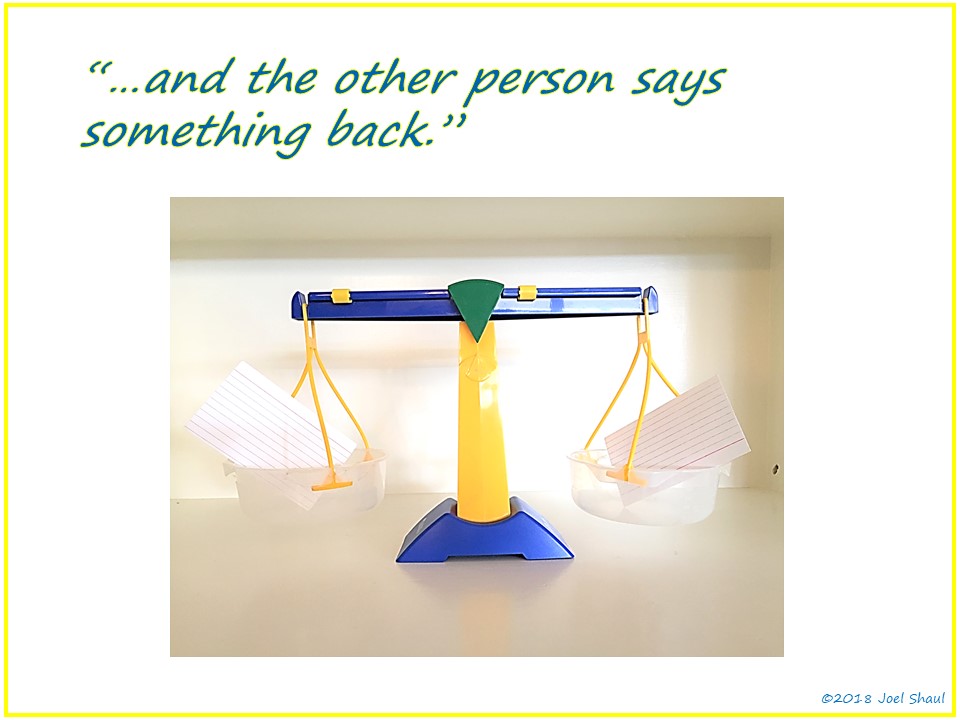
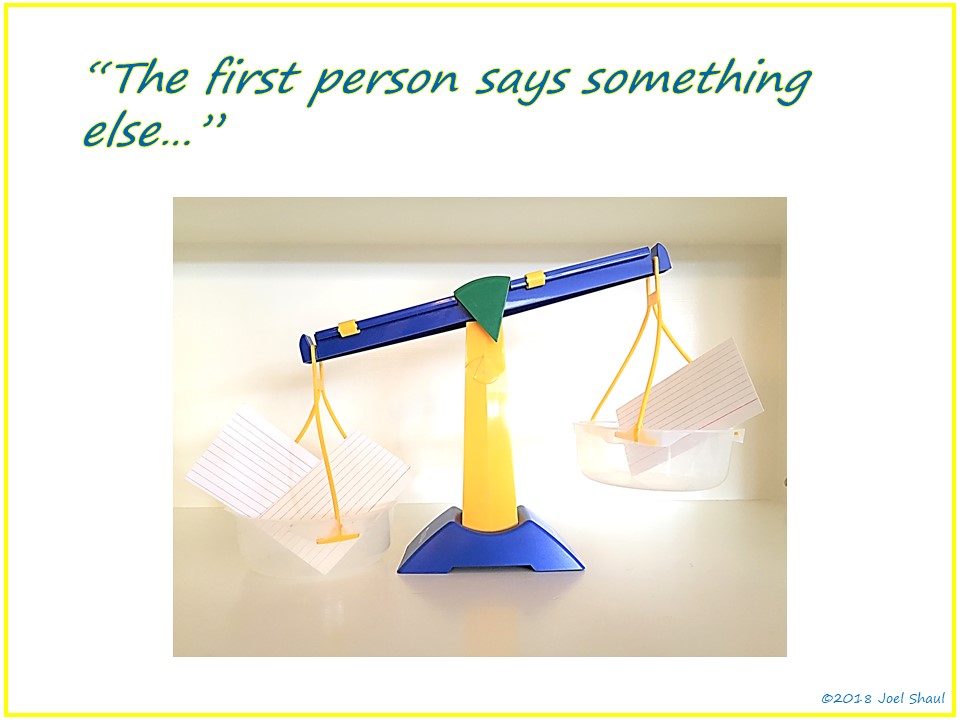
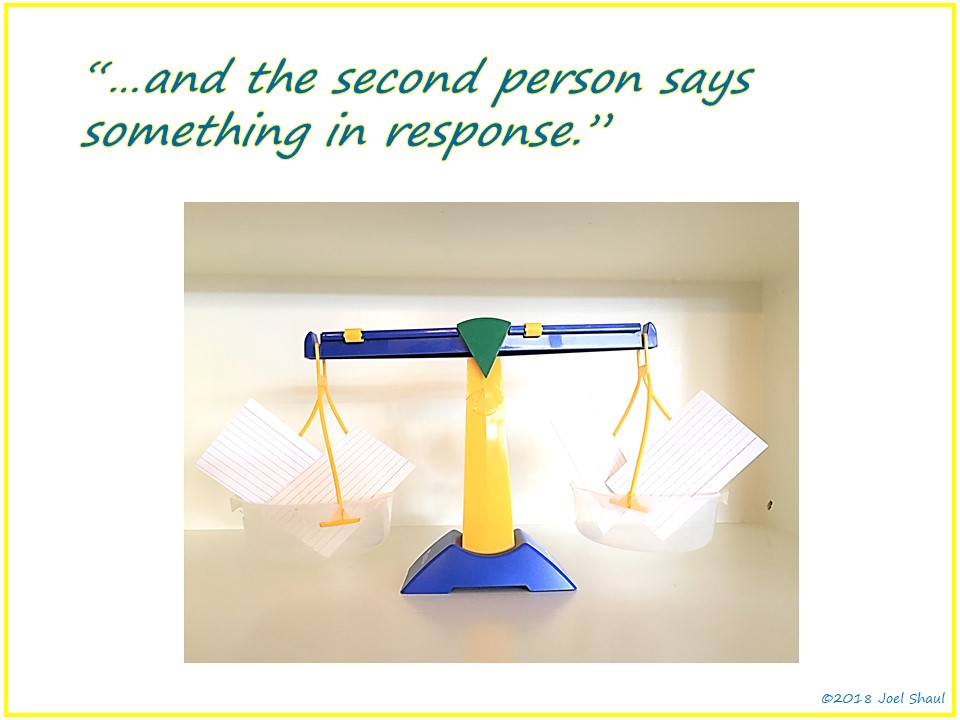
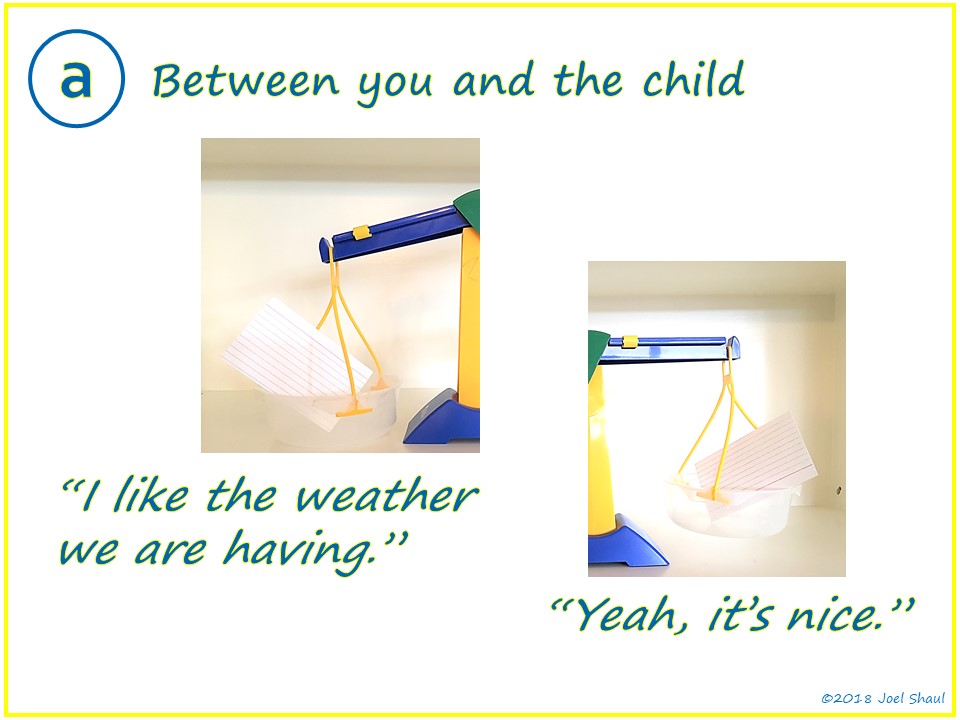
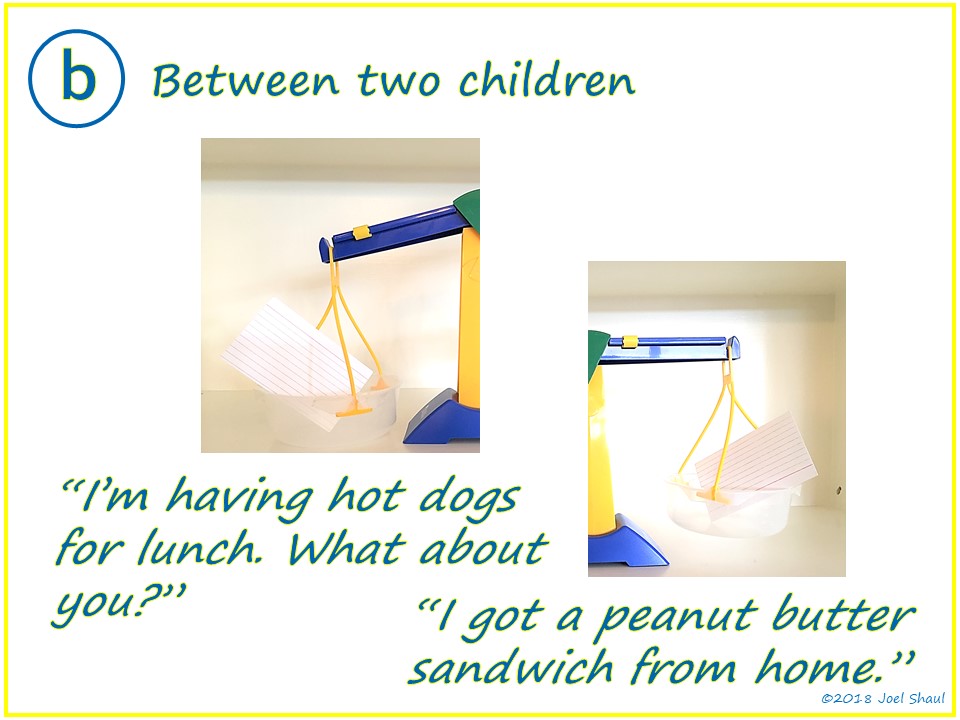
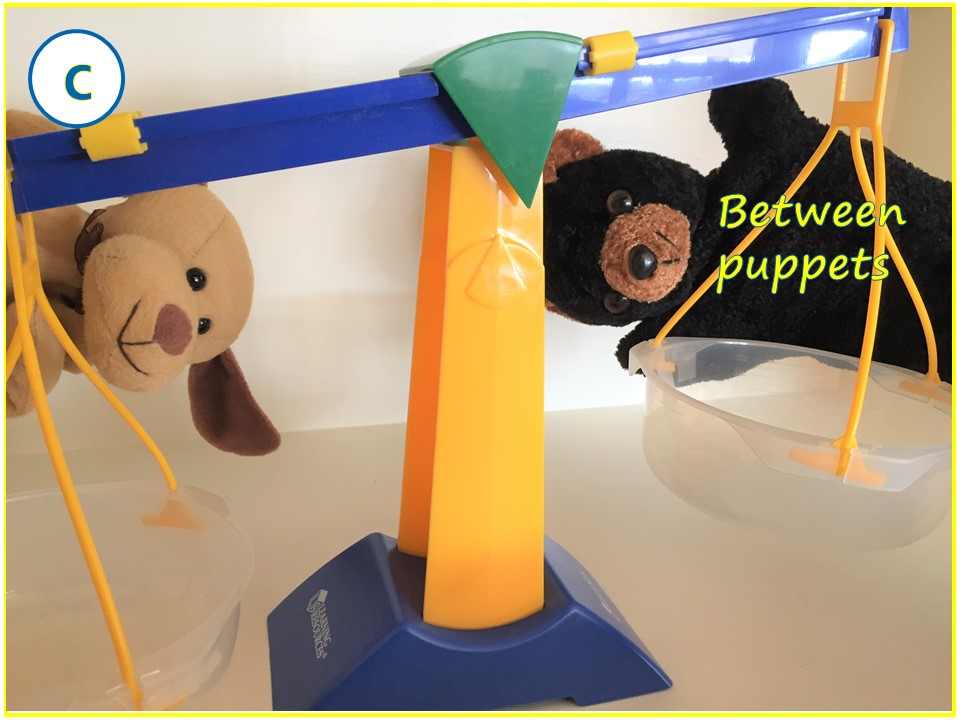
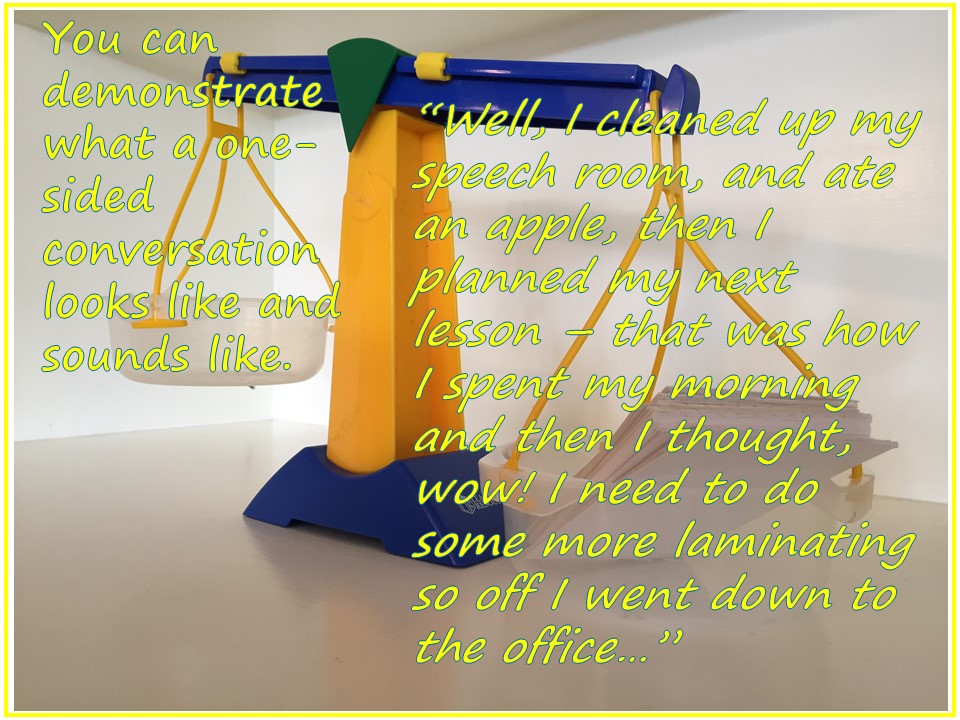
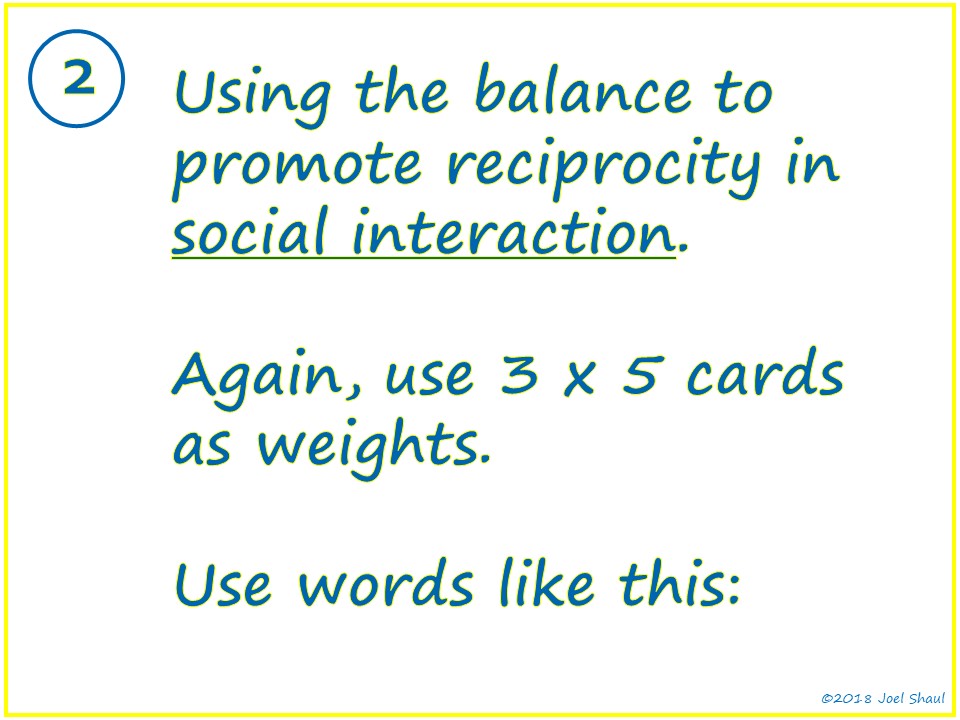
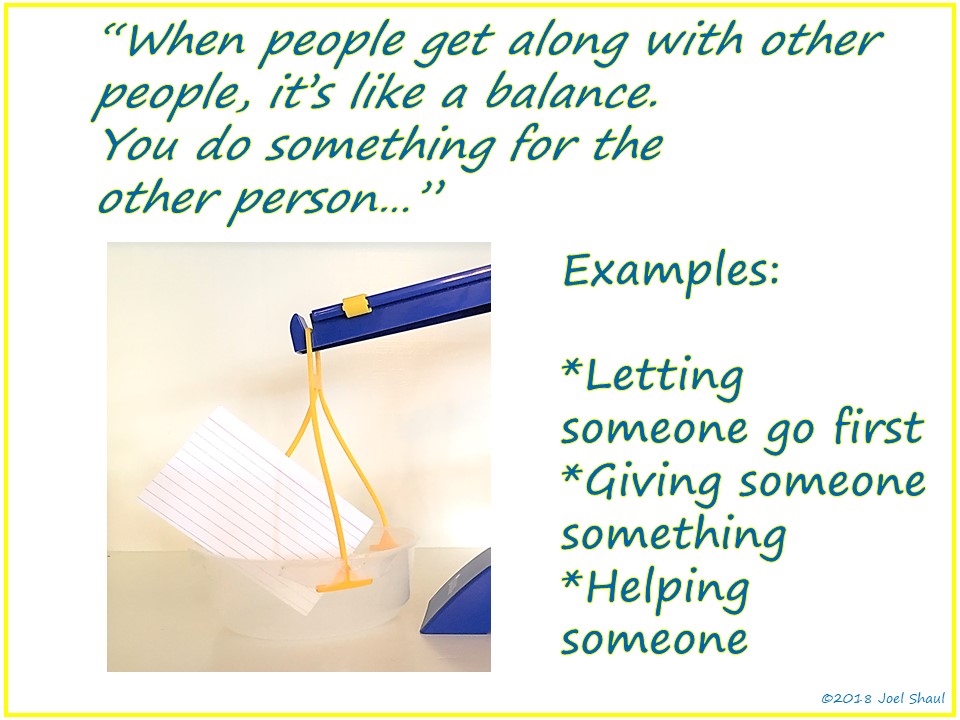
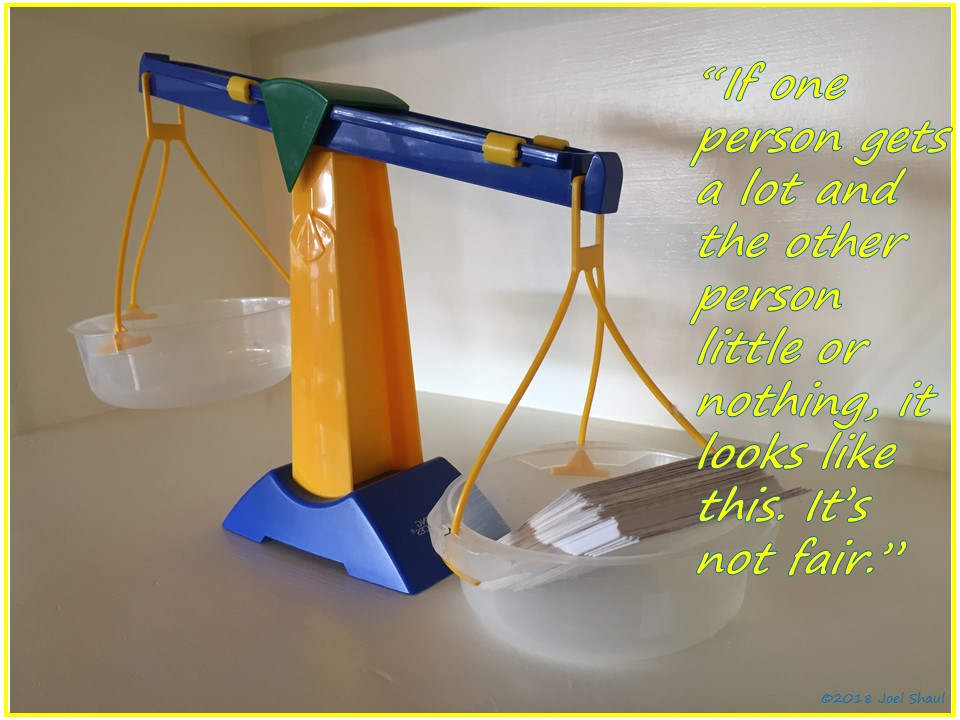
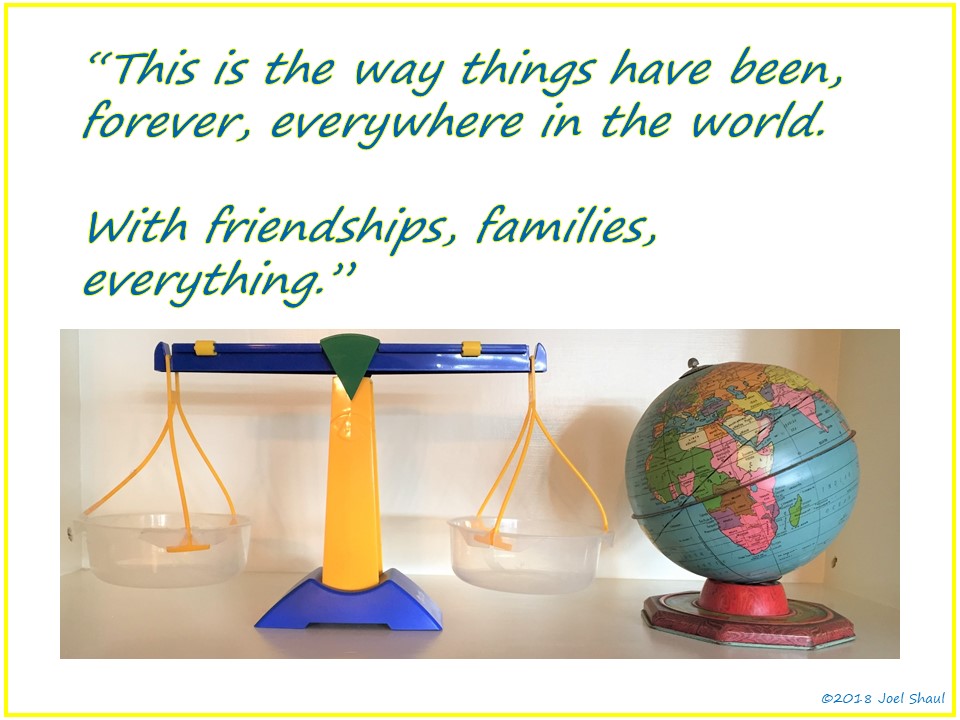
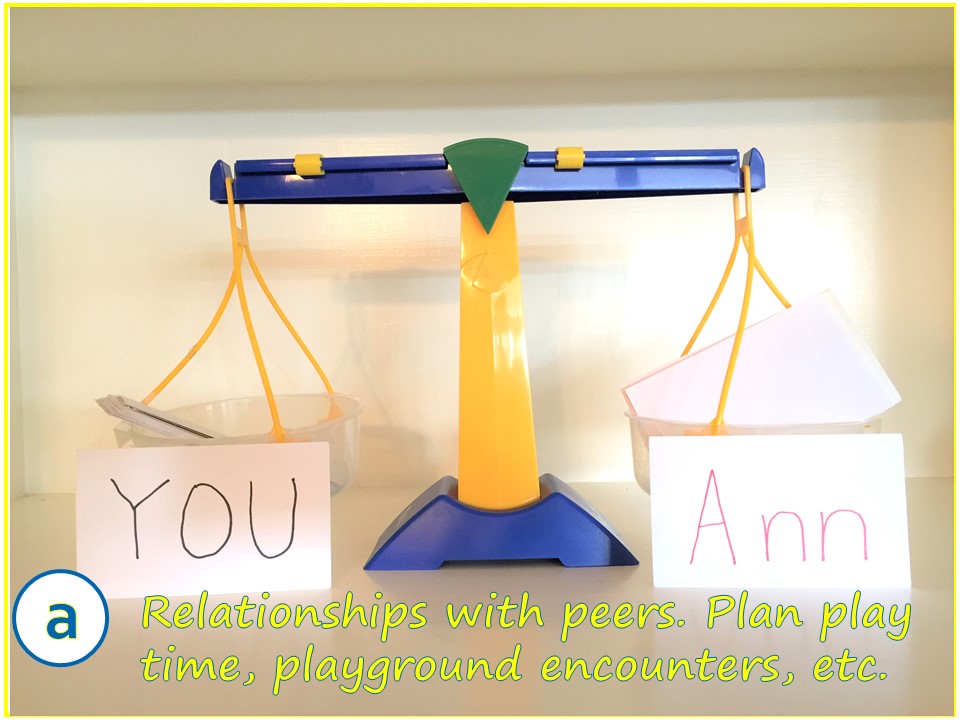
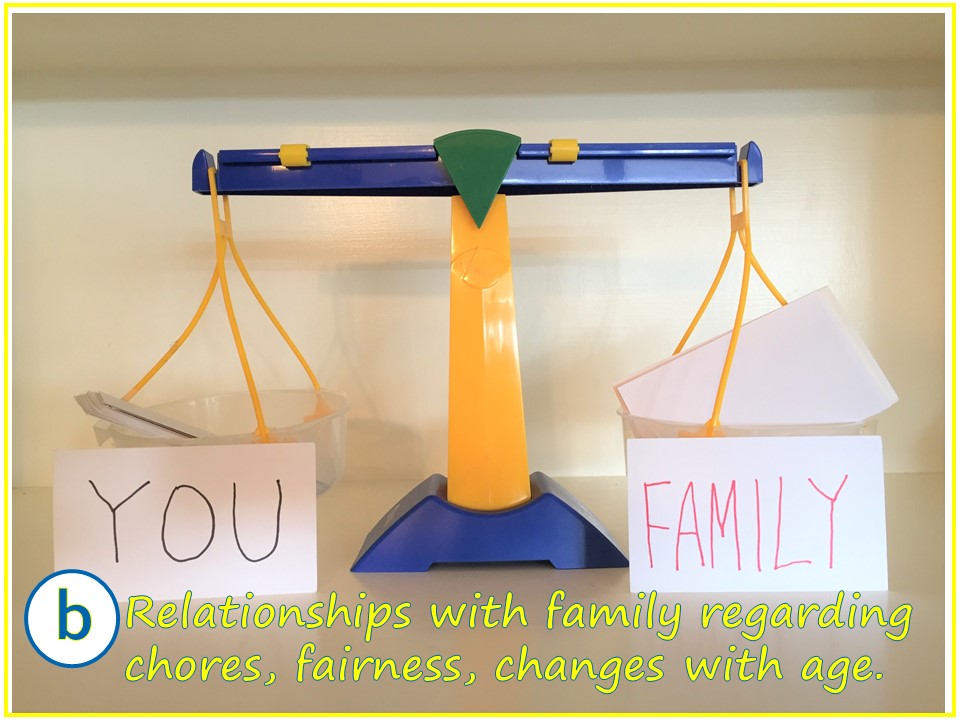
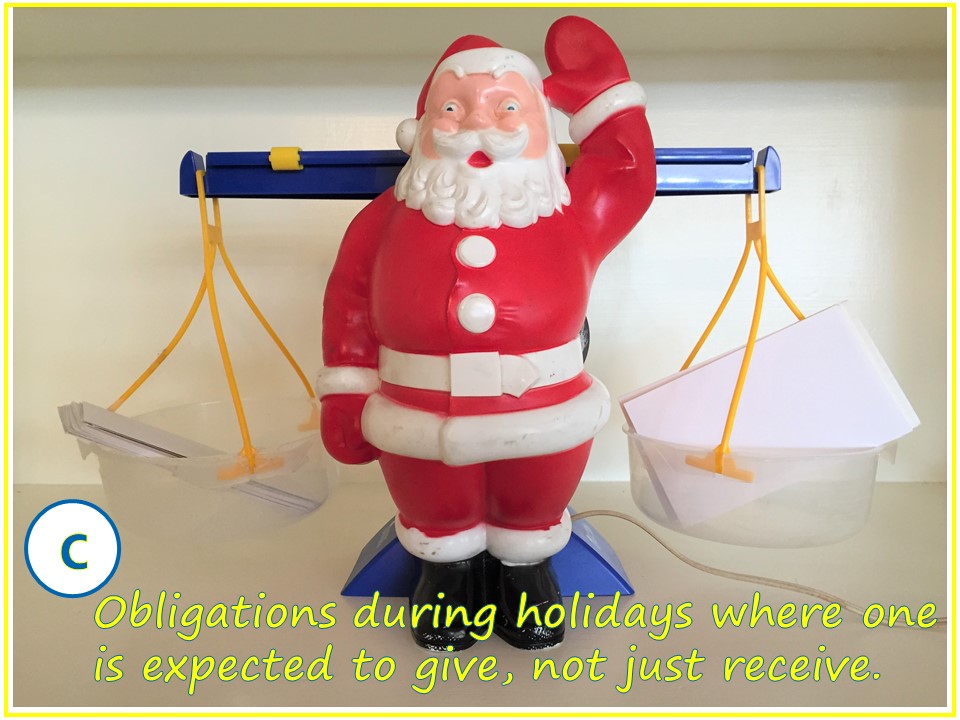
In a similar manner, you can use the toy balance to demonstrate reciprocity in social interaction. You can use the balance to demonstrate such social skills essentials as taking turns, giving and receiving, and paying back favors. The following pictures demonstrate how to use the balance and what to say while you are teaching.
Here is another free conversation social skills resource for teaching reciprocity, but with more than two people present:
Your comments on these resources are most welcome, and often helpful. Click HERE to send an email.
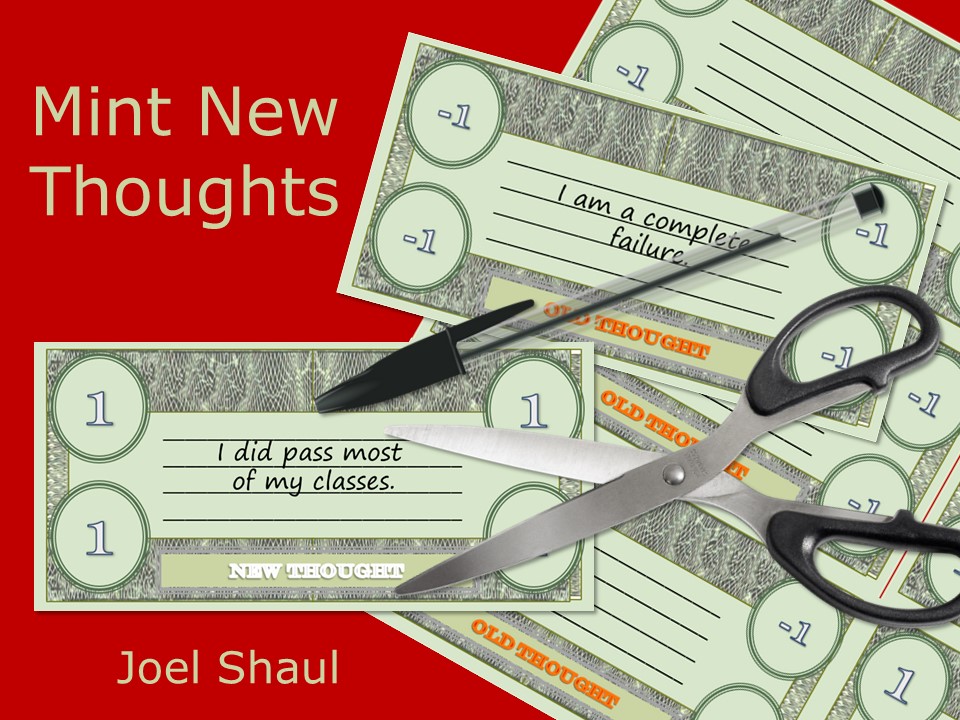
Here is a great activity for individuals or groups of kids to introduce or expand on how to cope with upsetting feelings. It uses the metaphor of paper money that is first minted, and then shredded if it is defective or worn out. To do the Mint New Thoughts activity you need to print out lots of the special play money (the link for the download play money is found below) and a paper shredder (or you can just tear up the old money).
Print out the OLD THOUGHT money and NEW THOUGHT money in quantities large enough for each participant to have about six to use. To download and print the money, click here:
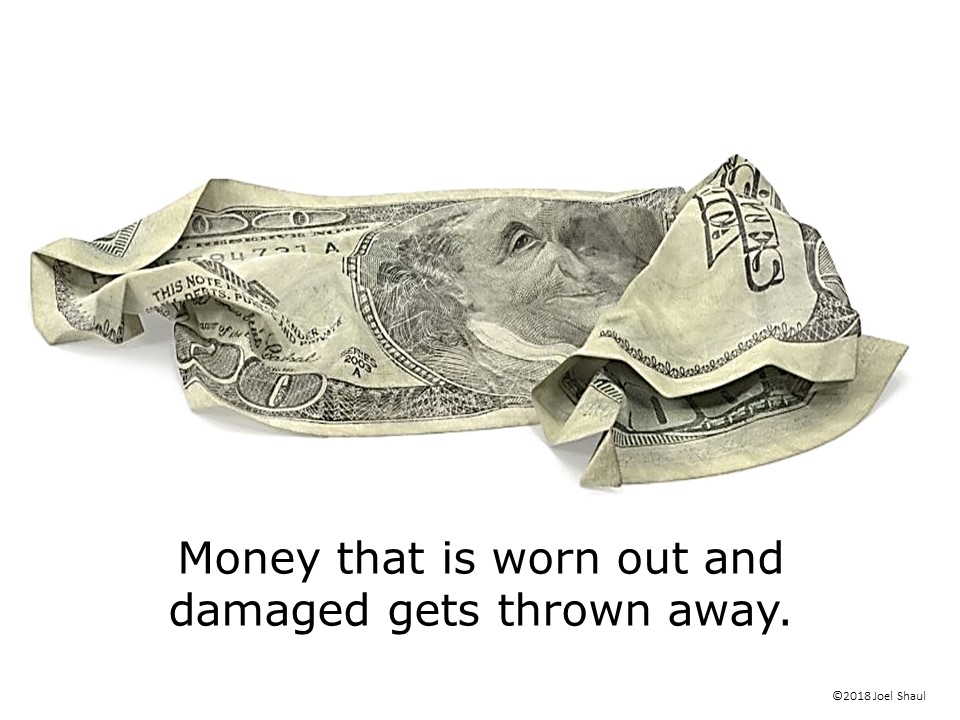
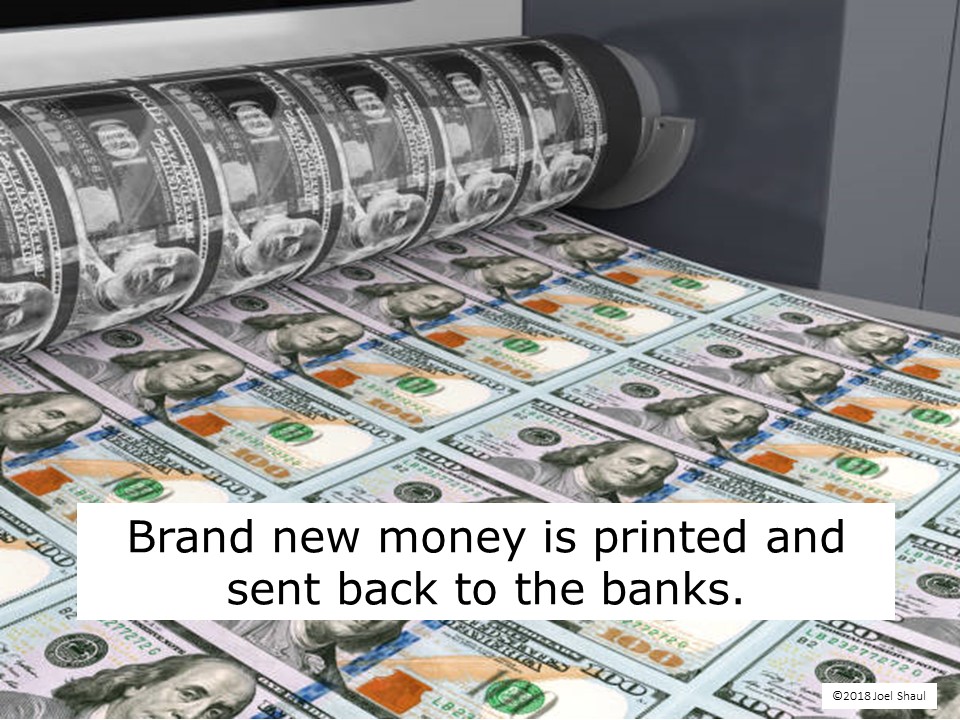
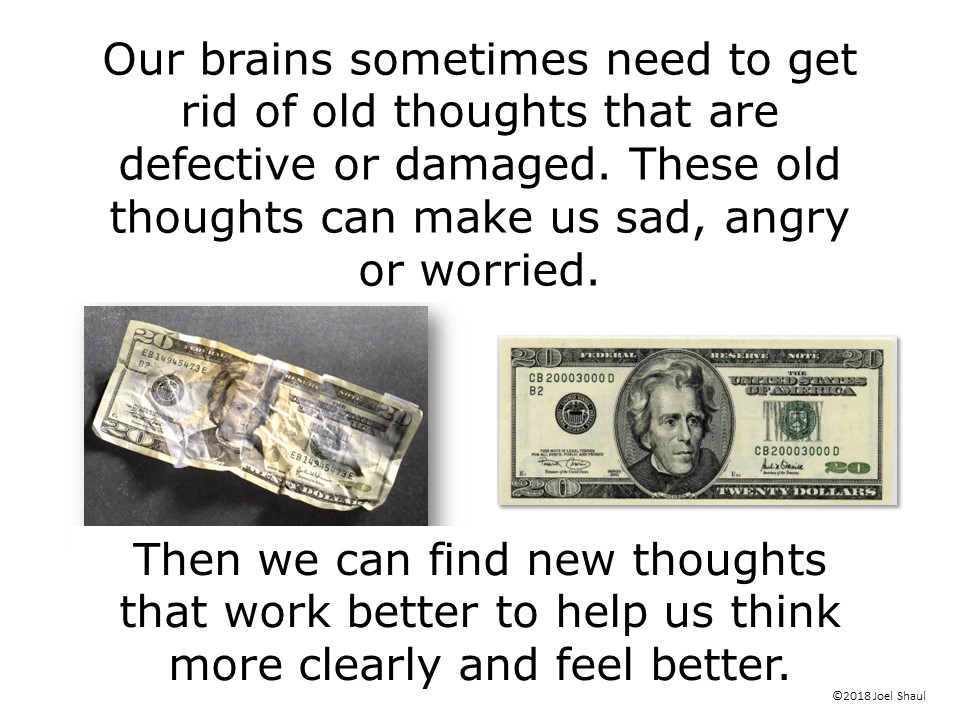
Try using language like this, while showing children the pictures below: “Did you ever wonder where money comes from, and what happens to it when it is no good anymore? Money comes from a huge printing factory called a “mint.” All of our money comes from these places called mints. Money that is worn out and damaged gets thrown away. At a special factory called The Mint, the worn-out money is shredded and burned. Brand new money is printed and sent out to the banks. Our own brains sometimes need to get rid of old money that is damaged or defective. These old thoughts can make us sad, angry or worried. Then we can find new thoughts to help us think more clearly and feel better.”
[This script continues after these pictures.]
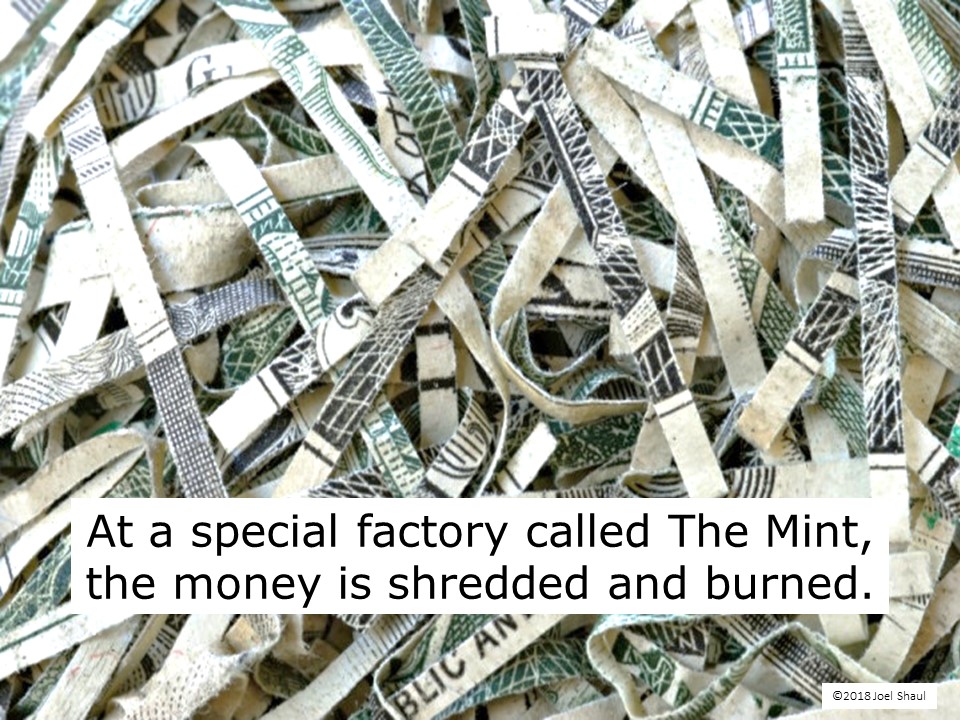
“Often, when the money is not printed right, they have to destroy it. They use something like the paper shredders you see in an office. Also, other money gets worn out, and they have to shred that money too.
“To replace the destroyed money, the mint prints brand new money.
Your mind is something like a mint that makes money, except your mind makes thoughts instead of dollars. Hundreds of thoughts, thousands of thoughts, every day. Most of the thoughts are good and helpful to you. But some kinds of thoughts aren’t good because they just make you upset too much. When you get these thoughts, they are like bad or worn-out money that needs to be destroyed. Then, you need new and better thoughts to make you feel good and calm instead of upset.”
Derived from a method described in Cognitive Therapy with Children and Adolescents, ed. By Reinecke, Dattilio and Freeman, 2006, Guilford Press.
Joel Shaul, LCSW
Your comments on these resources are most welcome, and often helpful. Click HERE to send an email.