
Hebrew translations of free resources
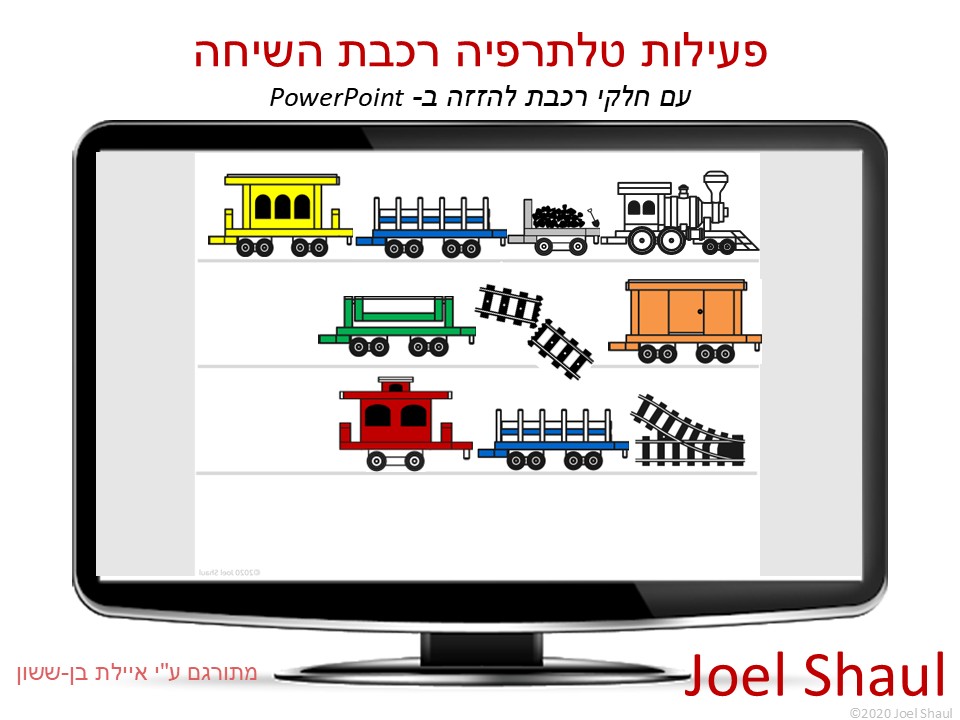
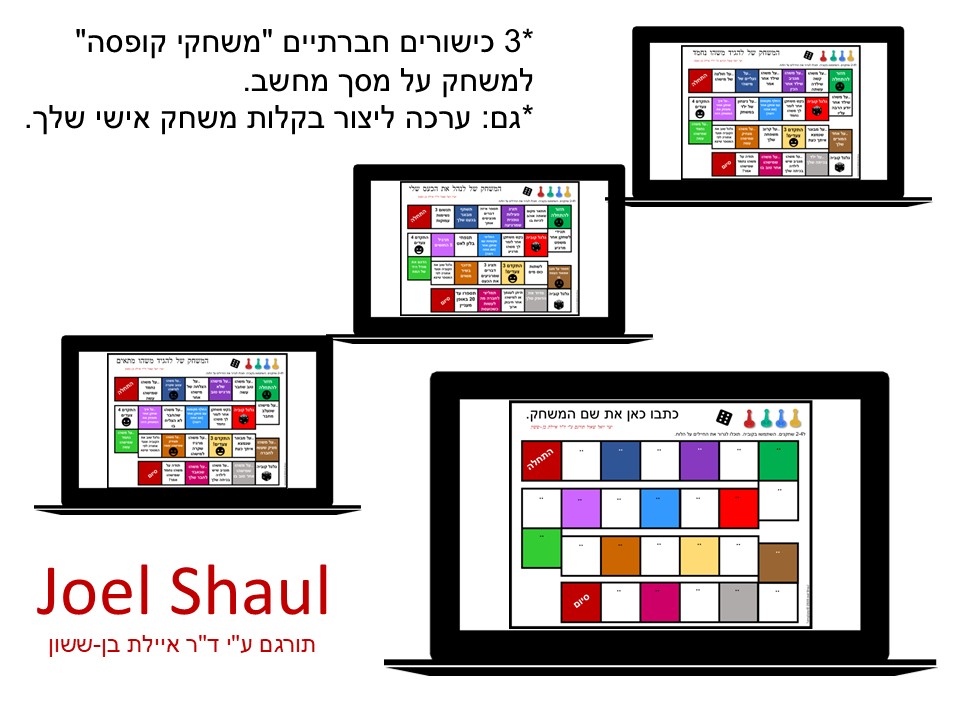
Part 4: Workplace preparation – Job interview skills, ways to teach them
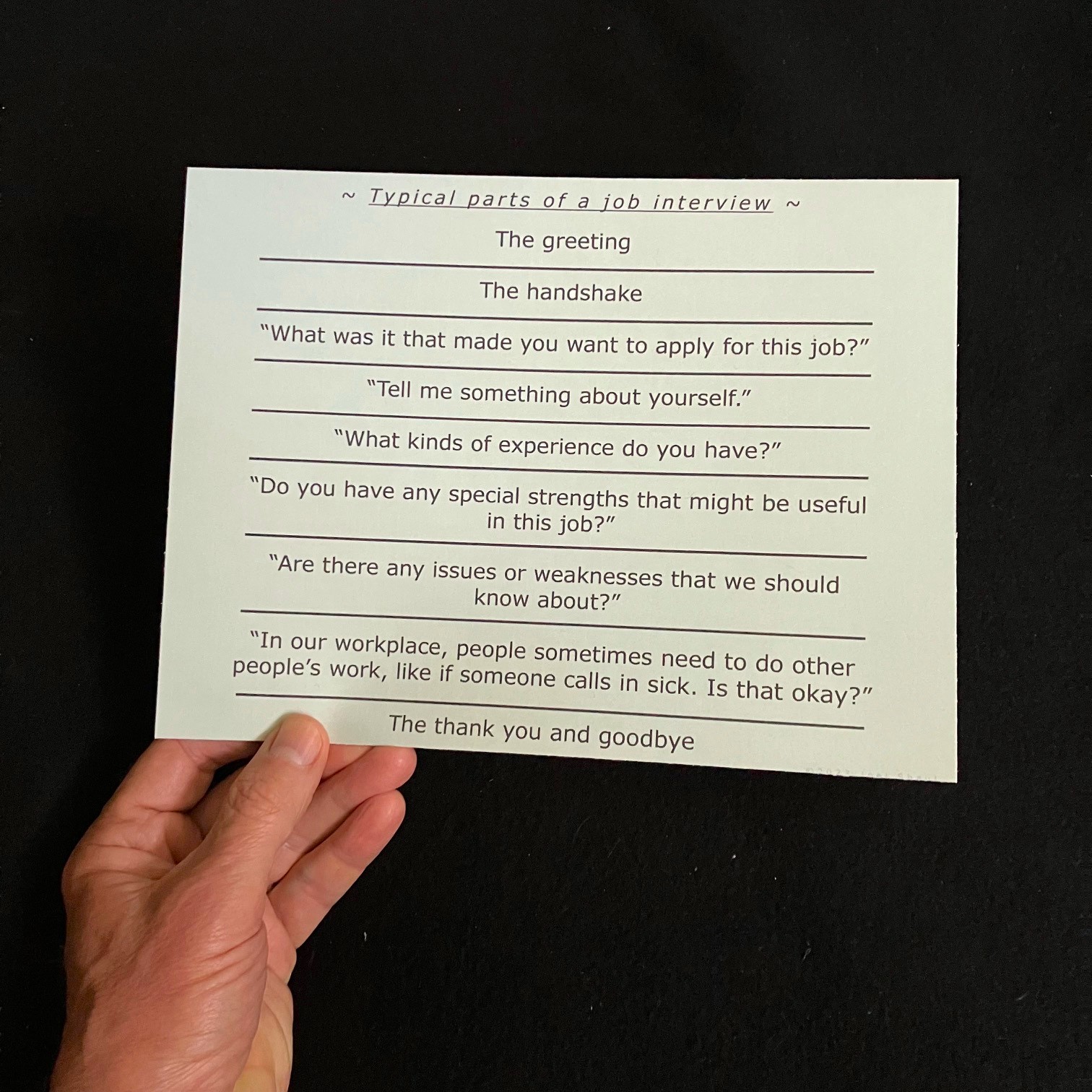
Almost all of us find interviewing for a job to be a daunting social experience.
There is so much at stake in a short, intense conversation. And everything about us – our words, demeanor, appearance, and life history – is under focused scrutiny.
Young people on the autism spectrum preparing for job interviews often feel this pressure with great intensity. The demands to answer unfamiliar questions and make a good impression can feel overwhelming to them.
In my own work helping young people with ASD to cope with social and emotional challenges, I have spent many hours helping individuals and groups to get ready for job interviews. My impression overall is that my clients have enjoyed this work and benefited from it. Some have told me later that job interview practice really helped them feel more confident and competent in a job interview.
Here I would like to summarize some of the methods I have used to boost job interview skills in young people with autism.
Raise awareness about realities of employment and the role of employers and employees.
Young people in general, and those with ASD in particular, often lack essential knowledge regarding the employer/employee relationship. So far in their lives, the adults in the lives of young people have been primarily parents and teachers providing nurturance and education. In employment, it’s different – you are the adult now, the one providing the service to others.
Parts 1, 2 and 3 in this series are to reinforce basic knowledge about employment. If you have not done so already, I suggest you reference at least some parts of the earlier resources before attempting practice job interviews.
Obviously, the responsibilities of employment may be beyond the capacity of some of our young adult clients, who might be very strongly affected by some debilitating aspects of ASD or by co-occurring issues such as intellectual disability or clinical anxiety and depression. Still, in my own work in groups and classrooms, I have generally had everyone take part in workplace awareness education and job interview practice, including individuals who did not appear ready to move into conventional work situations. I feel those not destined for regular employment still benefited by learning important information about what employment is like.
A great way to build interest and awareness about employment is to show YouTube videos on the subject.
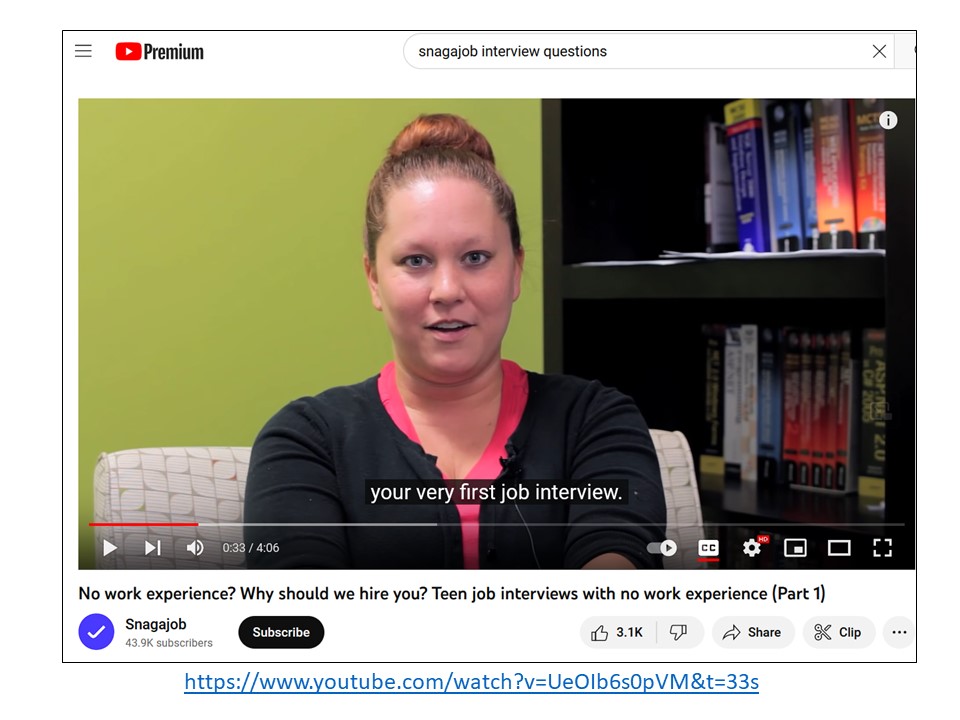
I have used the “Snagajob” series below over and over again. It has a tone of levity, but is very informative. It focuses on an aspect of job interviewing that many people with autism find especially difficult: answering tricky questions. Click on the picture below to link to these videos.
Address non-verbal elements of job interviewing.
Points of discussion should include:
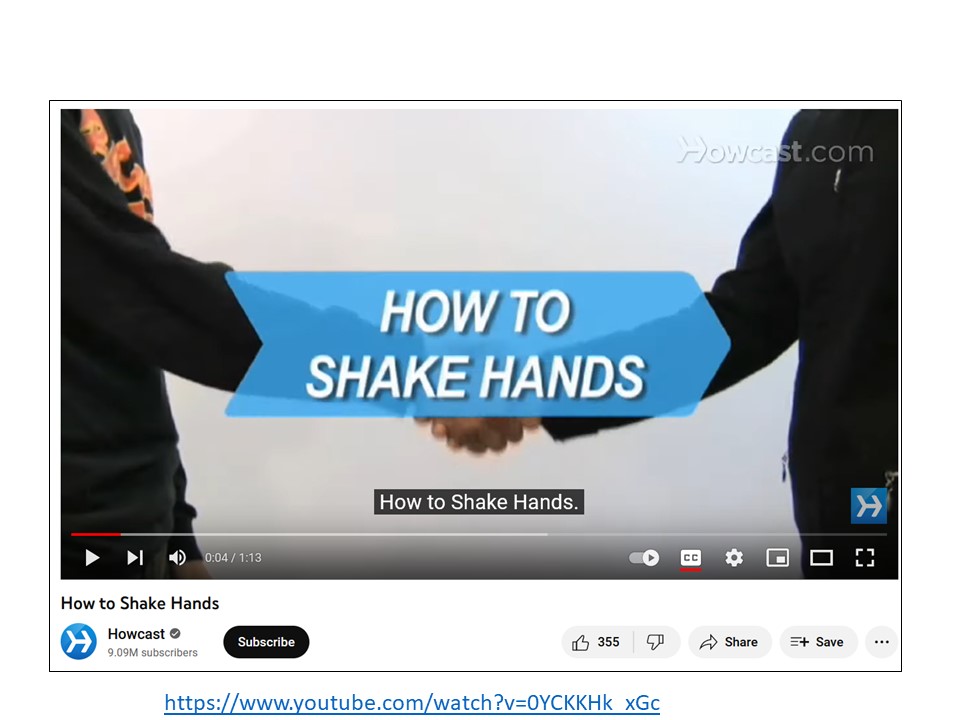
*Shaking hands. See the video below. I have spent whole sessions practicing this with individuals and groups.
*Non-verbal Do’s and Don’t’s of job interviews. Years ago, in a practice job interview, a student of mine elected to end the interview by skipping the handshake and giving me, the interviewer, a warm embrace instead.
*Eye contact. Troubleshoot workarounds for when someone is expected to use eye contact but they have an aversion to doing this.
*Posture.
*Attire and hygiene.
Increase awareness of the most common interview questions, and acceptable replies.
Print out the single-page list of common interview questions. When you start with the practice interviews, I suggest you mainly stick with these questions at first.
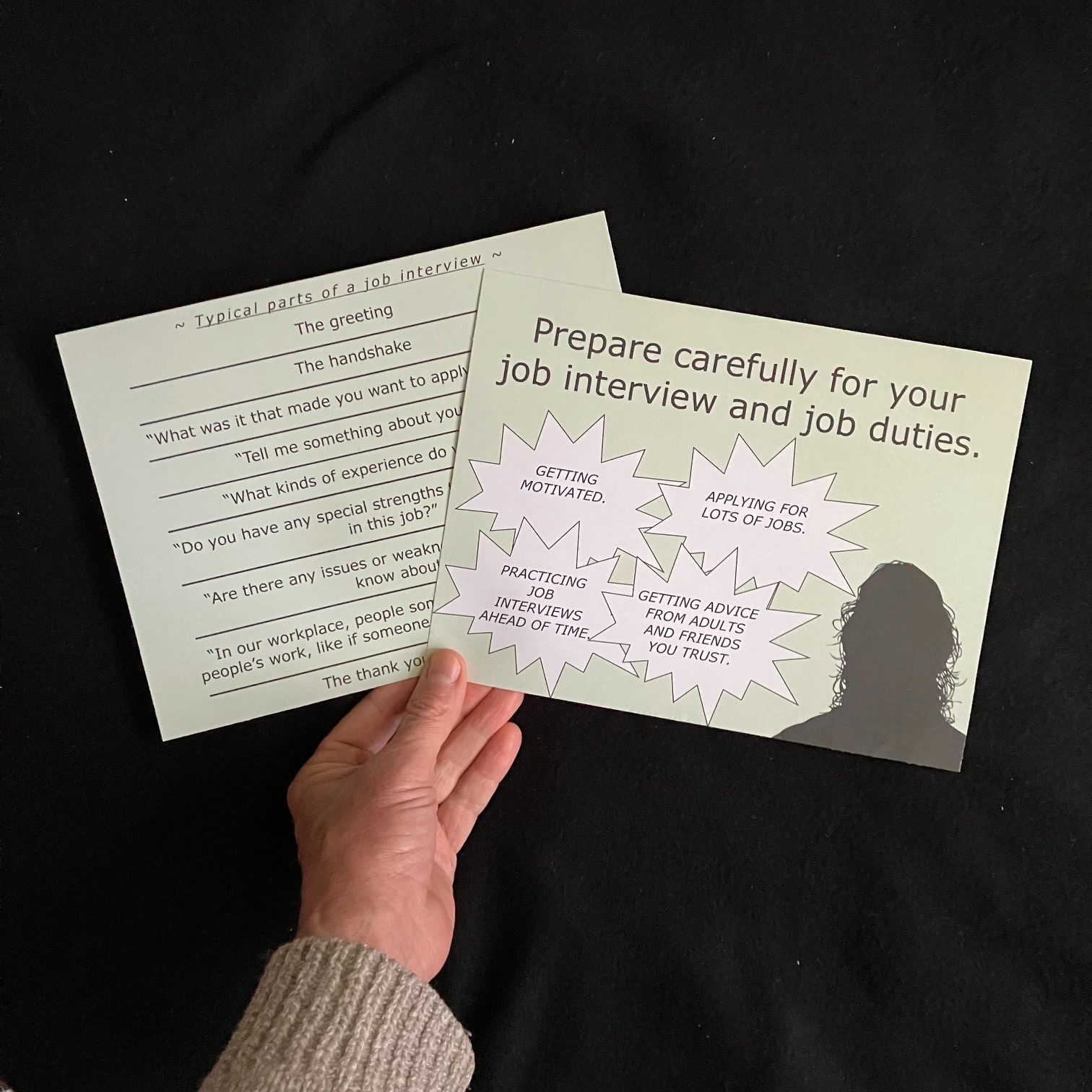
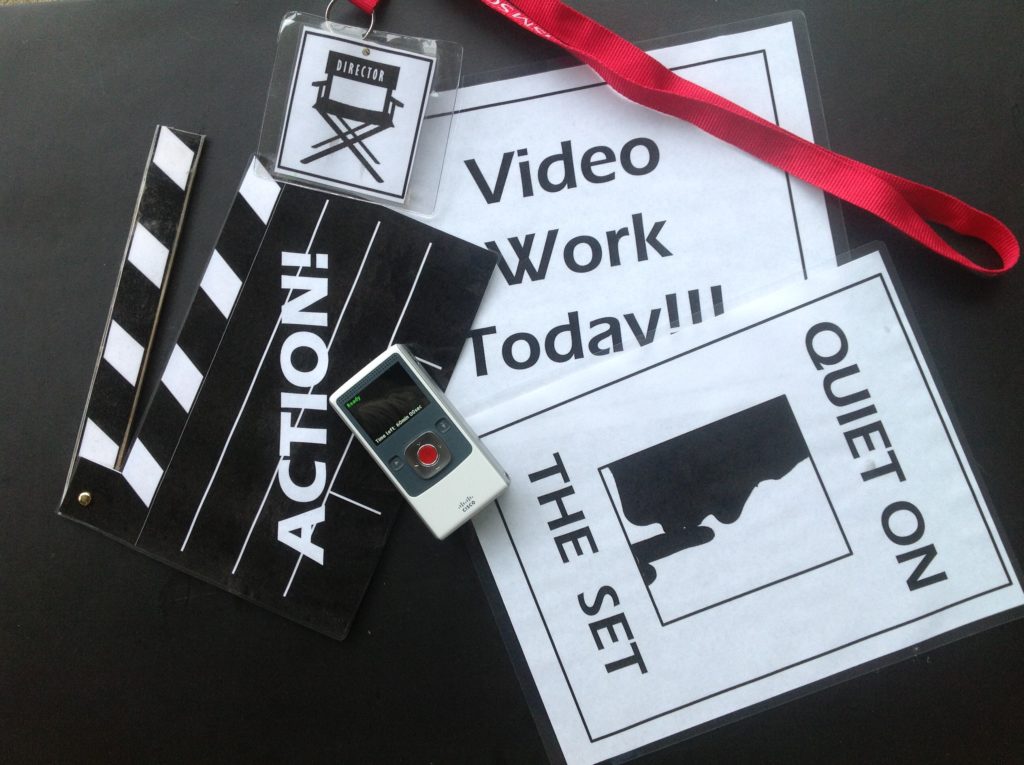
Video the practice job interviews if you can! Most young people really like this, and it makes practice interviewing a much more effective teaching tool.
I have a tutorial on simple ways to do video modelling. I hope you will try doing this.
Joel Shaul, LCSW
Intro: Workplace preparation resources for young people with ASD
Part 2: Workplace preparation – printable teaching panels
Part 3: Workplace preparation – Q & A cards
Part 4: Job interview skills – how to teach it and provide practice
Part 3: Workplace preparation Q & A cards (printable & screen-based)
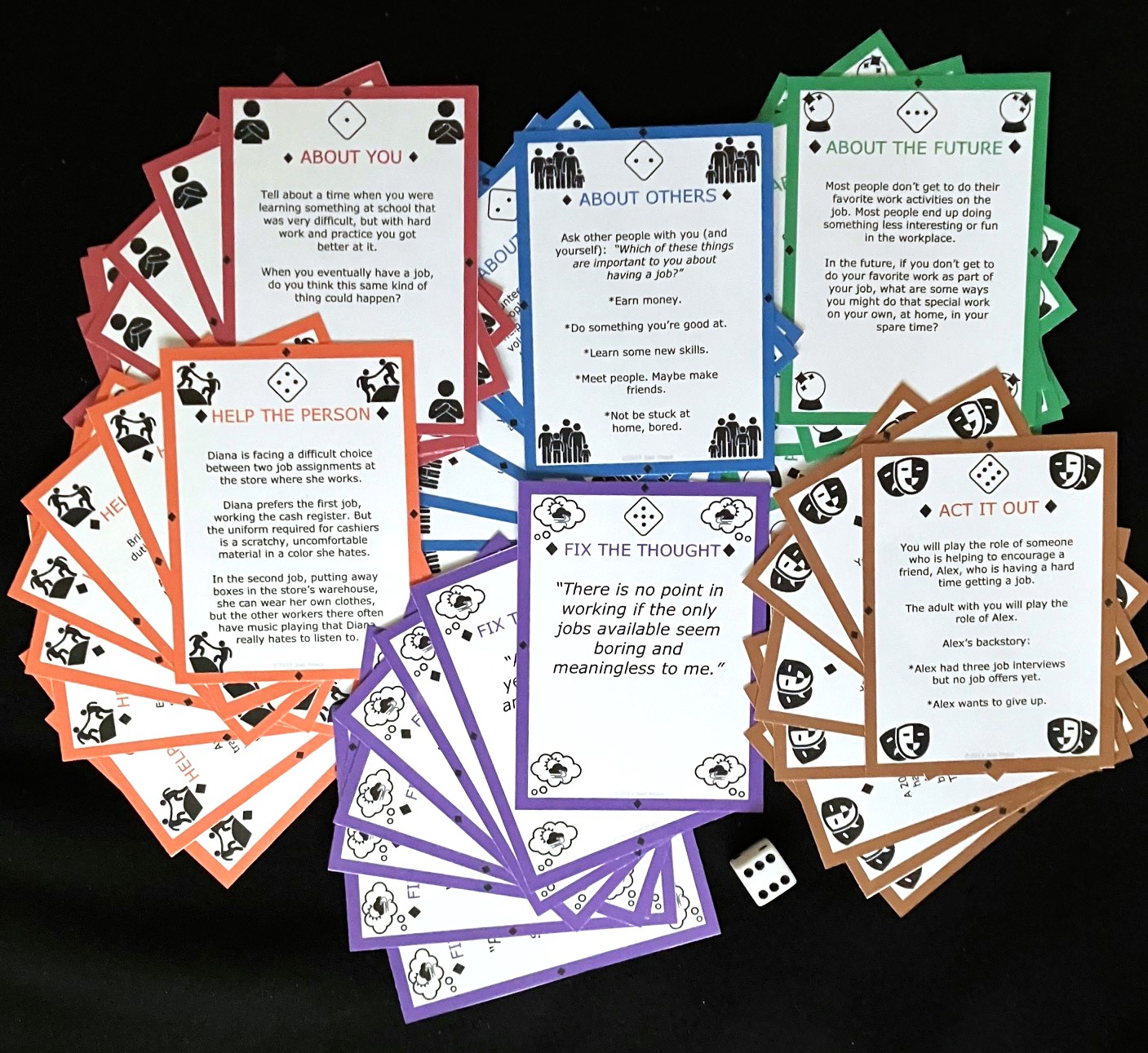
A game-like card activity to promote workplace readiness in teens and young adults on the autism spectrum, in printable and screen-based versions.
In German: Bereit für den Arbeitsplatz – Karten
Hebrew translation of this resource
Why I made these cards
To engage teens and young adults on the spectrum in productive discussions about preparing for adulthood, I have found it useful to employ various media and game-like methods. Q & A card resources are one of my mainstays. This method helps to break up the usual adult-questioning-the-child dynamic in therapy and teaching. And in small-group and classroom work, the turn-taking format helps to give everyone, including quieter participants, the chance to talk.
Ways to use these cards
There are six categories of cards, allowing for a game-like element by rolling a die to determine which card a participant has to select.
But you may feel free to use these cards however you like. For example, you can pick through the deck and select the cards you think are most relevant and helpful for the young people you are assisting. You may decide to focus on just one single category of card.
For another card-based resource to explore much broader themes of preparing for adulthood, check out Young Adult Future Cards.
Here are the six different card categories.
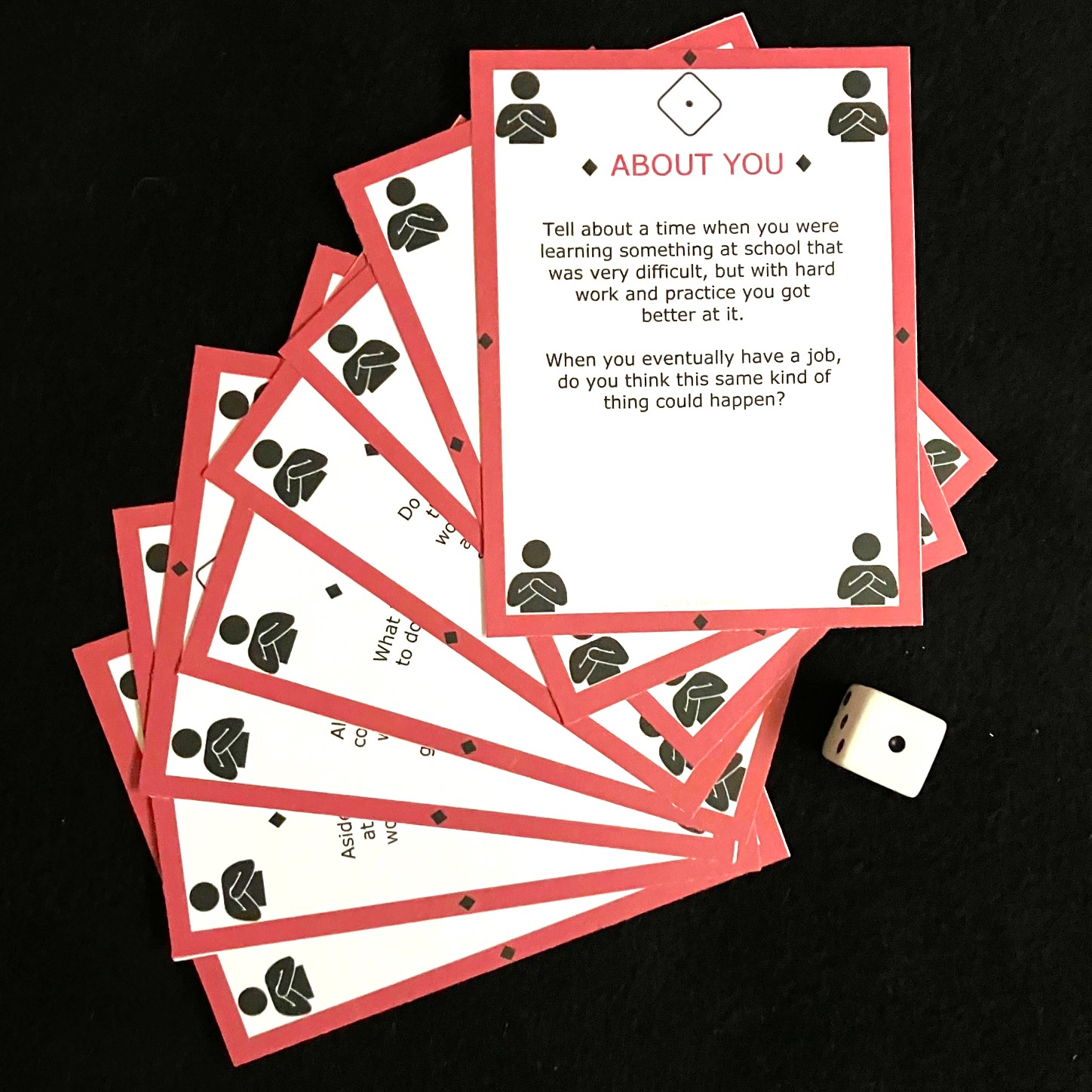
Category 1: About you (shown below). The question posed on each of these cards asks a work-related question pertaining to the person who drew this card.
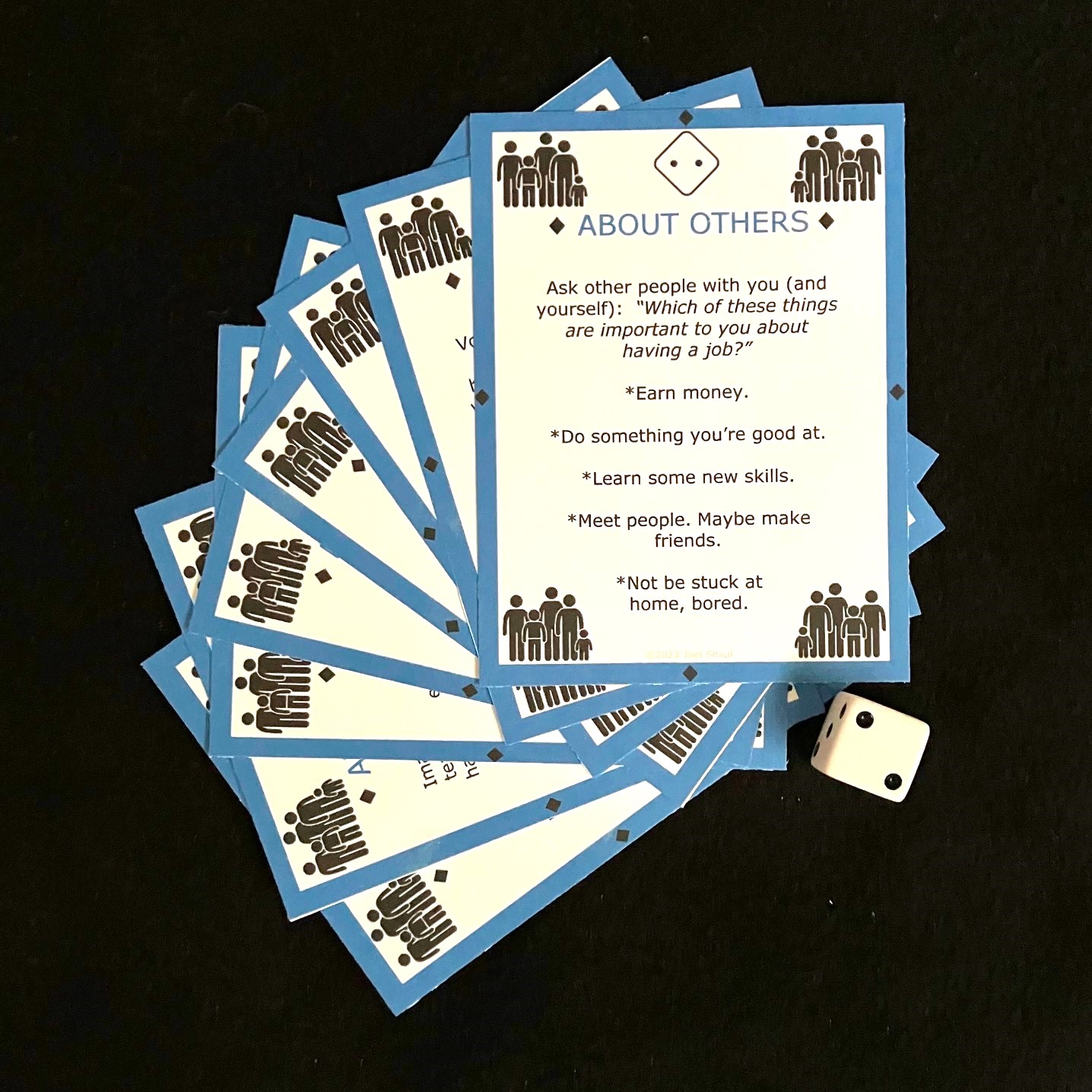
Category 2: About Others (shown below). These cards ask the person drawing the card to pose a certain question to others who are participating in the game.
Category 3 (shown below): About the Future. Each question posed pertains to a work-related matter in the future of the person who draws the card.
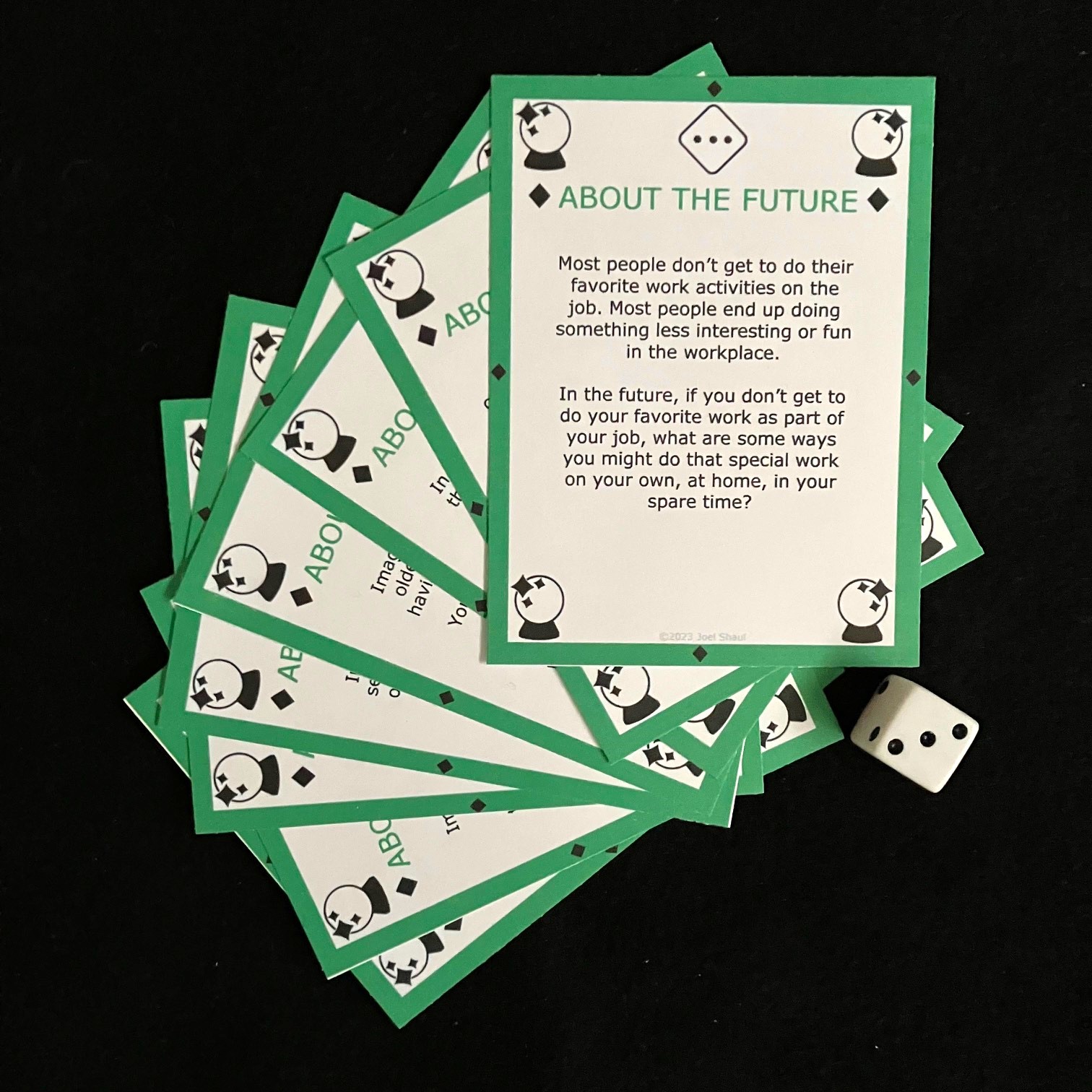
Category 4: Help the Person (shown below). Each card poses questions about a hypothetical young adult facing a work-related problem.
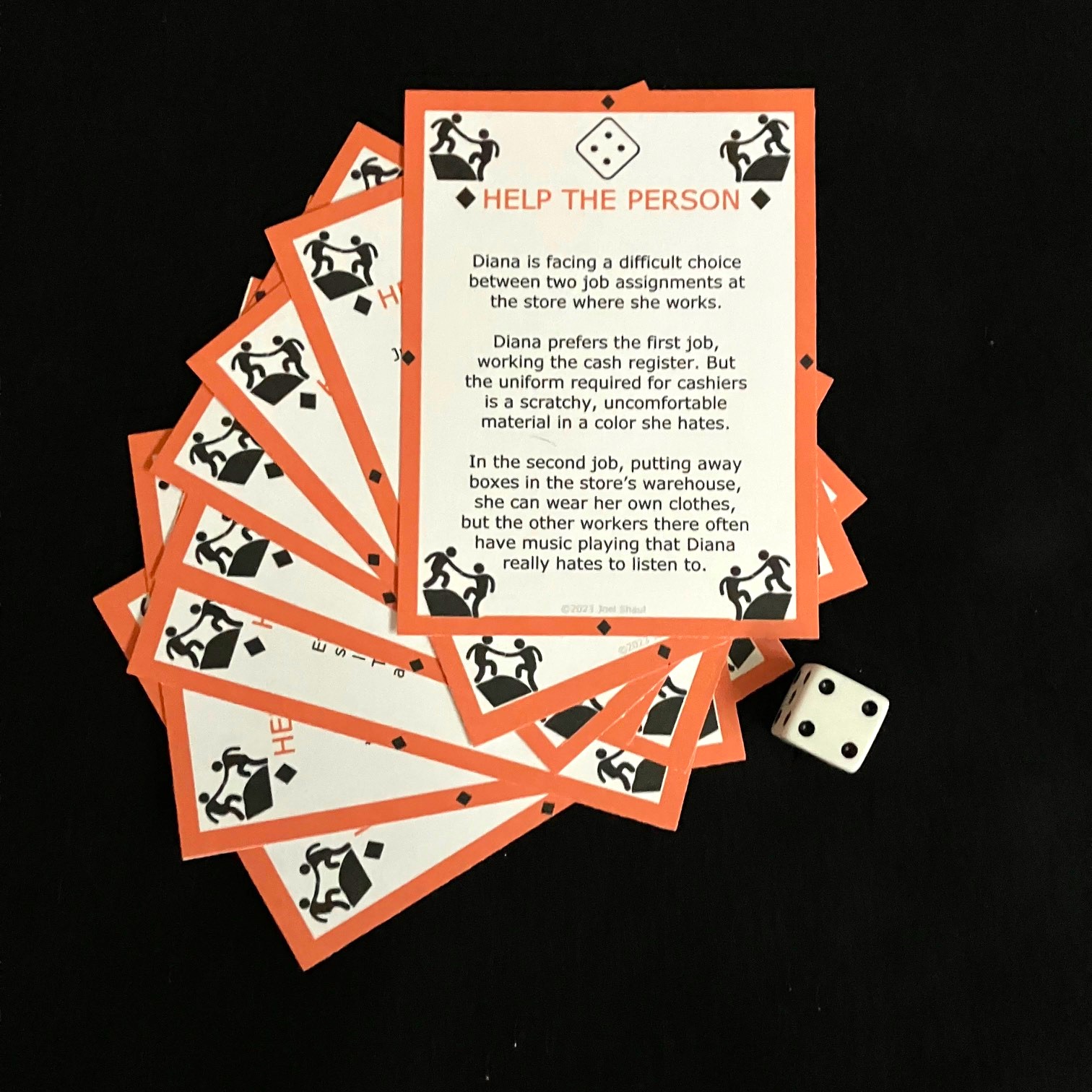
Category 5 (shown below): Each card describes a typical negative thought which a young adult with ASD might have in response to a workplace issue.
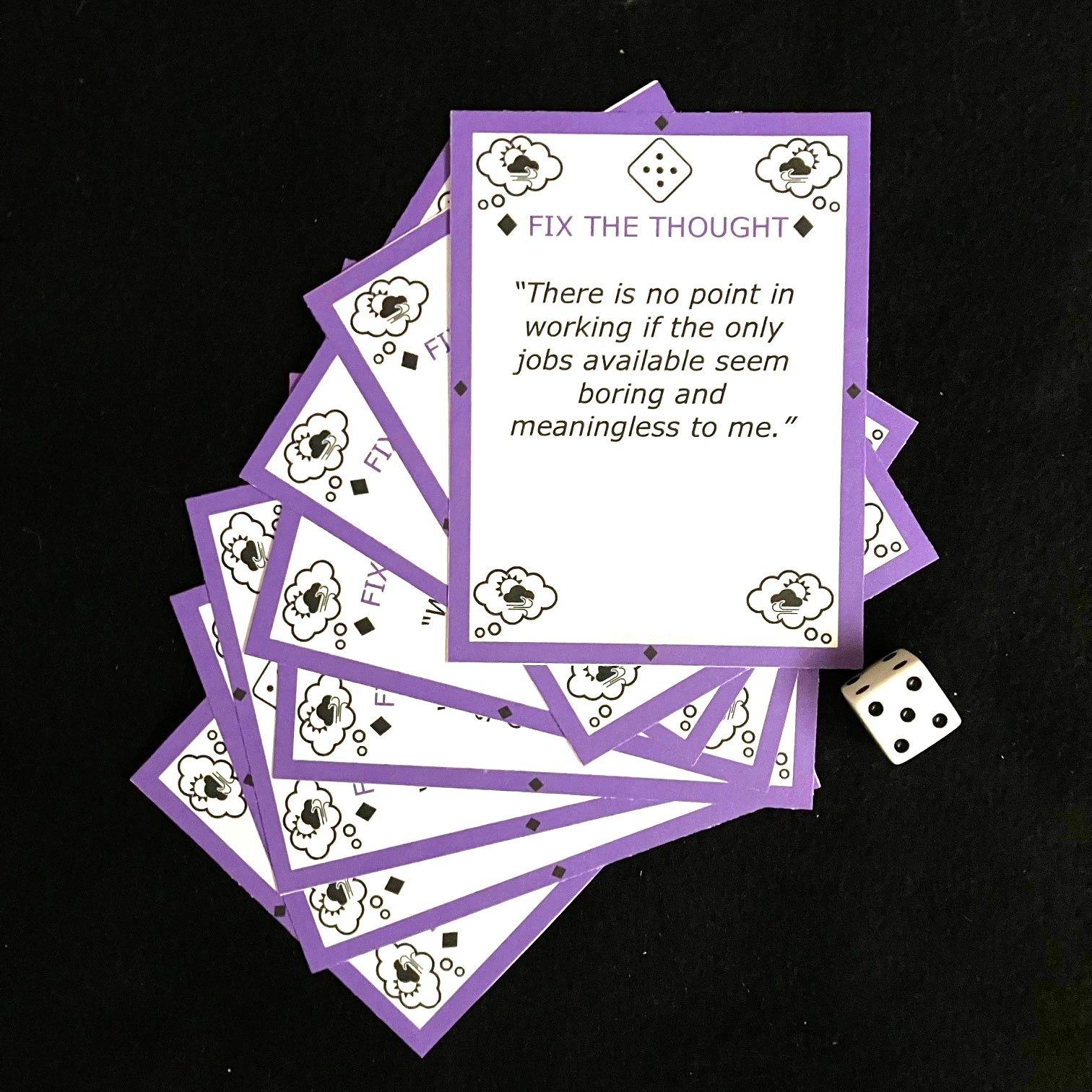
You, the facilitator in this activity, can use the “Fix the Thought” cards in the following manner if you like: You, the facilitator, play the role of a person having this thought. The participants talk to you and offer you alternative ways of thinking.
If you would like to expand on the theme of automatic negative thoughts, check out this video and this resource on “Poison Thoughts.”
Category 6: Act it Out (shown below. These cards obligate the person to enact a brief, work-related role play scenario described on the card.
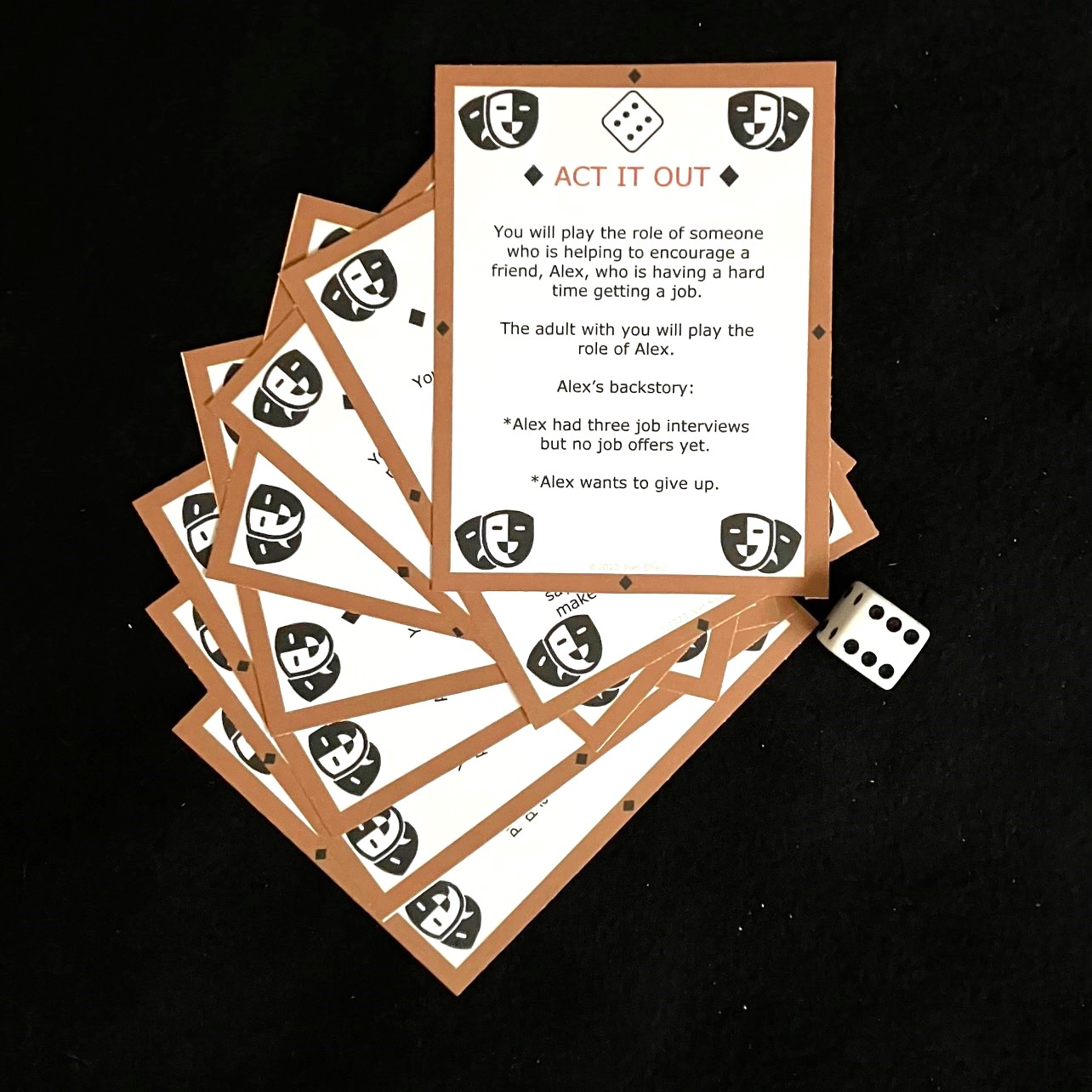
You, the facilitator, play an active role with these “Act it Out” cards. Each card gives “stage directions” for carrying out a very short role play.
These cards are part of a series of vocational preparation materials, which you may access by clicking on the links below.
Joel Shaul, LCSW
Intro: Workplace preparation resources for young people with ASD
Part 2: Workplace preparation – printable teaching panels
Part 3: Workplace preparation – Q & A cards
Part 4: Job interview skills – how to teach it and provide practice
Part 1: Intro – Workplace preparation for young people with ASD. Therapy strategies & free resources.
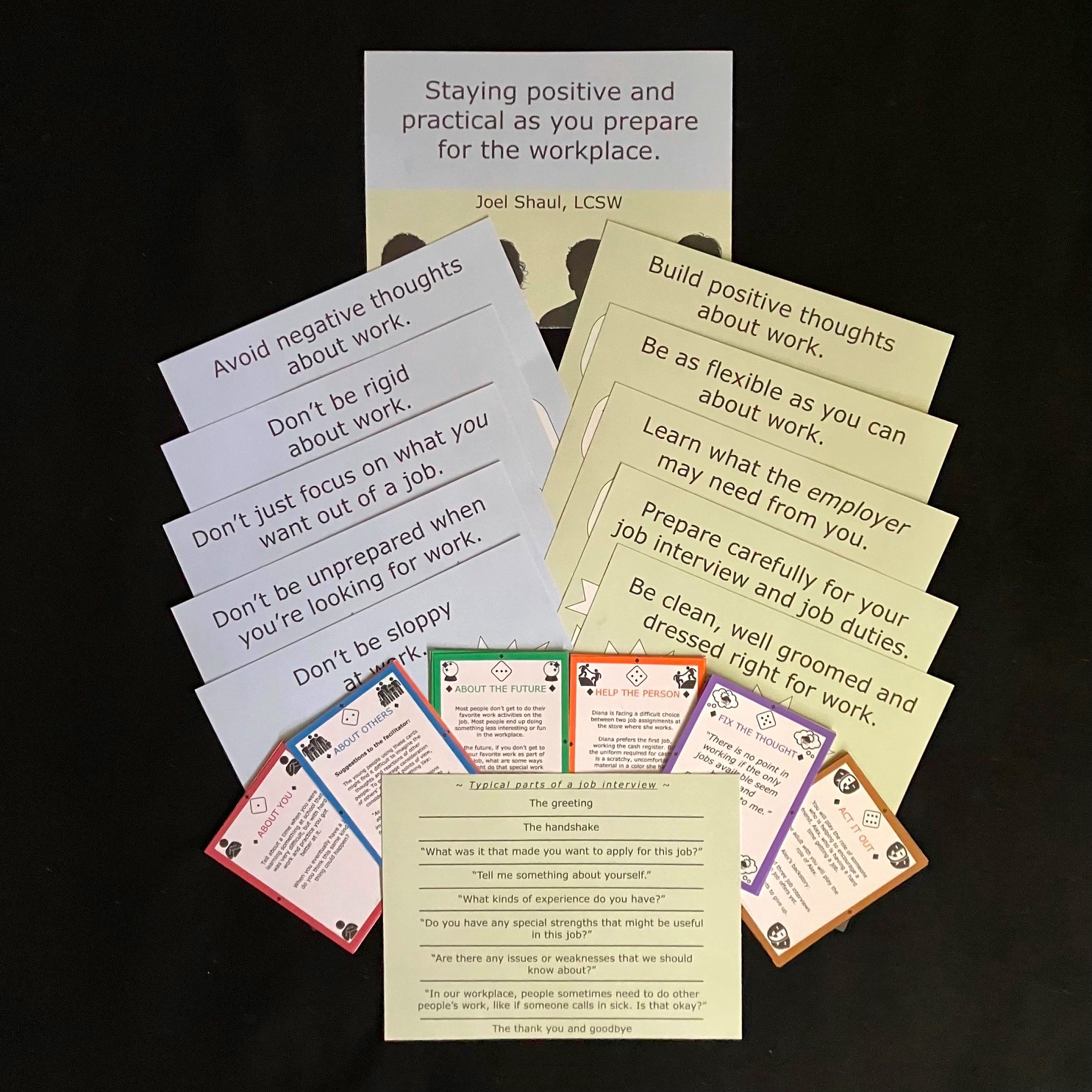
This four-part series, containing ideas for teaching and therapy as well as free, downloadable materials, is to help mental health professionals, educators and speech therapists to promote motivation, practical understanding and positive attitudes about work for their young clients on the autism spectrum.
There are links to each of the four sections at the bottom of this page.
Reasons to build workplace readiness into teaching, therapy and speech:
1. Young adults on the spectrum with work exposure tend to do better, socially and emotionally.
In my own professional experience, my clients who have had work opportunities, either paid or volunteer, have done better overall socially and emotionally as young adults compared to those who have not worked.
After their formal education has stopped, work can provide opportunities for continued growth and accomplishment outside the home. Young people on the spectrum who work, even a few hours a week or in volunteer positions, tend to maintain better self-care skills and social skills. Many are assets to their employers. Those of us who can sometimes “recognize” autistic people out in the working world appreciate their being there so much.
A few of my young, autistic clients have had gifted intelligence or rare abilities. Helping these young people to negotiate some of the social and emotional challenges of initial work experiences has sometimes helped them to aspire to their potential.
2. Filling in knowledge gaps, reinforcing emotional preparation and troubleshooting problems can make young people with ASD more successful in their initial work experiences.
Although there are limits to what we can do in our therapy offices, speech rooms and classrooms to promote work readiness, we should all do what we can.
Once years ago, I happened to be standing next to one of my students when he got a call on his cell from a grocery store supervisor who had received his application and wanted to set up an interview. I overheard this student quote directly from some of the stock answers to job interview questions that we had recently practiced in our social skills group. Clearly, what he had learned in our sessions was helpful to him. He ended up getting hired there – his very first job.
3. Workplace preparation is even useful for individuals who are not destined for the workplace.
Some young people with autism might have co-occurring disorders, such as intellectual disability or severe mood or anxiety disorders, making work difficult to realize outside of sheltered workshops.
In my experience, isolated young people on the spectrum, whose exposure to the world has been largely confined to their homes, schools and computers, show curiosity and lively interest nevertheless in workplace readiness activities, even if conventional employment is not in their future. Although some of the teenagers I have seen in schools and in my office have subsequently not gone on to work very much as young adults, I believe that what they learned about the workplace still has value. They may be able to apply this knowledge later in life if vocational opportunities come up. At the very least, they are building a worthwhile fund of knowledge about the workplace, which may give them useful insights into the lives of family members and other people they know.
Here are the links to all the parts of this series on vocational preparation.
Intro: Workplace preparation resources for young people with ASD
Part 2: Workplace preparation – printable teaching panels
Part 3: Workplace preparation – Q & A cards
Part 4: Job interview skills – how to teach it and provide practice
Joel Shaul, LCSW
Part 4: Creating thought “enemies” and “heroes” in child CBT
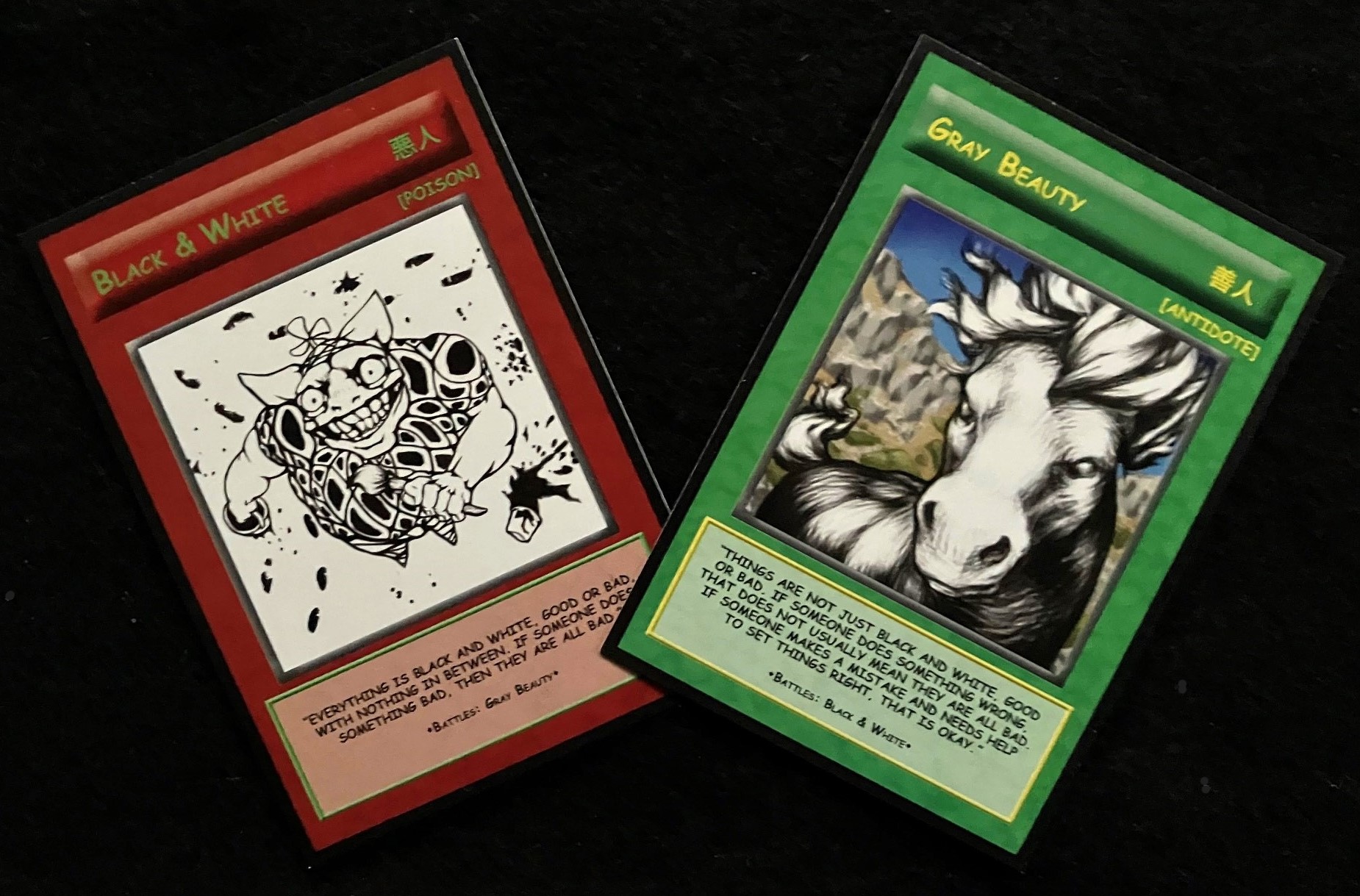
Creating thought “enemies” and “heroes” in CBT
For a long time, people helping children with social and emotional skills have employed imaginary characters to represent various desired and undesired child behaviors. Many of these efforts are more preachy and pedantic than actually helpful, but other systems of “problem and solution” characters have the potential to be really useful in child therapy applications. This article briefly surveys a few of these, and references a character creation kit I made that enables you and a child to quickly fashion custom-designed “problem / solution” characters.
Reasons to employ problem and solution imaginary characters in CBT therapy with kids
A child with serious and persistent social and emotional problems can become demoralized by their constant struggles. The “problem child” can end up feeling so closely linked to their problems that they end up disliking themselves.
Creating problem and solution characters can enable a child to feel little more separate from their problems. Using this method can help a child to view their social or emotional challenge as a sort of adversary that can be fought against with the help of therapists, teachers and family.
Here are the therapeutic elements of creating problem and solution characters with children in therapy, from my perspective. First, this therapy activity can help restore a child’s self esteem by differentiating their essential self from the problems they experience. Second, this method can help a child to focus on central therapy issues. Third, this fantasy-based technique capitalizes on hero / anti-hero narrative systems that are well established in youth culture.
Ready-made problem & solution characters
There are many problem and solution character systems out there. Many are not very good. Here is one I recall from my youth.
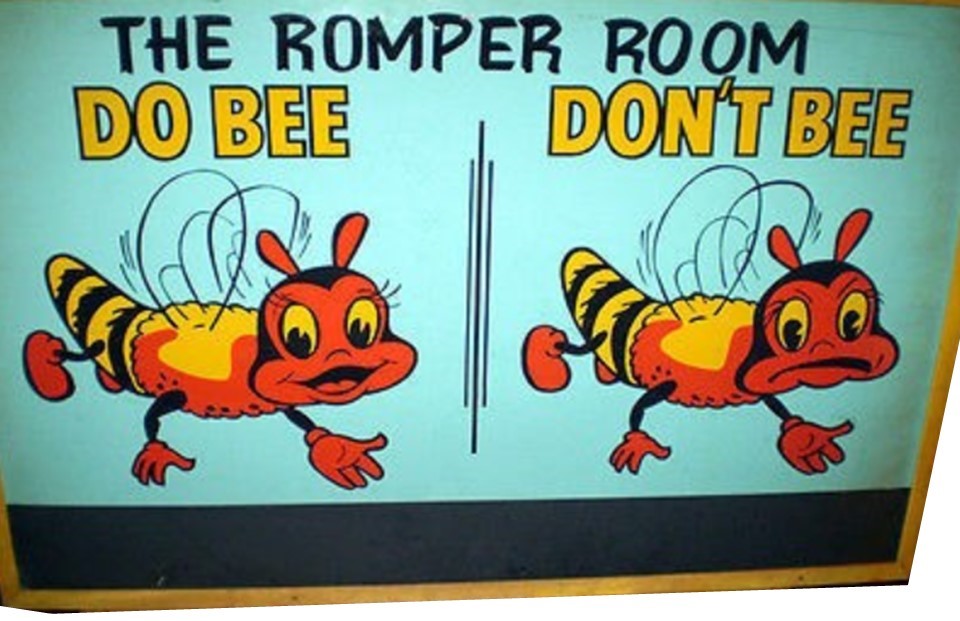
Here are some problem and solution tools that I have found can be pretty useful in CBT applications.
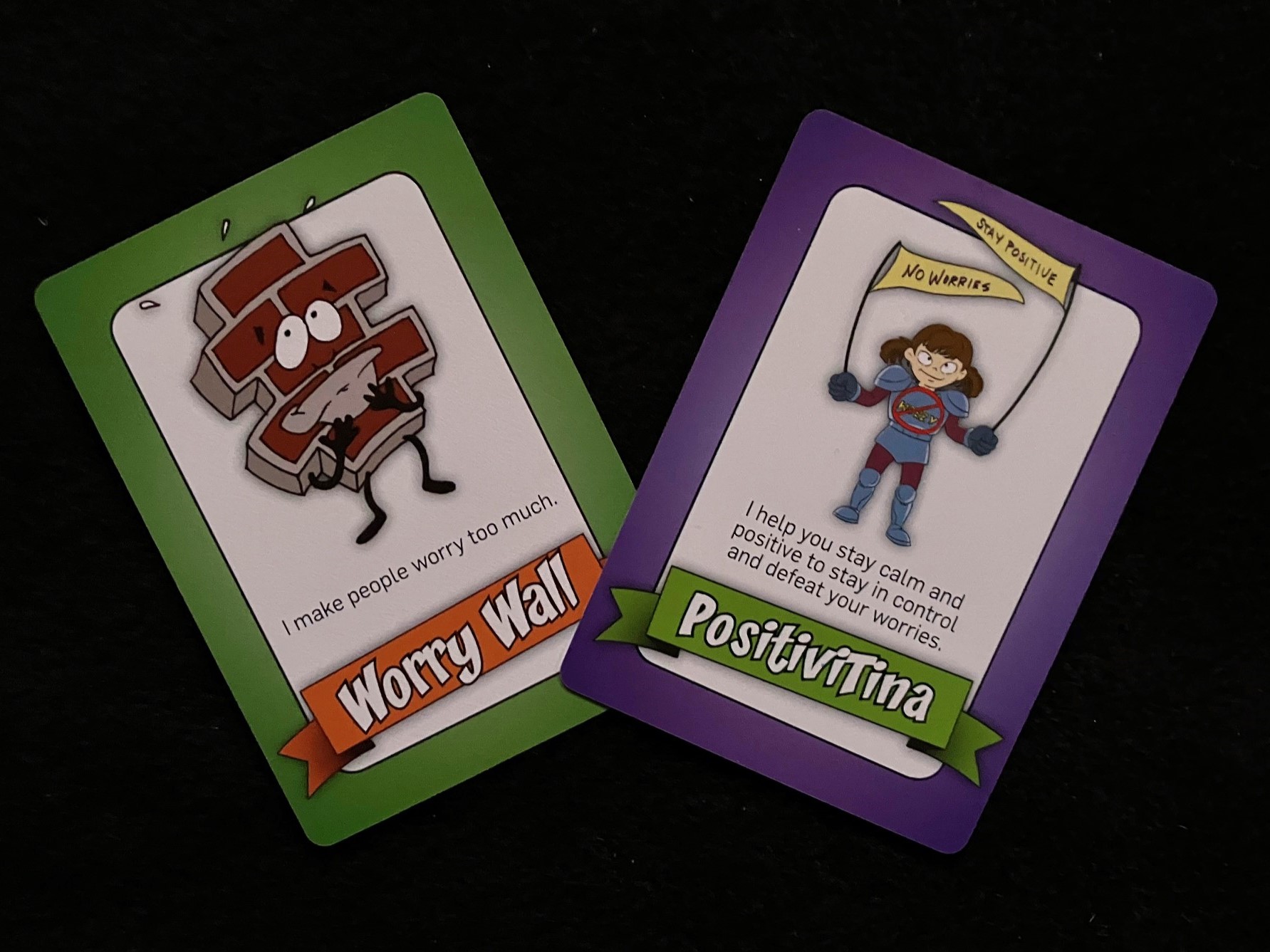
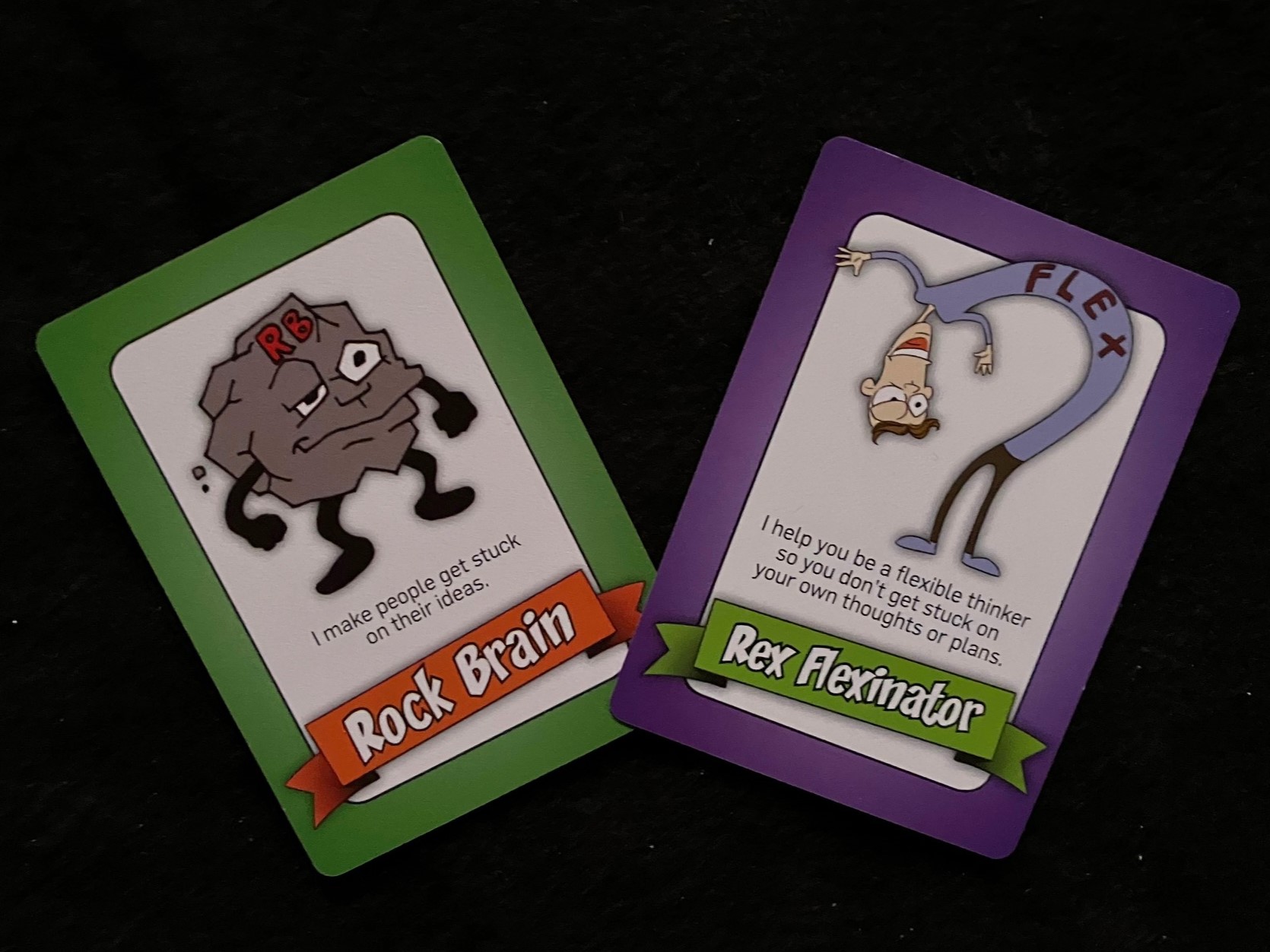
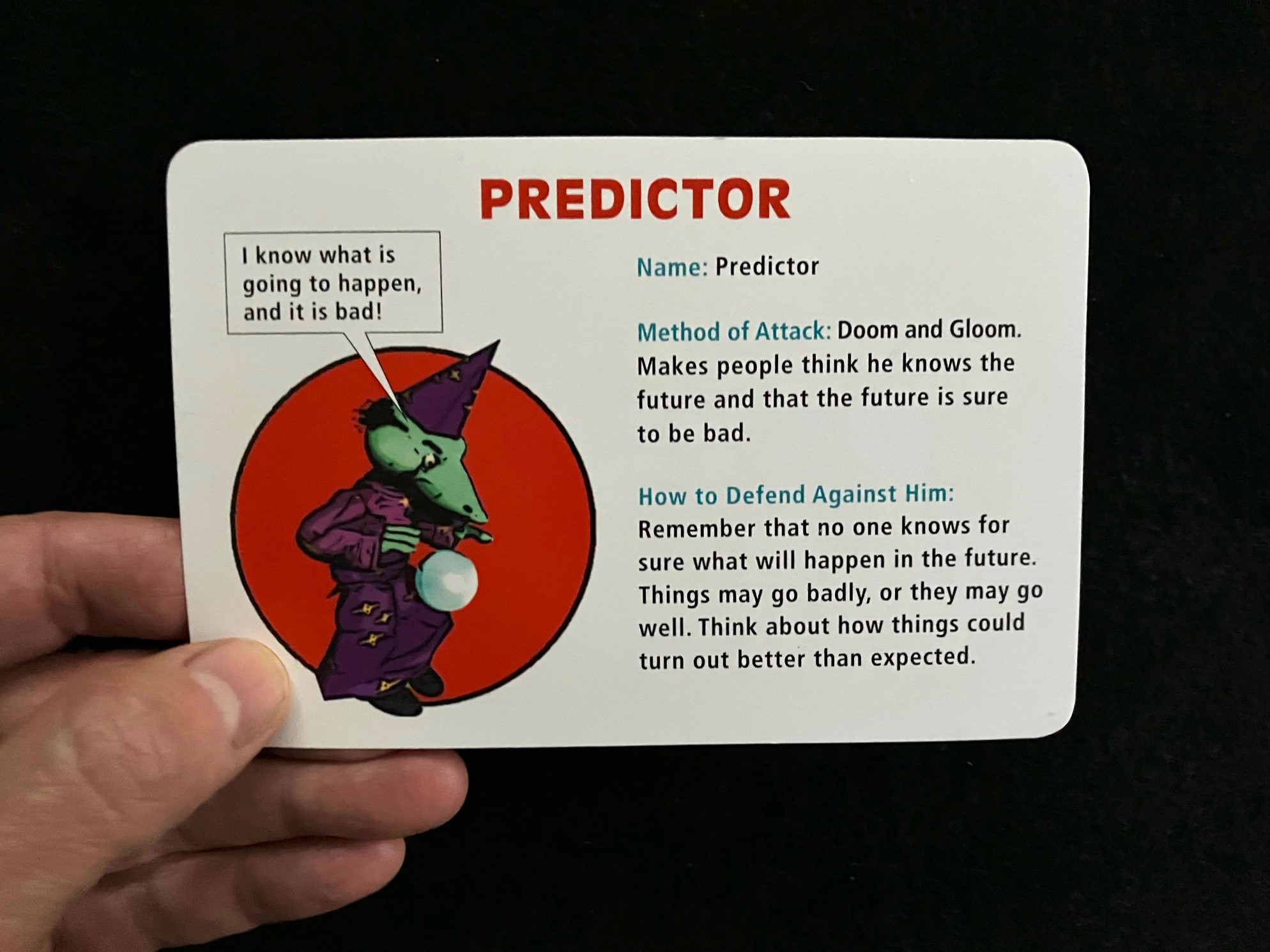
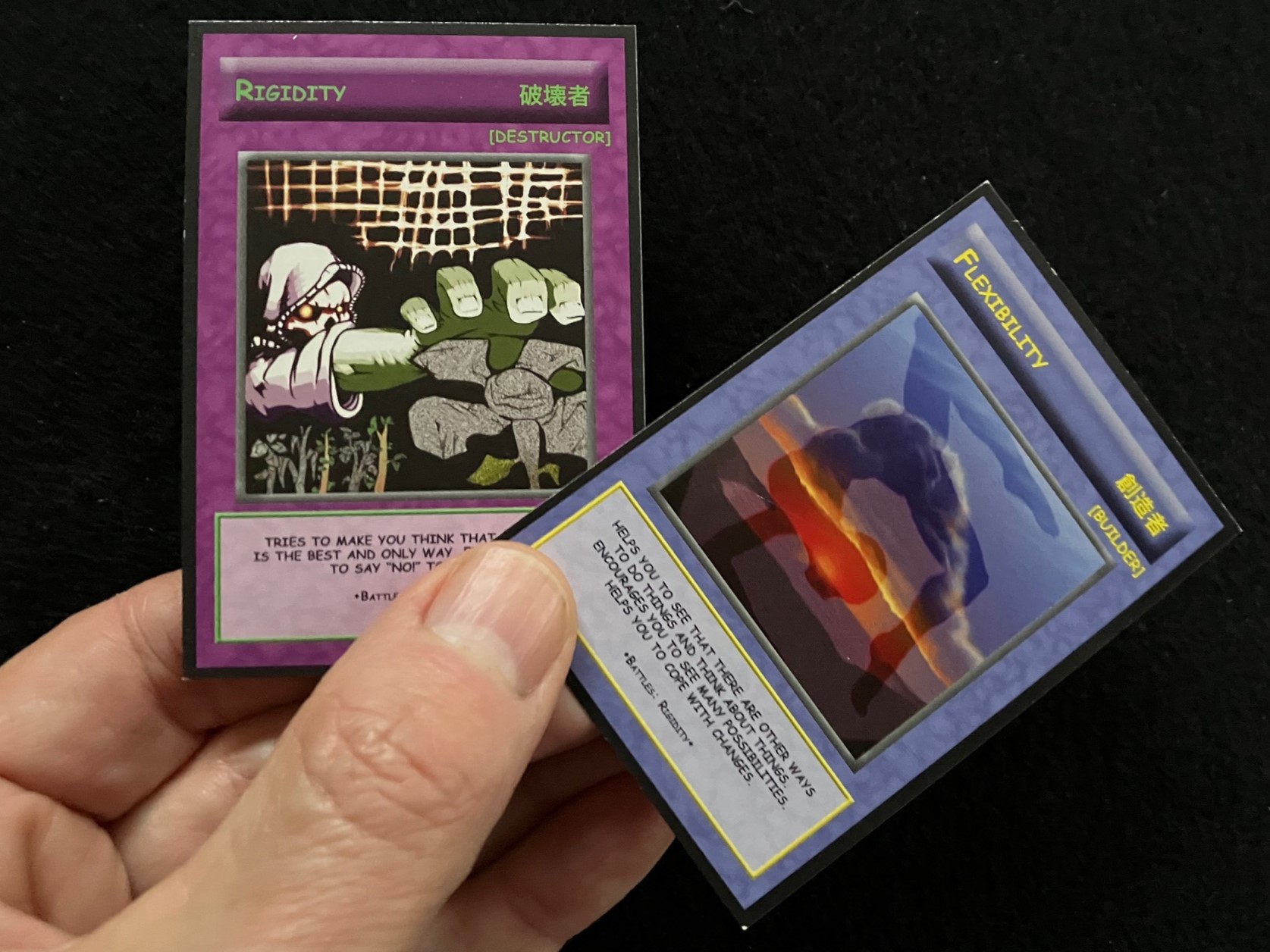
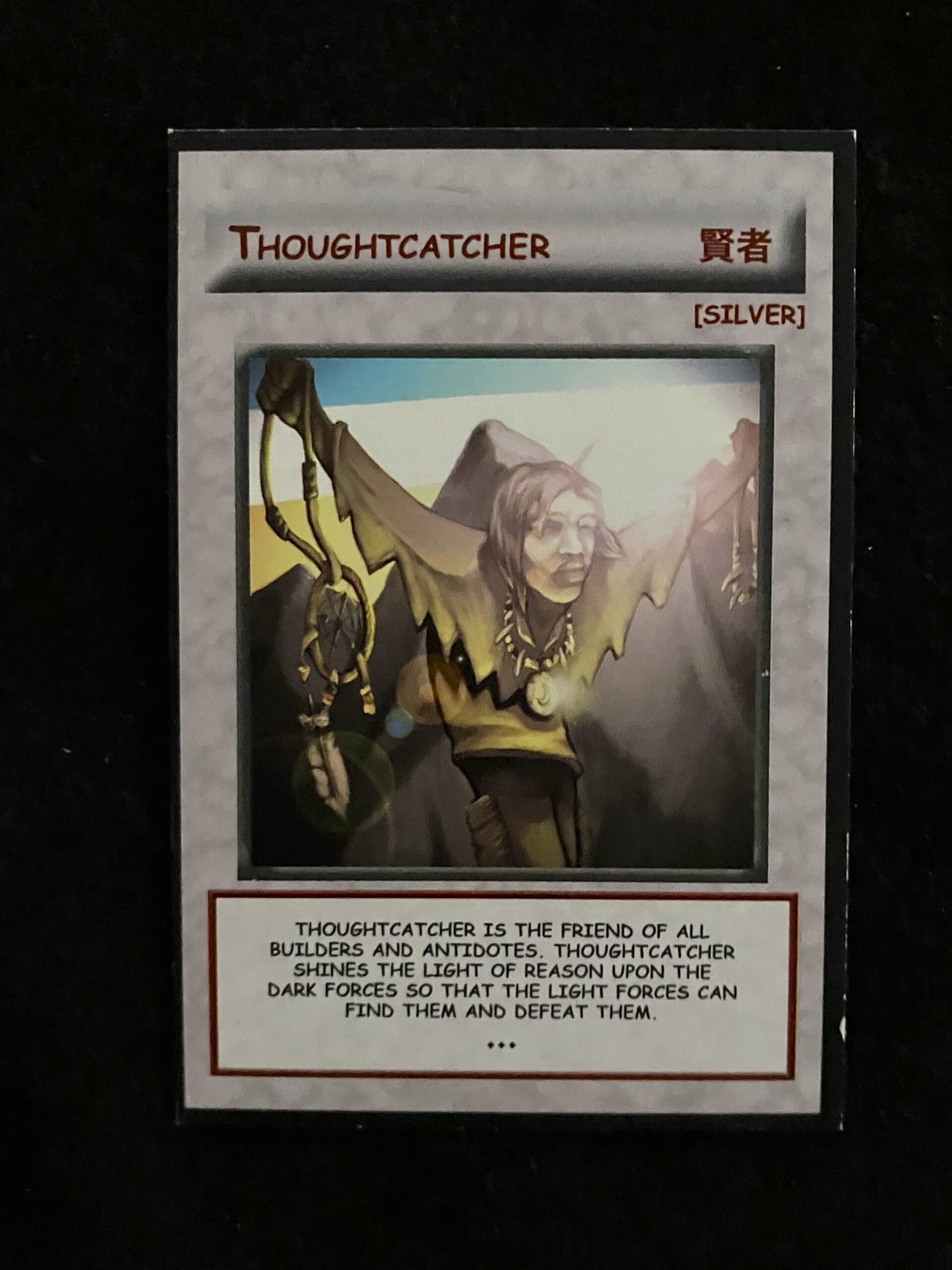
Problem and solution characters that children can create on their own with your guidance
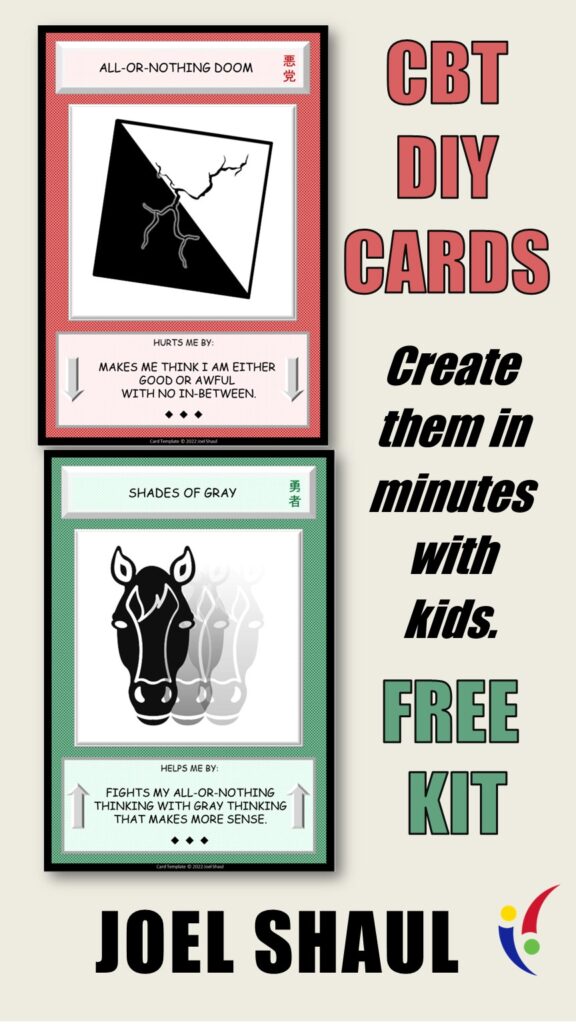
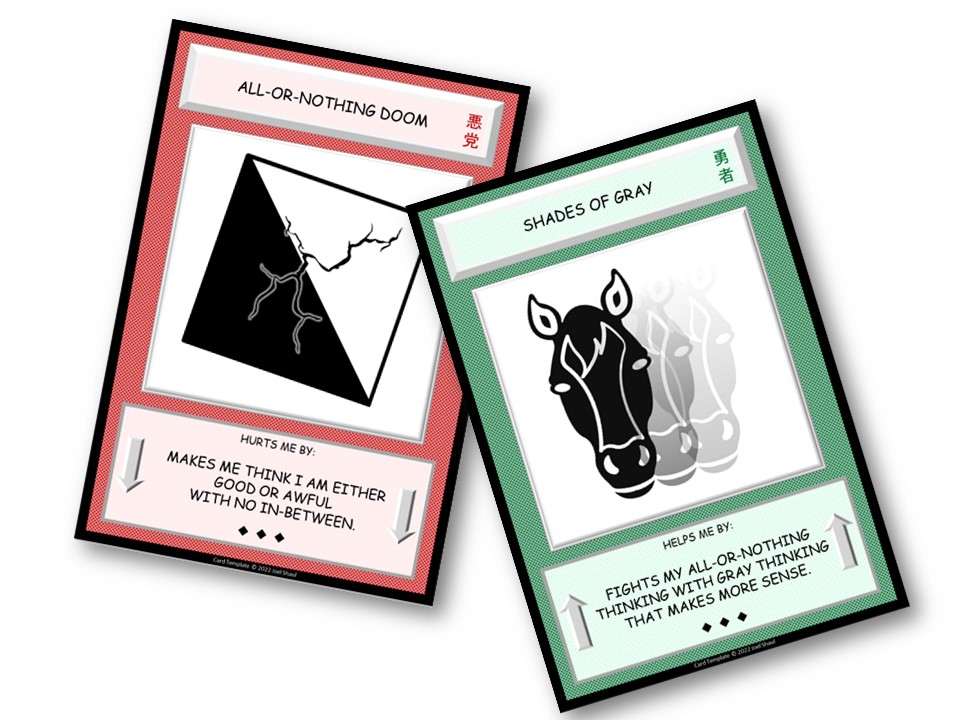
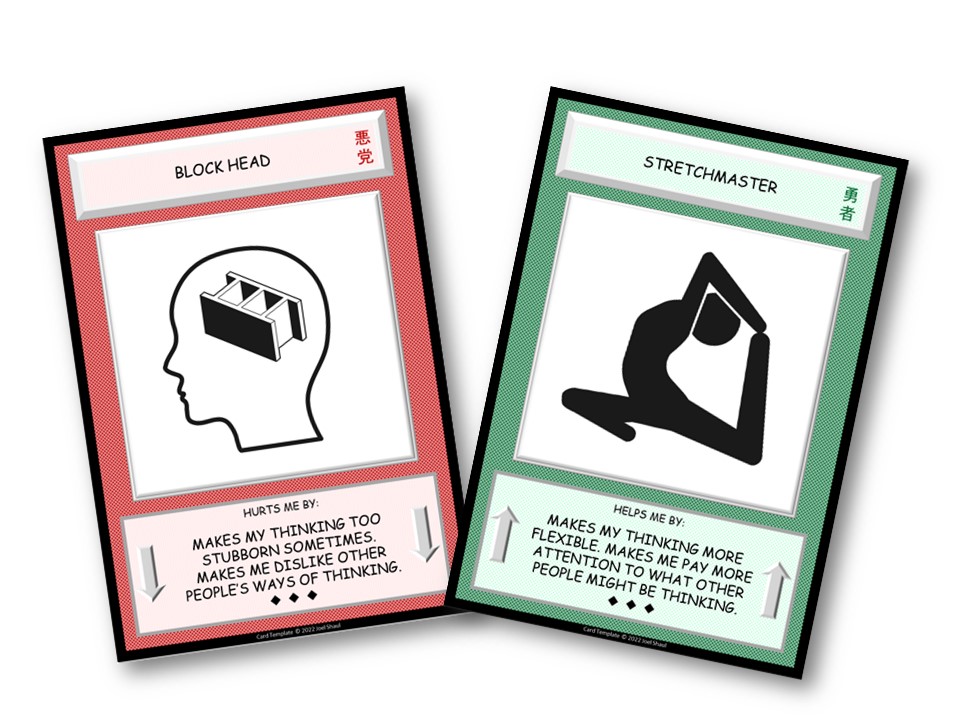
In previous blog posts, I presented a free kit enabling children to create problem and solution characters by either drawing them or via a simple drag & drop system in which numerous images are pre-loaded to select. Here are some pictures showing typical results you might expect. I have used this kit a great deal in my CBT work.
This short YouTube video demonstrates how to do use the rapid PowerPoint template to create the cards without drawing.
Joel Shaul, LCSW
Click on the links below to connect with other parts of this series.
Intro: Refinements to Make CBT Better Suited for Kids [link]
Part 1: About CBT YouTube Videos & How to Use Them [link]
Part 2: CBT Token Systems – CBT Cards, a Free Download [link]
Part 3: More CBT Token Systems – Using Mr. Yuk Stickers [link]
Part 4: Creating Thought “Enemies” and “Heroes” in Child CBT [link]
Part 5: Tailoring CBT Methods & Media to the Individual [link]
Creating social skills resources DURING sessions with a child. How and why to do it.
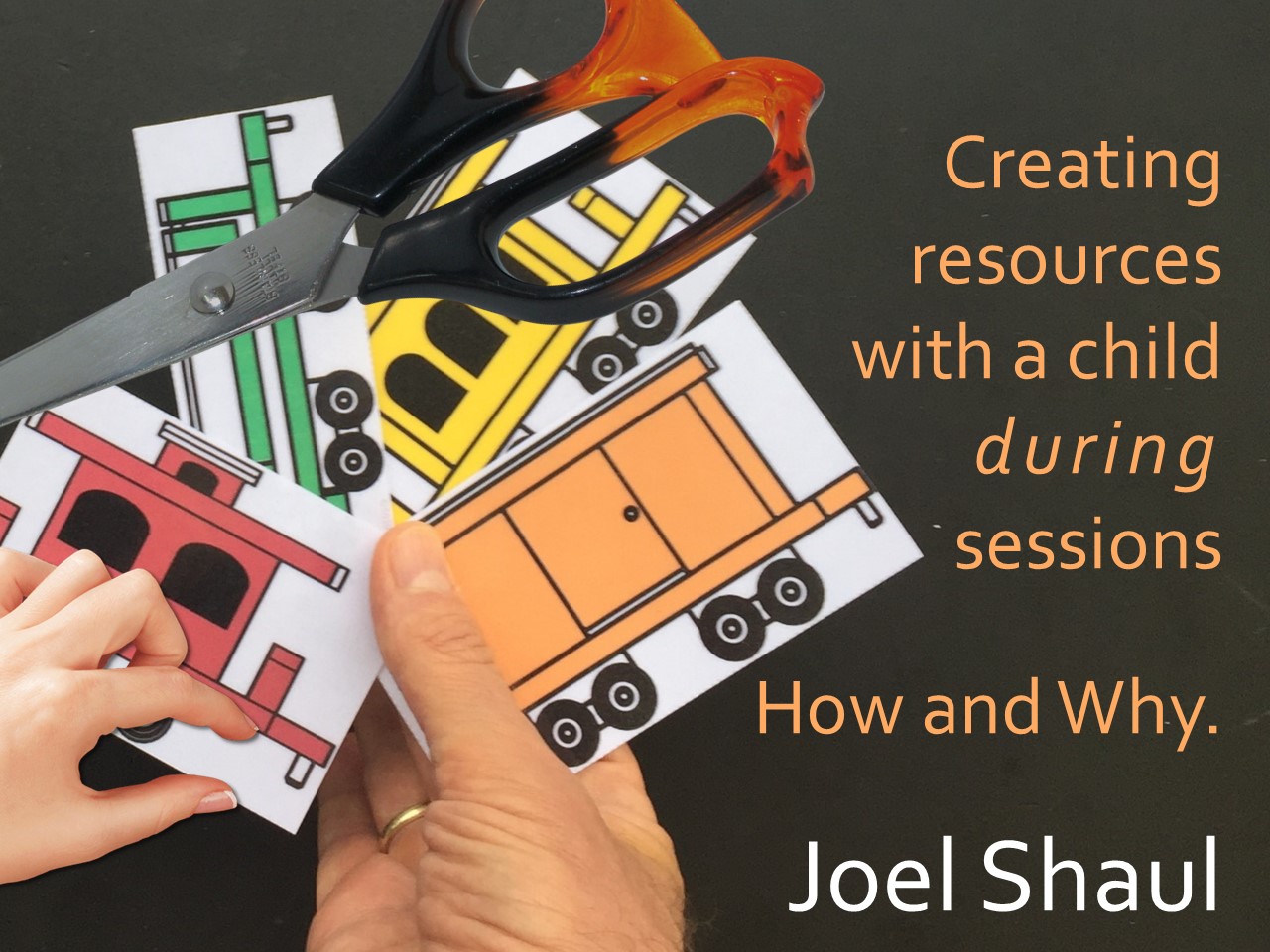
Making the social / emotional skill resource during the session – instead of before – can be very effective.
Children with persistent or complex problems can become weary and demoralized in response to the repetitive approaches we employ to help them. One important way to make the helping process more interesting and engaging is to have the child become directly involved in the creation of therapy resources during the session. With just a little preparation, quite a few of the free resources on this website can be created with some level of assistance by a child during sessions.
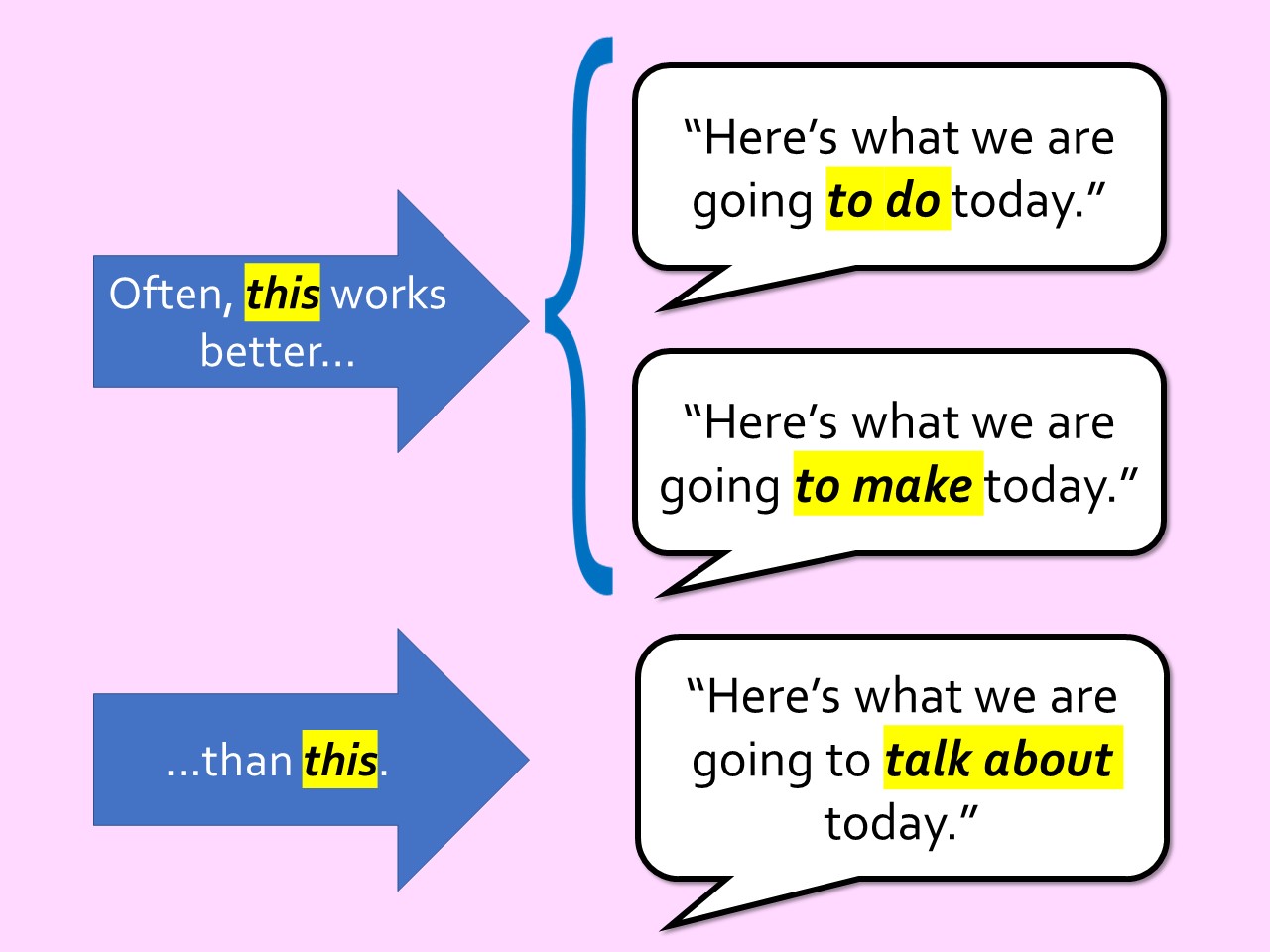
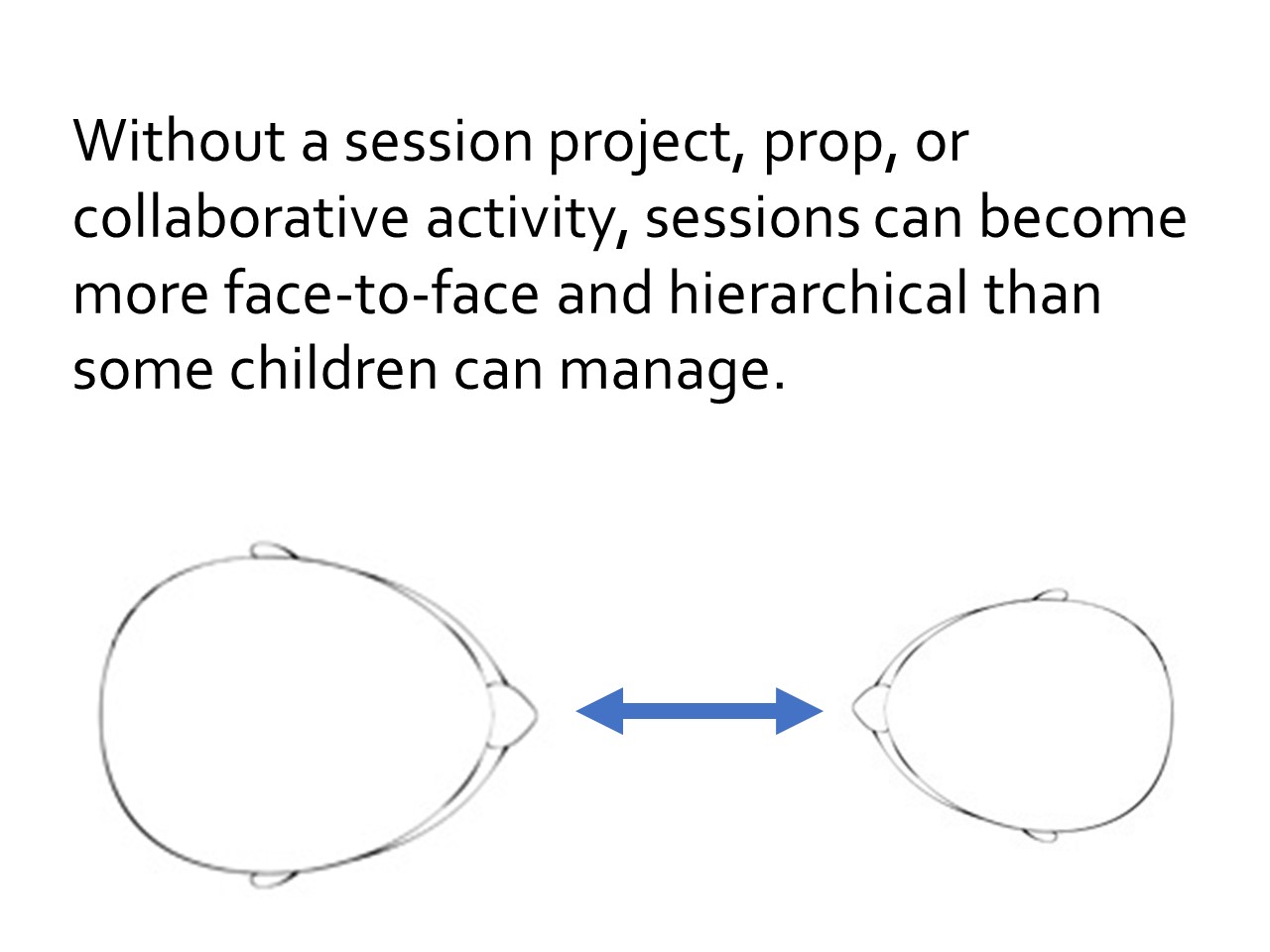
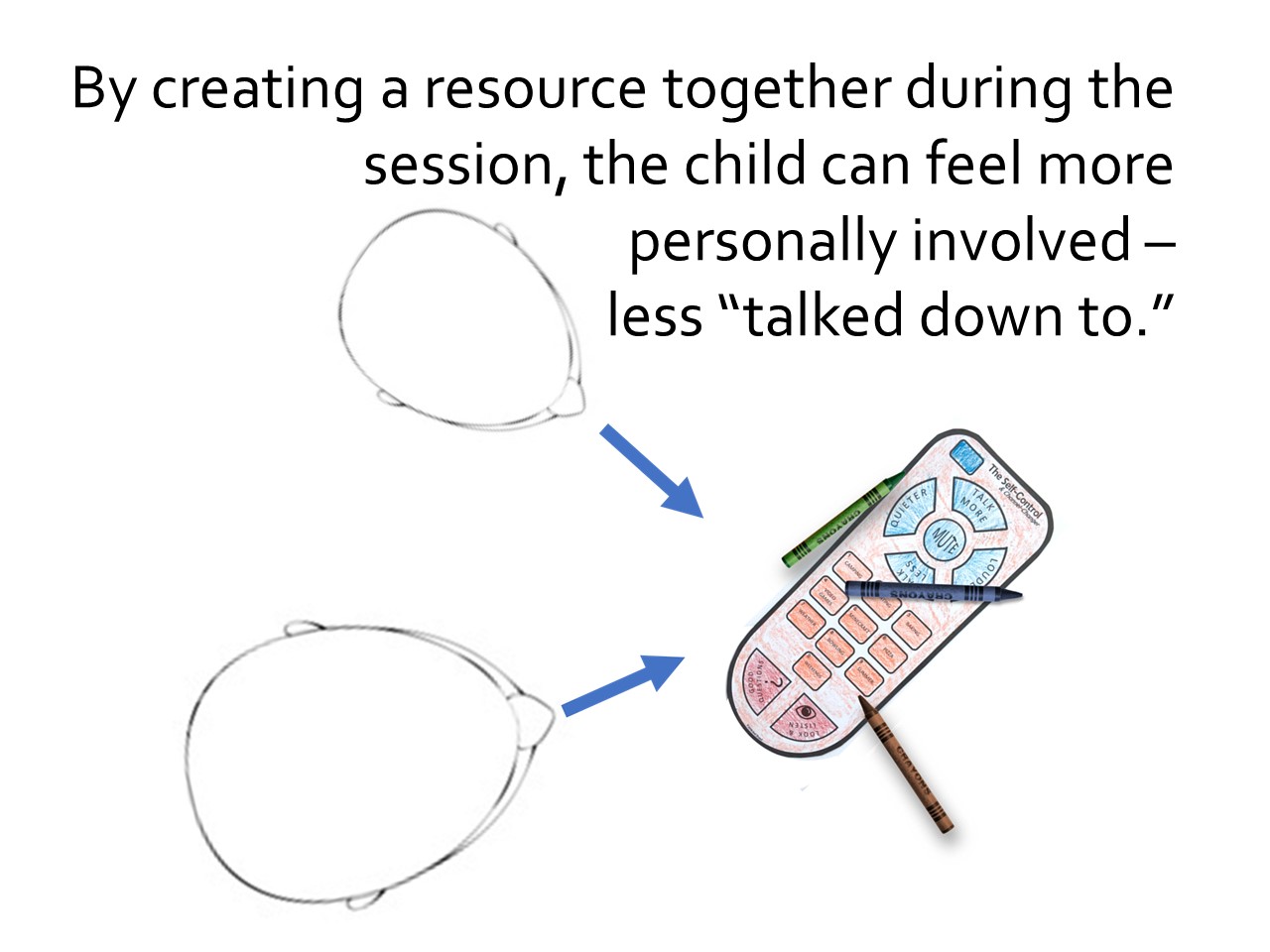
Quite a number of the free resources on this website can be created during a session with a child.
When you are co-creating a social skills resource during a session, there are different levels of involvement, depending on the child’s interest, temperament and ability. These include:
*Completion of the whole project, beginning to end, with the adult supervising
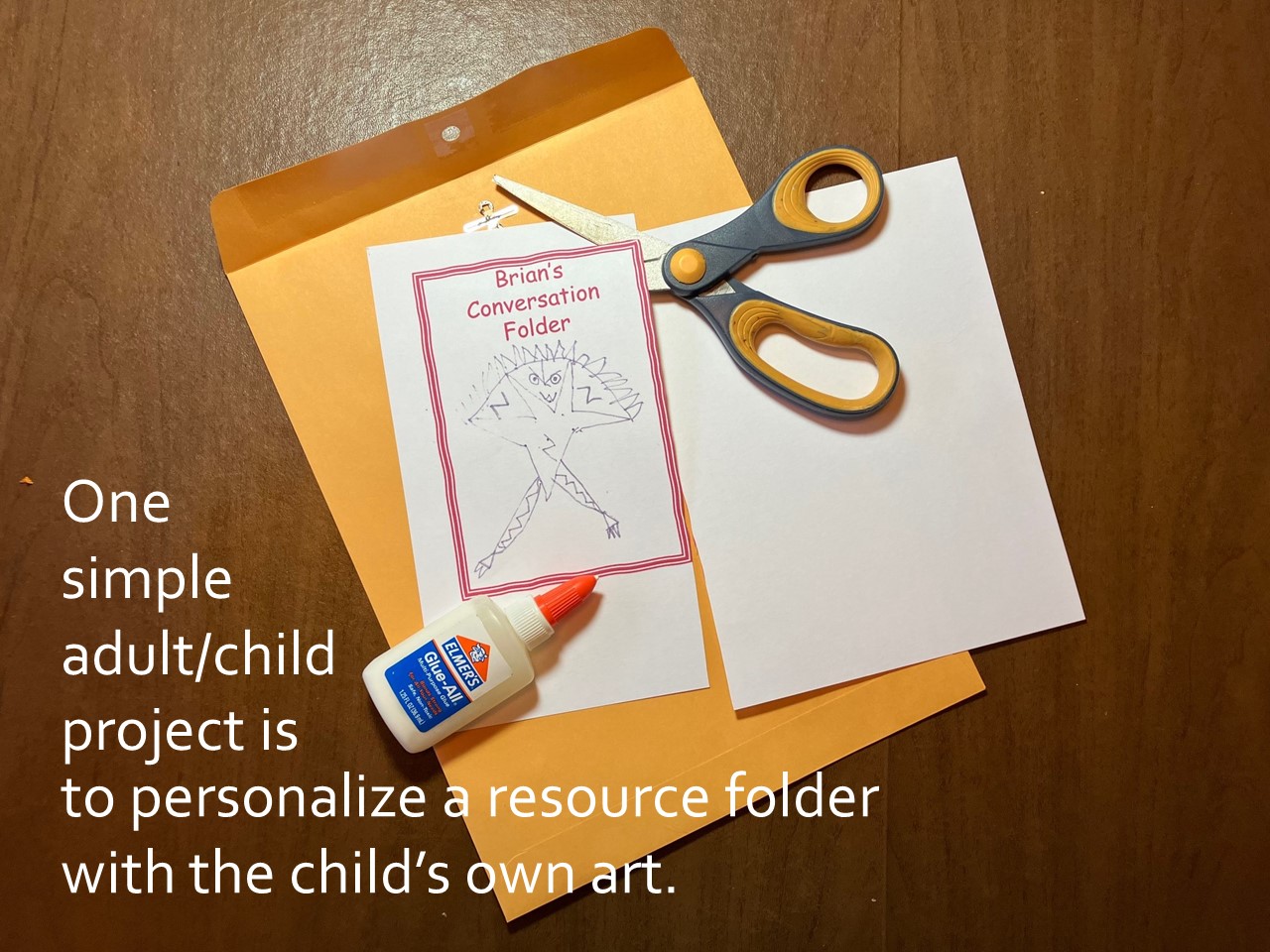
*The child decorates or personalized the project in some special way
*The child colors the project or helps to cut it out
*The child gets to do the “fun” part of the project, such as running the laminator
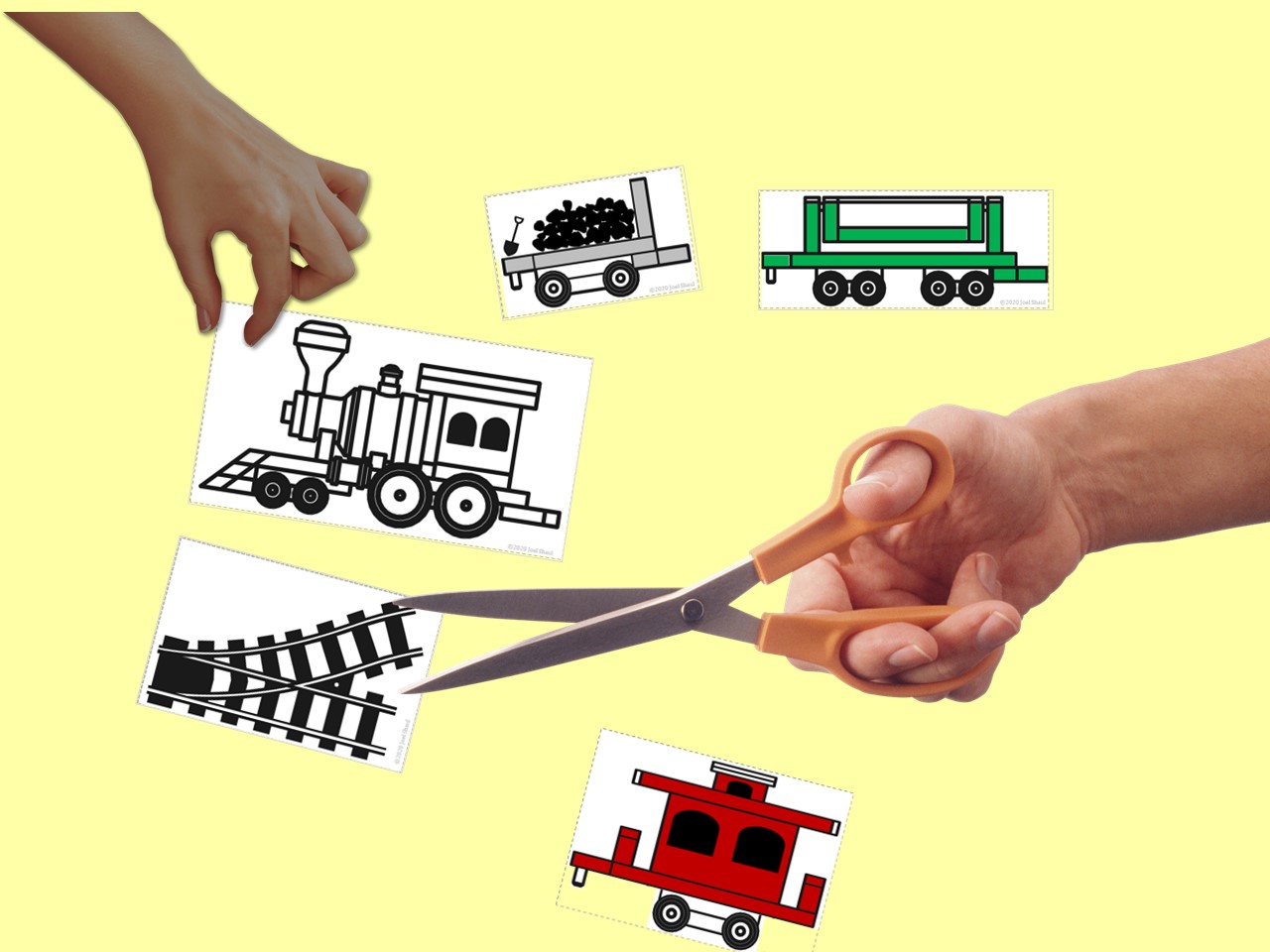
One of the most popular downloads on the website is the Train Conversation Printables. This requires printing, cutting and laminating – all things that a child might help to carry out.
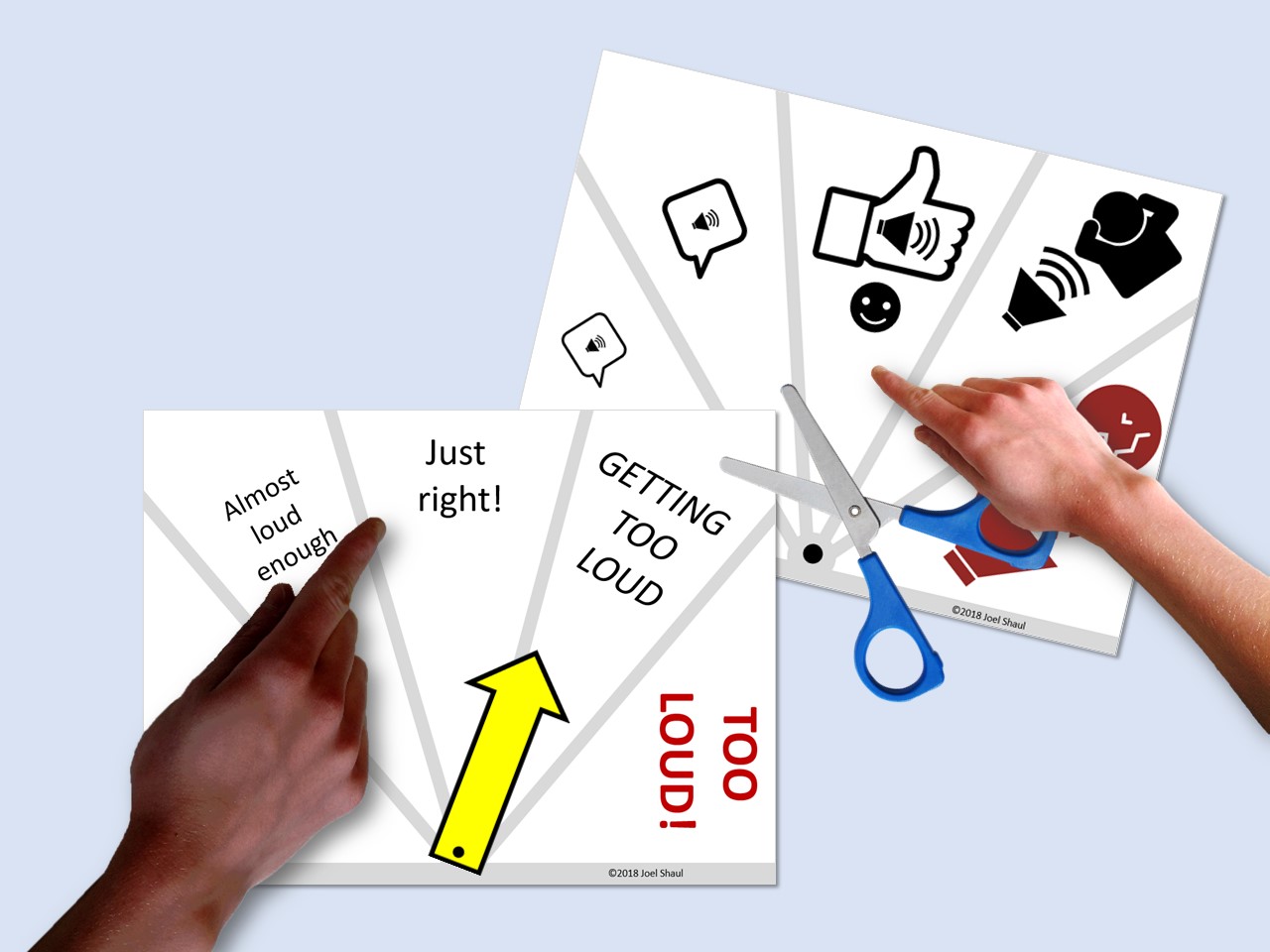
The Voice Volume Meters can be printed, cut out, and assembled during a session with a child. There are other meters on the website that are customizable, ideal for completion while you are actually working with the child.
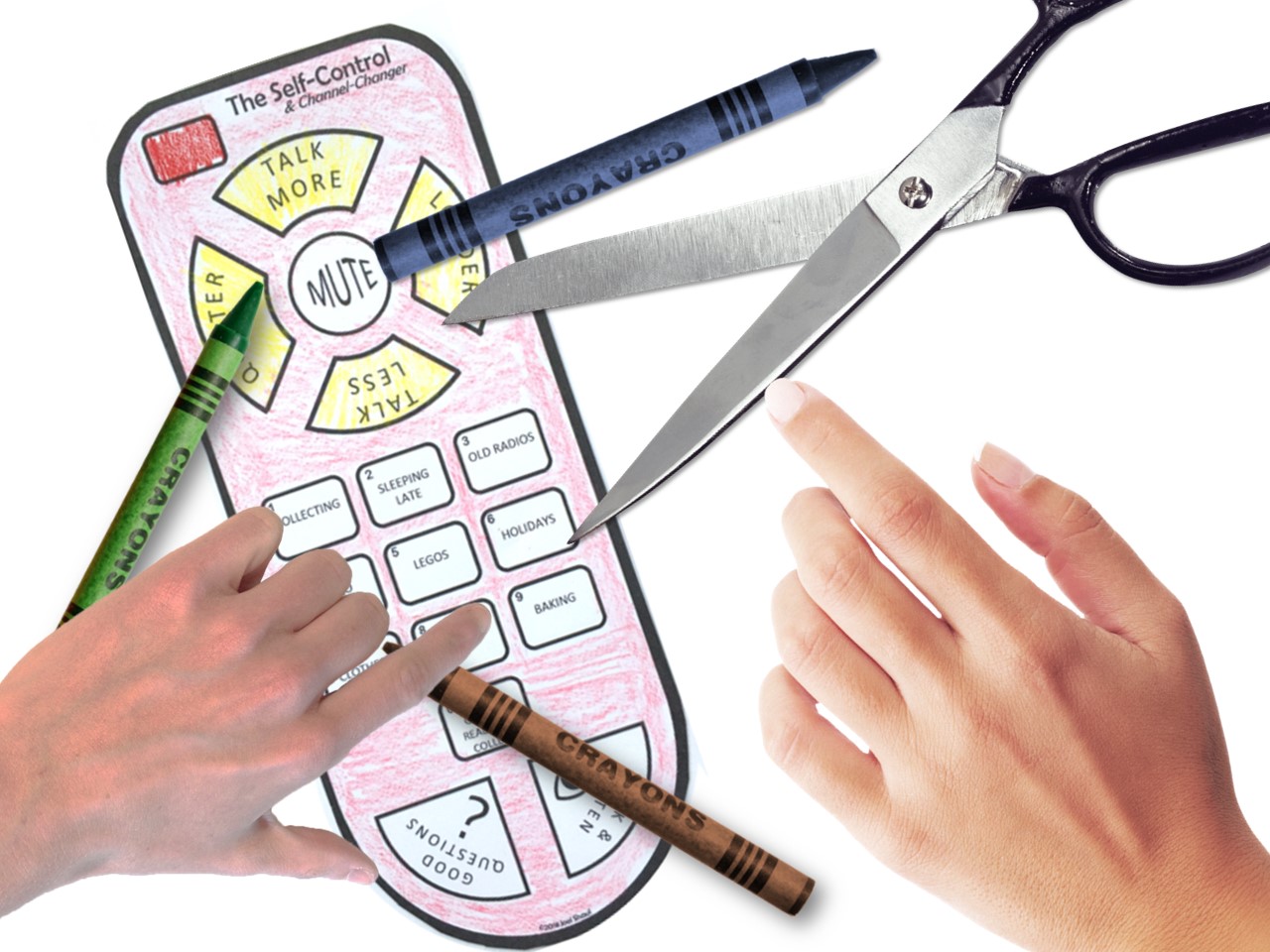
The resource shown above is the Remote Control Channel Changer. Usually, you have the child help to figure out what conversation topics to place on the buttons. The child colors it in, and finally, you laminate it and cut it out.
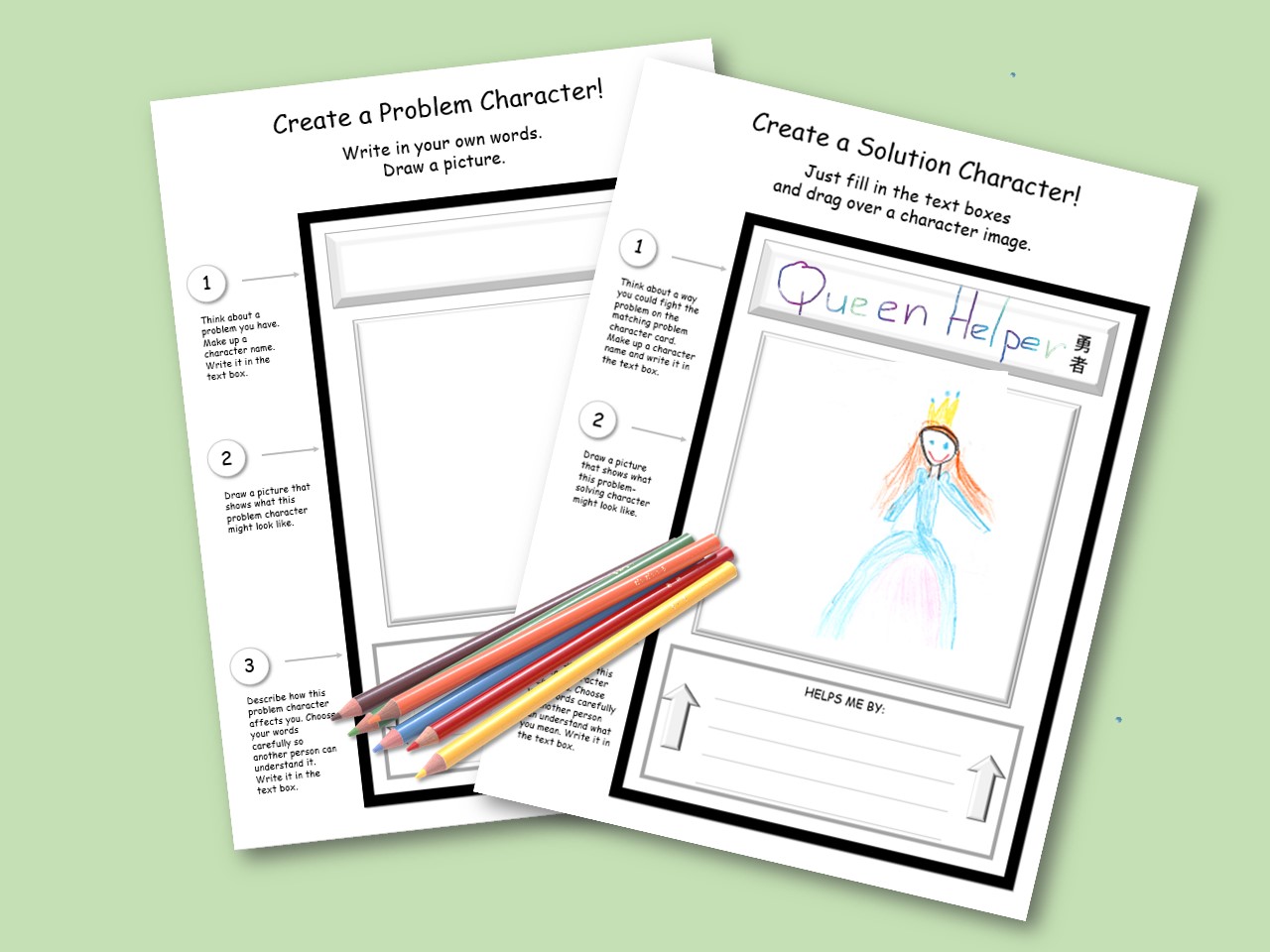
The resource shown above is one part of Problem and Solution Cards. One way to do this project is to print out blanks which the child can complete during a session. This collaborative project can also be carried out entirely on the computer, in PowerPoint, with drag-and-drop images. That option is advantageous if you don’t have much prep time or the child does not like to draw.
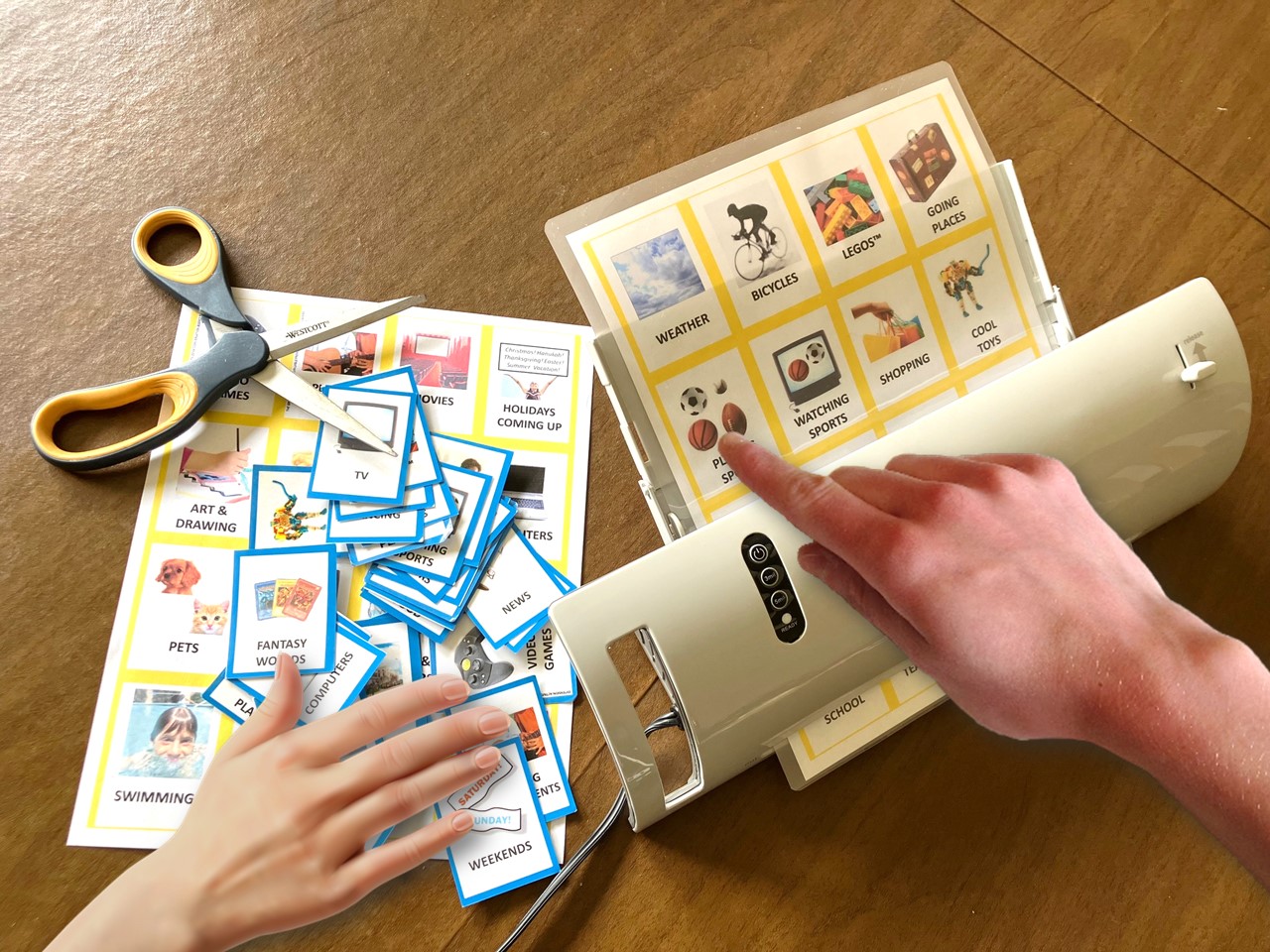
Shown above are Green Zone Picture Cards. These are two identical sets of conversation topic cards that two people compare to find their “common ground” conversation topics.
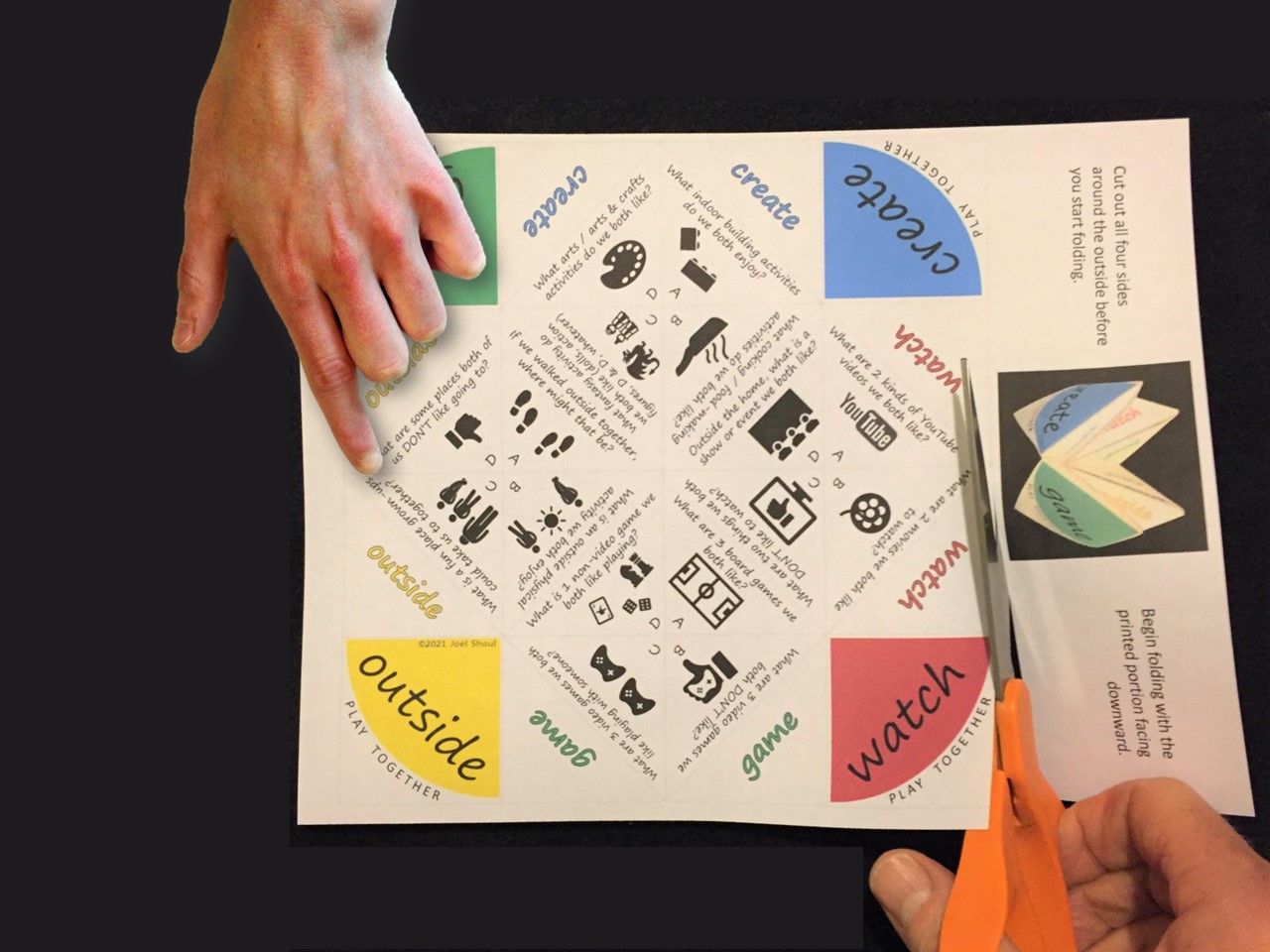
Shown above is one of fourteen Paper Fortune Tellers on the website. You can spend a lot of sessions printing these and folding these with children. They cover many topics including conversation practice, play skills and emotional regulation.
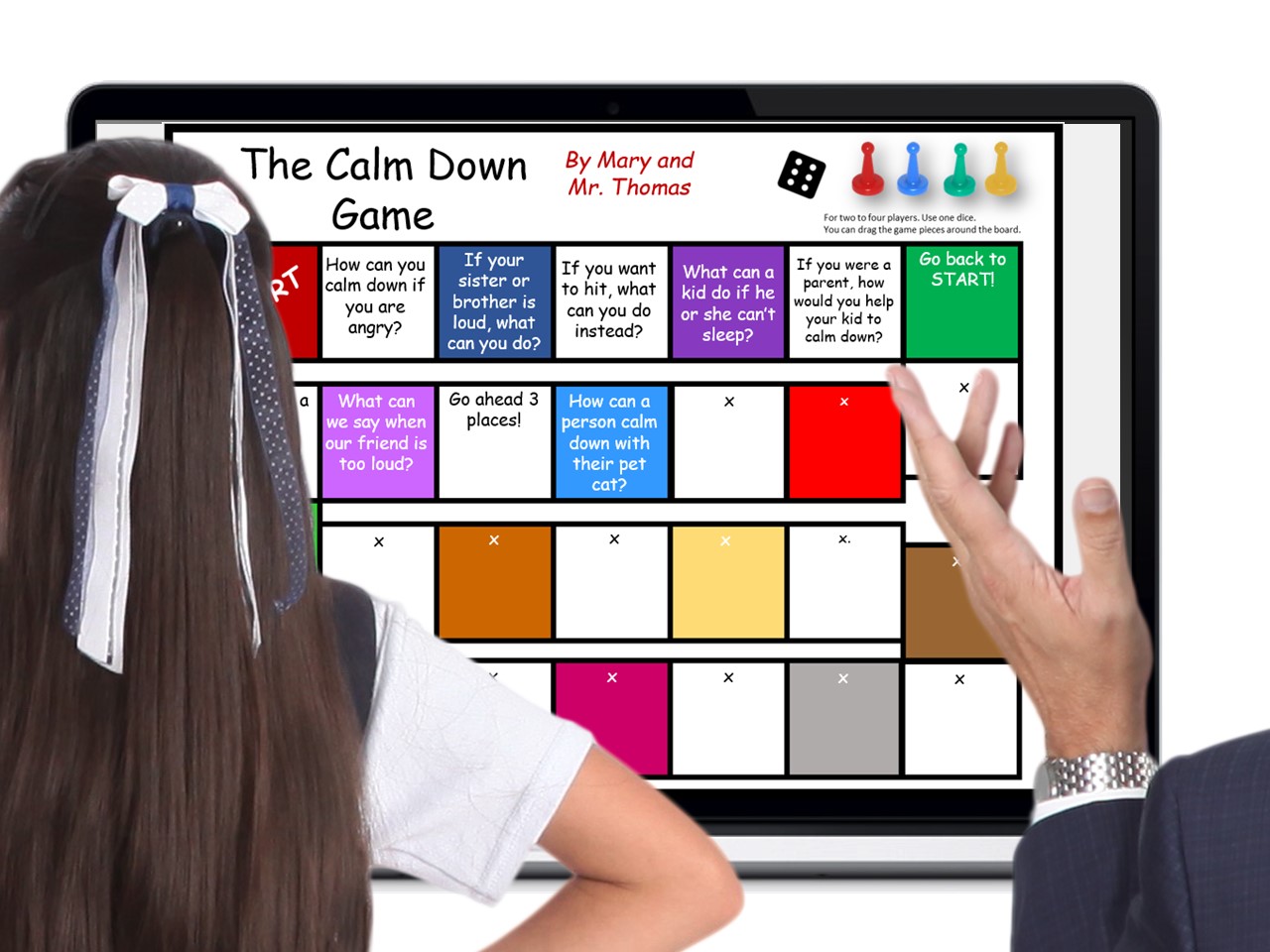
Many of the adult / child collaborative therapy projects on the website require no printing at all and are entirely screen based.
An advantage of the screen-based projects is that there is minimal set-up and clean up. Another advantage is that lots of children like to involve a computer during sessions. The very easy project shown above is Create Your Own PowerPoint Social Skills Game.
I hope you find some of these strategies useful in your own work.
Joel Shaul
Problem & Solution Cards II: CBT variation. Easy & helpful mental health PowerPoint-based activity
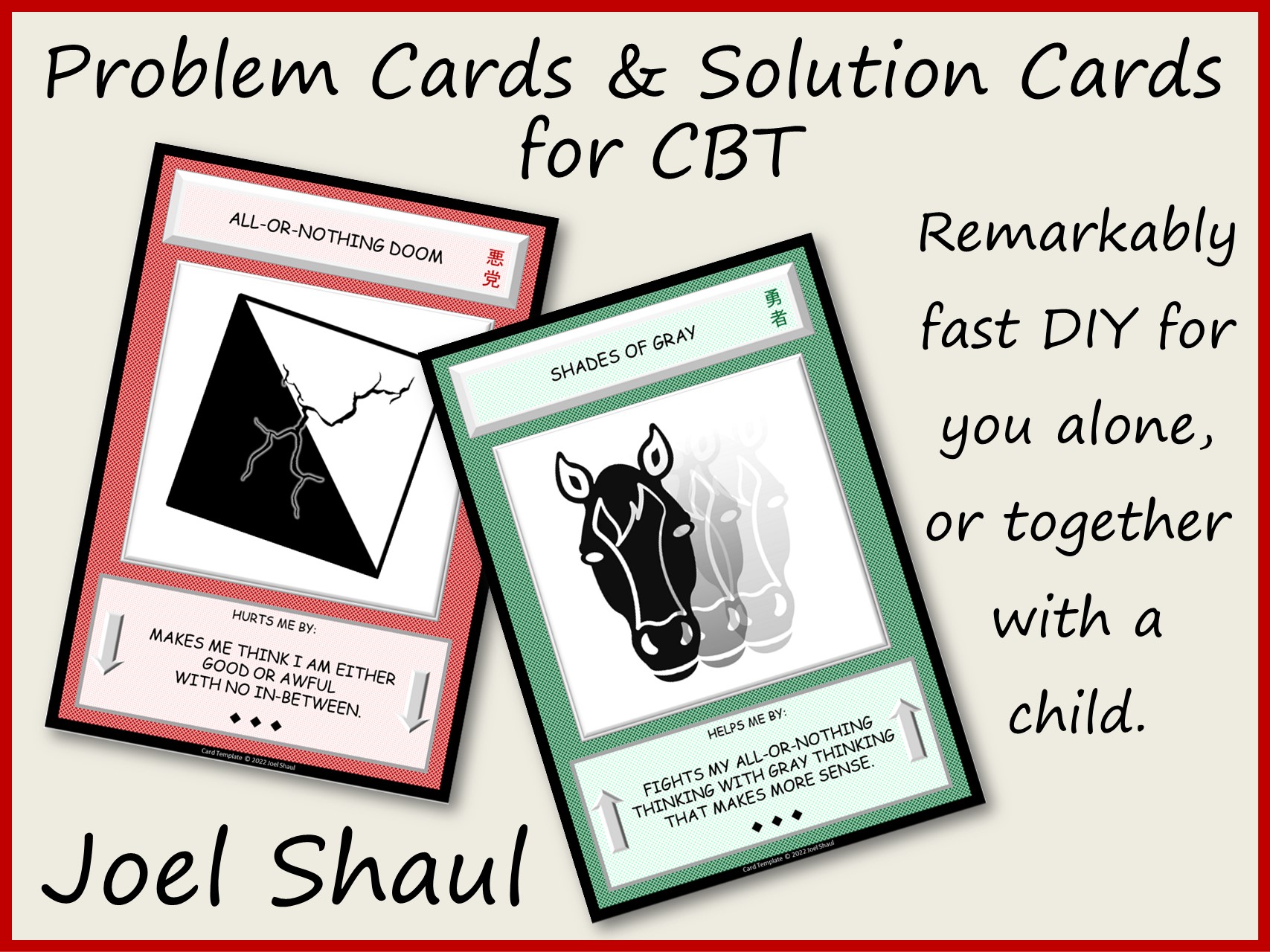
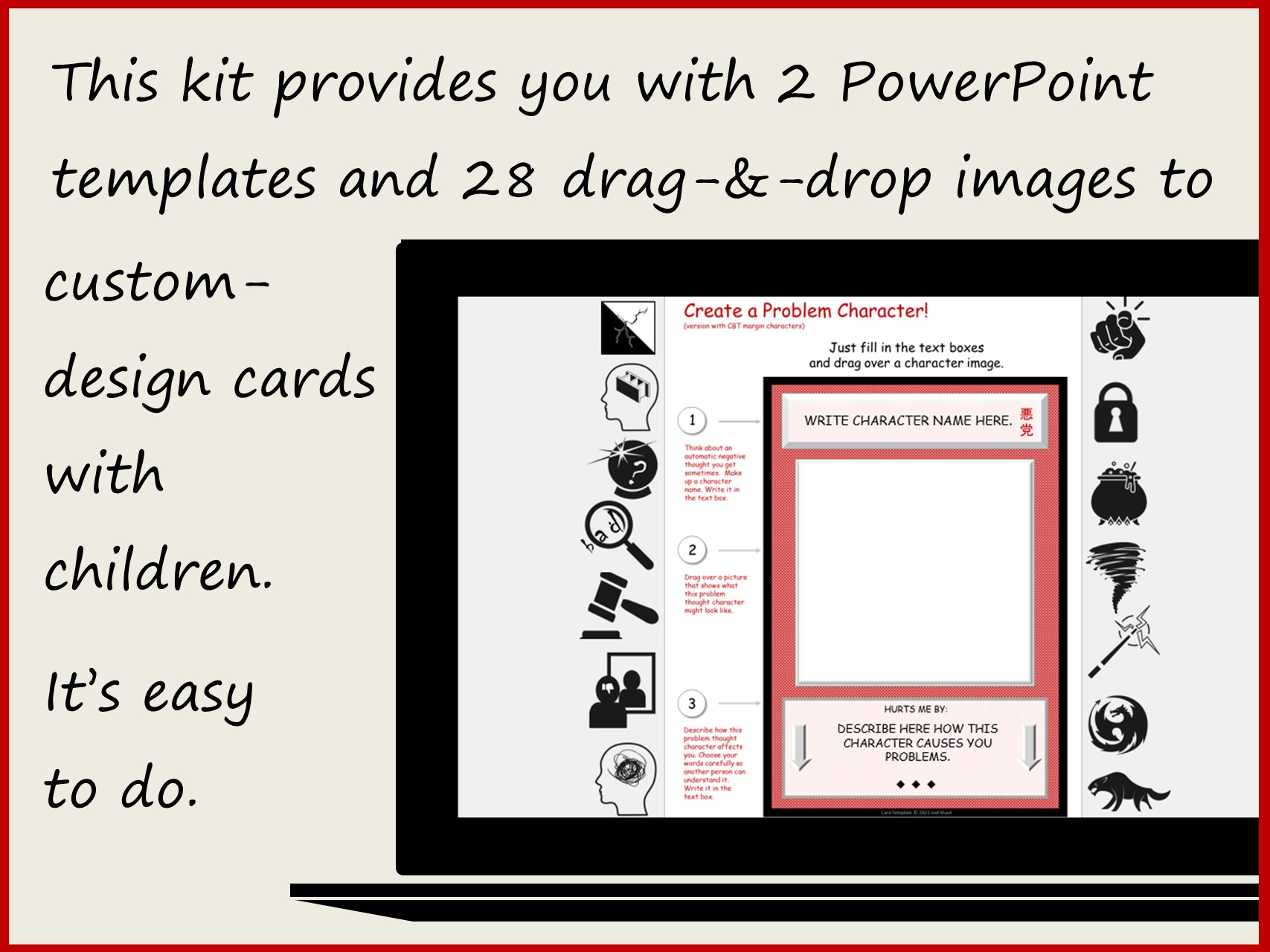
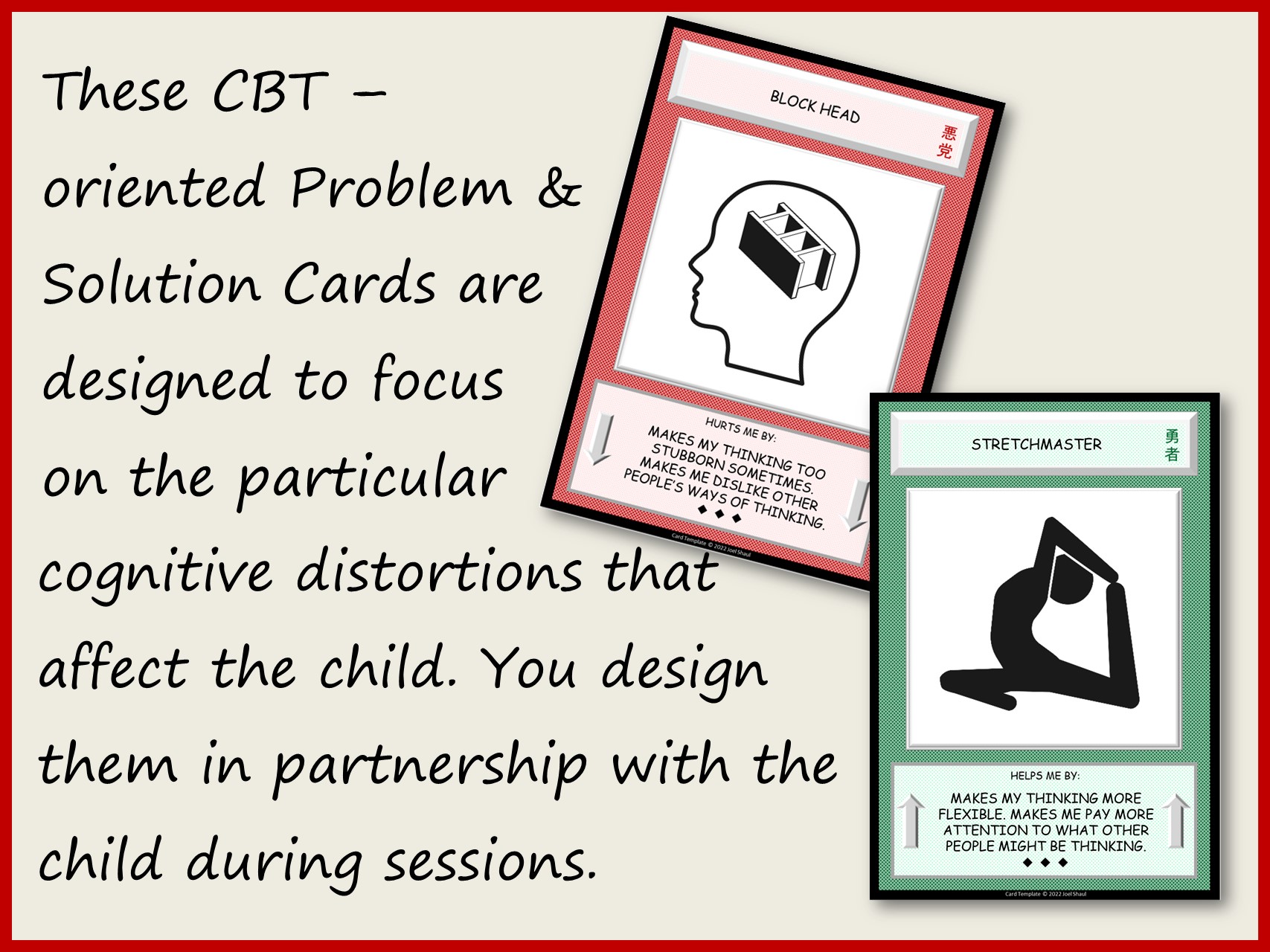
Cognitive behavioral therapy picture cards for children and teens to focus attention on cognitive distortions
A previous post introduced the first version of this activity featuring a different selection of drag-and-drop images for a variety of social and emotional concerns. Here I provide a second version, featuring images tailored for CBT work.
To capitalize on youth culture themes of “good guys” and “bad guys” from movies, stories, video games, and in trading card sets such as Pokémon and Yu-gi-oh, I designed this free, easy card-making project. In my own work, I find it really useful for focusing children’s attention on their problematic patterns of thinking.
Although this is designed for in-person work, it is also ideally suited for teletherapy, since the collaborative work takes place on a shared computer screen and you can mail or email the finished product to your client.
Here is a one-minute demo on YouTube of how it works.
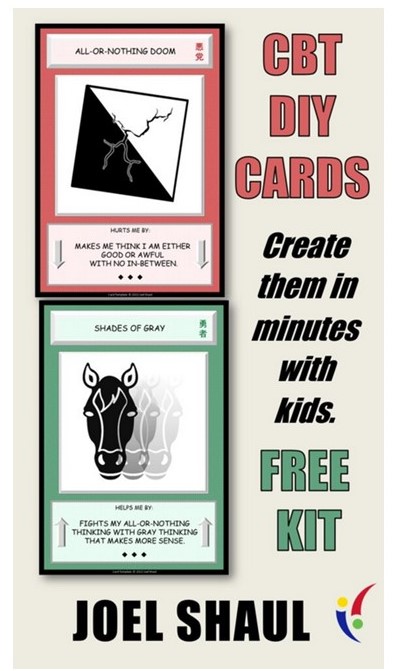
You and the child design the cards together. The names, topics and images are guided by therapeutic goals and the child’s imagination. Make as many or as few cards as you like.
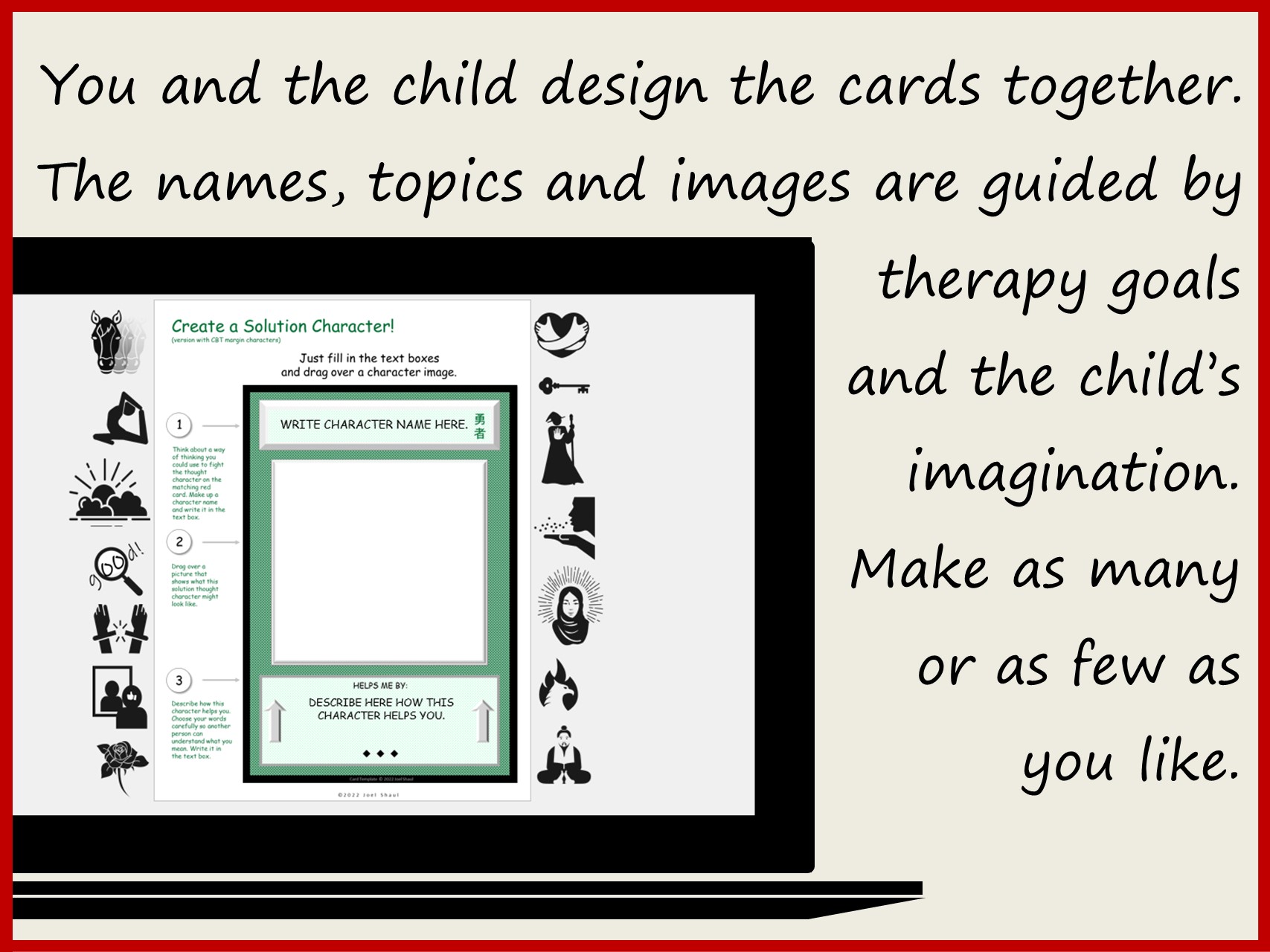
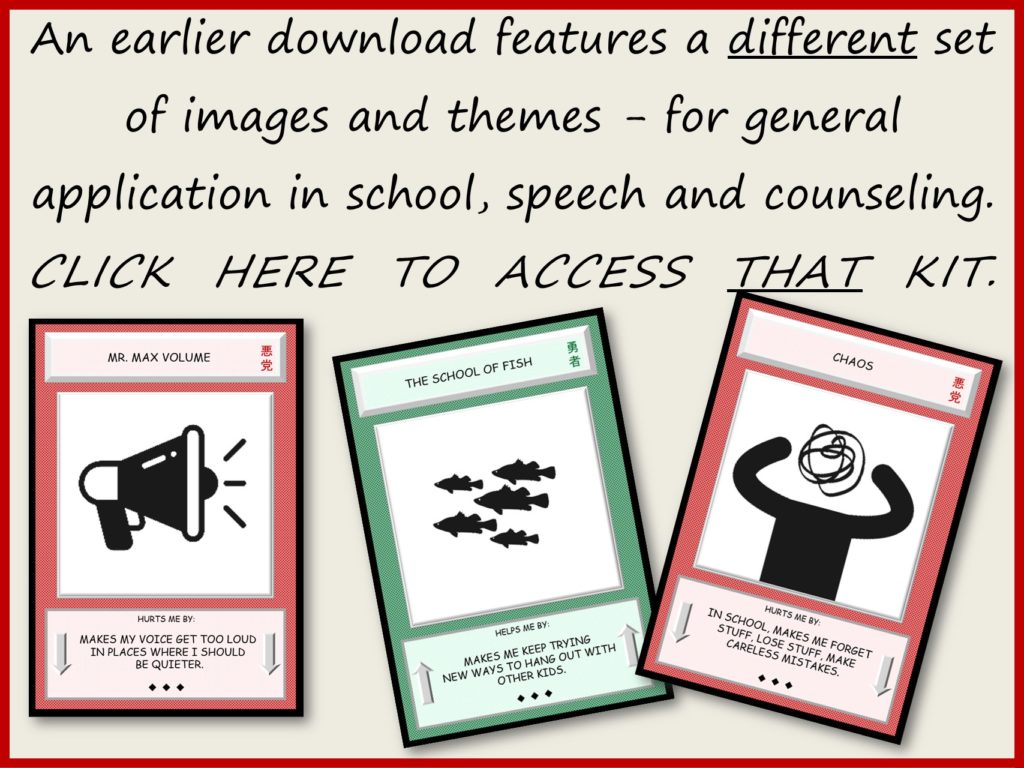
An earlier download features a different set of images and themes – for general application in school, speech and counseling.
These CBT-oriented Problem & Solution Cards are designed to focus on the particular cognitive distortions that affect the child. You design them in partnership with the child during the session.
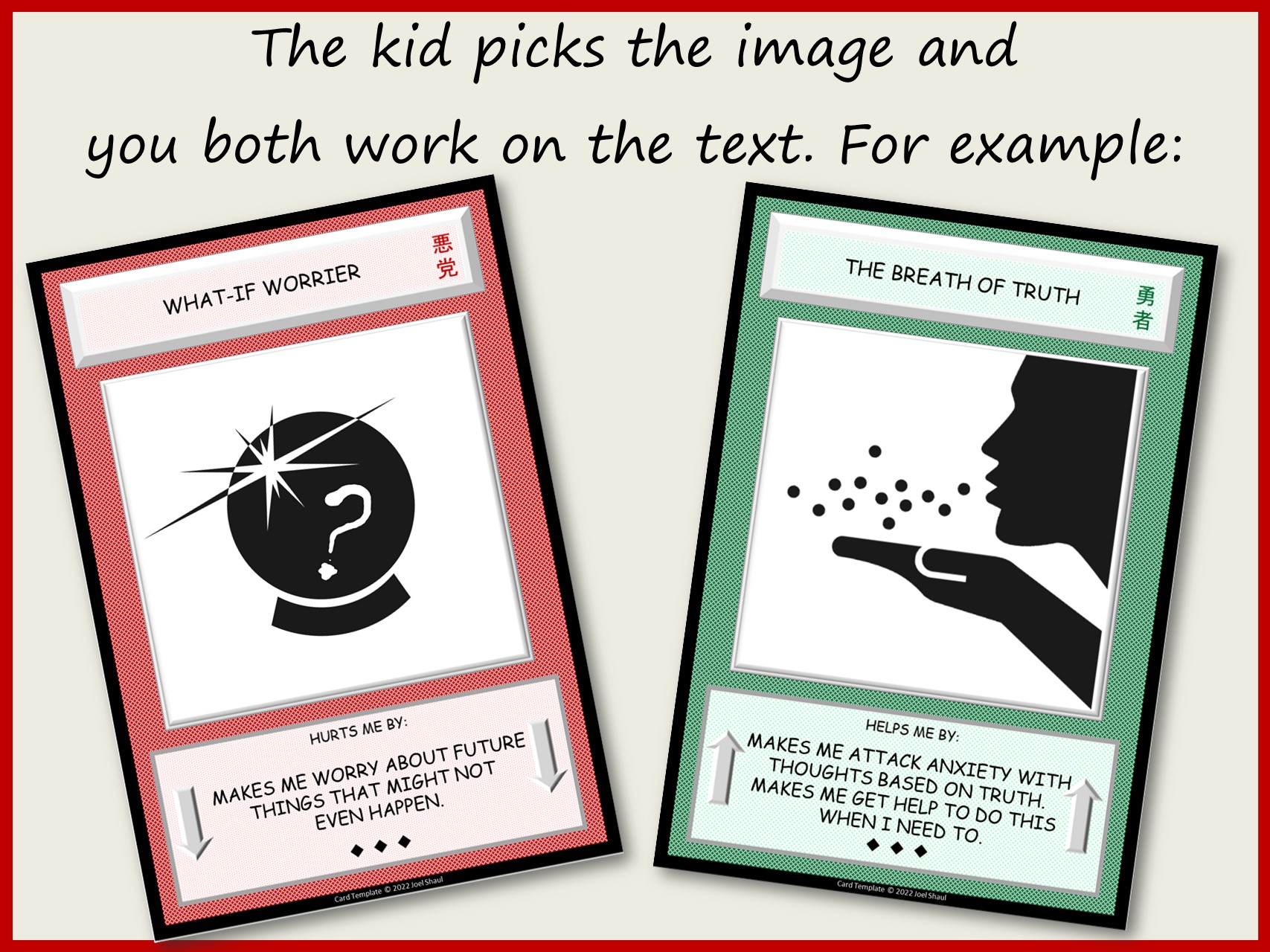
The kid picks the image and you both work on the text. Here are some examples.
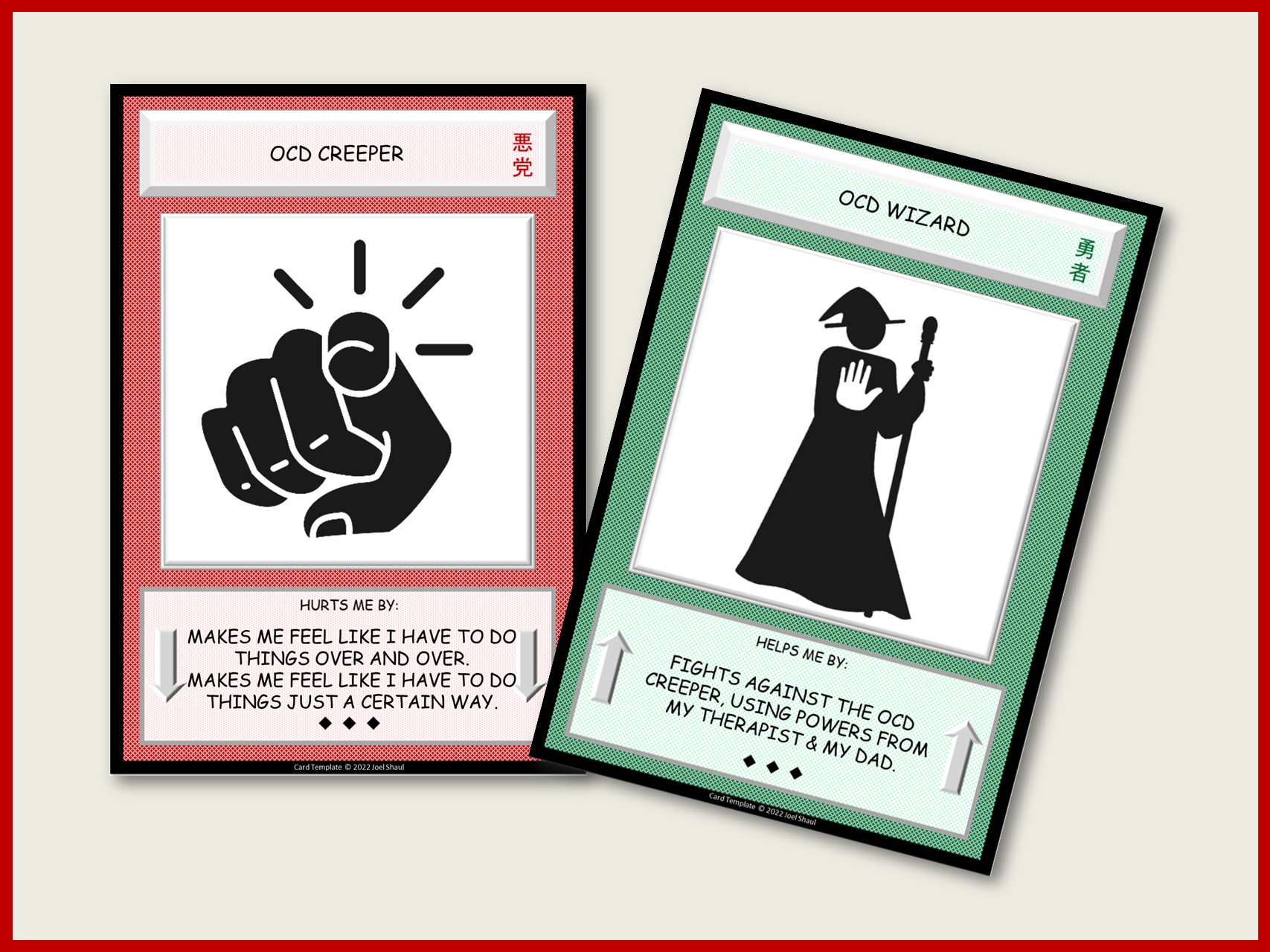
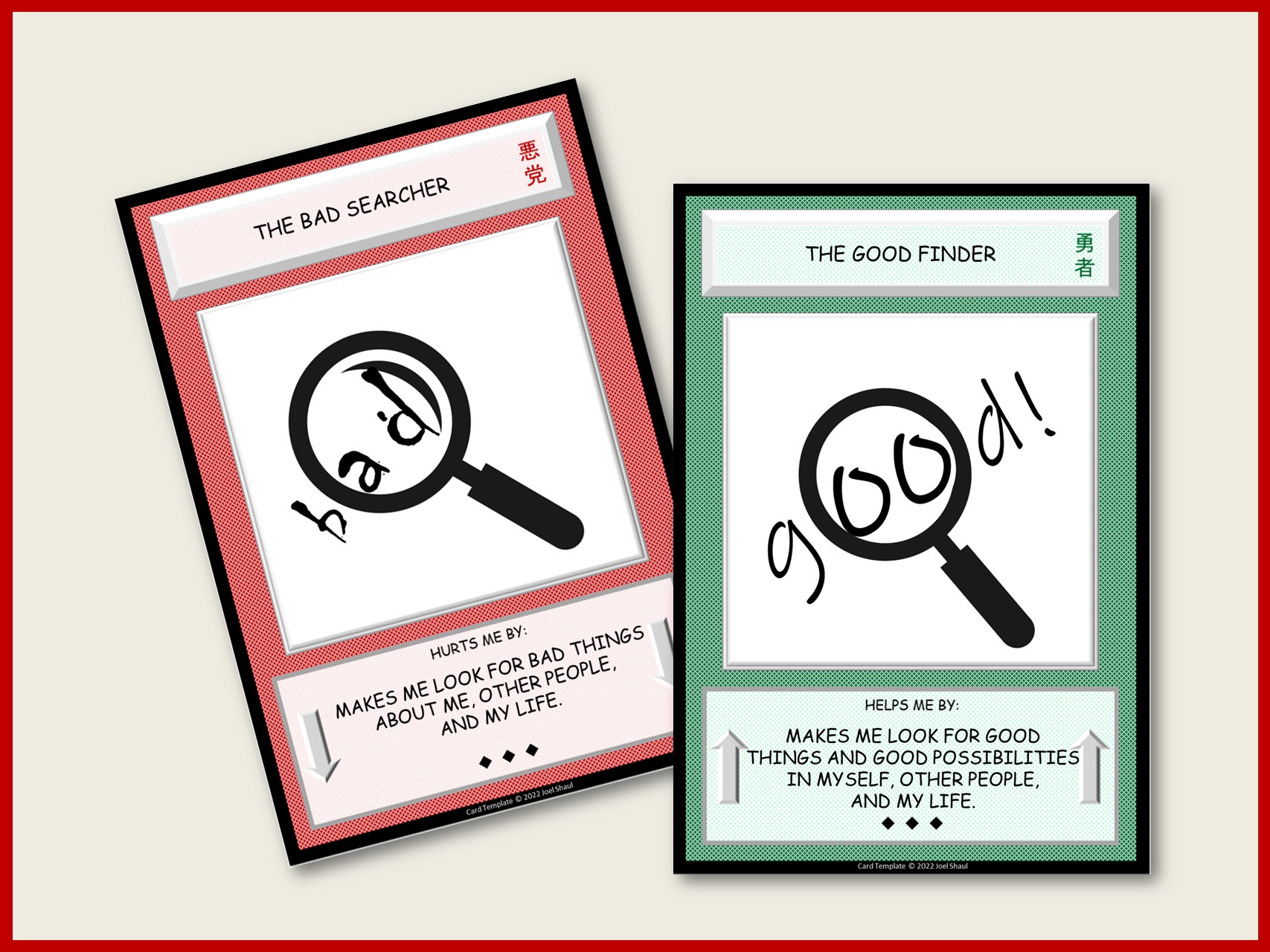
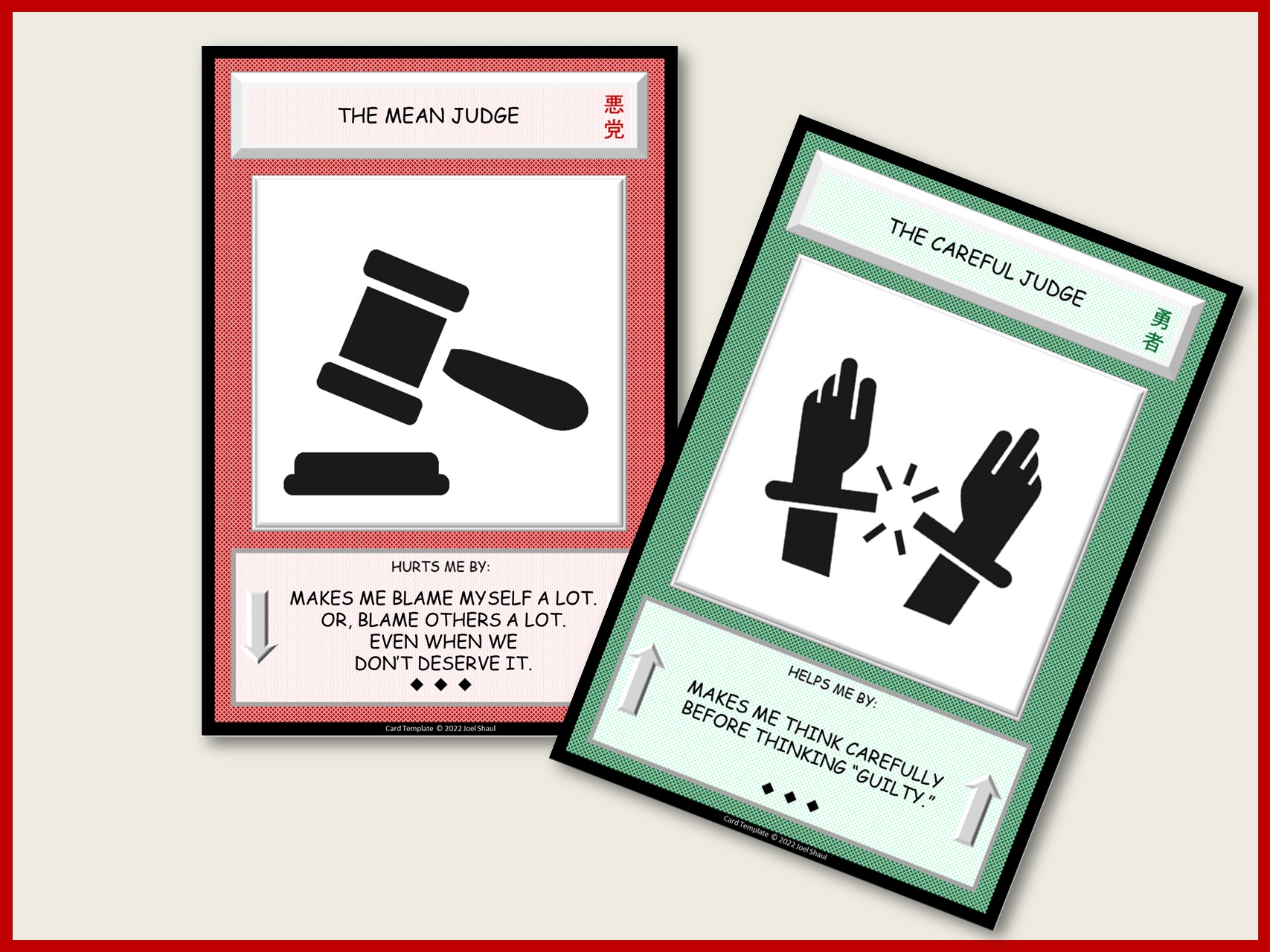
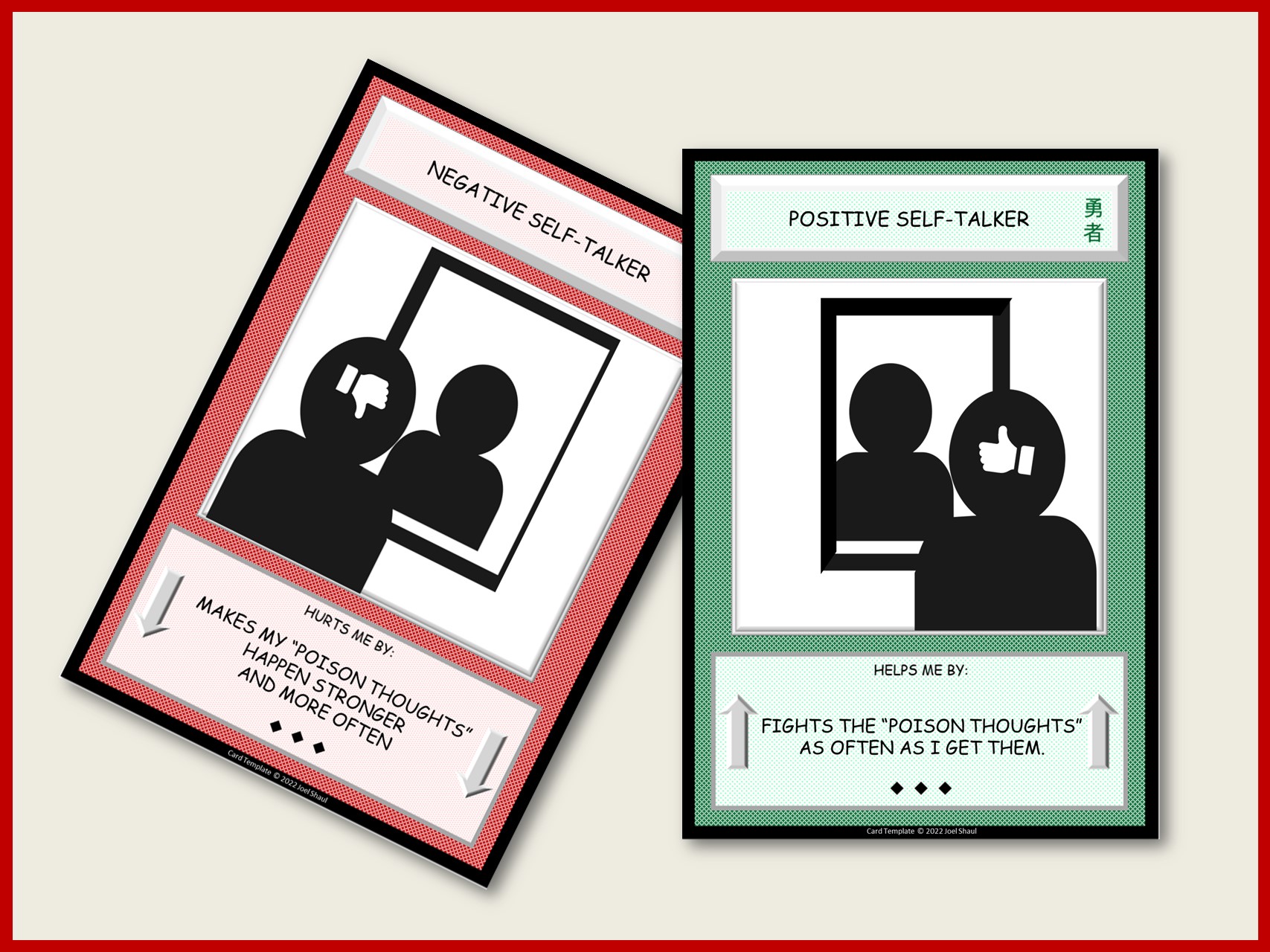
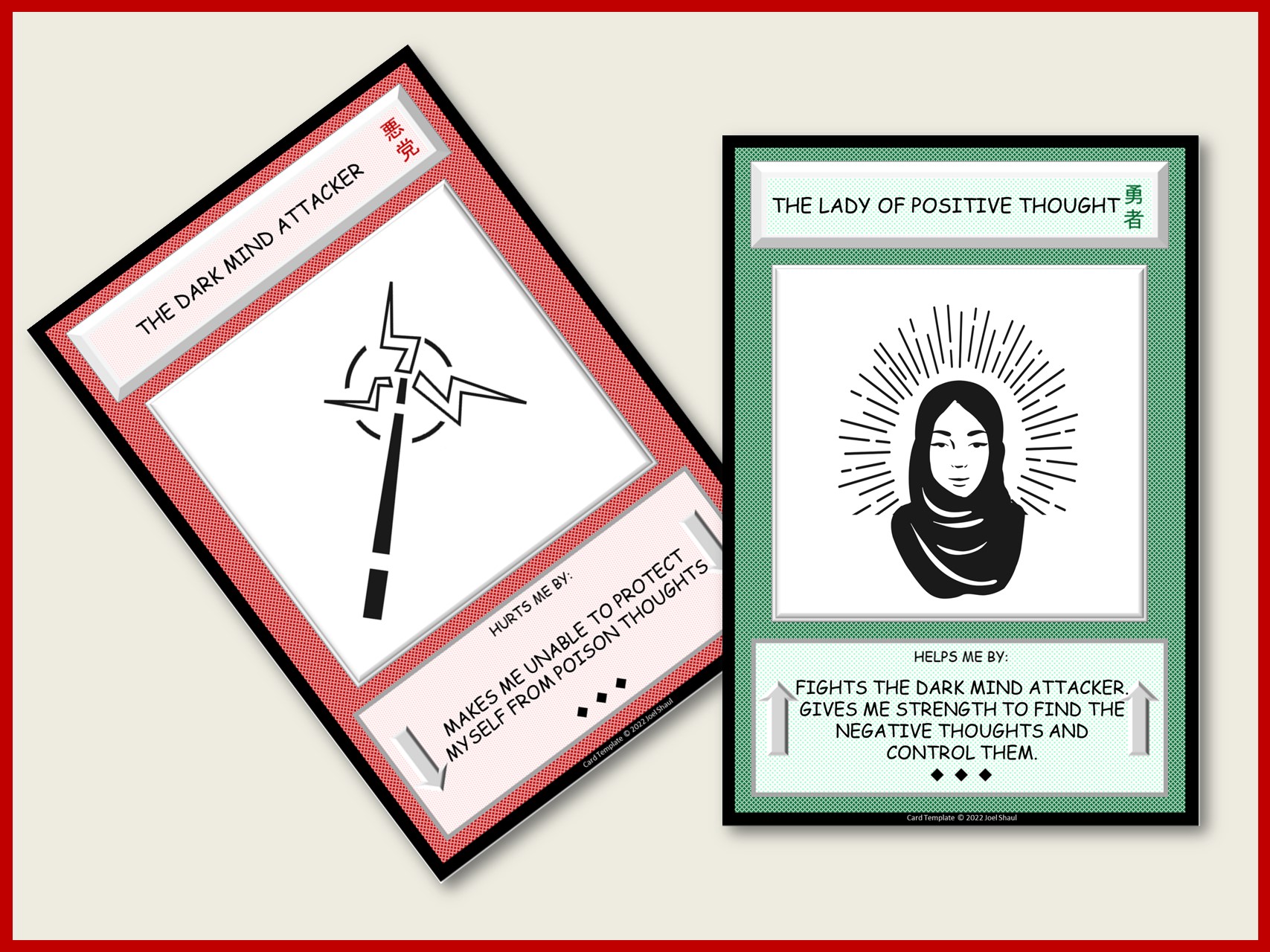
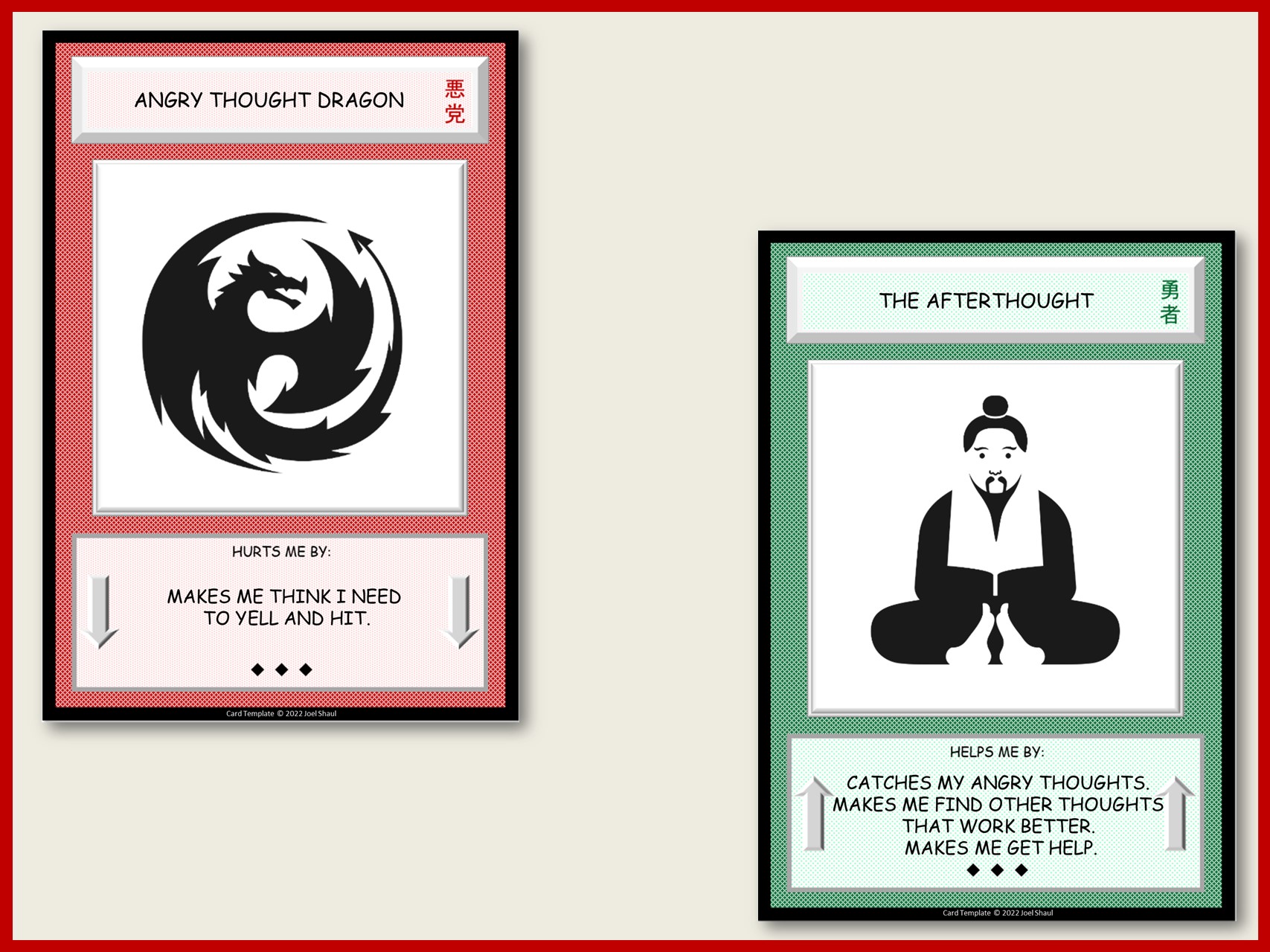
I would like to emphasize that these things are quick and easy to create. In my own work with children and teens on the autism spectrum, I typically can co-create as many as five pairs of cards in a 45 to 50 minute session. Children appreciate being able have input into naming the characters and selecting among the various drag-and-drop images.
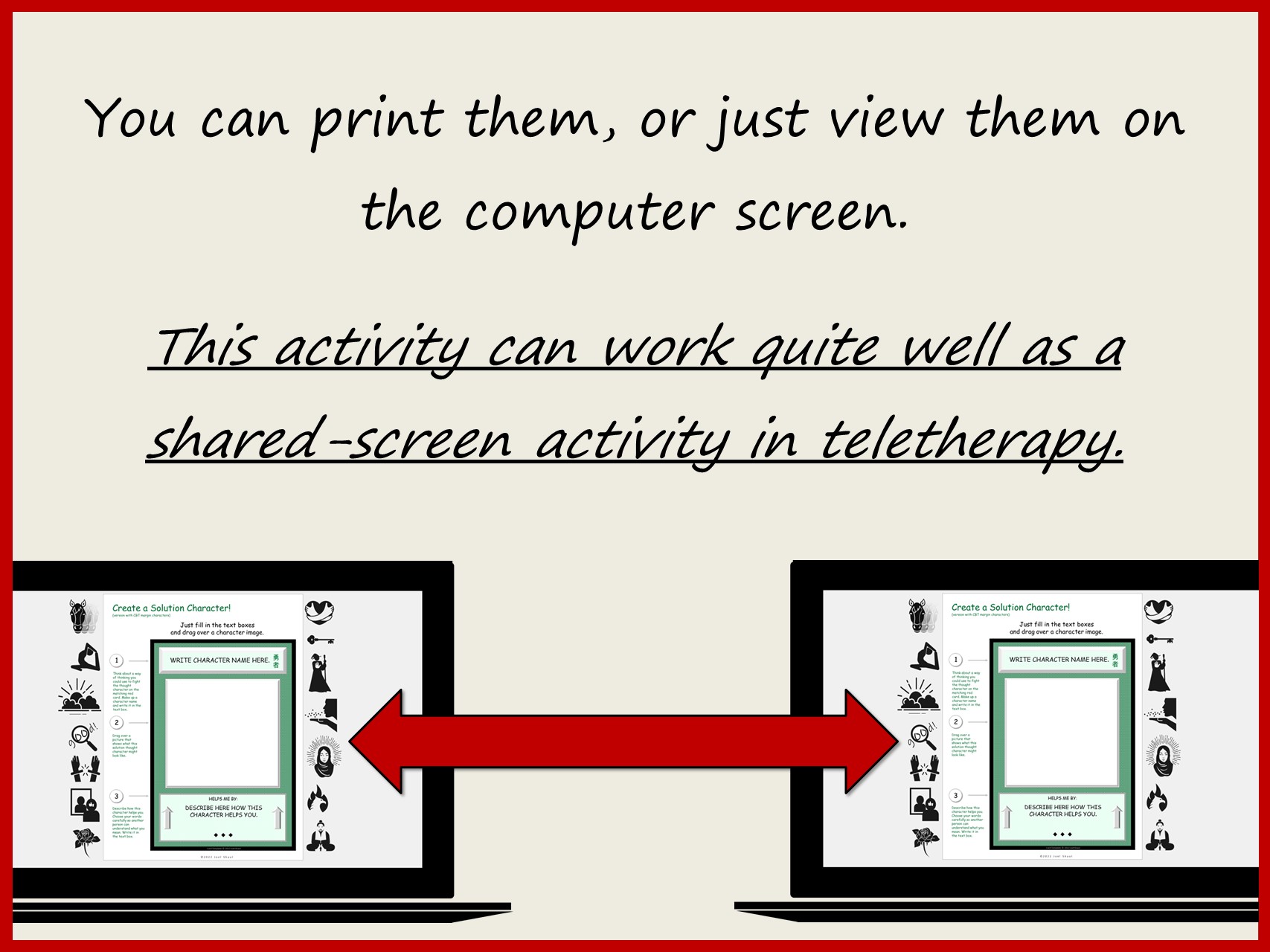
There is great potential to add more cards, or modify existing cards, in subsequent sessions. You can print them, or just view them on the computer screen.
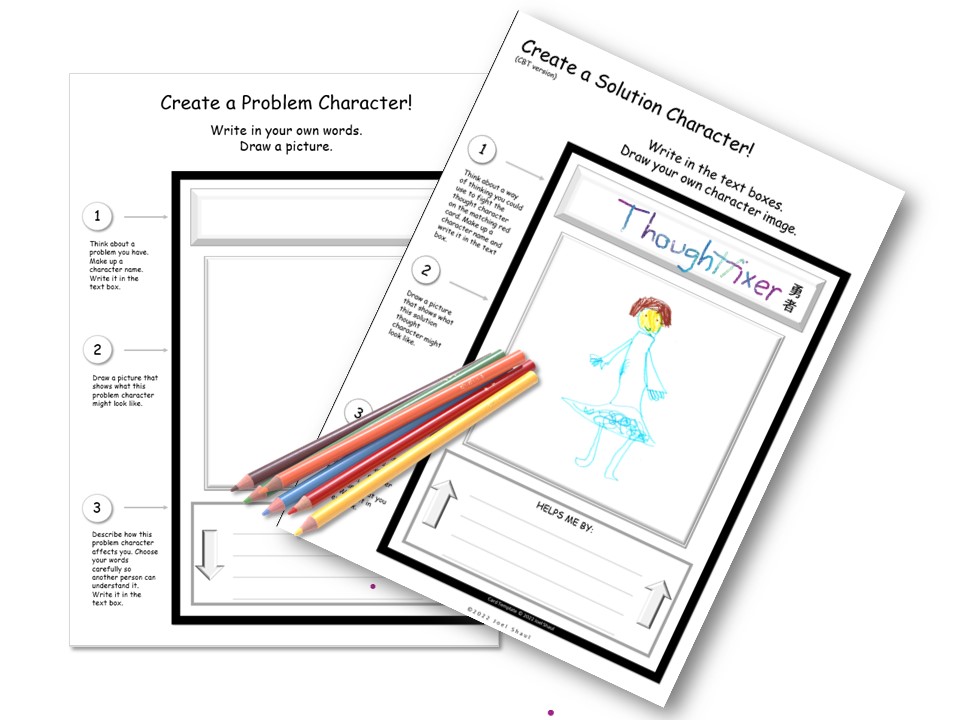
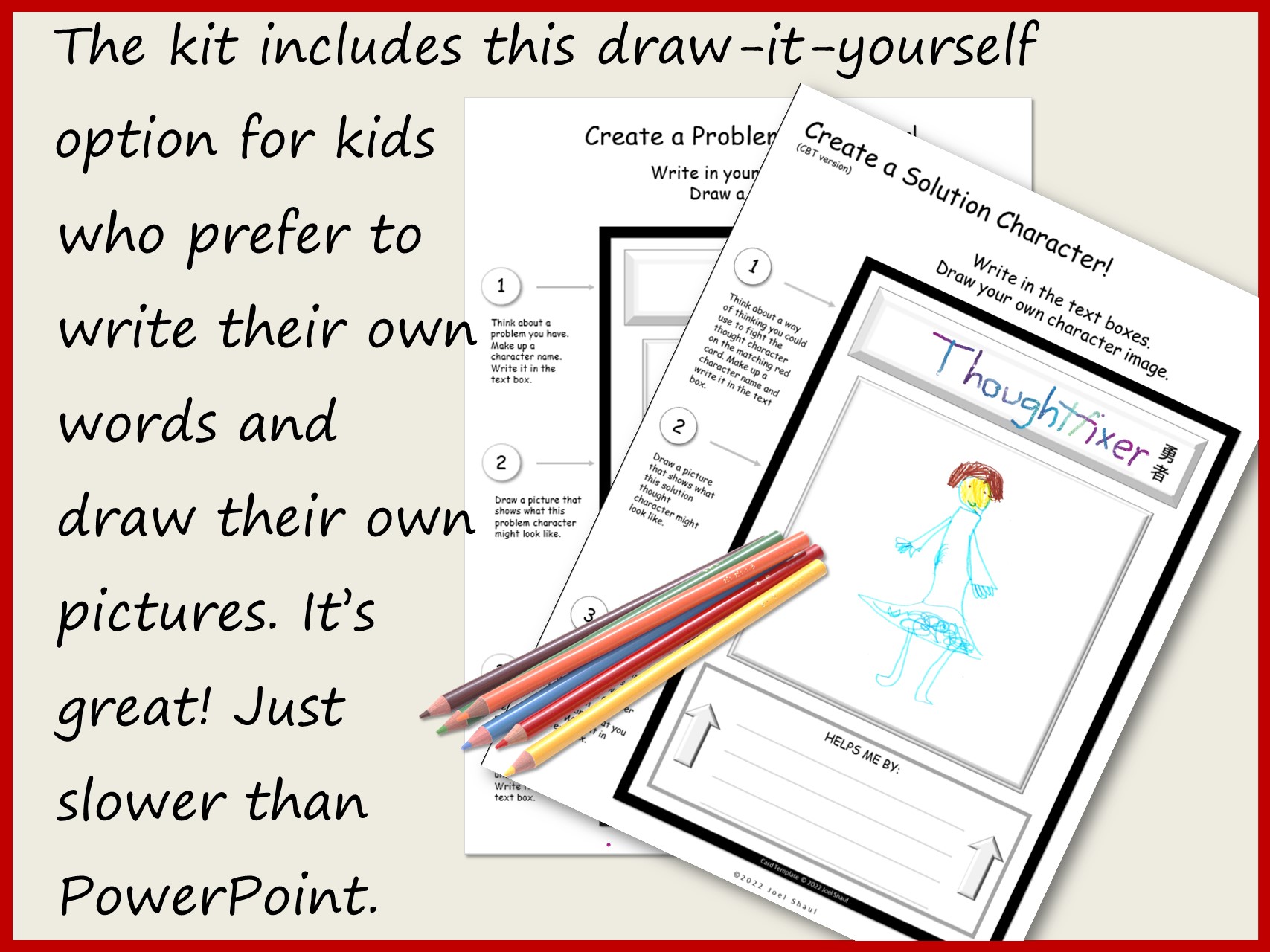
The kit includes this draw-it-yourself option for kids who prefer to write their own words and draw their own pictures.
I have lots of other CBT activities on the website to use with this activity, regular and teletherapy. Check them out.
Problem and Solution Cards ~ Fast and fascinating self-awareness project easily completed with child during sessions
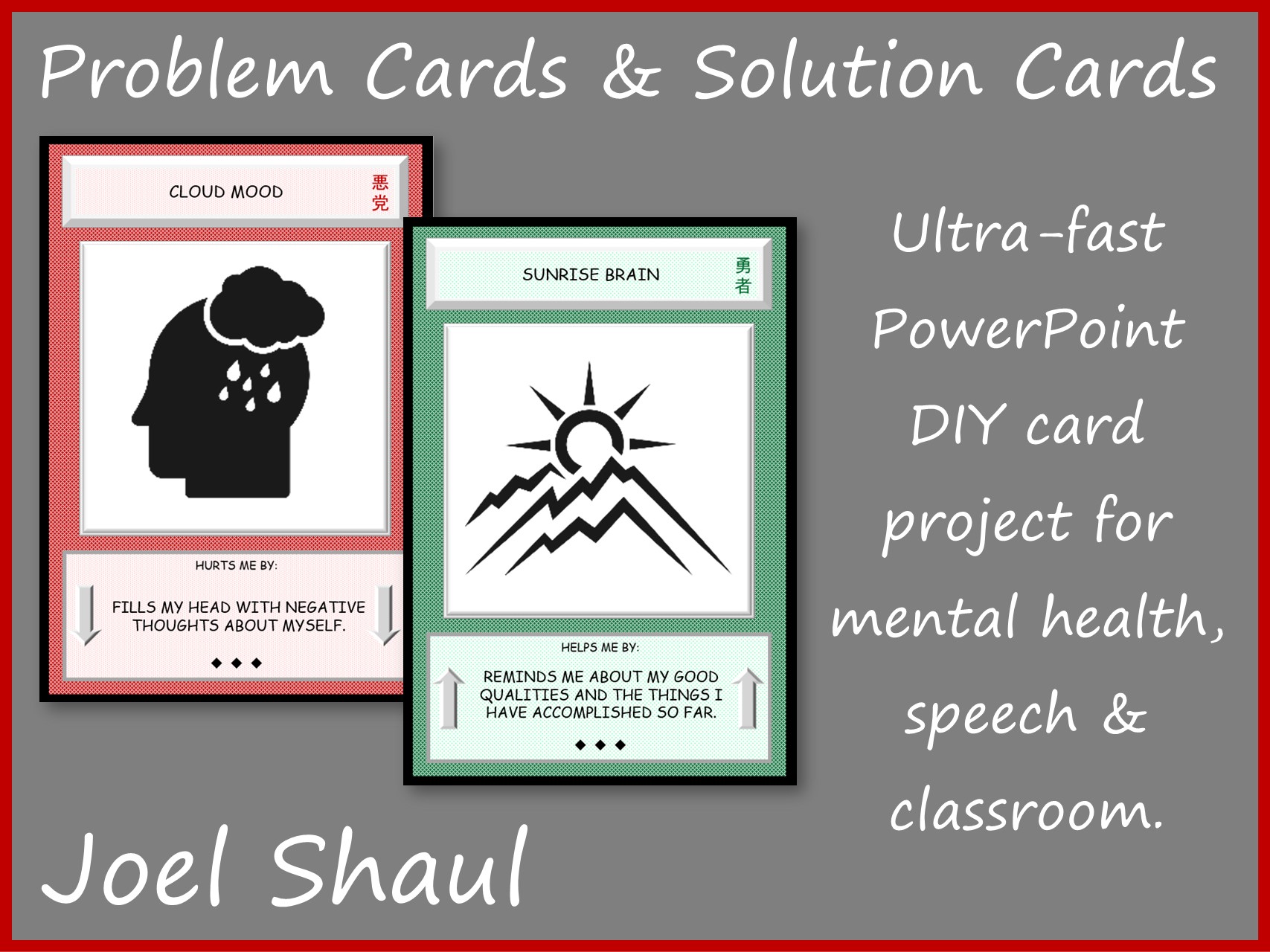
Do-it-yourself social skills cards designed to look like Pokémon and Yu-gi-oh
In mental health, special education and speech therapy, children experiencing multiple challenges can feel demoralized by being the “problem child” all the time. It can be useful sometimes to help our young clients externalize their problems onto fantasy characters which we can help them to fight against.
Many young people relate strongly to youth culture themes of “good guys” and “bad guys” through movies, stories, video games, and in trading card sets such as Pokémon and Yu-gi-oh. To capitalize on this, I designed this free, easy card-making project to help children focus on therapy issues and coping strategies.
Although this is designed for in-person work, it is also ideally suited for teletherapy, since the collaborative work takes place on a shared computer screen and you can mail or email the finished product to your client.
I developed this resource over a number of years of drafts and refinements. I thoroughly tested it in my own work with autistic youth and can attest to its usefulness.
The images below explain how to set it up and use it in your own work.
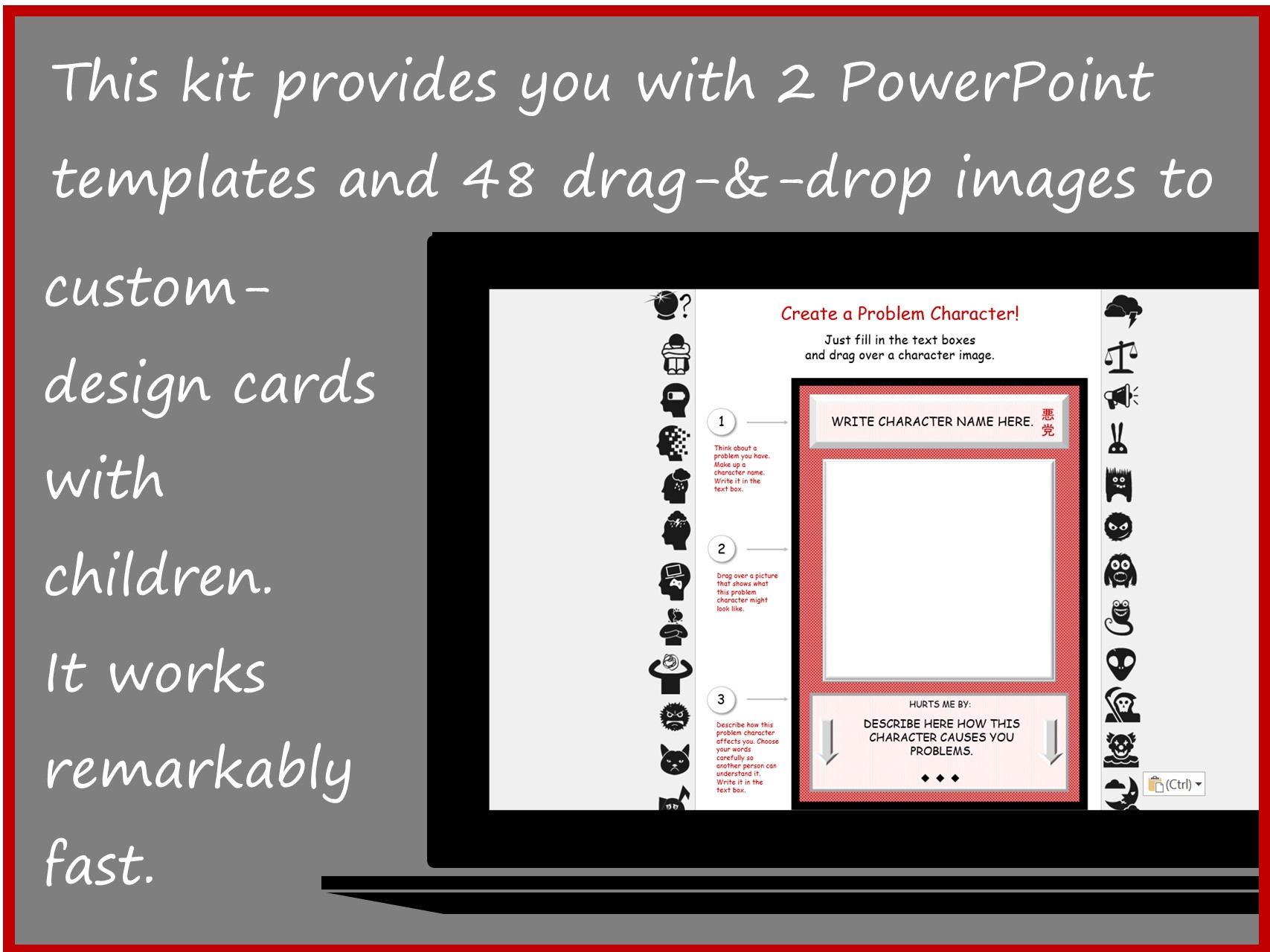
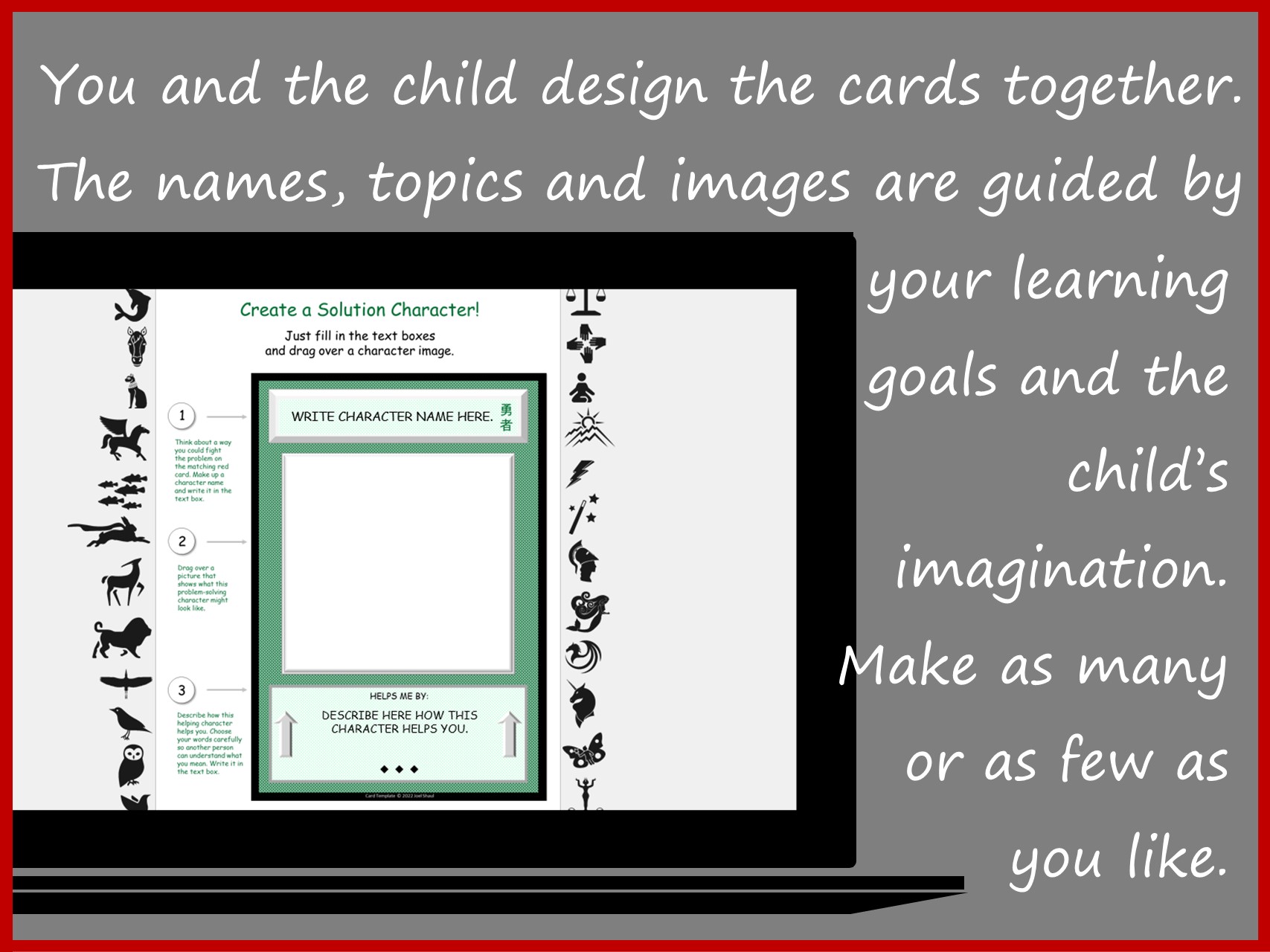
By dragging images onto the card, and filling in the text boxes to name and describe the character, you and the child can quickly create instructive and “cool” cards.
In my own work with children and teens on the autism spectrum, I typically can co-create as many as five pairs of cards in a 45 to 50 minute session. Children appreciate being able have input into naming the characters and selecting among the 48 drag-and-drop images.
There is great potential to add more cards, or modify existing cards, in subsequent sessions.
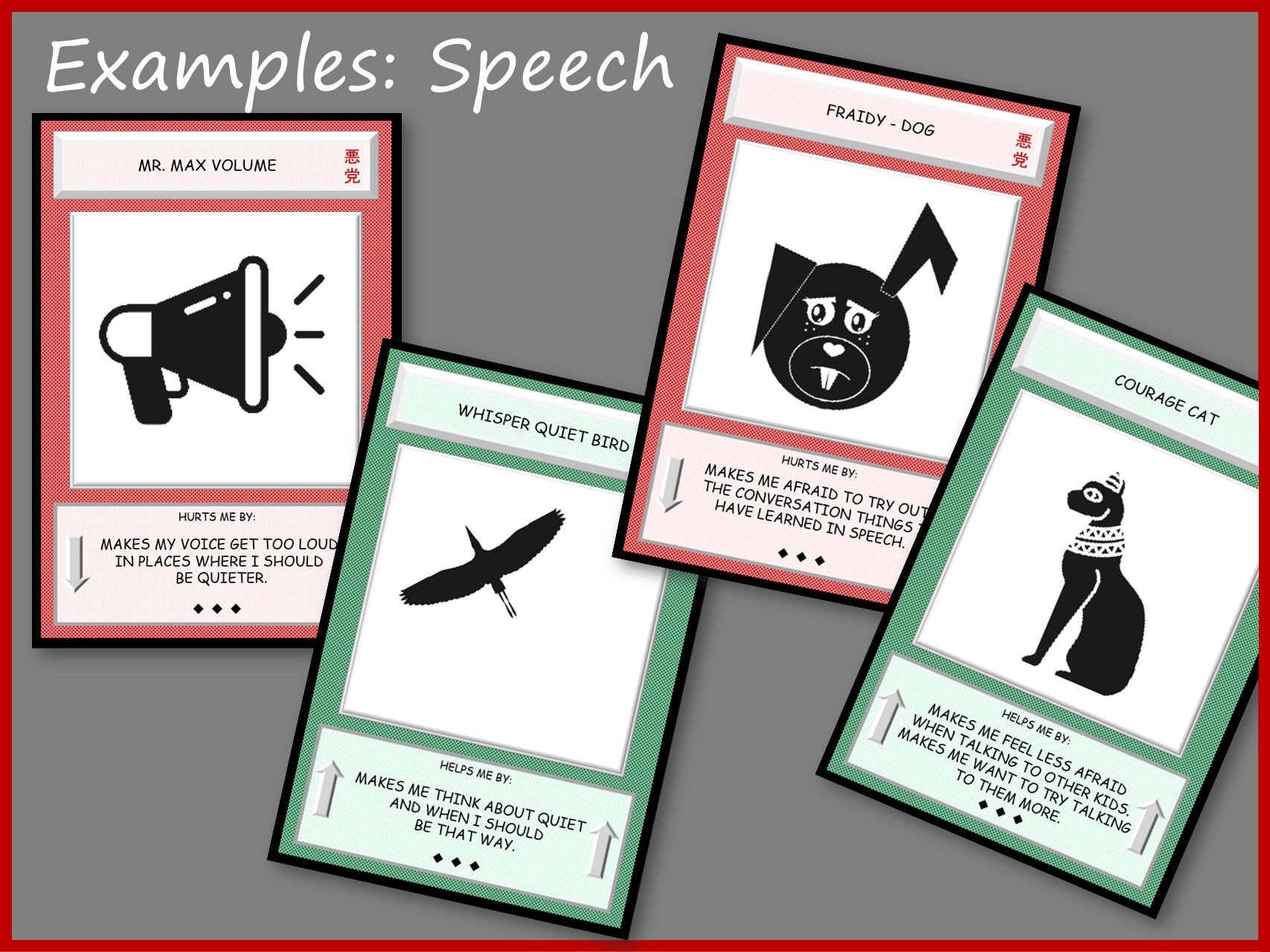
The picture above shows some possible cards that a speech and language therapist could create, corresponding to typical speech goals.
Although I am a mental health professional, in my own work with young people who have ASD, I do a great deal of work on social communication. In my experience, most of the children I work with can quickly make up clever character names. Most can come up with a coherent narrative under “helps me by…” [Obviously, the sample cards shown were not created by clients 🙂 ]
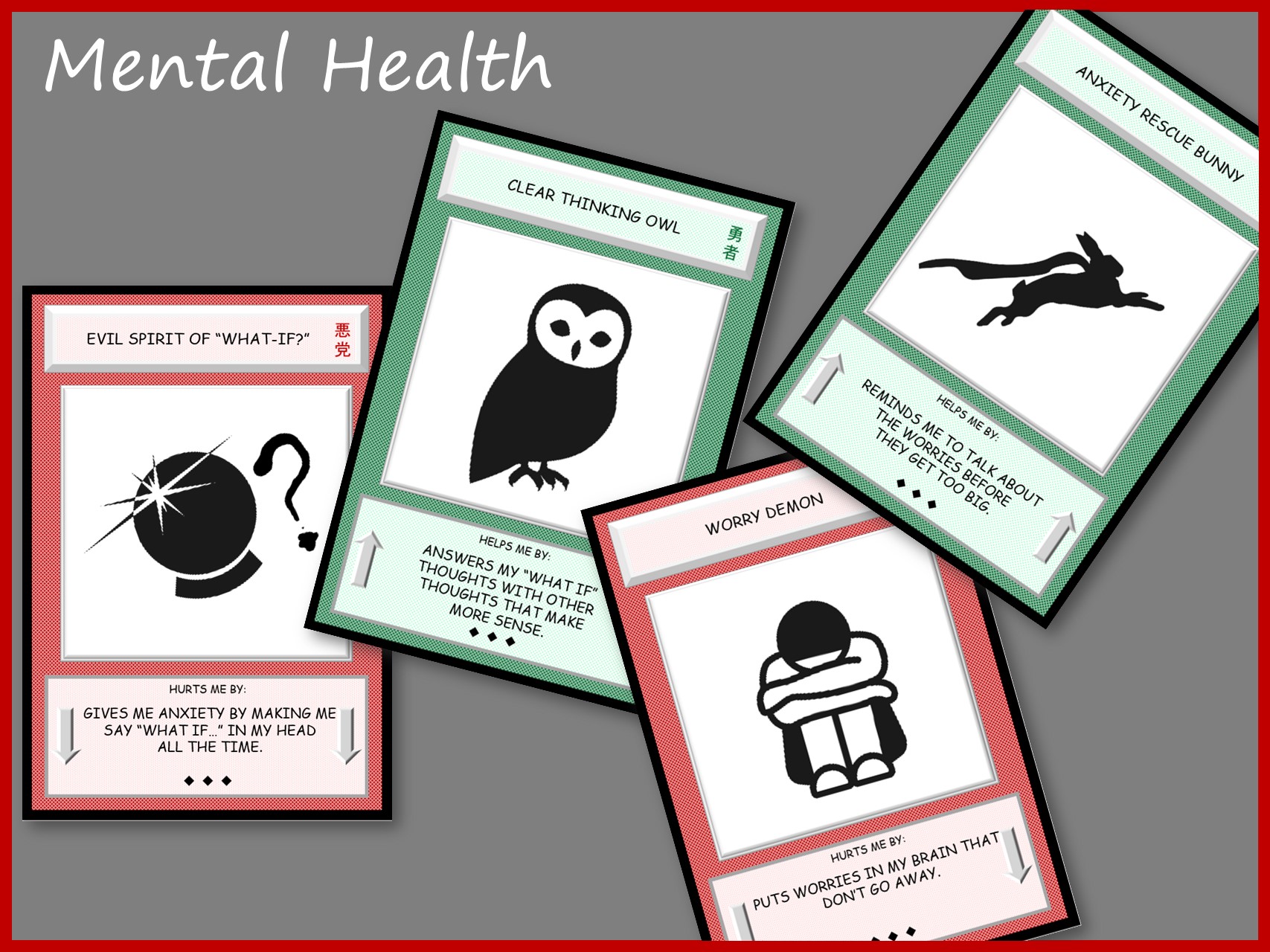
Here above are some examples of cards that could be created for mental health applications. For my fellow mental health professionals: These DIY cards are ideally suited for CBT.
Please note that I have a completely separate CBT-based Problem Solutions Cards kit available with drag-and-drop images specifically selected for mental health therapy.
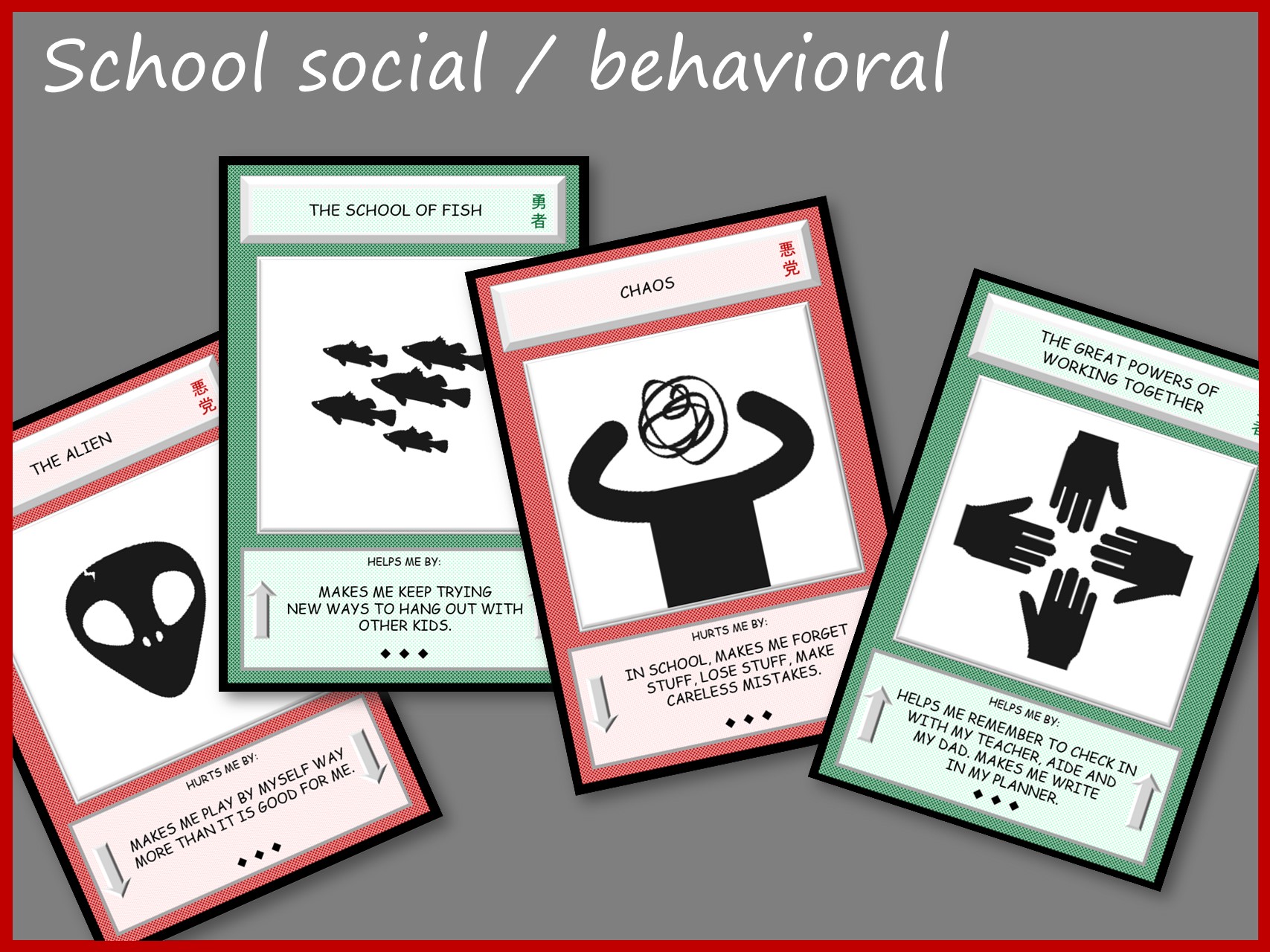
Shown above are four examples of cards that could be created to highlight typical social and behavioral goals in the school setting.
I am not currently working in schools, but the fact that this project is carried out on-screen in PowerPoint would seem to make it well-adapted for groups and small classroom work for children with emotional and behavioral concerns.
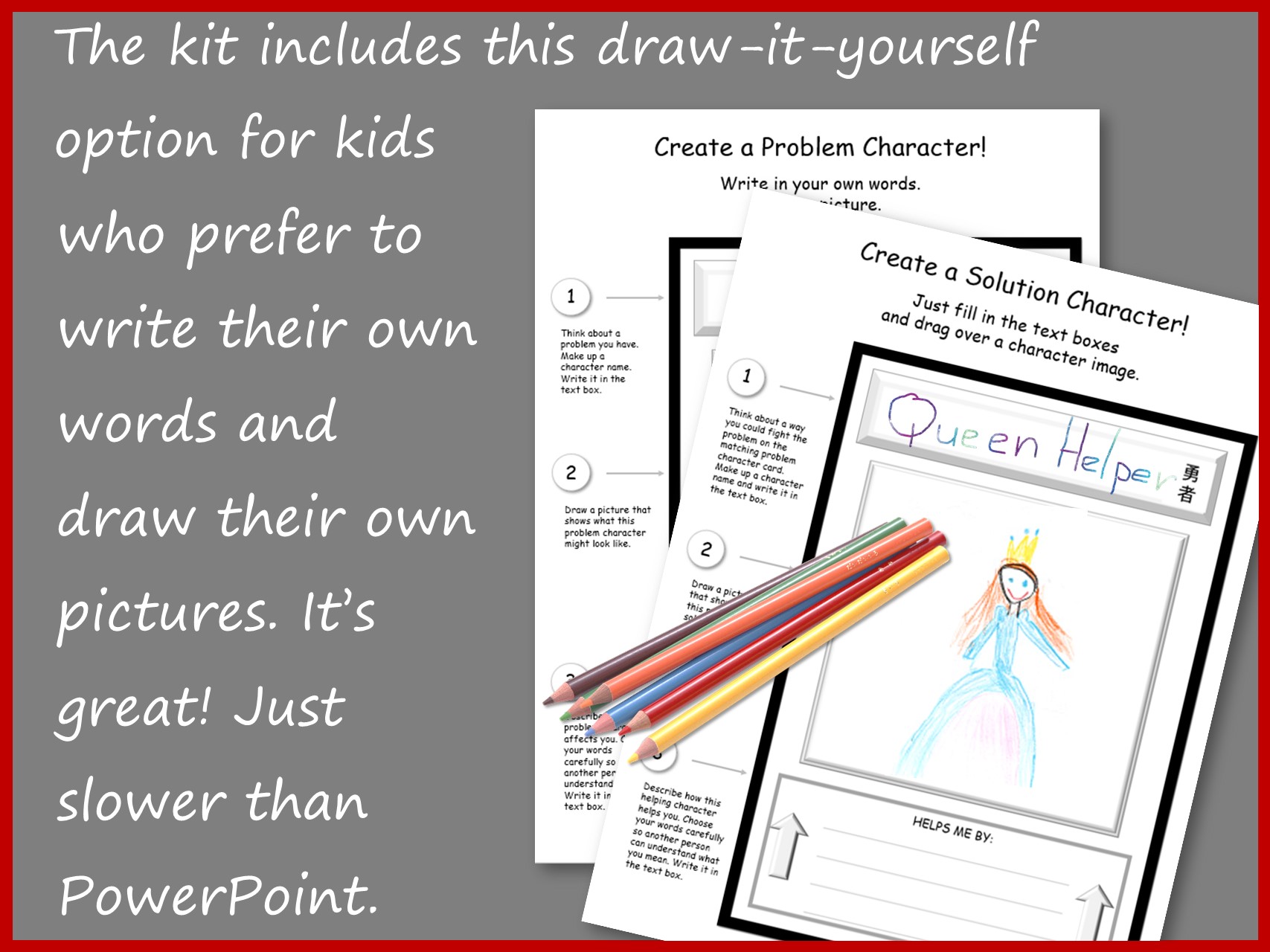
The draw-your-own version of this (shown in the picture above) is similar to a popular download I posted years ago, Dark Force / Light Force Worksheets. In my own work, I like to get children to draw as much as possible in structured therapy projects. Having done this project many times both ways, both through drawing and via drag-and-drop image selecting, I would say that both versions have advantages. One important consideration is that many young people just don’t want to draw. Another consideration is that many of them draw more slowly than might be useful or convenient in the context of a therapy session.

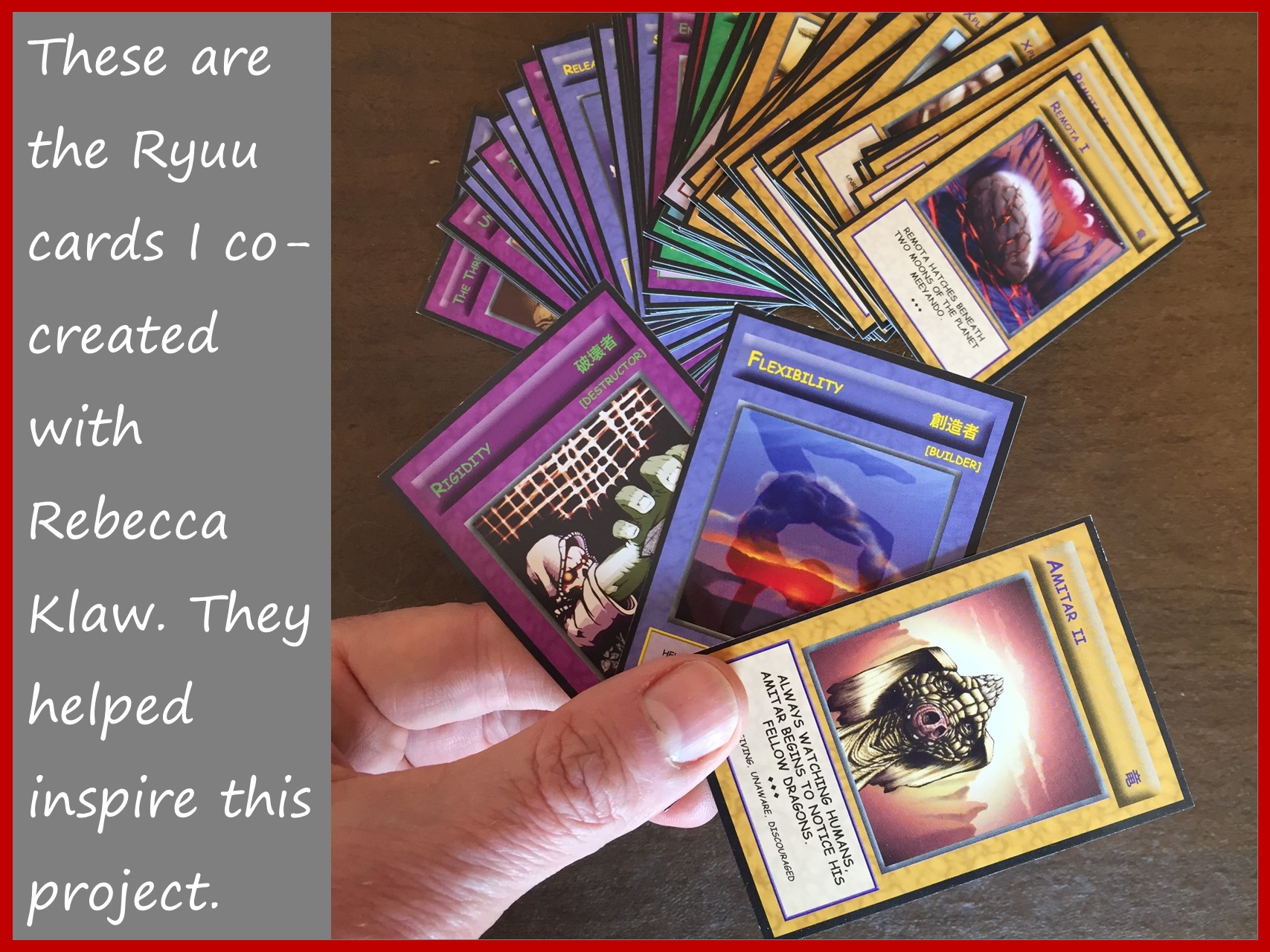
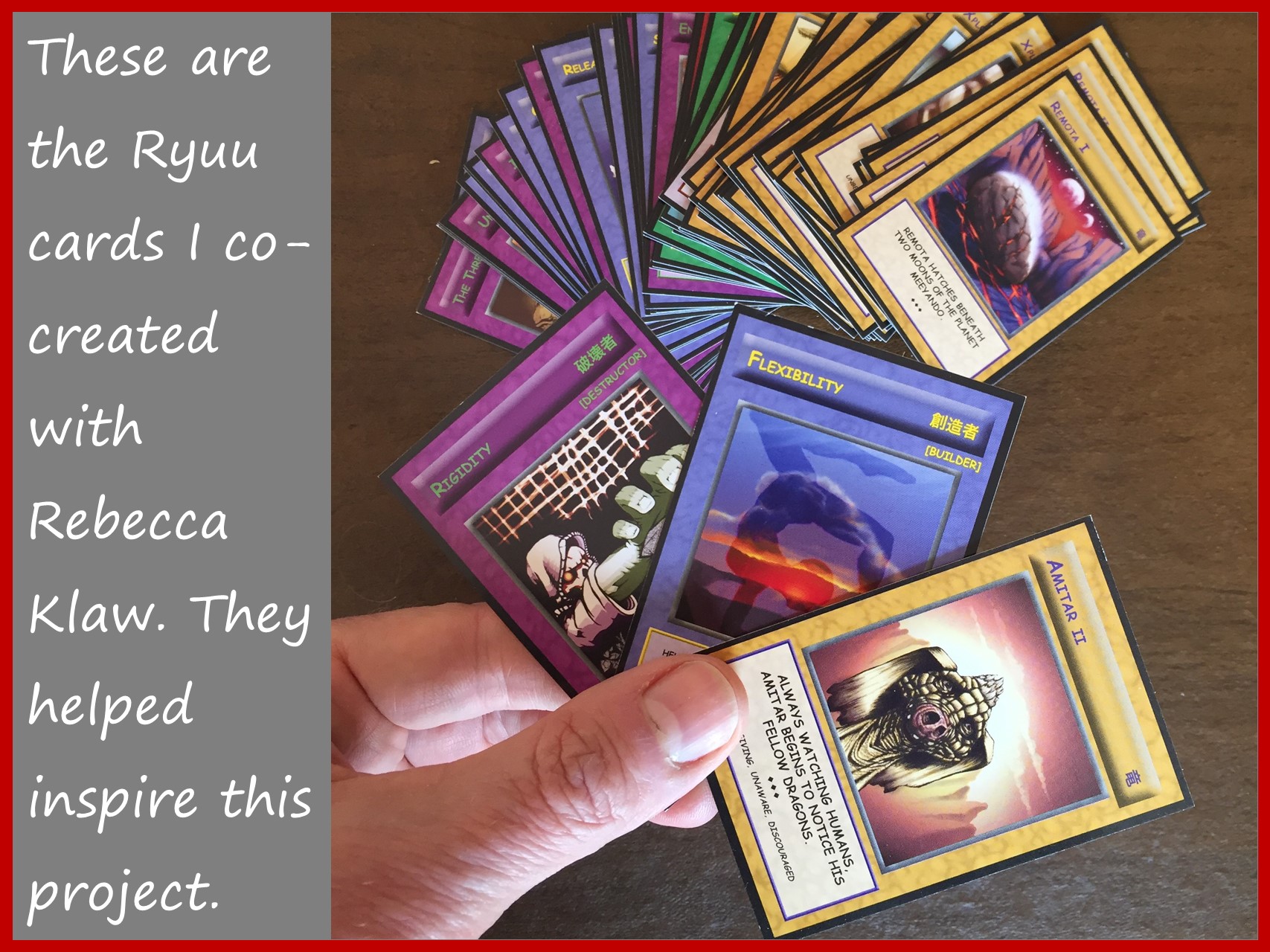
For many years, until 2019, Rebecca Klaw and I sold these cards that we invented, along with related therapy materials.
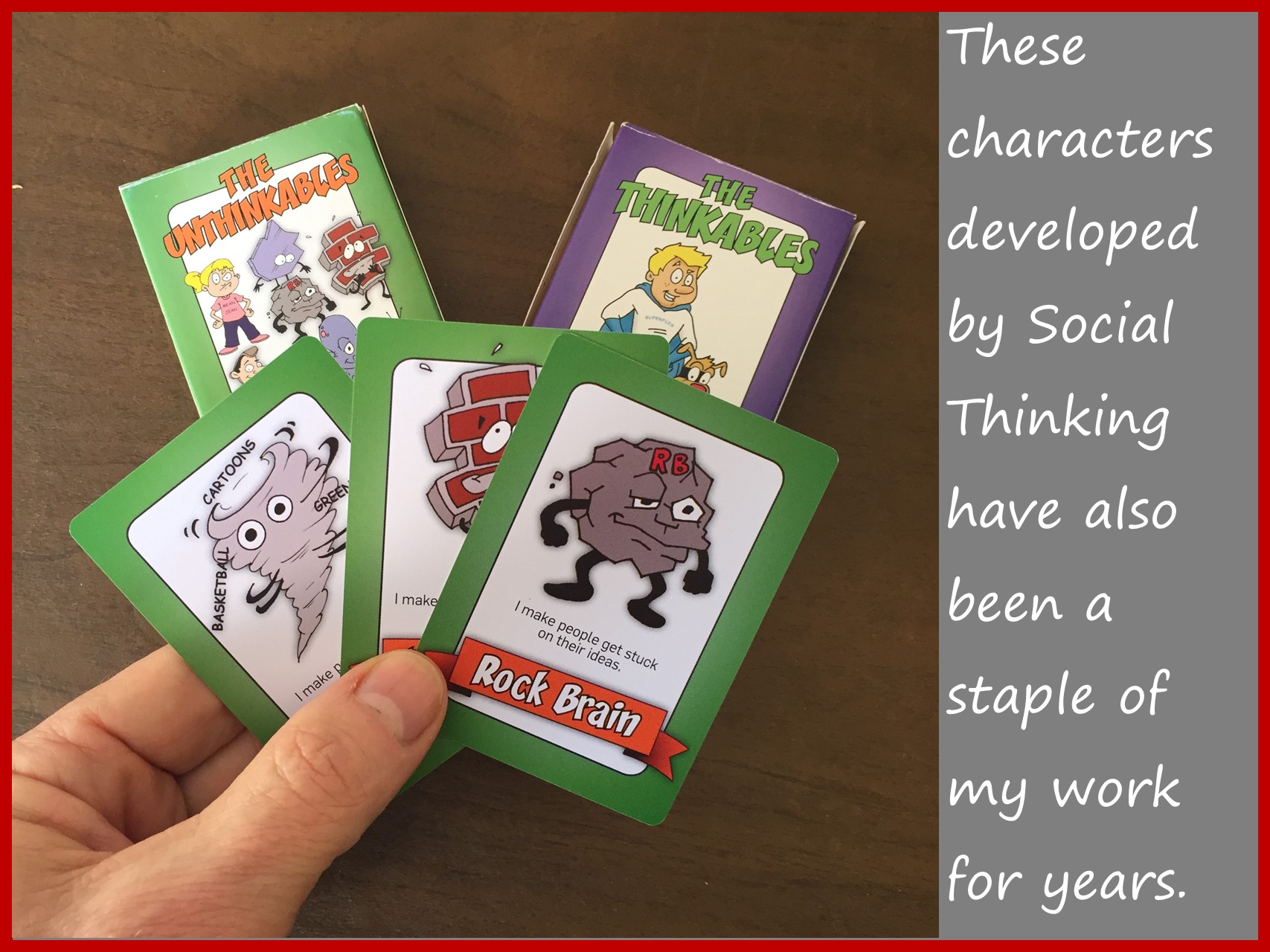
You are probably familiar with these Social Thinking materials based on Unthinkables and Thinkables characters. If not, you should check them out.
14 free social skills resources for kids with ASD who don’t speak English
Social skills resources for children who are not English-speakers
I have many free resources translated into Spanish, German, Polish, French and Hebrew. I also have have many other resources, for parents or professionals providing social / emotional skills teaching to children who do not speak English. These include:
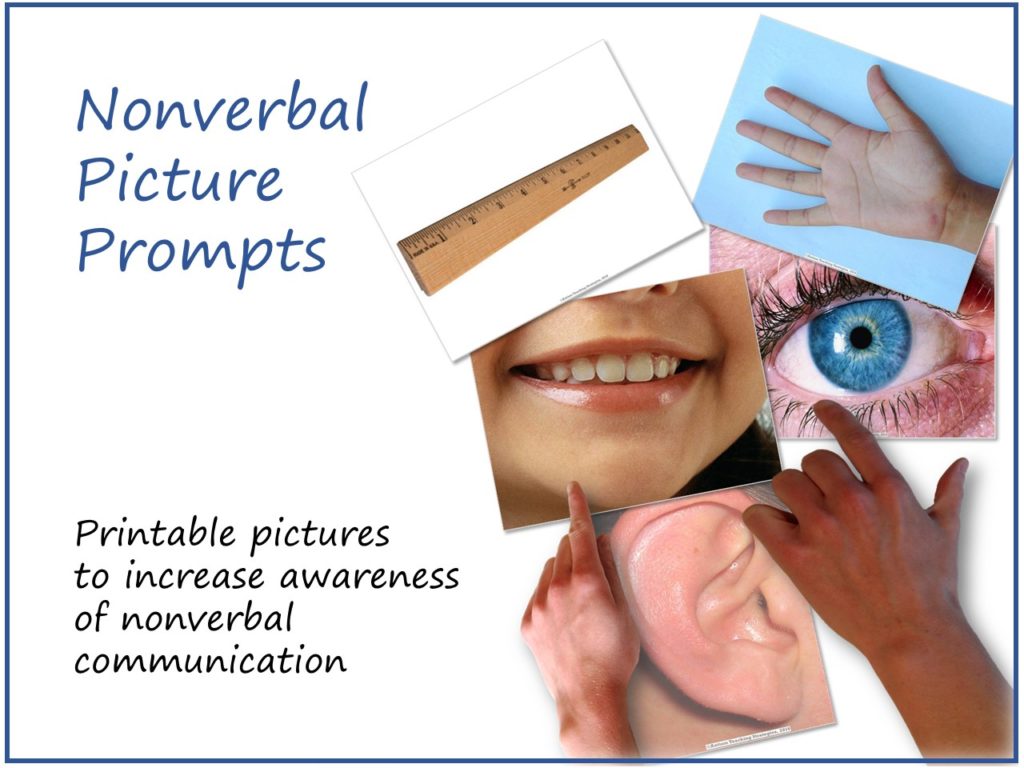
*Resources that are based mainly on images instead of words
*Resources that are editable, so you can easily add text in your own language
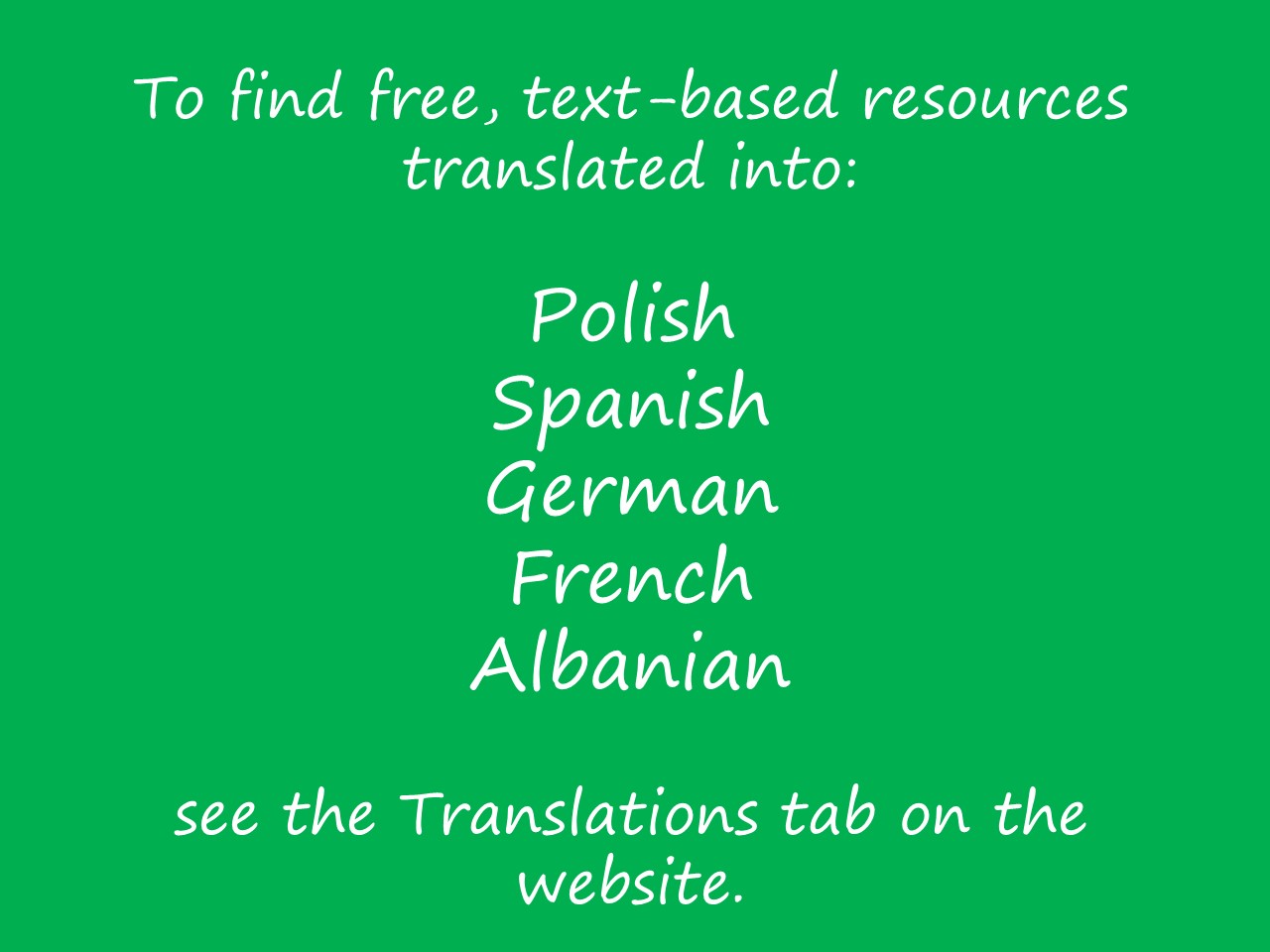
(Elsewhere on this website, I have a number of resources translated into Polish, German, French, Spanish, Hebrew and Albanian.)

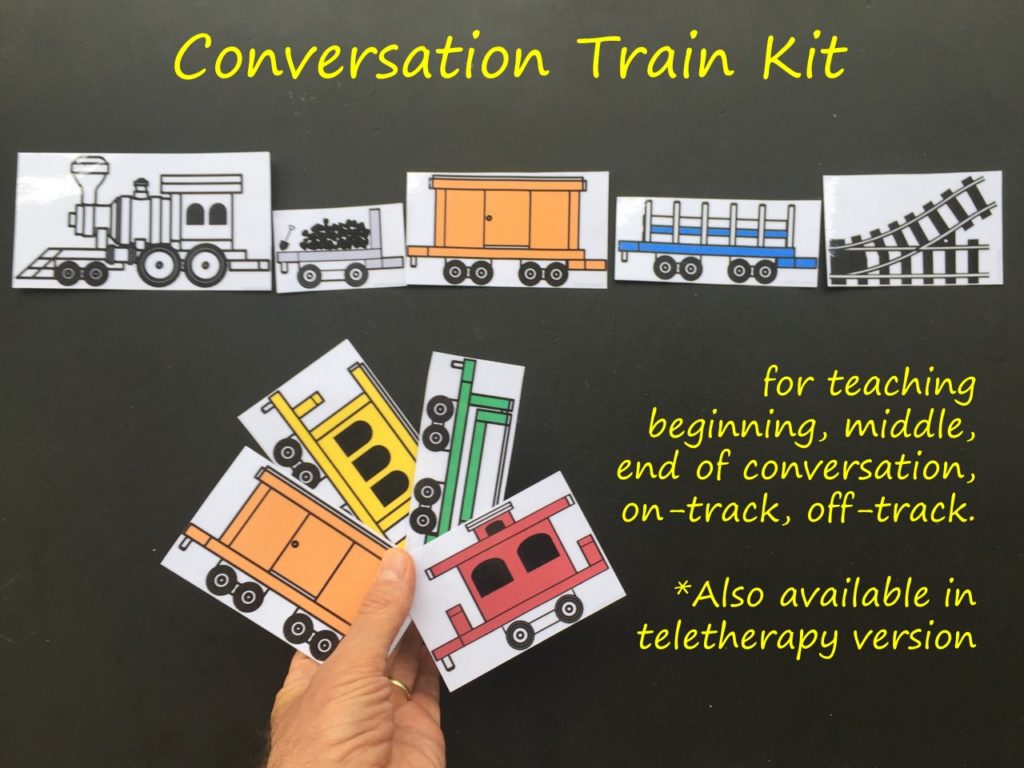
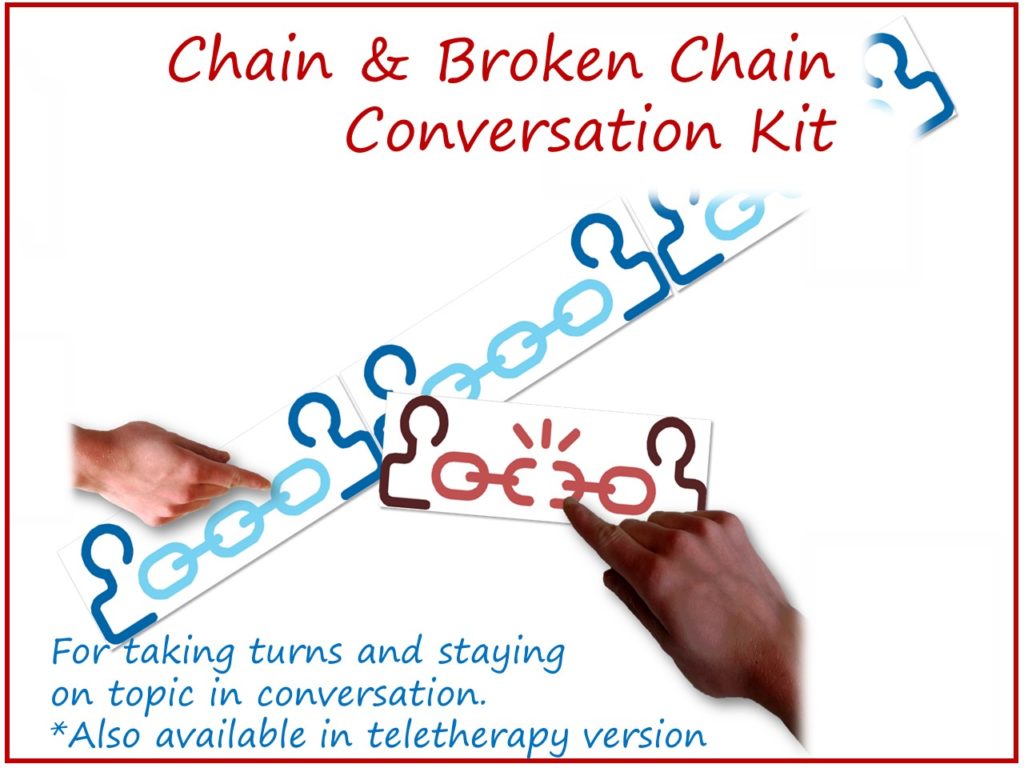
This is one of my best hands-on resources for helping children practice conversation basics including greetings, “how are you’s,” staying “on track,” switching topics, and ending the conversation. There is also a screen-based version that works really well. The principles are derived from my book, The Conversation Train.
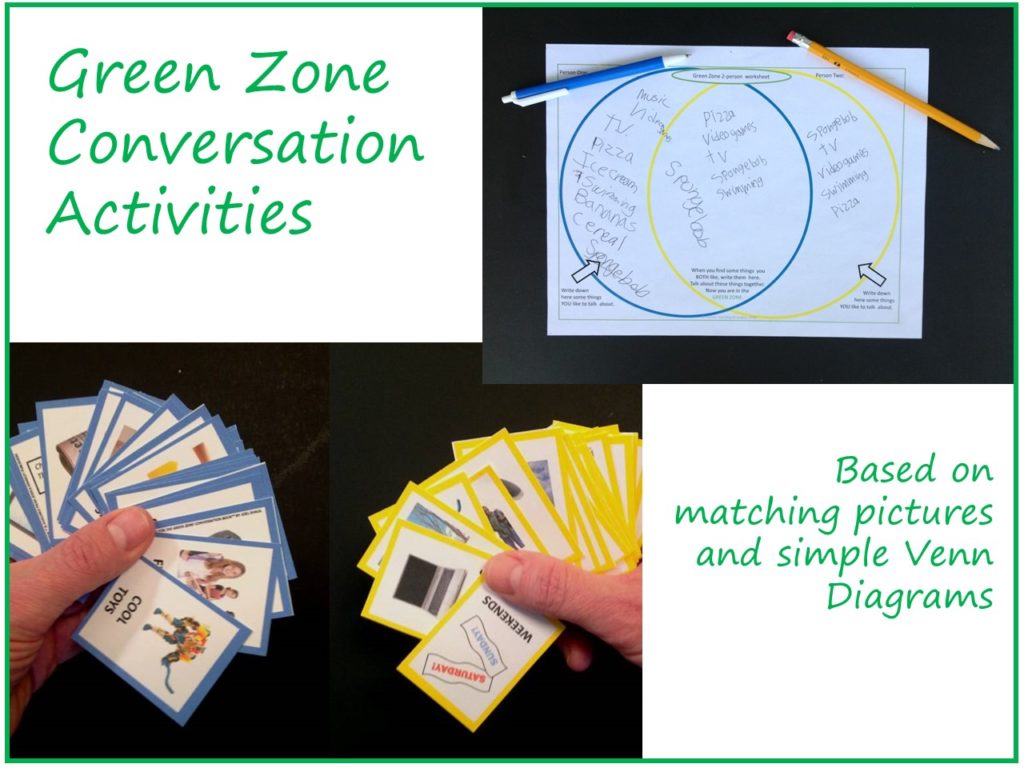
The simple Venn diagram worksheet can easily be modified for non-English speakers. (It is currently translated into Spanish and Polish). Most of the picture cards work fine without being able to read the English text. These resources are derived from my book, The Green Zone Conversation Book.
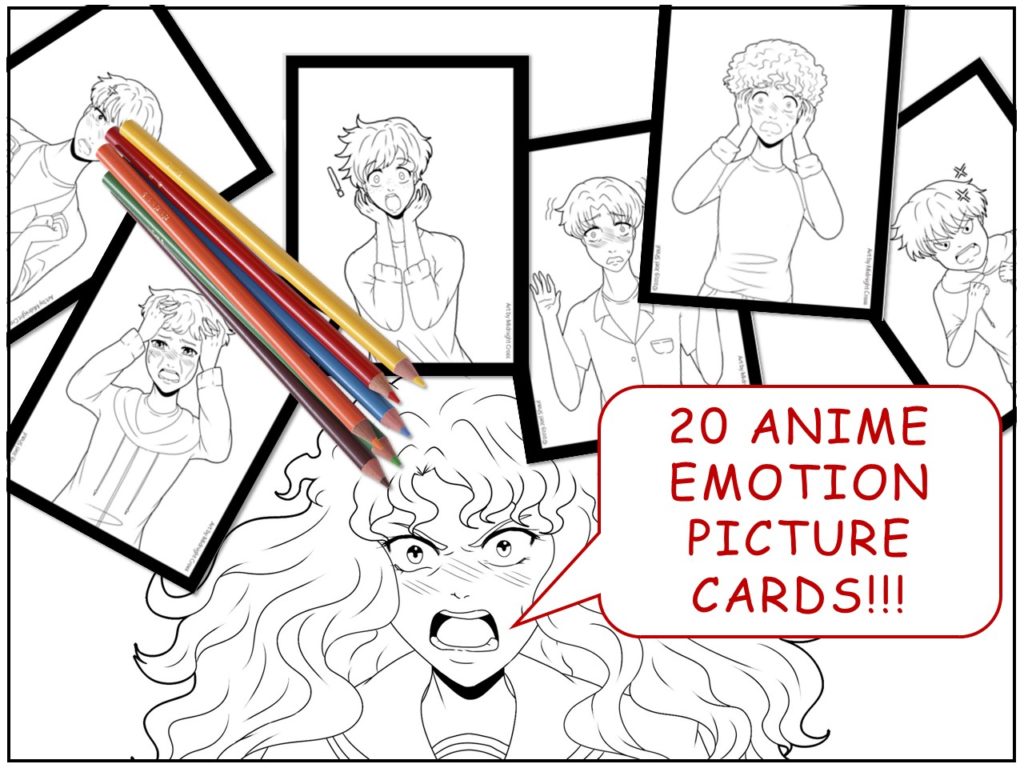
I collaborated with an Australian to produce this popular set of resources. The emotions appear to be universal. You don’t have to color them, but children enjoy doing it. (It is currently translated into Spanish, German, French and Hebrew.)
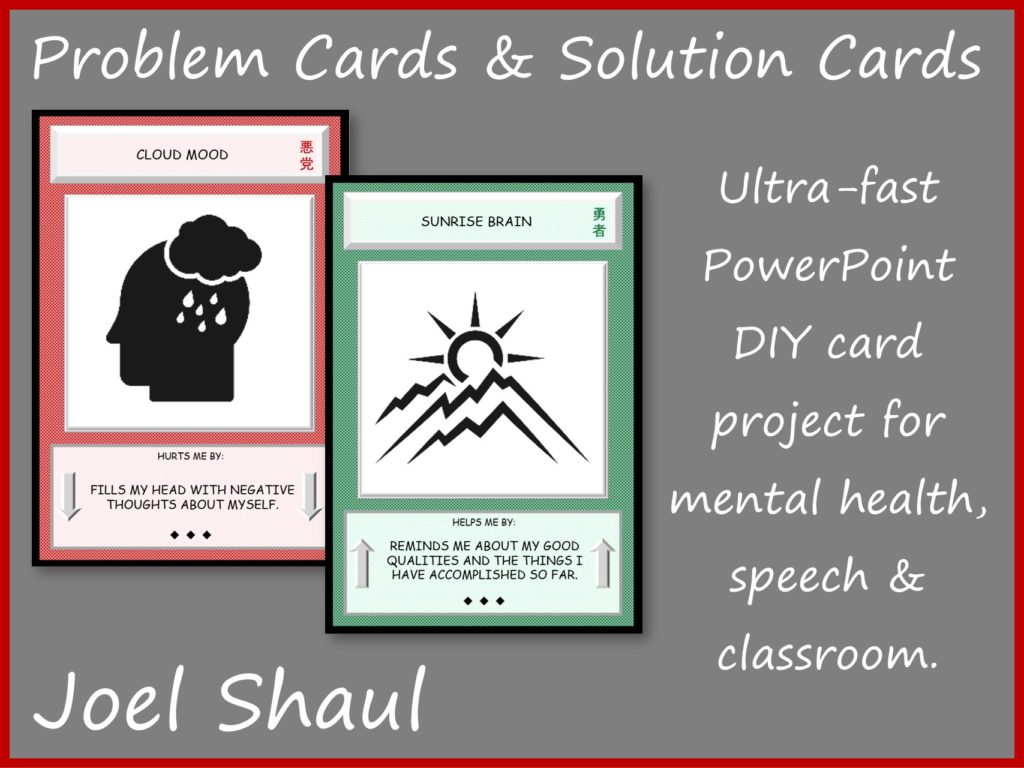
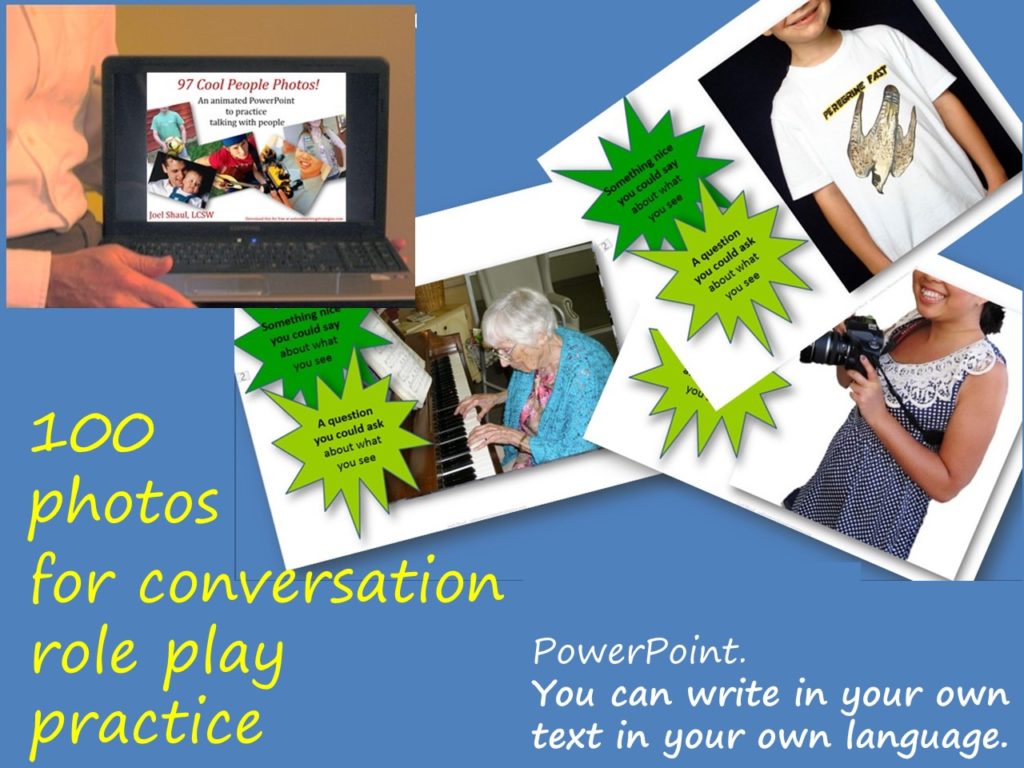
This will work in any language. The card templates are in PowerPoint and you add your own text – in any language.
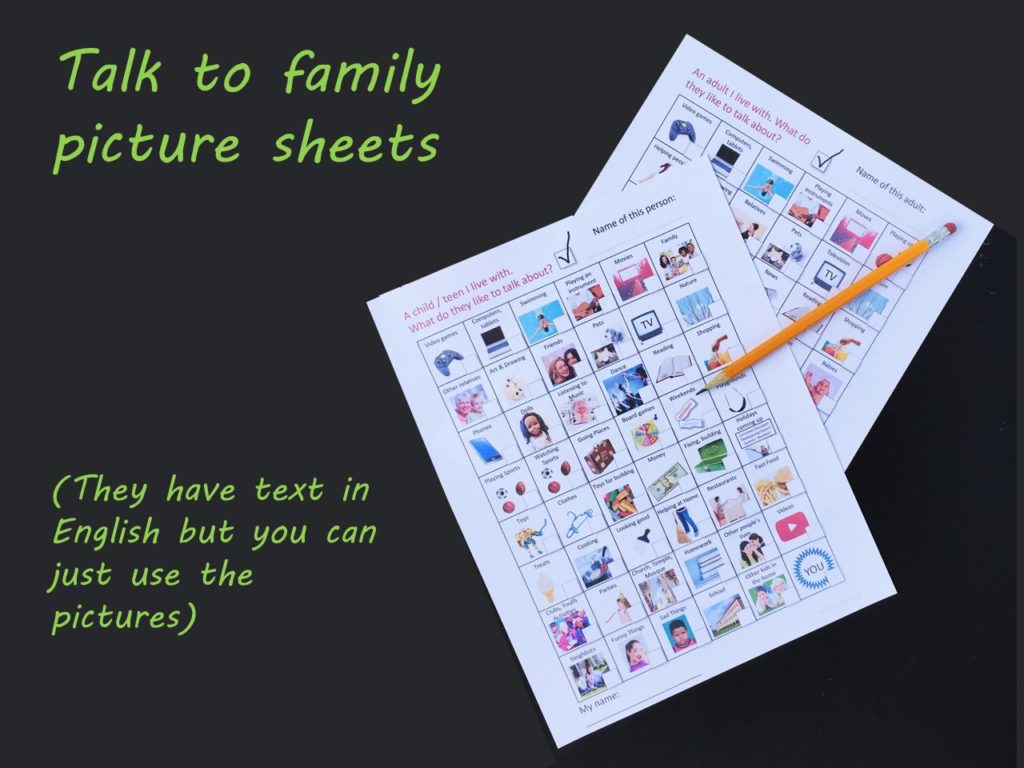
Talk to Family sheets are currently translated into French and Spanish.
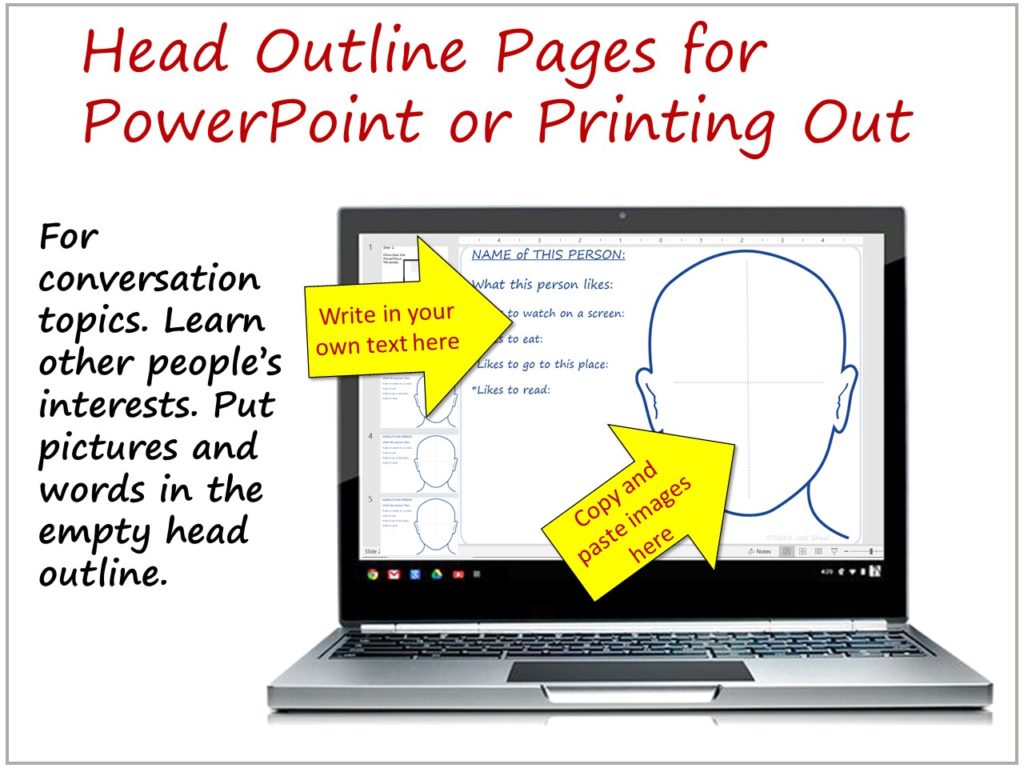
Head Outline Pages is available in a Spanish translation.
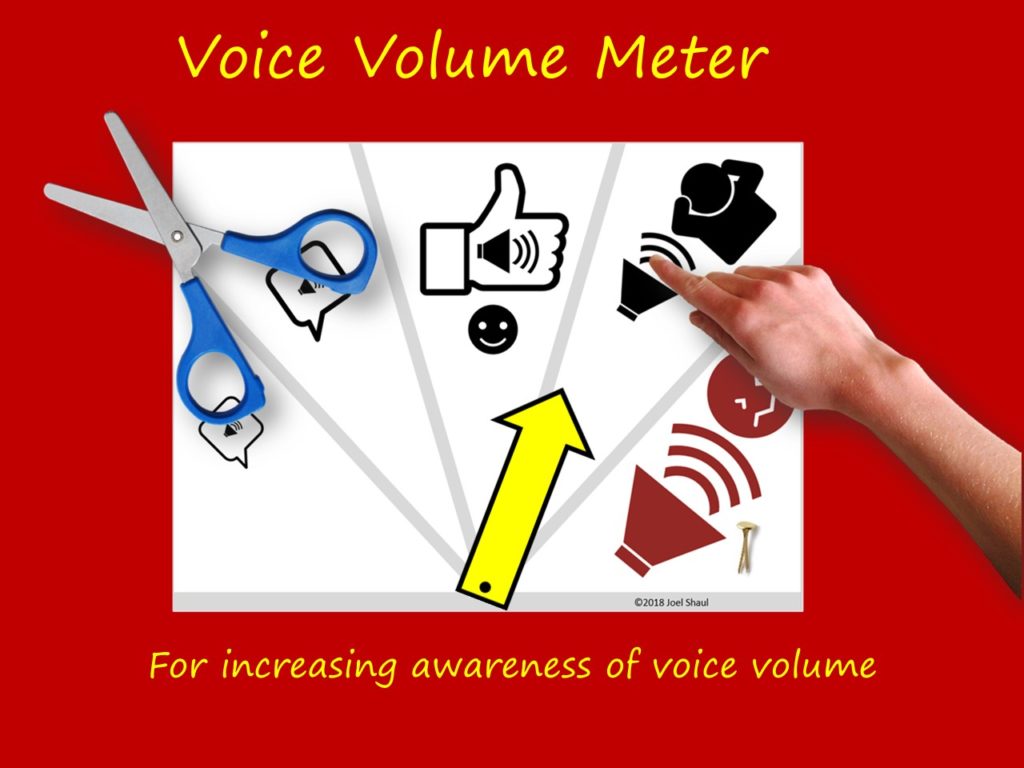
Voice Volume Meter is available in a Spanish translation.
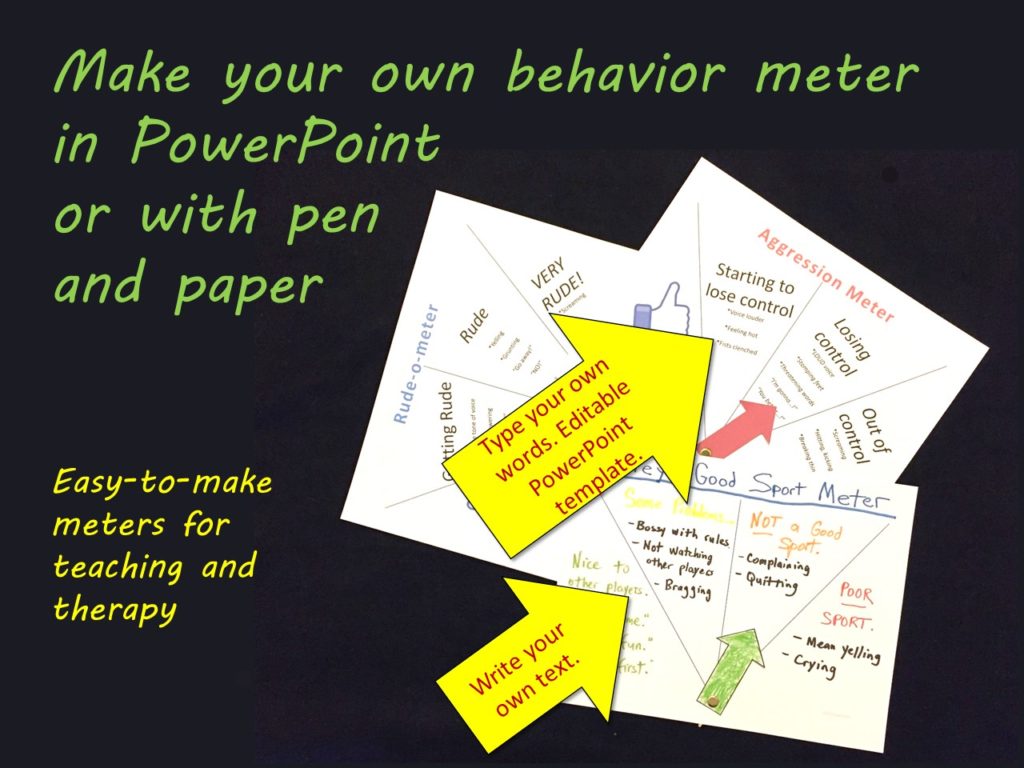
This is a very useful resource. In my own work, I use it several times a week. Children enjoy taking part in the creation of the meters, and it provides helpful continuity between one therapy session and the next.
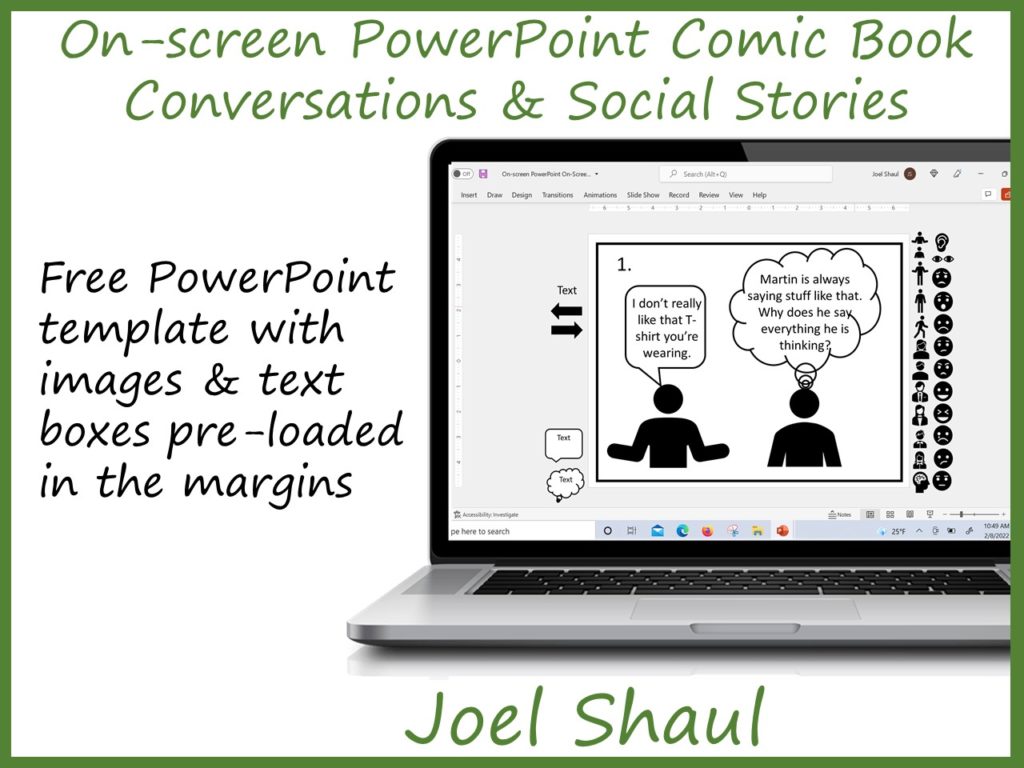
Add you own text – in any language.
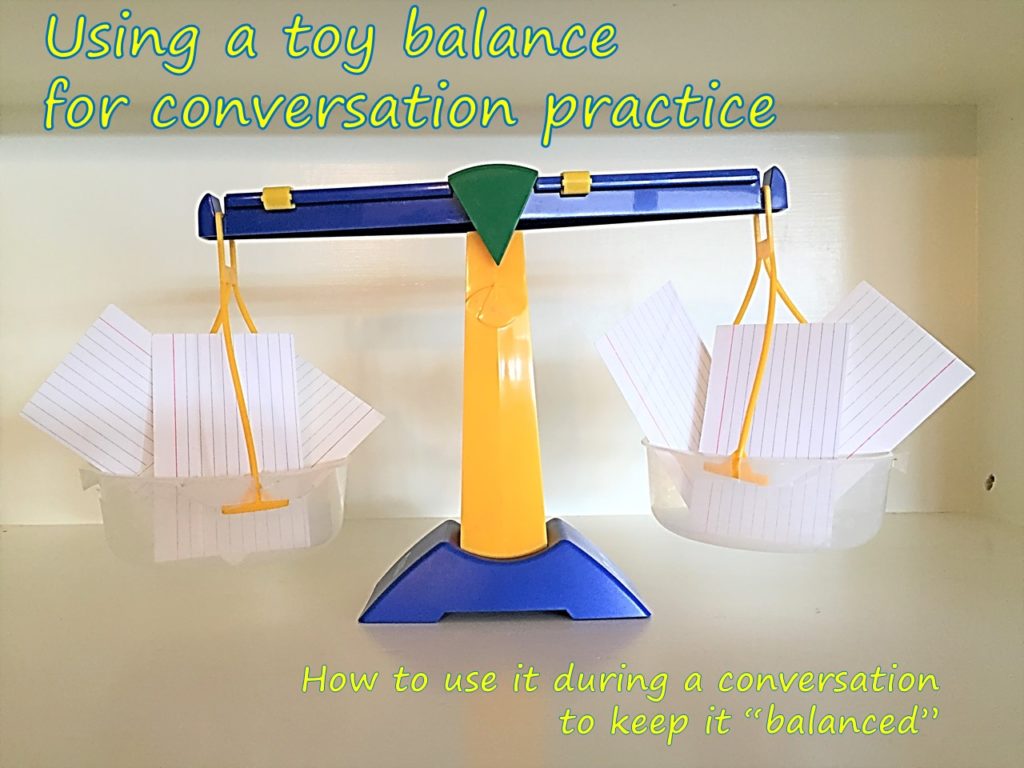
A toy balance is an invaluable social skills resource for your office, speech room or classroom.
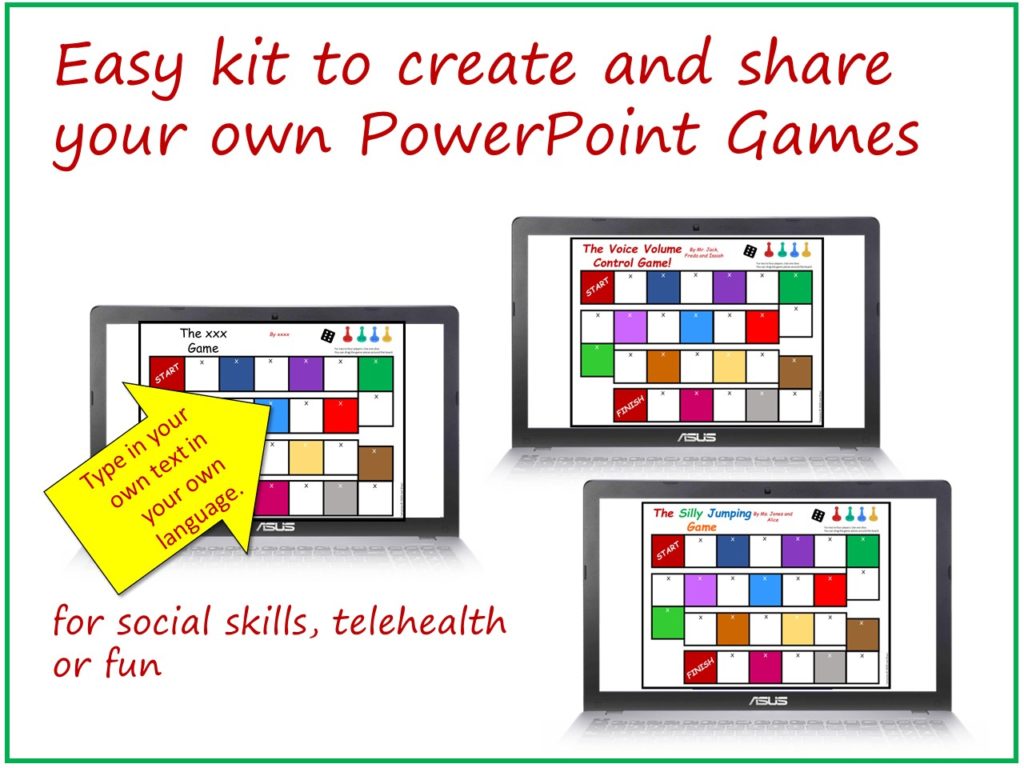
I designed this resource carefully so that it is easy to use. You can create a game ahead of time for the children, but in my own work I prefer to create the game with the children, during our time together, so that the children are actual co-creators of the game.
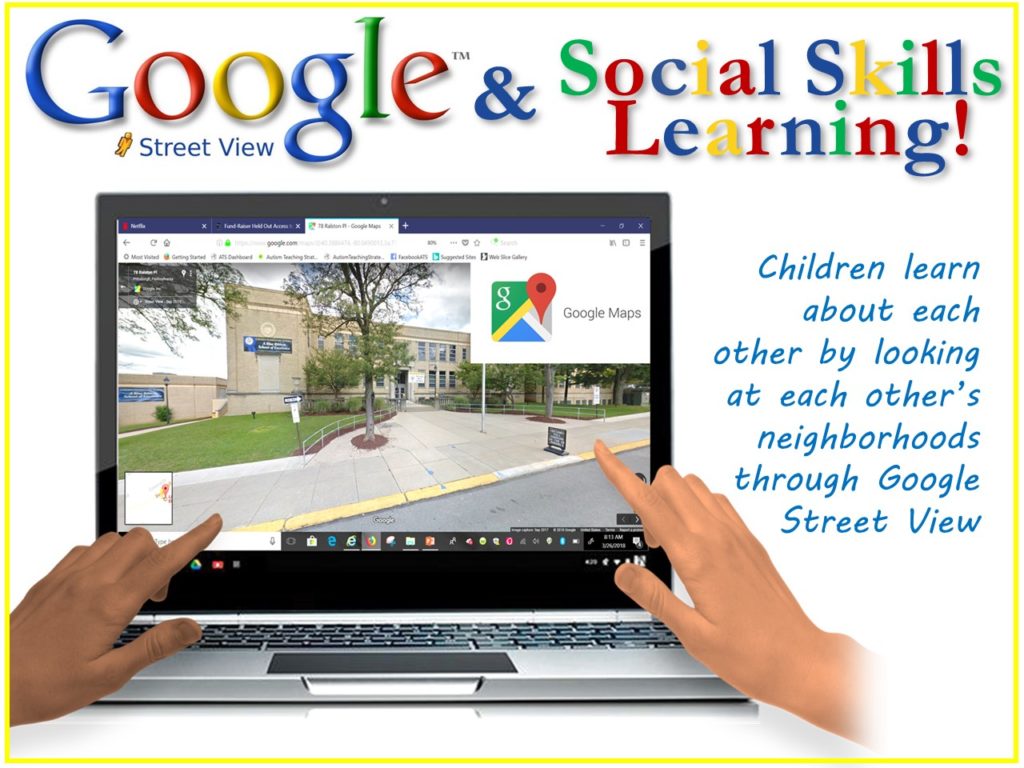
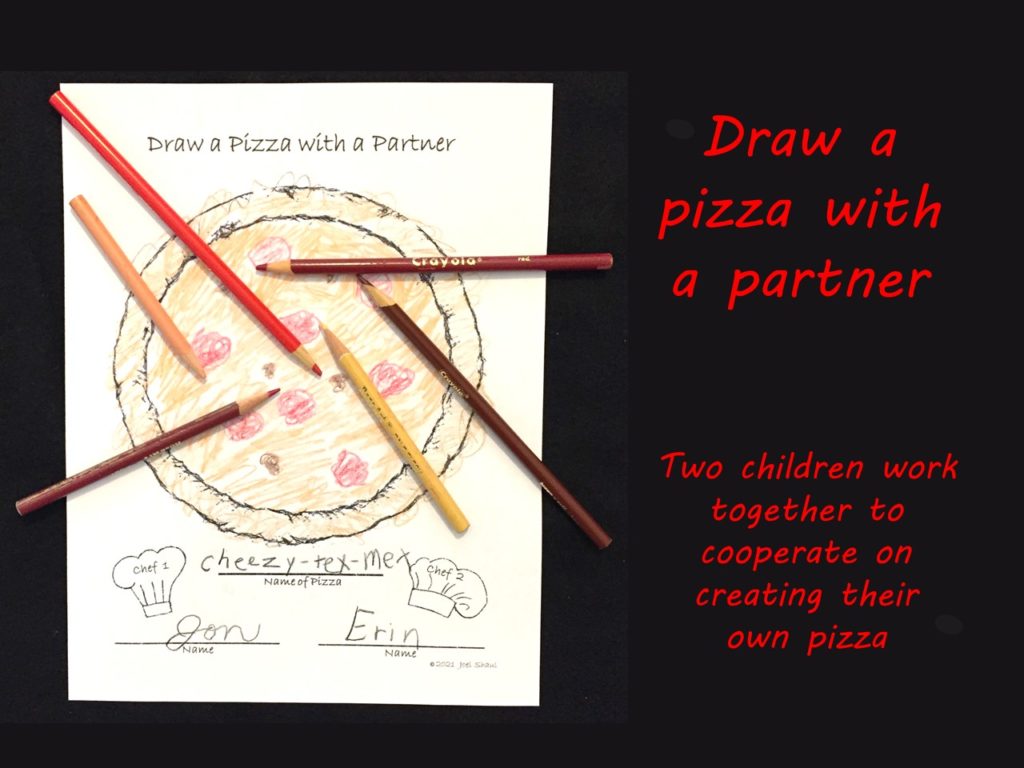
Draw a Pizza sheets are available in Spanish.
Your comments on these resources are most welcome, and often helpful. Click HERE to send an email.