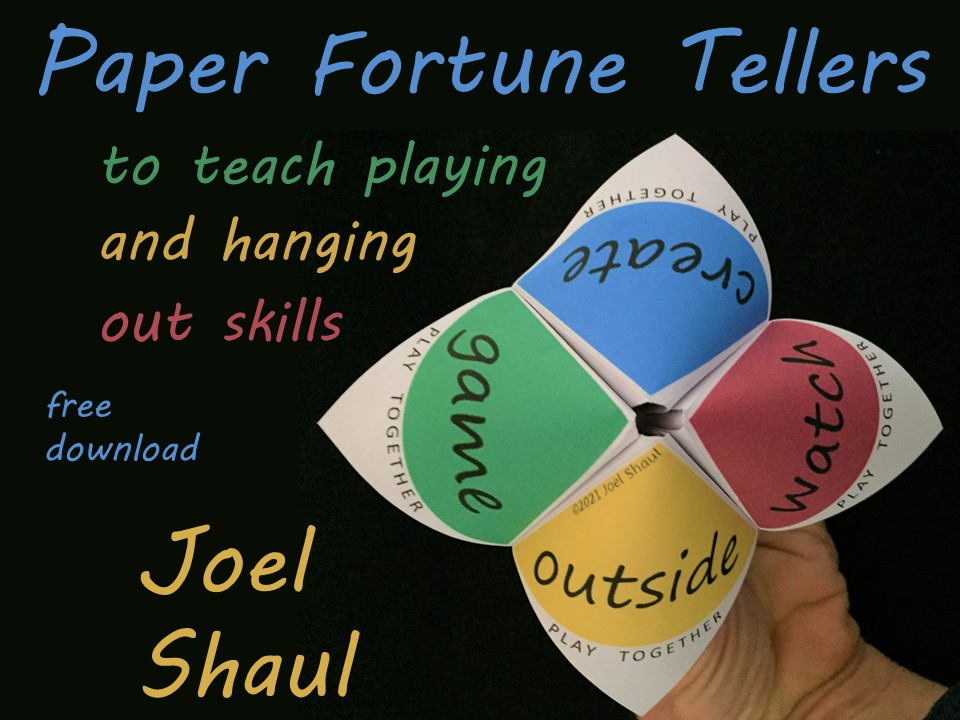
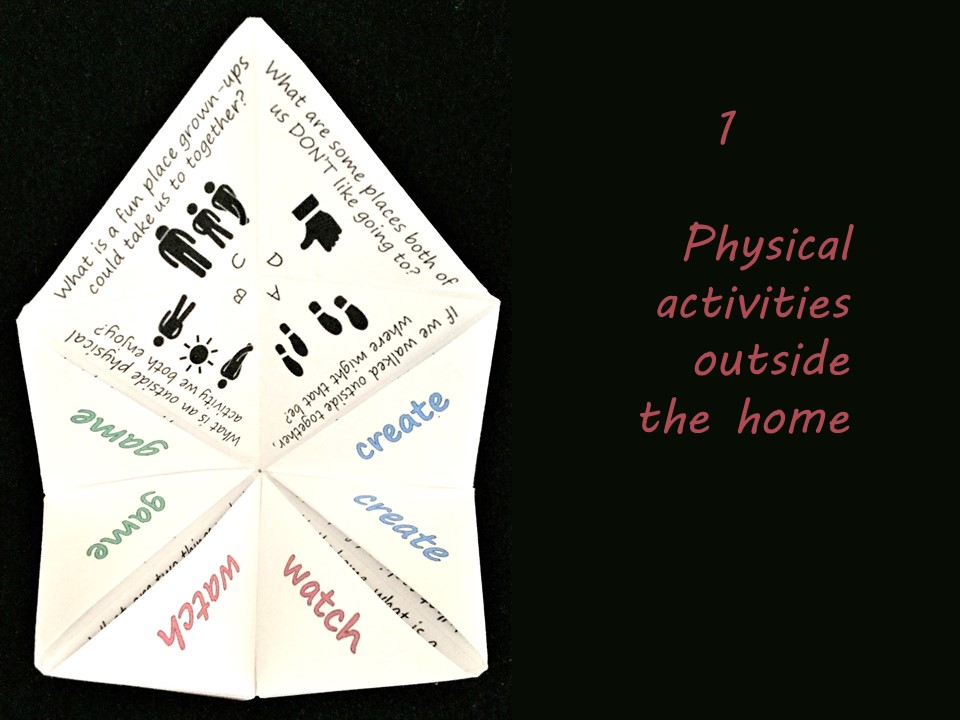
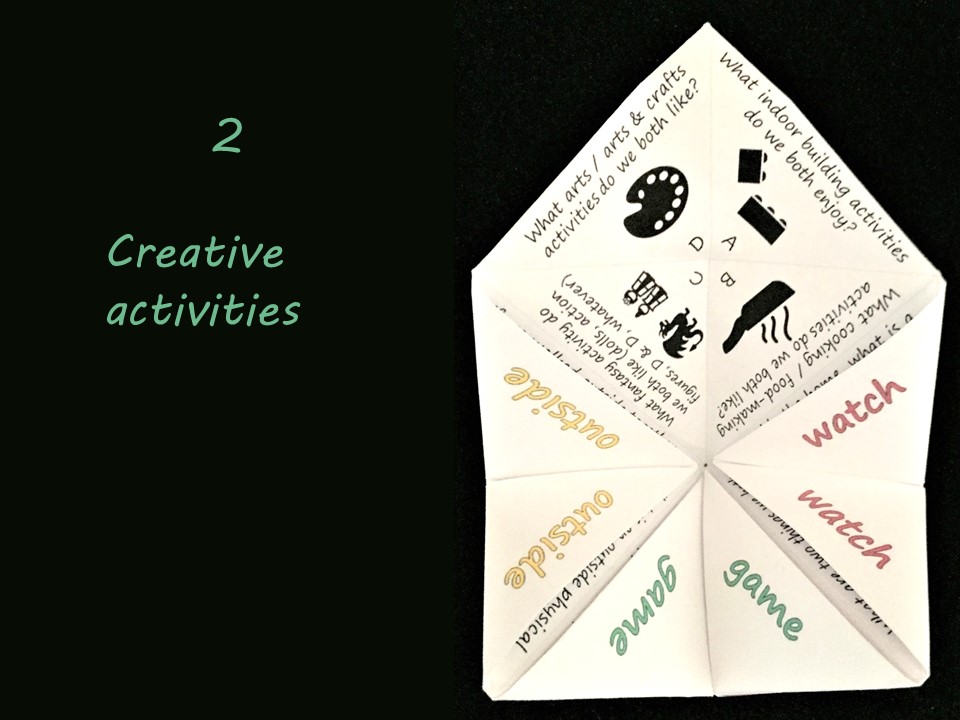
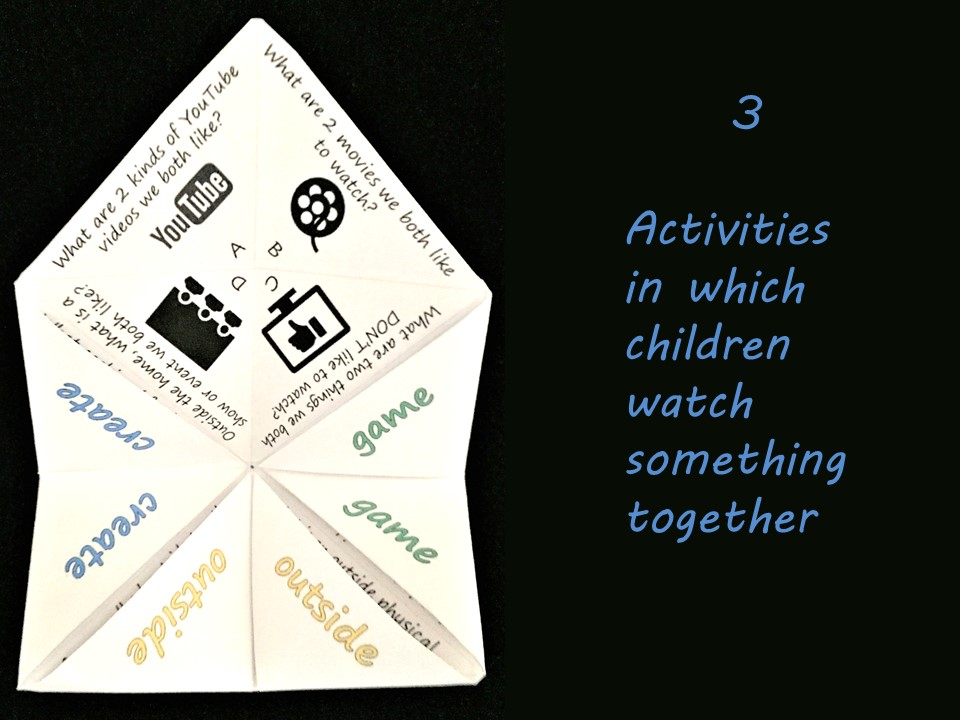
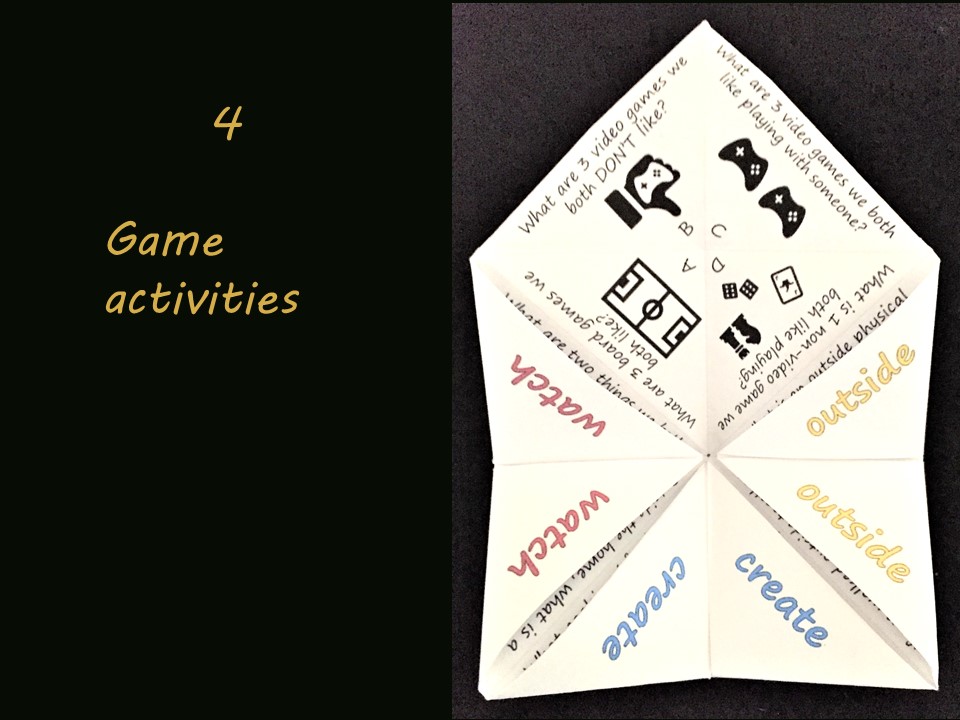
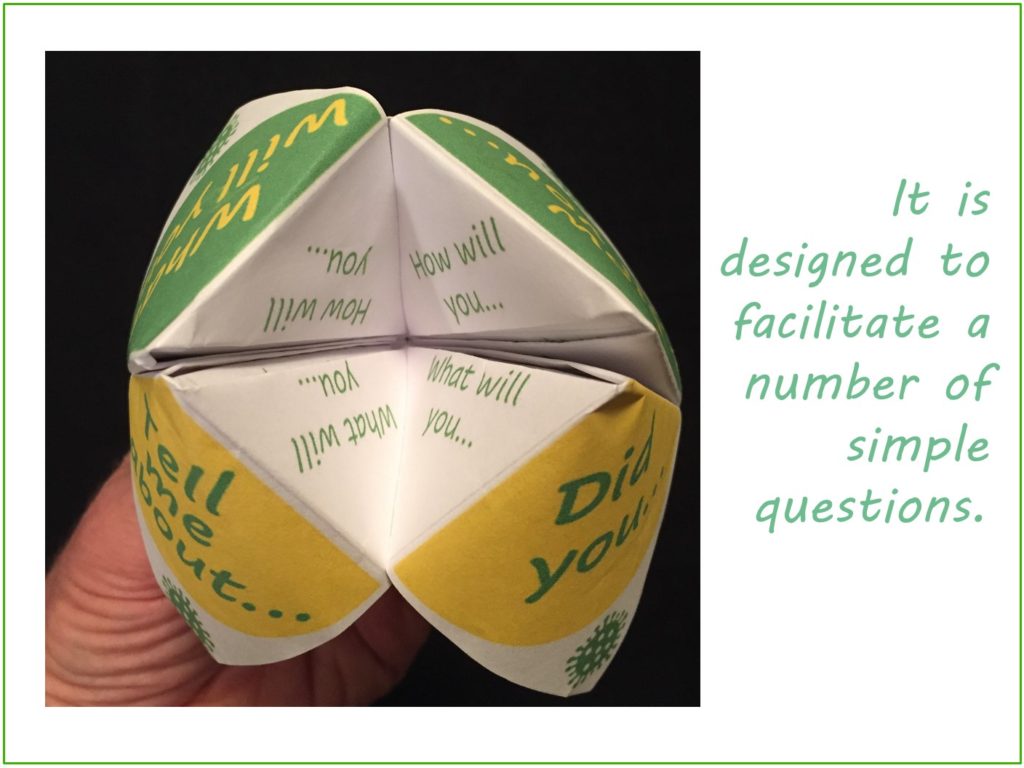
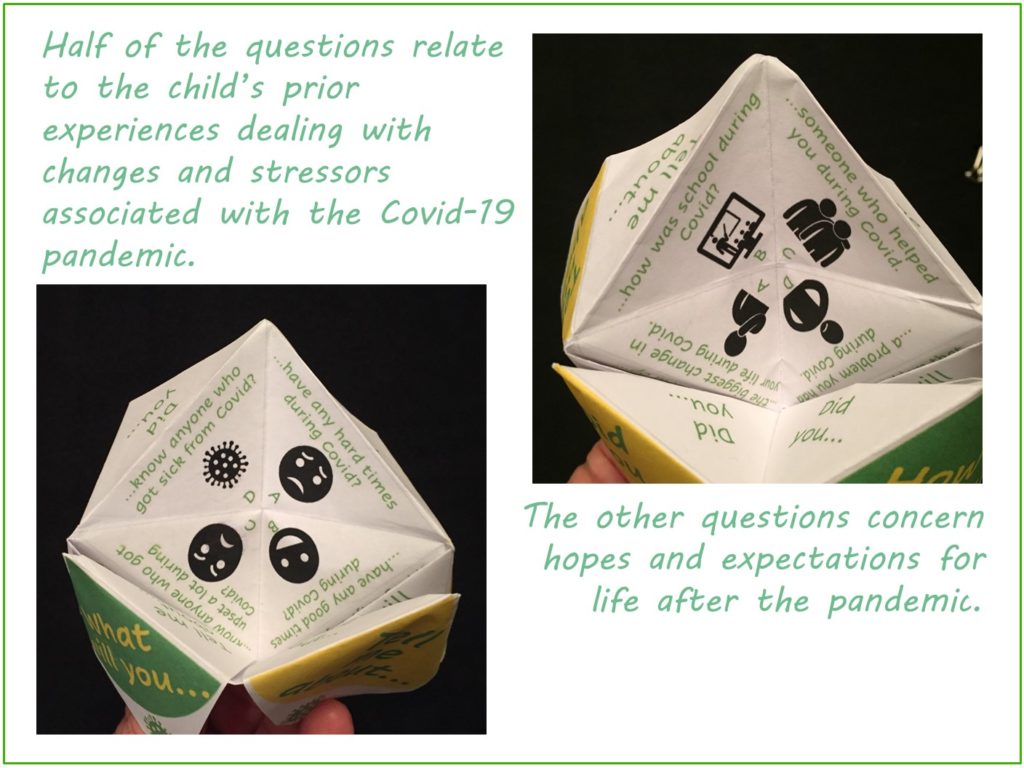
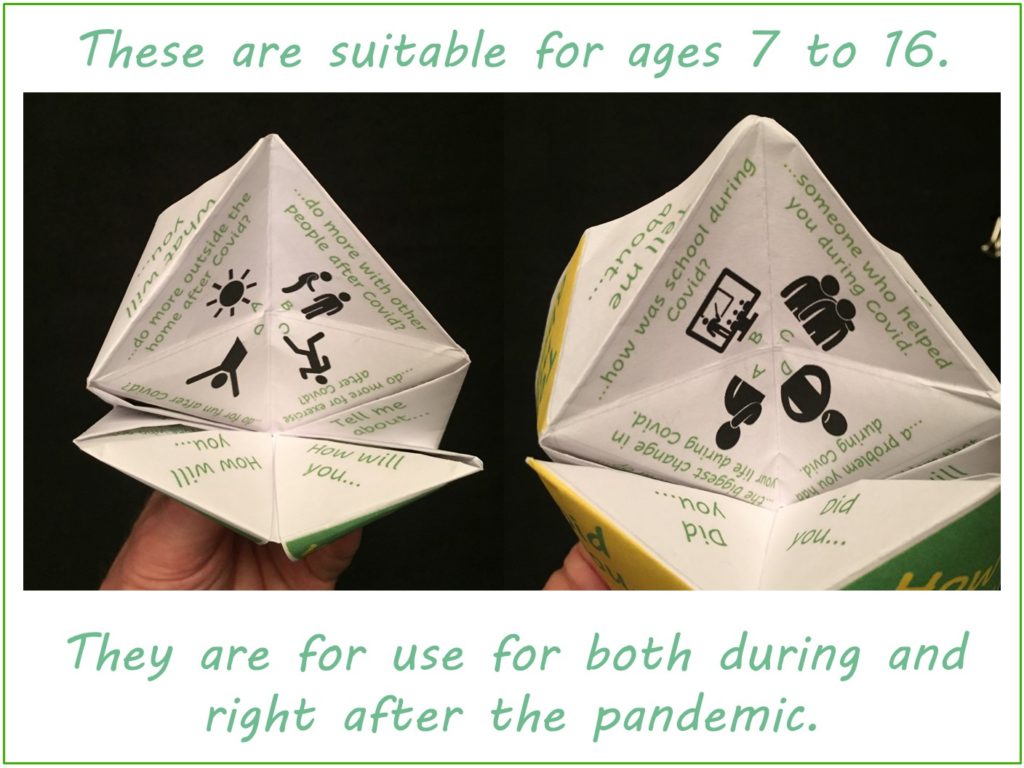
Many years ago, I got interested in paper fortune tellers. After learning how to fold them, I figured out how to custom design them to teach various social and emotional skills, and to facilitate reciprocal conversation between pairs of autistic children in group therapy and classroom settings.
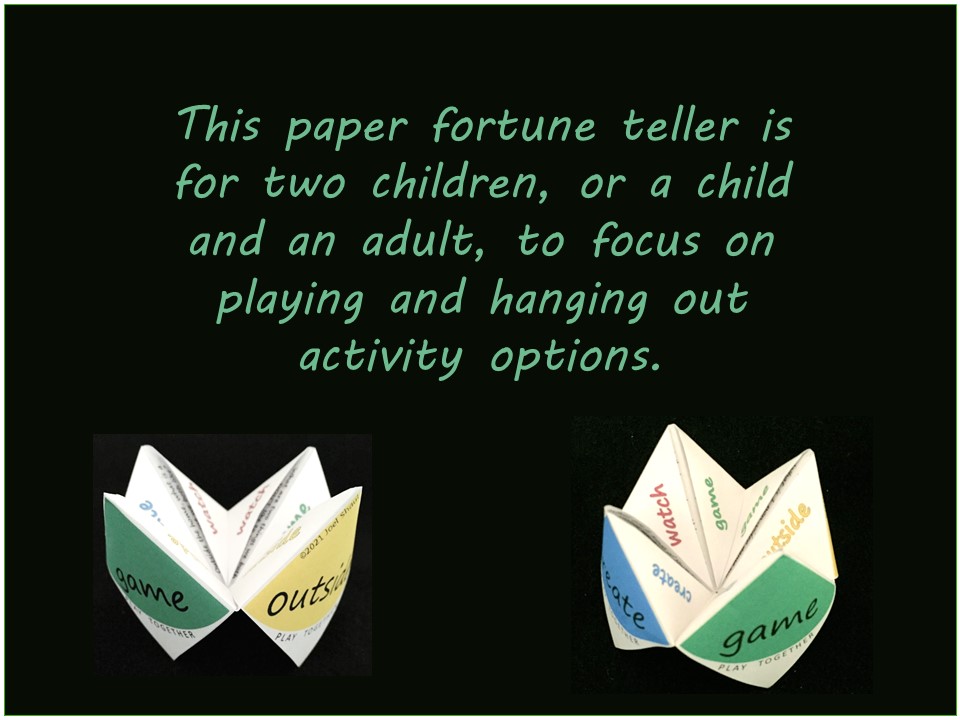
This paper fortune teller is to help two children to jointly explore playing and hanging out activities.
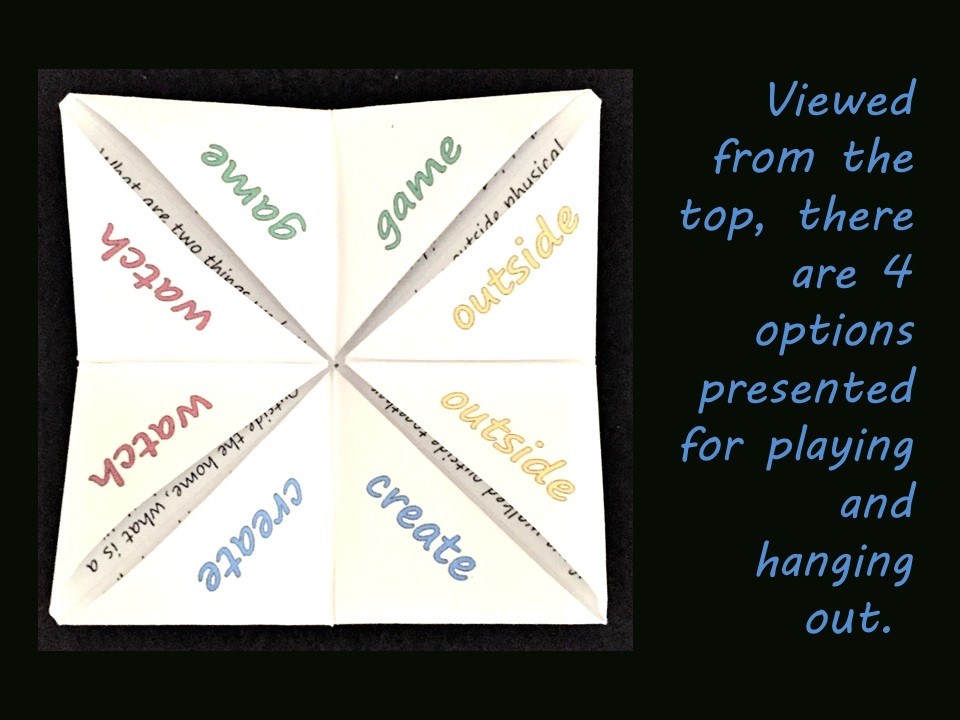
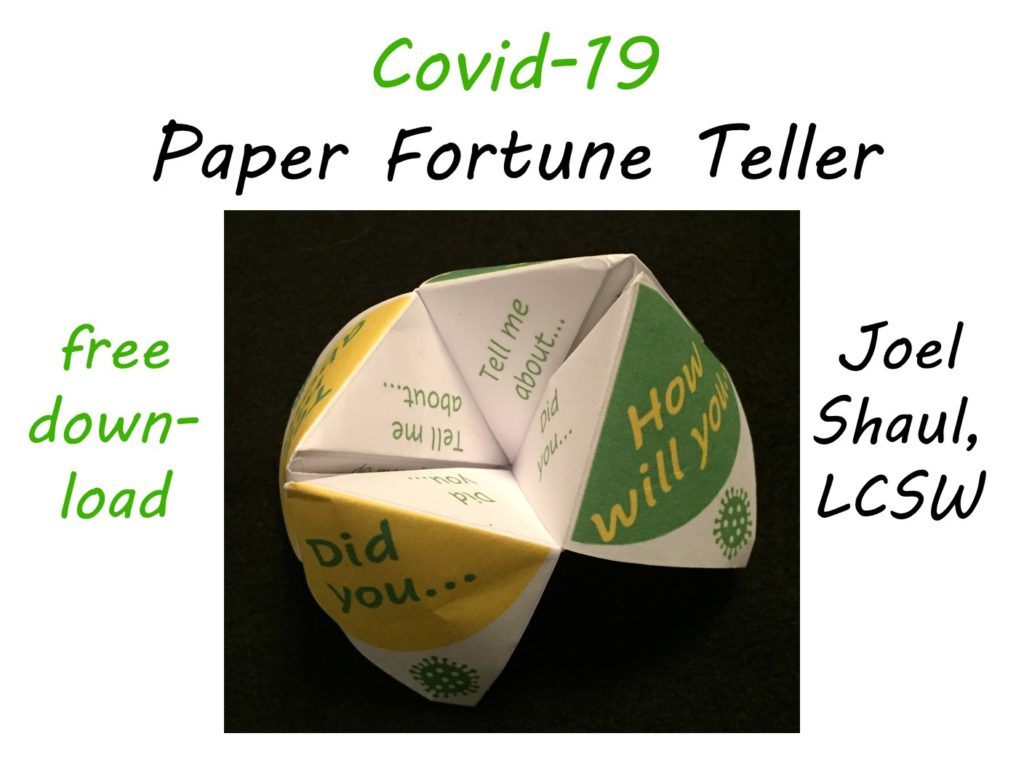
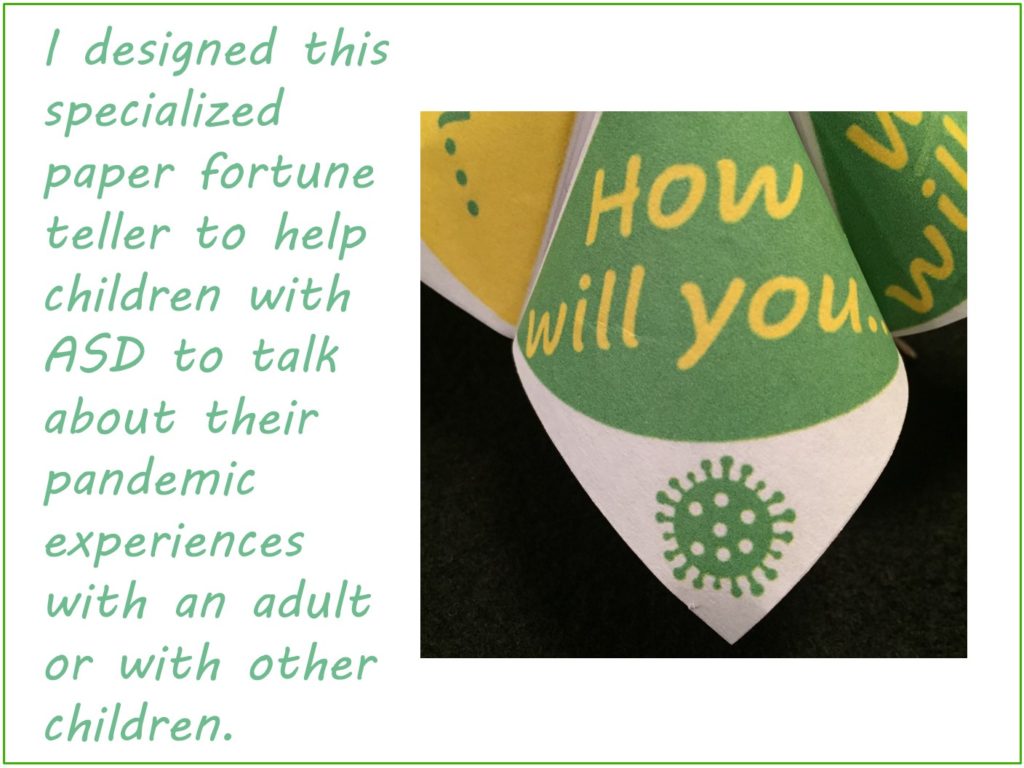
Here are some pictures to show what the paper fortune teller looks like as the two players unfold it during play.
This is a great activity, but keep in your planning, keep in mind that there is significant prep time involved. In my experience, most children cannot fold these together adequately in a group setting – you are much better off starting the activity with the paper fortune tellers already made.
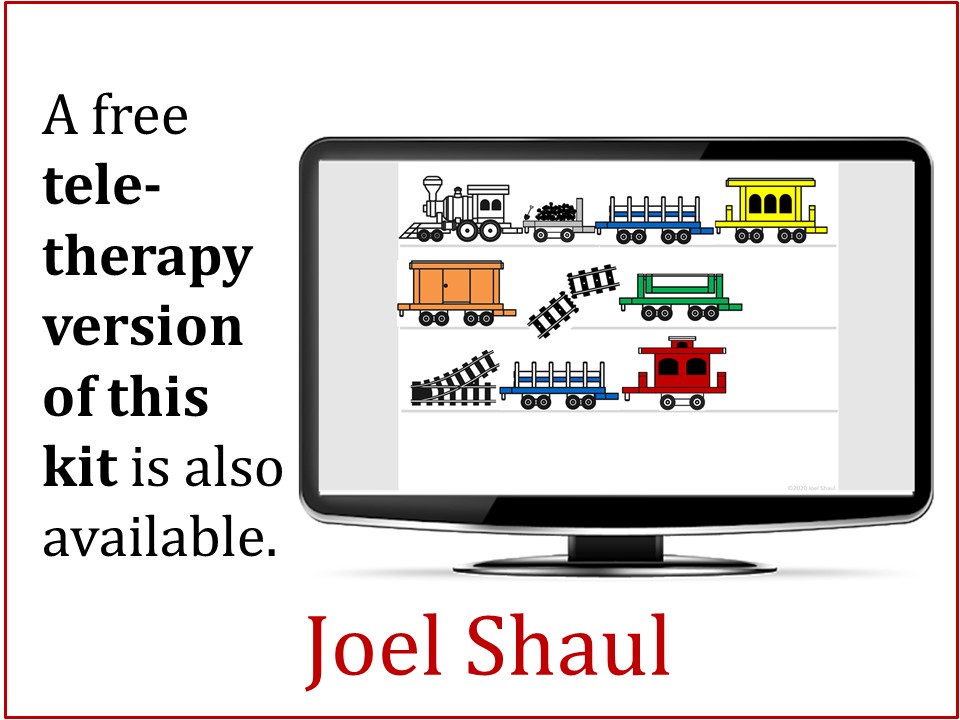
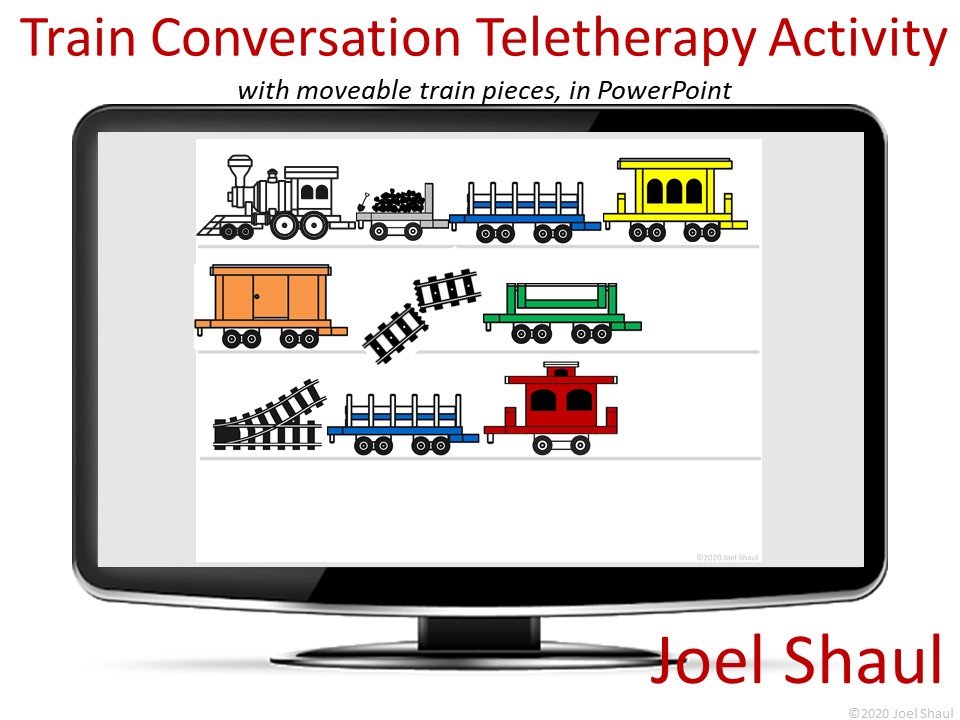
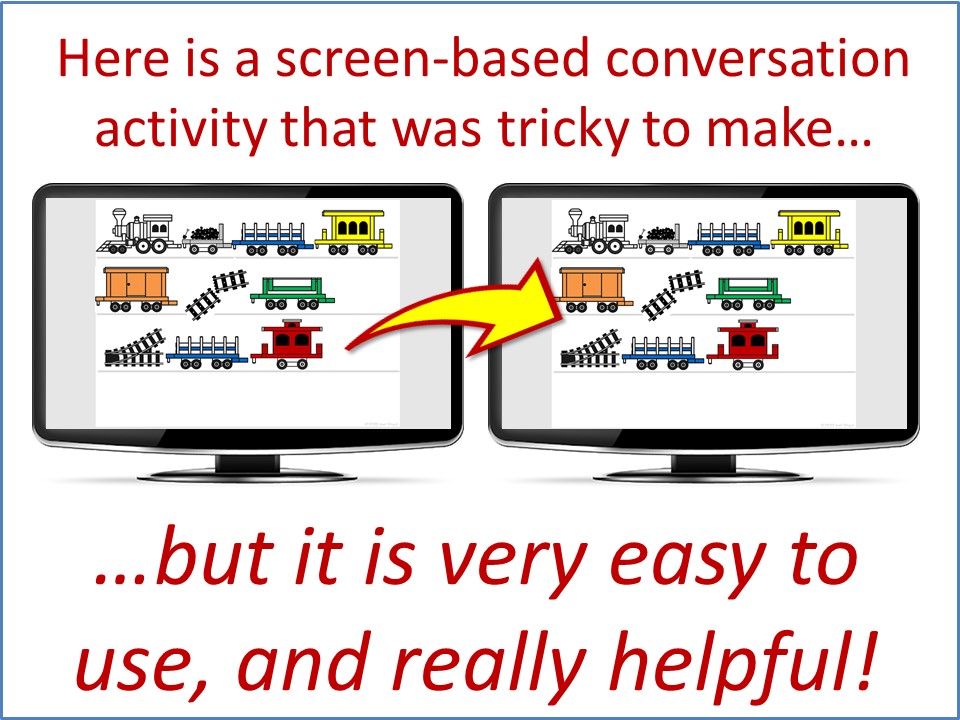
For the computer screen-based, teletherapy version of this resource,click HERE
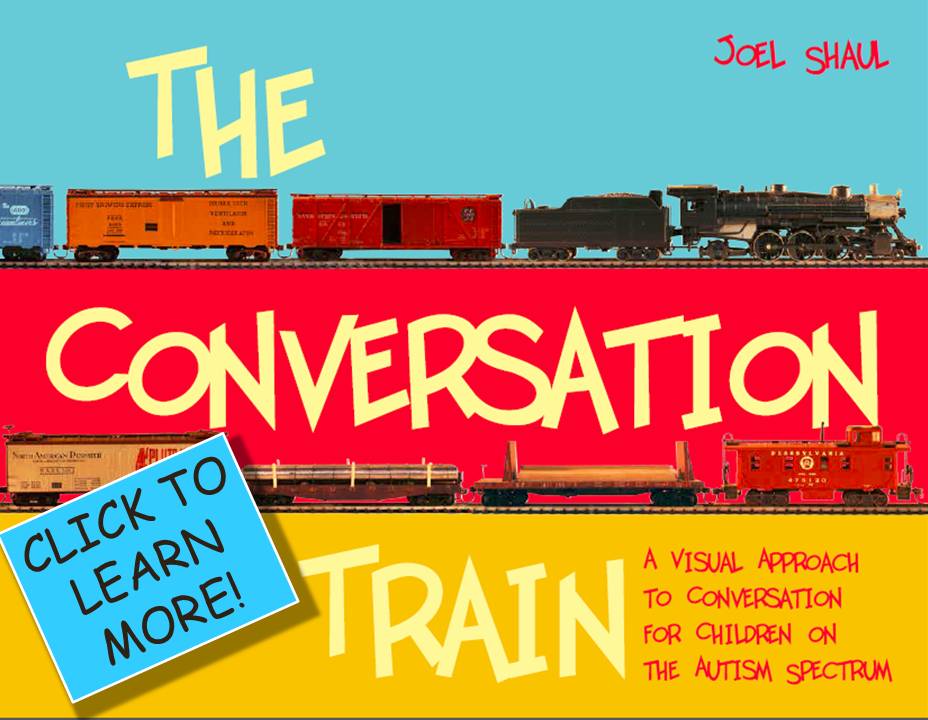
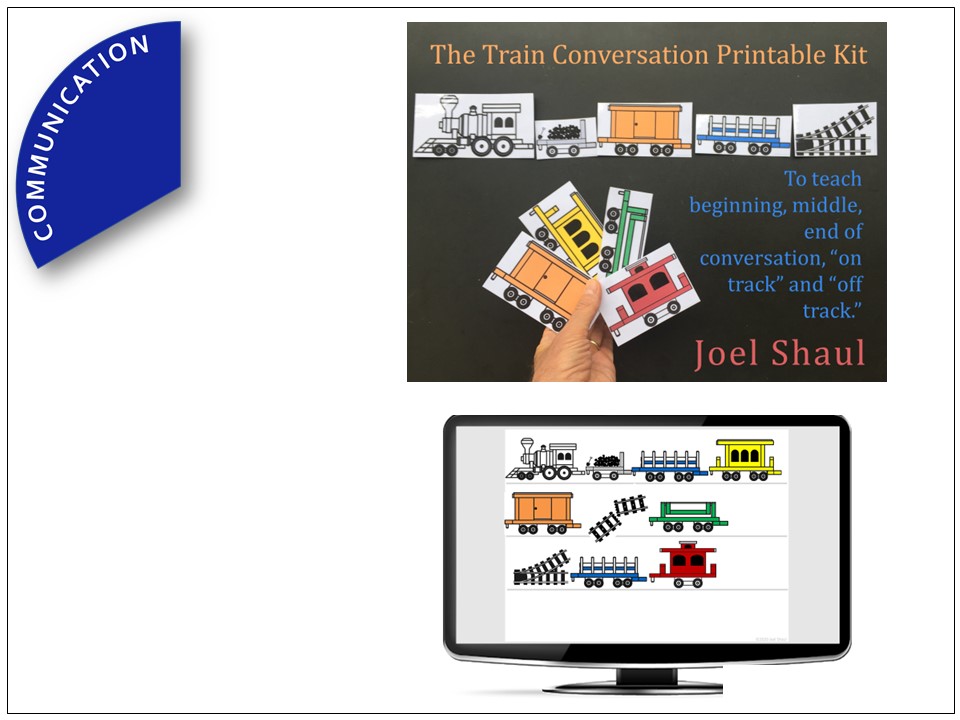
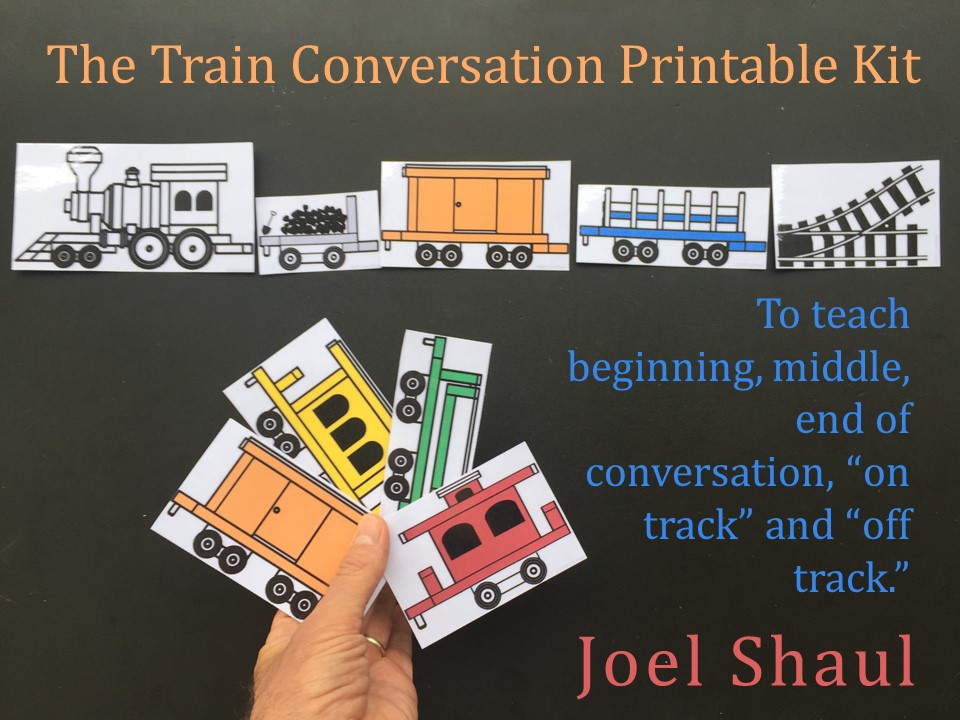
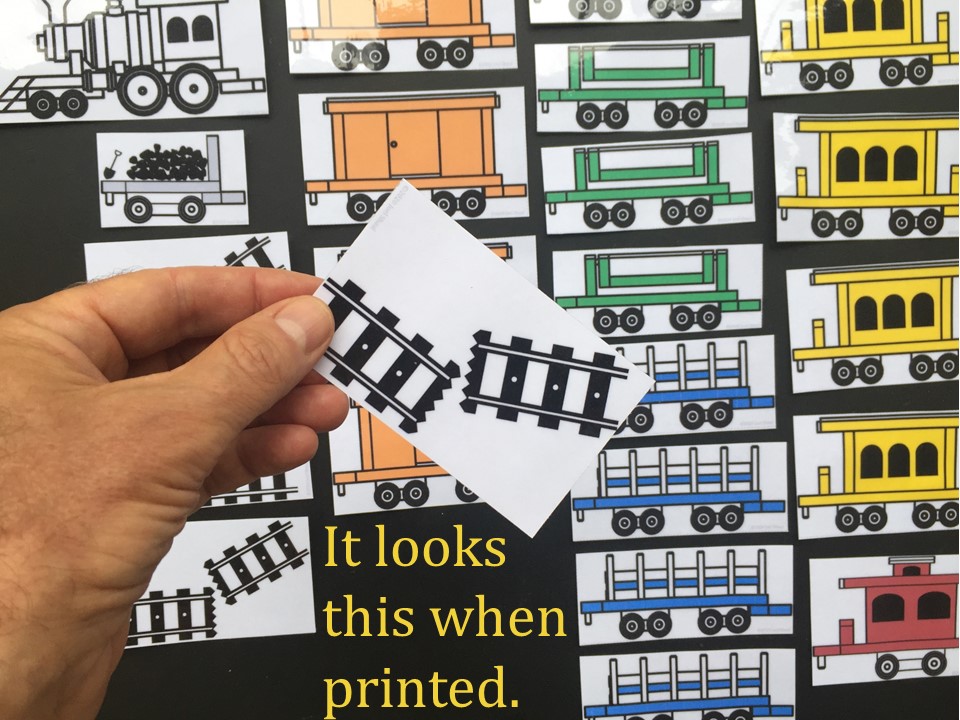
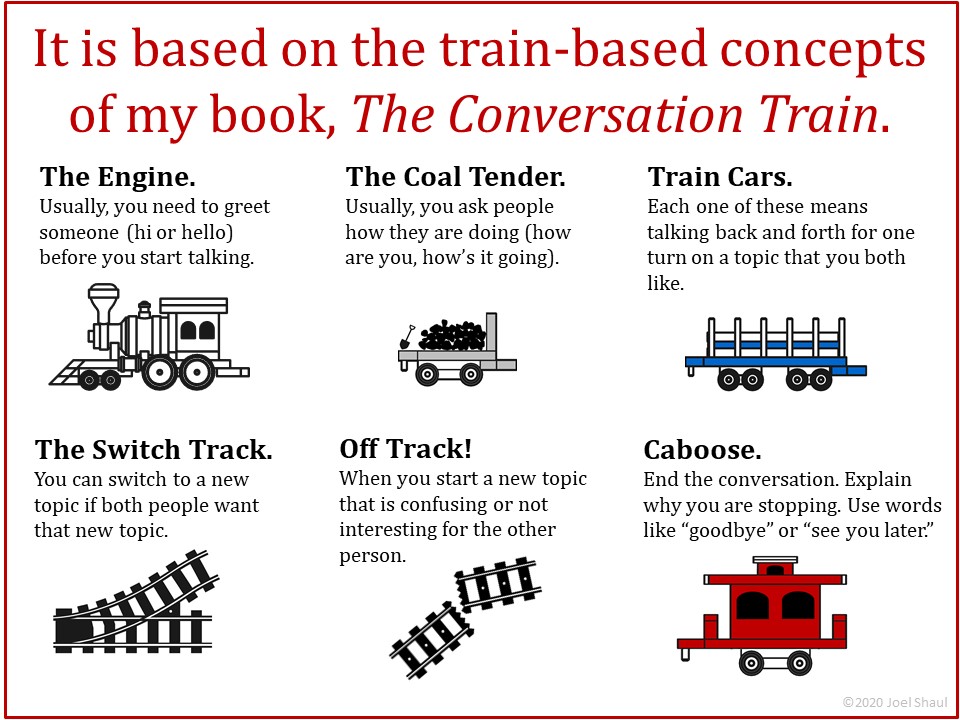
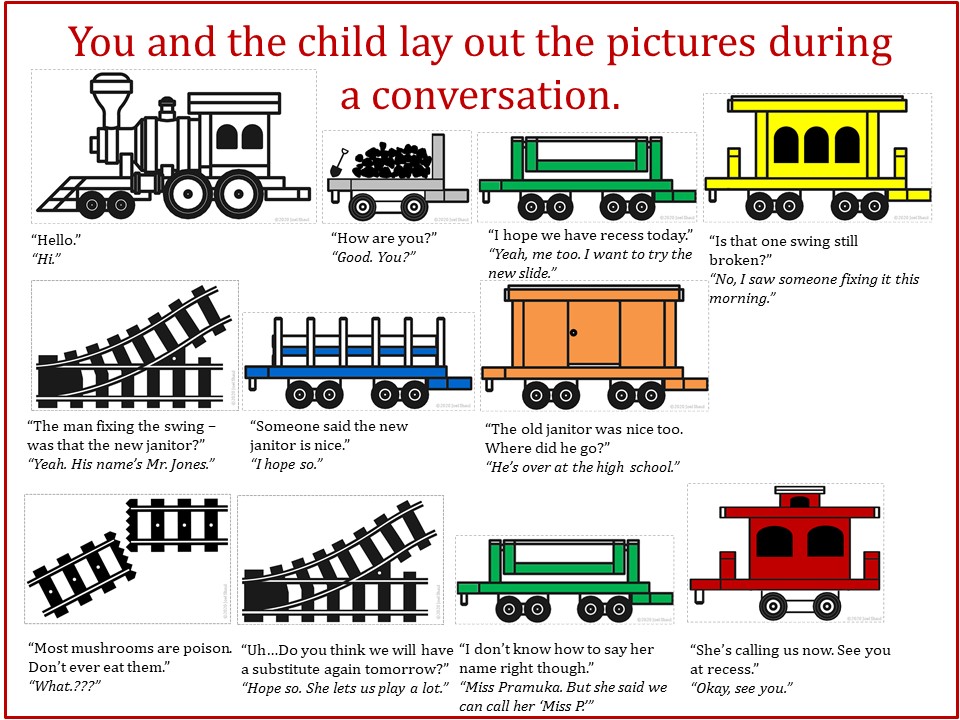
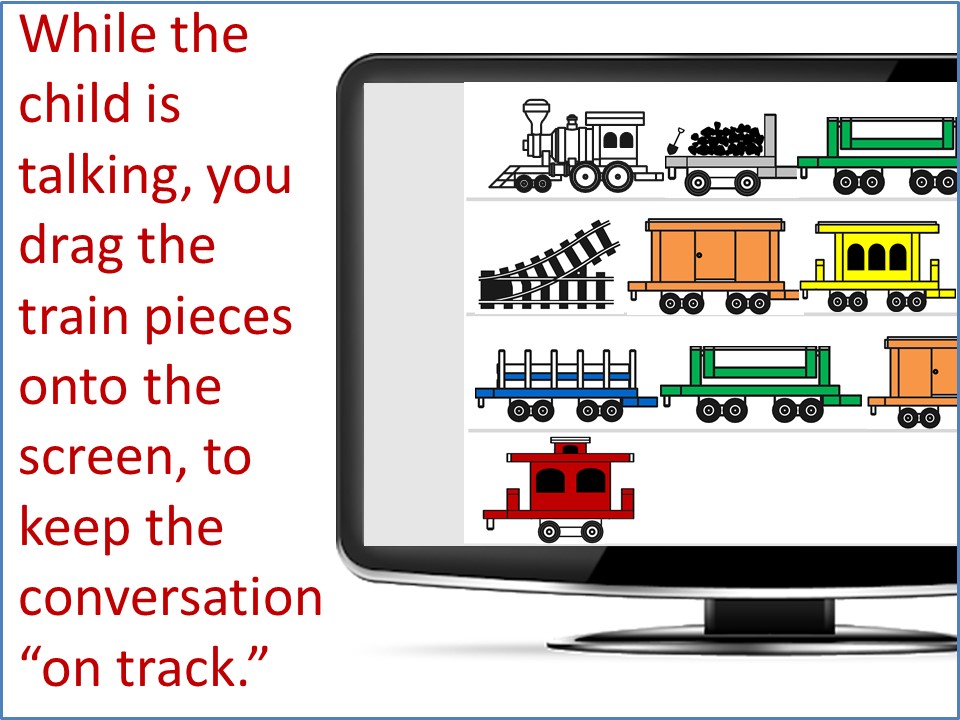
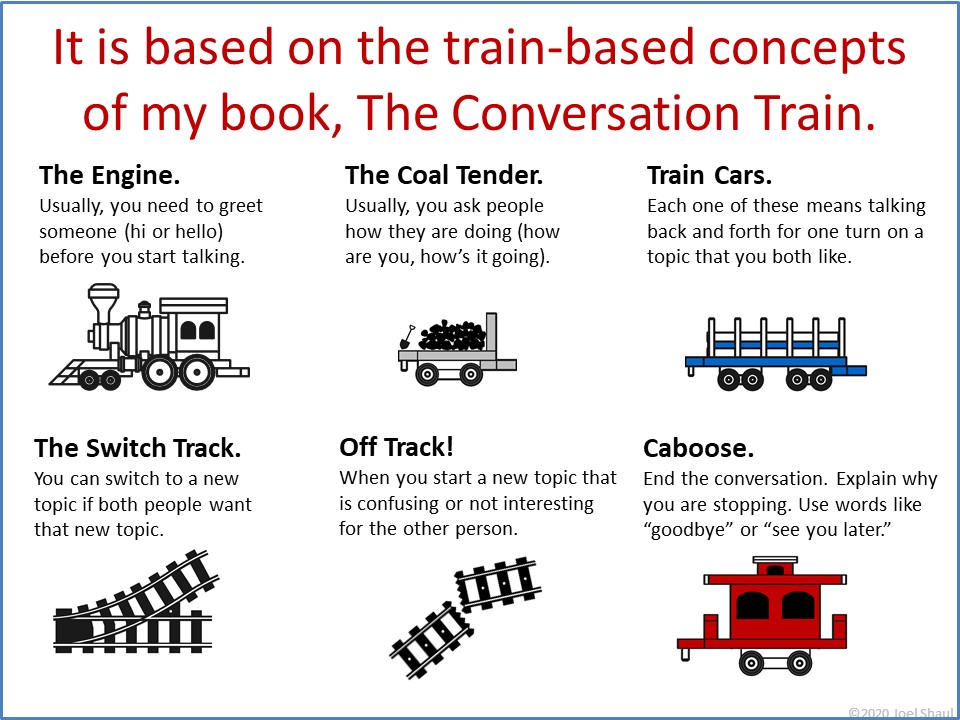
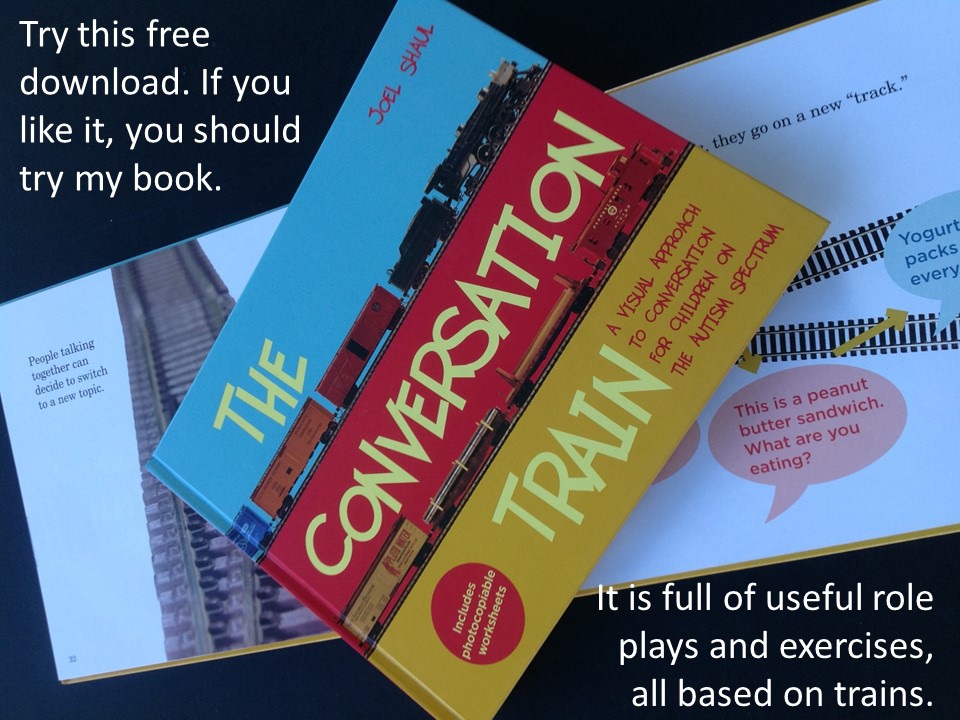
When helping young people with ASD to learn conventions of conversation such as greetings, goodbyes, topic coherence and how to avoid non-sequiturs, it really helps to employ hands-on methods to engage and sustain children’s interest. Using hand-held train pictures to practice “connected” conversation is a method I refined over many years in my own work with children on the spectrum. This downloadable kit might become a useful addition to your repertoire of methods for teaching conversation pragmatics.
Related social communication resources to use in combination with the Train Conversation Kit:
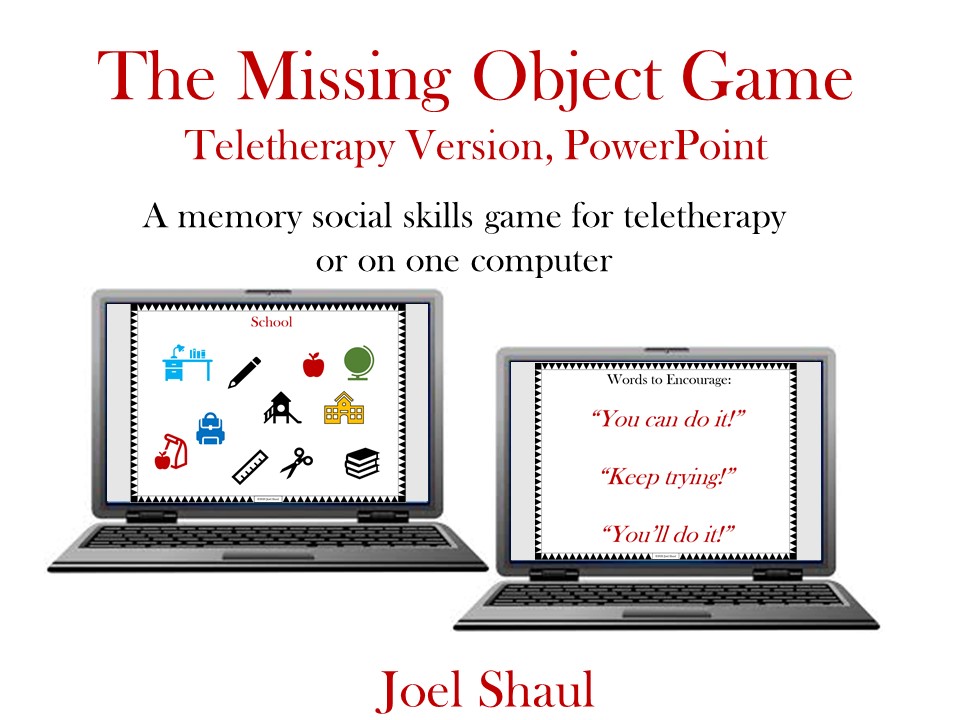
[For lots of other free autism teletherapy activities, click HERE.]
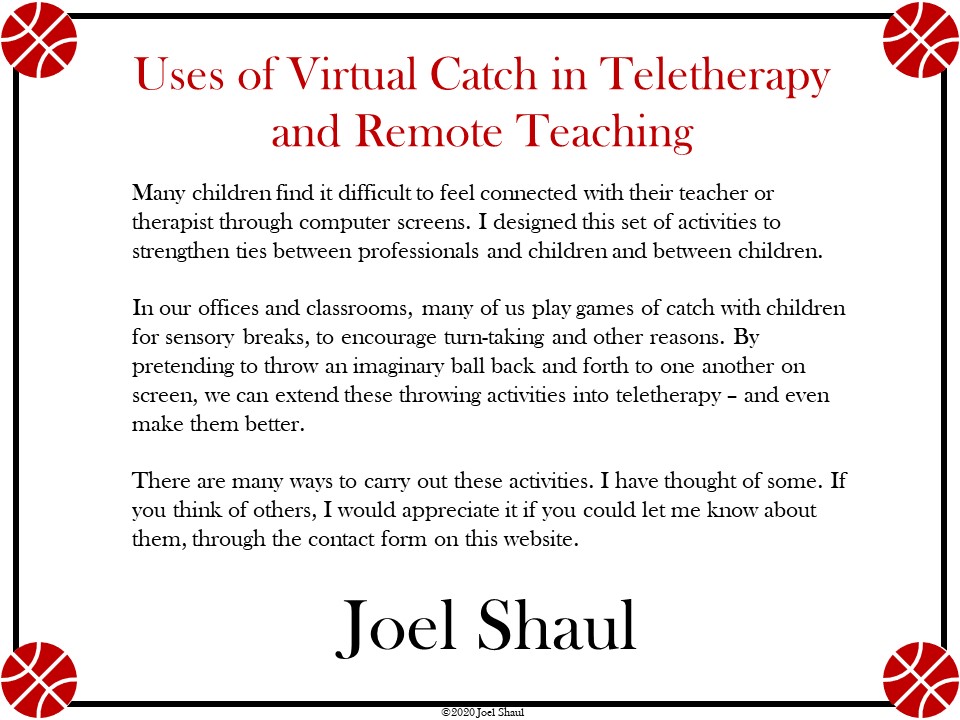
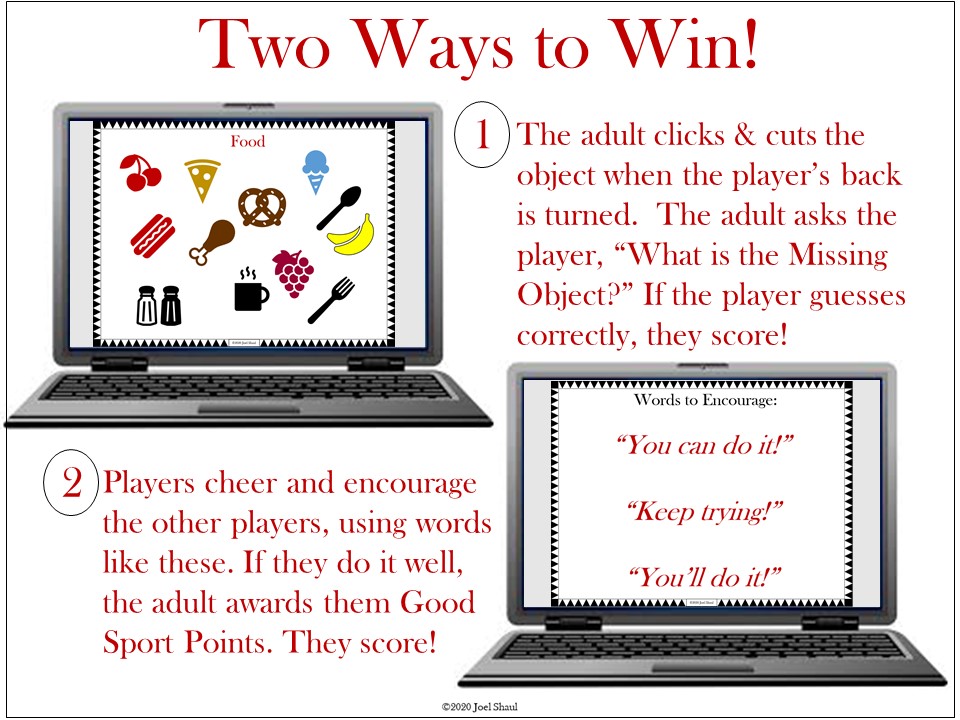
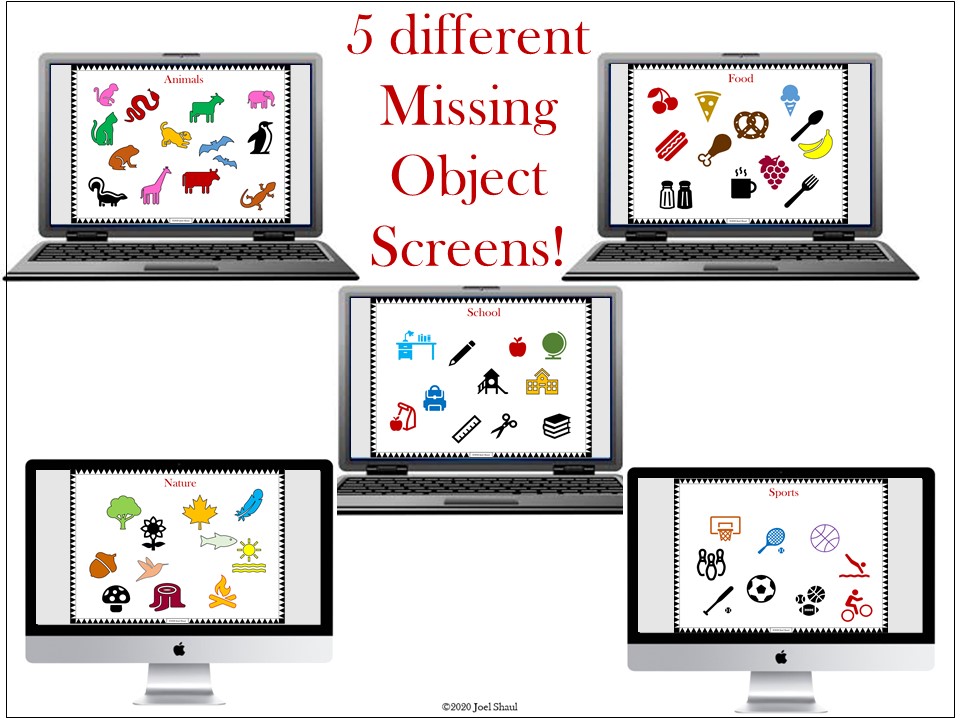
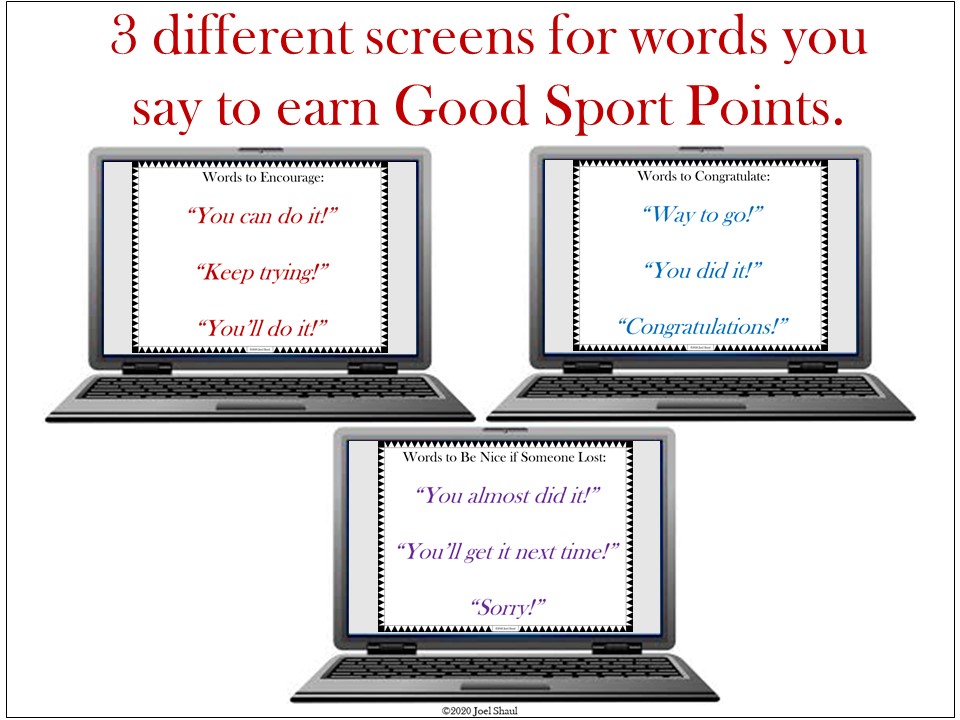
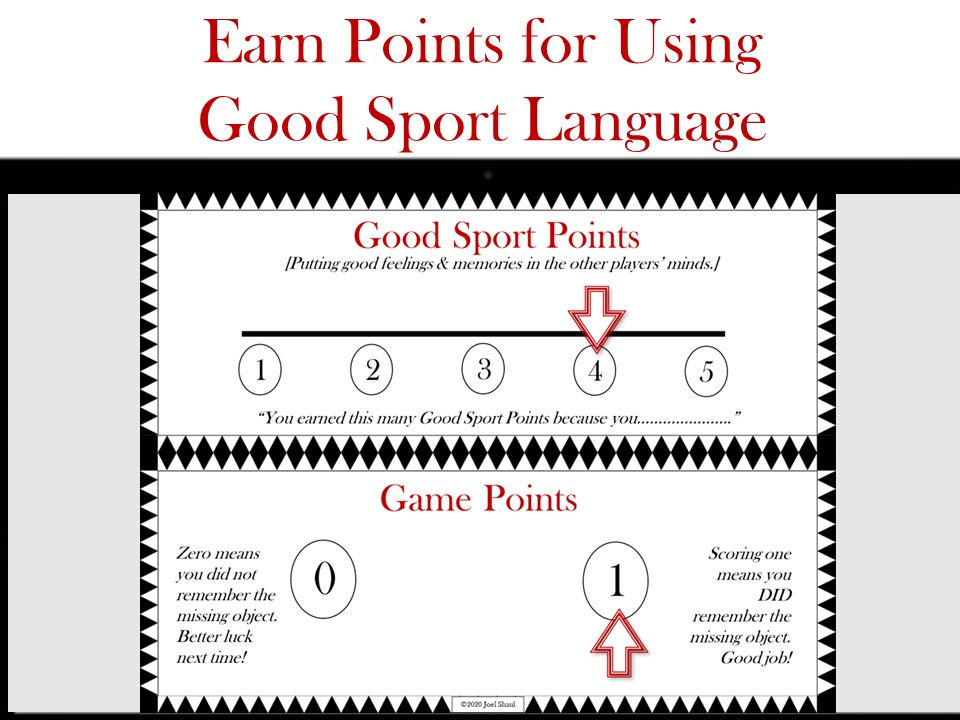
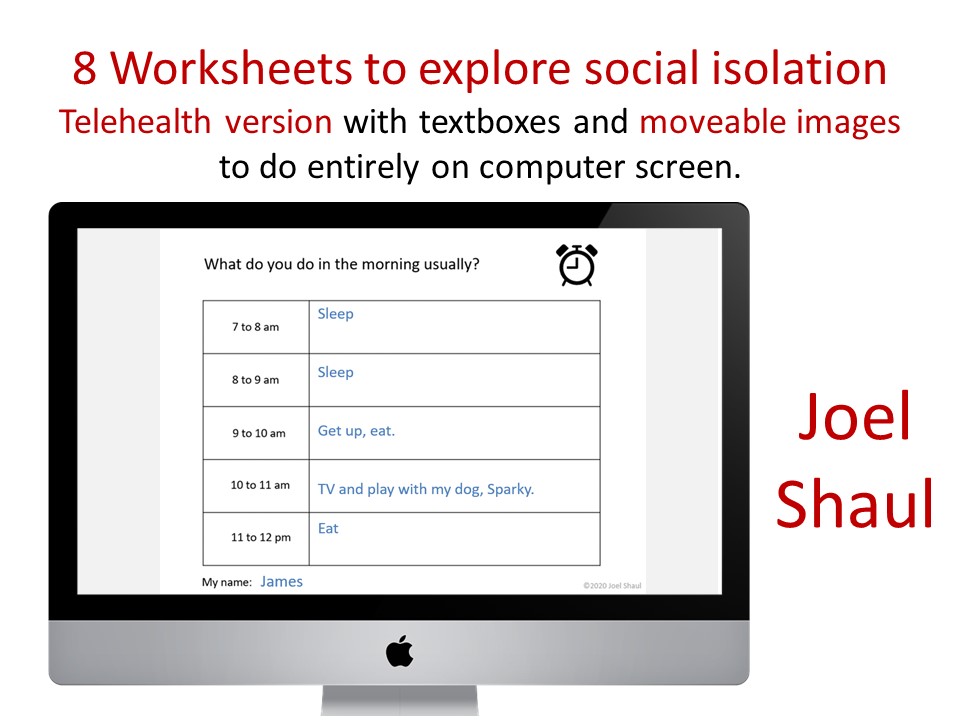
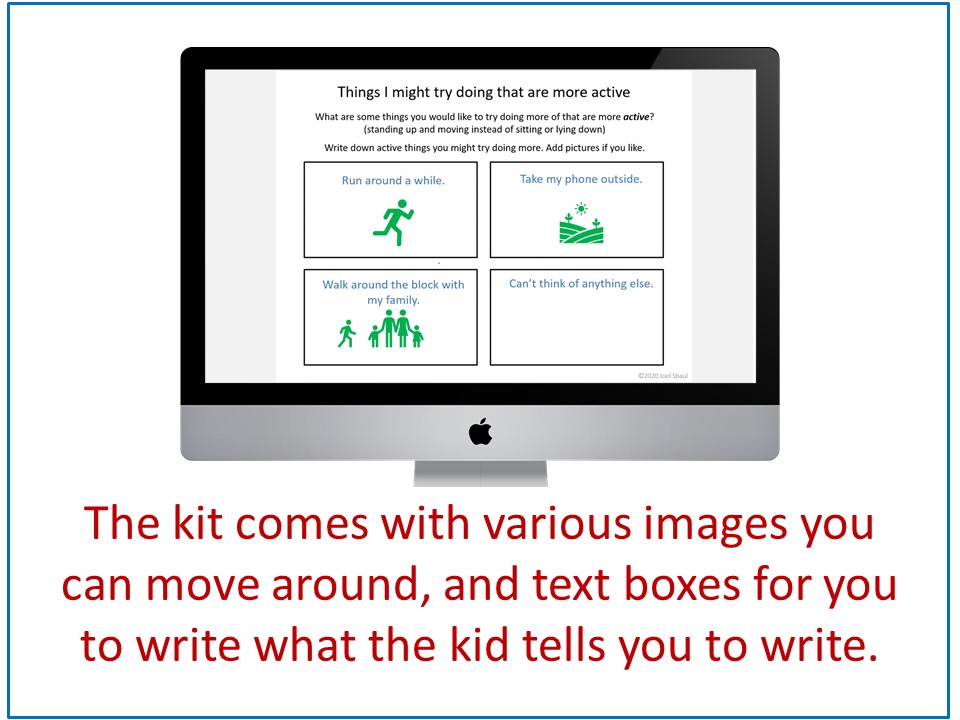
Many children find it difficult to feel connected with their teacher or therapist through computer screens. I designed this set of activities to strengthen ties between professionals and children and between children.
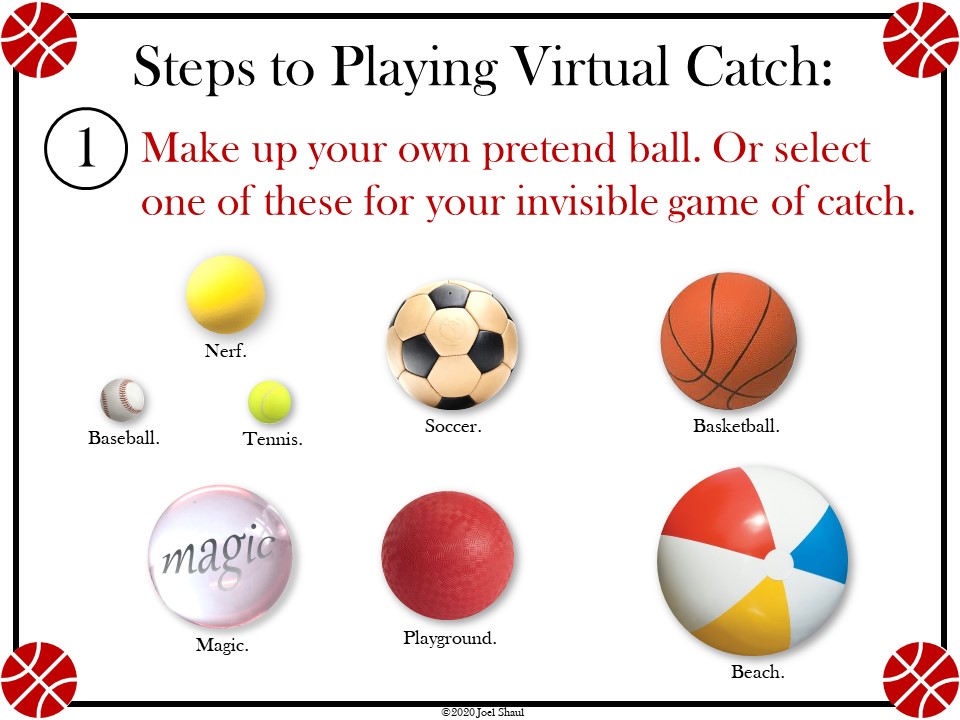
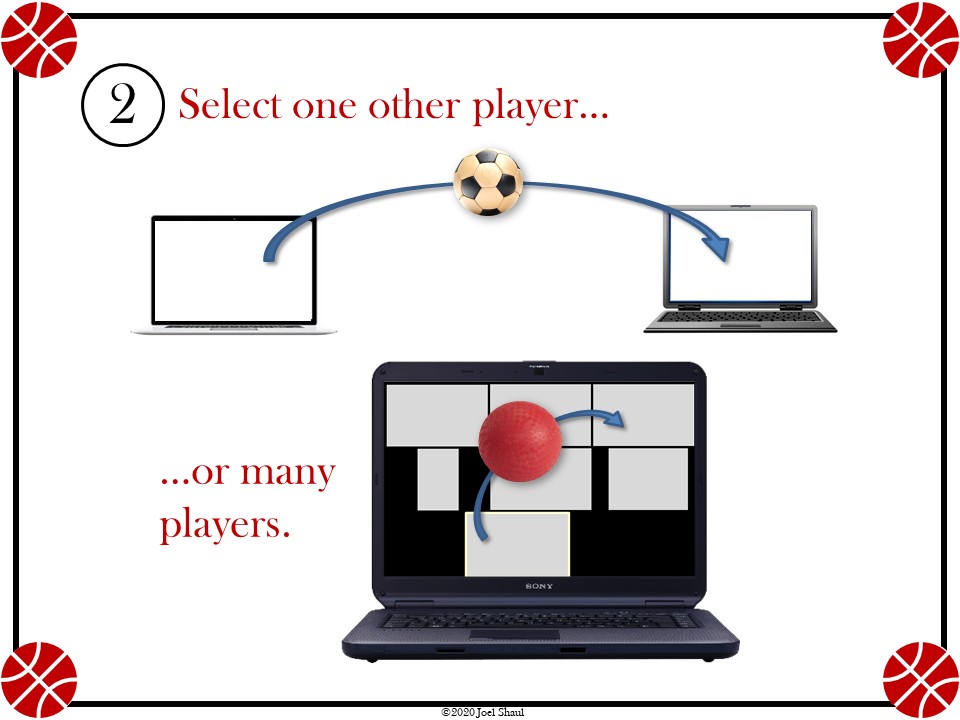
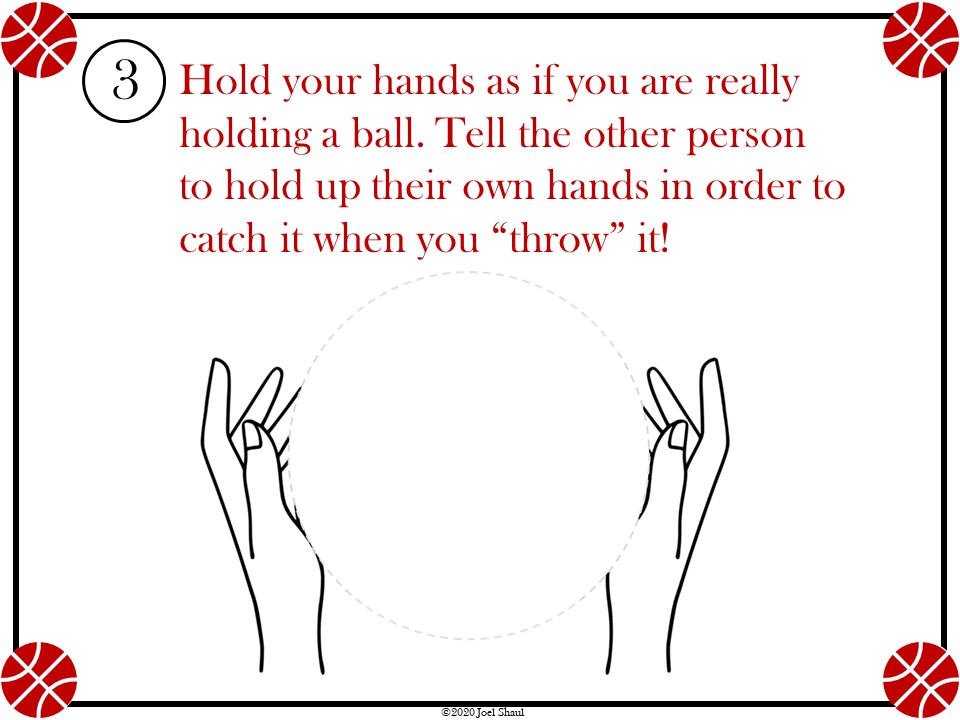
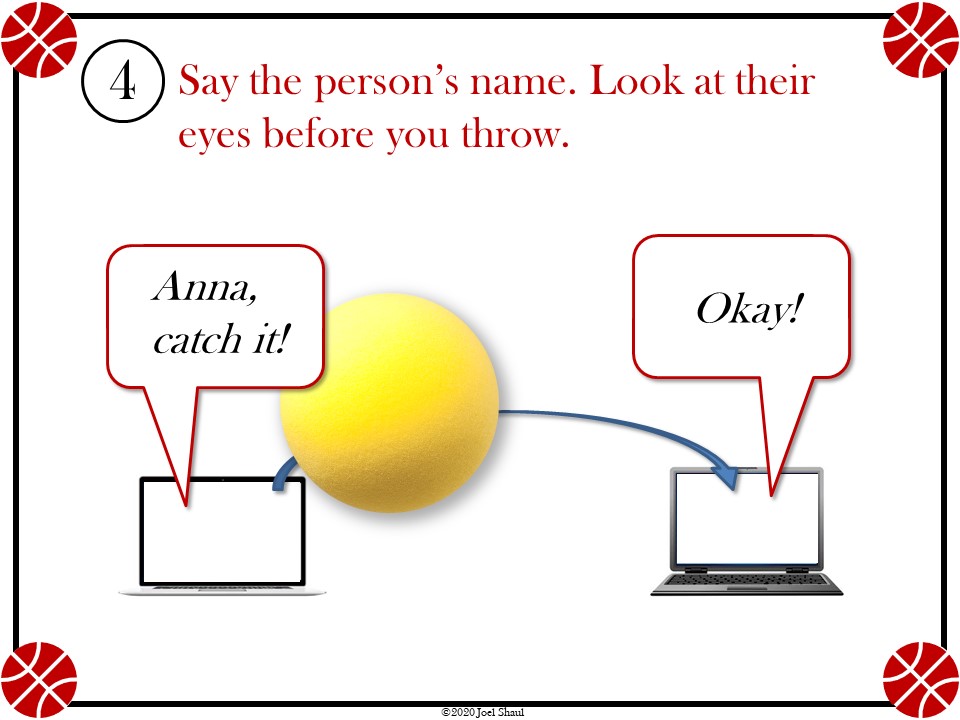
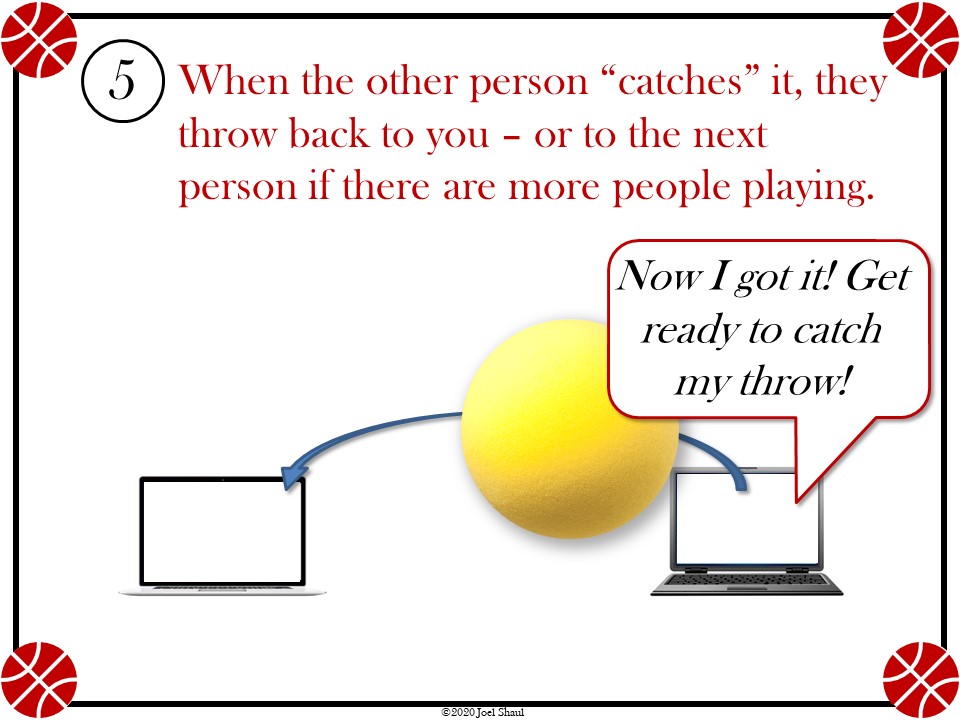
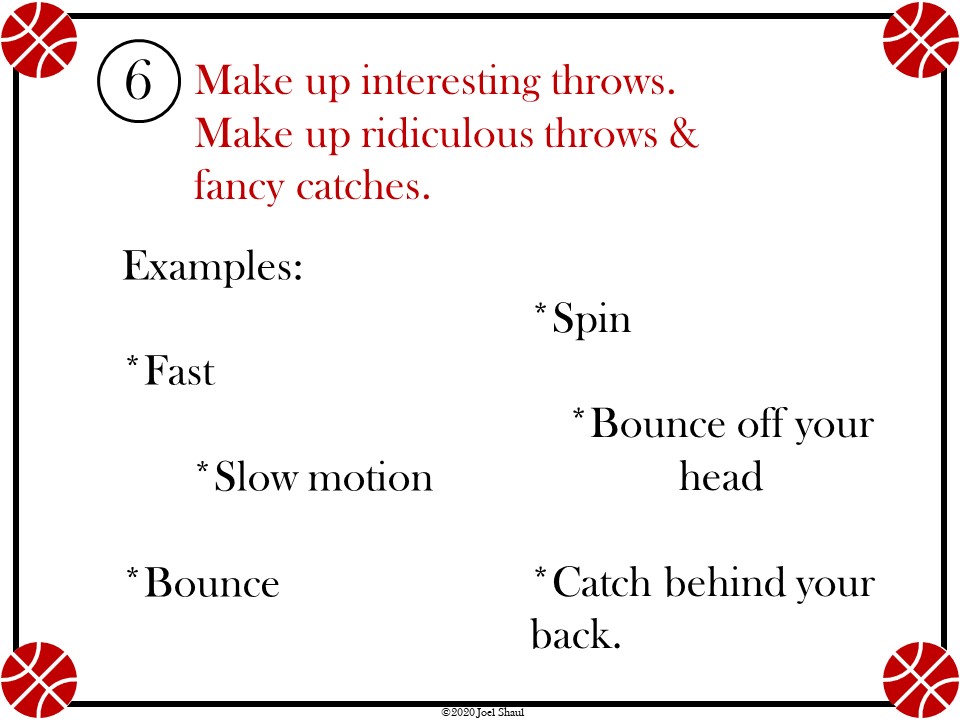
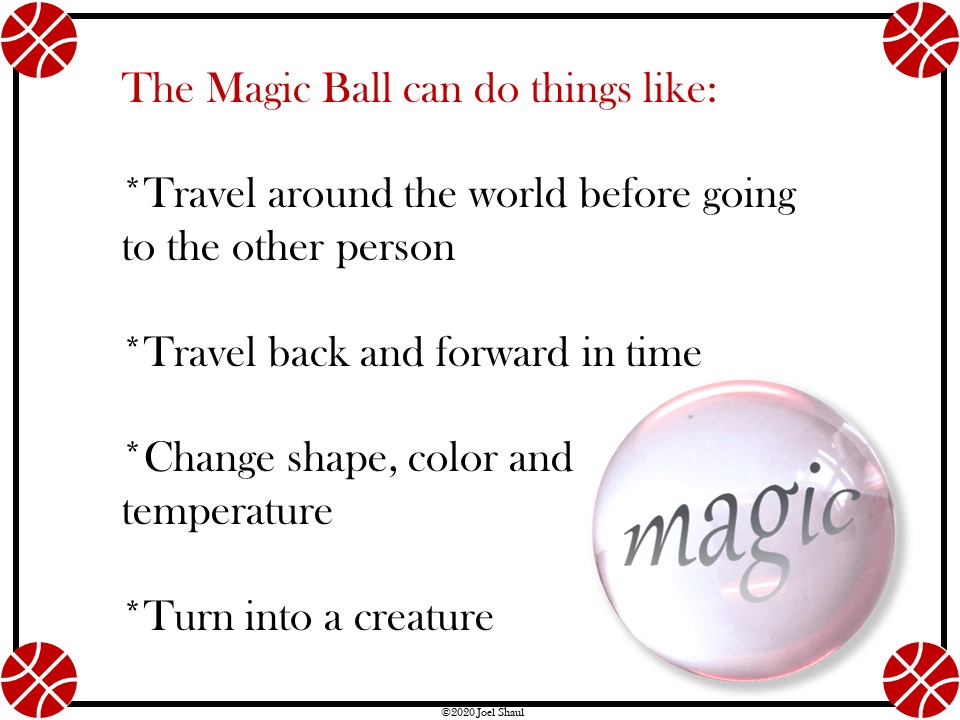
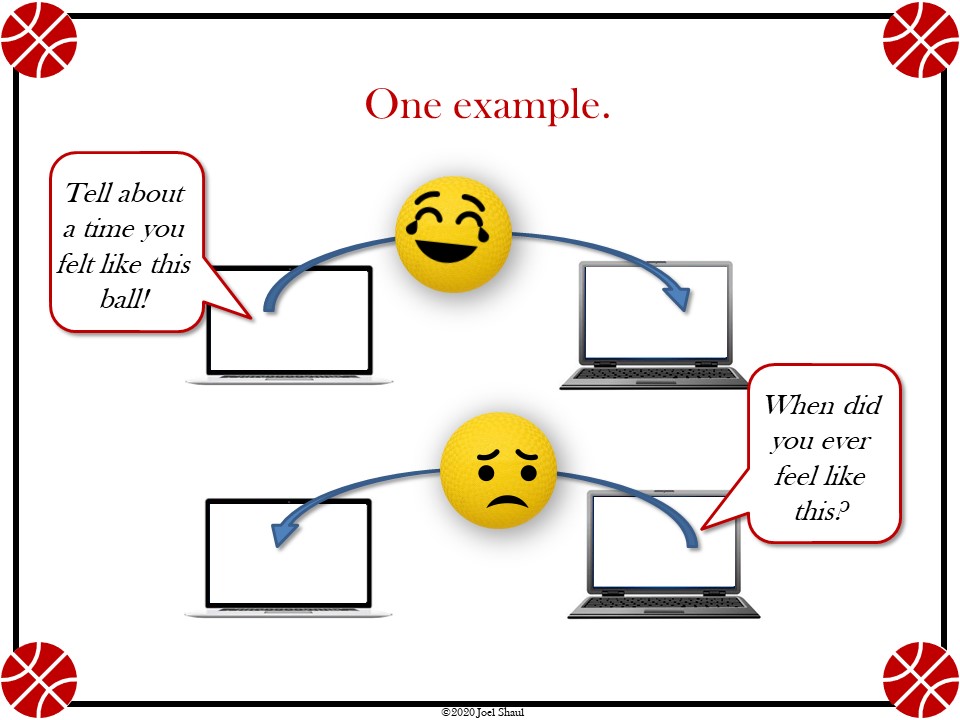
In our offices and classrooms, many of us play games of catch with children for sensory breaks, to encourage turn-taking and other reasons. By pretending to throw an imaginary ball back and forth to one another on screen, we can extend these throwing activities into teletherapy – and even make them better. The following set of images tells you how to employ “virtual games of catch” to teach conversation reciprocity and facilitate connection with children in remote teaching and remote teletherapy. I have used this method a great deal in my own teletherapy work.
Free check-off worksheets for children with ASD’s to explore conversation topics with family members
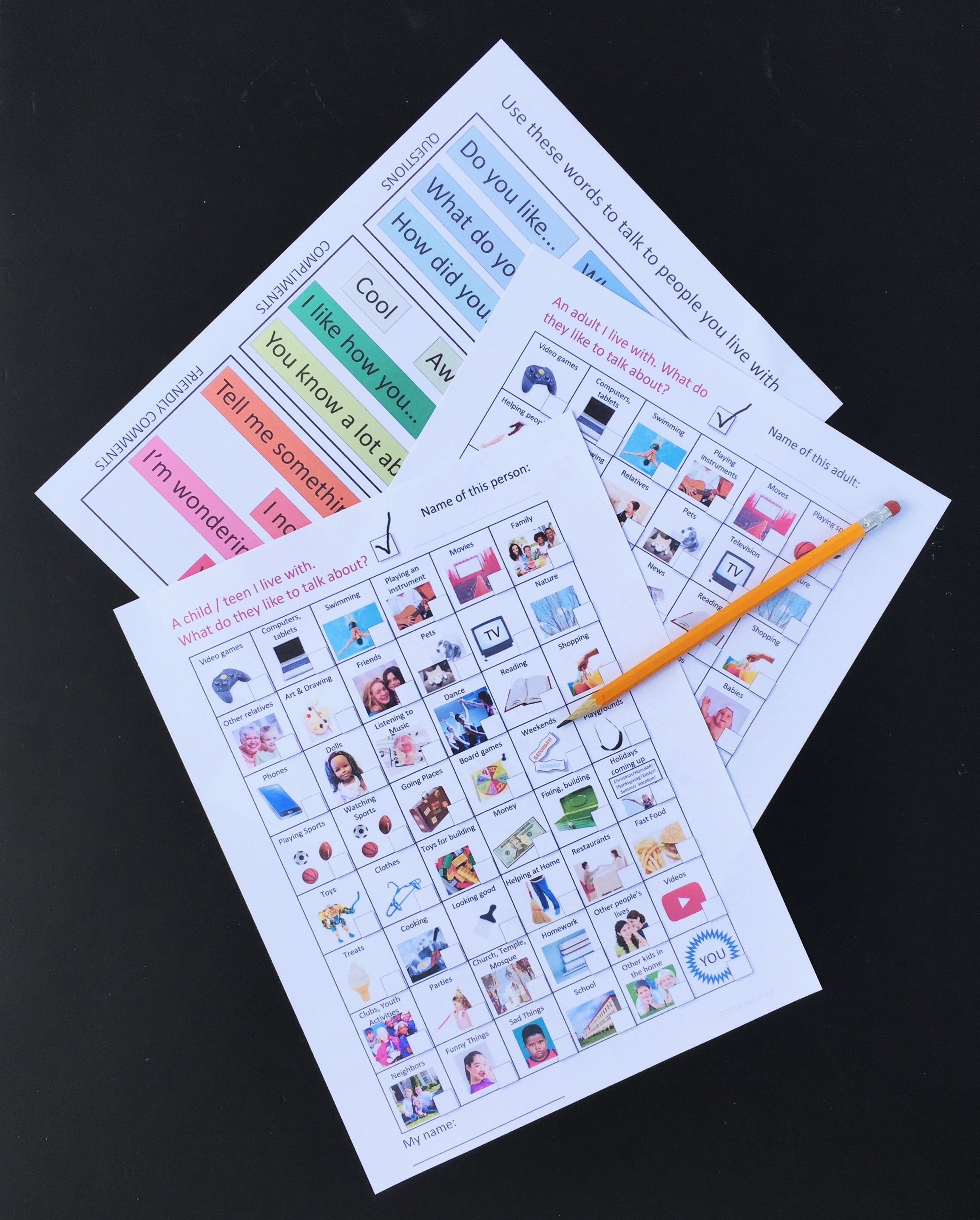
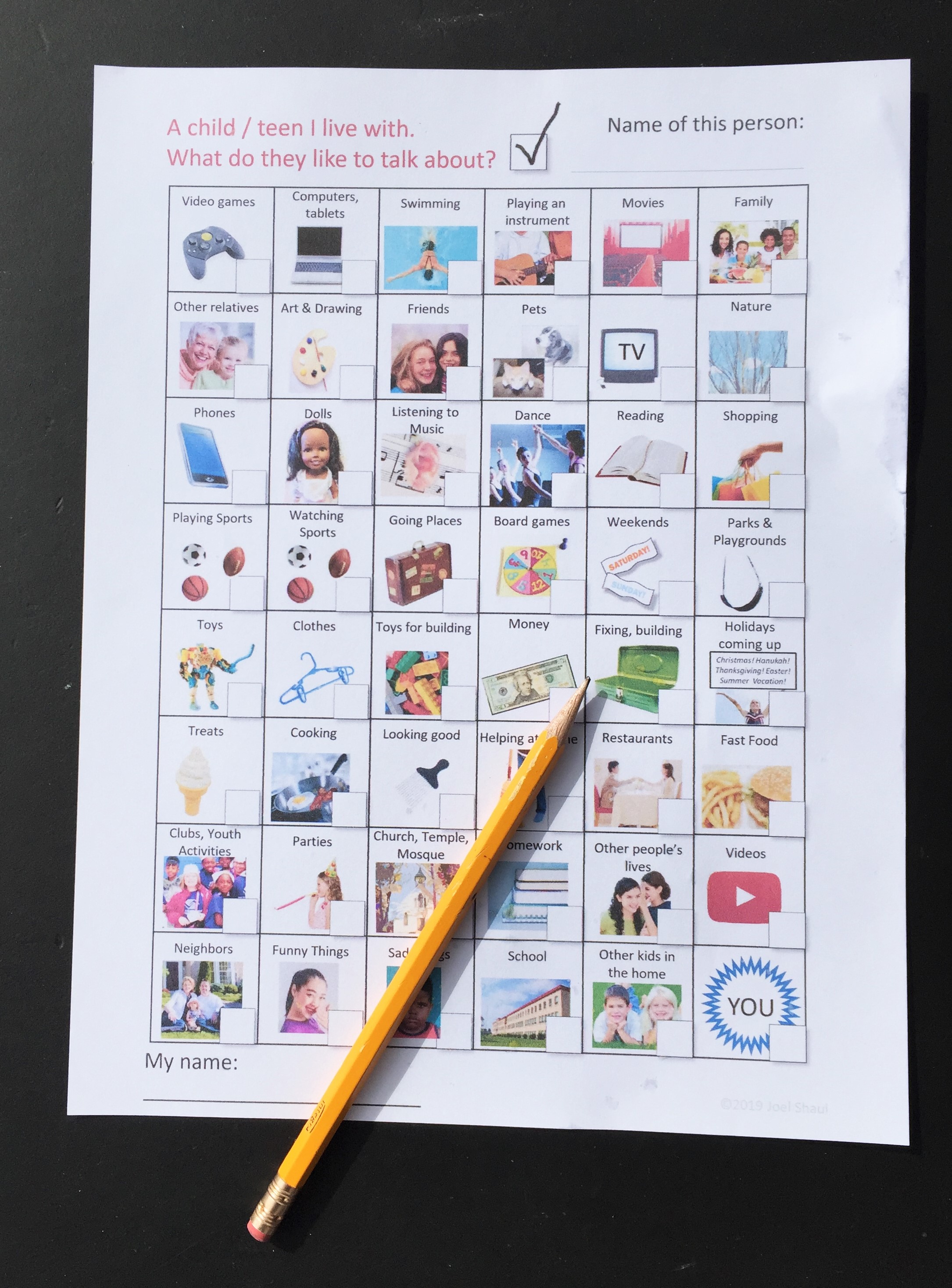
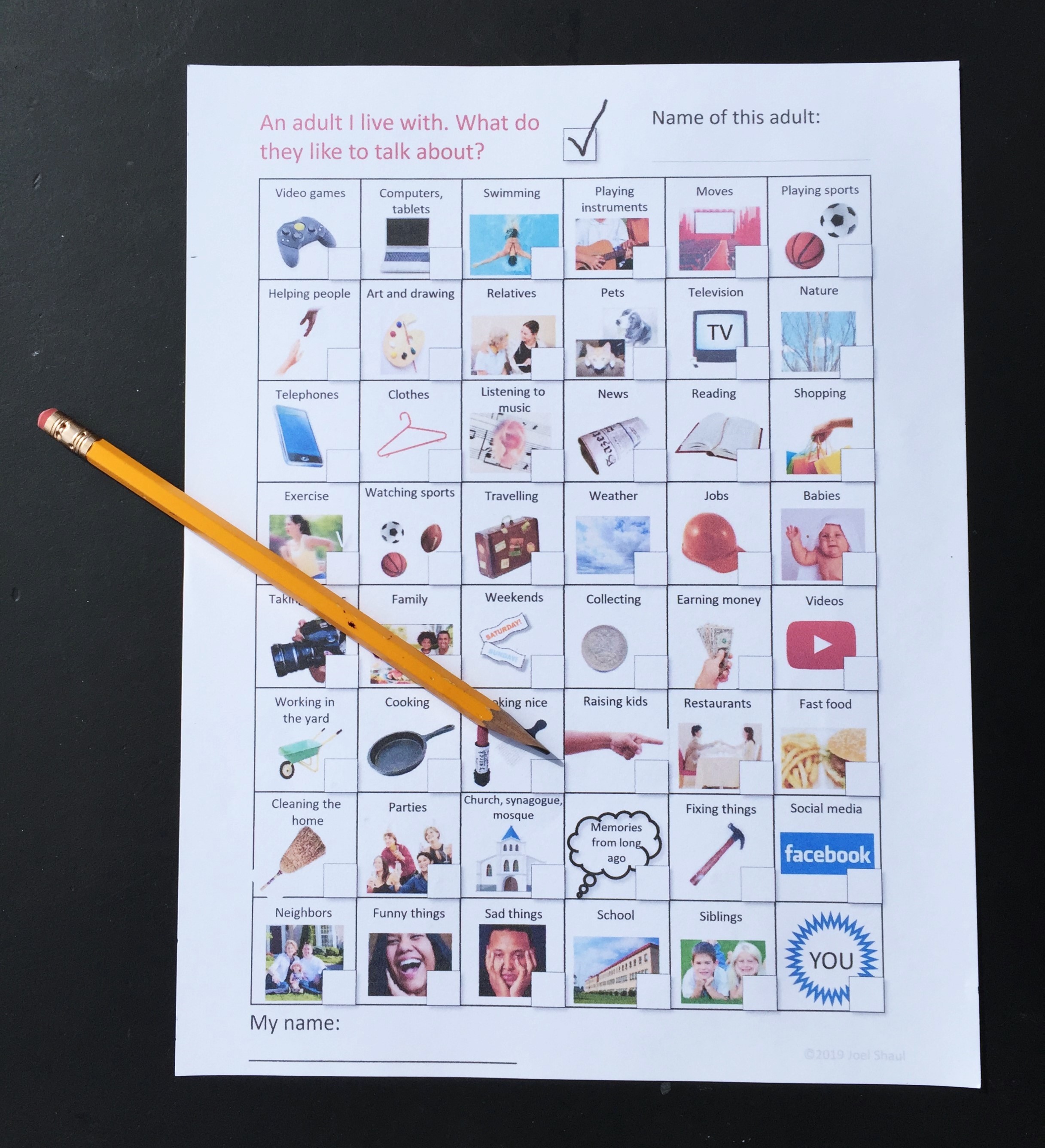
Children with autism spectrum disorders often have difficulties having conversations with the people they live with. It really helps to use picture guides. Here is a set of easy-to-use worksheets for classroom, speech room and home.
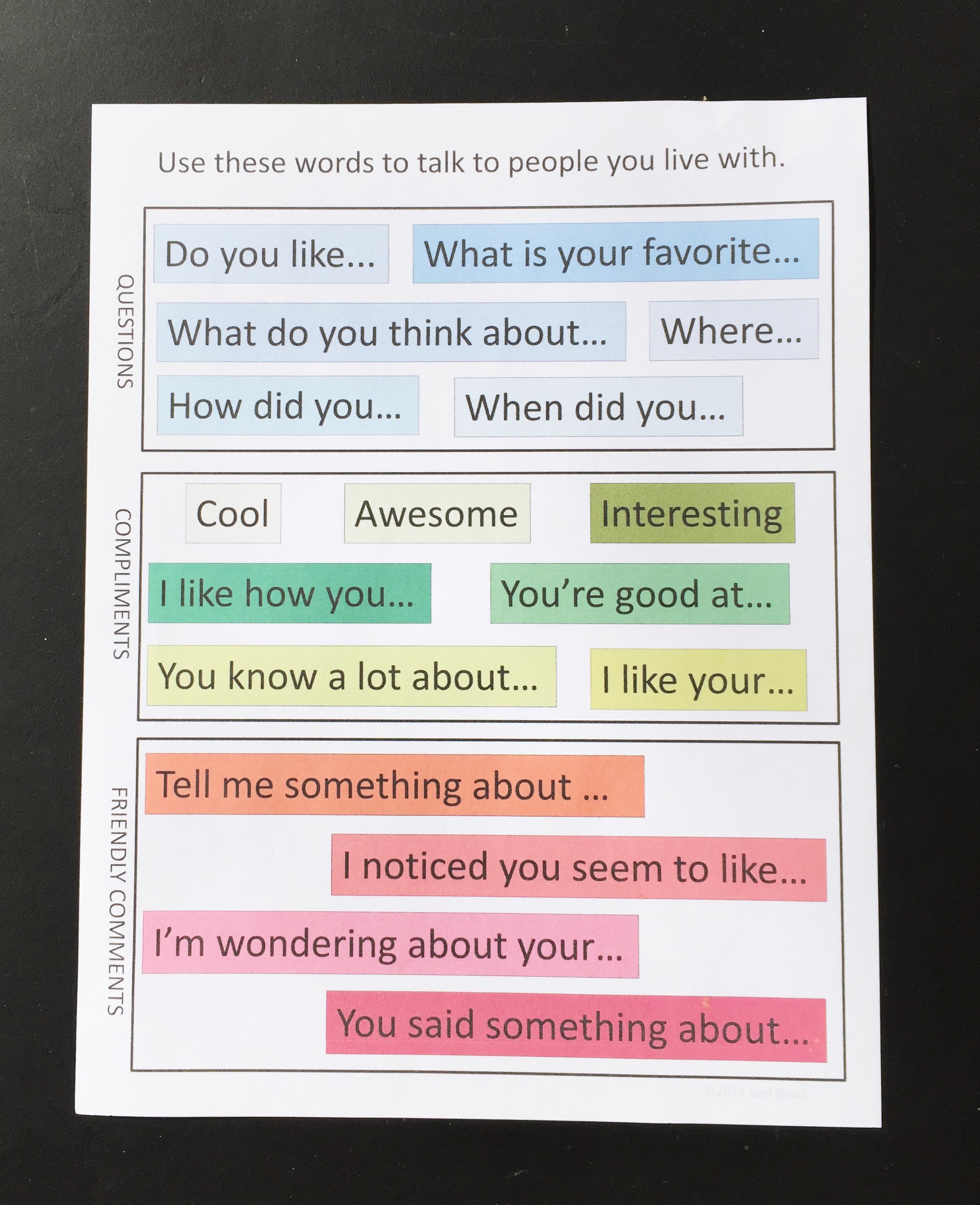
Here is the first of the three sheets, a guide to explore talking with a sibling or other child in the household. Here is the second worksheet, which is a guide to exploring conversation topics with parents or other adult members of the household.
The third sheet is used in combination with the picture sheets to help create questions, compliments and comments.
How to use the worksheets:
1. Have the child put check marks next to the photos they think represent the person’s interests.
2. Go over the images one at a time with the child. Explain that the family member probably has many interests that are different from the child’s own interests.
3. The sheet “Questions, Comments, Compliments” can be used to set up role plays and actual conversation practice with family members.
4. Have family members fill them out for the child to use as a reference.
5. Project the sheets using a smart board or projector – this really helps for small group or classroom discussions about family members.
I hope these worksheets are useful for you.
Joel Shaul, LCSW
For more free materials on facilitating parent/child conversation for children with autism: How Was Your Day? Sheets
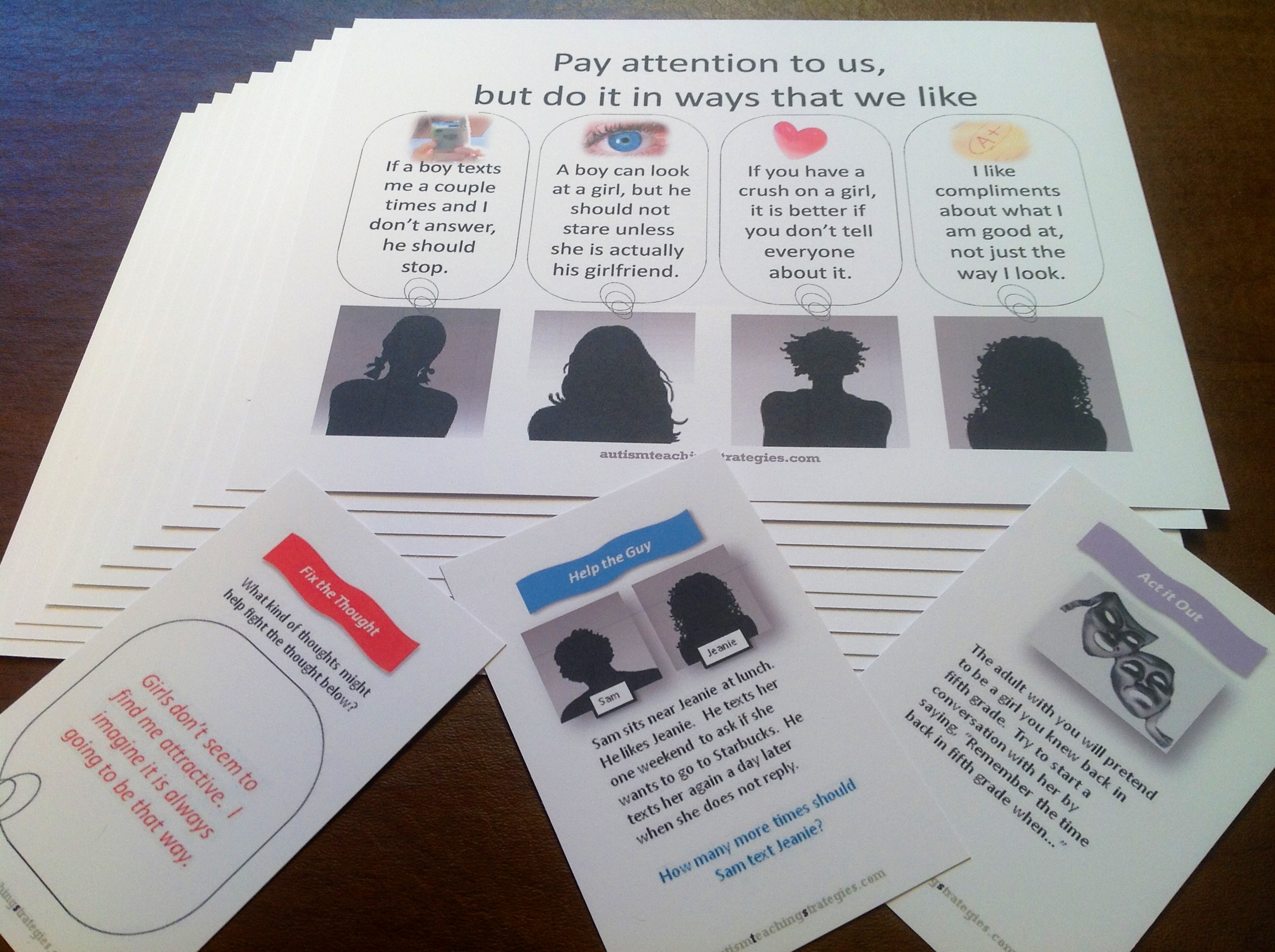
In this blog post you can download the materials shown above. The photo shows one of nine panels used for teaching or wall display, and three of thirty-two social skills teaching cards.
Boys with autism face special challenges in understanding and relating to girls
In this blog post, I offer some basic background on issues affecting teenage boys on the autism spectrum pertaining to their relationships with girls, and then I provide some social skills teaching materials for mental health professionals, teachers and speech-language pathologists to use in their work.
Problem 1: Difficulties understanding the interests and perspectives of girls and women
Children on the autism spectrum have challenges with “theory of mind,” that is, understanding what other people might be thinking. This presents particular problems when a boy with high functioning autism is dealing with individuals of the opposite gender. (It is hard enough, after all, for males who do not have autism).
Problem 2: Difficulties with verbal and nonverbal elements of communication
With regard to nonverbal communication, when interacting with girls, boys on the autism spectrum have a tendency to make mistakes with eye contact and personal space. Eye contact errors fall into two categories. First, many boys with high functioning autism find it very difficult to look into the eyes of other people when they are talking. This can cause them a lot of anxiety and break their concentration. Second, boys who are attracted to girls might not understand the negative social impact of staring at girls in a conspicuous manner. Personal space errors can occur when a boy on the autism spectrum gets too close to a girl or touches her in an unwanted manner.
With respect to verbal communication, boys with high functioning autism face many challenges when communicating with girls. They might wish to compliment a girl, but they may not understand the unwritten social rules about bluntly complimenting a girl’s attractive features. Boys on the spectrum might find it overwhelmingly difficult to find common ground in conversation with a girls, and boys might consequently fall back on their preferred interests in conversation.
Problem 3: Difficulties with appearance and hygiene
Right around the time that boys on the autism spectrum may be first feeling attraction to girls, they are in the process of taking over numerous self-care tasks from their parents. Consequently, many teenage boys with ASD have problems with hygiene, attire and grooming. They may have dirty and unkempt hair. They may bathe infrequently or inadequately. Likewise, they often neglect dental hygiene. They may select clothing based on comfort or habit rather than fashion. All of these problems present enormous liabilities when relating to young females, who, compared to young males, are more inclined to be aware of hygiene, smell and appearance.
Problem 4: Fundamental challenges finding compatible romantic partners
Autism affects far more males than females. This, unfortunately, puts young men on the autism spectrum at a statistical disadvantage. Males with autism do, of course, often date and marry females who are not on the spectrum. However, young men with autism often have a special affinity for young women on the spectrum – but relatively few of these females with ASD are out there.
A note about young gay people on the spectrum:
In our work with young men with autism, we of course come into contact with males who are attracted to males. Please be aware that you can modify the materials below to address the needs of this population. And, by the way, there is a terrific, short autobiography by a man with Asperger’s who happens to be gay – Born on a Blue Day by Daniel Tammett.
How to use the free materials provided in this post:
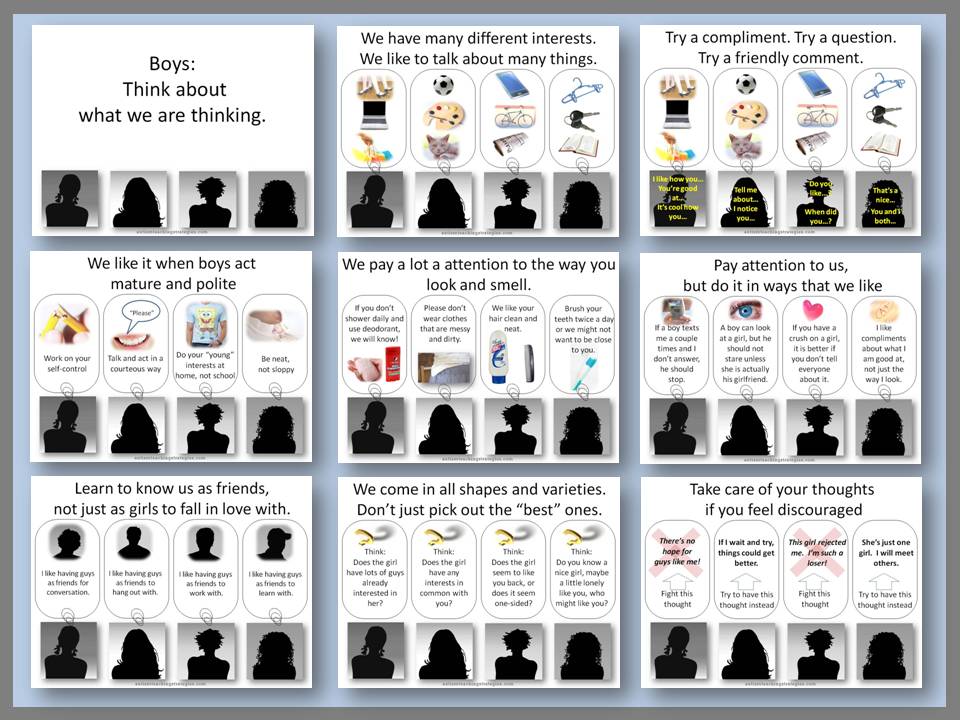
The image below shows the teaching panels as they might appear if you placed them on the wall in a bulletin board fashion. You could also bind them together to create a simple, nine-page book.
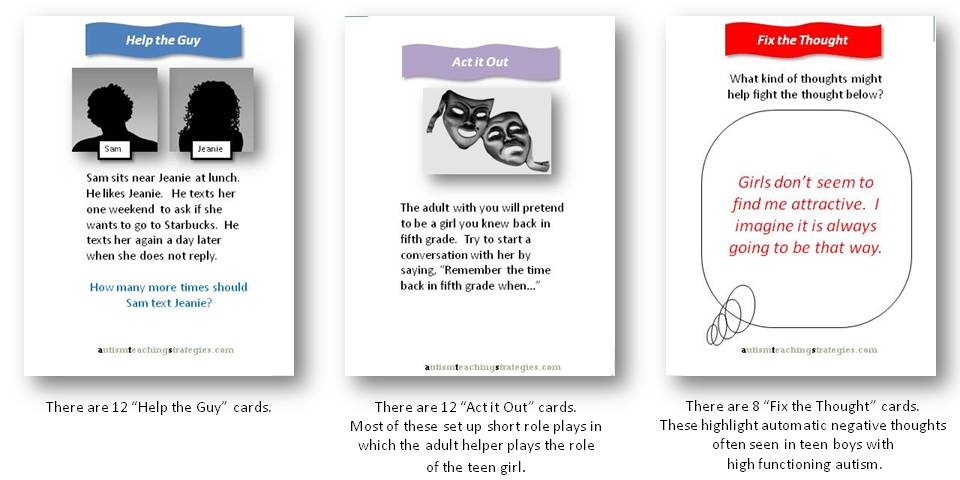
The image below shows several of the cards. You can use these in individual, group or small class-size interventions. Here are some suggestions. First, you could arrange the cards into three piles by card type. Then, you could, by roll of dice, have participants pick from one of of three card types (roll of 1 or 2, or 3 or 4, or 5 or 6 determines which card is selected). Alternatively, shuffle the cards and have participants select them an random.
About role playing in the “Act it out” cards:
The majority of guidance counselors, psychotherapists, special education teachers and speech-language pathologists are females. Working with boys who are trying to learn to relate to girls, you have certain practical advantages if you are female. This allows you to play the role of the “girl” in the role plays I have set up in the “Act it out” cards.
About the “Fix the Thought” cards:
Here is a suggestion on how to use these cards. Introduce these cards by saying something like this: “Certain thoughts and beliefs can lead to all kinds of upsetting emotions and make these bad feelings much worse. If you can notice them and fight them, you can feel less upset.” Then, you, the adult, can try holding the card over your head and say, “Let’s pretend I am a person having this thought.” Then, you act out the role of someone having the thought, and ask the participants to give you advice and tell you what better alternative thoughts you might try.
I wish you well in your work helping boys on the autism spectrum to understand and relate to females.
Joel Shaul, LCSW
FYI: A great activity to go with this resource:
Using girl magazines and other media to help boys with ASD learn about girls
Click HERE for an illustrated description of this method.
Don’t miss these other free social & emotional skills games, worksheets and teaching / therapy resources for children & teens with ASD: