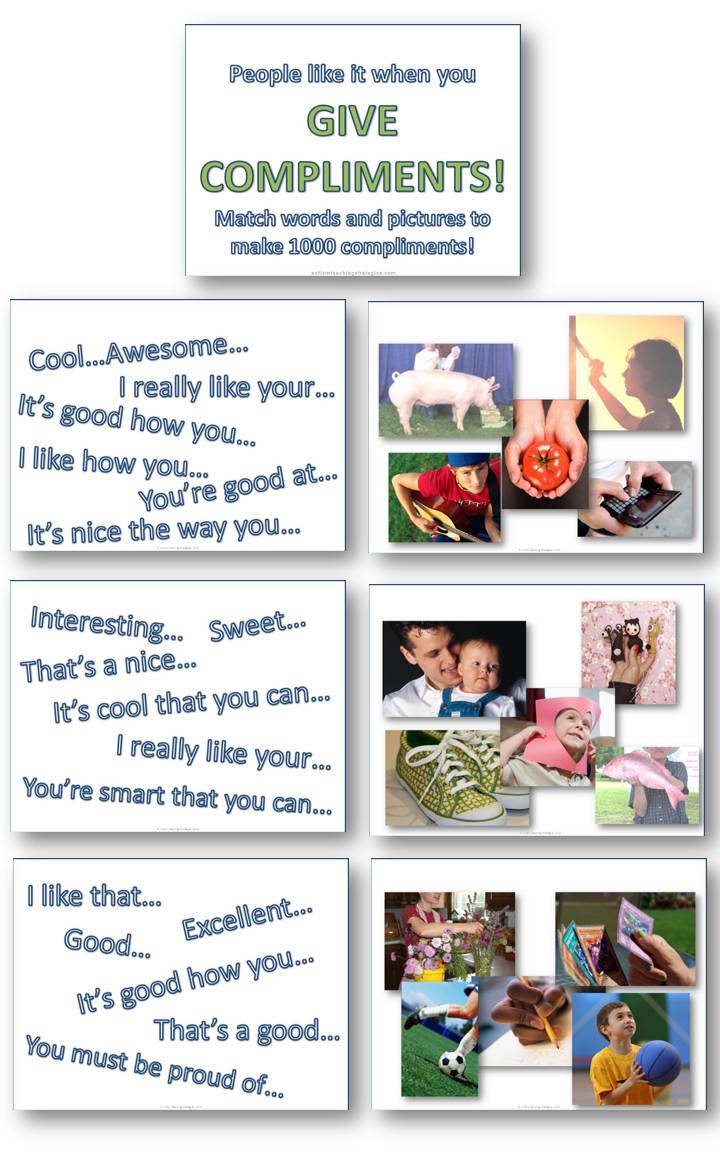
Kids on the autism spectrum often do not give and receive compliments in accordance with social expectation. They might like something someone said, or something someone did, but they often fail to follow up with a positive, validating statement. Or, instead of saying nothing, children with ASD might make blunt declarations of opinion. Kids with Asperger’s and other autism spectrum disorders can get so much better at giving compliments when they are taught in an engaging manner with engaging visuals.
Suggestions for using the compliment prompt panels:
1. Have the kid(s) point from the word portion to the picture portion while you give compliments according to their directions.
2. You point from words to picture and the kids create compliments.
3. Follow up with having the kids offer compliments to others in the room. Coach the proper “thank you” response.
4. Explore with the kids when and how they can give compliments in various settings. Create simple thought bubble drawings to increase awareness of how others might feel when they receive compliments.
Joel Shaul, LCSW
Here are some other free resources to help children with autism to learn giving compliments.
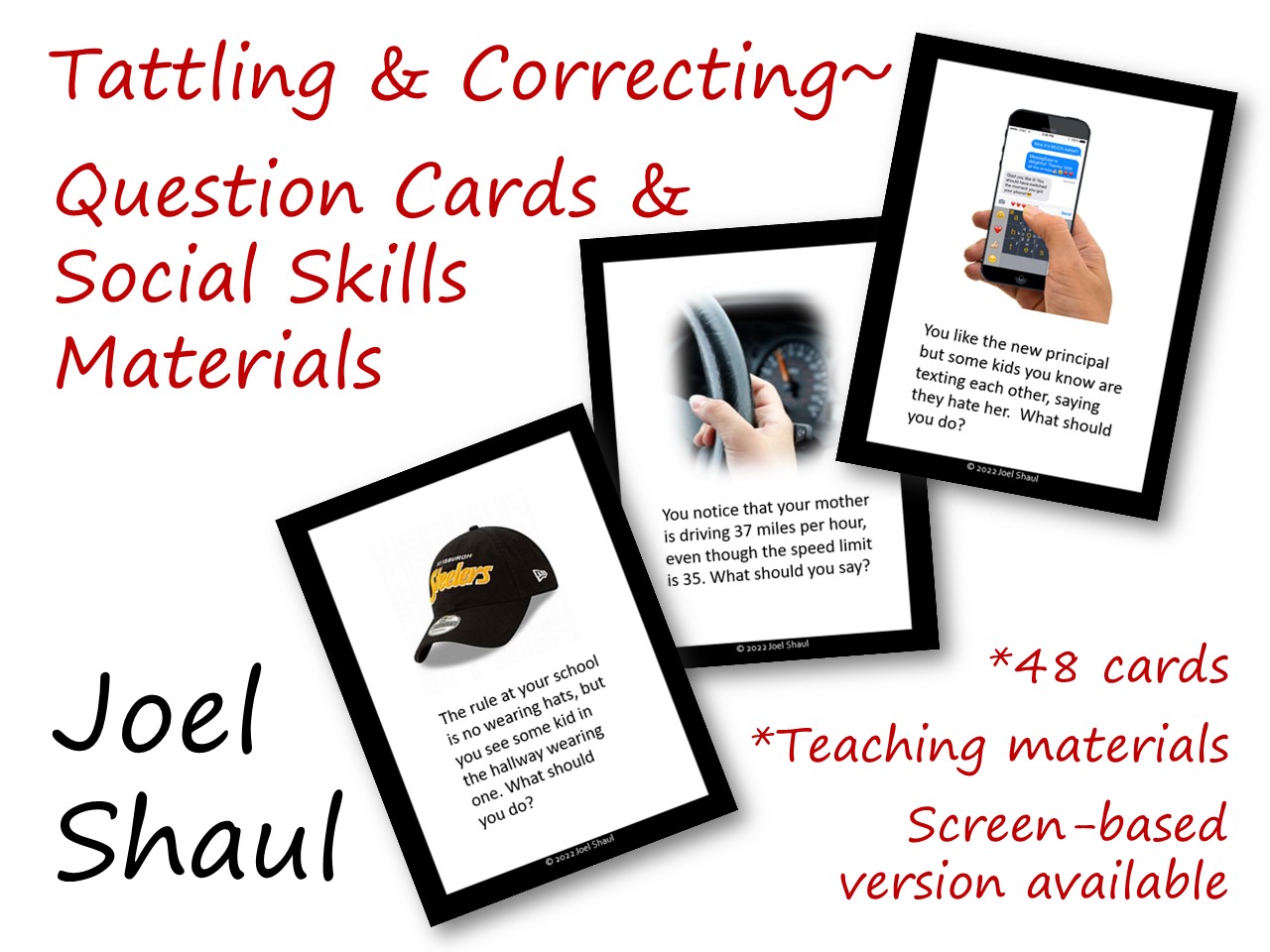
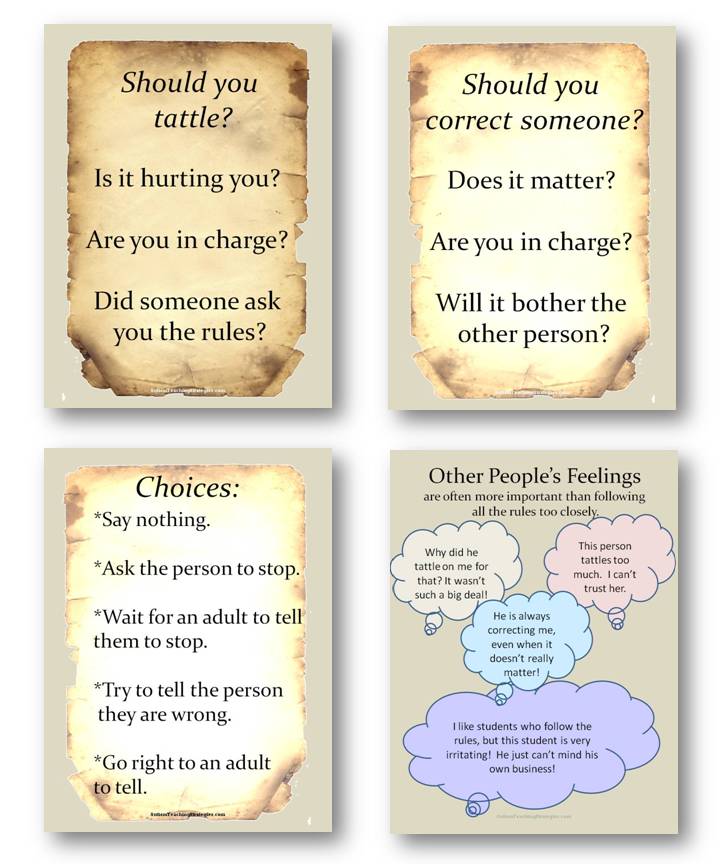
Social skills games and learning activities for tattling and correcting
I created these materials ten years ago and just finished a re-design of the whole kit.
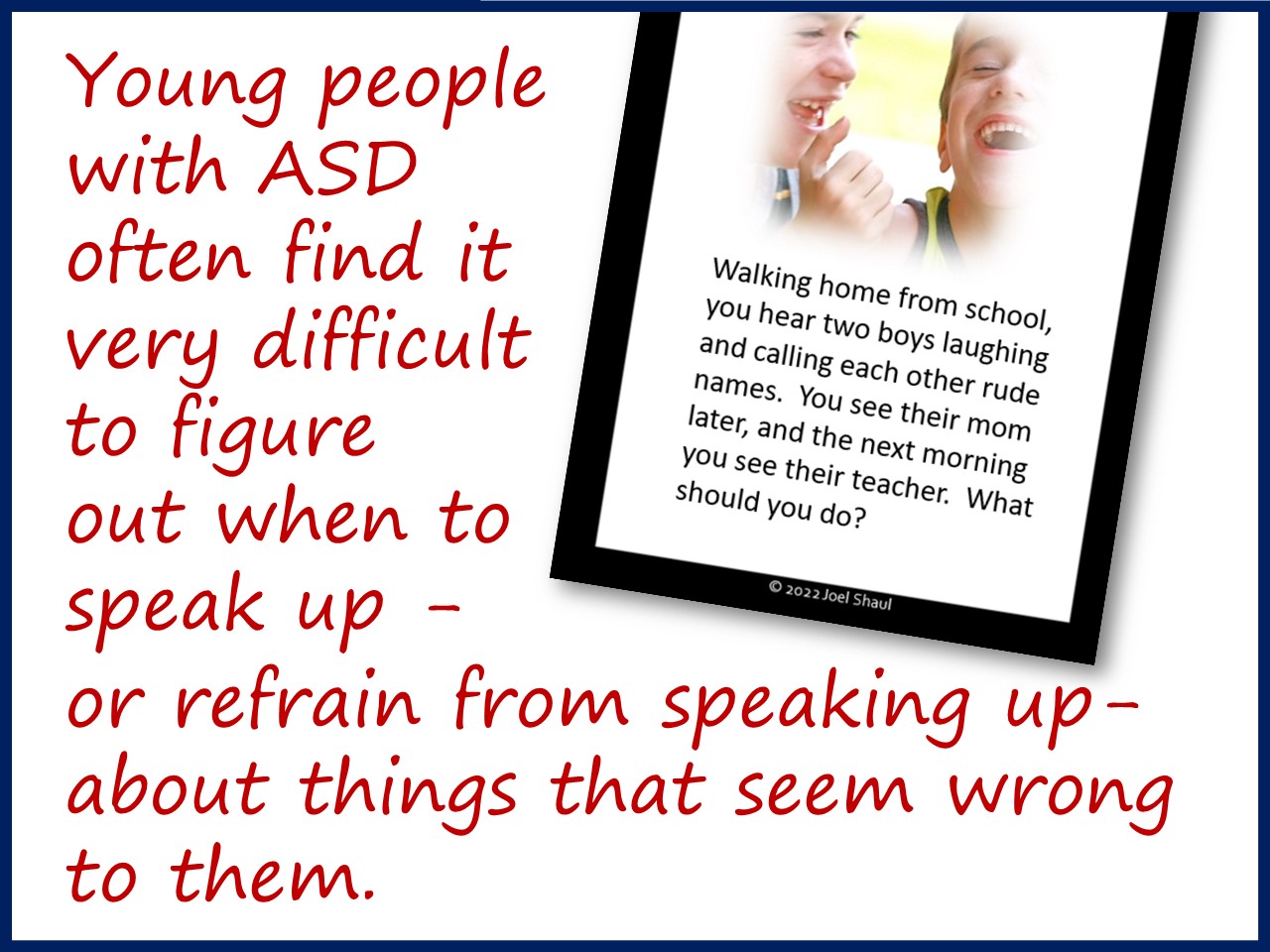
Young people on the autism spectrum can come across as rigid and bossy at times to their peers. Children with ASD can misinterpret complex social situations and express themselves too openly, without considering the broader social consequences.
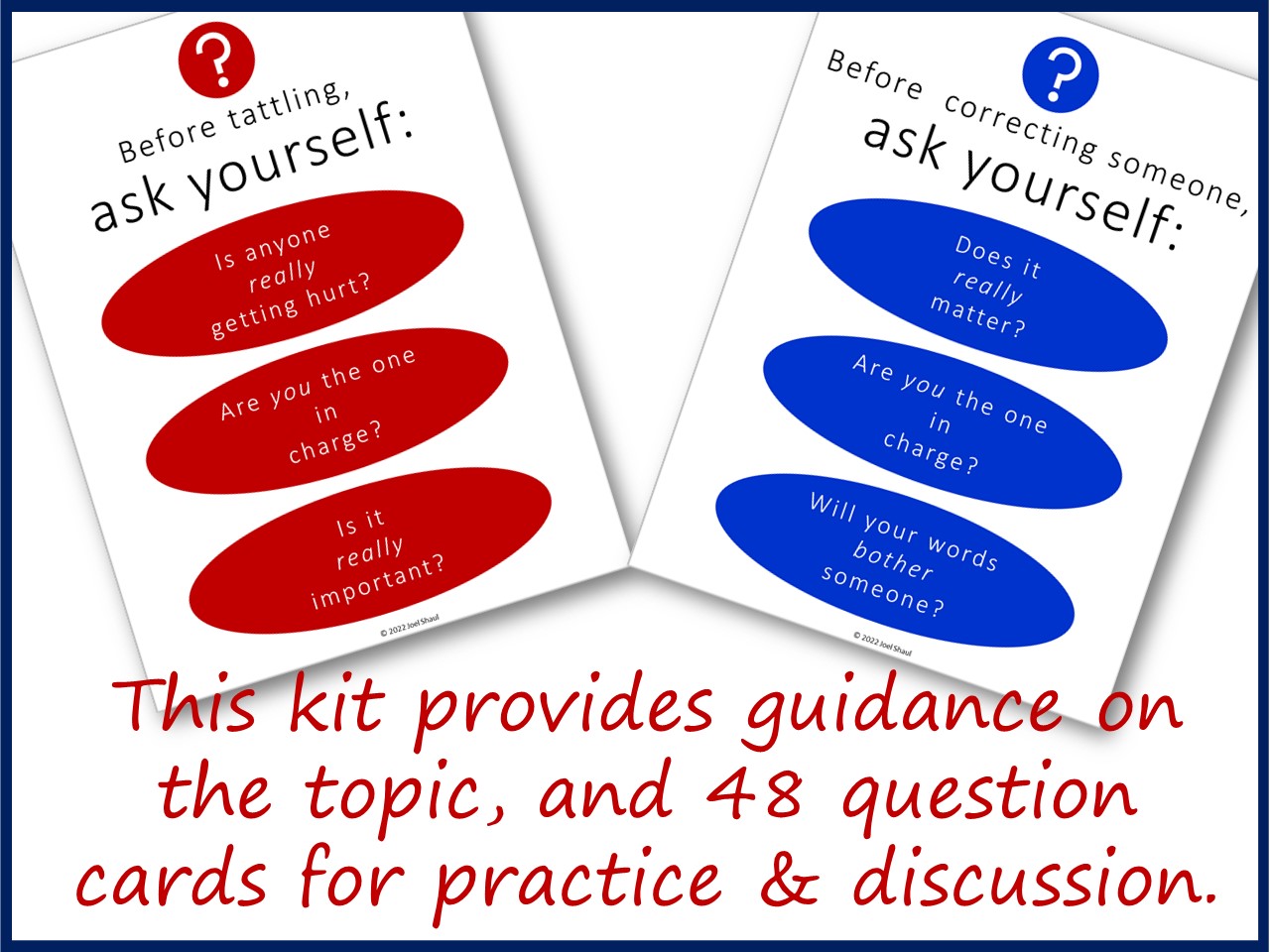
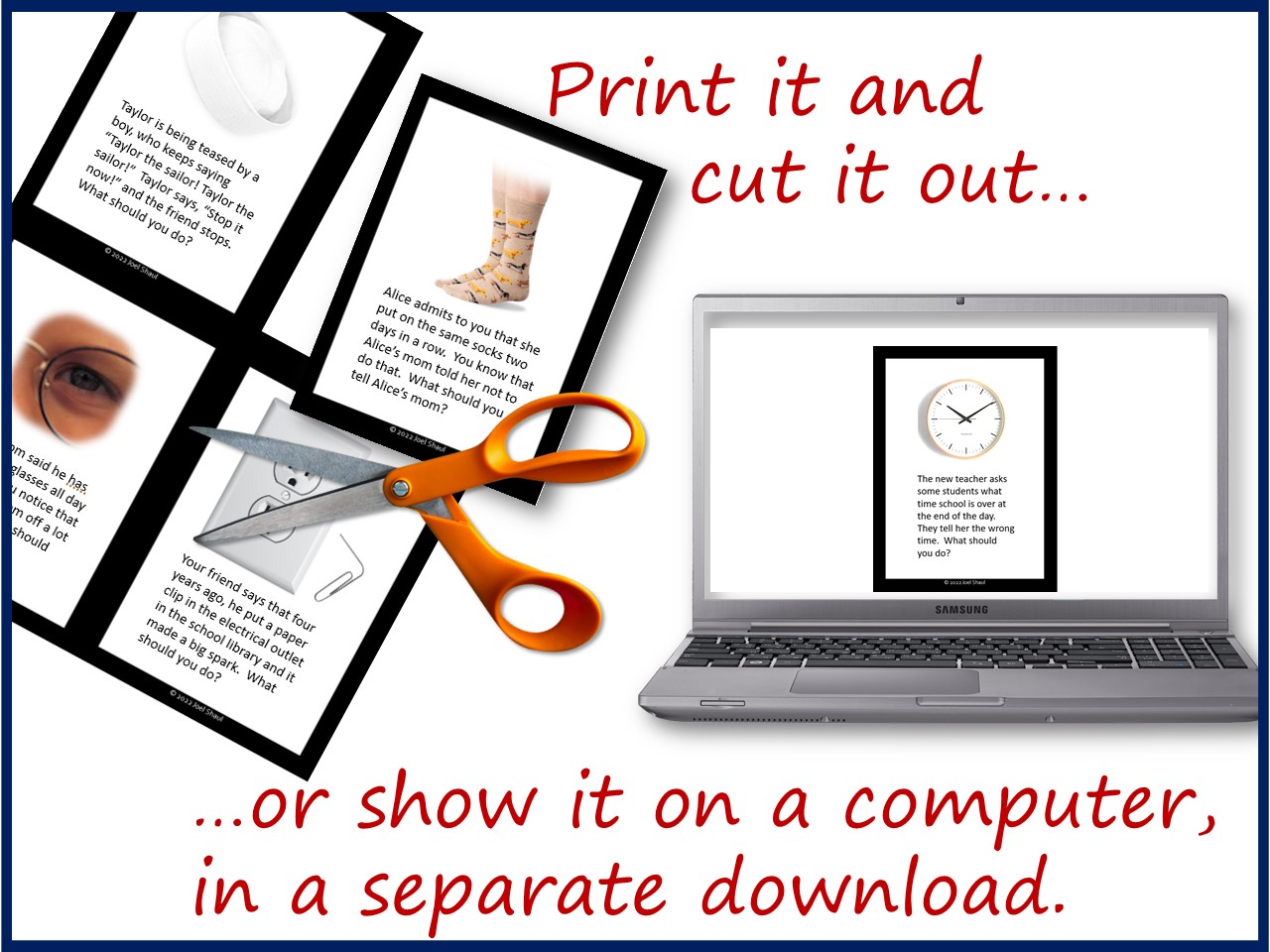
Figuring out when to “tattle” or correct someone is very hard. I designed the 48 question cards to include not just “easy” ones but also a lot of challenging questions that don’t have clear-cut answers.
When you use the cards, feel free to go through the deck and select the ones that seem best for the young people you are helping, based on their age, level of comprehension and particular issues they are dealing with.
Children like to hold the cards and have an actual “deck” to play with, but this social skills activity also really works well in the screen display version (which is the version I most often use myself, for groups and teletherapy).
I have gotten good feedback from teachers, who sometimes post the two one-page summaries (Before Tattling, Ask Yourself and Before Correcting, ask yourself) on their classroom walls.
I hope these materials are useful for you in your work.
Free check-off worksheets for children with ASD’s to explore conversation topics with family members
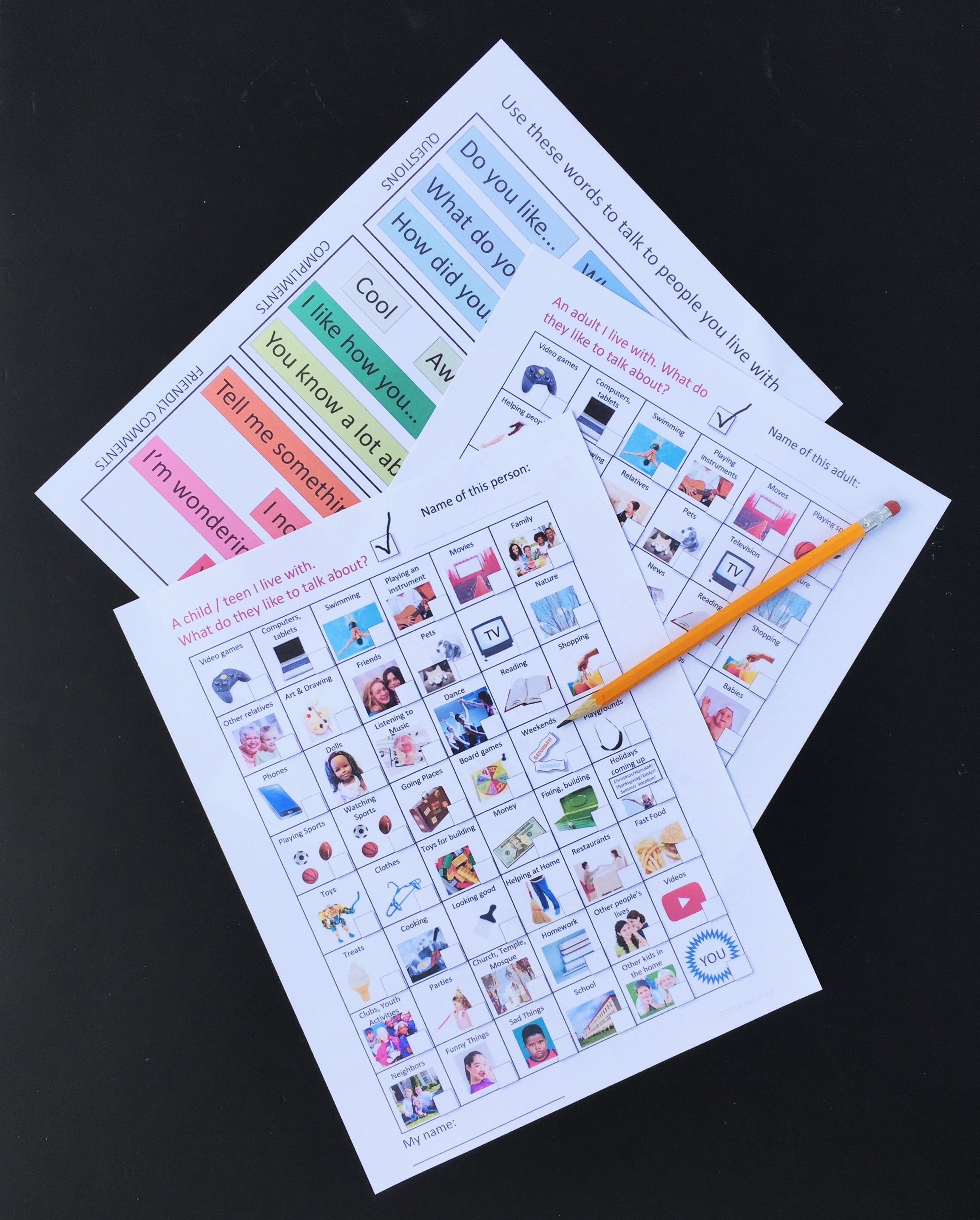
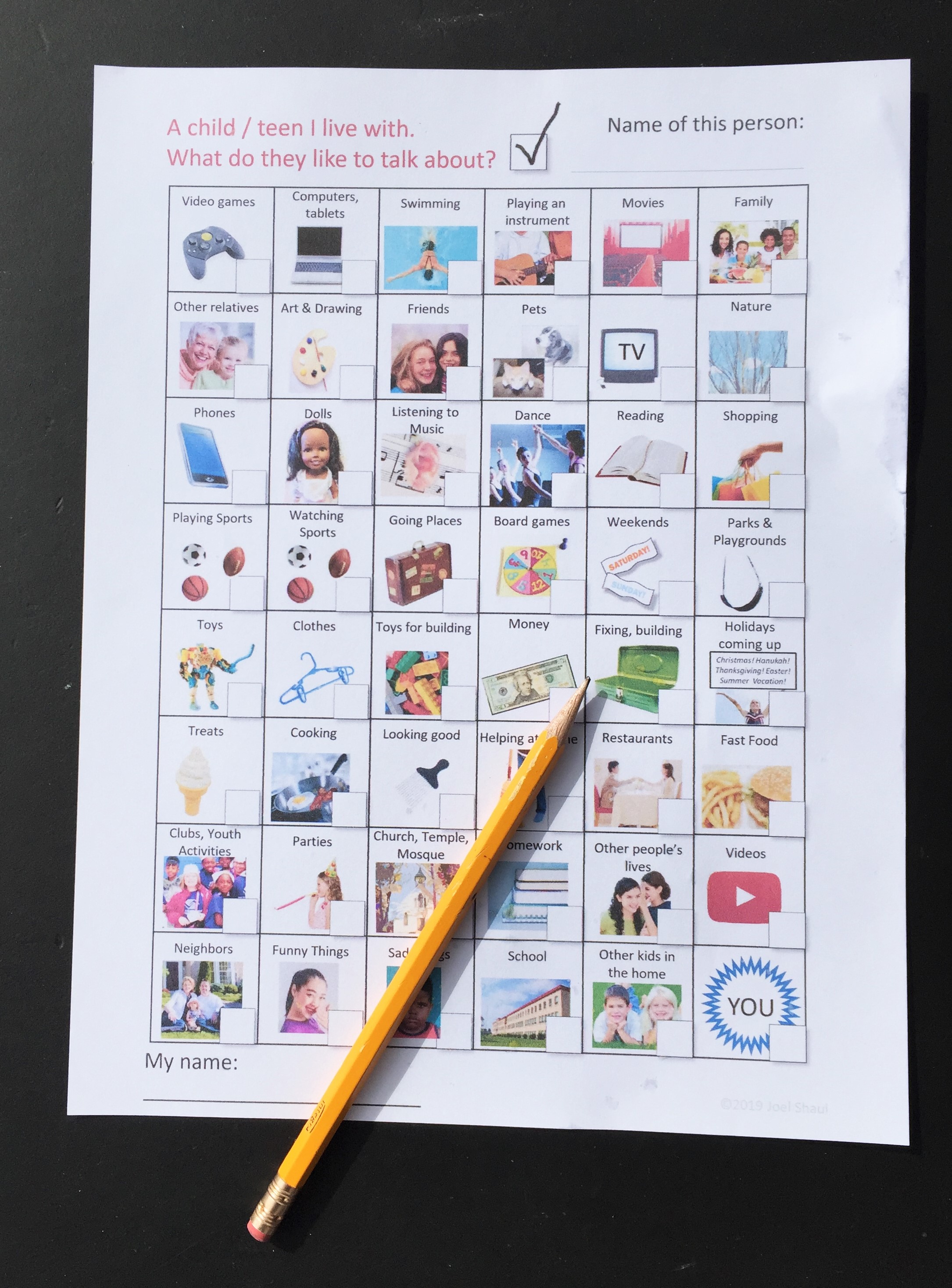
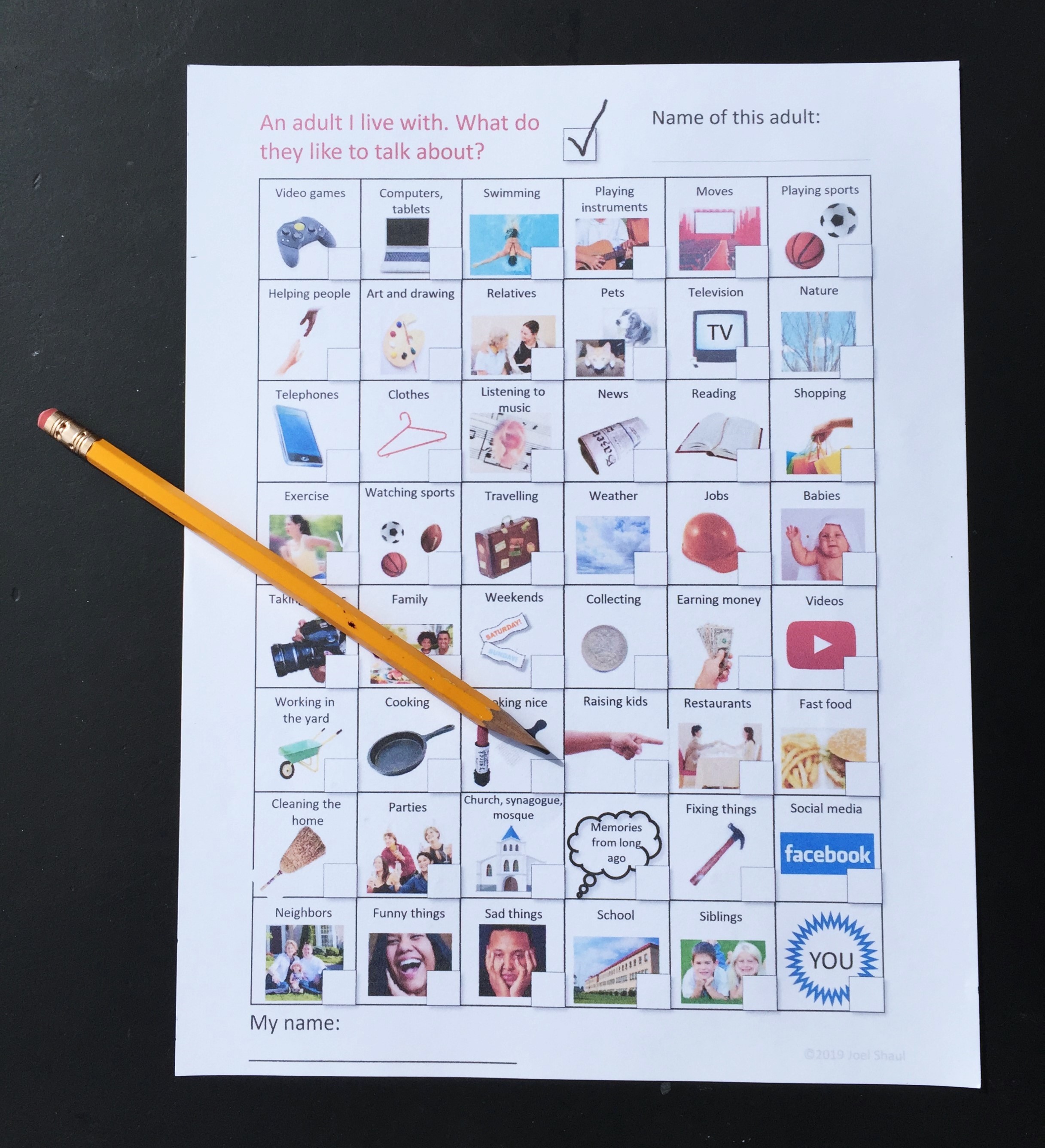
Children with autism spectrum disorders often have difficulties having conversations with the people they live with. It really helps to use picture guides. Here is a set of easy-to-use worksheets for classroom, speech room and home.
How to use the worksheets:
1. Have the child put check marks next to the photos they think represent the person’s interests.
2. Go over the images one at a time with the child. Explain that the family member probably has many interests that are different from the child’s own interests.
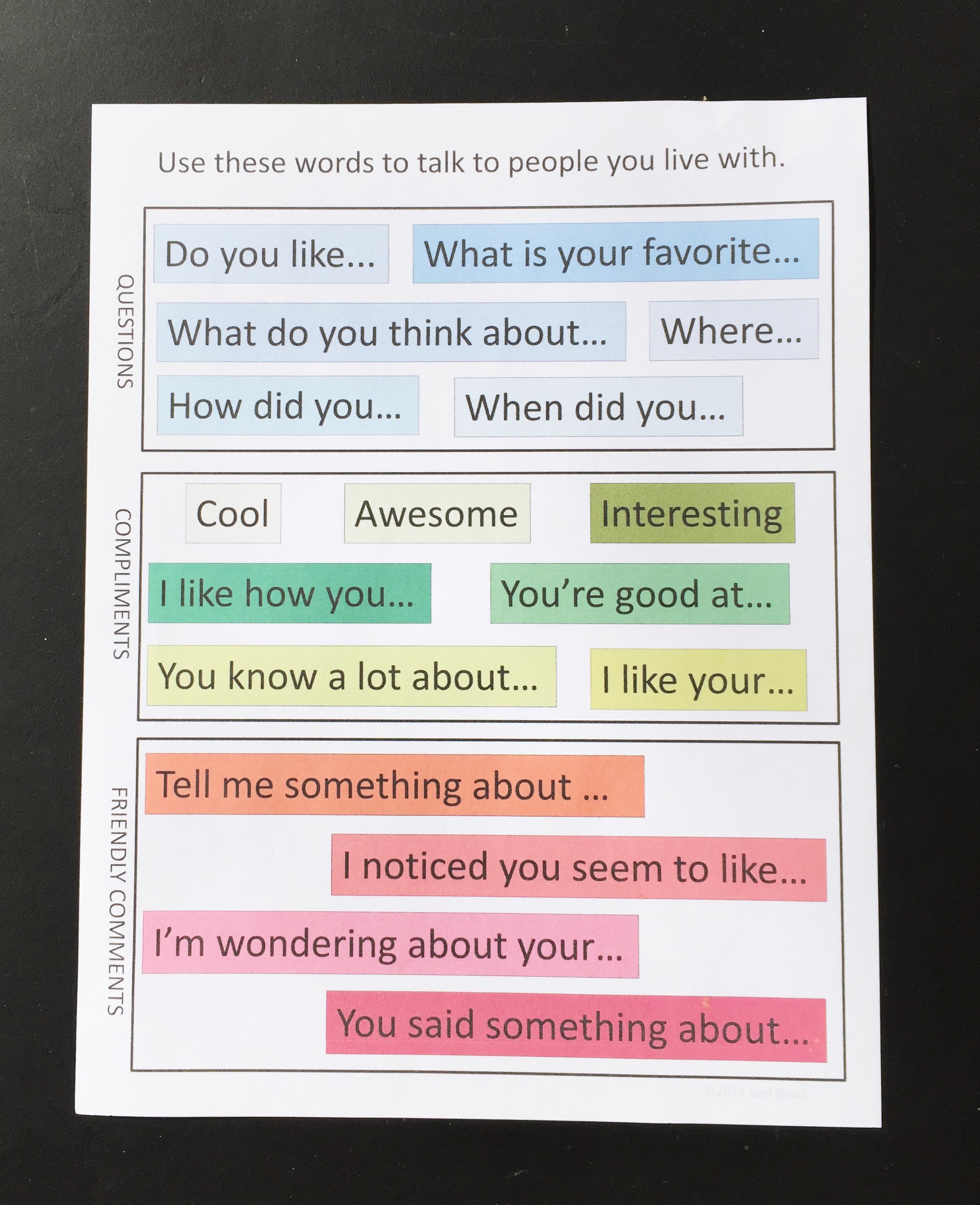
3. The sheet “Questions, Comments, Compliments” can be used to set up role plays and actual conversation practice with family members.
4. Have family members fill them out for the child to use as a reference.
5. Project the sheets using a smart board or projector – this really helps for small group or classroom discussions about family members.
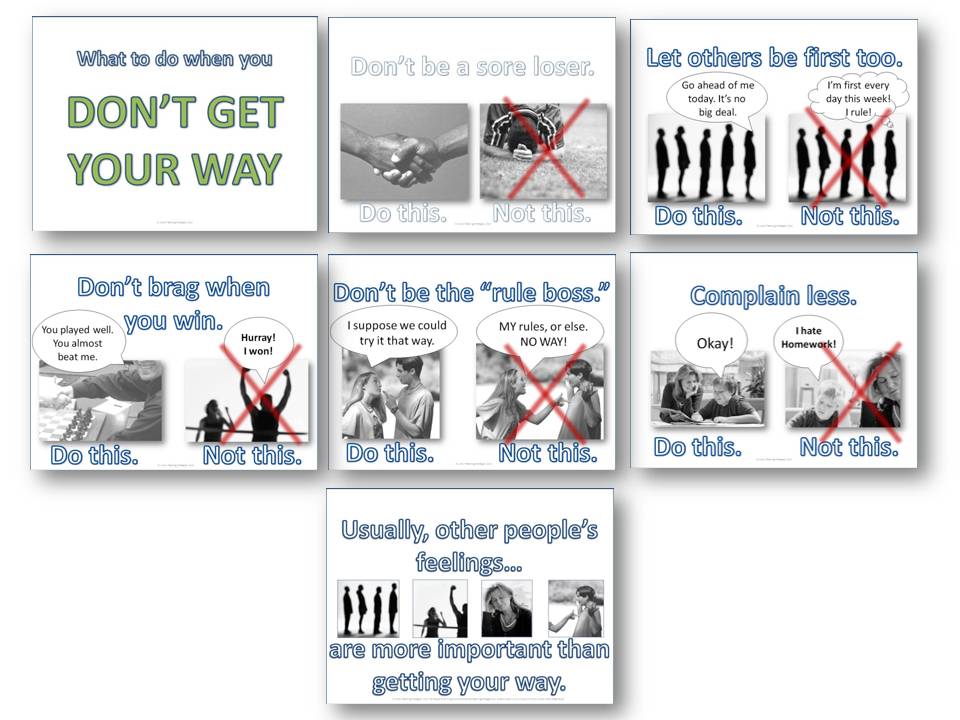
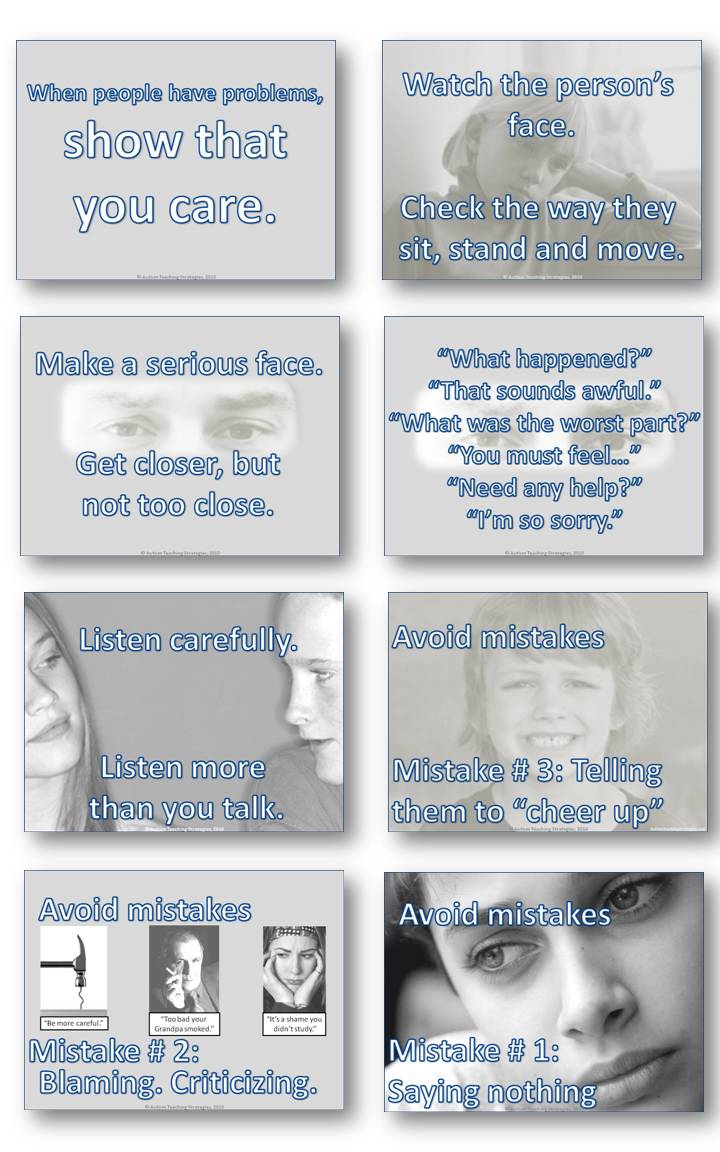
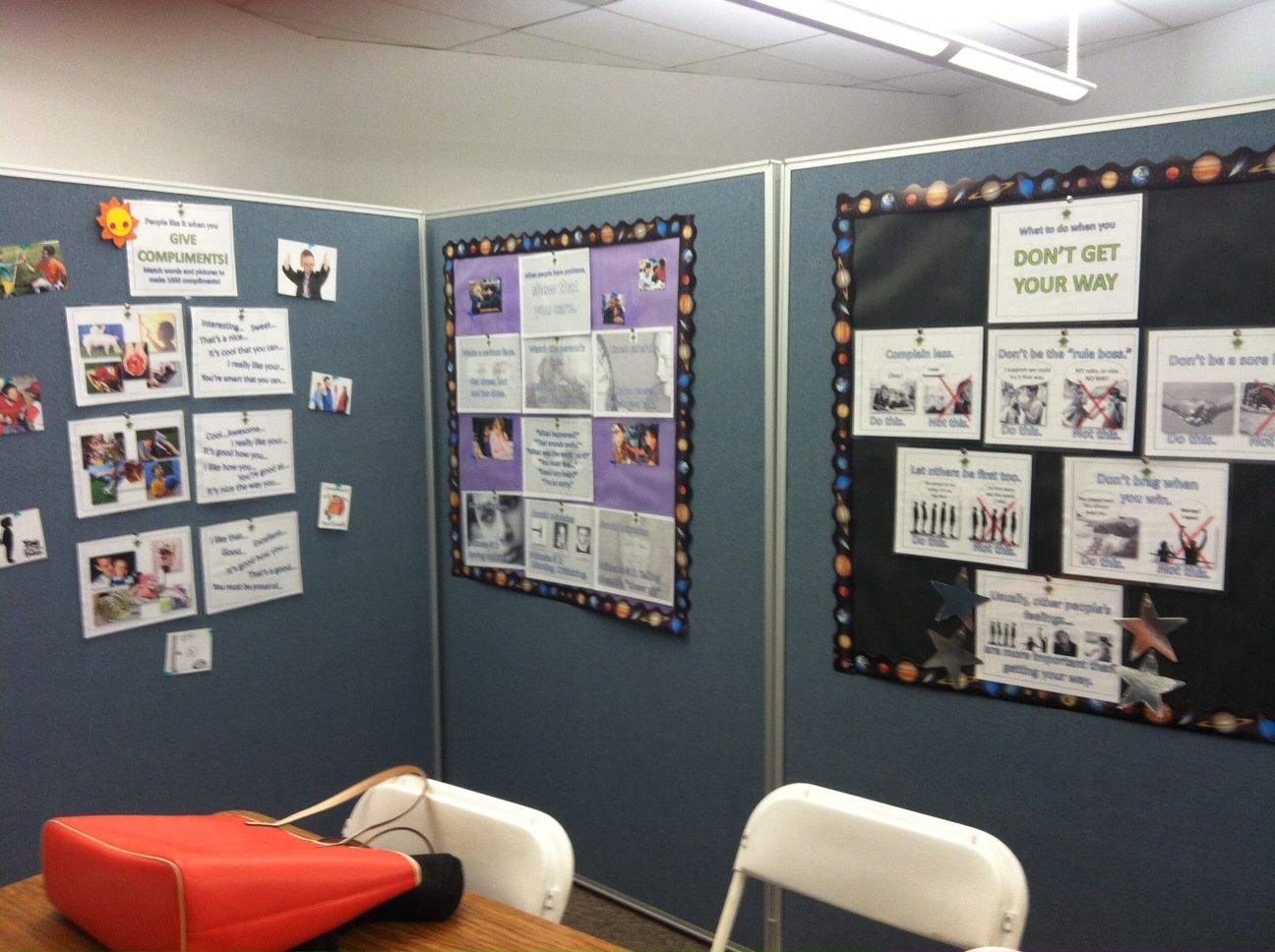
Many of my social skills resources for children with autism include large visuals that can be used either as accessories during teaching or as wall displays. Below you will find links to eleven of my blog posts which feature large, illustrated panels as part of the kit.
To go to the resource, click on the PICTURE.
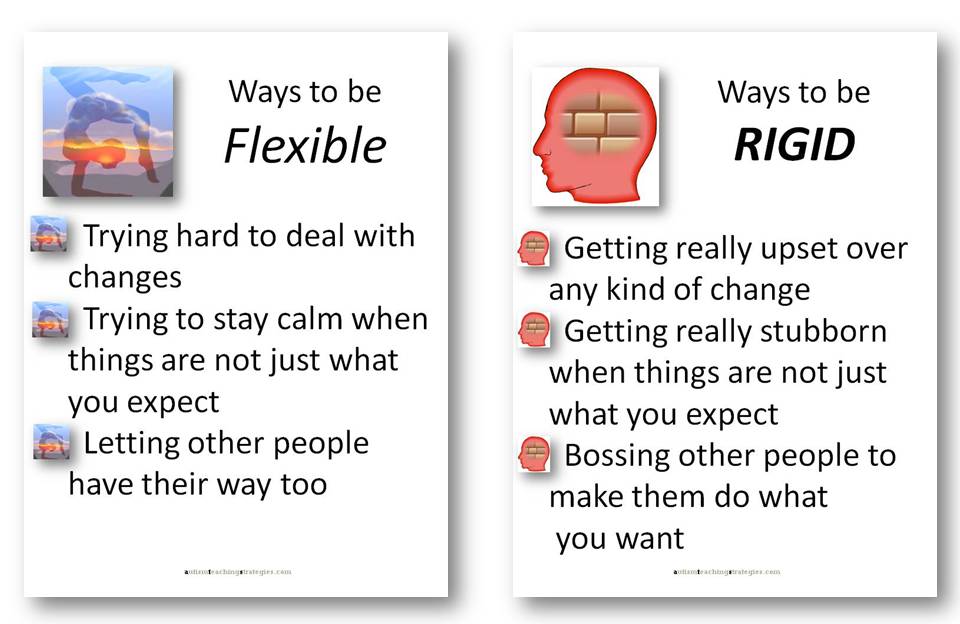
Rigidity / Flexibility Panels
These are part of a social skills kit which includes lots of scenario and role play cards.
Dealing with Losing and Disappointment Panels
Tattling and Correcting Panels
These are a part of big free download kit which includes dozens of picture cards
Showing Concern Panels
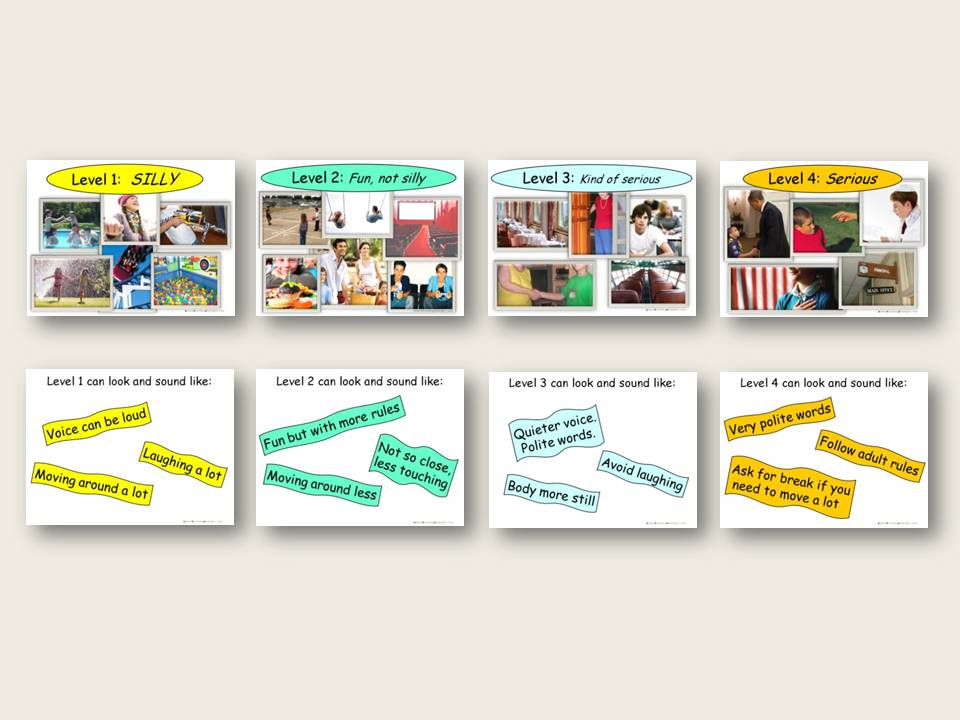
Silly to Serious Kit
These are part of a big kit that includes dozens of situation and role play cards. Many teachers in autistic support classrooms have found the panels useful for behavioral classroom management. You can put an arrow on one of the four levels and say “We are at this level now.”
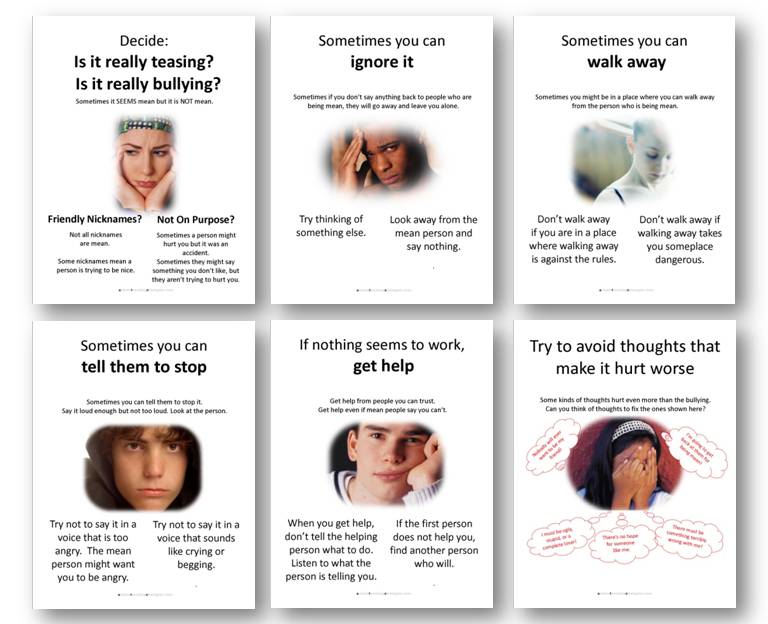
Teasing / Bullying Panels
This is part of a larger kit which includes a lot of situation and question cards to help children with autism to deal with the practical and emotional aspects of being teased and bullied.
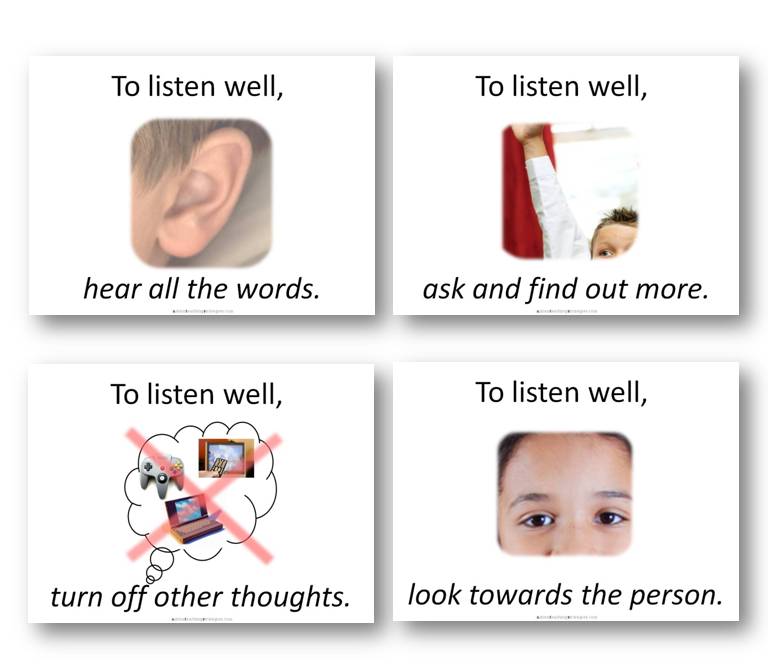
Components of Listening Panels
There is also a simple worksheet using the same set of visuals.
Reciprocal Conversation Panels
This is part of a kit that includes a card game activity for conversation activities with children on the autism spectrum. It is derived from a concept of RDI.
Compliment Matching Panels
These panels, a sample from the People Points kit I sell, is to help children on the autism spectrum to practice the social skill of giving compliments.
Panels on Relating to Girls
These are part of a kit which includes role play and situation cards for teen boys on the autism spectrum who are learning social skills relating to female peers.
NOTE: For an updated variation of this activity with the option of drag-and-drop images in PowerPoint, follow this link to “Problem & Solution Cards” below:
Many children with autism spectrum disorders are quite fond of fantasy characters. Social skill teaching interventions which employ fantasy characters can tap into these predilections, increase insight and sustain interest in the social skills teaching work.
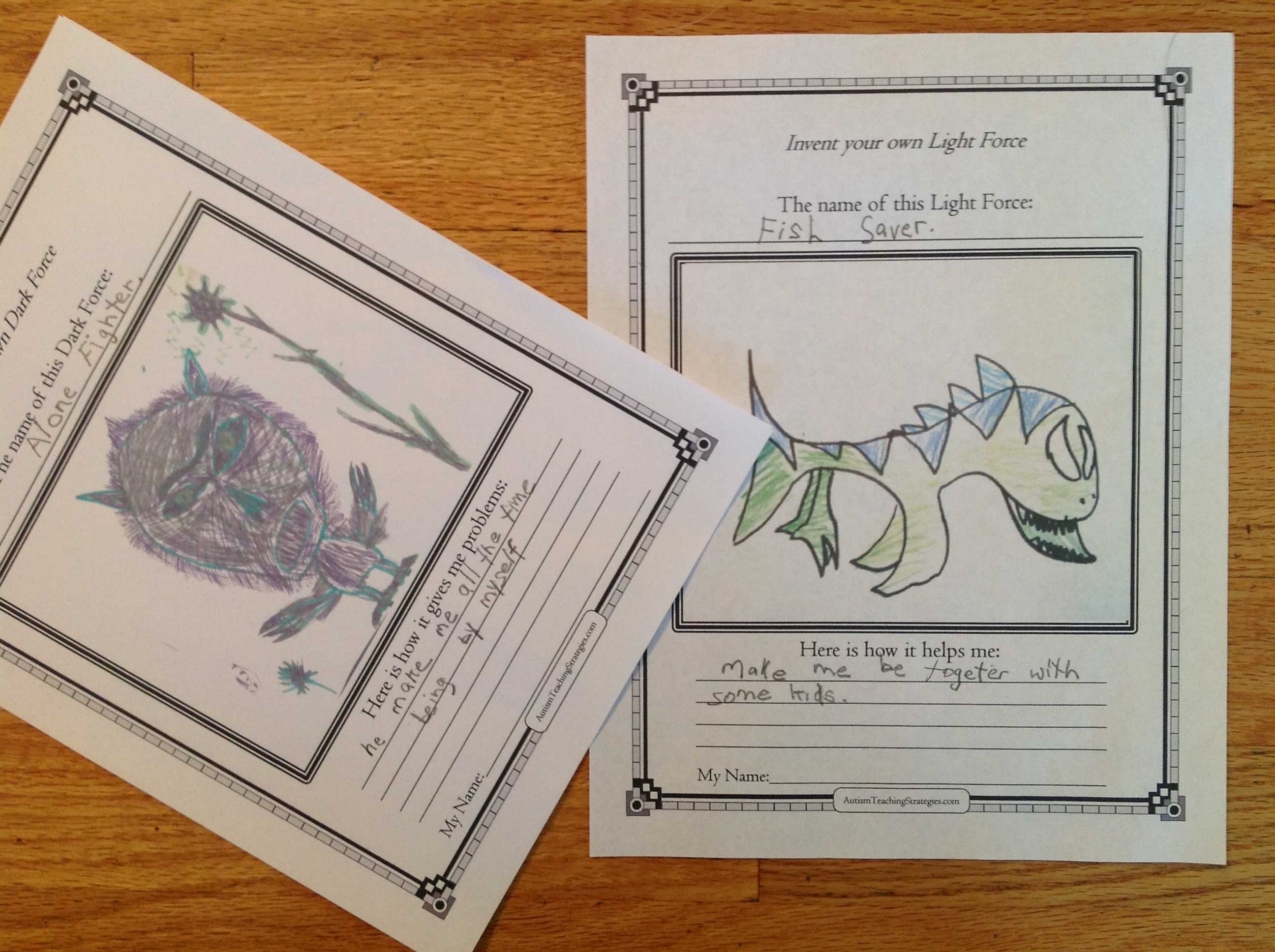
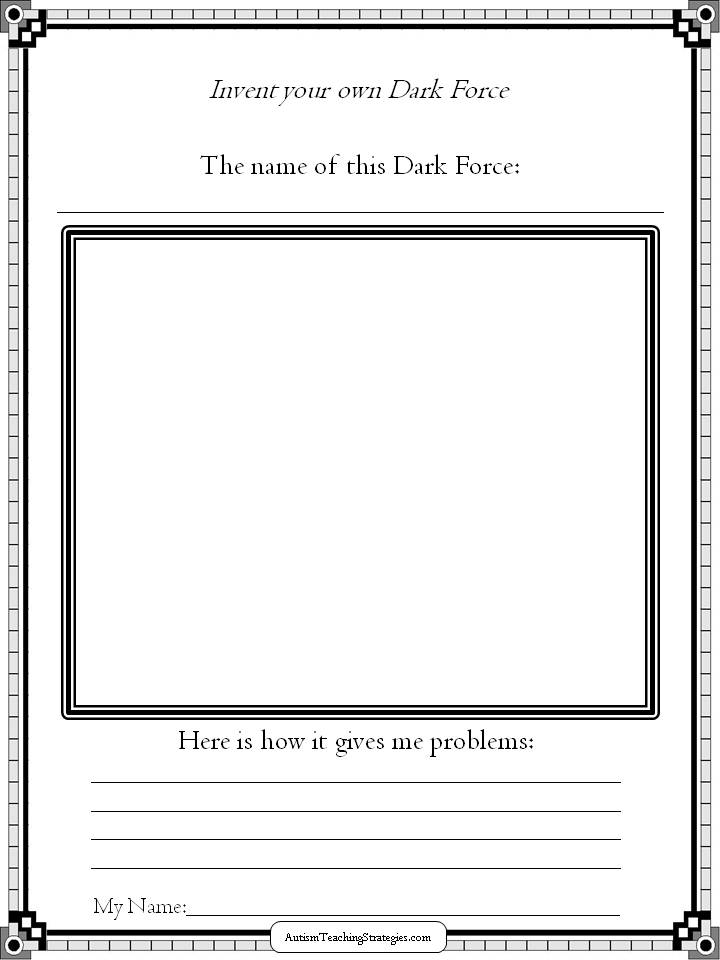
These “Dark Force – Light Force” social skills worksheets are a great way to help children and teens with ASD’s to think about issues affecting them and possible solutions.
Many children can be engaged in learning activities quickly if we employ imagination to capture and sustain their interest.
Why bother to incorporate imagination and art into social skills work with kids on the spectrum?
1. Children with ASD lose stamina in social skills work if we don’t lighten it up a little. Think about it. Many are in for years of listening to people like us scrutinize and edify them.
2. Children with Asperger’s and other autism spectrum disorders very often have a special fondness for fantasy worlds.
3. Children with ASD often do much better identifying problems if we employ a strategic, indirect approach to it. If you ask a child on the spectrum, “Are there ever any problems with changes or dealing with new schedules and routines?”, the child might answer “No, not really.” But if you show the same child a picture of Rock Brain (from Social Thinking) or Rigidity (a Ryuu character), and ask, “Do these characters ever cause any problems for you?”, you will very often get a completely different answer.
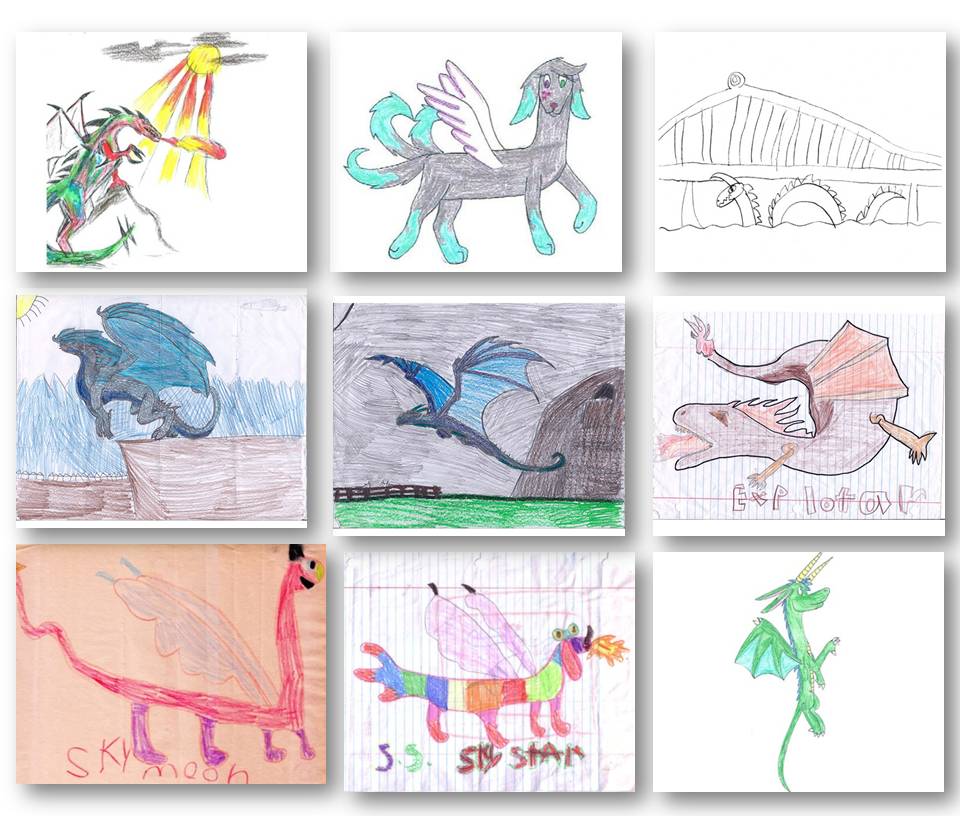
Drawing worksheets, based on fantasy characters, to explore social skills challenges in kids with ASD
Start by introducing social skills fantasy character kits such as the two introduced in Part 1 of this blog series.
Then, to introduce the drawing activity, you can try using language like this:
“No one is perfect. Almost everyone has lots of problems. There is a very important kind of smartness called “insight.” That means, you are able to look inside yourself to see what things you are good at and also what things are hard for you. People who have lots of “insight” are especially good at noticing what problems they have.
I wonder which of you kids is going to be good at knowing what your problems are?
To find out, we are going to do a fun and challenging drawing activity. Here is how to do it. Think of a problem that you are working on. Now, give it a name, and think about what it might look like if it were actually alive! Draw a picture of it on the Dark Force sheet and write about it in the blank on that page.
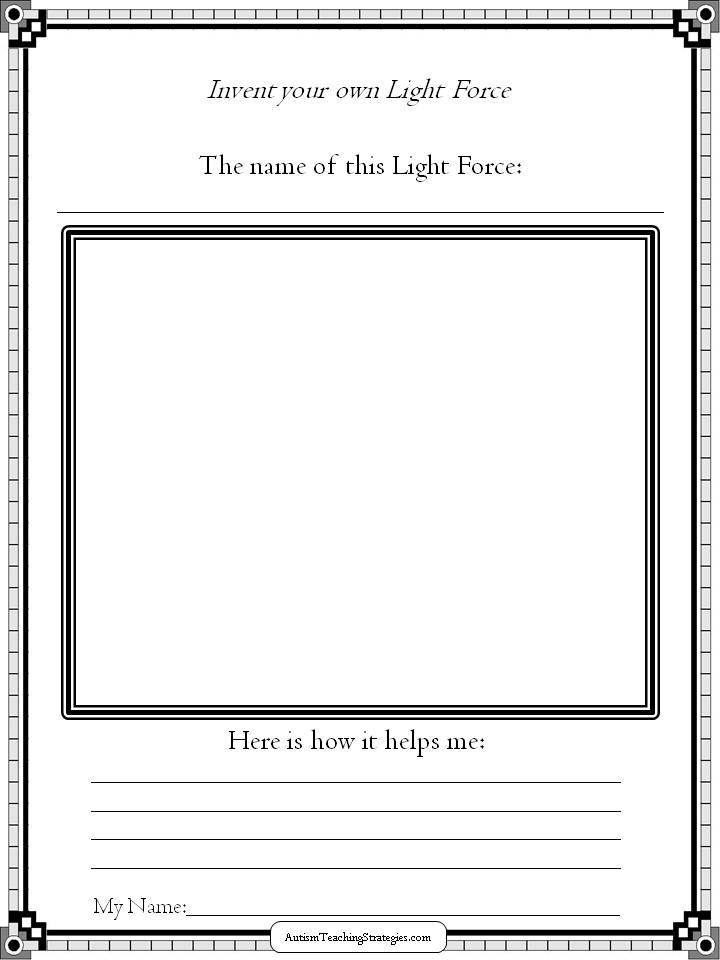
Next, think about how you could work on that problem. Imagine that this “Light Force” is also a creature with a name. Write down the name of this Light Force, draw a picture of it, and then write about it on that page.”
The worksheets are are designed to be completed in pairs, with a “Light Force” opposing a “Dark Force”
You can suggest these possible categories below before the kids start inventing and drawing.
1. Dealing with anger
2. Dealing with worries
3. Dealing with sadness
4. Calming down your body. This could cover hyperactivity, or else finding appropriate places and times to stim.
5. Getting along with others. This could cover cooperation, conflict avoidance, concern for others, friendship skills.
6. Spending too much time alone
7. Trouble being organized
8. Talking too loud or too soft
9. Talking too much about what YOU like
How to print out the worksheets:
Click on the red PDF link at the top of this blog post.
There are literally thousands of videos on YouTube made by people with autism. In this blog, I discuss these videos, and explain how to use them in counseling and social skills work with young people on the autism spectrum.
The amazing world of YouTube videos made by people on the autism spectrum
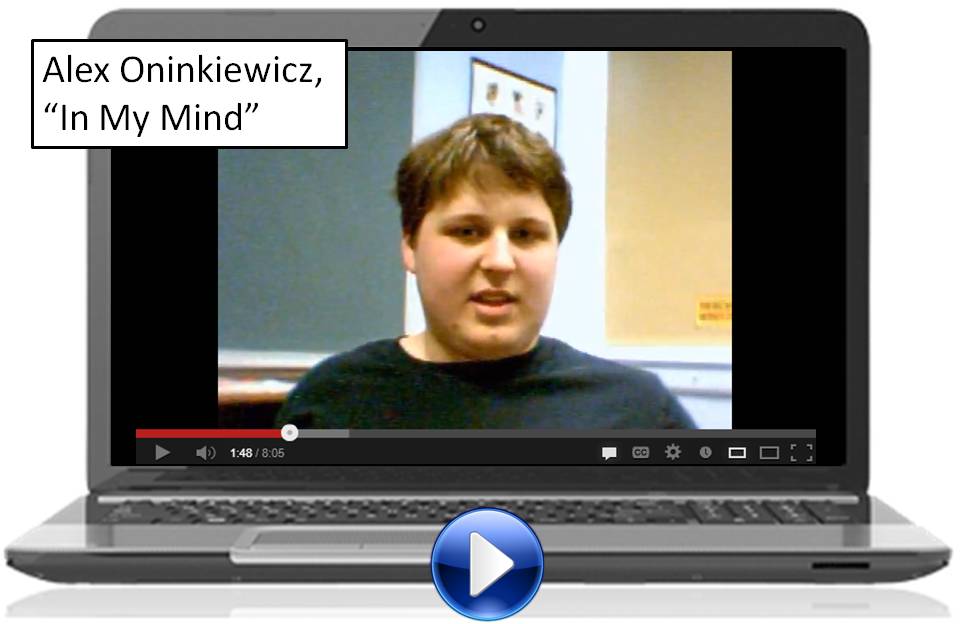
Please watch the video below, made by a boy with Asperger’s next to his bunk bed. Then come back to this blog, and check out my links to several dozen more terrific videos made by young people on the autism spectrum on topics such as relationships, eye contact, stimming, emotions, and more.
Why you should use YouTube videos made by people with autism for counseling, teaching and your own learning
People with autism are often the best source of information about their own issues and how to deal with them. When looking for authoritative information on what it is like to be autistic, and how to cope, it often makes sense to “ask an Aspie.”
People with autism on YouTube provide good role models for our students and clients. If you are a teacher, speech pathologist, counselor or mental health professional working with young people on the autism spectrum, you are constantly trying to motivate and inspire your students and clients. Many children and teens with ASD are isolated and demoralized. The right YouTube video can really help children with high functioning autism to talk about themselves and work on problems.
Showing YouTube videos in your school or office – or at home, if you are a parent using these videos – is easy and foolproof. In another blog, I provide simple instructions for downloading YouTube videos to your own computer and for making the playback loud enough for a group or a class to hear easily. To learn about this, FOLLOW THIS LINK HERE.
The organization of the YouTube links below
I have organized my links to YouTube videos into a number of somewhat arbitrary categories. I will be adding to this list periodically. If you are aware of particularly useful YouTube videos which I have not listed, or if you have found ways to use YouTube videos which I have not described here, I would be grateful if you could please email me at info [at] AutismTeachingStrategies [dot] com.
Please be aware that YouTube url links can change as the YouTube sites hosting the videos move the videos or take them down altogether. Kindly email me if you discover that a link no longer works.
Autism Self Description
These videos can be used to help children on the spectrum to learn about their diagnosis and to help them establish a connection with the worldwide community of people with autism.
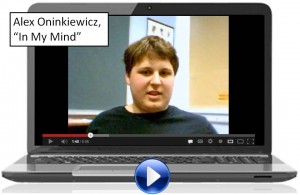
Alex’s video has gotten 1.4 million views, more than any other autism self-help video I am aware of. He talks about Asperger’s, his particular interests, auditory sensitivity, feelings of isolation, learning disabilities, and his sense of satisfaction about his conditon.
This very short and very funny animation is the first in a series of animations created by a group of teenagers with Asperger’s in England.
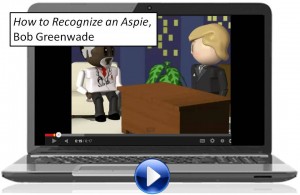
This computer animated feature was created by Bob Greenwade, and adult on the autism spectrum. It provides some good information about people with Asperger’s and pokes good-natured fun at some of their quirks.
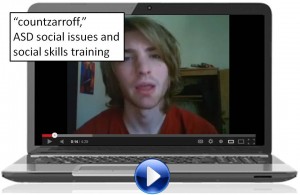
I really like this young man’s candid and humble description of his childhood experiences with social skills training in public schools and clinical settings.
This young woman provides a positive perspective. On her YouTube channel, you can also view a video of her interviewing renowned Asperger’s expert Tony Attwood.
Autism and Communication
The creators of these videos make interesting comments about their difficulties with conversation
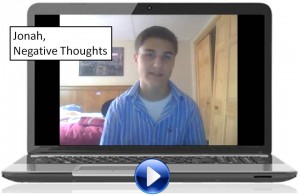
Jonah has made a number of good videos and I provide links to a couple others below. He has very clear recollections of when he was in kindergarten and how his obsessions (his own term) with airplanes distracted him in social situations.
This 14-year-old boy describes his growing realization that others are put off by his style of speaking, which seems linked to his intense interests outside the realm of typical youth culture.
This computer animation, just 30 seconds long, captures the feelings of frustration and isolation at trying to make conversation in a crowded room.
In this second video by Aspie Bob Greenwade, he pokes fun at the tendency of individuals on the spectrum to interrupt and gratuitously correct others in conversation.
Autism and Eye Contact
A great many individuals with autism have posted YouTube videos on the topic of eye contact. Watching them has been a very important learning experience for me. Here are three of my favorite ones.
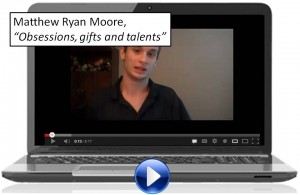
Matthew Ryan Morin, whose YouTube videos are included also in the Bullying section below, makes articulate comments about eye contact and how he has worked on it.
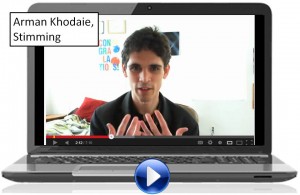
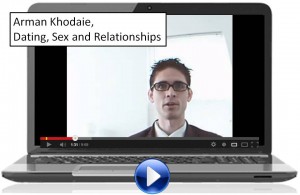
Arman Khodaie, who has posted dozens of YouTube self-help videos, provides a fascinating analysis of his eye contact challenges and how he has coped with them. He describes being punished by his grandmother for deficient eye contact when he was a child. Mr. Khodaie wears nonprescription glasses because it helps his eyes feel less vulnerable in social situations.
Autism and Sensory Sensitivity
If you are a neurotypical person like me, these videos might really increase your appreciation for how autistic people experience extremes of sound, taste and other senses.
This short video shows a four-year-old on the autism spectrum reacting to the noise in a gym class.
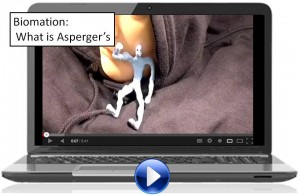
This very short animation, created by the same teens on the spectrum who created the claymation feature I listed earlier in this blog, really opened my eyes into how light and sound is experienced by individuals with autism.
This is another very short feature by the Biomation teens. The narrator describes how she can easily become disgusted when foods are served together. After following this link, you need to forward through a few others in the series to get to this one.
In this video, this young man describes how he needs to wear industrial grade ear protection when he indulges his passion, train watching. In the section below on Fascinations, I provide a link to his YouTube channel where he has posted hundreds of videos of trains.
Autism and Stimming (self-stimulation)
The internet and YouTube provide a forum where autistic people trade information about stimming and offer people without autism a window into their world.
In this video, Matthew provides a demonstration of stimming, which he edited into a montage and set the music of “I like to move it, move it.”
Anabelle has a YouTube channel called “Way to Stim Wednesday.” Each Wednesday, she posted a new video of herself stimming in a different way.
Arman Khodaie has made several videos about stimming. In this one, he assimilates feedback he has received from others who have written him comments. This demonstrates a common practice on YouTube, utilized often by individuals with autism who post videos – dialogue and information exchange, often occurring through “response videos.”
Autism and Anxiety
Many people with autism post videos on this topic. They describe their experiences and offer and solicit advice.
This is Jonah again, the same teenager who made the video under Communication above, talks about how anxiety affects him.
Jonah continues talking about upsetting emotions in this video. This is an excellent video to show to young people who are learning about cognitive behavioral therapy. Jonah has a sound grasp of the link between automatic negative thoughts and anxiety.
Dealing with Bullying
I only have several videos in this series and I am looking for more of them.
Watch this one all the way through. By all means do not miss the part where he acts out the parts of a bully and a mean girl who taunted him about his tics.
This is another very short animation in the Biomation series I cited above. Fast forward through several videos to get to this one.
Autism and Dating / Romantic Relationships
People with autism have posted hundreds of videos on these topics
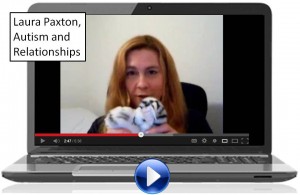
Laura Paxton provides a clear explanation about the pitfalls of being too persistent in a relationship. In one part of the video, she uses two stuffed animals to demonstrate the risks of being too “clingy.”
Arman Khodaie has posted a number of videos on this topic directed to both males and females on the autism spectrum.
Fascinations and Fantasy
The first several videos deal with the general issue of preferred, fixated interests affecting people with autism. I follow this with a couple videos dealing with fantasy enthrallment, which is a particular interest of mine.
This young man on the autism spectrum, whose video about auditory / light sensitivity I featured earlier in this blog, has posted multitudes of train videos on YouTube.
Watch this video through to the part where he gives a tour of his home and shows us the accessories of his various unusual hobbies.
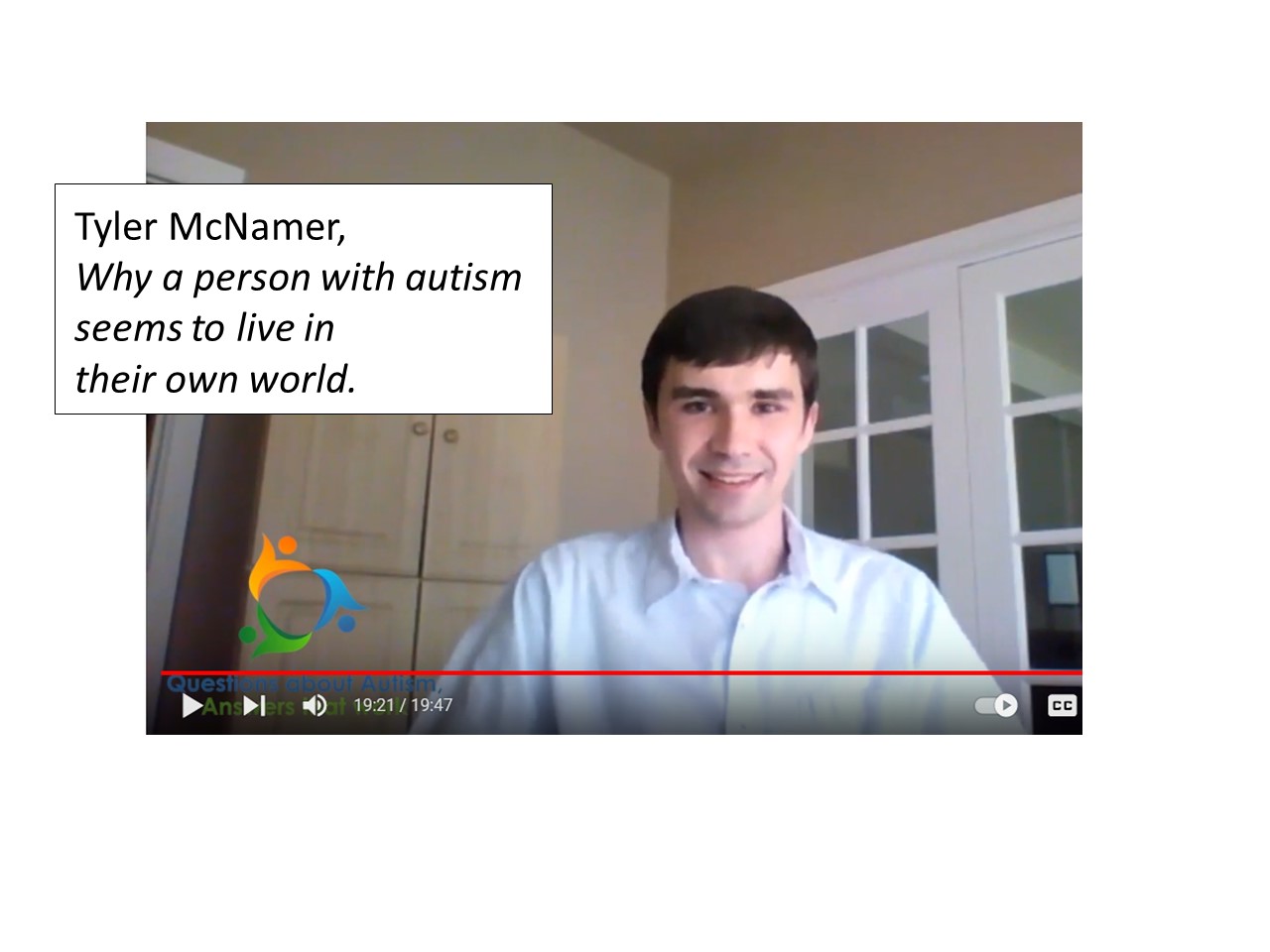
Tyler McNamer provides abundant insights into how he, and many other people with autism, can be affected by strong involvement in imagination.
This man’s videos receive many views and comments from other people on the autism spectrum. In this video, he reflects on how fantasy and imagination affected him at an earlier age.
Update 1-14-2022: I have free materials on my site on managing fantasy and pretend issues. To access them click HERE.
I hope you enjoy and appreciate these people’s YouTube videos.
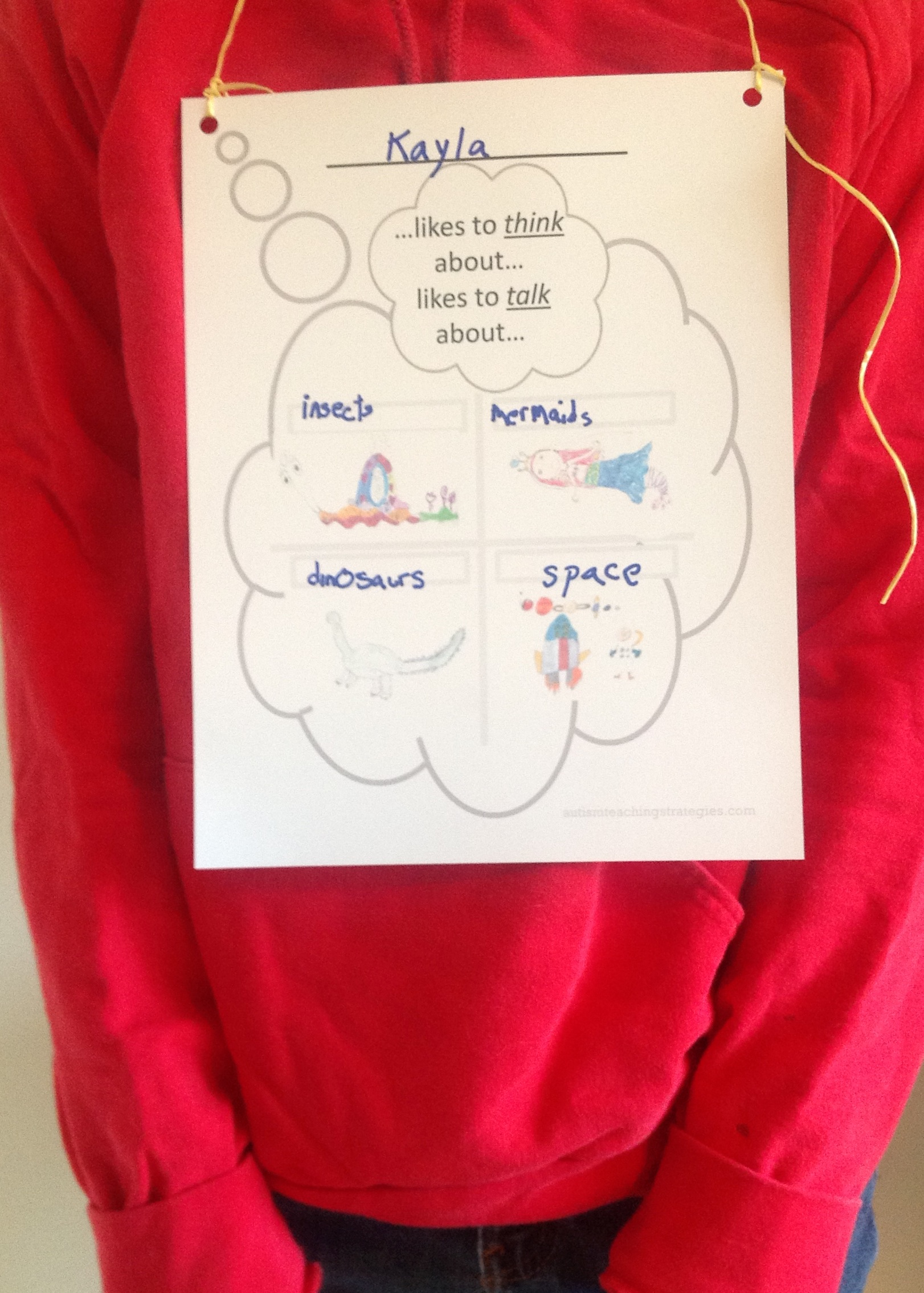
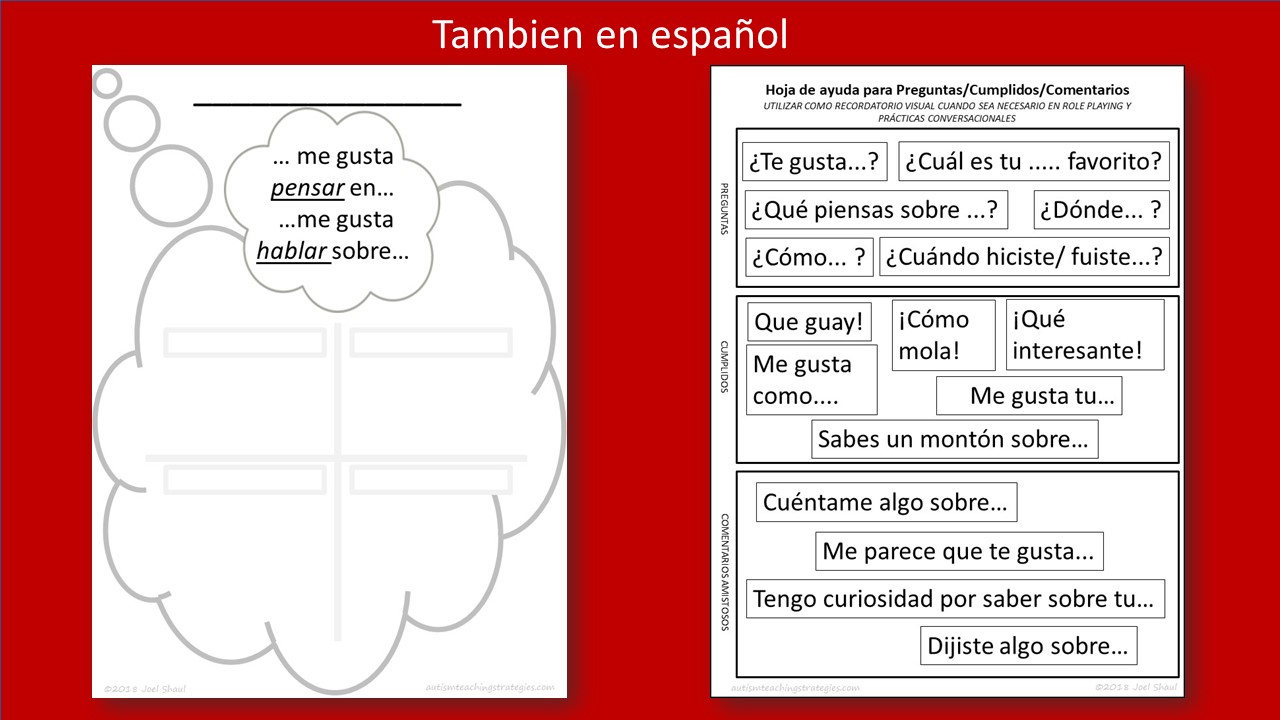
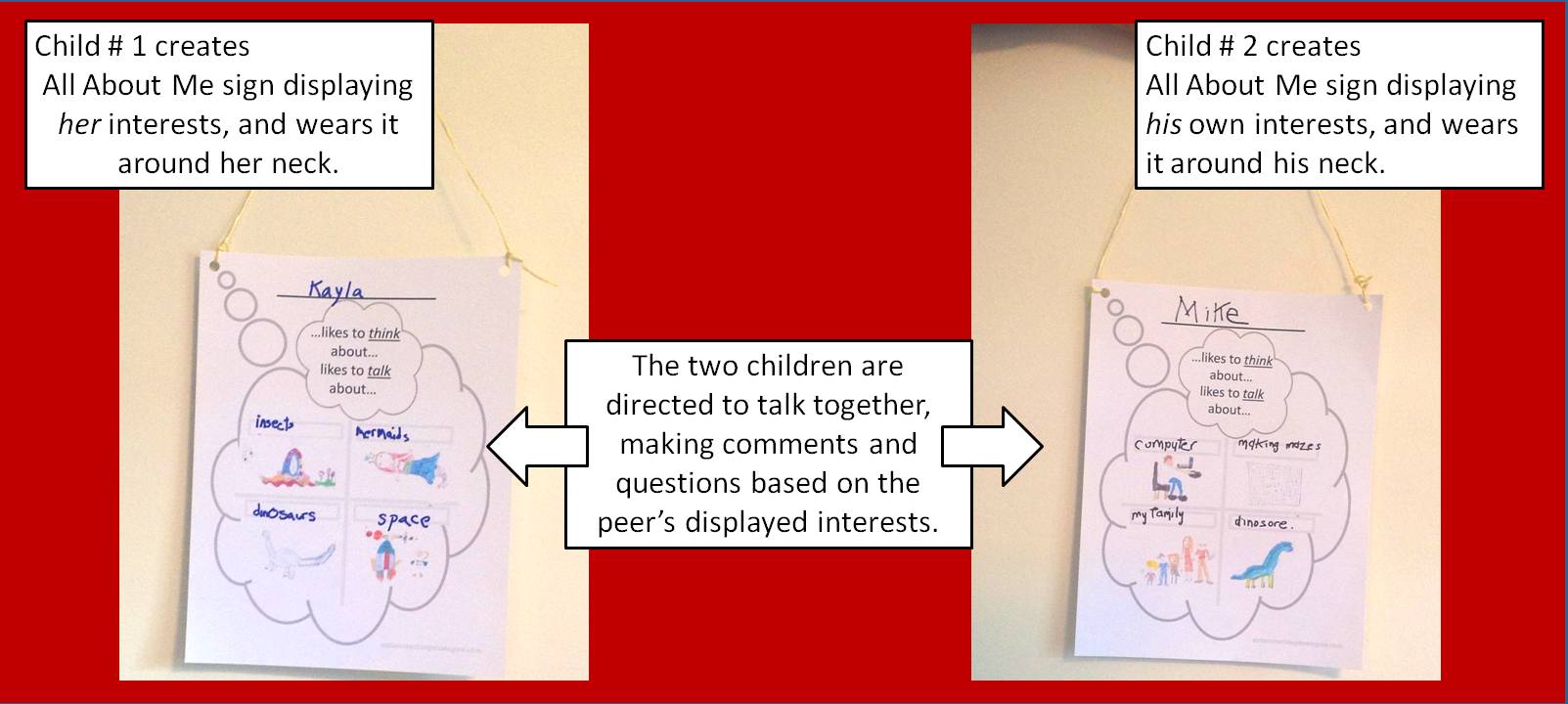
Below, there is a free download to create these “All About Me” signs. They are used to help children with ASD to consider peer thoughts and interests during conversation. Both individuals in role play practice wear signs displaying their interests.
Children with Asperger’s and other autism spectrum disorders usually have great difficulty with learning, remembering and using information about others in conversation. Elsewhere in this series of blogs, I have provided methods and downloadable visuals to help children with ASD to speak in a more reciprocal manner. Here is one more technique, which can be used from about age 6 up through teen years.
Tips on helping children to complete the All About Me signs:
1. You may have them select pictures online to paste onto the sign instead of having them draw the pictures.
2. Suggest to children completing the signs that they should include a variety of pictures. It constrains conversation to restrict the All About Me sign to, say, four different pictures representing four different video games.
Tools to use in combination with the All About Me signs:
Green Zone Two-person worksheets. These are really useful for having two peers identify common ground. There are many other conversation skills resources on this website.
Here are some words to try…or your own intro might improve on the intro I provide here:
“When you talk to another person, you always have to think about what the other person might be thinking and what the other person might like to talk about. To help you think about what other people like to talk about, we are going to make All About Me signs. Draw simple pictures that another person can understand. Use your very best writing. When you are finished, we will use string to attach it around your neck. You will then have a conversation with another person who is also wearing and All About Me sign. Each of you will do your best to pay attention to the things the other person likes.”
I hope you have fun with this activity. [by the way…the kid pictures shown here are derived from free images found online.]
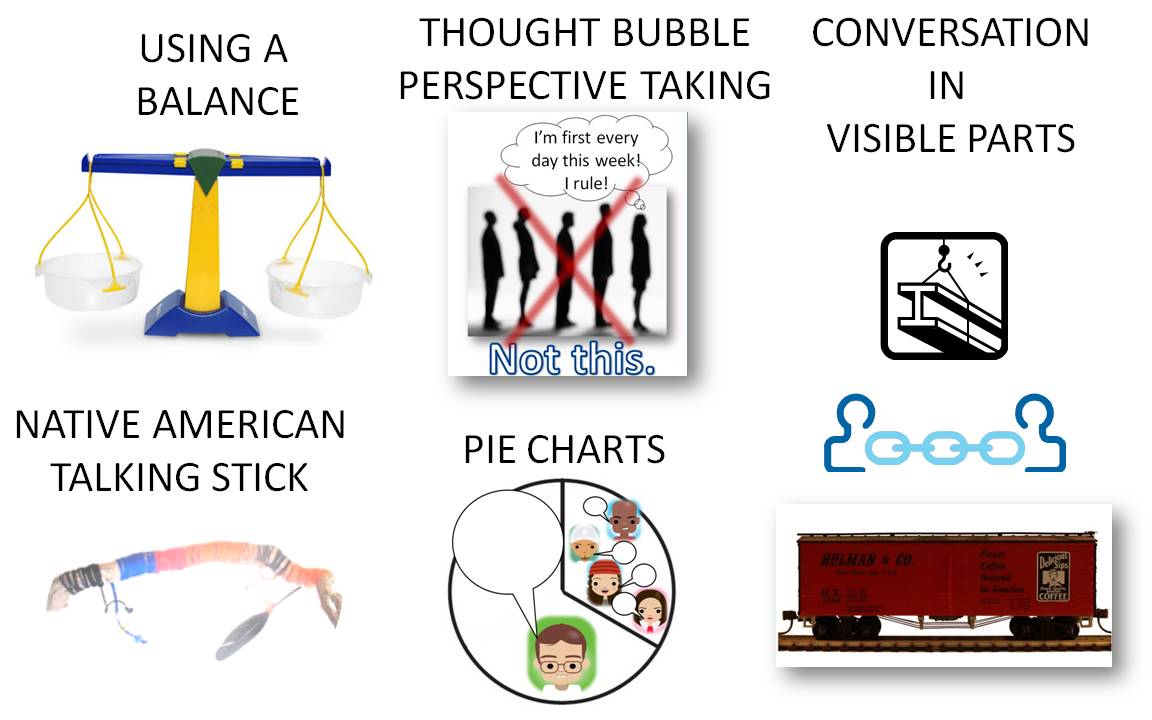
The diverse social skills associated with taking turns can be very difficult for children with ASD to master. This has to do with theory of mind deficits. A child with ASD may be unable to predict how another person might feel to be interrupted in a video game or given the last turn in a video game. A child on the autism spectrum might not be able to anticipate the positive social consequences for allowing a peer to go ahead of them at the drinking fountain or talk first in a discussion.
Making it visual
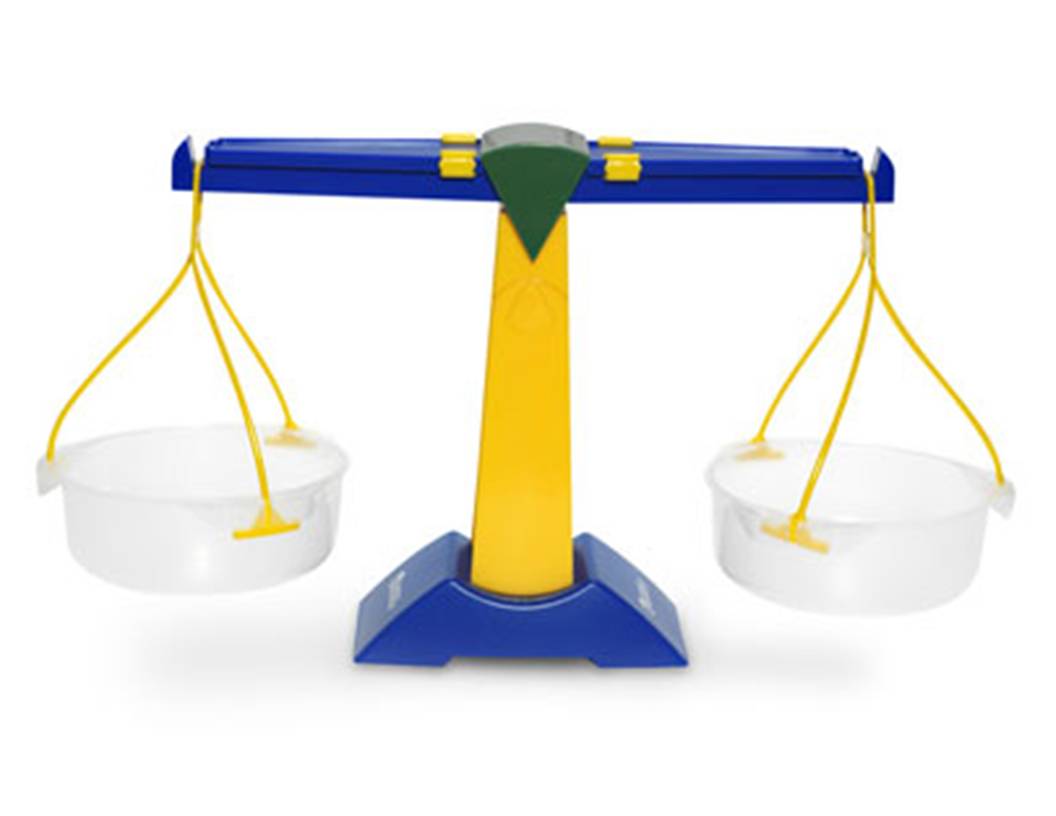
It often helps to make it visual when teaching social skills to kids with Asperger’s and other autism spectrum disorders. Here are some visual tools you can either download free from my various blog posts or else buy for very little money.
.
Thought bubble explanations
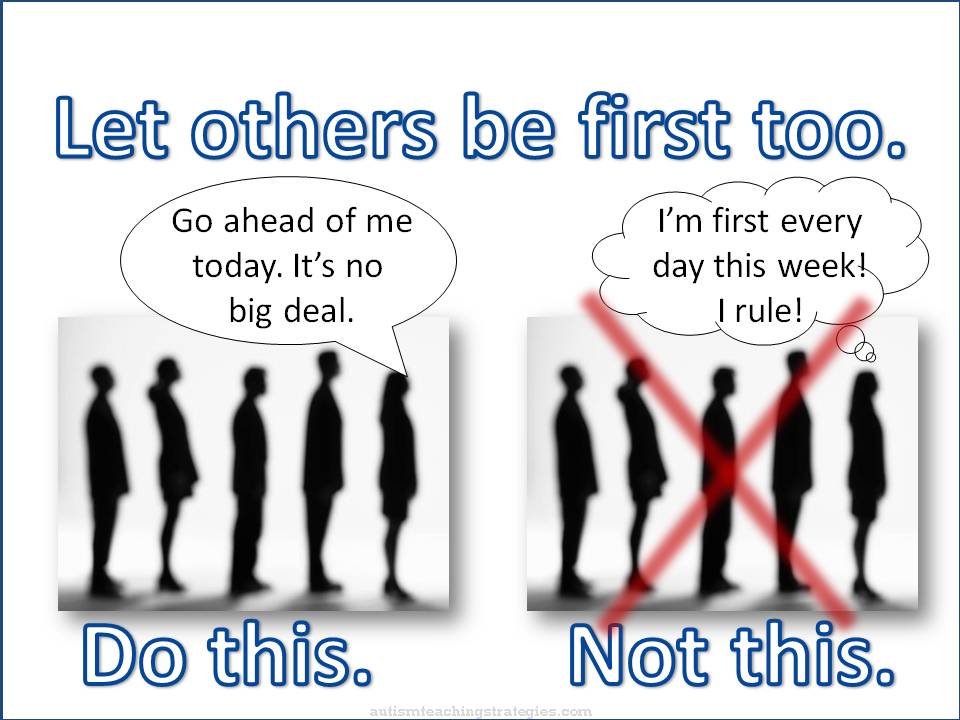
Many young children fuss about being first, but quite a few children on the autism spectrum persist in “me first” behavior, in a child-like fashion, well into their teens. Use this panel, which is part of a series of seven of my free panels you can download for freefrom the website, to show how others might react to someone who always tries to be first. Using your own simple pictures, create other simple thought bubble explanations to demonstrate how others feel in turn-taking situations in play and work.
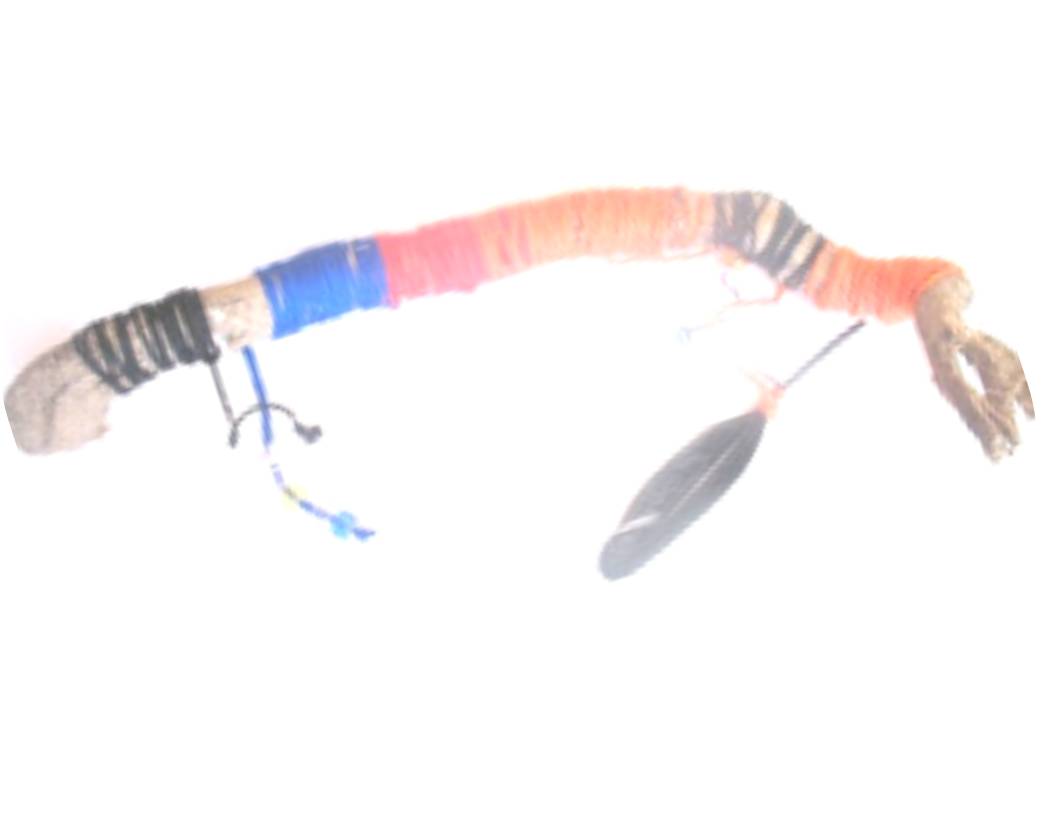
This is a method of enforcing turn-taking in conversation which is part of Native American lore and tradition. Making simple Talking Sticks and using them can provide a fun and useful series of social skills lessons for young people on the autism spectrum.
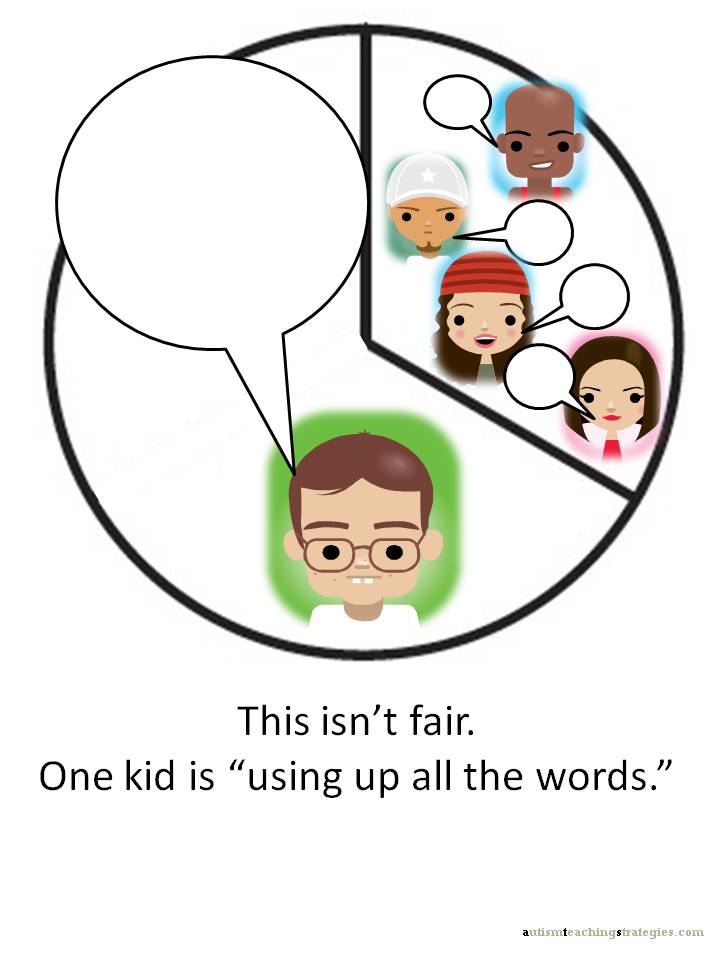
For children on the autism spectrum who dominate discussions, pie chart visuals can be extremely helpful. Here is a link that guides you to pie chart visuals like the one shown above as well as blank templates for you to customize.
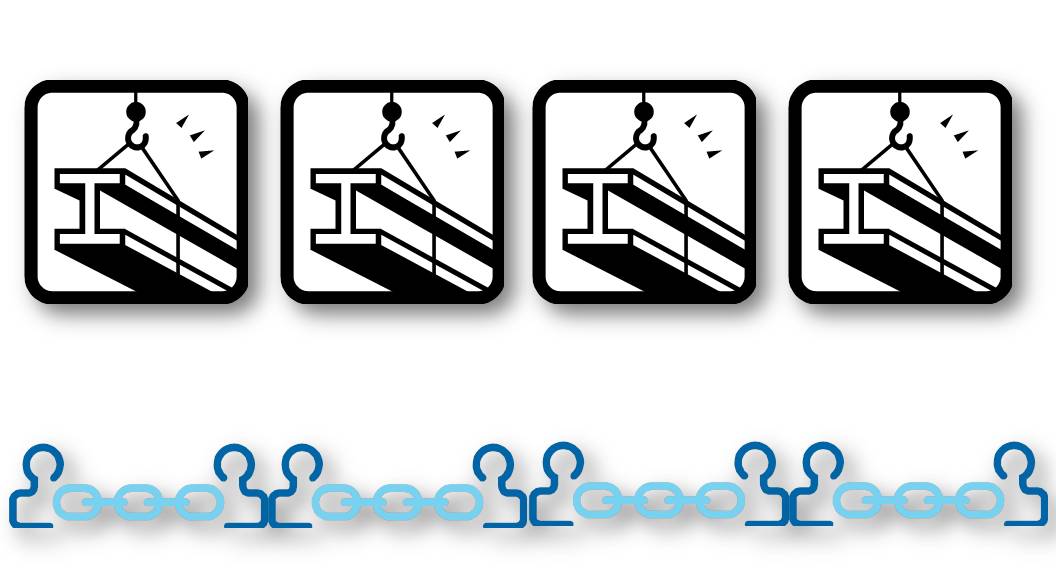
Conversation turn-taking visuals: chains and girders
I provide you with very simple downloads to create hands-on, visual conversation activities. Just download, print and cut out. I give you explanations and and a Youtube video to learn how to use the chain and girder images.