

[Updated August 16, 2025]
Autism spectrum disorder and fantasy obsessions
Years ago, when I first started working with children on the autism spectrum, I noticed right away that many of them had very rich fantasy lives. To learn more about it, I explored books, blogs, chat rooms and YouTube videos in which adults with autism reflected on this aspect of their psychology. What autistic people have to say on this subject is important.
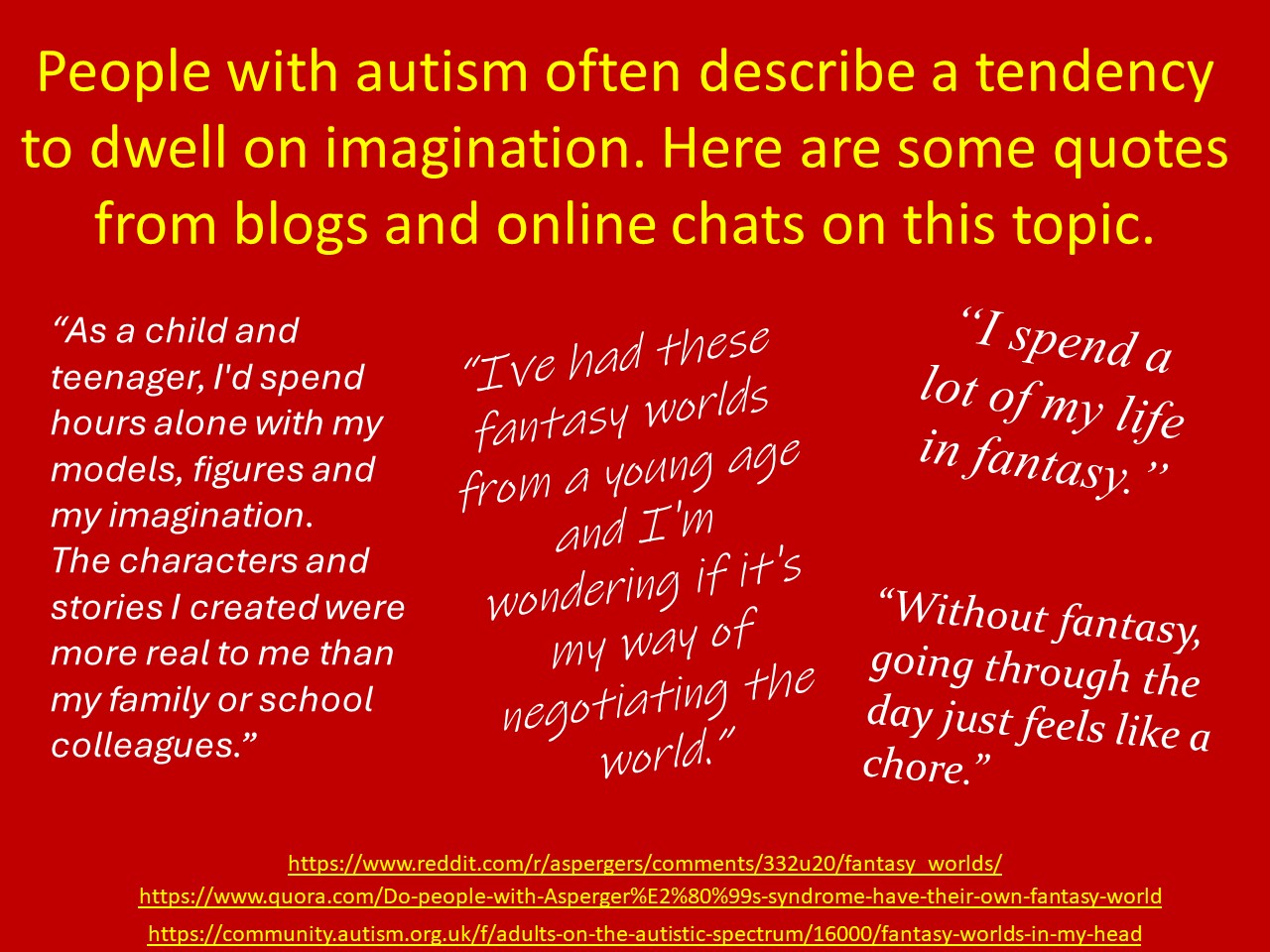
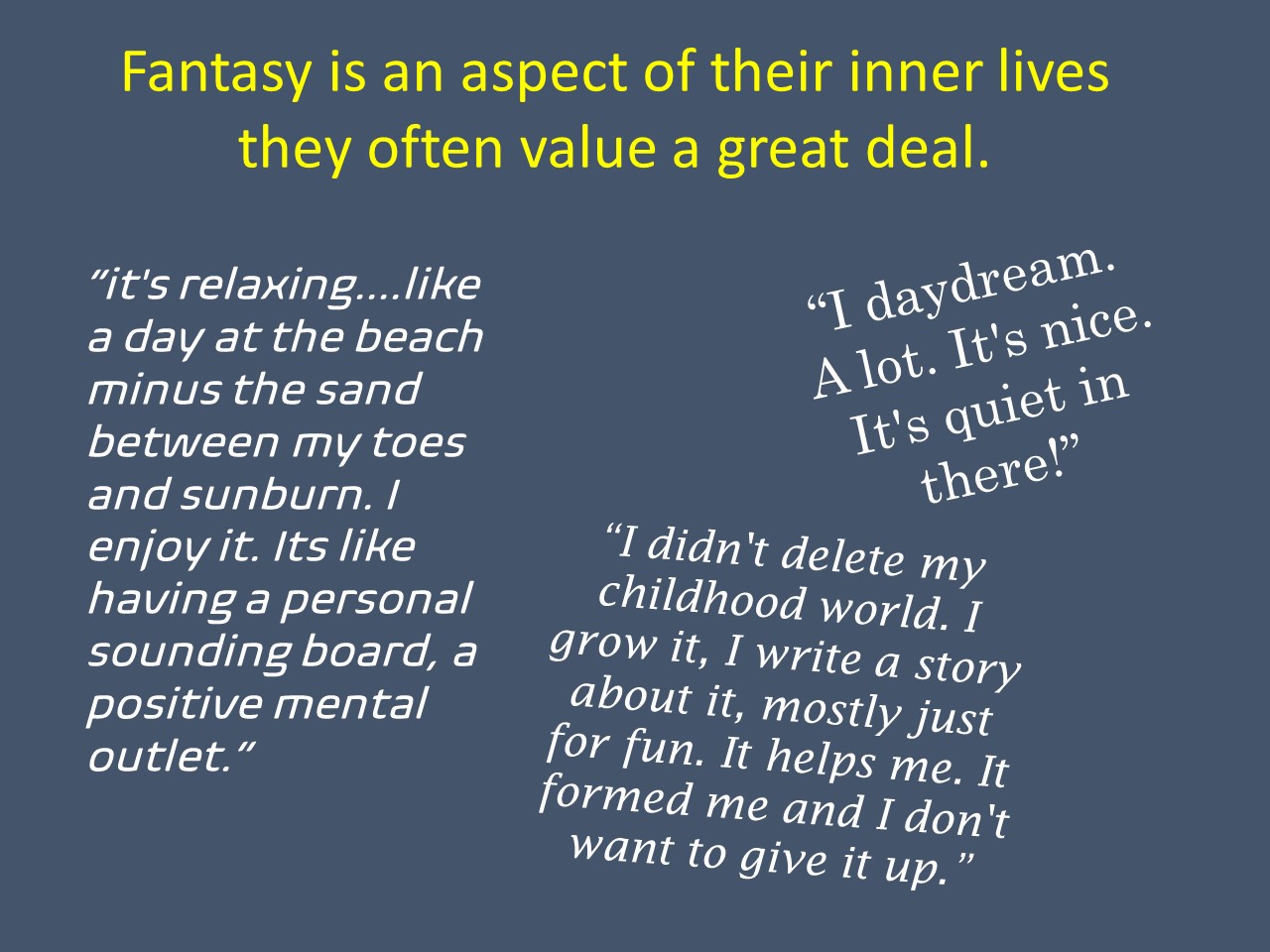
Imagination and fantasy are important and normal aspects of being human. In our lives, we all have to work out how to enjoy pretending, use it to our advantage and control it. When life is difficult, it is certainly common for people to employ imagination to relieve stress and dream up possible solutions to problems. In my own work with children, teens and young adults on the autism spectrum who are dealing with anxiety, depression, social isolation and skills deficits, I do often find that my clients are using fantasy in ways that are helpful to them.

In my work with young people with ASD, I do however very often find that my clients become involved with fantasy-based interests and activities in ways that are problematic. These include:
*Enthrallment with the fantasy aspects of video games, contributing to withdrawal from social engagement and life skill activities
*Involvement with imaginary friends and imaginary worlds which lasts too long and assumes too much importance to the young person with ASD
*Awkward attempts to engage others in conversation and play based on the fantasy system
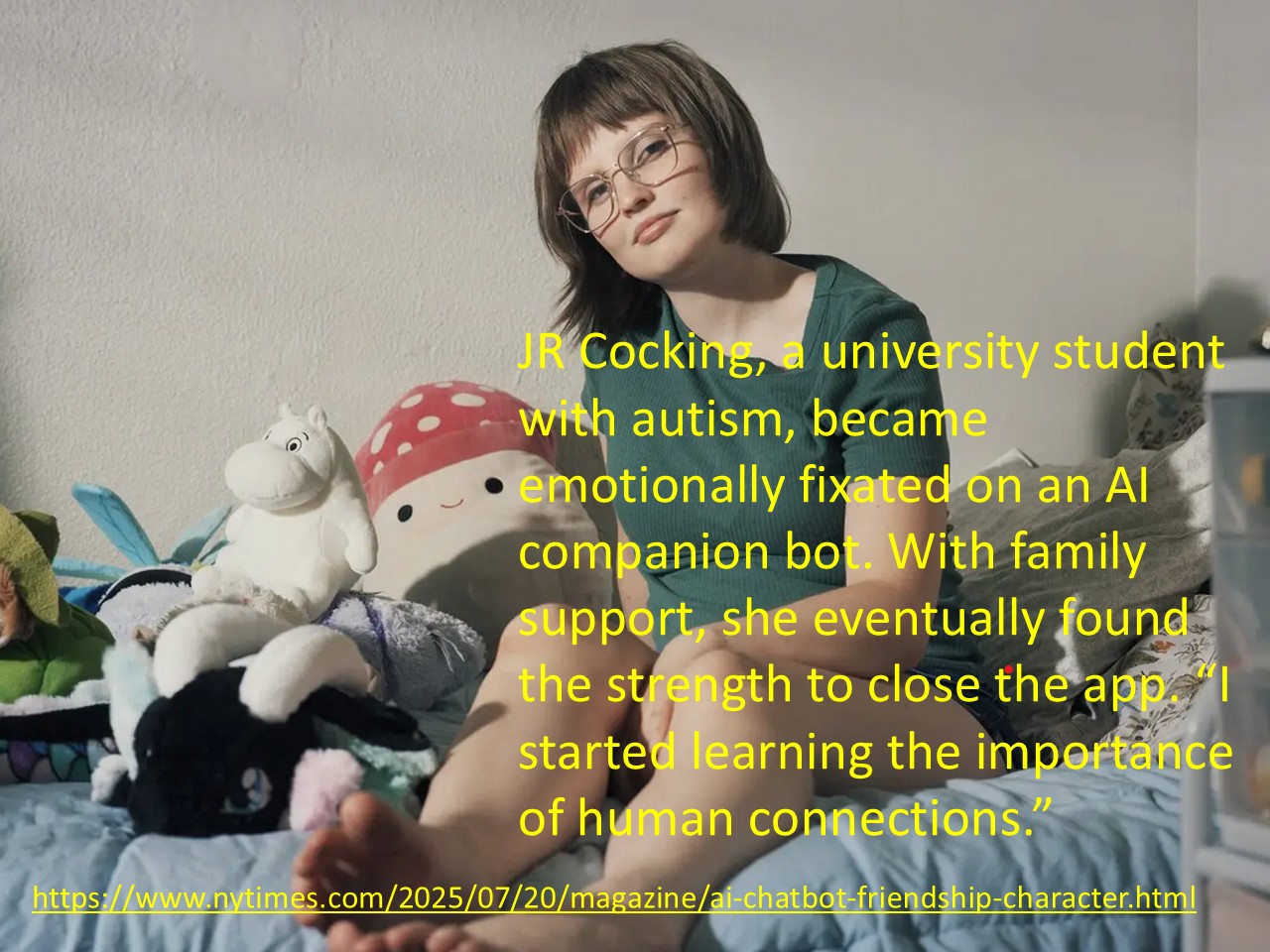
*Problematic engrossment with AI chatbots as companions
Vulnerability to excessive fantasy can affect all kinds of people, of course. In my own experience as a psychotherapist, I do find this problem is more common with autistic individuals. Many on the spectrum agree, as the following testimonials appear to confirm.

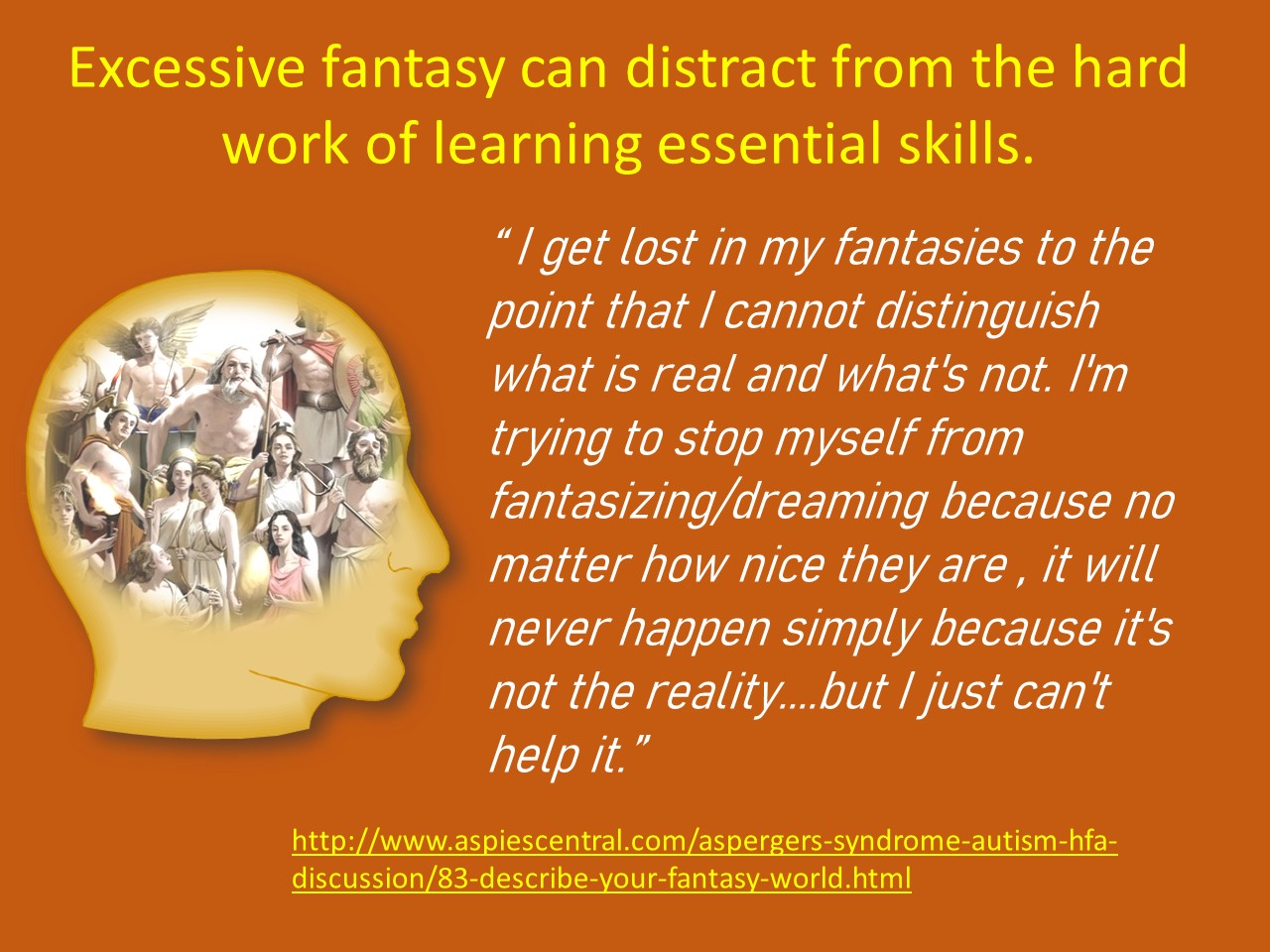
Excessive fantasy cna distract from the hard work of learning essential skills, as this testimonial indicates.
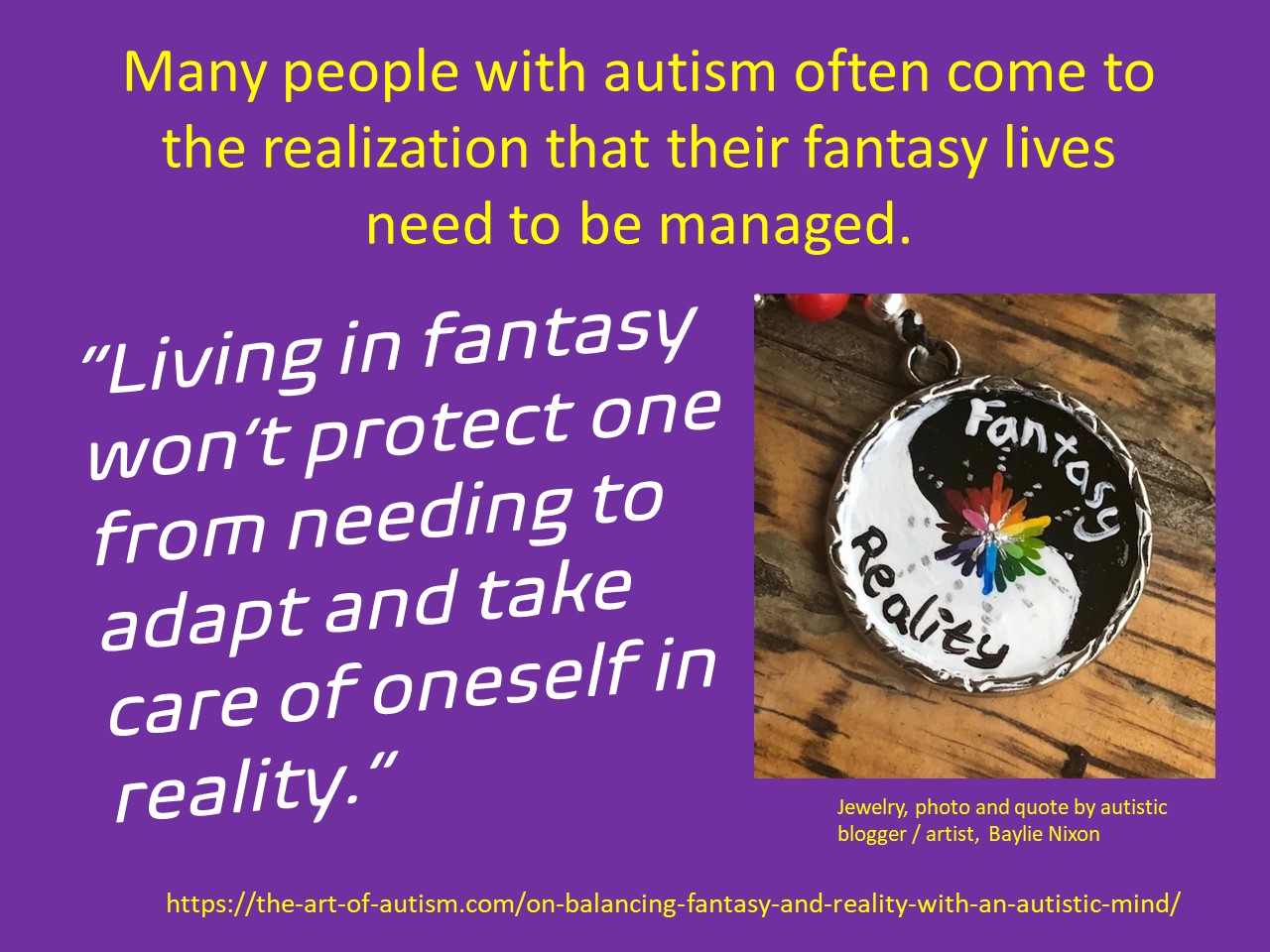
People who help those with autism can help by appreciating their imaginations but to also control their powers of fantasy. The following testimonies by adults with autism demonstrate this.

Some ways that therapists, teachers and parents can help young people with autism to understand and manage the ways they use fantasy and pretend:
*Help them to give candid and full descriptions of the fantasy-based thoughts and activities they value
*Validate their creativity and the functional aspects of activities powered by their imaginations
*Raise their awareness of ways that fantasy-based fixation can affect their lives and prospects adversely
*Reduce the severity of the problematic fantasy enthrallment and explore better ways to deal with boredom, anxiety and stress
*Engage parents and other family members in exploration of possible solutions
*Examine, and address, online sources of problematic fantasy obsession.
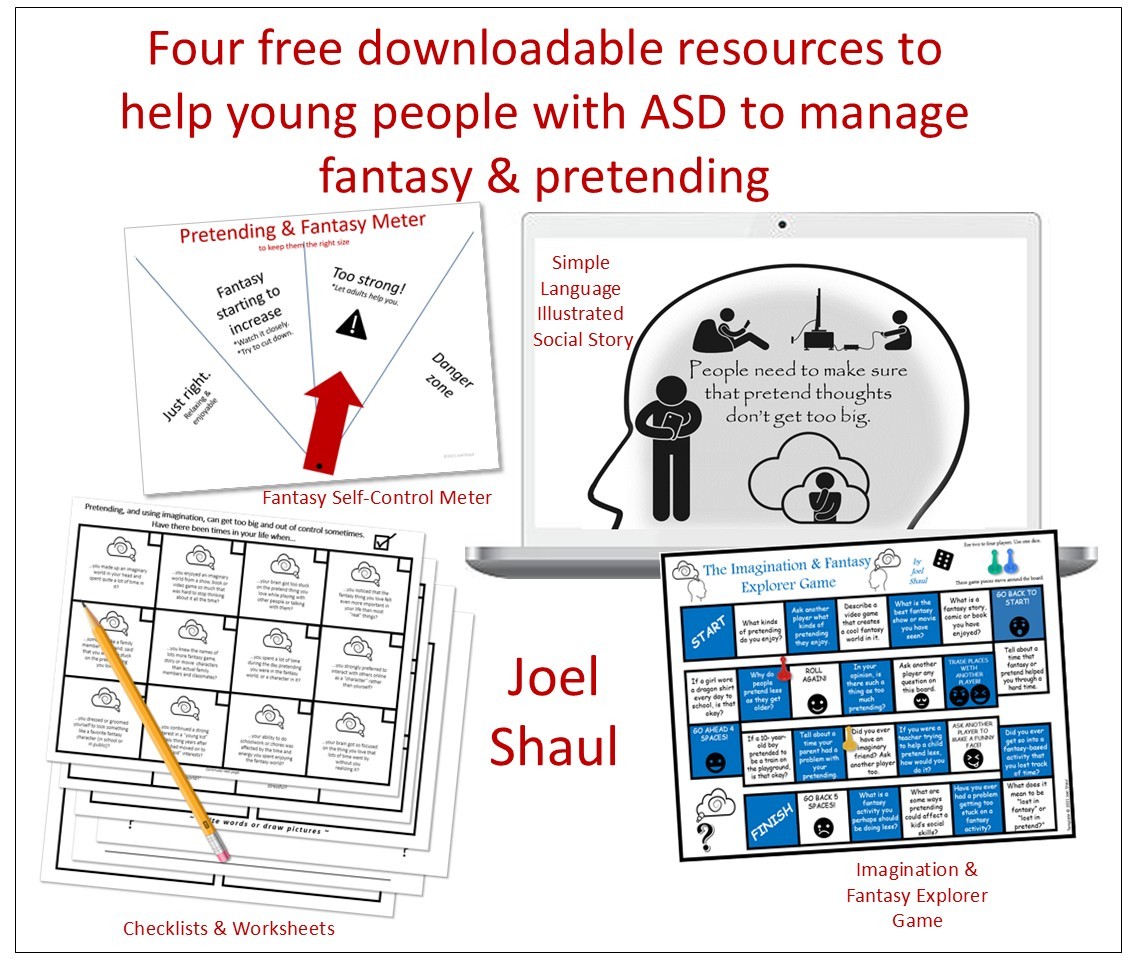
I have been working on the free download resources on this topic off and on for a long time. I use them a lot in my own work. I hope they are helpful in your work, too. I updated the worksheets in 2025 to reference the issue of online chatbots.
Joel Shaul

Don’t miss these other free worksheets, games, and teaching / therapy resources for children on the autism spectrum:
Free social skills games & activities, emotional regulation skills for kids with ASD
Free social skills games & activities, communication / conversation skills for kids with ASD
Free social skills games & activities, social interaction skills for kids with ASD
Your comments on these resources are most welcome, and often helpful. Click HERE to send an email.