Many of us in education, mental health and speech spent hundreds of hours providing services remotely through our computers in 2000 and 2021.
At times, it certainly made us feel burnt out. Not to mention how it may have affected our students and clients.
Maybe you, like me, have also learned from working remotely and grown professionally because of it. Although I went through lots of frustration, I have to say it really had some very positive effects on my work. I started out with limited skills in teletherapy but then I got much better at it, to the point that a majority of the families I work with would have preferred continuing in remote services with me if insurance providers and regulatory agencies would have allowed it.
While doing all that therapy remotely through computer screens, I did a few things which have affected the way I now do my in-person mental health therapy and social skills training for young people with autism.
Some Ways Teletherapy Experience Can Make Us Better In-Person Therapists
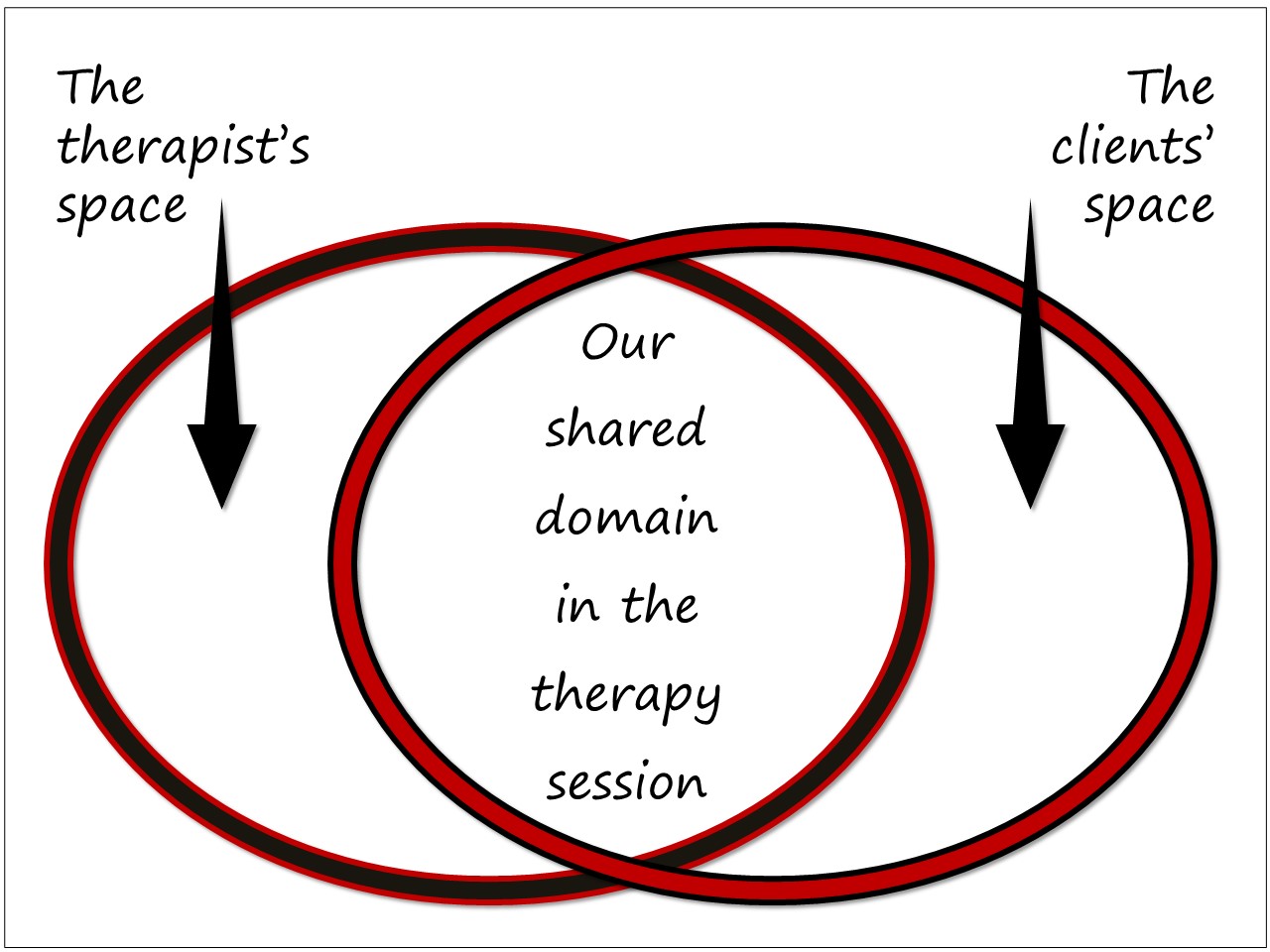
Doing teletherapy, in a shared, virtual space instead of our own offices, can have the effect of breaking down some power dynamics that might not be beneficial to the needs of the child and the family. We – the professional, the child, the parent – work together in teletherapy in a space we jointly nurture and develop. It sometimes does not work so terrific, but when it does, it’s great.
Now that we are back in in-person sessions, providing services in our professional space, there are many things I can do to continue to work together with families in an egalitarian and collaborative manner. I can get out a drawing the child made in the past and stick it on the wall during the session. I can work more diligently with the parent as a therapeutic ally and perhaps have them in the therapy room for more of the session.
Engaging Visuals Are Just As Important with In-Person Therapy as in Teletherapy
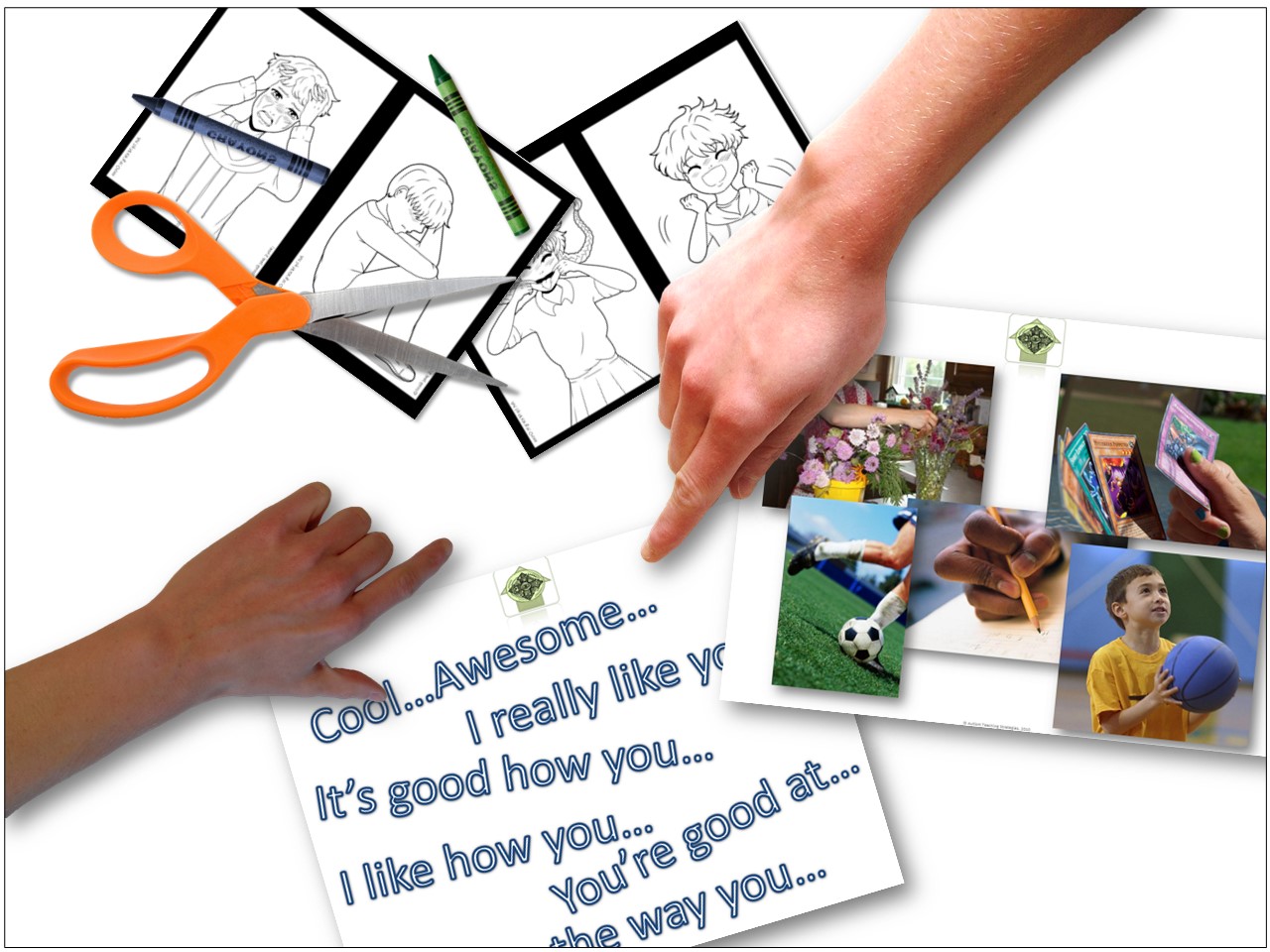
The experience of doing teletherapy made it more clear than ever how important it is to use the clearest and most engaging visuals I can find. I noticed, in teletherapy with young people on the autism spectrum, that I needed to use colorful, engaging and strategic visuals on the shared screen as much as possible to supplement the verbal exchange and engage distractible eyes. Now that I am back to seeing children in person, I find I am using visuals – social skills games, picture cards, very simple worksheets – more than ever, since for so many months I had no other choice while carrying out teletherapy sessions with children on the autism spectrum.
In your own in-person teaching and therapy, you are invited to supplement your own repertoire of engaging visuals with whatever you might find on my website. My website’s download section has dozens of free printable games, pictures, coloring sheets and simple worksheets.
Screen-based Therapy Tools Can Work Great with In-Person Therapy Too
Many kids with ASD will lose focus and feel uncomfortable if obligate them to face us directly for too long. In teletherapy, I often spent more than half the session working with them while we looked together at a game, online worksheet or video. Although I used to use screen-based therapy tools often before the pandemic, I find I am employing them even more now after 18 months of teletherapy experience.
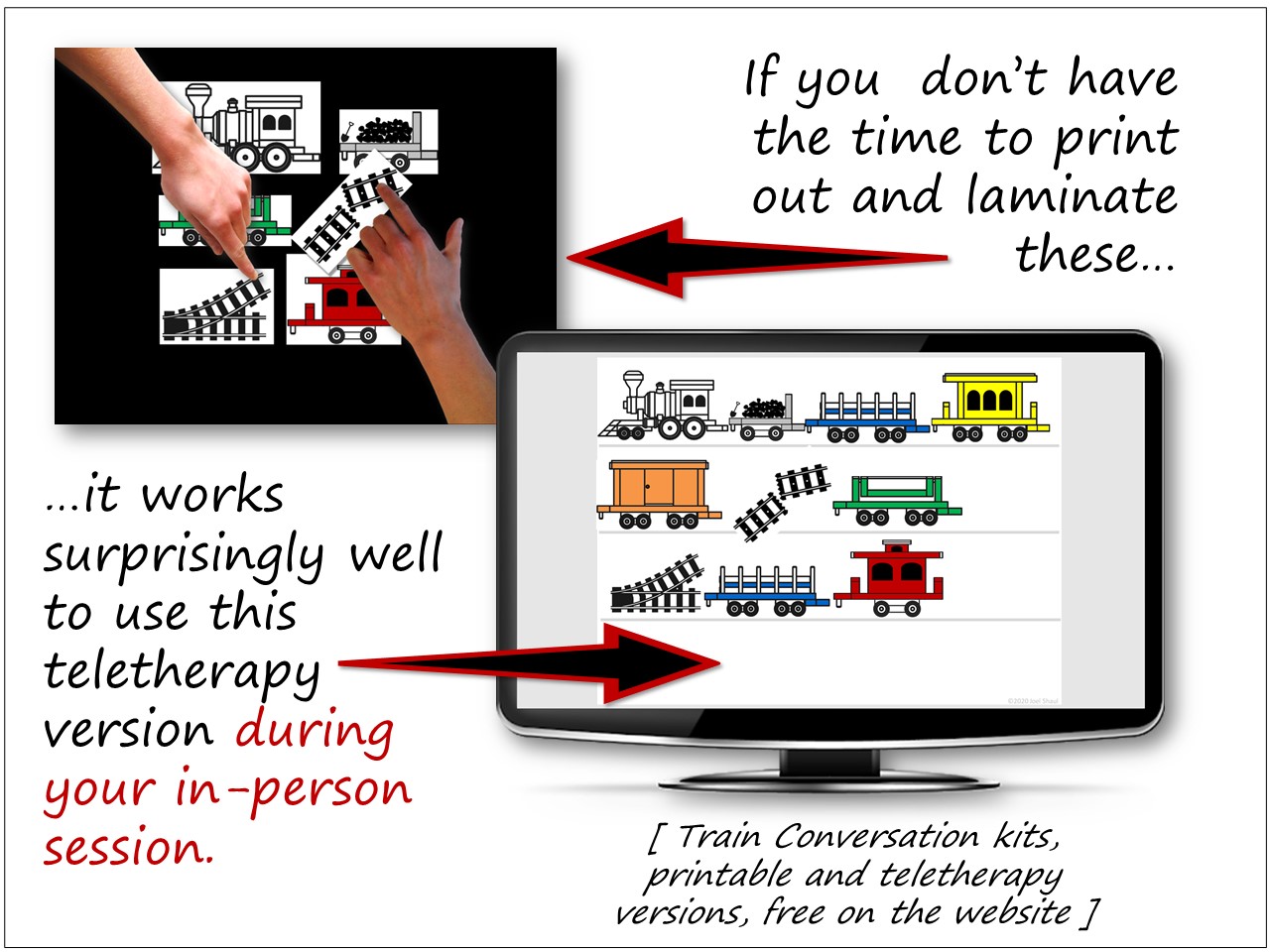
Some of these screen-based teletherapy resources I developed work even better than the printable resources I based them on. See this example below.
You are welcome to try, in your own office-based counseling and therapy, my own free teletherapy resources (various formats including Boom Card).
I hope you also have a successful resumption of your in-person work with children.
In my own work with children on the spectrum, I frequently almost always found that merely talking about a problem wasn’t good enough alone. Kids get tired of being scrutinized and criticized. Kids with autism in particular can get fidgety and impatient during sessions.
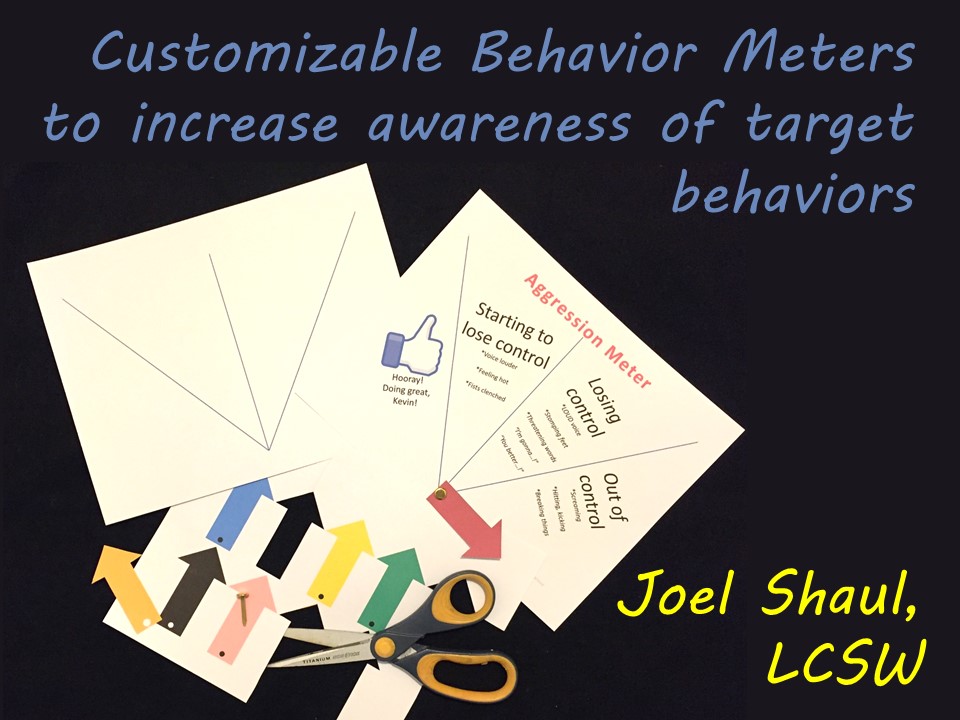
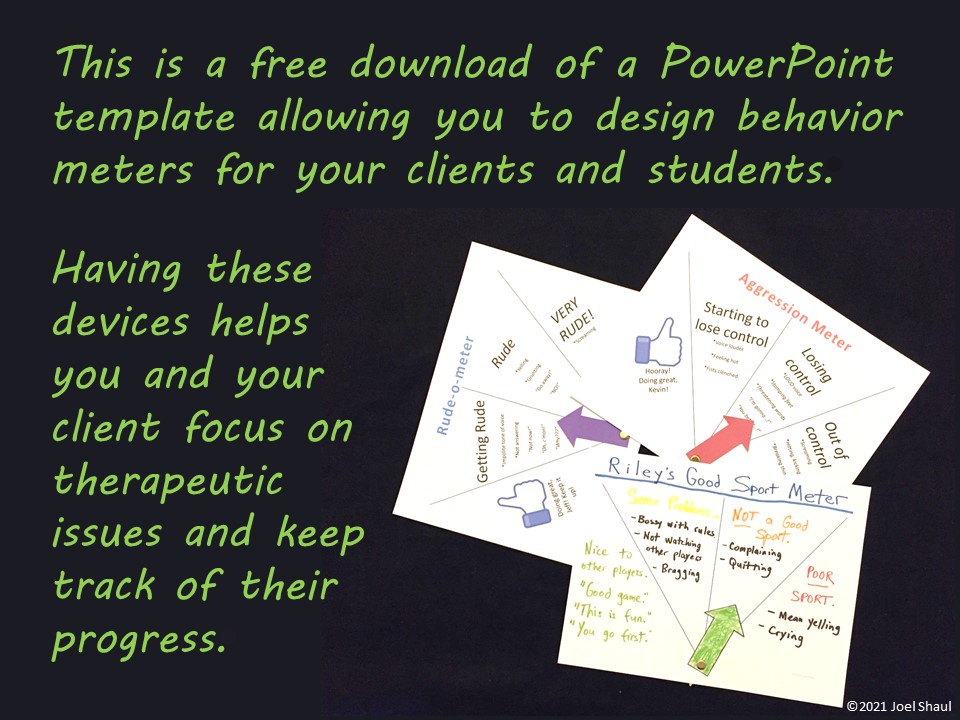
Many years ago, I found other therapists employing handmade cardboard meters they had put together to help children focus on issues such as voice volume. After much experimentation, I found that these meters have many applications on a wide variety of problems that are the focus of therapy interventions.
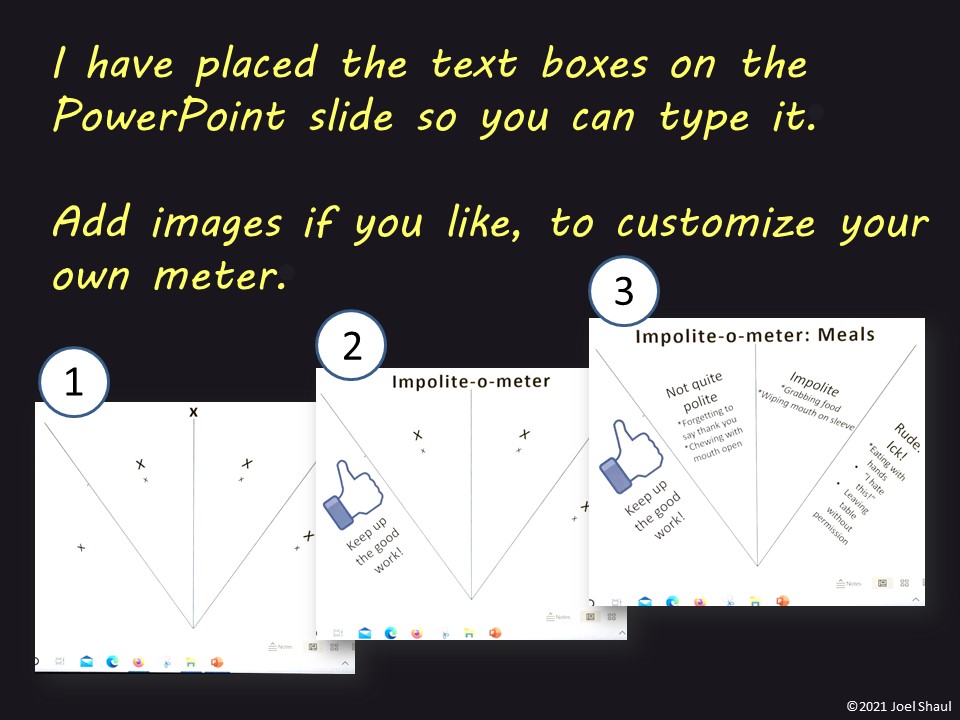
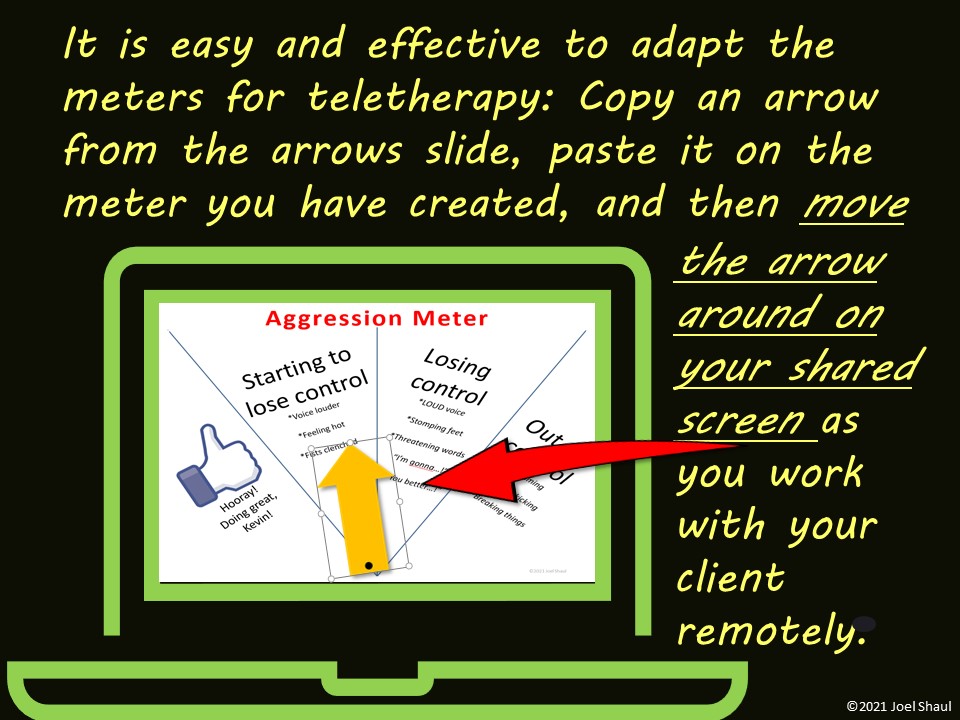
This kit enables you to use my template to quickly create nice-looking meters for whatever problem area you are working on. The advantage of putting the meter on a computer screen is that you and the child can easily look at the screen together and collaborate on its design.
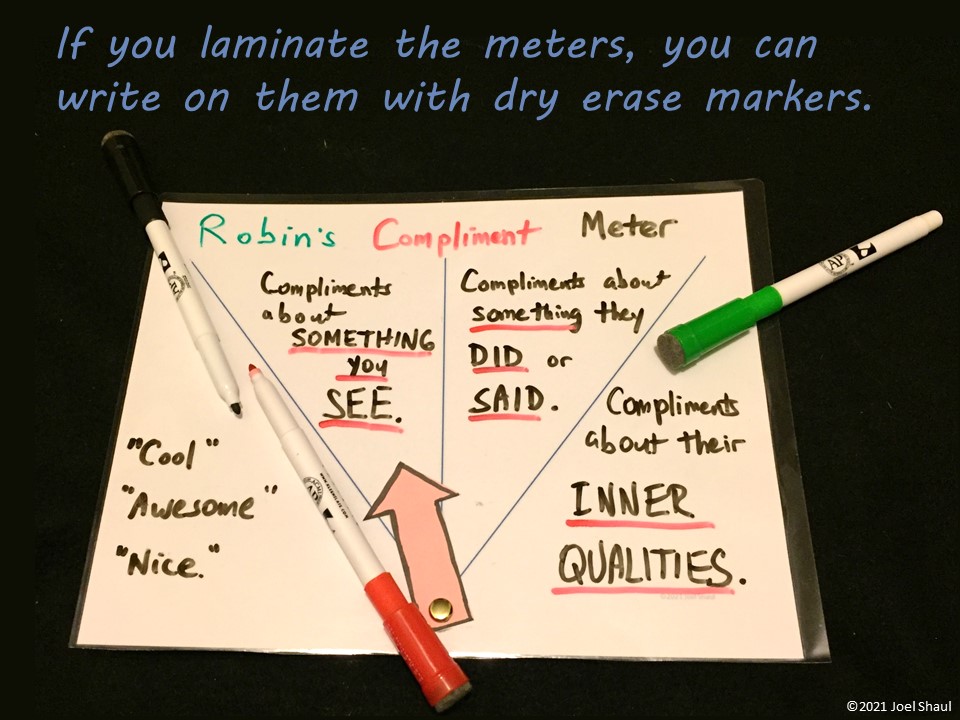
Most kids also really like to take part in cutting it out and laminating it. This can afford them a sense of agency in the therapeutic process.
The pictures below provide some examples of what the behavior meters look like and some tips on creating them and using them.
Elsewhere on my website, you will find links to some meters that are pre-made on topics such as voice volume and fantasy enthrallment.
There are other free, downloadable “meters” on the website.
[For lots of other free autism teletherapy activities, click HERE.]
Many children find it difficult to feel connected with their teacher or therapist through computer screens. I designed this set of activities to strengthen ties between professionals and children and between children.
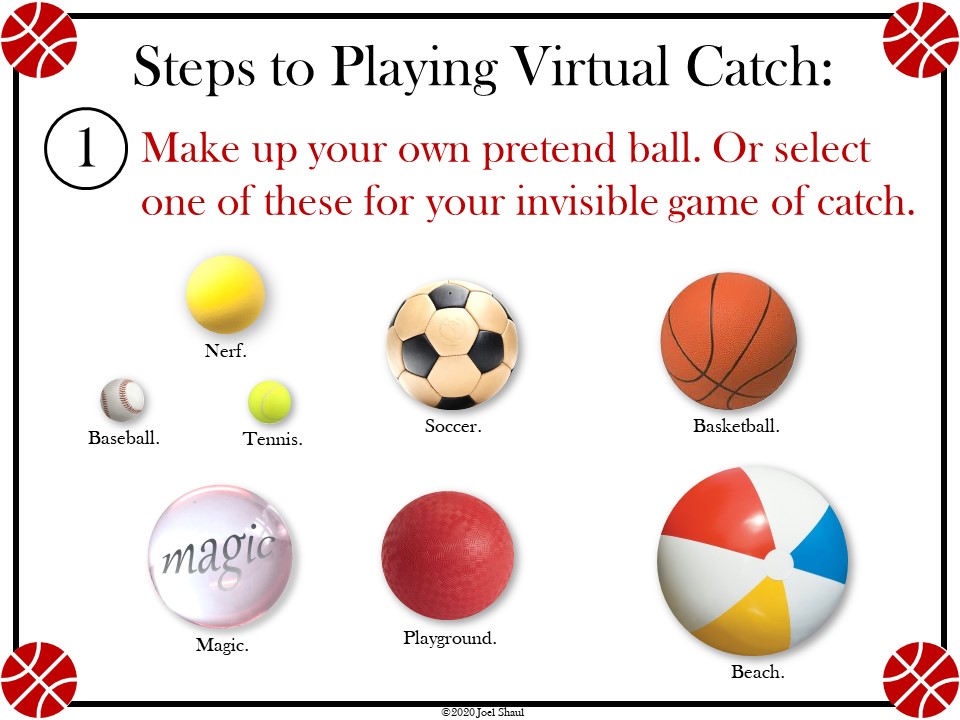
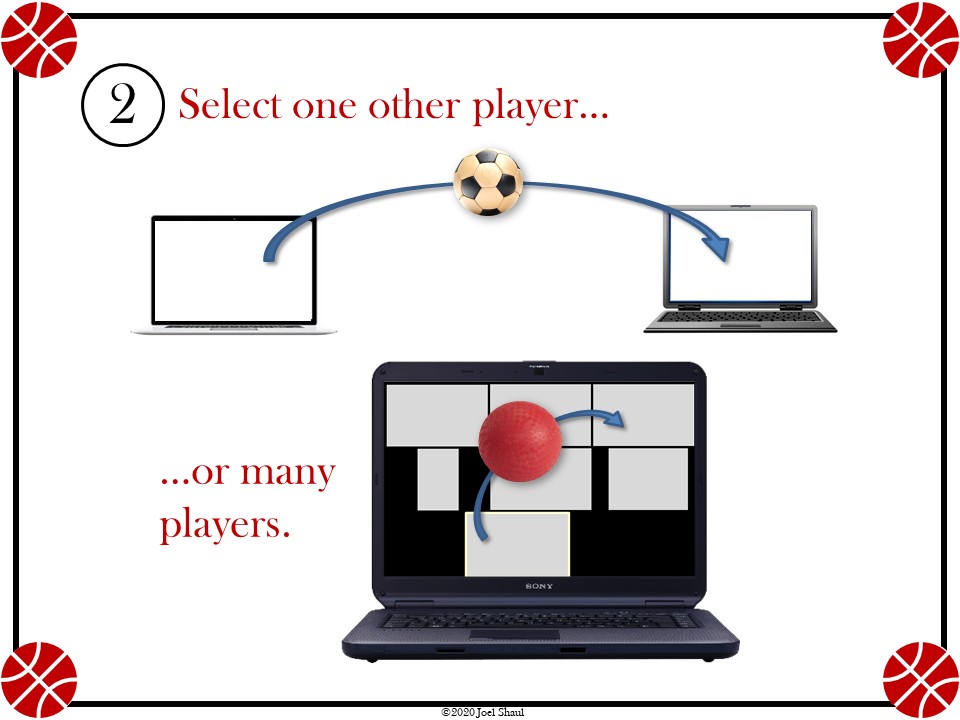
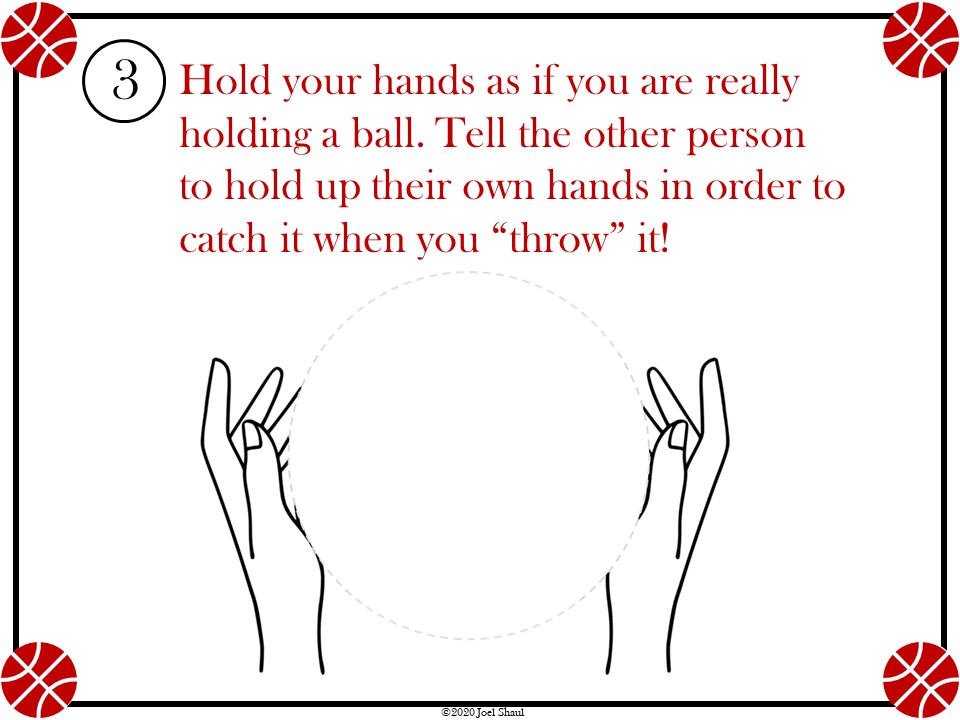
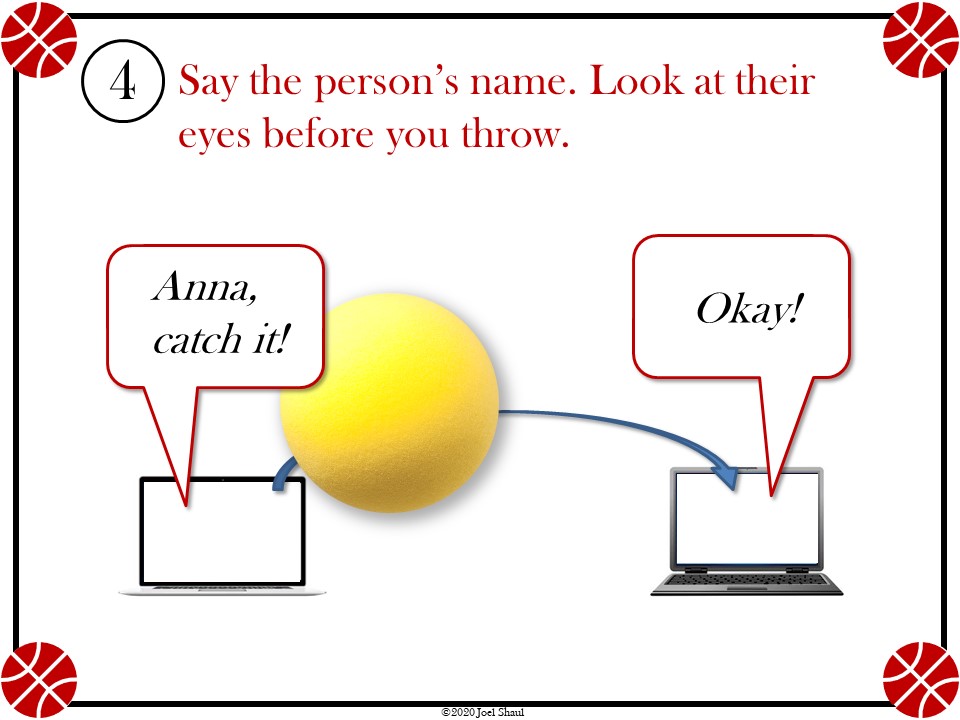
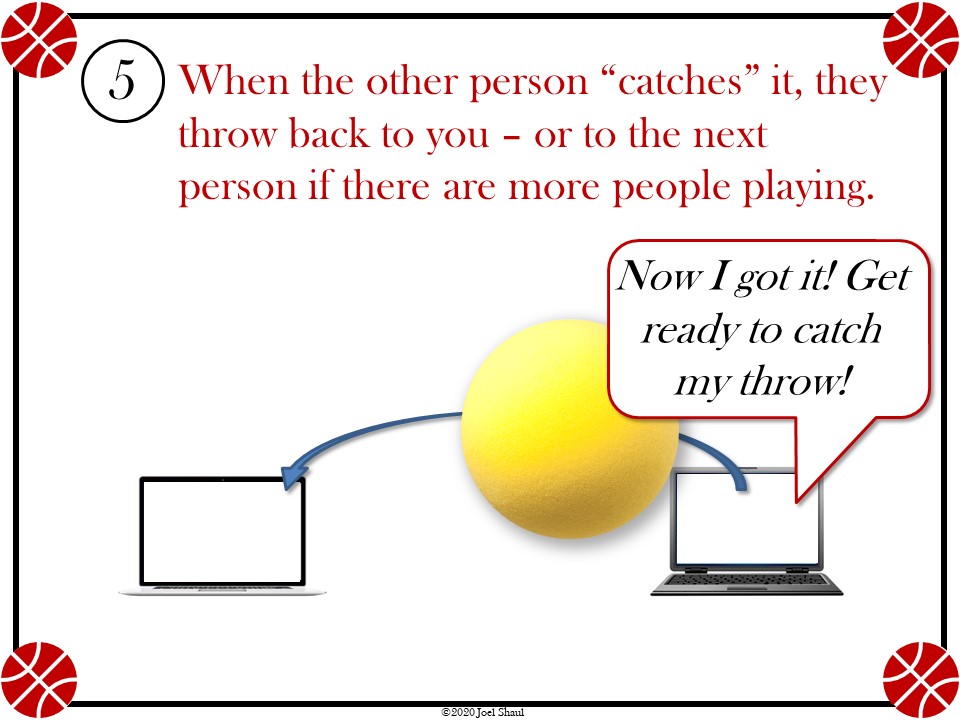
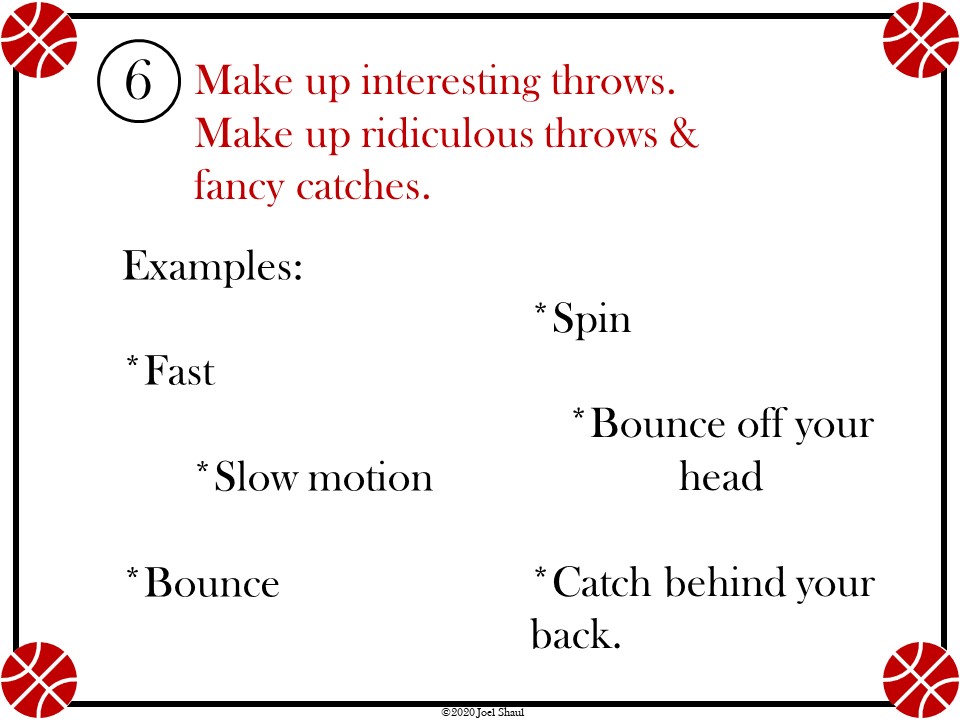
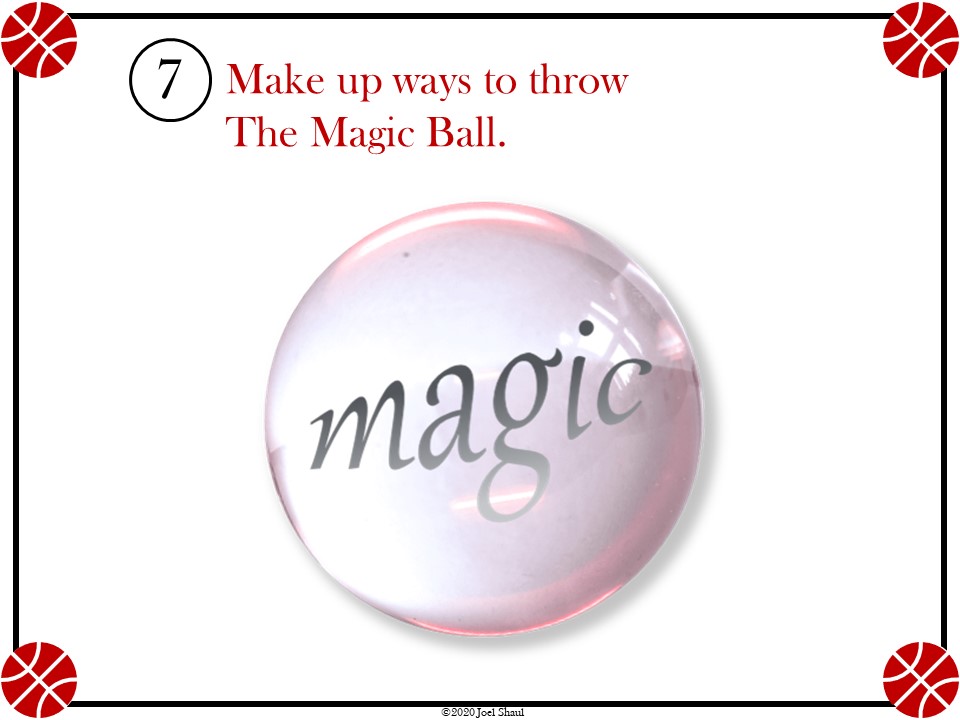
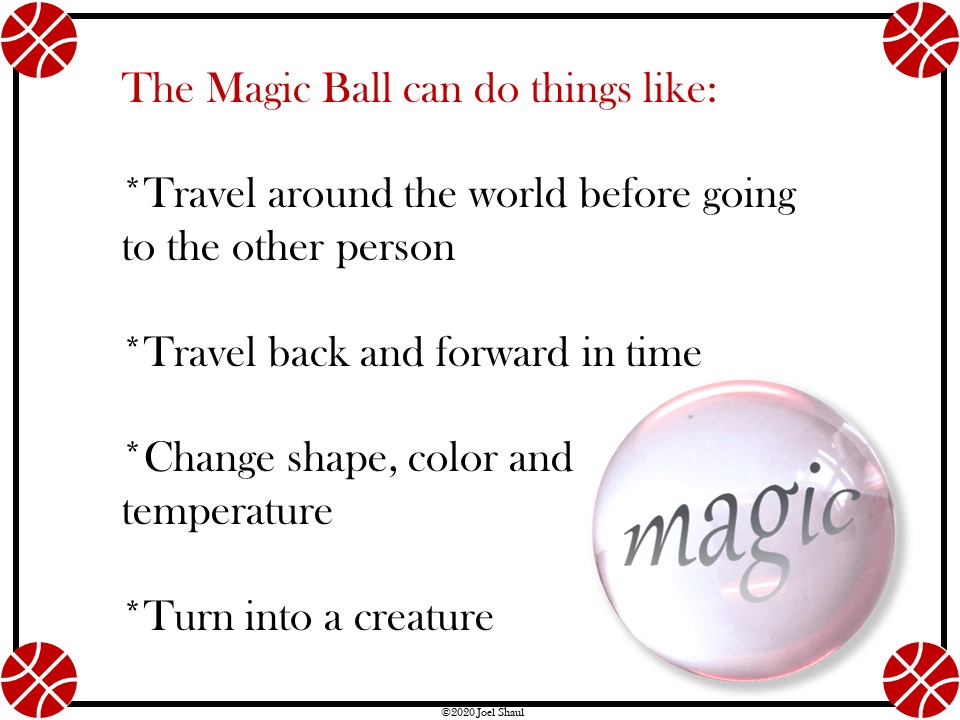
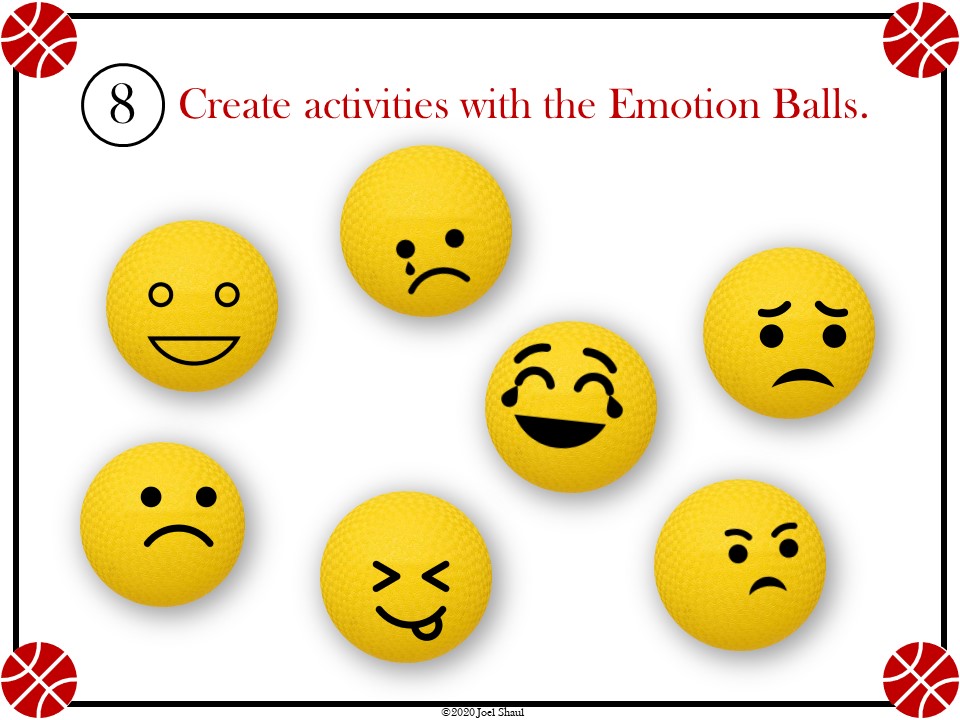
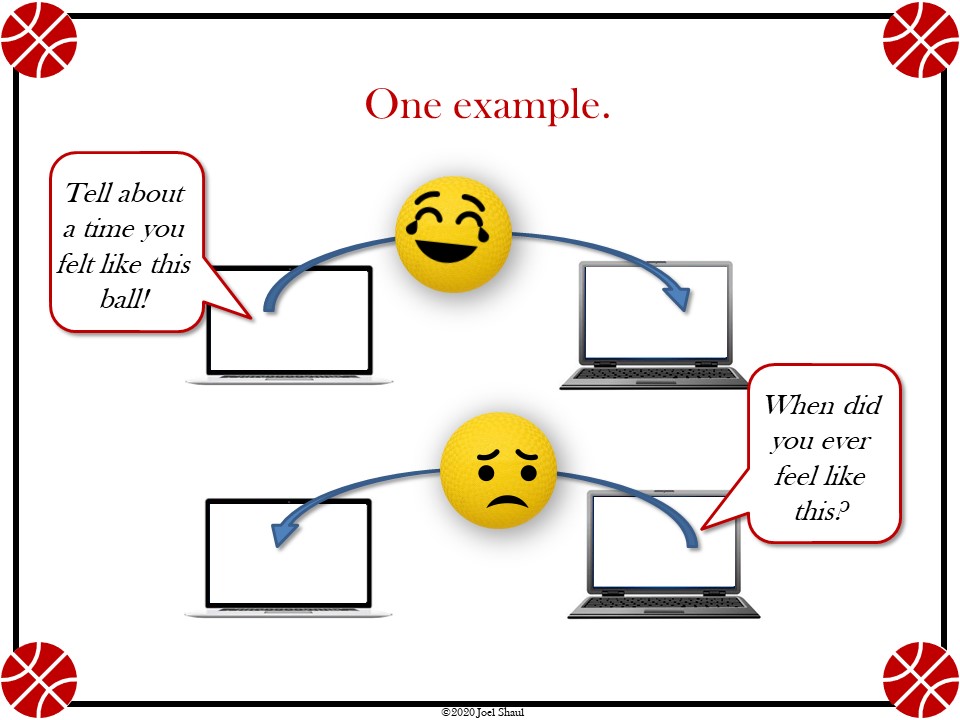
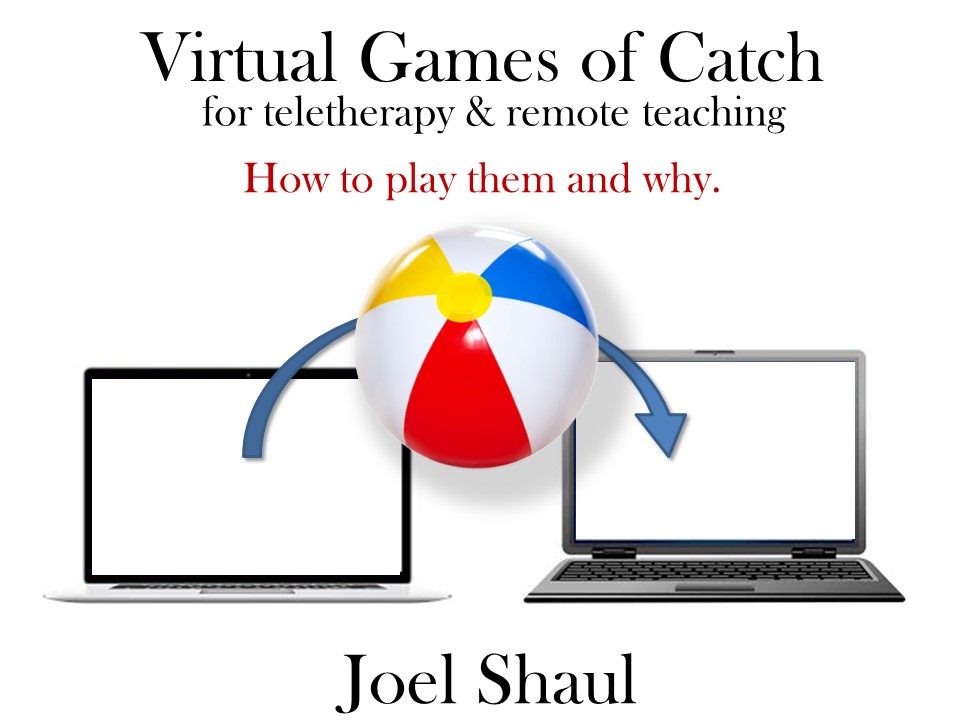
In our offices and classrooms, many of us play games of catch with children for sensory breaks, to encourage turn-taking and other reasons. By pretending to throw an imaginary ball back and forth to one another on screen, we can extend these throwing activities into teletherapy – and even make them better. The following set of images tells you how to employ “virtual games of catch” to teach conversation reciprocity and facilitate connection with children in remote teaching and remote teletherapy. I have used this method a great deal in my own teletherapy work.
Whether you are doing teletherapy, or you wish to try screen-based therapy games and activities in your office-based sessions, you will find lots of variety on this website.
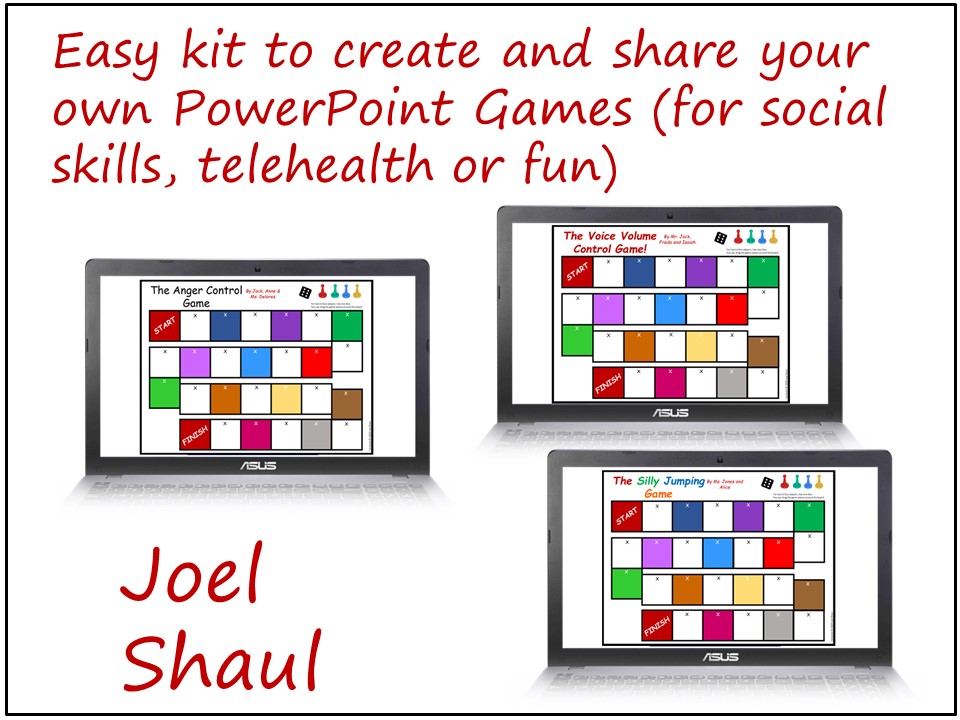
The kit to quickly create PowerPoint “board games” on your computer is remarkable easy to use. You can customize this tool for the particular needs of the child.
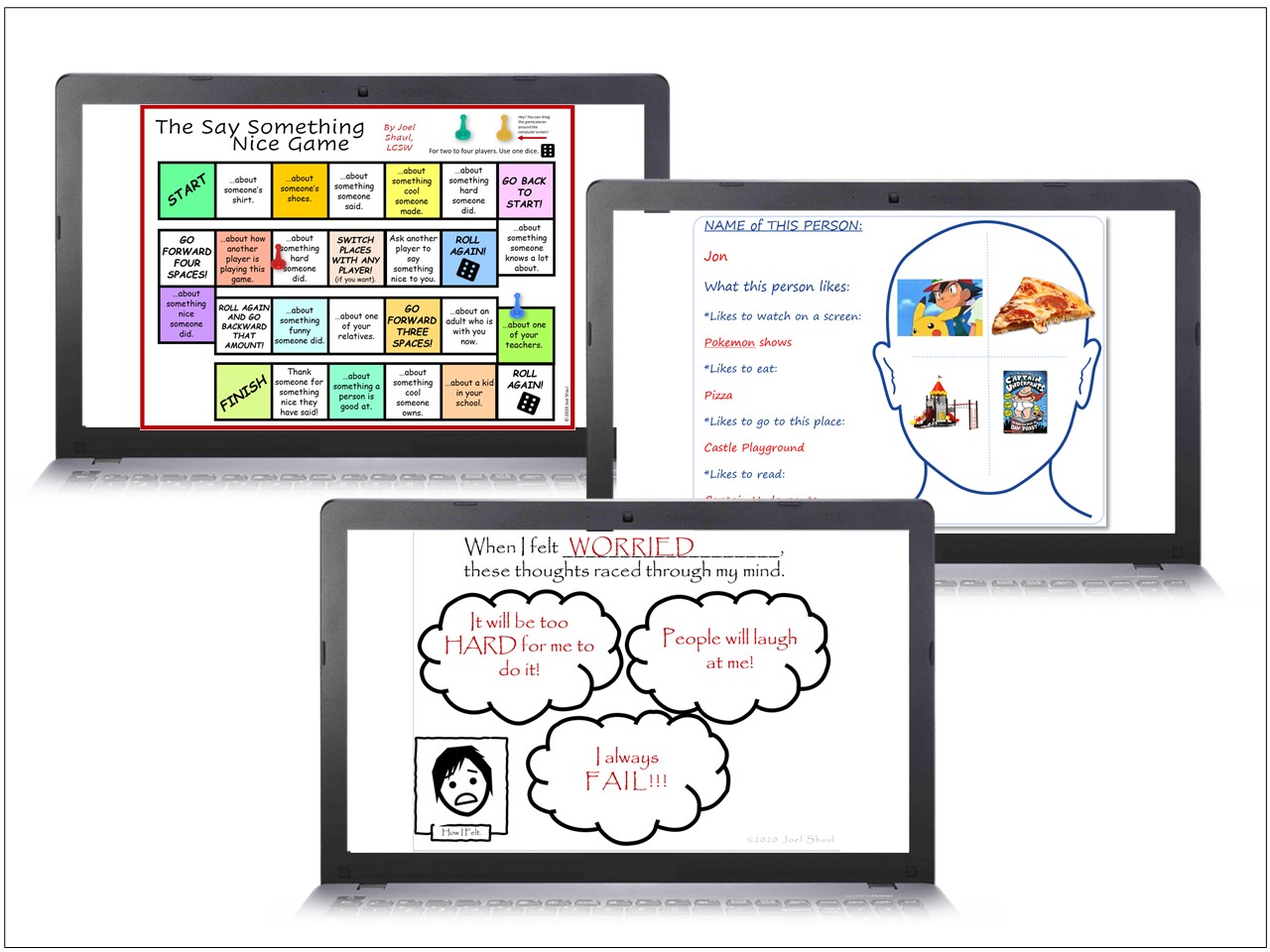
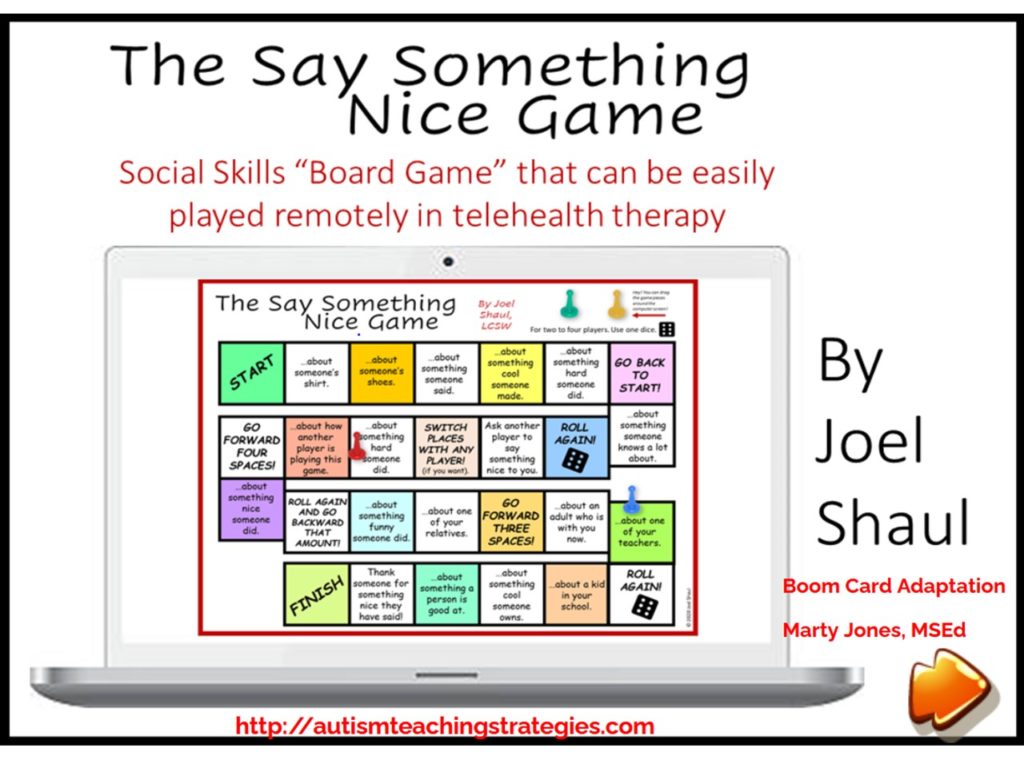
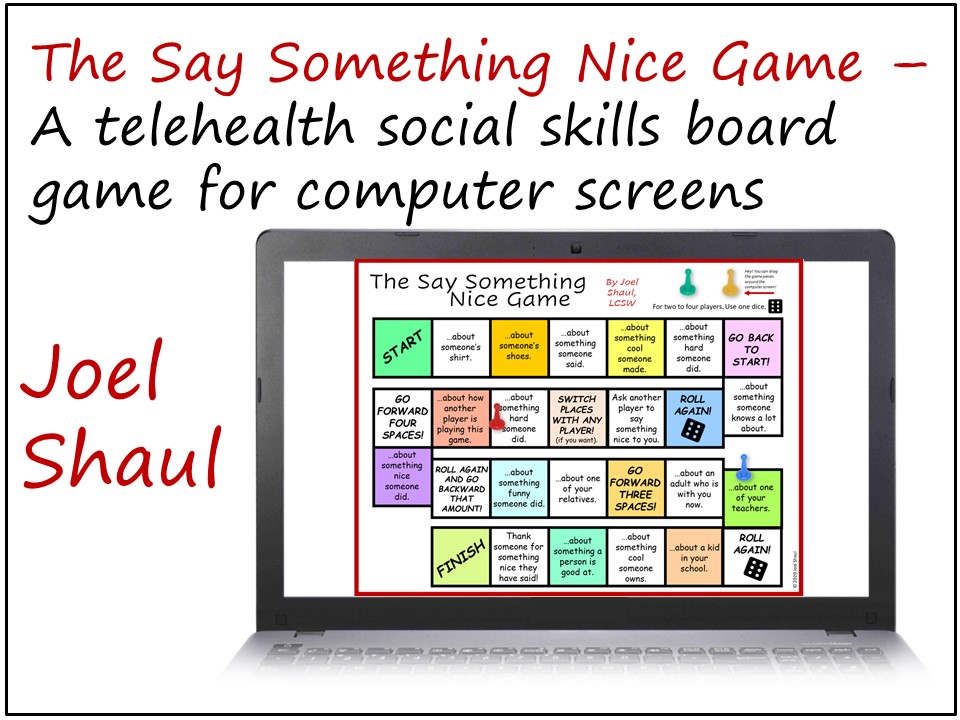
The Say Something Nice Game, which teaches the social skills or making compliments, is ready to play and requires zero prep time.
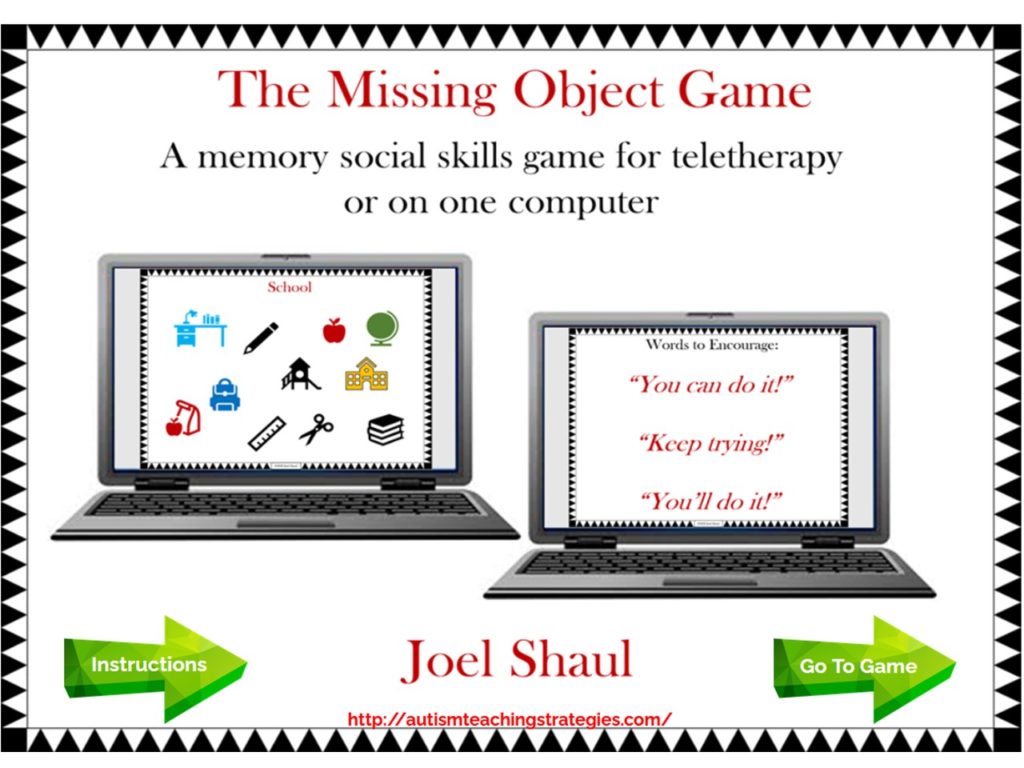
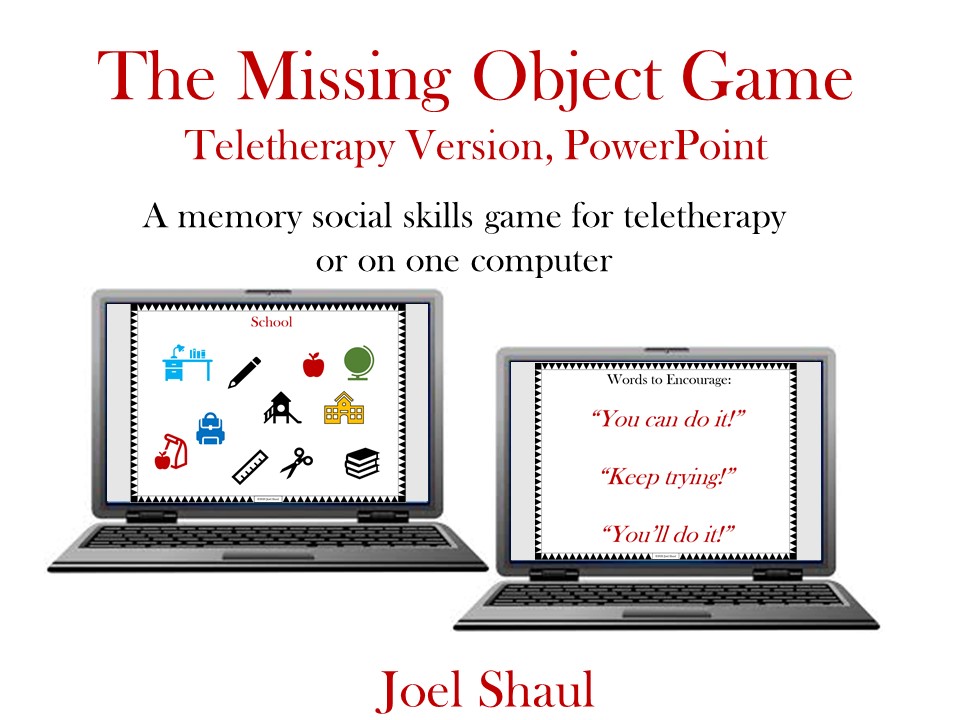
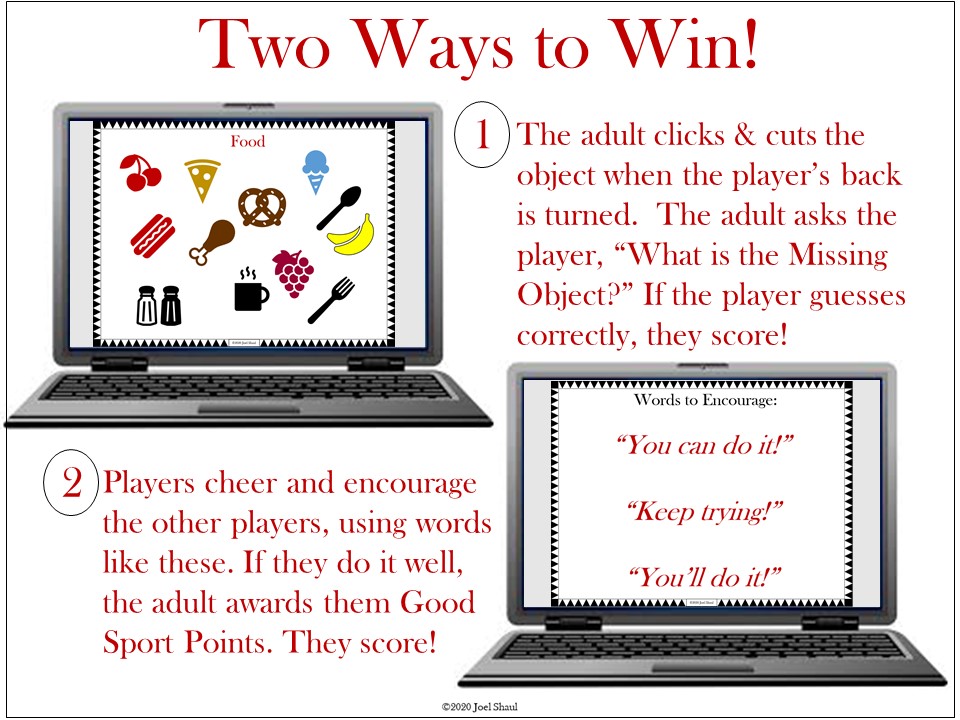
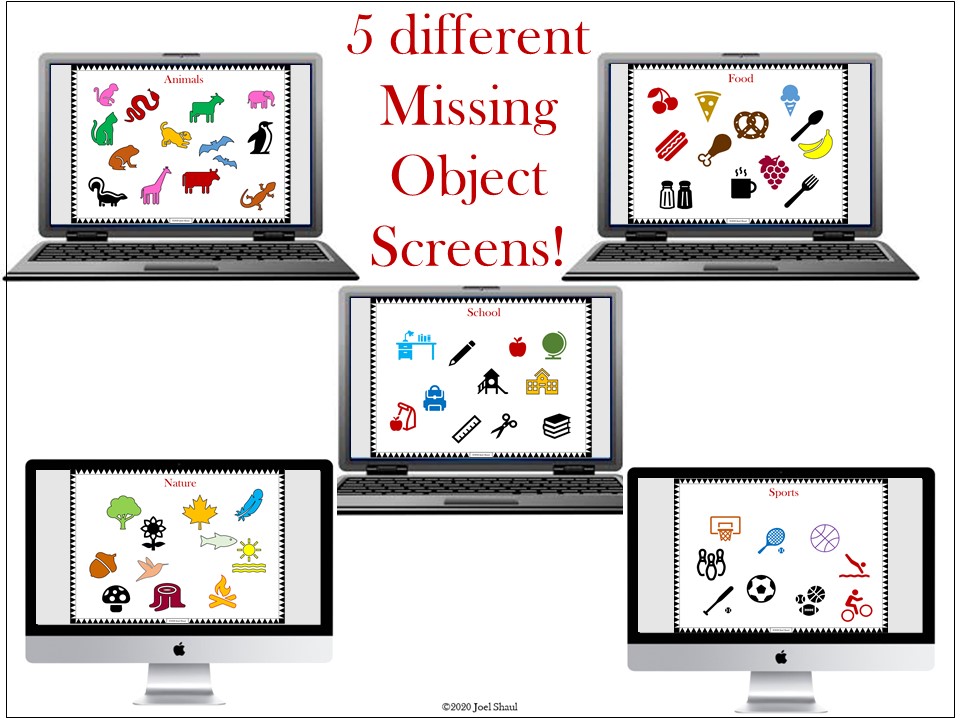
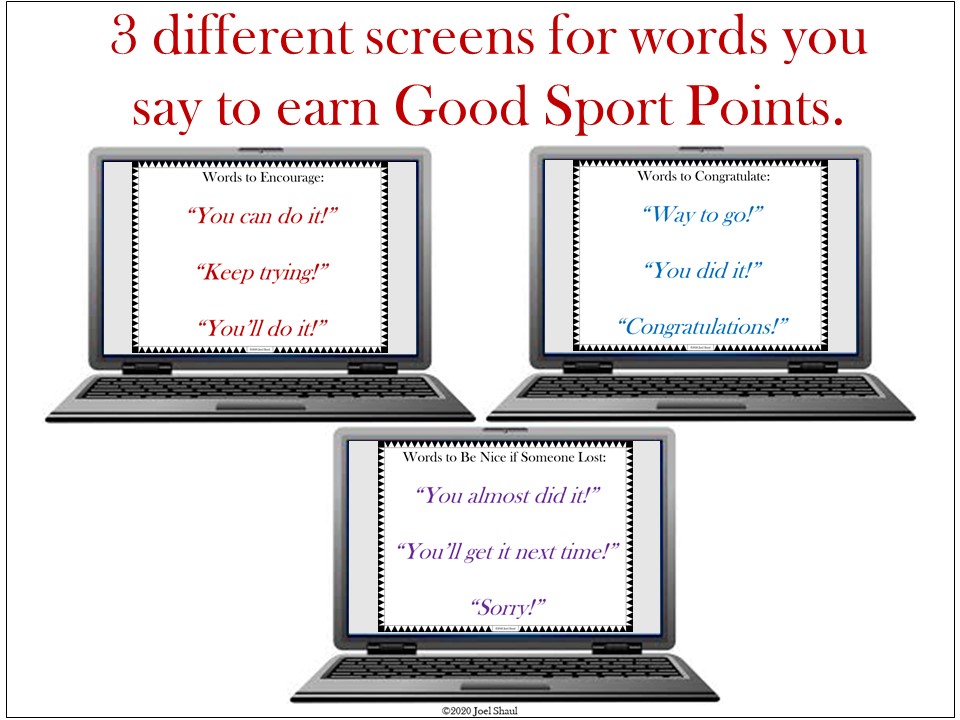
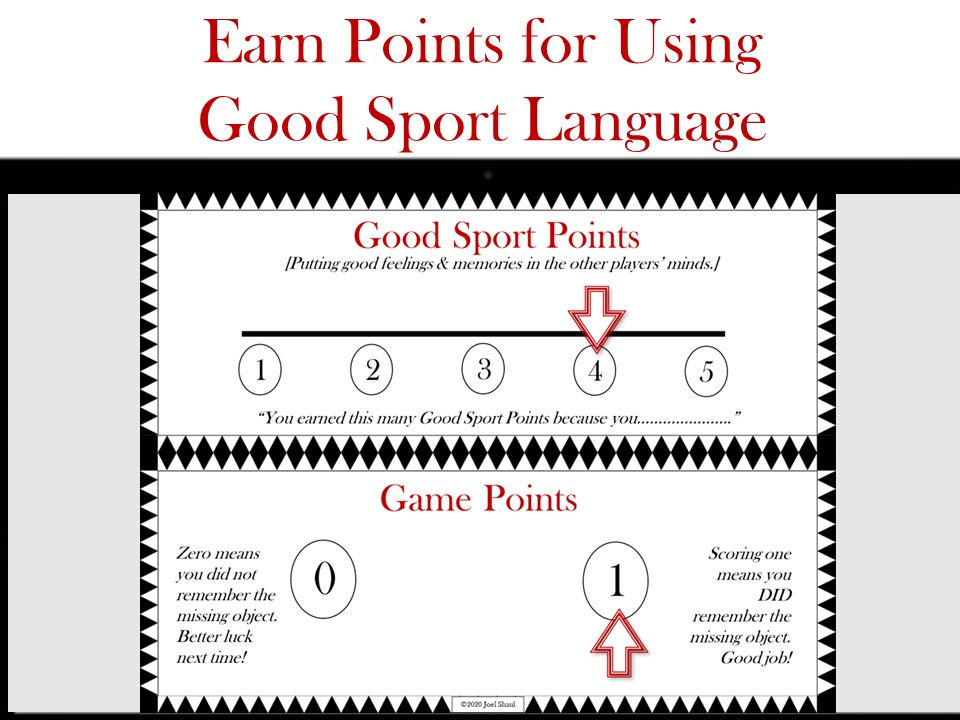
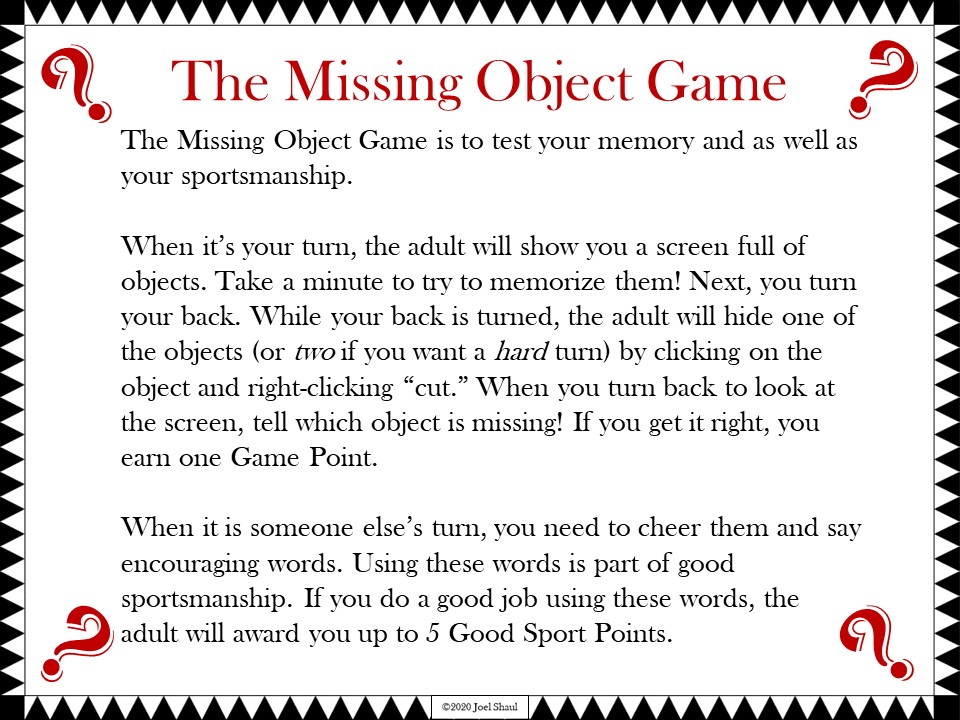
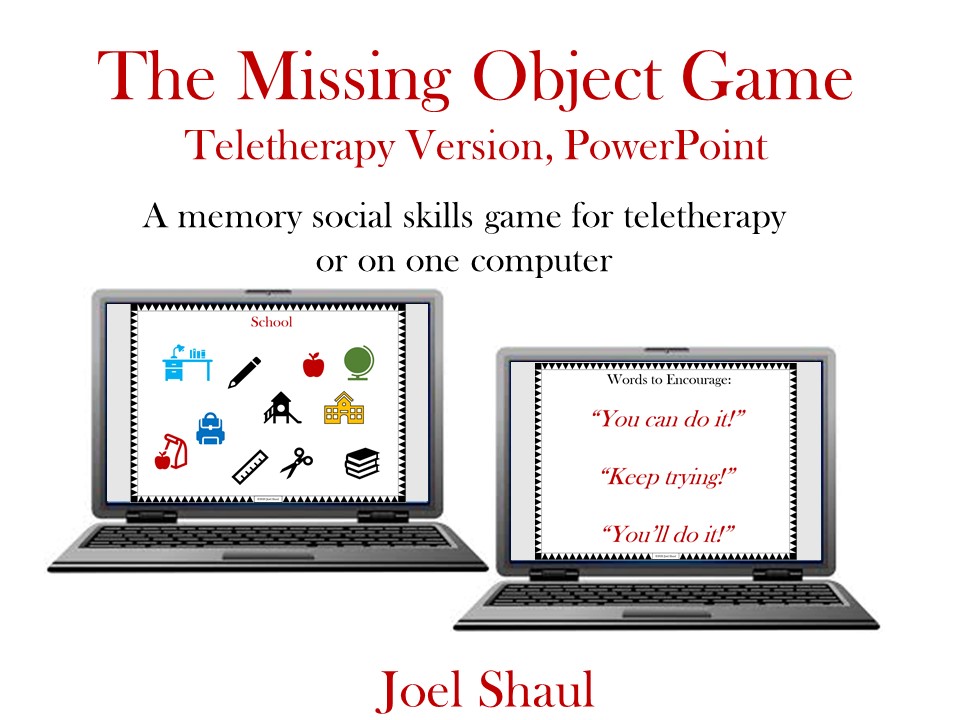
The Missing Object Game, which teaches aspects of sportsmanship, can be played on-screen, or you can play it in person by putting together your own collection of random small objects.
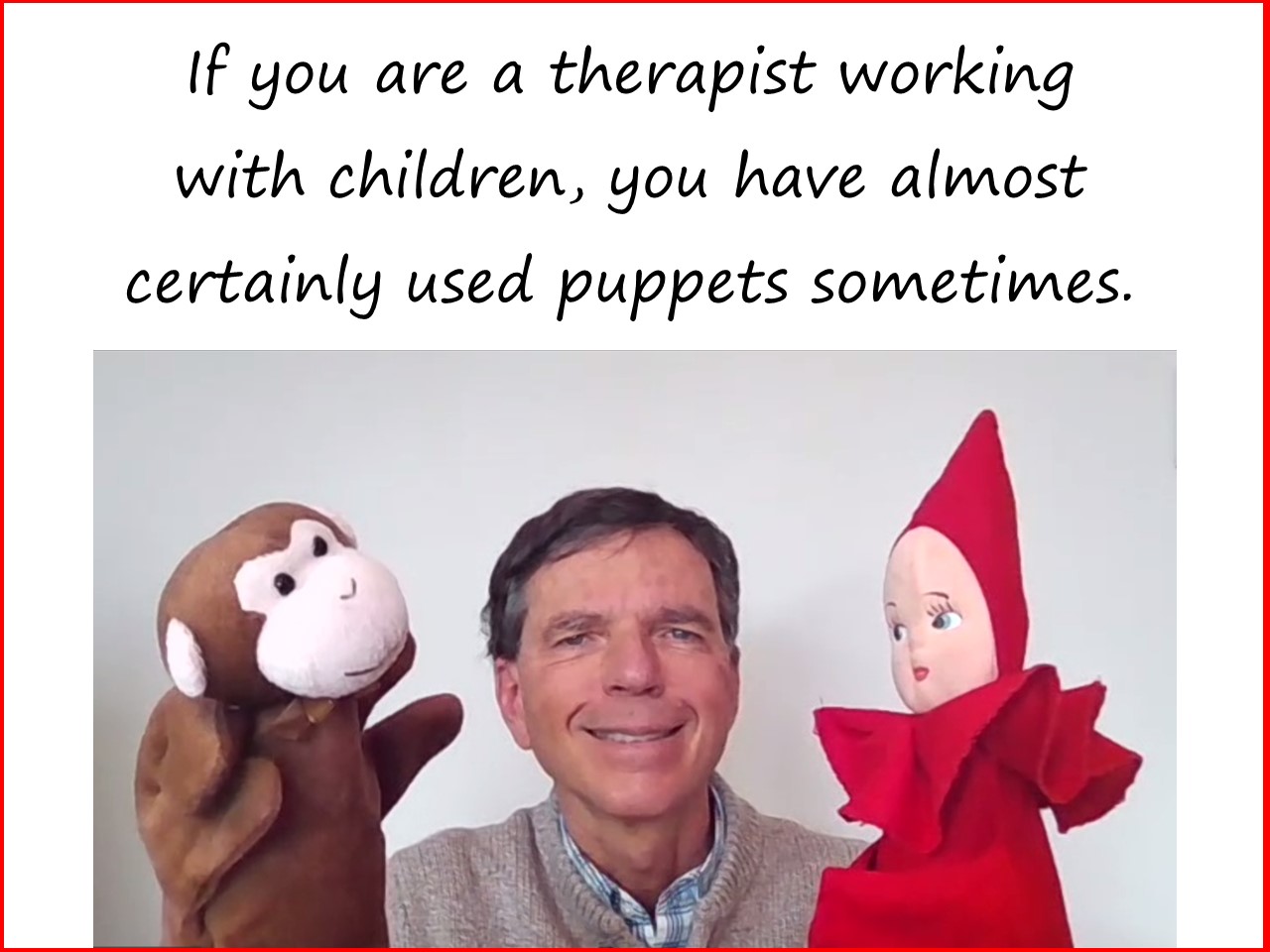
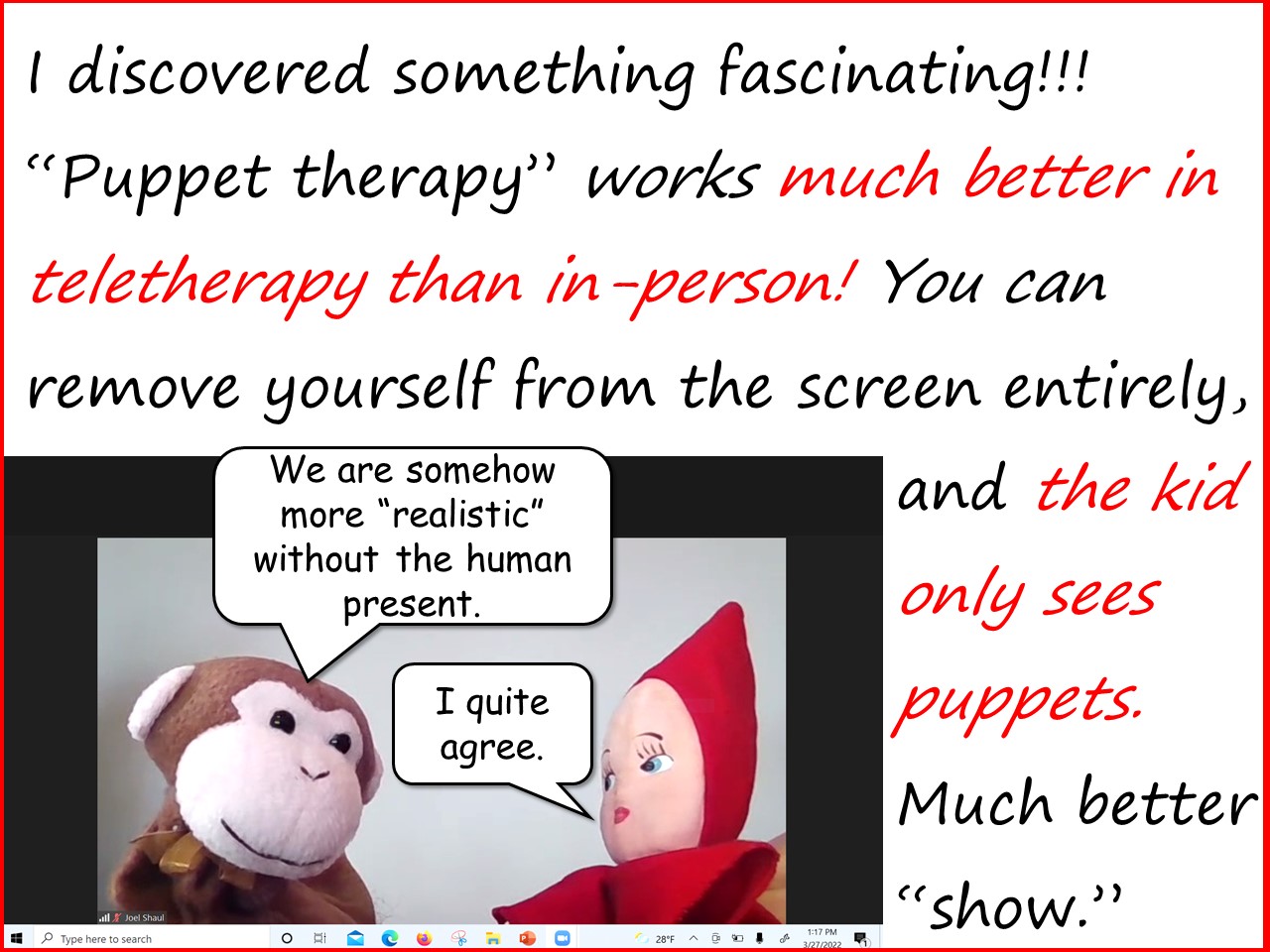
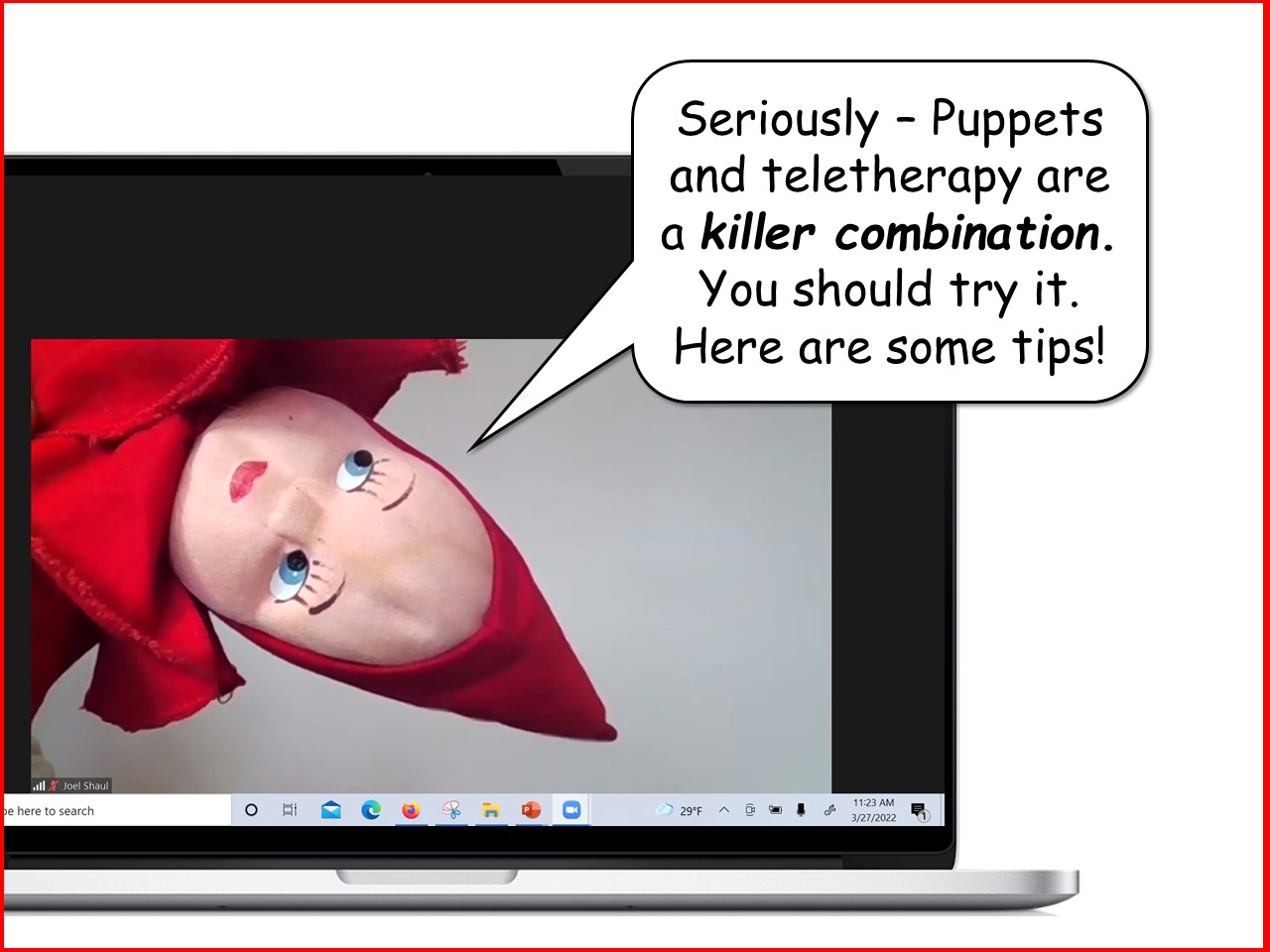
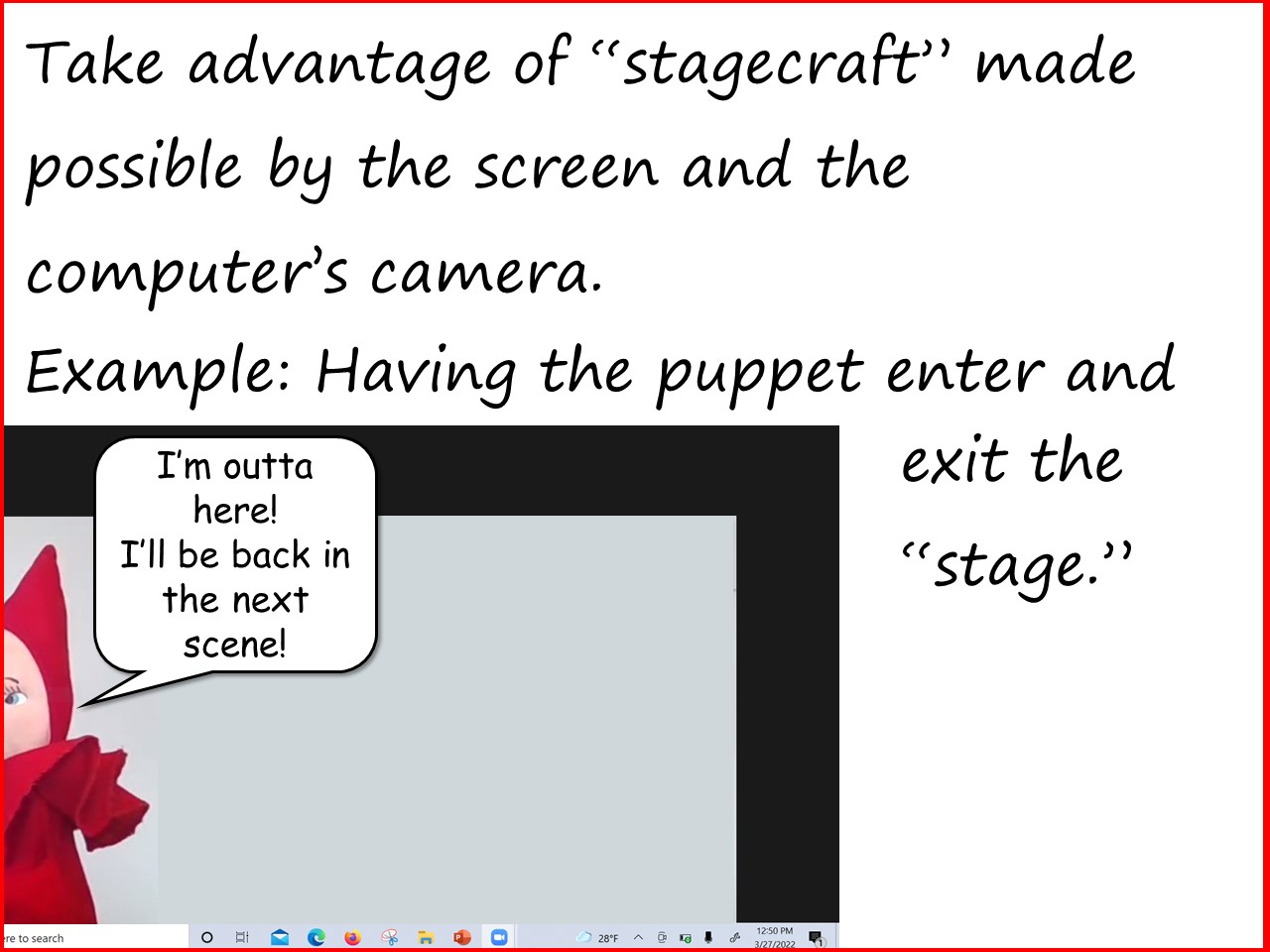
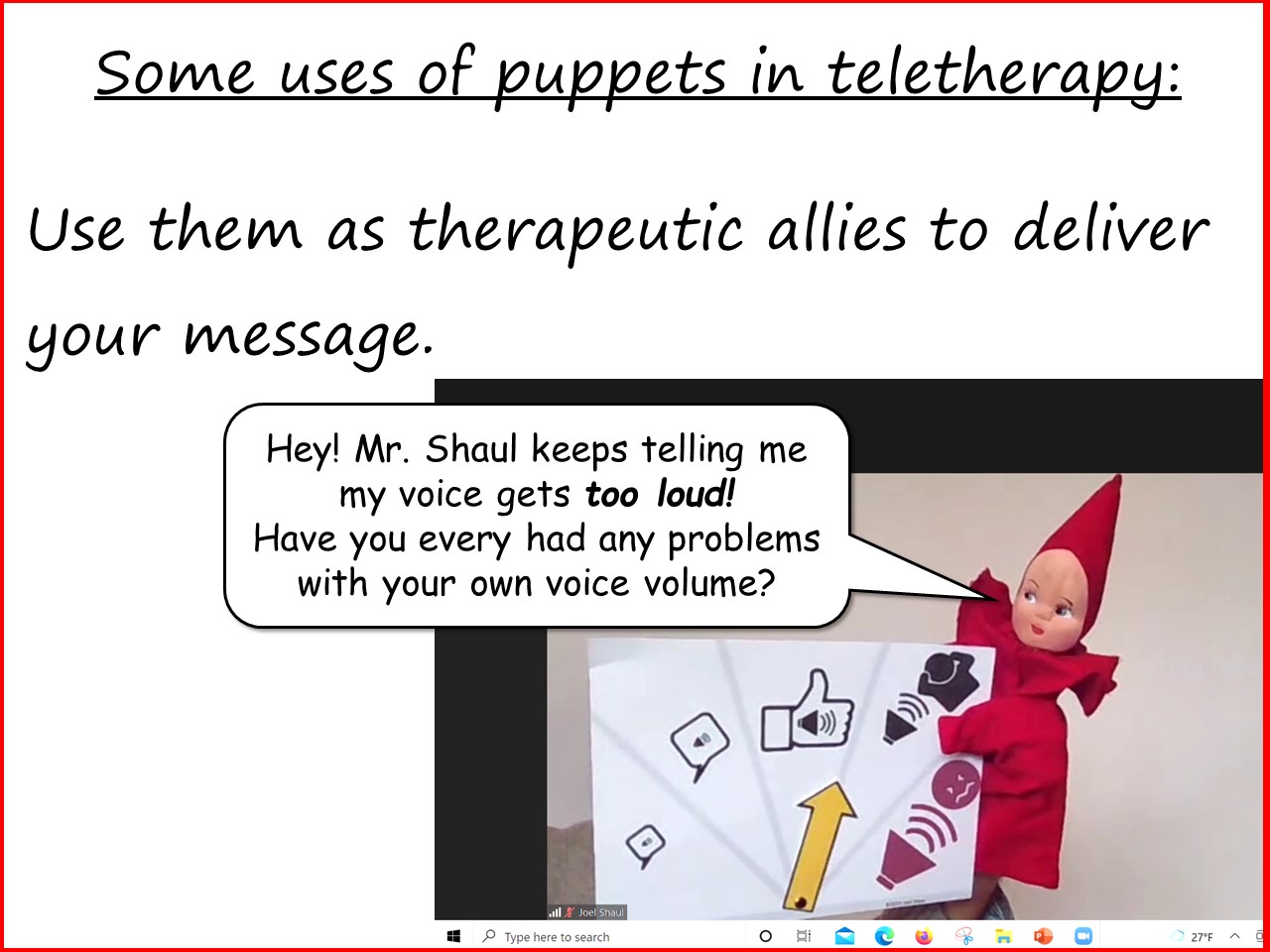
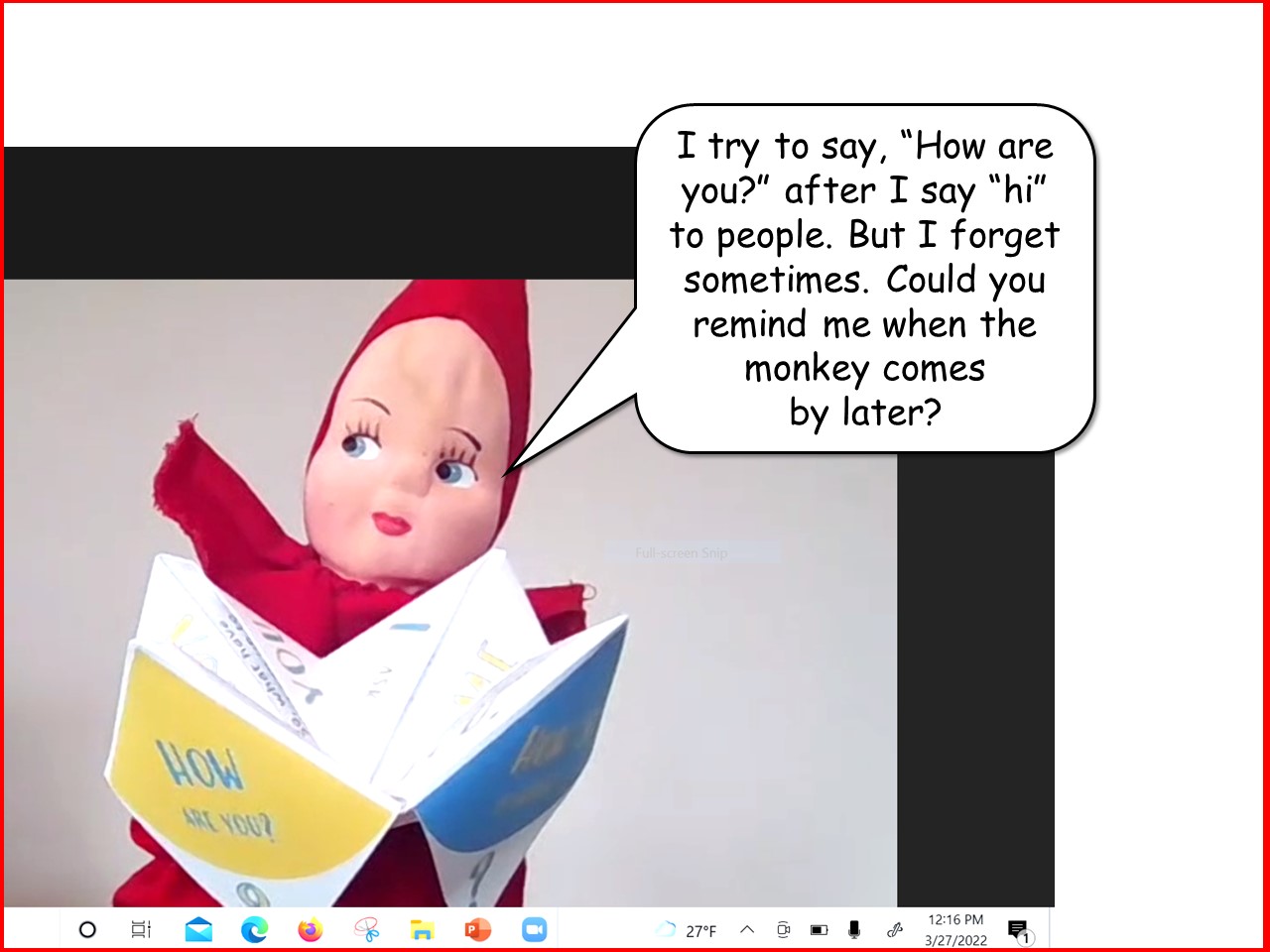
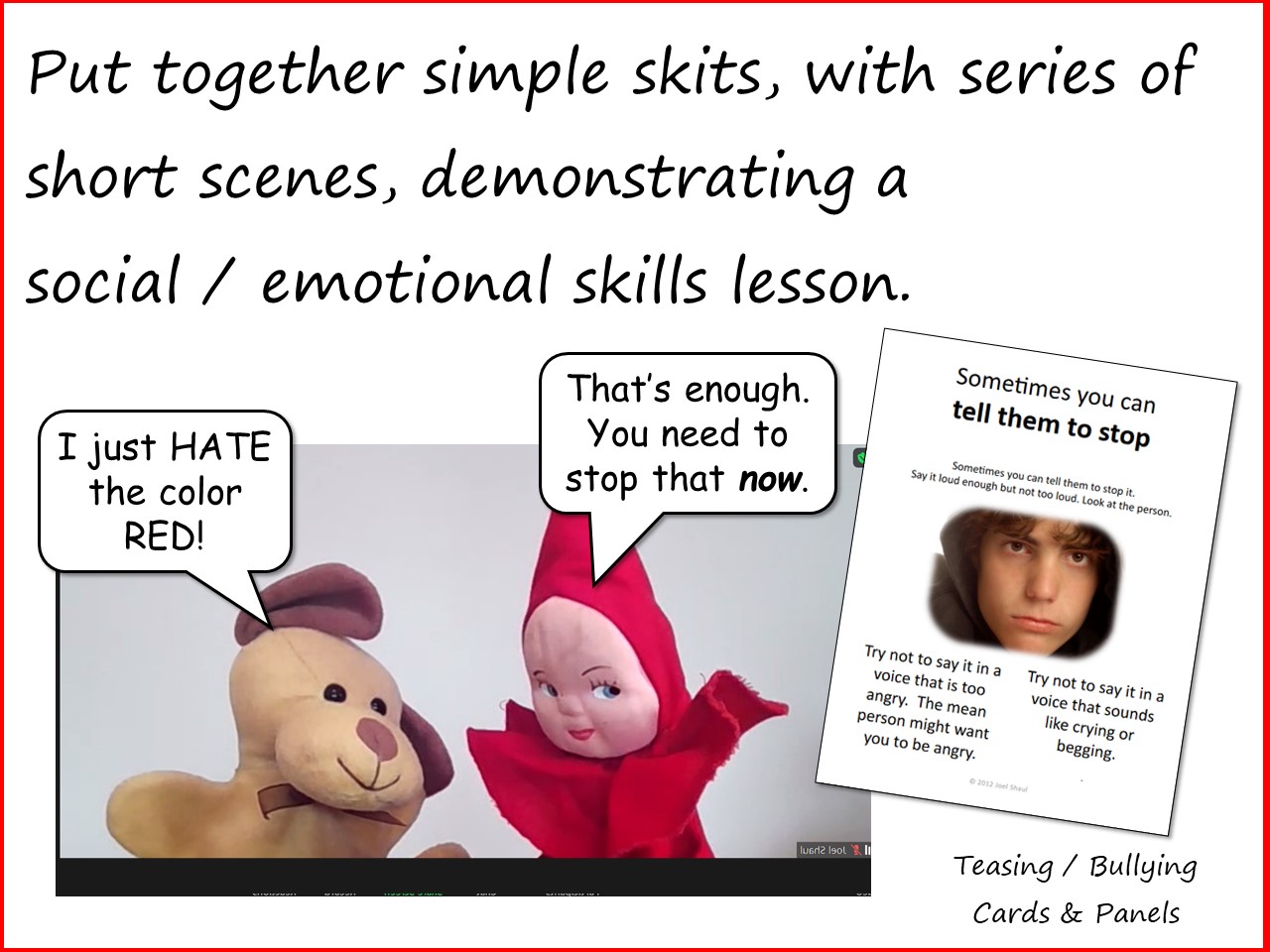
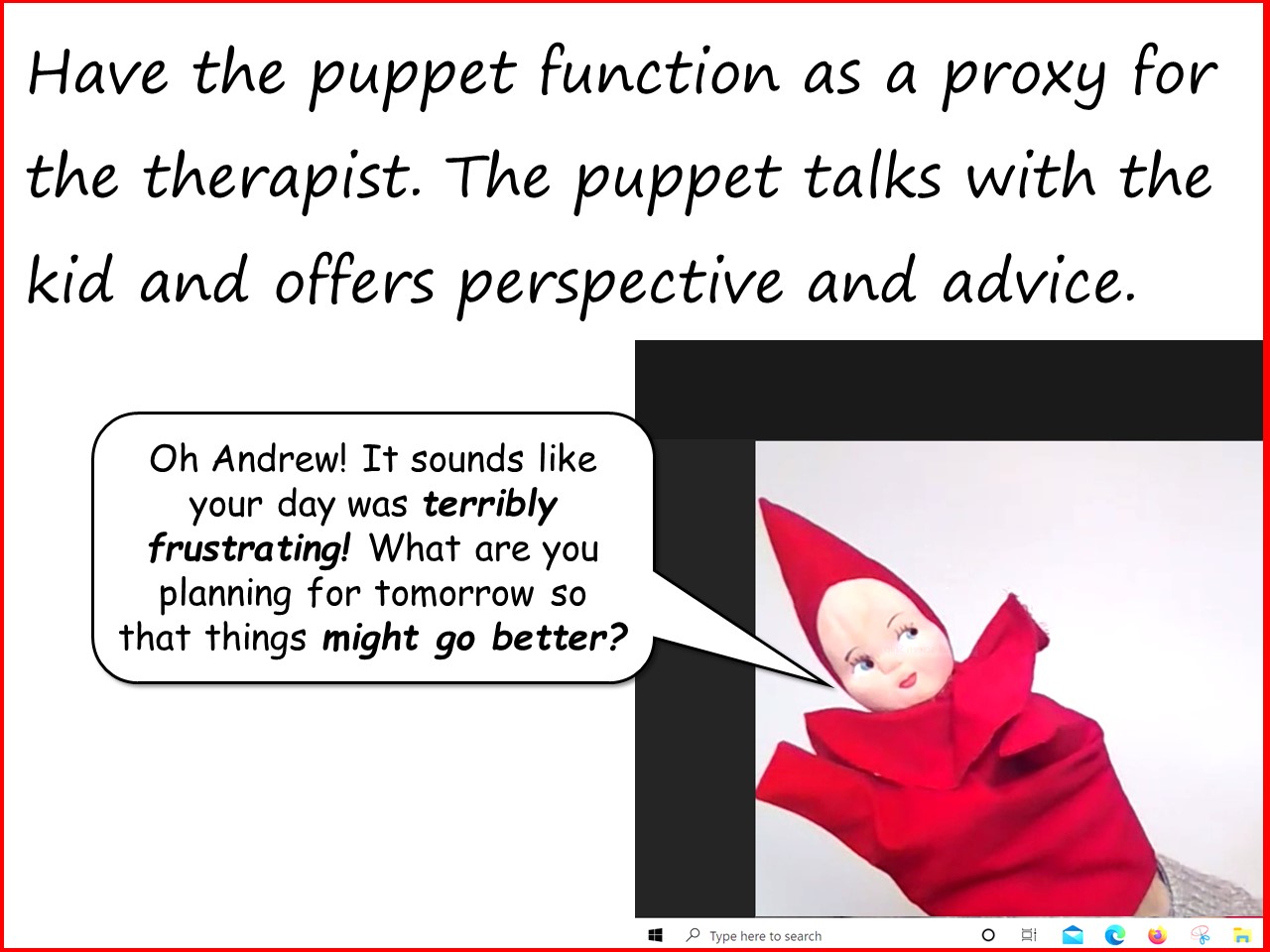
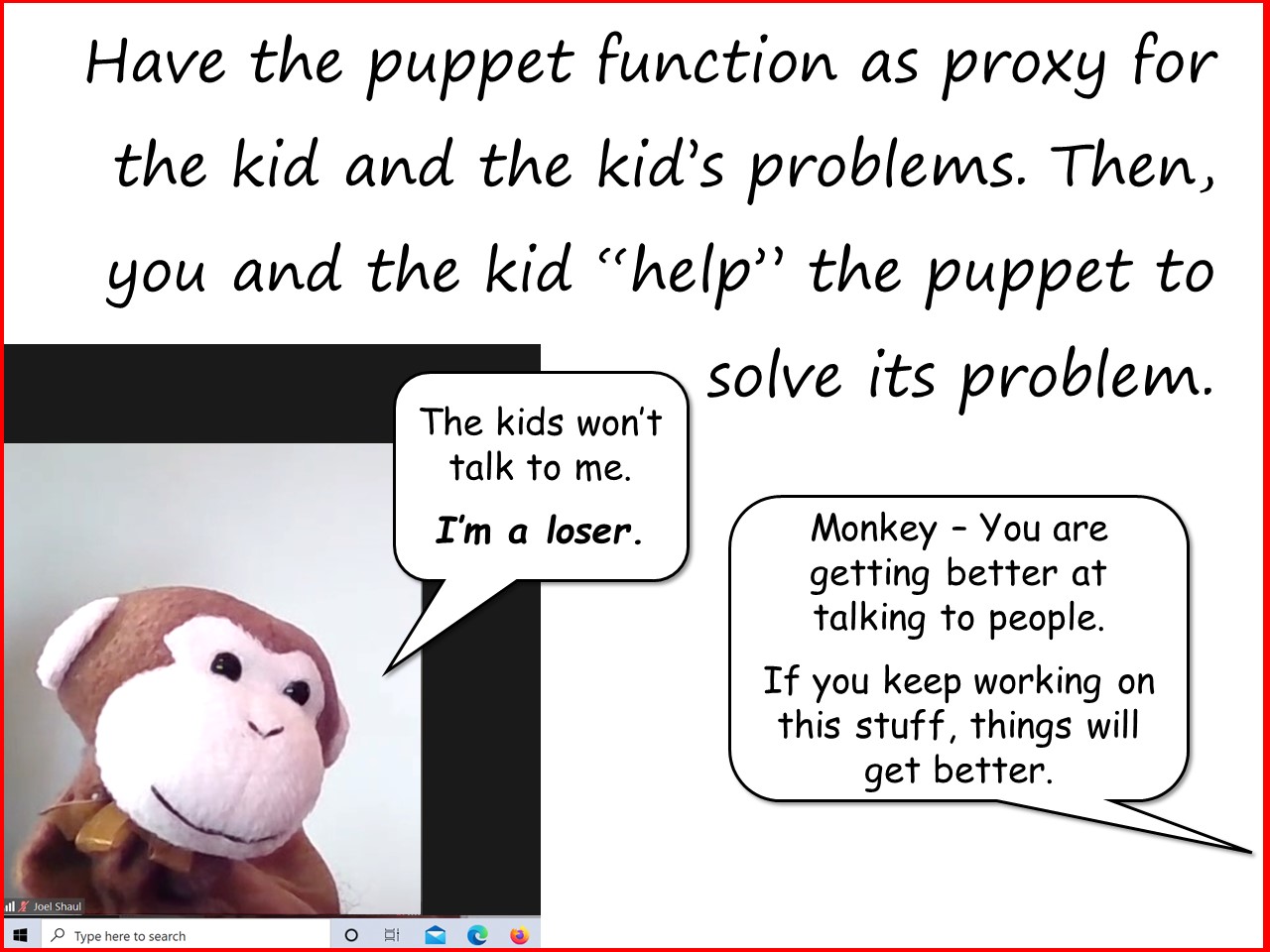
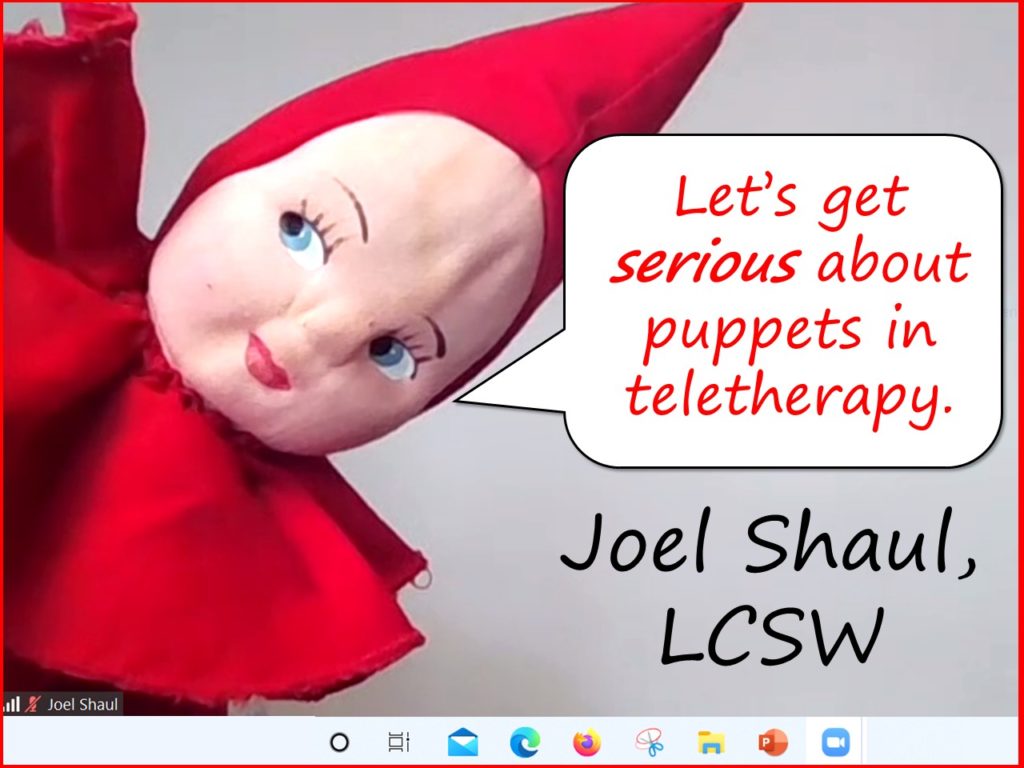
If you haven’t tried using puppets in therapy, check this out.
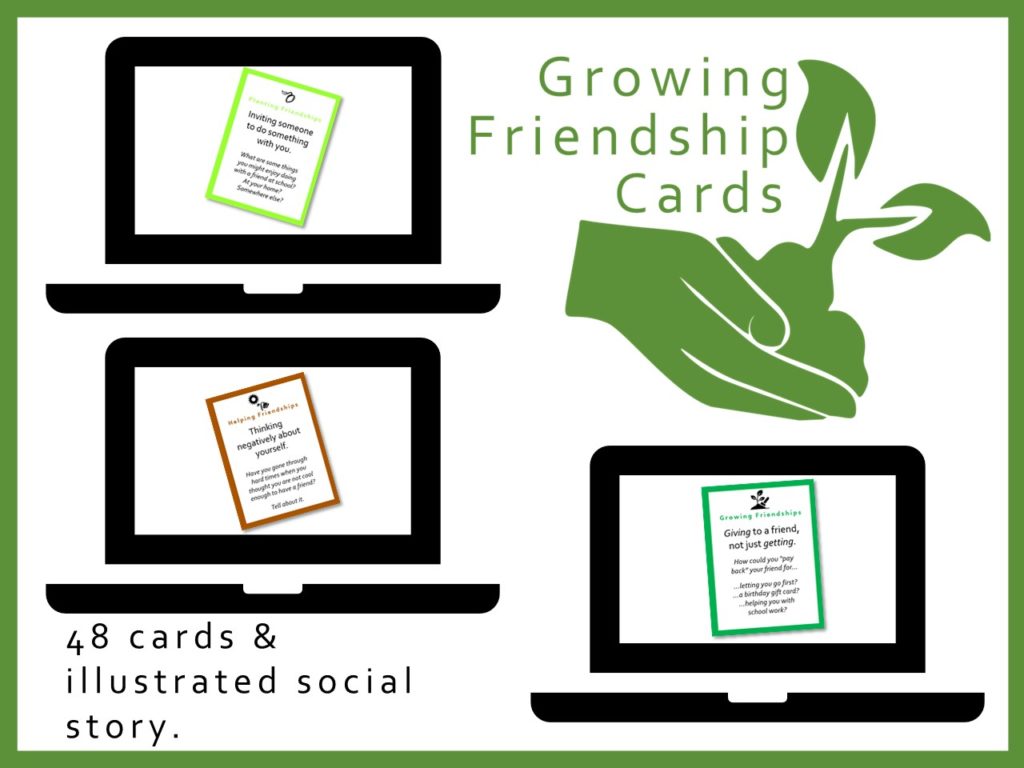
The Growing Friendship Cards can either be printed out to create conventional cards, or each card can be viewed individually via a second download.
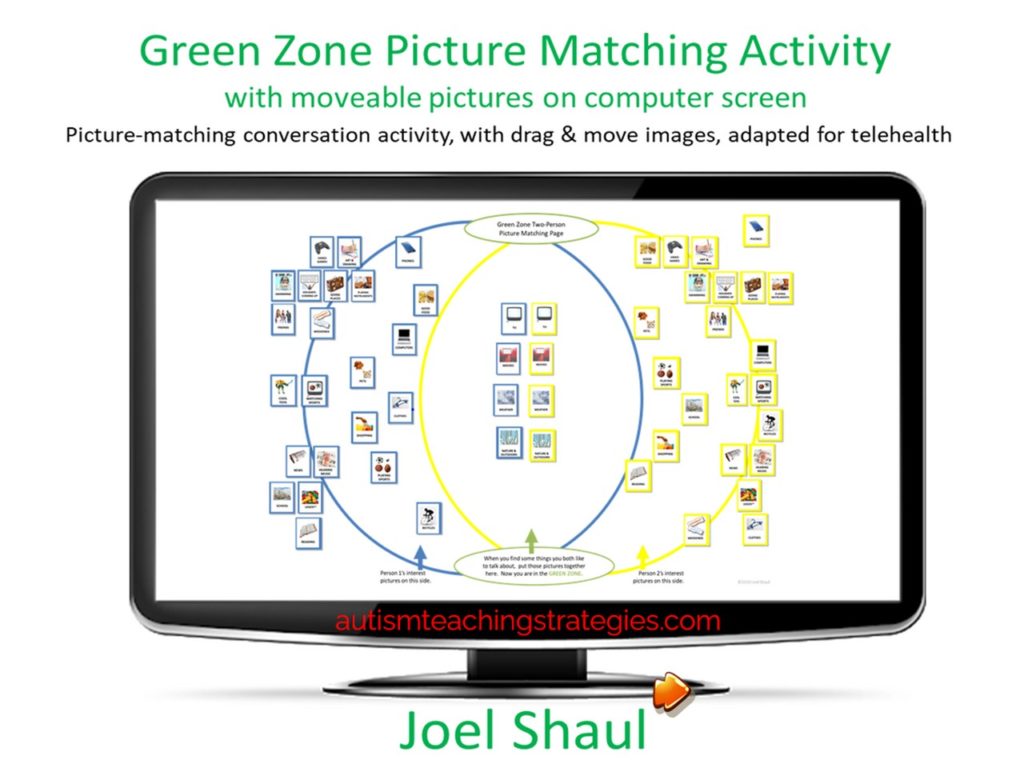
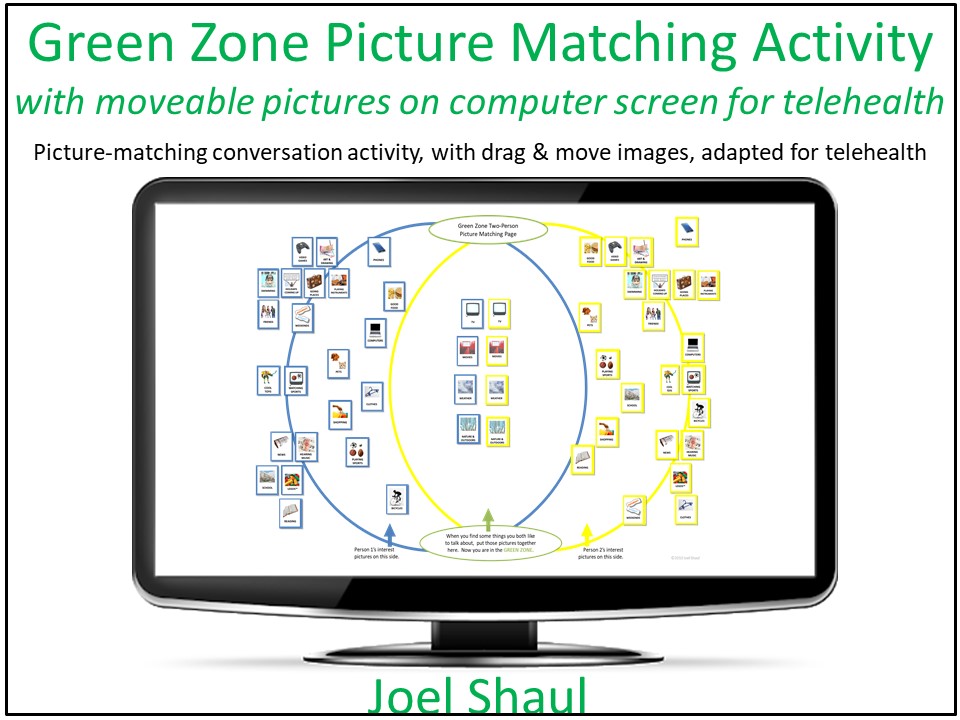
This activity, which uses Venn diagrams to raise awareness of common ground as a basis for conversation, works very well in this screen-based version.
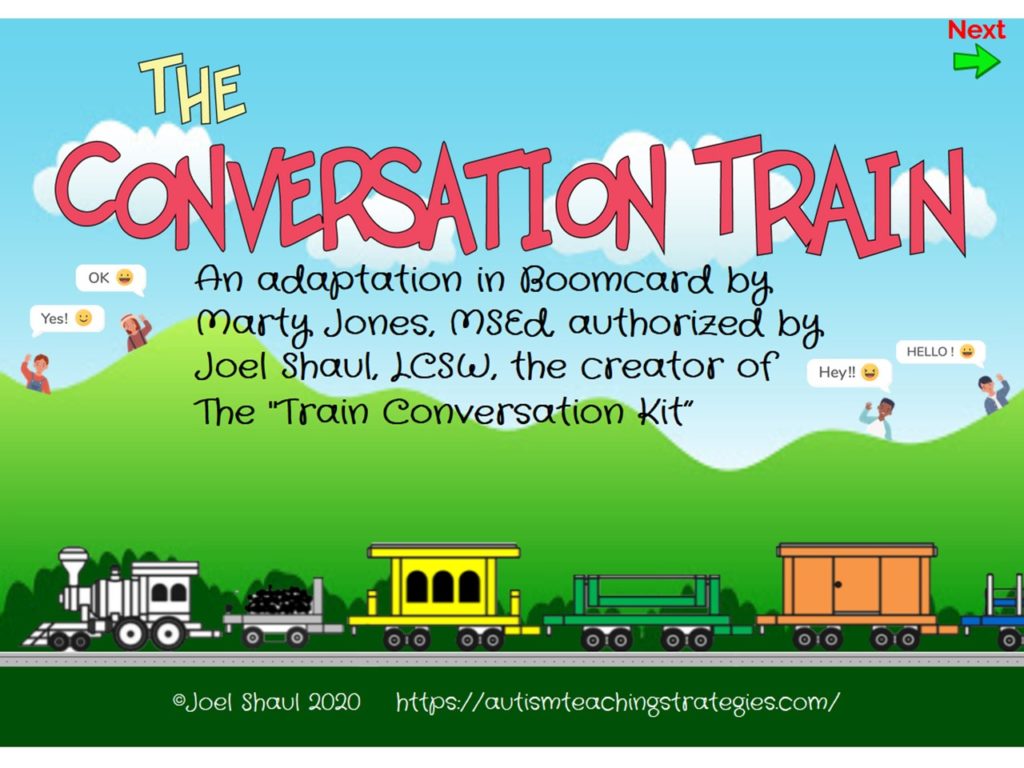
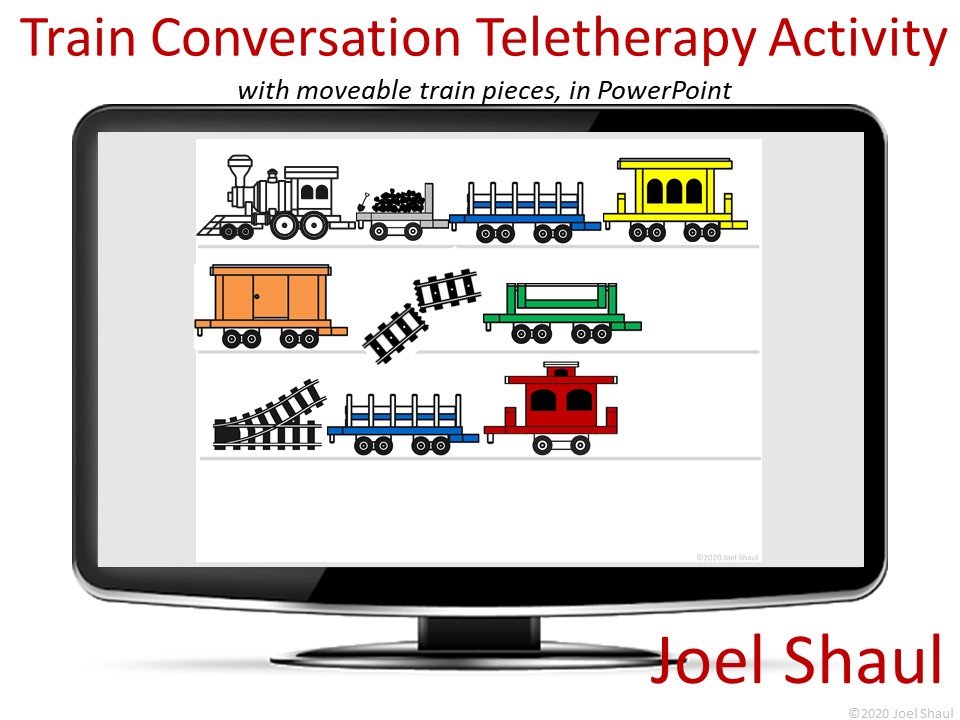
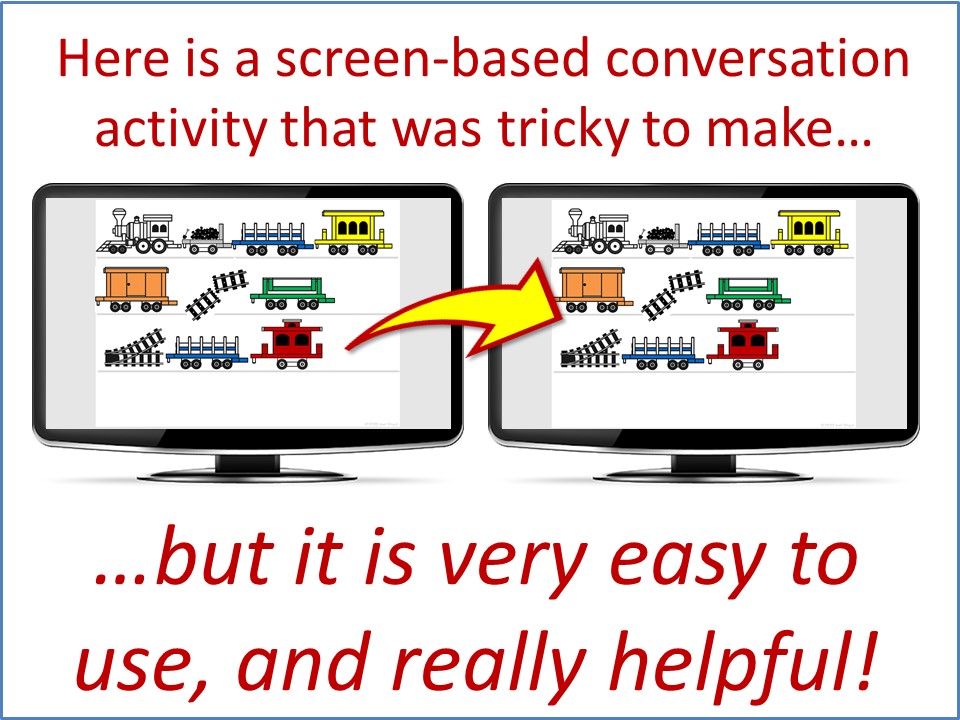
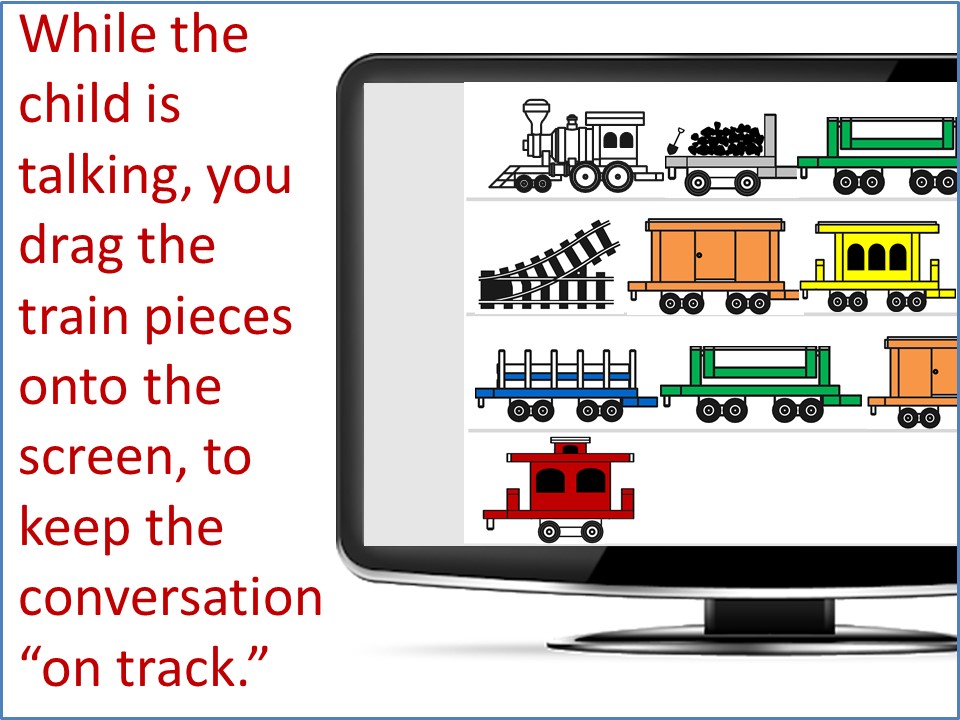
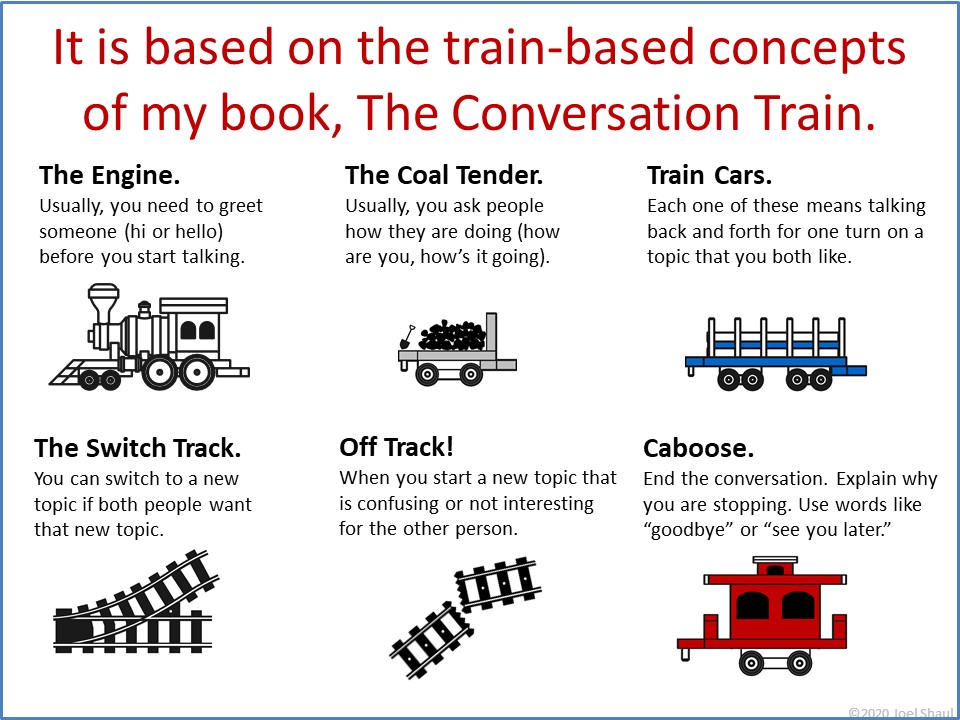
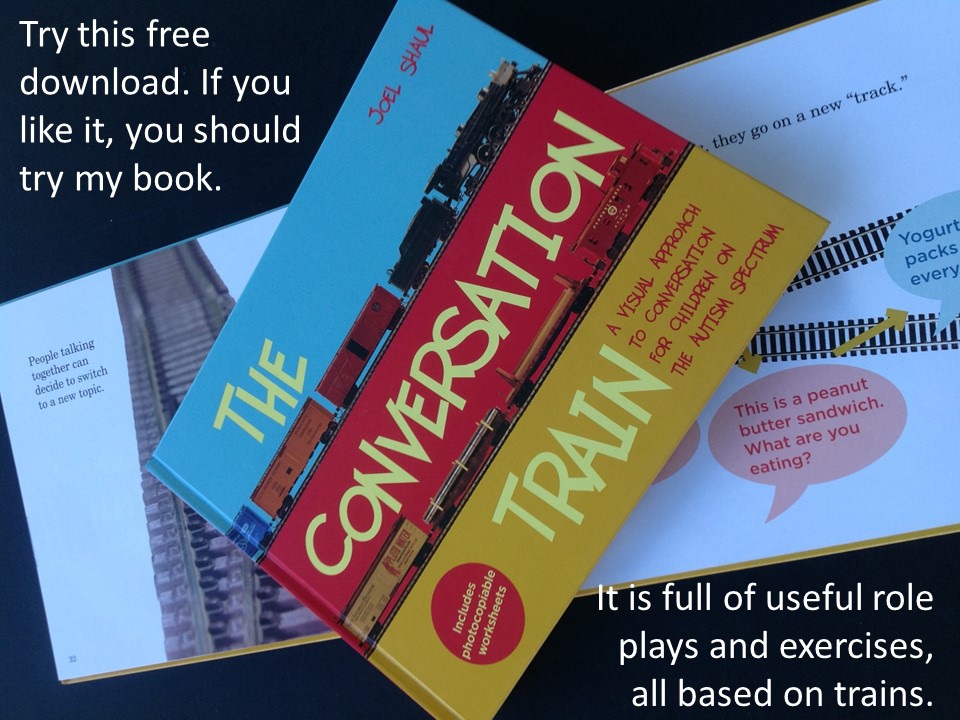
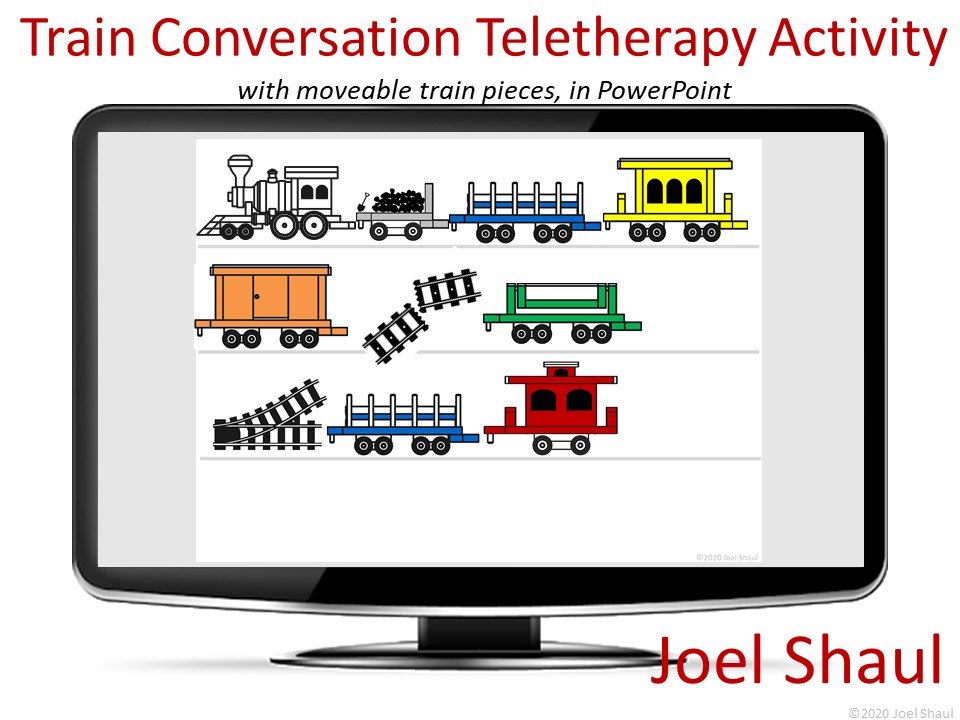
This is the screen-based version of The Train Conversation activity. You move the various train images around on the screen to demonstrate how to keep conversation “on track” with beginning, middle and end of conversation.
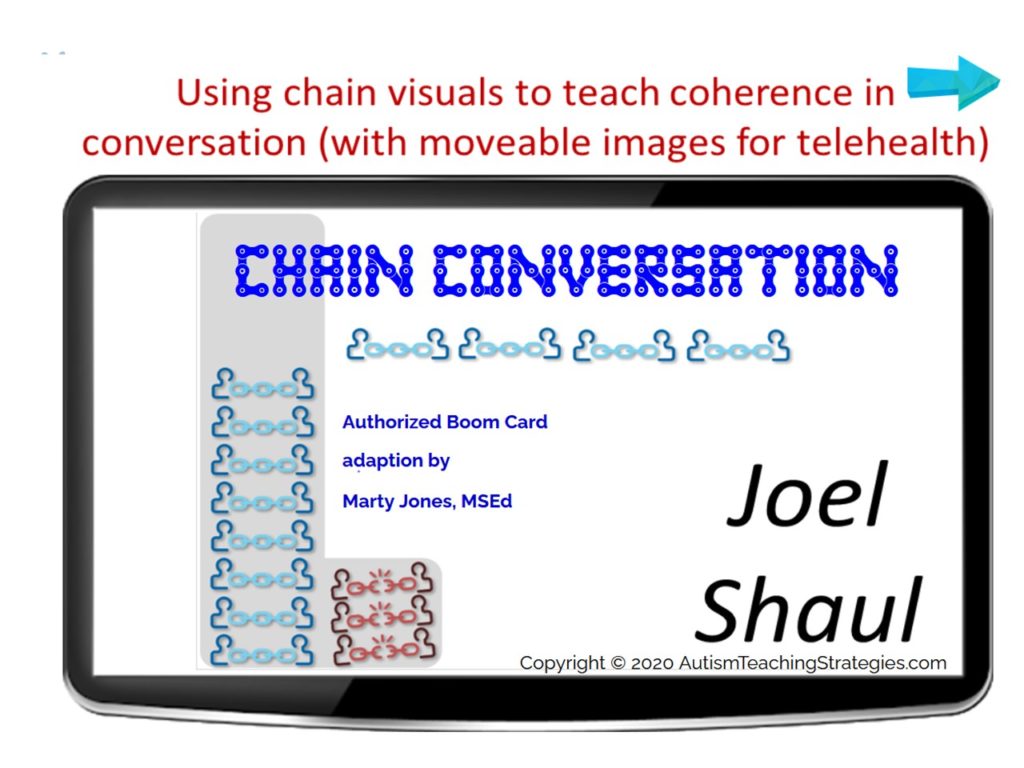
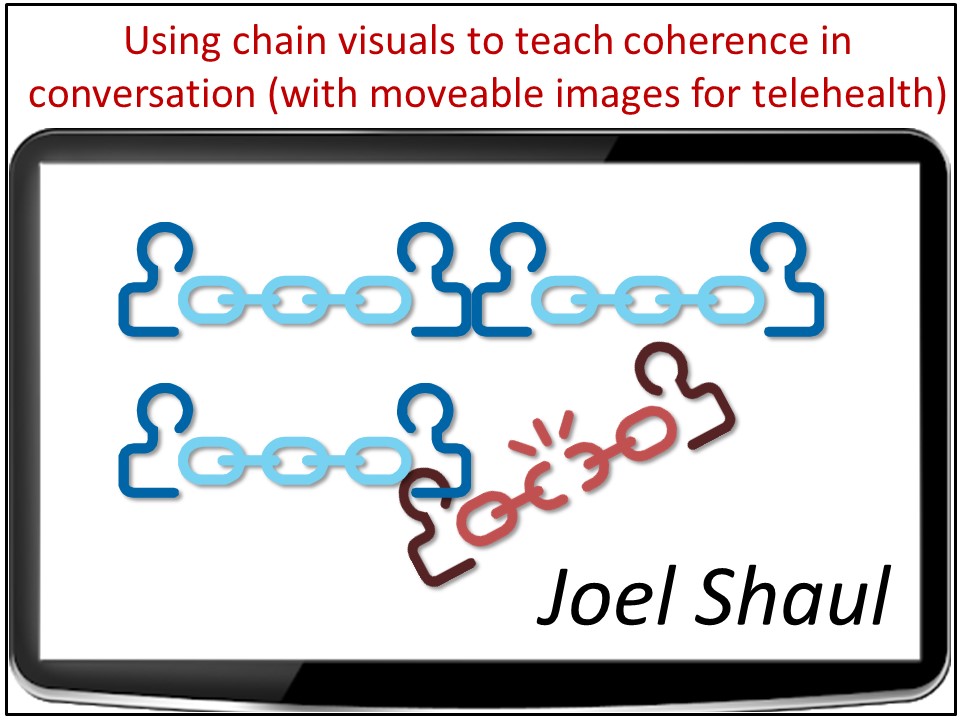
Somewhat similar to the Train Conversation activity. You move chain and broken chain images around to demonstrate when conversation is “connected” or “a broken chain.”
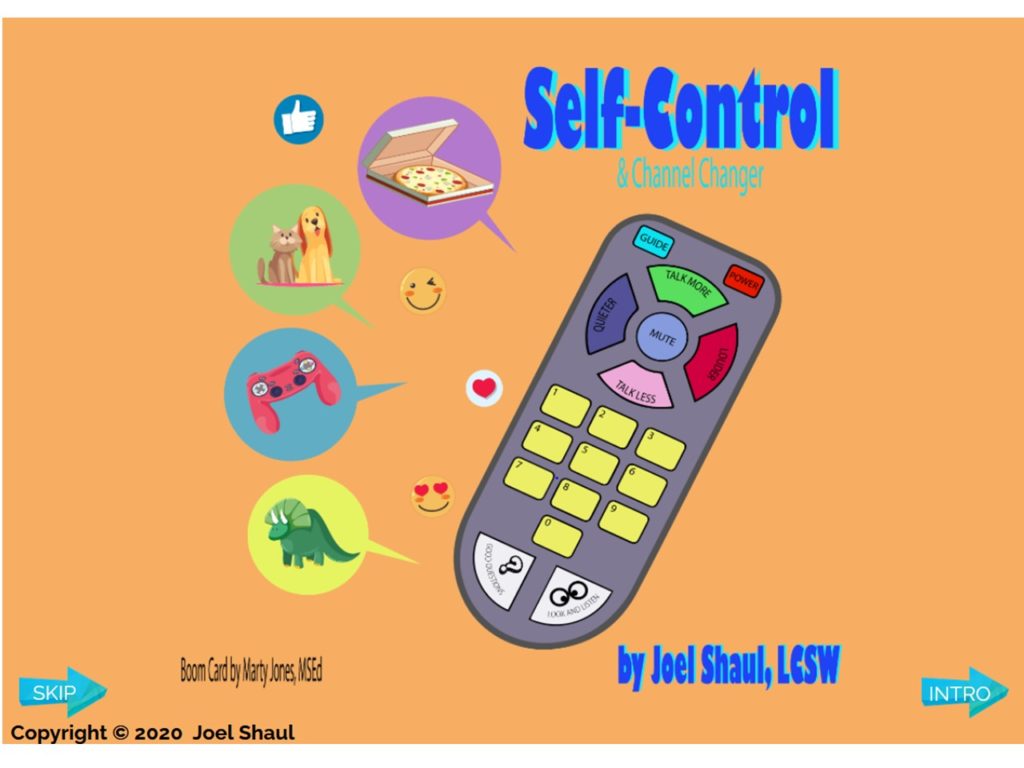
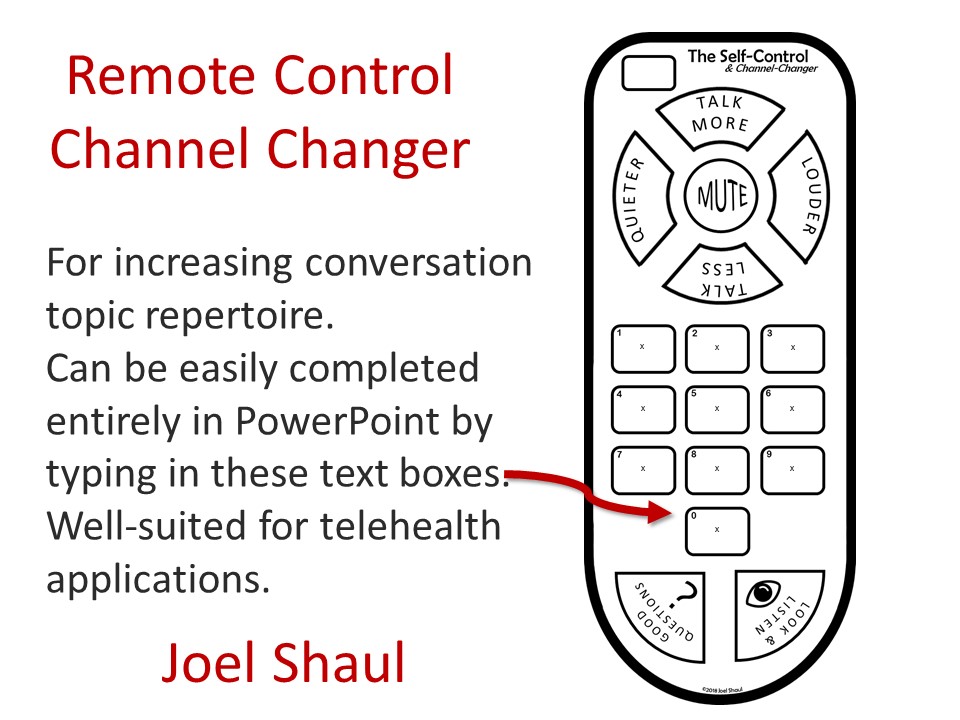
The Remote Control Channel Changer is to teach children to vary their conversation topics. On your computer, you and the child write in conversation topics on each of the ten channel buttons.
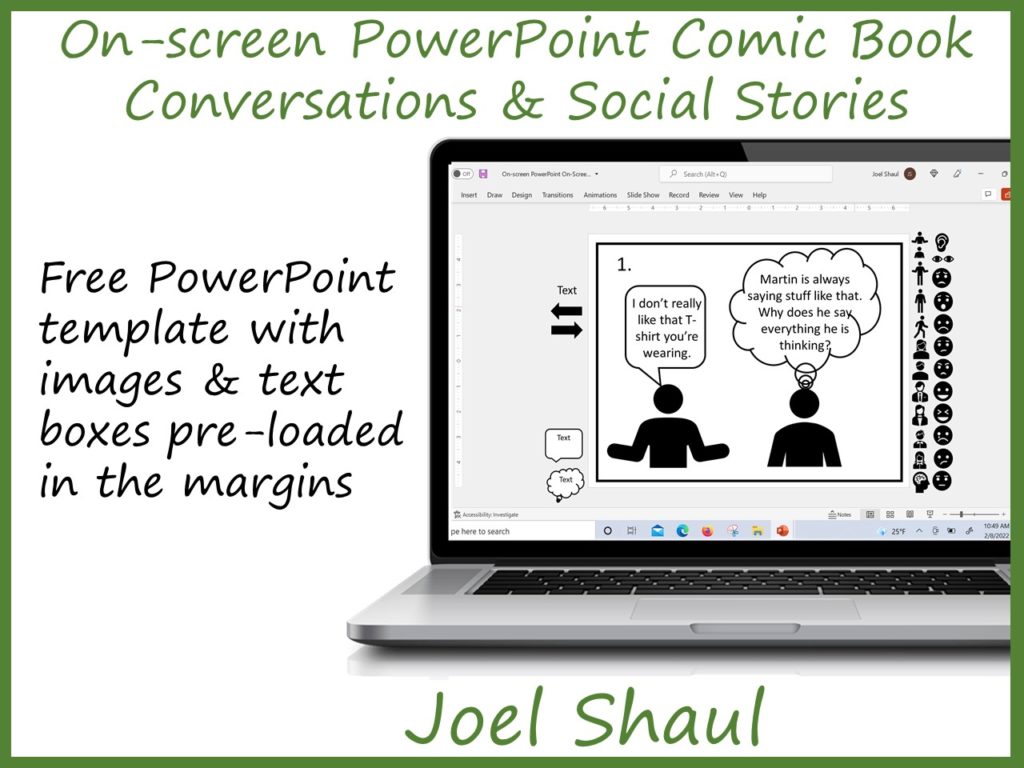
Most of us working with autistic children are used to making Comic Book Conversations with pencil and paper. This on-screen kit enables you to make these things faster and better – write on the computer screen.
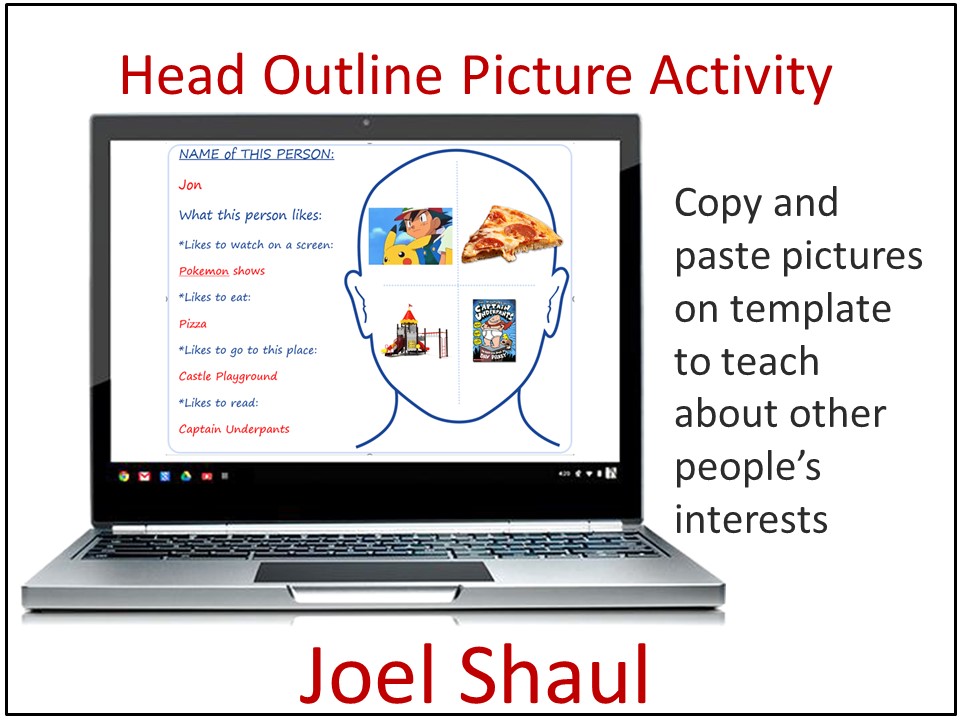
The Head Outline Picture Activity allows you, using my PowerPoint template, graphically demonstrate what other people like to talk about. It’s easy to create a number of these with a child, and they can then be used for the child to boost his conversation skills with friends and family.
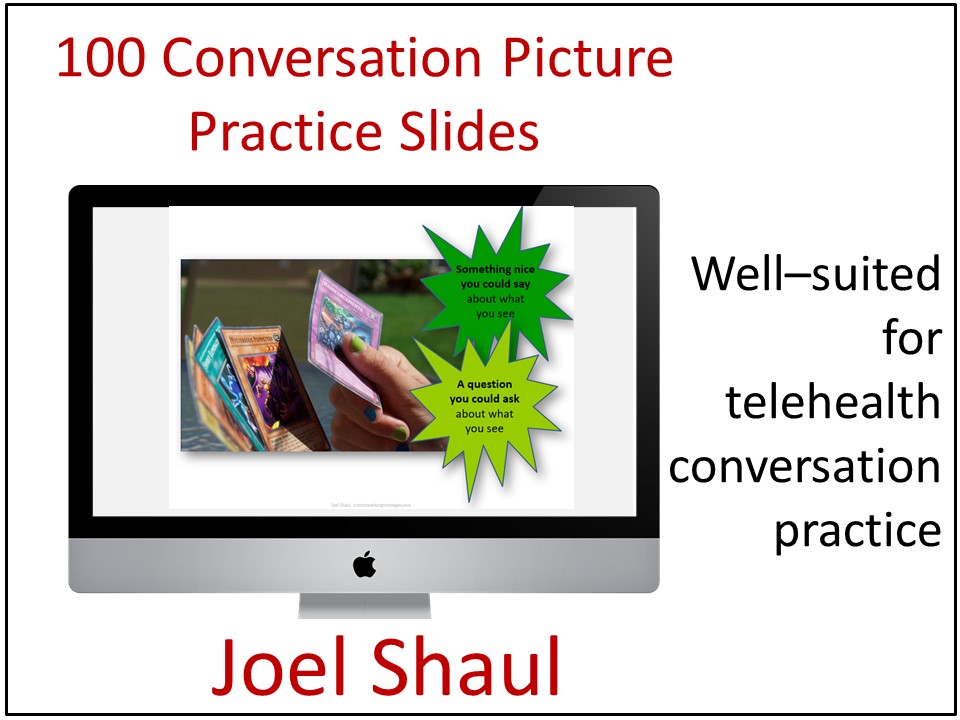
100 Conversation Picture Practice Slides lets you set up conversation practice with 100 hypothetical people – based on what they are wearing, holding or doing in the photos.
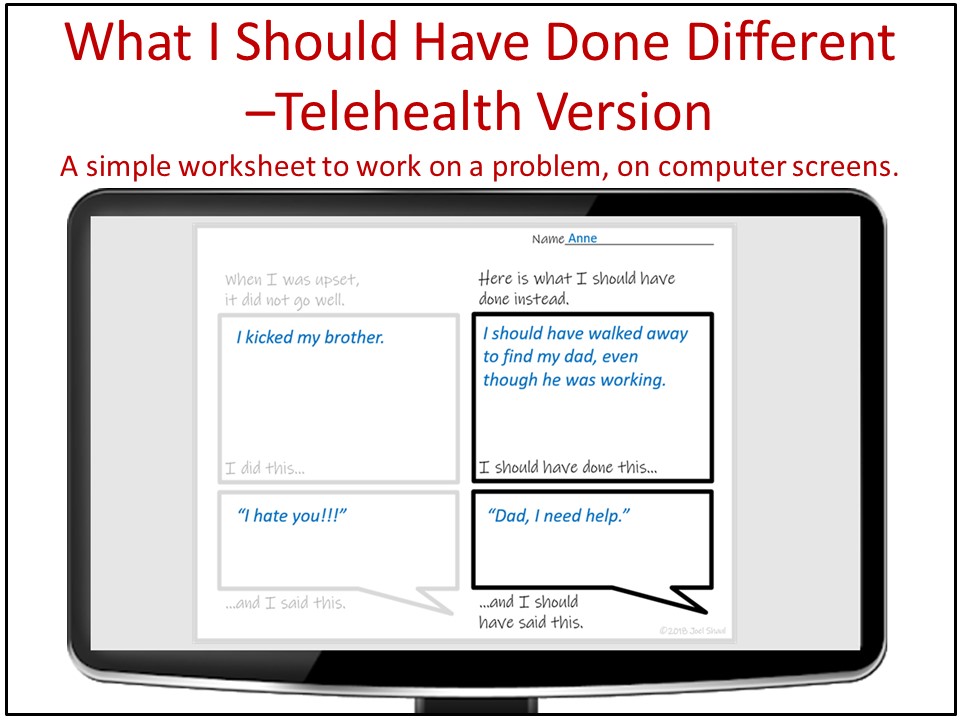
The What I Should Have Done Different worksheet, a simple and popular resource, is available in a screen-based version.
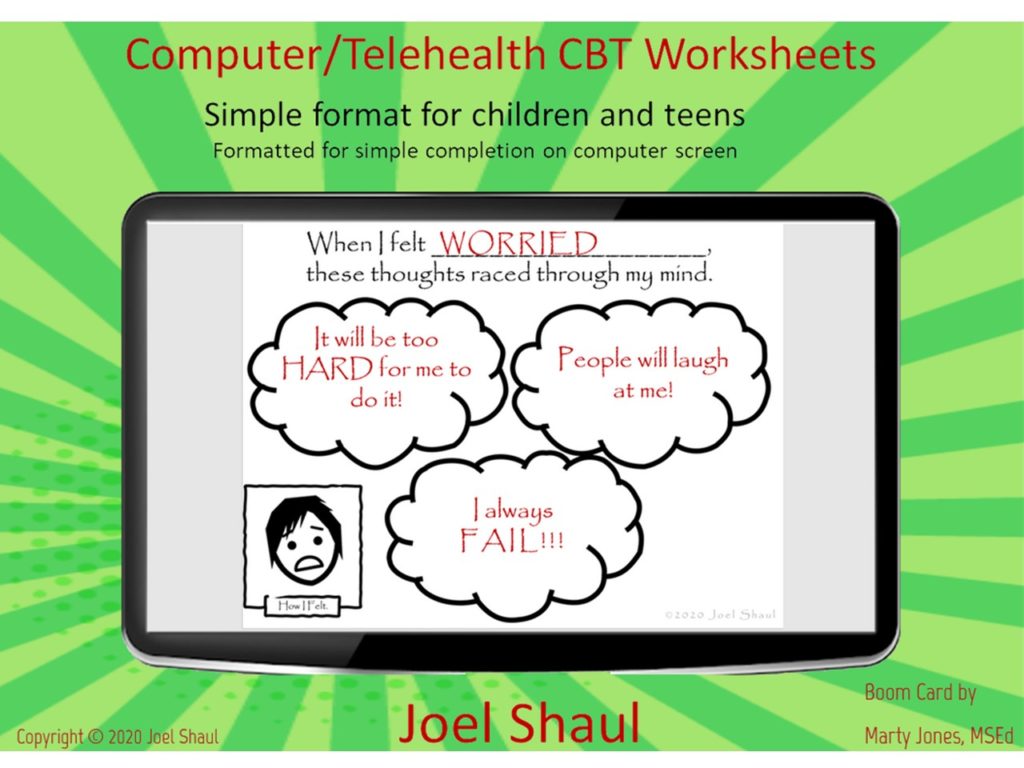
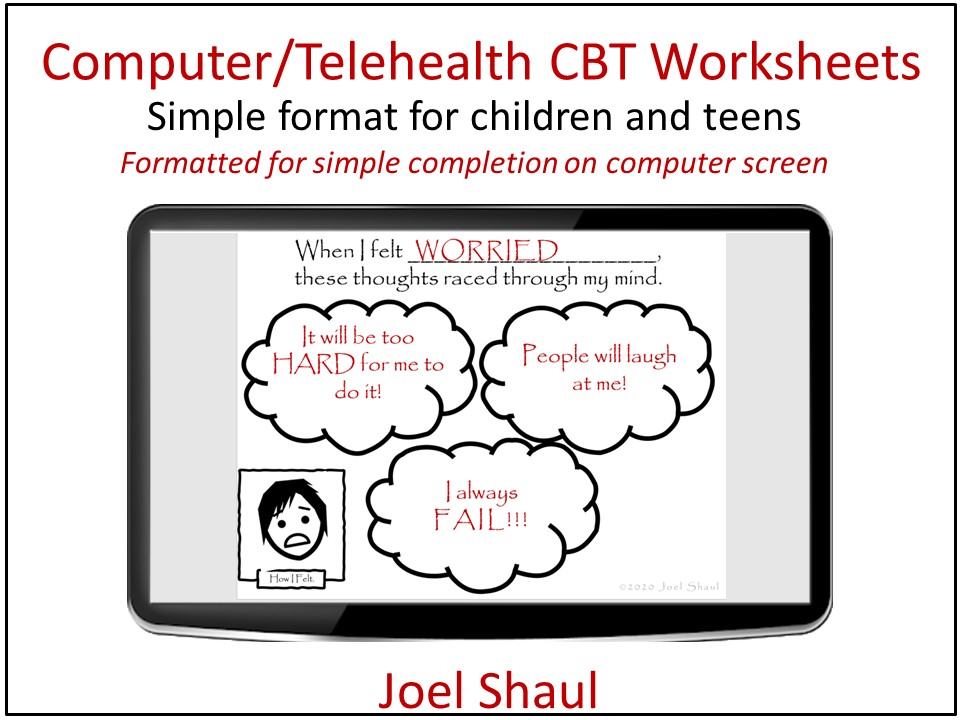
7 Simple CBT Worksheets. I designed this many years ago as a printed worksheet. It is also available in this screen-based version.
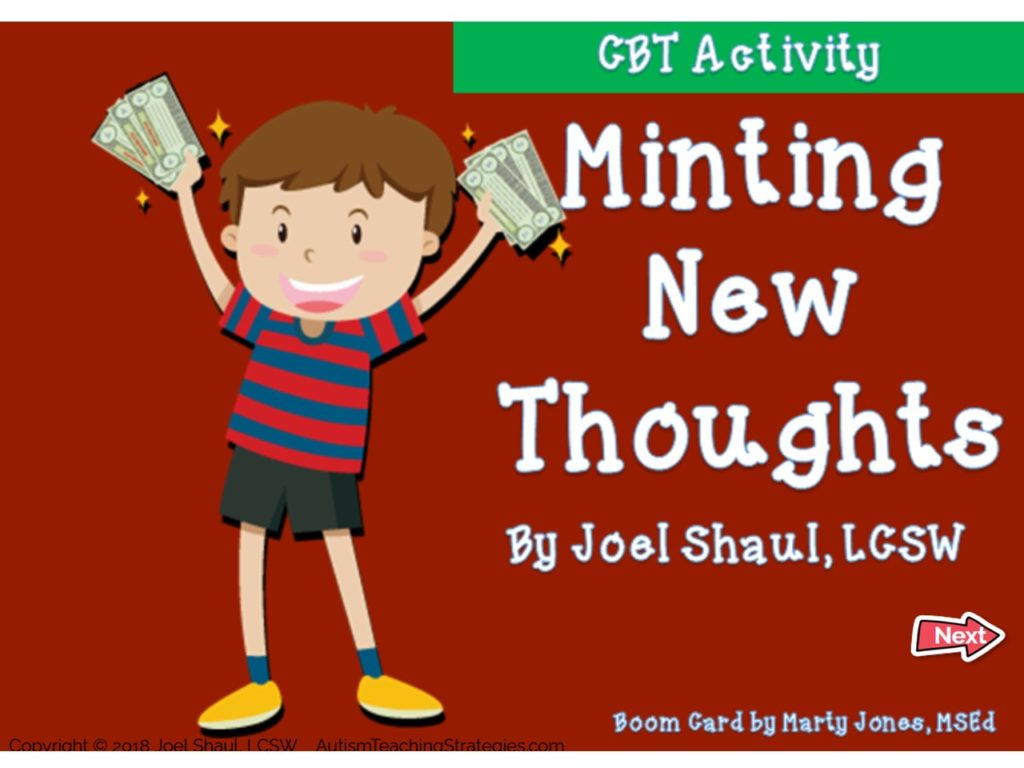
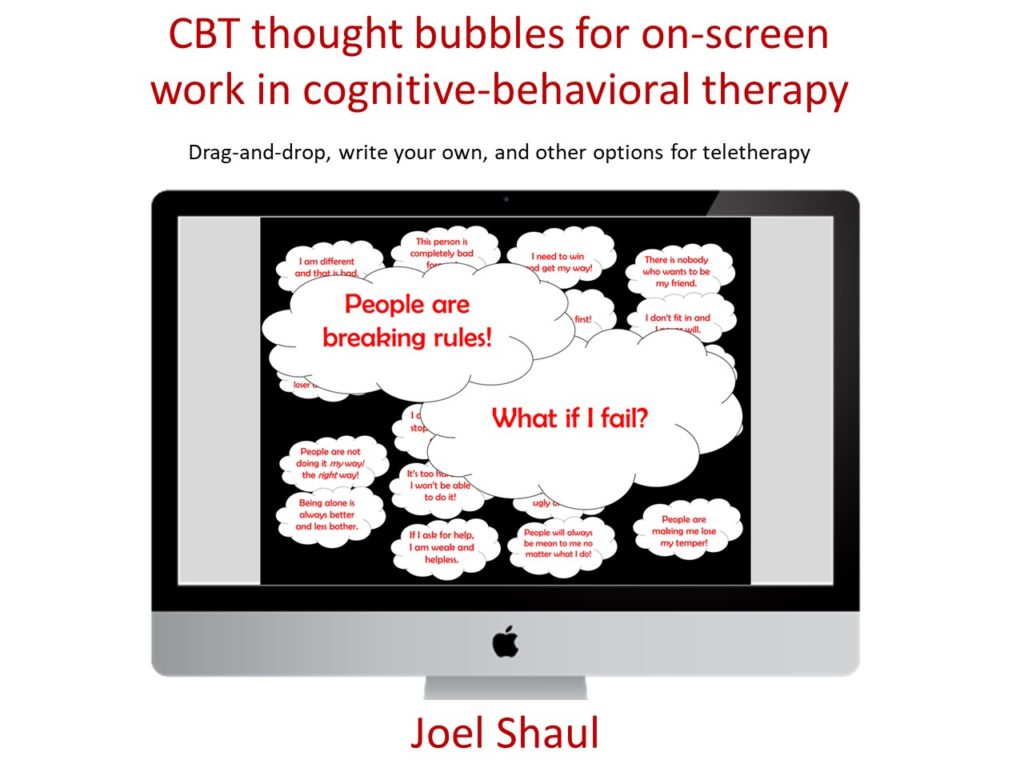
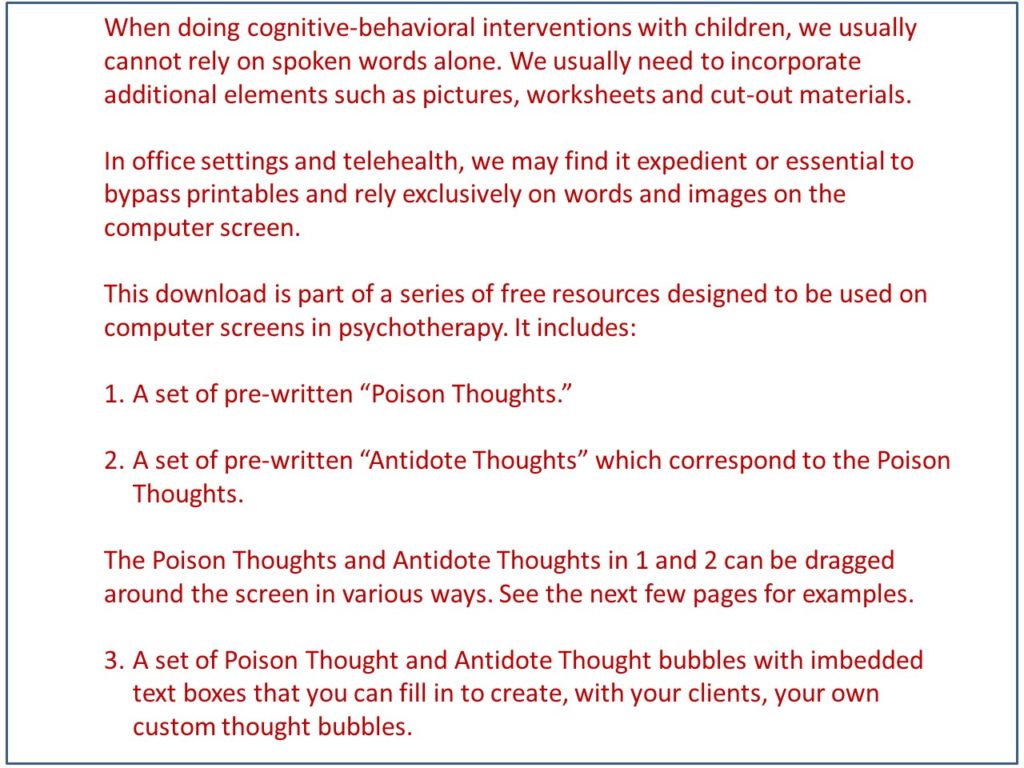
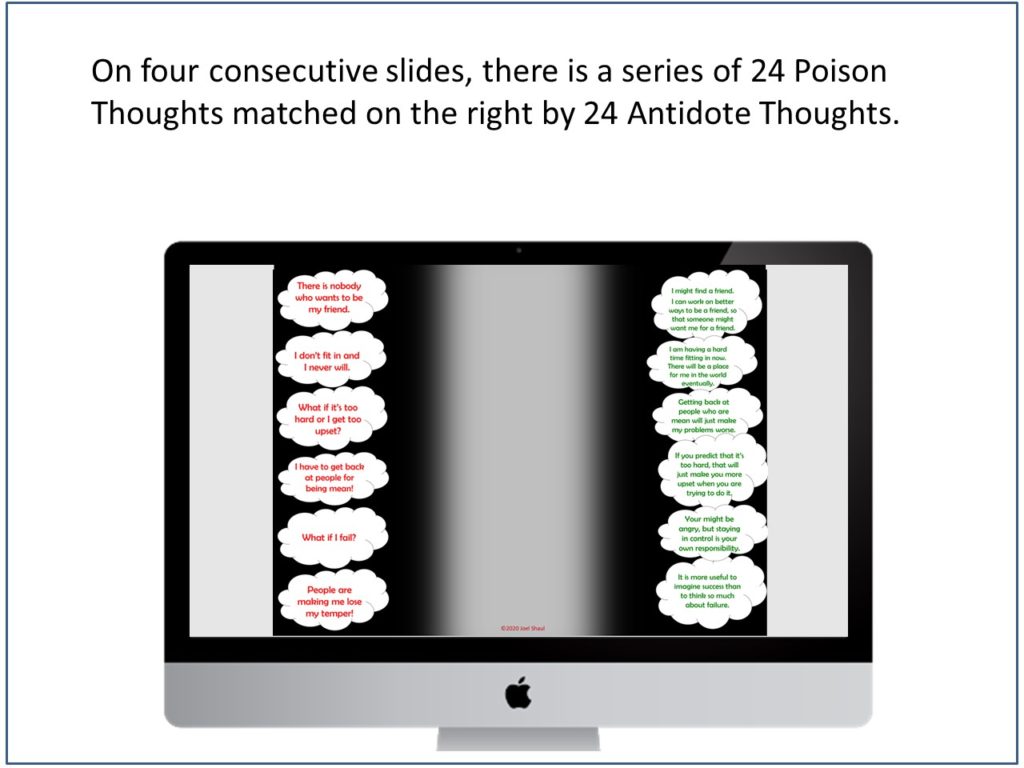
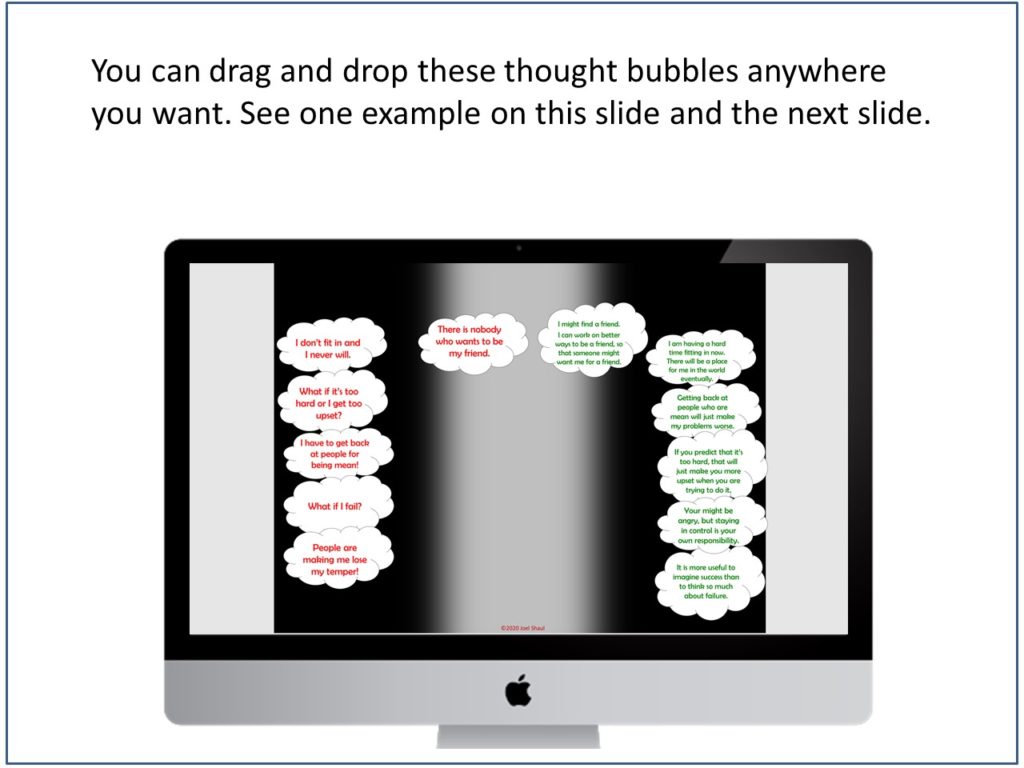
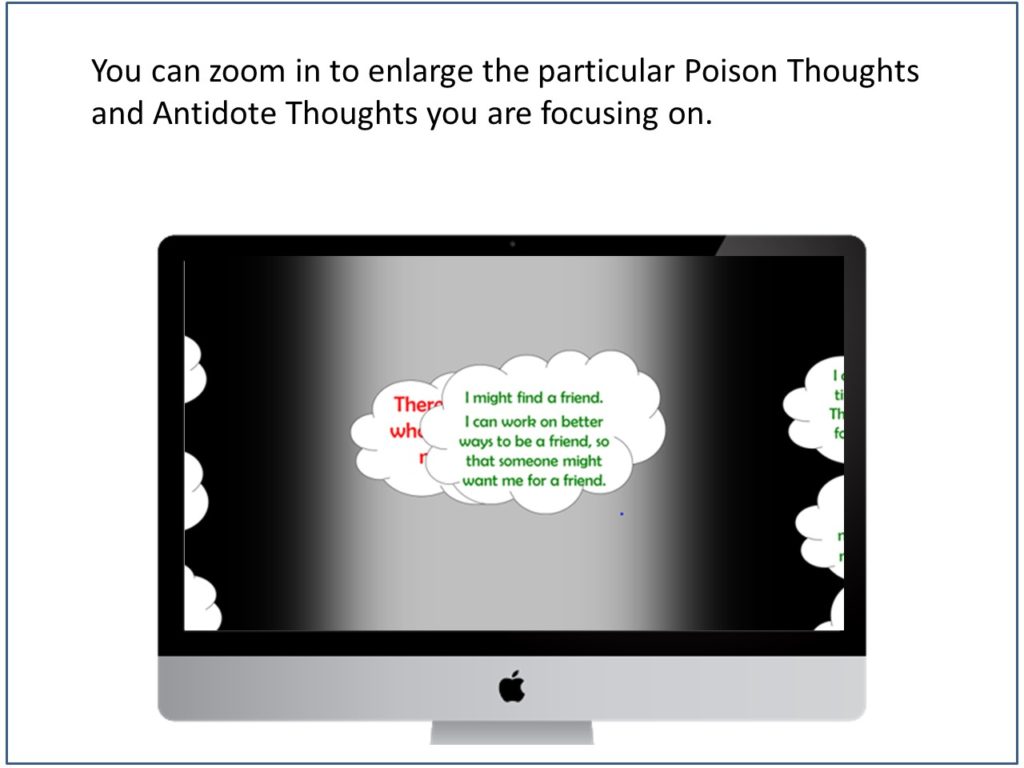
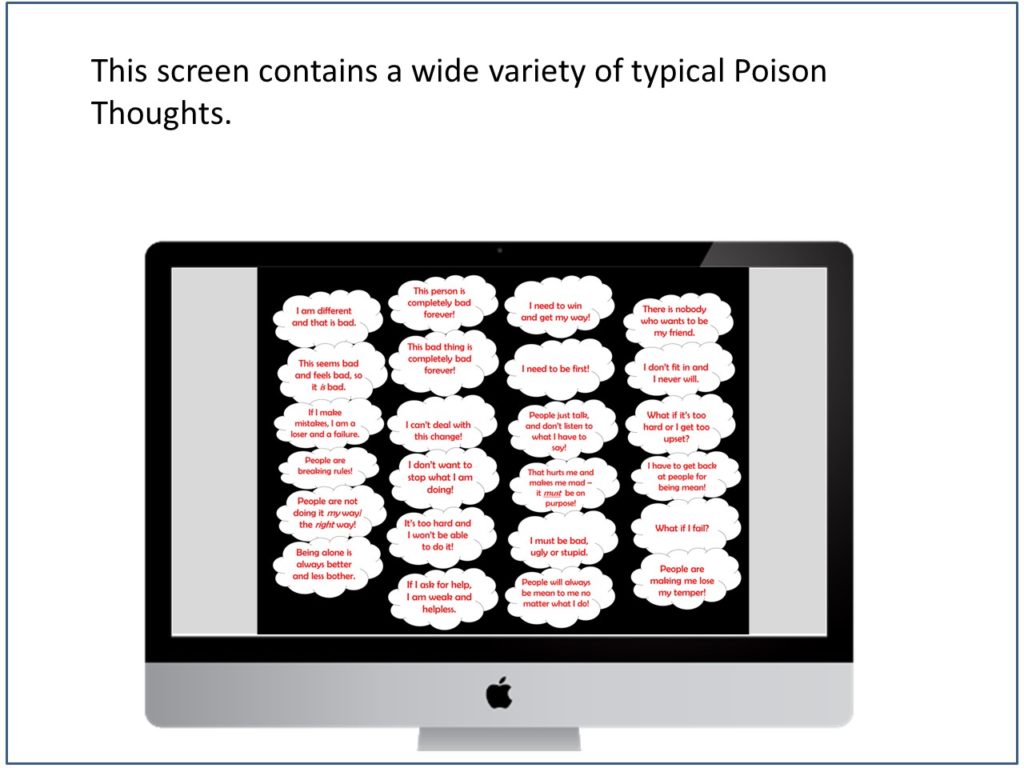
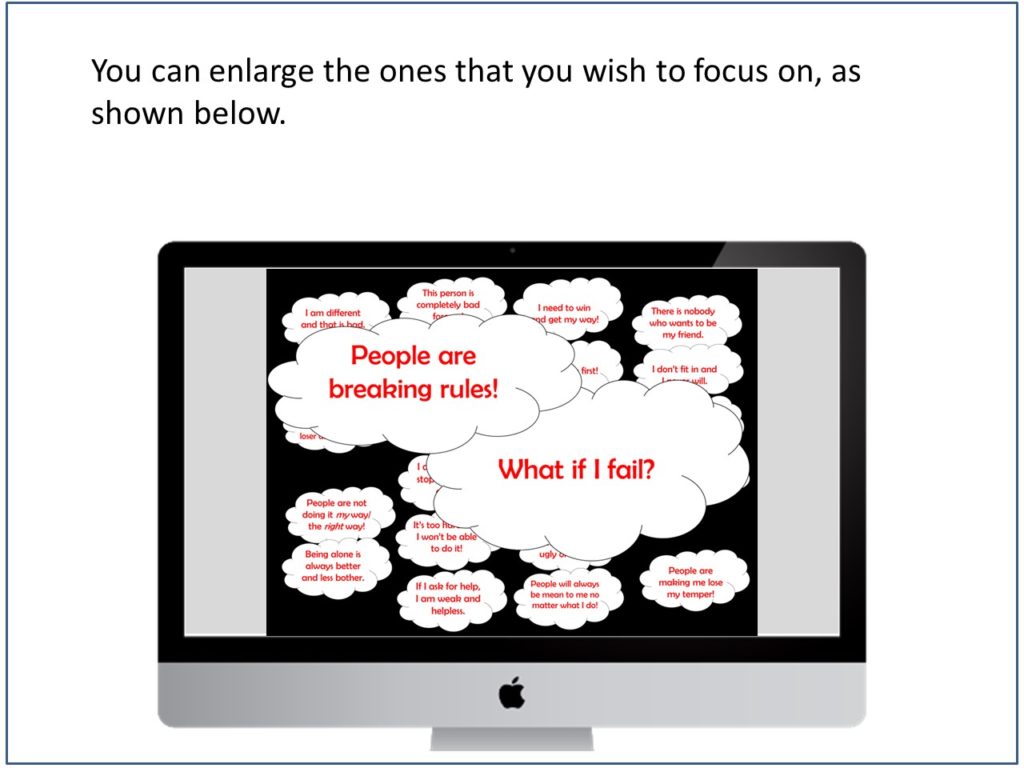
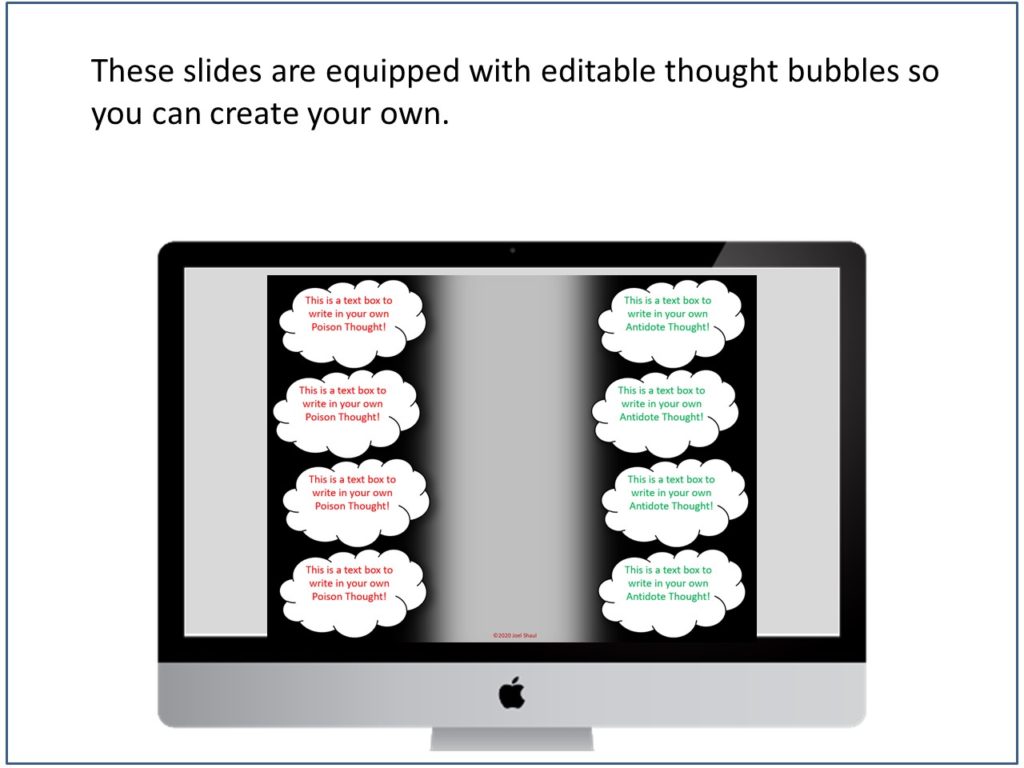
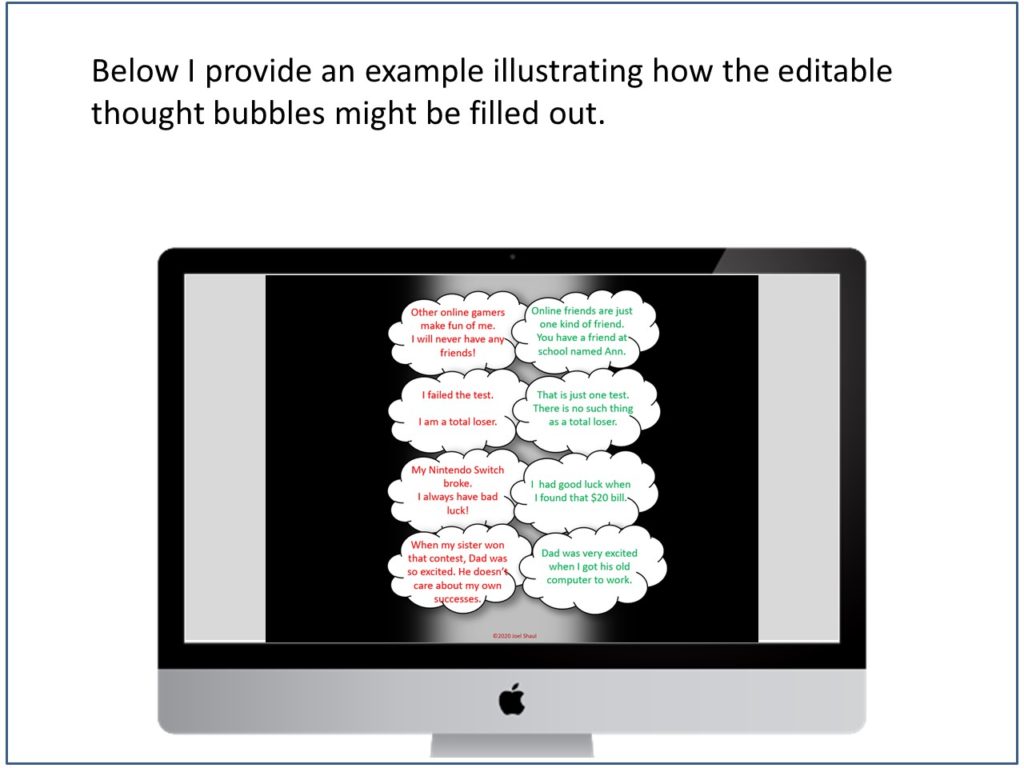
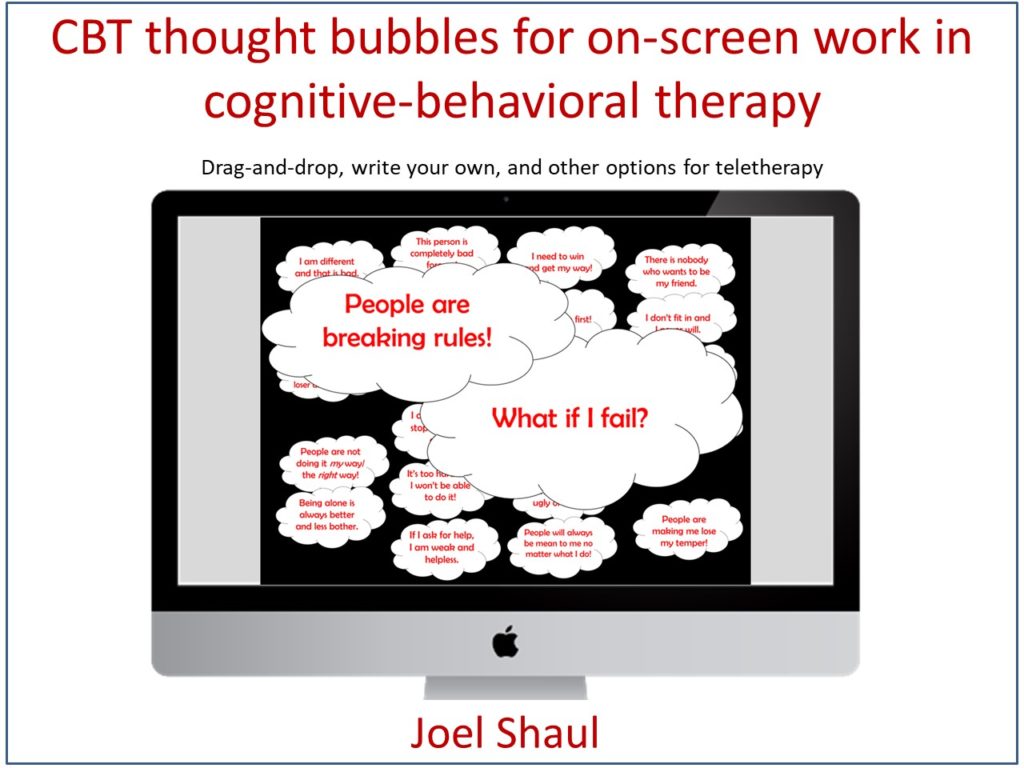
These 48 CBT Thought Bubbles are available in a screen-based version. I have used it a lot – this format works well.
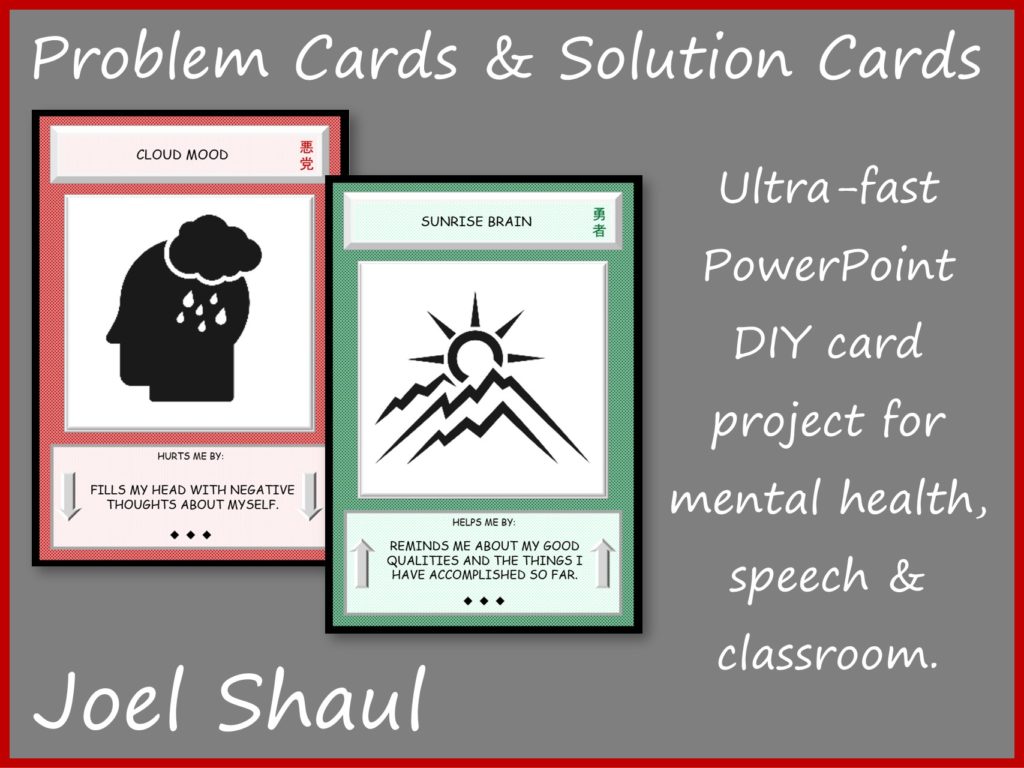
Problem Cards and Solution Cards allow you to quickly put together cards that look a lot like Yu-gi-oh cards. These are PowerPoint templates with built-in textboxes and multitudes of appealing images in the margins that you can easily drag and drop into place. It works best if you design these in close partnership with the child.
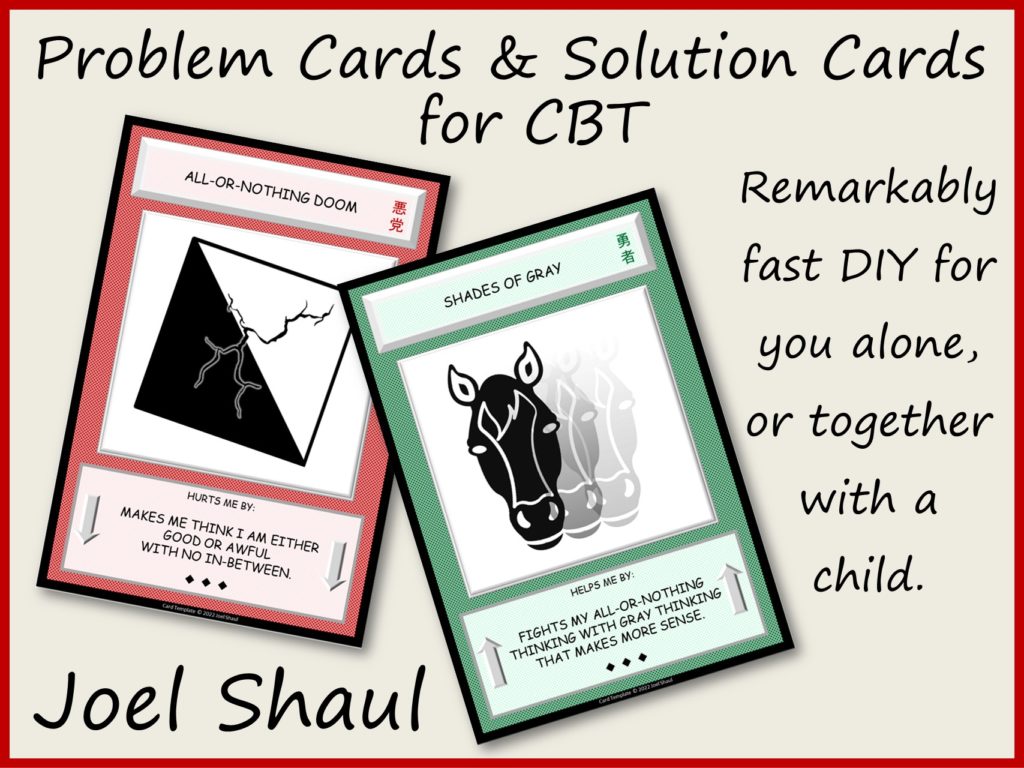
Problem & Solution Cards for CBT are just like the other cards just described, but I provide a completely different set of images to choose from – images that are specifically suited for mental health work.
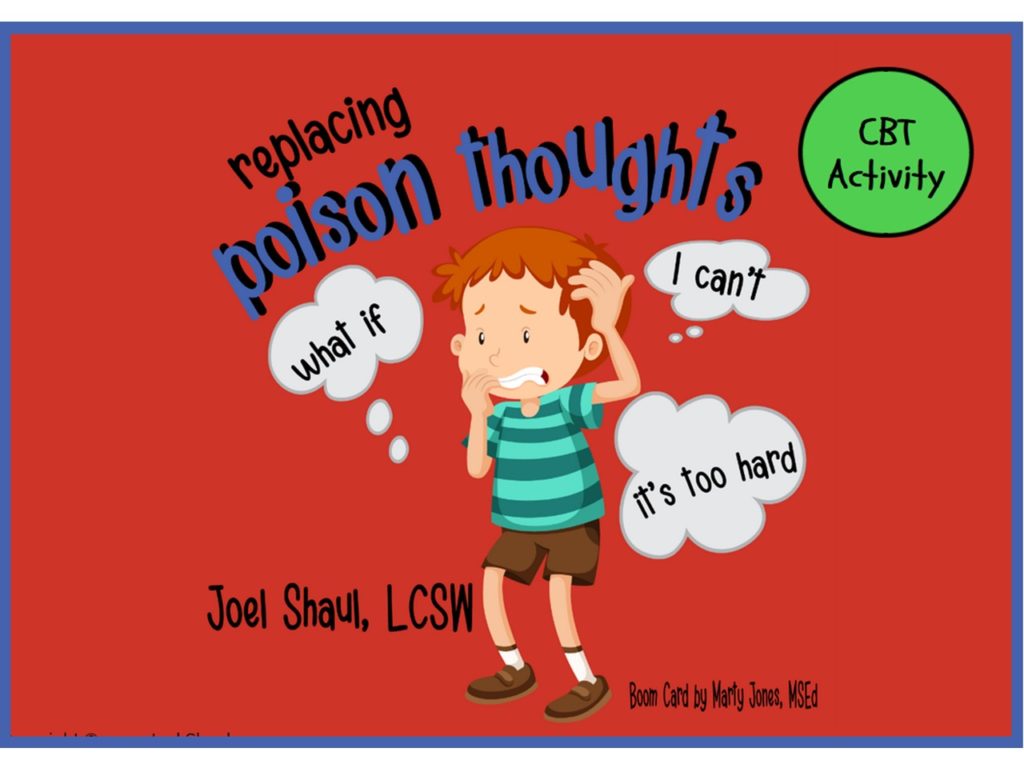
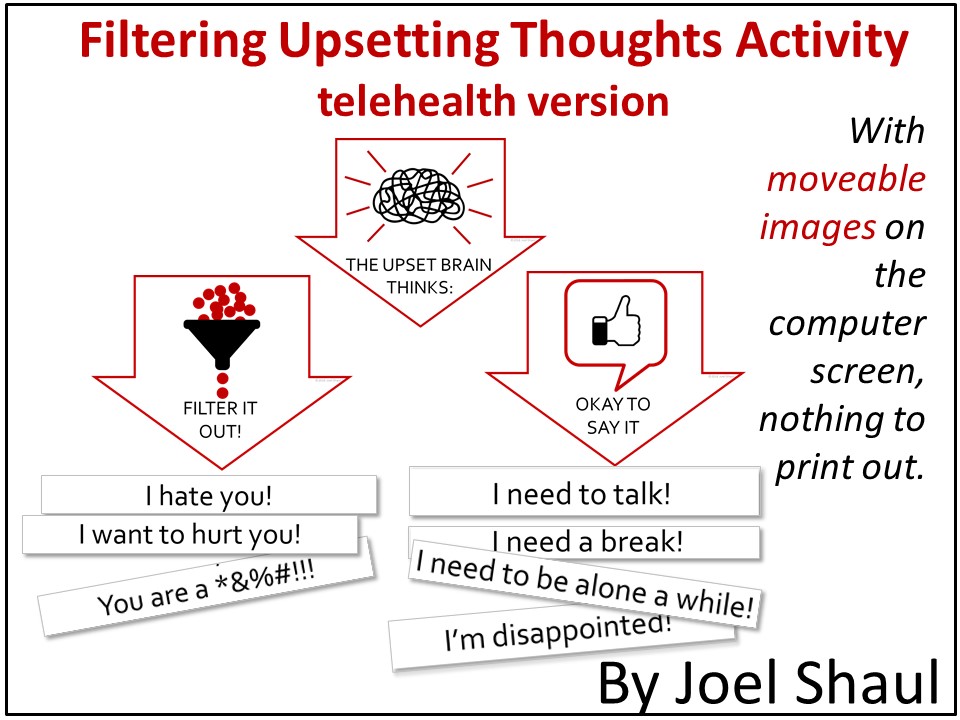
Having used both the print-out version and this on-screen version of the Filtering Upsetting Thoughts activity a number of times, I think that both work very well.
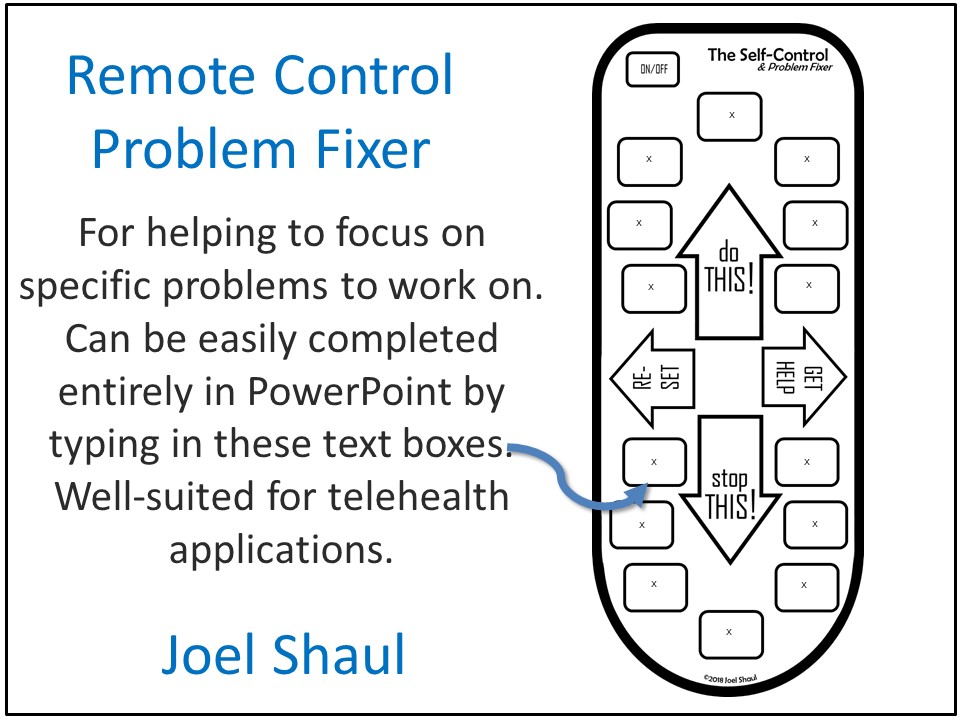
The Remote Control Problem Fixer is to help children focus on specific problems to work on. It can also be printed, cut out and colored.
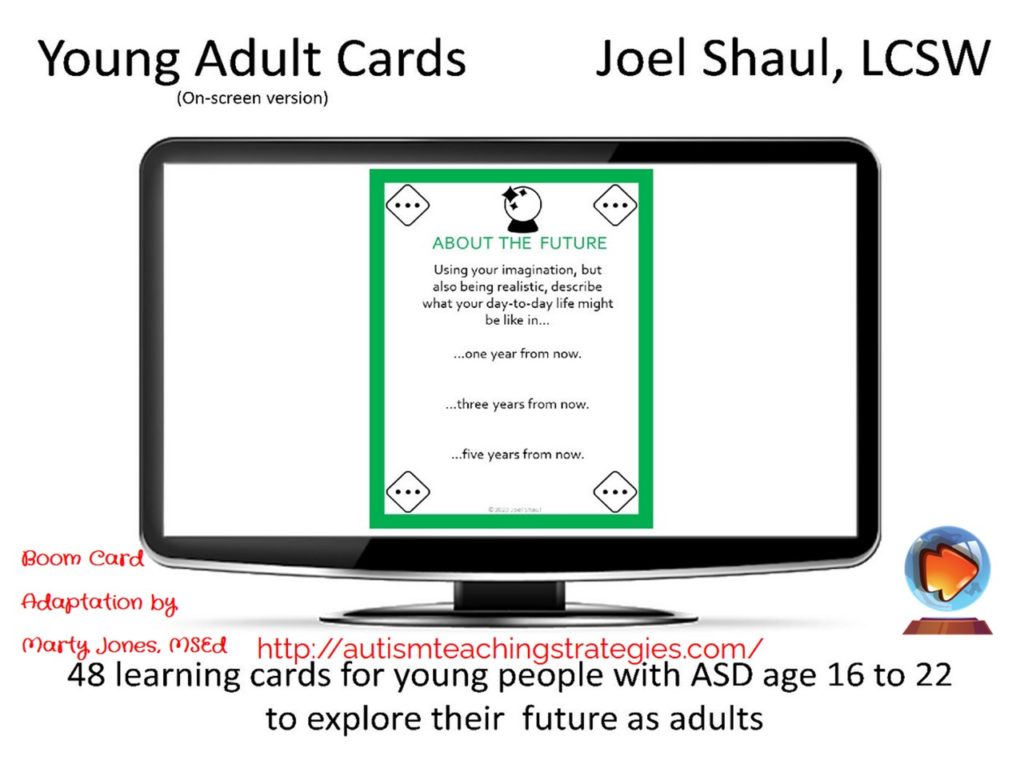
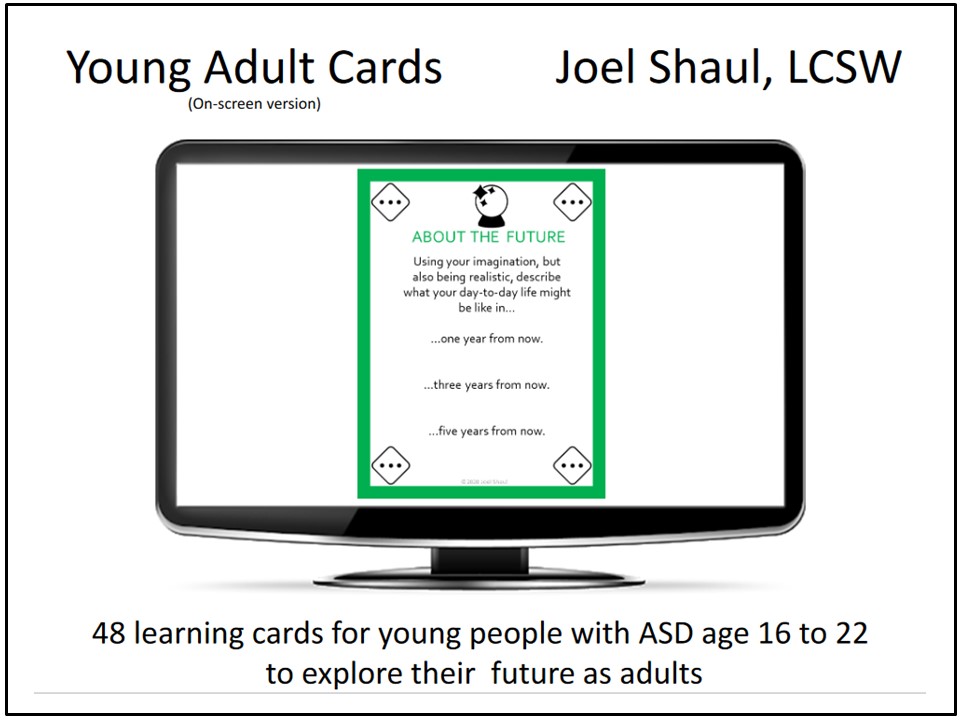
These are 48 cards that guide productive discussion on the challenges of becoming an adult. The screen-based version is useful if you don’t have the time to print and cut out these cards.
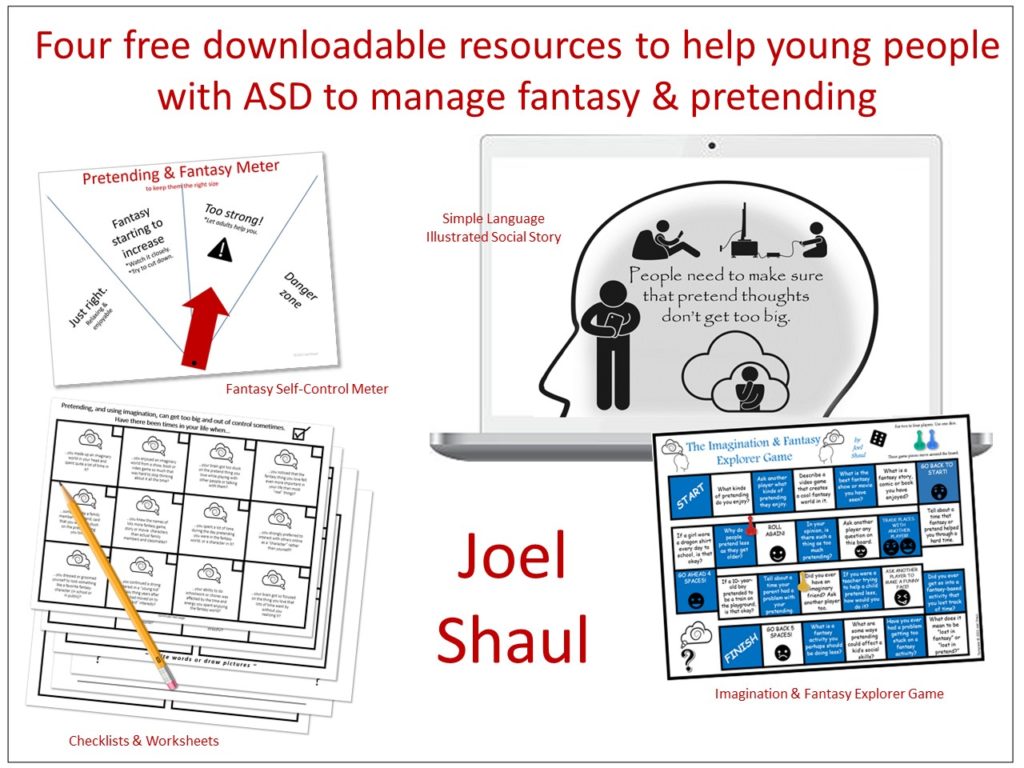
Four resources for helping young people with ASD to manage fantasy and pretending. Children and teens with autism often have rich imaginations. These four resources are designed to increase awareness of imagination and fantasy, promote appreciation of these qualities, and raise awareness of the problems associated with fantasy enthrallment.
Marty Jones, a special education teacher in Texas, created lots of outstanding Boom Cards for my free online resources. Check them out if you use Boom Cards.
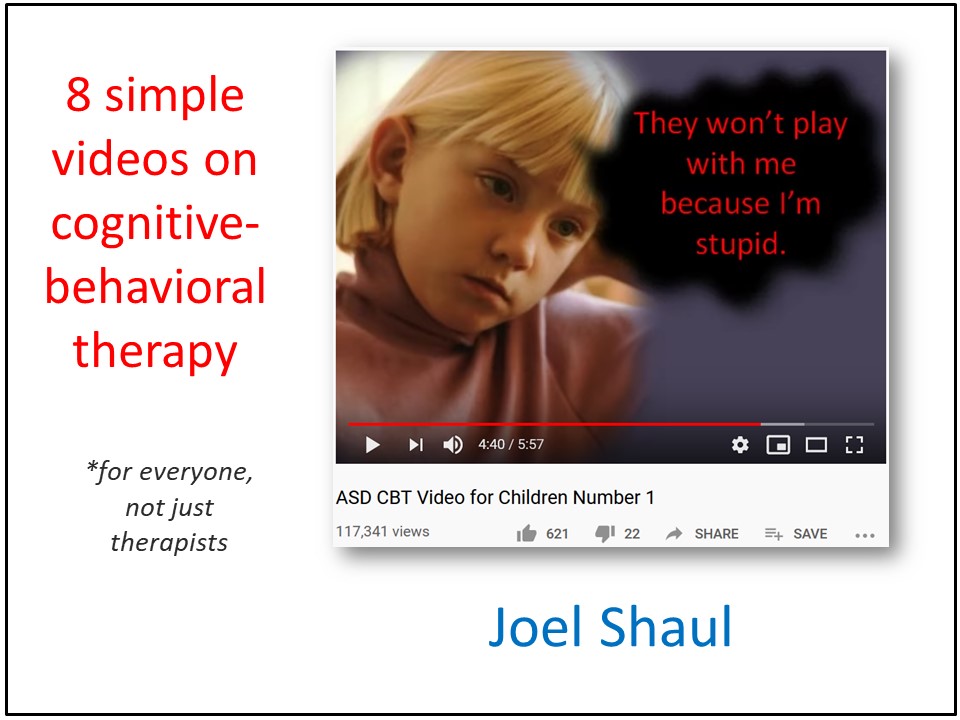
My CBT Videos for Kids have gotten over 700,000 views. If you do mental health work with children, please check them out.