“All About Me” signs to help with reciprocal peer conversation in children with ASD

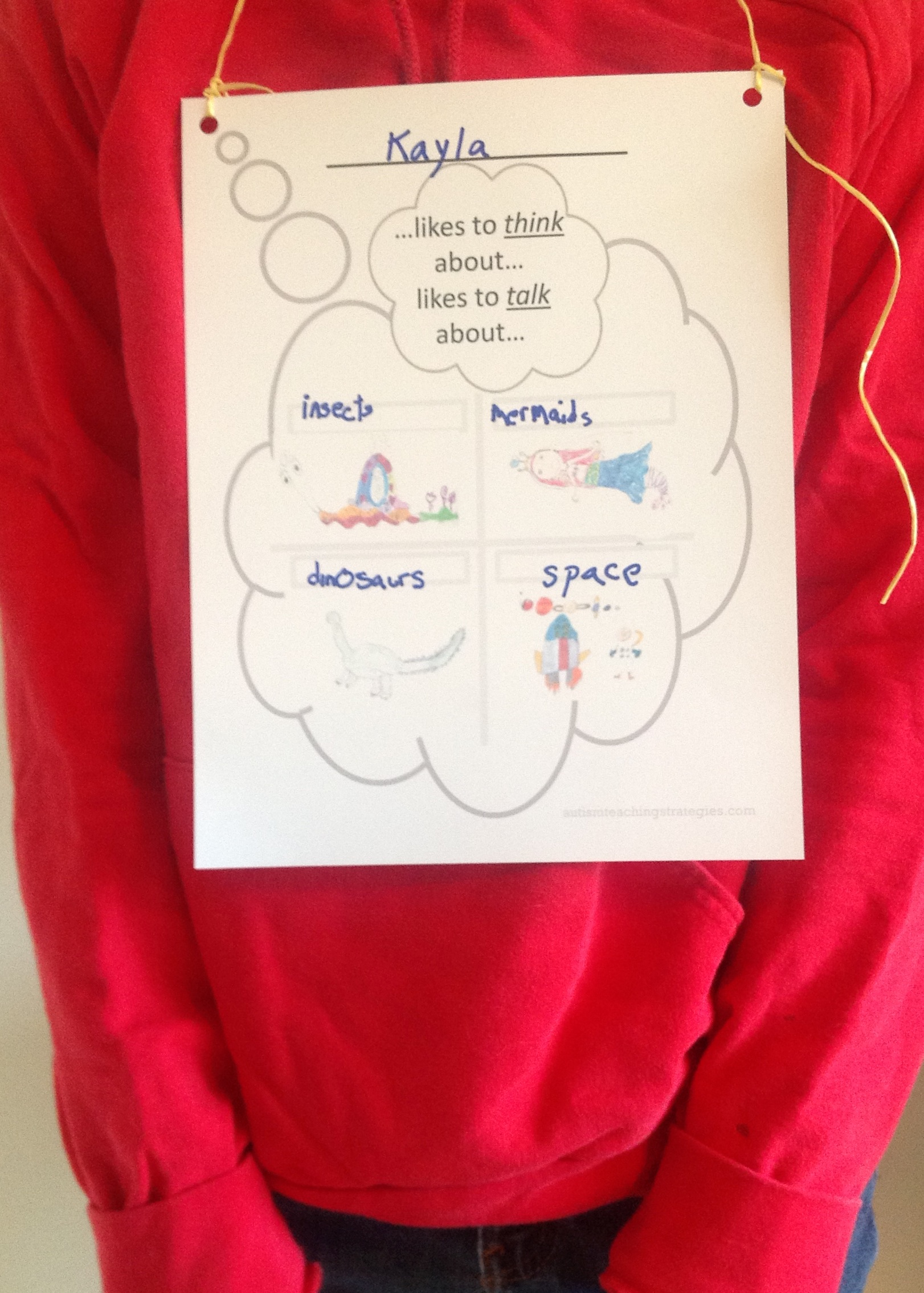
Below, there is a free download to create these “All About Me” signs. They are used to help children with ASD to consider peer thoughts and interests during conversation. Both individuals in role play practice wear signs displaying their interests.

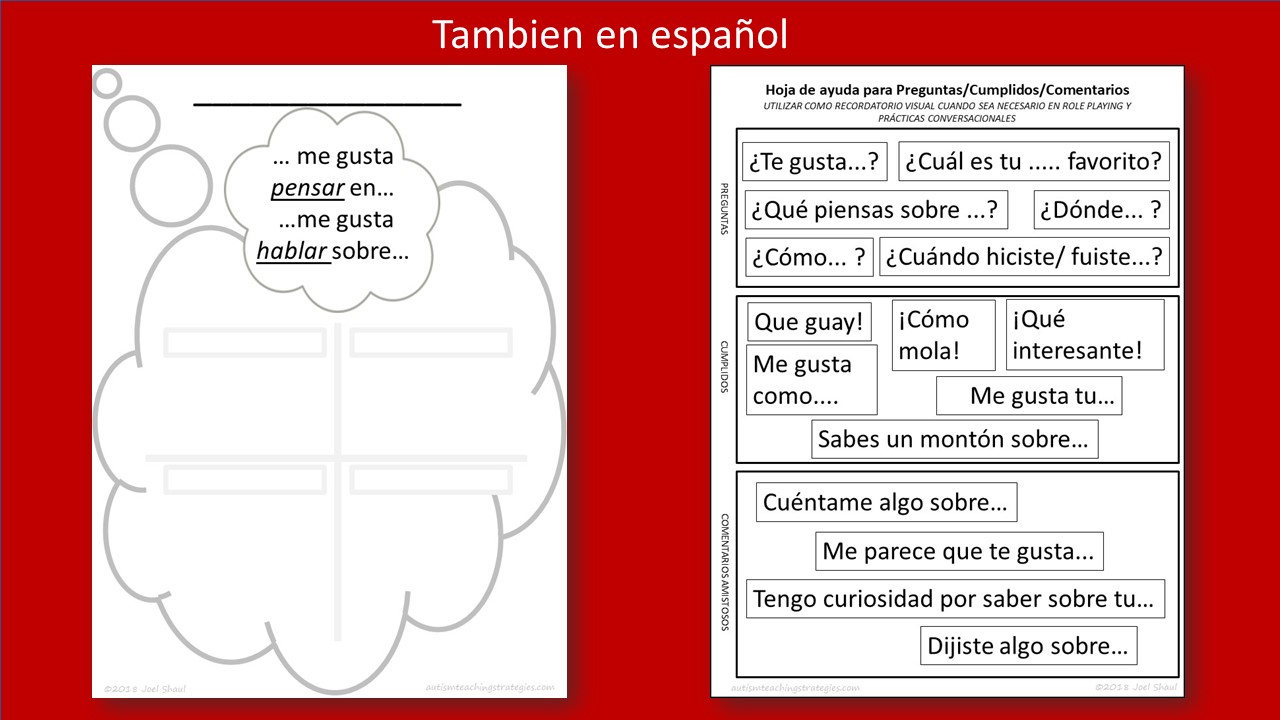
All about me sheets Spanish horizontal display for blog post

Children with Asperger’s and other autism spectrum disorders usually have great difficulty with learning, remembering and using information about others in conversation.  Elsewhere in this series of blogs, I have provided methods and downloadable visuals to help children with ASD to speak in a more reciprocal manner.  Here is one more technique, which can be used from about age 6 up through teen years.
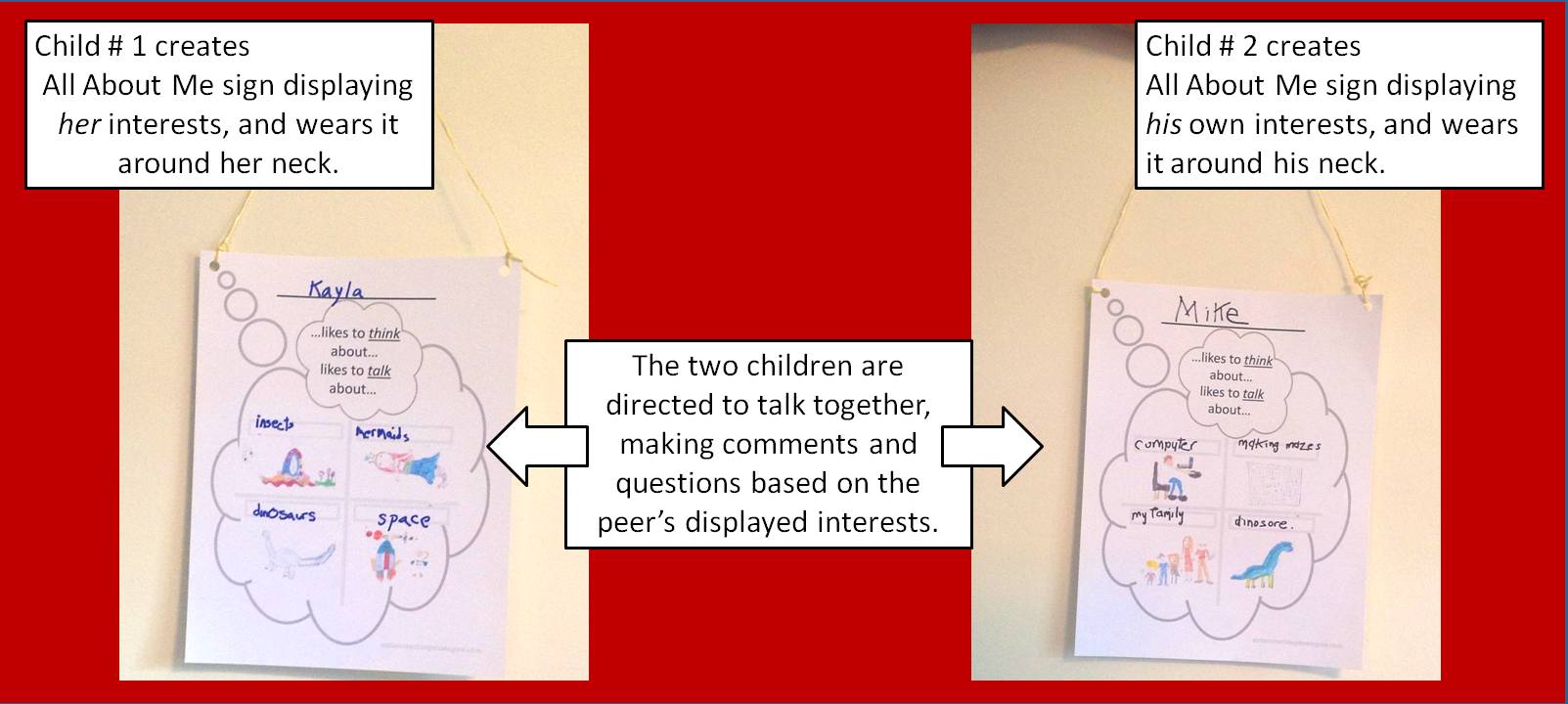
Tips on helping children to complete the All About Me signs:

1.  You may have them select pictures online to paste onto the sign instead of having them draw the pictures.

2.  Suggest to children completing the signs that they should include a variety of pictures.  It constrains conversation to restrict the All About Me sign to, say, four different pictures representing four different video games.

Tools to use in combination with the All About Me signs:

Green Zone Two-person worksheets.  These are really useful for having two peers identify common ground. There are many other conversation skills resources on this website.

PDF blog insert

All About Me Wearable Signs Download

Paginas todo sobre mi – todo sobre ti

Polski: Wszystko o mnie podr?czne karty

All About Me Wearable Signs, Hebrew Translation

How to introduce the activity:

Here are some words to try…or your own intro might improve on the intro I provide here:

“When you talk to another person, you always have to think about what the other person might be thinking and what the other person might like to talk about.  To help you think about what other people like to talk about, we are going to make All About Me signs.  Draw simple pictures that another person can understand.  Use your very best writing.  When you are finished, we will use string to attach it around your neck.  You will then have a conversation with another person who is also wearing and All About Me sign.  Each of you will do your best to pay attention to the things the other person likes.”

I hope you have fun with this activity.  [by the way…the kid pictures shown here are derived from free images found online.]

Joel Shaul, LCSW

Your comments on these resources are most welcome, and often helpful. Click HERE to send an email.
Your Interests Promo image for website

The Conversation Train Book

Green Zone Book Cover Click to Learn More

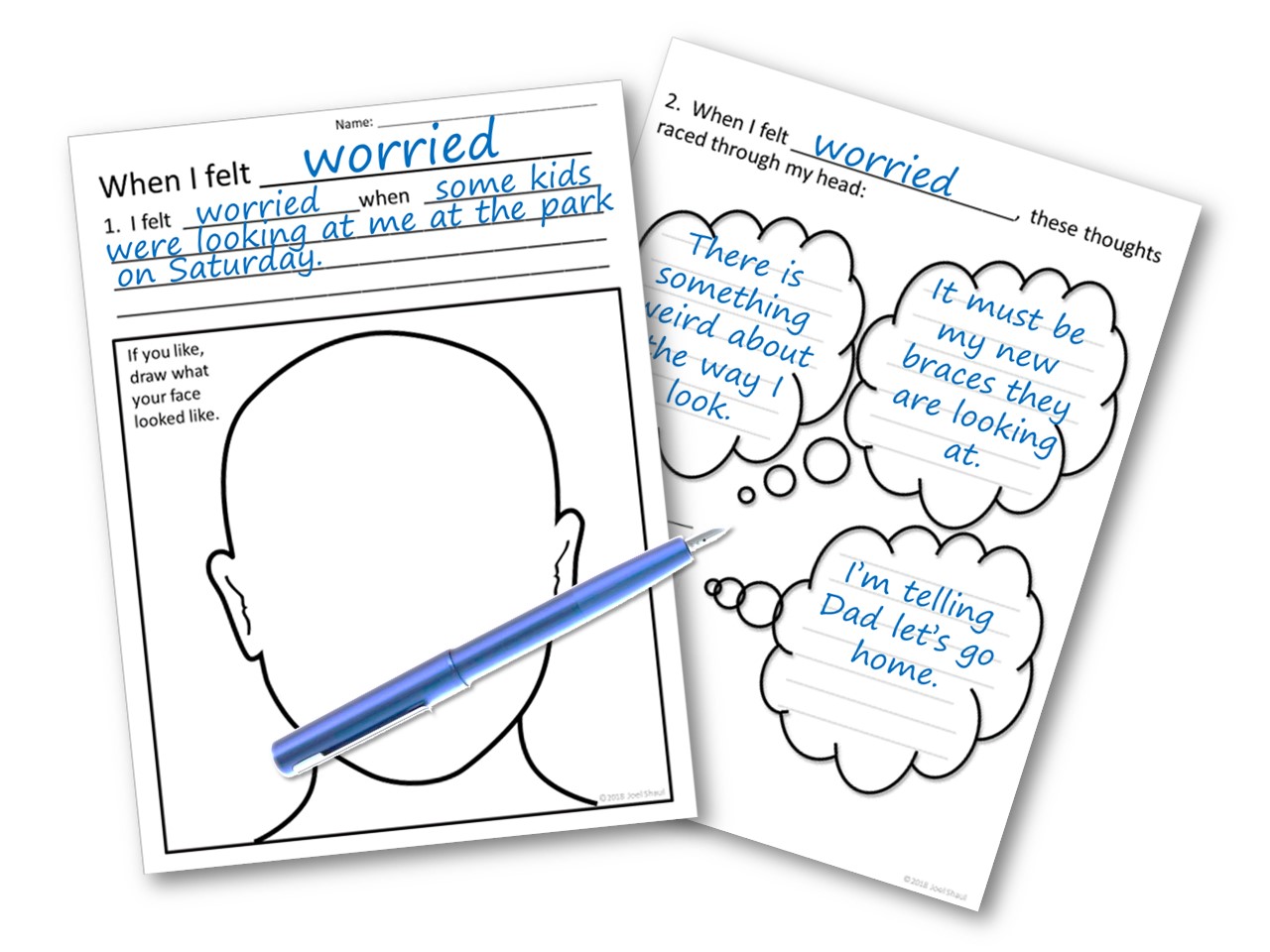
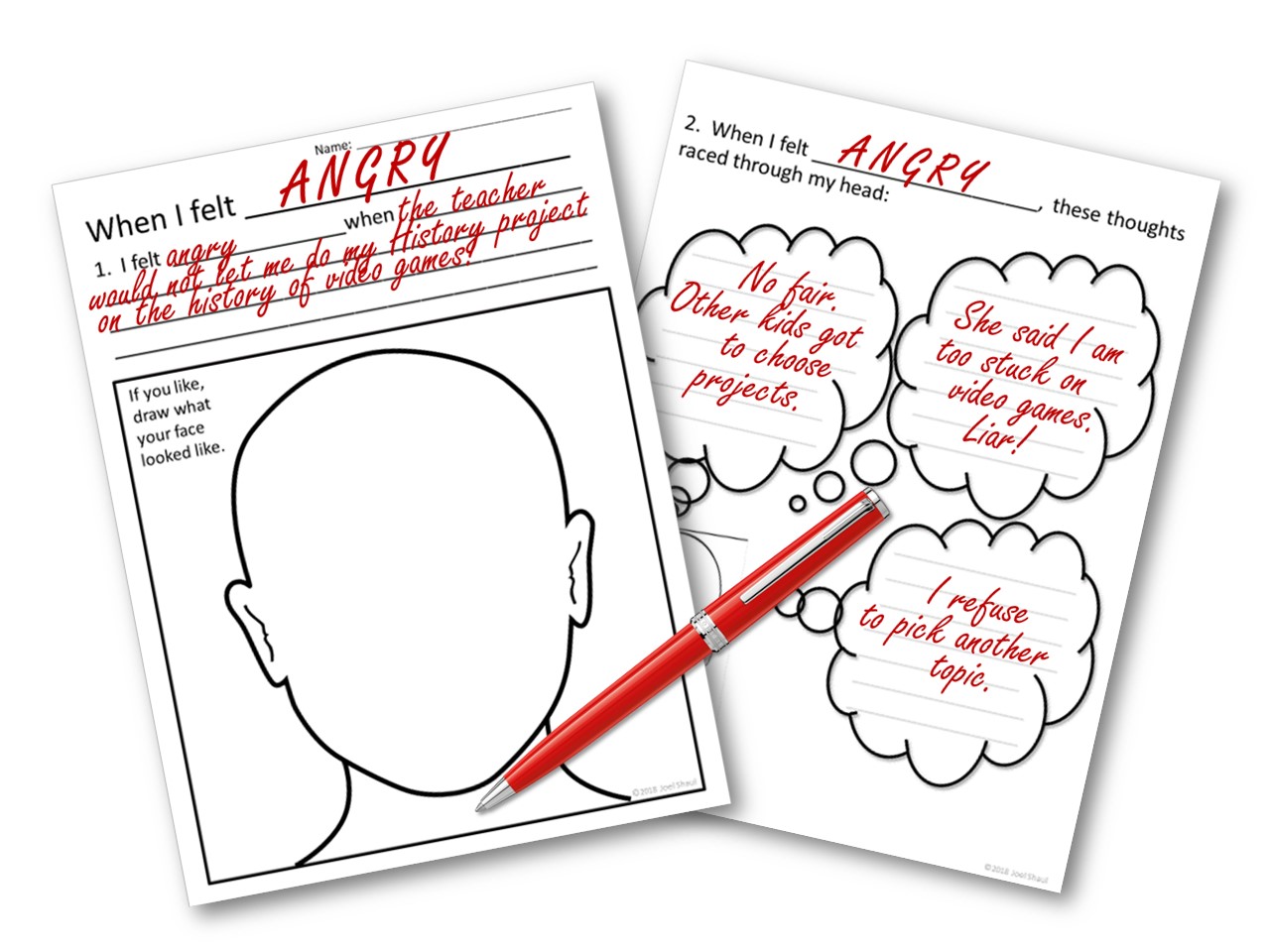
“Worry cards” – Free download card game activity to help kids with ASD deal with anxiety

Worry Cards Blog Image Display

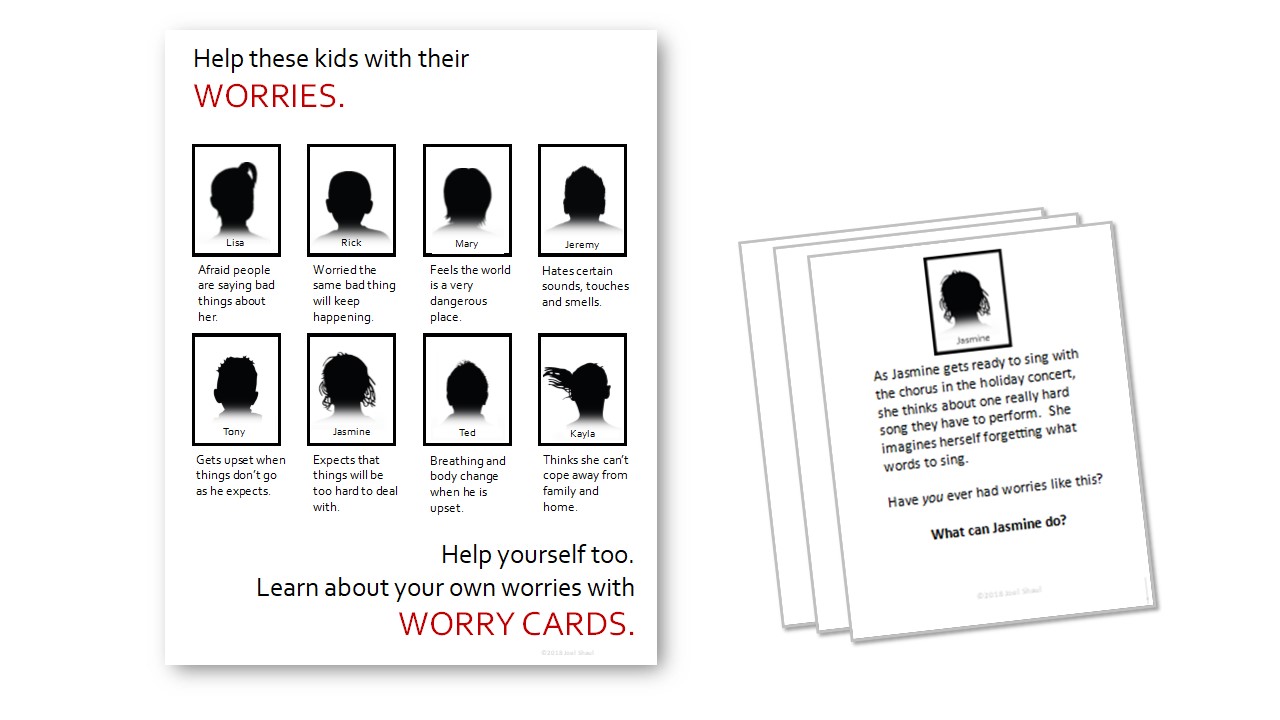
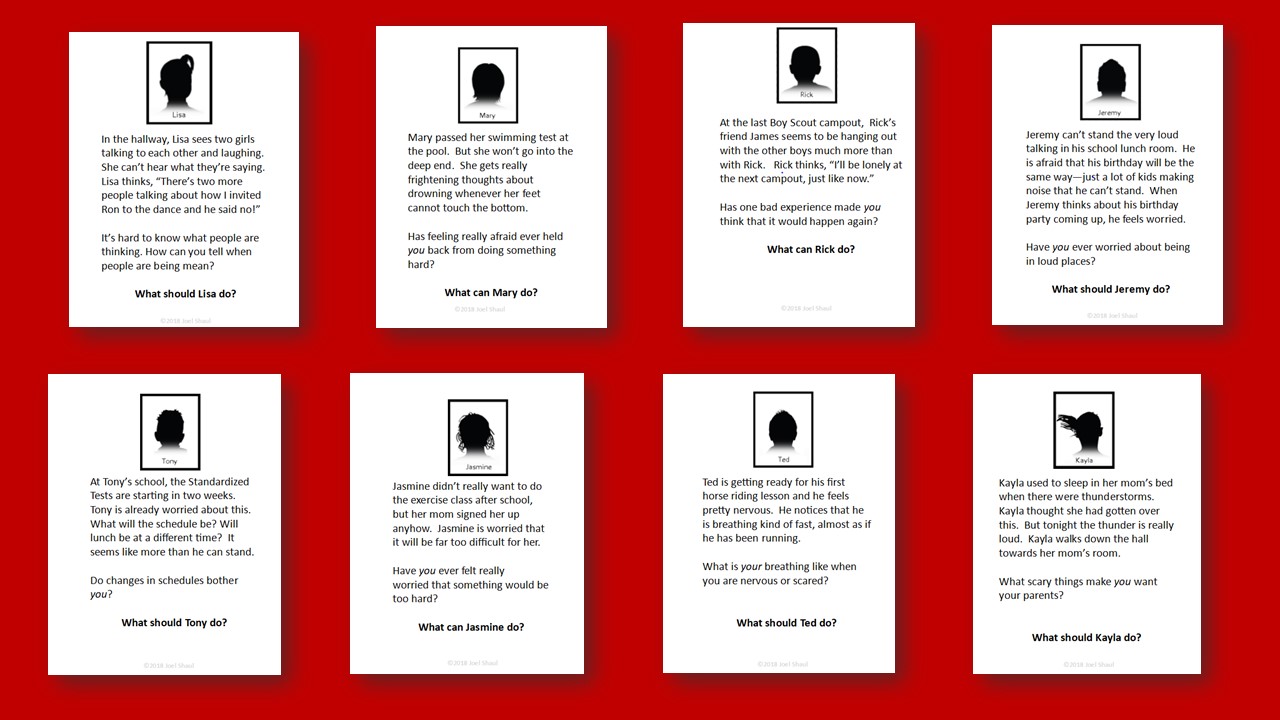
Children with ASD’s deal with a lot of anxiety.  Here is a card-based activity to use with individuals and small groups. It’s designed to help kids to talk about their anxiety, learn something about what causes it, and begin to explore ways to help themselves.
 

Download the cards – click here: Worry cards, Activity to explore anxiety

Polish translation available

Spanish language translation: Las Fichas Sobre Miedos


The characters in the cards:

Lisa: She makes negative predictions about what people are thinking about her.
Rick: He assumes that if bad things happened before, then they will continue to occur in the future.
Mary: She views the world as a place full of danger and peril.
Jeremy: He has “sensory issues” which make him dread unpleasant sounds, textures, smells, etc.
Tony: He craves sameness and he fears the unexpected.
Jasmine: She lacks confidence in her ability to deal with new challenges.
Ted: His body (breathing, muscle tension, sweating, etc)  overreacts to stress.
Kayla: She gets panicky when she is away from her family and her home.
Worry Cards Blog Image Display 2
 

Introducing the Worry Cards:

You can try words like this if you like:  “We are going to play with Worry Cards and learn about worries.  Everybody gets nervous, anxious and scared in different ways.  The eight Worry Cards characters each have their own way of getting upset.”
 
[Now, show them the panel that briefly describes each character.  Embellish on each one.  It works really well, actually, to enact each character briefly in the first person so the kids really get it]
 
“The Worry Cards are shuffled up.  When you draw a random card, you have to try to figure out how to help the Worry Card character. If you can think of some good ideas, that’s great.  It’s even better if you can answer the other question on the card, the one that asks about you.”

Tips on using the Worry Cards:

I suggest you avoid using the word “anxious” unless you are positive that the children understand it.
 
You can place cards in the deck strategically so the kids draw the particular cards that seem to  pertain to them.
 
You can try a score system to encourage self disclosure.  Say it’s one point to help the kid in the card, and two points if you can talk about yourself and work on your own worries.
 
I hope you find the Worry Cards useful.  I enjoyed creating them.
 
Joel Shaul, LCSW

Other  Free Cognitive Behavioral Resources on my website:

click HERE.

Your comments on these resources are most welcome, and often helpful. Click HERE to send an email.

ASD Feel Better Promo square directing to JKP

The Conversation Train Book

Green Zone Book Cover Click to Learn More

Turn-taking in children with ASD: Visual-based social skills strategies

.

Turn taking and theory of mind deficits

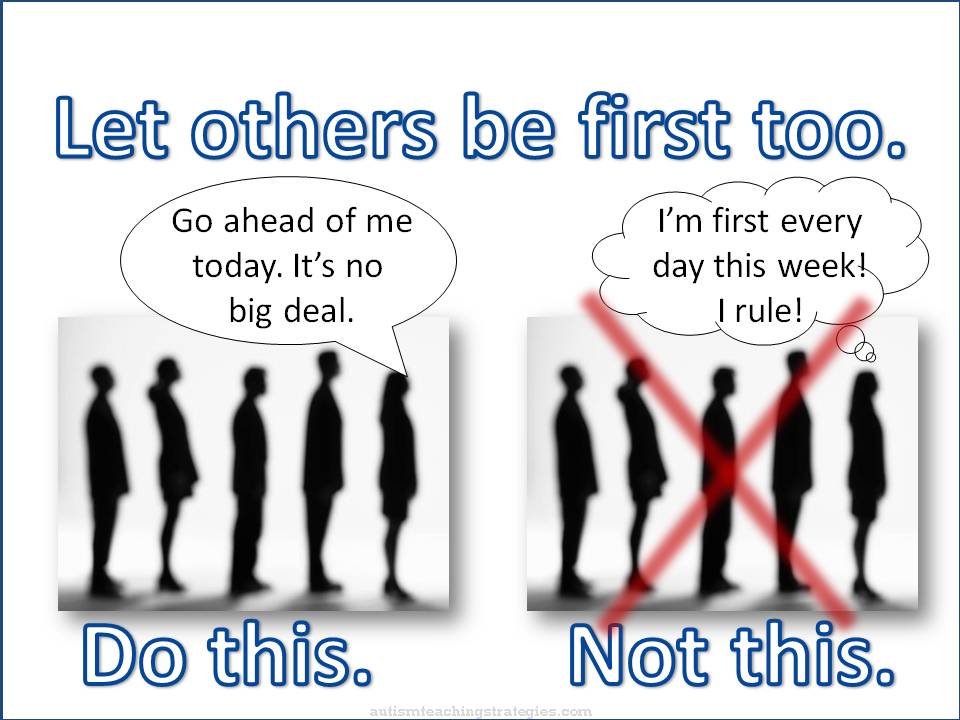
The diverse social skills associated with taking turns can be very difficult for children with ASD to master.  This has to do with theory of mind deficits.  A child with ASD may be unable to predict how another person might feel to be interrupted in a video game or given the last turn in a video game.  A child on the autism spectrum might not be able to anticipate the positive social consequences for allowing a peer to go ahead of them at the drinking fountain or talk first in a discussion.

Making it visual

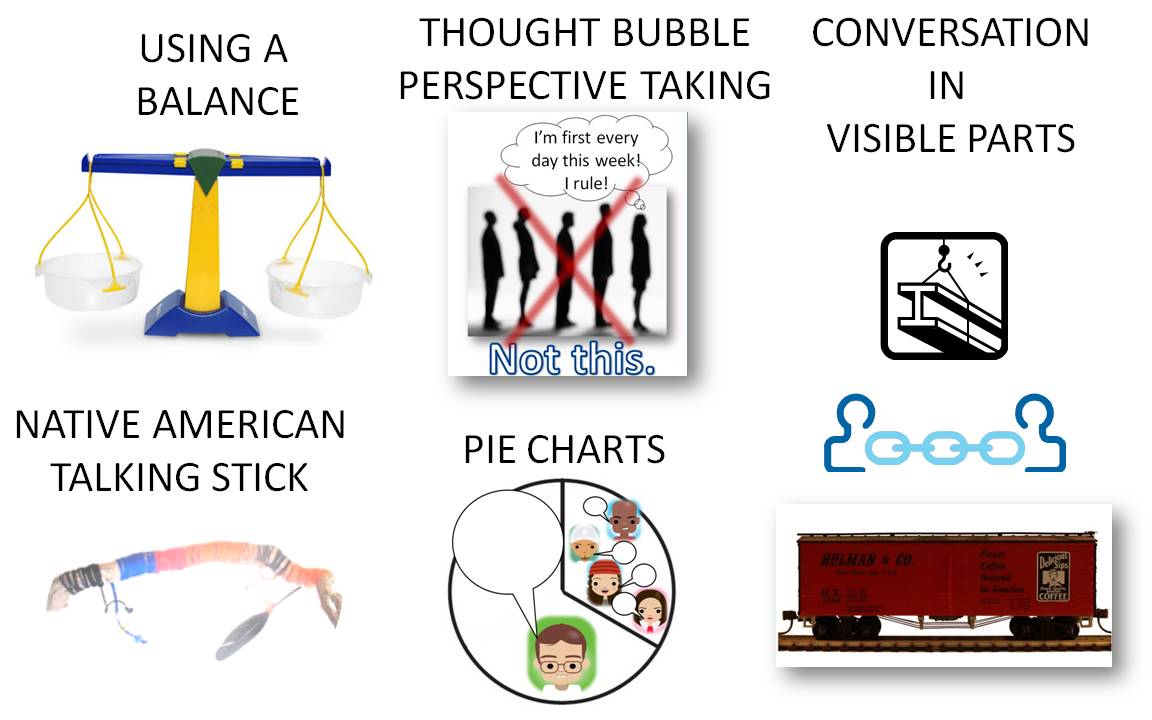
It often helps to make it visual when teaching social skills to kids with Asperger’s and other autism spectrum disorders.  Here are some visual tools you can either download free from my various blog posts or else buy for very little money.
.

Thought bubble explanations

Many young children fuss about being first, but quite a few children on the autism spectrum persist in “me first” behavior, in a child-like fashion,  well into their teens.  Use this panel, which is part of a series of seven of my free panels you can download for free from the website, to show how others might react to someone who always tries to be first.  Using your own simple pictures, create other simple thought bubble explanations to demonstrate how others feel in turn-taking situations in play and work.
.

Using a balance

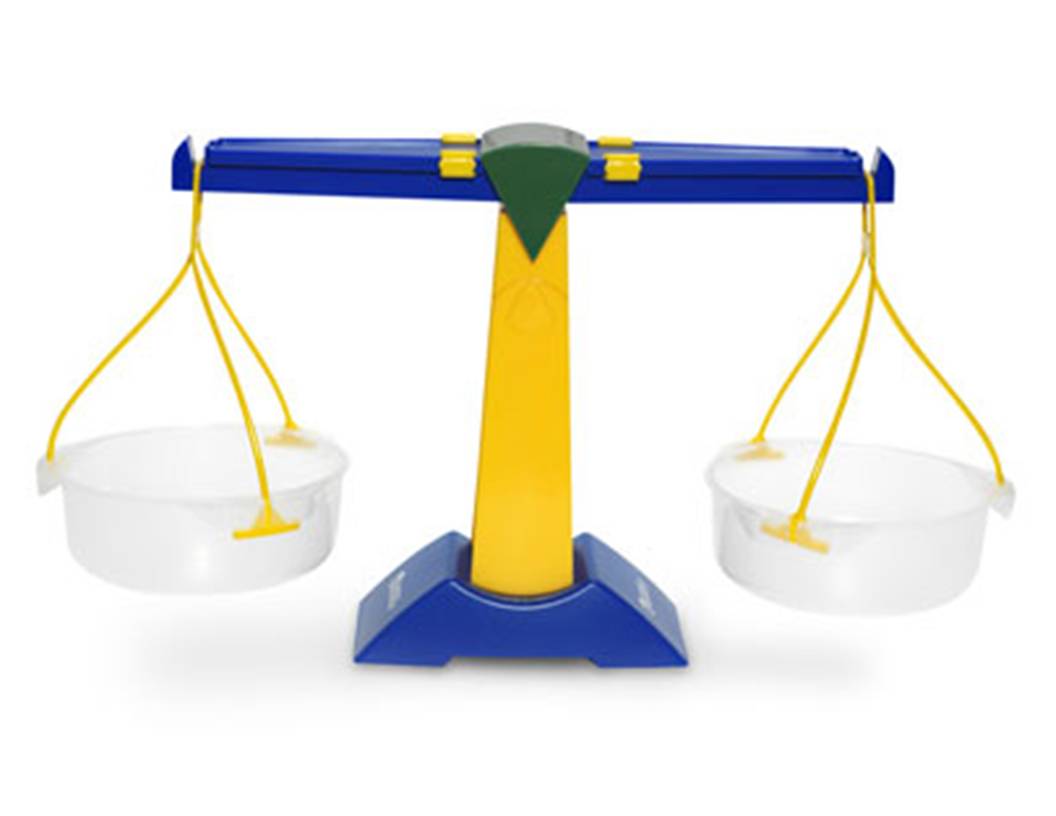
An inexpensive classroom balance, available for about 18 dollars online, is a very useful gadget for demonstrating reciprocity in relationships and conversation. I have made a nice, illustrated tutorial to show you how to do it – click HERE.


.

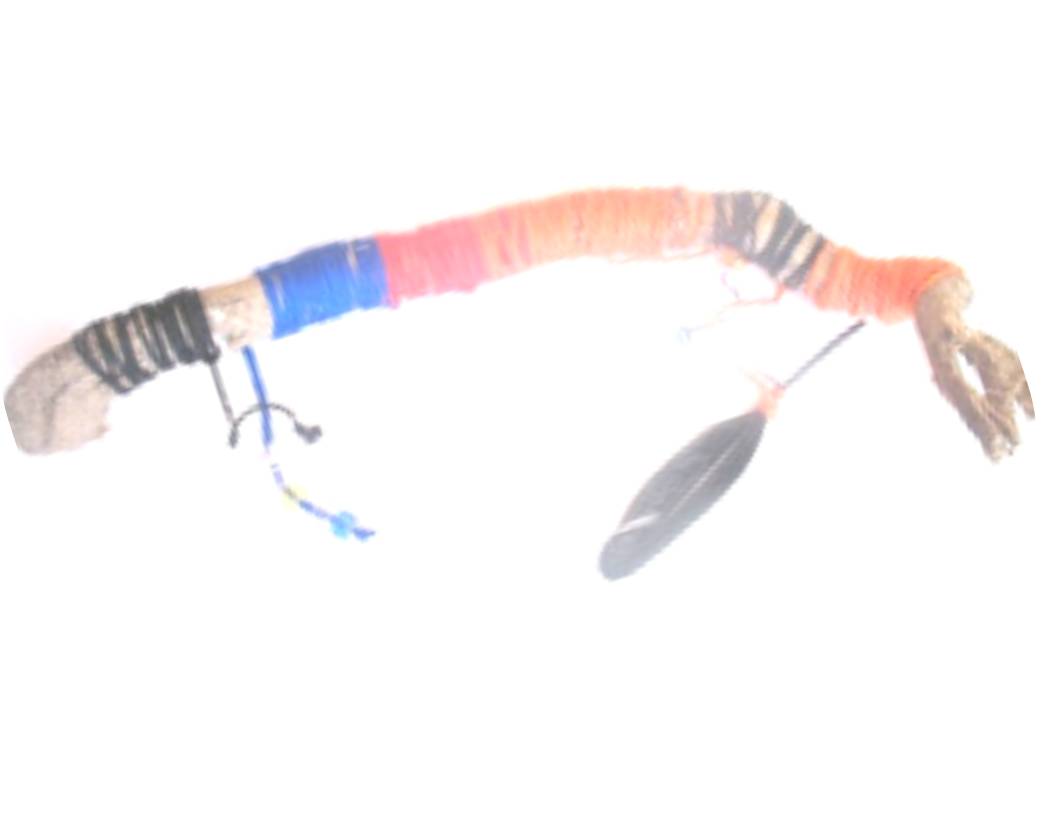
Using a Talking Stick

This is a method of enforcing turn-taking in conversation which is part of Native American lore and tradition.  Making simple Talking Sticks and using them can provide a fun and useful series of social skills lessons for young people on the autism spectrum.


.

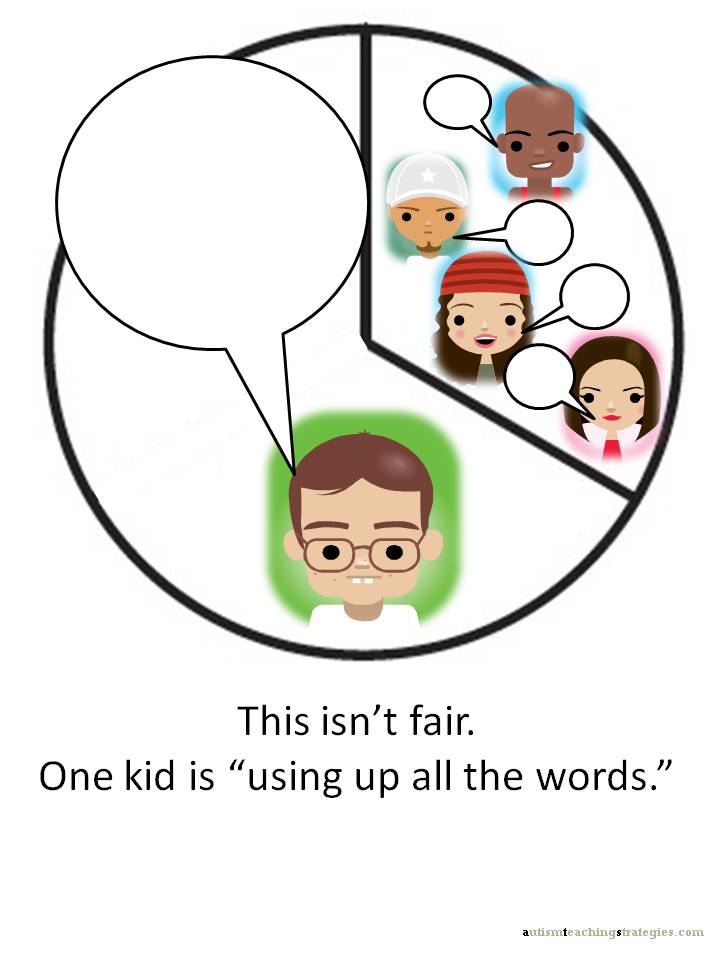
Pie charts

For children on the autism spectrum who dominate discussions, pie chart visuals can be extremely helpful.  Here is a link that guides you to pie chart visuals like the one shown above as well as blank templates for you to customize.


.

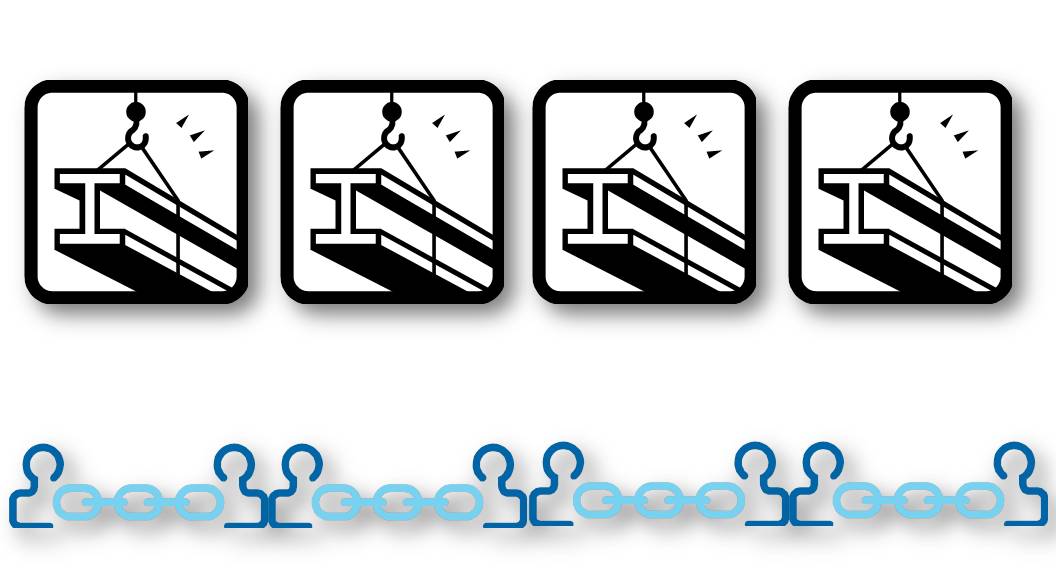
Conversation turn-taking visuals:  chains and girders

I provide you with very simple downloads to create hands-on, visual conversation activities.  Just download, print and cut out.  I give you explanations and and a Youtube video to learn how to use the chain and girder images.
 

Conversation turn-taking visuals:  chains and girders

 
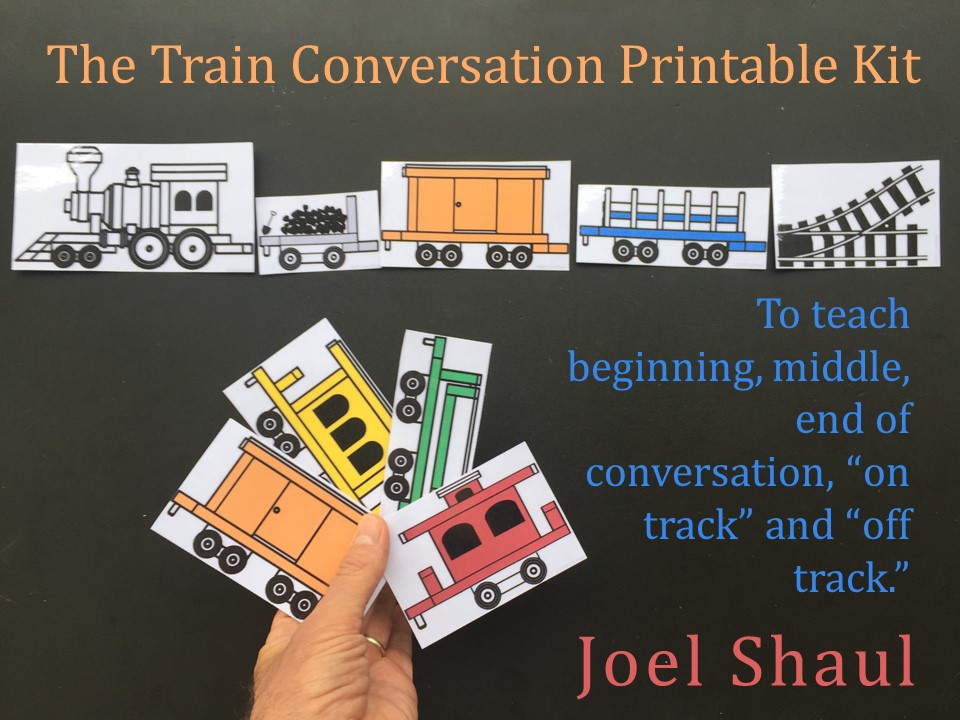
Trains are my favorite visuals for teaching back-and-forth and coherence in conversation.
 
Click HERE to access the free download of the Train Conversation Printable Kit.
 
I wish you well with your social skills teaching.  I hope  that introducing some of these visual elements might help  in your work.
 

Joel Shaul, LCSW

Your comments on these resources are most welcome, and often helpful. Click HERE to send an email.
The Conversation Train Book
Green Zone Book Cover Click to Learn More

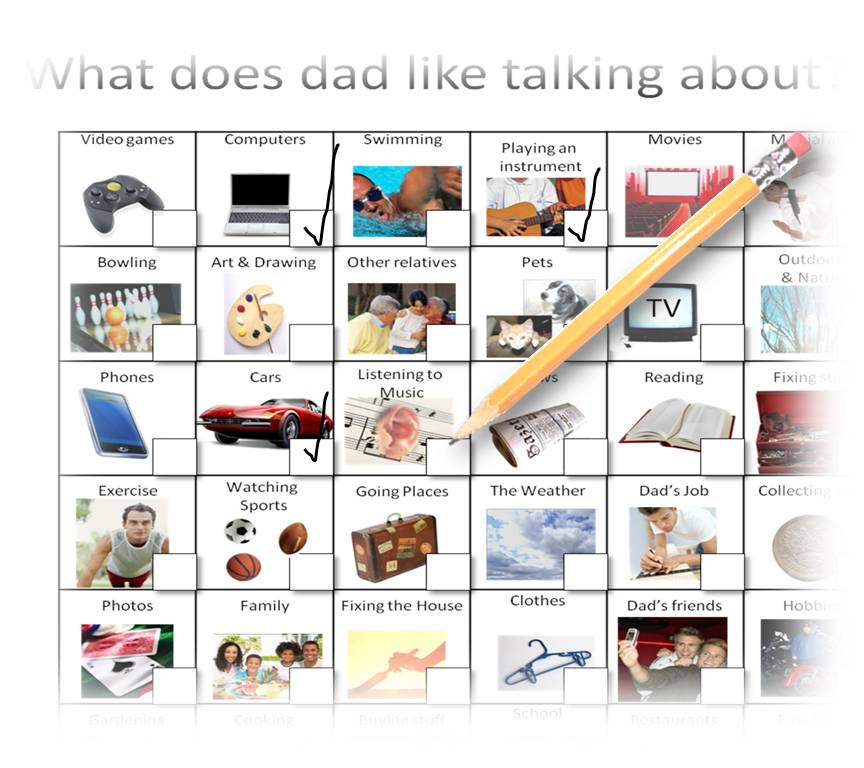
Talk-to-dad conversation starter worksheets for kids with Asperger’s and other autism disorders

conversation reciprocity worksheet for kids with Asperger's

IMG_7749

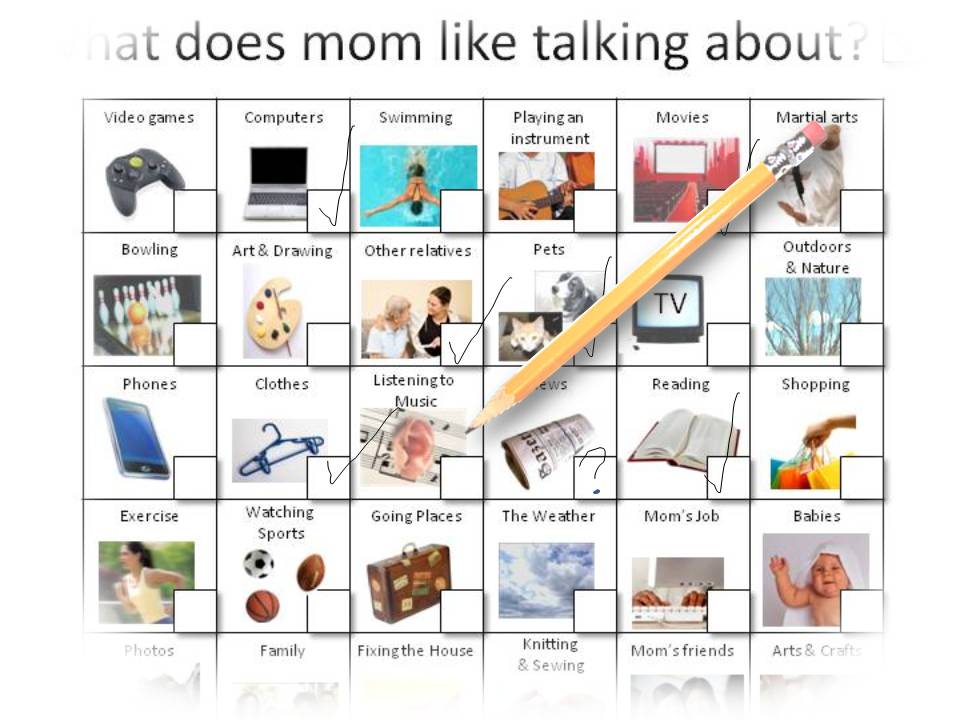
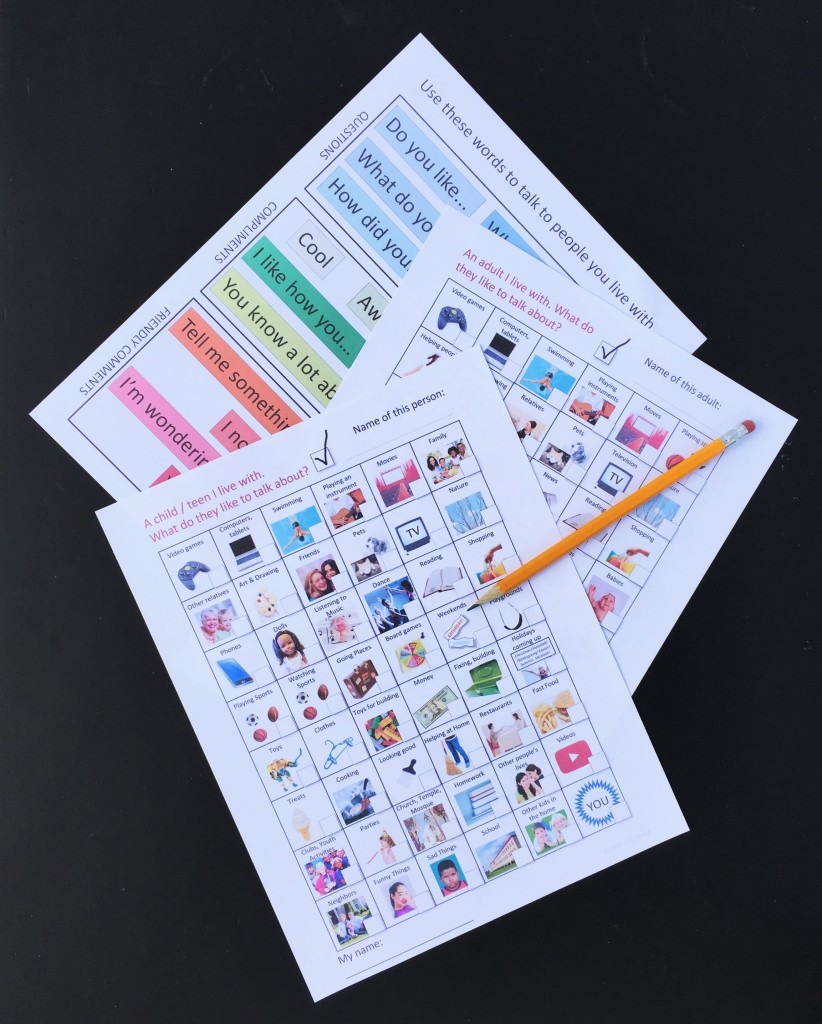
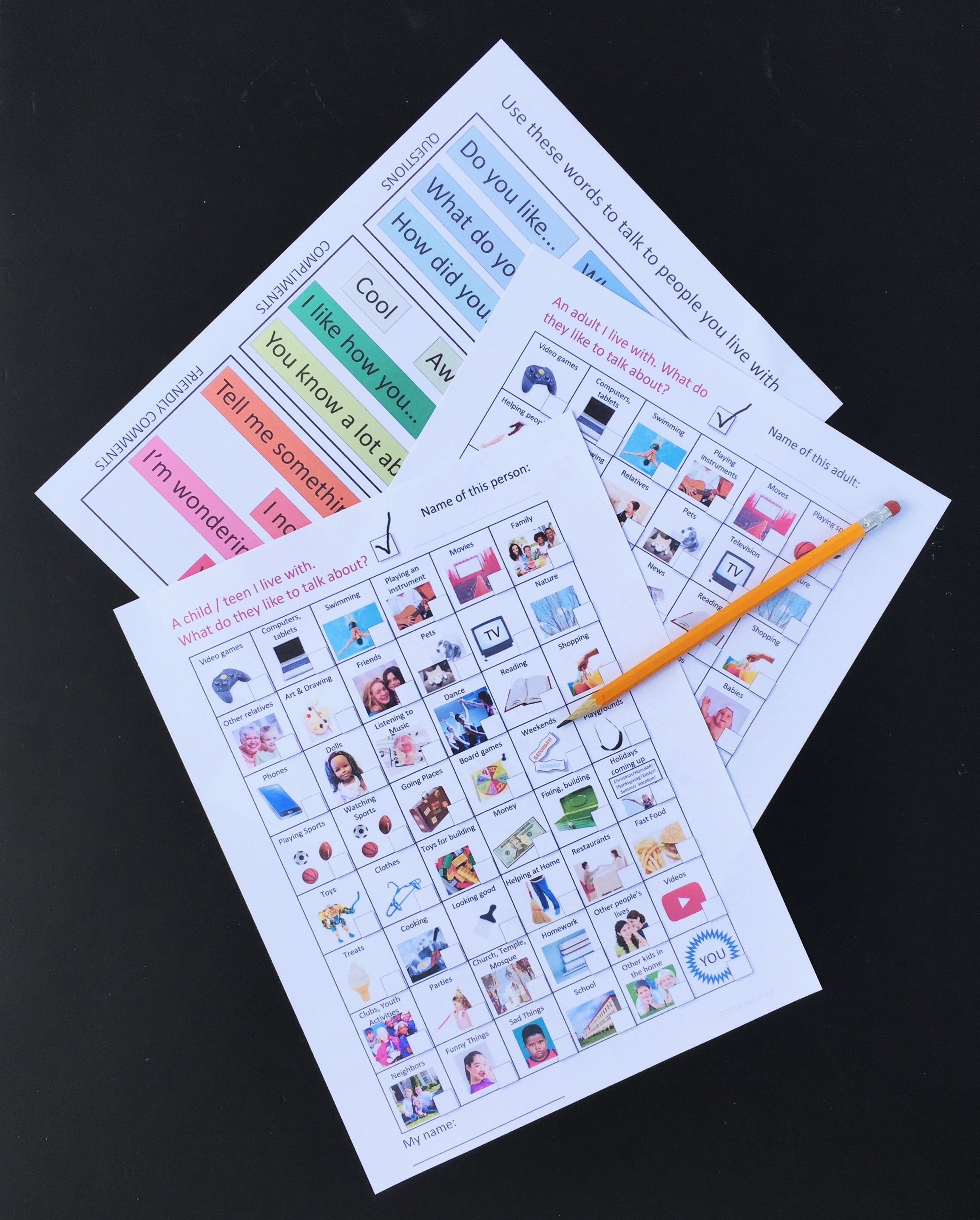
Free check-off worksheets for children with ASD’s to explore conversation topics with family members

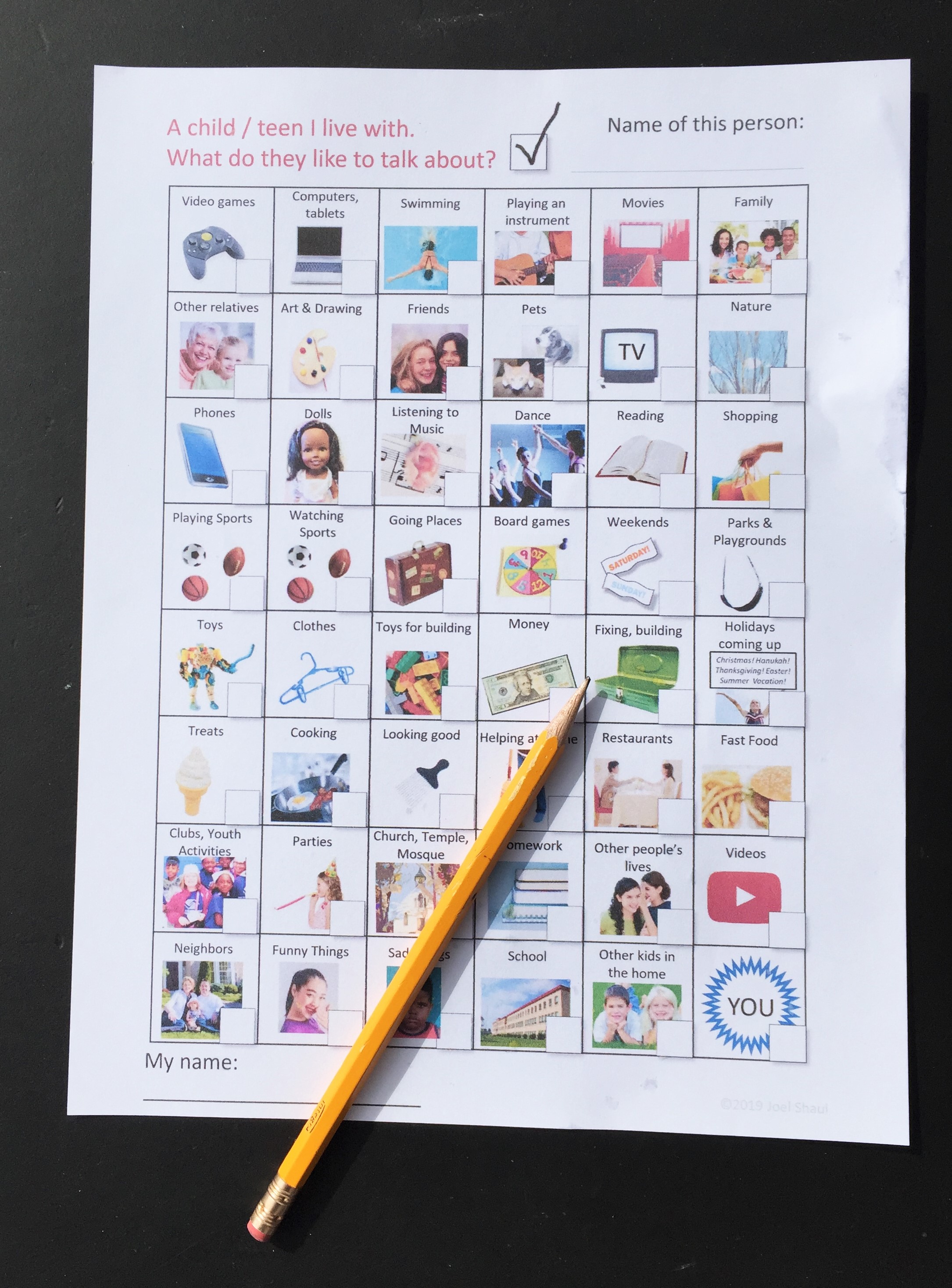
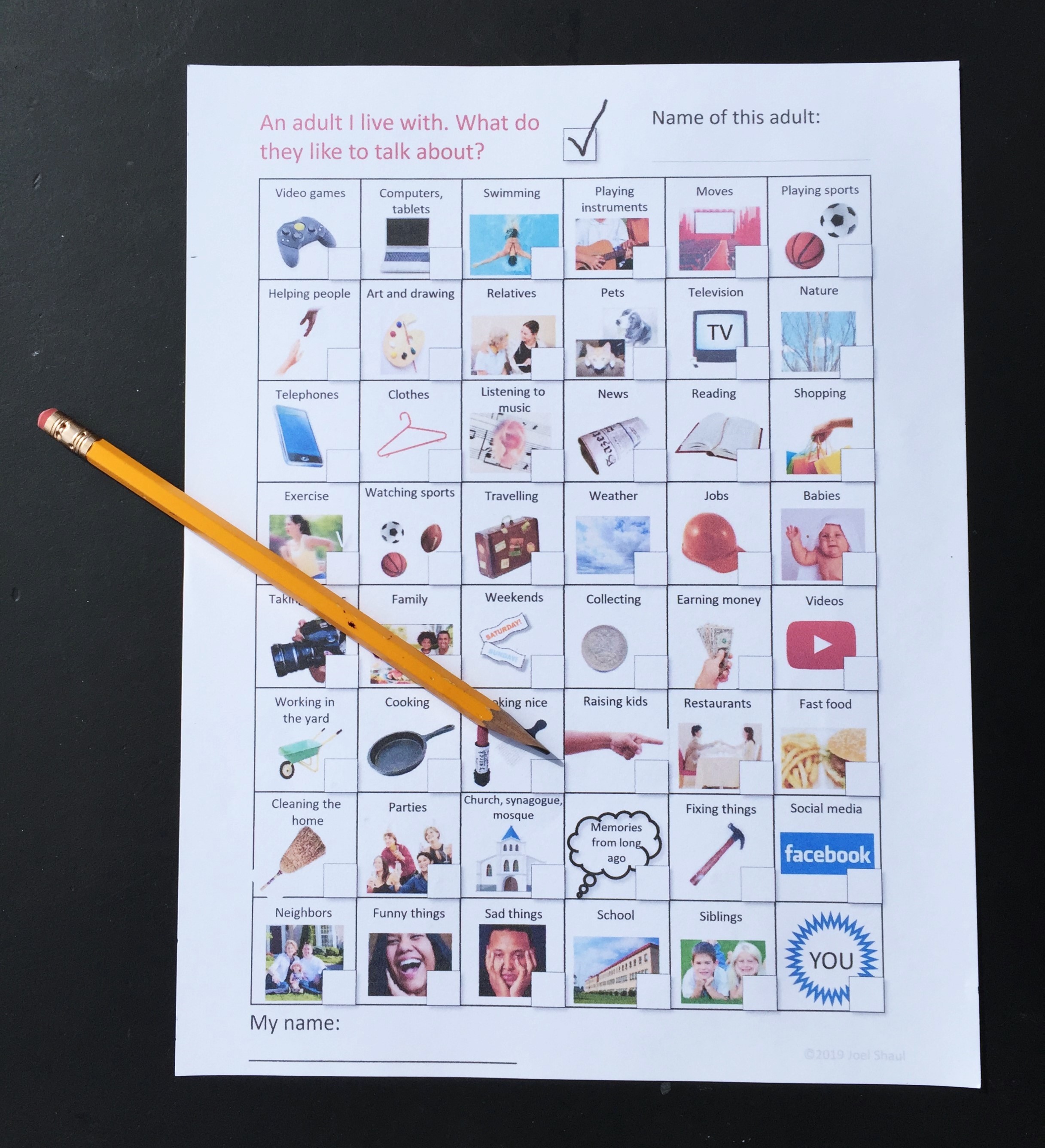
Children with autism spectrum disorders often have difficulties having conversations with the people they live with. It really helps to use picture guides. Here is a set of easy-to-use worksheets for classroom, speech room and home.

IMG_7751

 IMG_7750

IMG_7752

Hot to use the worksheets:

1.  Have the child put check marks next to the photos they think represent the person’s interests.

2.  Go over the images one at a time with the child. Explain that the family member probably has many interests that are different from the child’s own interests.

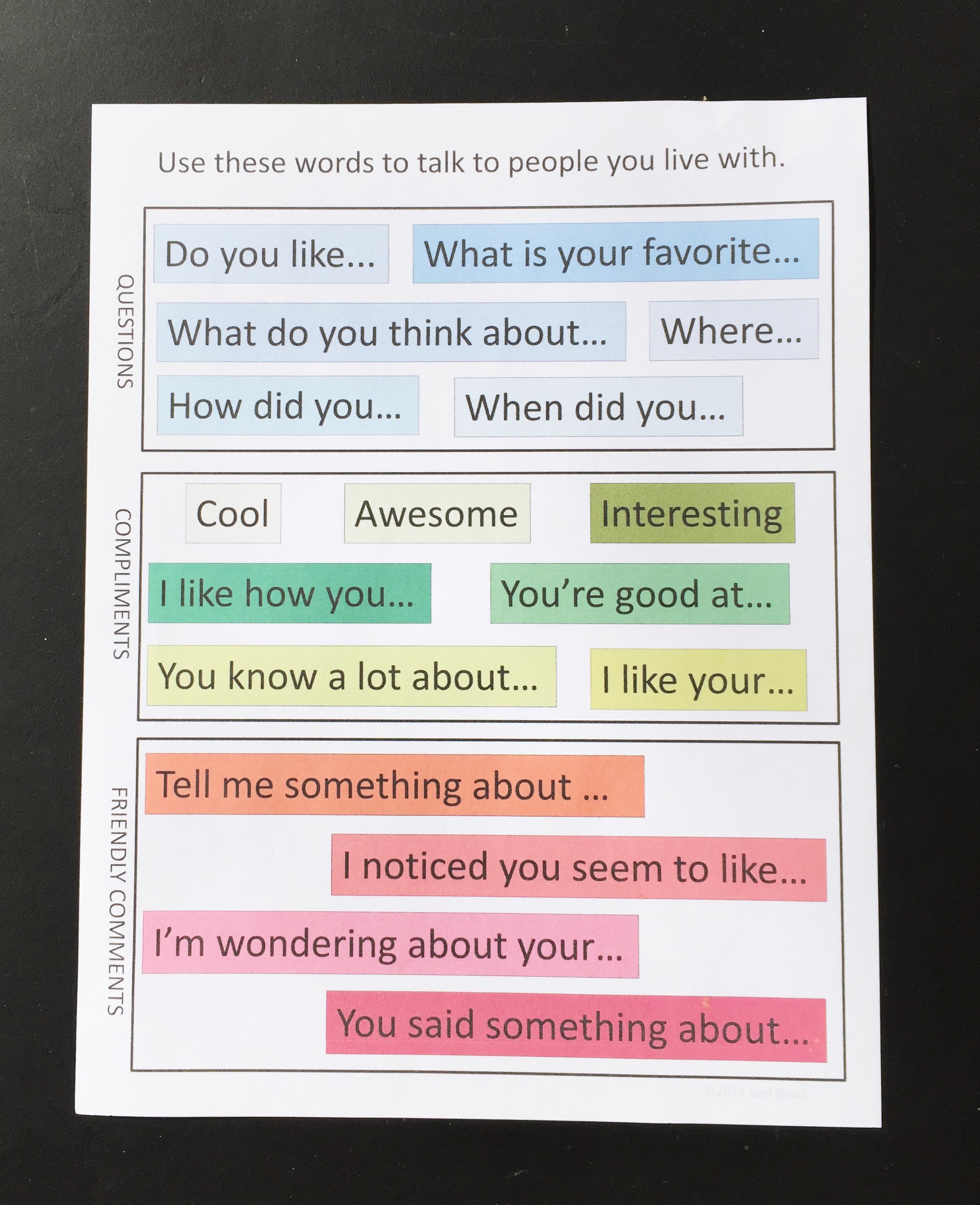
3.  The sheet “Questions, Comments, Compliments” can be used to set up role plays and actual conversation practice with family members.

4.  Have family members fill them out for the child to use as a reference.

5.  Project the sheets using a smart board or projector – this really helps for small group or classroom discussions about family members.

I hope these worksheets are useful for you.

Joel Shaul, LCSW

Your comments on these resources are most welcome, and often helpful. Click HERE to send an email.
Your Interests Promo image for website


The Conversation Train Book

Green Zone Book Cover Click to Learn More

“Talk to Mom” illustrated social skills worksheets for kids with Asperger’s and other ASD’s

social skills worksheet autism

In French: Comment-discuter-avec-membres-de-votre-famille-fiches-de-travail

IMG_7749

Free check-off worksheets for children with ASD’s to explore conversation topics with family members

Children with autism spectrum disorders often have difficulties having conversations with the people they live with. It really helps to use picture guides. Here is a set of easy-to-use worksheets for classroom, speech room and home.

IMG_7751

IMG_7750

IMG_7752

How to use the worksheets:

1.  Have the child put check marks next to the photos they think represent the person’s interests.

2.  Go over the images one at a time with the child. Explain that the family member probably has many interests that are different from the child’s own interests.

3.  The sheet “Questions, Comments, Compliments” can be used to set up role plays and actual conversation practice with family members.

4.  Have family members fill them out for the child to use as a reference.

5.  Project the sheets using a smart board or projector – this really helps for small group or classroom discussions about family members.

I hope these worksheets are useful for you.

Joel Shaul, LCSW

Your comments on these resources are most welcome, and often helpful. Click HERE to send an email.
Your Interests Promo image for website


The Conversation Train Book
 
Green Zone Book Cover Click to Learn More


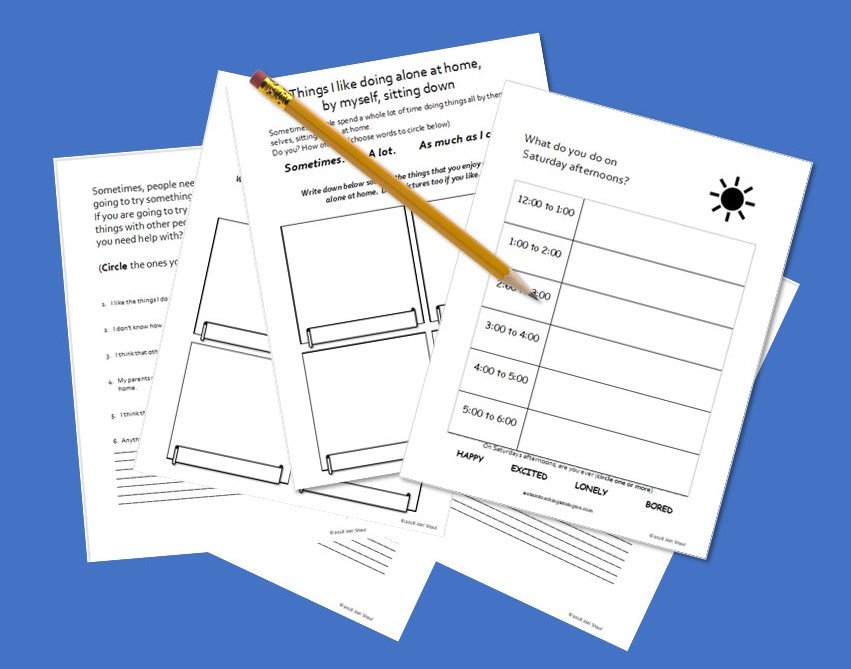
Seven social skills worksheets for kids with ASD who are socially isolated

Isolation Worksheets Blog Image Display

In an earlier post, I provide an isolation card activity for you to download and use in your social skills teaching activities with children on the autism spectrum.  Here are some additional materials for you to use, simple worksheets.There are many reasons that children with Asperger’s and other autism spectrum disorders often struggle with social isolation.  They may be motivated to socialize, but their efforts may not be fruitful.  They might be enthralled with solitary activities based on their preferred interests.  Kids with ASD can find their days at school exhausting, and they sometimes over-compensate with down time to recover.  Typical children can reject or bully children with ASD.The worksheets are to support your social skills teaching efforts on this topic.  The most important worksheets are the daily schedule records, which you can use separately if you like if you don’t wish to use the other four worksheets.If you do not download the card activity from the earlier blog post, I do suggest you check out the content of the cards anyhow.  I believe it will help you cover more dimensions of this social skills activity.

My best wishes to you, and the children you are helping, as you work on this issue.

To download the worksheets:

Follow the directions below to download the PDF files for the worksheets.

PDF blog insert

CLICK HERE: Seven Worksheets to explore social isolation

CLICK HERE for telehealth version of this resource

Hebrew translation: 7 worksheets for children who are socially isolated

Your comments on these resources are most welcome, and often helpful. Click HERE to send an email.
Your Interests Promo image for website


 The Conversation Train Book

 Green Zone Book Cover Click to Learn More

Teasing and bullying social skills kit for kids with ASD – Free download cards and illustrated panels

autism social skills counseling materials
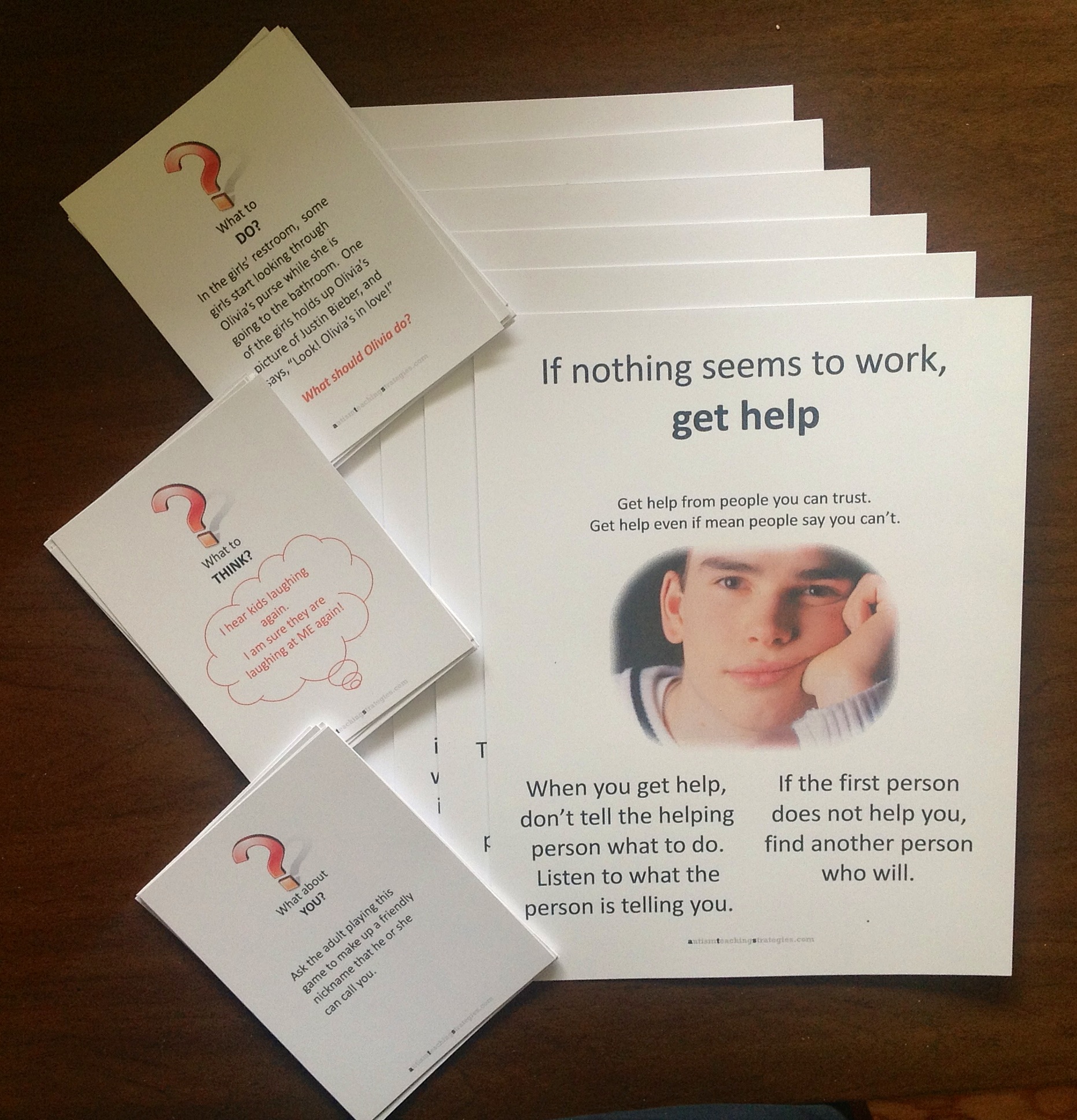
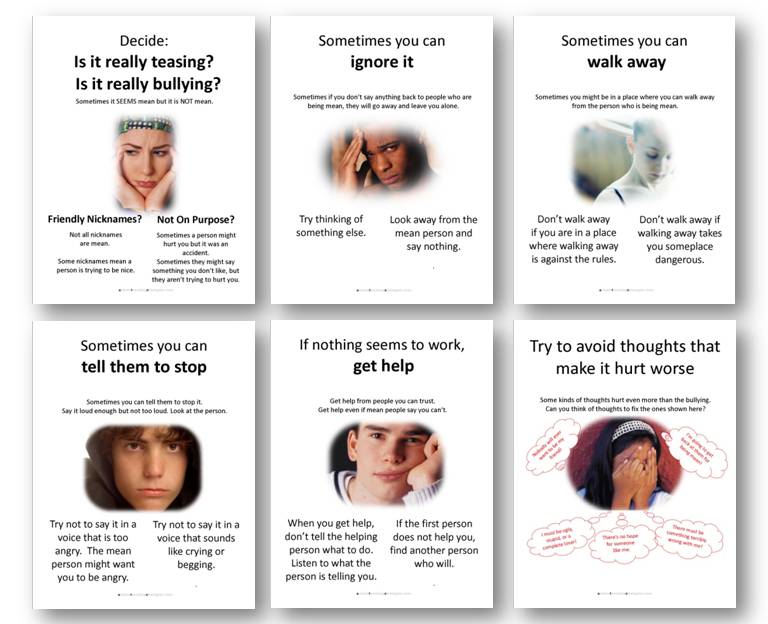
Children with autism spectrum disorders often suffer quite a lot from being teased and bullied.  I have designed some materials to help them to learn some coping skills in this area.  This is not intended to serve as an entire curriculum or to function as a classroom’s primary response to the problem of teasing and bullying.  Obviously, preventing cruel children from victimizing vulnerable peers on the autism spectrum is the main problem to solve.
 
The materials I provide here are to help with:
*Increasing repertoire of functional responses to teasing and bullying
*Increasing ability to distinguish “friendly” from “mean” teasing and to distinguish intentional from unintentional harm
*Increasing ability to cope with anger, anxiety, sadness and other emotions associated with being teased and bullied

How to use the six illustrated panels:

The panels are designed to be used in several different ways. First, they are to be displayed while using the cards to help children know how to respond to the questions and challenges on the cards.  Second, you might consider posting them on your wall as a bulletin board if you decide to not use the cards.  Finally, you can use them in small groups to hold up one at a time as instructional aids when you are dealing with this topic.
Teasing blog display

How to use the cards:

There are three kinds of cards:
1. ” What to do?” cards: These cards describe hypothetical kids in a variety of problem scenarios, and the person drawing the card has to figure out possible solutions.  There is often more than one answer.
2.  “What about you?” cards: These cards require the person drawing them to carry out a variety of brief learning tasks or to reflect on their own experience with teasing and bullying.
3.  “What to think?” cards: Each card contains a thought bubble featuring a particular thought or belief that can increase the harm caused by the unkindness of peers.  The task is to try to counter the harmful thought with one or more “antidote thoughts.” (These cognitive behavioral therapy concepts in reference to children with autism are explained in a series of other blog posts with useful downloads.)  A good way to use these cards is for you, the adult, to play the role of a child who endorses the thought in the thought bubble.  The child(ren) then have to talk you out of this way of thinking.

Options on using the cards:

*You can shuffle up the cards and have kids draw them at random.
*You can keep the cards in three separate piles and have kids draw from one pile or the other based on how they roll a dice.
*You can select and discard cards and distribute the cards within the deck strategically so that the participants will draw cards that help them with their most difficult issues.
*If you don’t wish to use the cards, I invite you nevertheless to borrow the content of the cards in your own therapy/teaching. I tried to cover a lot of issues that affect children with ASD in reference to teasing and bullying.
This social skills topic is going to be really hard work both for your clients with ASD and for you as well.  I hope these free social skills materials help.  Good luck with it.
 
Joel Shaul, LCSW


This kit is also available in Polish

If you don’t want to print and cut out all these materials, download the Teasing and Bullying Kit, PowerPoint Version

Your comments on these resources are most welcome, and often helpful. Click HERE to send an email.
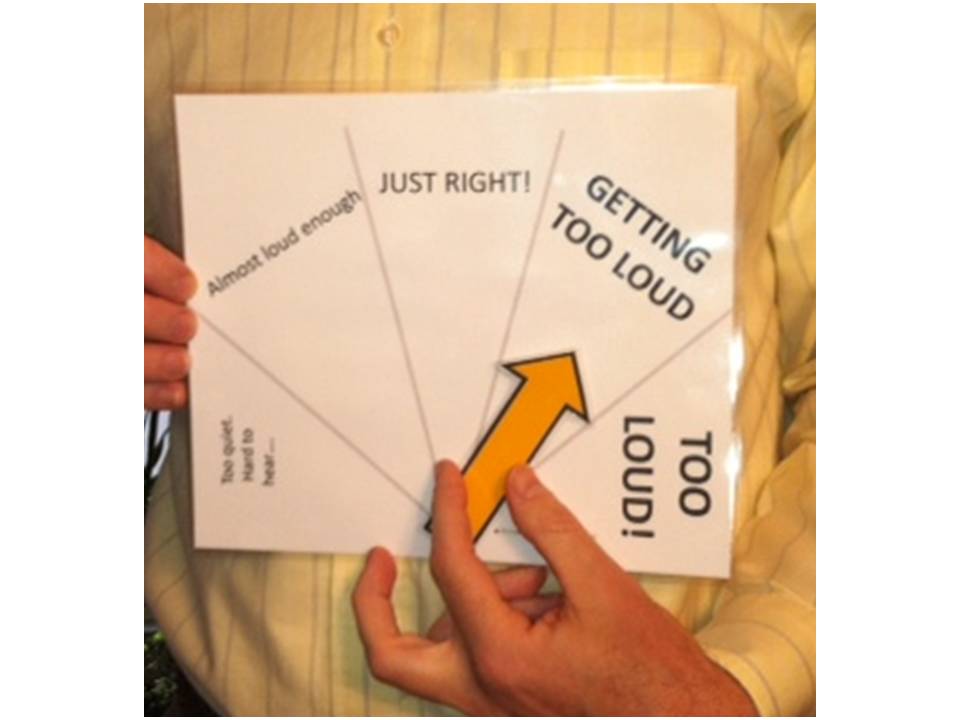
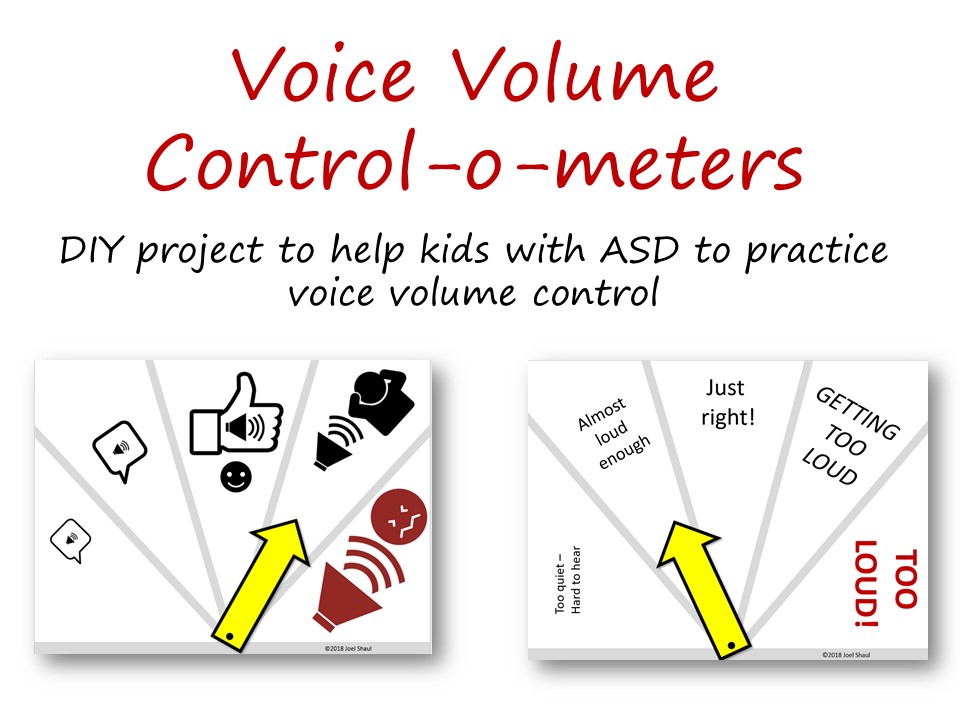
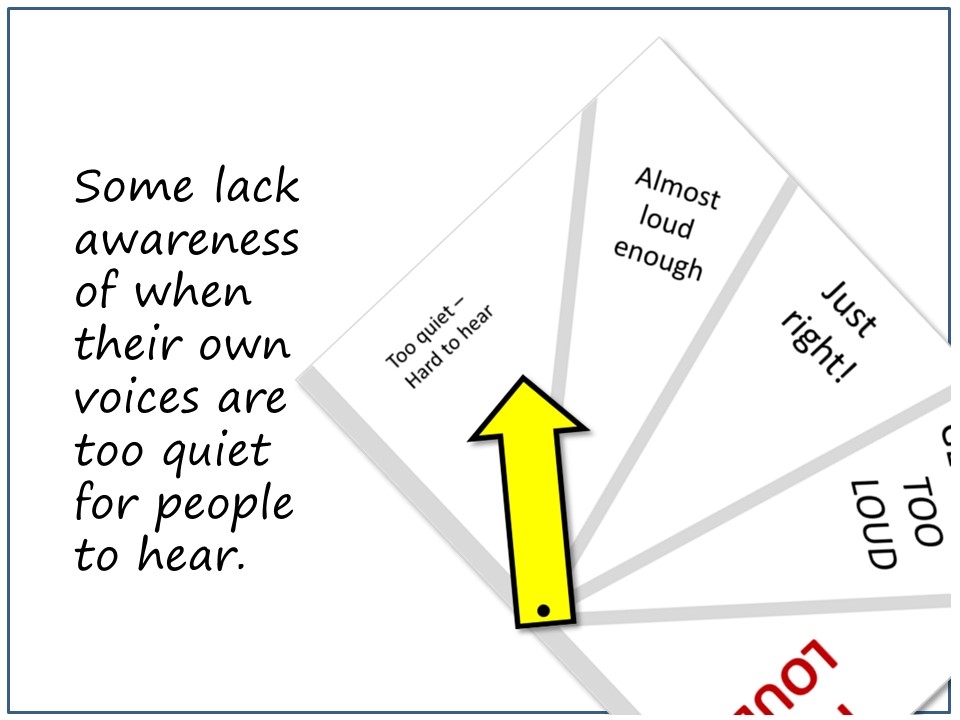
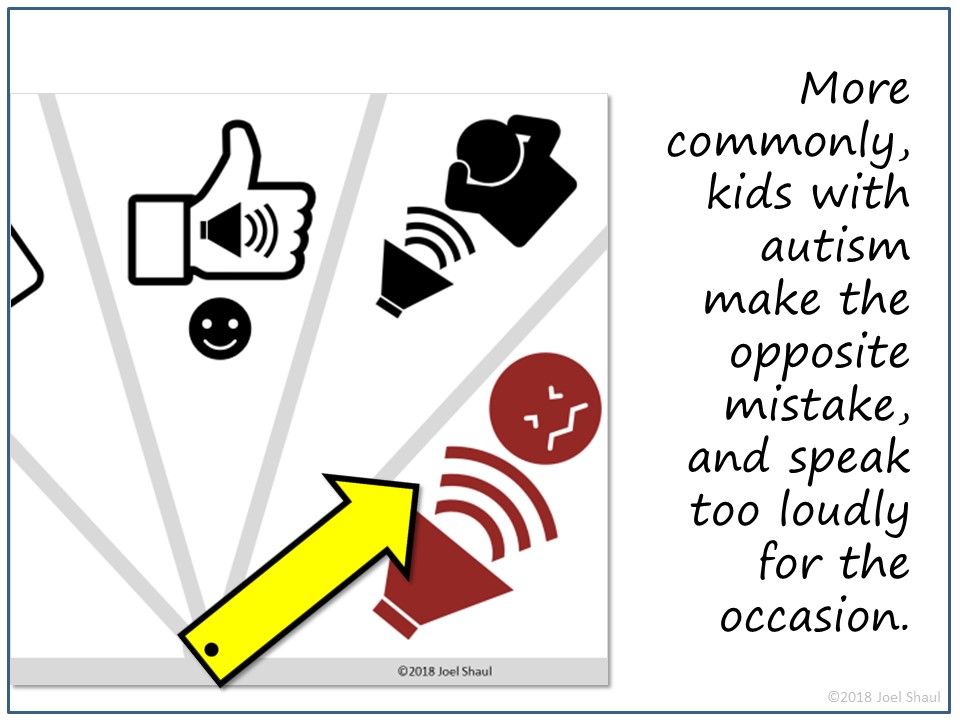
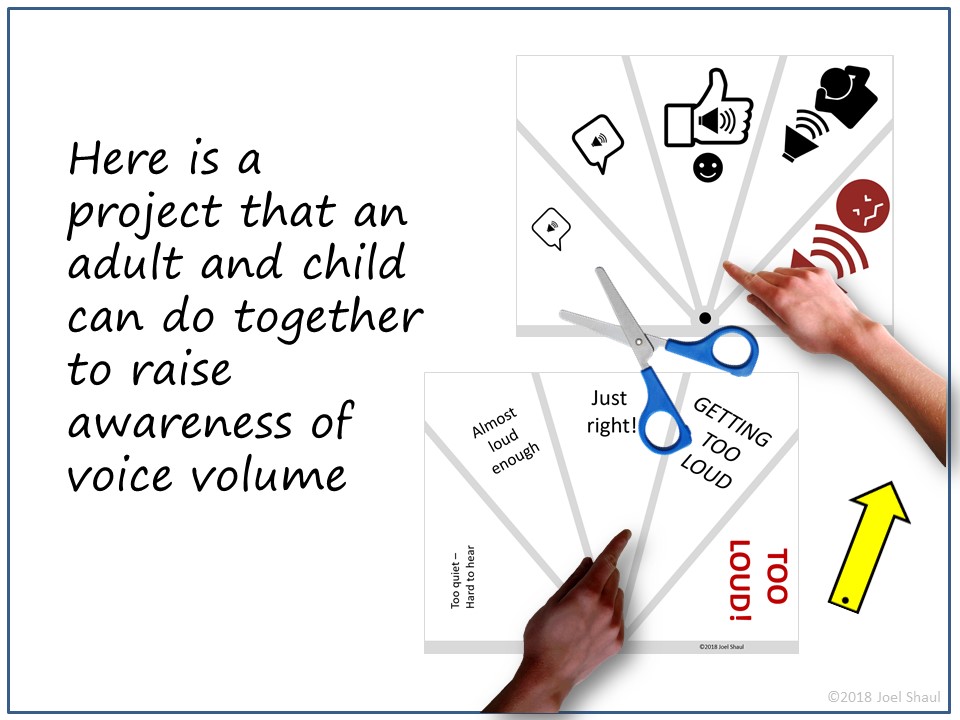
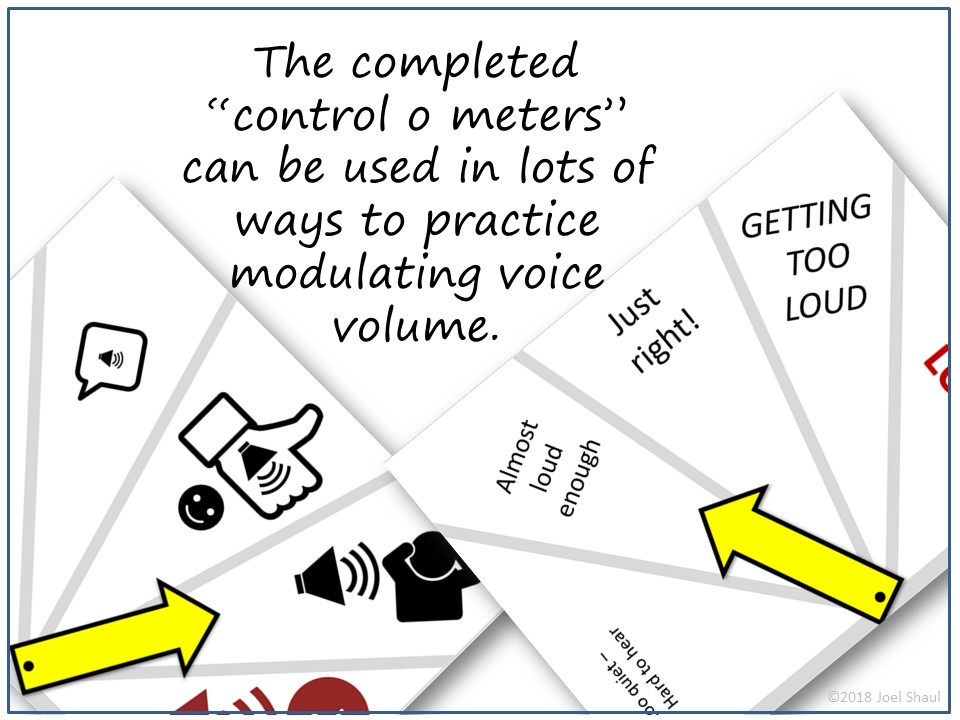
“Control-o-meter” social skills tool for kids with autism, helps with voice volume, other behavior

volume regulation method for children with autism

Slide1To download this free, printable resource, click on this red link below:

Control Meters Download for Voice Volume

Control de Volumen de Voz para niños con autismo

Voice Volume Meter, Hebrew Translation

There is another download available for easily custom-designing your own behavior meters. Check it out!

Customizable Behavior Meter Templates – Click HERE

Meter for Exploring Obsession with Fantasy – Click HERE

Slide2Slide3Slide4Slide5

Slide6

Slide7Slide8

Joel Shaul, LCSW


*Don’t miss these other free social skills / conversation games, activities, worksheets and printables for kids with autism:

Free social skills games & activities, communication / conversation skills for kids with ASD

Free social skills games & activities, social interaction skills for kids with ASD

Free social skills games & activities, emotional regulation skills for kids with ASD

Your comments on these resources are most welcome, and often helpful. Click HERE to send an email.
The Conversation Train Book

Green Zone Book Cover Click to Learn More