In my own work with children on the spectrum, I frequently almost always found that merely talking about a problem wasn’t good enough alone. Kids get tired of being scrutinized and criticized. Kids with autism in particular can get fidgety and impatient during sessions.
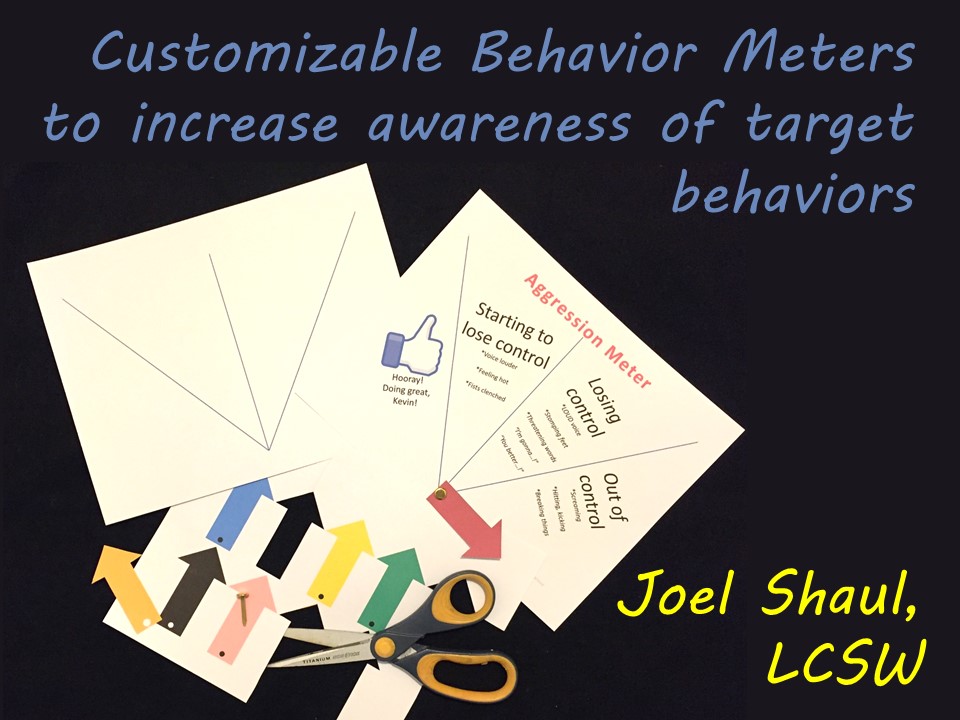
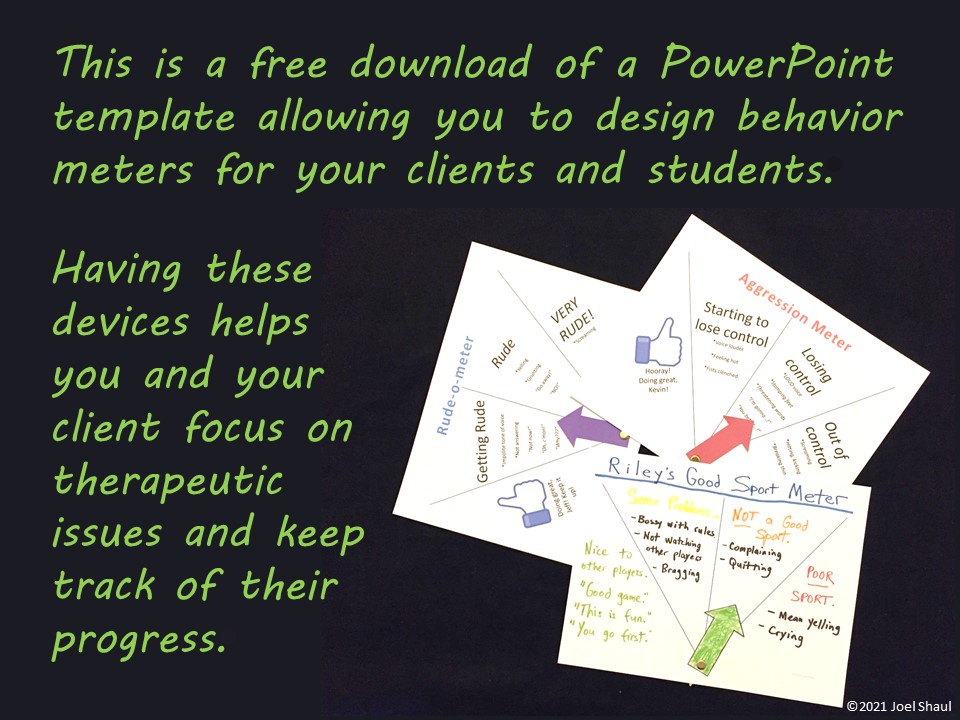
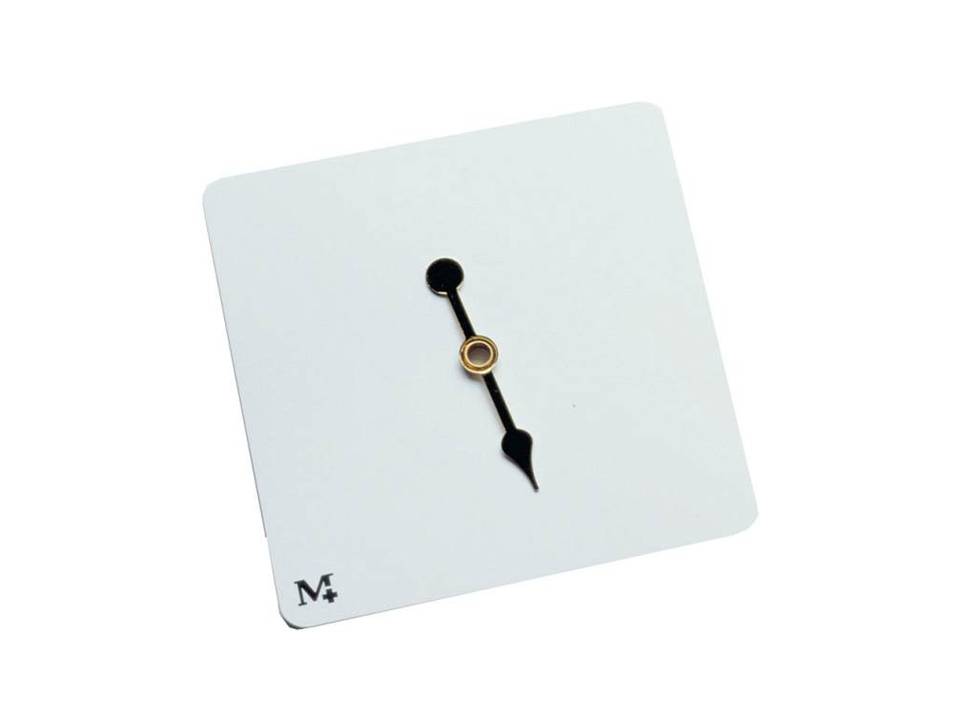
Many years ago, I found other therapists employing handmade cardboard meters they had put together to help children focus on issues such as voice volume. After much experimentation, I found that these meters have many applications on a wide variety of problems that are the focus of therapy interventions.
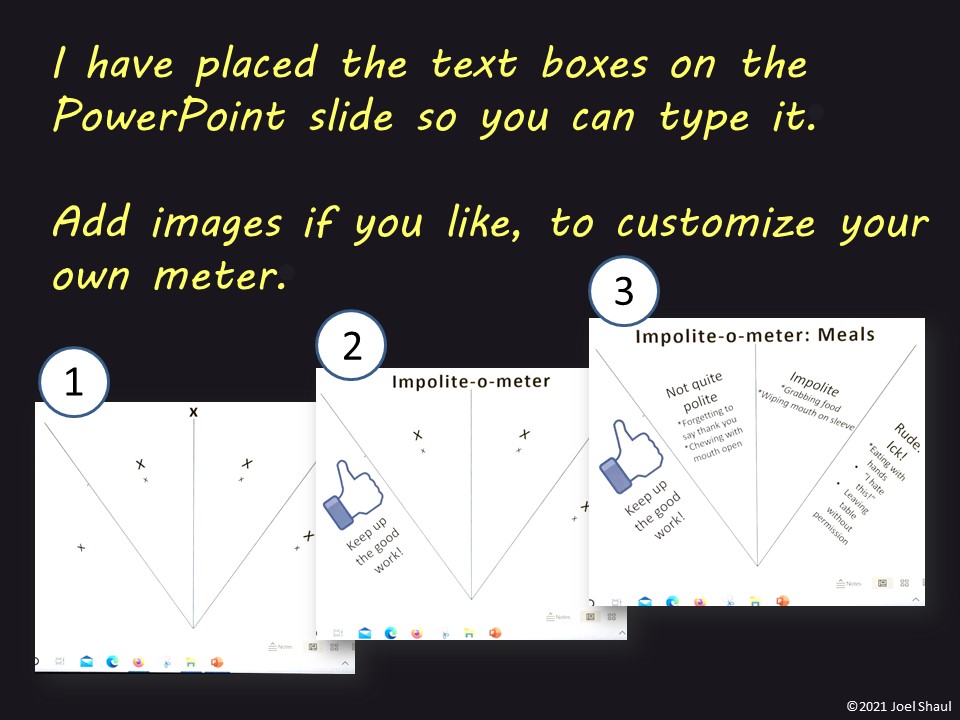
This kit enables you to use my template to quickly create nice-looking meters for whatever problem area you are working on. The advantage of putting the meter on a computer screen is that you and the child can easily look at the screen together and collaborate on its design.
Most kids also really like to take part in cutting it out and laminating it. This can afford them a sense of agency in the therapeutic process.
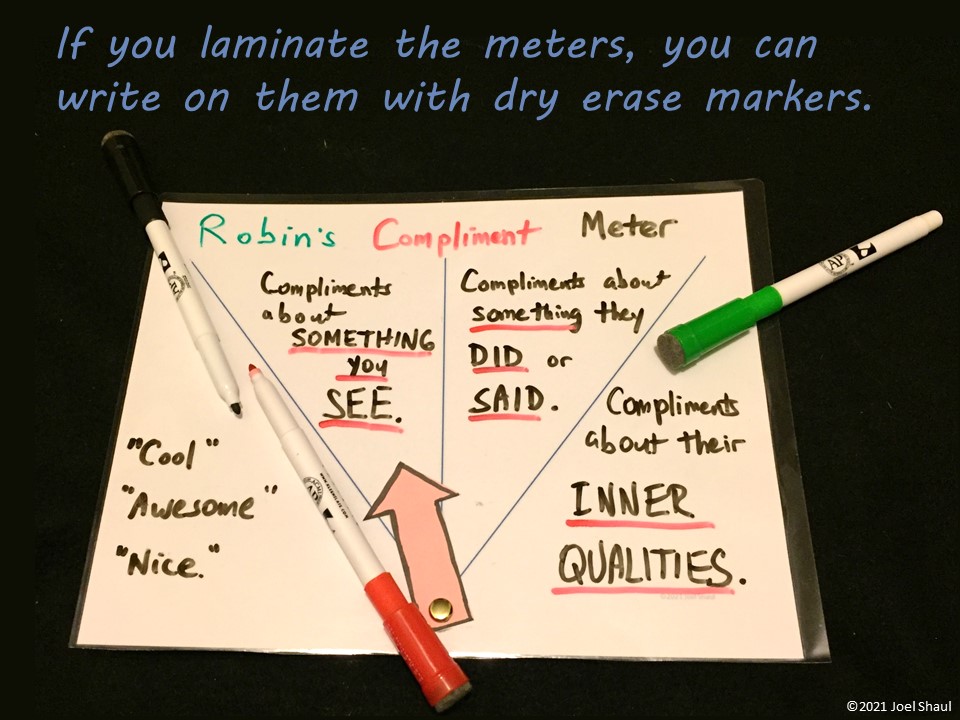
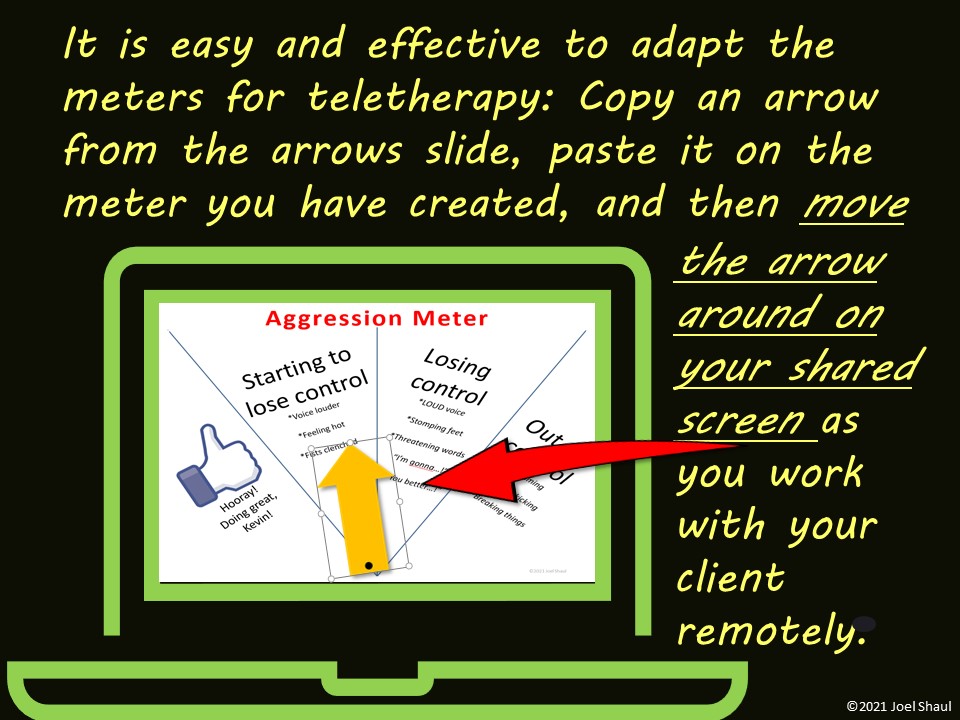
The pictures below provide some examples of what the behavior meters look like and some tips on creating them and using them.
Elsewhere on my website, you will find links to some meters that are pre-made on topics such as voice volume and fantasy enthrallment.
There are other free, downloadable “meters” on the website.
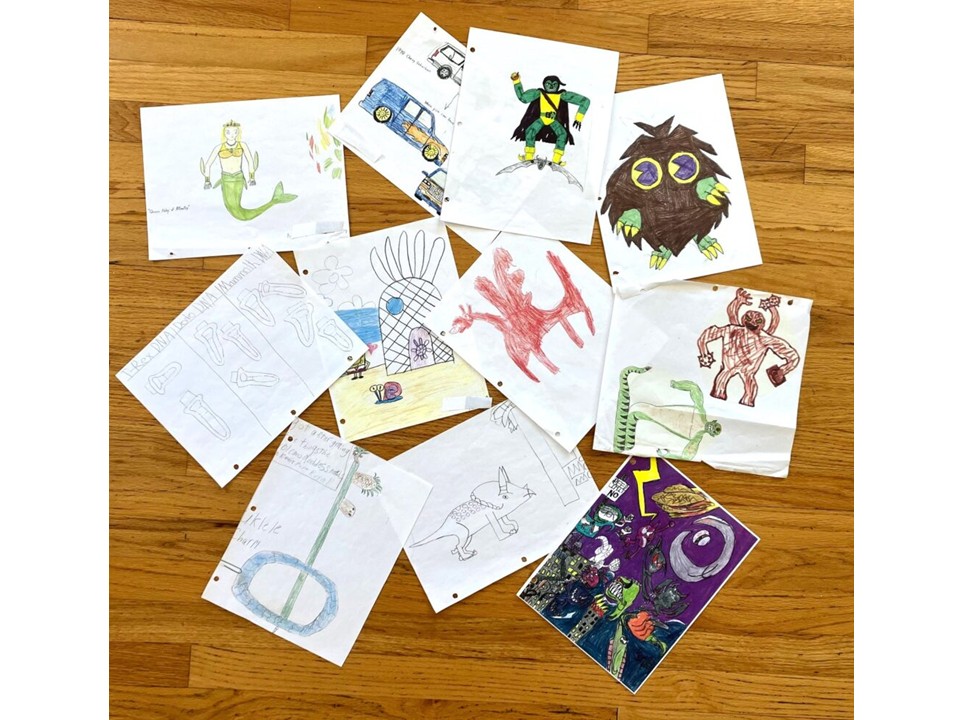
Autistic children are very often uniquely creative when they draw or create other kinds of art. But cooperating with others in creative endeavors can make them confused and unless they have adequate adult guidance and clear cooperation rules to follow.
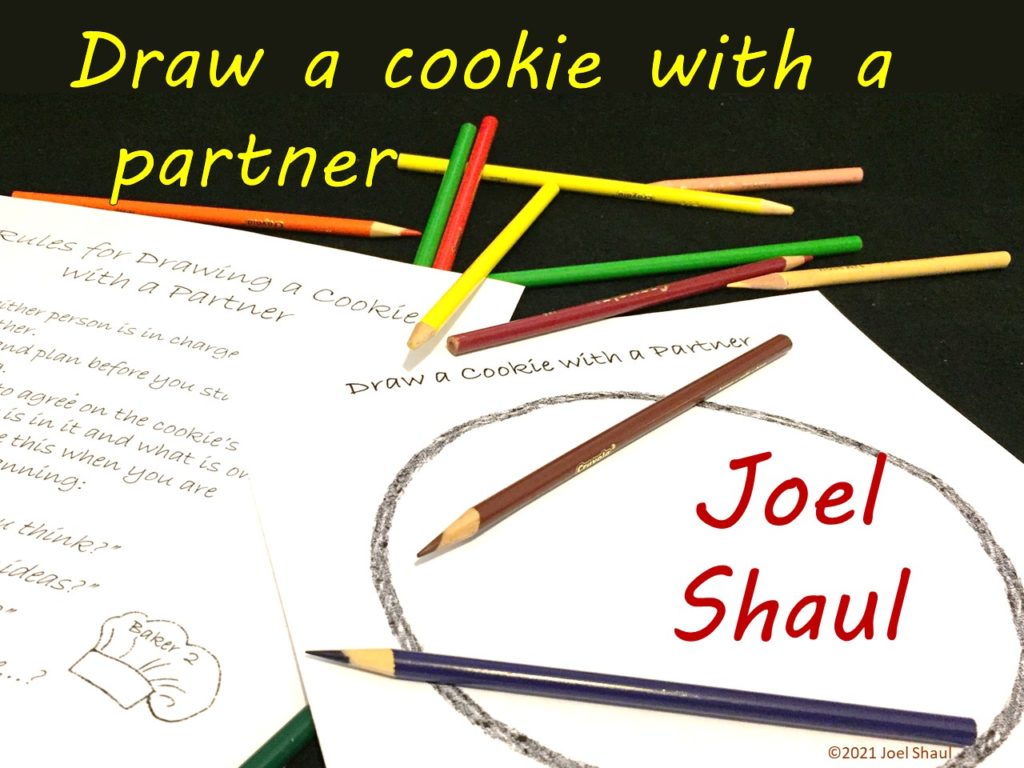
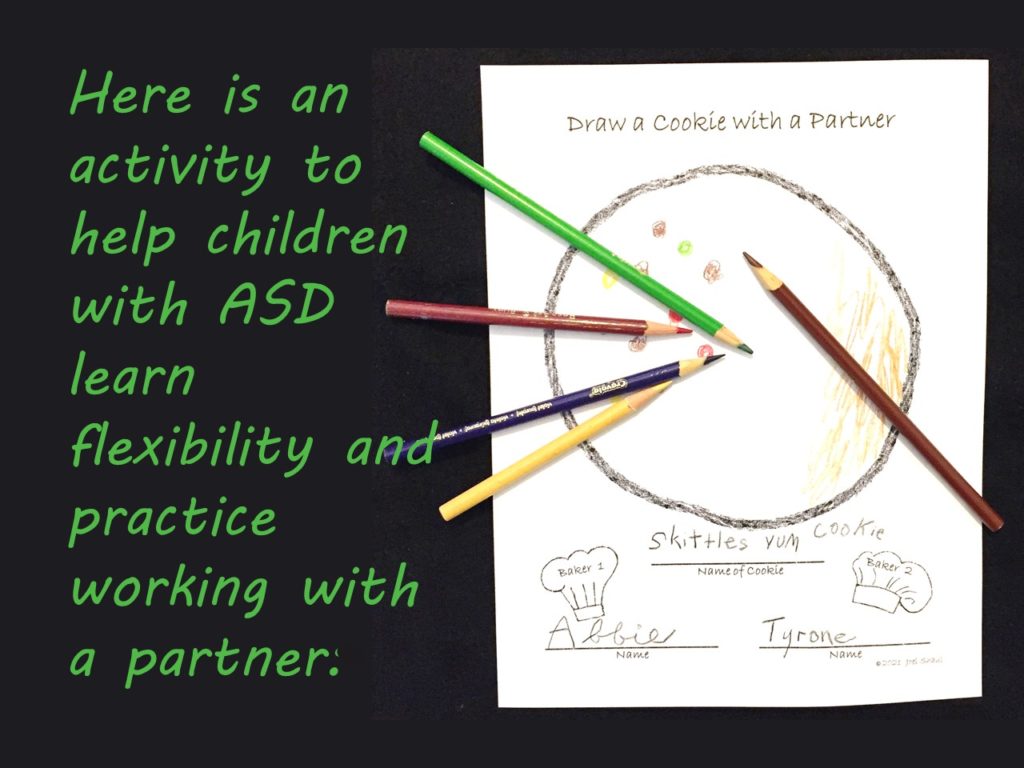
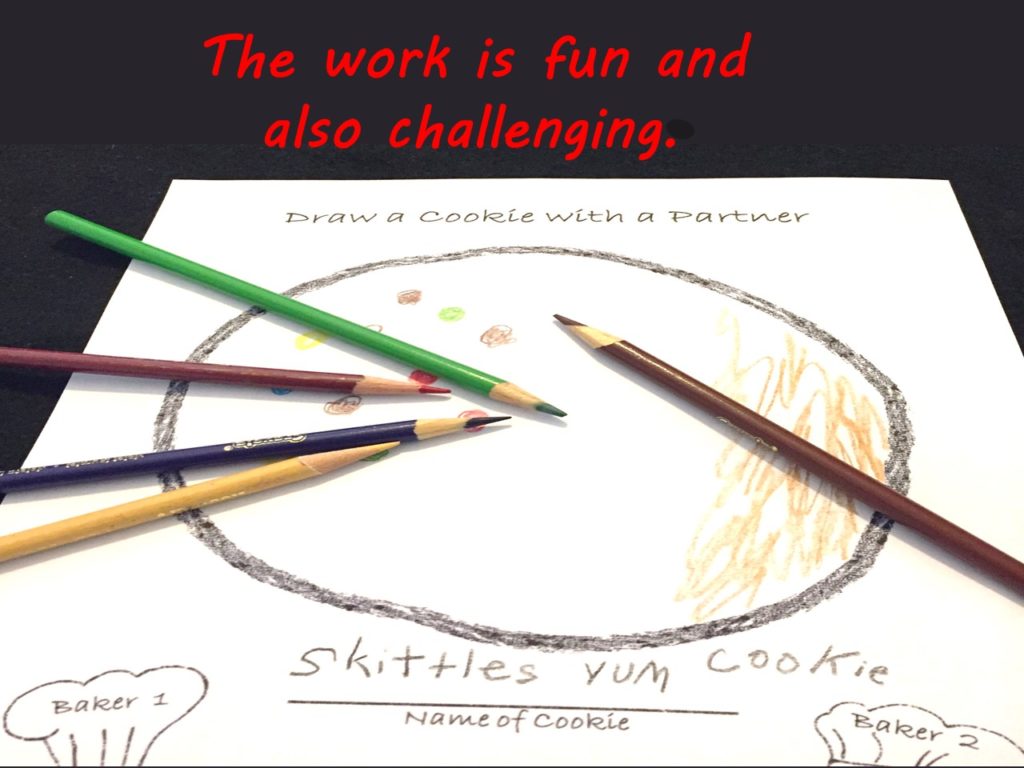
This printable activity sets up a one-page drawing and writing activity that two children are assigned to complete jointly. The objective is to help children with ASD to practice elements of cooperation and flexibility in a joint drawing project. Each pair of children, in either a social skills group or a classroom setting, is instructed to invent, name, describe and jointly draw a cookie together. It’s not easy, but it can be very fun. On the many occasions I have used it, it usually works out well.
Here below is an example of how the Cookie with a Partner drawing sheet might look when completed.
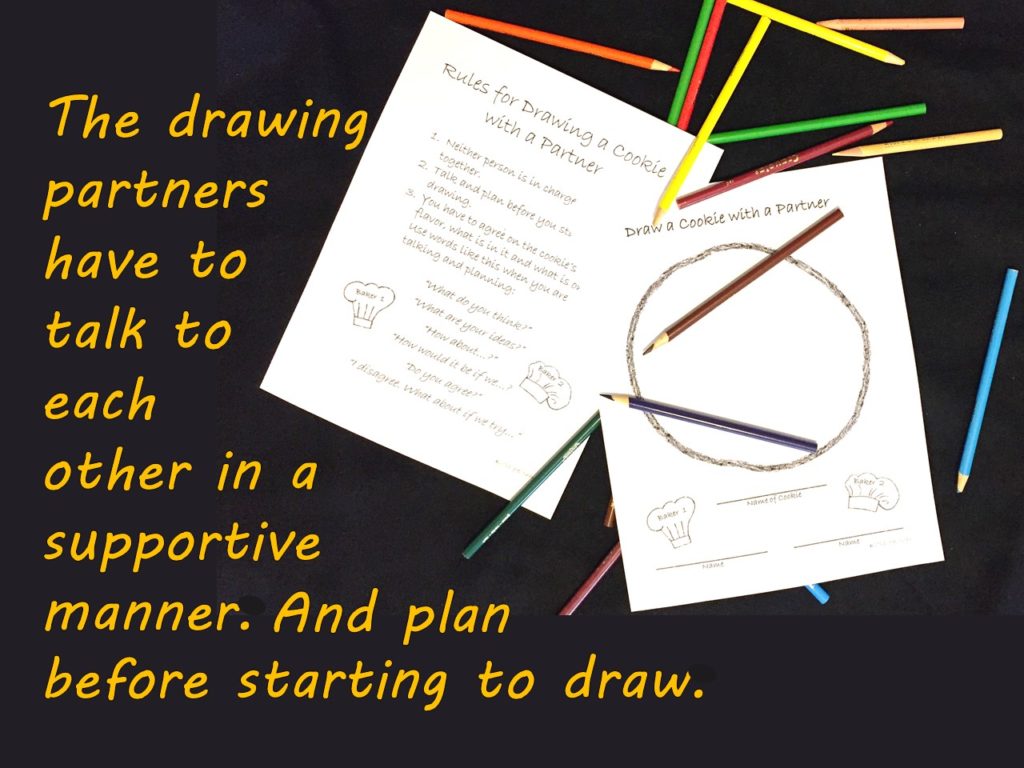
It’s essential to go over the cooperation rules (shown below) carefully ahead of time. Practice aloud the specific phrases of “cooperation language.”
I have found I need to be vigilant to help mediate disagreements, and to help the participants to actually work together instead of each one just drawing “my half of the cookie.”
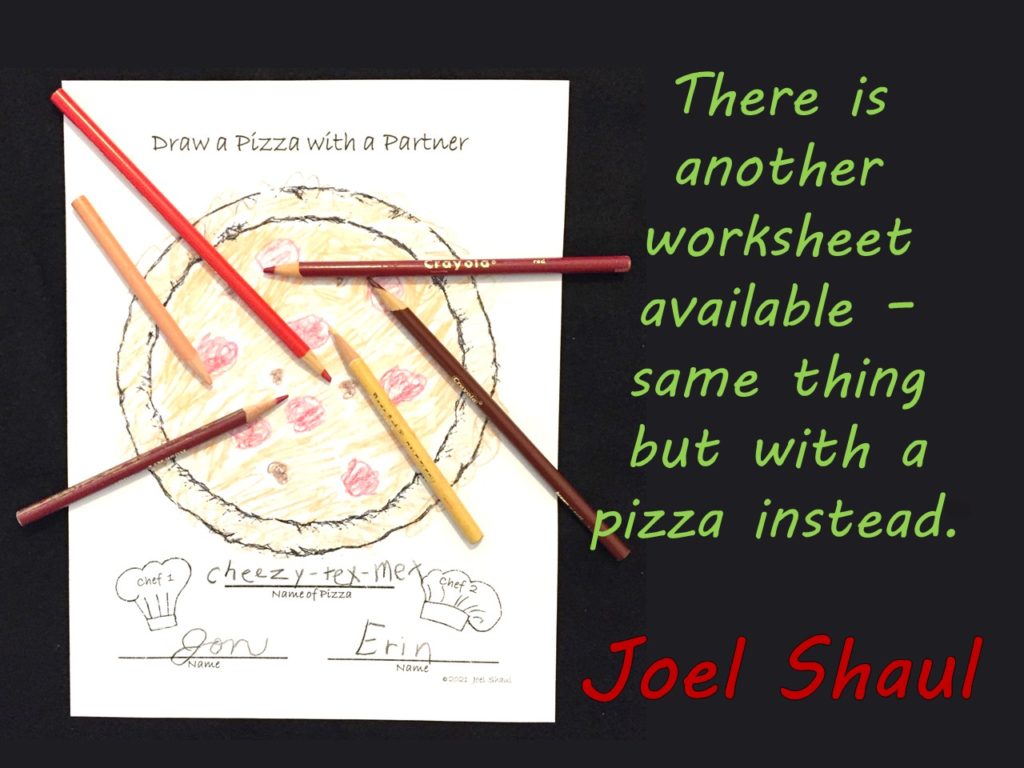
To find a similar worksheet on jointly drawing a pizza (see picture below) instead of a cookie, click here.
More collaborative drawing projects for children on the spectrum –
There are lots more great ways to help pairs and groups of kids with ASD to practice cooperation and creating things together. I have a whole section on this for you to explore: See “Collaborative drawing tasks for social learning” for information and ideas, like the one shown above.
For the computer screen-based, teletherapy version of this resource,click HERE
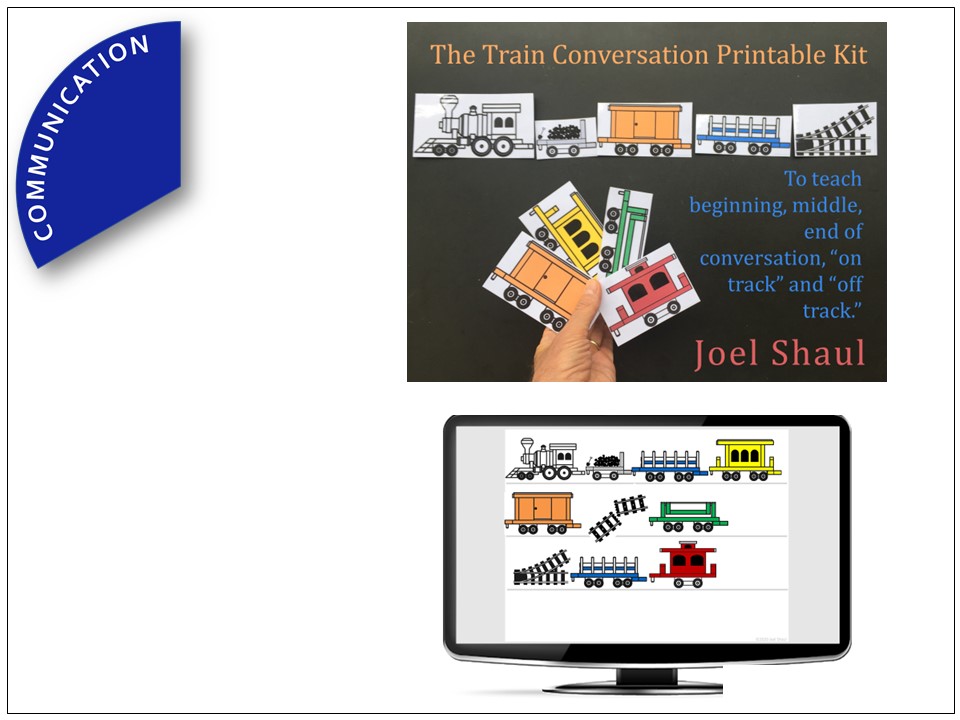
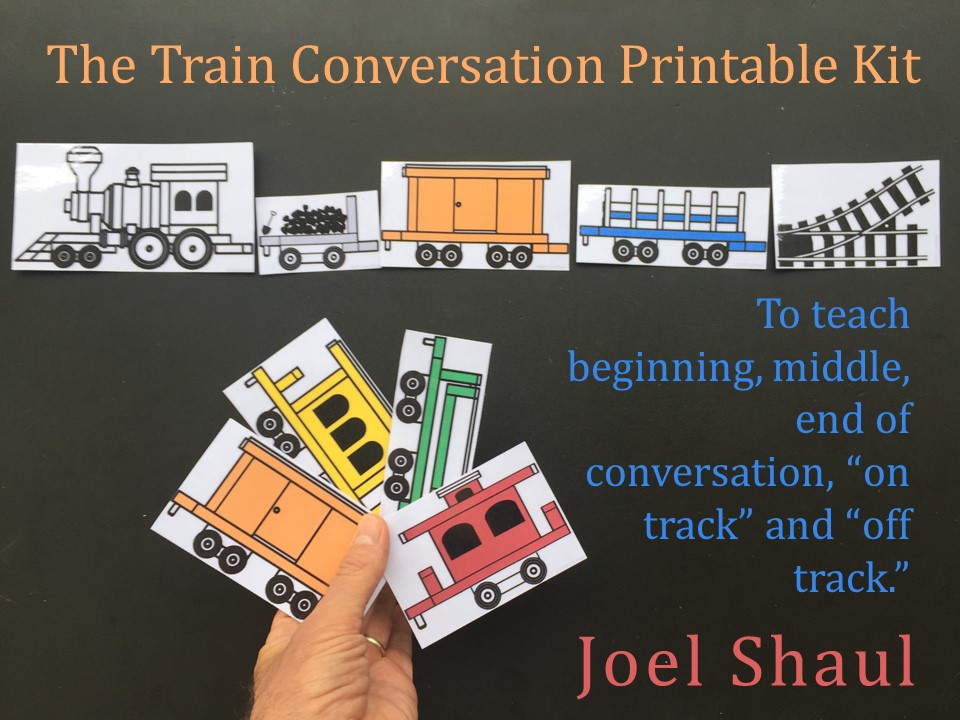
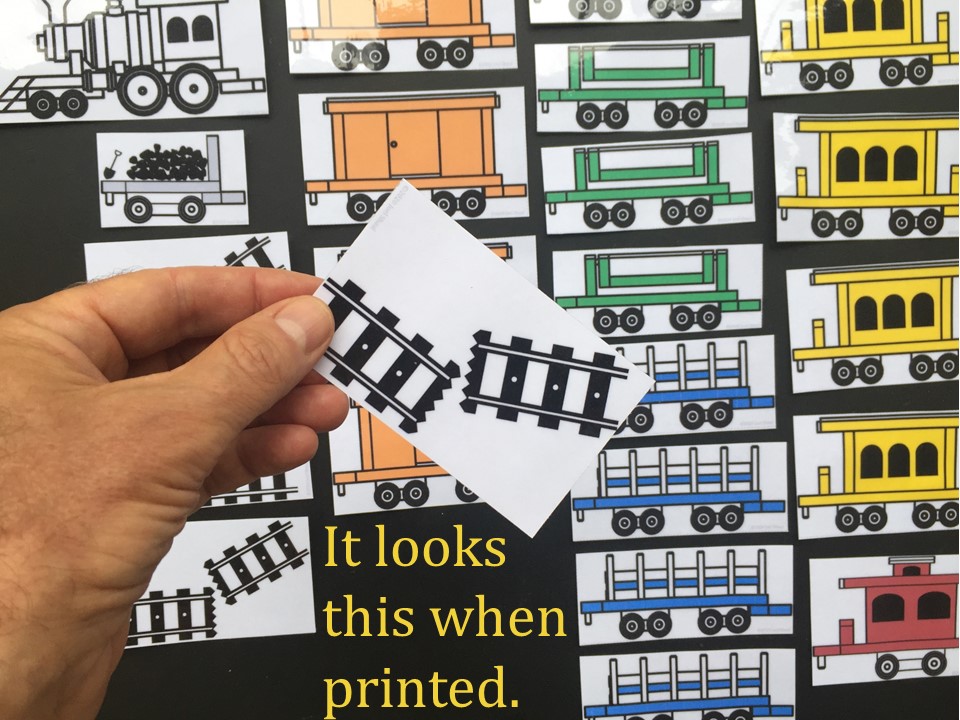
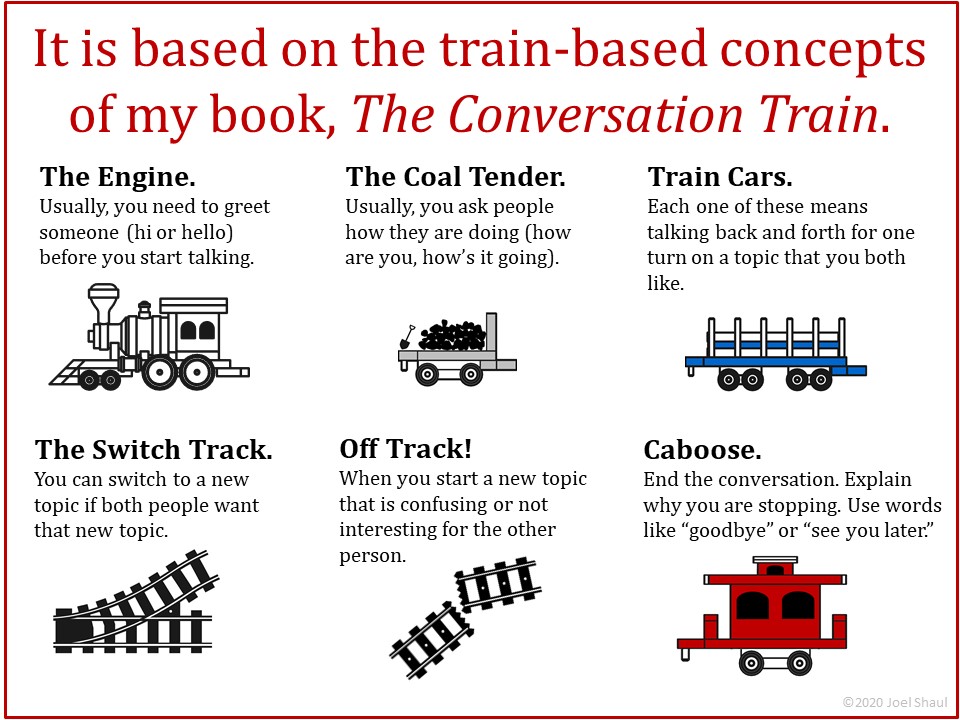
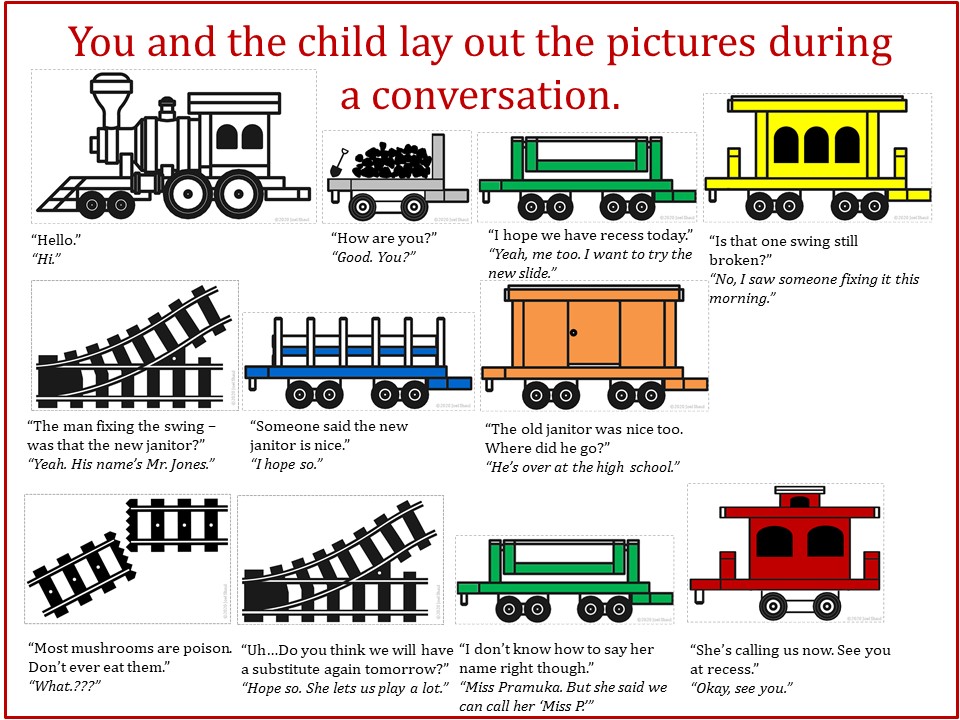
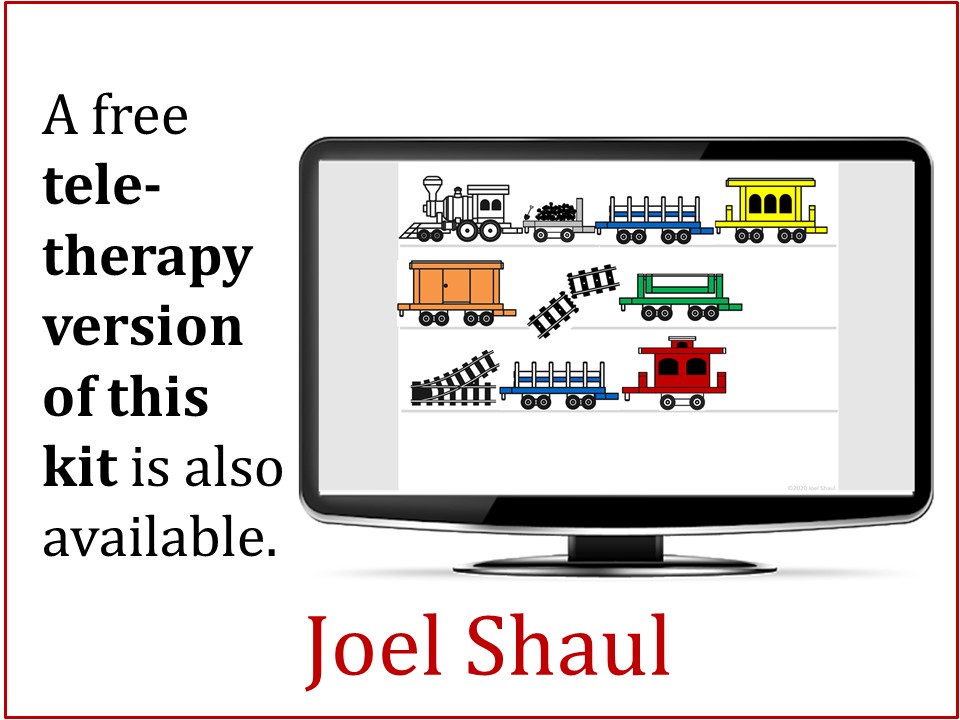
When helping young people with ASD to learn conventions of conversation such as greetings, goodbyes, topic coherence and how to avoid non-sequiturs, it really helps to employ hands-on methods to engage and sustain children’s interest. Using hand-held train pictures to practice “connected” conversation is a method I refined over many years in my own work with children on the spectrum. This downloadable kit might become a useful addition to your repertoire of methods for teaching conversation pragmatics.
Related social communication resources to use in combination with the Train Conversation Kit:
Green Zone Picture Card Social Skills Game – a free download
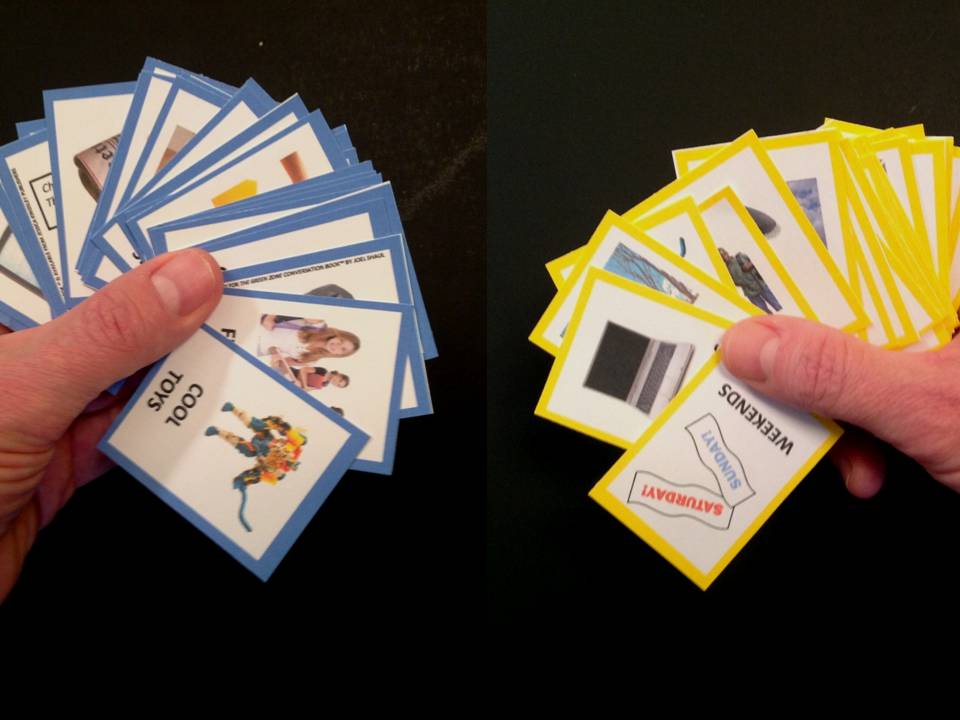
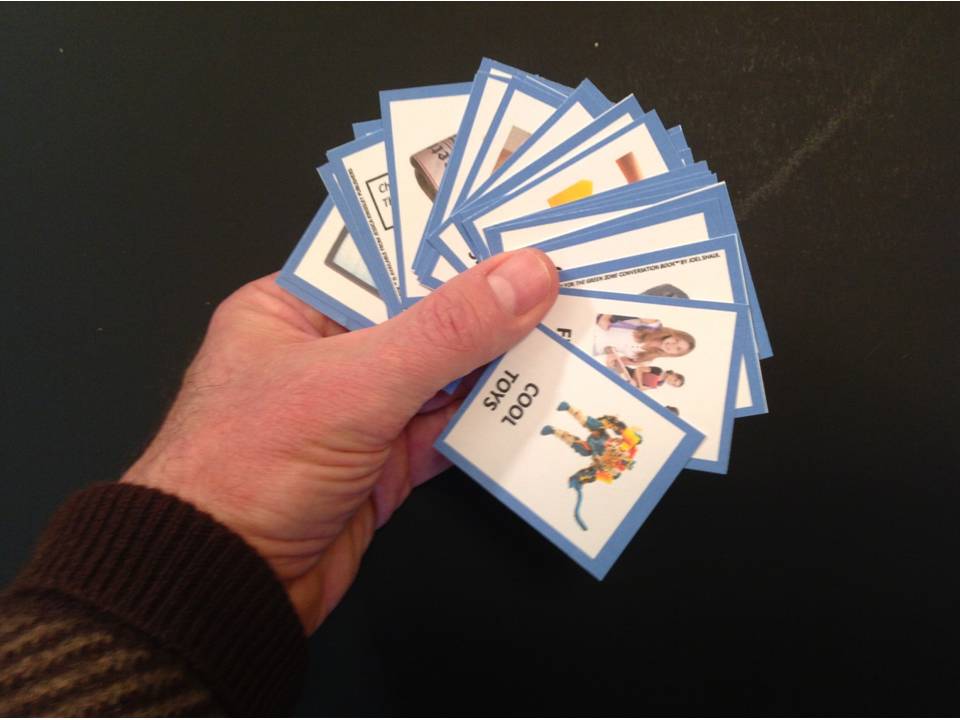
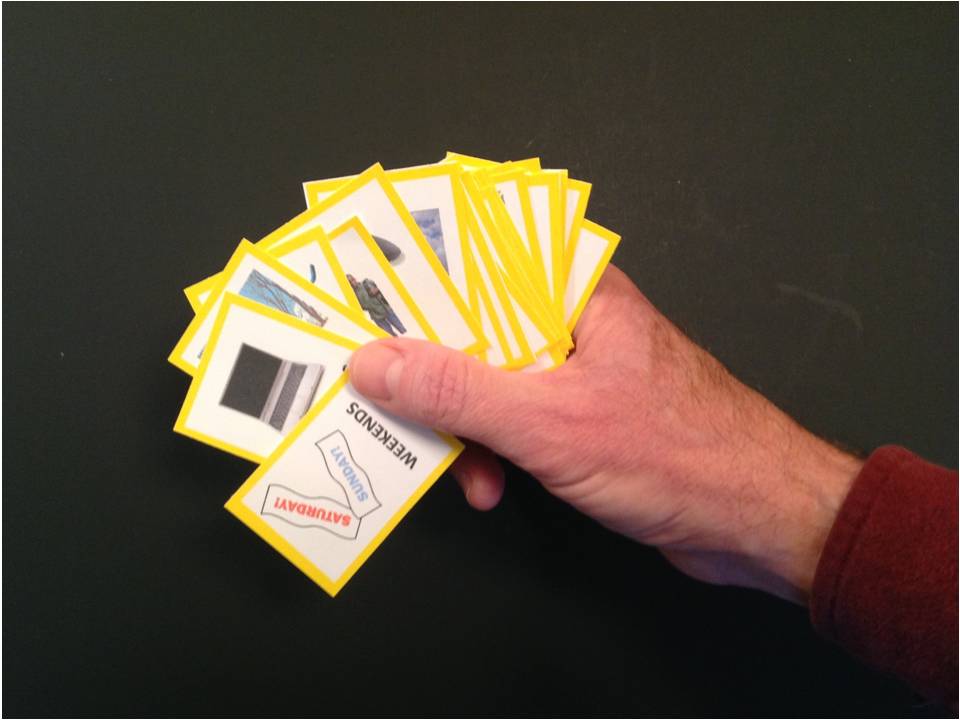
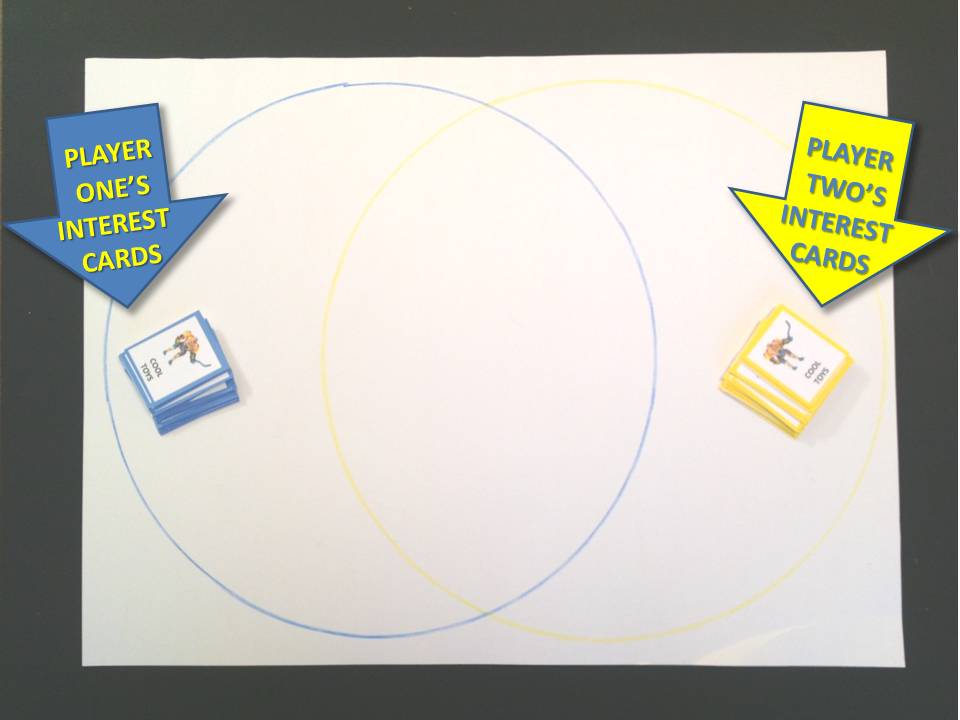
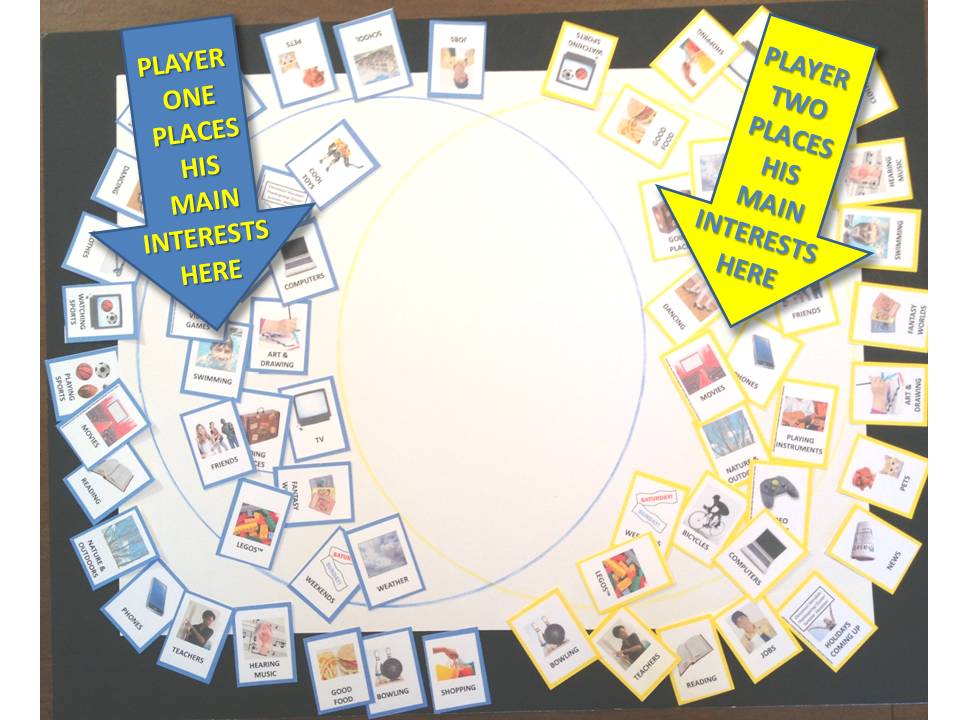
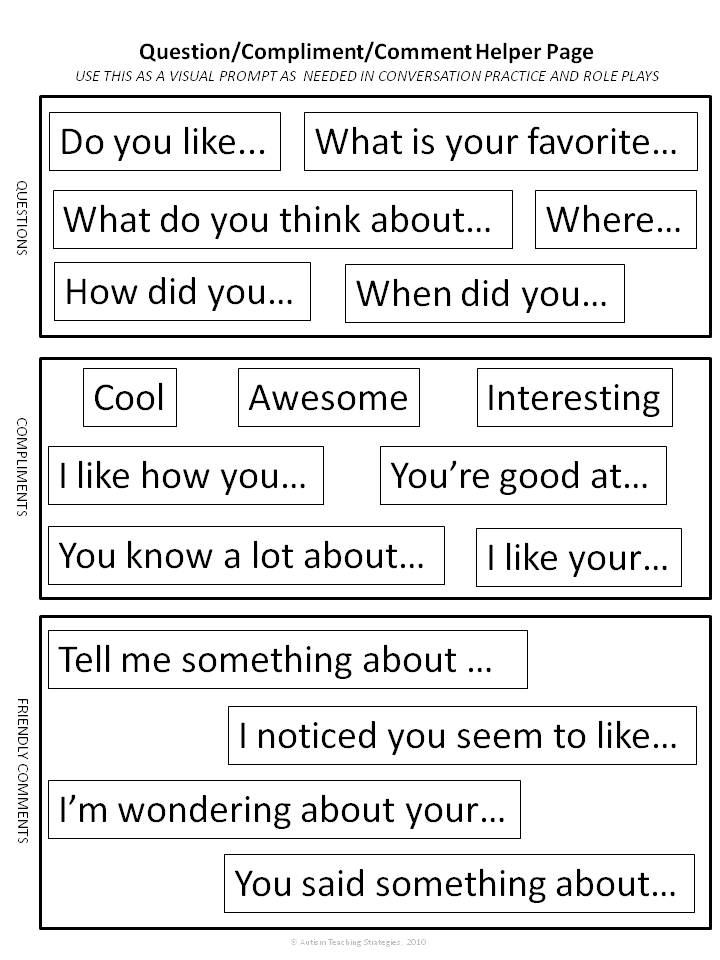
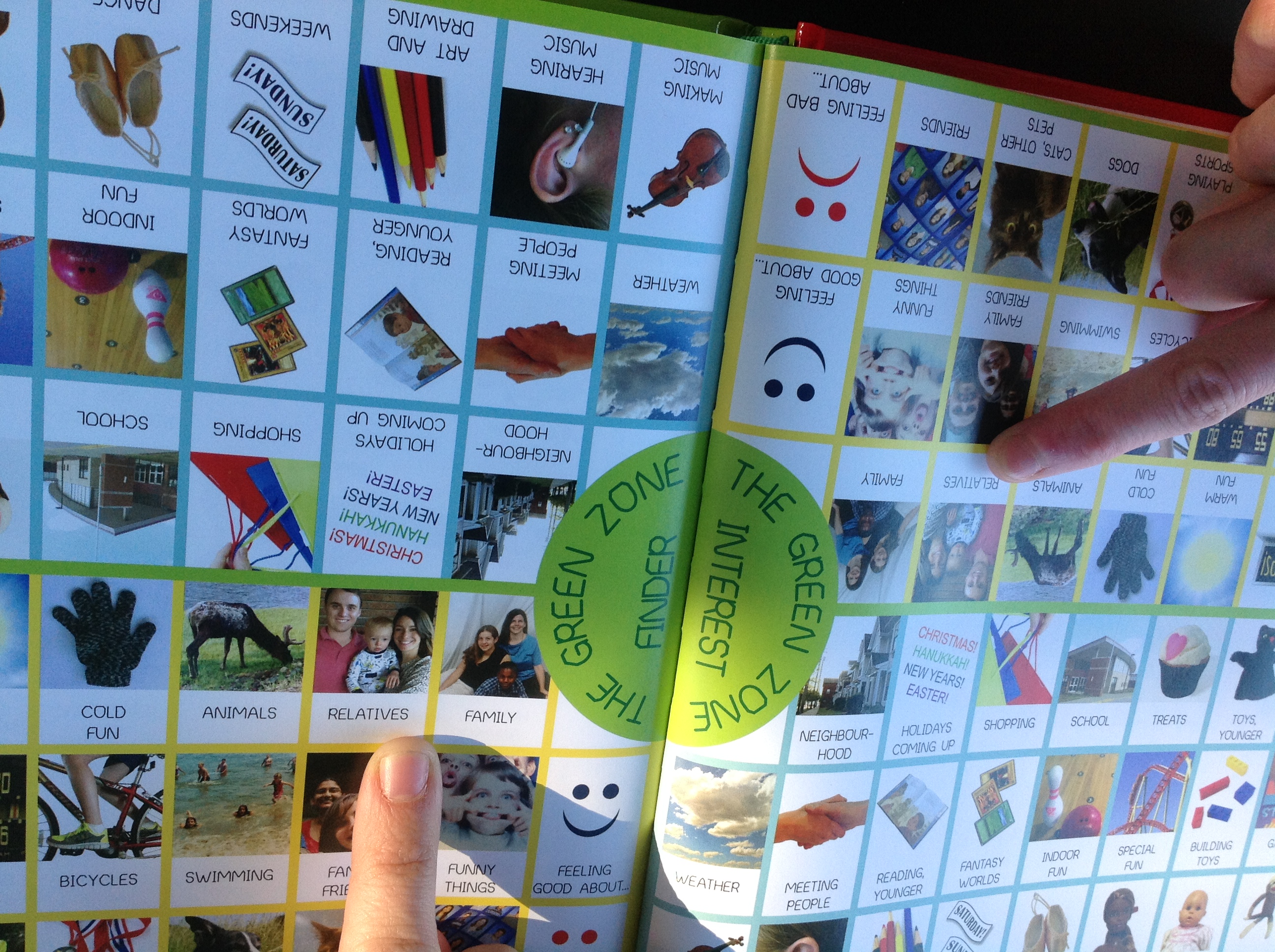
Children on the autism spectrum often struggle to discern the interests of other people and to take these interests into account in conversation. This social skills game employs a picture-based strategy works well in a variety of ages and reading levels. I would then encourage you to go on to fully explore this fun, visual method in my illustrated children’s book, The Green Zone Conversation Book, published by Jessica Kingsley Publishers.
To download the activity, click on the red link below.
I wish you success in your social skills work with children on the autism spectrum.
[ for another holiday-themed social skills activity, CLICK HERE ]
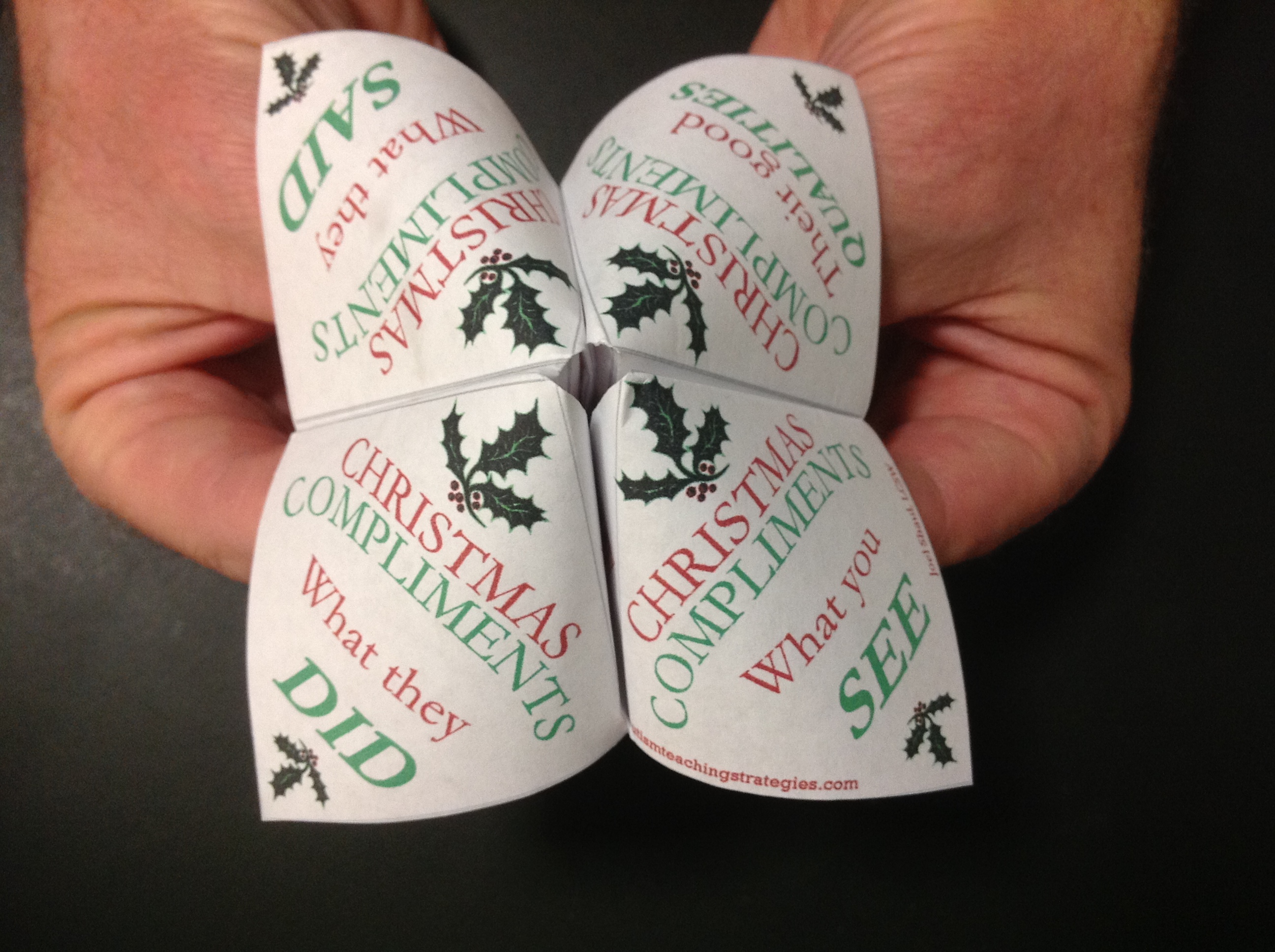
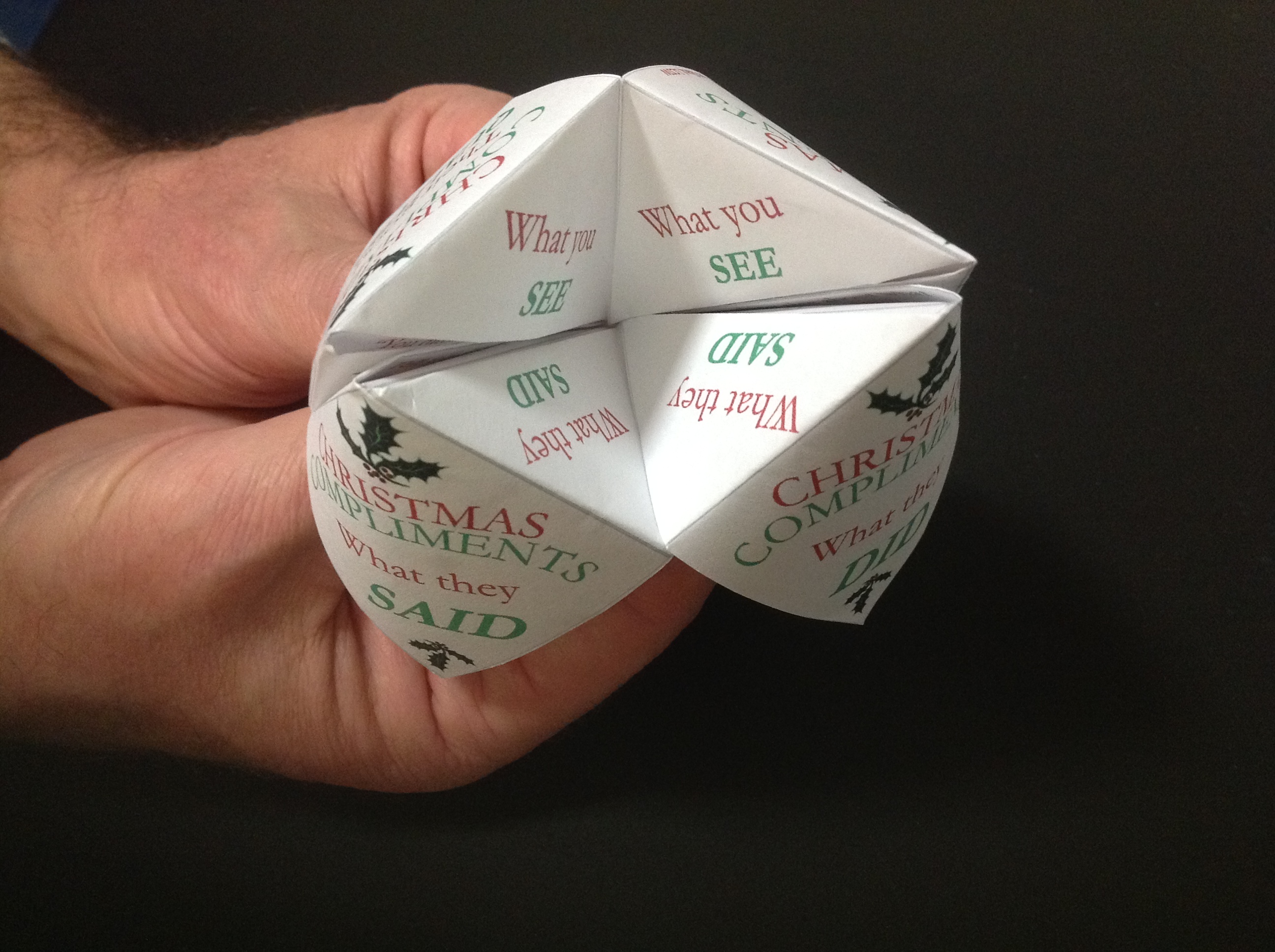
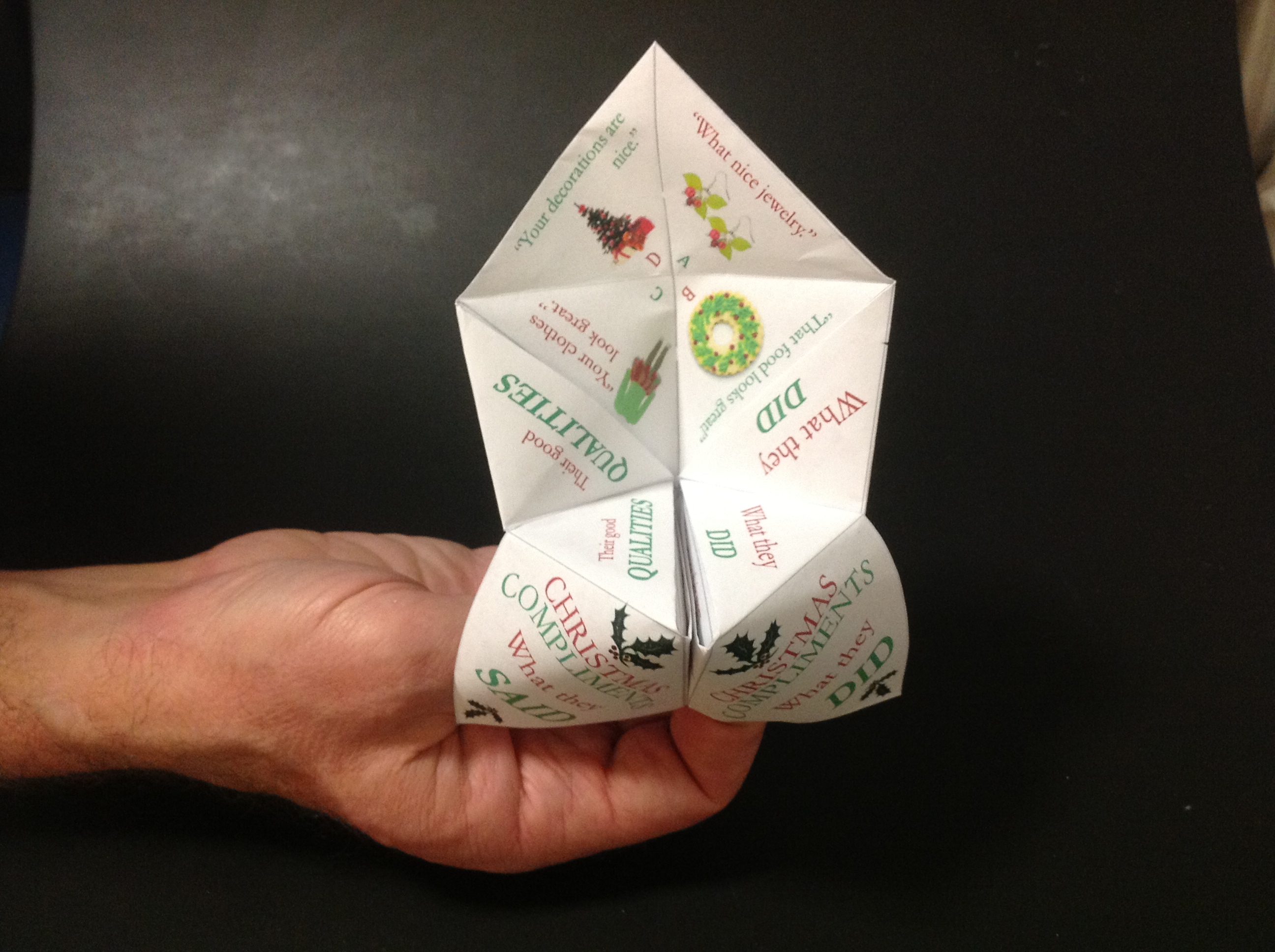
Children on the autism spectrum are often deficient in the skill of giving compliments. They tend to not be aware of the obligation and necessity of offering compliments to build and maintain good will in relationships.
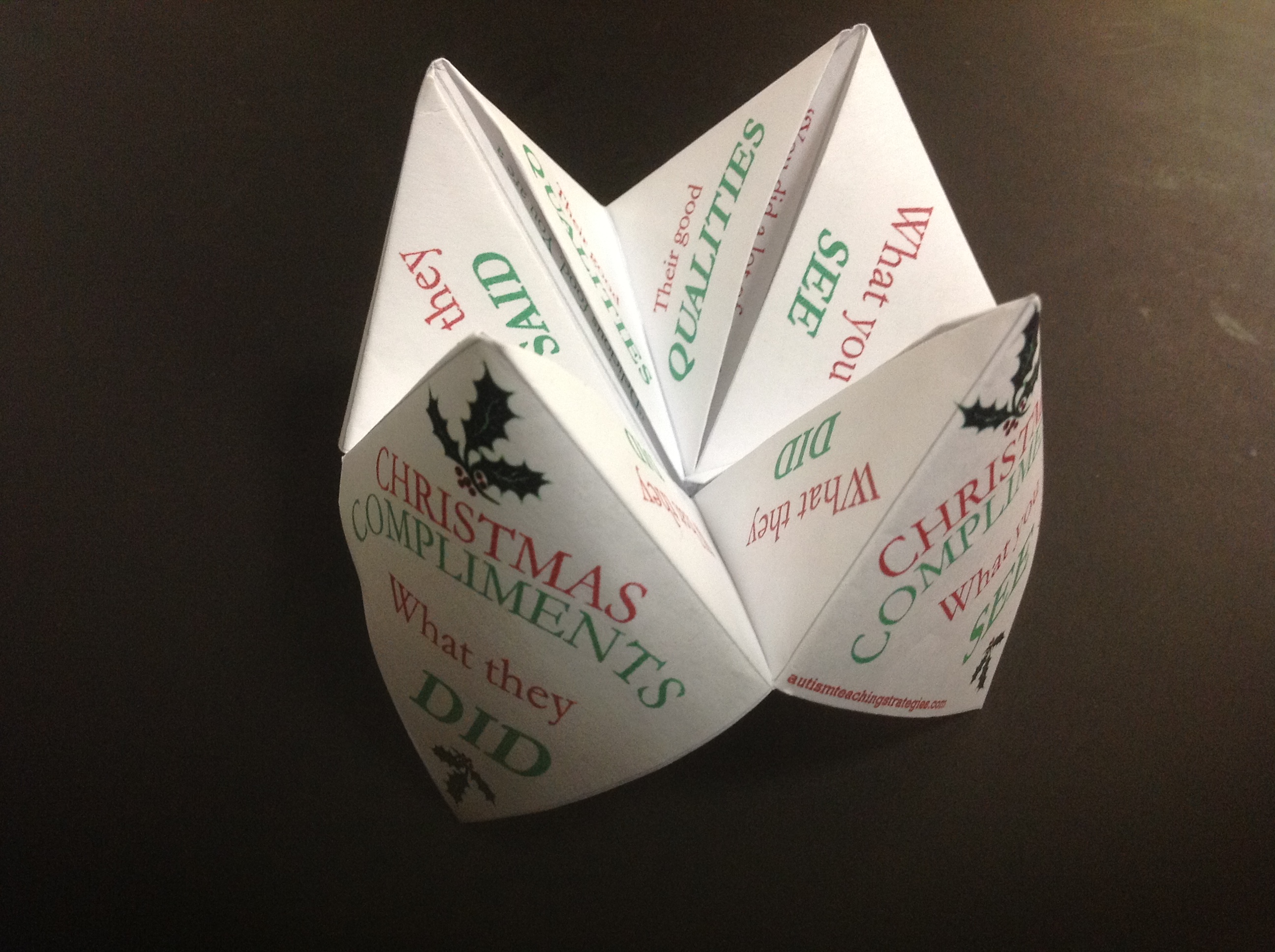
During holidays in which family and friends give and receive gifts, and adults host meals, parties and other celebratory events, part of the expectation is that those on the receiving end will praise that which is provided for them to play with, eat and enjoy. It is useful for children with ASD to practice the social skill of giving compliments in advance of such occasions.
I have put a lot of free downloads on this website to promote giving compliments. Here are a few to check out:
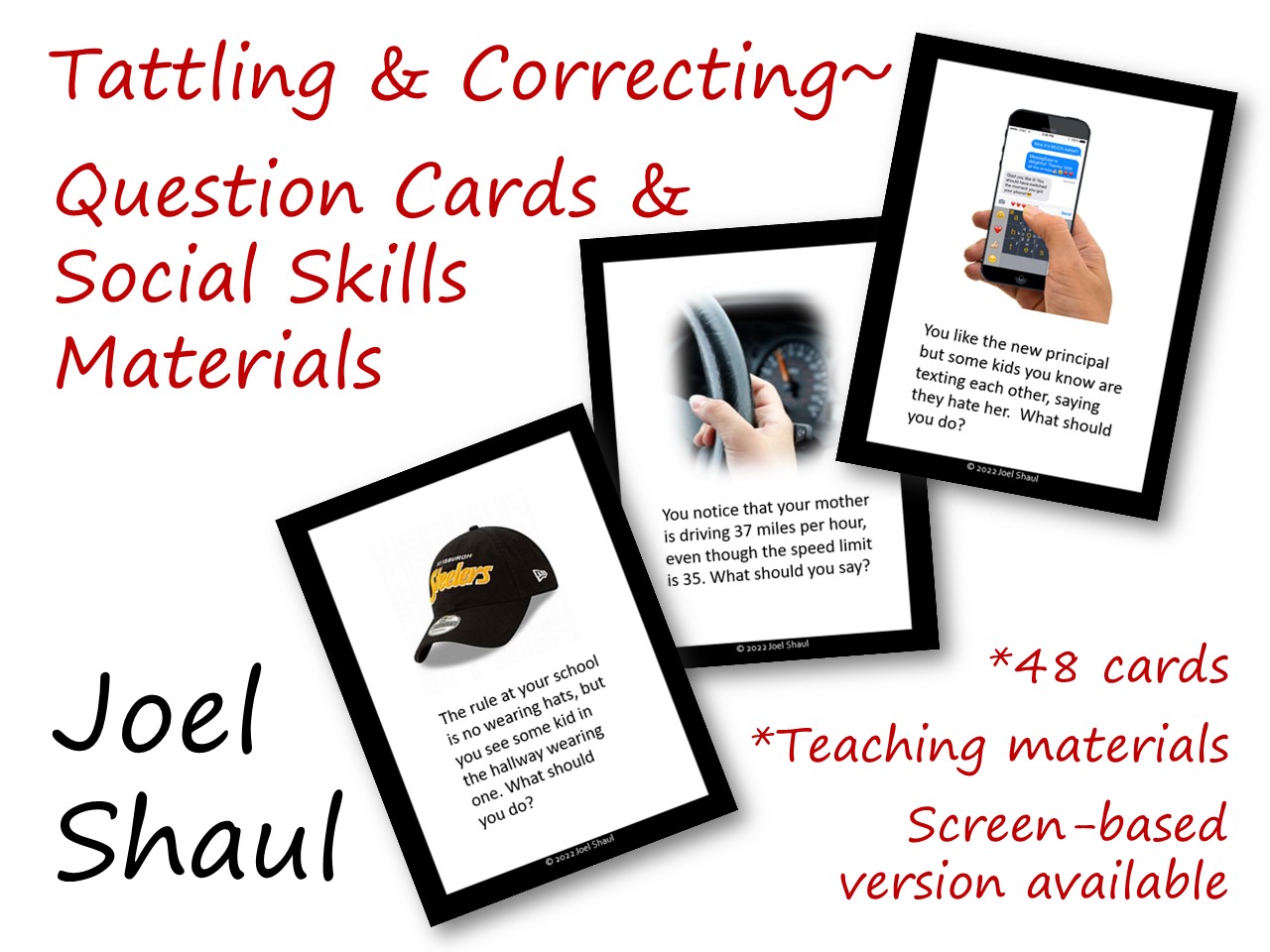
Social skills games and learning activities for tattling and correcting
I created these materials ten years ago and just finished a re-design of the whole kit.
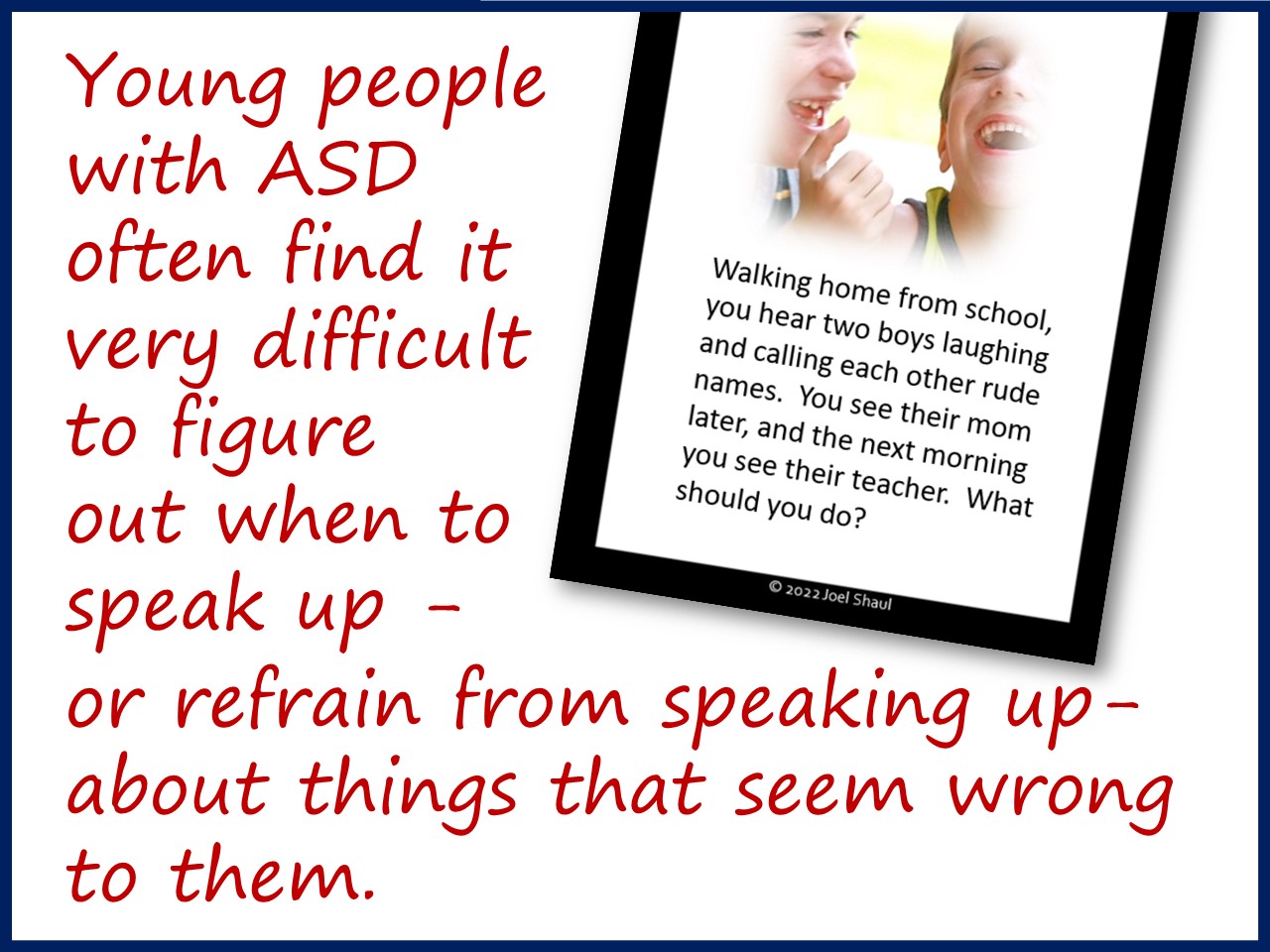
Young people on the autism spectrum can come across as rigid and bossy at times to their peers. Children with ASD can misinterpret complex social situations and express themselves too openly, without considering the broader social consequences.
Figuring out when to “tattle” or correct someone is very hard. I designed the 48 question cards to include not just “easy” ones but also a lot of challenging questions that don’t have clear-cut answers.
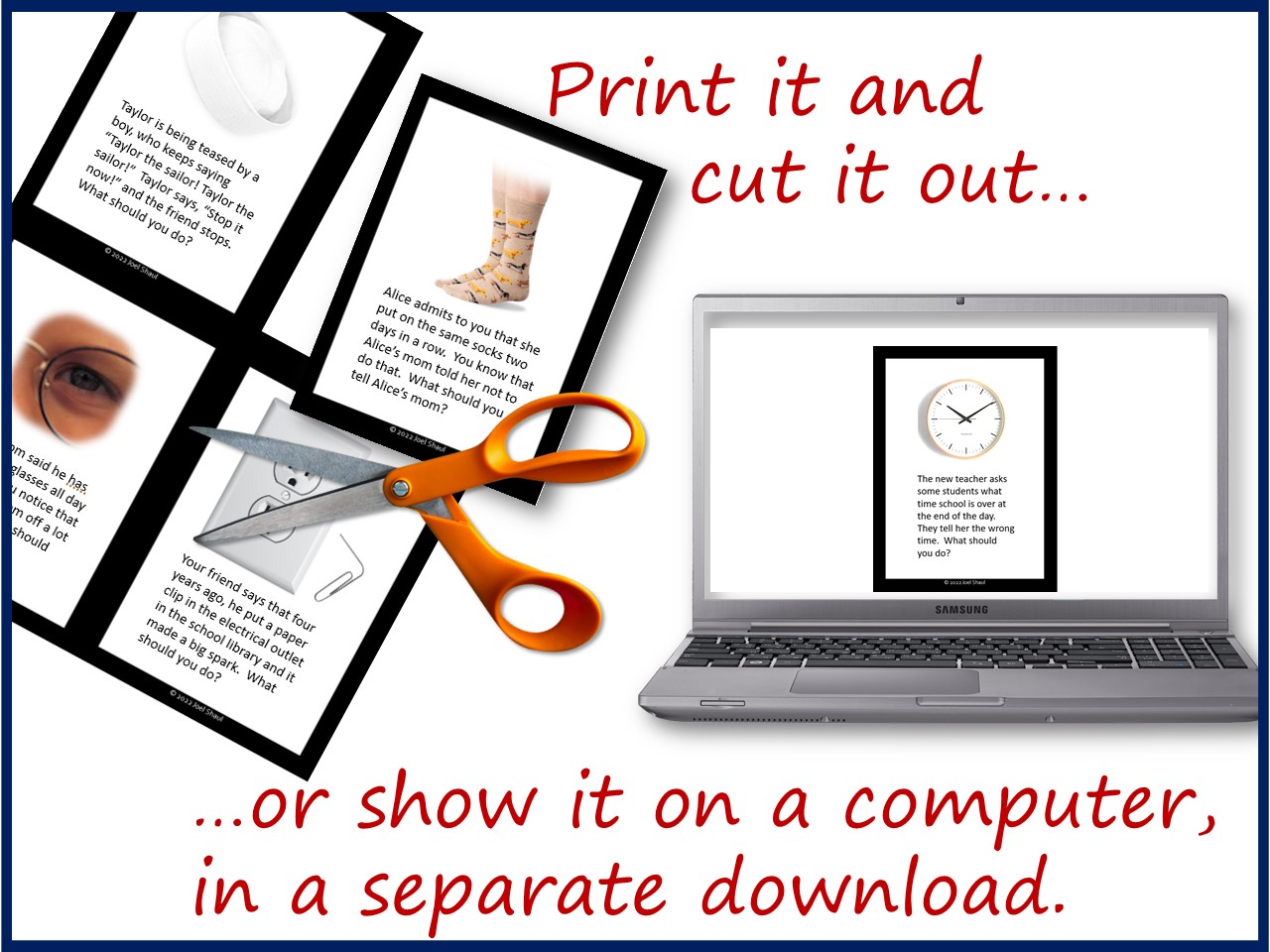
When you use the cards, feel free to go through the deck and select the ones that seem best for the young people you are helping, based on their age, level of comprehension and particular issues they are dealing with.
Children like to hold the cards and have an actual “deck” to play with, but this social skills activity also really works well in the screen display version (which is the version I most often use myself, for groups and teletherapy).
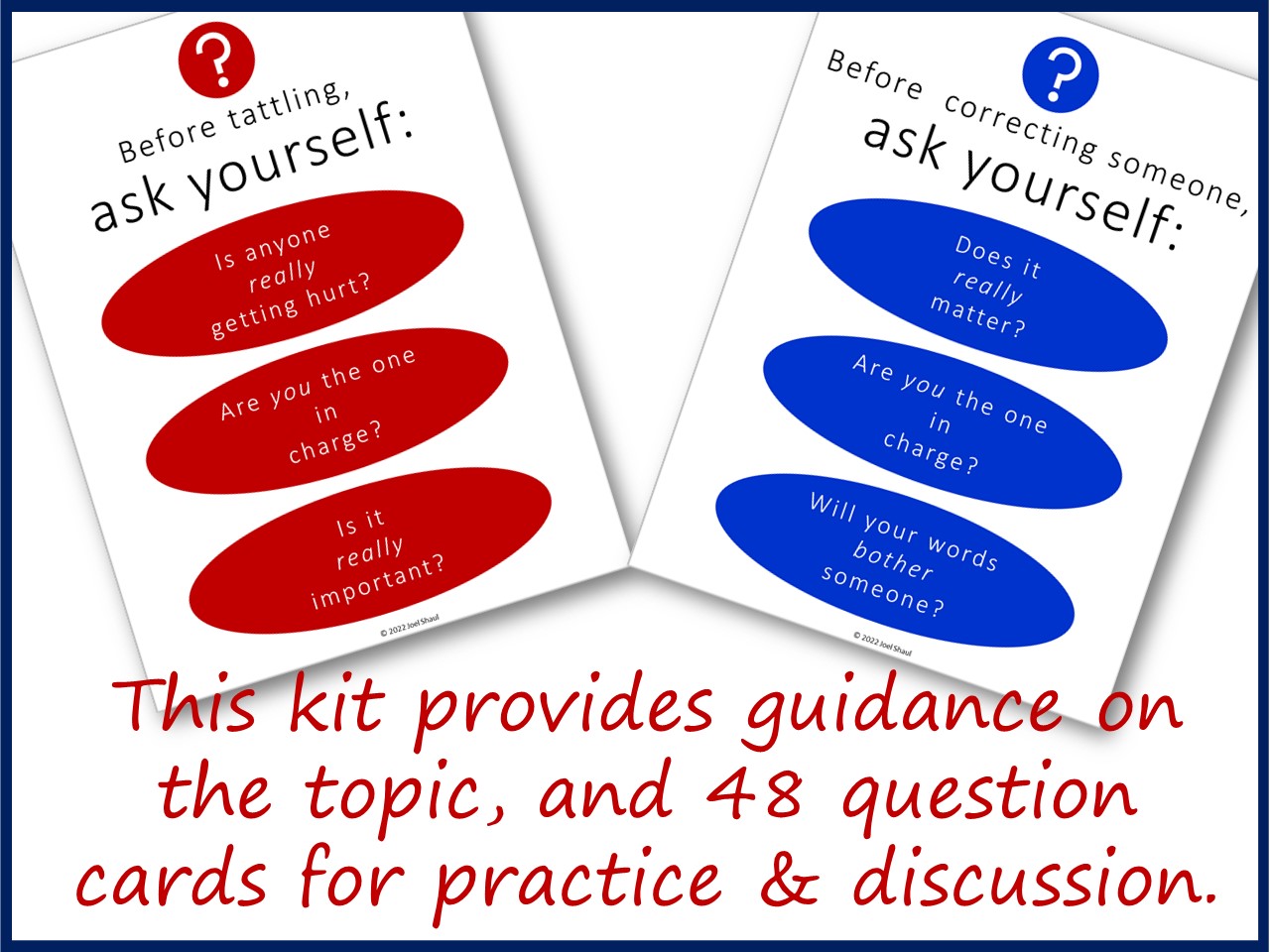
I have gotten good feedback from teachers, who sometimes post the two one-page summaries (Before Tattling, Ask Yourself and Before Correcting, ask yourself) on their classroom walls.
I hope these materials are useful for you in your work.
Free check-off worksheets for children with ASD’s to explore conversation topics with family members
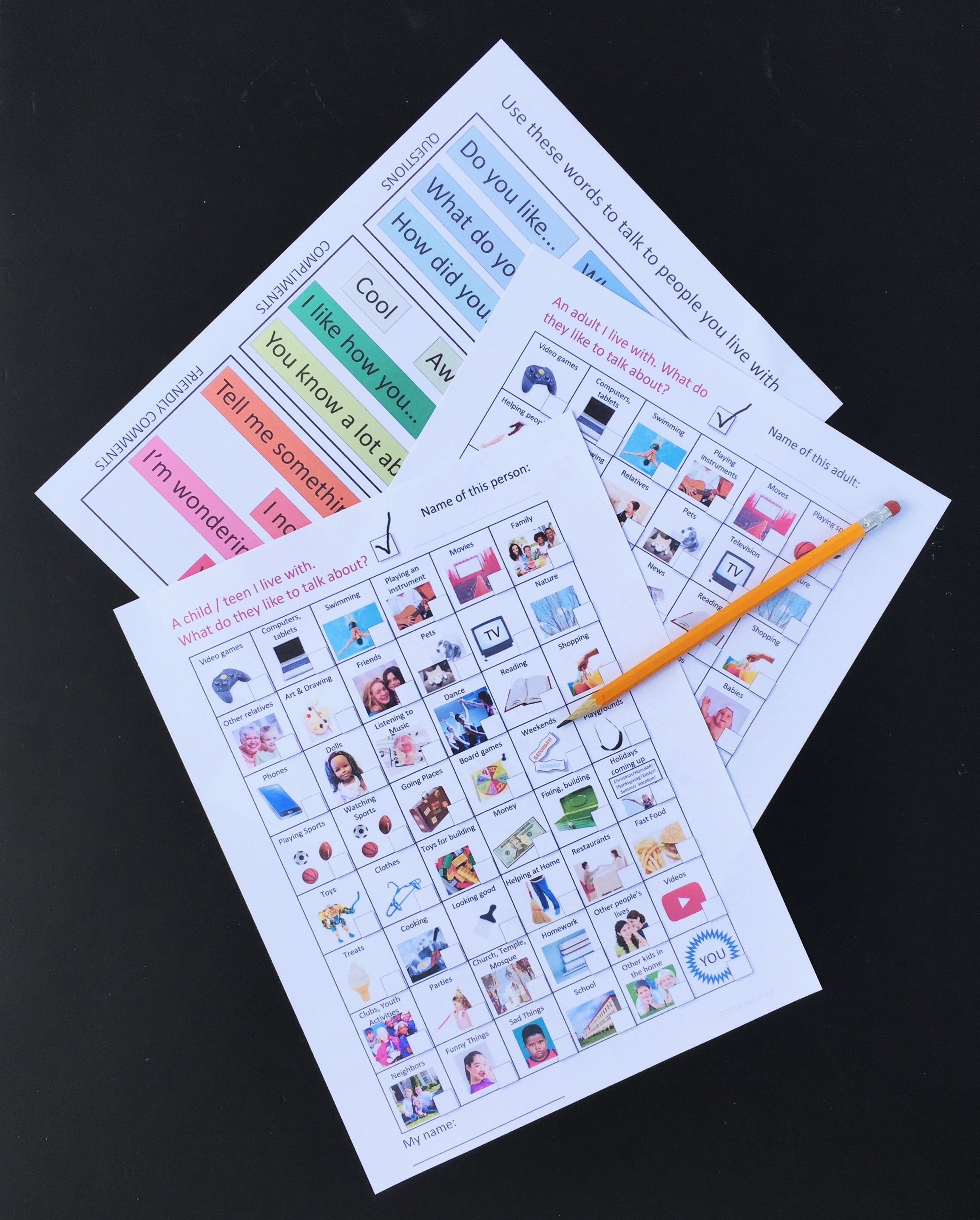
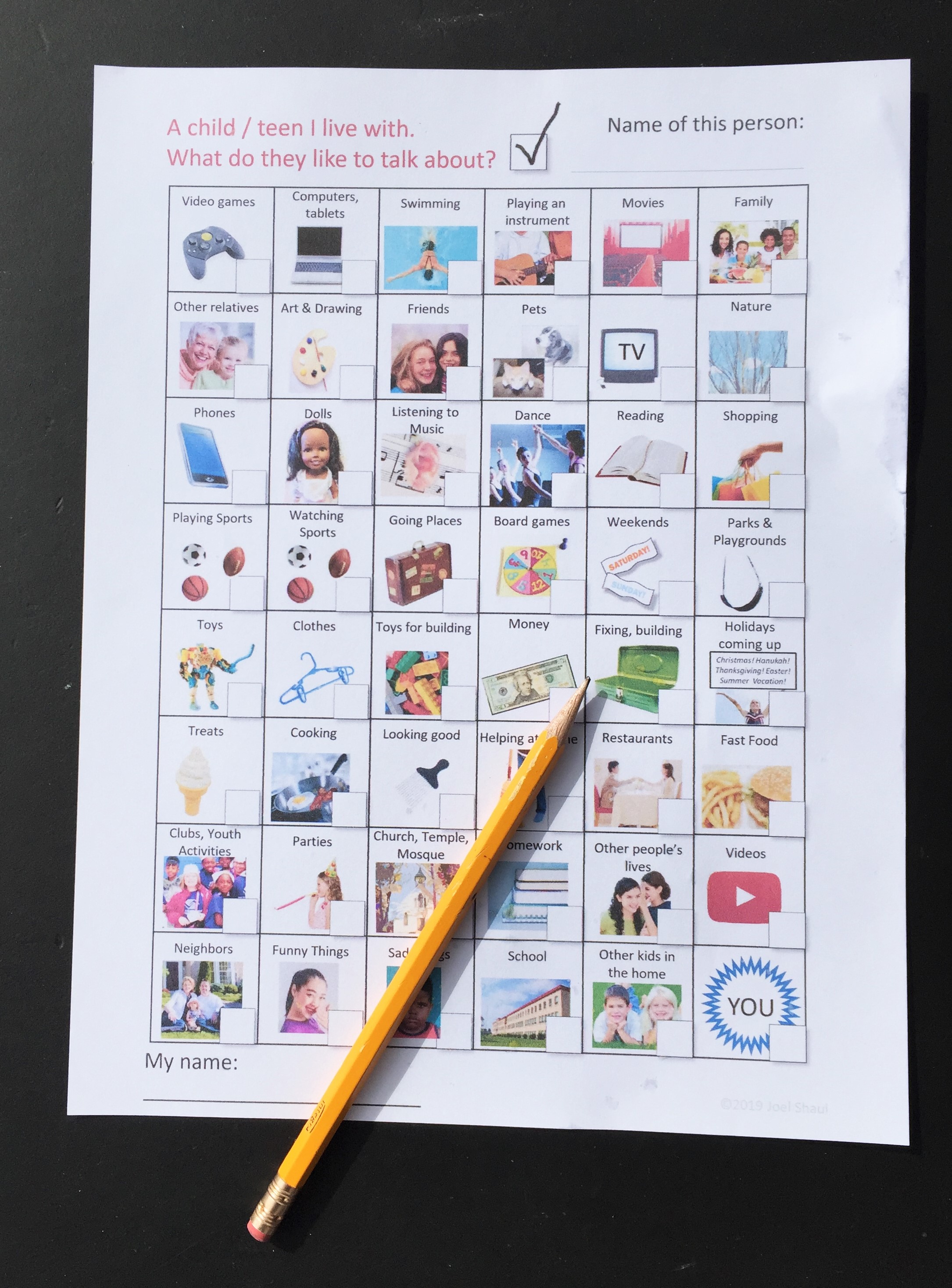
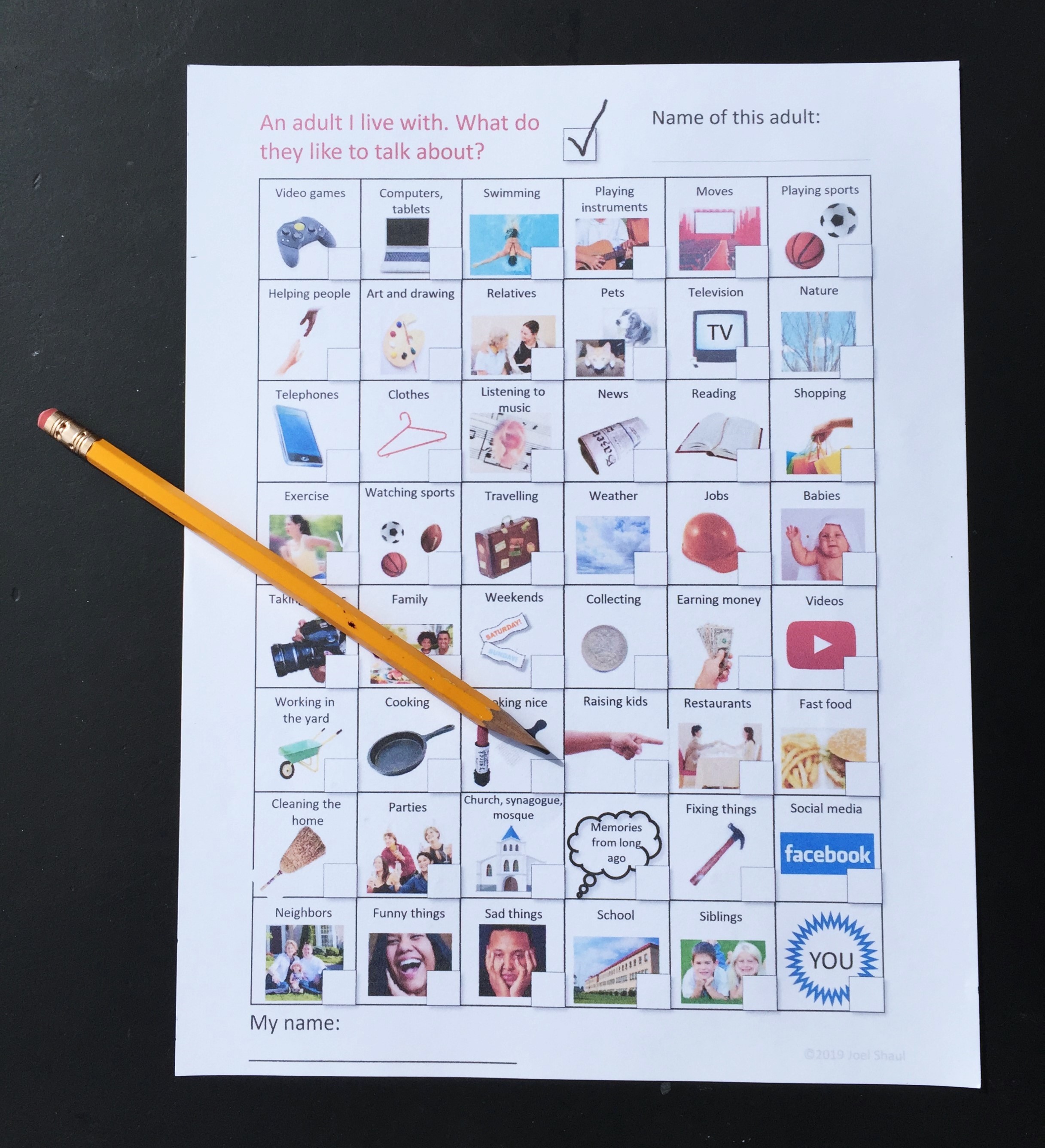
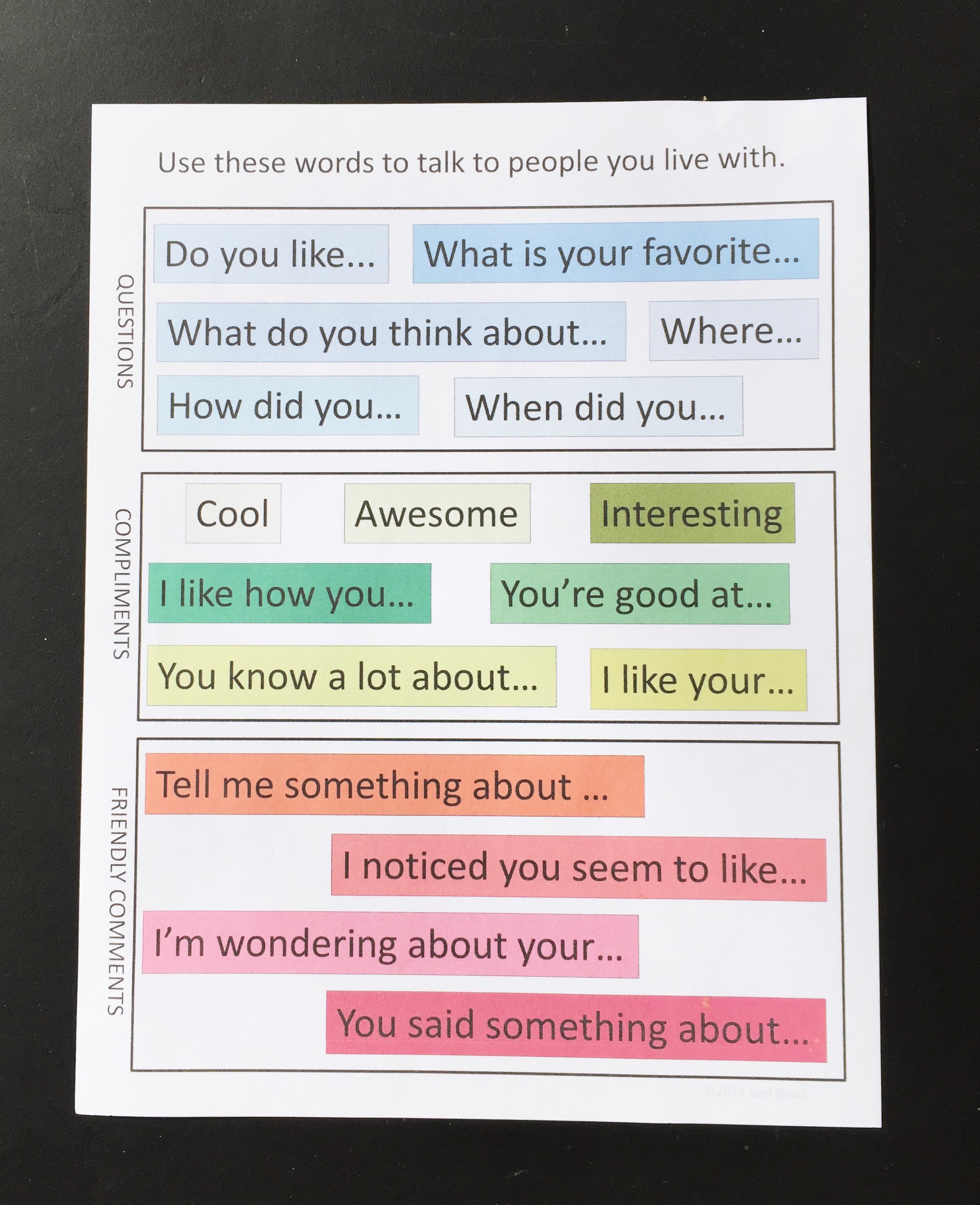
Children with autism spectrum disorders often have difficulties having conversations with the people they live with. It really helps to use picture guides. Here is a set of easy-to-use worksheets for classroom, speech room and home.
How to use the worksheets:
1. Have the child put check marks next to the photos they think represent the person’s interests.
2. Go over the images one at a time with the child. Explain that the family member probably has many interests that are different from the child’s own interests.
3. The sheet “Questions, Comments, Compliments” can be used to set up role plays and actual conversation practice with family members.
4. Have family members fill them out for the child to use as a reference.
5. Project the sheets using a smart board or projector – this really helps for small group or classroom discussions about family members.
Teaching social skills to children with autism spectrum disorders can be much more effective when it is engaging and fun. By the time children with autism ends up in our classrooms or psychotherapy offices, they are often feeling pretty weary and discouraged with their problems. If we don’t introduce some elements of levity, we may lose their attention altogether.
Here are some tips for making your social skills training engaging and “game-like.” Much of this is summarized in this Youtube video, check it out: http://bit.ly/x9TvvO
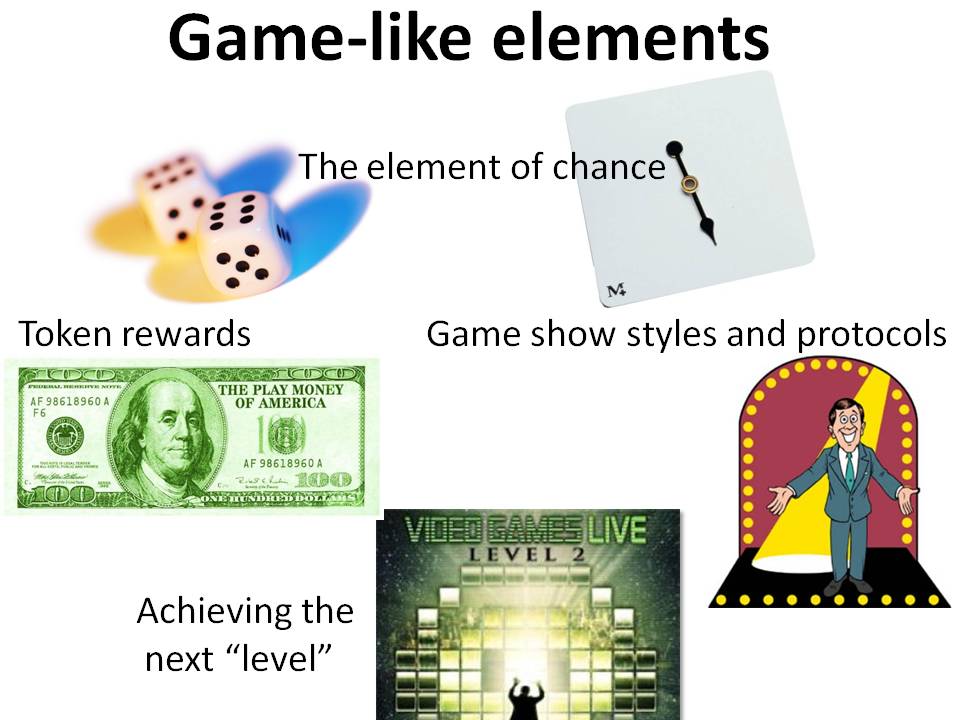
Use the element of chance to make your social skills teaching seem like a social skills game
Introduce the element of chance. A simple way to do this is to use some dice, or a blank spinner (available from teacher supply stores).
Here is an example: “Kids, we are going to play the compliment game today. A compliment is when you say something nice to someone about how they look, or about what they do, or about how they are. When it is your turn, if you roll a one or two with the dice, you have to give someone a compliment here about how they look. If you roll a three or a four, give a compliment to someone about what they are doing. If you roll a five or a six, give a compliment to someone about how they are (nice, funny, smart, fast, clever, etc.)”
Customize a blank spinner to create social skills games for students/clients on the autism spectrum
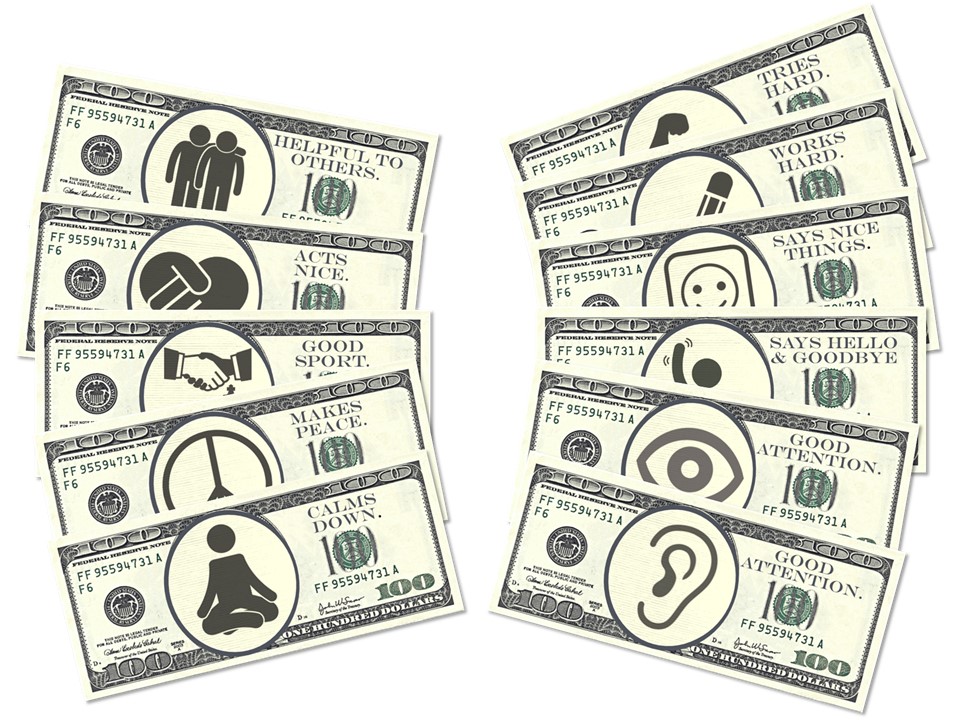
2. Use tokens or scoring systems. These fall into two categories. The first kind of scoring system is to give out token objects (play money, marbles, etc.). These you have the kids keep in cups so they are not overly distracted by them. The second scoring system is to create a score board. Simply write the names of the children on a dry erase board, and add a hatch mark next to their names each time they score. (This is the preferred system if your kids on the autism spectrum get distracted by wanting to touch and handle the token items.)
Use “levels” to add interest to social skills lessons and social skills training
3. Use achievement levels. Most kids on the autism spectrum play a lot of video games. Video games are usually all about “levels” and getting from one level to the next. Here is an example of how to incorporate this into an activity teaching compliments: “Kids, there are three levels of giving compliments. We are going to play a compliment game. Who will get to level three? Level one is easy. You say something nice about how someone looks. Level two is harder. You have to say something nice about the thing the person is doing. Level three is the top level. You have to know the person well enough to know their special inside qualities, like “Generous,” “Smart,” or “Helpful.”
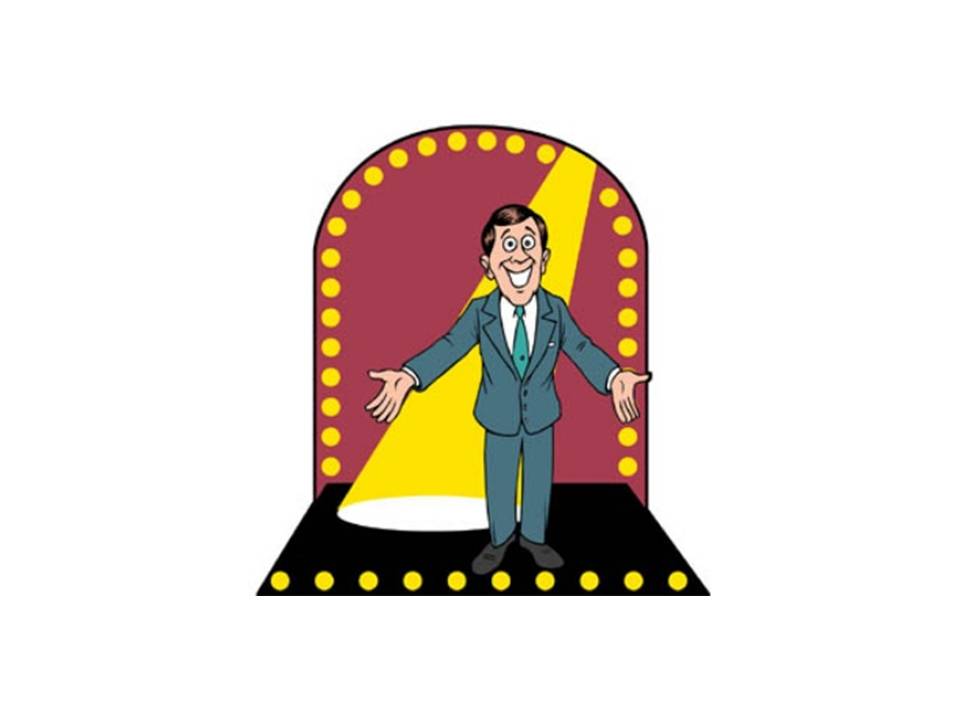
Create a “game show” to turn the social skills lesson into a social skills game
4. Build in Game-show elements. Children with autism spectrum disorders seem to appreciate it when their counselor or teacher is willing to pretend to be a game show host. Copy and print out the picture of the game show guy shown in the picture above, and stick it on the wall. If you want to get fancy, play game show music. Here is a link to Jeopardy music sound clip: http://www.youtube.com/watch?v=vXGhvoekY44 Then, abandon your professional decorum , and say something like this: “Kids, welcome to the Elmhurst School Game Show. I am your host, Ms. Apple. Today, we are going to test people’s ability to give compliments. Please welcome our first contestant, Tiffany. Tiffany, come on down!”
I wish you good luck with introducing levity and game-like qualities to your social skills training for kids on the autism spectrum.