
11 wall displays / visual tools for autism social skills teaching. Free downloads.

Many of my social skills resources for children with autism include large visuals that can be used either as accessories during teaching or as wall displays.  Below you will find links to eleven of my blog posts which feature large, illustrated panels as part of the kit.

To go to the resource, click on the PICTURE.
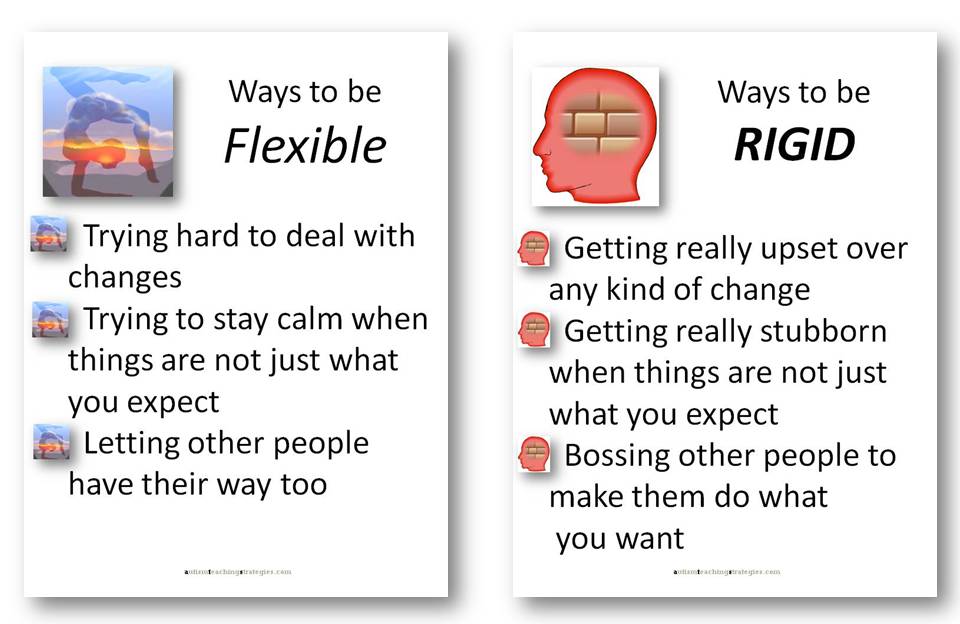
Rigidity blog display

Rigidity / Flexibility  Panels

These are part of a social skills kit which includes lots of scenario and role play cards.
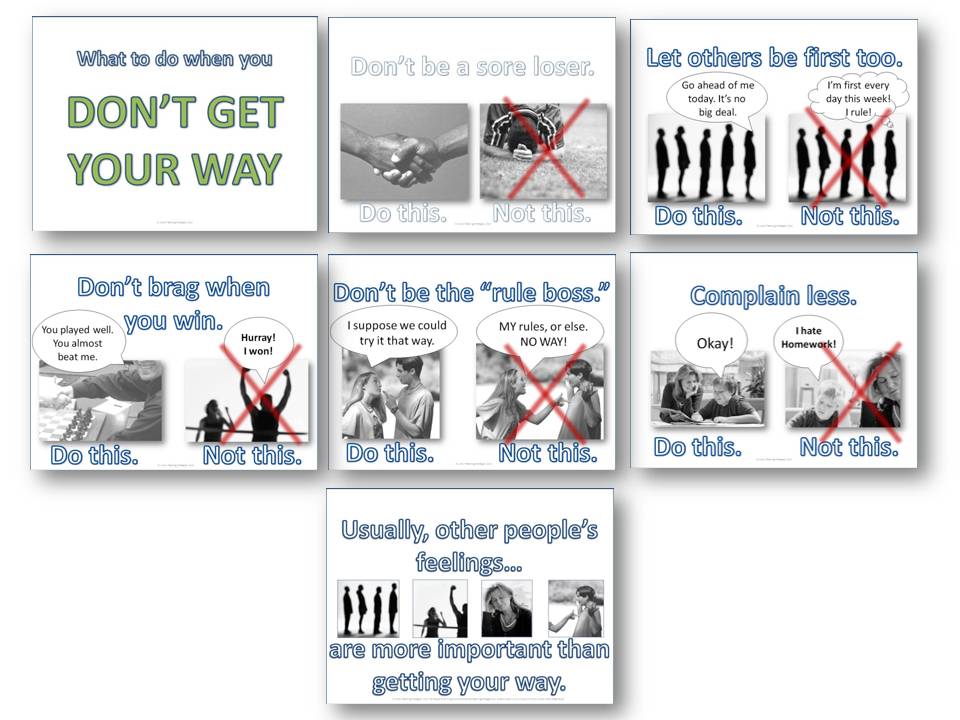
Losing blog display

Dealing with Losing and Disappointment Panels
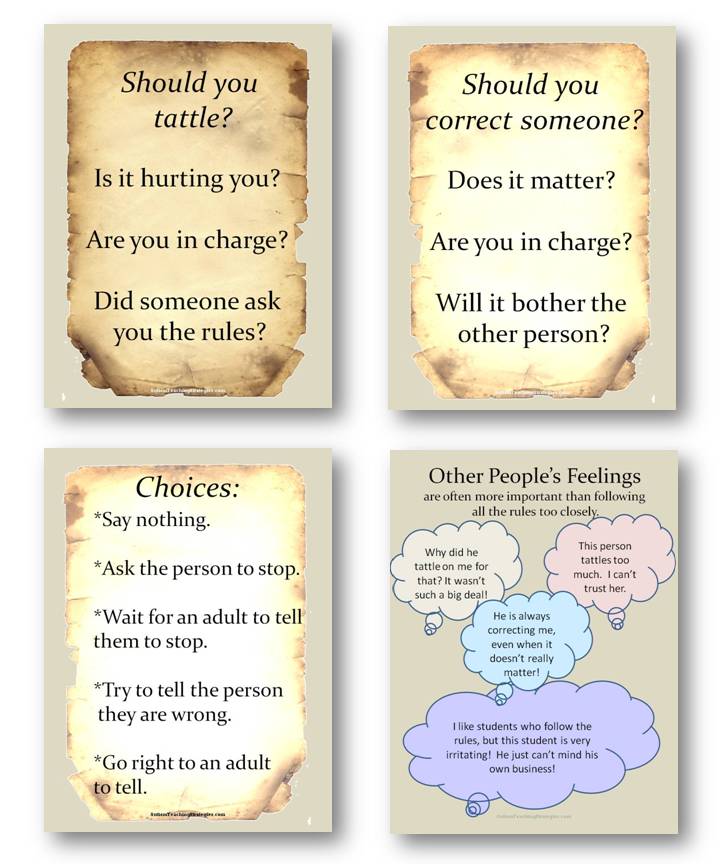
Tattling blog display

Tattling and Correcting Panels

These are a part of big free download kit which includes dozens of picture cards
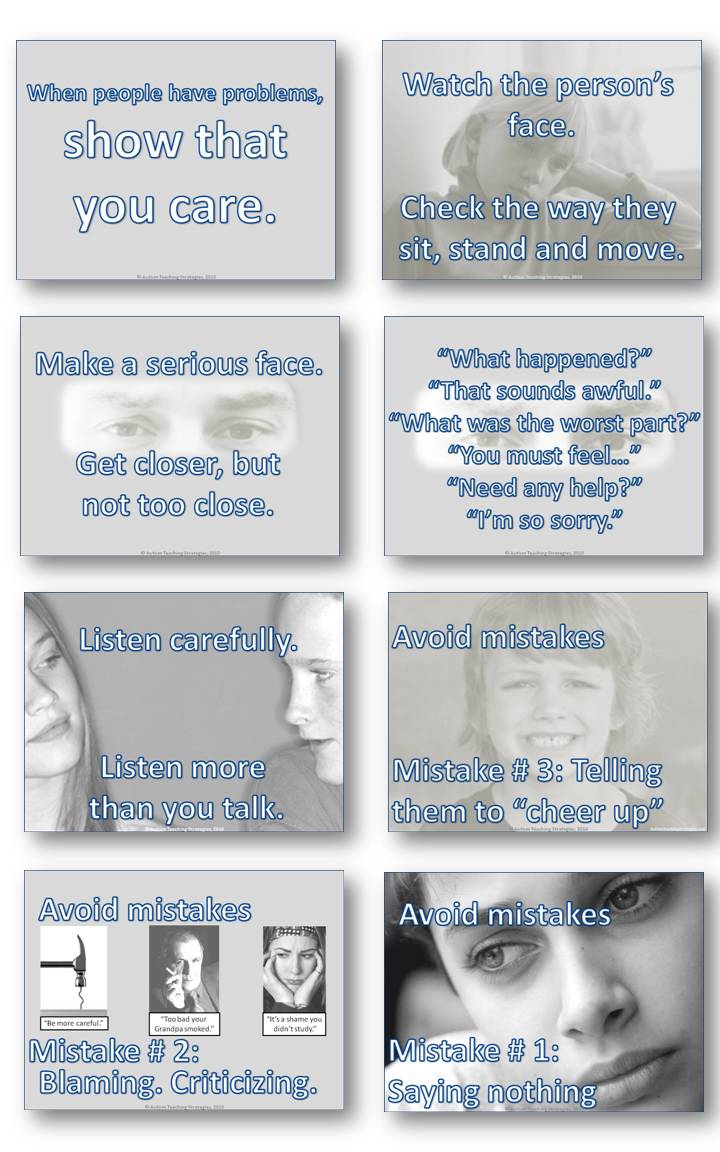
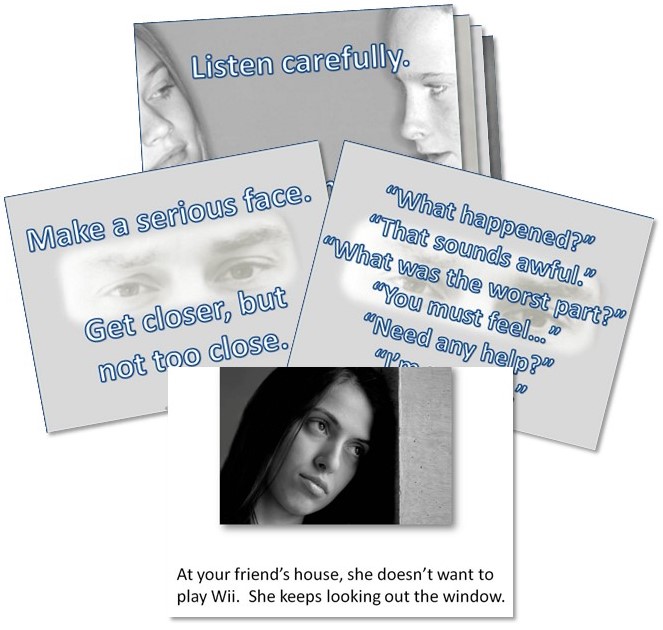
Empathy blog display Showing Concern Panels

social skills activities for children on the autism spectrum

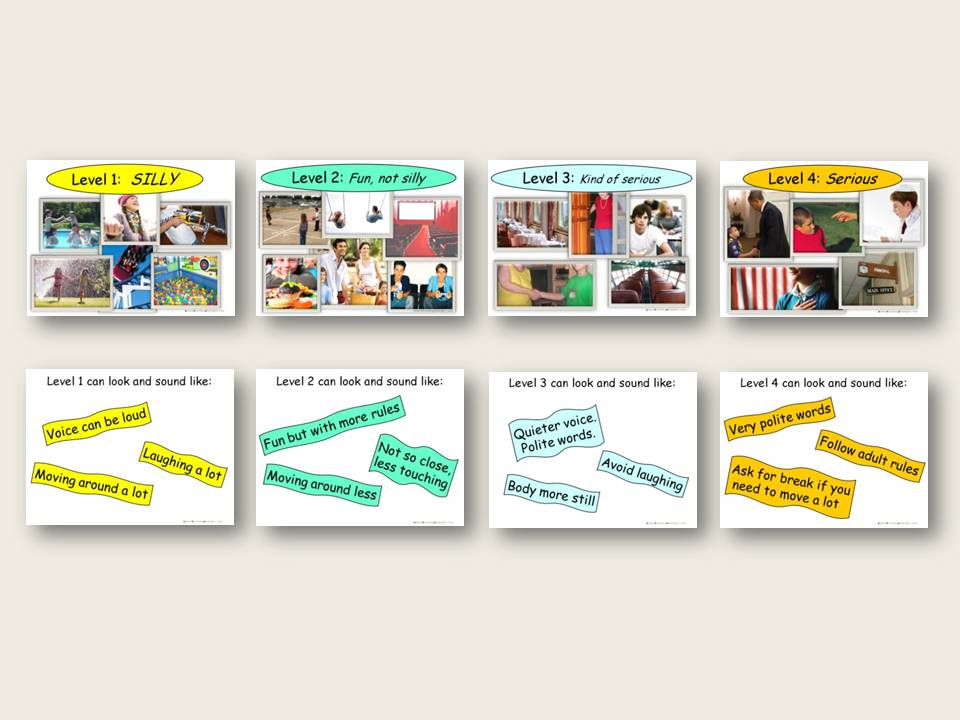
Silly to Serious Kit

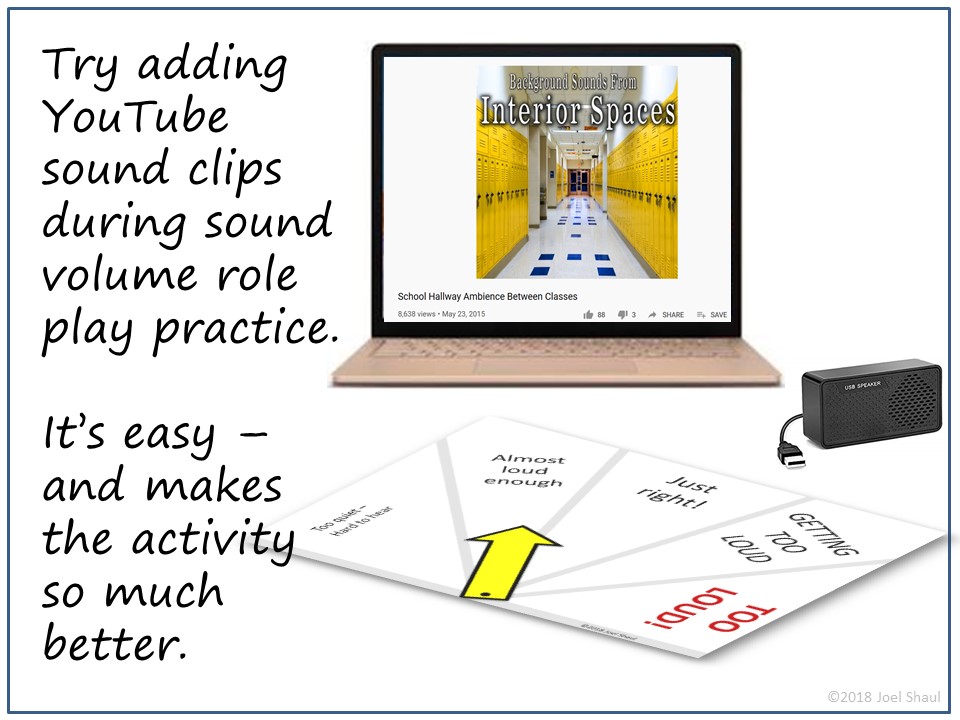
These are part of a big kit that includes dozens of situation and role play cards.  Many teachers in autistic support classrooms have found the panels useful for behavioral classroom management.  You can put an arrow on one of the four levels and say “We are at this level now.”
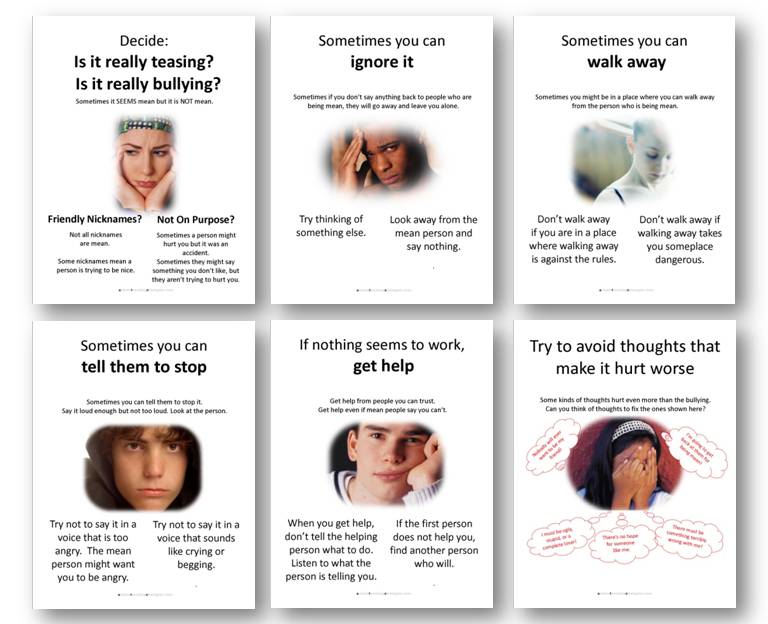
Teasing blog display

Teasing / Bullying Panels

This is part of a larger kit which includes a lot of situation and question cards to help children with autism to deal with the practical and emotional aspects of being teased and bullied.
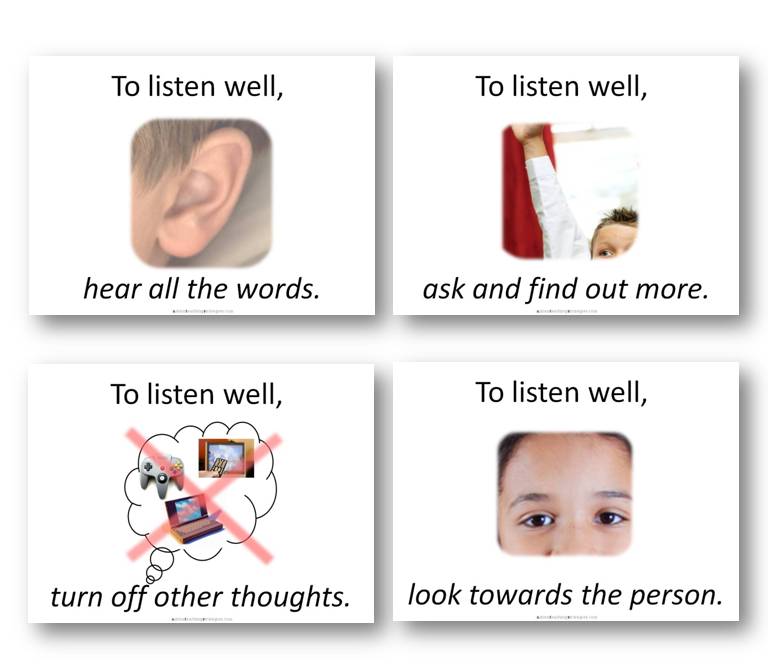
Full body listening panels for children with autismComponents of Listening Panels

There is also a simple worksheet using the same set of visuals.

Conversation Box Panels

Reciprocal Conversation Panels

This is part of a kit that includes a card game activity for conversation activities with children on the autism spectrum.  It is derived from a concept of RDI.
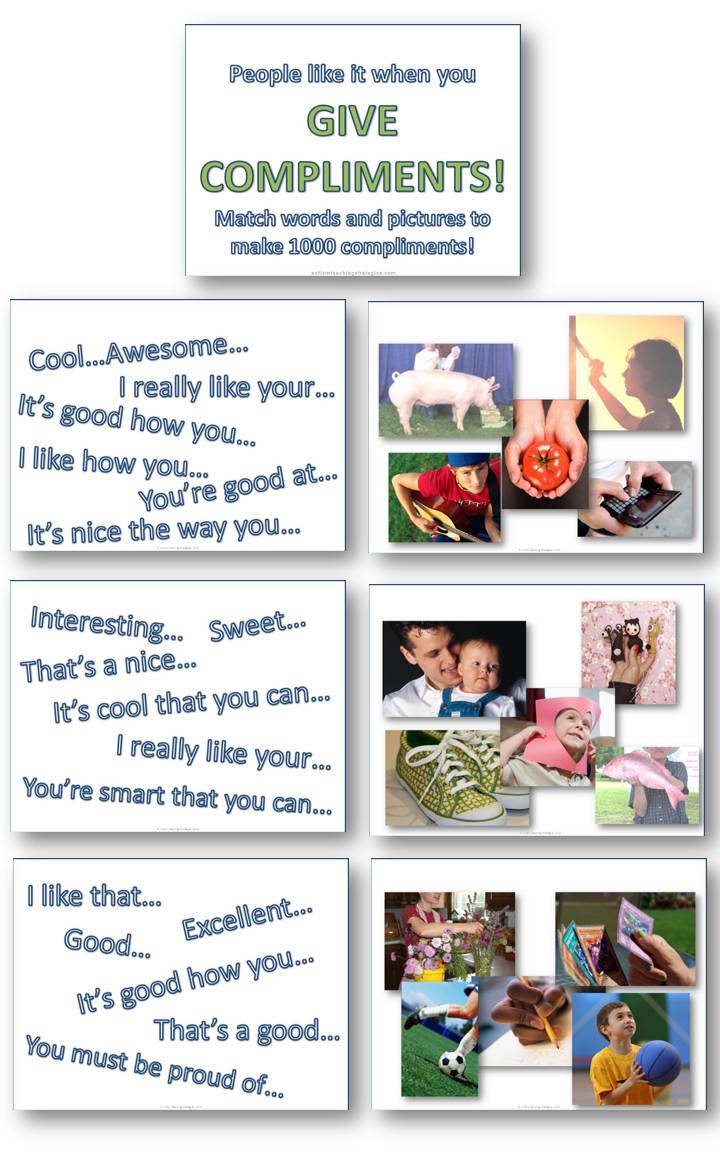
autism compliments social skills activityCompliment Matching Panels

These panels, a sample from the People Points kit I sell, is to help children on the autism spectrum to practice the social skill of giving compliments.

Girl talk to panels blog images to jpeg

Panels on Relating to Girls

These are part of a kit which includes role play and situation cards for teen boys on the autism spectrum who are learning social skills relating to female peers.
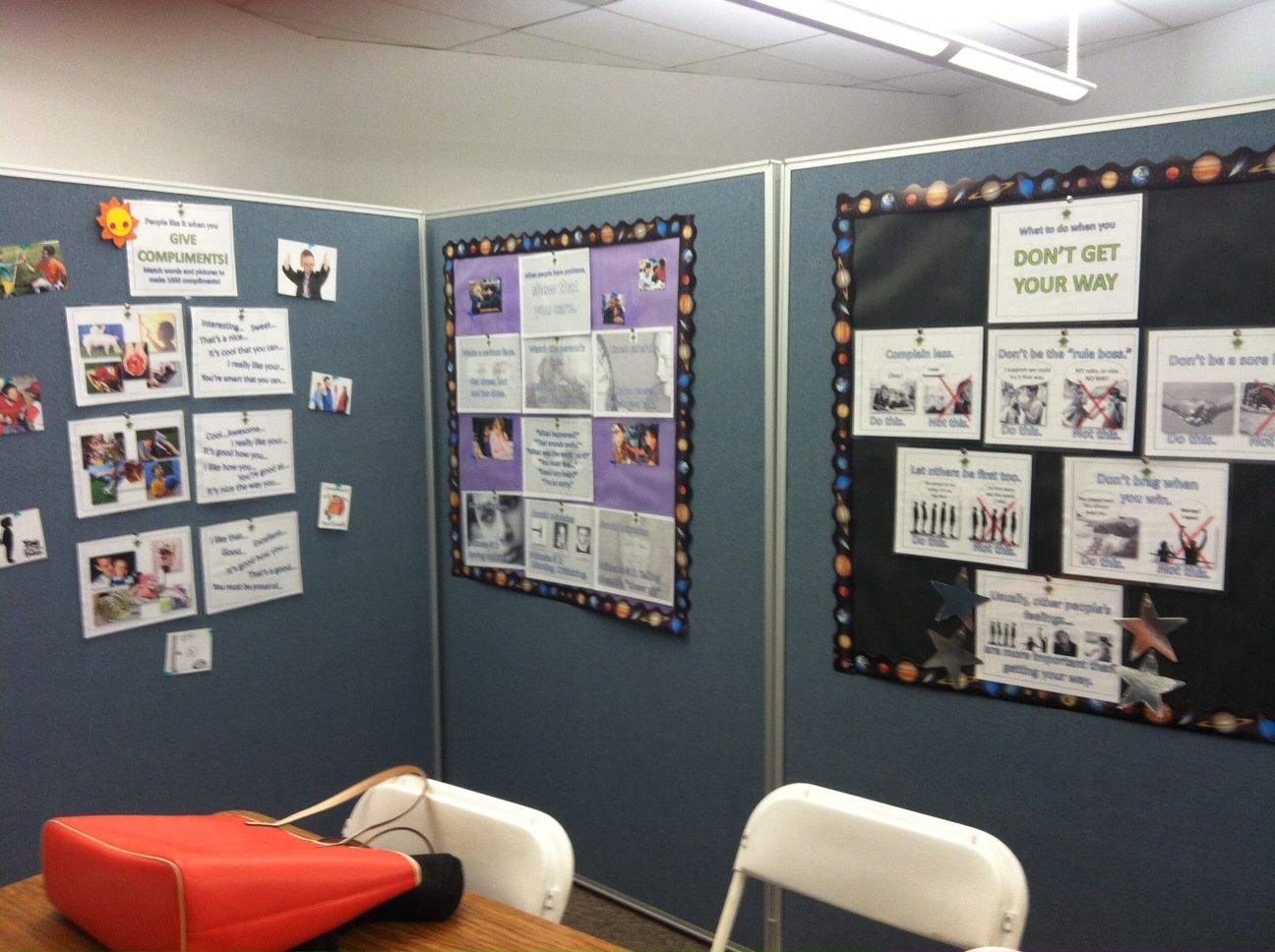
This photo was sent in by an SLP in California.

Your comments on these resources are most welcome, and often helpful. Click HERE to send an email.
Your Interests Promo image for website

The Conversation Train Book

Green Zone Book Cover Click to Learn More

Cognitive-behavioral therapy teaching materials for children with high functioning autism: Many engaging activities with free downloads

Cognitive-behavioral therapy and children with high functioning autism

I have posted an extensive amount of free cognitive behavioral therapy materials on the website.  The following post is to summarize them in one place and provide more convenient links to each of them.

Many are available in screen-based / teletherapy versions. Some are available in translations.

To be connected with each free resource, click on the IMAGE.

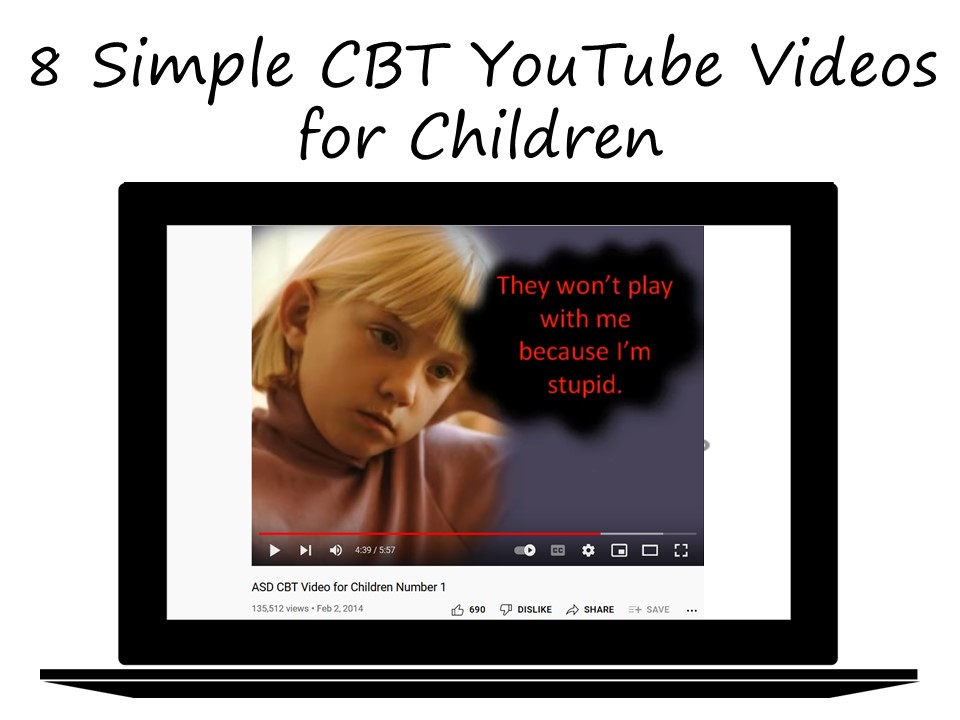
CBT videos for children

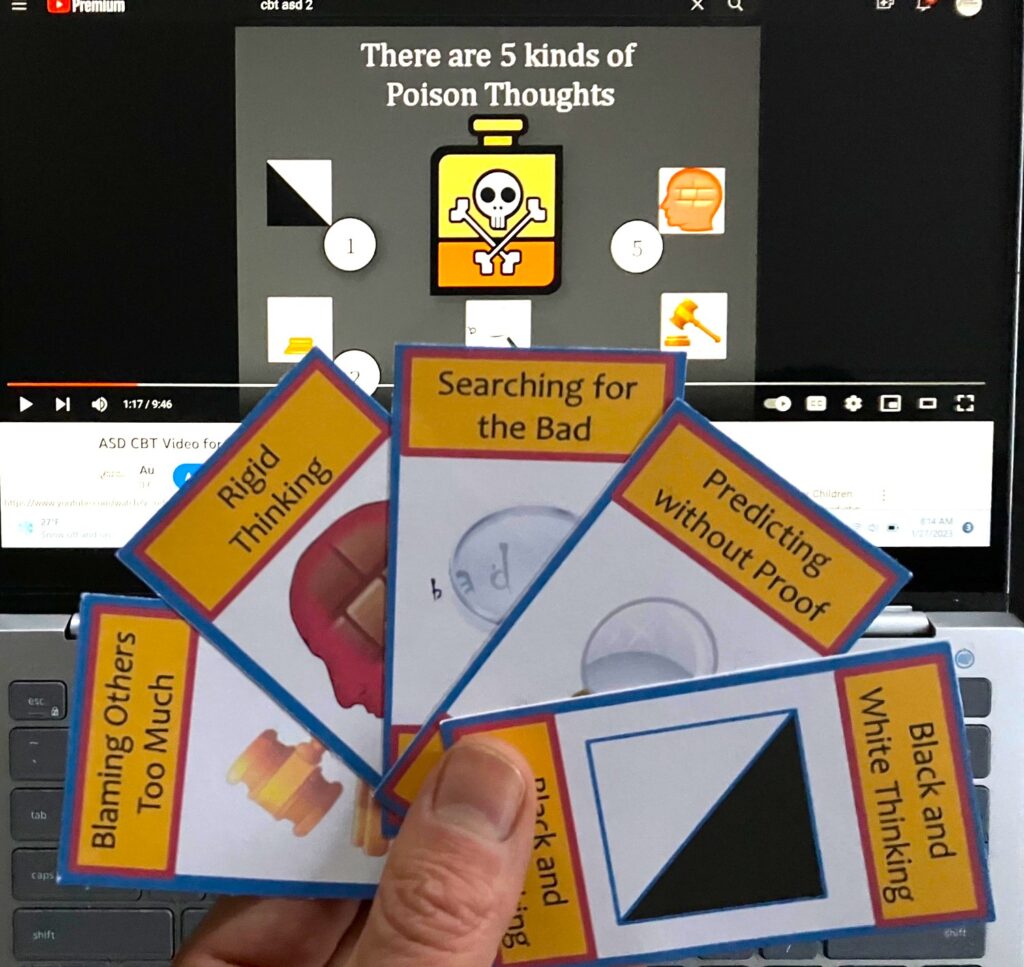
If you are just beginning to explain the basics of CBT, I really recommend you watch the first video in this series. It is short, very visual, and clear. The subsequent videos focus on specific categories of automatic negative thoughts, which I refer to as Poison Thoughts.

Here is a concise guide to using the CBT Videos which you should find helpful.

CBT Cards to use with the 8 CBT Videos

Download and cut these out. They are very handy to use while viewing the 8 CBT Videos. The download includes suggestions on different ways to use them.

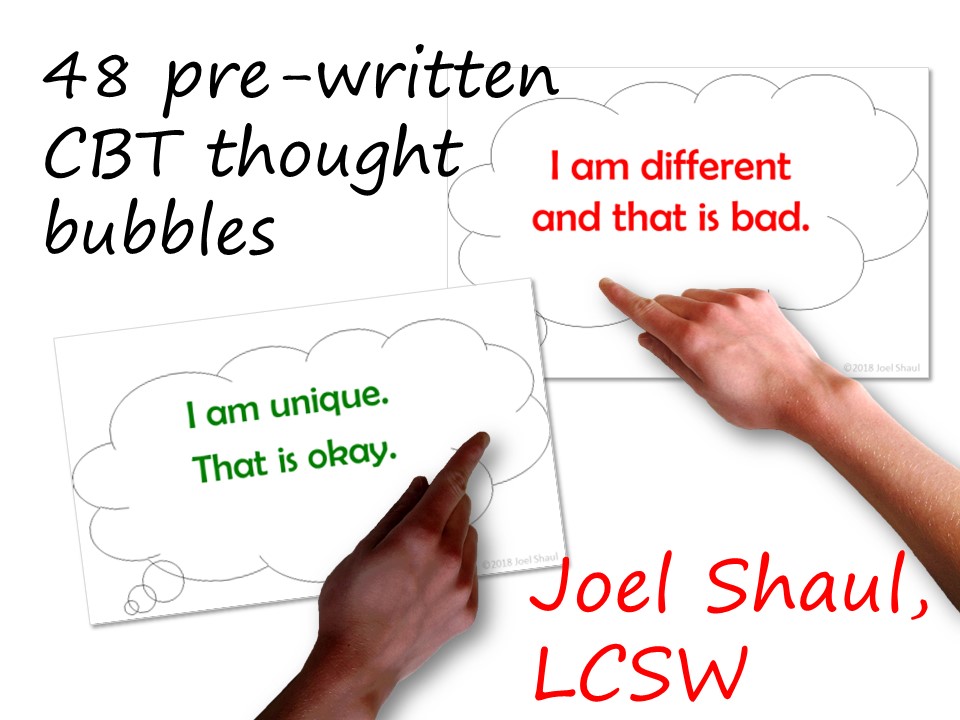
CBT Thought Bubbles, printable and screen-based / teletherapy versions

These have many uses. You can print them and leave them lying around during sessions. You can put them on the wall. The screen-based version is very useful for groups or for teletherapy.

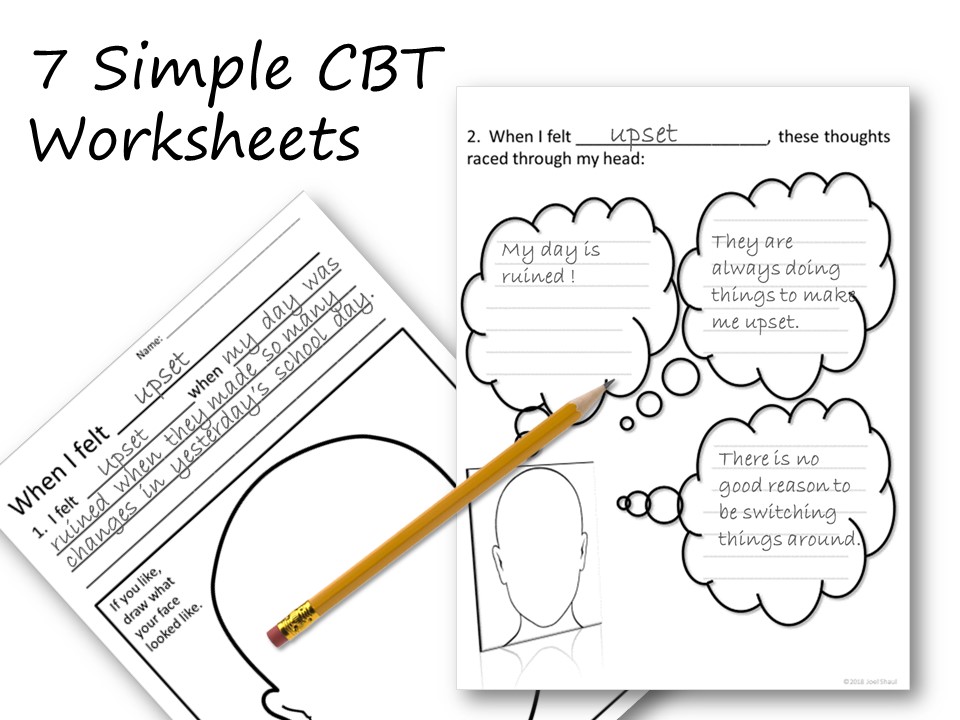
CBT Worksheets for children

I created these years ago because all the CBT worksheets I could find lacked visual elements and required children to write too small. The teletherapy versions of these are very useful, especially the Boom Cards version.

The CBT Worksheets are available in several translations.


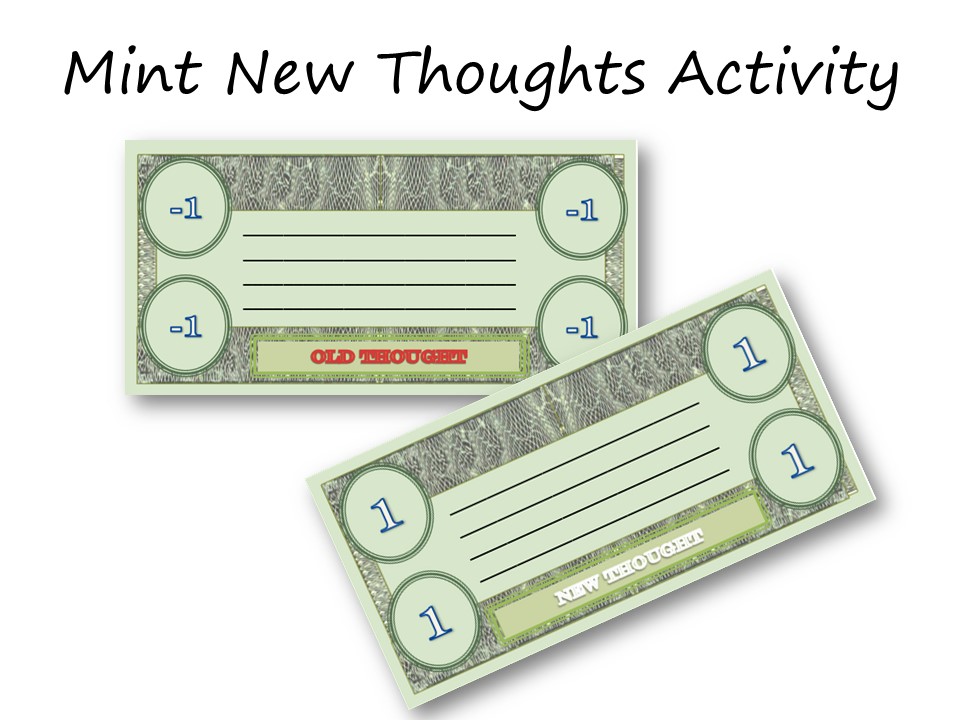
Mint New Thoughts CBT Activity

This is a CBT extension activity. You explain to children how they can create new thoughts to replace flawed ones, just like they do when printing currency. The Boom Cards version of this is particularly good and very useful in teletherapy.

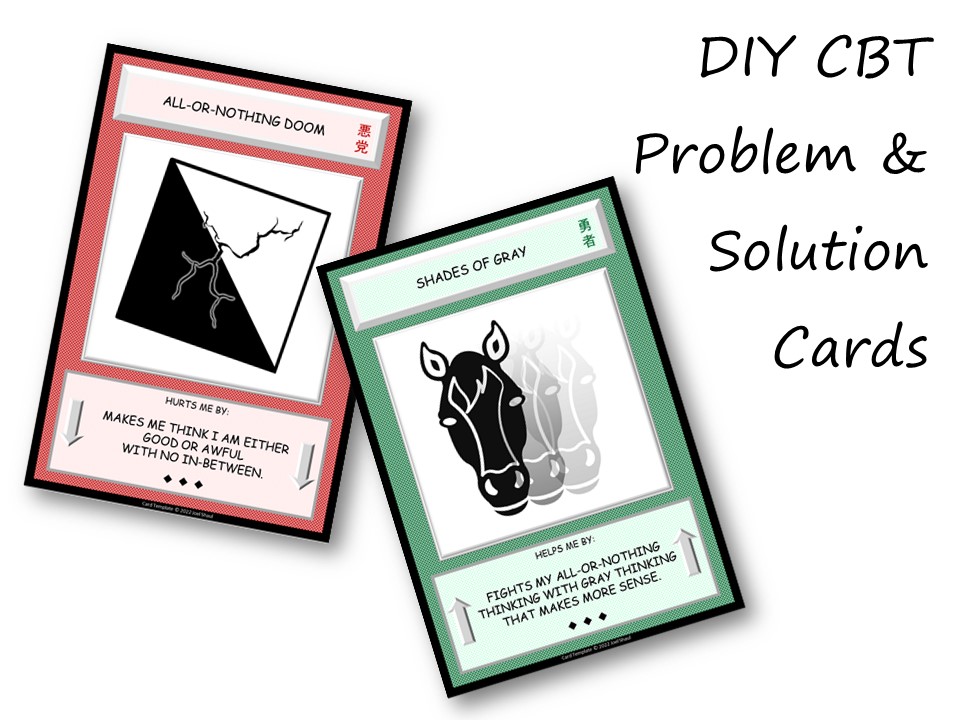
DIY CBT Problem & Solution Cards

In PowerPoint, using my prepared template, text boxes and drag-and-drop images, you quickly create these cards. It’s easy enough to do with the child present and it works well in teletherapy, too.

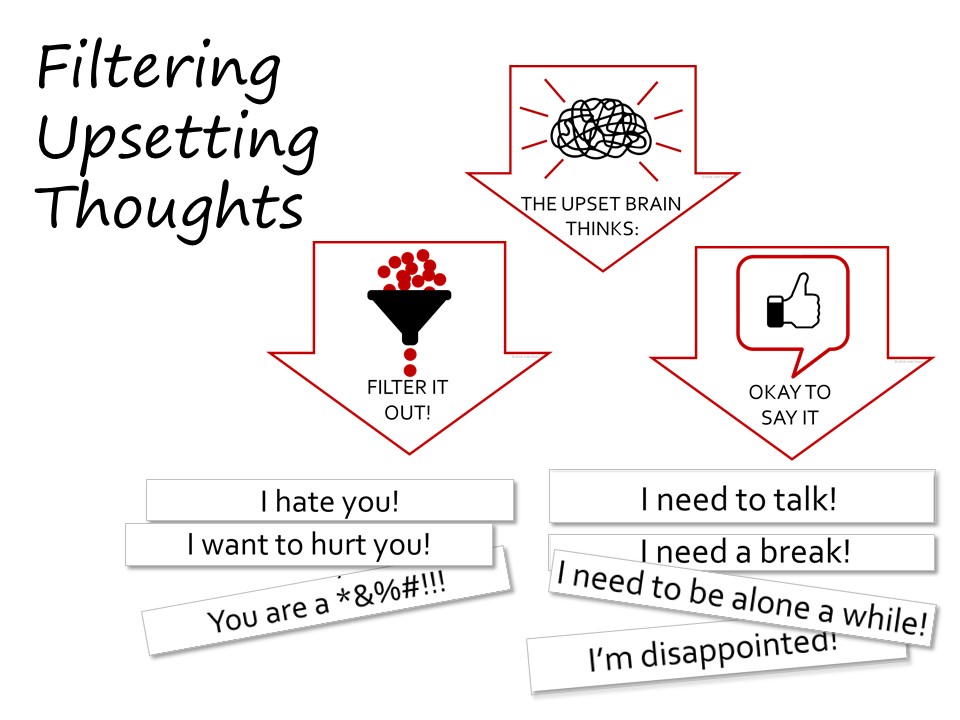
Filter the Upsetting Thoughts Activity

In this hands-on project, you print out dozens of pre-written paper strips showing a wide variety of thoughts that a person might have when they are feeling upset. The child sorts these into categories based on whether they are useful statements or unfiltered thoughts turned into words that may make things worse.

The teletherapy version works the same way, except you drag the statements around a PowerPoint screen to sort them.


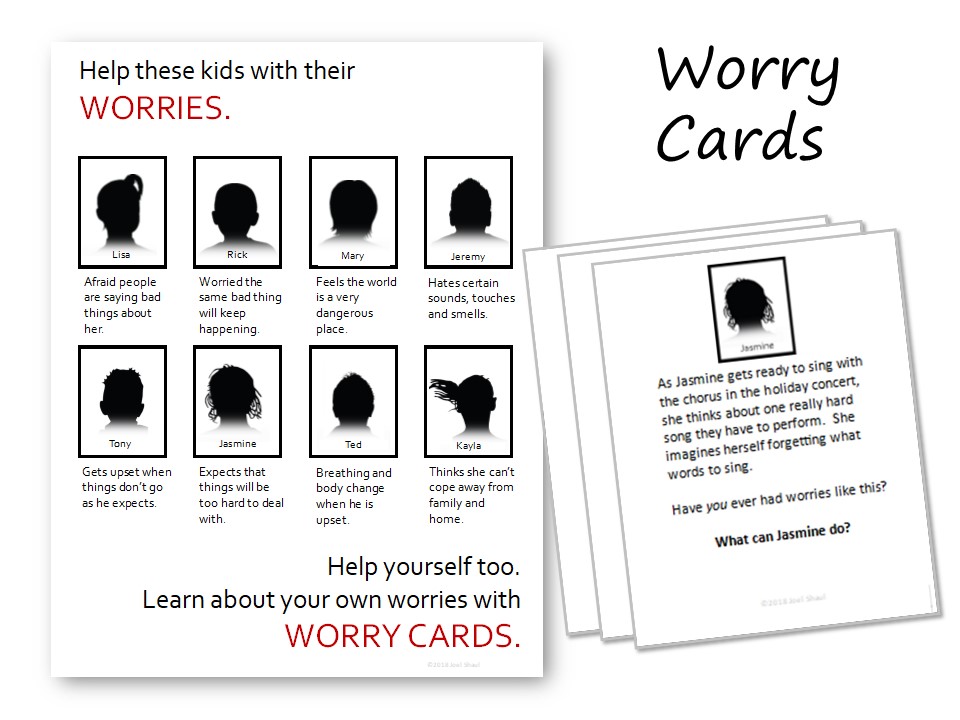
Worry Cards

These problem-solving cards describe ten young people, each experiencing anxiety in a different way.

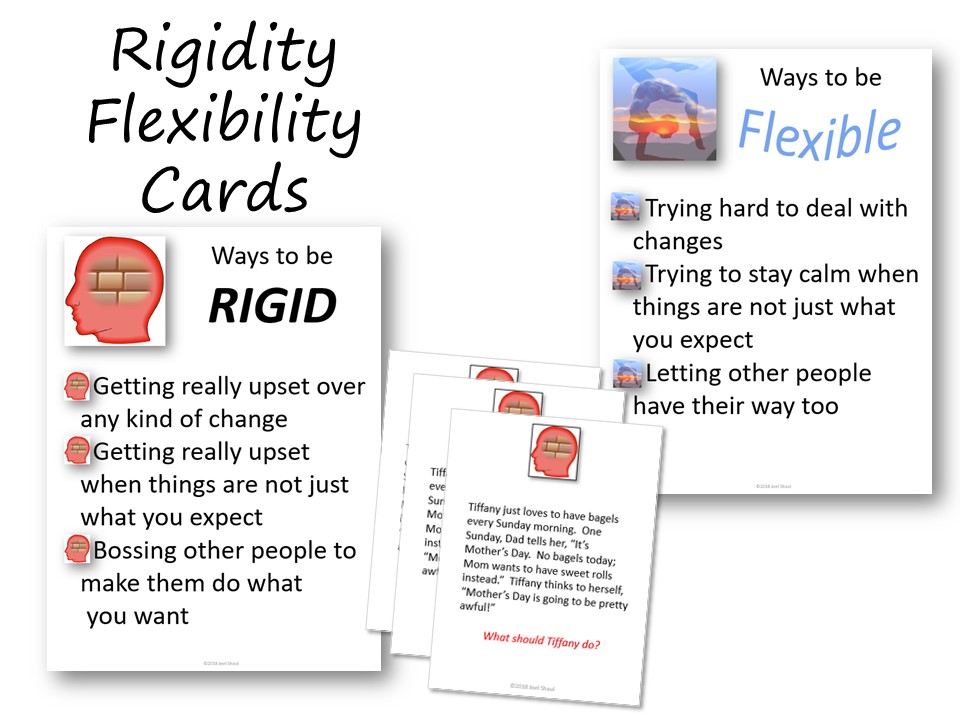
Rigidity Flexibility Cards

These problem exploration cards explore multiple manifestations of rigidity in a number of hypothetical children.

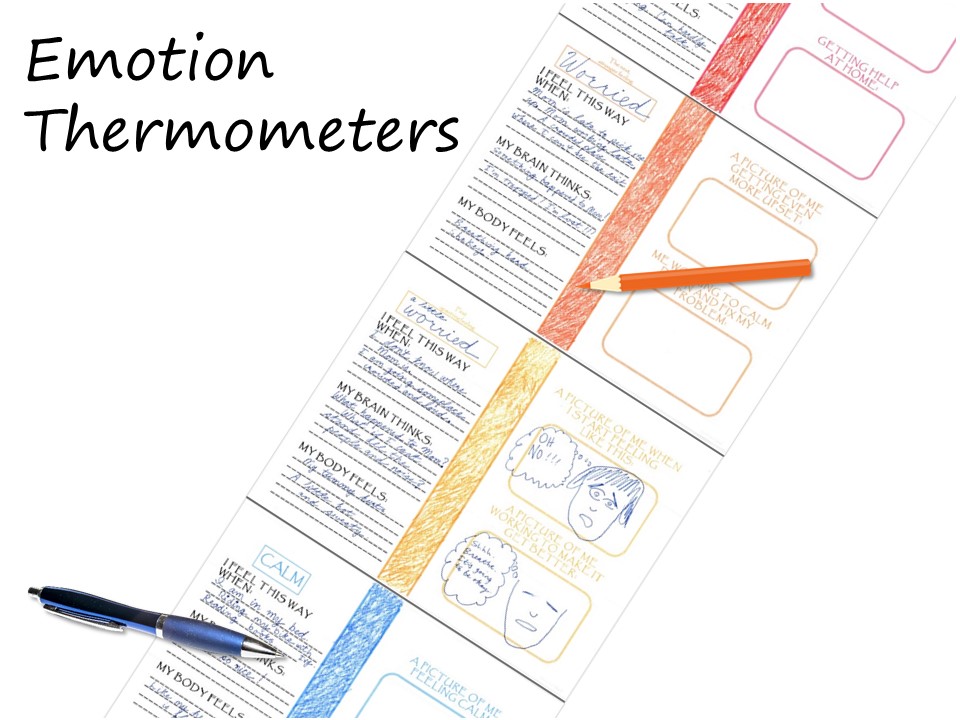
Emotion Thermometers

These large format emotion thermometers include blanks for children to customize them with words and drawings.

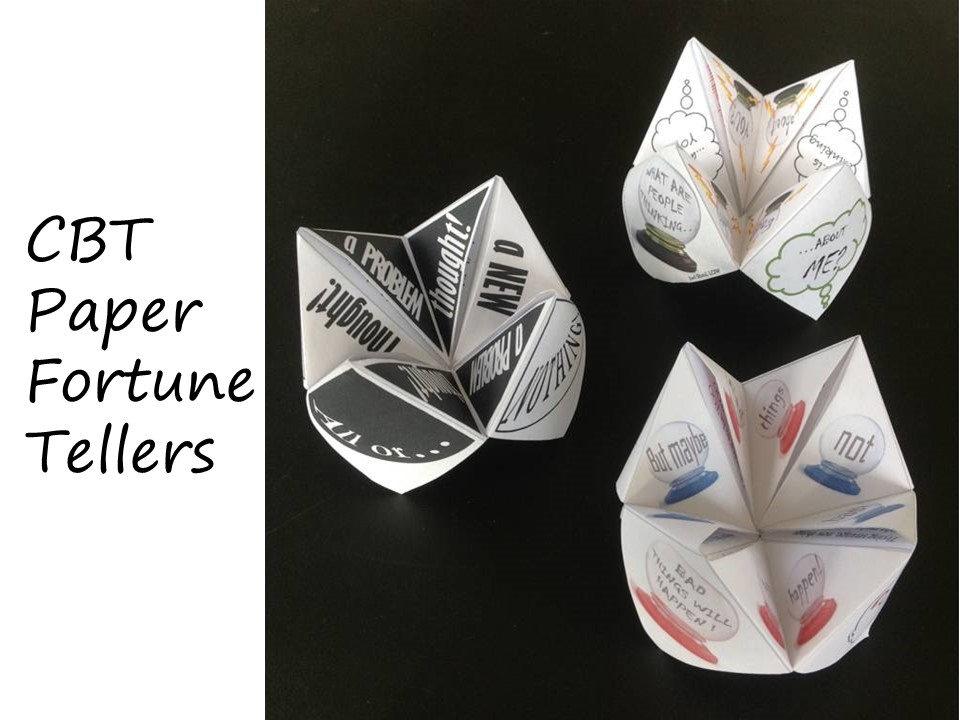
CBT Paper Fortune Tellers

These three paper fortune tellers explore anxiety and black and white thinking.

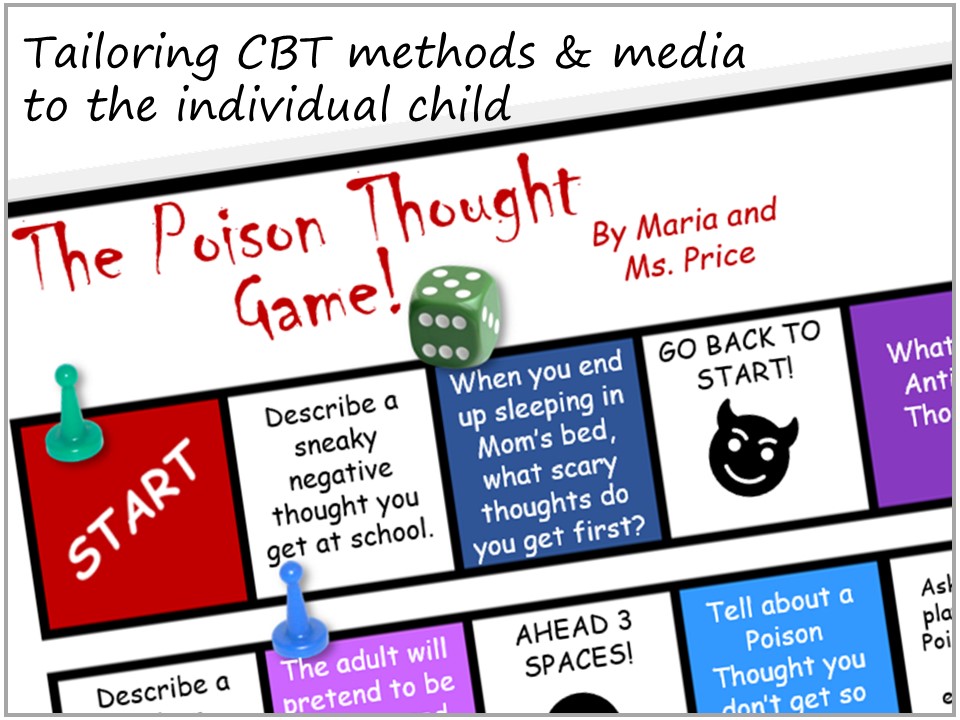
Tailoring CBT to the Individual Child

This illustrated tutorial explores how to take the individual child’s abilities, preferences and temperament into account when planning CBT interventions with children. This includes clickable links to resources, including the one shown in the picture above.

Joel Shaul, LCSW


Green Zone Book Cover Click to Learn More


ASD Feel Better Promo square directing to JKP

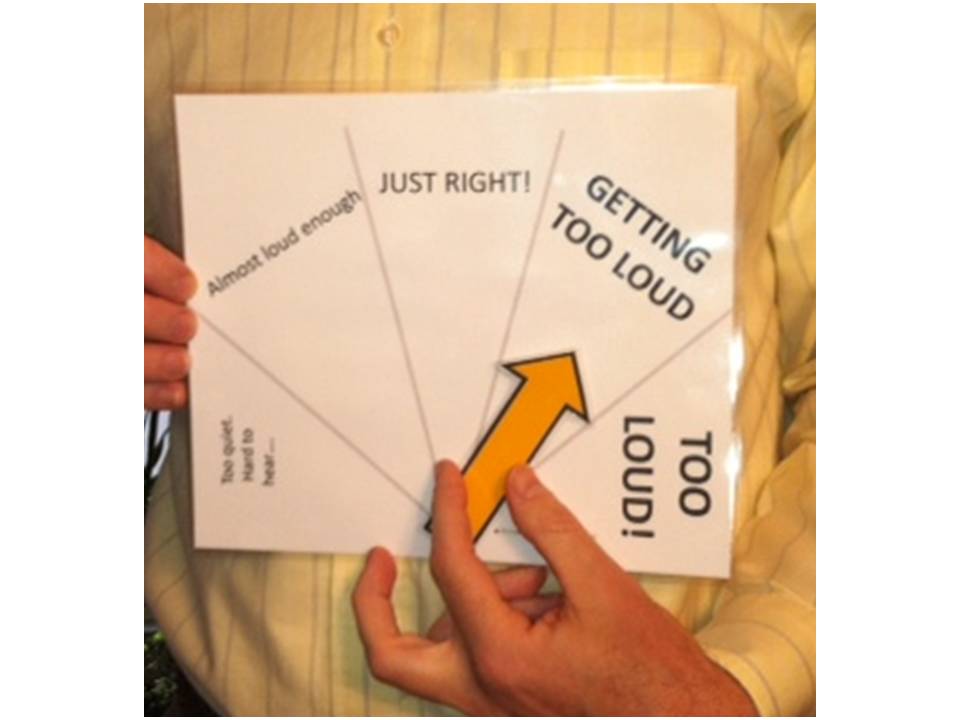
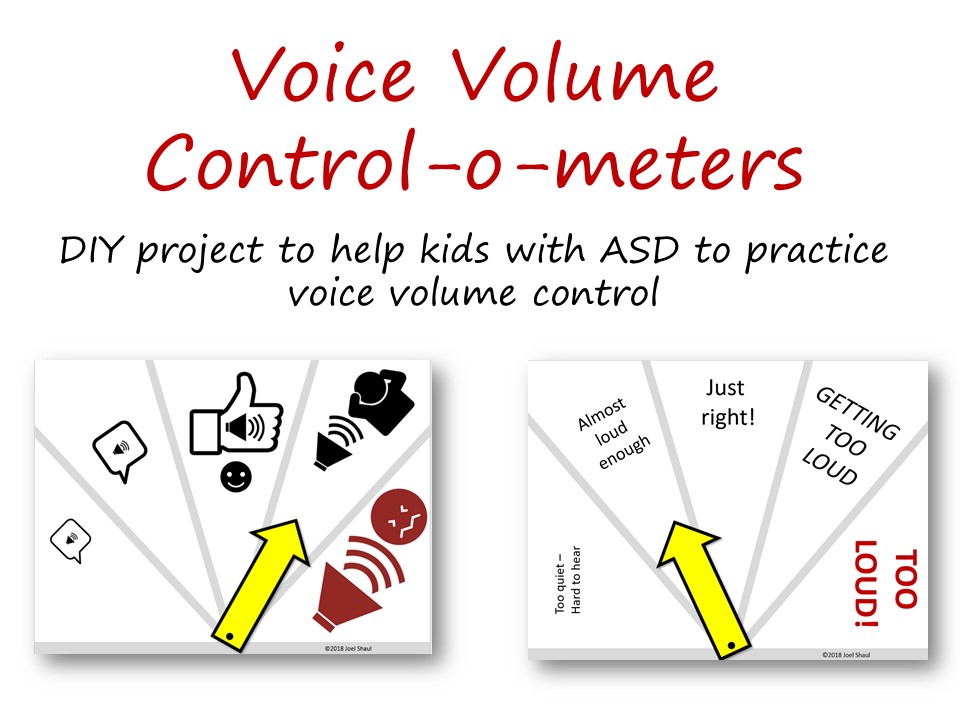
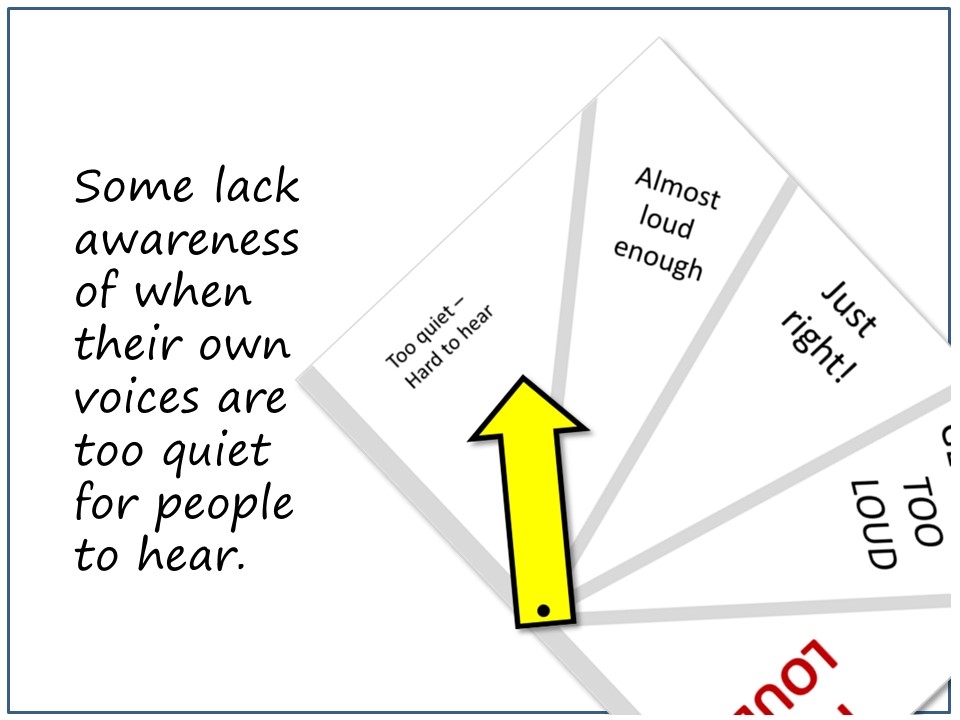
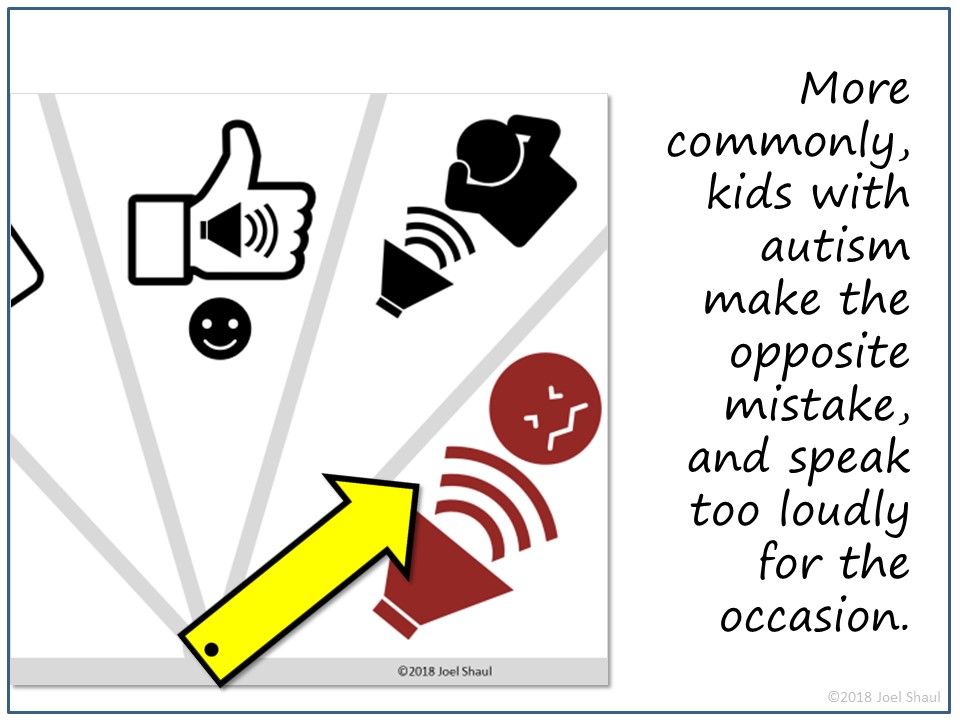
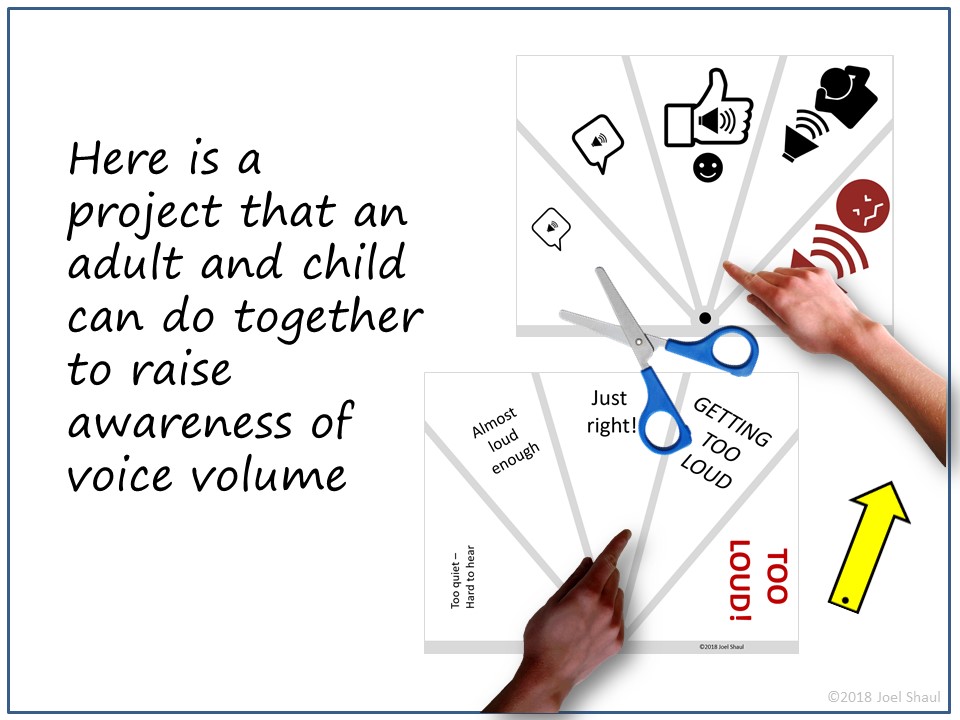
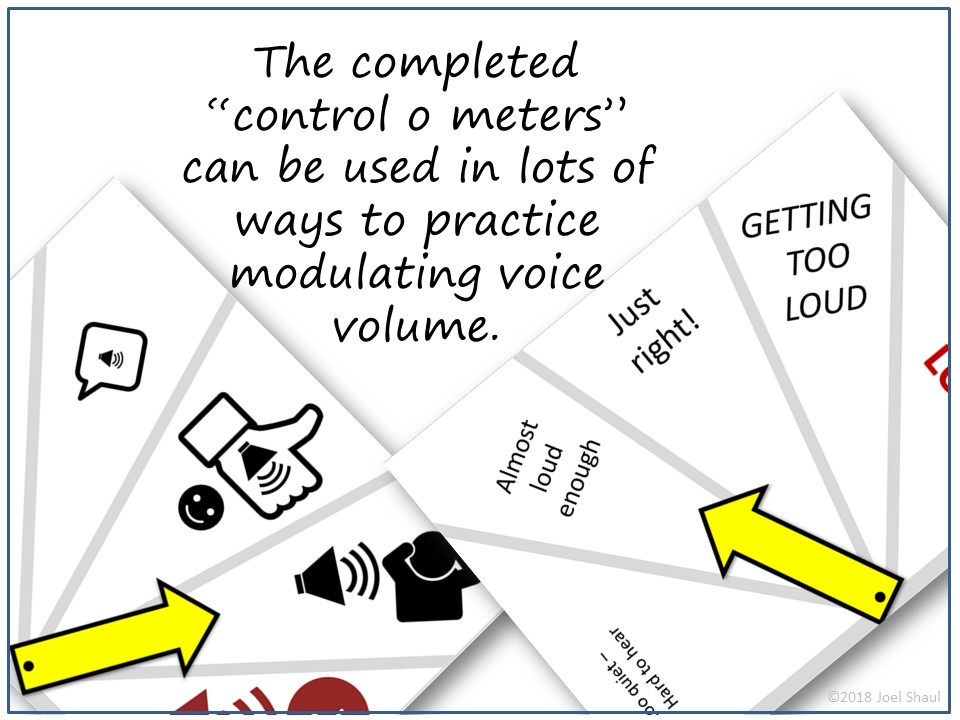
“Control-o-meter” social skills tool for kids with autism, helps with voice volume, other behavior

volume regulation method for children with autism

Slide1To download this free, printable resource, click on this red link below:

Control Meters Download for Voice Volume

Control de Volumen de Voz para niños con autismo

Voice Volume Meter, Hebrew Translation

There is another download available for easily custom-designing your own behavior meters. Check it out!

Customizable Behavior Meter Templates – Click HERE

Meter for Exploring Obsession with Fantasy – Click HERE

Slide2Slide3Slide4Slide5

Slide6

Slide7Slide8

Joel Shaul, LCSW


*Don’t miss these other free social skills / conversation games, activities, worksheets and printables for kids with autism:

Free social skills games & activities, communication / conversation skills for kids with ASD

Free social skills games & activities, social interaction skills for kids with ASD

Free social skills games & activities, emotional regulation skills for kids with ASD

Your comments on these resources are most welcome, and often helpful. Click HERE to send an email.

The Conversation Train Book

Green Zone Book Cover Click to Learn More

Empathy autism social skills training, Part 2: Teaching concern using photos (22 downloads for you here)

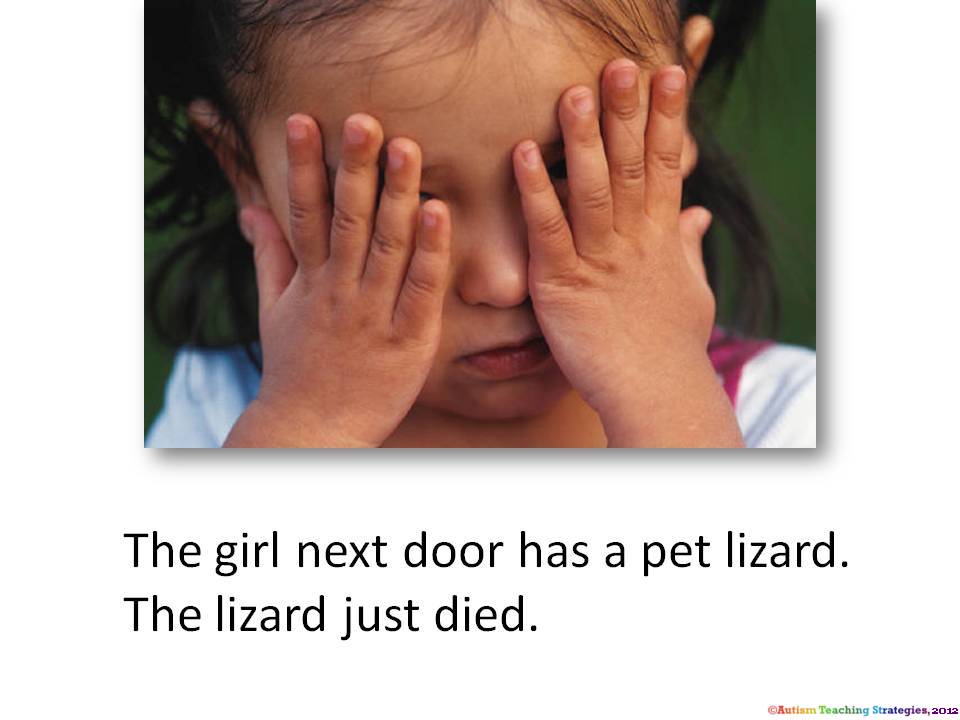
In this download, there are 22 photographs of people in distress, accompanied by very simple word descriptions. These are to help set up role plays for practicing empathy / showing concern skills with children on the autism spectrum. It is very useful to use the Showing Concern Picture Cards in combination with the Showing Concern Wall Display.

To download the Showing Concern Wall Display, please click on the link below:

Showing Concern Wall Display Download

To download 22 picture cards to practice showing concern, click on this next link below:

Showing Concern Picture Cards


Suggestions on using these empathy social skills materials:

Use the panels in the Wall Display, especially the one showing specific things to say, as word prompts.

Role play where you, the adult, play the person in distress

Role play where pairs of children play roles of distressed person and helper

Role play where you play the role of the person showing concern, but you make mistakes when you do it–with eye contact, tone of voice, what you say, etc. The kids watch and point out your mistakes. Have the kids point out your mistakes.


Joel Shaul, LCSW

Your comments on these resources are most welcome, and often helpful. Click HERE to send an email.


Green Zone Book Cover Click to Learn More