
Fun, therapy and social – emotional skills teaching for children with ASD’s

Various materials for emotional learning
In this post, I provide some ideas on how to put together a kit of emotion face visuals, combining inexpensive resources with home made and free downloads.

Children with Asperger’s and other autism spectrum disorders may experience a number of problems involving emotions.  They may have difficulty recognizing and naming a nuanced range of emotions in themselves in themselves.  They can find it hard to accurately identify emotions in other people.  Kids on the autism spectrum may find it challenging to discern emotions in others through observation of facial expression and body posture.  Young people on the spectrum can find it bewildering to sort out what causes various emotions and how unpleasant emotions can be relieved.

In this blog post, I present a kit of visual and game resources I have put together for my own use in social skills therapy and social skills groups.  Some of this kit is available for free download elsewhere on my website (Emotion Question Cards).  Another part of this kit is available for purchase online at a ridiculously low price (Emotion eyes and mouth visuals).  The third part of the kit I put together using appealing emotion drawings found in a textbook on how to draw comics.

Although I designed this kit primarily to be used for kids with high functioning autism, the materials have many applications for children who don’t have autism.

Why to employ a game-like format when helping children on the autism spectrum with emotions

Many kids on the spectrum can spend years learning emotional regulation skills.  It can be tough going for them.  By the time you, as a teacher, SLP or mental health professional, are working with a child on these issues, the child may have already received a lot of teaching about emotions, much of it under very stressful circumstances.  It seems reasonable, and strategic, to lighten it up sometimes in social skills teaching.

Face and mouth photo visuals
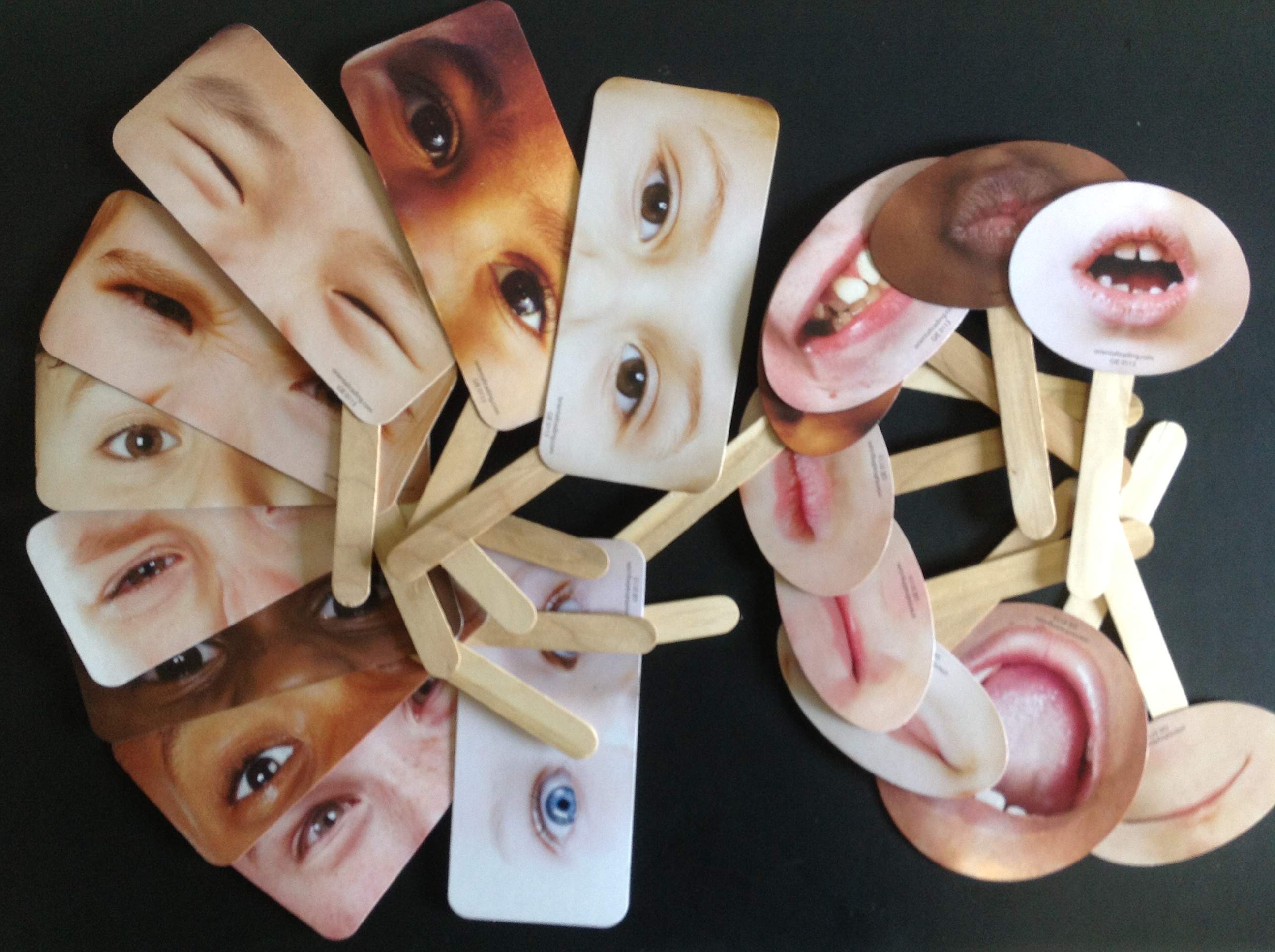
These are available for orientaltrading.com for $5.25 a set!  I bought three sets for myself.

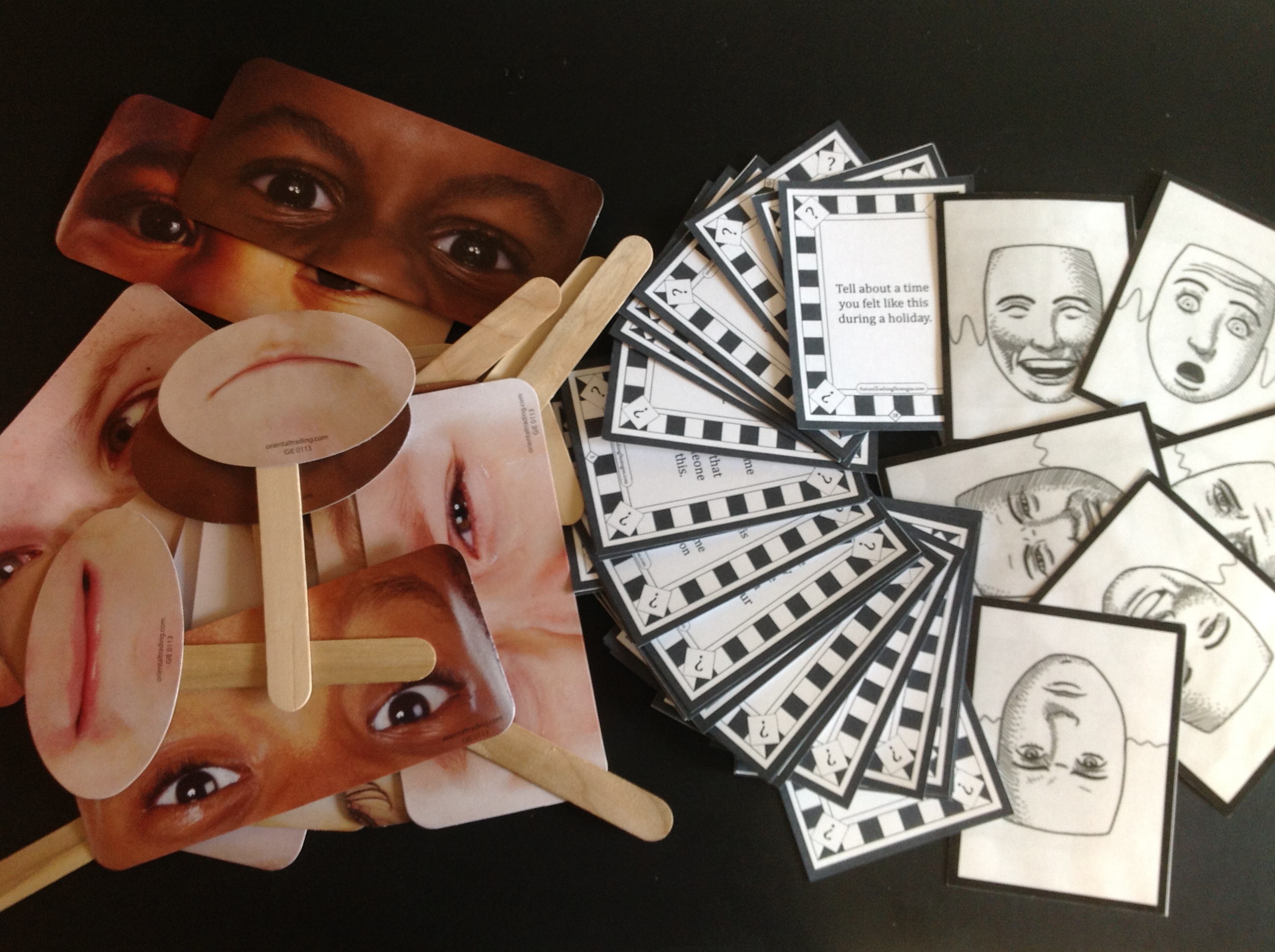
Here are some ways to use these.  I am sure you will think up a lot more.

IMG_0892

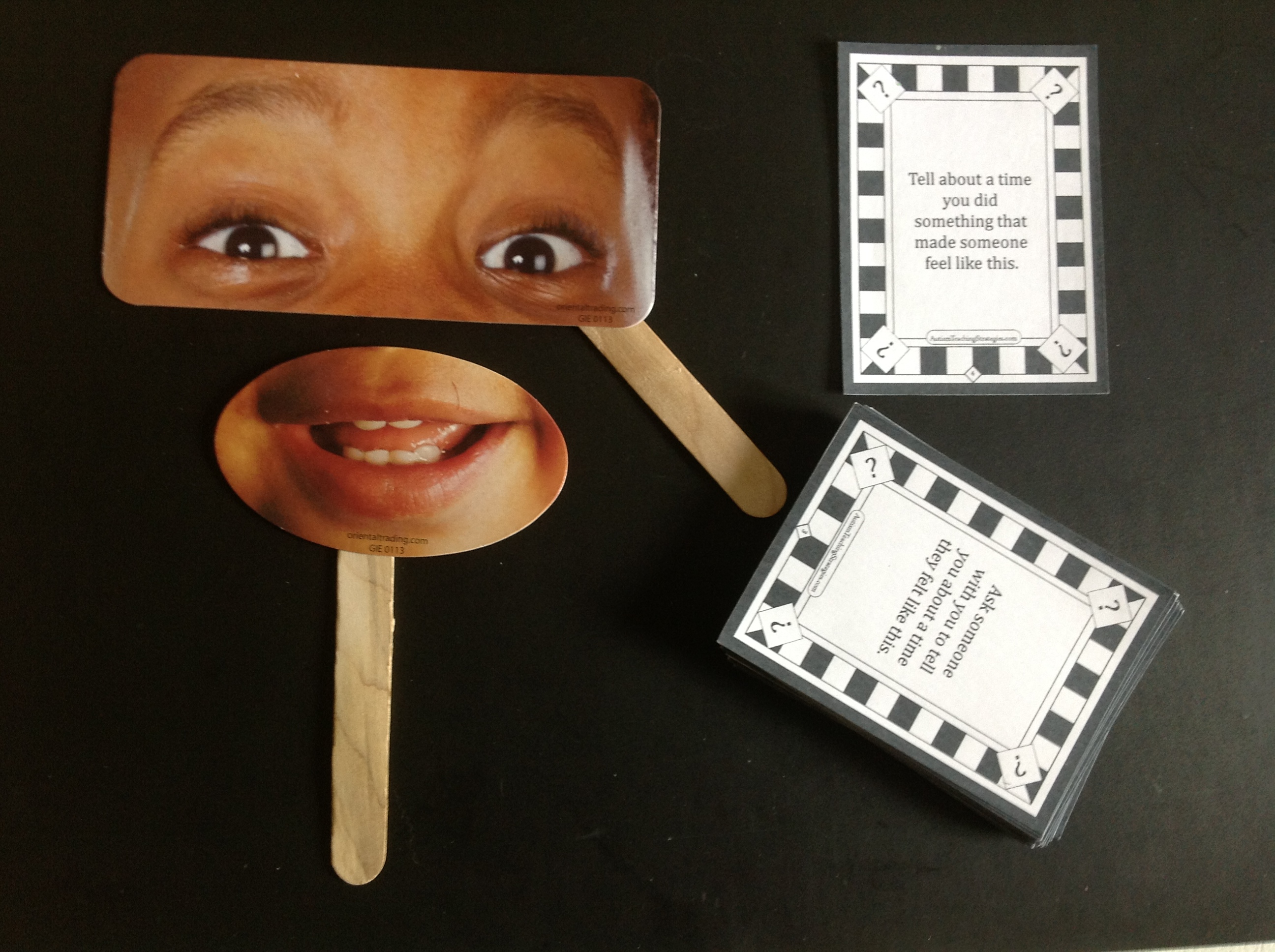
In the example above:  First the child matches up the various eyes with the various mouths.  Next, use my Emotion Question Cards (free download from another post:  click HERE).  This sets up a large variety of interesting and fun problem-solving game activities.  Here is another example below.
 

IMG_0889

Emotion Face Cards

I found a wonderful book that shows artists how to create comics.  Here is the book:

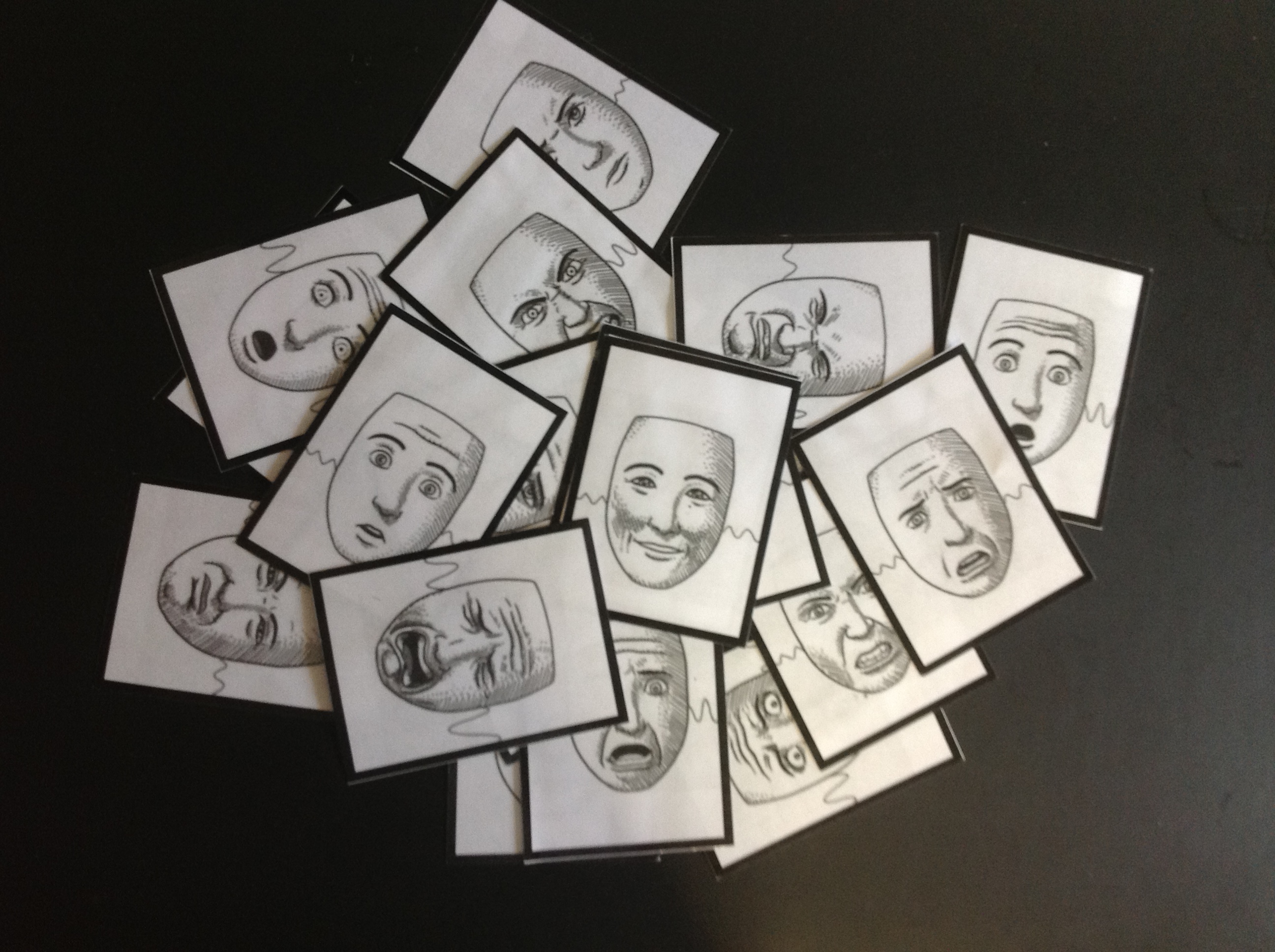
Image of Making Comics bookI found pages full of very appealing drawings rendering a range of emotions in six categories.  I extracted the images to create my own set of cards to use with my clients.
IMG_0899

Here is a close-up of a few of the cards.  I love the detail of the drawings.

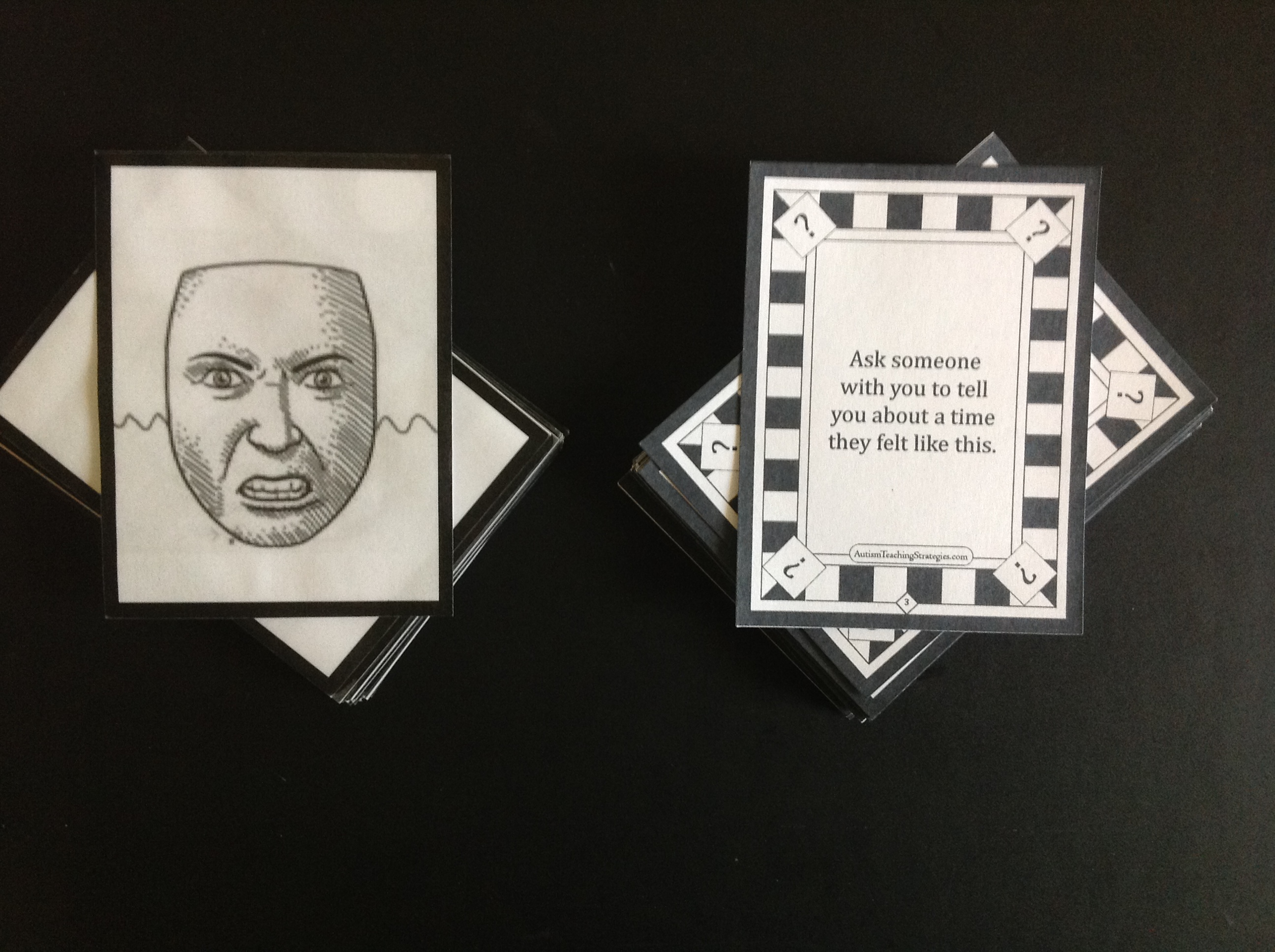
IMG_0898Below is one example of how to use the Emotion Question Cards with the Emotion Face Cards.  There are many possibilities.

I hope you find these ideas helpful.  For more resources to help children with ASD to understand emotions and to cope with difficult emotions, follow this link HERE.

Joel Shaul, LCSW
ASD Feel Better Promo square directing to JKP


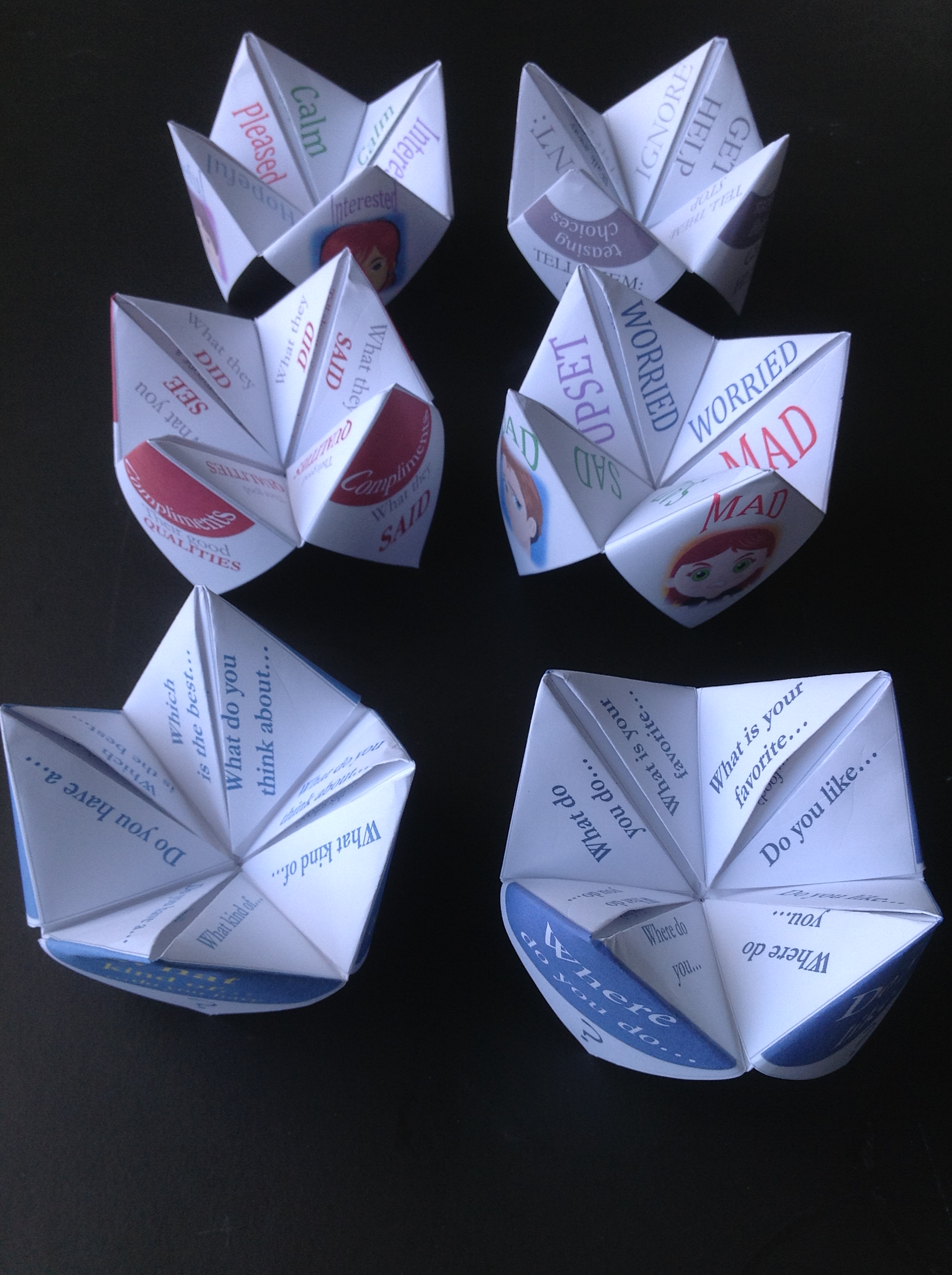
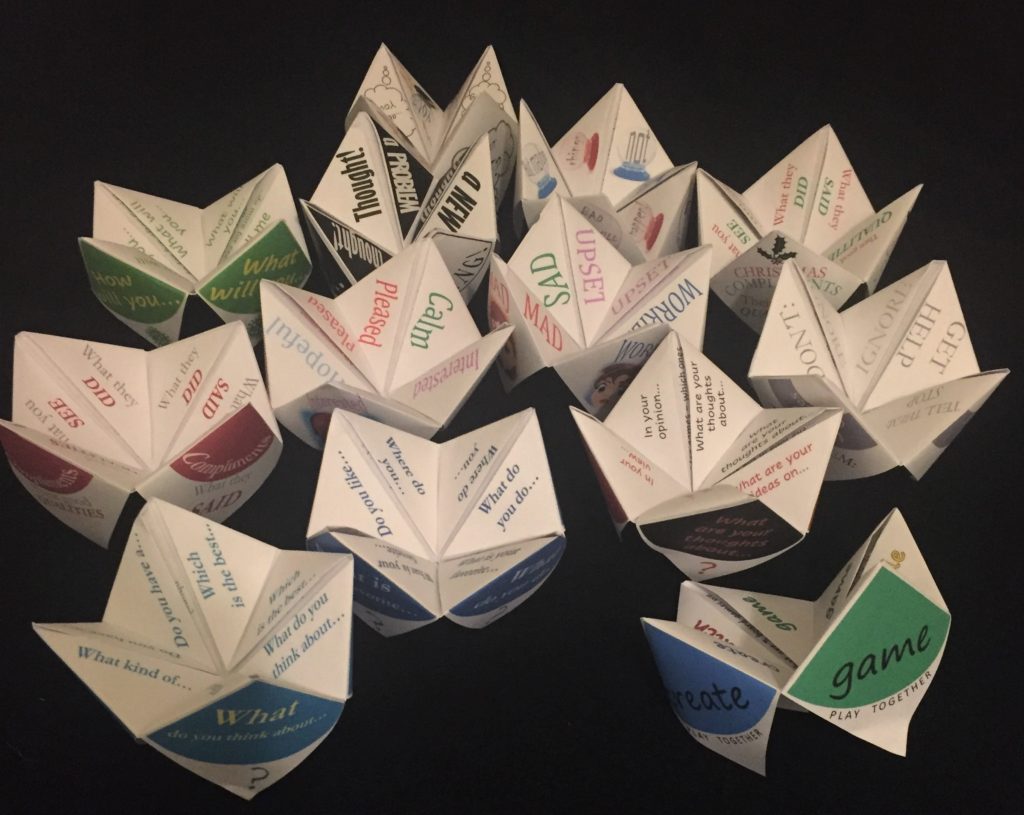
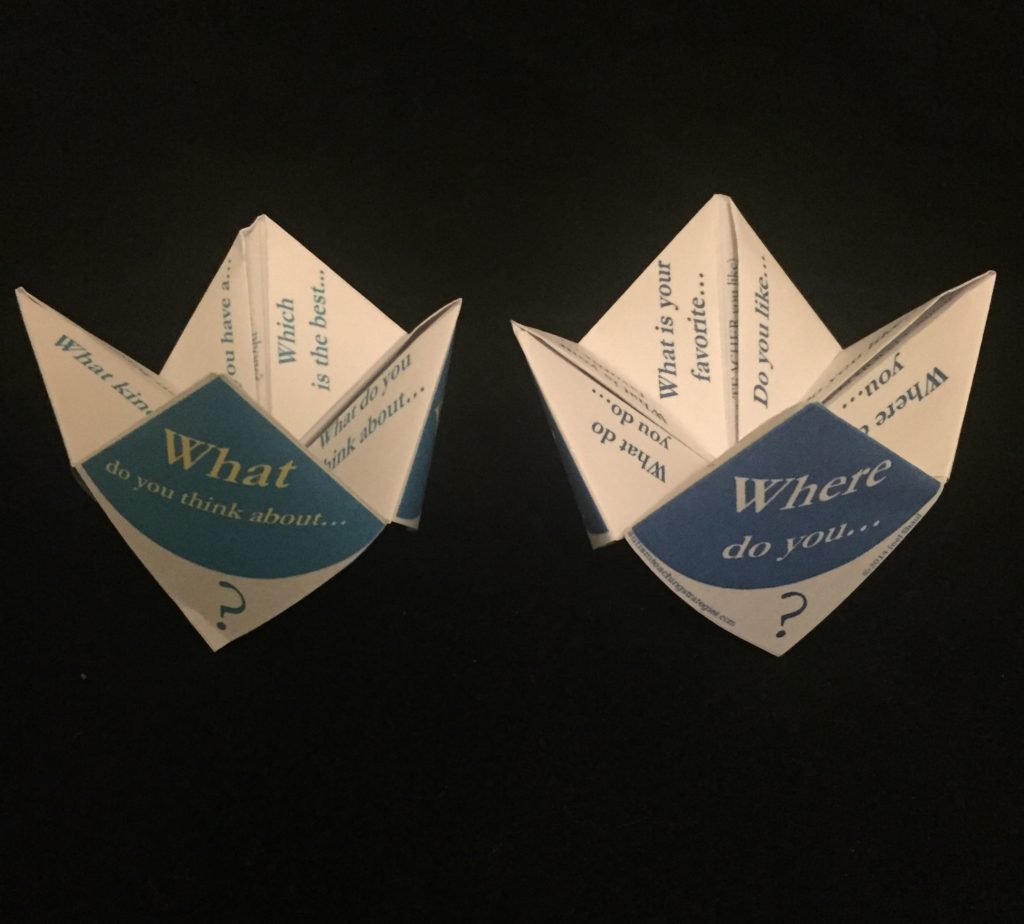
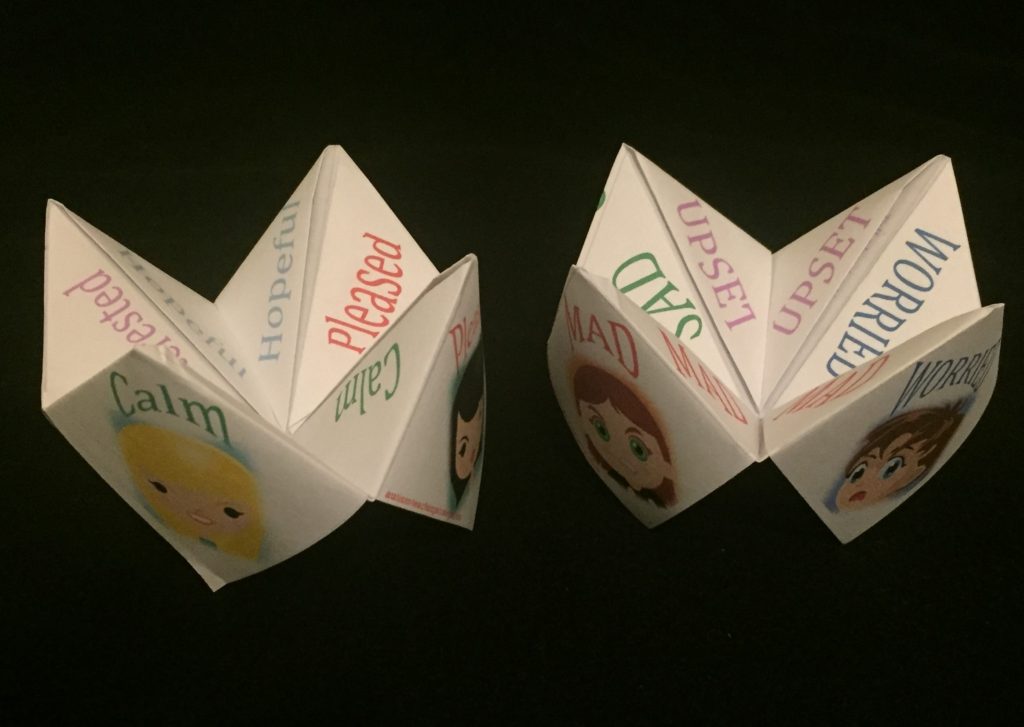
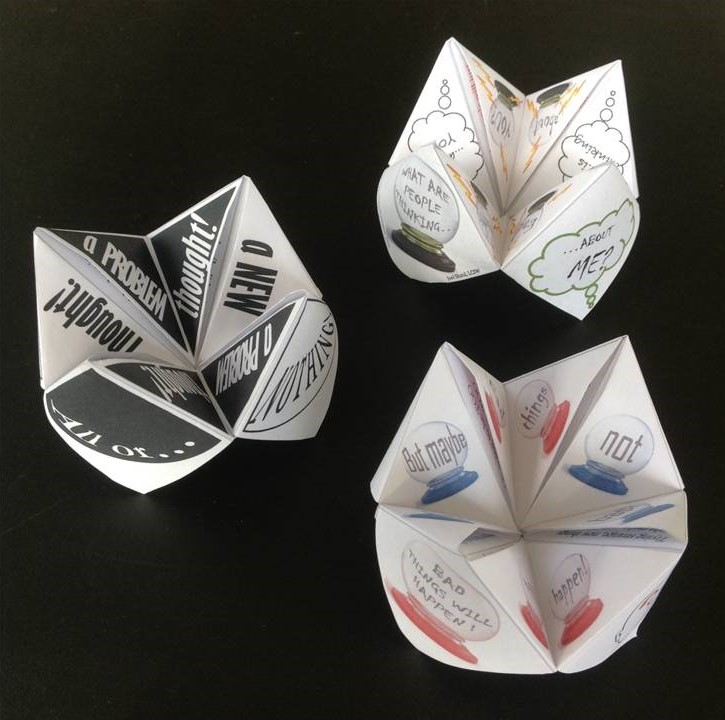
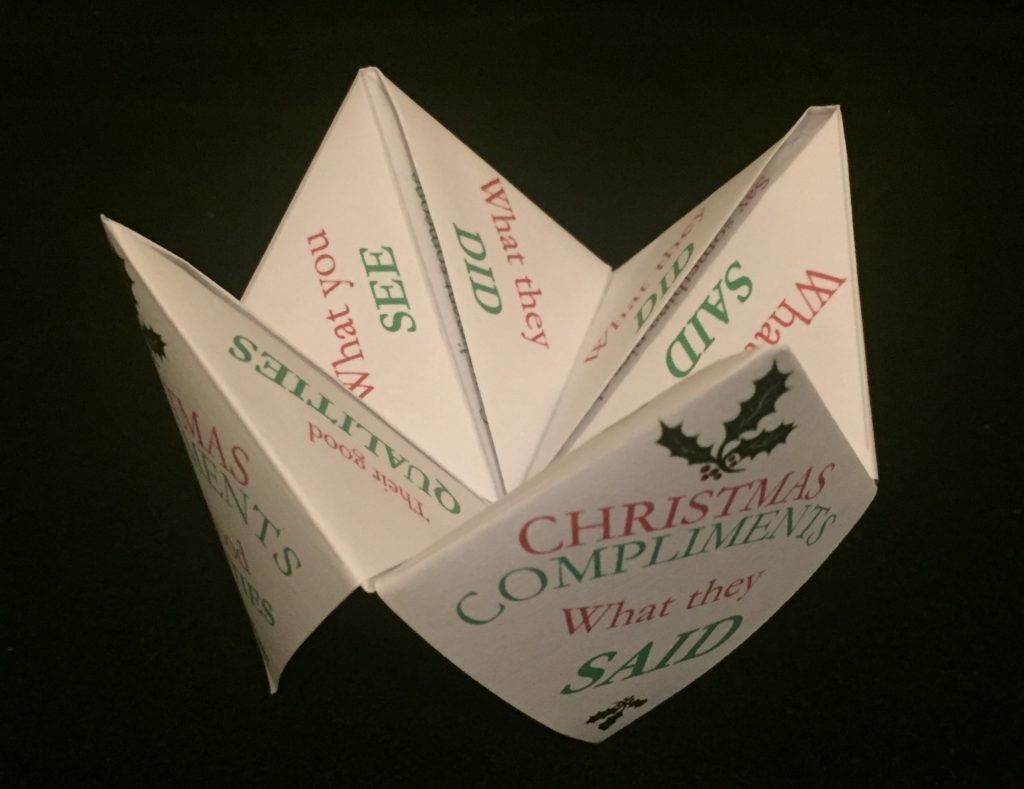
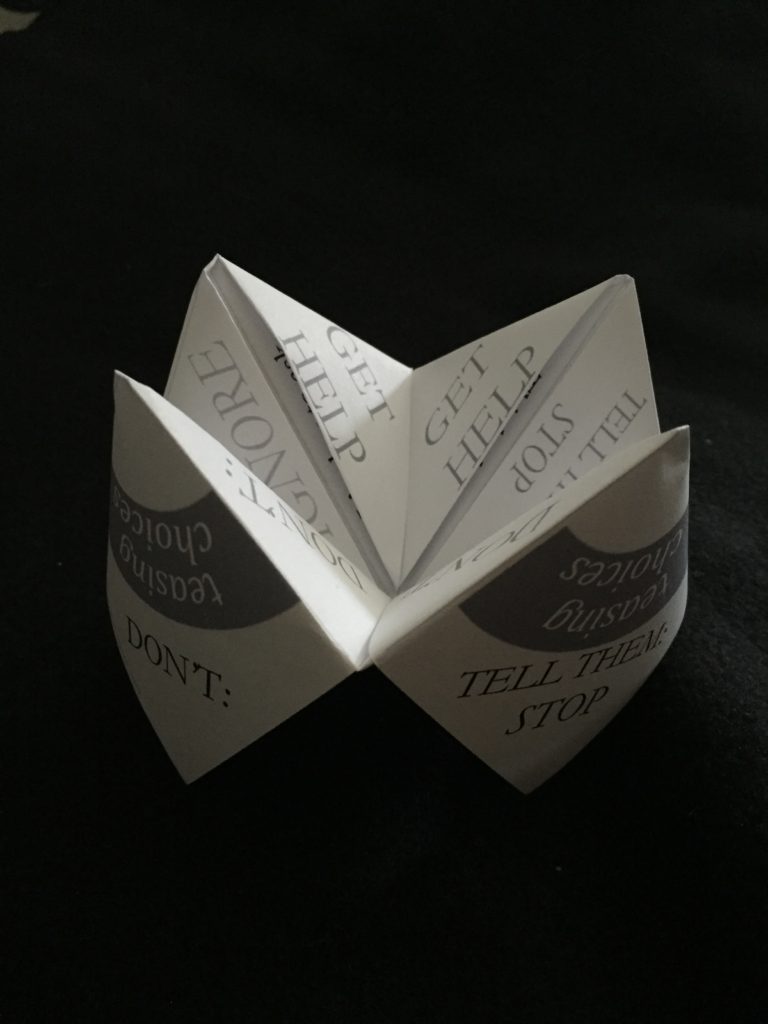
Paper Fortune Tellers – social skills games for children with ASD’s (and other children too)

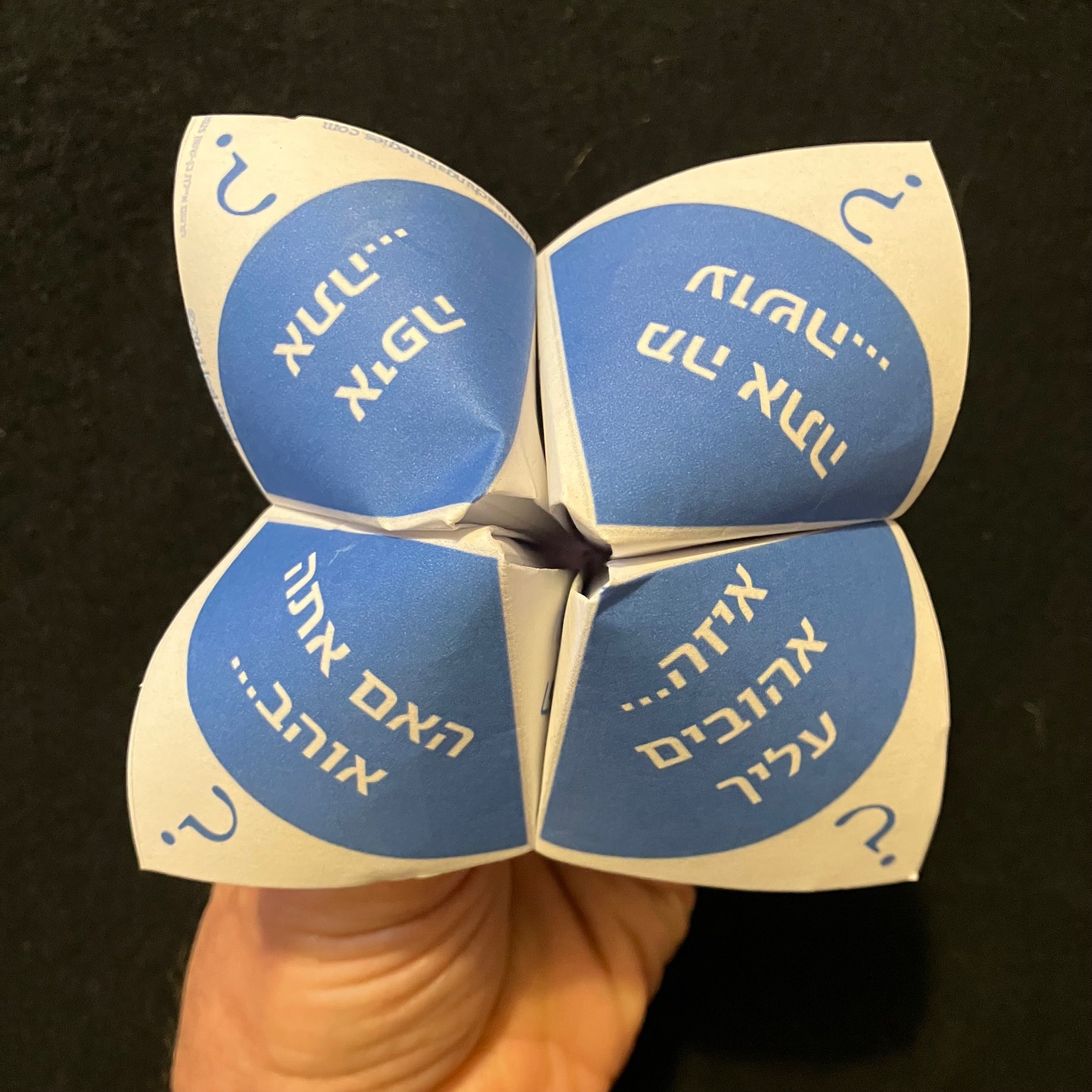
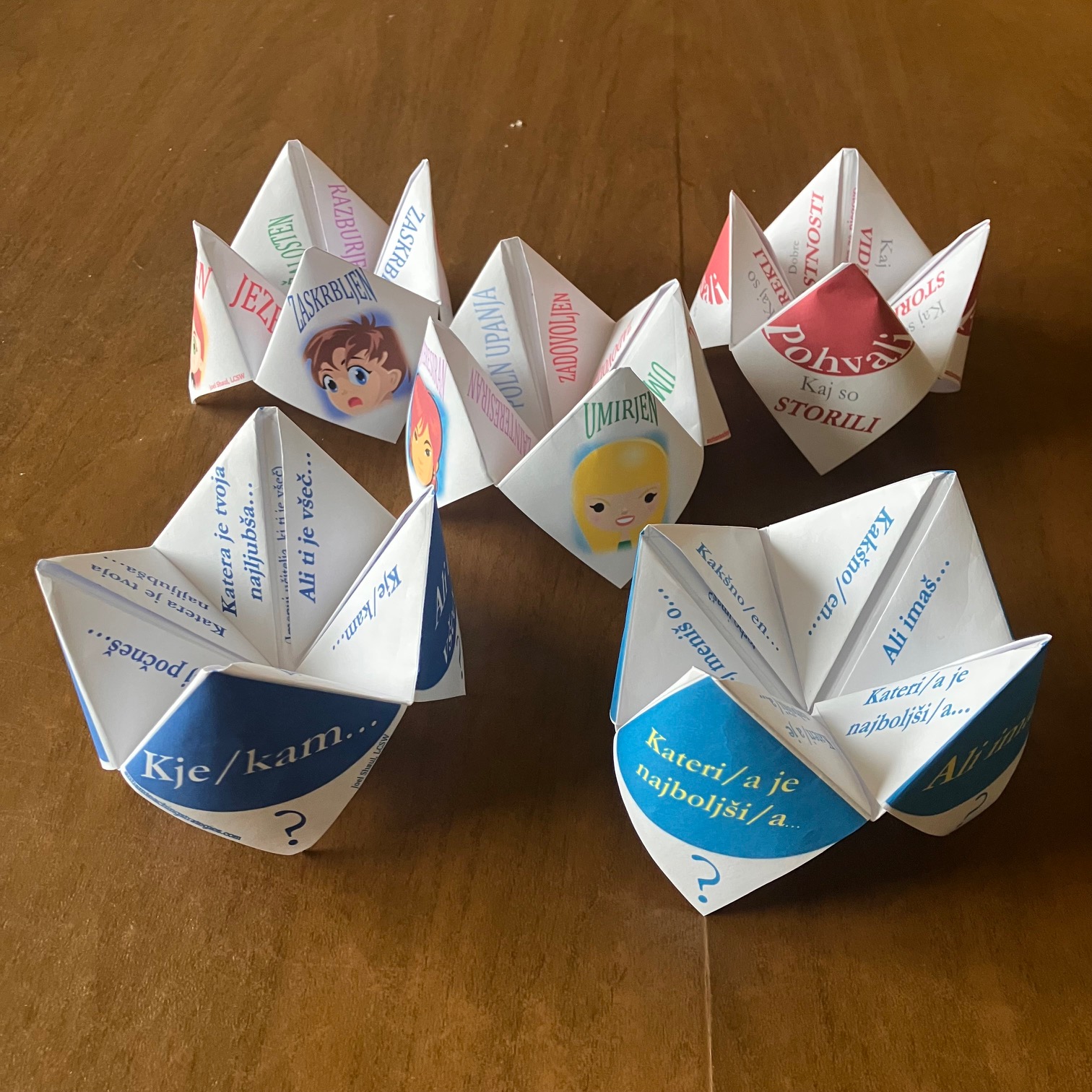
This is the main page for my social skills paper fortune tellers. Scroll down to view photos.

Click on these links below for explanations and free downloads of 17 paper fortune tellers.

Quick Picture Guide for Folding Paper Fortune Tellers

Quick Picture Guide for Using These Paper Fortune Tellers in Social / Emotional Skills Work

*For a video demo on folding and using these things by Carla Butorac, SLP, click HERE.

Paper fortune tellers can be useful therapy / teaching tools, especially for young people with ASD.

*The turn-taking that naturally occurs when two people use a paper fortune teller promotes the reciprocal conversations we are trying to promote.

*Each paper fortune teller emphasizes an important skill area in our social/emotional teaching.

*Paper fortune tellers are engaging and fun.

I enjoyed creating these. I hope you find them useful.

Joel Shaul

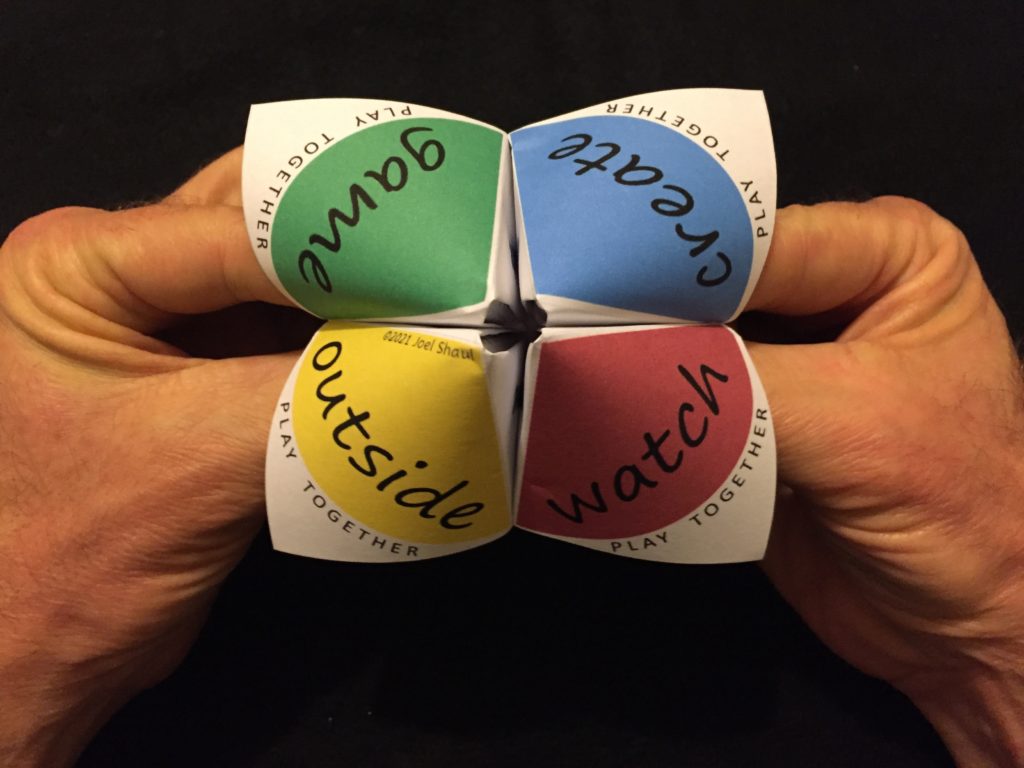
Paper Fortune Teller for Playing & Hanging Out Skills

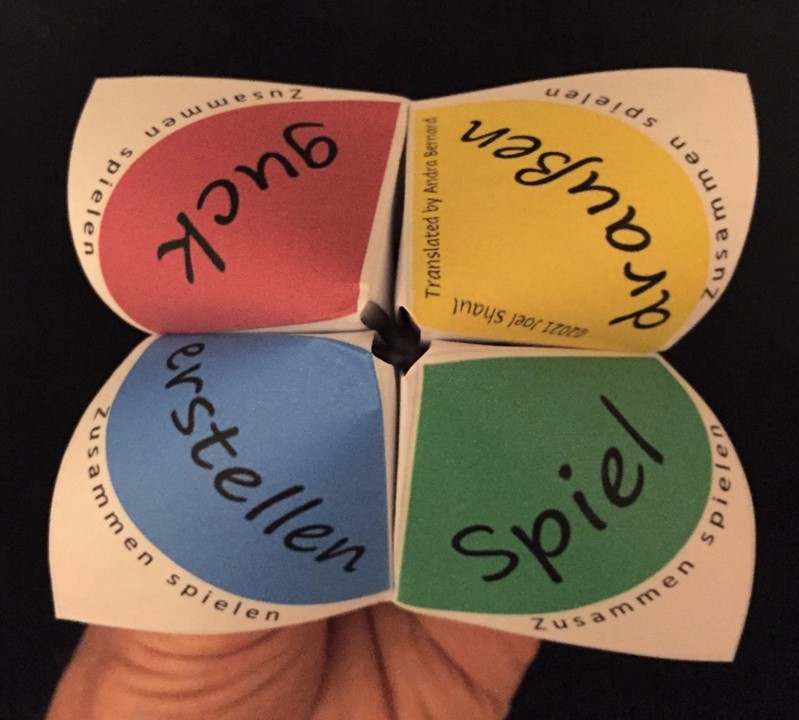
Himmel und Hölle um spielen und einander kennenzulernen

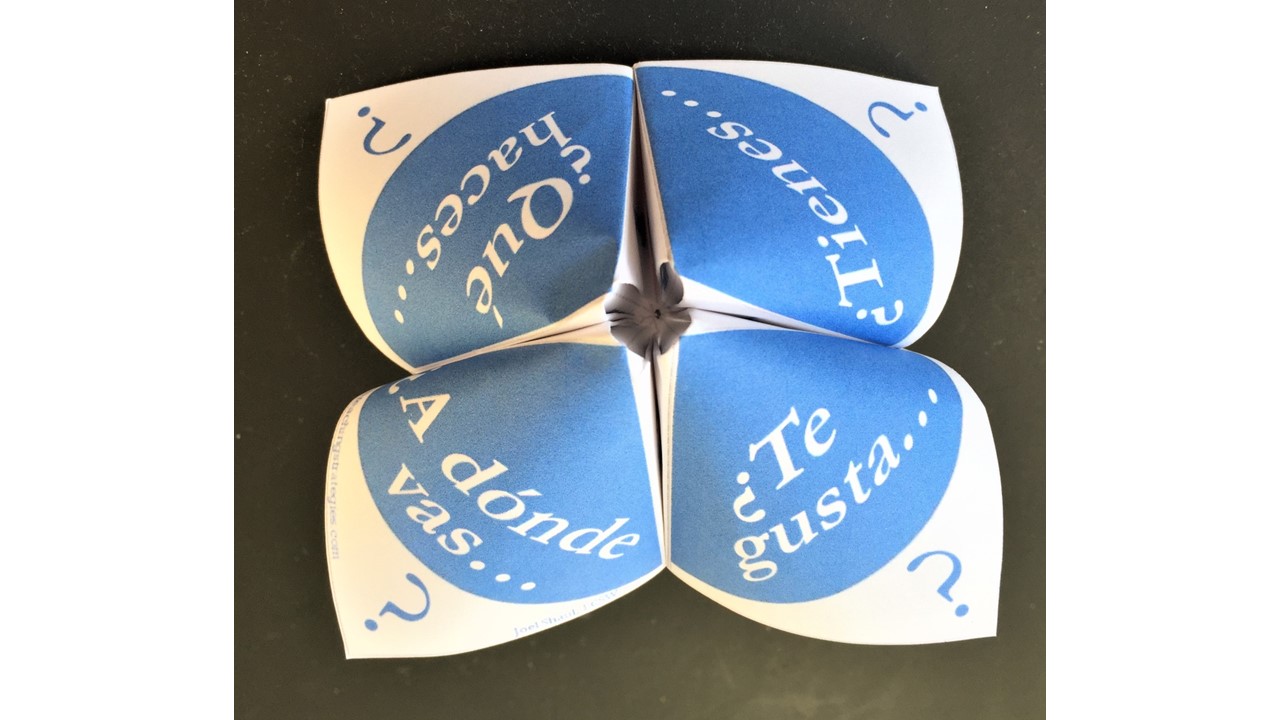
Adivinador de papel para ayudar a los niños a aprender hacer preguntas

Paper fortune teller for asking questions

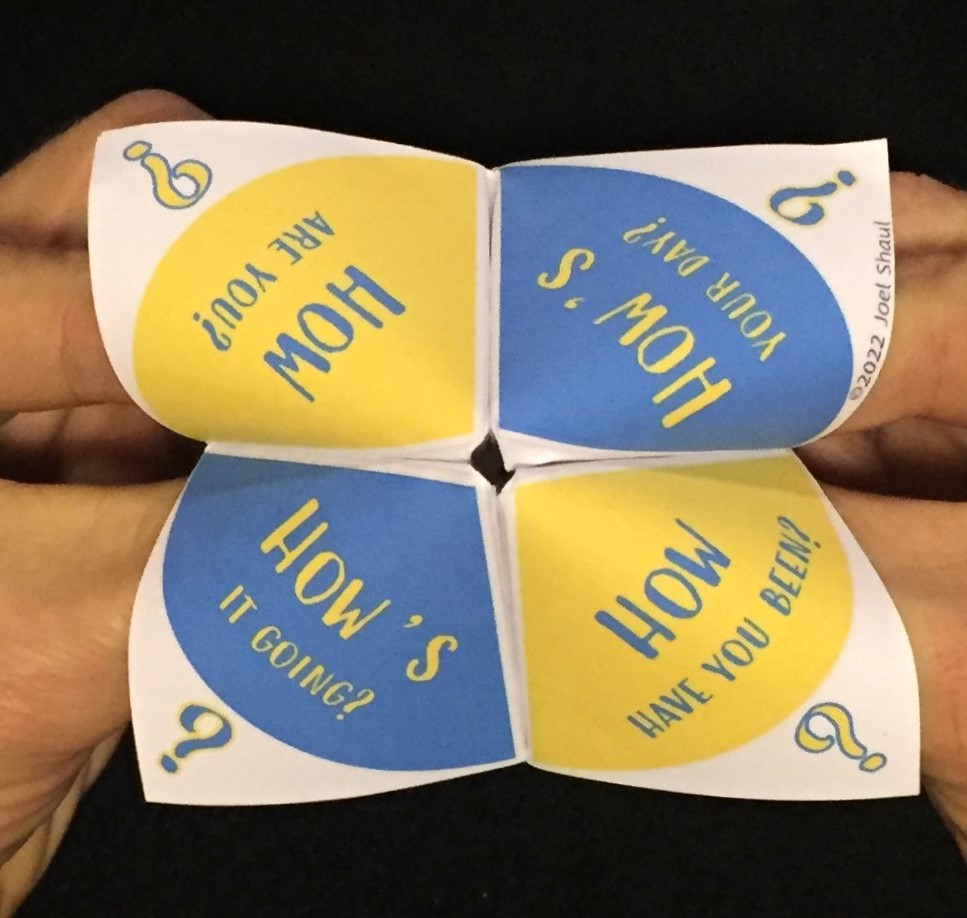
Paper Fortune Teller for Asking “How are you?” questions

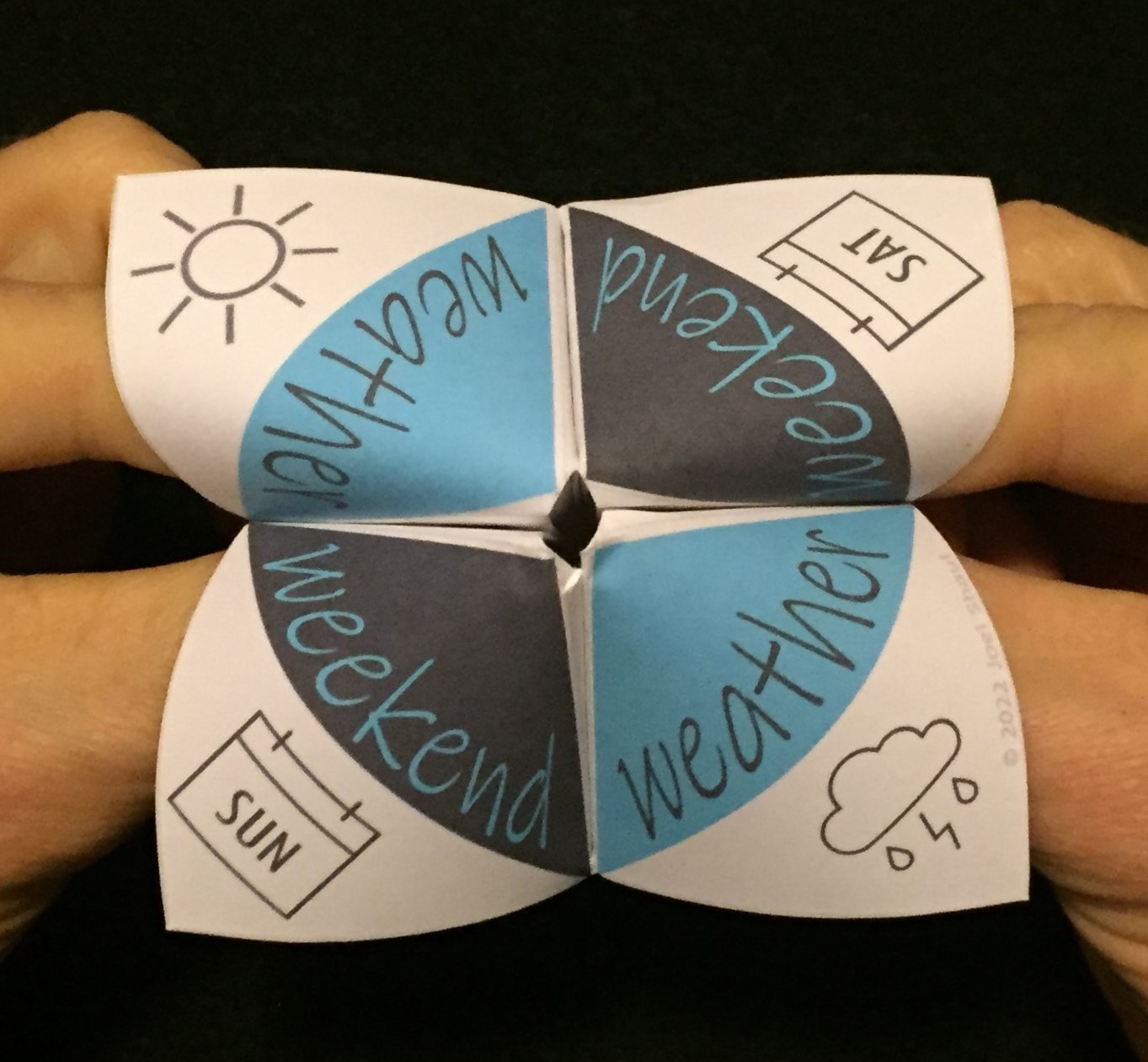
Paper Fortune Teller for Topics of Weather & Weekends

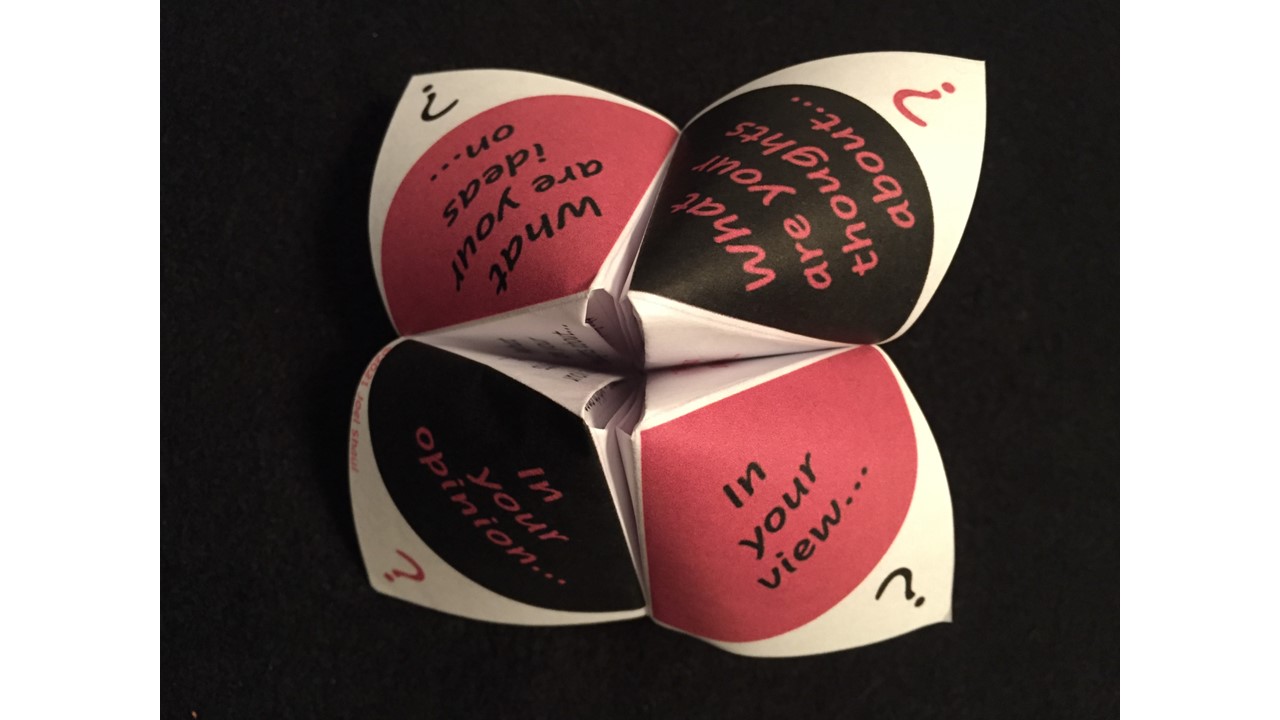
Paper Fortune Teller for Asking Opinions

Paper Fortune Teller for Christmas Social Skills

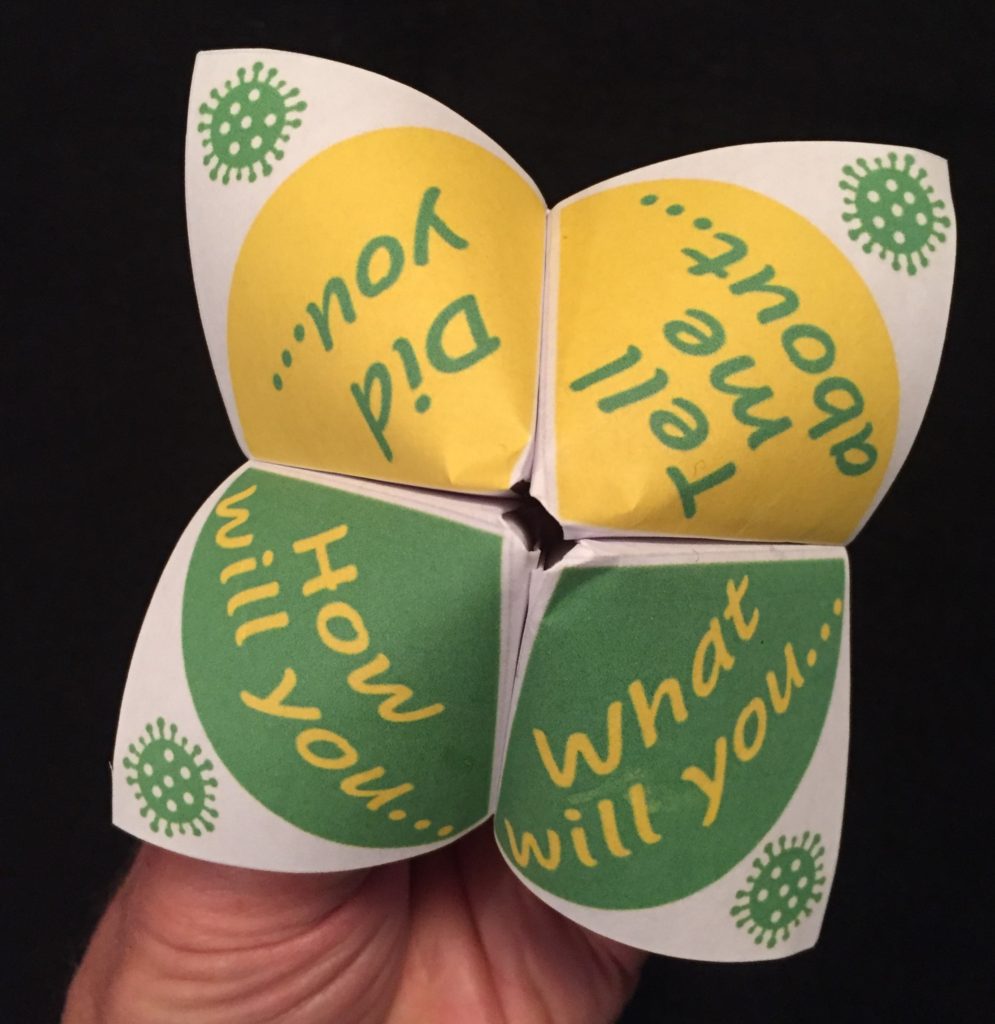
Paper Fortune Teller for Talking about Covid-19

*Don’t miss these other free social skills games, worksheets and therapy resources for children on the autism spectrum:

Free social skills games & activities, communication / conversation skills for kids with ASD

Free social skills games & activities, social interaction skills for kids with ASD

Free social skills games & activities, emotional regulation skills for kids with ASD

Your comments on these resources are most welcome, and often helpful. Click HERE to send an email.

Emotion Cards – social skills games and activities to help teach emotional awareness to children with ASD

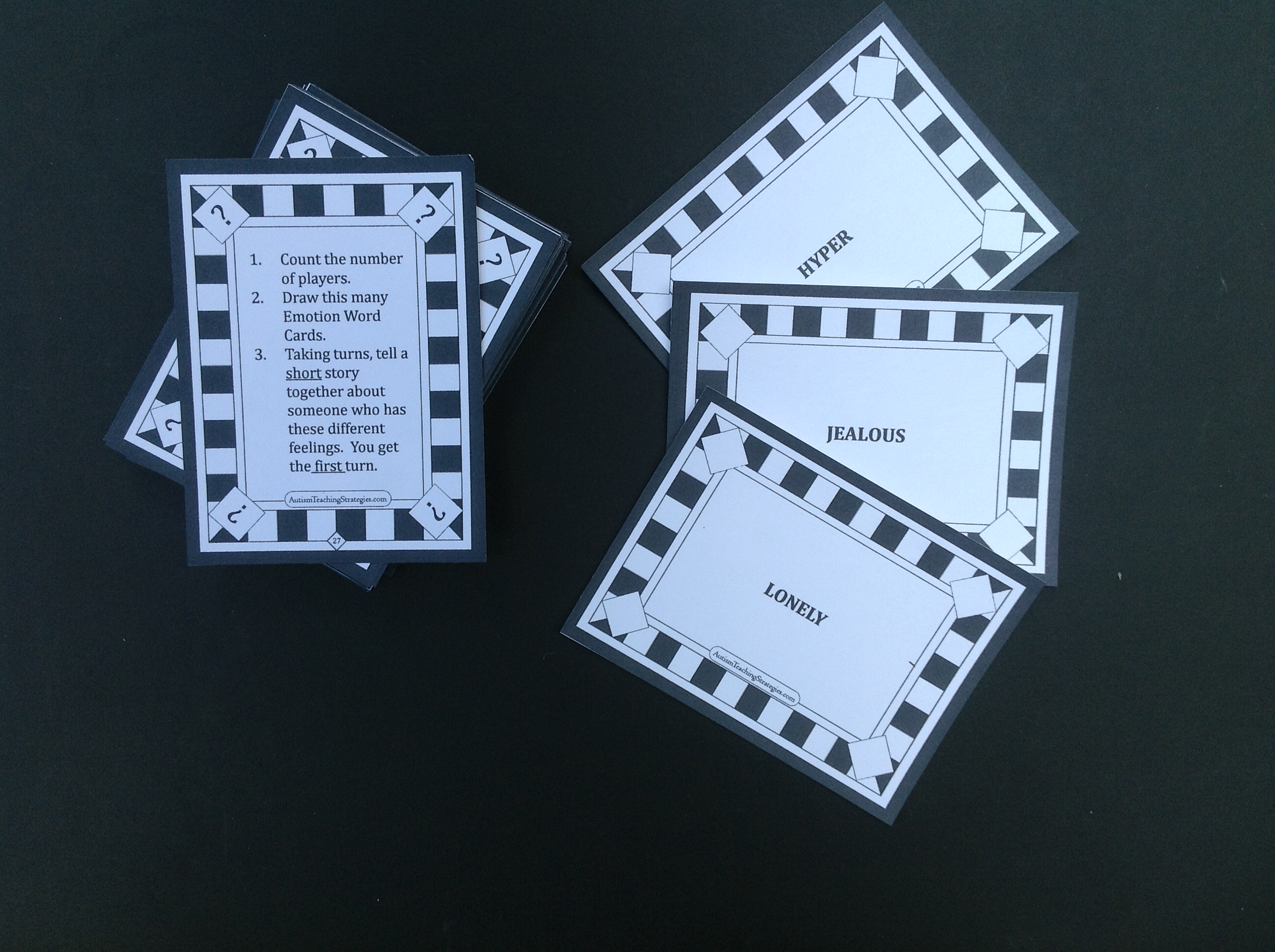
Here is a set of emotion cards that can be used in all kinds of ways in social skills teaching.  There are two card decks which are used together: Emotion Word Cards and Question Cards.
Here is a set of emotion cards that can be used in all kinds of ways in social skills teaching. There are two card decks which are used together: Emotion Word Cards and Question Cards.

Children with ASD and Emotional Awareness

Children on the autism spectrum may experience a range of challenges with respect to emotions.  They may find it difficult to accurately recognize and name their own emotions.  They may find it confusing to imagine the emotions of other people.  They often find it difficult to understand how the words and actions of one person may affect the emotions of another person.

Elsewhere on this website, I have provided a number of free games and activities to help children with ASD to understand emotions and deal with upsetting feelings (follow link HERE to find these). 

Download the Emotion Cards PDF by clicking on the red link below:

Emotion Card Activity – PDF

French translation:

Jeu de Cartes à Emotions

Polish translation:

Emocjekarty do gry

Description of the cards and how to use them:

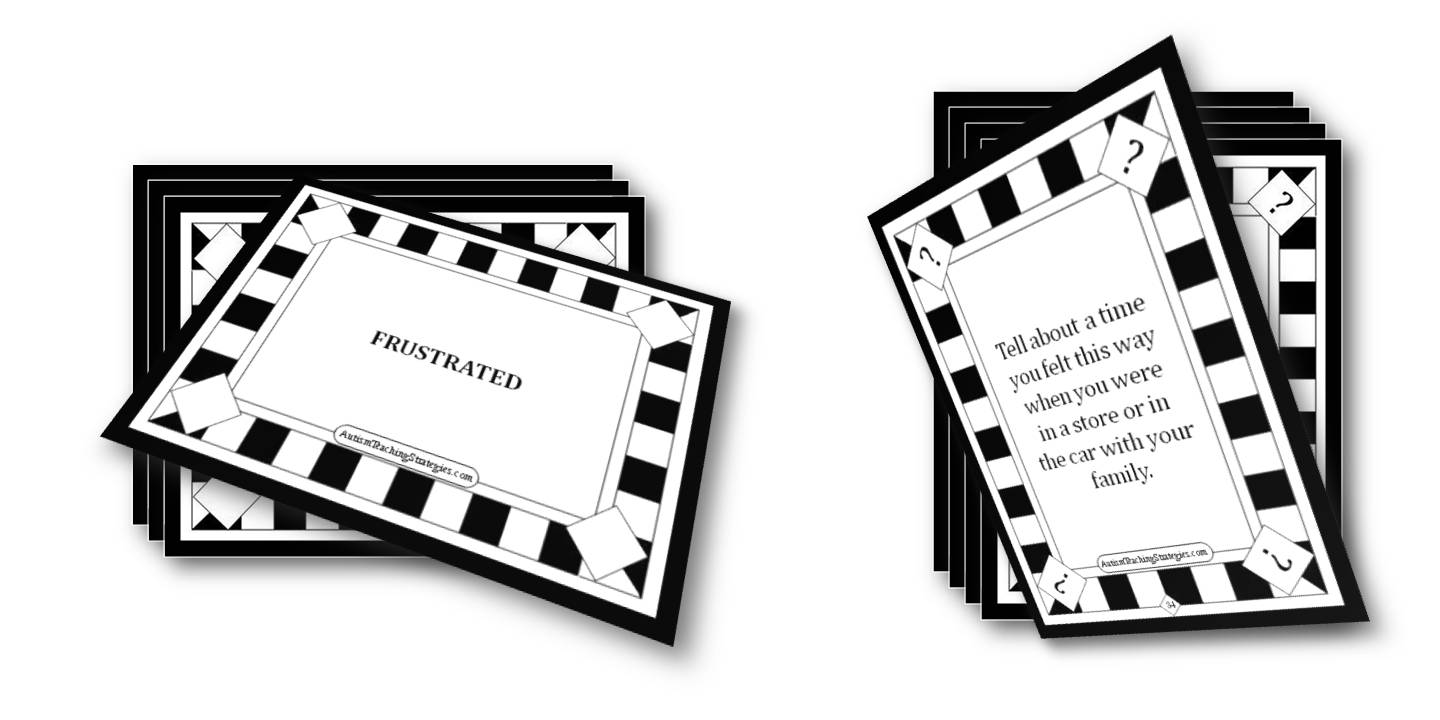
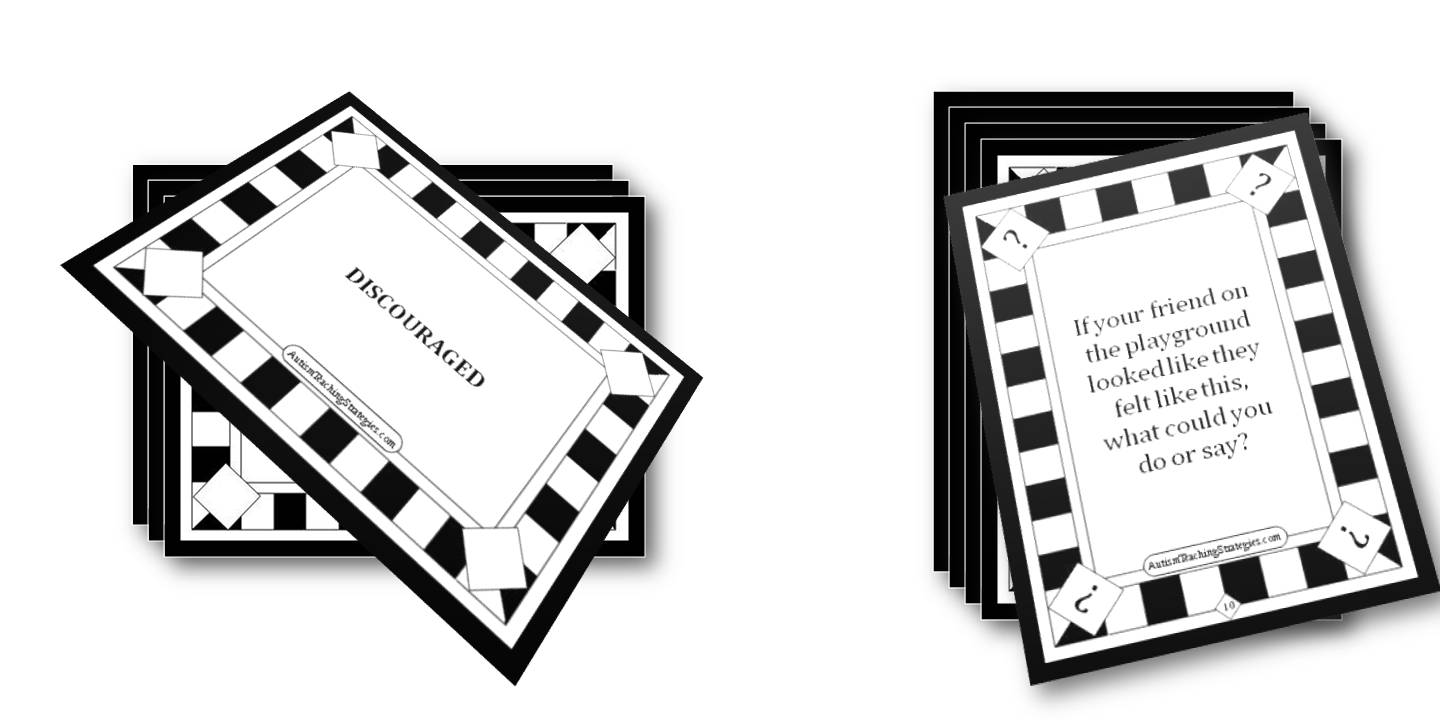
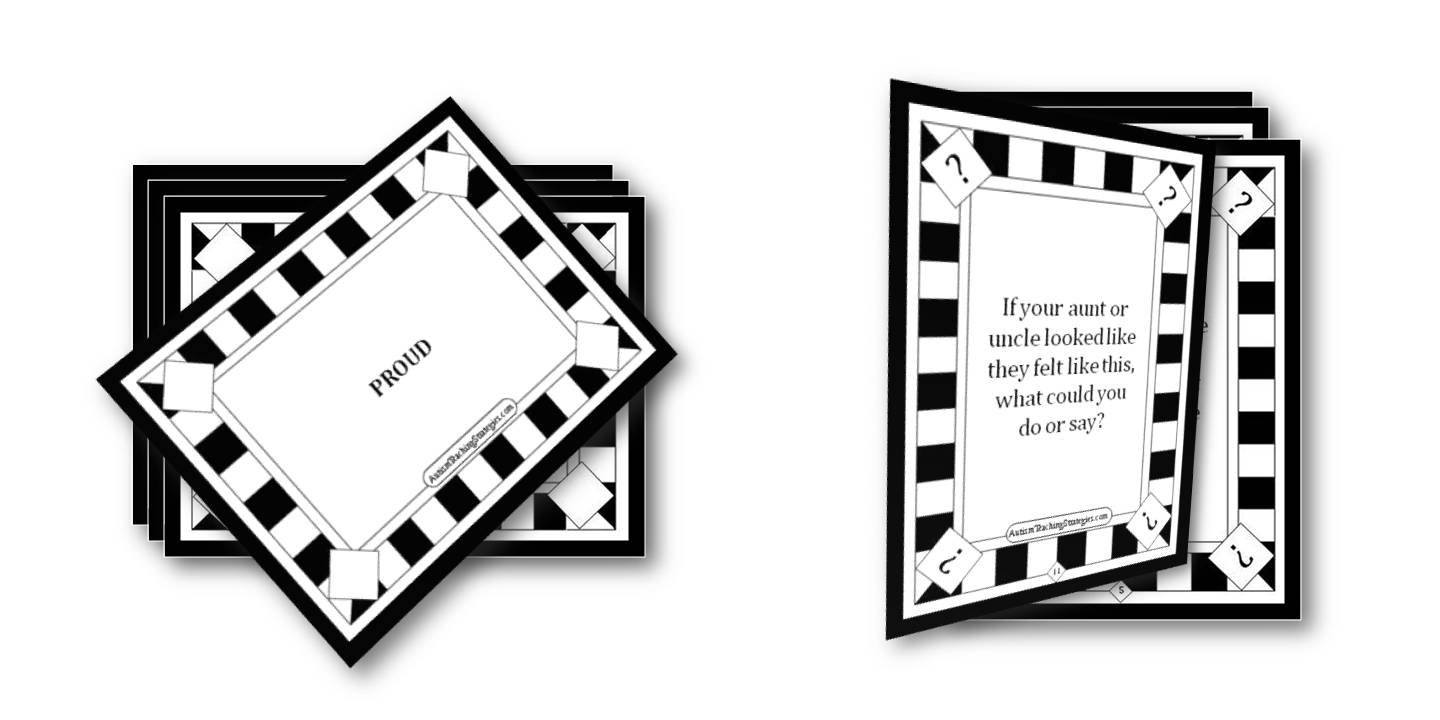
There are two decks of cards.  The first deck, Emotion Word Cards, features 44 different words describing positive and negative emotions.  The second deck,  comprised of  48 Question Cards,  has a wide variety of questions, tasks and role play assignments.

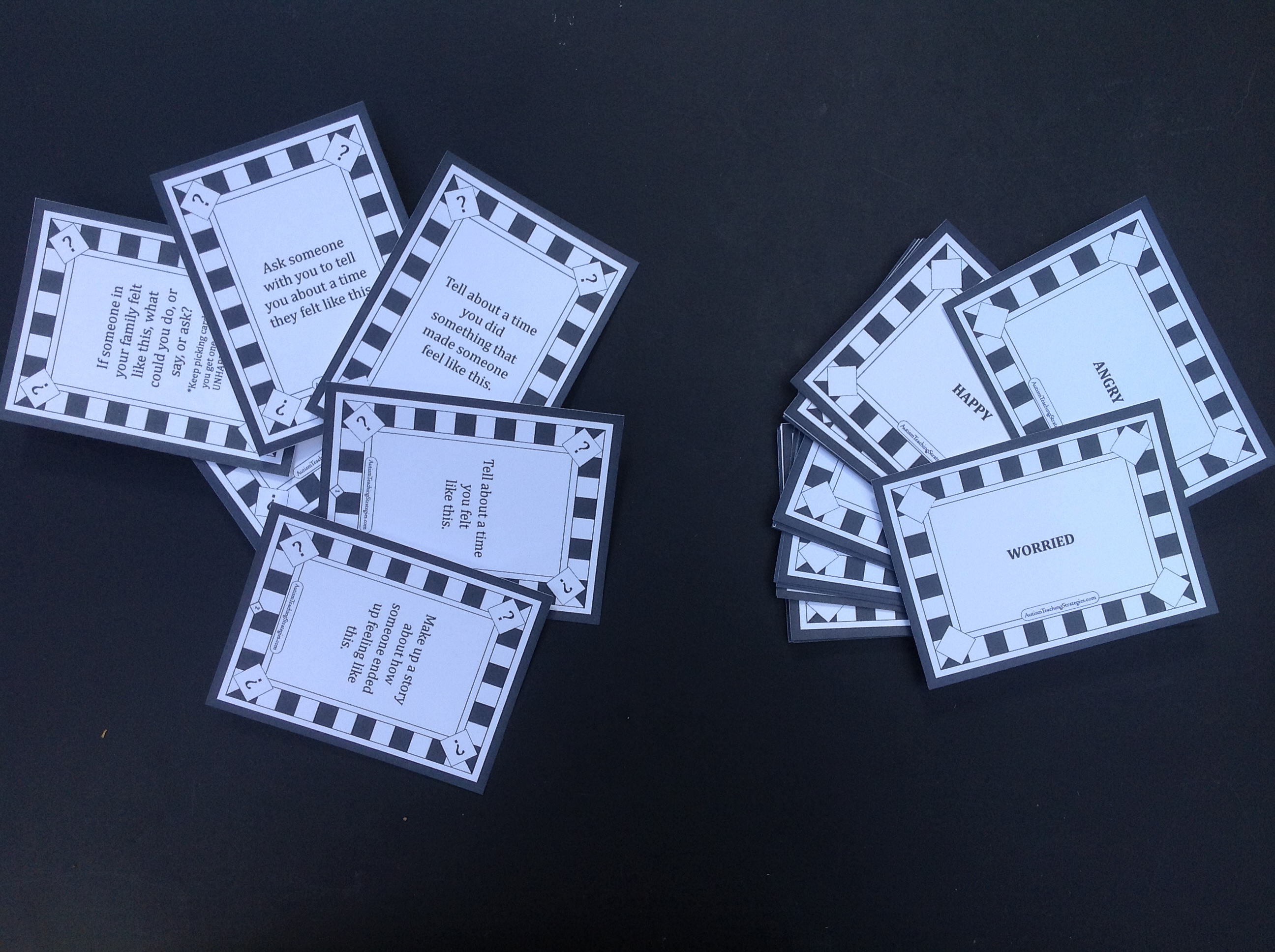
The most basic game to play with the cards is to place each deck face down, and direct the player to draw one card from each deck.  The combination of cards drawn determines what task the player is directed to perform.  For example, if the player draws the Emotion Card, “WORRIED,” and the Question Card, “Tell about a time you felt like this,” then the player must tell about a time he felt worried.

Here are a few variations on using the cards.

Emotion Card Example

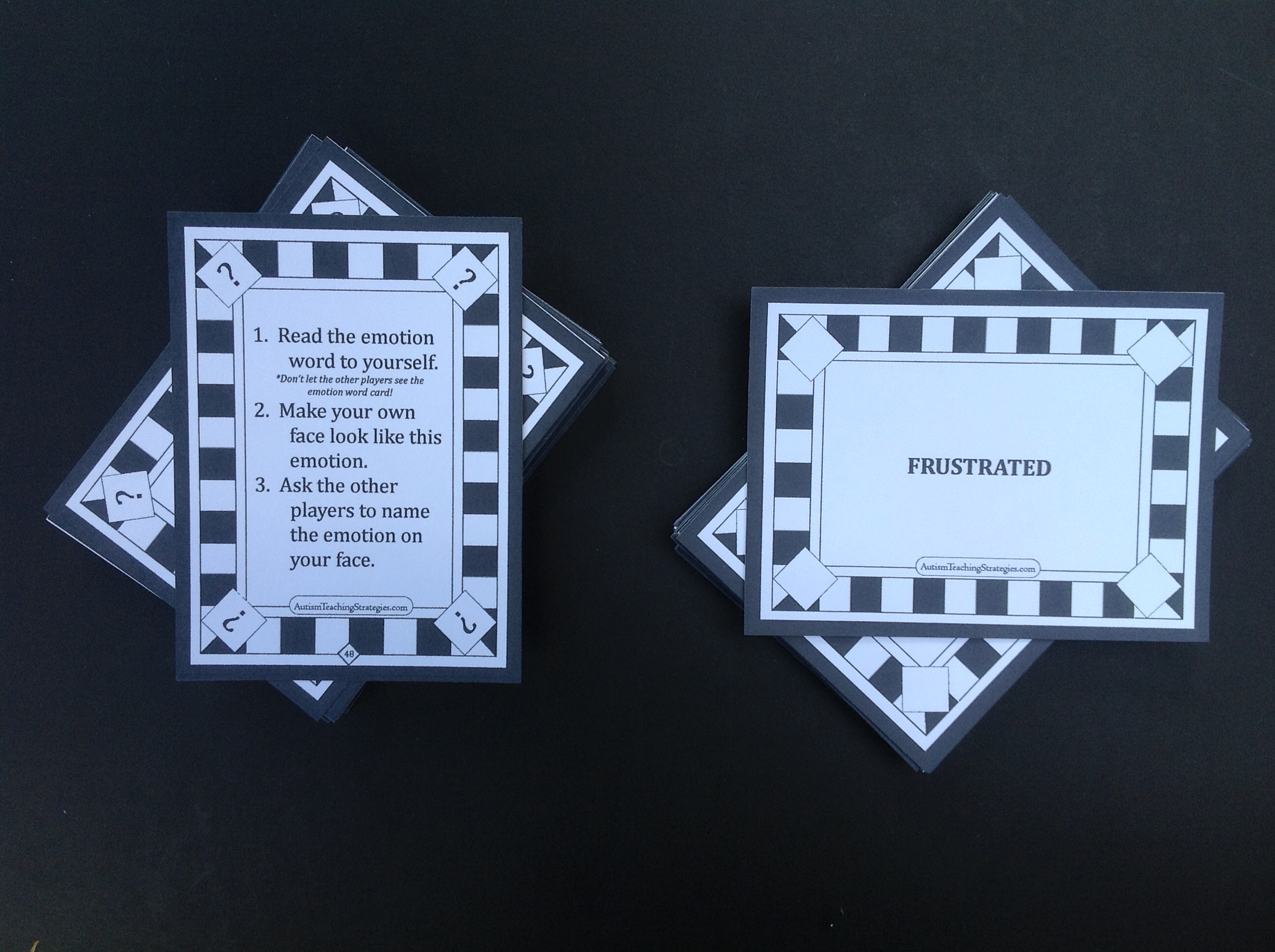
Several of the Question Cards direct the player to make their face look like the feeling on the Emotion Card they drew.

Emotion Card Example, Emotion Storytelling

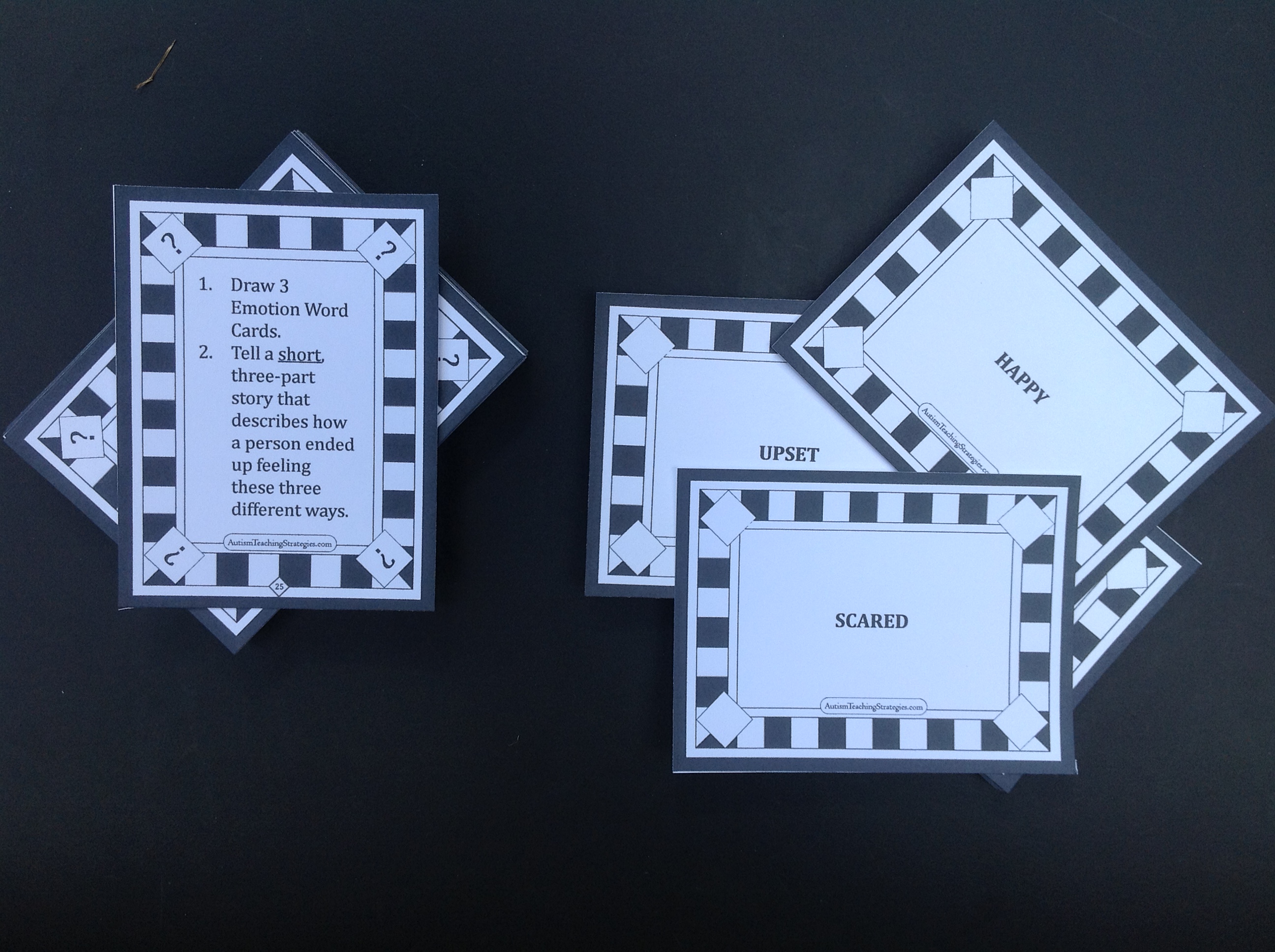
In the example right above, the player is directed to make up a story featuring three Emotion Cards he drew.  There are other related Question Cards which direct the player to cooperate with other players in telling a sequential story involving a series of Emotion Cards (see example below).

Emotion Card Example: Group storytelling

 Below are several more typical combinations of cards that can come up.  Look them over and see whether these might be useful for your students or clients.

Emotion Card combination example 1 Slide2 Slide3 Slide4

How to make the cards:

You will need to print them on card stock, or on paper which you will then laminate.

Joel Shaul, LCSW


Don’t miss these other free games, worksheets and activities to help children with autism learn about emotions and feelings.

Anime Emotion Coloring Sheets

Anime Emotion Cards

Paper Fortune Tellers for Feelings

20 More Free Emotional Skills Activities for Children

Your comments on these resources are most welcome, and often helpful. Click HERE to send an email.

ASD Feel Better Promo square directing to JKP

The Conversation Train Book

                                                                                                                            Green Zone Book Cover Click to Learn More

Your comments on these resources are most welcome, and often helpful. Click HERE to send an email.

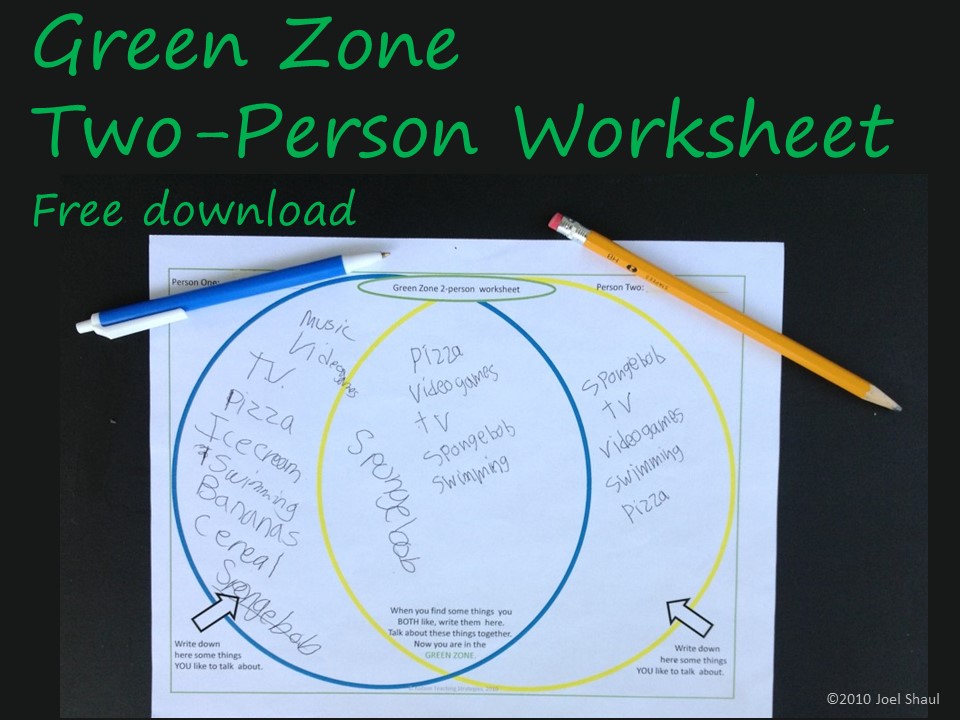
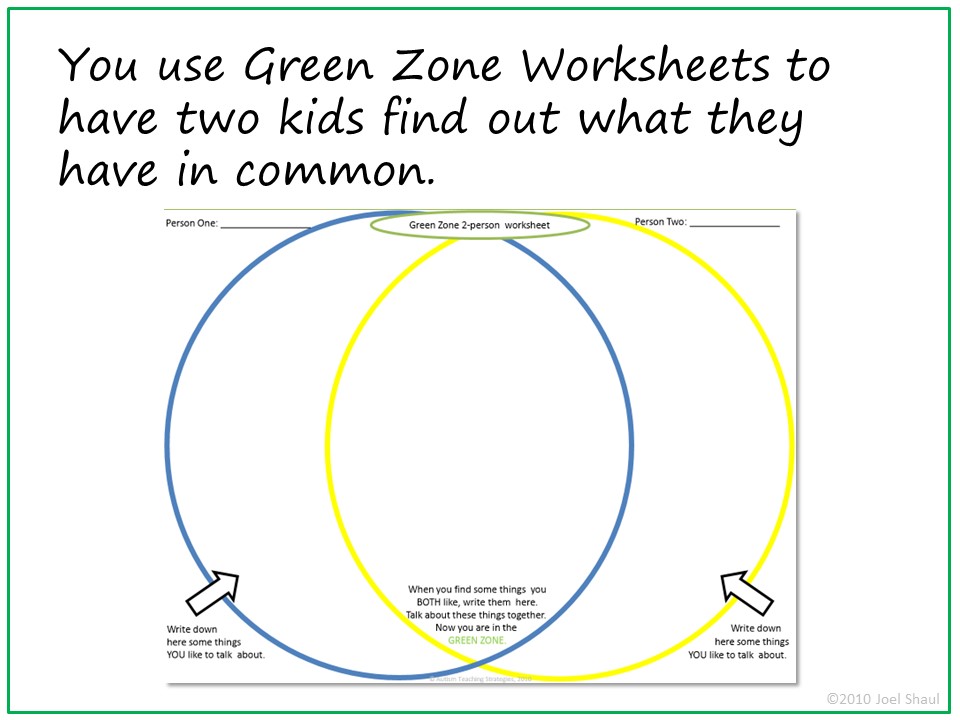
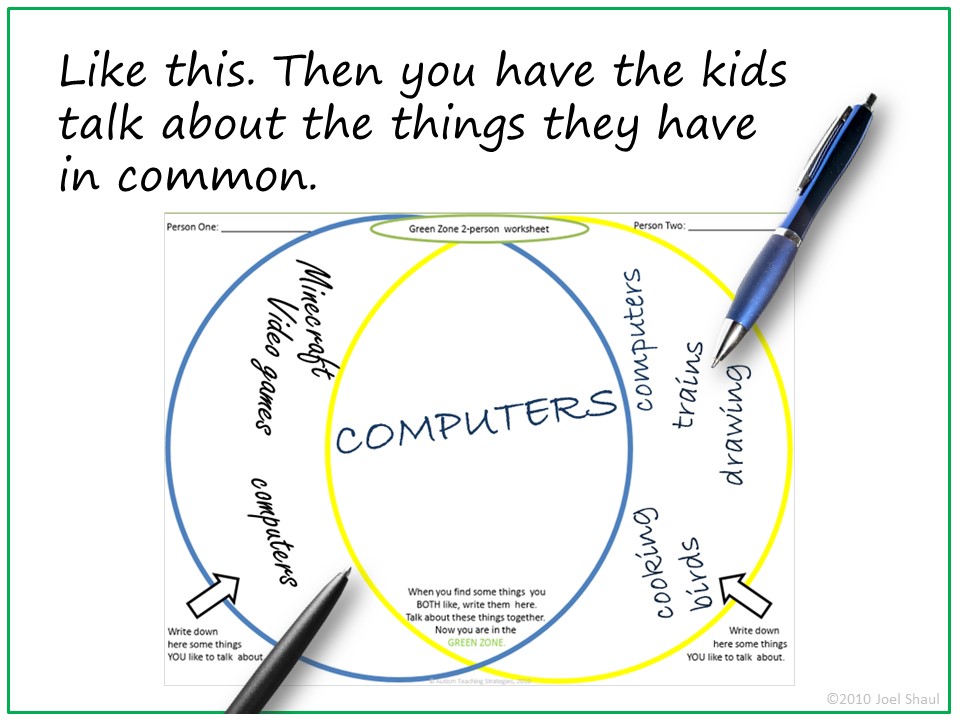
The Green Zone: Common Ground Conversation Training method for kids on the autism spectrum

  Slide1to download this free resource, click on the RED link here:

Green Zone Two Person Worksheet Download

Polish language translation of this resource:

Zielona strefa Arkusz do pracy w parach

Spanish language translation of this resource:

Hoja de conversación de la Zona Verde para dos personas

  ~  ONE-MINUTE VIDEO DESCRIPTION OF THIS RESOURCE  ~

Slide2Slide3Slide4Slide5Slide6

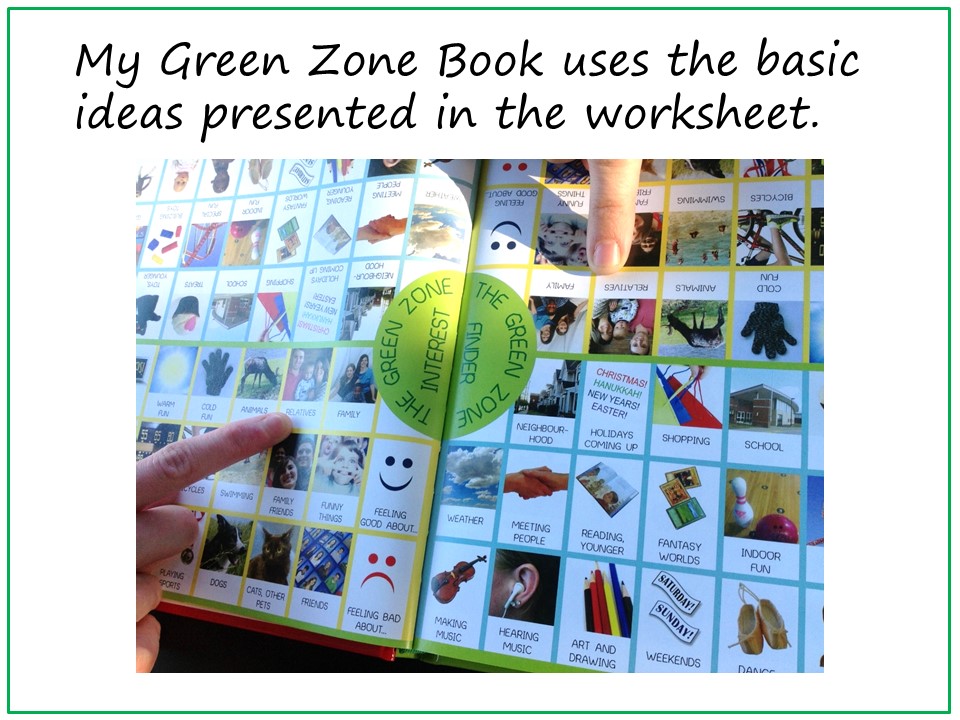
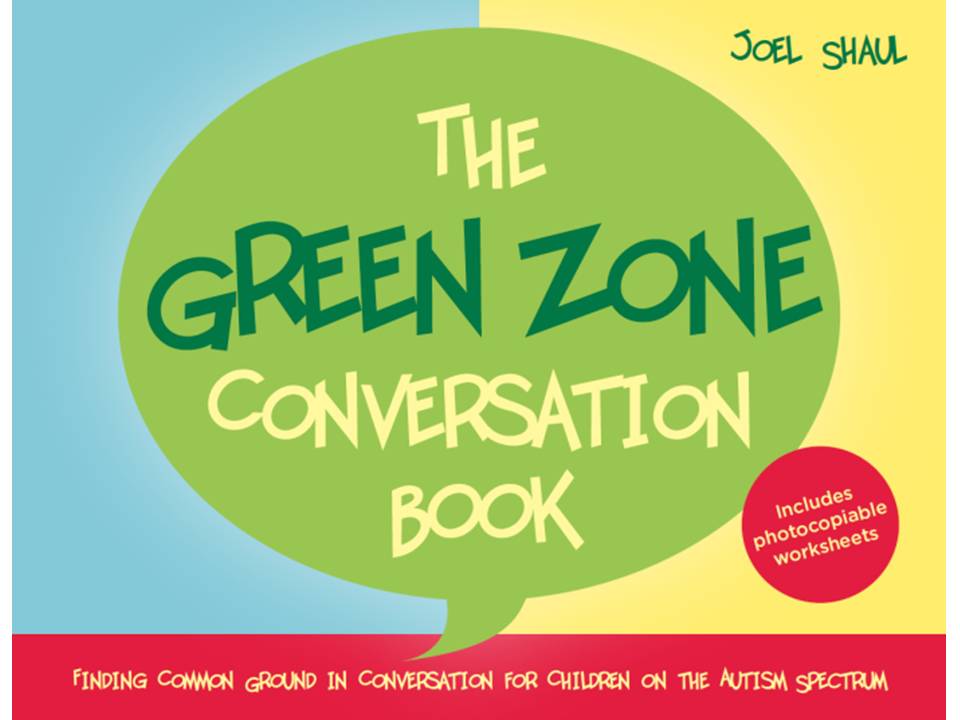
The Green Zone Conversation Book.  If you like the worksheets here, check out my book.
The Green Zone Conversation Book. If you like the worksheets here, check out my book.

Joel Shaul, LCSW
In response to requests for the lyrics to the “Green Zone Song” I perform in my workshop presentations, here are the lyrics below.

[To the tune of “We Will Rock You” by Queen]

When you talk, don’t just talk

Listen to what they say back to you

When you do, people like it

And maybe they’ll keep talking to you.

In the, in the Green Zone (two times)

Think about what’s – in their mind

Maybe it’s in – your mind too

When you do, people like it

And maybe they’ll keep talking to you

In the, in the Green Zone [two times]


Other conversation social skills activities to use in combination with the Green Zone Two-Person Worksheets:

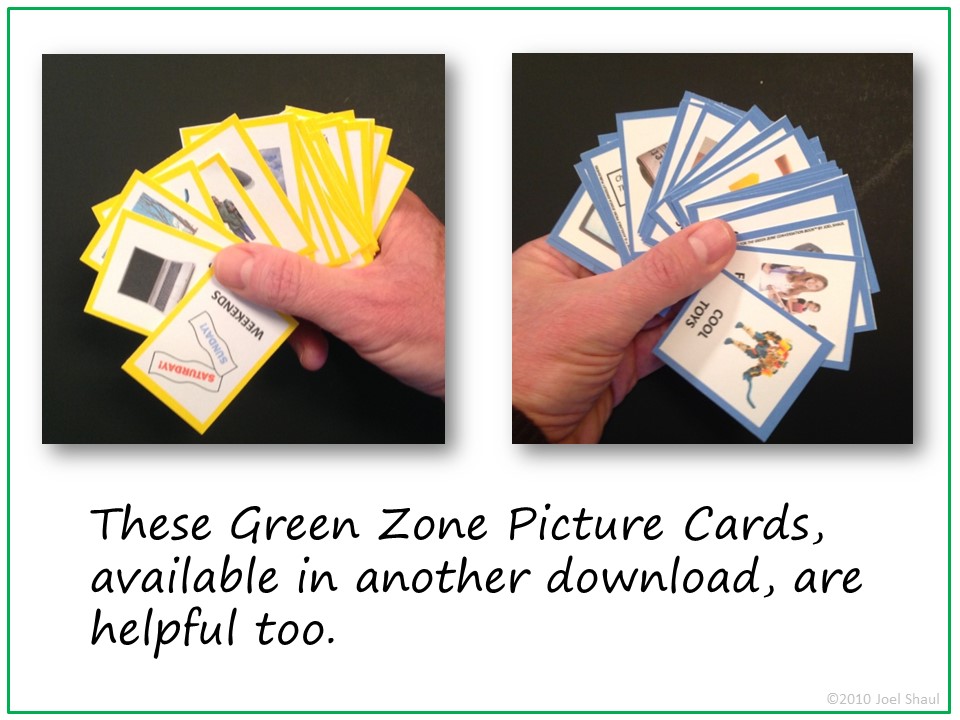
Green Zone Picture Cards

Conversation Train Printable Kit

Head Outline Sheets for Other People’s Interests

Printable “Remote” to Change Topic Channels

Paper Fortune Tellers for Conversation Topics, etc.

Your comments on these resources are most welcome, and often helpful. Click HERE to send an email.


 The Conversation Train Book

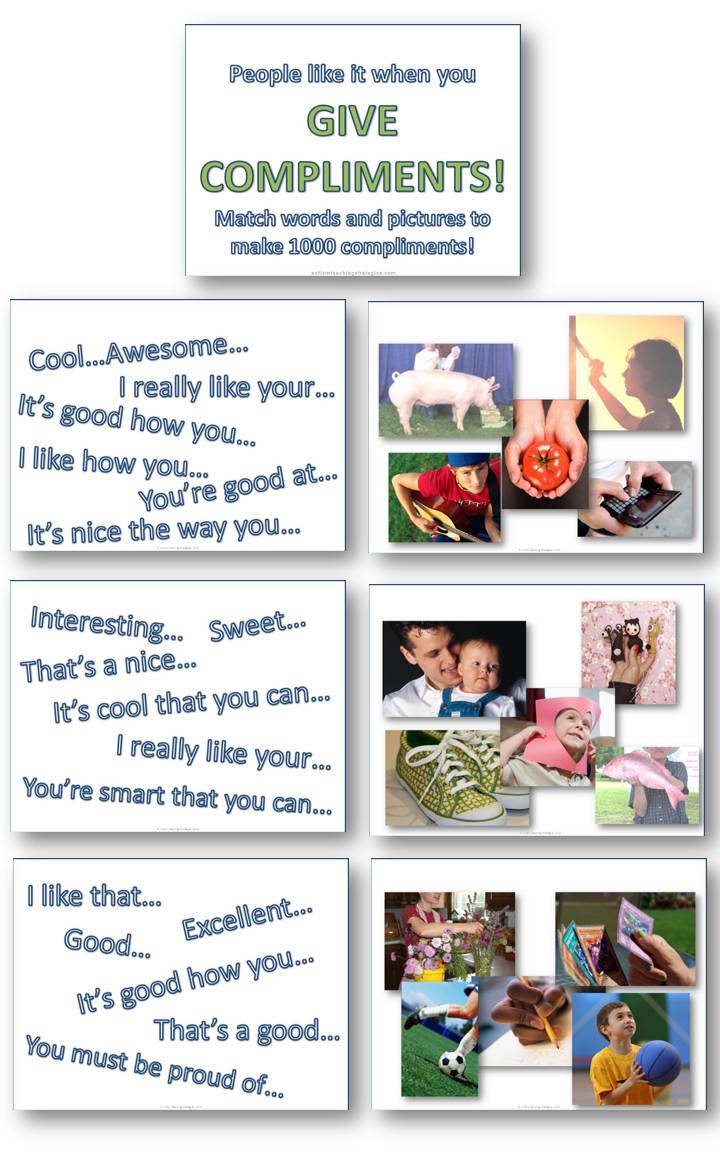
Helping kids with ASD to give compliments: Picture/word downloads for social skills teaching

To download the illustrated panels shown below, click on “Giving Compliments Wall Display Download”

Giving Compliments Wall Display Download

autism compliments social skills activity

Autism and Giving Compliments

Kids on the autism spectrum often do not give and receive compliments in accordance with social expectation. They might like something someone said, or something someone did, but they often fail to follow up with a positive, validating statement.  Or, instead of saying nothing, children with ASD might make blunt declarations of opinion.  Kids with Asperger’s and other autism spectrum disorders can get so much better at giving compliments when they are taught in an engaging manner with engaging visuals.

Suggestions for using the compliment prompt panels:

1.  Have the kid(s) point from the word portion to the picture portion while you give compliments according to their directions.

2.  You point from words to picture and the kids create compliments.

3.  Follow up with having the kids offer compliments to others in the room.  Coach the proper “thank you” response.

4.  Explore with the kids when and how they can give compliments in various settings.  Create simple thought bubble drawings to increase awareness of how others might feel when they receive compliments.

Joel Shaul, LCSW
Here are some other free resources to help children with autism to learn giving compliments.

Validation “Cool, Awesome” Word Prompts

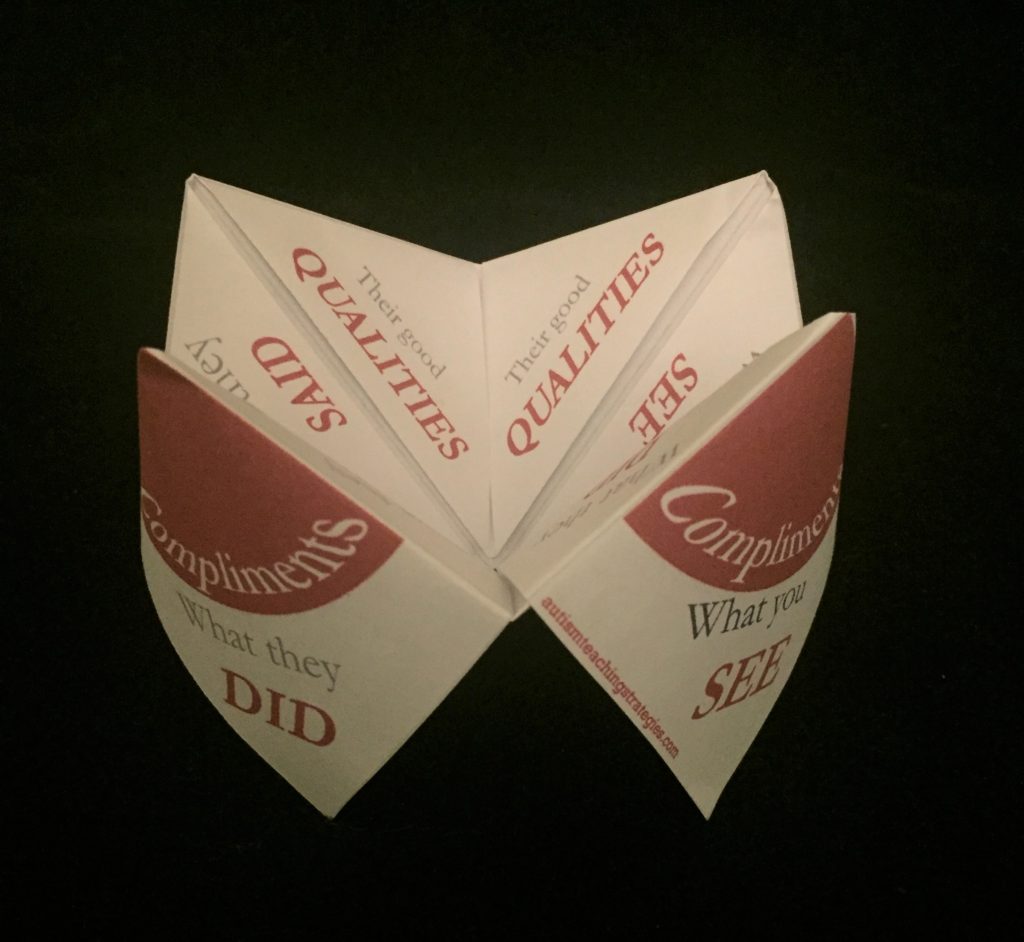
Paper Fortune Teller for Compliments

Say Something Nice Board Game

How to Play Compliment Tag

Your comments on these resources are most welcome, and often helpful. Click HERE to send an email.

 Your Interests Promo image for websiteThe Conversation Train Book

 Green Zone Book Cover Click to Learn More

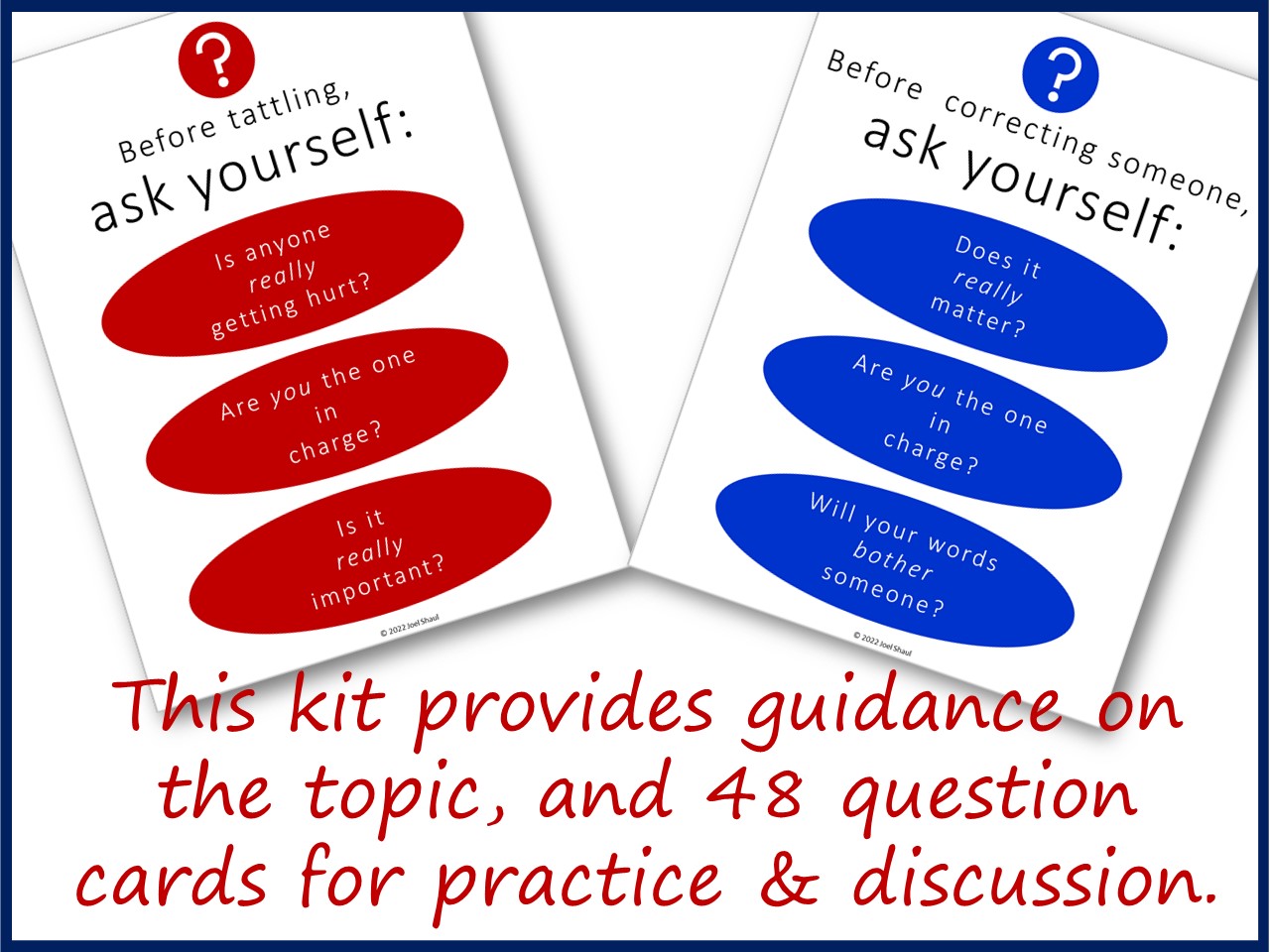
Correcting others and tattling too much: Social skills activities to teach kids with autism who have these problems

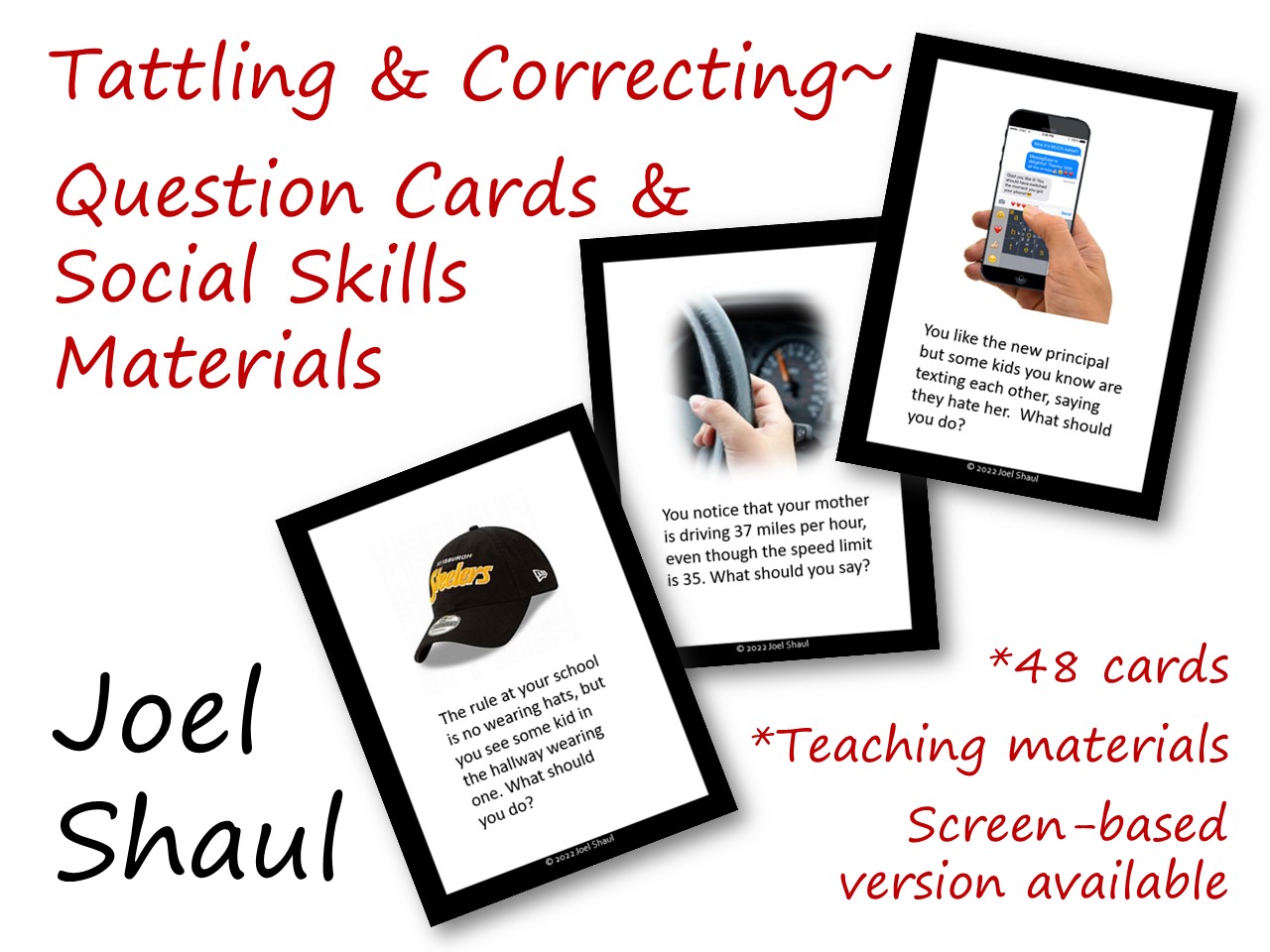
tattling autism social skills game

Social skills games and learning activities for tattling and correcting

I created these materials ten years ago and just finished a re-design of the whole kit.

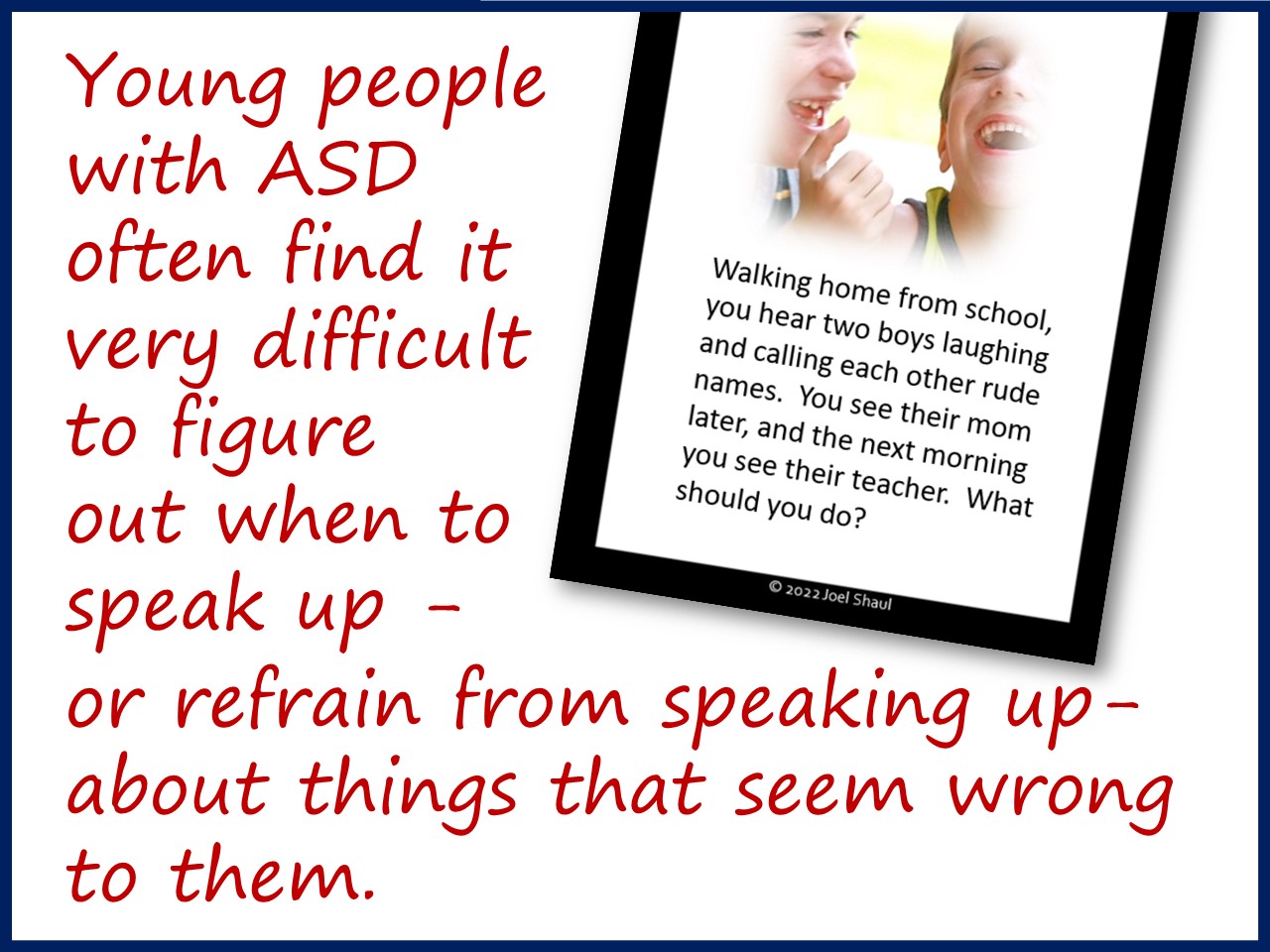
Young people on the autism spectrum can come across as rigid and bossy at times to their peers. Children with ASD can misinterpret complex social situations and express themselves too openly, without considering the broader social consequences.

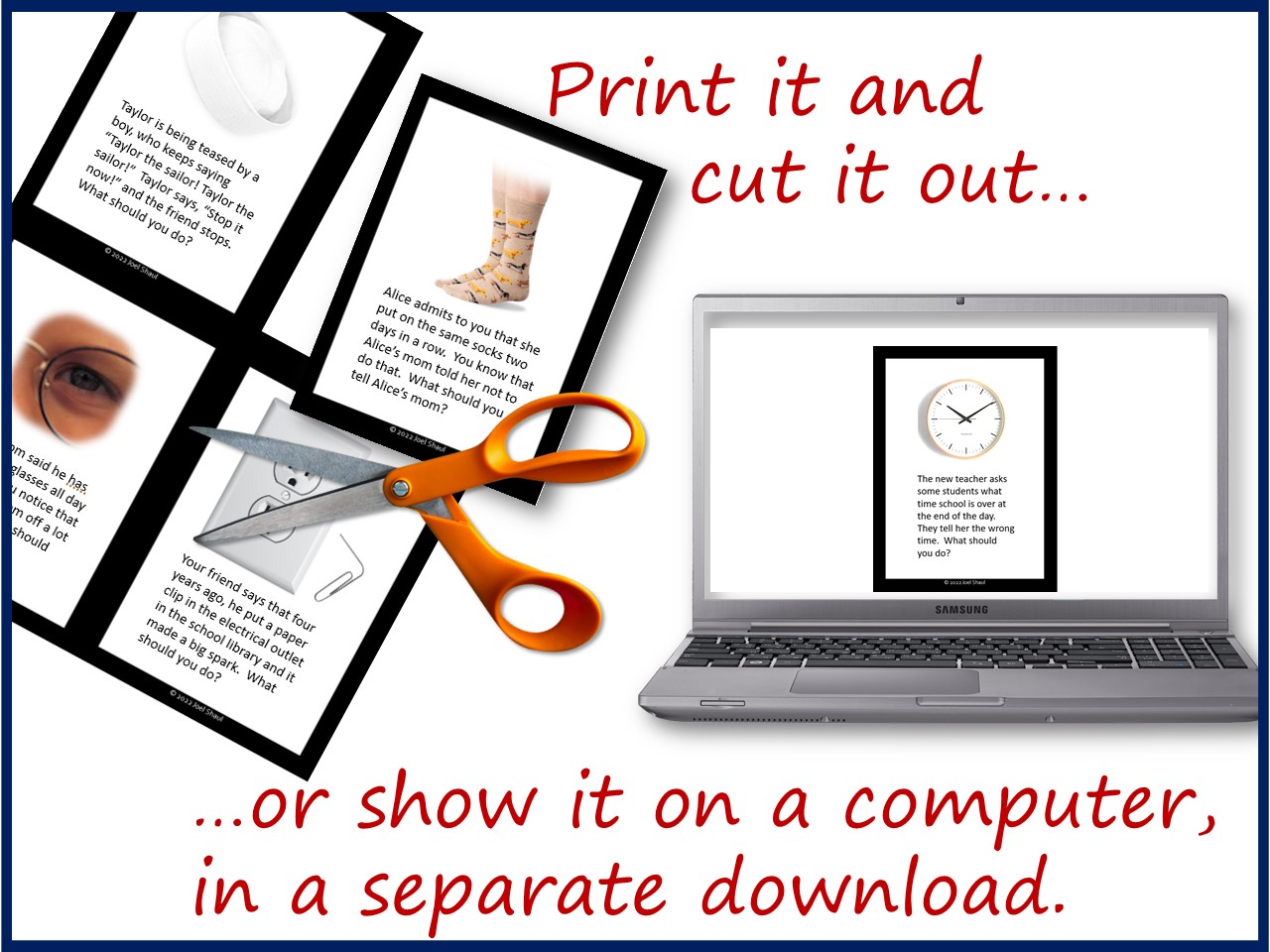
Figuring out when to “tattle” or correct someone is very hard. I designed the 48 question cards to include a lot of challenging questions that don’t have clear-cut answers.

When you use the cards, feel free to go through the deck and select the ones that seem best for the young people you are helping, based on their age, level of comprehension and particular issues they are dealing with.

Children like to hold the cards and have an actual “deck” to play with, but this social skills activity also really works well in the screen display version (which is the version I most often use myself, for groups and teletherapy).


I hope these materials are useful for you in your work.

Joel Shaul

Your comments on these resources are most welcome, and often helpful. Click HERE to send an email.

The Conversation Train Book

Green Zone Book Cover Click to Learn More

Your Interests Promo image for website

Talk-to-sister worksheets for boys with Asperger’s

 IMG_7749

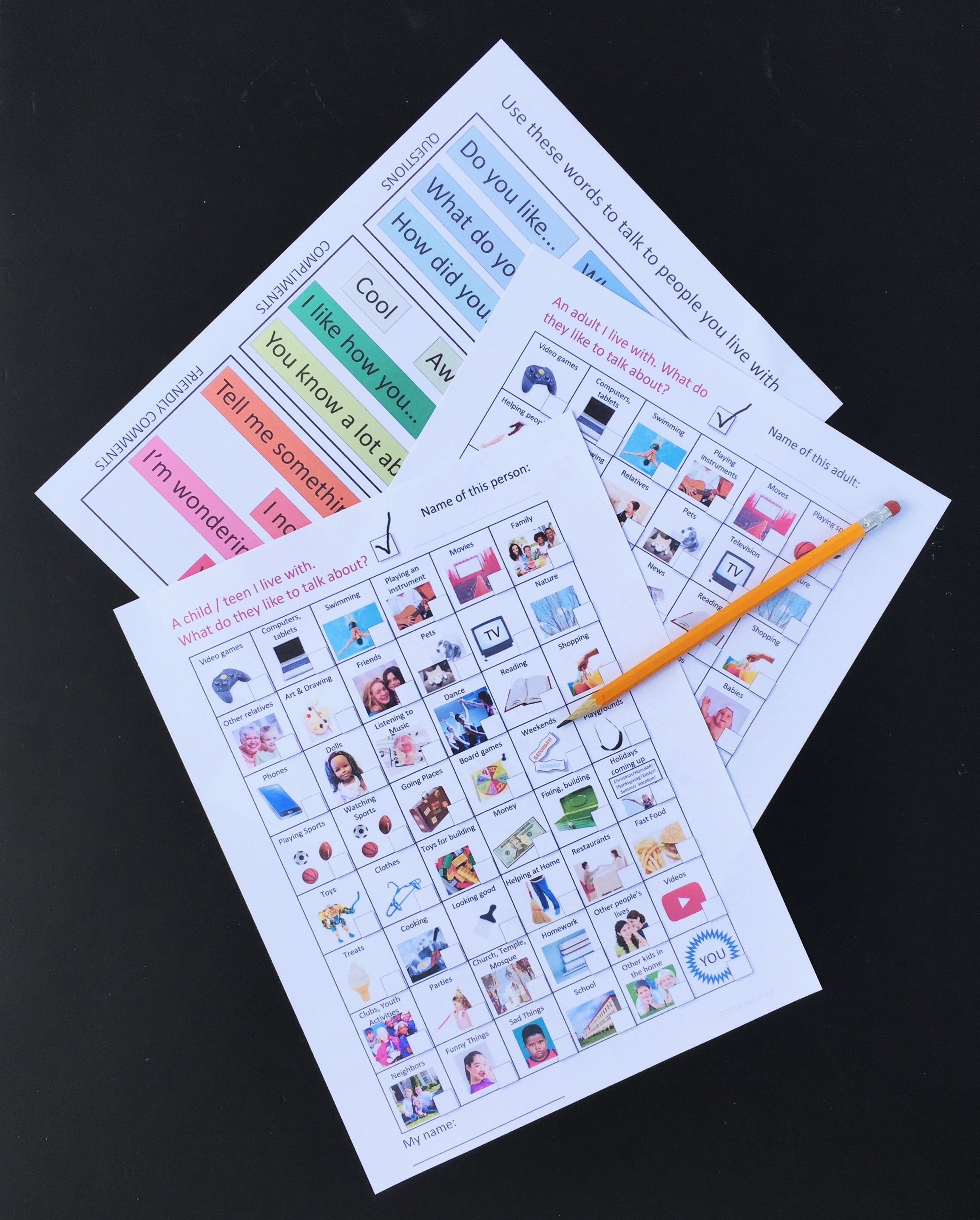
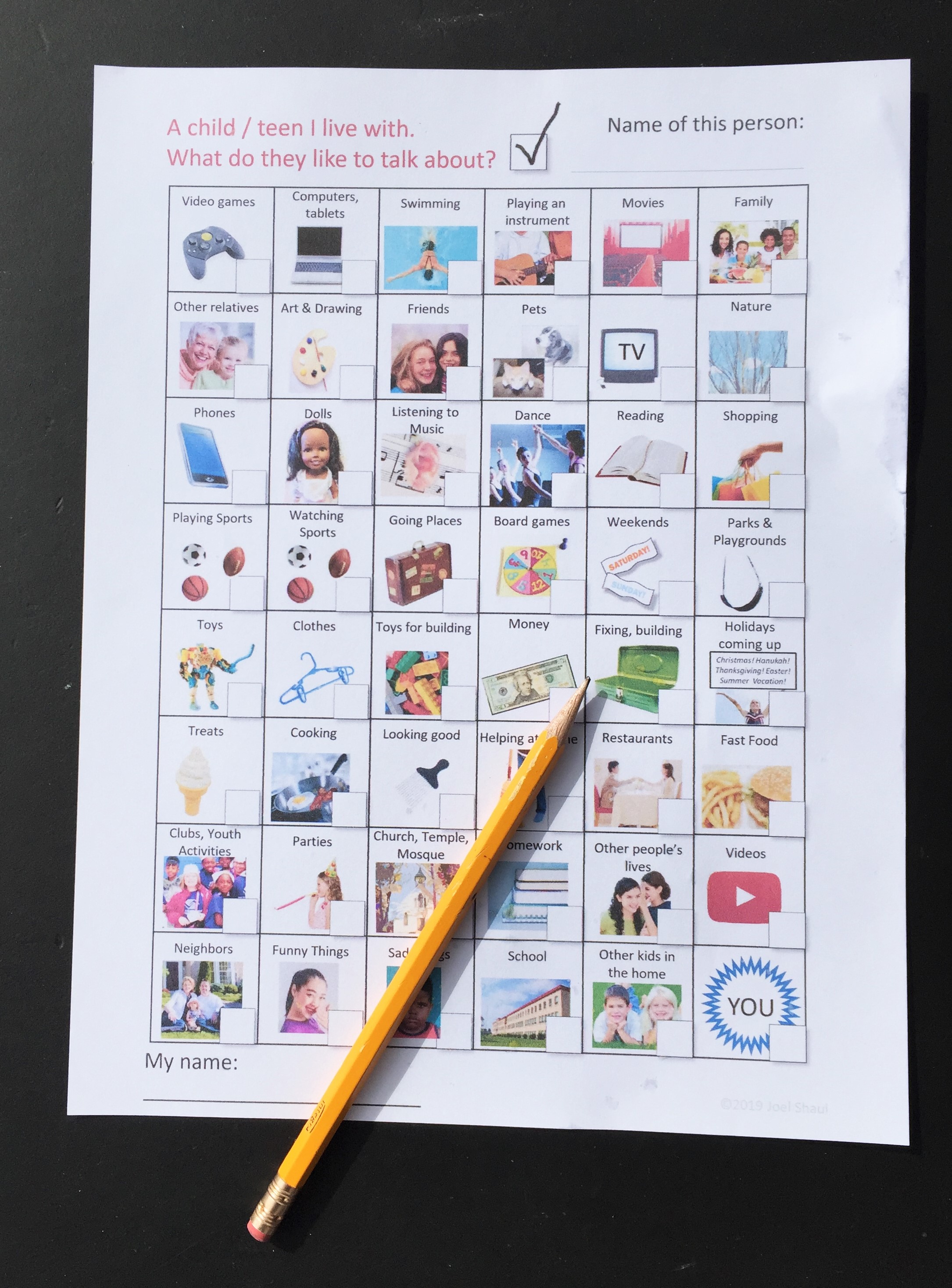
Free check-off worksheets for children with ASD’s to explore conversation topics with family members

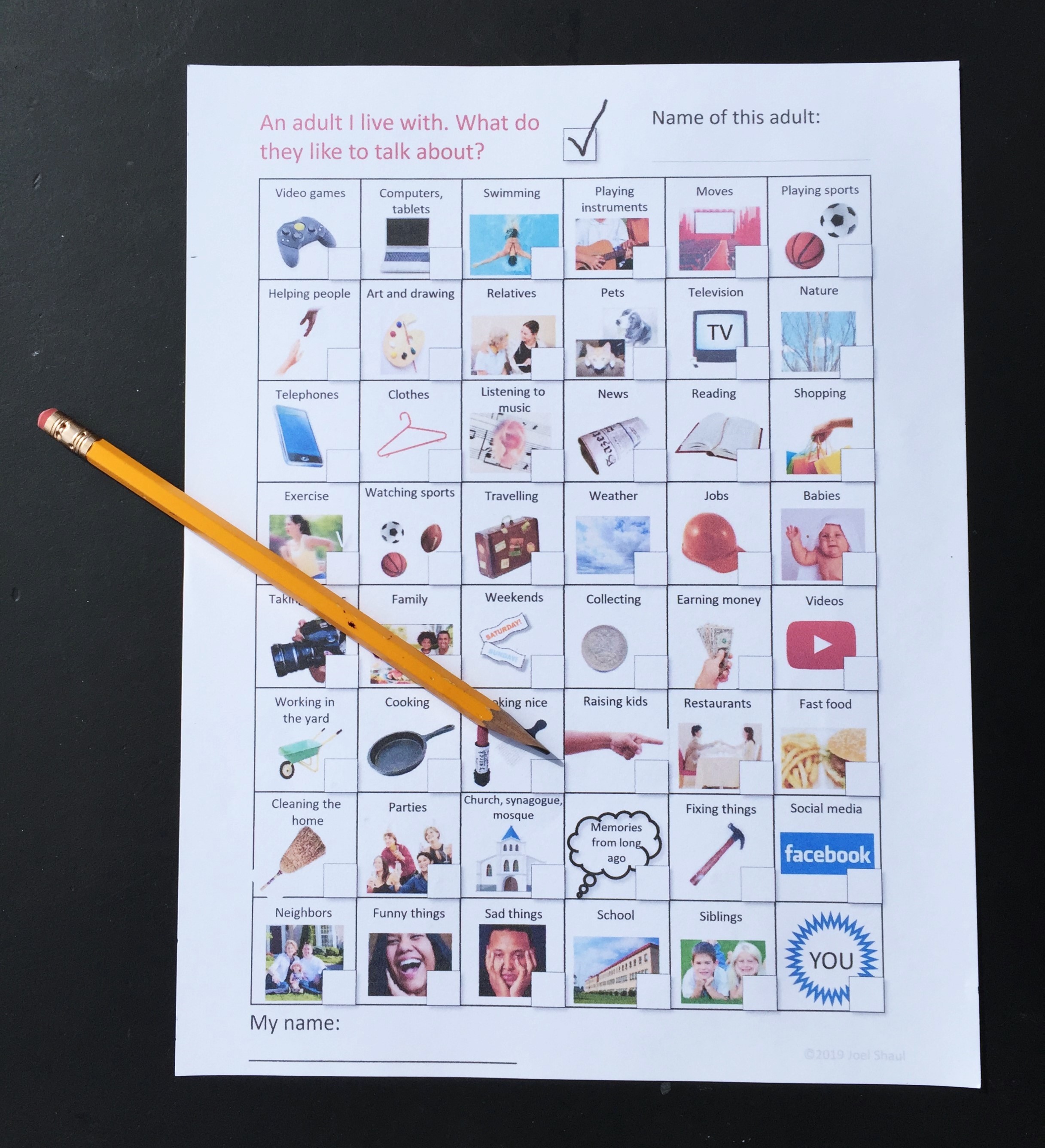
Children with autism spectrum disorders often have difficulties having conversations with the people they live with. It really helps to use picture guides. Here is a set of easy-to-use worksheets for classroom, speech room and home.

IMG_7751

IMG_7750

 IMG_7752

How to use the worksheets:

1.  Have the child put check marks next to the photos they think represent the person’s interests.

2.  Go over the images one at a time with the child. Explain that the family member probably has many interests that are different from the child’s own interests.

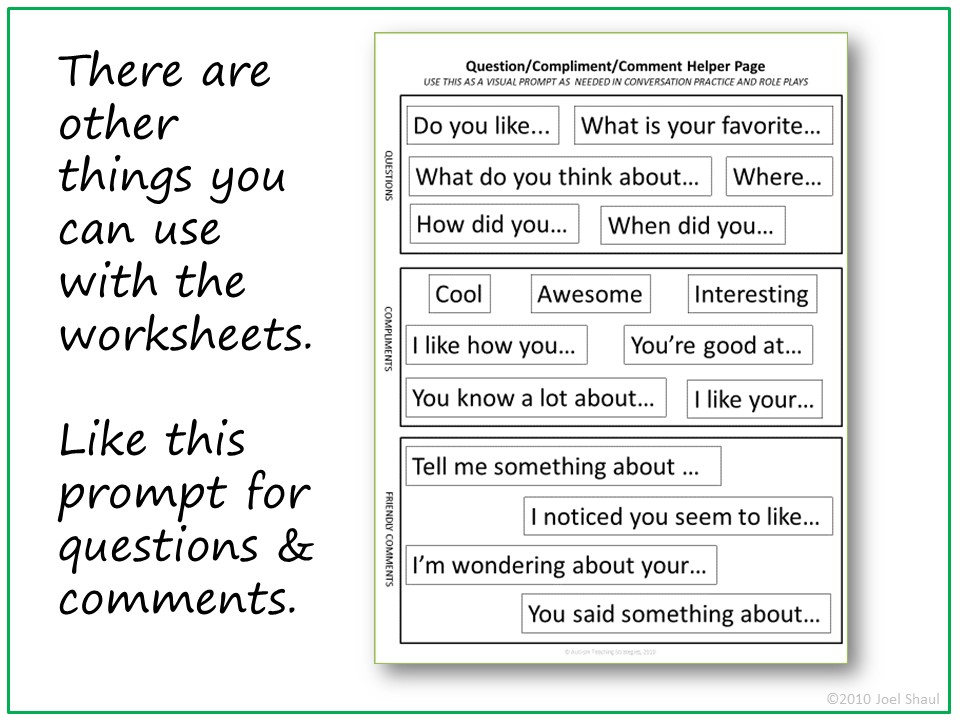
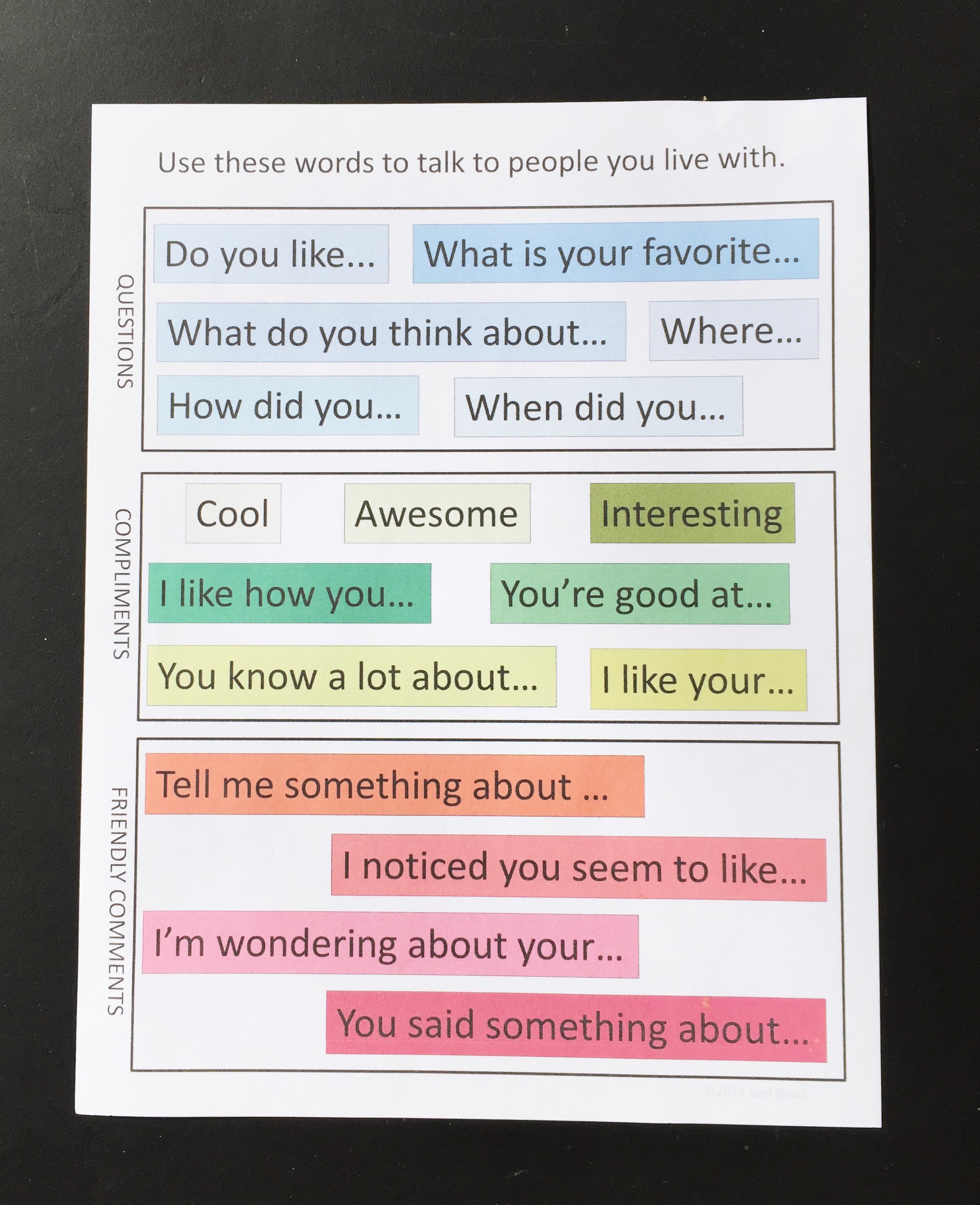
3.  The sheet “Questions, Comments, Compliments” can be used to set up role plays and actual conversation practice with family members.

4.  Have family members fill them out for the child to use as a reference.

5.  Project the sheets using a smart board or projector – this really helps for small group or classroom discussions about family members.

I hope these worksheets are useful for you.

Joel Shaul, LCSW
Your Interests Promo image for website

 The Conversation Train Book

Green Zone Book Cover Click to Learn More

Your comments on these resources are most welcome, and often helpful. Click HERE to send an email.