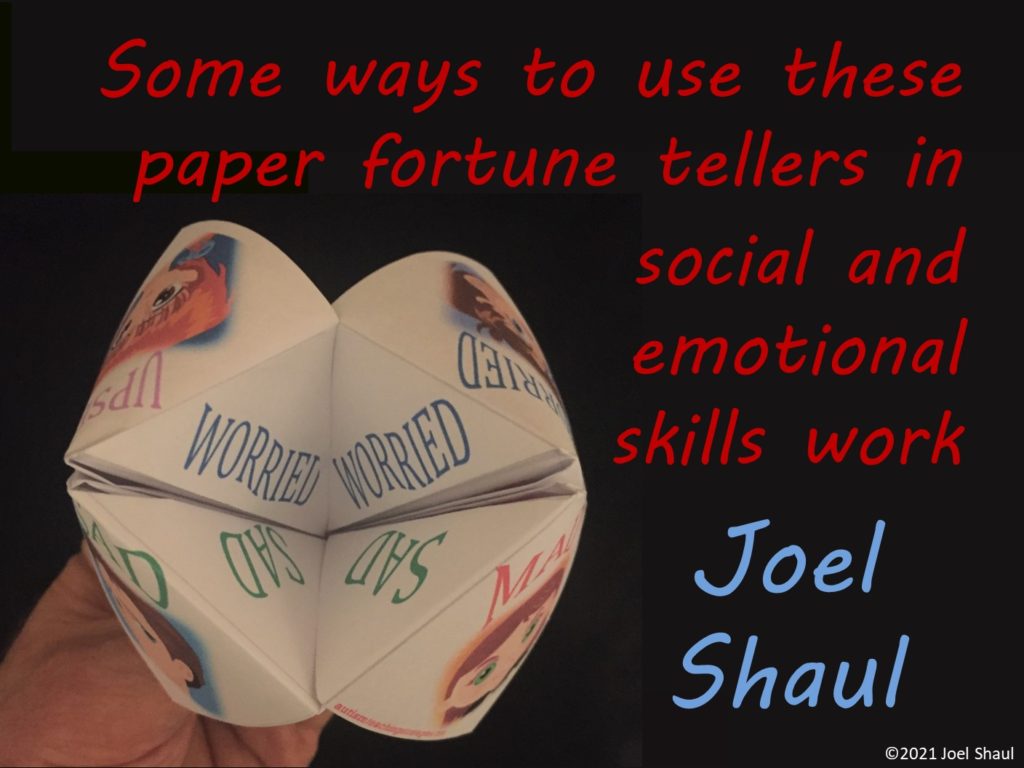
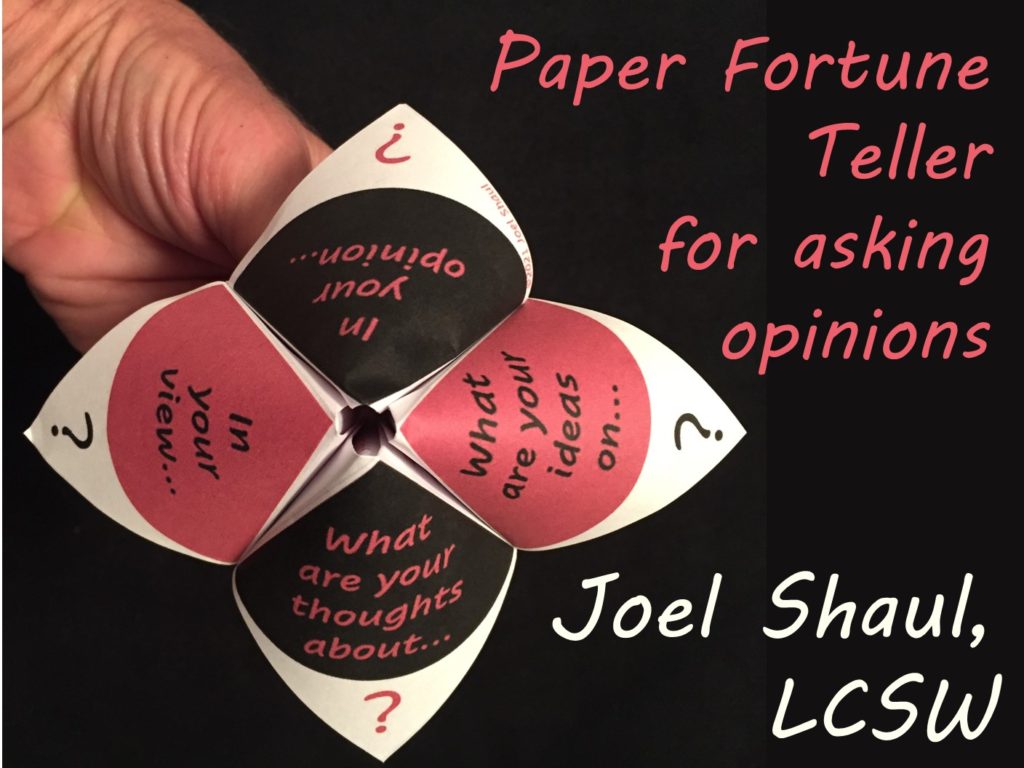
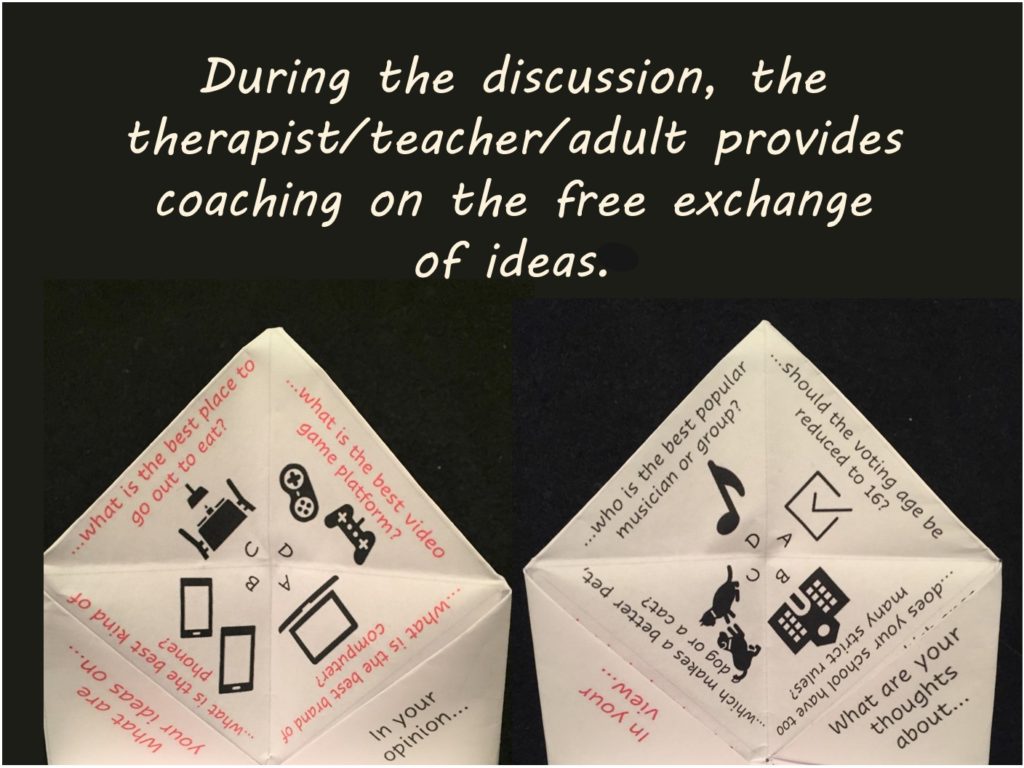
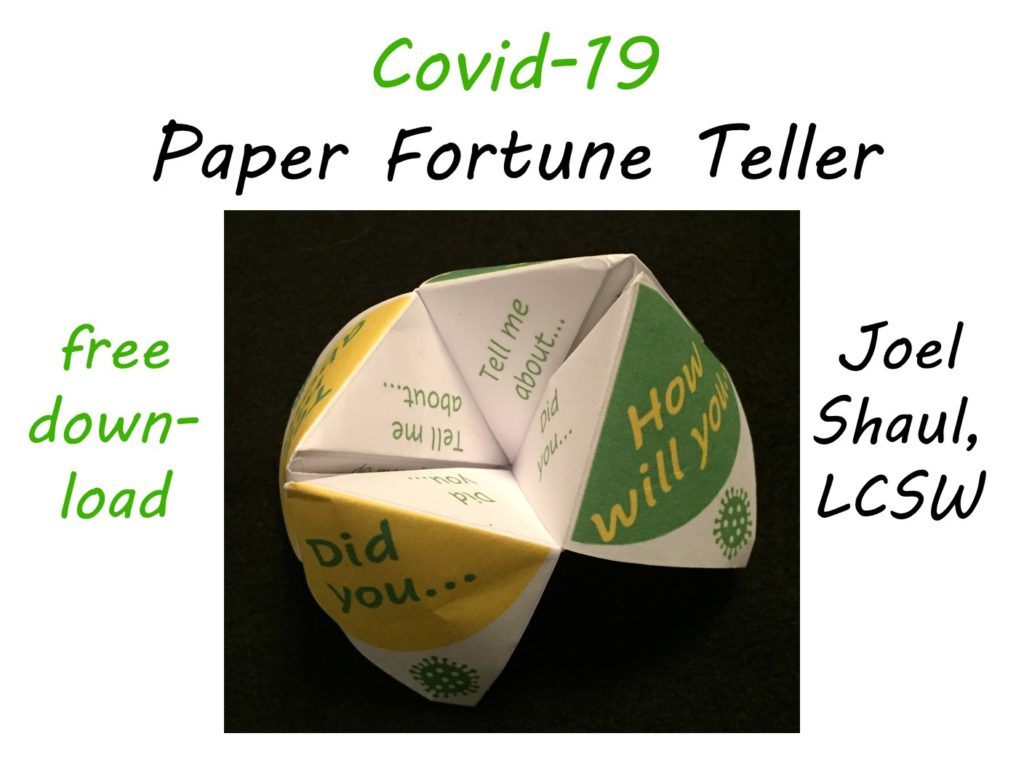
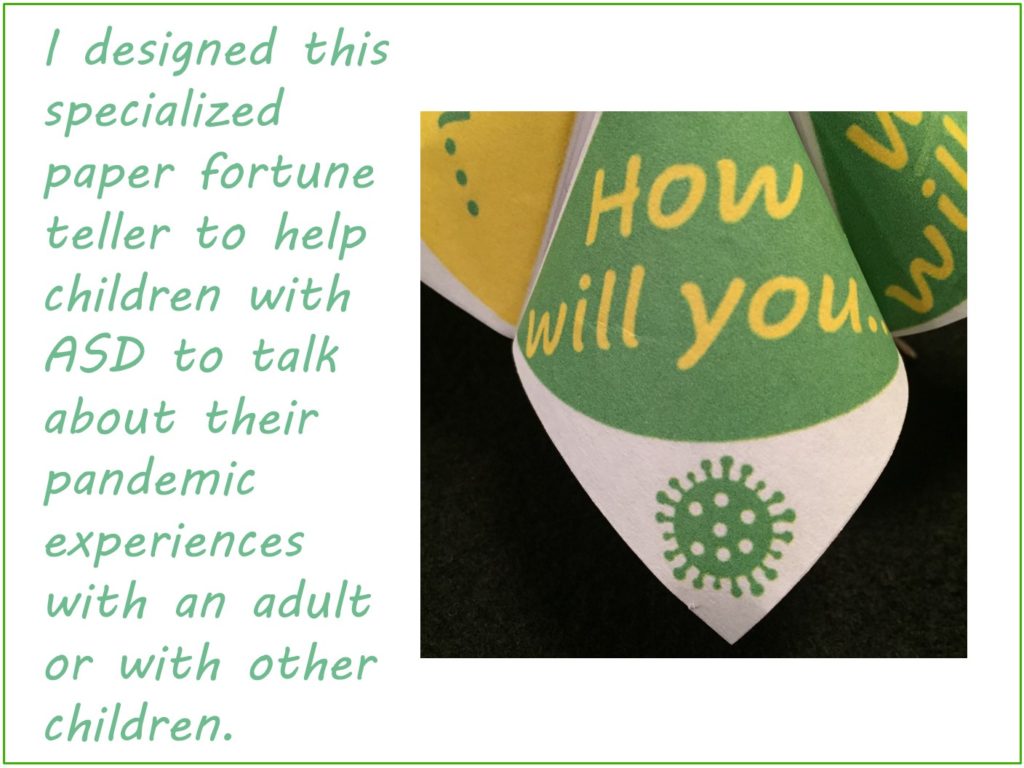
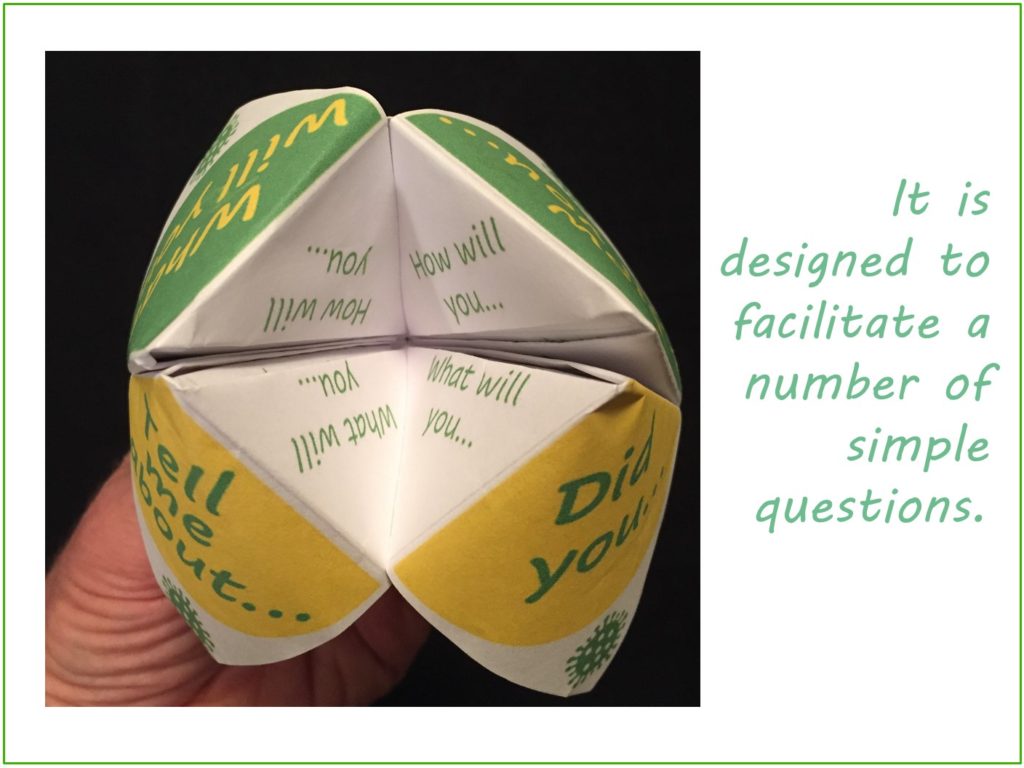
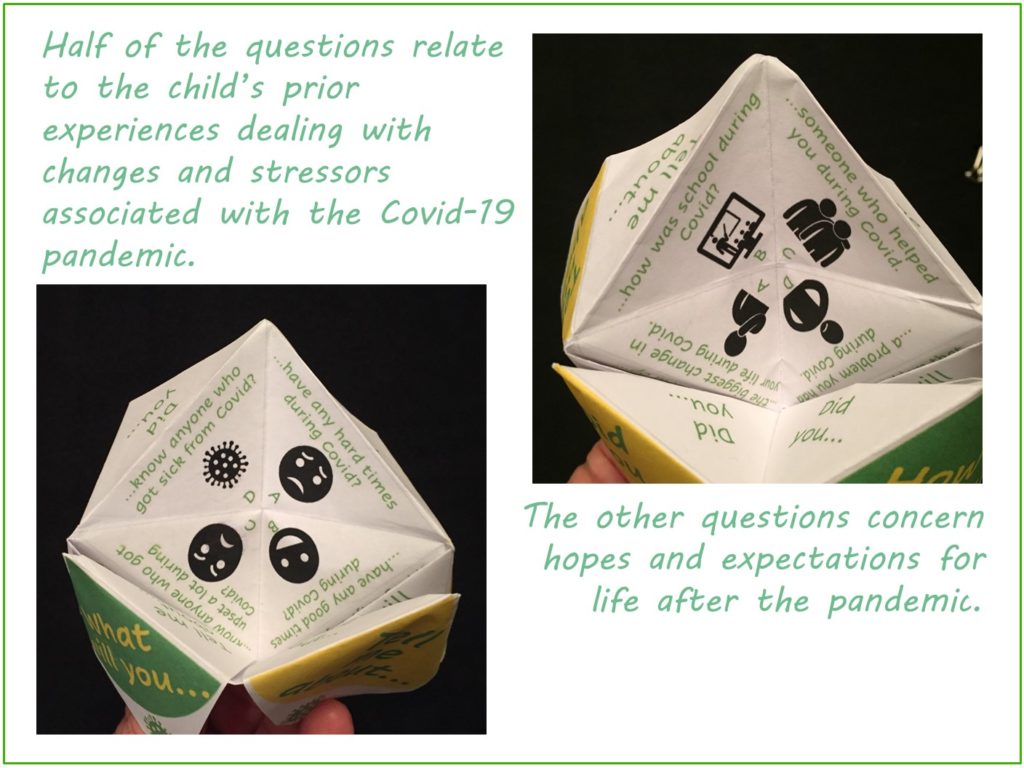
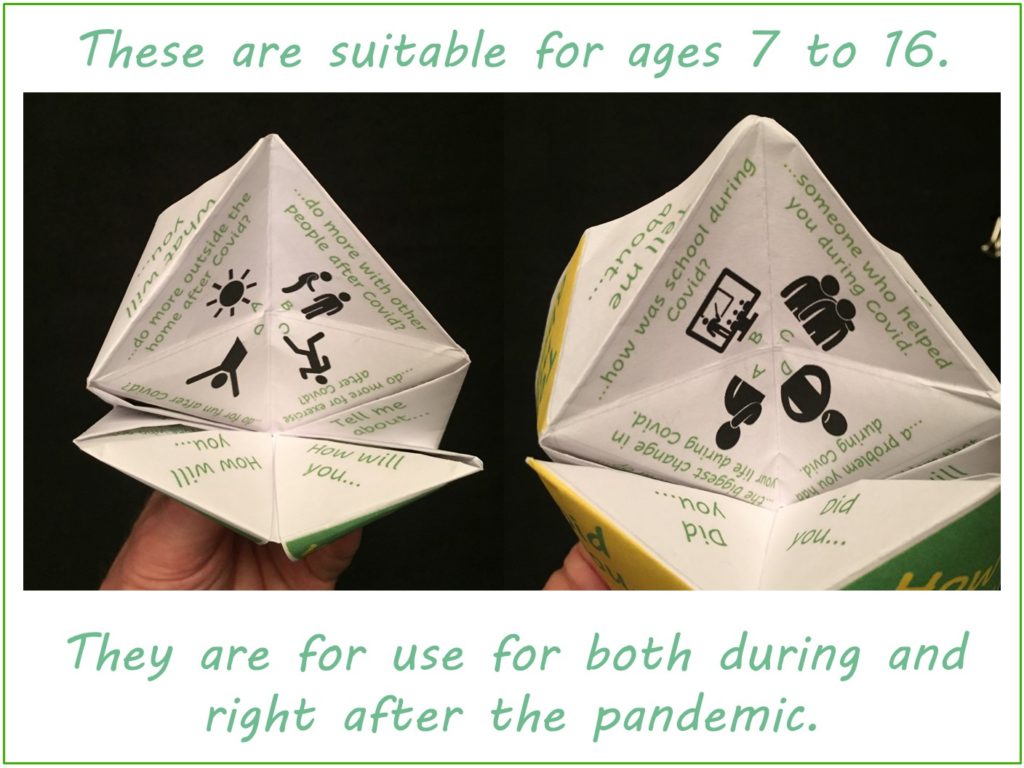
I have created many paper fortune tellers and over some years I have often found good uses for them in small groups, classrooms and individual therapy.
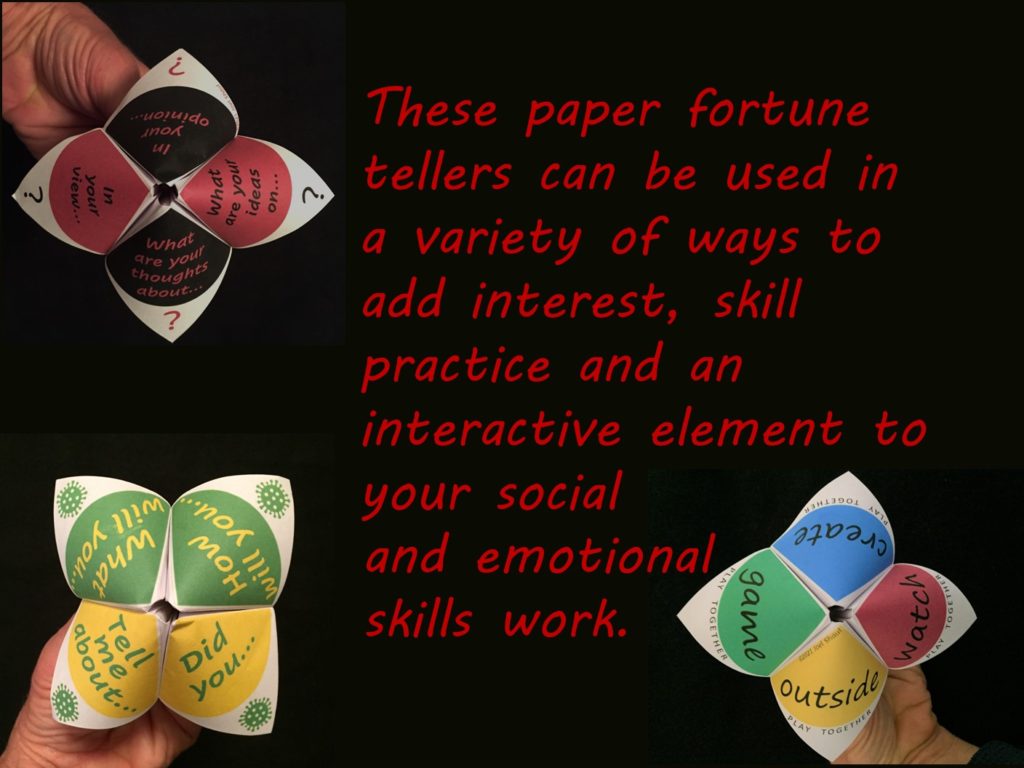
Paper fortune tellers can be used in a variety of ways to add interest, skill practice and an interactive element to your social and emotional skills work.
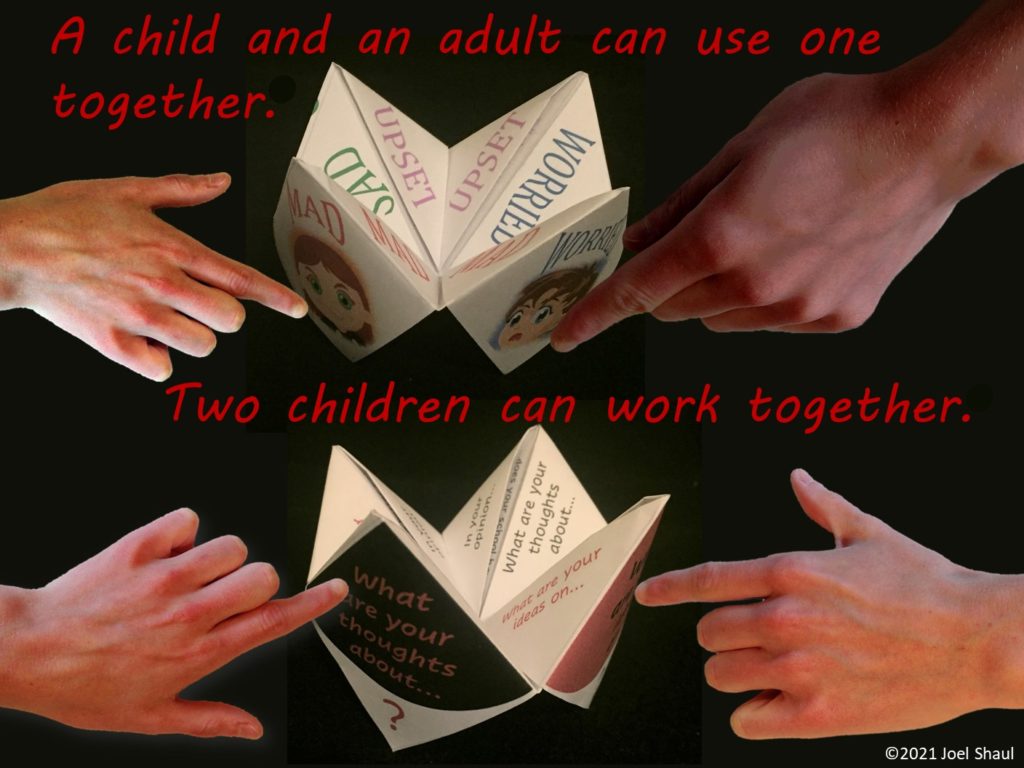
Two children can use one together. An adult and a child can use one together.
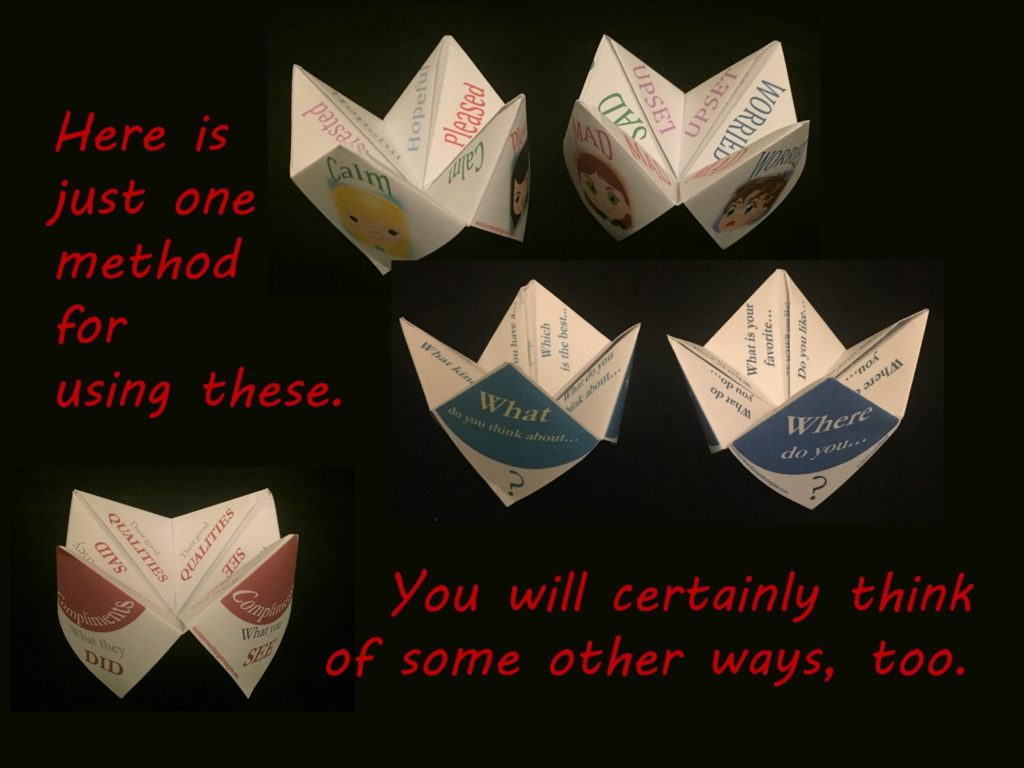
Here is one method for using these. You will certainly think of some other ways, too.
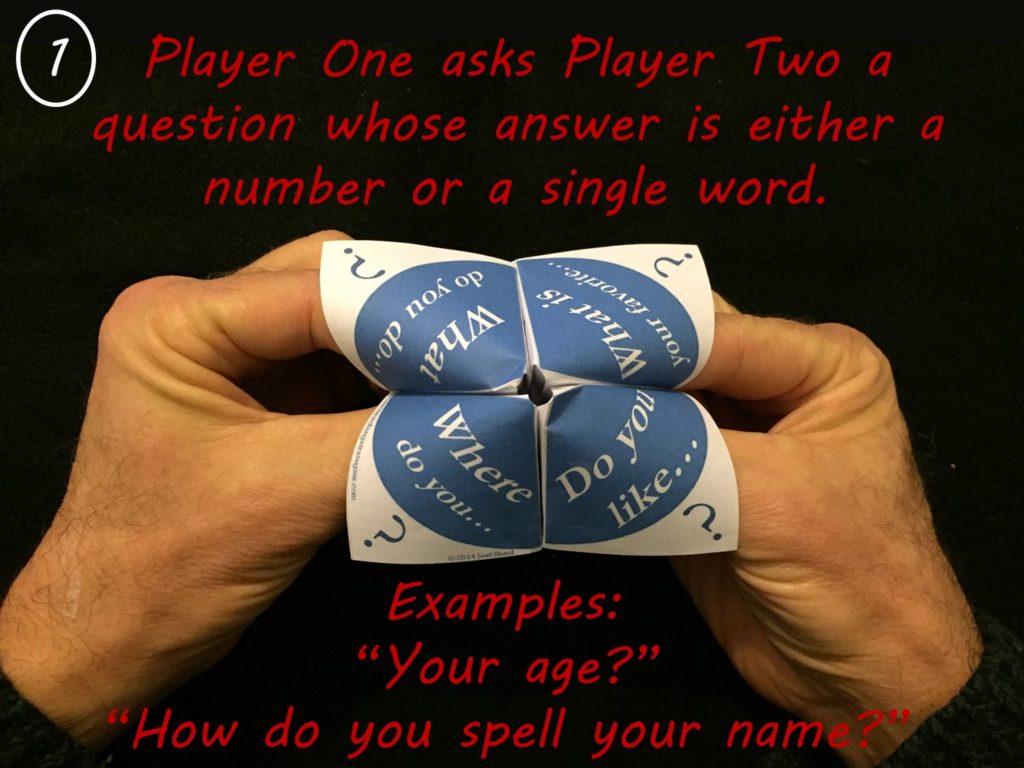
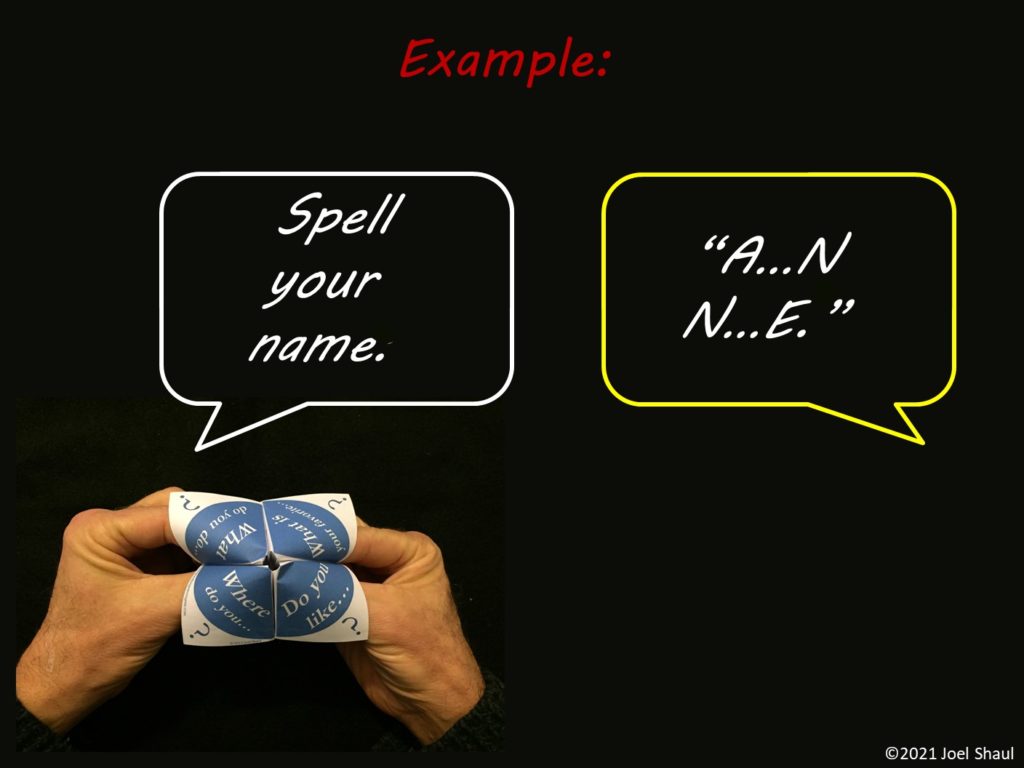
Step one: Player 1 asks player 2 a question whose answer is either a number or a single word. Examples: “What is your age?” “How do you spell your name?”
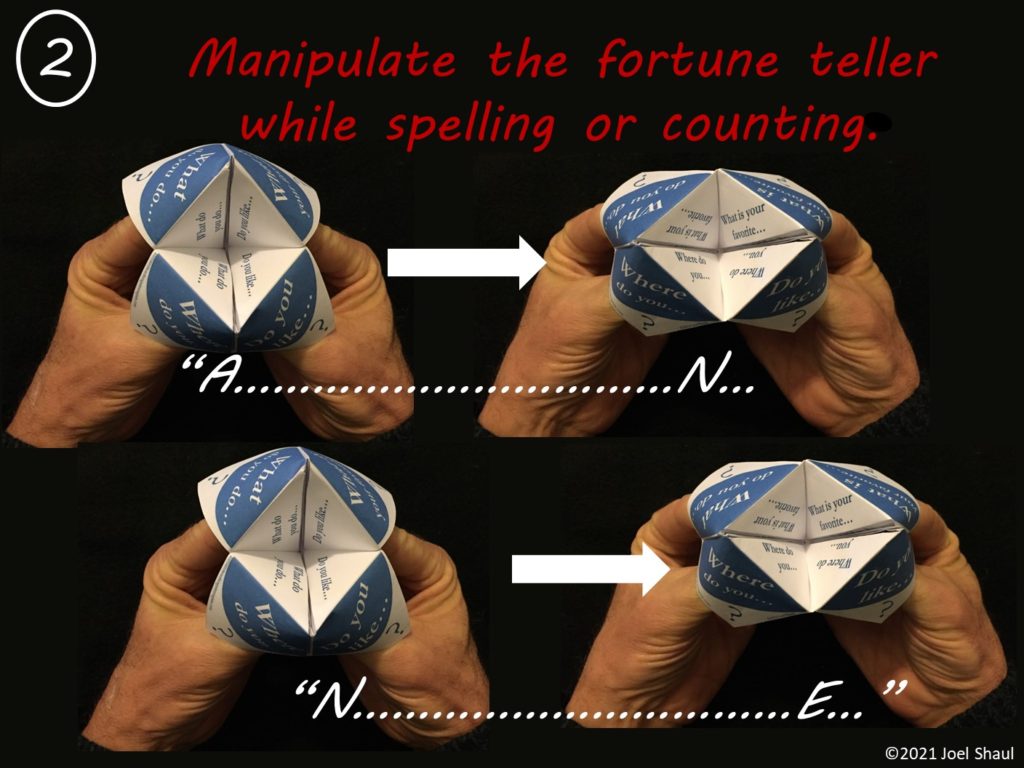
Then, manipulate the paper fortune teller while spelling or counting.
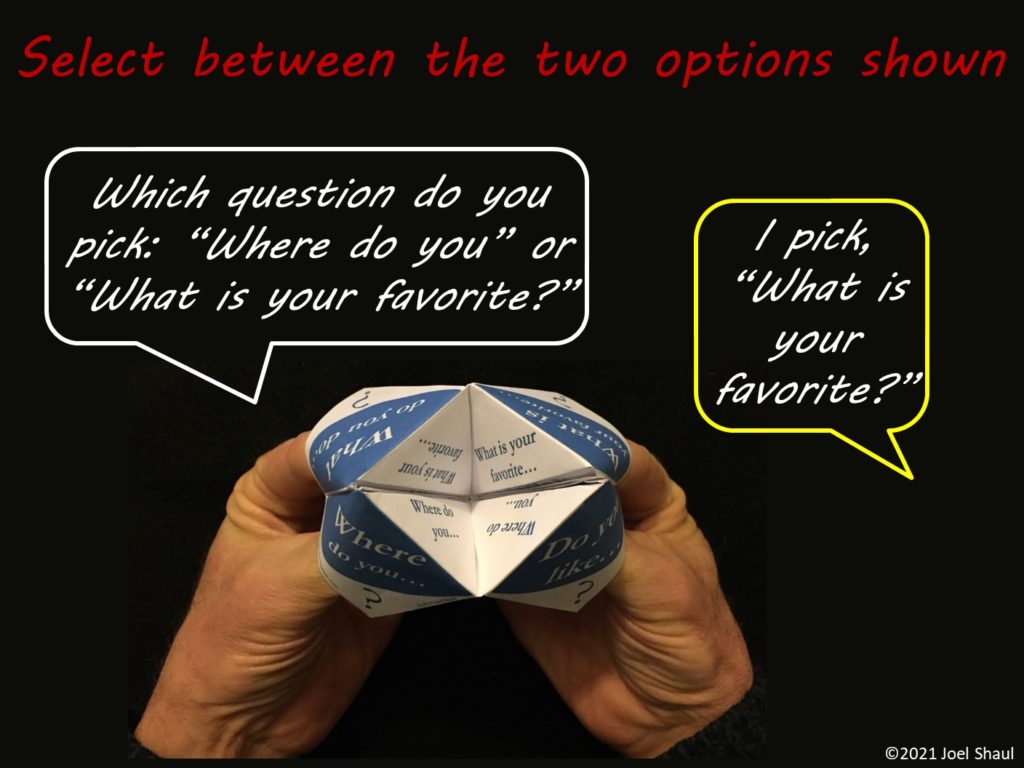
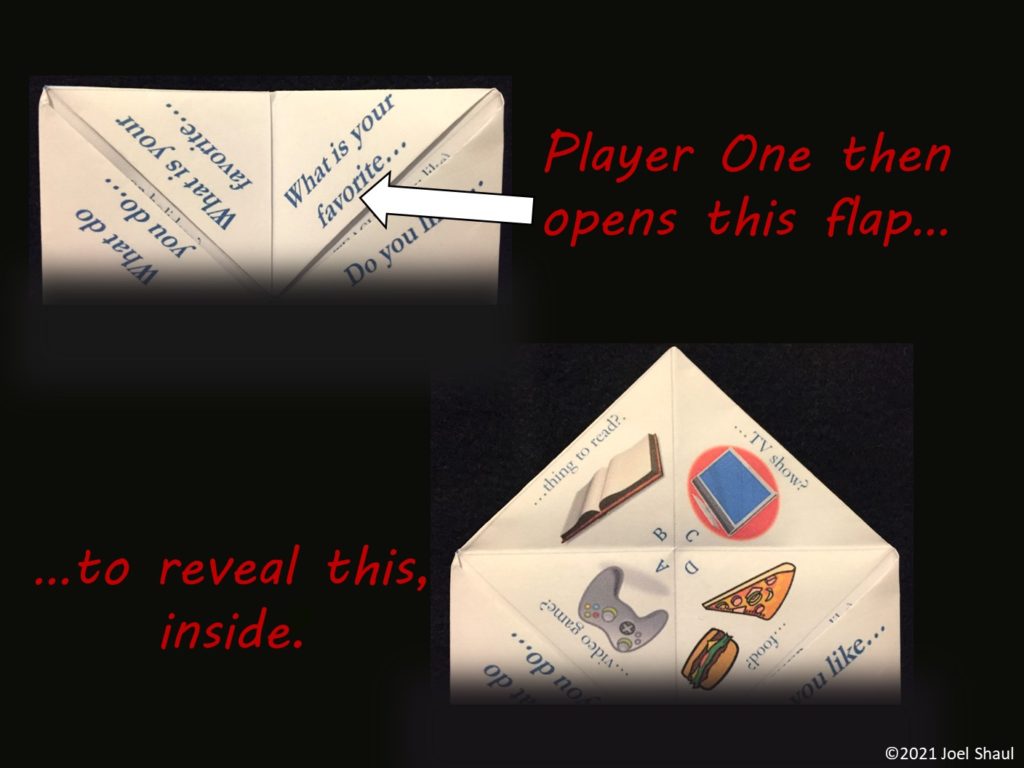
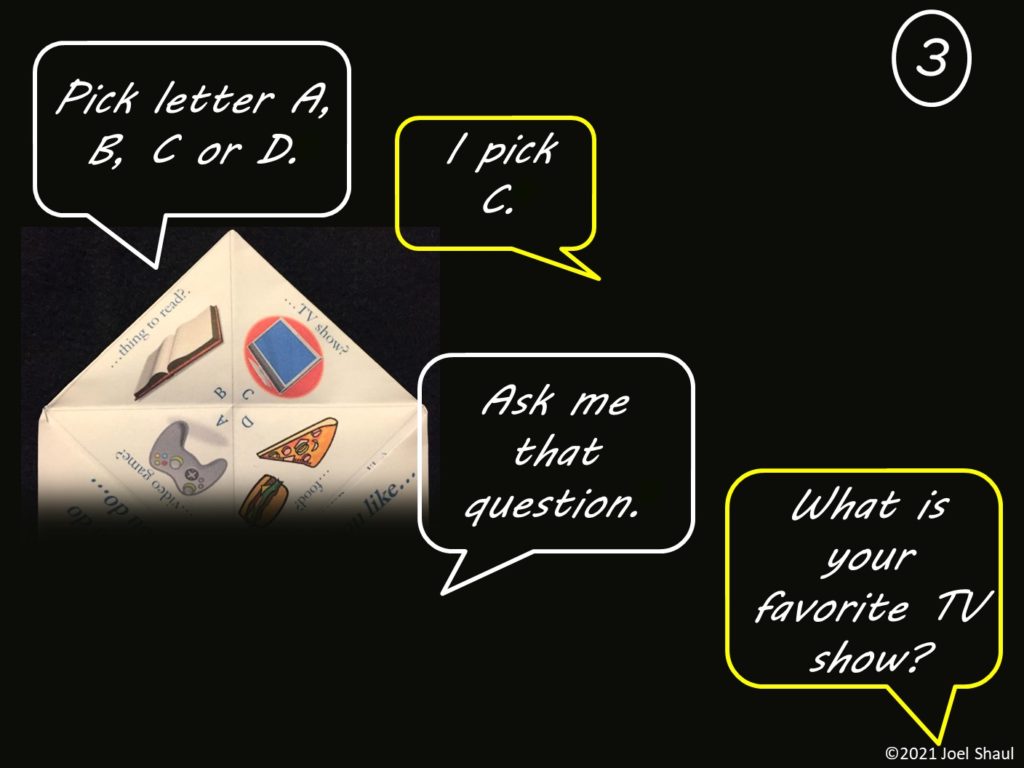
Say, “Which question do you pick: ‘Where do you…’ or ‘What is your favorite…?”
Always have two children use one paper fortune teller. If each child has their own, it enables solitary play instead of an interactive activity.
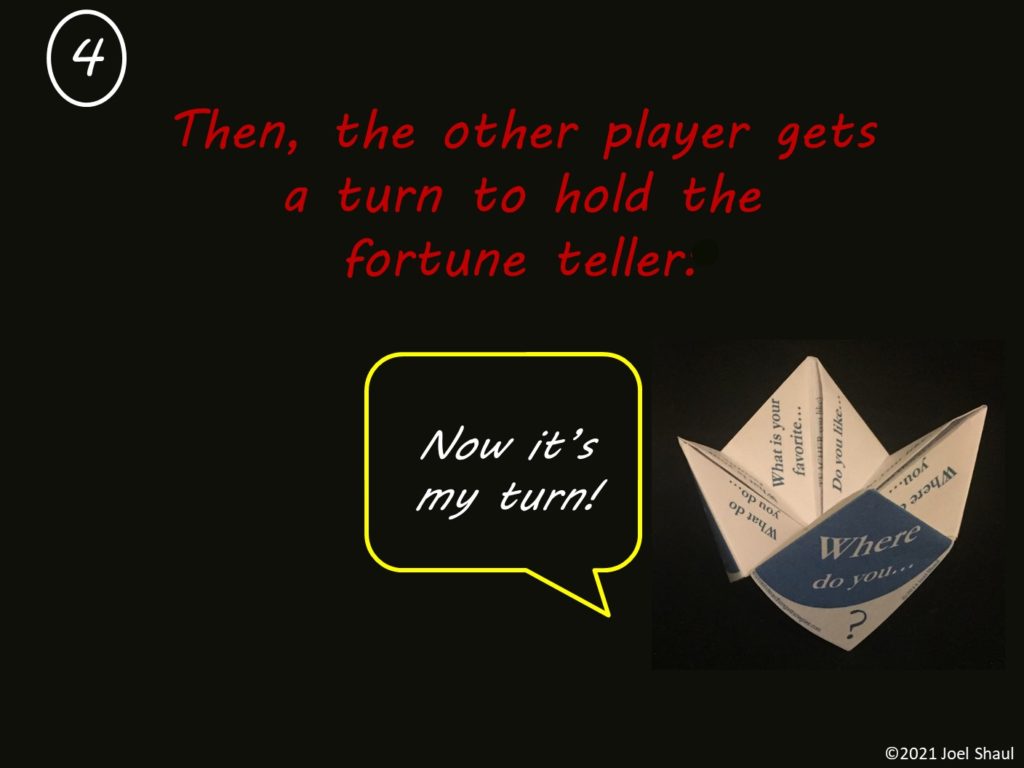
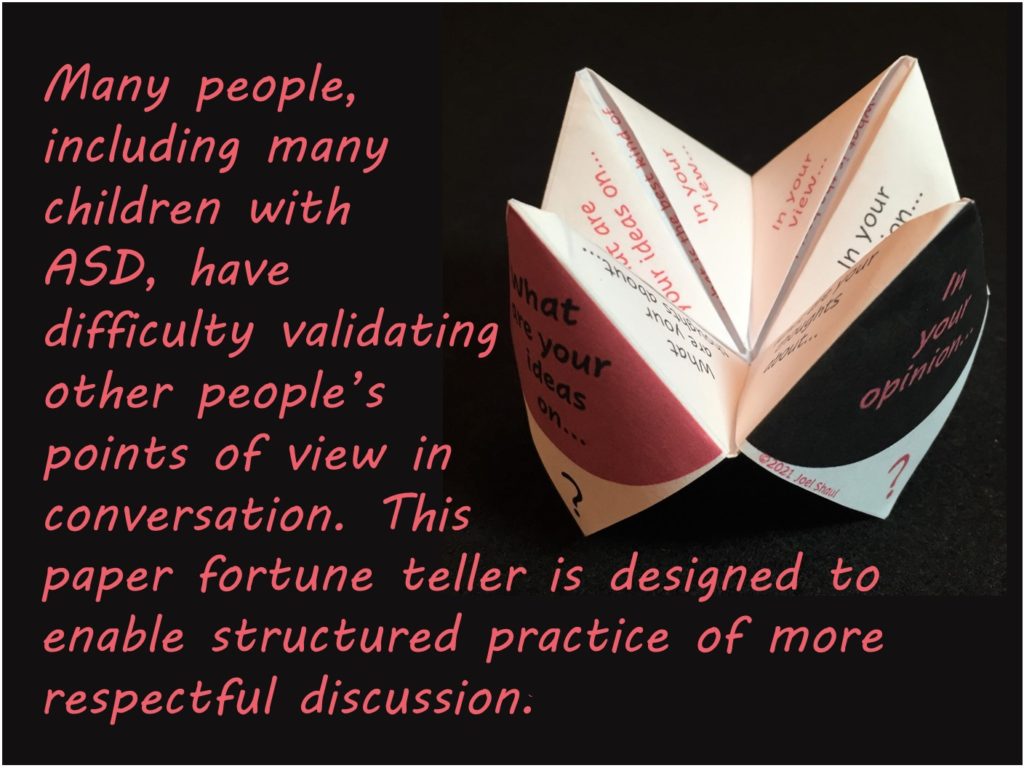
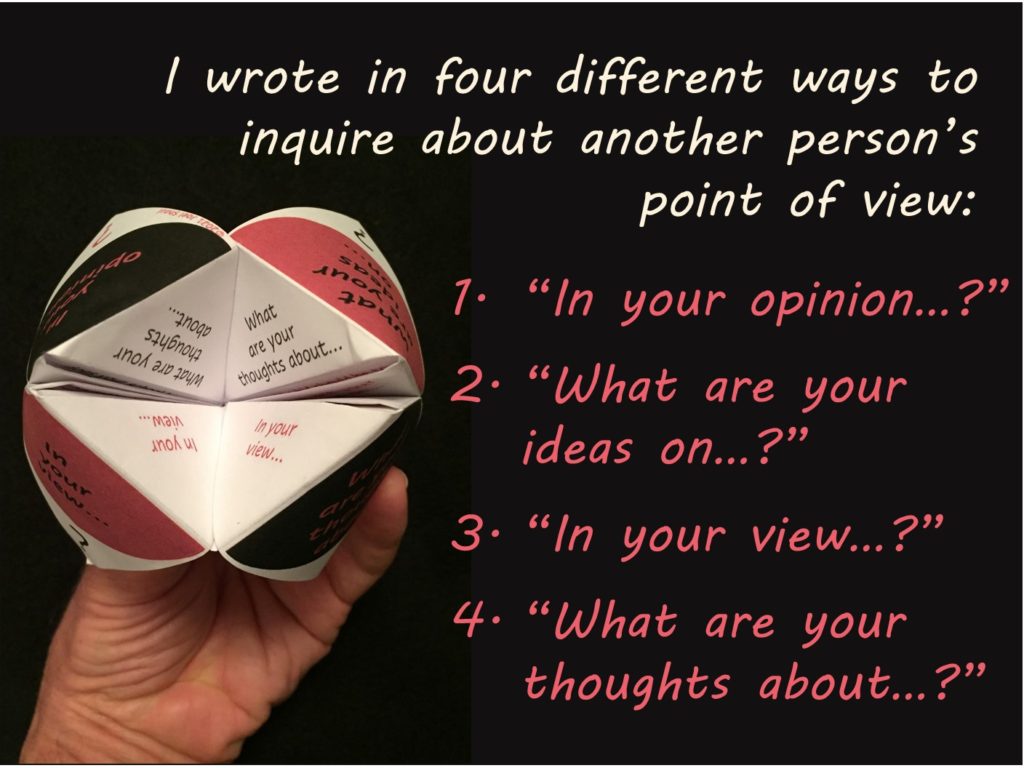
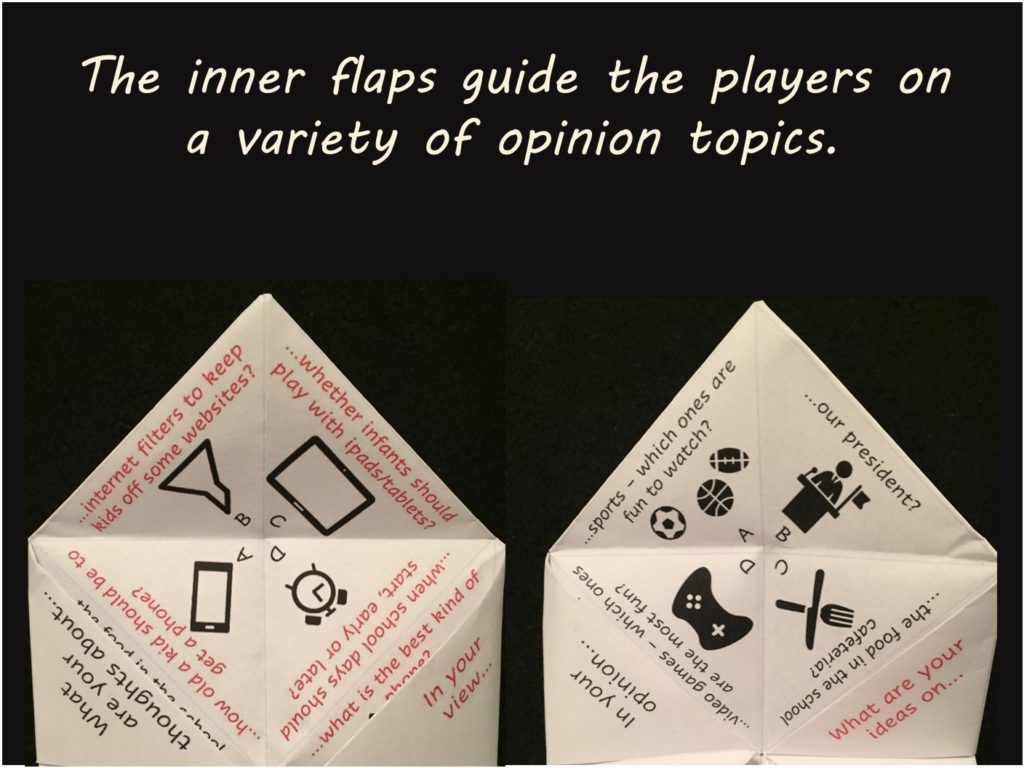
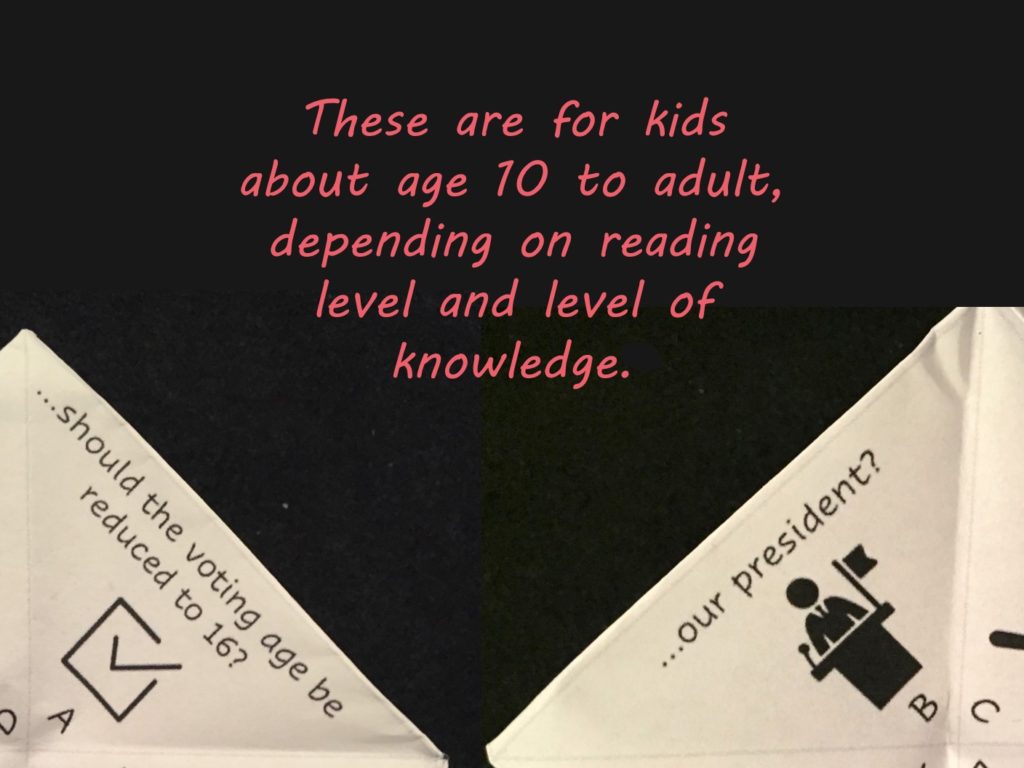
Children with autism may have a difficult time exploring other people’s opinions. Children on the spectrum might be preoccupied with their own established viewpoints, and in the rapid exchange of typical conversation, the contrasting point of view might catch them off guard. In my own work with kids on the spectrum, I have found it very useful to provide specific question language to employ when asking other people their opinions. And providing practice is essential. That’s why I developed this paper fortune teller. It’s useful for having two children, or the child and the helping adult, to take turns inquiring about the other person’s point of view. I used it fairly often in my work, and found it useful for children capable of reading the text on the paper fortune teller.
The following images walk you through how to introduce the paper fortune teller and use it with a child.
For the computer screen-based, teletherapy version of this resource,click HERE
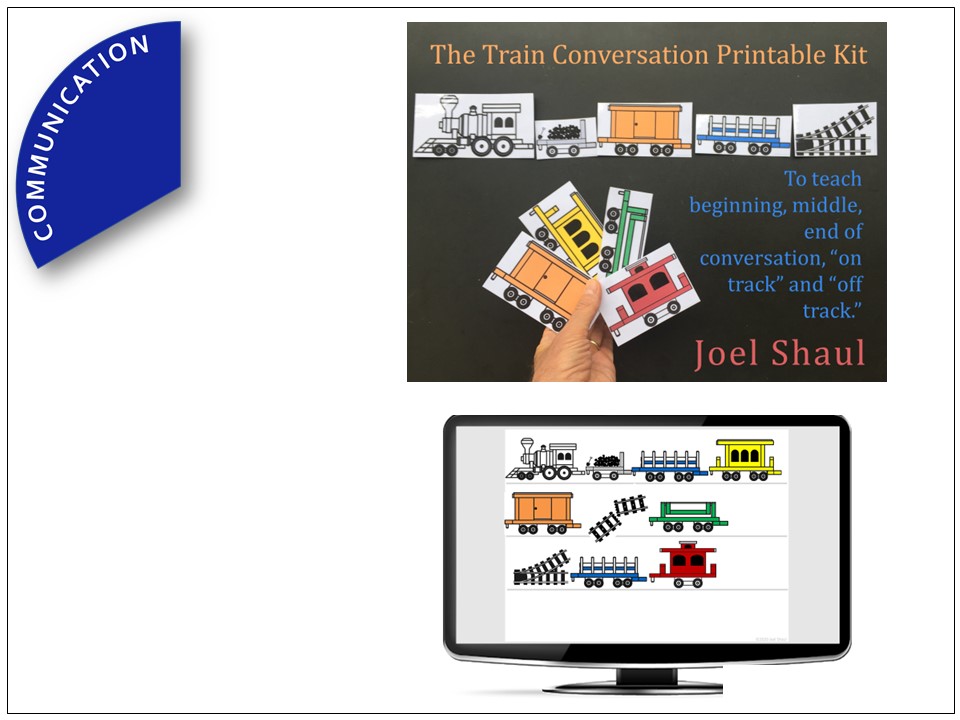
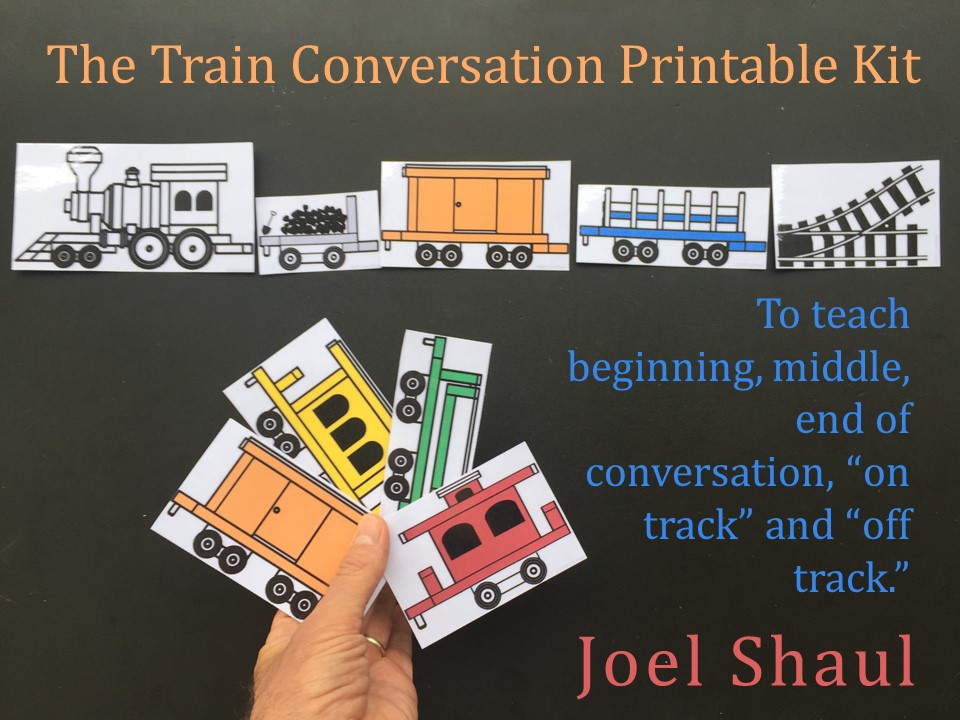
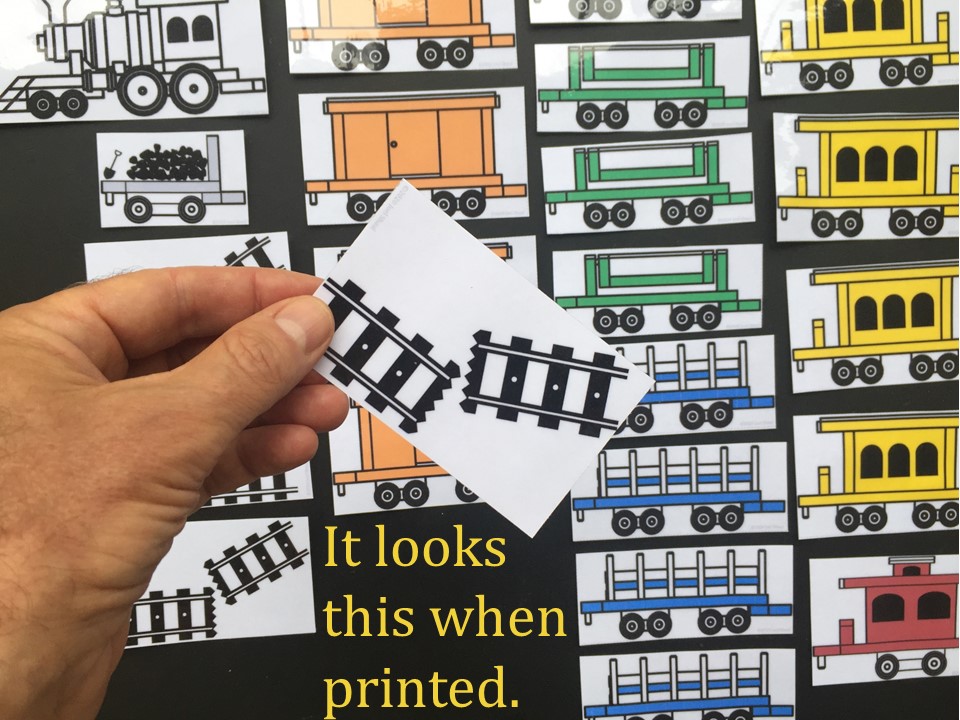
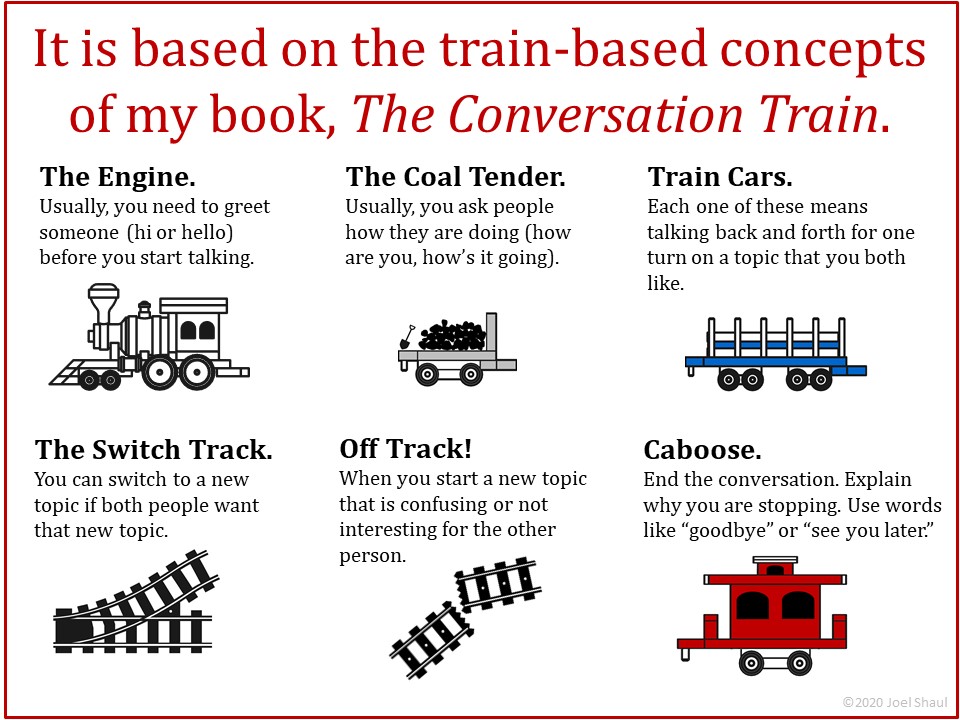
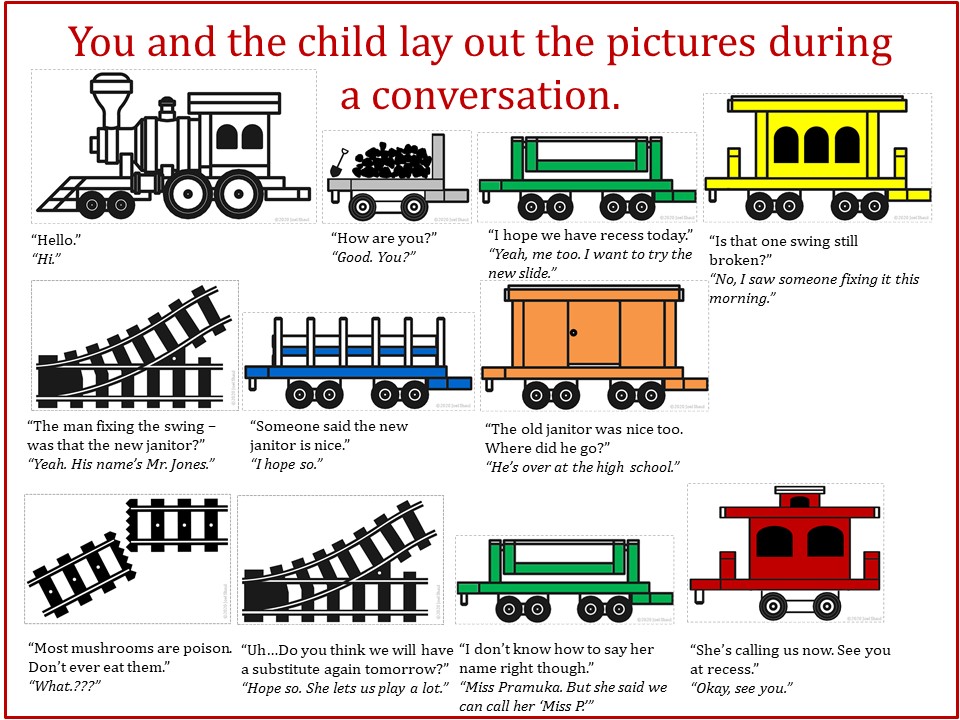
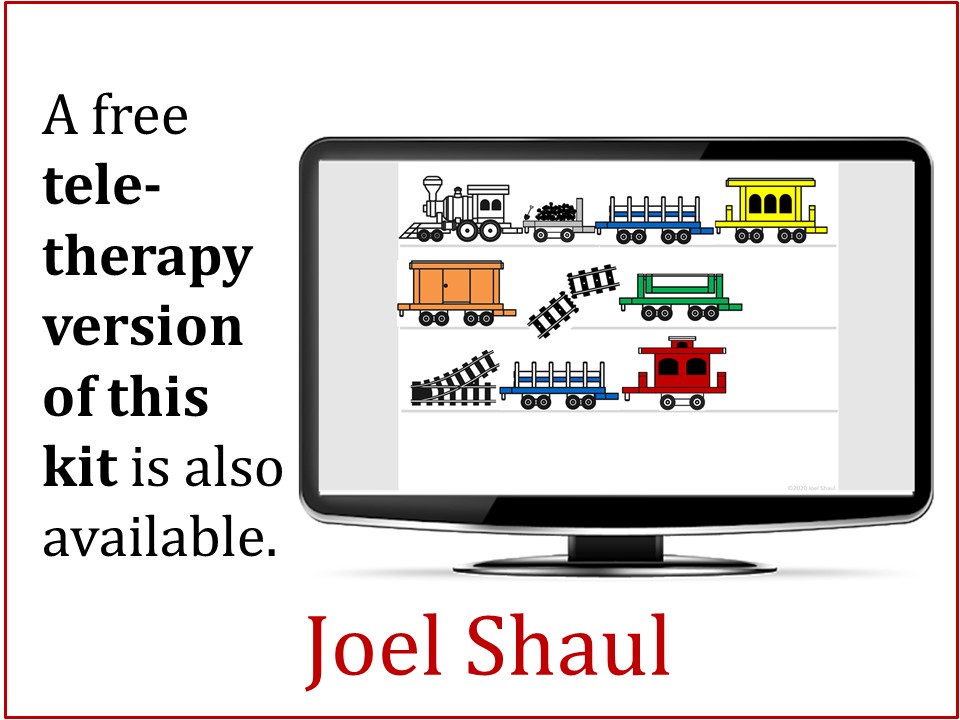
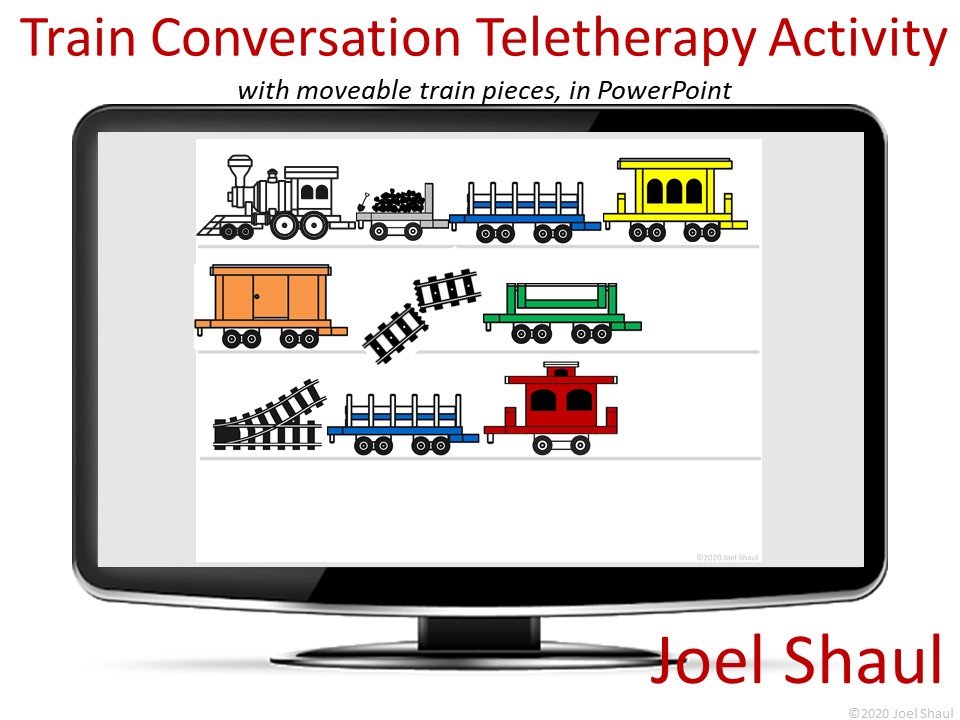
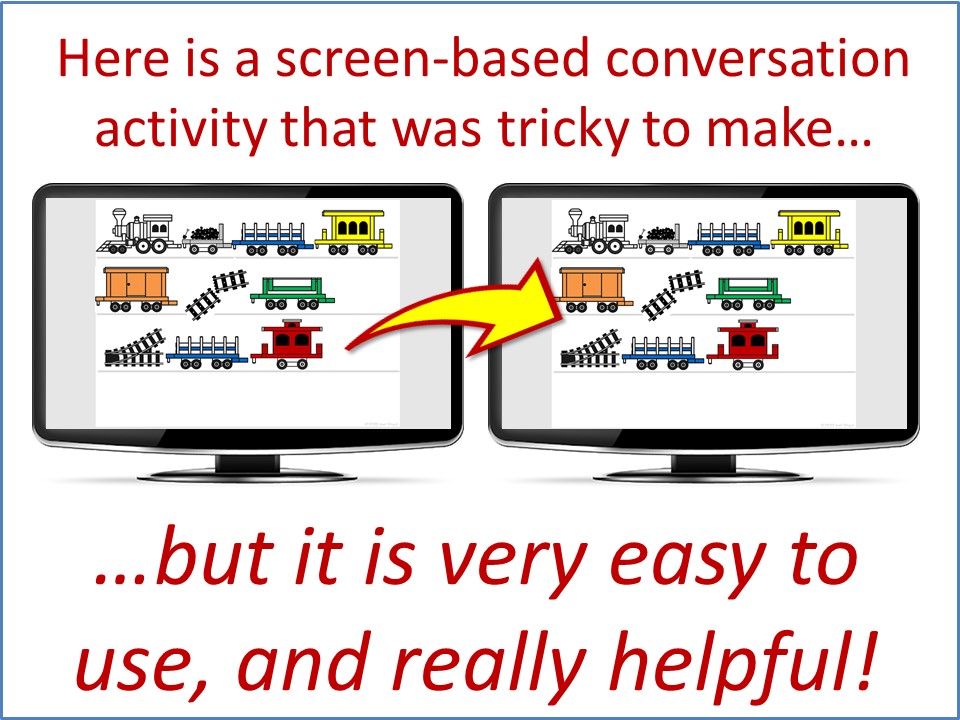
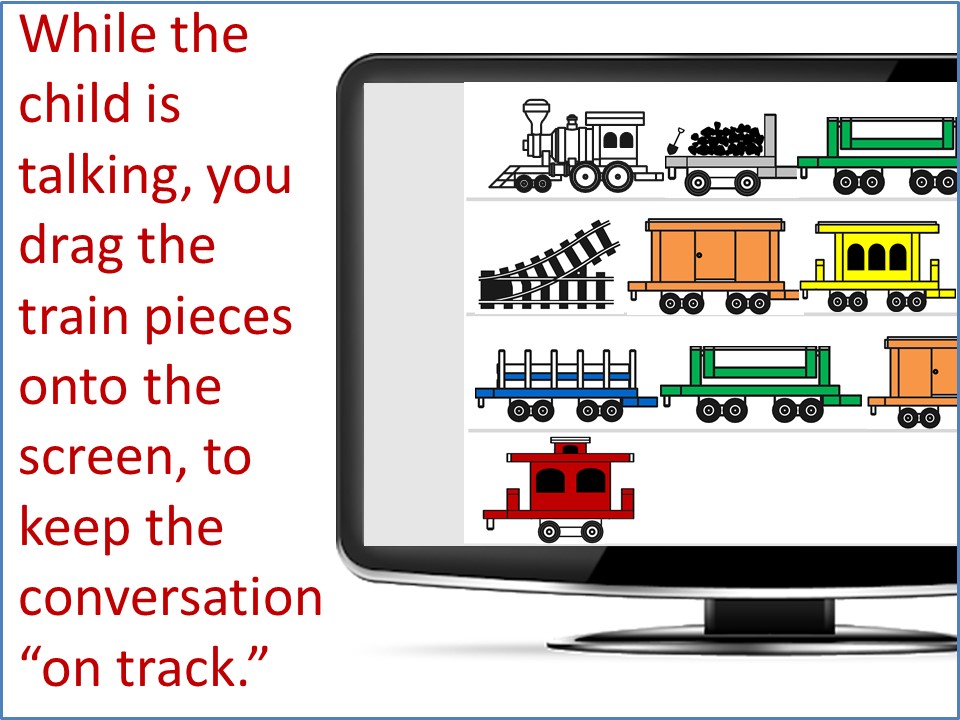
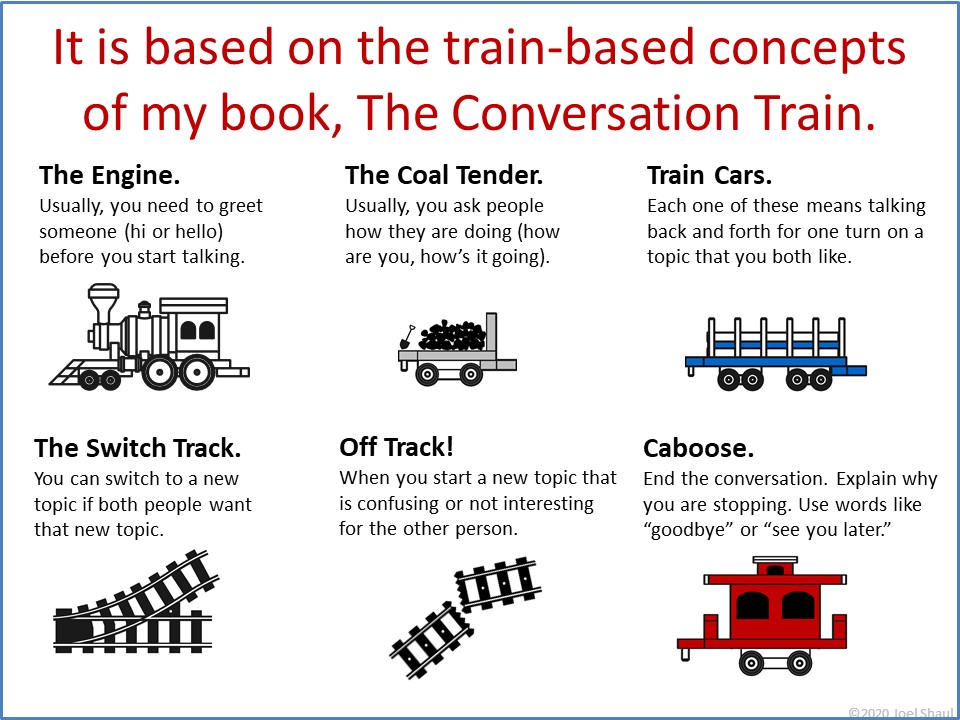
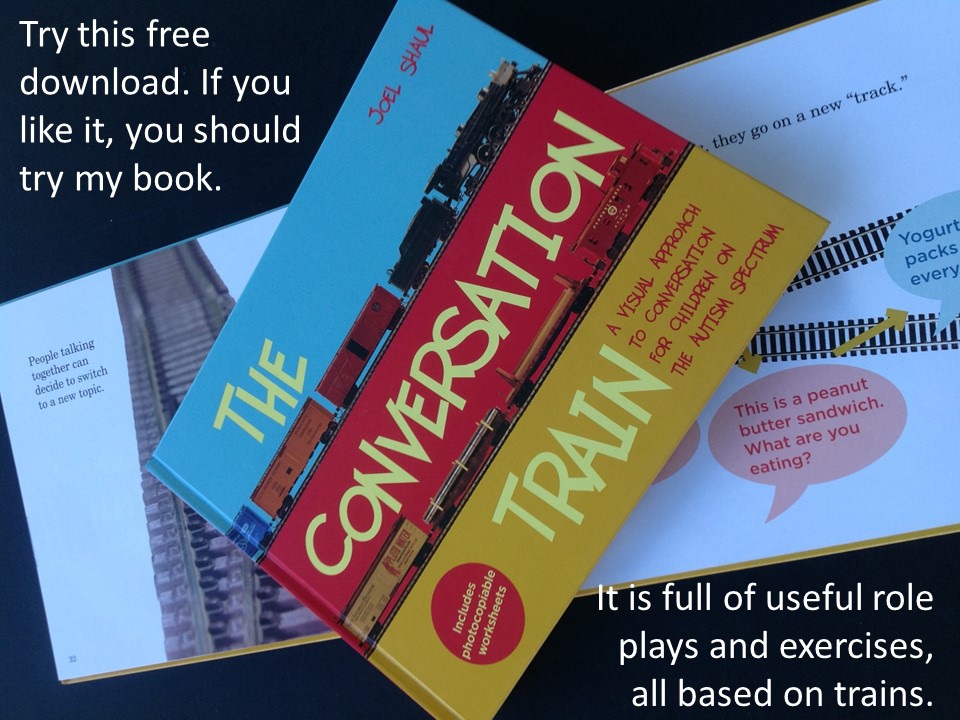
When helping young people with ASD to learn conventions of conversation such as greetings, goodbyes, topic coherence and how to avoid non-sequiturs, it really helps to employ hands-on methods to engage and sustain children’s interest. Using hand-held train pictures to practice “connected” conversation is a method I refined over many years in my own work with children on the spectrum. This downloadable kit might become a useful addition to your repertoire of methods for teaching conversation pragmatics.
Related social communication resources to use in combination with the Train Conversation Kit:
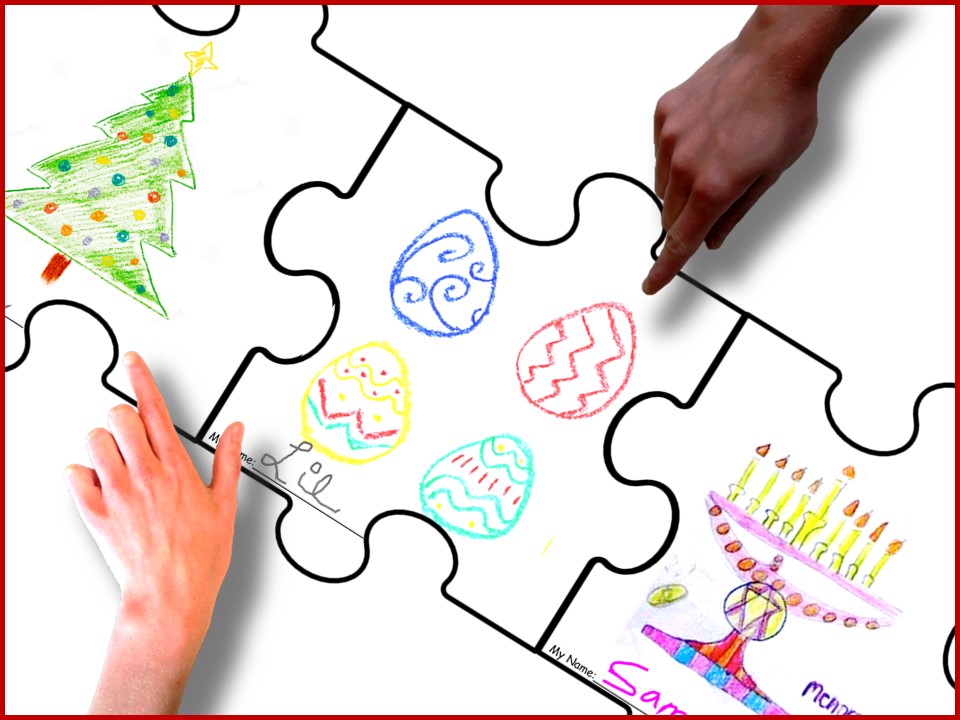
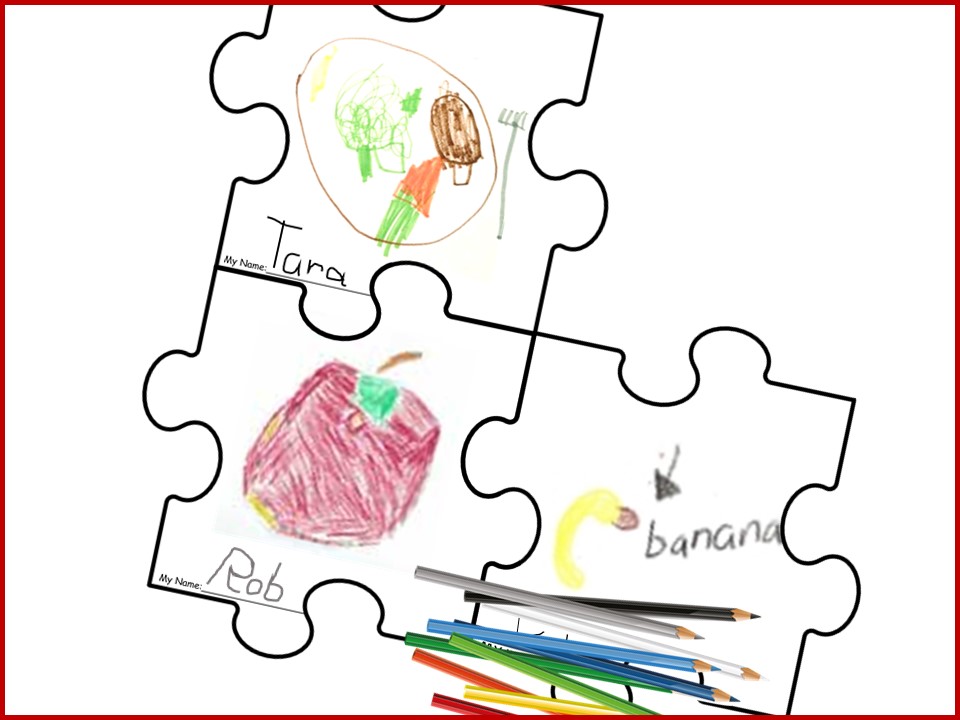
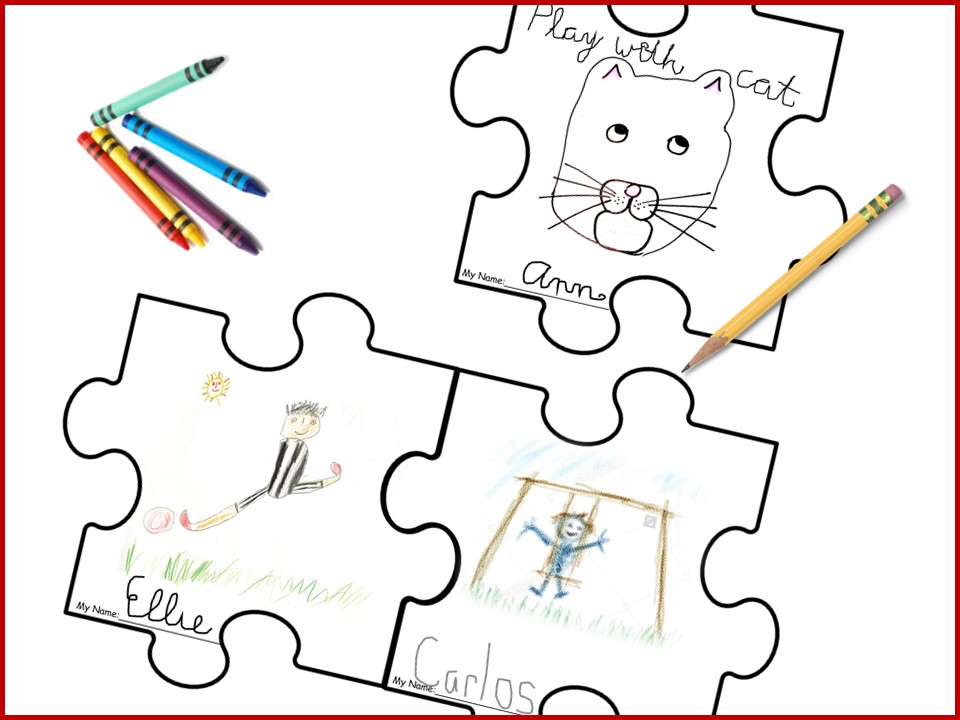
In this engaging set of activities, children explore how they all “fit together” as a group or a class even though they are all different.
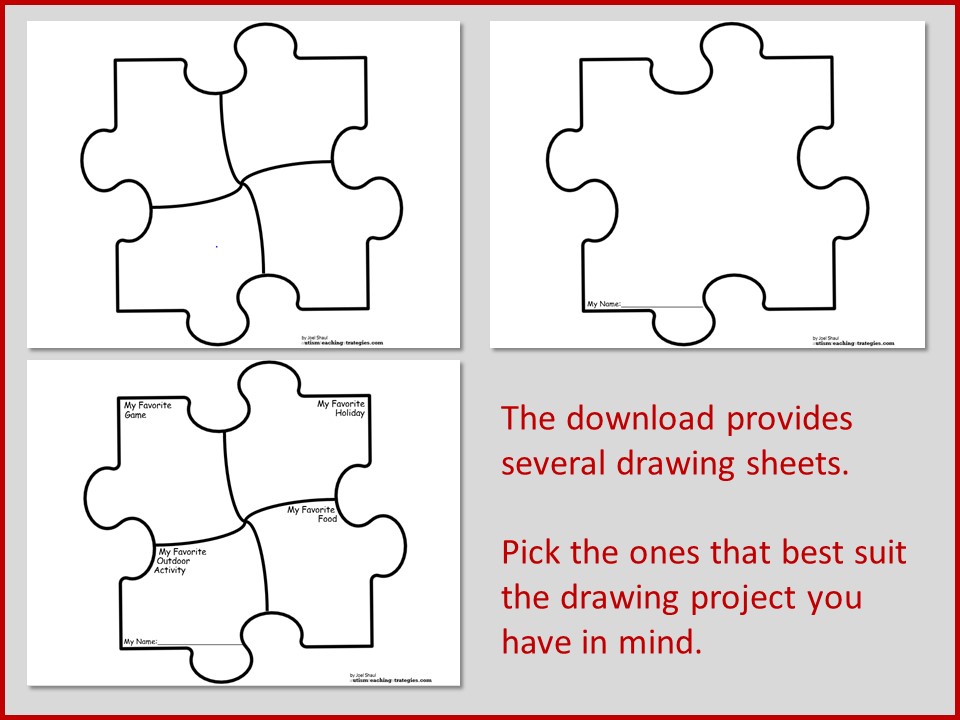
The download provides a variety of puzzle sheets. You can either cut them out, or not, depending on how much prep time you have.
The completed, cut-out puzzle pieces can be fitted together by the children on the floor or on the wall. It also makes an attractive and meaningful wall display.
You can introduce the activity using words something like this:
“When we are part of a group, we have to learn how we all fit together. Fitting together well means knowing how you are like the other people and how you are different from them.”
I hope you enjoy this social skills activity for children with (and without) autism.
To download the PowerPoint, find the link at the top of this post.
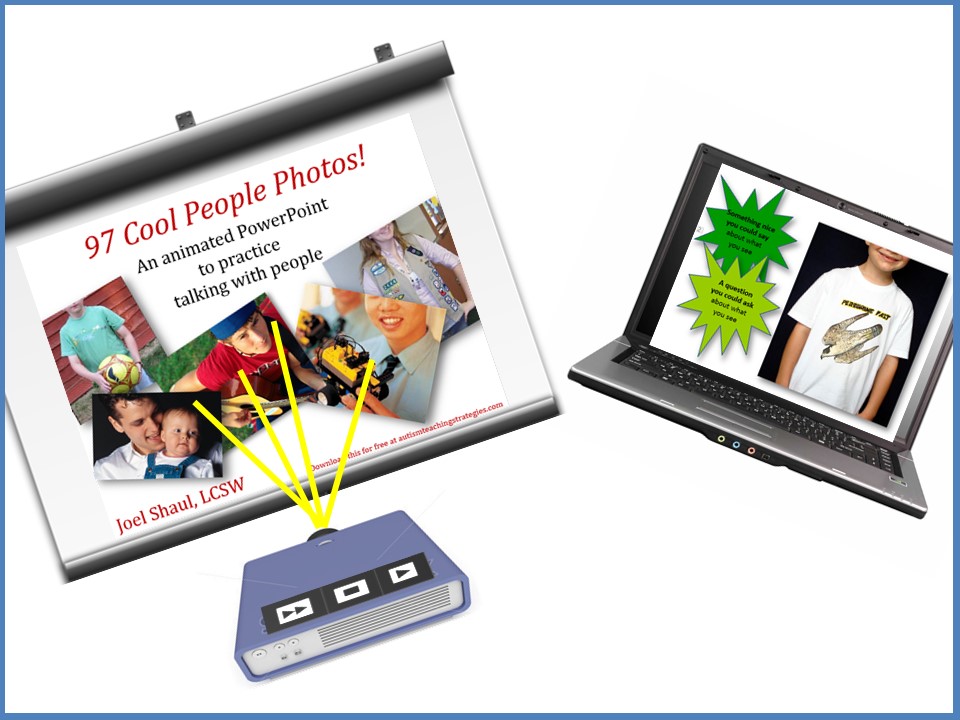
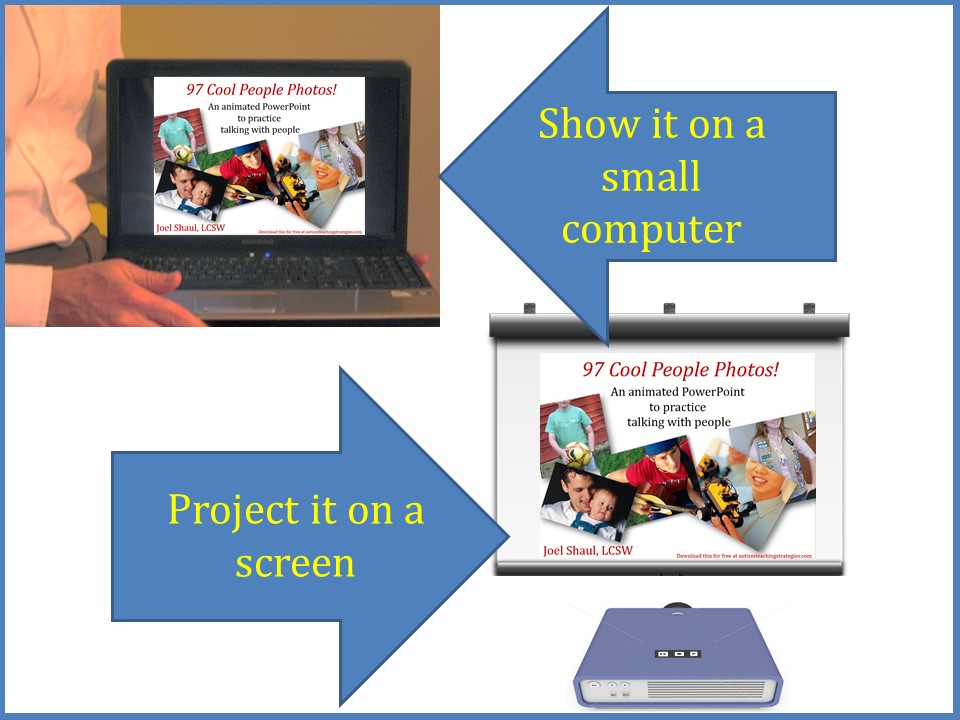
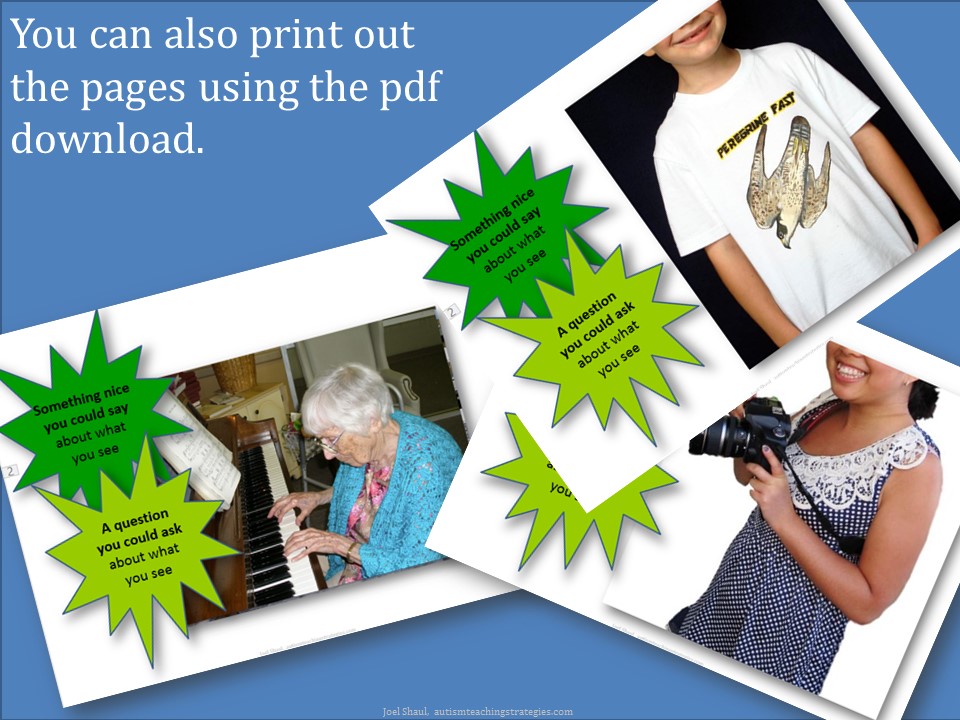
A conversation starter photo kit to project, use on a laptop, use in your tablet in PDF, or print out
Children with autism spectrum disorders usually face enormous difficulties figuring out what to say in diverse social situations. When we are helping such children in counseling, speech sessions and in the classroom, we need to provide them with engaging activities to explore what other people are up to, what other people are thinking, and how to begin conversations based on other people’s interests and circumstances.
Over a period of years I put together a 100 diverse photos that work well for conversation practice. Children really love looking at the pictures and trying to think of something to say.
I put a lot of interesting animated features into this… anything to keep kids engaged in work that is very challenging for them.
Suggestions for using this kit:
1. It works well if you, the adult, act out the role of the person in each slide. The child then talks to you while you stay in character.
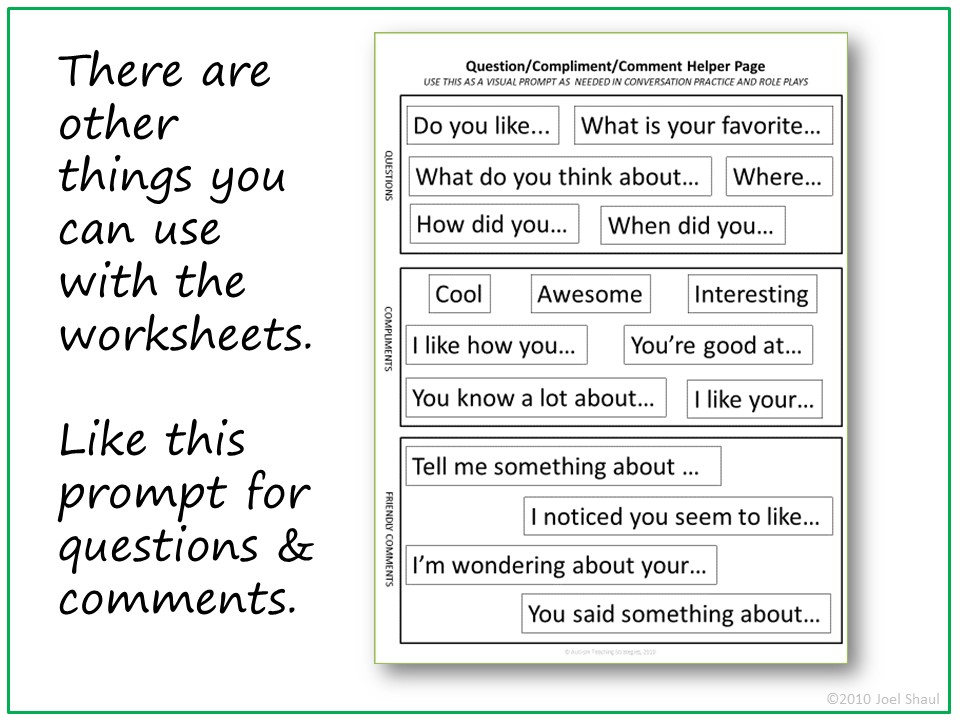
2. For children who read, print out the Question/Compliment/Comment Page (next slide) for each child to use as a reference for words and phrases.
3. It helps enormously if you give out any kind of tokens while you are going through the various scenarios. Here is some cool play money I made.
I hope that you enjoy this social skills activity for children on the autism spectrum. I enjoyed creating it.
Joel Shaul, LCSW
*Don’t miss these other free social skills games, worksheets, speech activities and teaching / therapy aids for helping kids with autism:
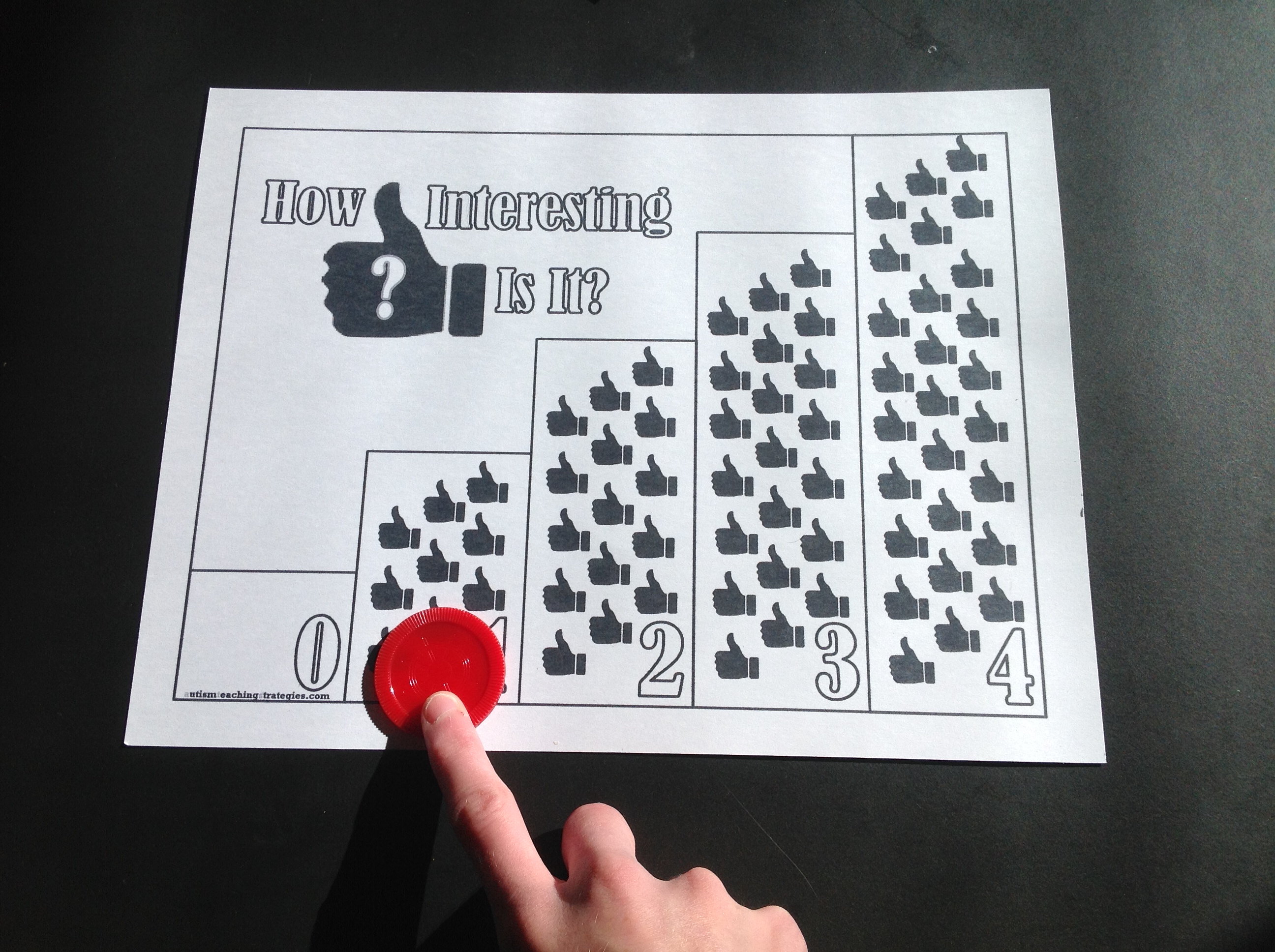
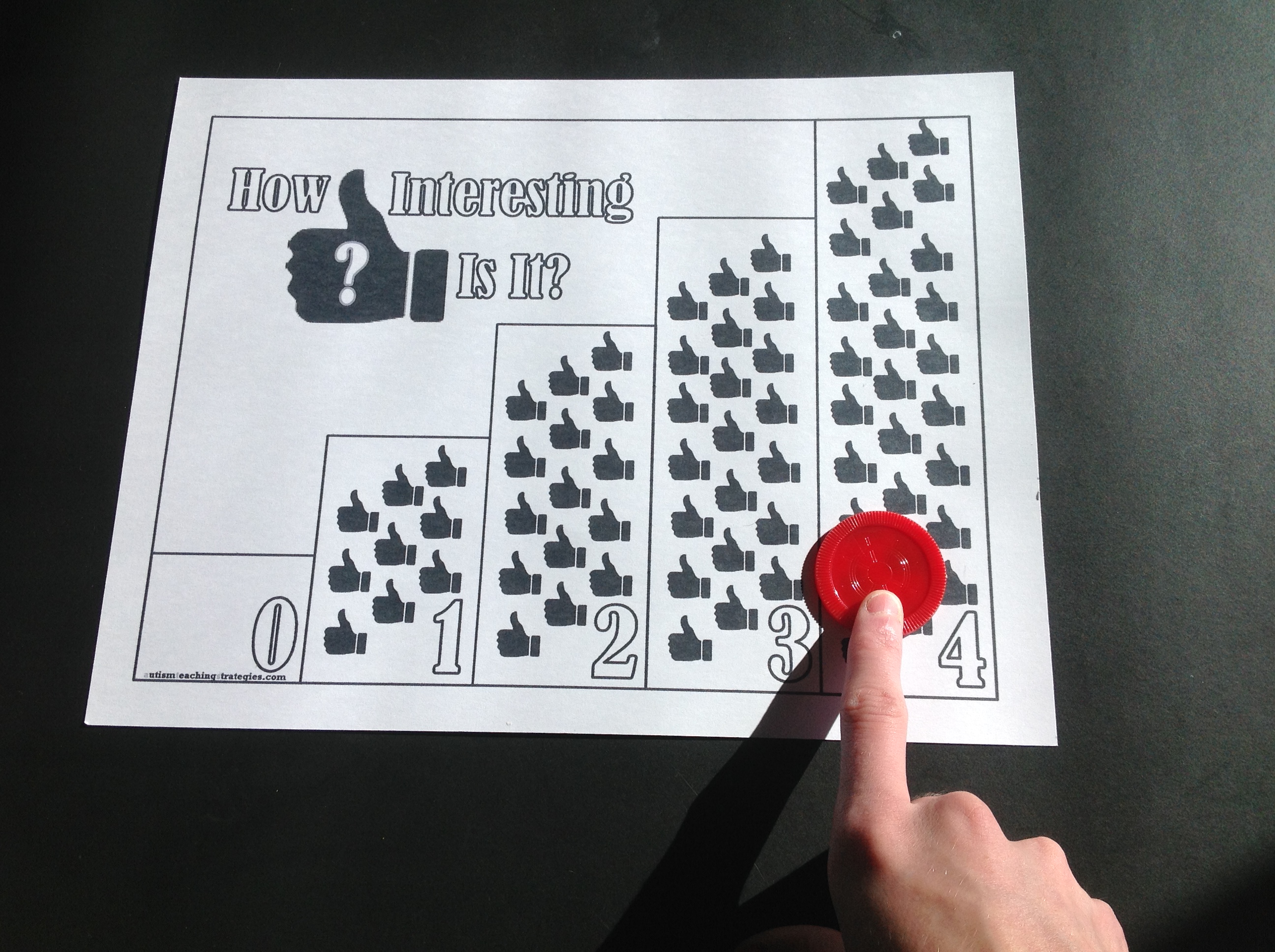
Here is part of the How Interesting Is It? kit. The child moves the chip from one category to the next based on his assessment of how interesting a topic is to another person.
A set of social skills learning materials to help teach what conversation topics tend to score “likes” with peers
Children with autism spectrum disorders can find it very difficult to know what to say to their peers. Children with ASD tend to fall back on their own preferred topics.
Here are some activities to increase awareness of various things that other people find interesting to talk about. The activities employ the thumbs-up “like” symbol, which is very familiar to most children as an indicator of what pleases another person.
This kit includes:
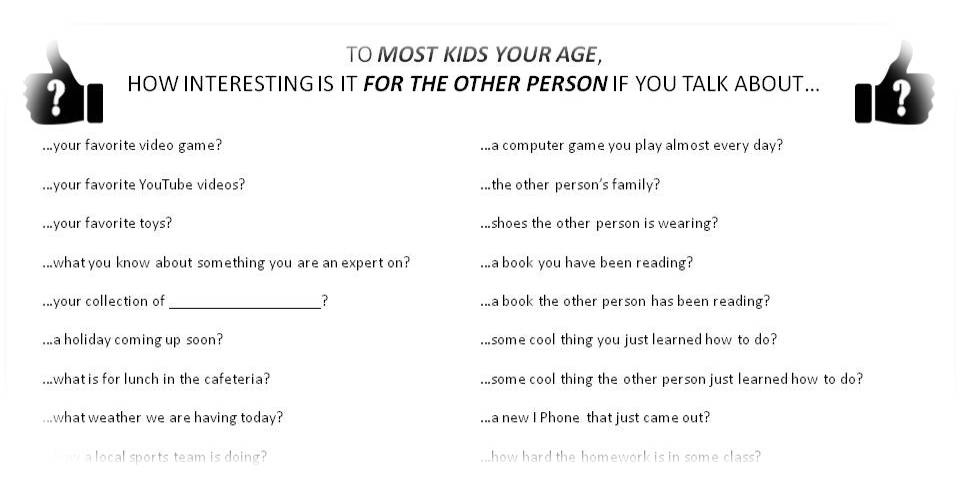
1. How Interesting Is It? topic list [fragment shown below].
This is a list of ninety different conversation topics. You read them out loud to children so they can rate how interesting they are.
2. How Interesting Is It? rating sheet [shown below].
Children move a chip between 0 and 4 based on how interesting they think a particular conversation topic might be for another person.
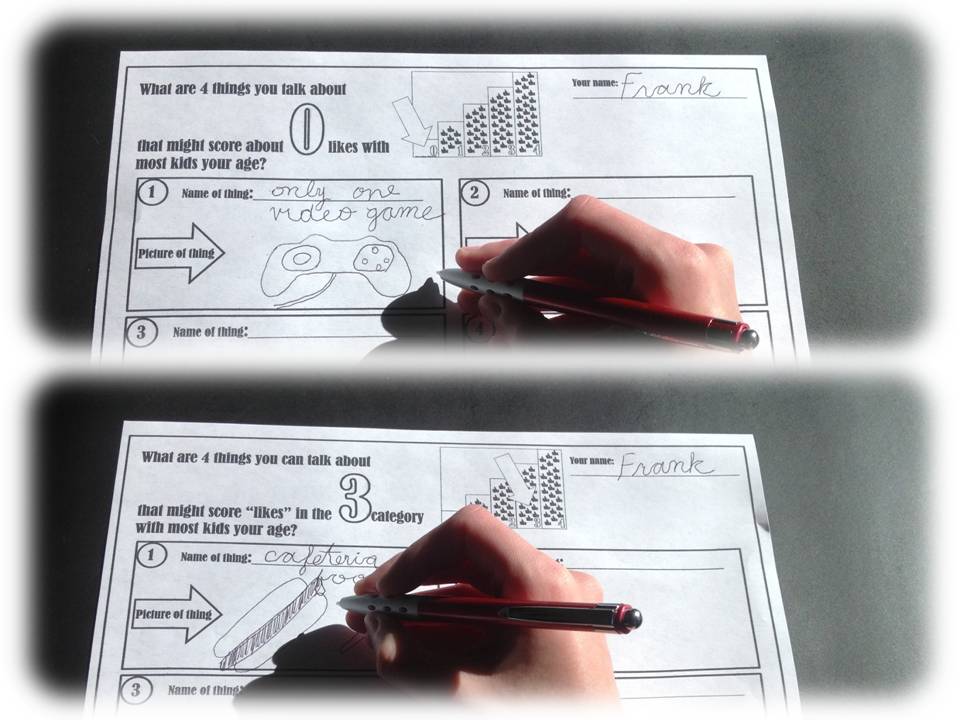
3. How Interesting Is It? picture worksheets [examples shown below]
This set of five worksheets is to help children who need more practice.
Some suggested language to use when introducing these activities:
“Who has ever seen the ‘like’ icon on Facebook or other places online? What does it mean? It means someone likes something that they see or hear online. Some things online get lots of ‘likes’. Some get few, or none.
When you are talking to other people, you might also be scoring ‘likes’ – in their minds. Or you might not be scoring ‘likes’ at all. When you are ‘interesting,’ it is something like scoring ‘likes’. When you are not interesting, or boring, you are not scoring ‘likes’.
You can get much better at scoring ‘likes’ in conversation by paying close attention to what you are saying and what the other person might find to be interesting. Your own words might seem really interesting to your own ears. Maybe the other person will like your words too. But, depending on the topic and what the other person finds interesting, your words might not score any ‘likes’ at all.
Here are some activities to help you get better at scoring ‘likes’ when you talk.
1. How Interesting Is It? rating sheet. I will read you a number of different conversation topics. For each one, you have to take a guess on how interesting, on a scale of 0 to 4, it might be to the other person. Place your chip on the number that you think shows how interesting it is to the other person, not you. [Note to teacher: alter the wording as you read through the list, to clarify and specify as you see fit.]
2. How Interesting Is It? picture worksheets. For the Zero sheet, pick out some things from the list that might be uninteresting to most kids – or things that you think of yourself. Write them down on the sheet and draw small pictures. For the 1, 2, 3 and 4 sheets, write and draw things that kids your age might find more interesting.”
Note to teacher/therapist: These activities work best when you add role play practice. Select a number of topics that would rate a 3 or 4 with most children. You play the role of the other child in the conversation. Then, assign the children to converse with you on these selected topics.
I hope you find these materials enjoyable and useful.
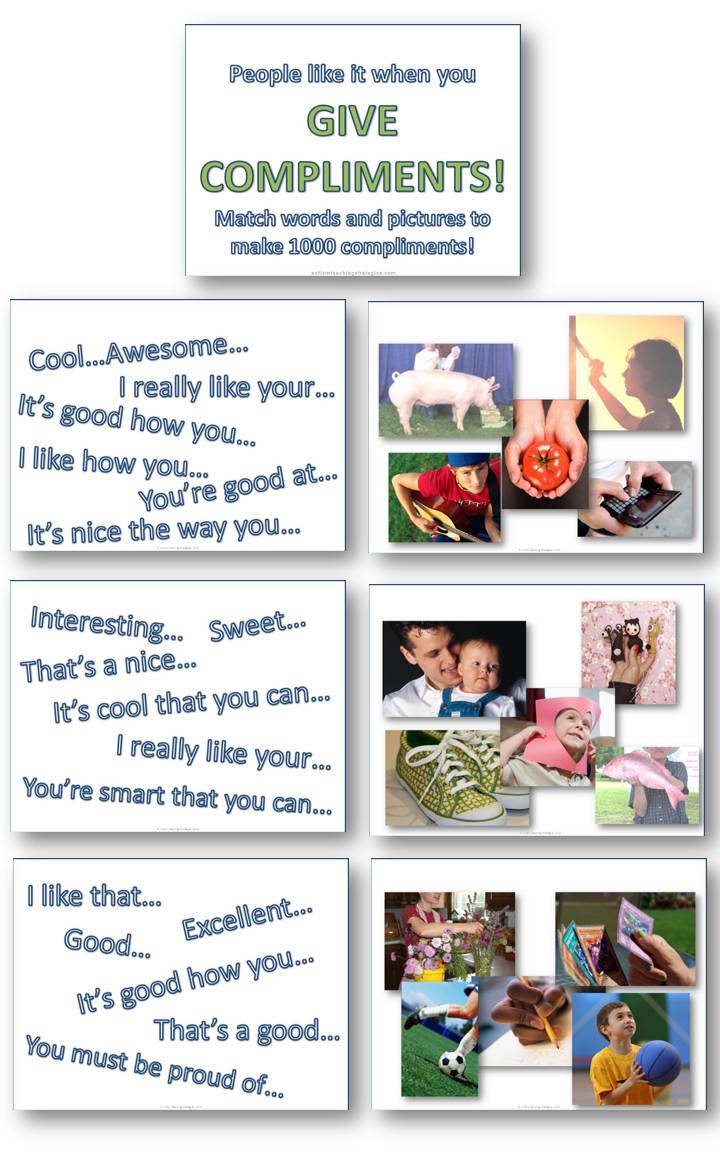
Kids on the autism spectrum often do not give and receive compliments in accordance with social expectation. They might like something someone said, or something someone did, but they often fail to follow up with a positive, validating statement. Or, instead of saying nothing, children with ASD might make blunt declarations of opinion. Kids with Asperger’s and other autism spectrum disorders can get so much better at giving compliments when they are taught in an engaging manner with engaging visuals.
Suggestions for using the compliment prompt panels:
1. Have the kid(s) point from the word portion to the picture portion while you give compliments according to their directions.
2. You point from words to picture and the kids create compliments.
3. Follow up with having the kids offer compliments to others in the room. Coach the proper “thank you” response.
4. Explore with the kids when and how they can give compliments in various settings. Create simple thought bubble drawings to increase awareness of how others might feel when they receive compliments.
Joel Shaul, LCSW
Here are some other free resources to help children with autism to learn giving compliments.