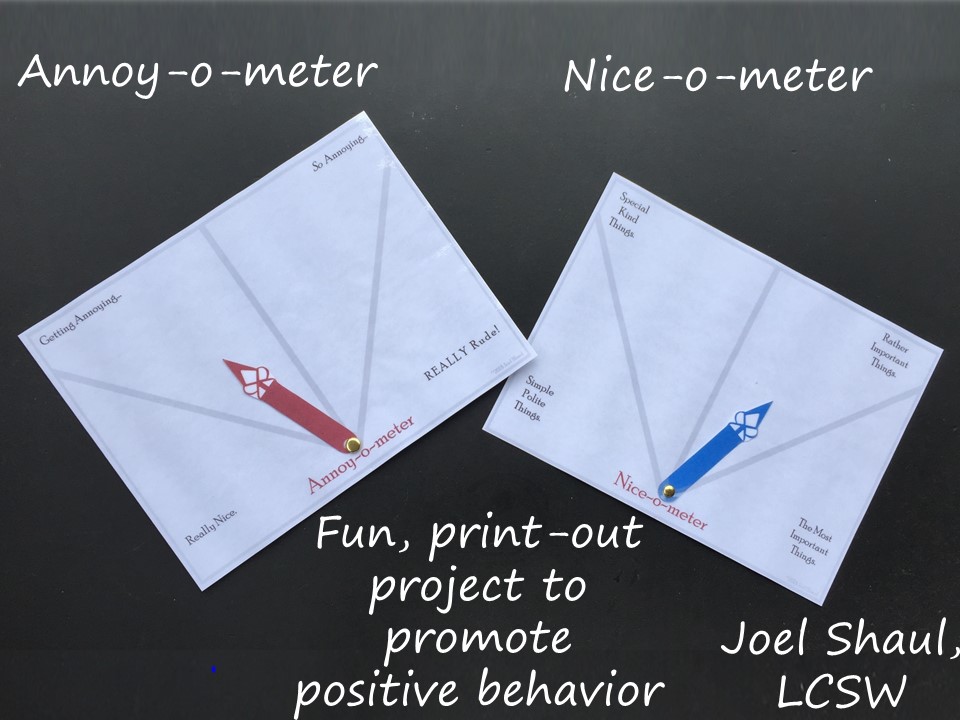
In my own work with children on the spectrum, I frequently almost always found that merely talking about a problem wasn’t good enough alone. Kids get tired of being scrutinized and criticized. Kids with autism in particular can get fidgety and impatient during sessions.
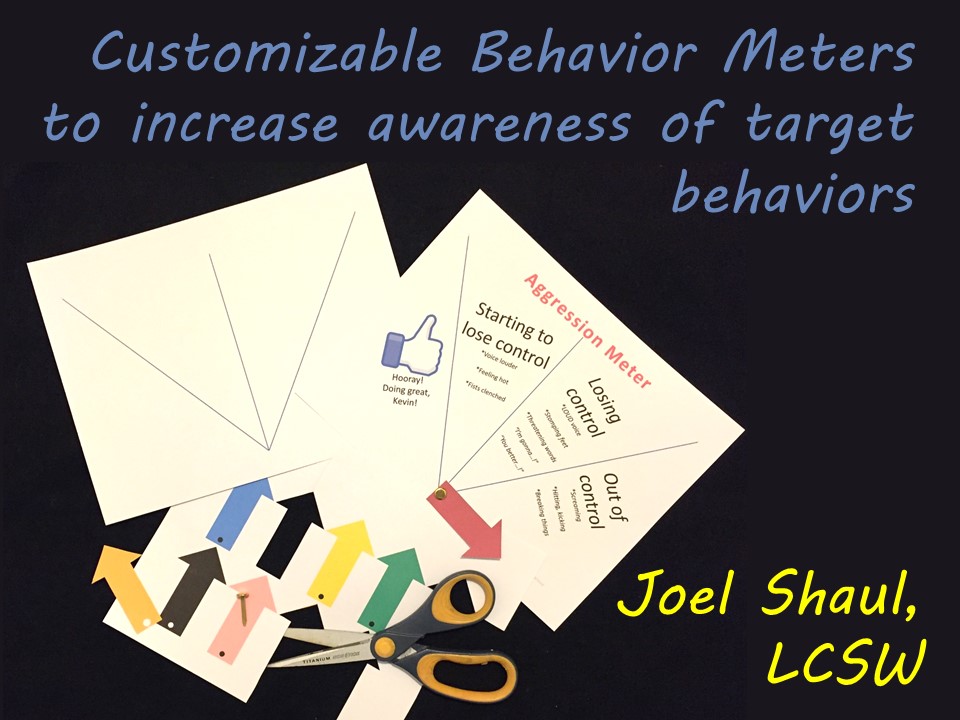
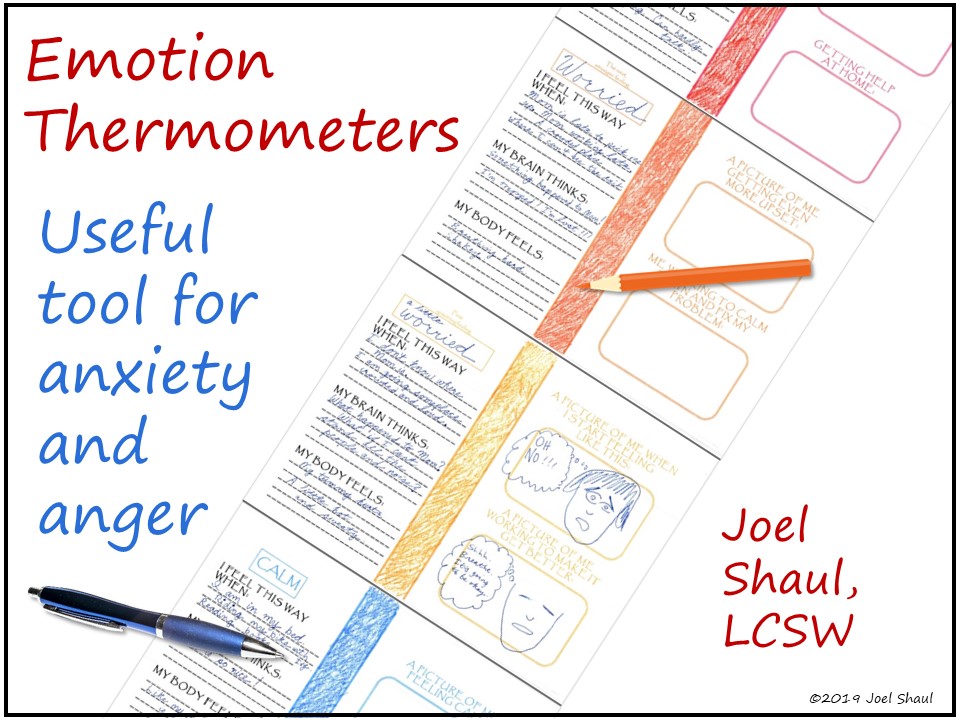
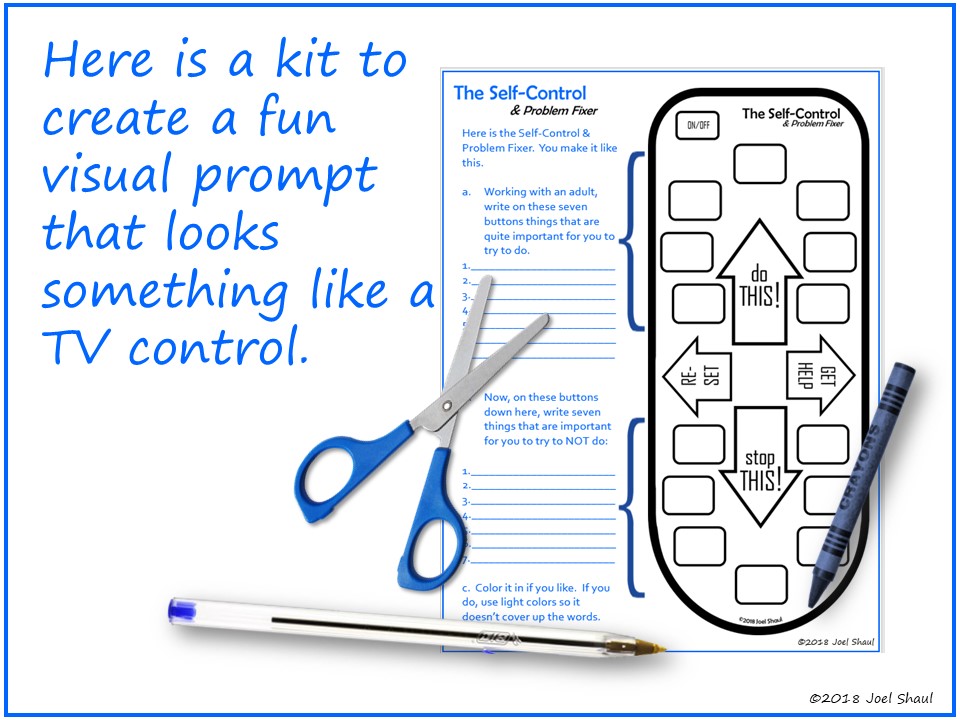
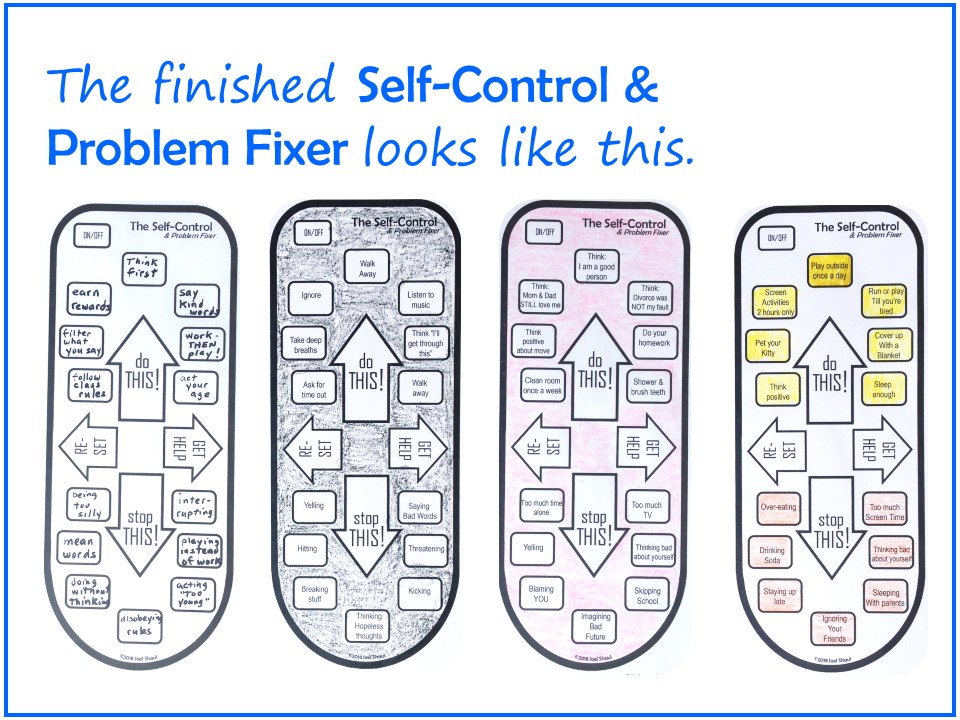
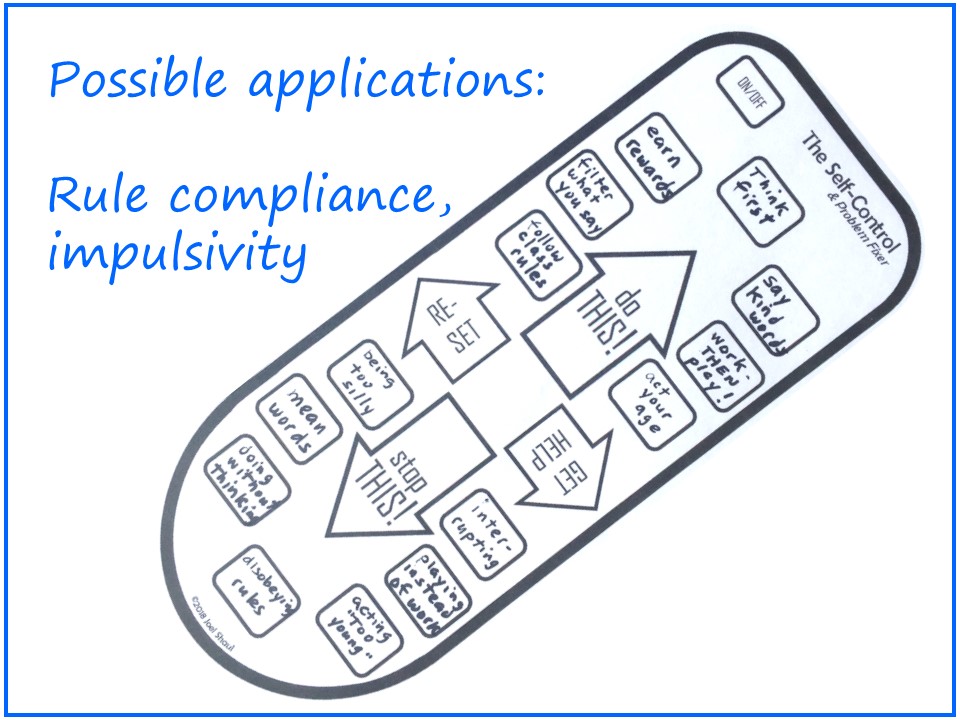
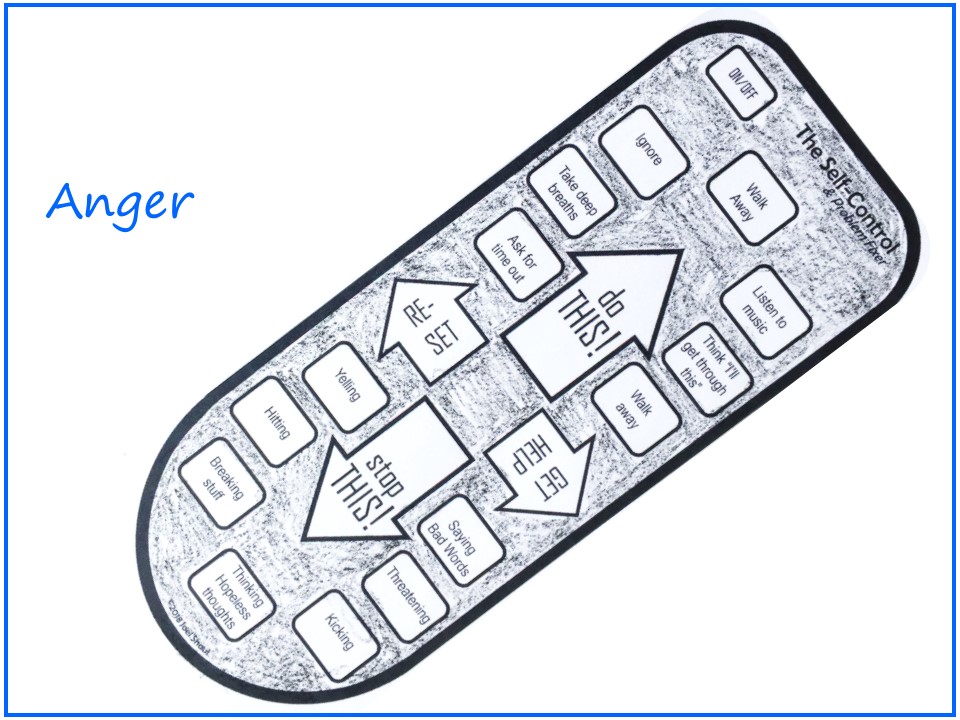
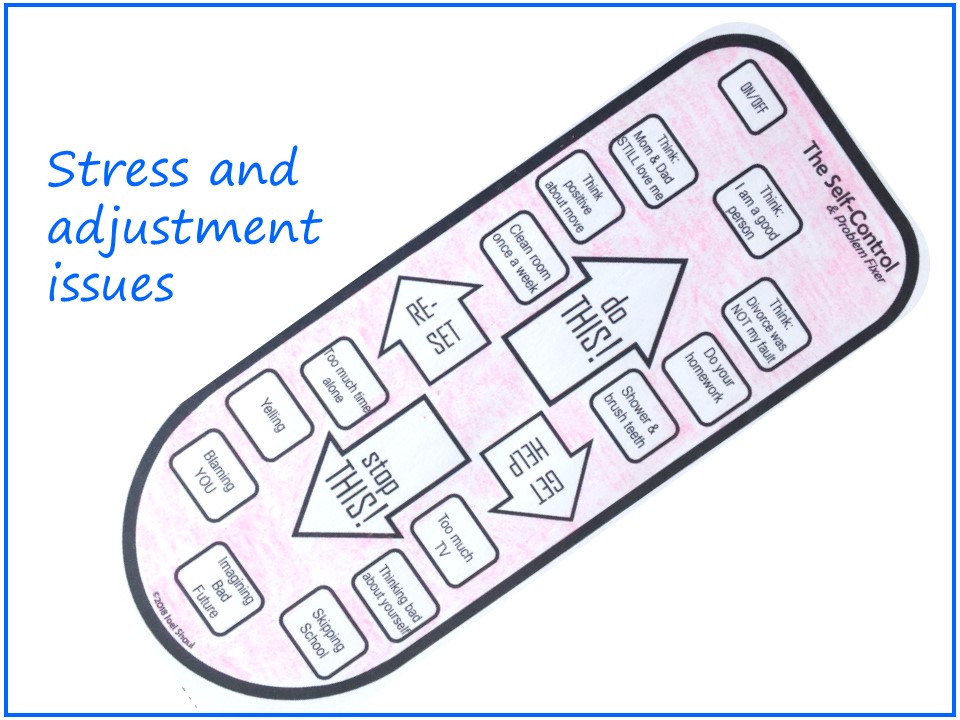
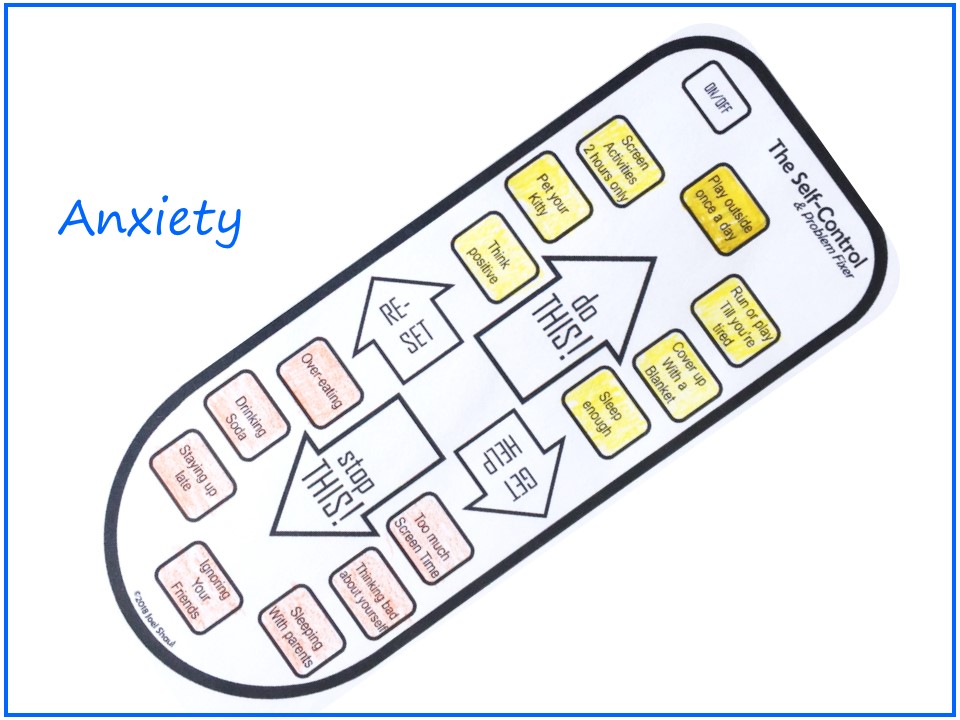
Many years ago, I found other therapists employing handmade cardboard meters they had put together to help children focus on issues such as voice volume. After much experimentation, I found that these meters have many applications on a wide variety of problems that are the focus of therapy interventions.
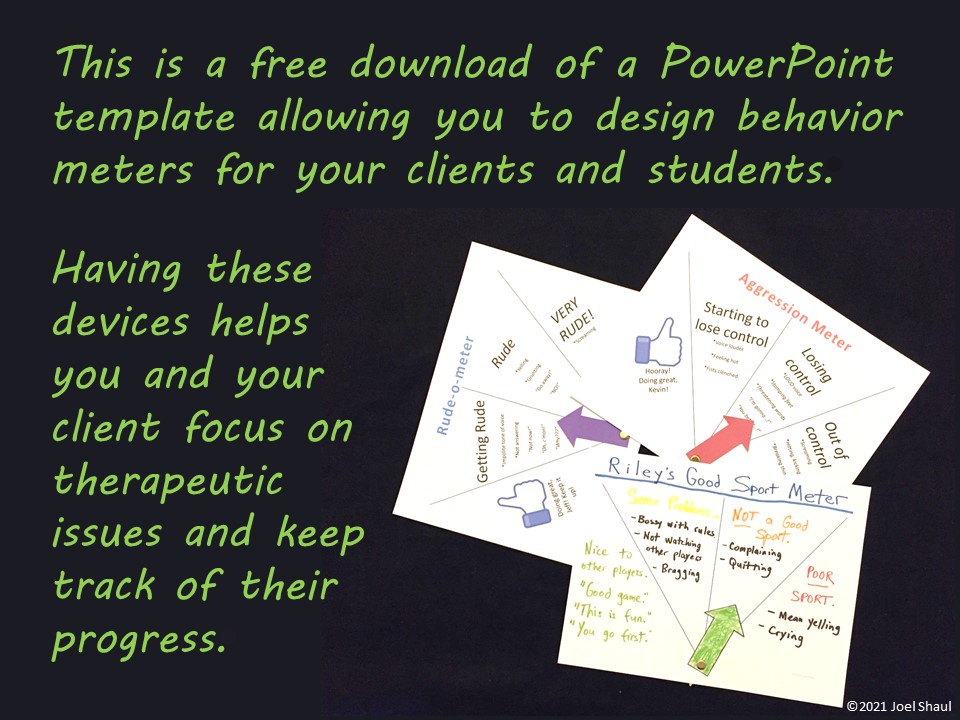
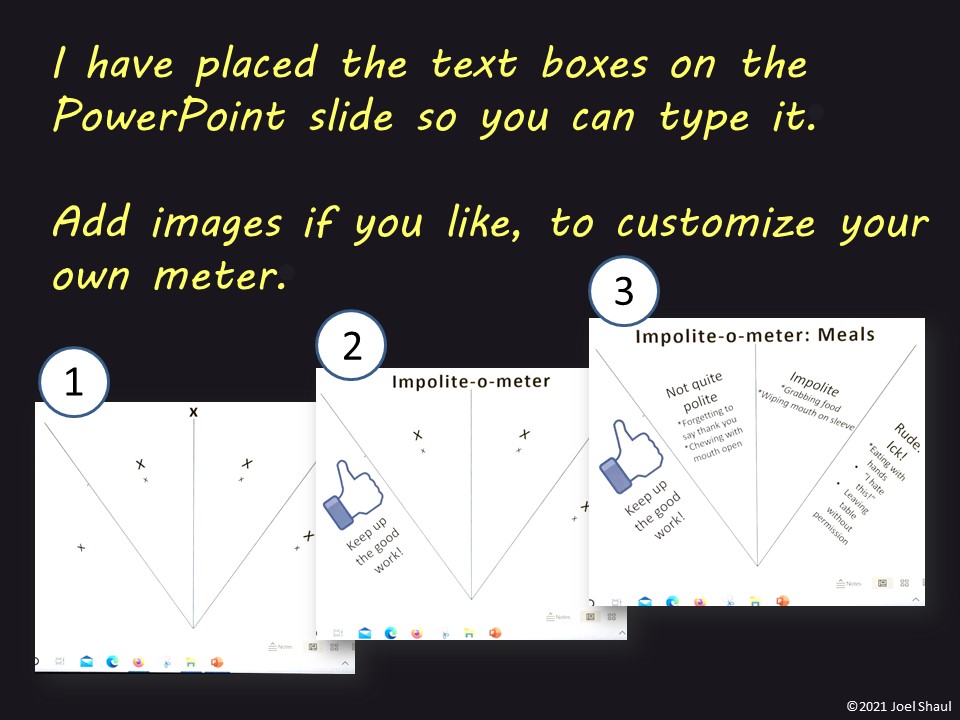
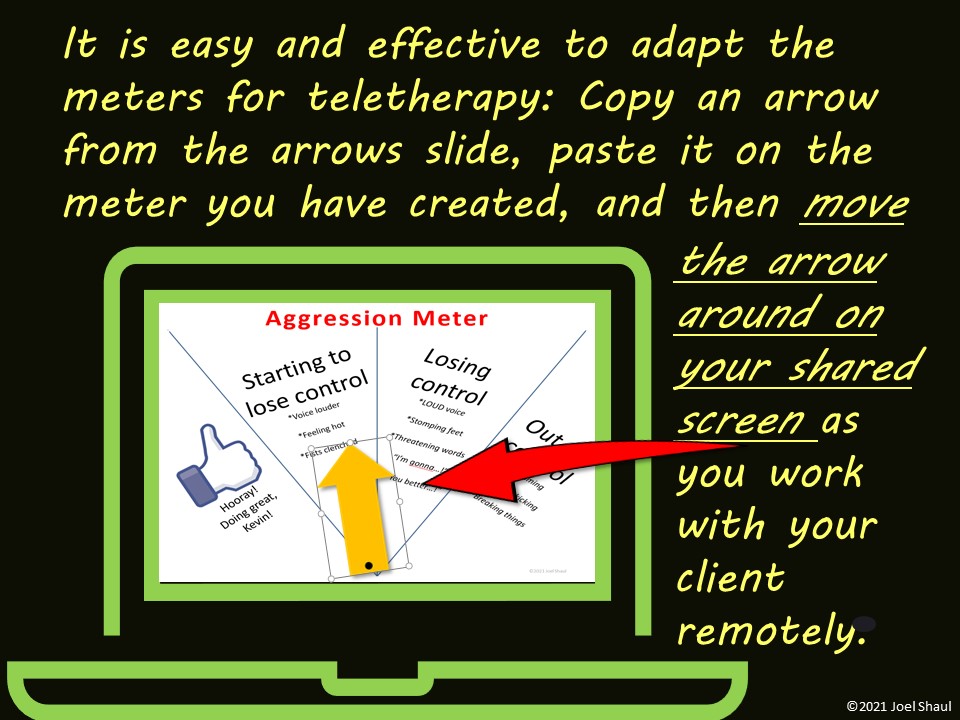
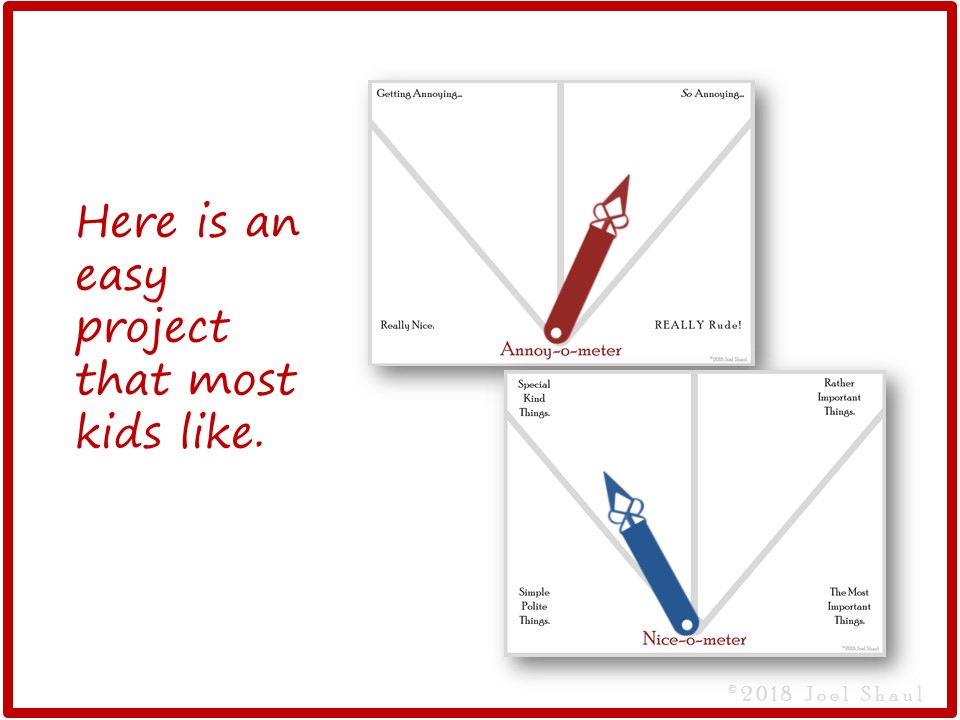
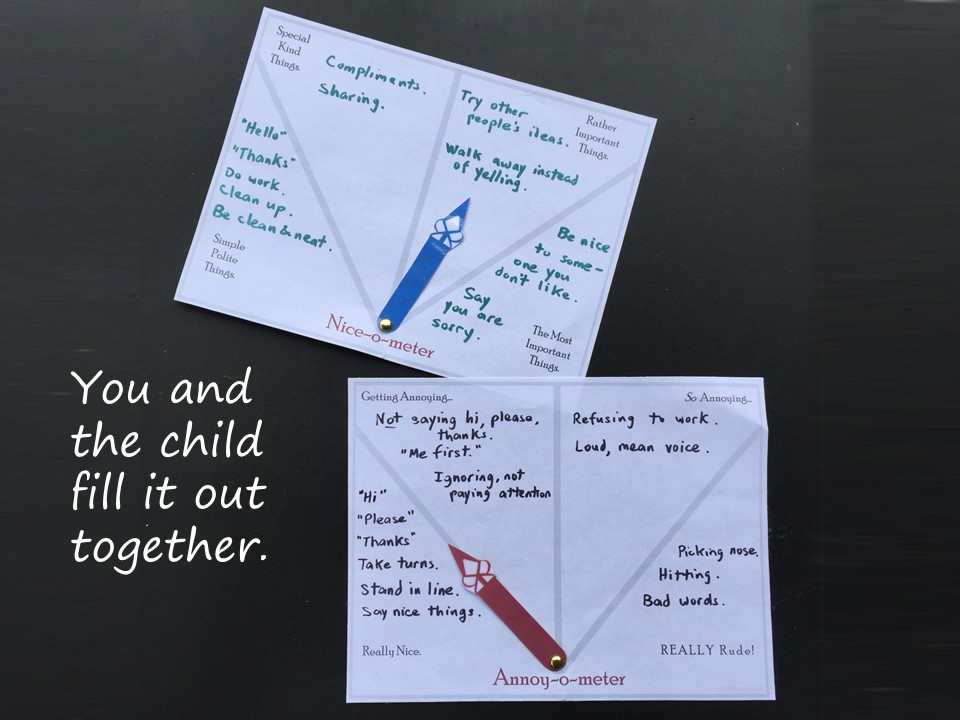
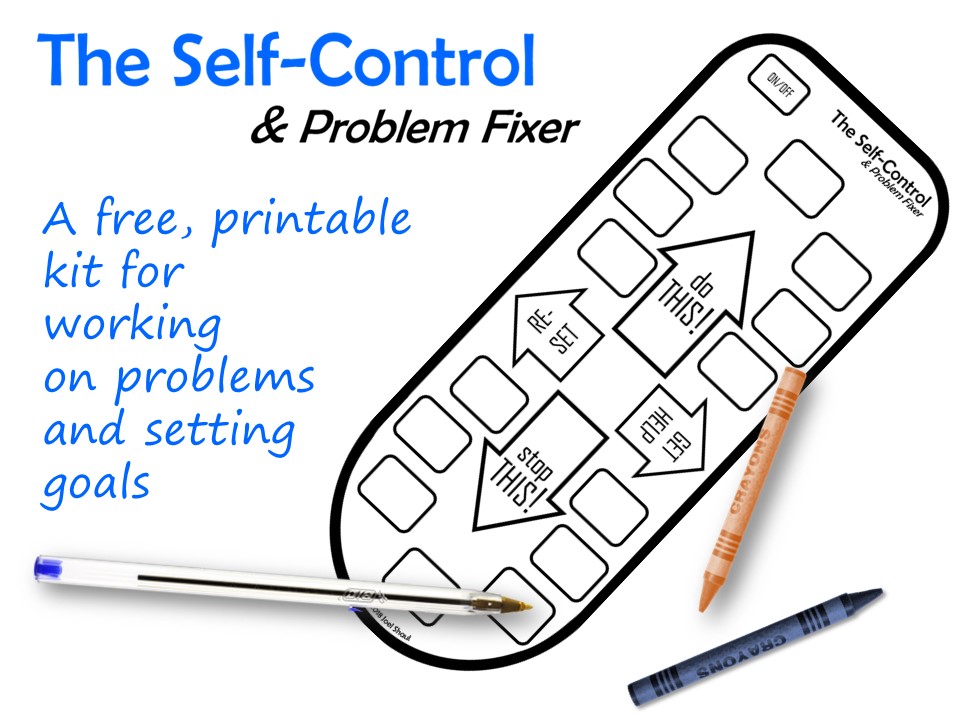
This kit enables you to use my template to quickly create nice-looking meters for whatever problem area you are working on. The advantage of putting the meter on a computer screen is that you and the child can easily look at the screen together and collaborate on its design.
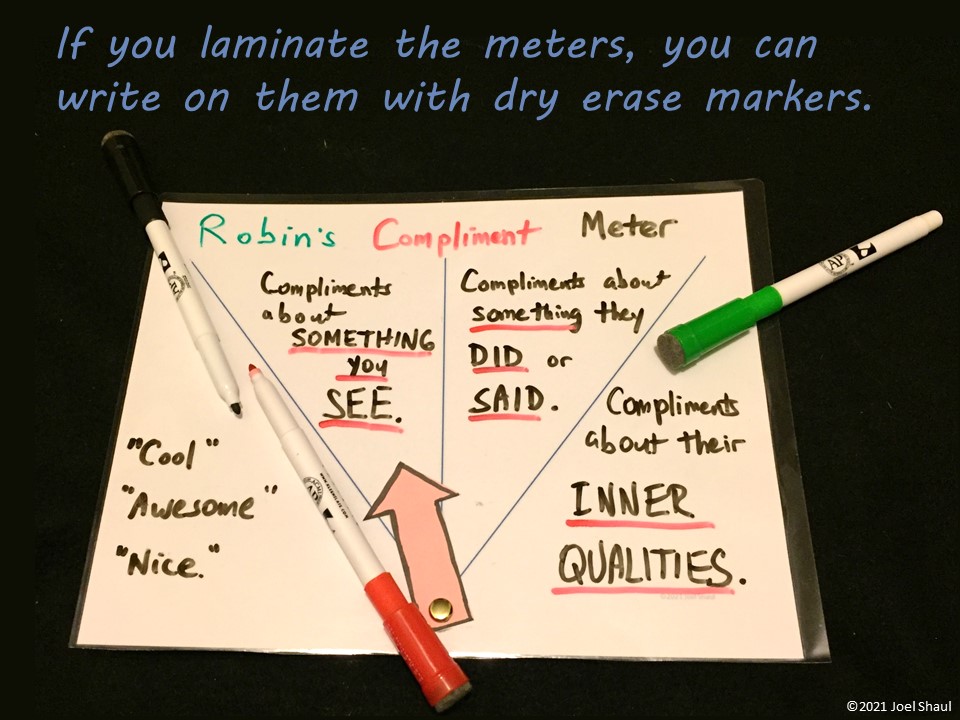
Most kids also really like to take part in cutting it out and laminating it. This can afford them a sense of agency in the therapeutic process.
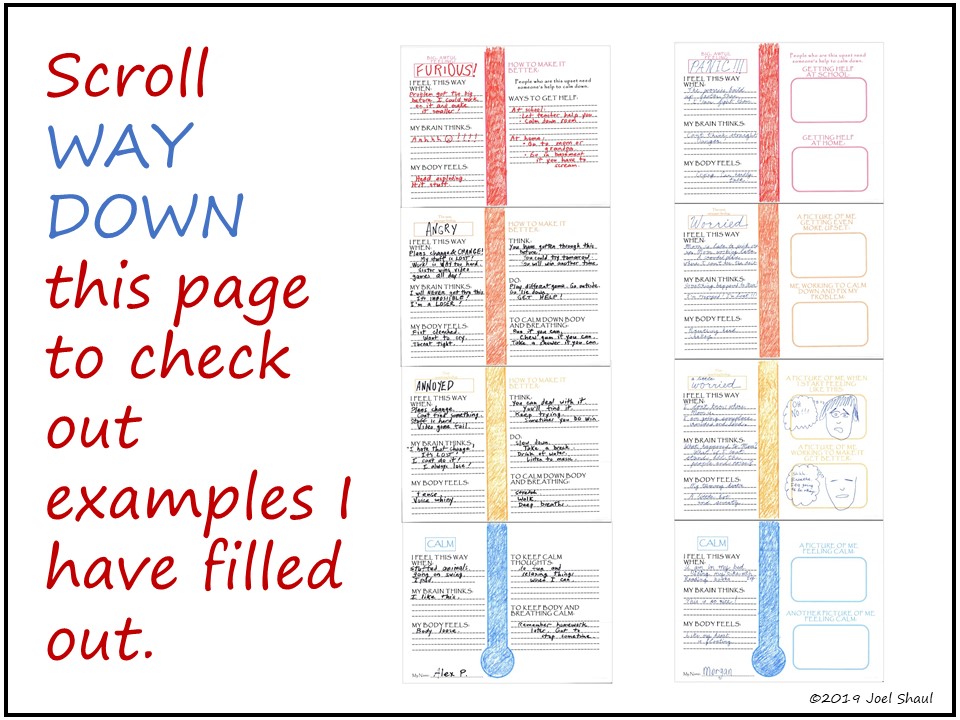
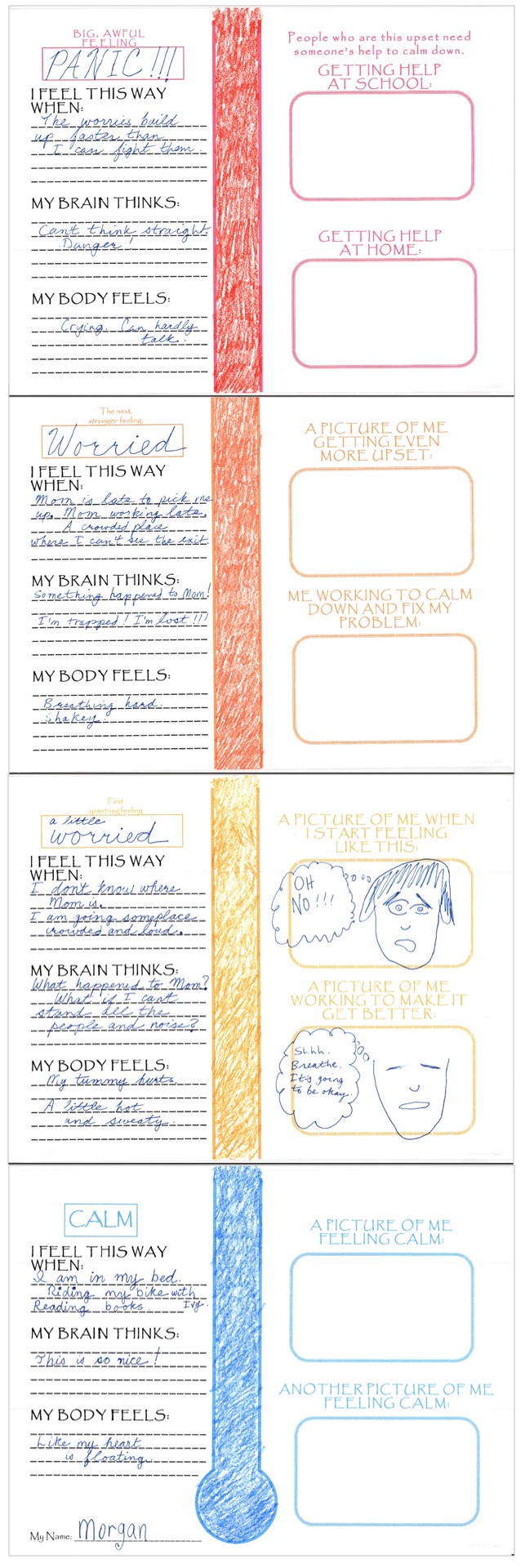
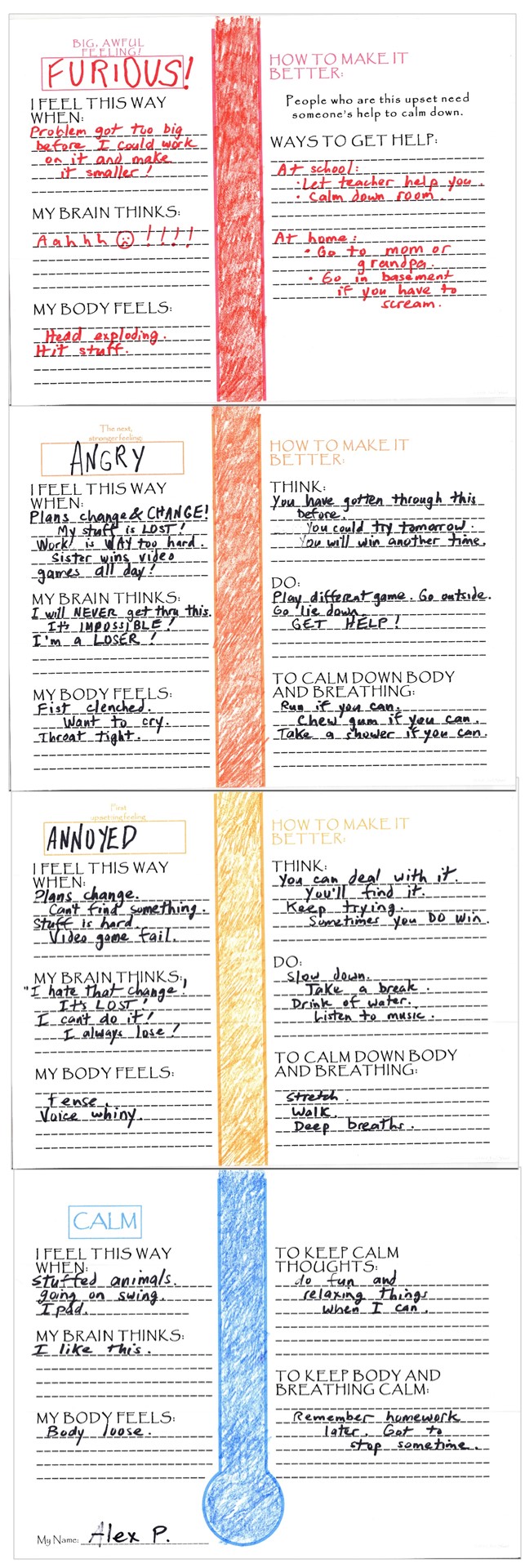
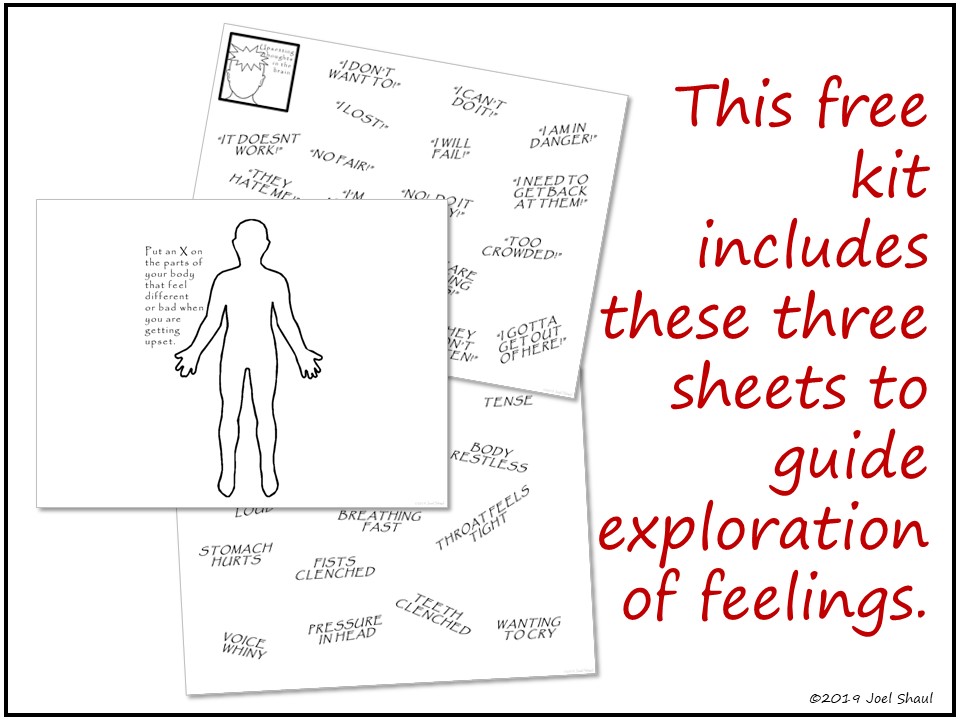
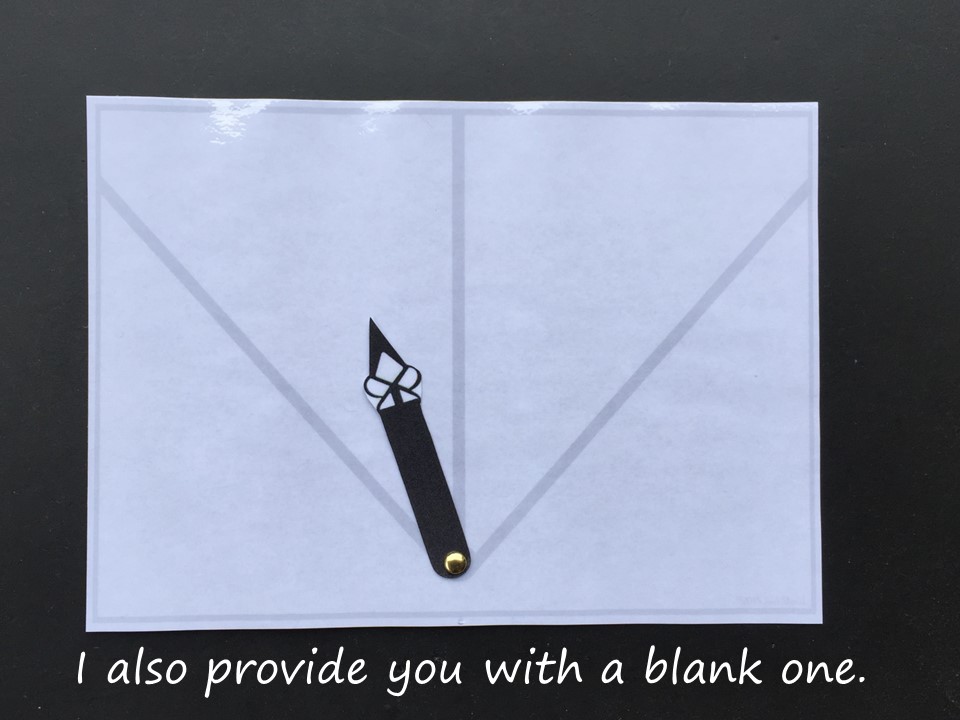
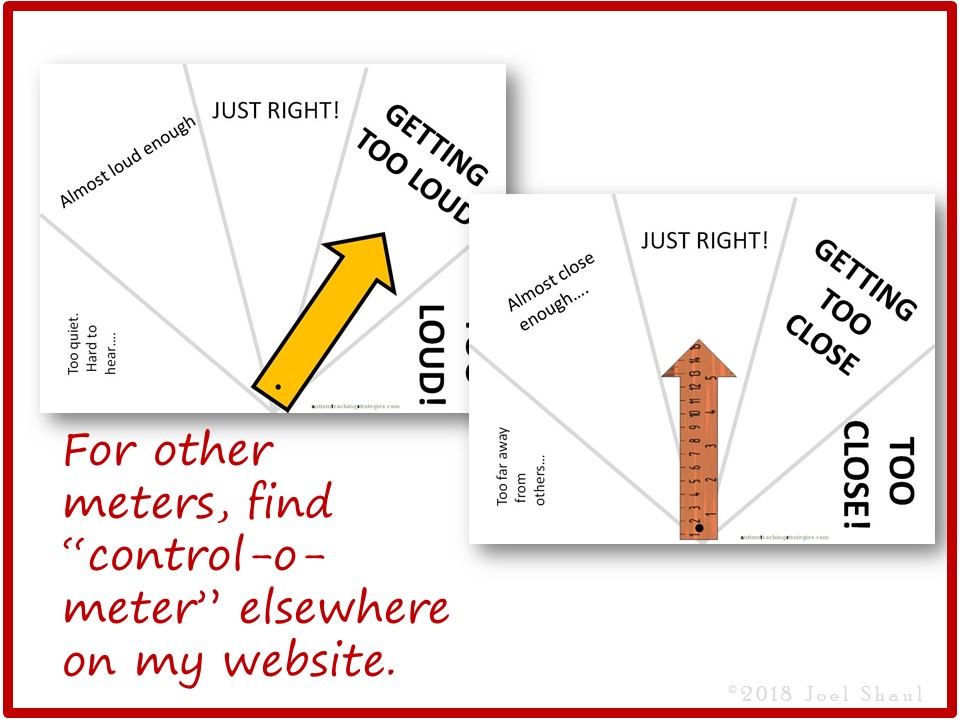
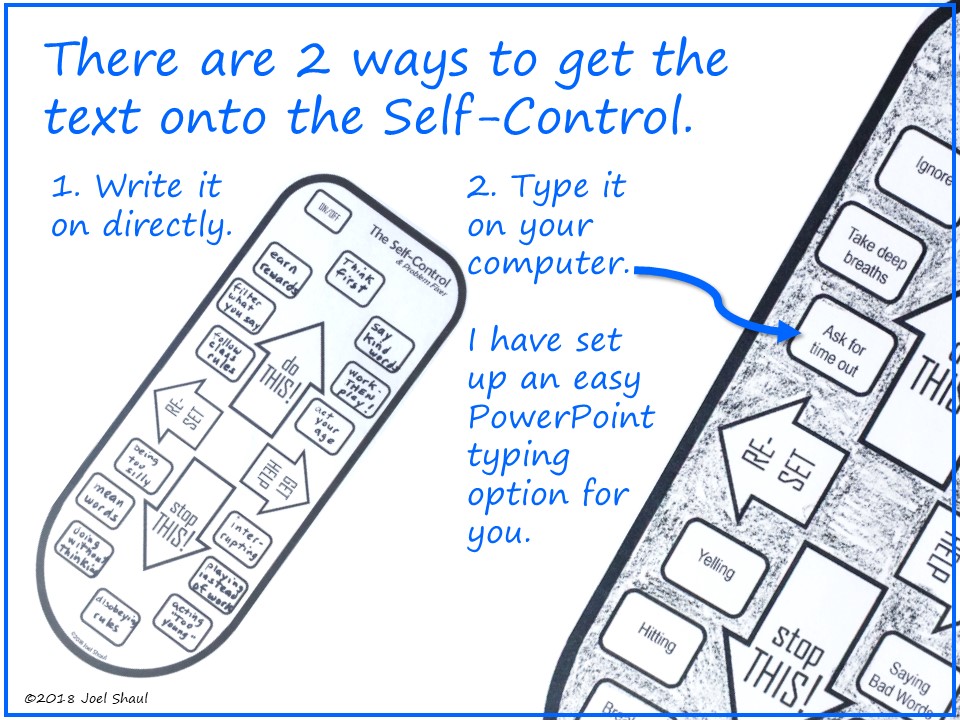
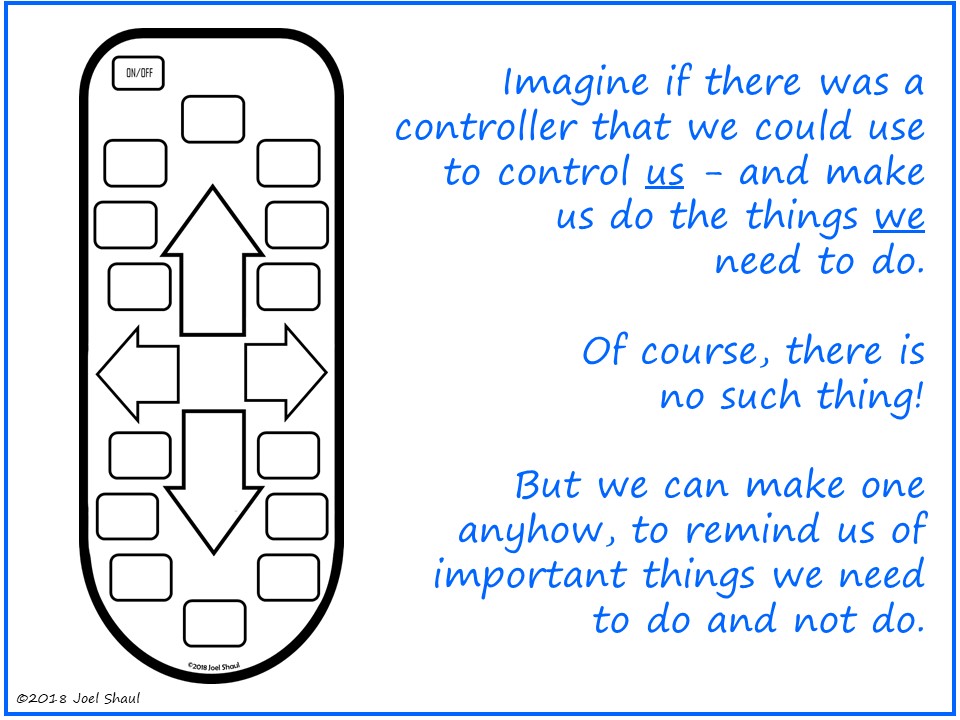
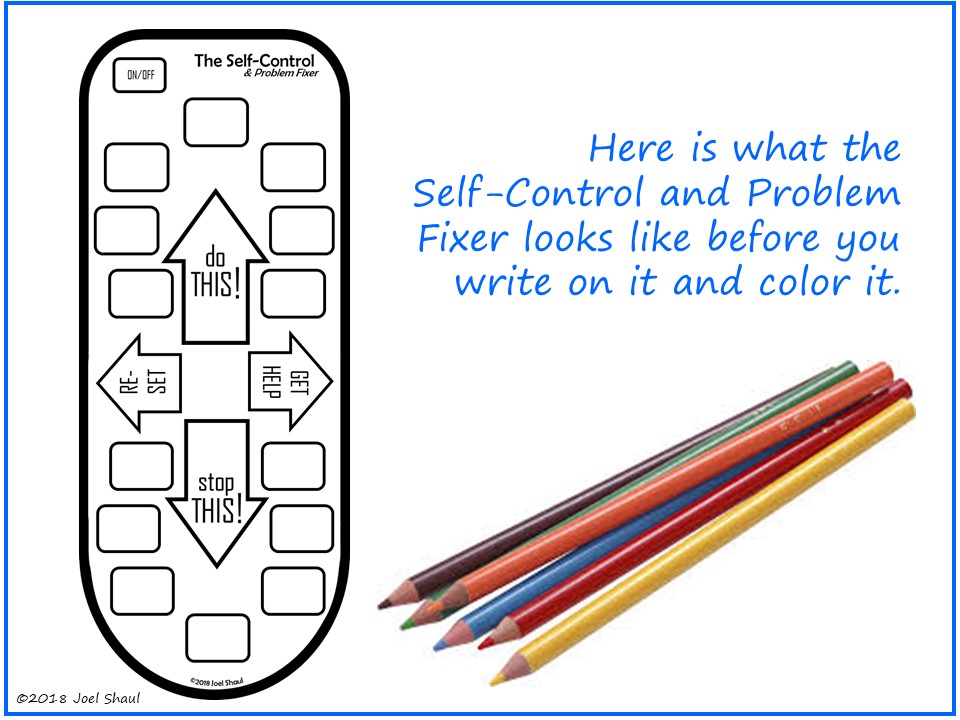
The pictures below provide some examples of what the behavior meters look like and some tips on creating them and using them.
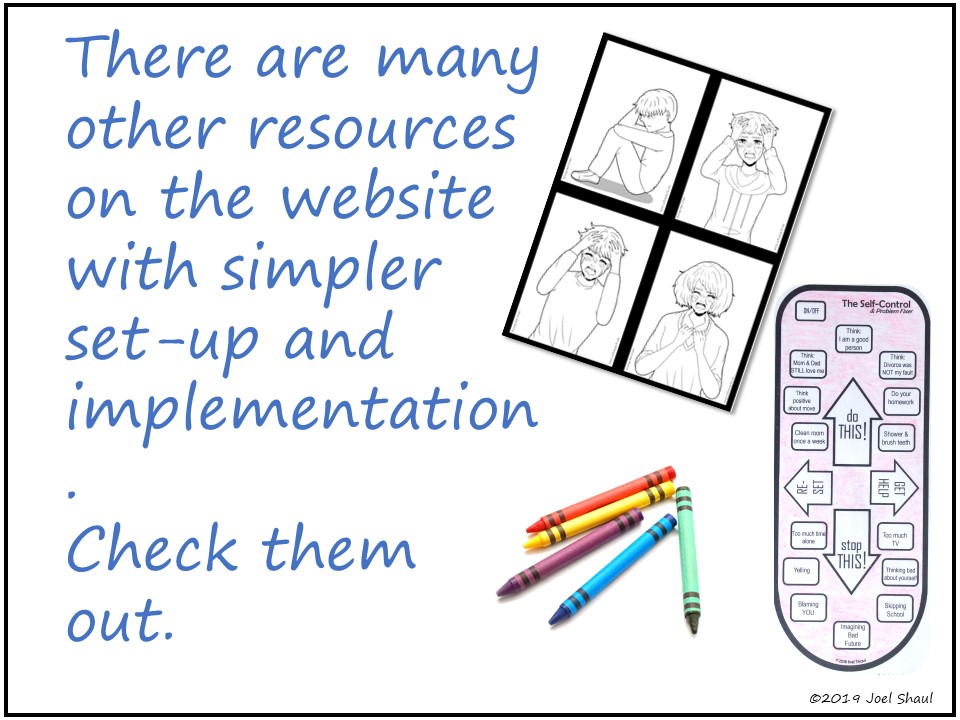
Elsewhere on my website, you will find links to some meters that are pre-made on topics such as voice volume and fantasy enthrallment.
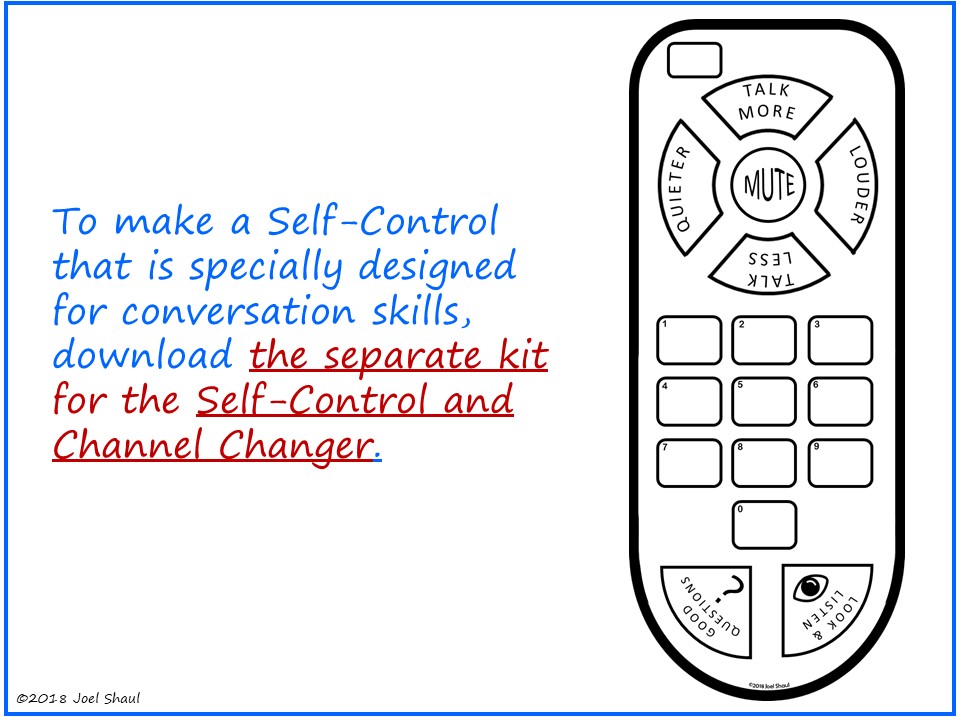
There are other free, downloadable “meters” on the website.
For an EXCELLENT Boom Card version of this resource, click HERE.
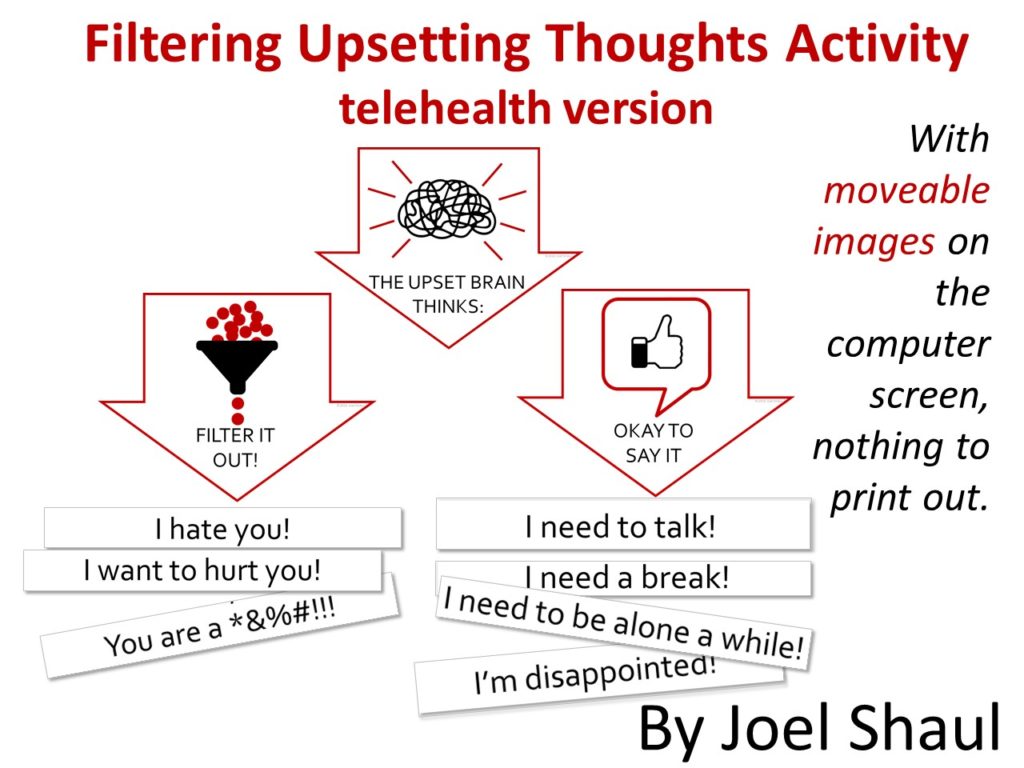
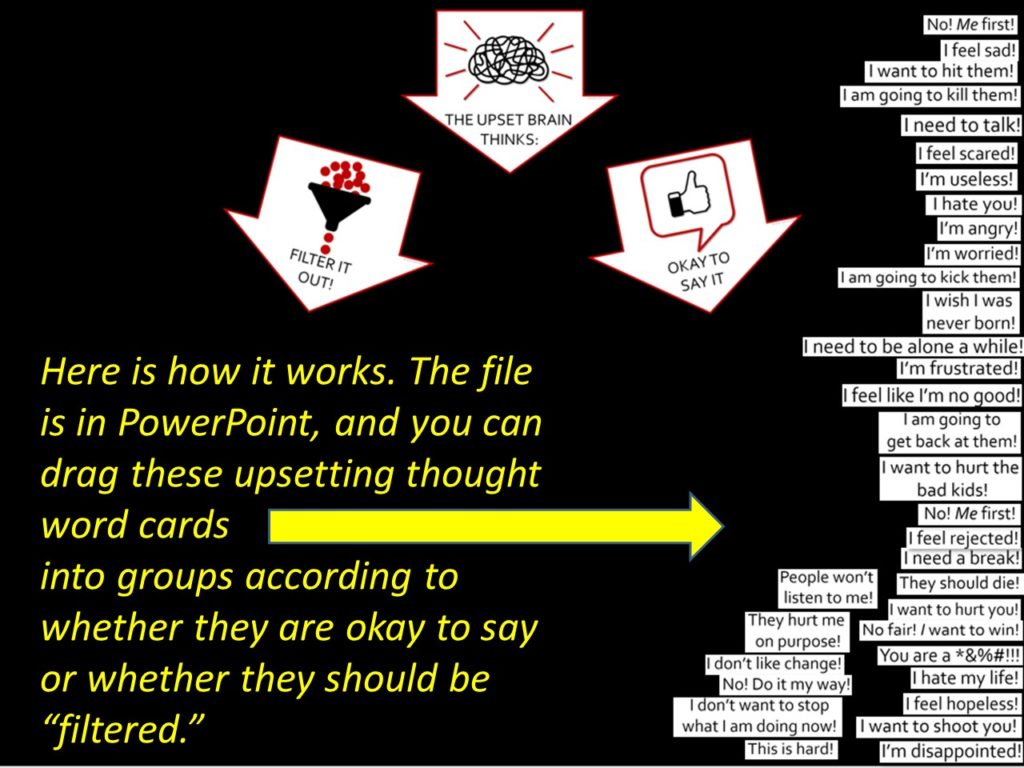
The file is in PowerPoint, and you can drag the upsetting thought cards in to groups according to whether they are okay to say or whether they should be “filtered.”
In social skills training in schools and psychotherapy settings, young people on the autism spectrum often struggle with controlling angry verbal outbursts.
This is an on-screen version of the original cut-out paper kit that creates a hands-on activity to teach and practice filtering upsetting thoughts and avoiding blurting out things that are frightening or confusing to others.The Filter the Anger Activity is designed to:
* Raise awareness of okay vs. not-okay things to say when you are mad
*Introduce and reinforce the idea that thoughts can be “filtered” before they are turned into spoken words.
Sample introduction to this activity:
“When we are upset, we can have many, many upsetting thoughts going through their mind, very quickly. The thoughts can be so many, and so powerful, that they can “escape” out of your mouth if you are not careful. Your mind has a filter in it, to help us to say the right things, instead of every one of our thoughts to rush out of our mouths.”
(Now describe a filter; depends on knowledge level of participants. Show them the filter visual)
“There are different kinds of filters.” (have them name some: coffee filter, water filter, oil filter, etc. If you have a prop to demonstrate a filter now, that is good—try a colander, a coffee filter, etc)
“You can’t see the filter in your brain, but the way it works is kind of the same. It is especially important to use your brain’s filter when you are upset or angry, so that you say things that are good, and get you help, and so you avoid saying things that frighten, confuse or anger other people.”
How do this activity:
On the PowerPoint computer screen, together with the child, sort the statements into things that are okay to say, sometimes okay to say, and almost never okay to say. Use the “Filter These Out” and “You can say these” visuals to help them with the sorting. Many children can do this on the computer while you just watch.
Usually, the child will spontaneously start talking about times they made unfiltered angry statements. This provides opportunities for learning and adds a visual dimension that is very helpful.
Variations: You, the adult, can try acting out the role of an upset person who is not succeeding in filtering his words. Ask the young participants to help you to filter what you say. Ask them to offer you alternative ways to express your upset feelings.
This is a good teaching/therapy activity for social skills training and anger management for kids with autism spectrum disorders. I hope you find it helpful.
In counseling and psychotherapy, children can at times become overwhelmed with having to maintain a spoken exchange for a whole session. They can even freeze up entirely, particularly if the therapy topic is painful for them to discuss.
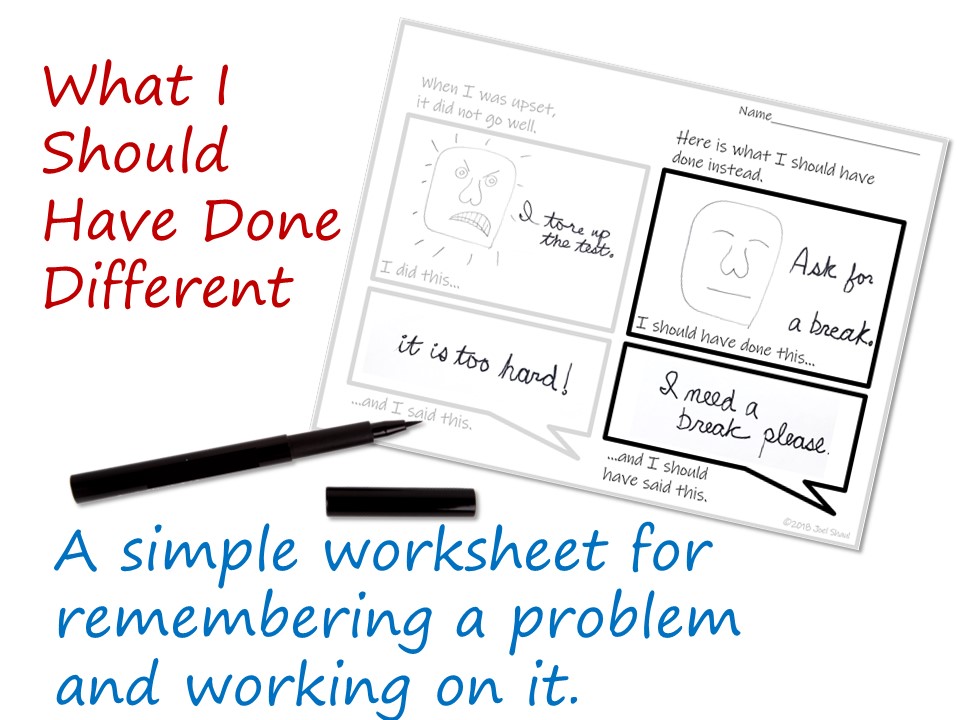
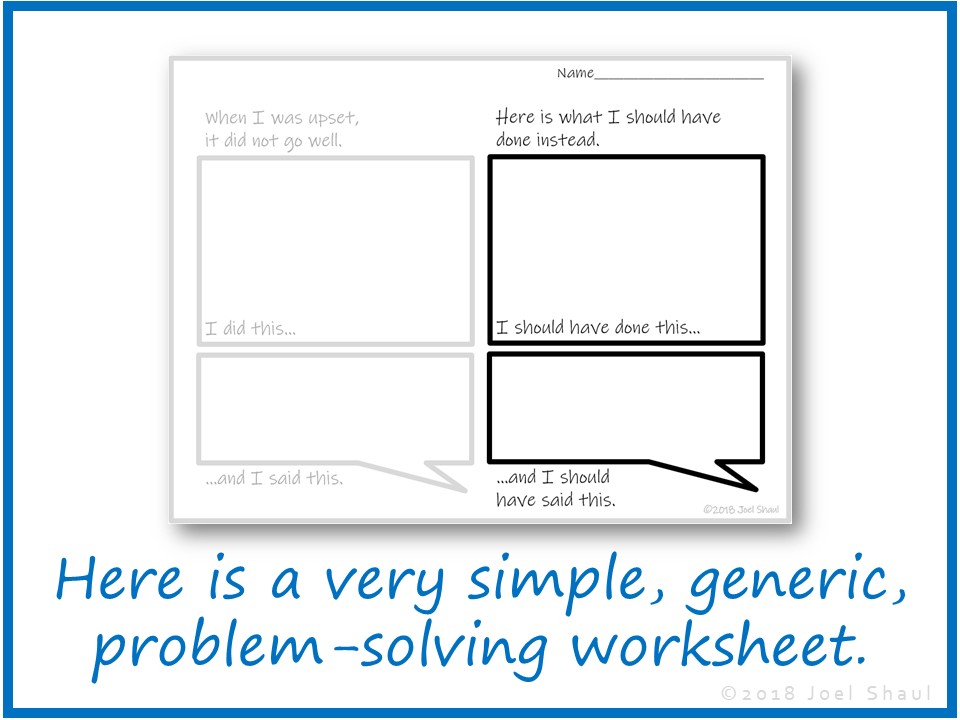
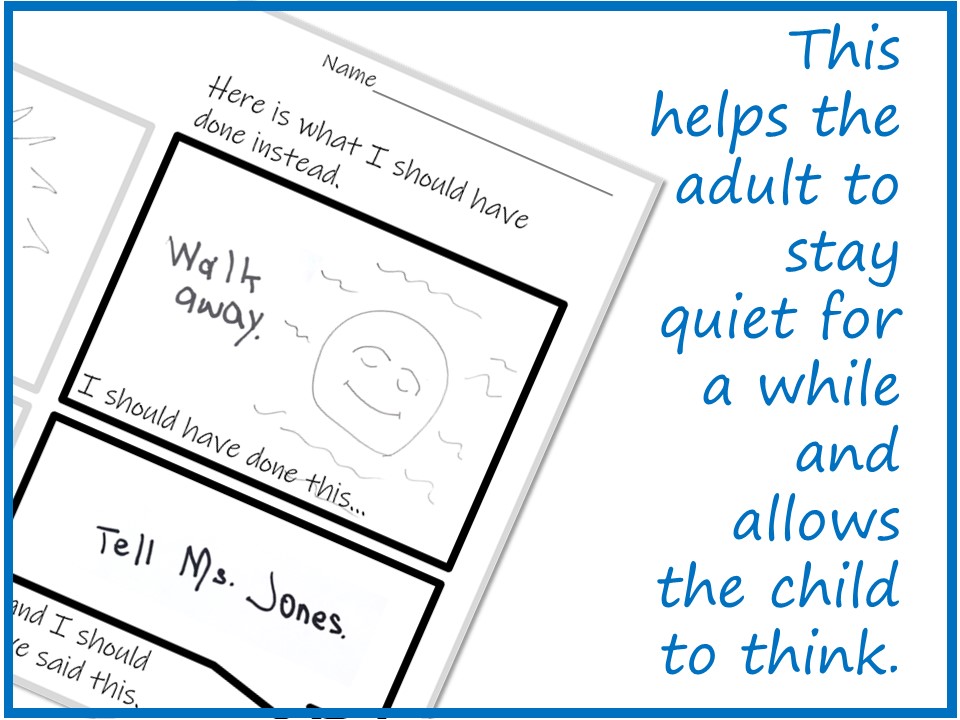
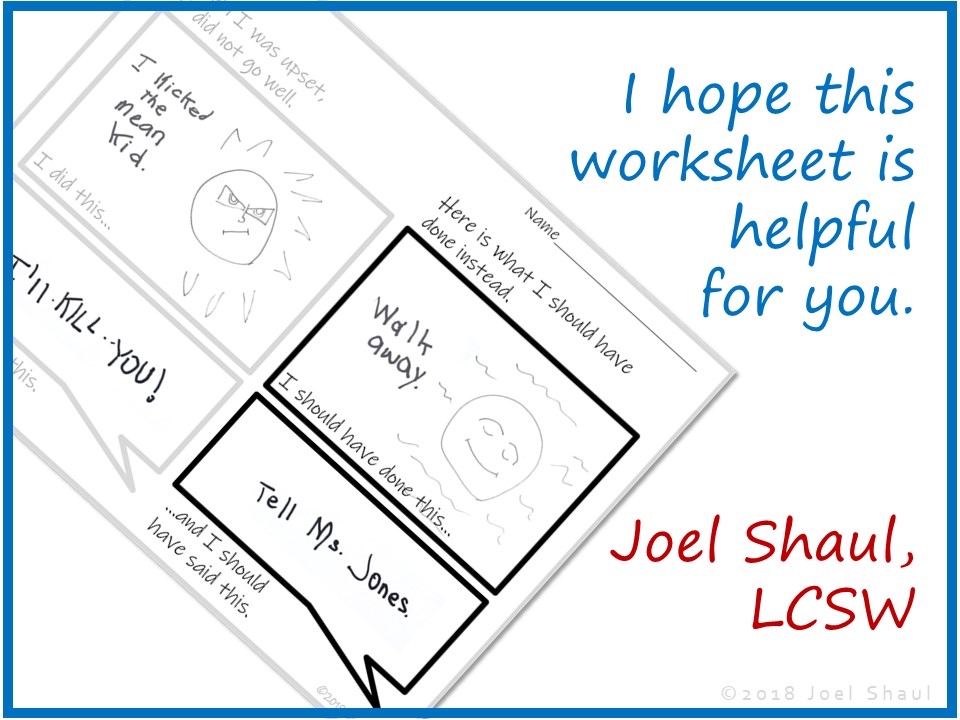
I created various drafts of this worksheet over the years of my own work with children on the spectrum. This is my final version. It is to be filled out by the child during a break while the spoken exchange stops, and the child quietly thinks, writes and draws independently to get their thoughts and feelings down on paper.
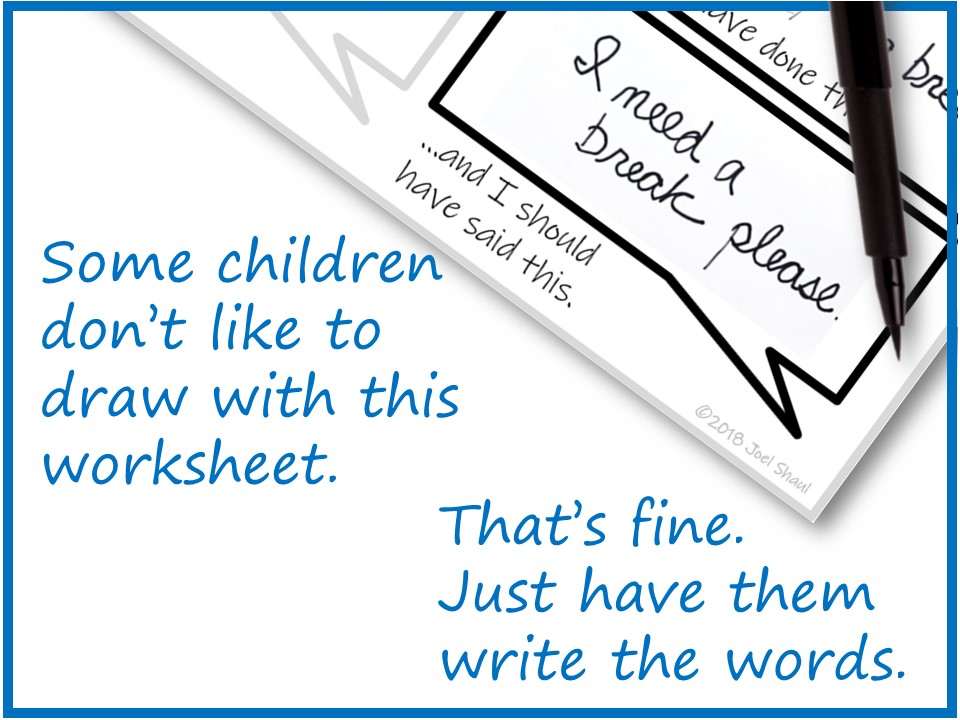
It has a very simple design, allowing the child to fill it out quickly. There is a large space for drawing, but some children prefer to just write and leave this part blank.
This simple resource gets downloaded a lot from this website. I hope you find it useful.
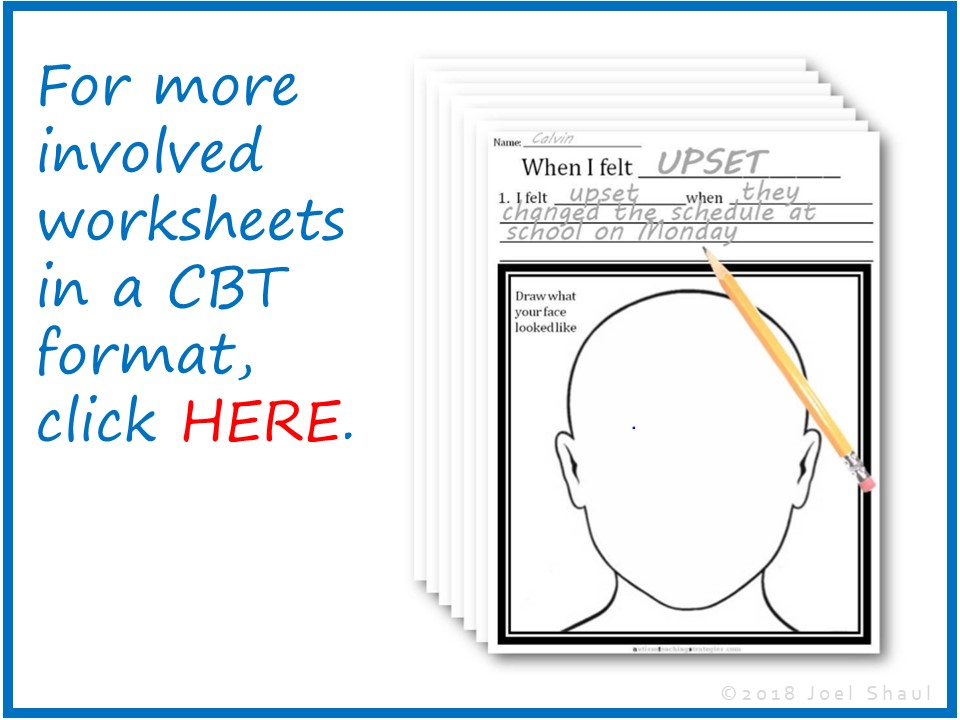
The pictures and text below walk you through a description and show you what completed worksheets might look like.