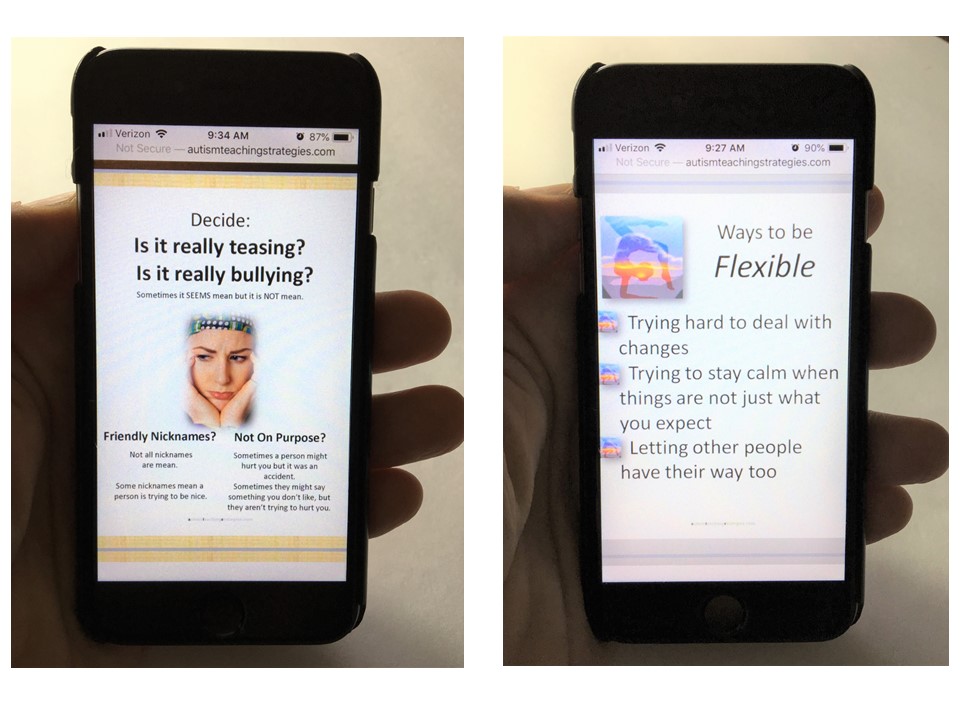
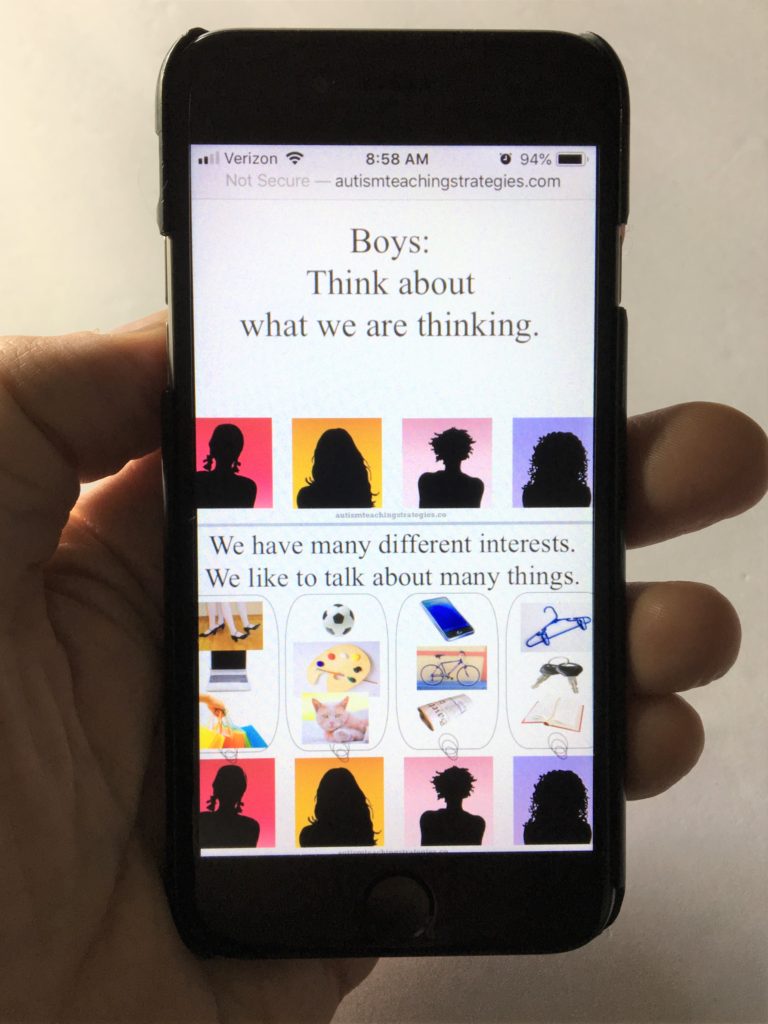
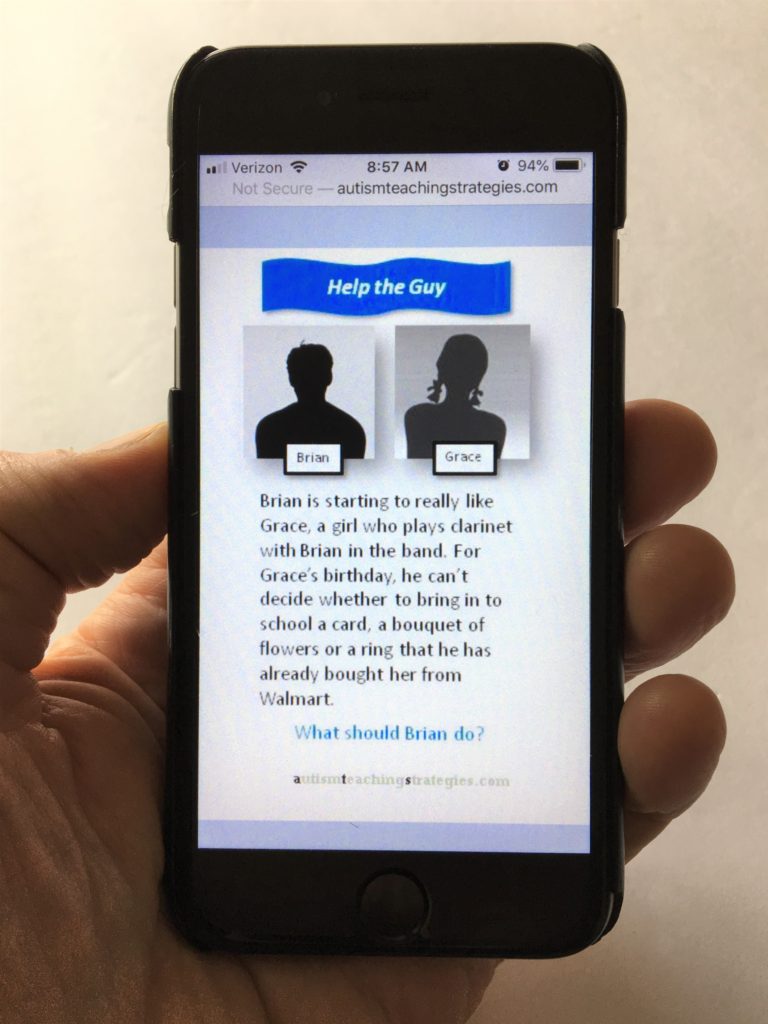
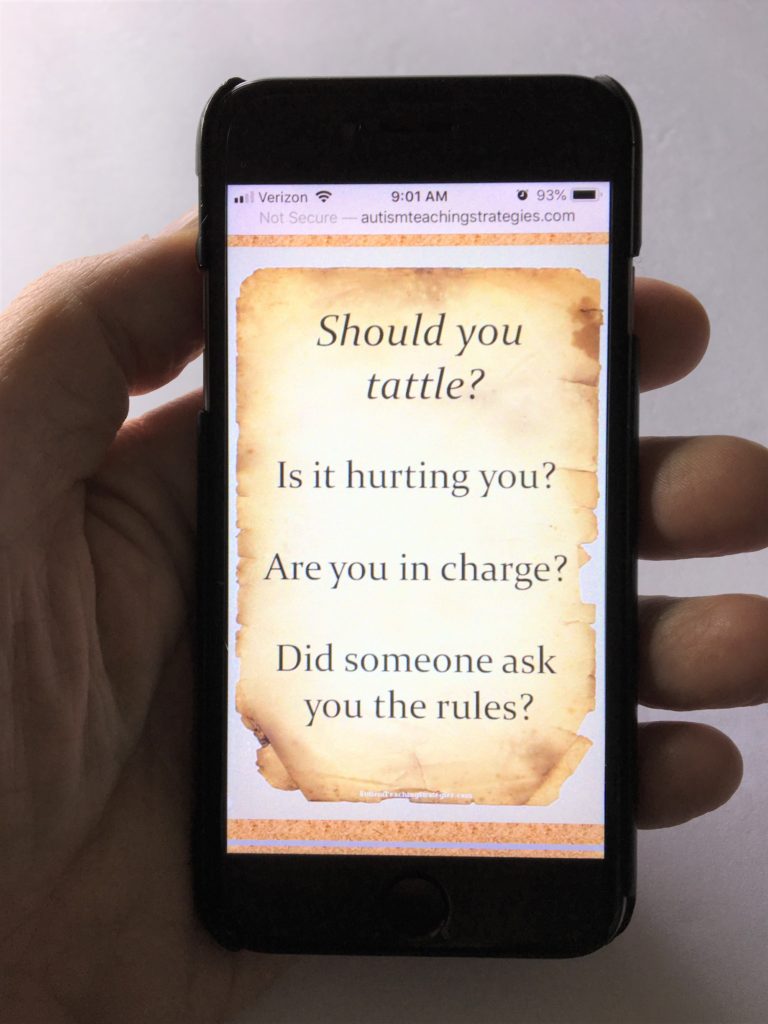
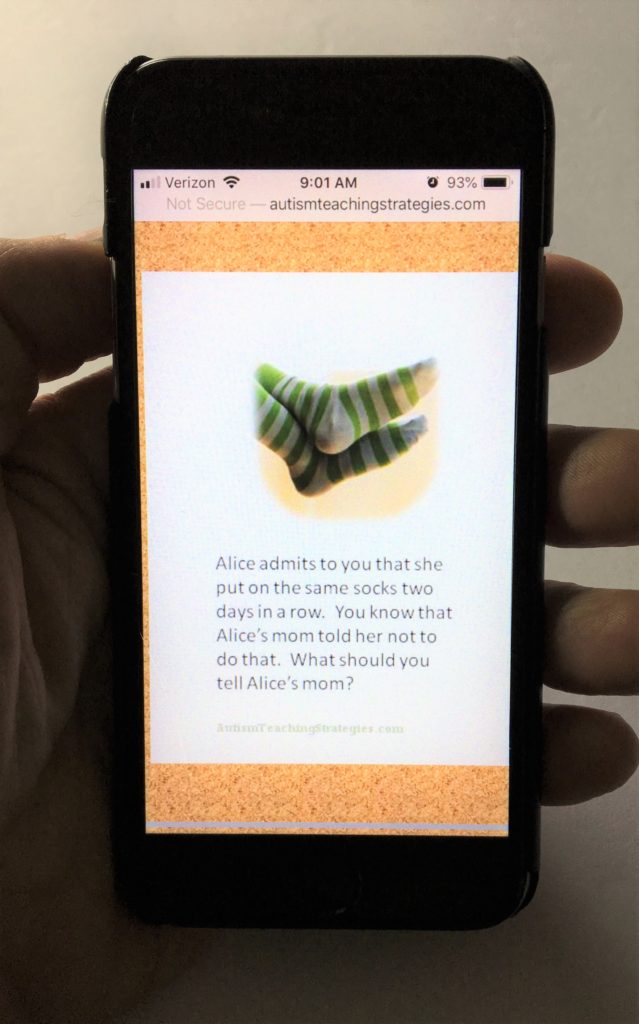
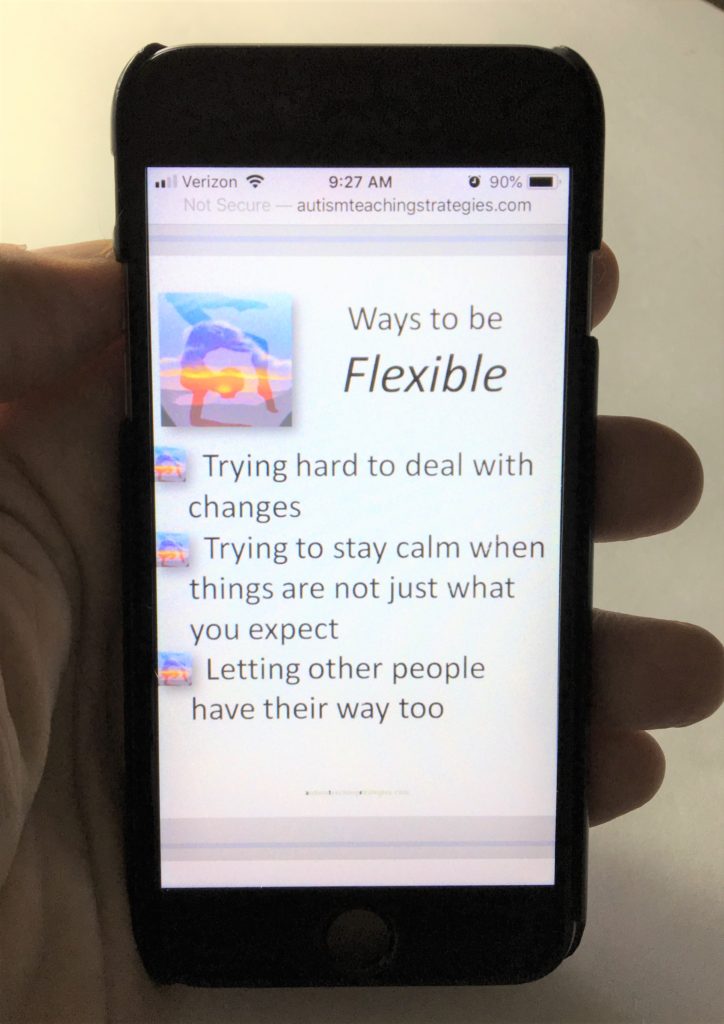
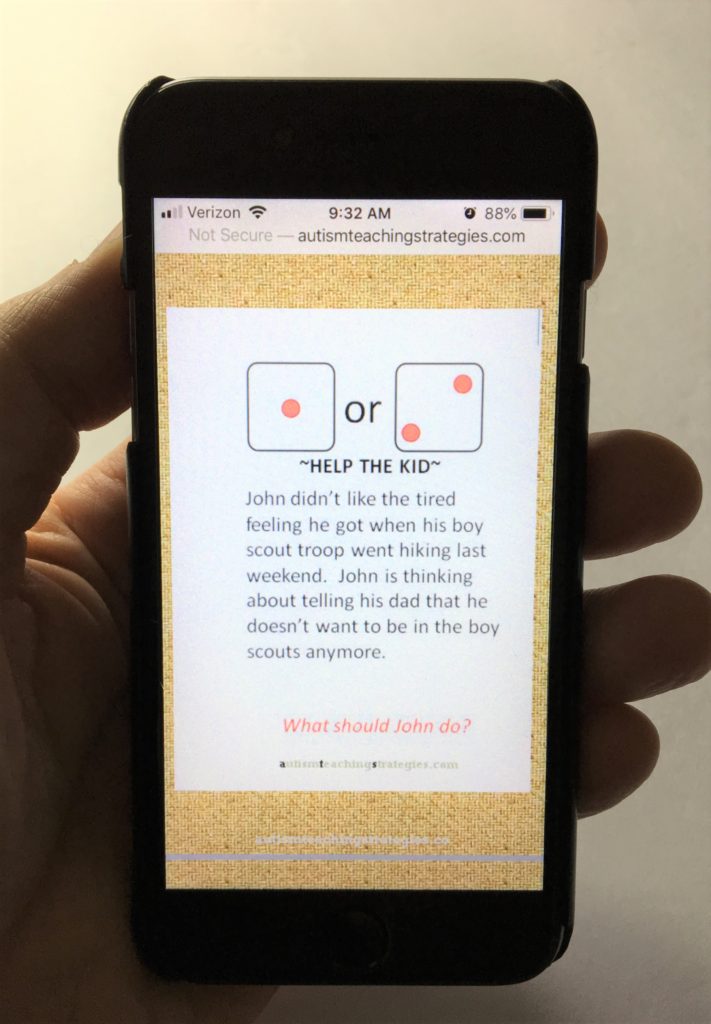
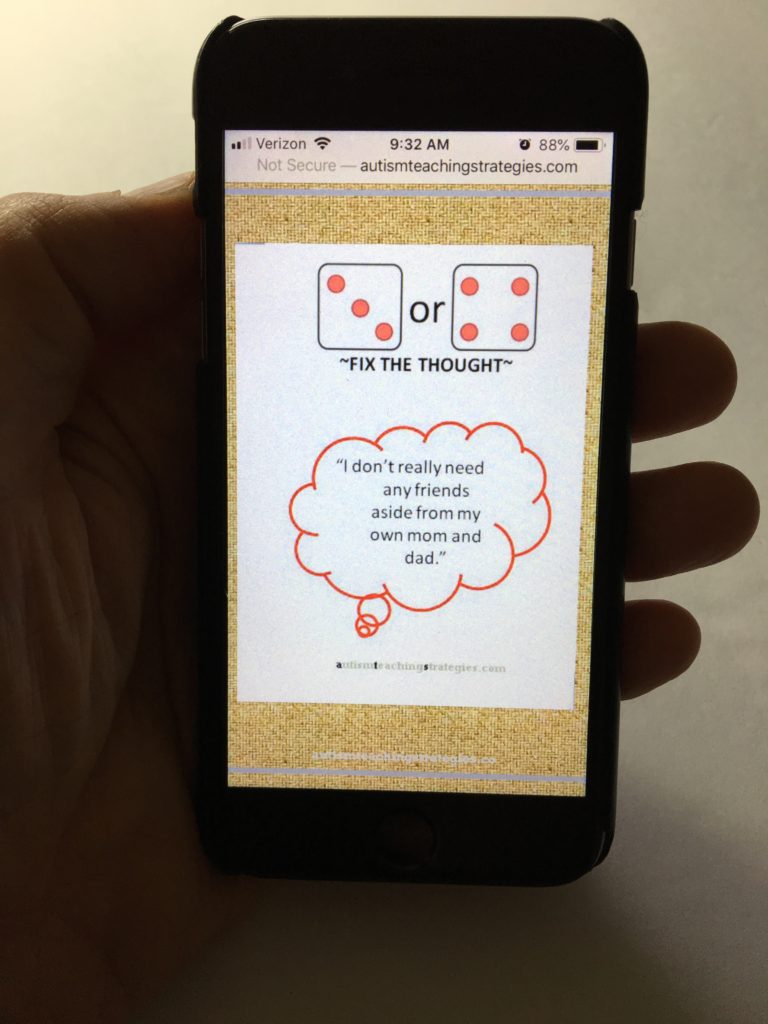
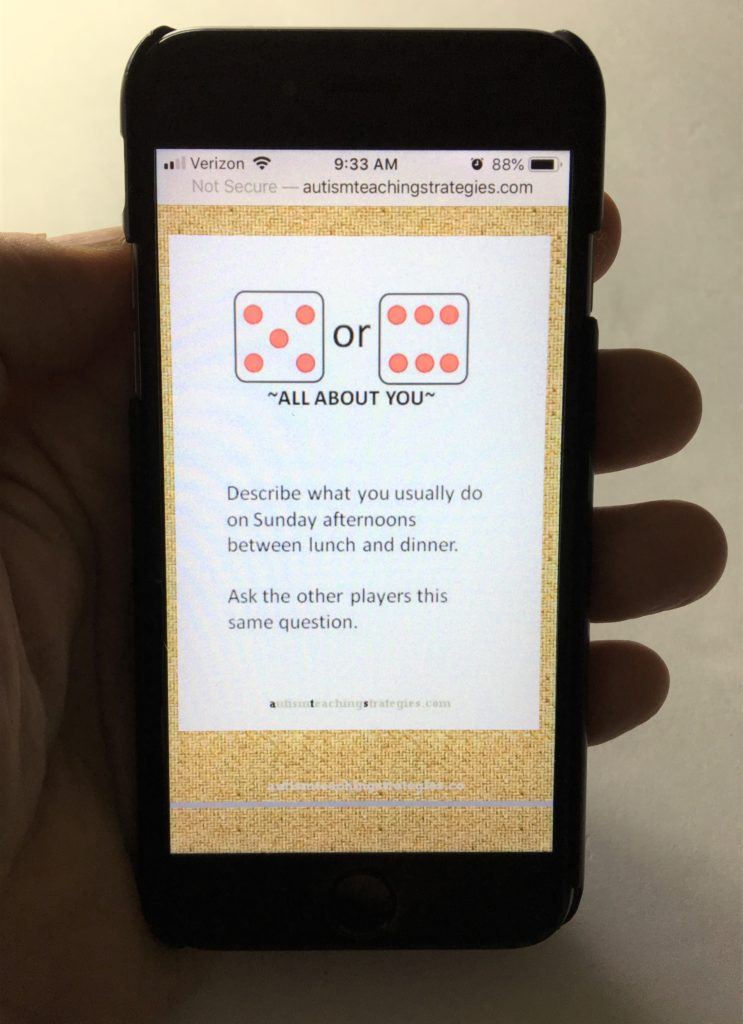
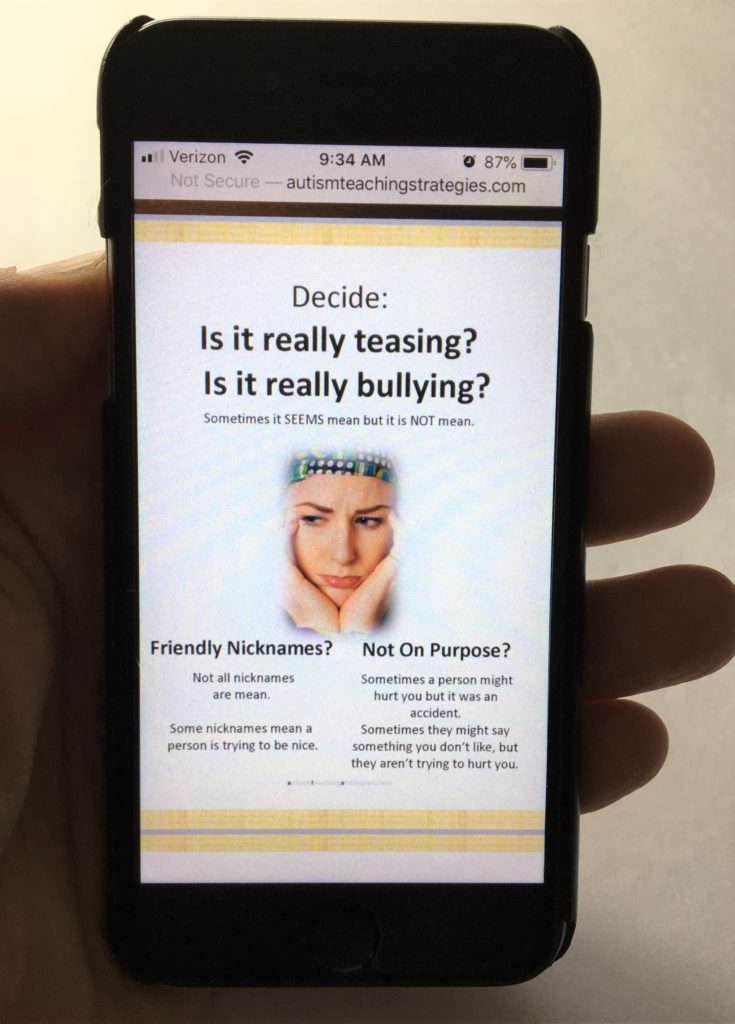
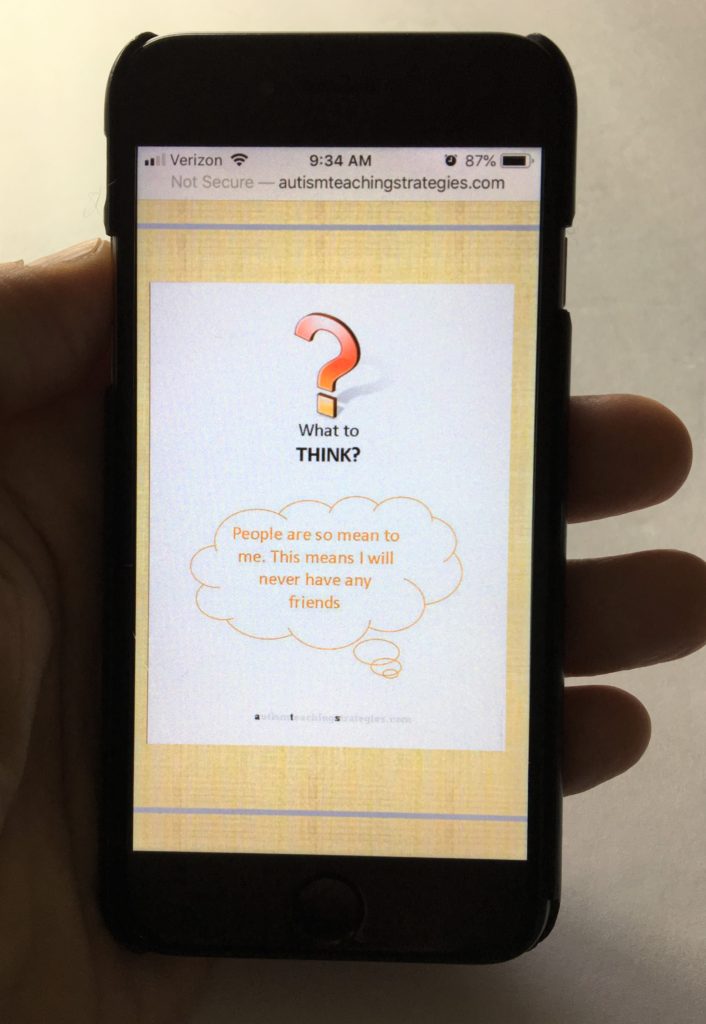
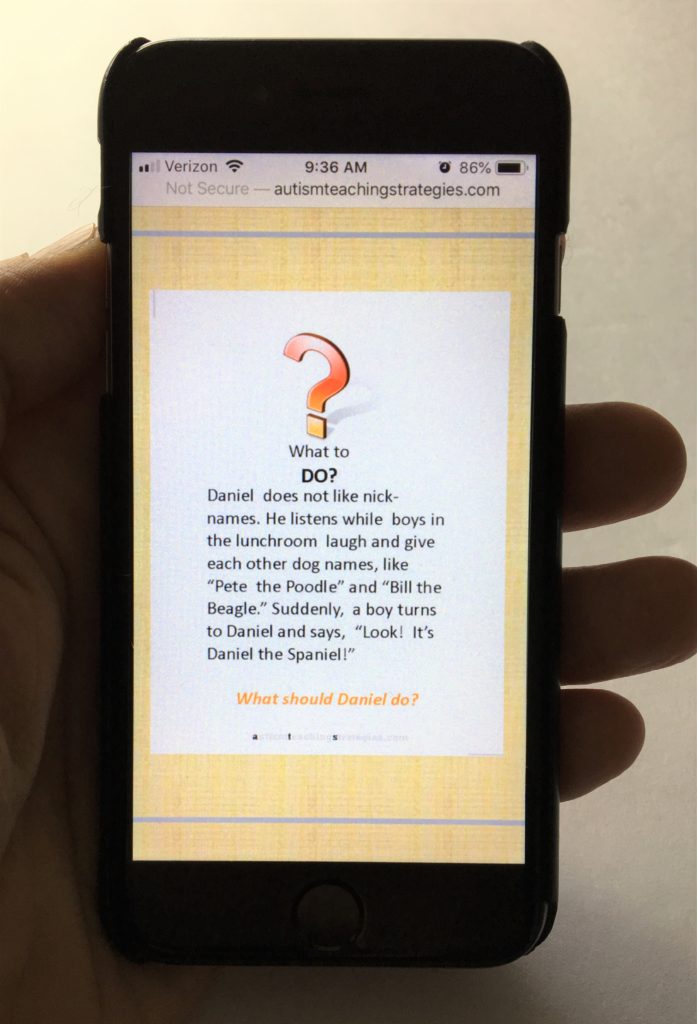
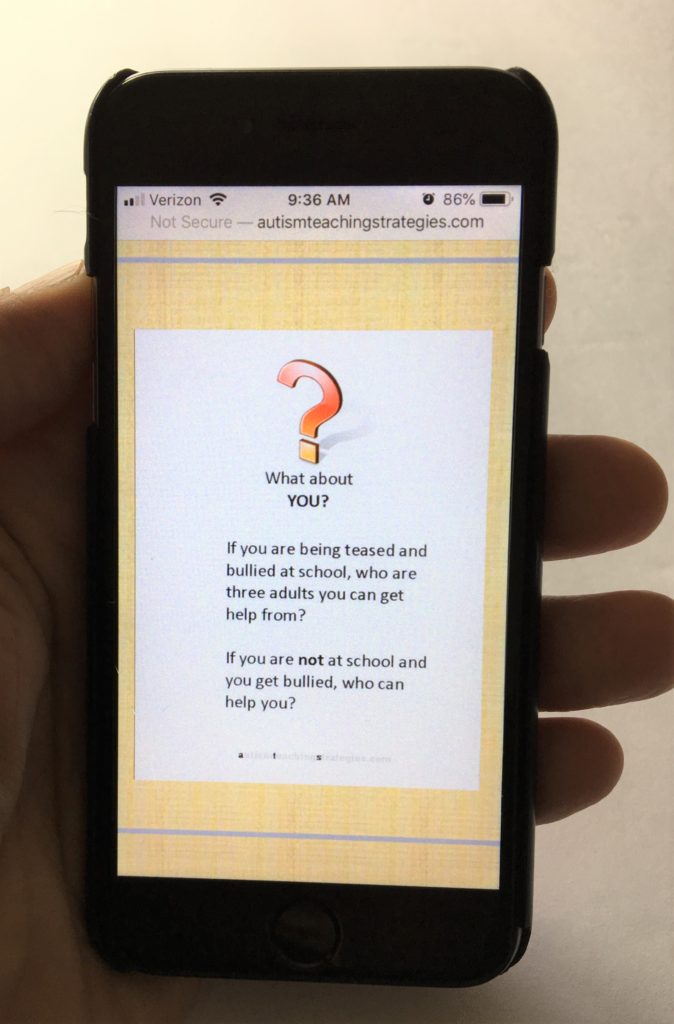
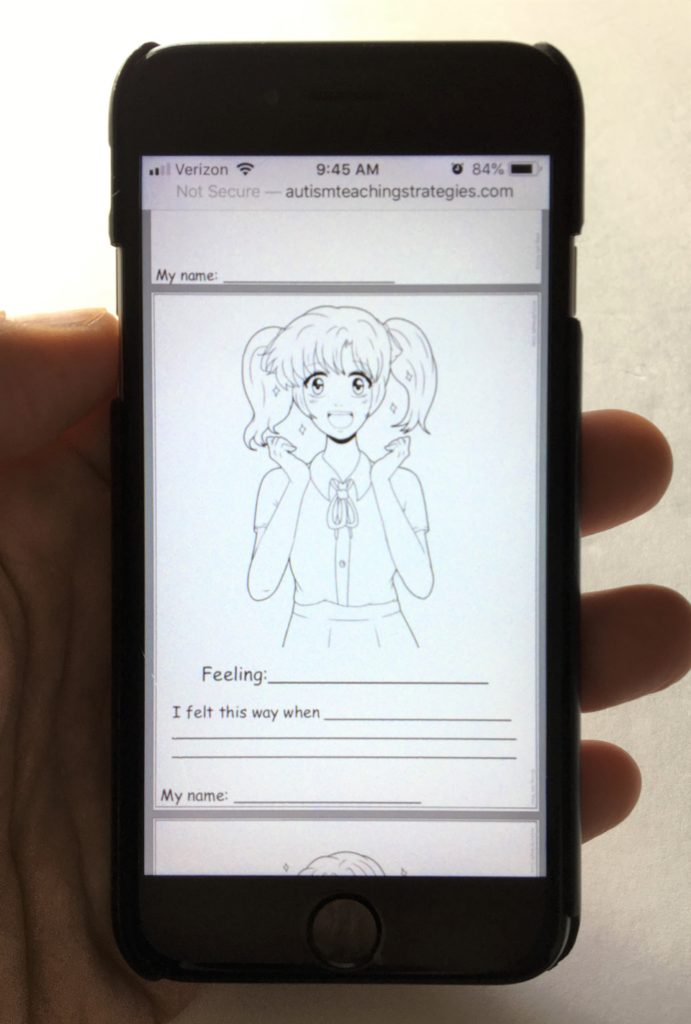
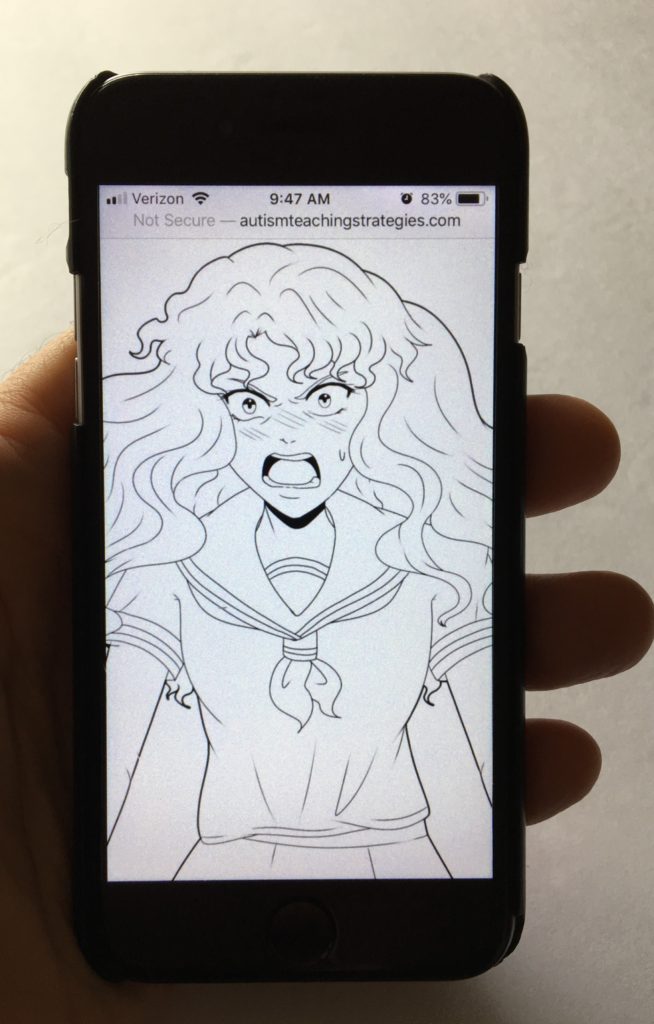
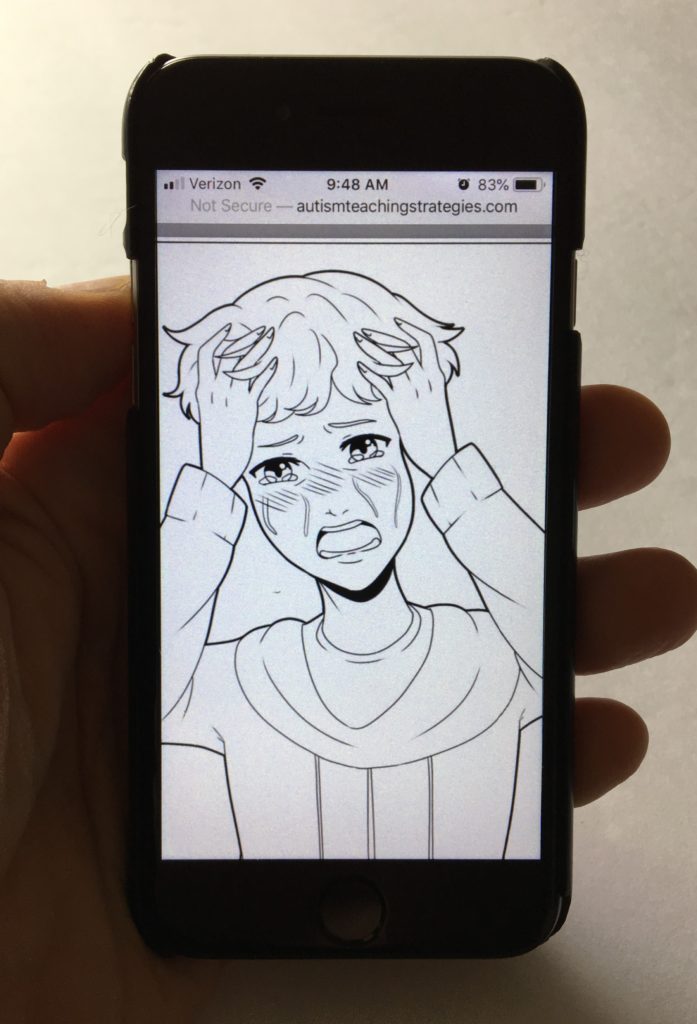
Many of the free social skills resources on this website can be accessed via smart phone. Often, that is a quick and convenient alternative. WHEN YOU CLICK ON THE PICTURES BELOW, YOU WILL BE DIRECTED THE VERSION OF THE RESOURCE THAT CAN BE VIEWED ON A PHONE.
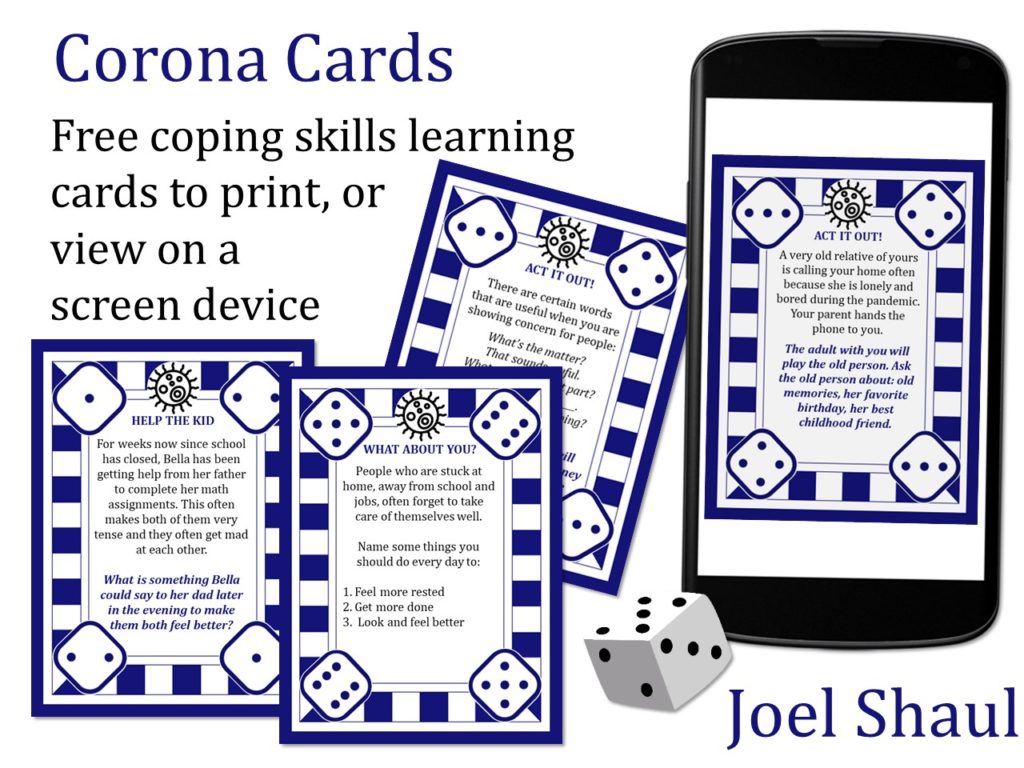
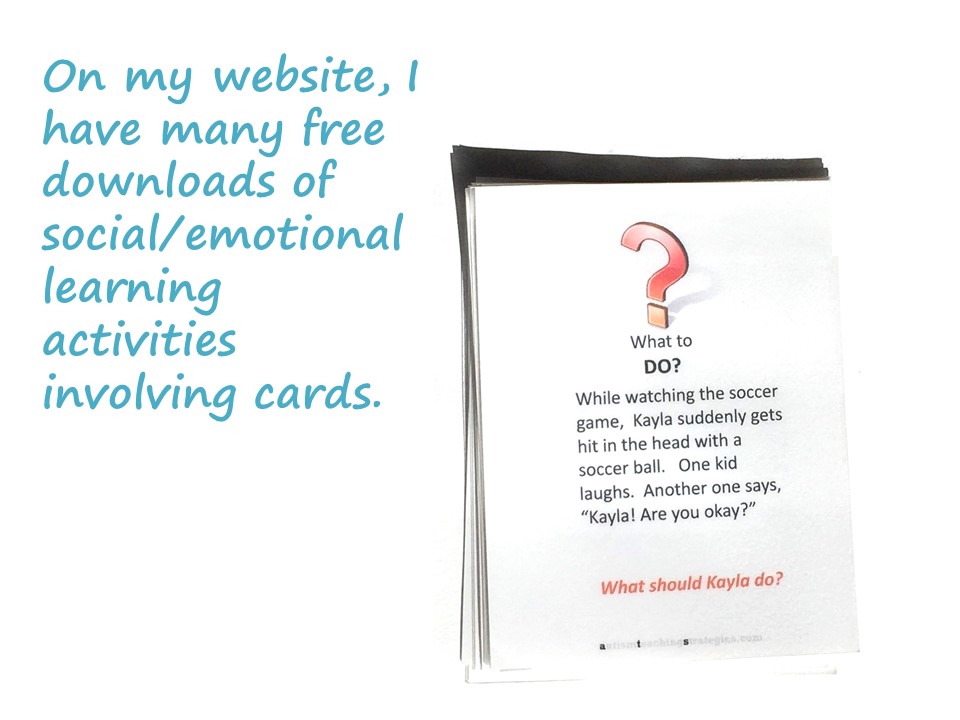
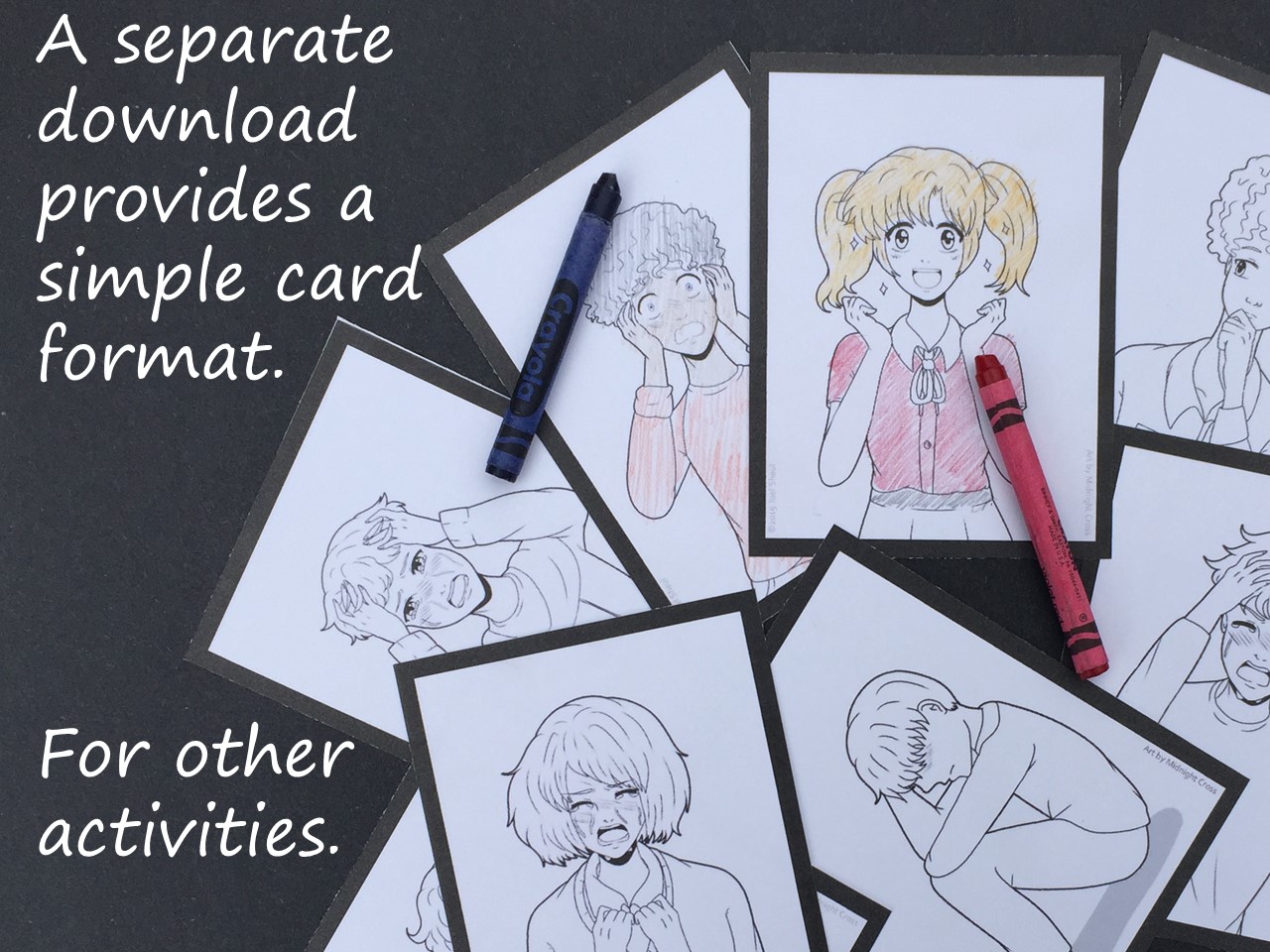
One of the cards from the resource referenced above.
“Correcting and tattling too much.” The resource features several guidelines cards and then a few dozen hypothetical problem solving scenarios (example shown below). Follow the link and then scroll down to “PowerPoint version.”
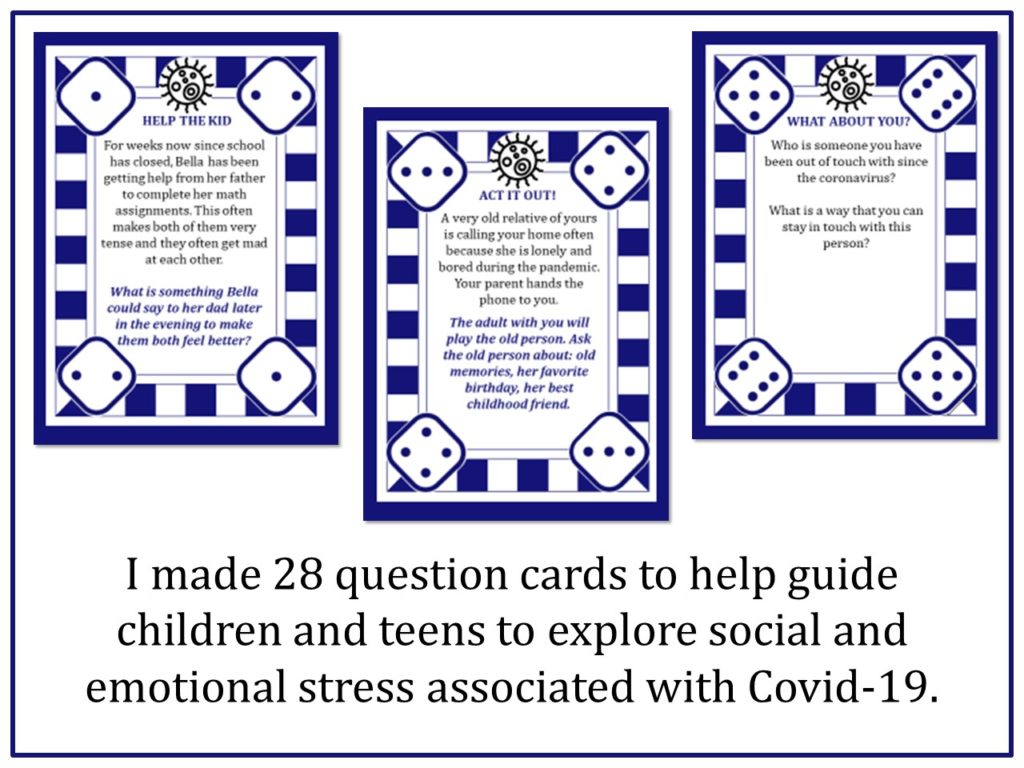
This resource features a number of question cards to explore social isolation. Follow the link and scroll down to “PowerPoint version.”
This resource, on dealing with teasing and bullying, features 7 teaching panels and a large number of problem solving cards, see examples below. Follow the link and scroll down to “PowerPoint version.”
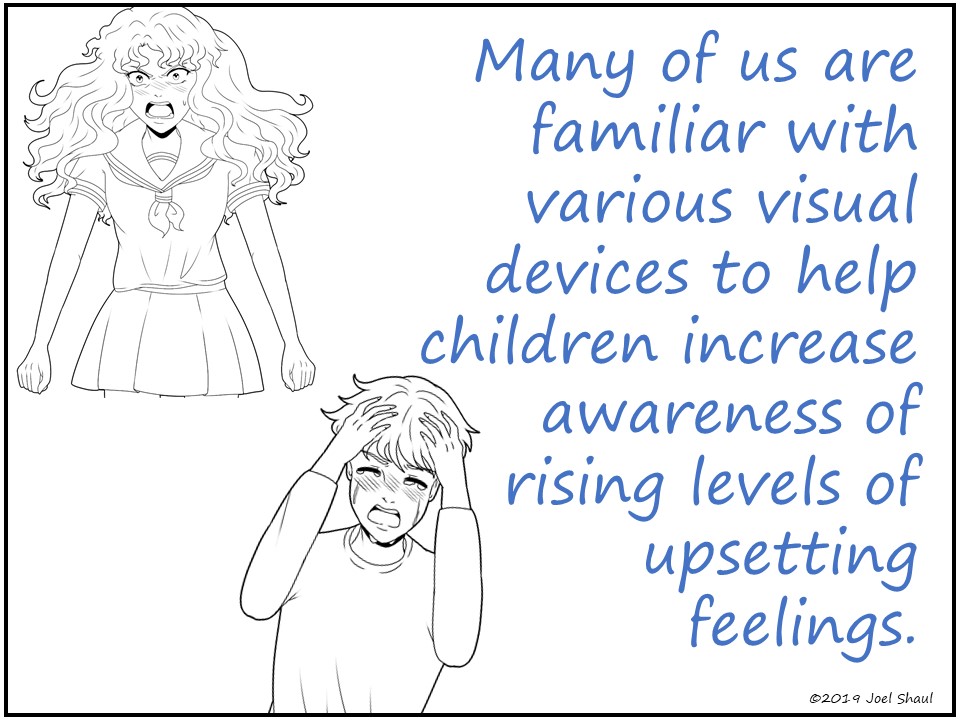
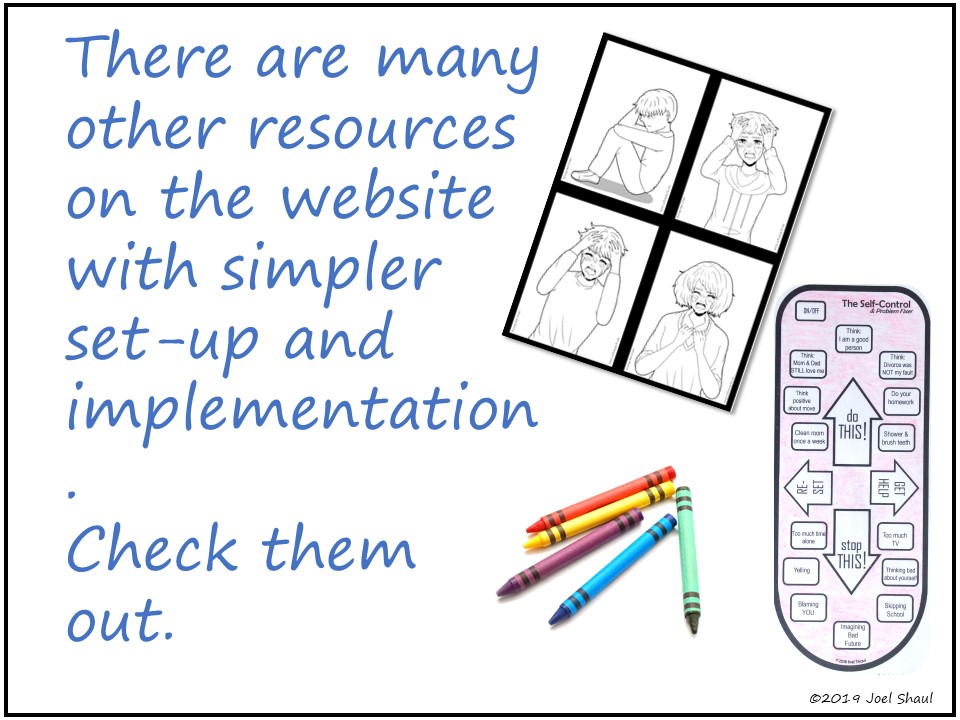
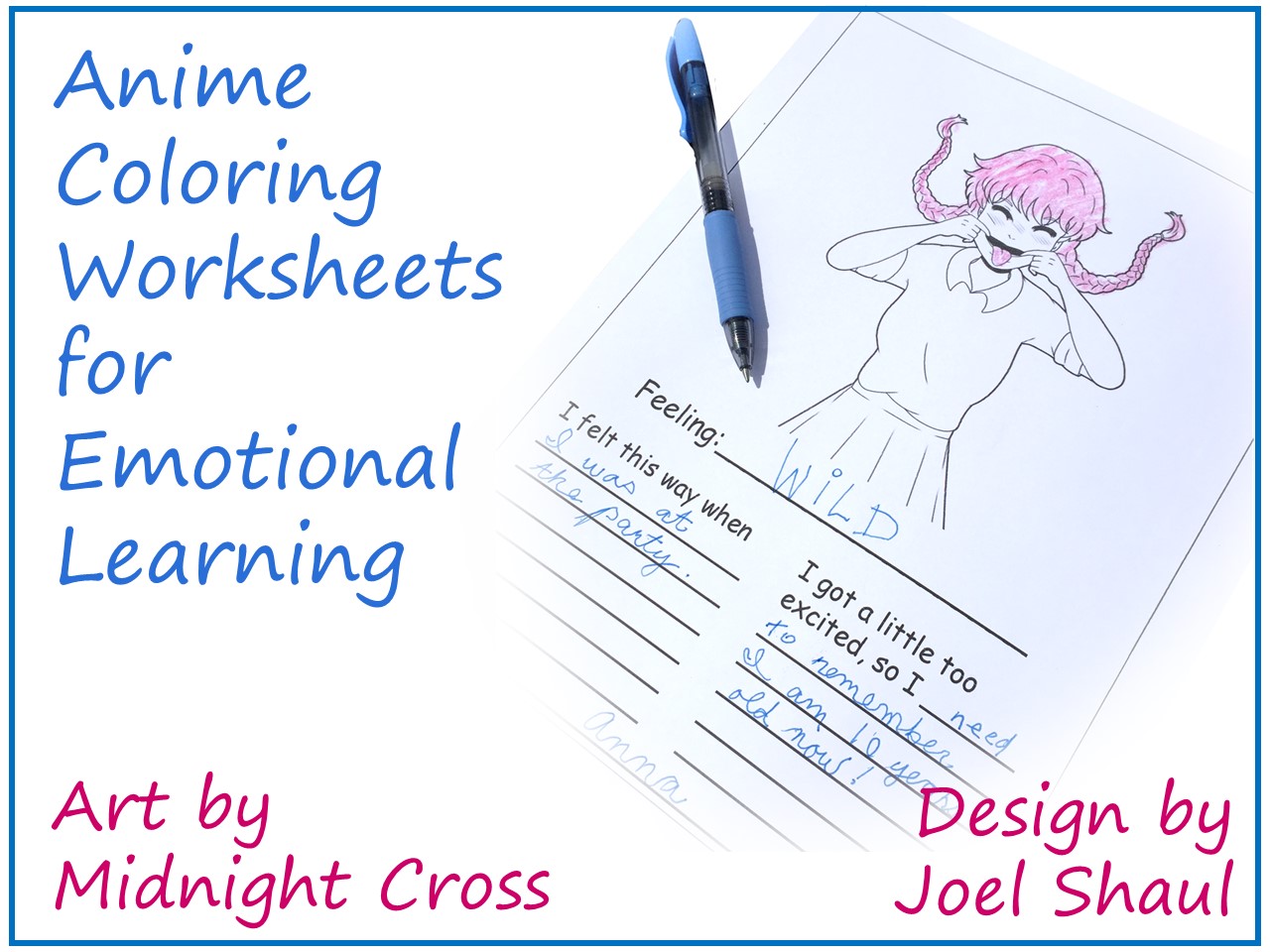
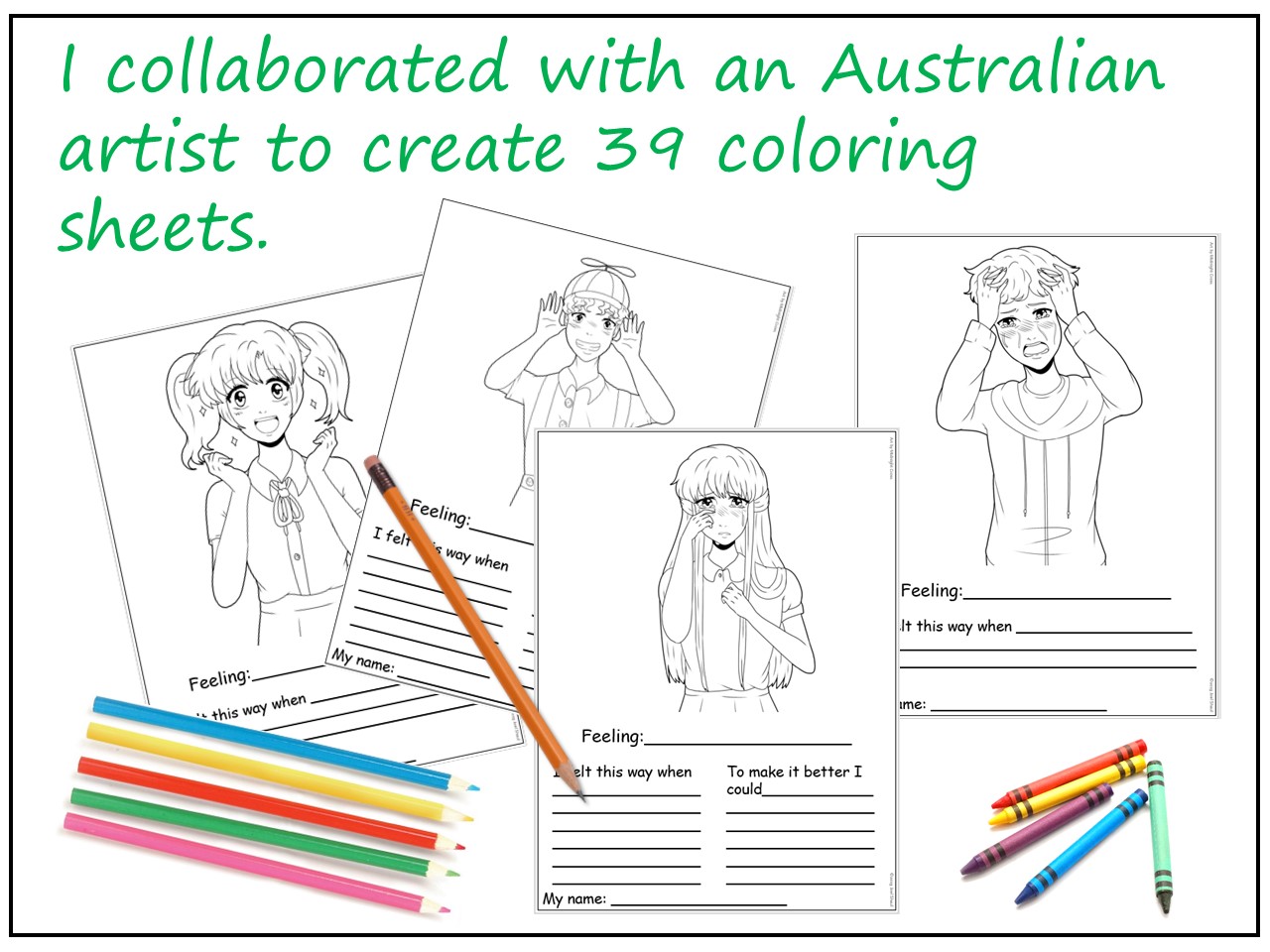
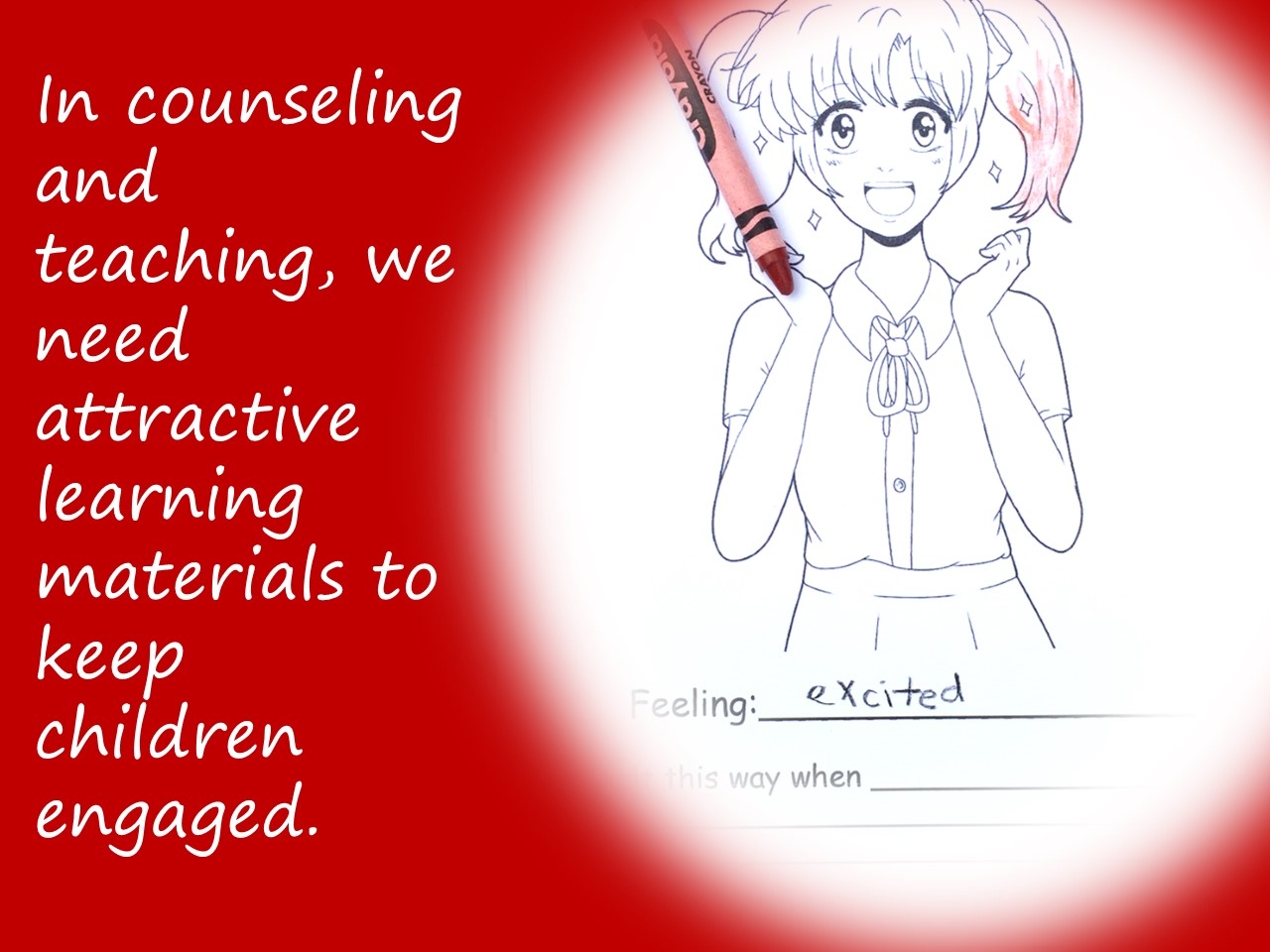
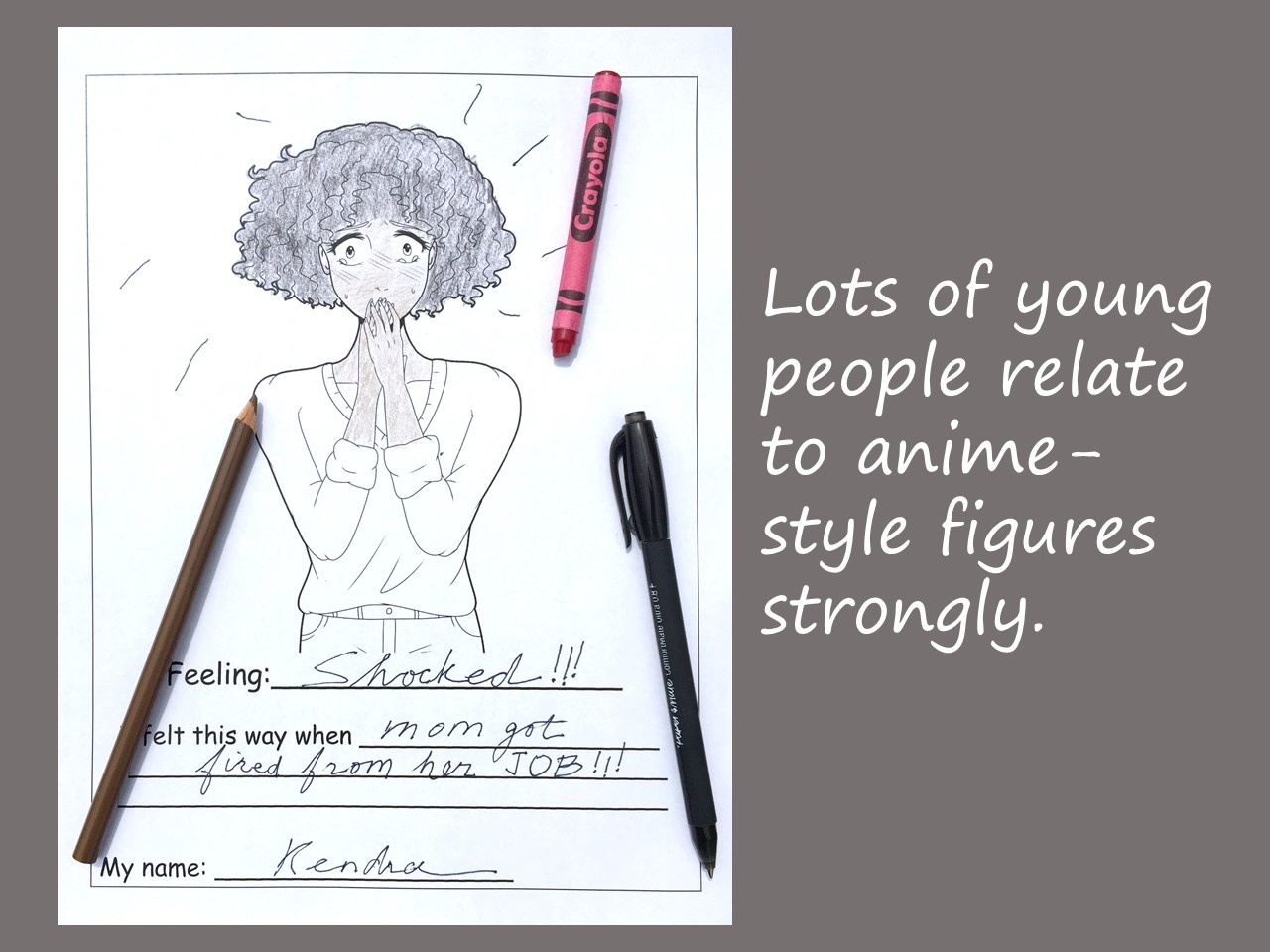
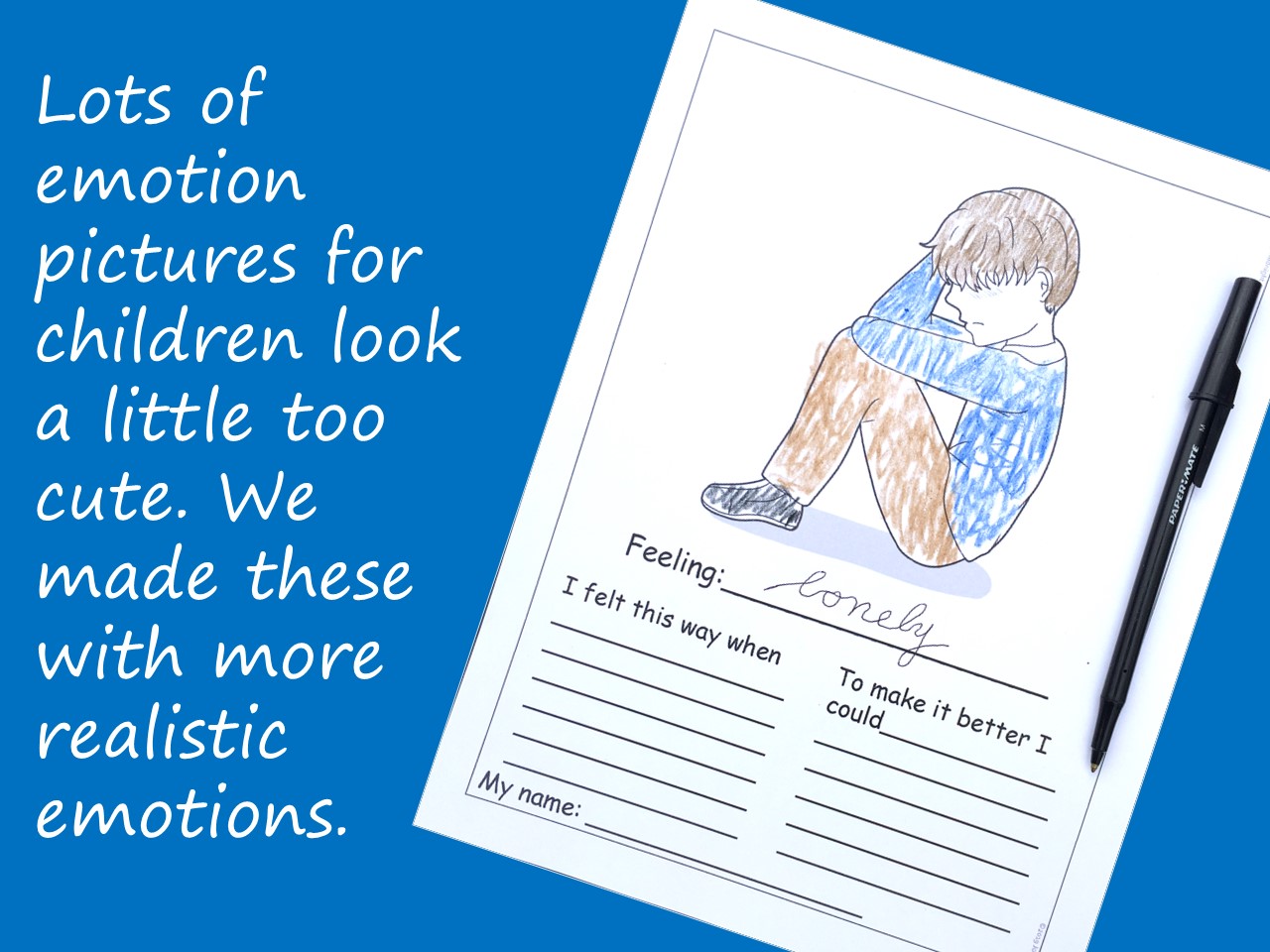
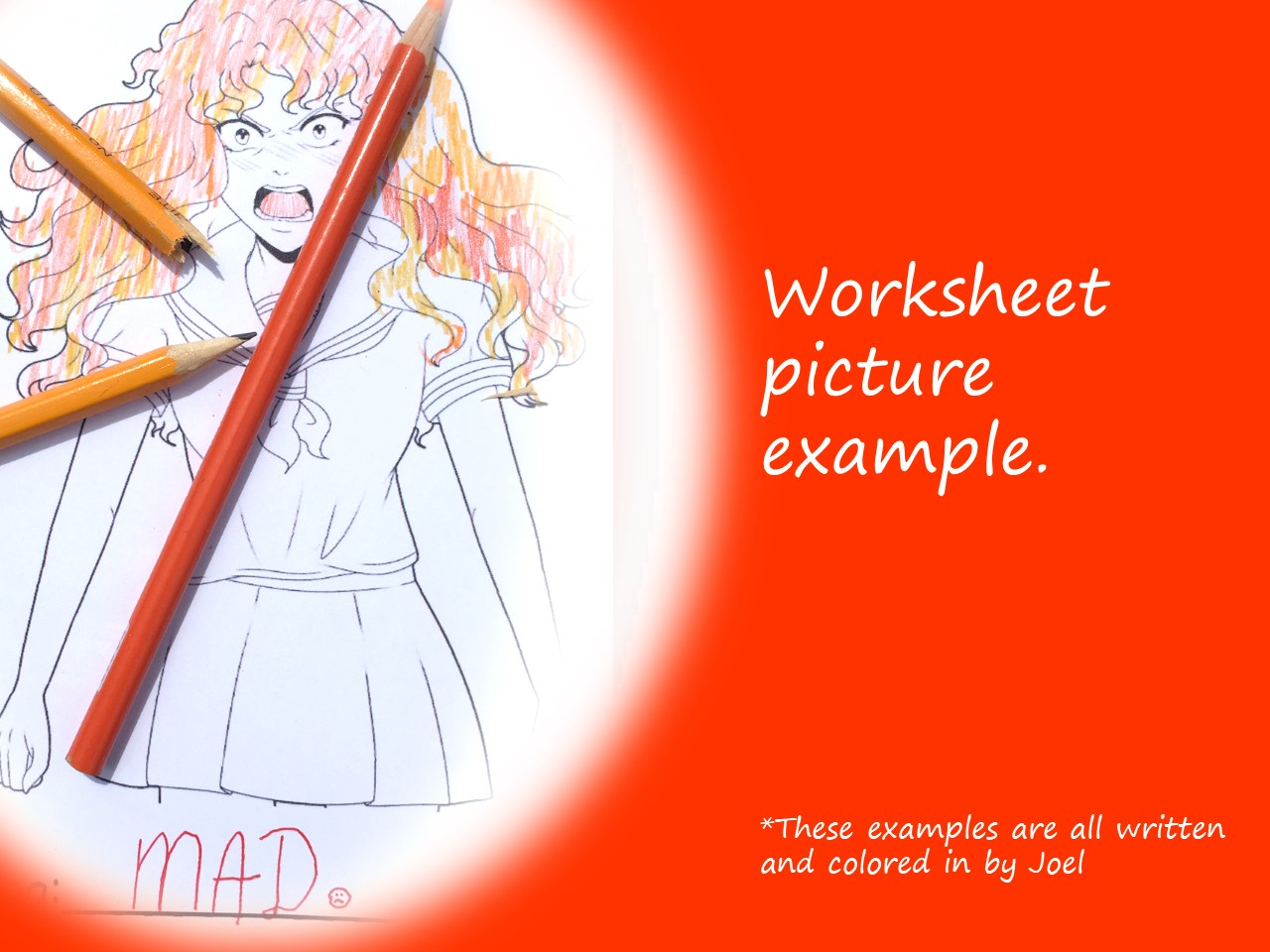
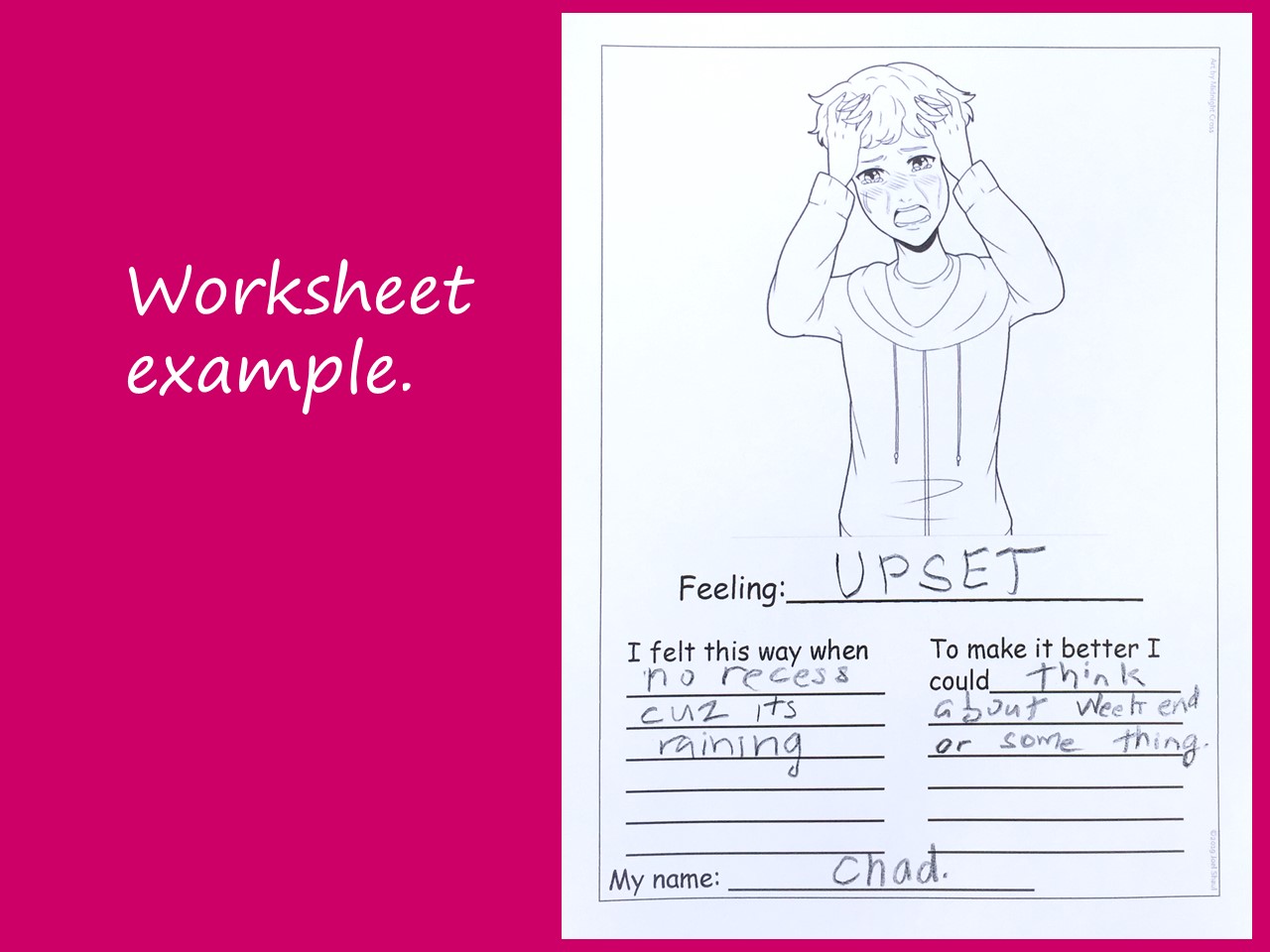
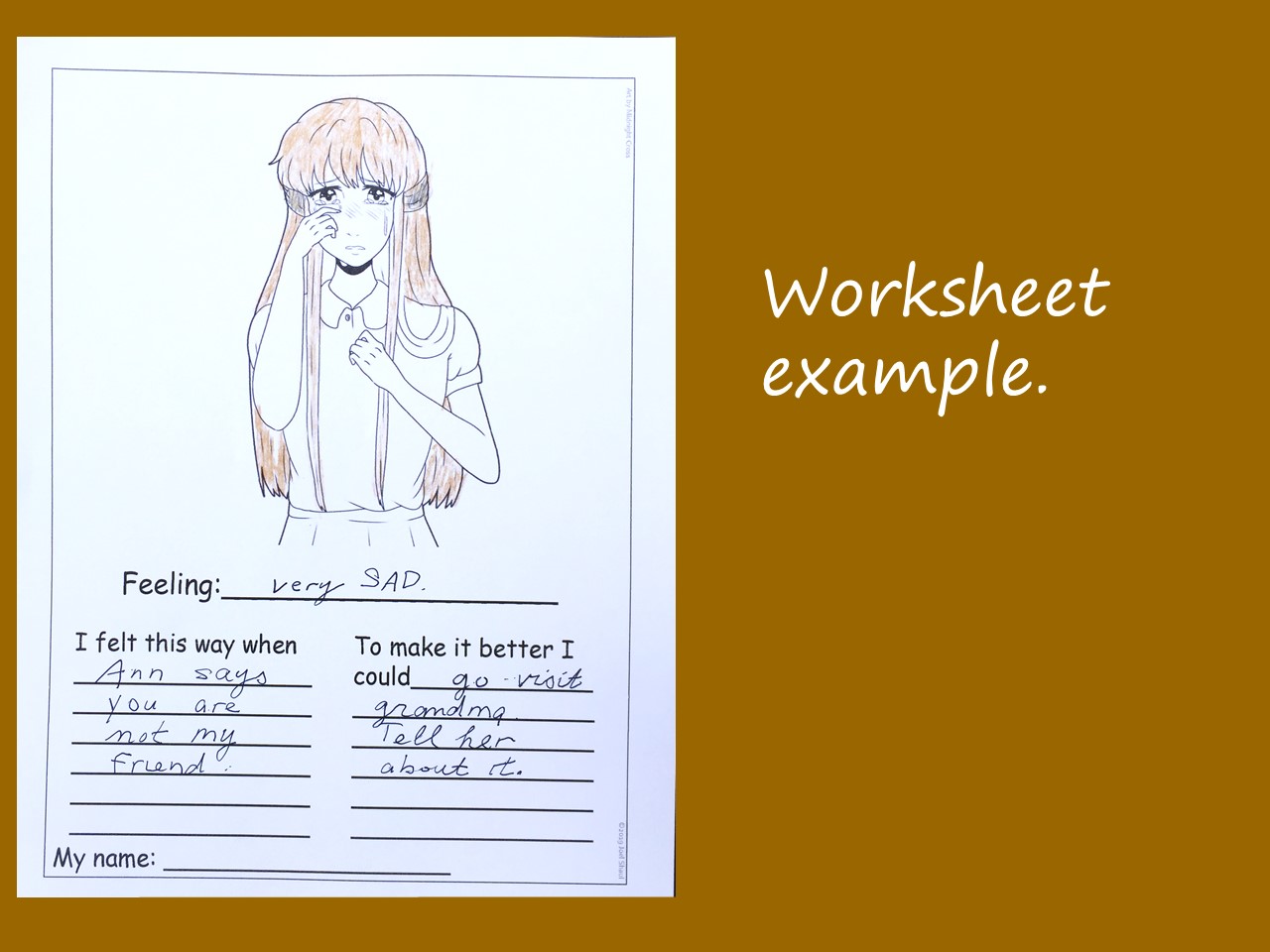
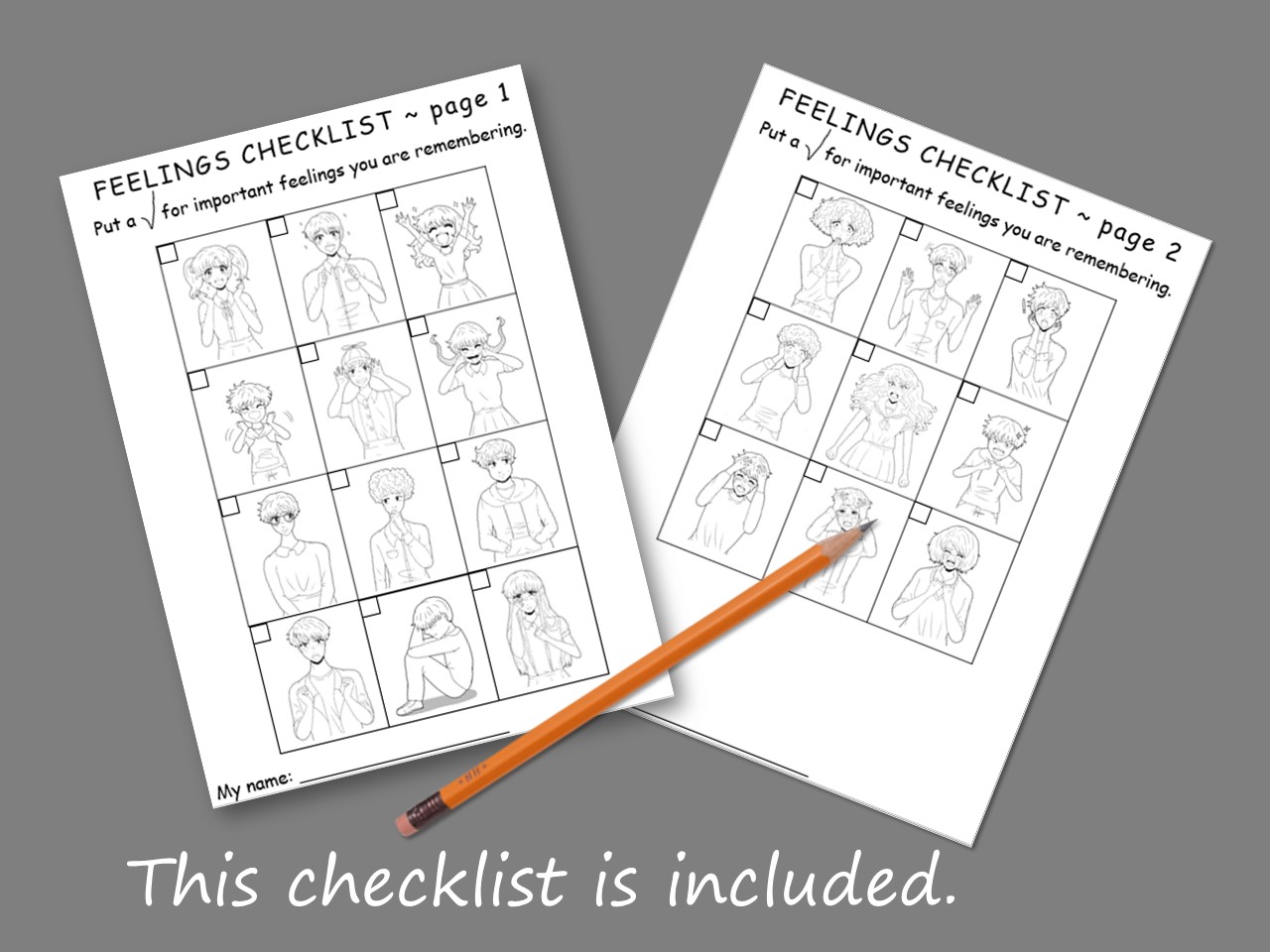
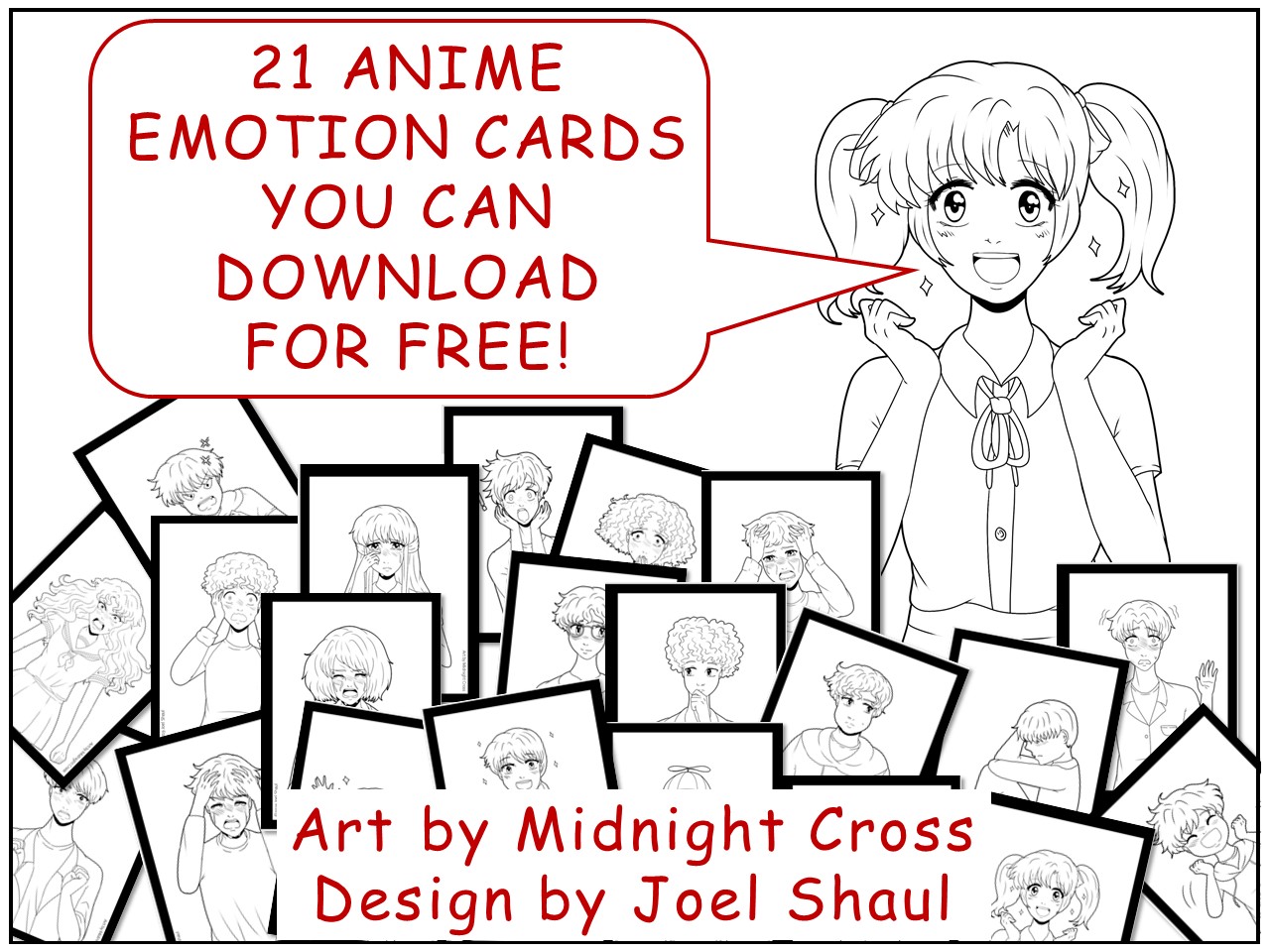
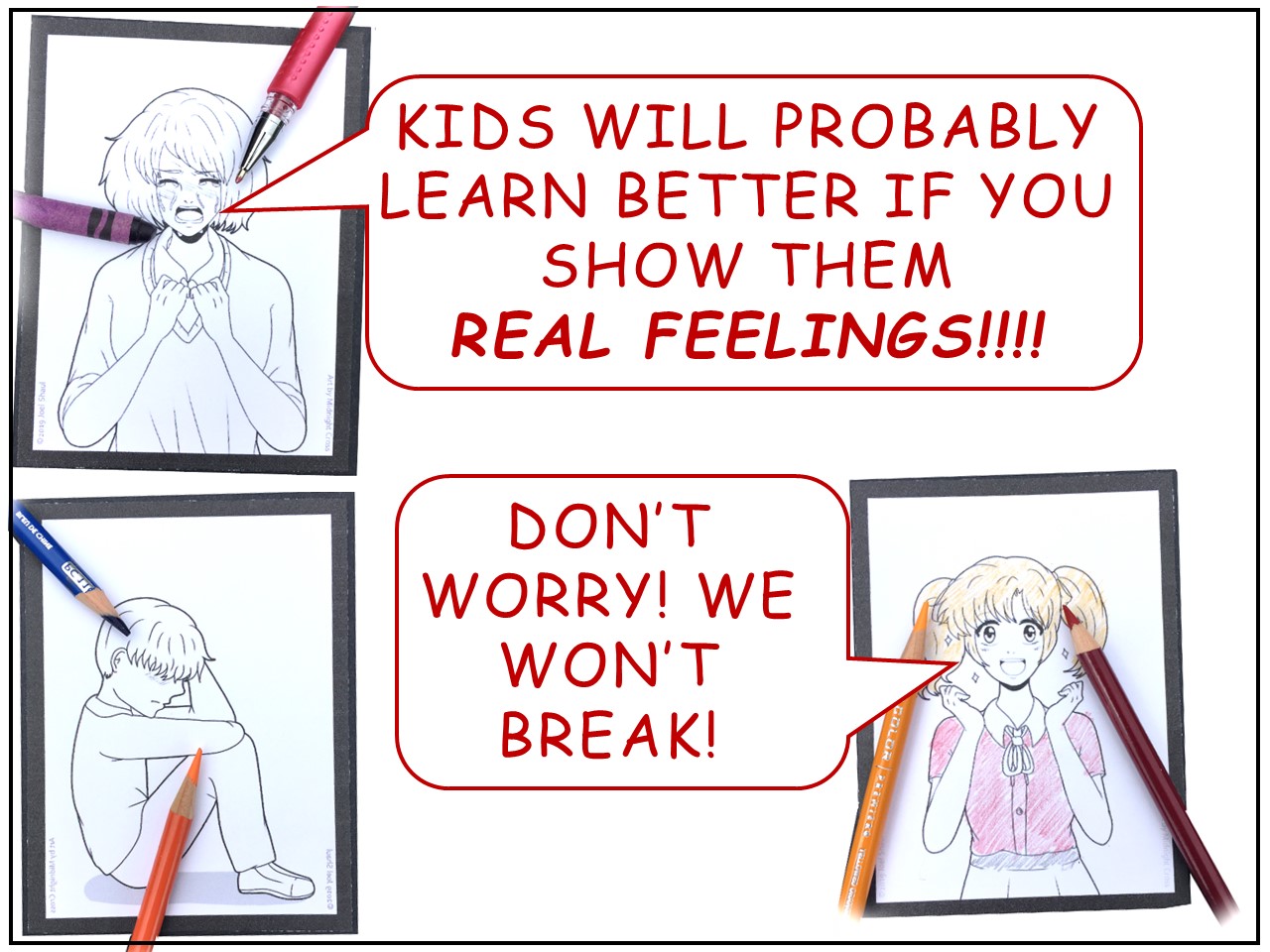
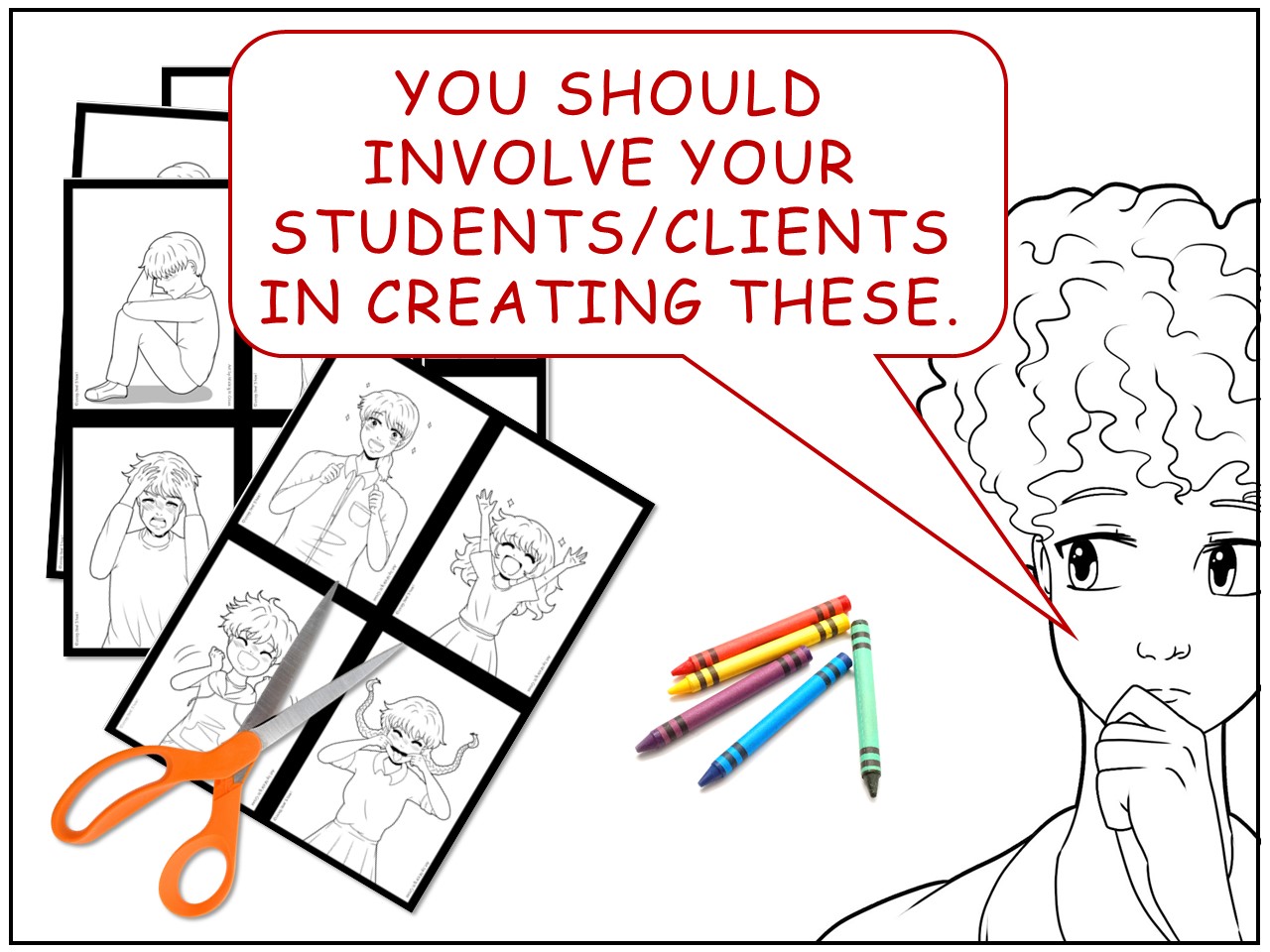
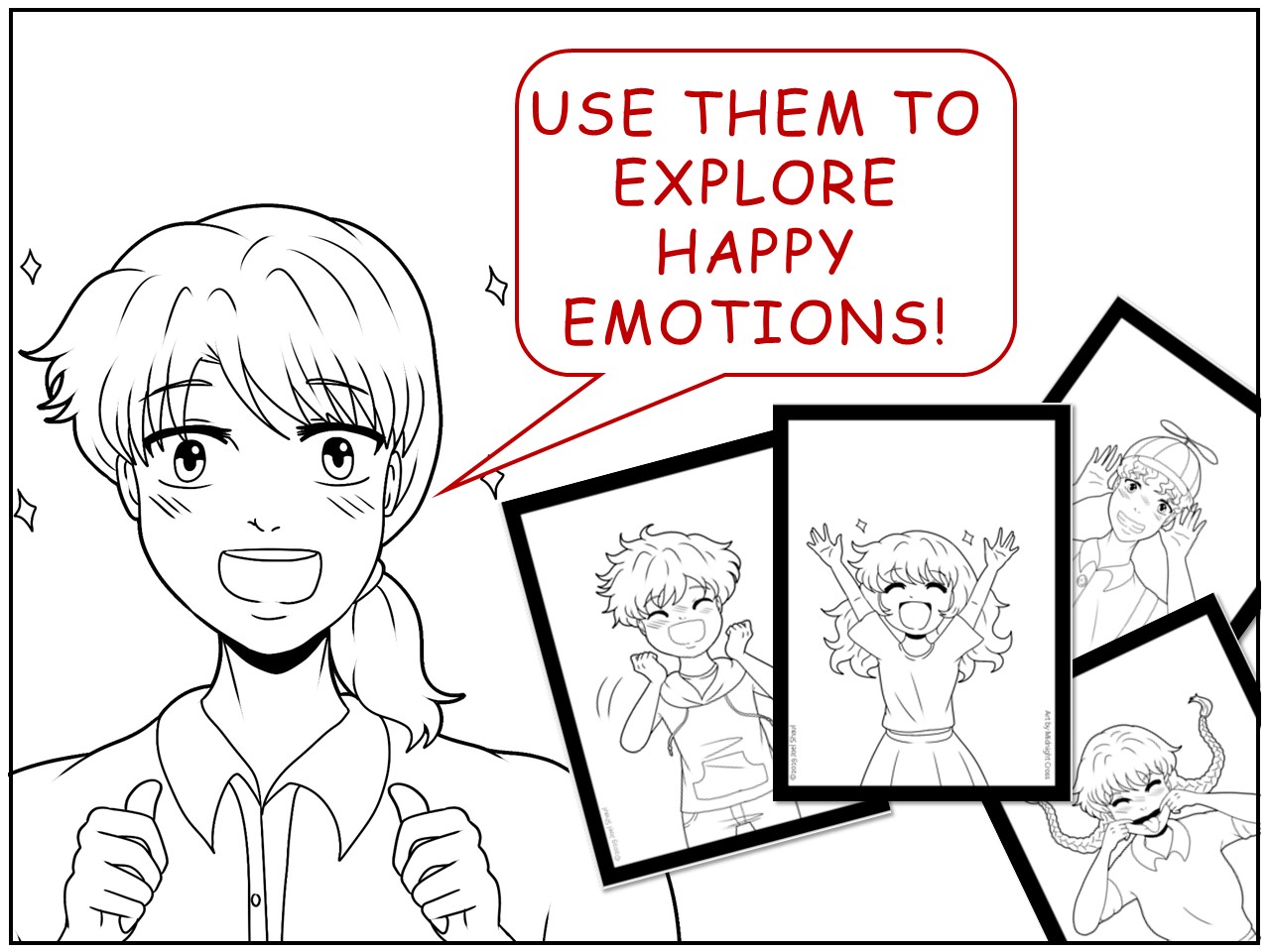
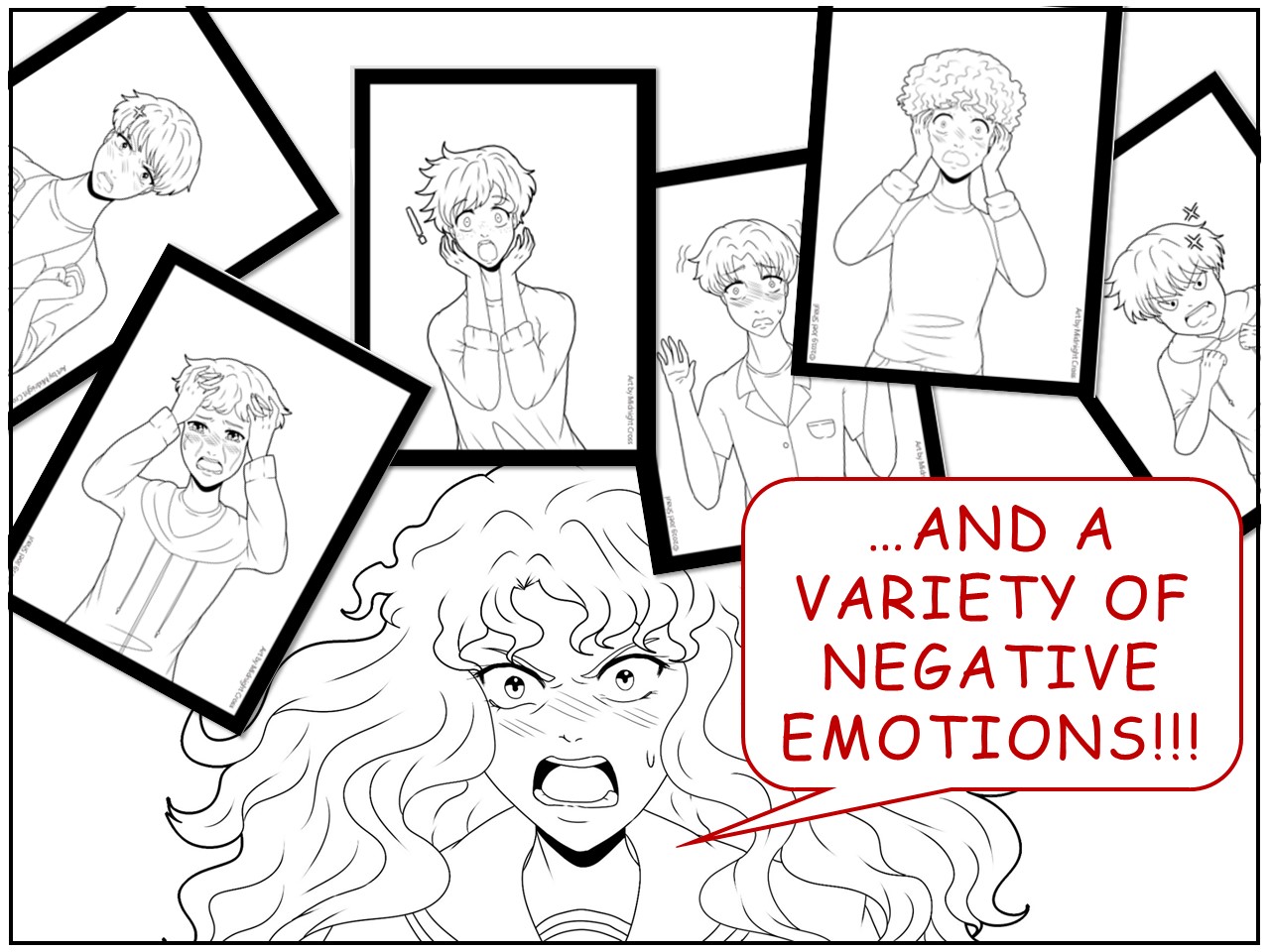
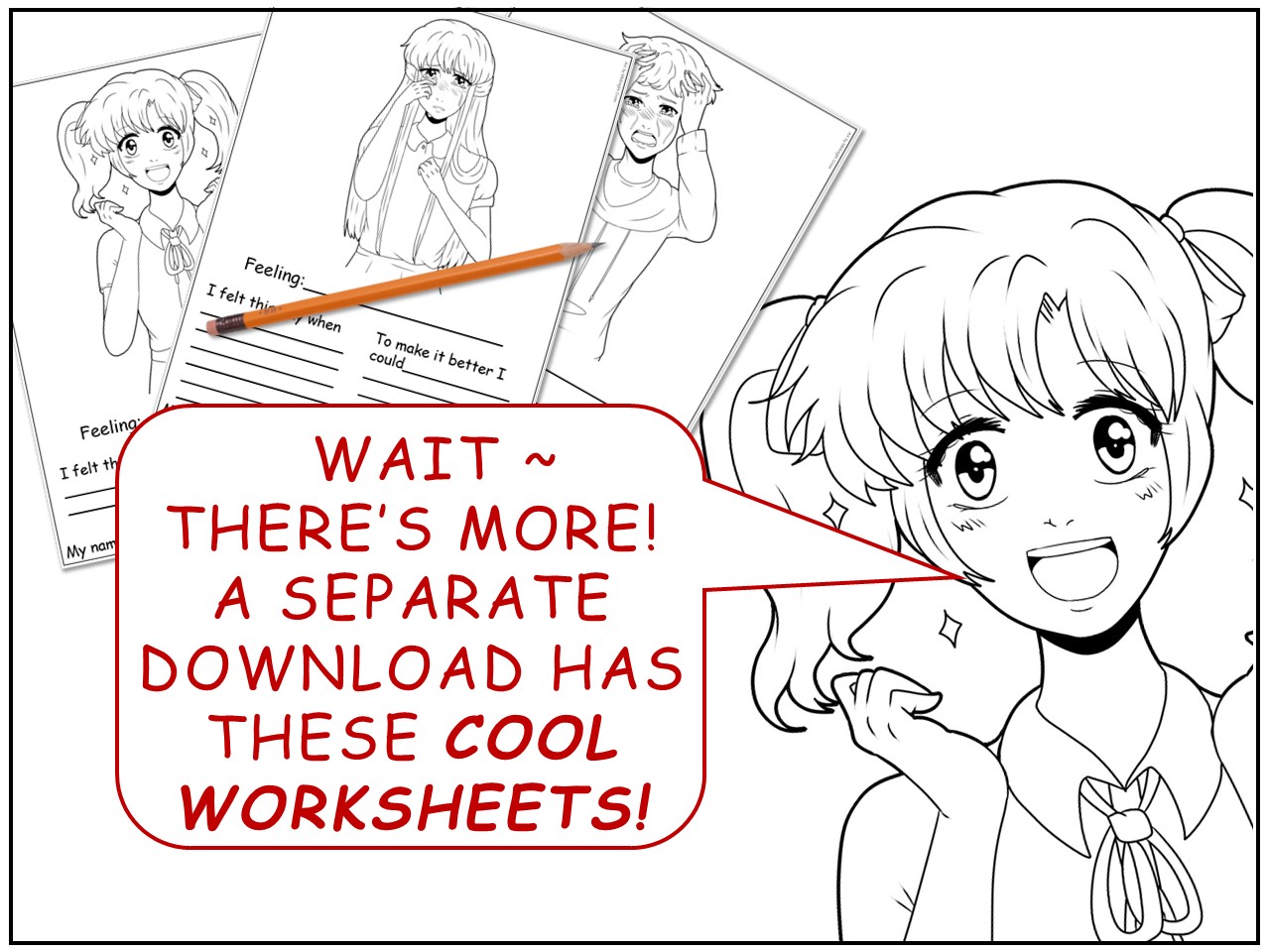
These Anime Emotion Coloring Sheets look really good when viewed one on a phone and they provide a quick way to review emotions with children. You can zoom in on the faces – see examples below.
Children with autism spectrum disorder often struggle to figure out what others feel, think and remember.
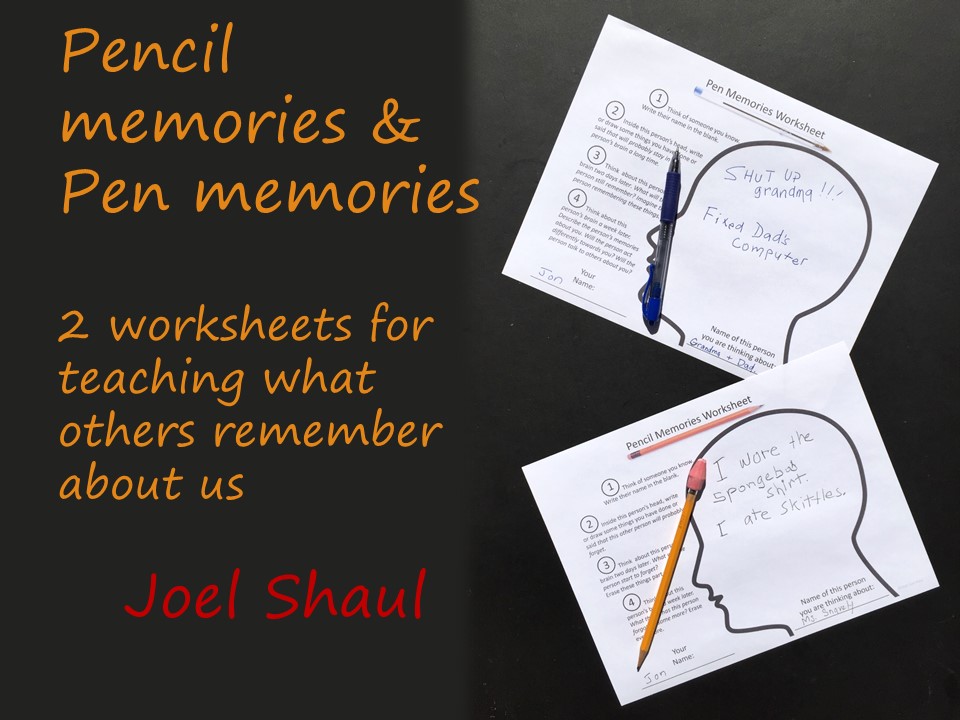
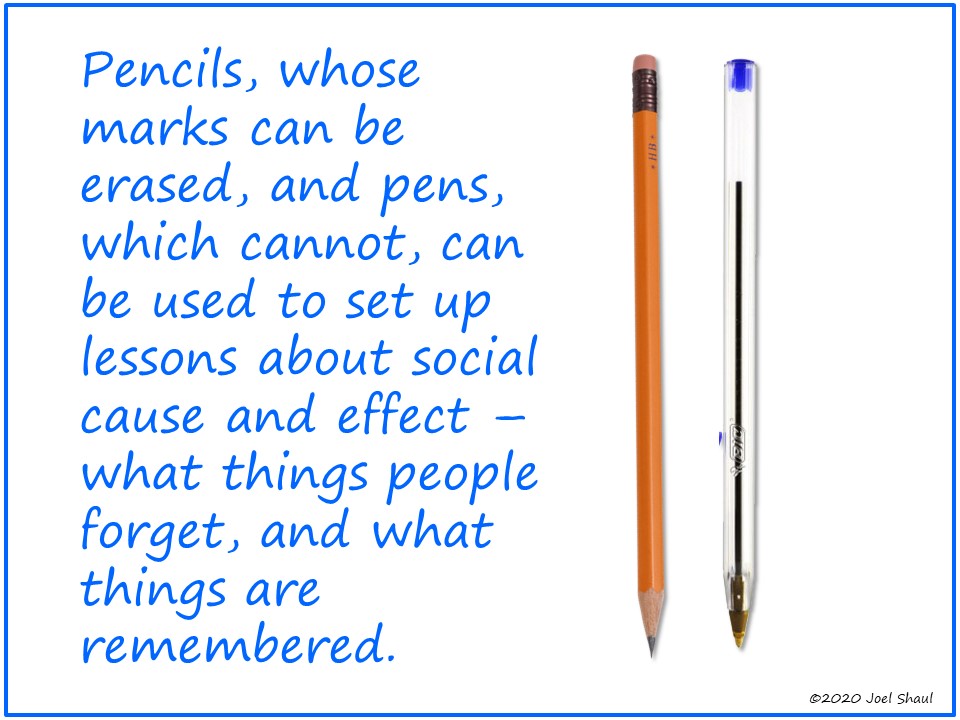
Pencils, whose marks can be erased, and pens, which cannot, can be used to set up lessons about social cause and effect.
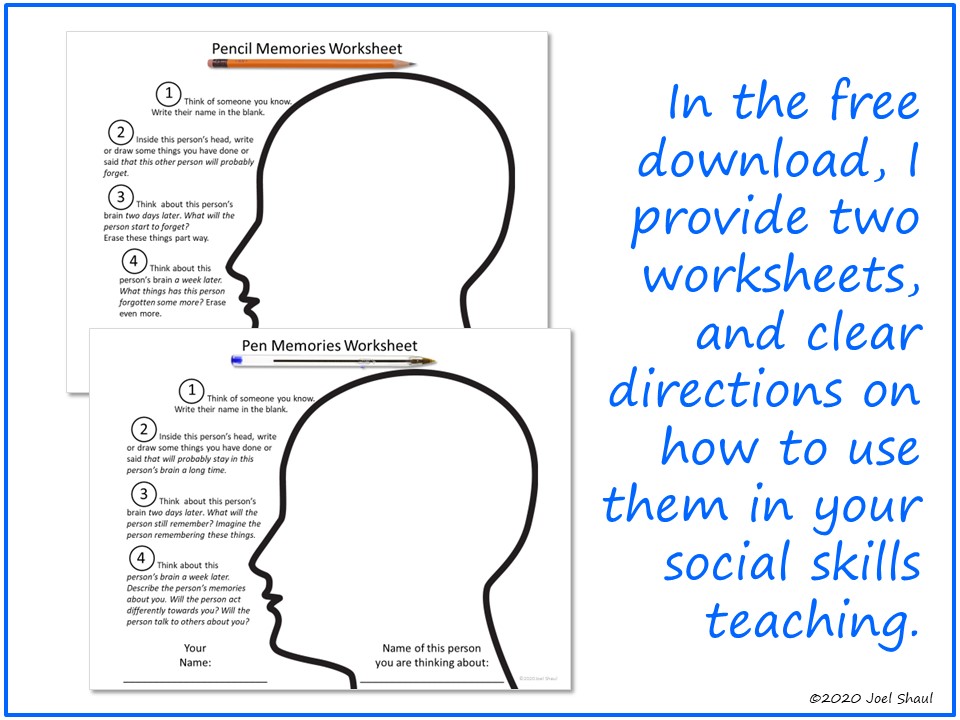
In the free download, I provide two worksheets – the Pencil Memories Worksheet, and the Pen Memories worksheet, as well as clear directions on how to use them.
Here is another free social skills worksheet on the topic of social cause and effect and what others remember: Words Hurt, Words Help Worksheets.
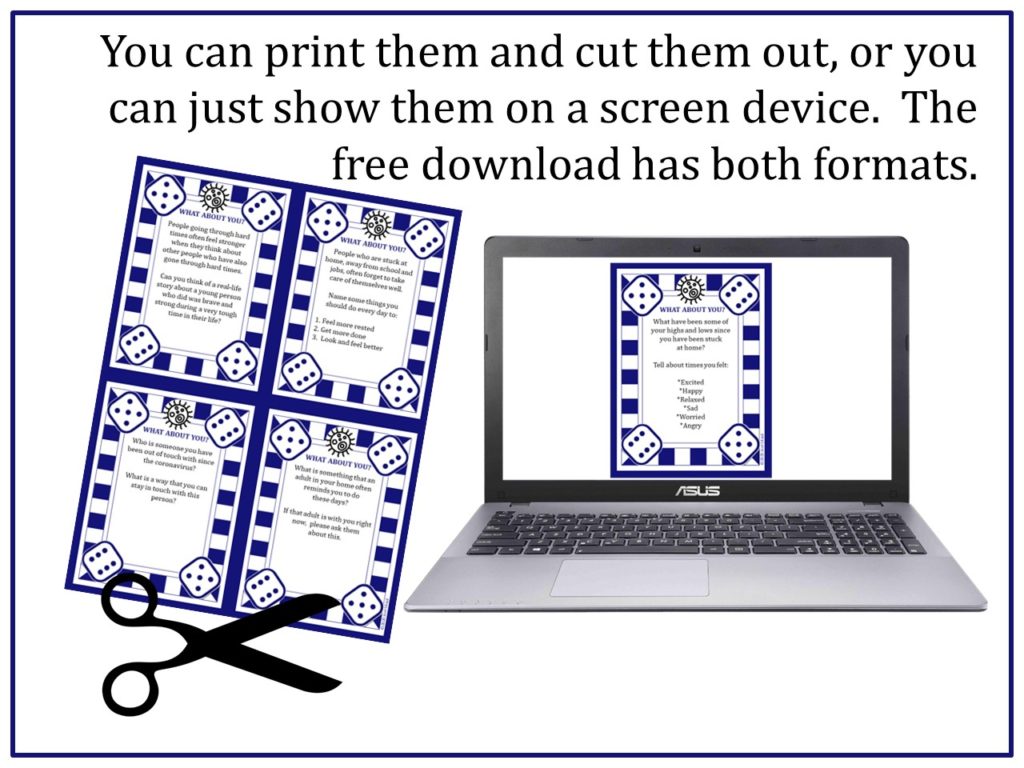
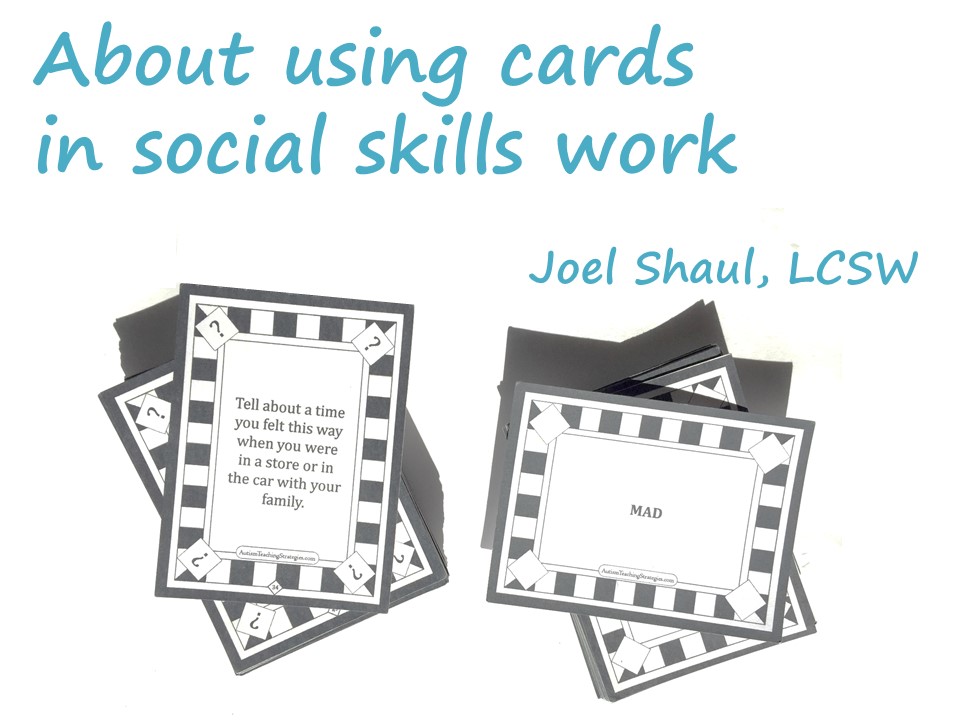
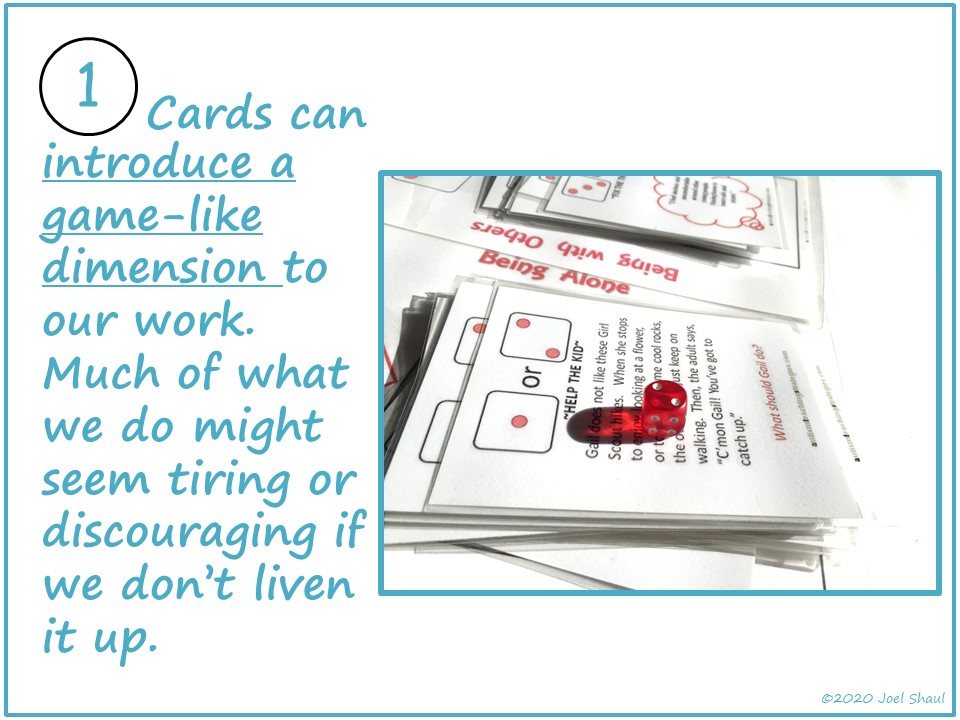
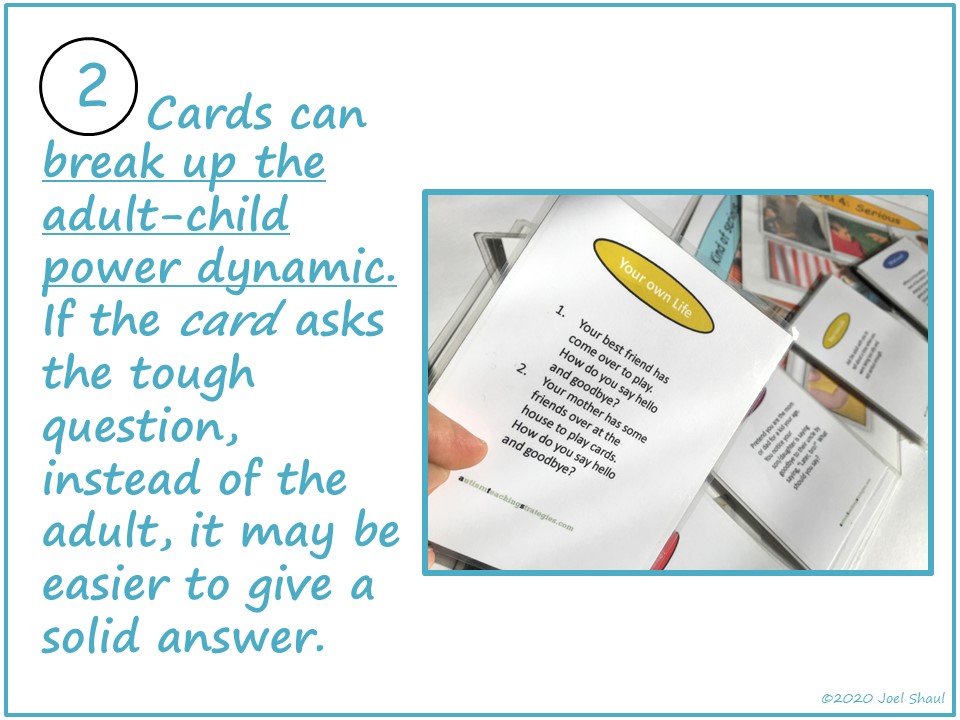
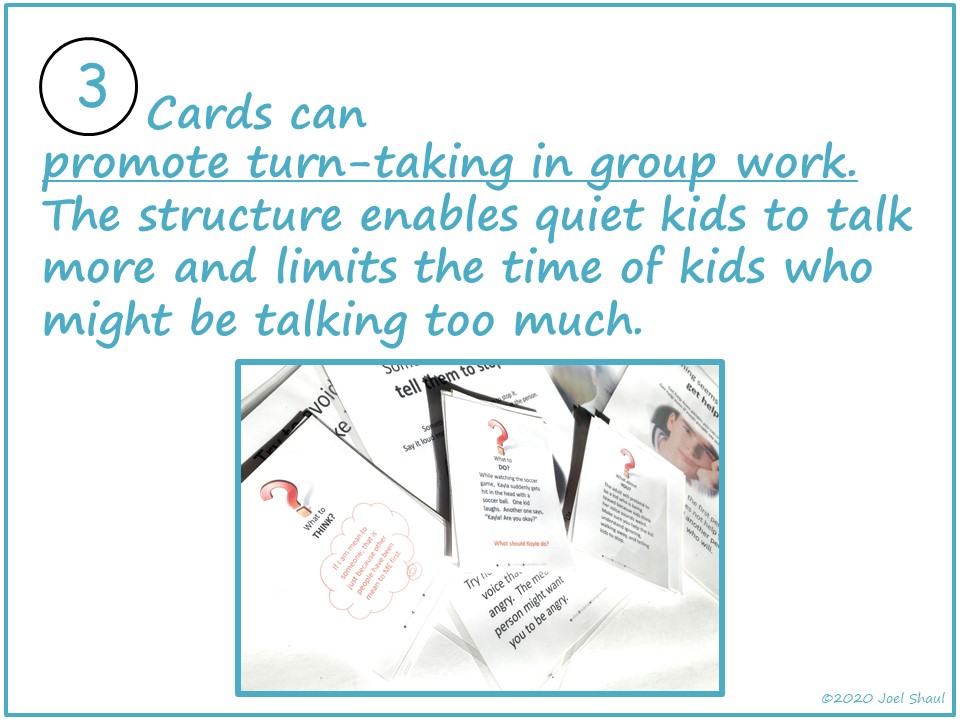
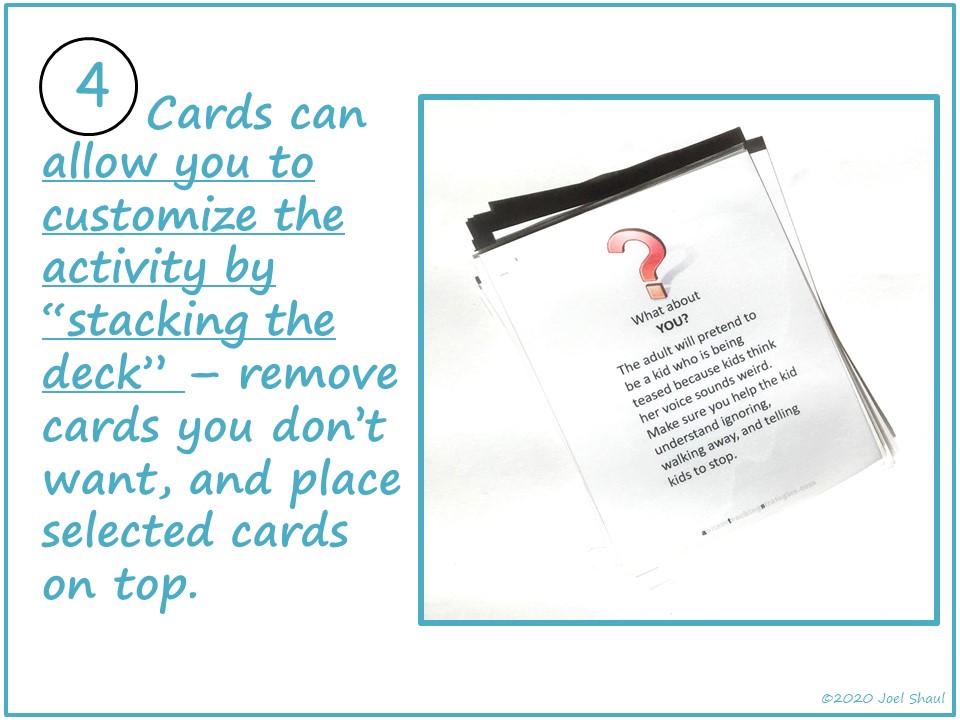
There are some strategic reasons to use cards in social-emotional teaching and therapy with children. Cards can introduce a useful game-like dimension to the work. Much of what might be taught in a card activity might feel tired or discouraging without this playful aspect. Cards can help to break up the adult-child power dynamic. If the card asks a tough question instead of the adult, it might be easier for the child to give a solid answer. Cards can promote turn-taking in group work. The structure allows quieter kids to talk more and can help place reasonable limits on children who might be talking too much.
There are many activities on this website that include downloadable cards. Check them out.
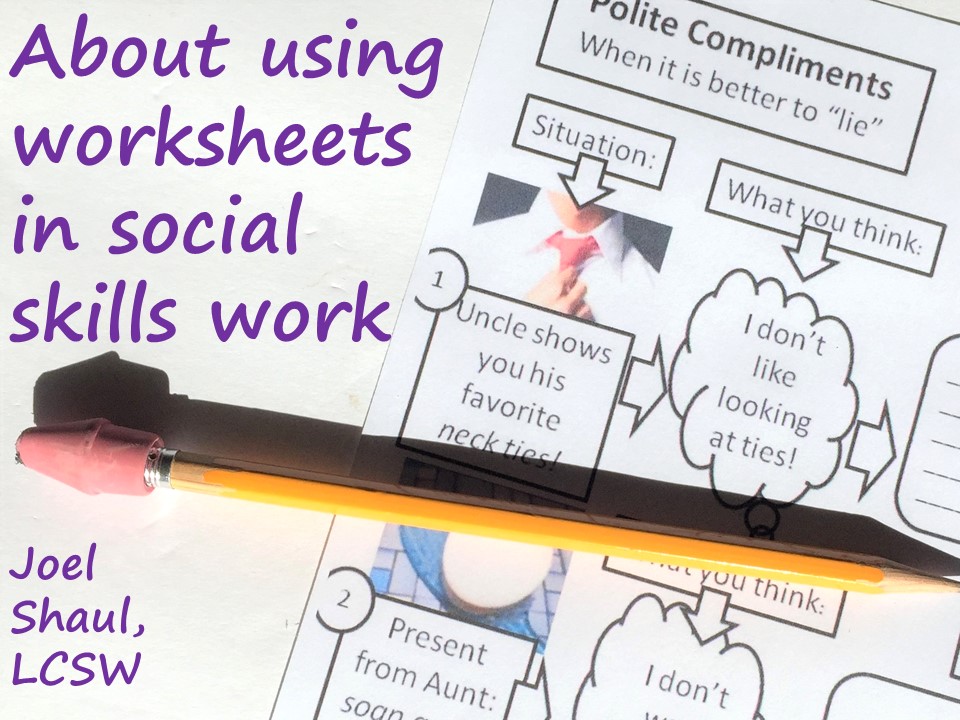
There are good reasons and bad reasons to use worksheets in child therapy and social-emotional teaching.
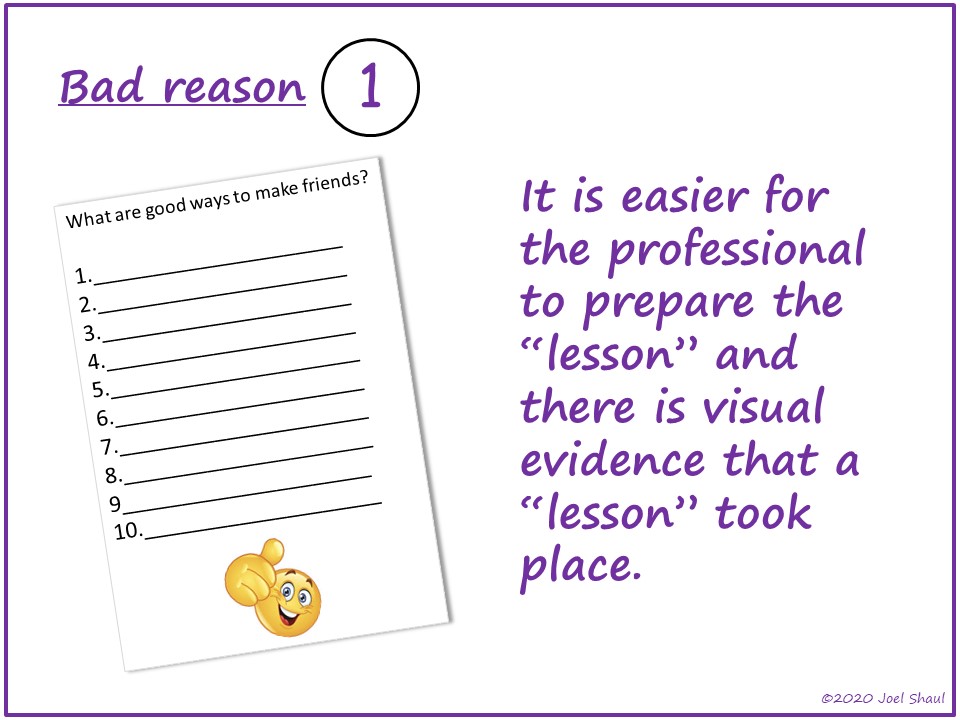
Bad reason # 1: Worksheets can make it much faster and easier to prepare for the class or therapy session. Worksheets provide visual evidence that “therapy” took place.
Bad reason #2: Our learning activity is taking place in school, where children are supposed to be writing.
However, there are some very good reasons to use worksheets at times when we are helping children with social and emotional problems.
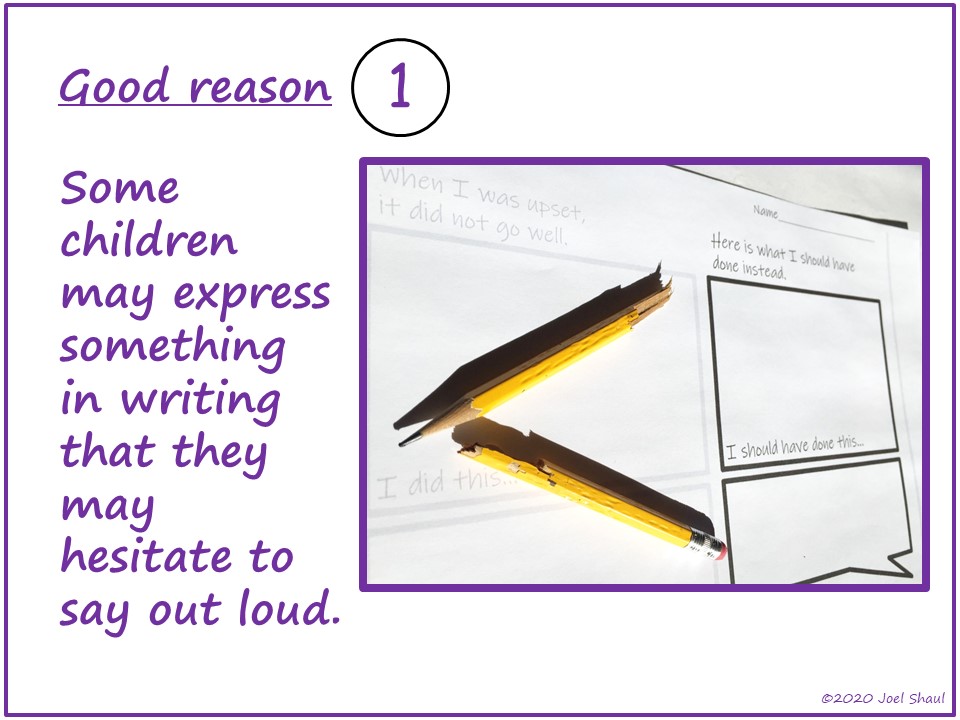
Good reason #1: Some children will express something significant in writing which they might be hesitant to express aloud.
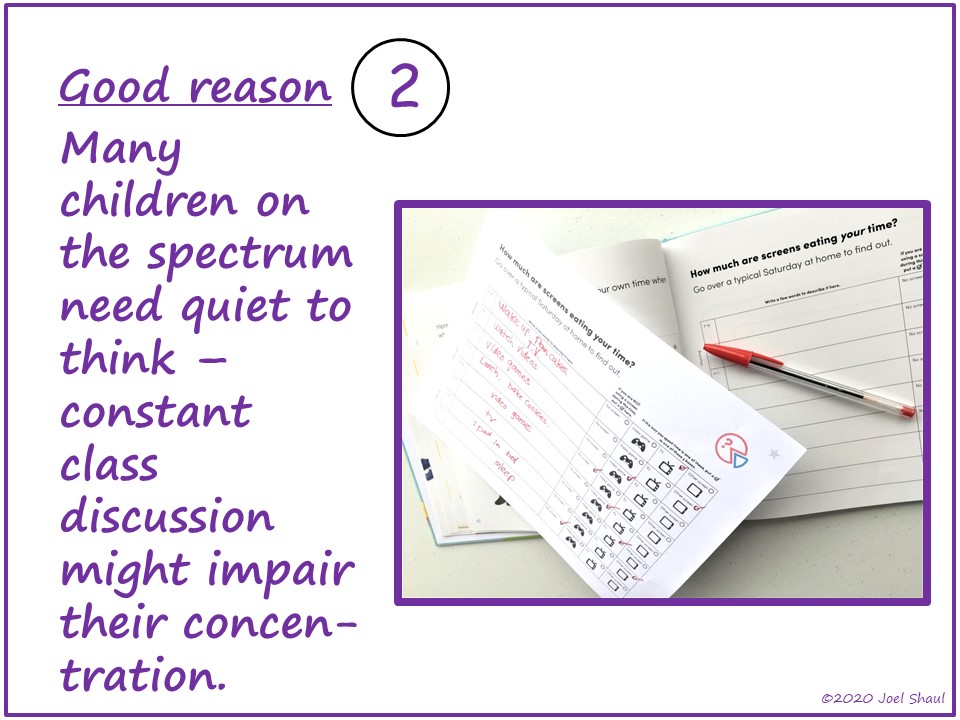
Good reason #2: Many children on the autism spectrum need quiet to think clearly – constant discussion might impair their concentration.
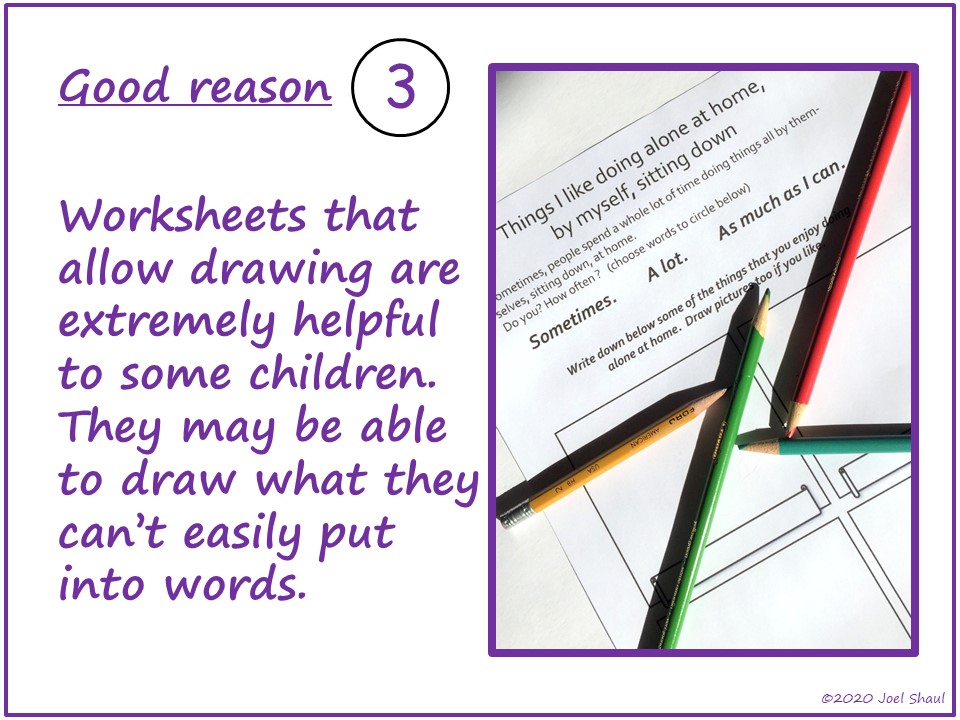
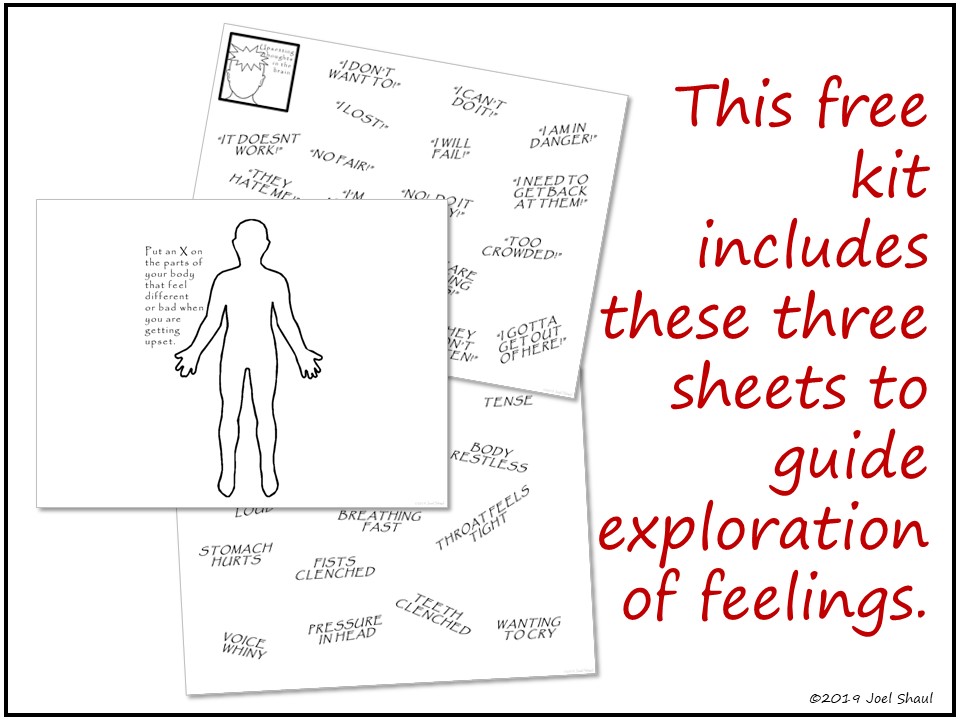
Good reason # 3: Worksheets that include drawing can be extremely helpful to some children. Some children can at times express in a simple picture what they might not be able to say aloud.
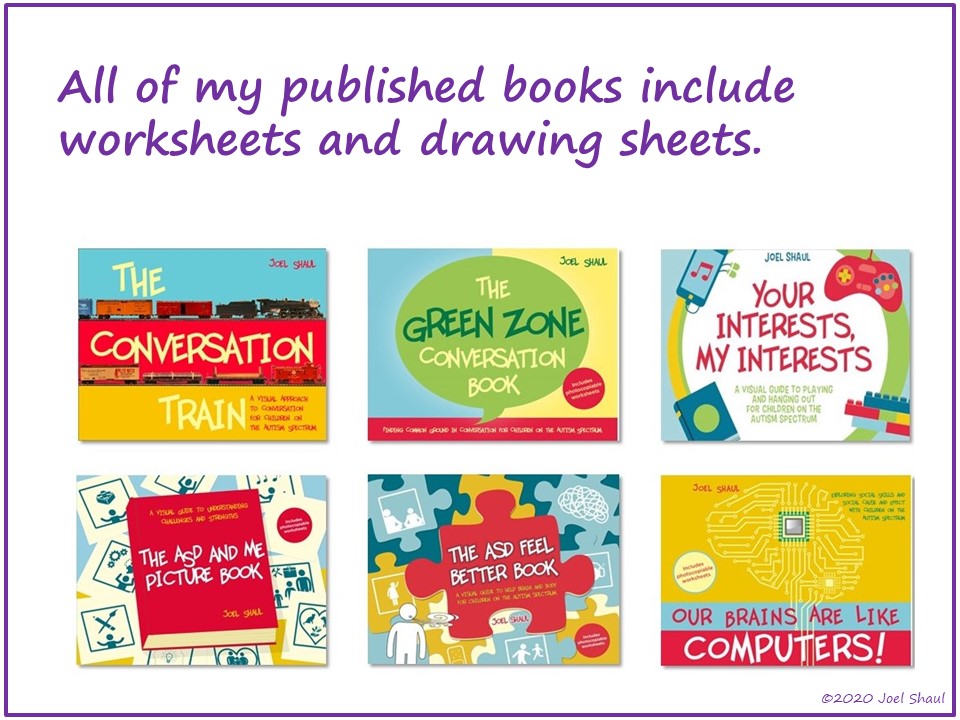
All of my published books include some worksheets. This website has multitudes of free worksheets you may wish to try. You can search for “worksheet” in the search box.
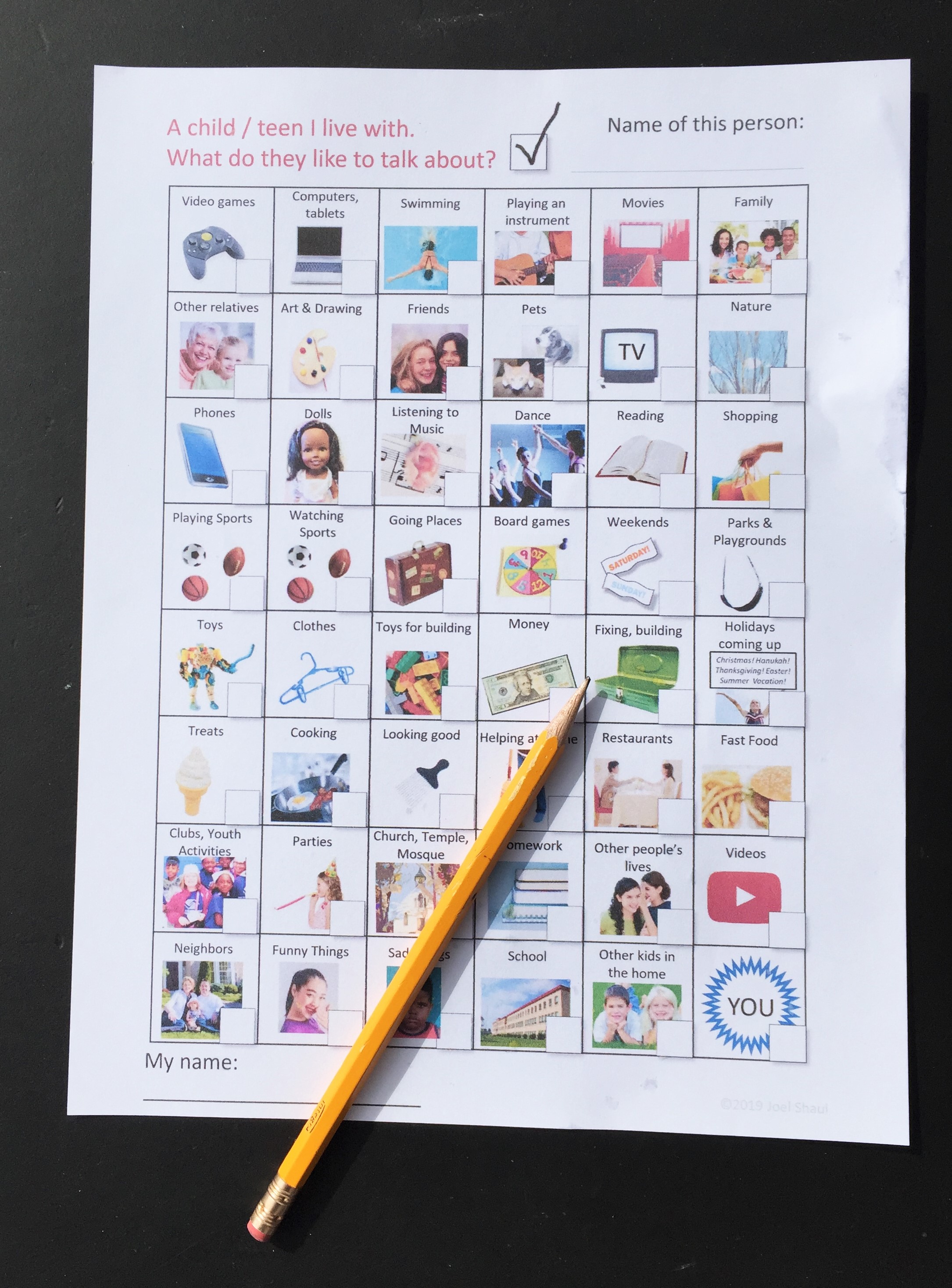
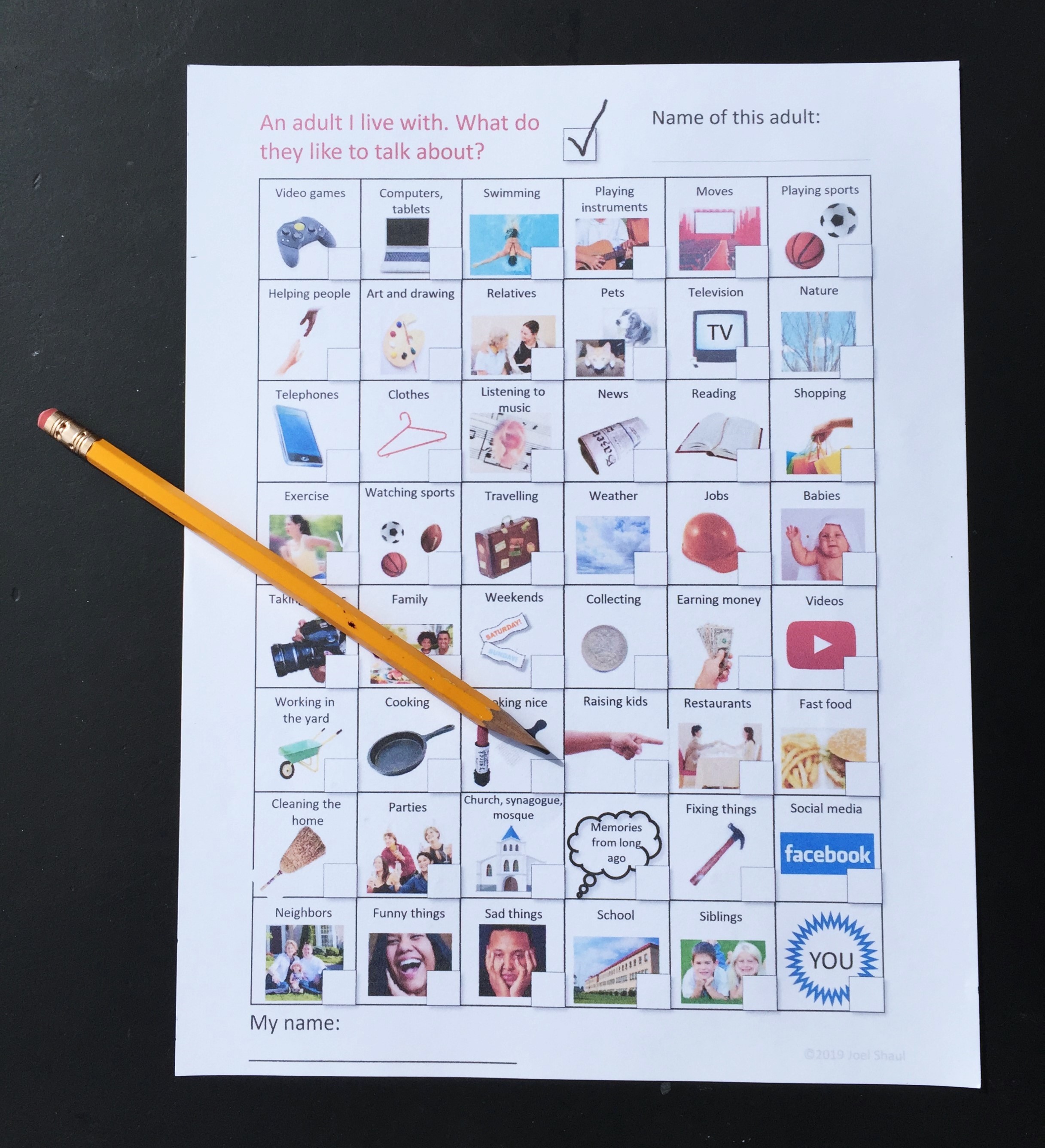
Free check-off worksheets for children with ASD’s to explore conversation topics with family members
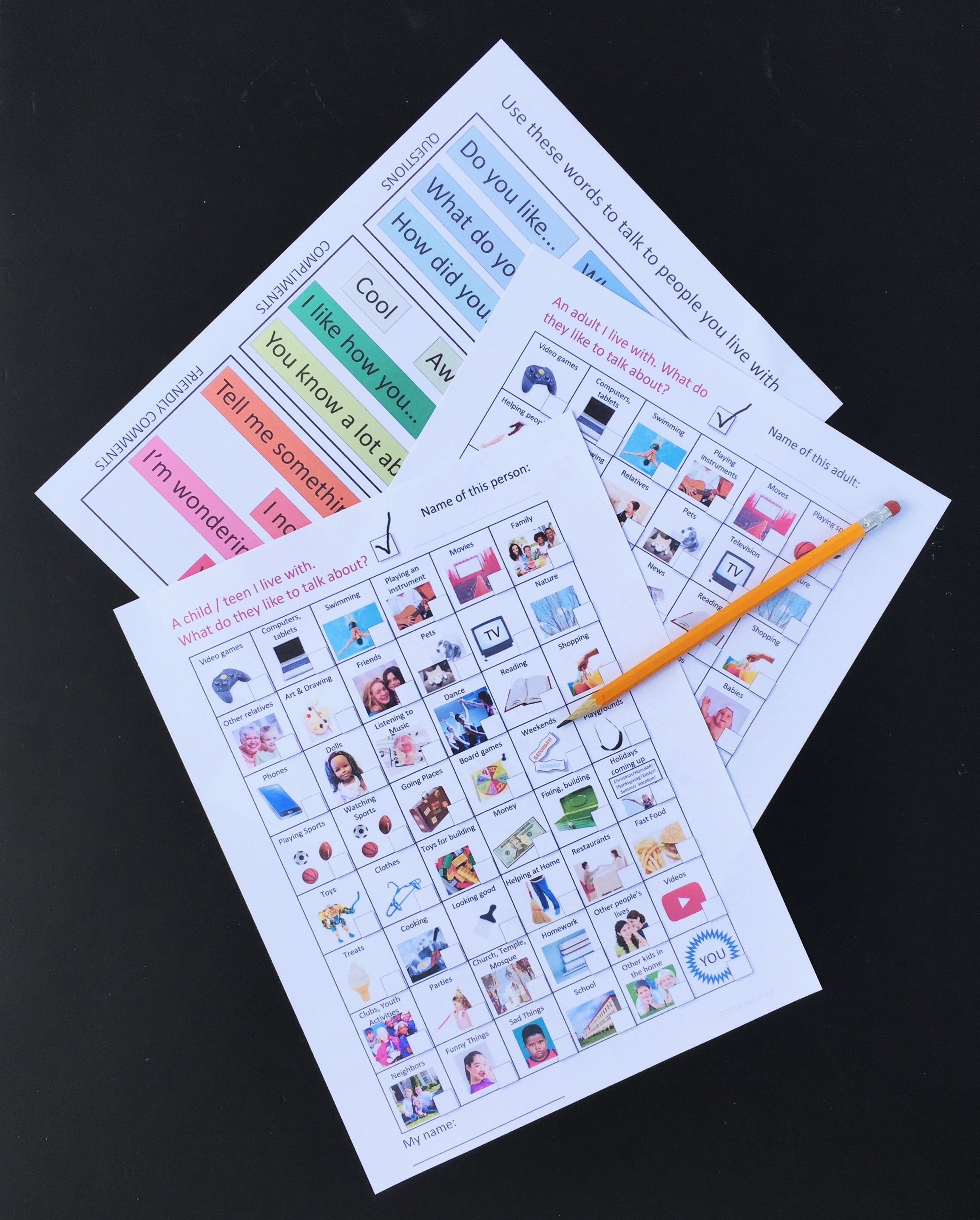
Children with autism spectrum disorders often have difficulties having conversations with the people they live with. It really helps to use picture guides. Here is a set of easy-to-use worksheets for classroom, speech room and home.
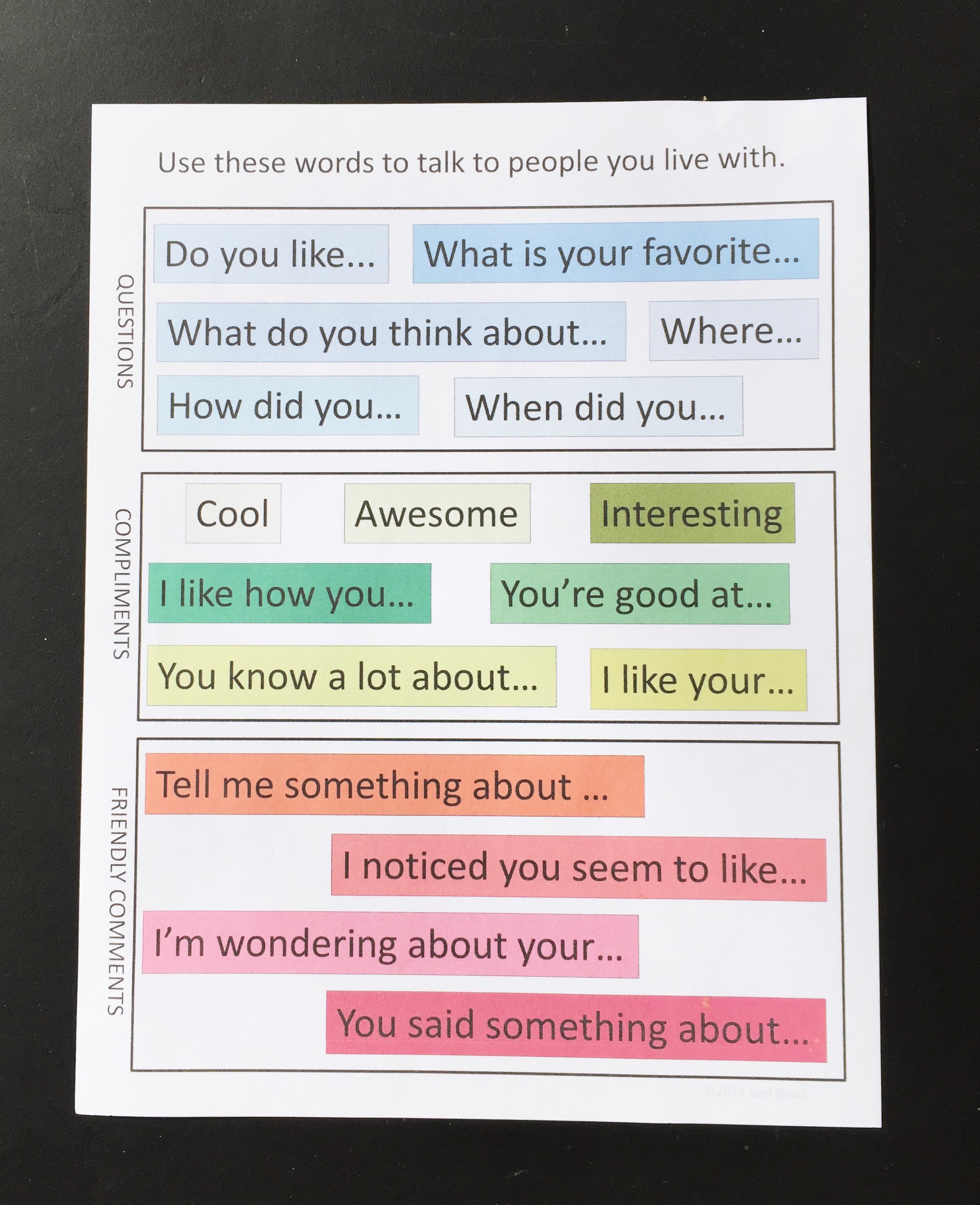
Here is the first of the three sheets, a guide to explore talking with a sibling or other child in the household. Here is the second worksheet, which is a guide to exploring conversation topics with parents or other adult members of the household.
The third sheet is used in combination with the picture sheets to help create questions, compliments and comments.
How to use the worksheets:
1. Have the child put check marks next to the photos they think represent the person’s interests.
2. Go over the images one at a time with the child. Explain that the family member probably has many interests that are different from the child’s own interests.
3. The sheet “Questions, Comments, Compliments” can be used to set up role plays and actual conversation practice with family members.
4. Have family members fill them out for the child to use as a reference.
5. Project the sheets using a smart board or projector – this really helps for small group or classroom discussions about family members.
I hope these worksheets are useful for you.
Joel Shaul, LCSW
For more free materials on facilitating parent/child conversation for children with autism: How Was Your Day? Sheets