
11 wall displays / visual tools for autism social skills teaching. Free downloads.

Many of my social skills resources for children with autism include large visuals that can be used either as accessories during teaching or as wall displays.  Below you will find links to eleven of my blog posts which feature large, illustrated panels as part of the kit.

To go to the resource, click on the PICTURE.
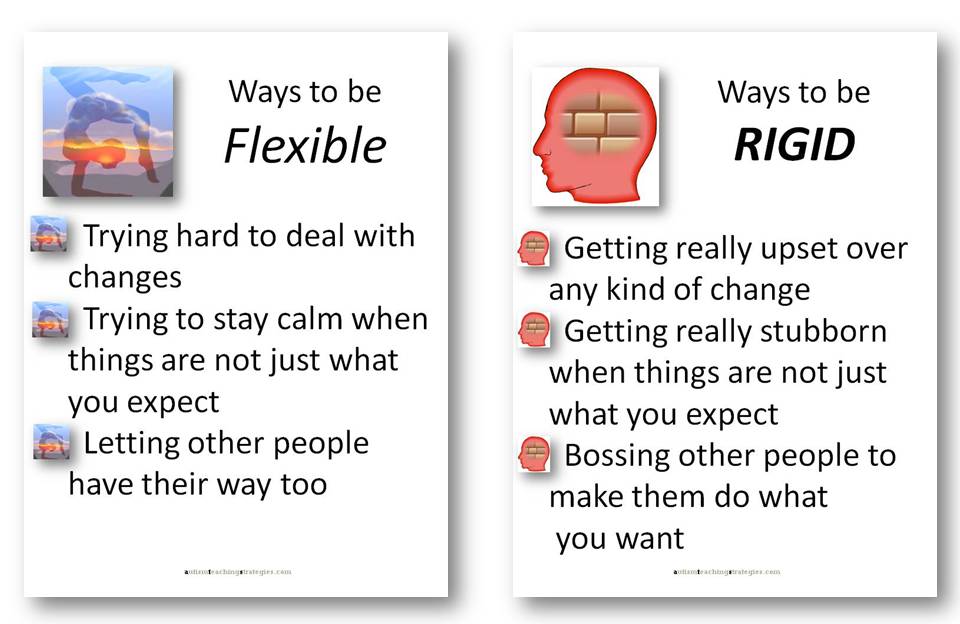
Rigidity blog display

Rigidity / Flexibility  Panels

These are part of a social skills kit which includes lots of scenario and role play cards.
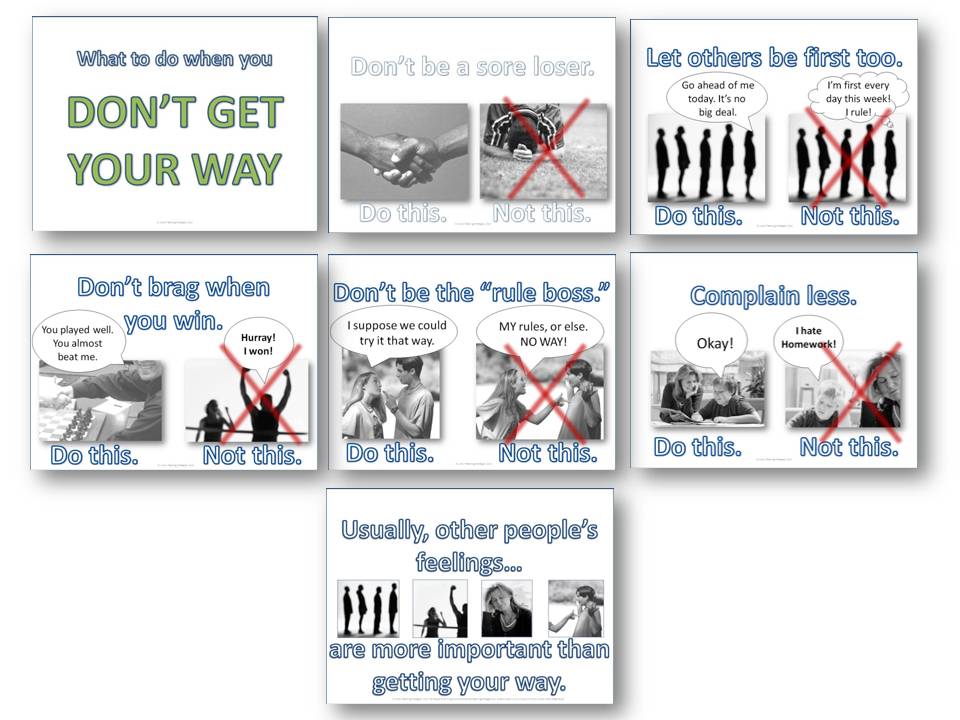
Losing blog display

Dealing with Losing and Disappointment Panels
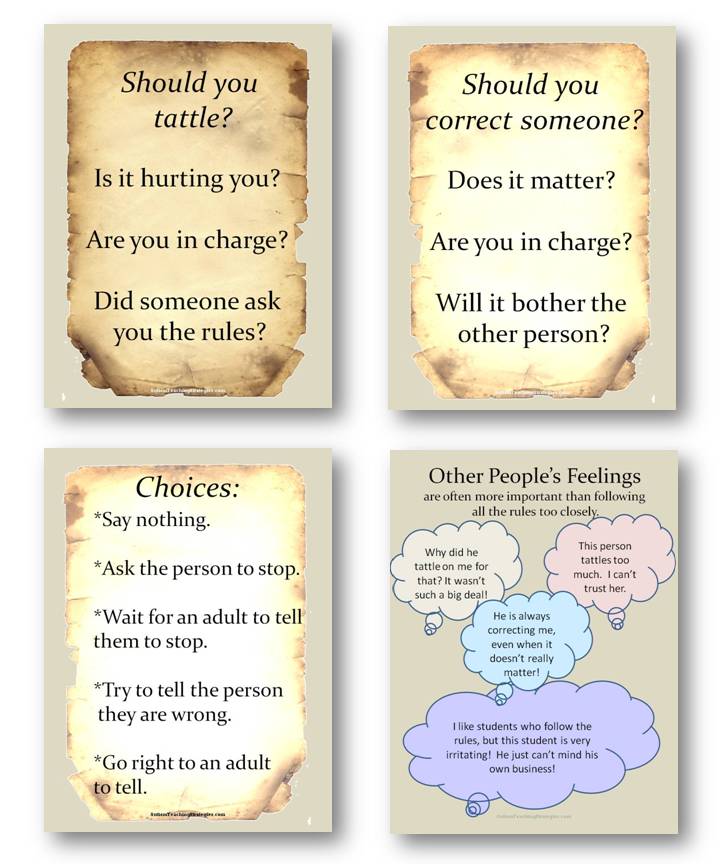
Tattling blog display

Tattling and Correcting Panels

These are a part of big free download kit which includes dozens of picture cards
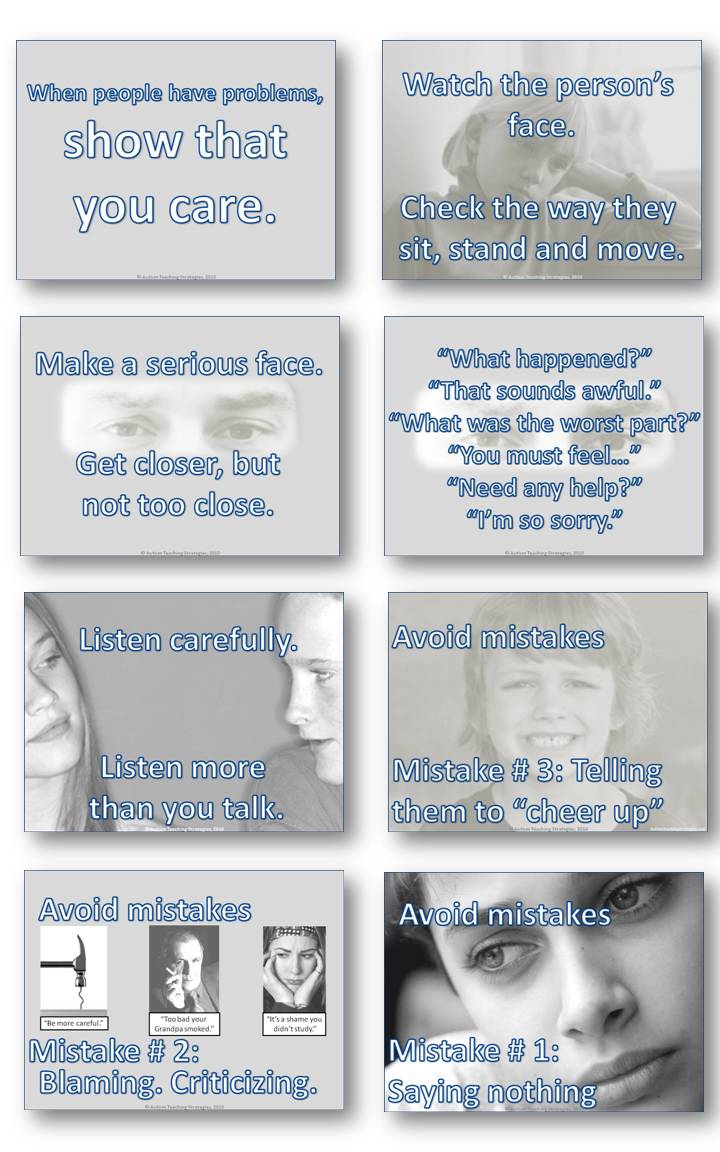
Empathy blog display Showing Concern Panels

social skills activities for children on the autism spectrum

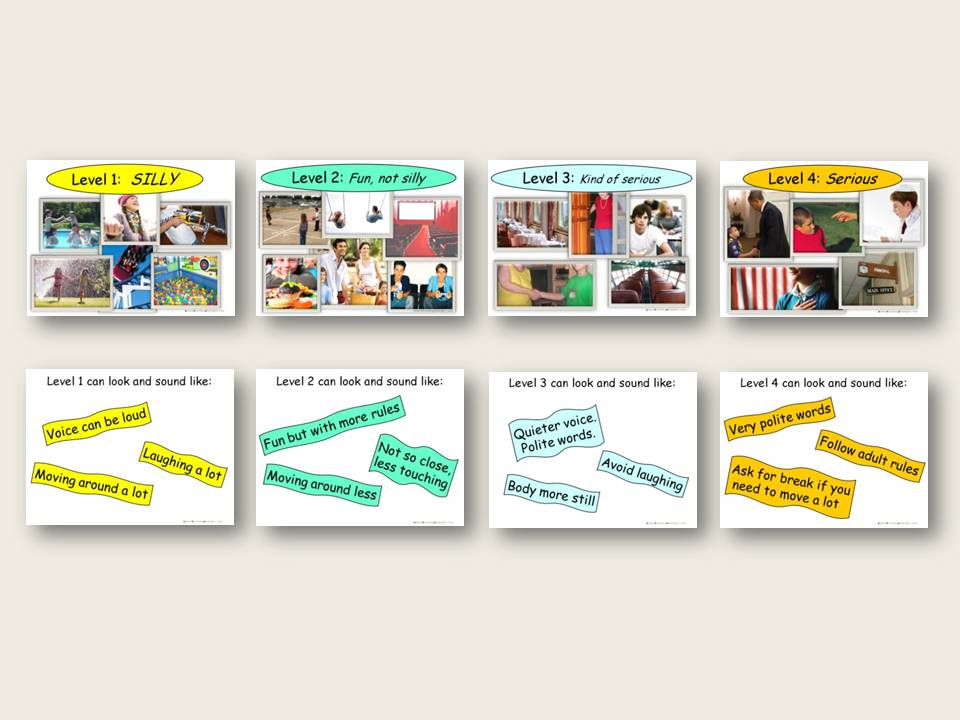
Silly to Serious Kit

These are part of a big kit that includes dozens of situation and role play cards.  Many teachers in autistic support classrooms have found the panels useful for behavioral classroom management.  You can put an arrow on one of the four levels and say “We are at this level now.”
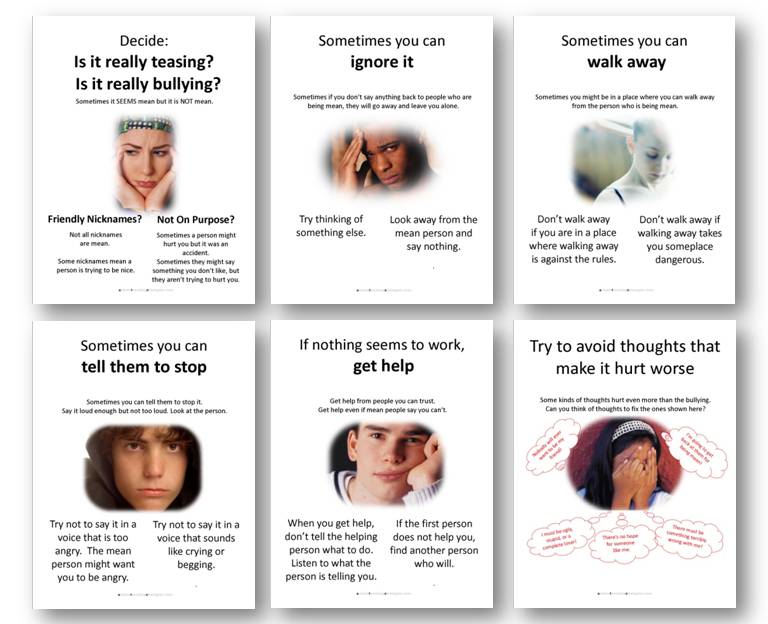
Teasing blog display

Teasing / Bullying Panels

This is part of a larger kit which includes a lot of situation and question cards to help children with autism to deal with the practical and emotional aspects of being teased and bullied.
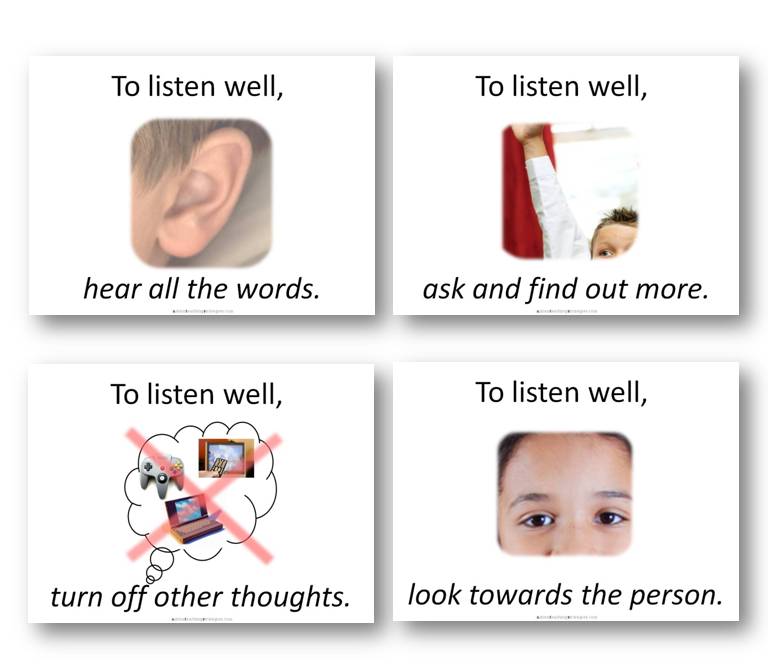
Full body listening panels for children with autismComponents of Listening Panels

There is also a simple worksheet using the same set of visuals.

Conversation Box Panels

Reciprocal Conversation Panels

This is part of a kit that includes a card game activity for conversation activities with children on the autism spectrum.  It is derived from a concept of RDI.
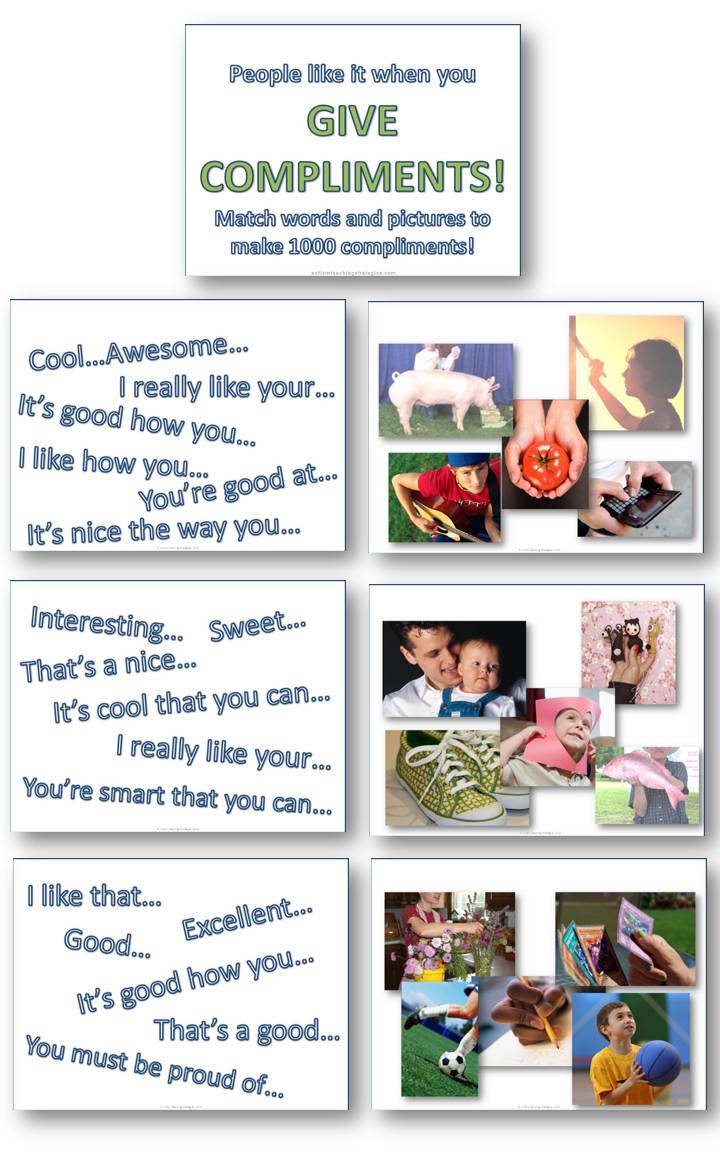
autism compliments social skills activityCompliment Matching Panels

These panels, a sample from the People Points kit I sell, is to help children on the autism spectrum to practice the social skill of giving compliments.

Girl talk to panels blog images to jpeg

Panels on Relating to Girls

These are part of a kit which includes role play and situation cards for teen boys on the autism spectrum who are learning social skills relating to female peers.
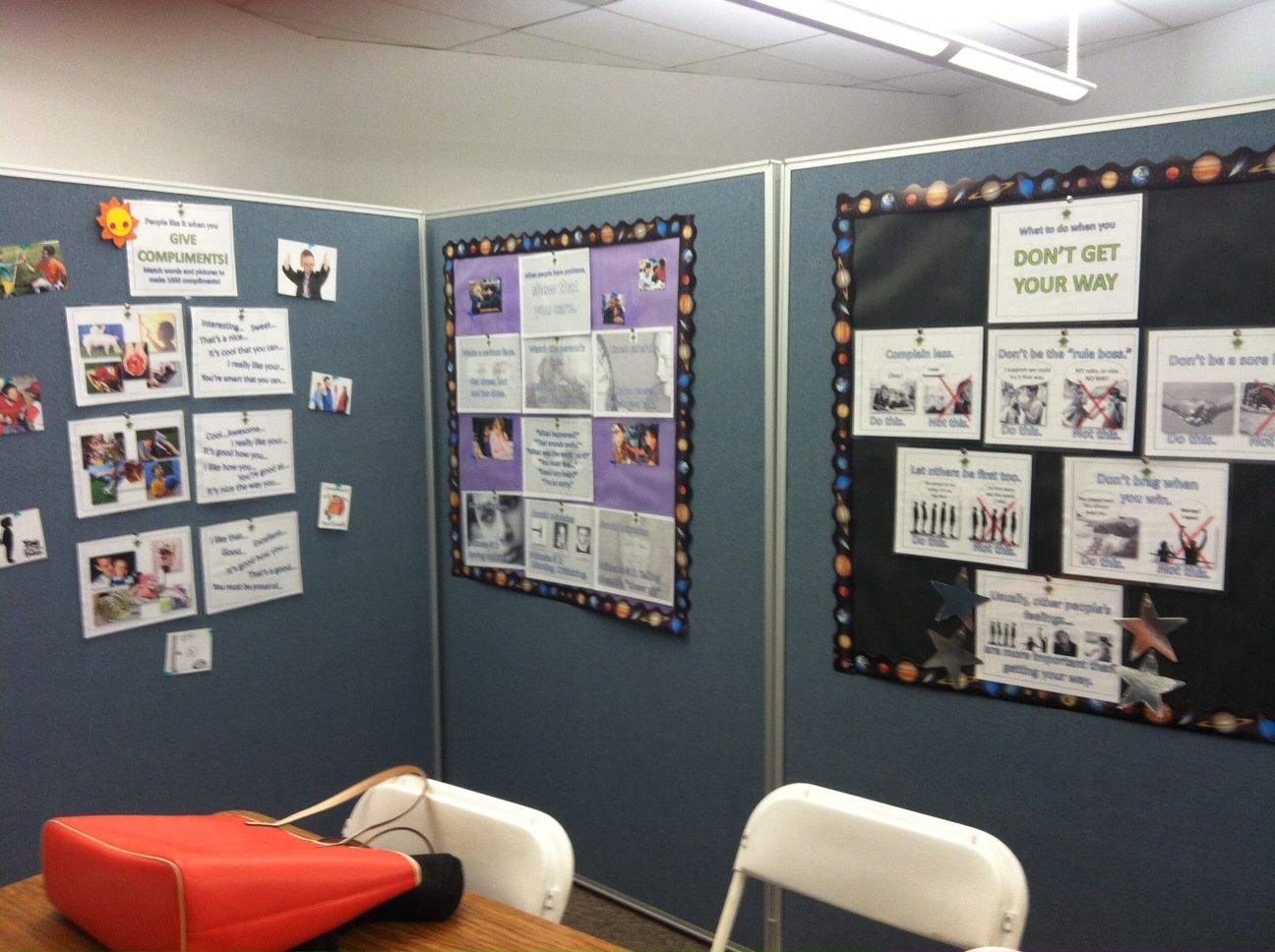
This photo was sent in by an SLP in California.

Your comments on these resources are most welcome, and often helpful. Click HERE to send an email.
Your Interests Promo image for website

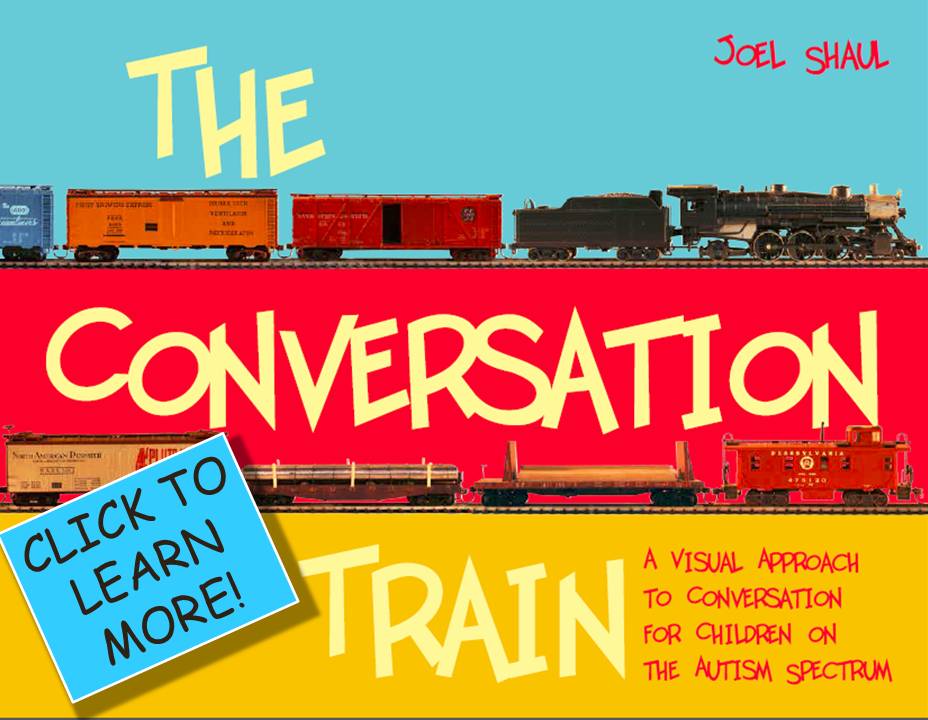
The Conversation Train Book

Green Zone Book Cover Click to Learn More

Visual strategies for autism social skills training, Part IV: Two more visual methods to teach about social cause and effect

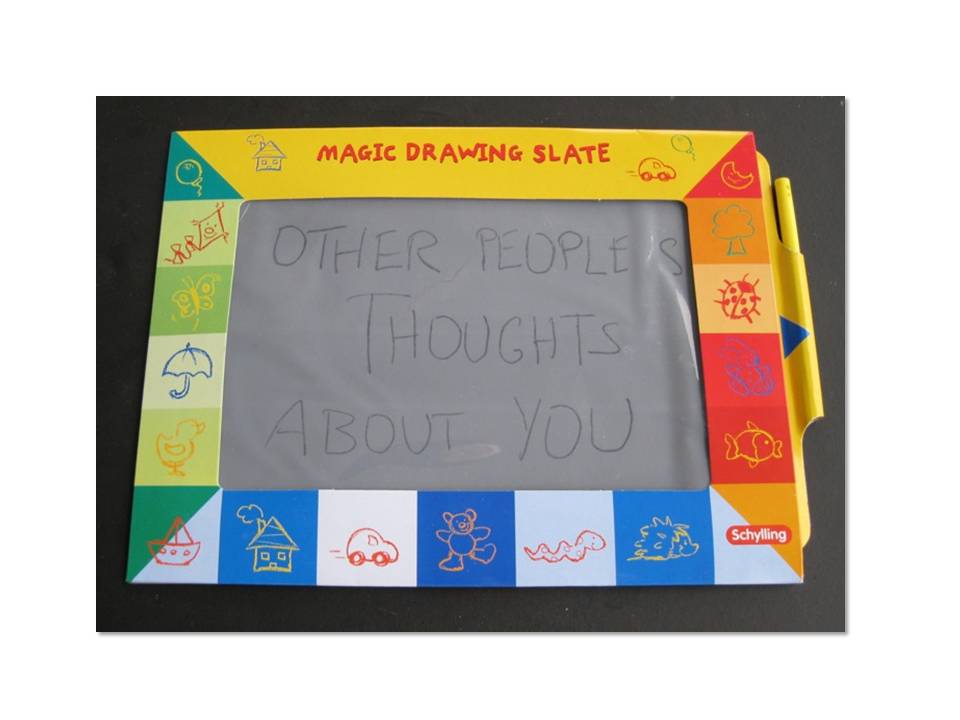
magic_slate_other_peoples_thoughtsThere are many good ways to help children with autism to increase awareness of what other people think, feel and remember. This blog post describes how to use a “Magic Drawing Slate” to demonstrate what people might remember about other people.

Children with autism spectrum disorders have trouble with “theory of mind,” that is, imagining and predicting another person’s thoughts.  Children with ASD often learn better when they are taught with engaging and meaningful visuals.  In this blog post, I explain how to use the inexpensive “Magic Drawing Slate” toy, pen and paper to help children with ASD to “picture” what kinds of things others are likely to remember about them.

Here is an anecdote  to help illustrate how impaired theory of mind awareness can affect a child with autism socially.  A colleague I met at a conference had a nine-year-old son on the autism spectrum with gifted intelligence.  He had, at his age, read and mastered books on Norse mythology. However, he has a problem with remembering to zip up his pants while at school, and he could not be motivated to do it more consistently.  The boy’s excuse: “What’s the problem? Nobody ever looks down there!”

How to use the Magic Slate to demonstrate what people learn and remember about other people:

1.  Get a Magic Drawing Slate.  They are available online for a couple bucks. This is a toy that erases what you write when you lift up the transparent plastic sheet on top.  A small dry erase board will also suffice.

2.  Draw on the Magic Slate  the outline of a person’s head.  Do the same on four pieces of paper.

3.  Write over the head outline on the Magic Slate: “Things other people forget.”

4.  Write over the head outline on several pieces of paper:  “Things other people probably remember the next day [first sheet of paper], one week later [next sheet of paper] and six months later [third sheet of paper]”

5.  Say something like this to the child: “Other people might hear you or notice what you do, even when when you would not expect them to. It’s like you are putting memories into their brains, as if you are programming a computer in their minds. Some things other people will forget about after a while.  Other things they will actually remember for a long time. Let’s try to figure out what things people will probably forget and which things might remember later.”

6.  You get the idea.  You are adding a visual dimension to your autism social skills activity.  Help the child write down on the magic slate things other people will not remember later.  Examples: What you ate for lunch yesterday. The color you wore last Tuesday. Then, help the child to write down with pen and paper some things others will remember later.  Try doing it in categories by dividing the paper “brain” into two columns, one side labelled “Nice things people might remember” and the other side “Not-nice things others might remember.”

Doing this social skills activity can generate revealing results.  Some children really regard other people’s minds as a kind of “Magic Slate” that erases itself frequently. The activity seems to help many children with autism to be more aware of how their own words and actions can affect other minds in an enduring fashion.

Here are two free downloads on social cause and effect. Check them out.

Pencil / Pen Memories Worksheets

Words Hurt/Words Help Worksheets

I hope that these social skills activities for kids with autism are helpful and useful for you.

Joel Shaul, LCSW