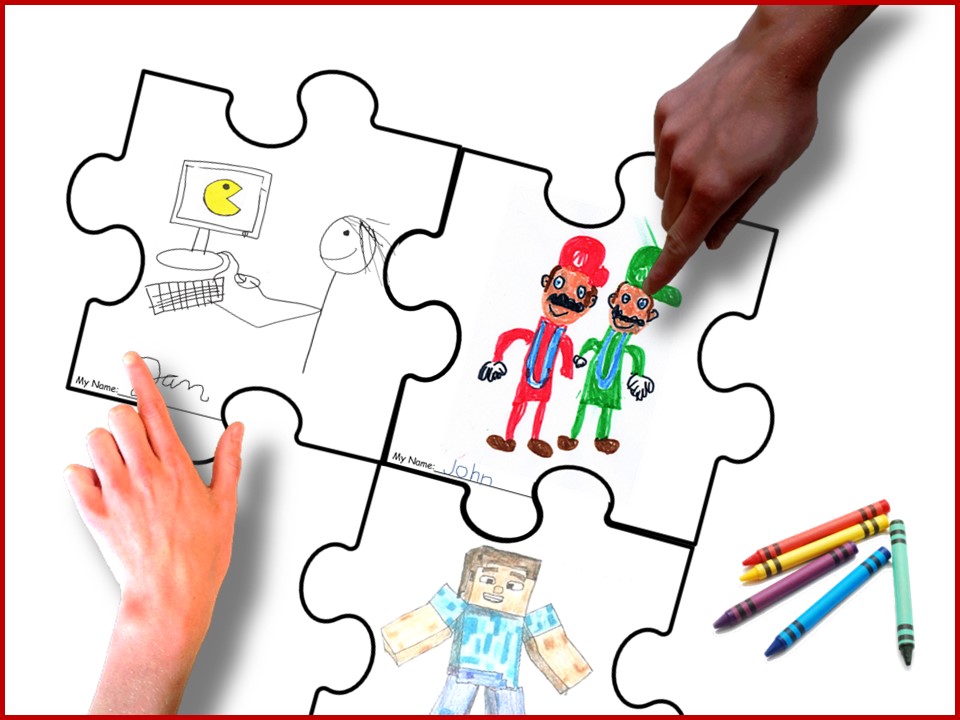
Some ways to use art to promote social & emotional learning in children with ASD. Introduction to 6-part series including free downloads.

In my own mental health and social skills work with individuals, groups and classes on the autism spectrum, art-based interventions have for some time been an important part of my repertoire.

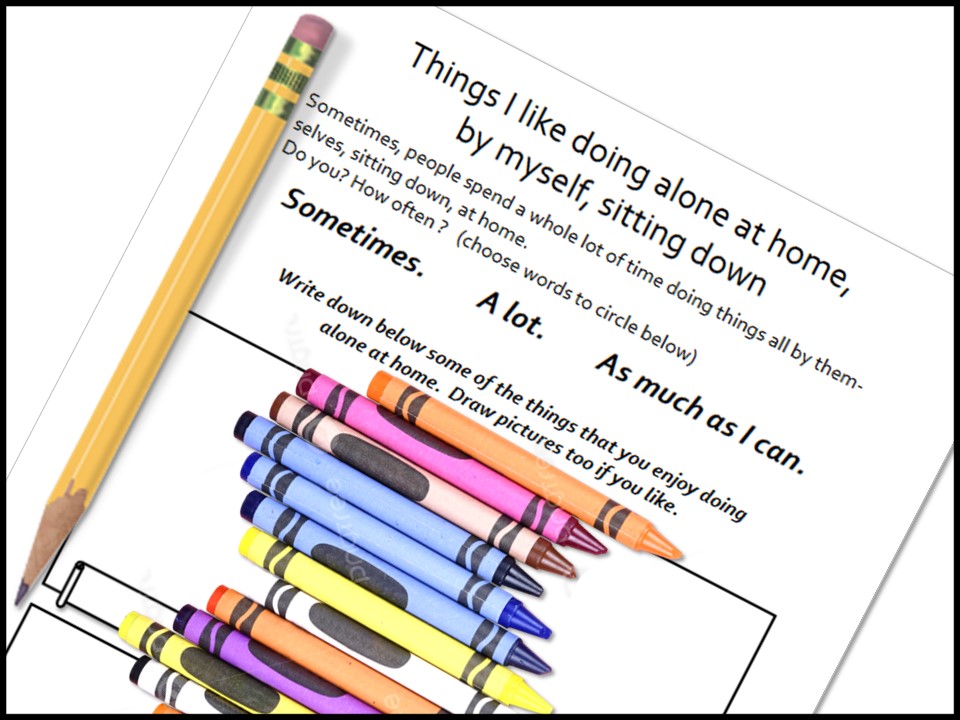
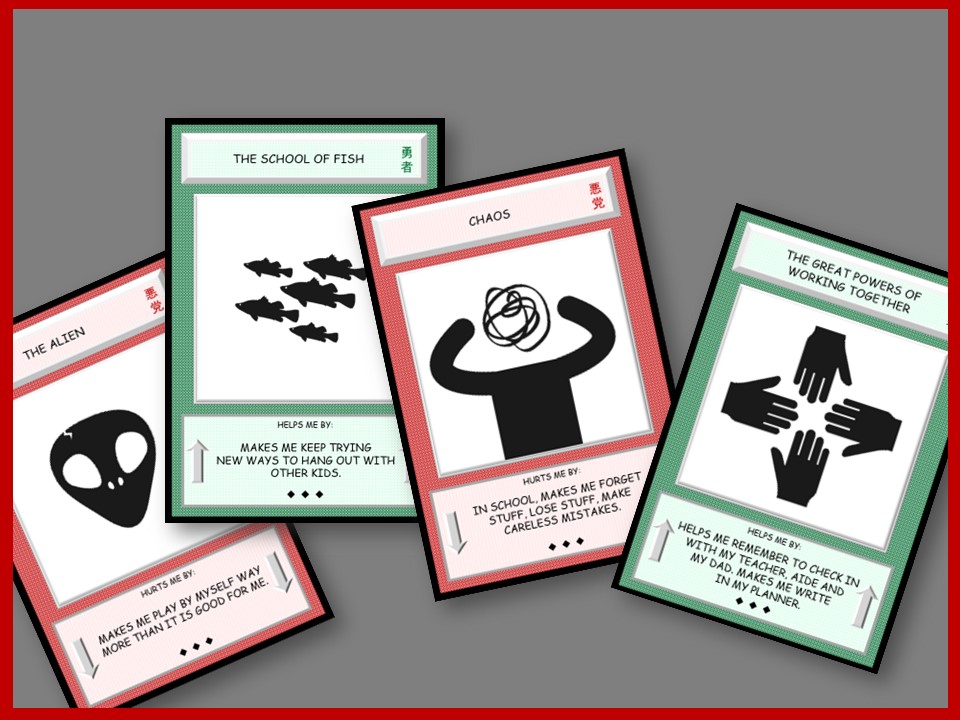
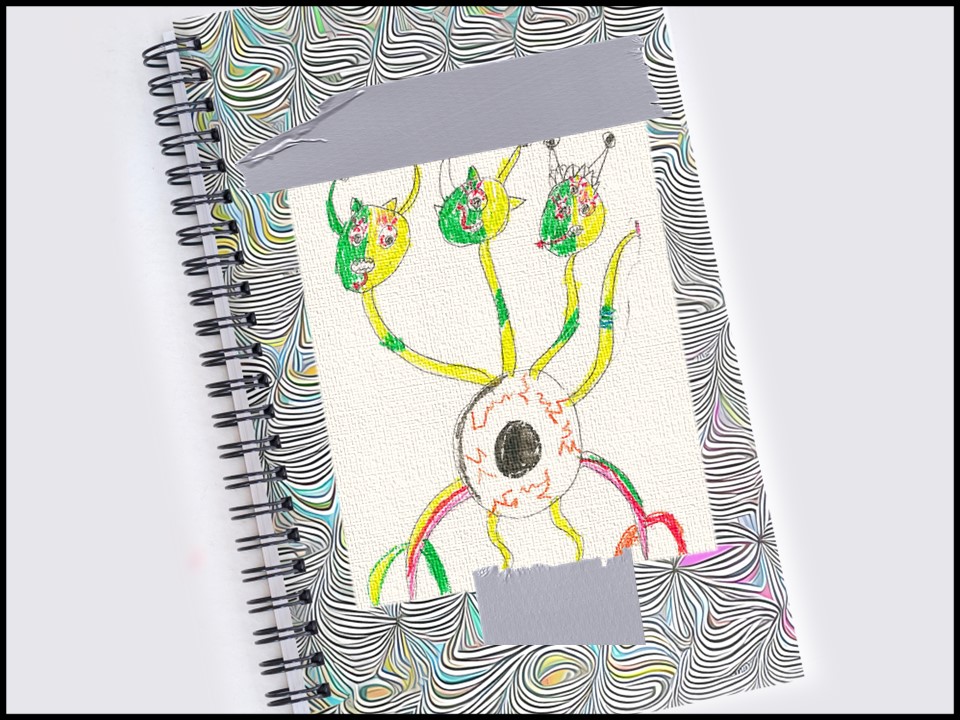
Although I am neither an artist nor an “art therapist,” many of my free resources, as well as portions of my published books, include therapeutic exercises incorporating sketching, drawing, coloring and various creative applications of provided images.

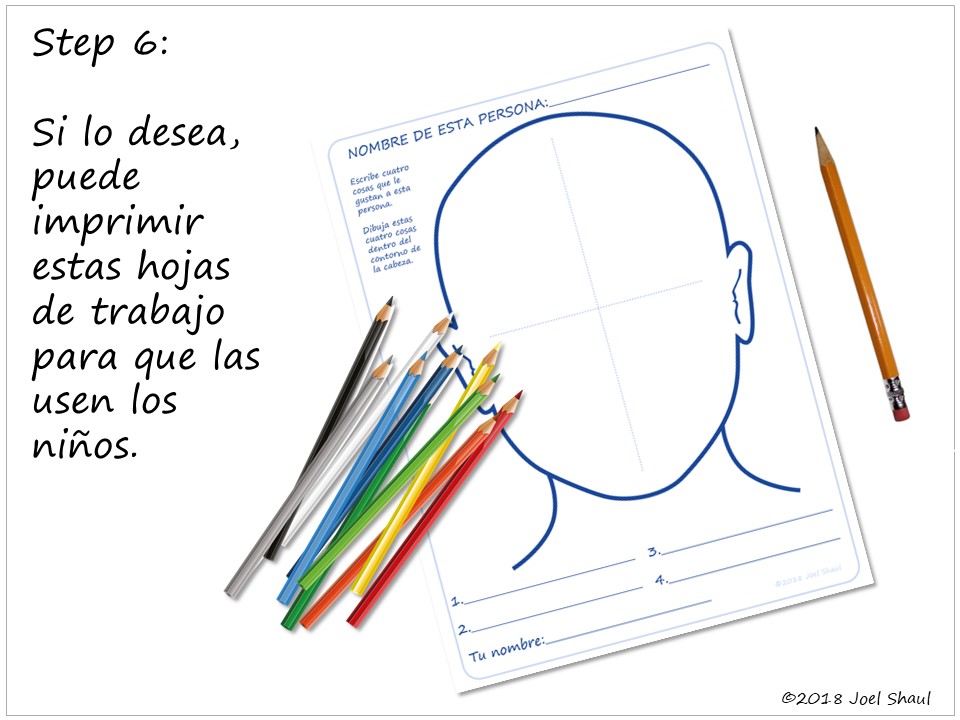
This six-part series summarizes my ideas and resources for using drawing, coloring and other kinds of visual creativity to facilitate social and emotional learning, particularly with young people on the autism spectrum.

Most of the printable materials shown can be downloaded for free from this website.

Access the six parts of the series via the links below.

Joel Shaul, LCSW


Part 1: Reasons to use art in social & emotional teaching. Some guiding principles & professional concerns.

Part 2: Assigning individual drawing tasks for social & emotional learning.

Part 3: Assigning collaborative drawing tasks for social learning.

Part 4: Coloring & decorating to add interest & levity to social & emotional learning.

Part 5: Creative use of others’ images and AI for social & emotional learning.

Part 6: Encouraging & validating the child’s own artistic expression in therapy & teaching.

Getting the most out of family participation in a child’s individual therapy

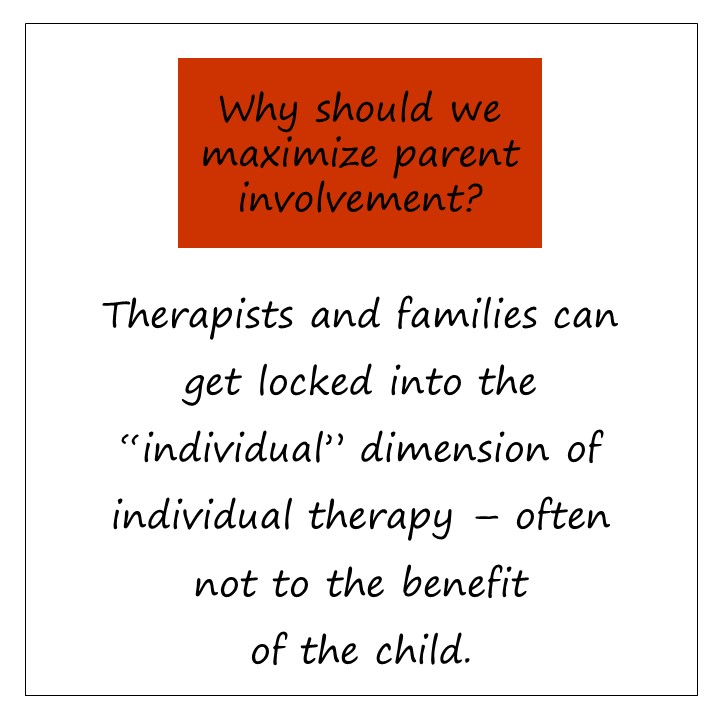
In individual therapy involving children, we therapists sometimes limit progress by making insufficient use of parents’ energy and ideas.

Each participant in therapy can get locked into a habitual pattern that is not really productive, even though each person may think they are “doing their job.” The parent delivers the child to the child’s individual session. While the parent dutifully waits in another room for an hour, the therapist diligently applies their therapeutic repertoire. The child is then returned to the parent until next week’s session.

In family therapy, the therapist’s role is clearly spelled out as we help family members to resolve conflicts and improve communication. But when the child is the designated client in individual therapy, the parents [in this article, this includes other adult guardians as well] often spend too much time in the waiting room with wasted potential.

This article explores ways that we therapists can optimize the therapeutic potential of families in individual therapy.

Whenever possible, for the intake session I ask parents to bring in written information, in addition to the standard intake form, regarding the child. This is not only enormously helpful when I am putting together the patient history, but it empowers the parent from the start regarding the importance of their own contribution to therapy.

I believe that many parents overestimate the therapist’s ability to get a well-rounded impression of how the child is faring in between sessions. I have often used “Waiting Room Update” forms for this reason.

Over a number of years, about 70 percent of my individual clients have been on the autism spectrum. For my sessions to be really worthwhile, I have often needed to be prepared with specific materials and activities ready to go. A few emailed sentences from a parent can be a real blessing when preparing for an individual session.

Another benefit of expecting the parent send a short email is to remind them of their stake in the therapy enterprise. It can help them to think, “What are my priorities this week helping my child? What is something that the therapist and I can troubleshoot together with my child?”

It is important to maintain proper boundaries when having them email between sessions. First, use encrypted email and use your professional email exclusively. Second, email is for you to receive brief information, and not for you to email back and provide advice – that is for the session only.

This is derived from a tip I got 30 years ago in a workshop by Bill O’Hanlon.

The idea is to convey to families that a good idea or beneficial movement towards change might happen at any time and be initiated by anybody – the therapist, the parent or the child. Many times, it seems as if families begin to solve a problem on the way to the session and then the therapist’s role is to refine, reinforce and endorse that change. If the family ends contributing more to the problem’s resolution than the therapist, that is the best possible outcome.

People often drive a long way to and from their appointments with us therapists. Their whole therapy experience might be viewed as lasting three hours – an hour to get to the appointment, an hour of therapy and an hour to get home. I have often “assigned” families to talk about a certain aspect of the session, or practice a certain skill, during at least part of the drive home.

Planning the right kinds of parent meetings, with the right frequency, is important for maintaining alliances with parents.

Many times, parents don’t really need to have separate parent meetings. But some parents don’t communicate clearly, or only speak in euphemisms, when the child is present. Or they might have their own issues that could affect the child’s presenting problem. For example, a mother disclosed to me in a parent meeting that memories of her own childhood abuse were being triggered by certain aspects of her child’s behavior.

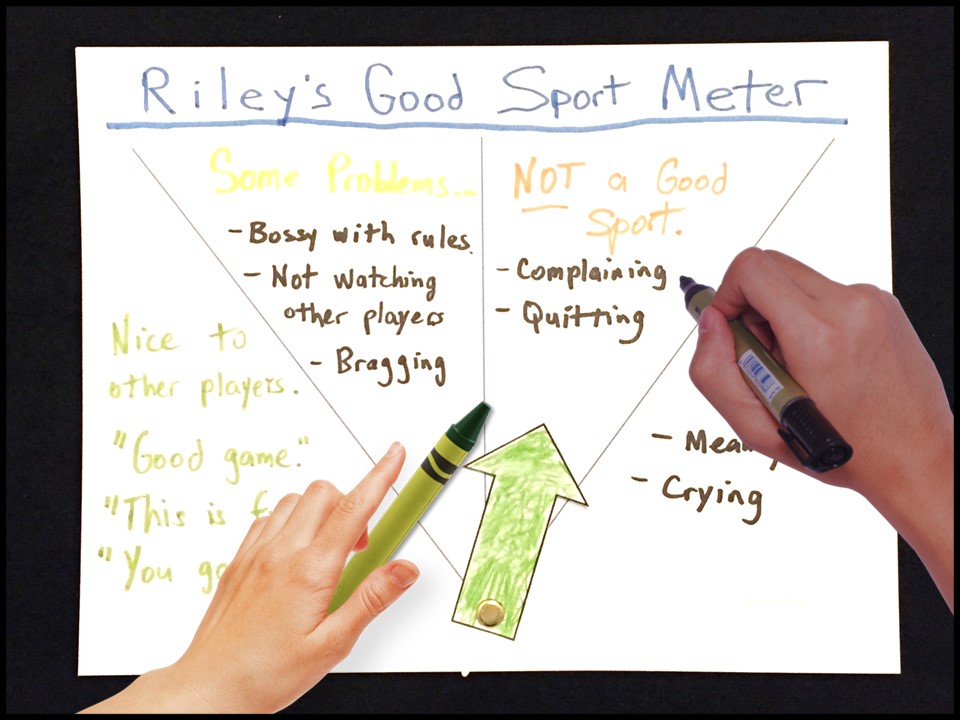
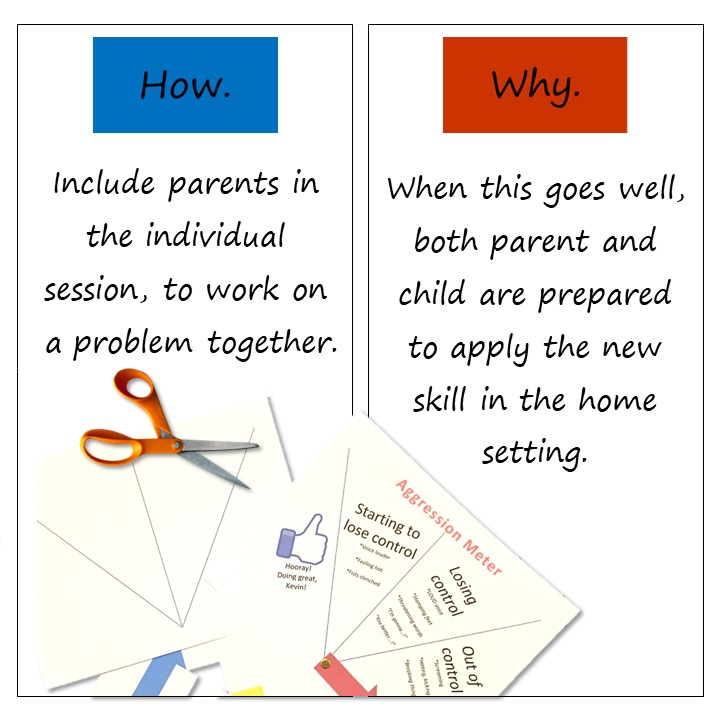
I have found that having parents participate in creative therapy activities has been enjoyable and productive. Most parents seem to look forward to participating in this way. For example, I have often involved parents in the creation of these customizable behavior meters, which is one of the free downloads on this website.

Many of these therapy activities just go better if parents are there to observe and take part. And quite a few therapy activities I do in individual therapy actually require multiple participants. This is especially true with carrying out with role plays, even more so if we are videoing the role plays to play back.

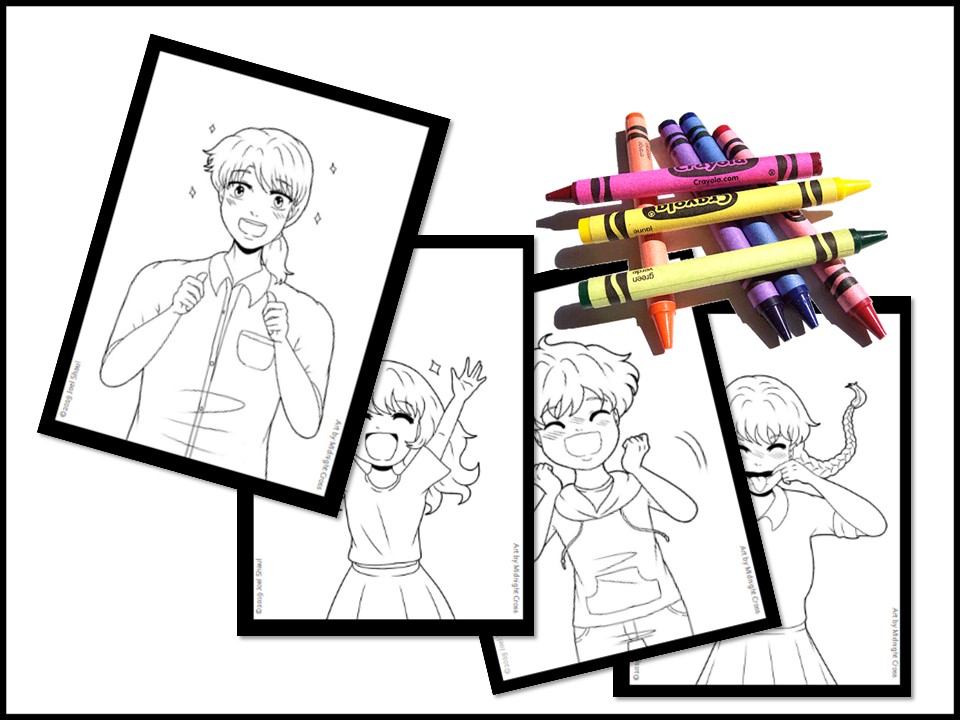
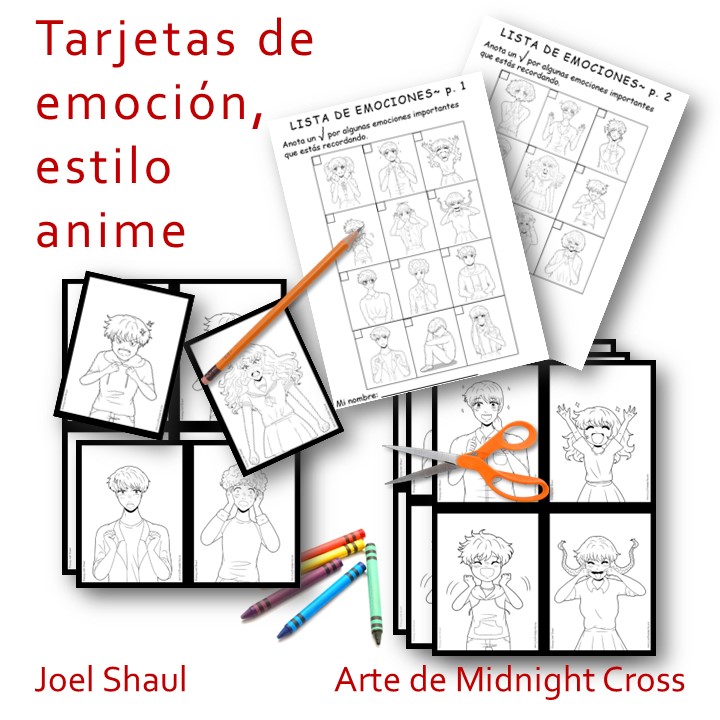
The free resource shown here is Anime Emotion Worksheets.

It has been a great experience for me as a therapist over the years to meet and to work with the helpful siblings of my autistic clients. Many of these siblings of special needs kids have already grown into the helping role at home and their participation in sessions can be invaluable.

Here are just a few of ways that siblings have helped in sessions:

*Being the video camera operator during the recording of role plays

*Operating the laminator when we are creating therapy materials to take home

*Serving as informants regarding the designated client’s social relations at home and in the neighborhood.

The resource shown above is one of 17 therapeutic paper fortune tellers you can download on this website.

Of course, increasing parent involvement in sessions is not always helpful. Inviting parents into individual sessions should not become automatic by any means.


Fellow therapist, I hope you find some of these ideas helpful to you in your own work.

Acuñar Nuevos Pensamientos ~ una actividad útil para la terapia cognitiva conductual

(in English): Mint New Thoughts

Aquí hay una actividad útil para usar con niños en psicoterapia. Utilice la terapia cognitiva conductual de una manera que mantiene la atención de los niños. Esta actividad también es buena para usar en grupos.
Se compara el cerebro del niño con una Casa de Moneda que acuña dinero.  “Cuando la Casa de Moneda hace dinero que no es lo suficientemente bueno o que es defectuoso, destruyen este dinero y comienzan de nuevo a crear dinero nuevo. Tu cerebro a veces crea pensamientos que le causan problemas. Cuando esto sucede, debes hacer todo lo posible para deshacerte de estos viejos pensamientos y reemplazarlos por otros nuevos.”

Esta es una actividad aprendizaje para ayudar a los niños a comprender:

• Cómo los pensamientos negativos hacen que las personas se enojen, se pongan ansiosas, tristes, decepcionadas, etc.

• Cómo pueden combatir los pensamientos negativos reemplazándolos con pensamientos positivos.

Puede usar palabras como estas para explicar esta actividad:

“¿Alguna vez te has preguntado de dónde viene el dinero? Proviene de una fábrica de dinero especial llamada La Casa de Moneda. Miles de millones de dólares se hacen allí. Es de dónde proviene todo nuestro dinero.

Dinero viejo. Tienen que reemplazarlo.

¿Alguna vez te has preguntado qué sucede con el dinero que se fabrica de manera incorrecta o con el dinero que se daña o con el dinero que se desgasta? Ese dinero es recogido y luego devuelto a La Casa de la Moneda para ser triturado y quemado. Luego, imprimen dinero nuevo para reemplazar este dinero viejo que se ha destruido.

La Casa de Moneda dónde se hace nuevo dinero.

Tu mente es un poco como La Casa de la Moneda donde hacen dinero. Tu cerebro no imprime dinero, sino hace pensamientos. Hace miles de millones de pensamientos.

La mayoría de esos pensamientos son buenos y perfectos, al igual que el dinero que se hace en la Casa de la Moneda. Pero algunos de los pensamientos que hace tu mente no son buenos ni útiles. Son pensamientos negativos que te hacen enojado, triste, preocupado y decepcionado. Algunos de estos pensamientos negativos pueden pasar por tu mente una y otra vez, constantemente.  Pensamientos como estos pueden causarte muchísimos problemas.

Puedes enseñarle a tu cerebro a deshacerse de estos viejos pensamientos negativos, al igual que el dinero viejo y malo que se destruye y quema en La Casa de la Moneda.”

Instrucciones:

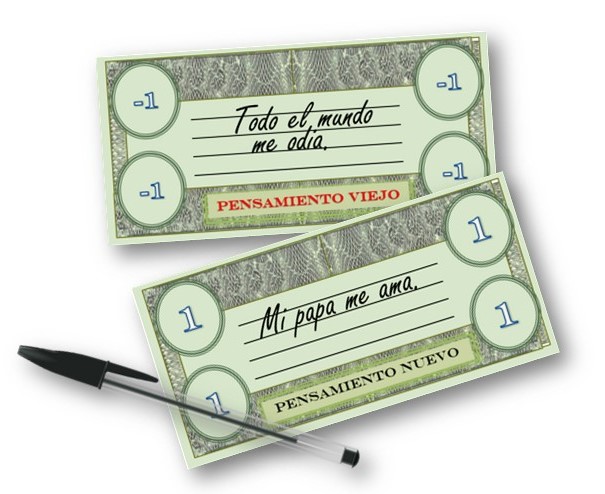
Después de dar esta explicación, pídale al niño que piense en un pensamiento negativo que a menudo tiene. Pídale al niño que escriba este pensamiento en el dinero que tiene las palabras “Viejo pensamiento”.

Tome el dinero del Viejo Pensamiento y destrúyalo, haciendo que el niño lo rompa o insertando el dinero en una trituradora de papel.

Pídale al niño que piense en un pensamiento positivo para reemplazar el pensamiento negativo que acaba de destruir. Dígale que escriba esto en el dinero del Nuevo Pensamiento.

Ejemplo.

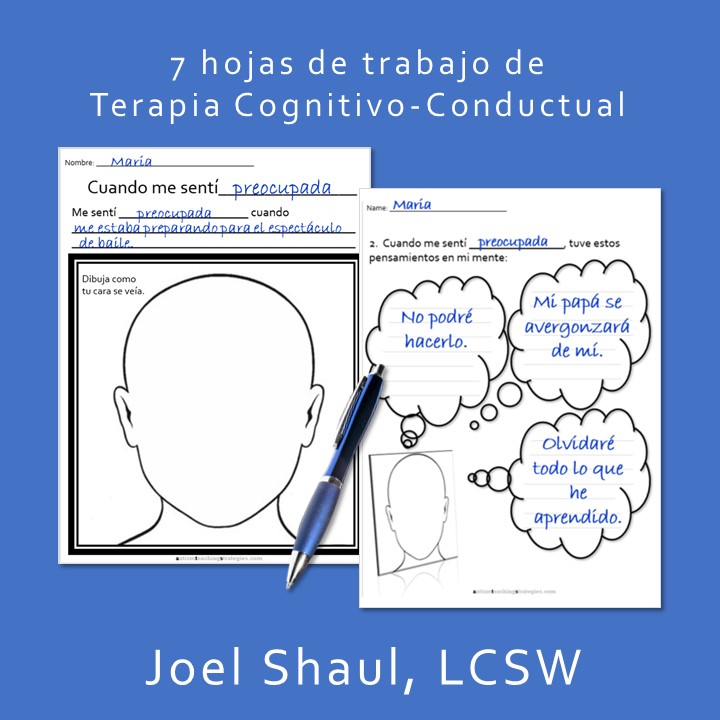
Le recomiendo que lo use en combinación con otros materiales de aprendizaje en mi sitio web, como estas hojas de terapia Cognitivo-Conductual.

This image has an empty alt attribute; its file name is 0-Slide1.jpg

Espero que encuentre algo de esto útil en su trabajo.

Joel Shaul

This image has an empty alt attribute; its file name is Slide1-17-1024x456.jpg

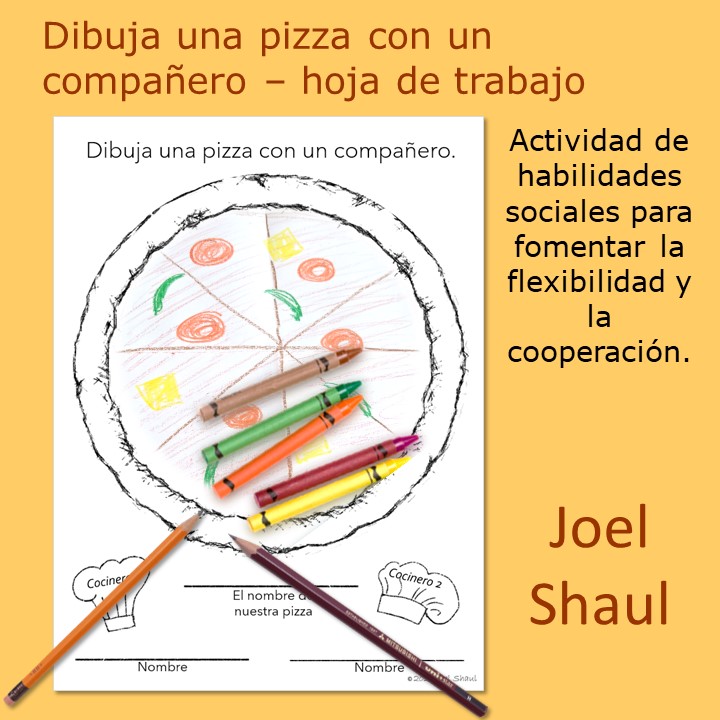
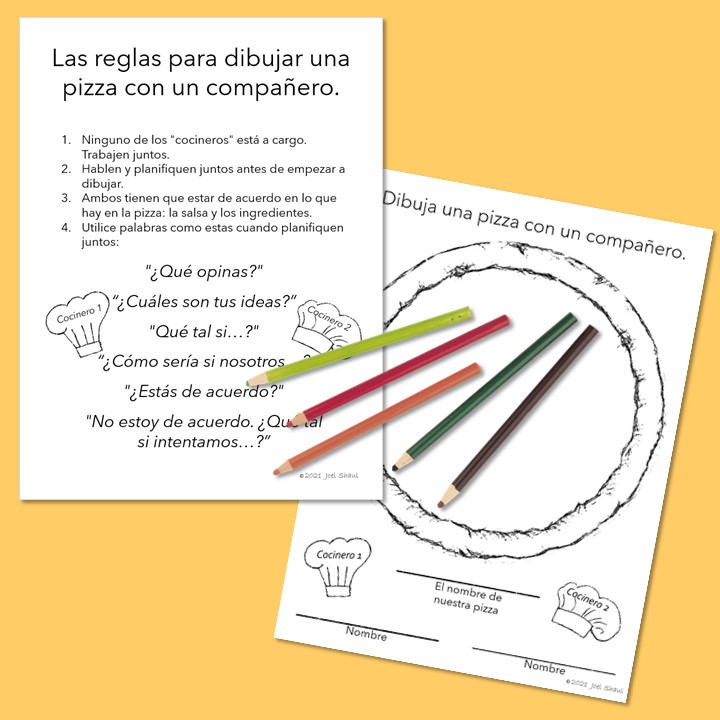
Dibuja una pizza con un compañero – hoja de trabajo para fomentar la flexibilidad y la cooperación

(original version in English): Draw-a-pizza worksheet

Esta es una actividad divertida y útil para niños con TEA. Muchos otros niños también lo encontrarán divertida y útil.

Sugerencias sobre cómo presentar esta hoja de trabajo

Dé instrucciones muy claras antes de que los niños comiencen a dibujar. Lean juntos las reglas en voz alta. Realice un breve role play para mostrar la forma correcta e incorrecta de realizar la actividad.

No permita que los participantes dividan la pizza en “mi mitad y tu mitad”.

Espero que esta hoja de trabajo le sea útil.

Joel Shaul

This image has an empty alt attribute; its file name is Slide1-17-1024x456.jpg

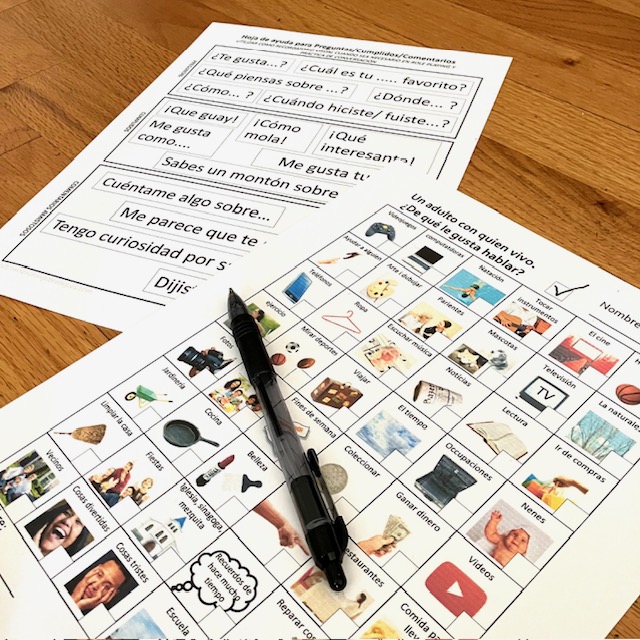
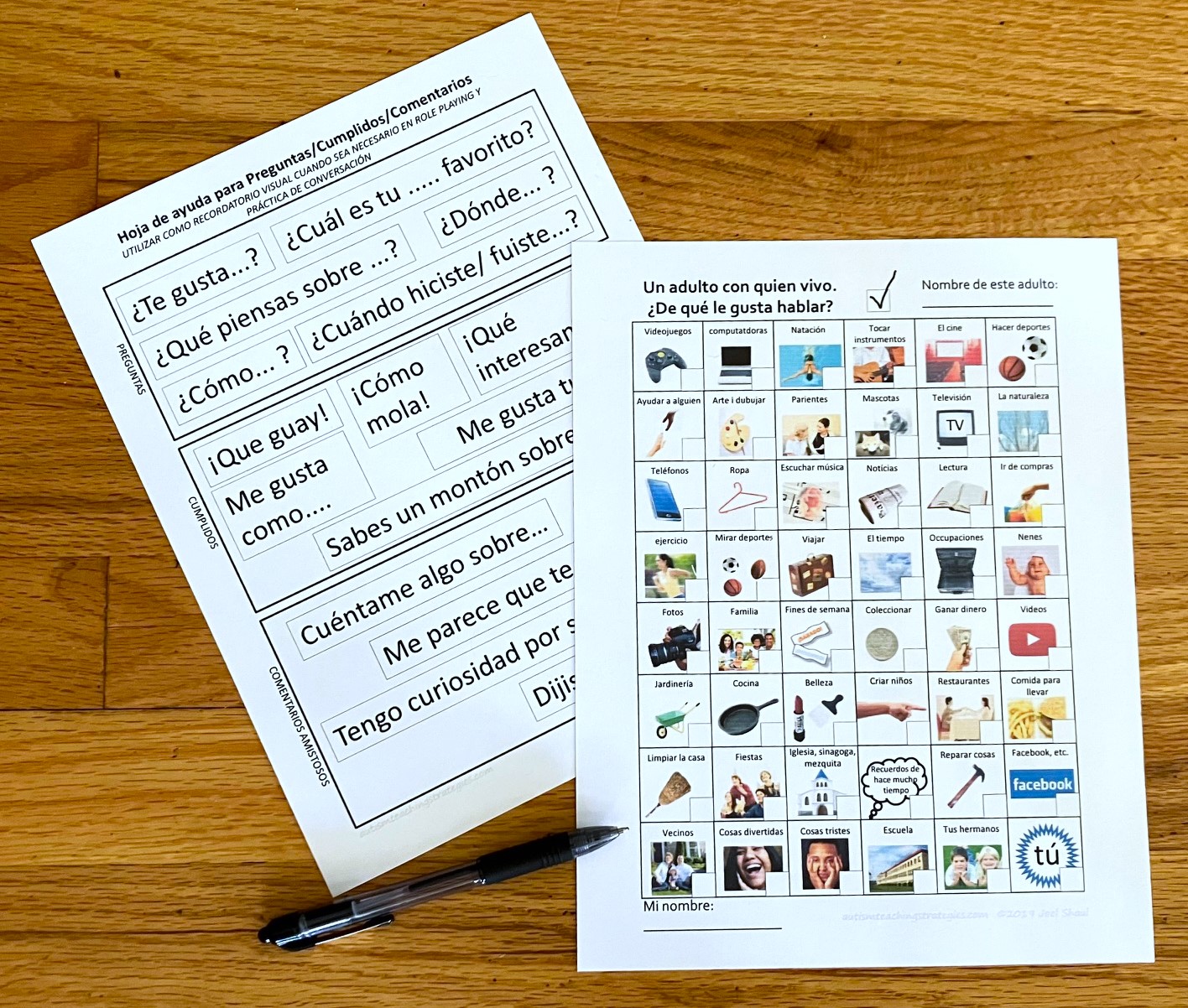
Cómo hablar con un adulto que vive contigo ~ hoja de trabajo

Una hoja de trabajo para ayudara los niños a aprender más sobre los intereses de los padres, abuelos y otros adultos que viven en sus hogares

Hay varias formas de usar estas hojas de trabajo.

  1. Dígale al niño que ponga una marca al lado de cada imagen que muestre algo delo que al adulto le gusta hablar.
  2. Si esto es difícil para el niño, usted puede repasar las imágenes una a la vezcon el niño. Explique al niño que el adulto probablemente tiene muchos intereses que son diferentes de los propios intereses del niño.
  3. La hoja “Hoja de ayuda para Preguntas/ Cumplidos / Comentarios” se puede utilizar para ayudar con la práctica de la conversación.

Espero que estas hojas de trabajo sean útiles para usted.

Joel Shaul

This image has an empty alt attribute; its file name is Slide1-17-1024x456.jpg

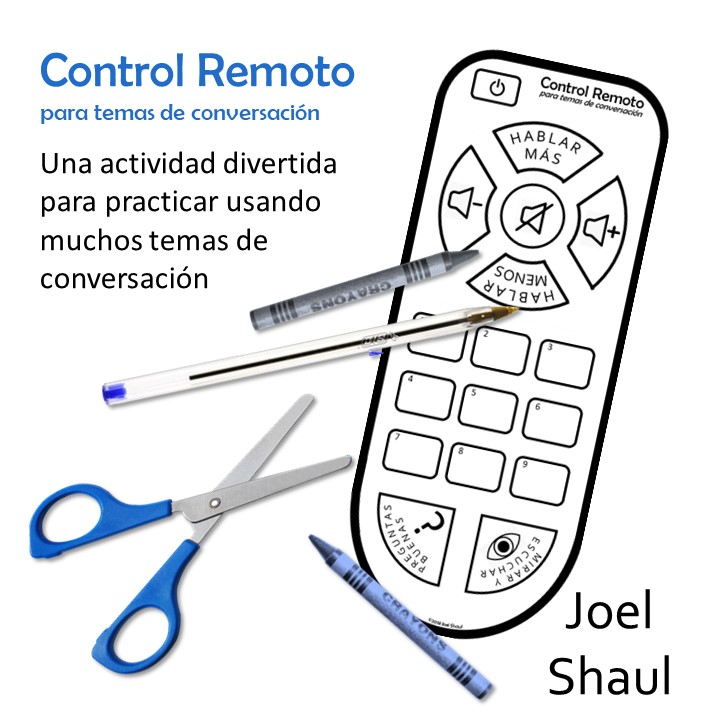
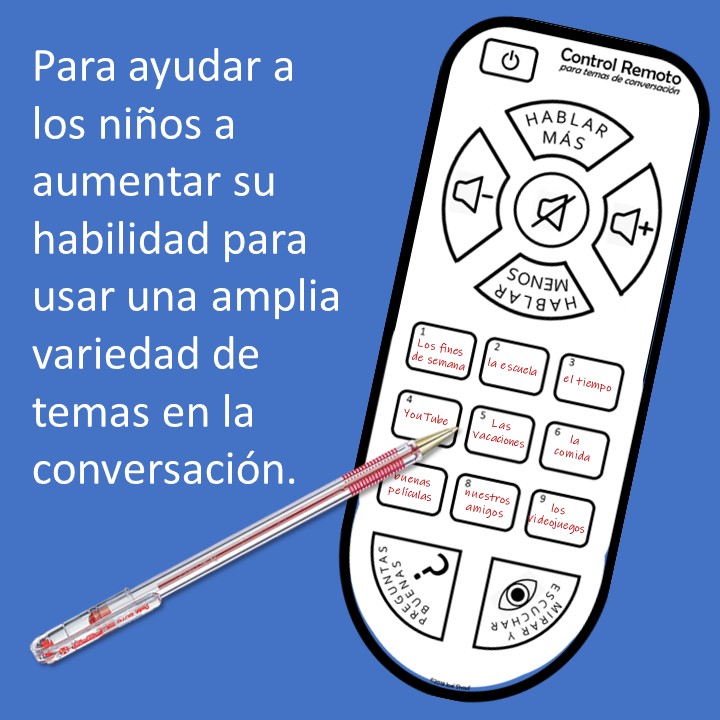
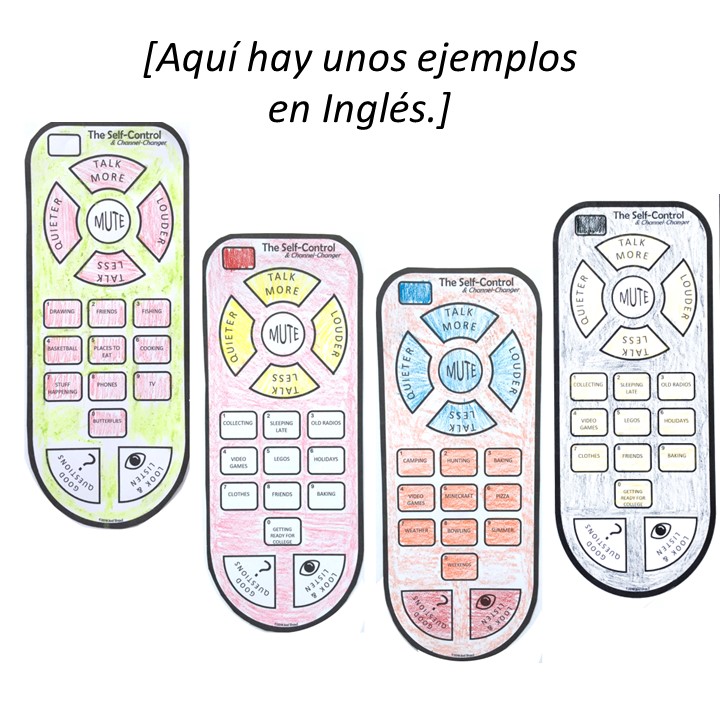
“Control Remoto” para temas de conversación. Actividad divertida para practicar temas de conversación.

La versión de PowerPoint funciona muy bien y te recomiendo que la pruebes. Lo he usado docenas de veces en mi propio trabajo. En la otra versión, puede ser difícil para los niños escribir palabras lo suficientemente pequeñas a mano.

original version, in English

Espero que esto sea agradable y útil para usted y sus estudiantes.

Joel Shaul

This image has an empty alt attribute; its file name is Slide1-17-1024x456.jpg

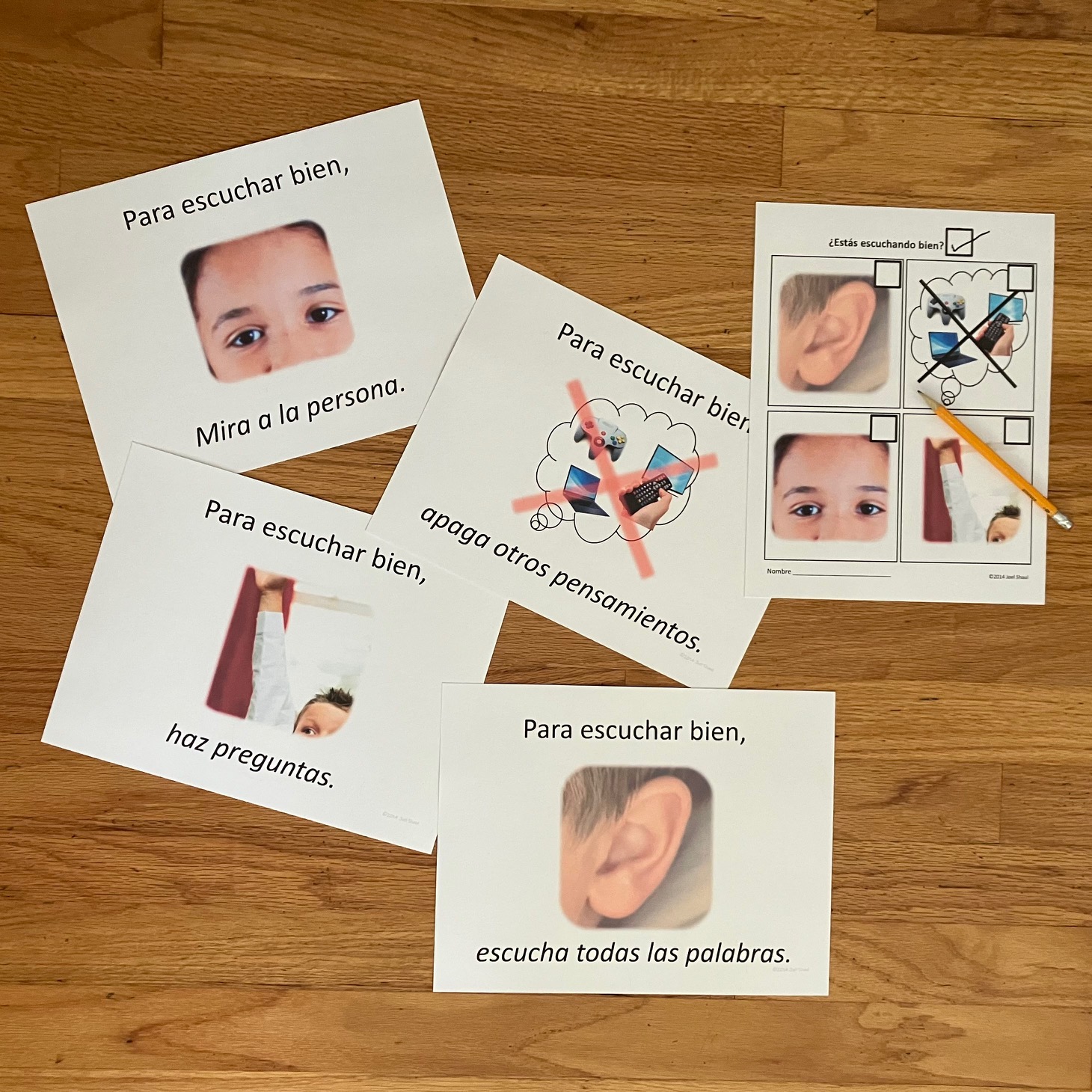
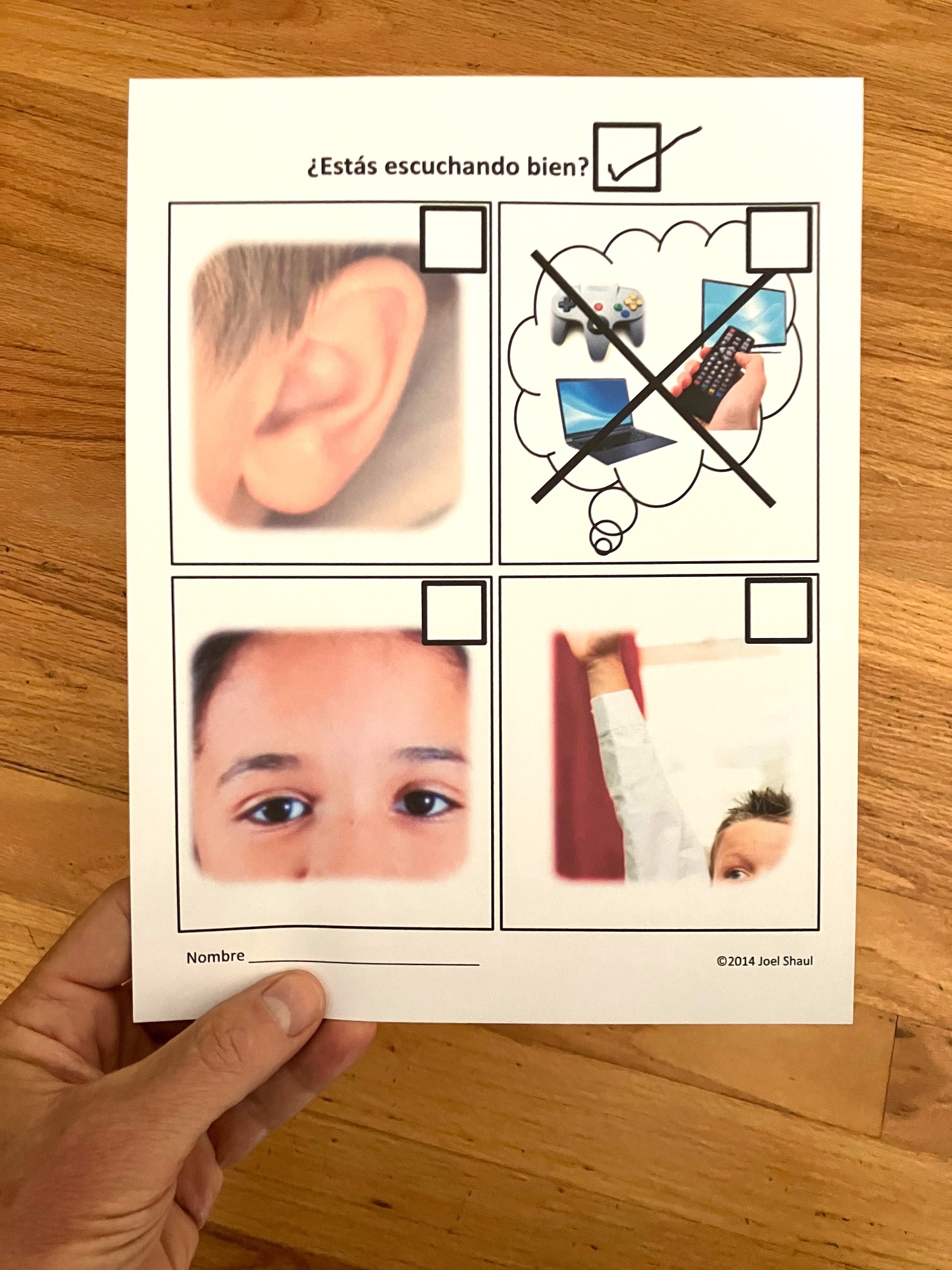
Hoja de trabajo y tarjetas ilustradas para enseñar acerca de escuchar

[In English.]

Imágenes y palabras simples para ayudar a los niños autistas a mejorar sus habilidades de escucha

A los niños autistas les puede resultar muy difícil a veces escuchar con mucha atención lo que dicen otras personas. A veces se distraen con cosas más interesantes cercanas. El niño autista también puede distraerse con sus propios pensamientos internos.

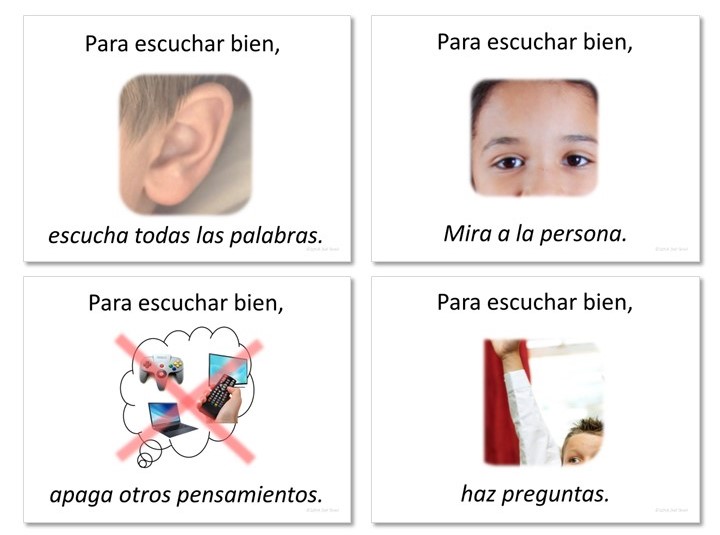
He hecho estas sencillas hojas para ayudar a los niños a prestar atención cuando habla el profesor u otra persona.

Aquí hay una sugerencia sobre cómo usar la primera hoja. Póngala en el escritorio del niño. Puede poner marcas de verificación en la hoja, ya sea una o varias veces, para indicar qué tan bien parece estar escuchando el niño. También puede usar pegatinas de recompensa.

Cómo usar las otras cuatro hojas

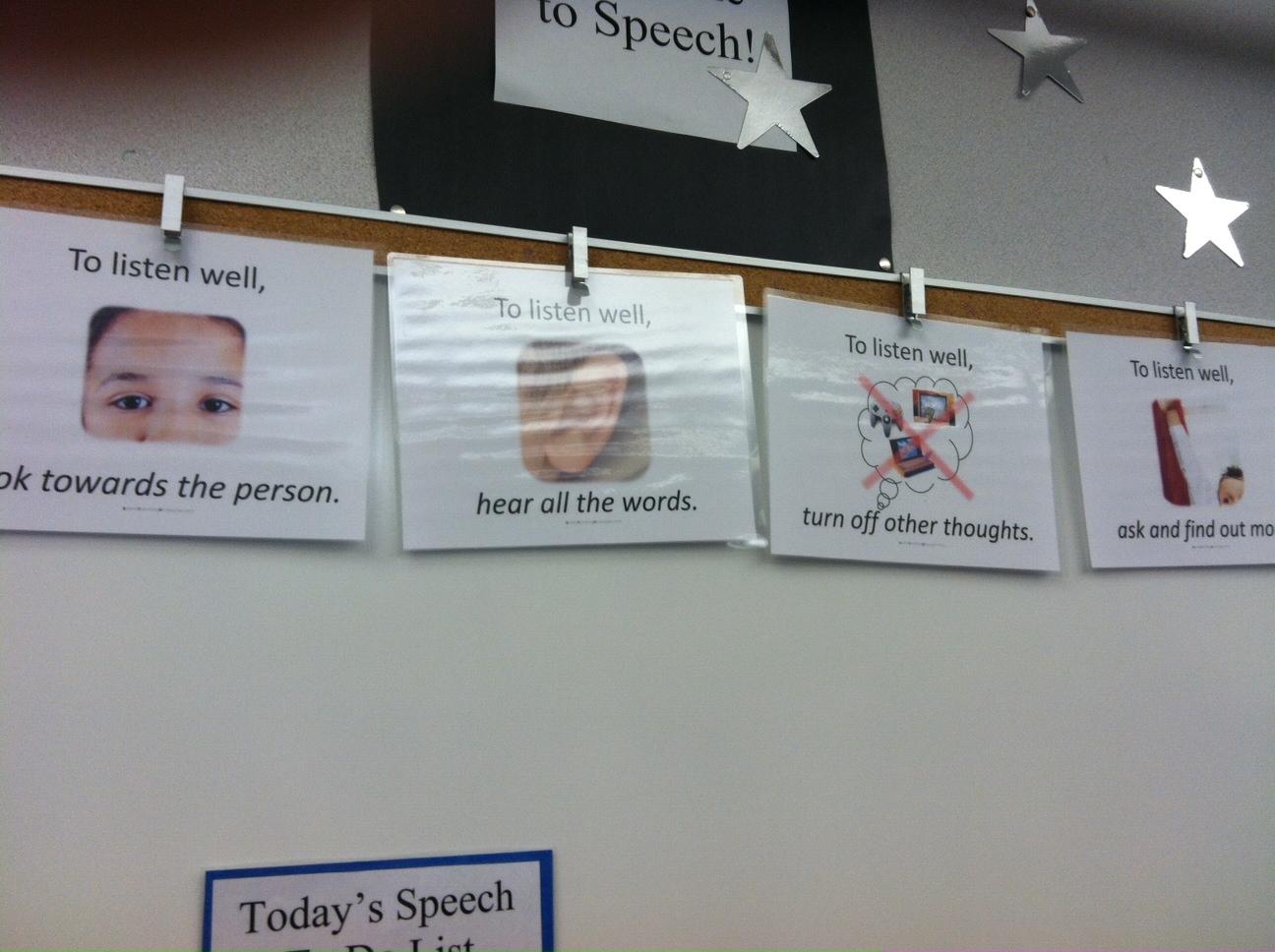
Diseñé estos con un lenguaje simple para que puedan usarse con una variedad de edades. Así es como se verían enla pared de su aula u oficina.

A speech language professional in California sent in this photo.

Espero que esto sea útil para usted y sus estudiantes.

Joel Shaul