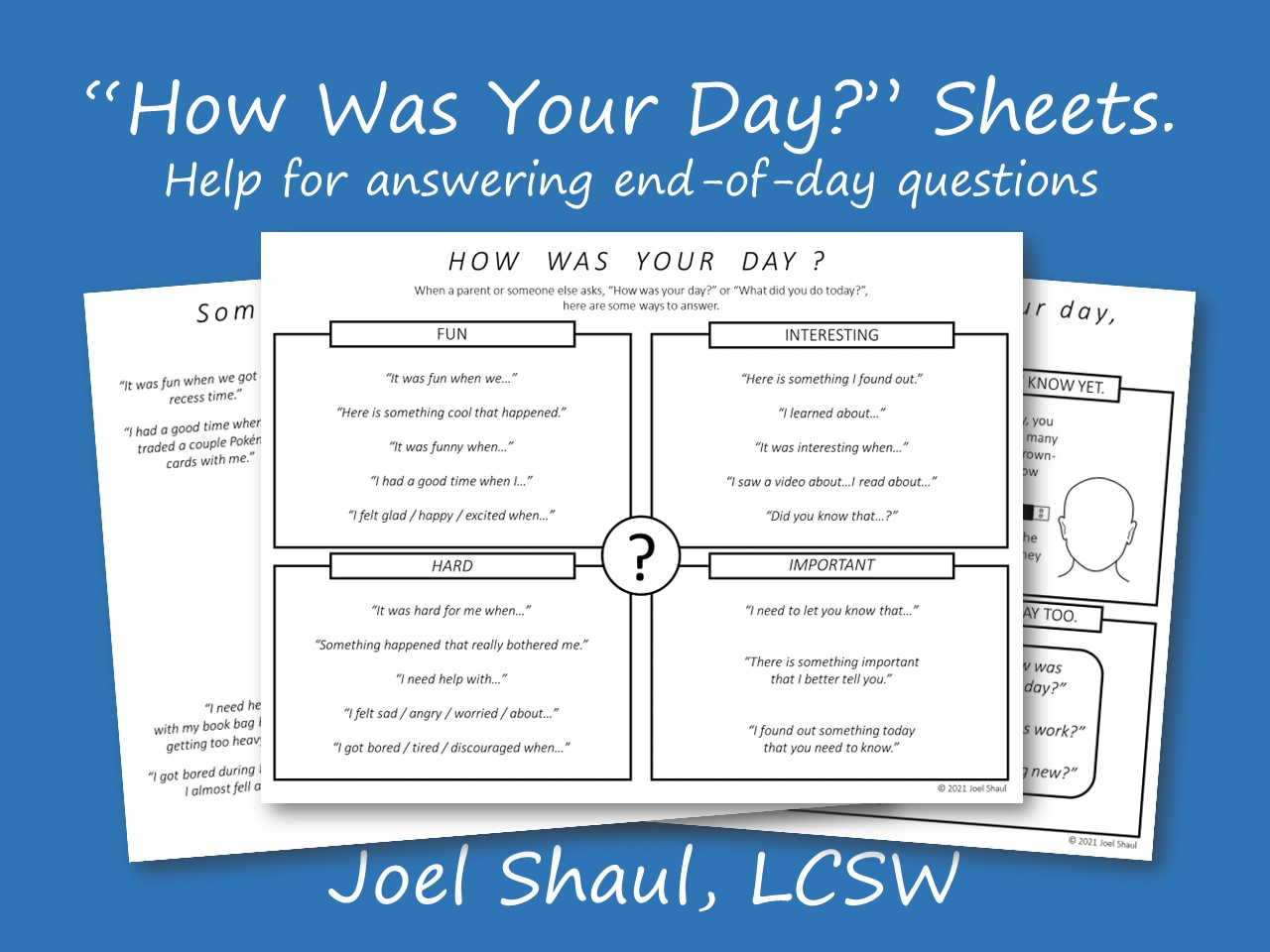
Many children, especially children with autism spectrum disorders, have difficulty answering these questions from their parents at the end of the day. Children might be tired or distracted. They might not grasp the importance of exchanging information about the school day. They may have an impaired sense of what the parent knows or does not know.
I designed these sheets so that:
*Parents can use them as written prompts
*Mental health therapists and speech therapists working with children with autism can use them for guidance and practice for this important aspect of the parent-child relationship.
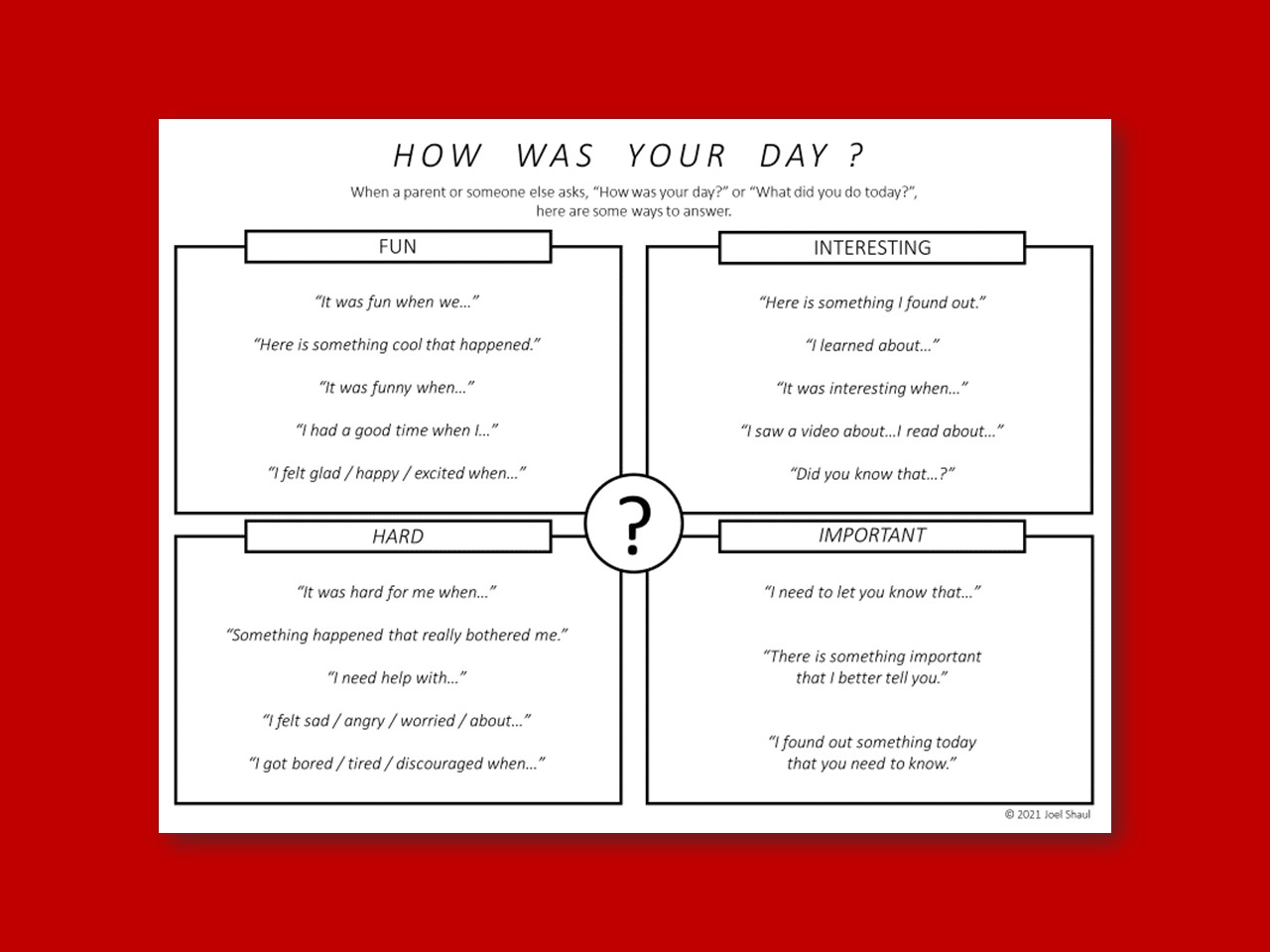
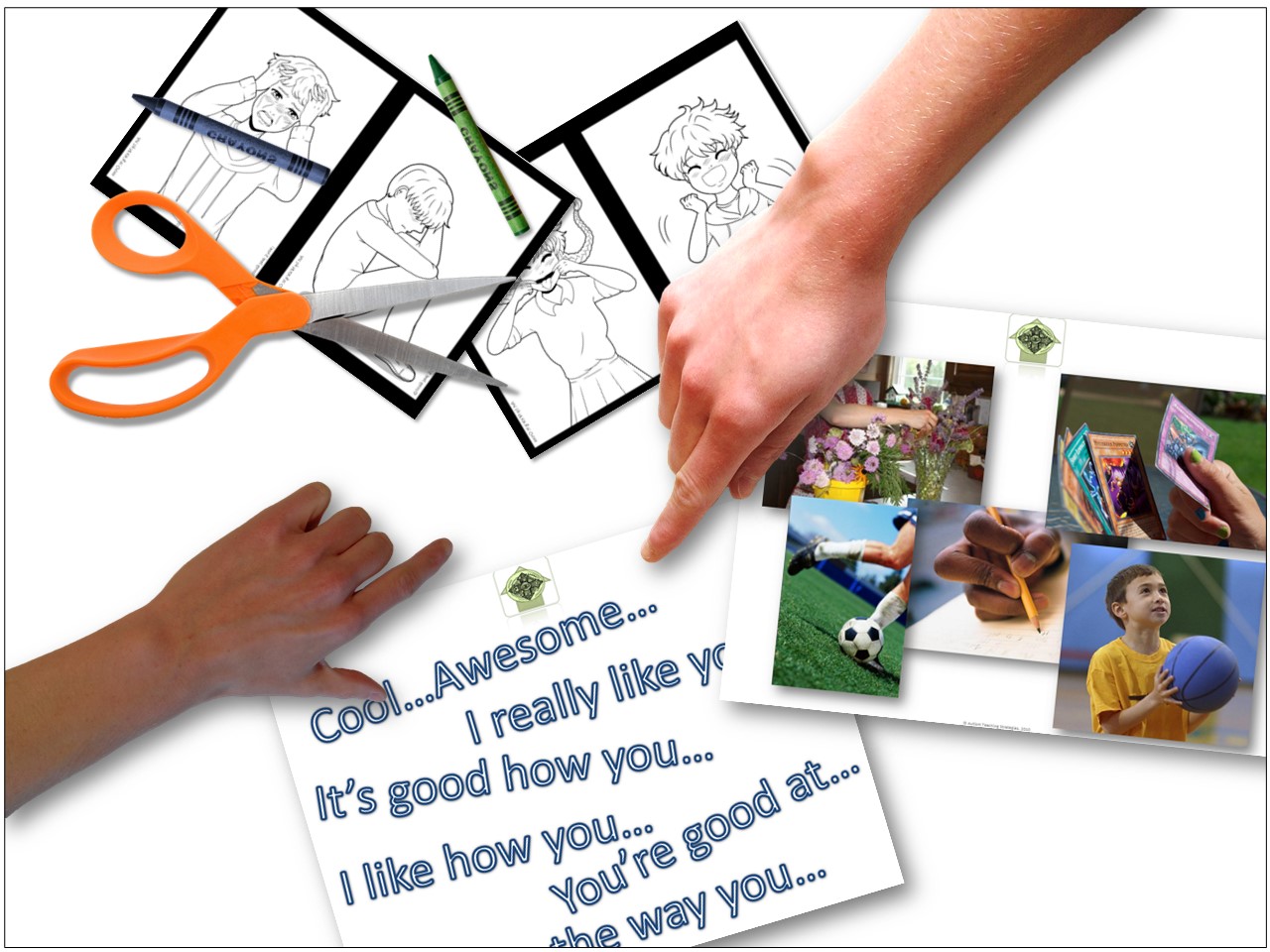
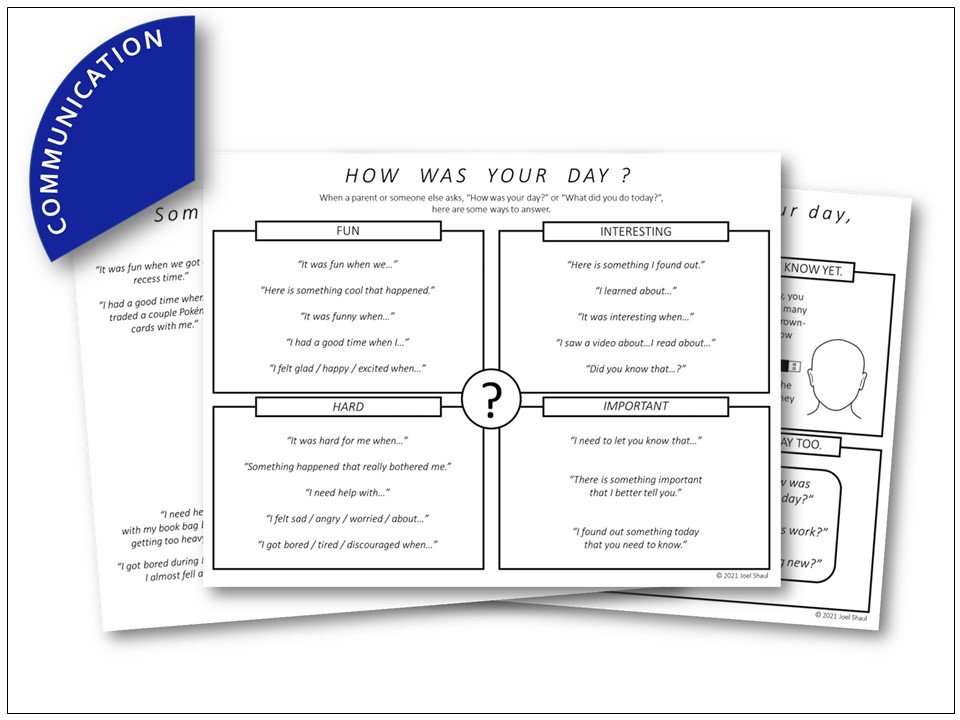
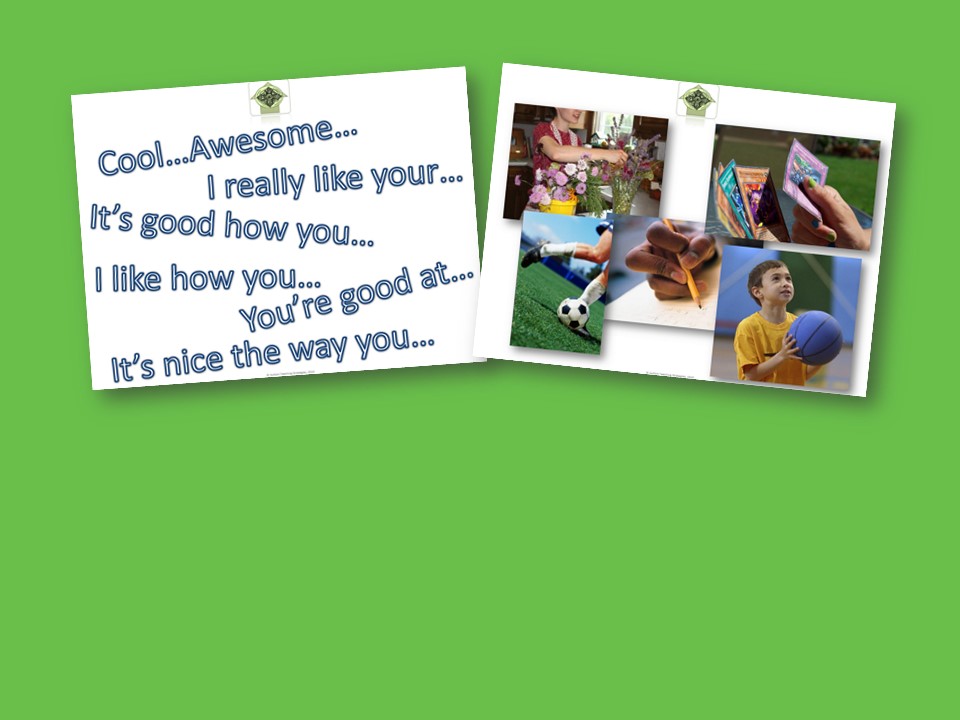
This first sheet offers examples, in thematic categories, of useful statements and phrases to use when answering “How was your day” kinds of questions.
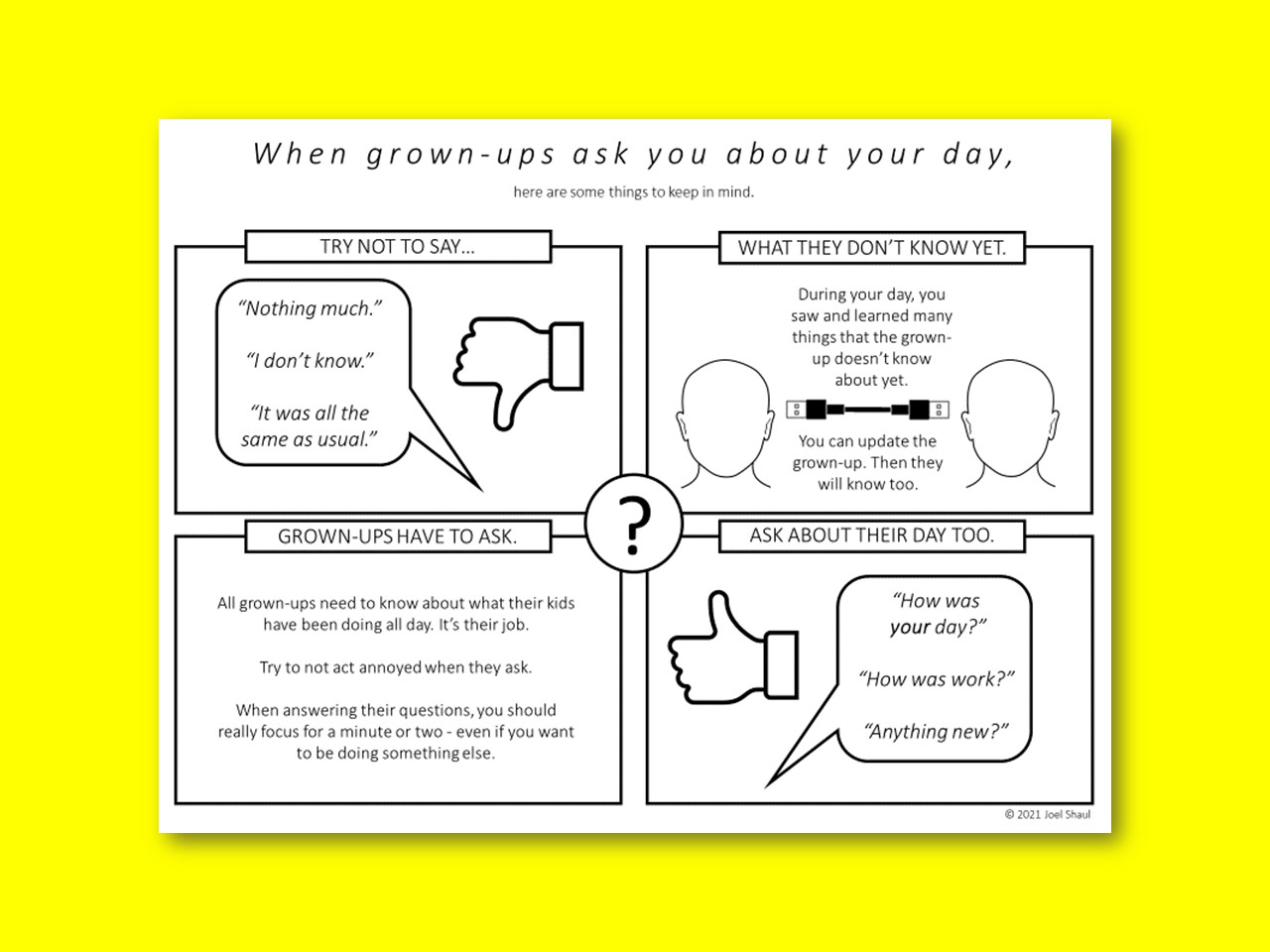
This second page offers a variety of helpful suggestions.
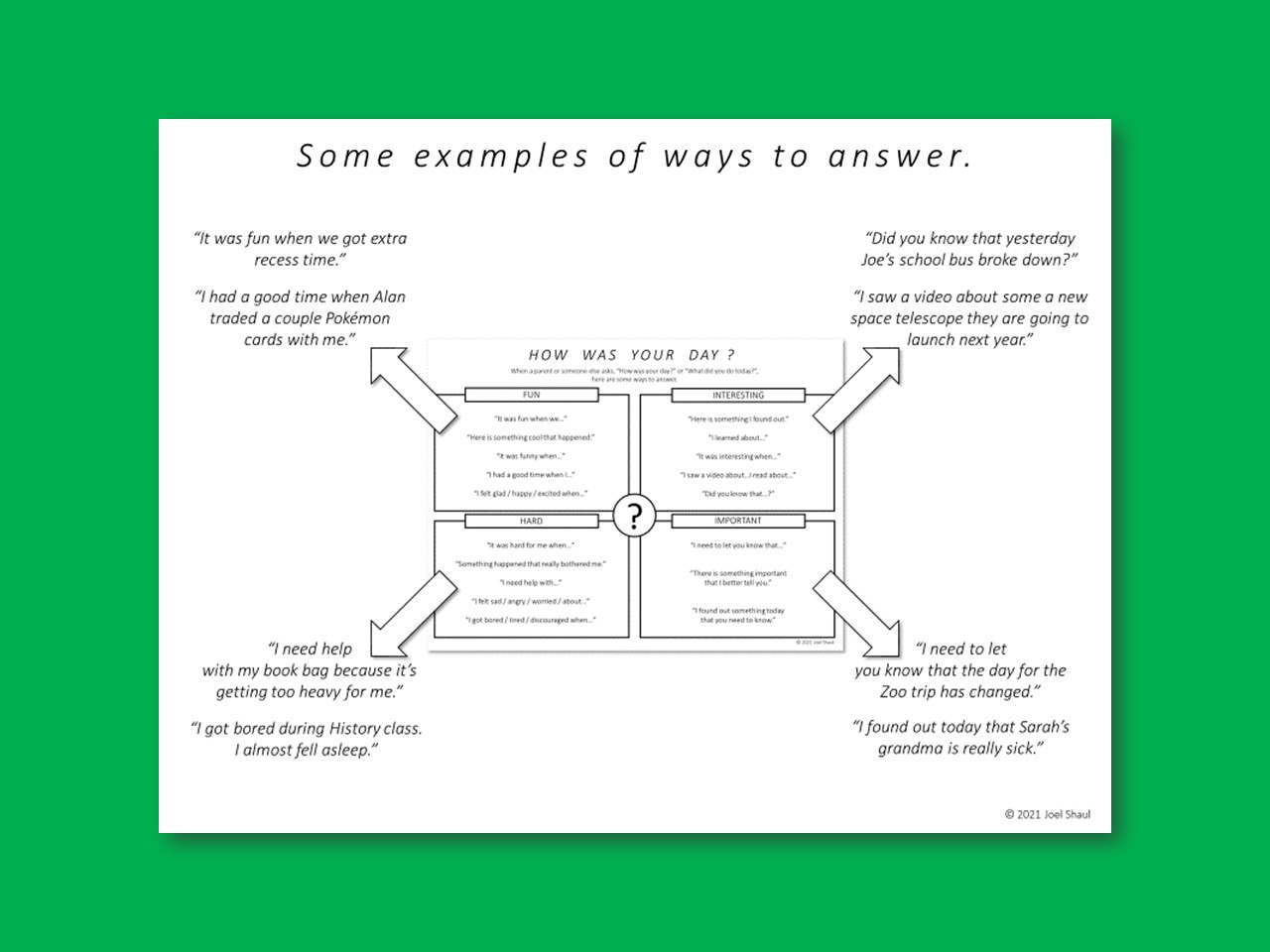
The third sheet offers examples of how to use the phrase prompts from page 1.
In my own work with the parents of children on the spectrum, I have gotten a lot of good feedback about the design and utility of these conversation prompts. I hope that you also find them useful.
Joel Shaul, LCSW
For more materials to facilitate conversation between the child and family members, here is another set of free materials: Talk to Family Picture Sheets.
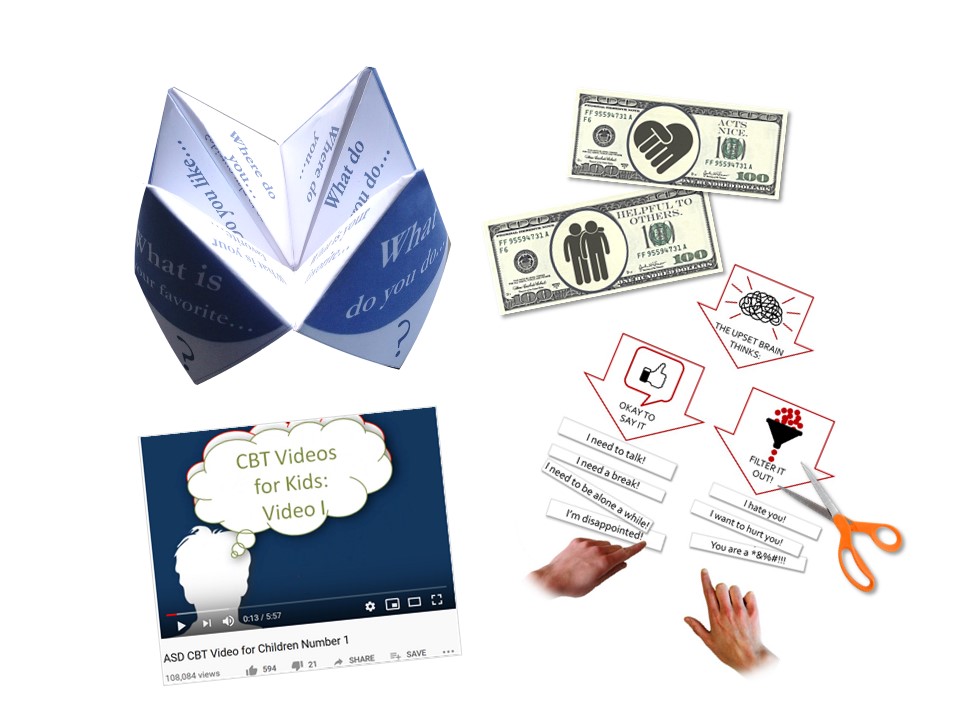
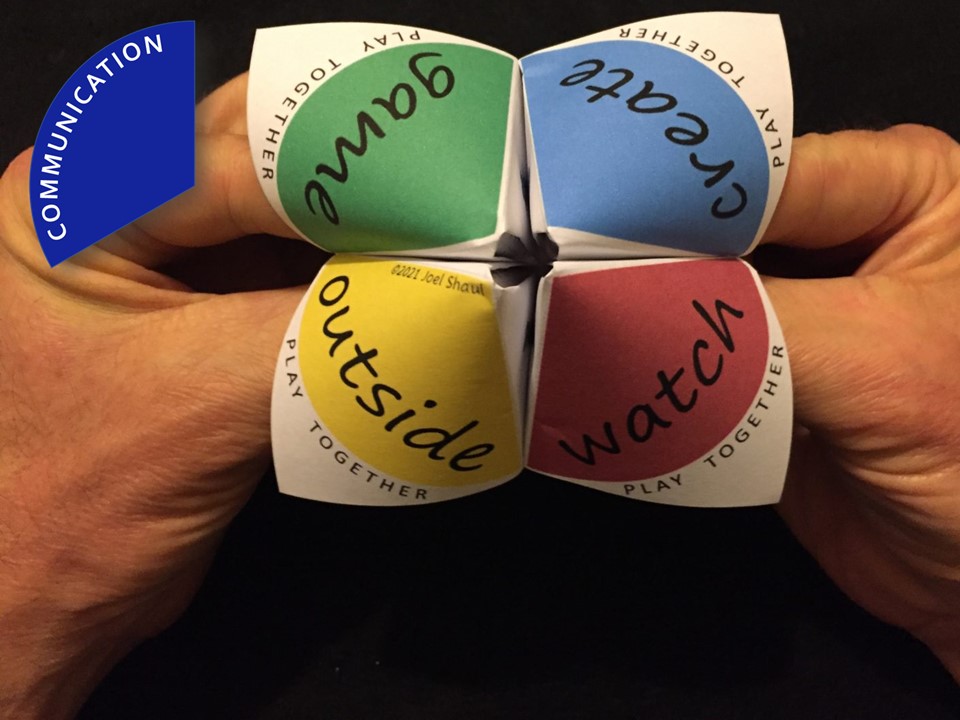
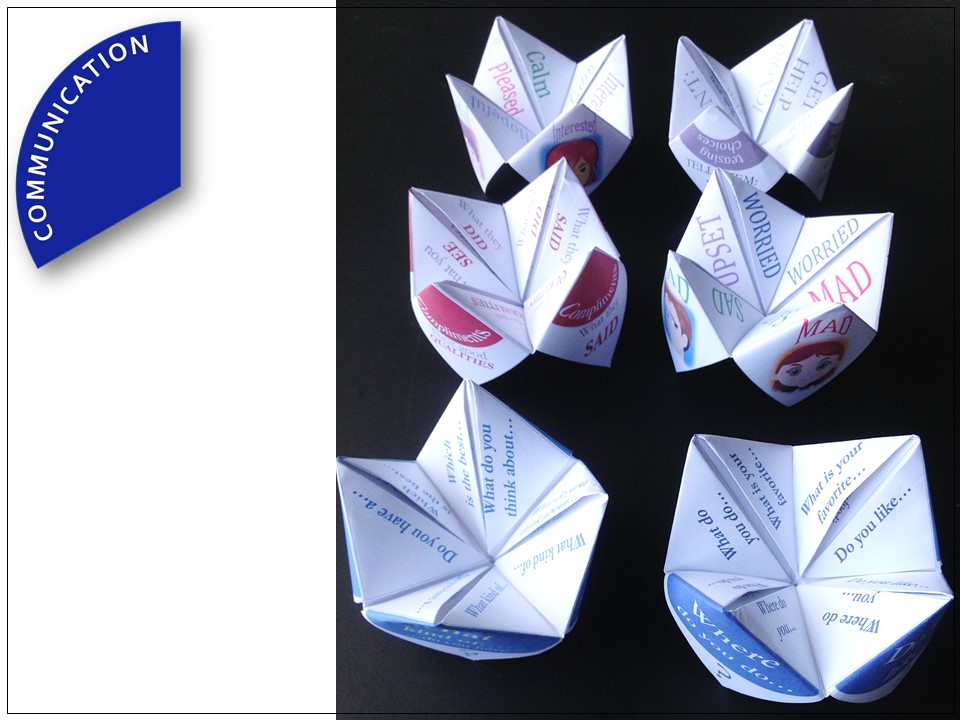
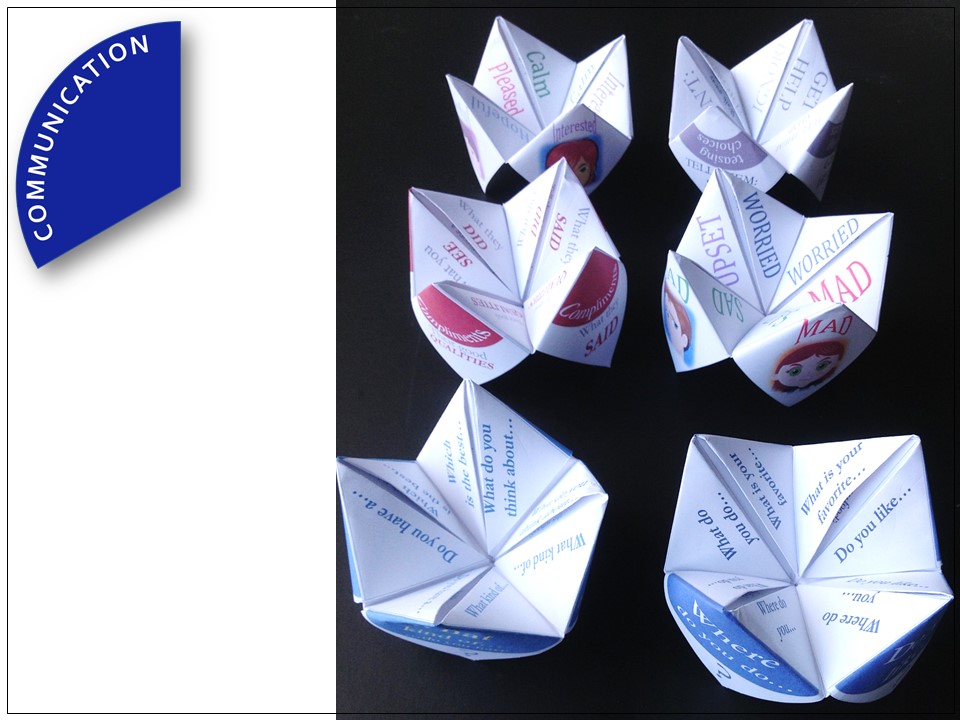
For more practice on asking and responding to “How are you?” questions, here is a cool and fun paper fortune teller on that topic.
Many of us in education, mental health and speech spent hundreds of hours providing services remotely through our computers in 2000 and 2021.
At times, it certainly made us feel burnt out. Not to mention how it may have affected our students and clients.
Maybe you, like me, have also learned from working remotely and grown professionally because of it. Although I went through lots of frustration, I have to say it really had some very positive effects on my work. I started out with limited skills in teletherapy but then I got much better at it, to the point that a majority of the families I work with would have preferred continuing in remote services with me if insurance providers and regulatory agencies would have allowed it.
While doing all that therapy remotely through computer screens, I did a few things which have affected the way I now do my in-person mental health therapy and social skills training for young people with autism.
Some Ways Teletherapy Experience Can Make Us Better In-Person Therapists
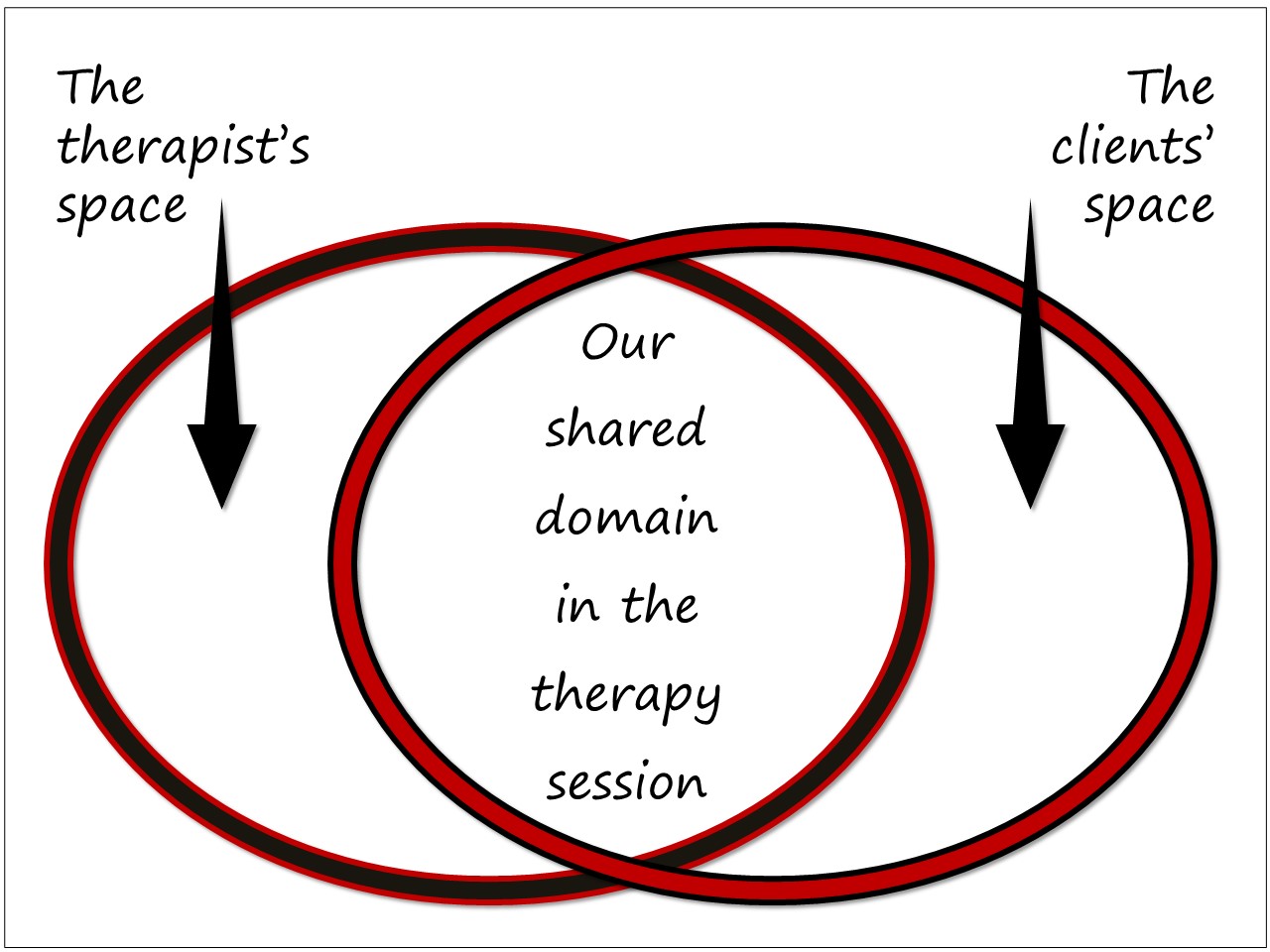
Doing teletherapy, in a shared, virtual space instead of our own offices, can have the effect of breaking down some power dynamics that might not be beneficial to the needs of the child and the family. We – the professional, the child, the parent – work together in teletherapy in a space we jointly nurture and develop. It sometimes does not work so terrific, but when it does, it’s great.
Now that we are back in in-person sessions, providing services in our professional space, there are many things I can do to continue to work together with families in an egalitarian and collaborative manner. I can get out a drawing the child made in the past and stick it on the wall during the session. I can work more diligently with the parent as a therapeutic ally and perhaps have them in the therapy room for more of the session.
Engaging Visuals Are Just As Important with In-Person Therapy as in Teletherapy
The experience of doing teletherapy made it more clear than ever how important it is to use the clearest and most engaging visuals I can find. I noticed, in teletherapy with young people on the autism spectrum, that I needed to use colorful, engaging and strategic visuals on the shared screen as much as possible to supplement the verbal exchange and engage distractible eyes. Now that I am back to seeing children in person, I find I am using visuals – social skills games, picture cards, very simple worksheets – more than ever, since for so many months I had no other choice while carrying out teletherapy sessions with children on the autism spectrum.
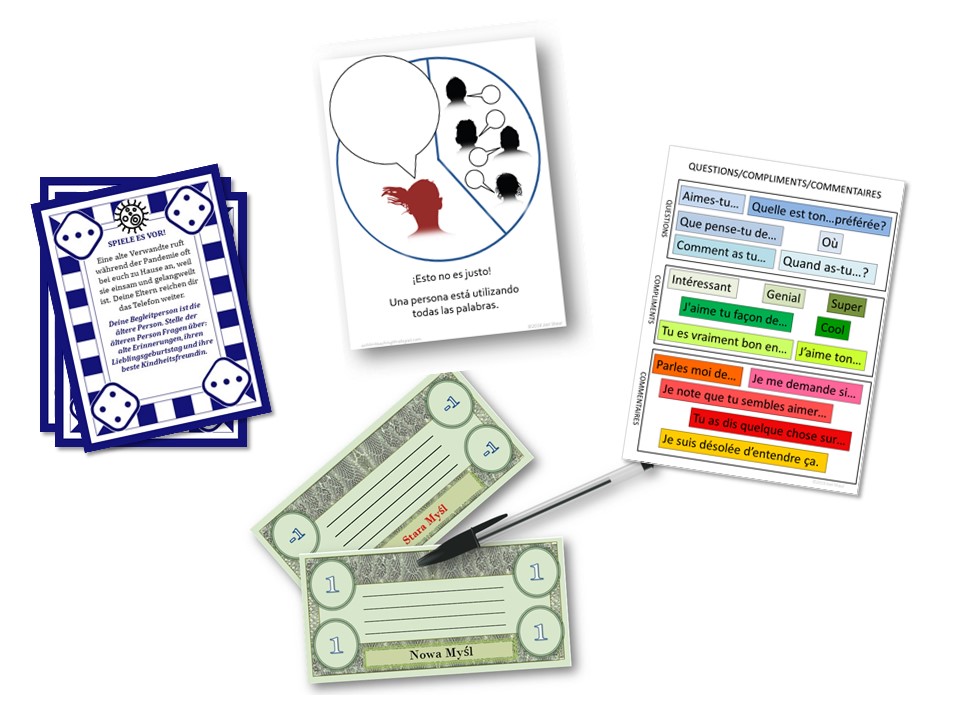
In your own in-person teaching and therapy, you are invited to supplement your own repertoire of engaging visuals with whatever you might find on my website. My website’s download section has dozens of free printable games, pictures, coloring sheets and simple worksheets.
Screen-based Therapy Tools Can Work Great with In-Person Therapy Too
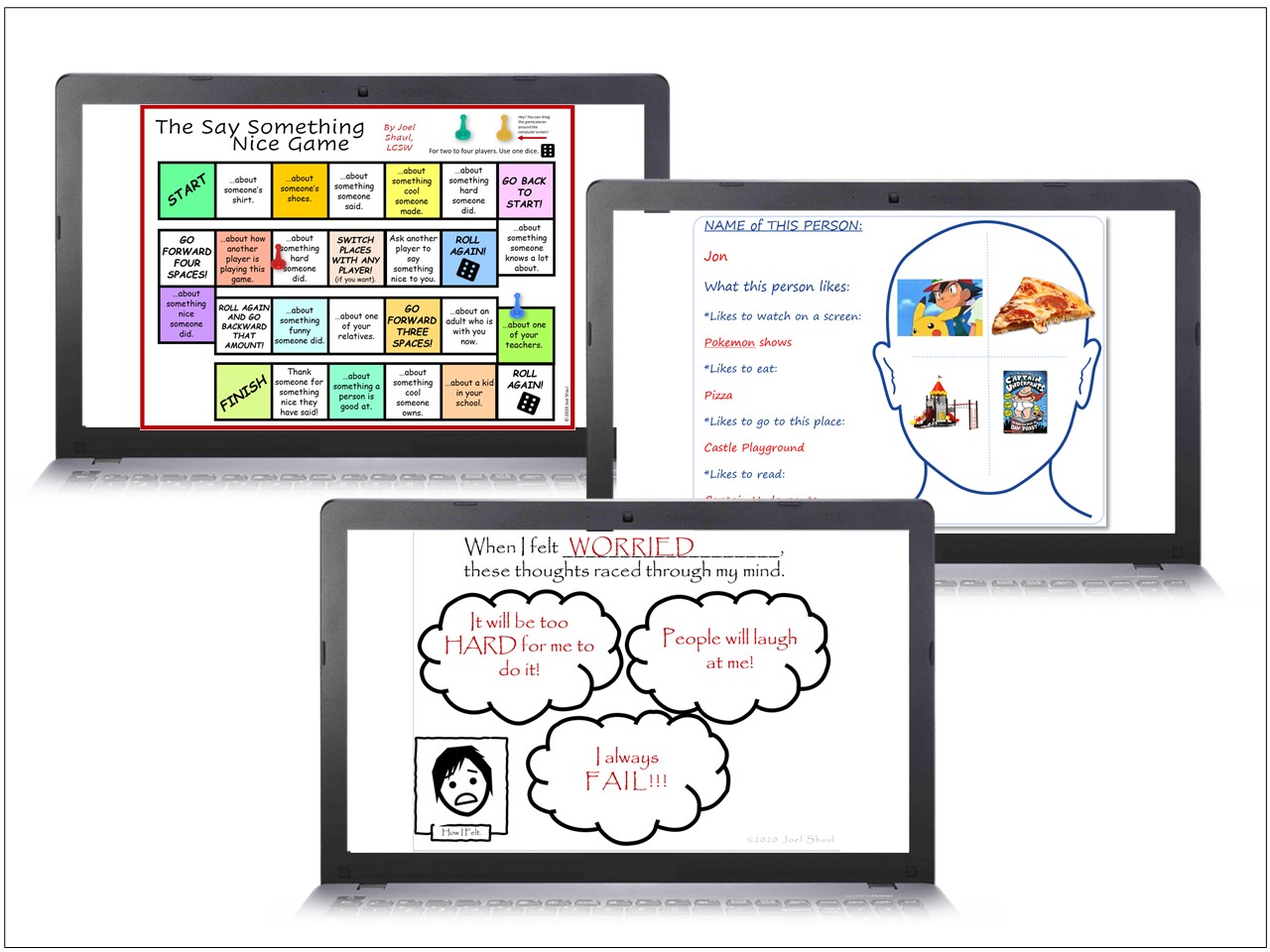
Many kids with ASD will lose focus and feel uncomfortable if obligate them to face us directly for too long. In teletherapy, I often spent more than half the session working with them while we looked together at a game, online worksheet or video. Although I used to use screen-based therapy tools often before the pandemic, I find I am employing them even more now after 18 months of teletherapy experience.
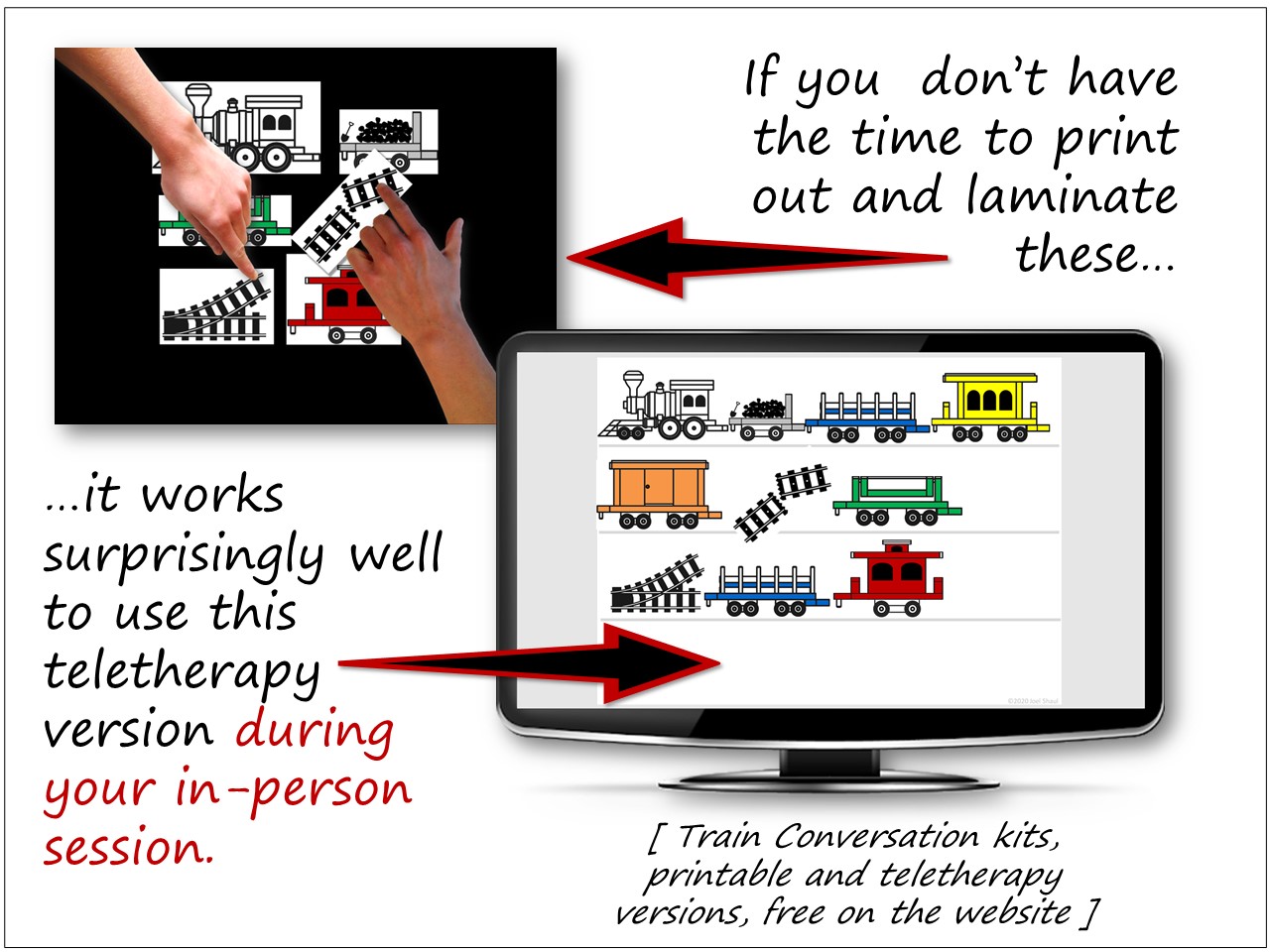
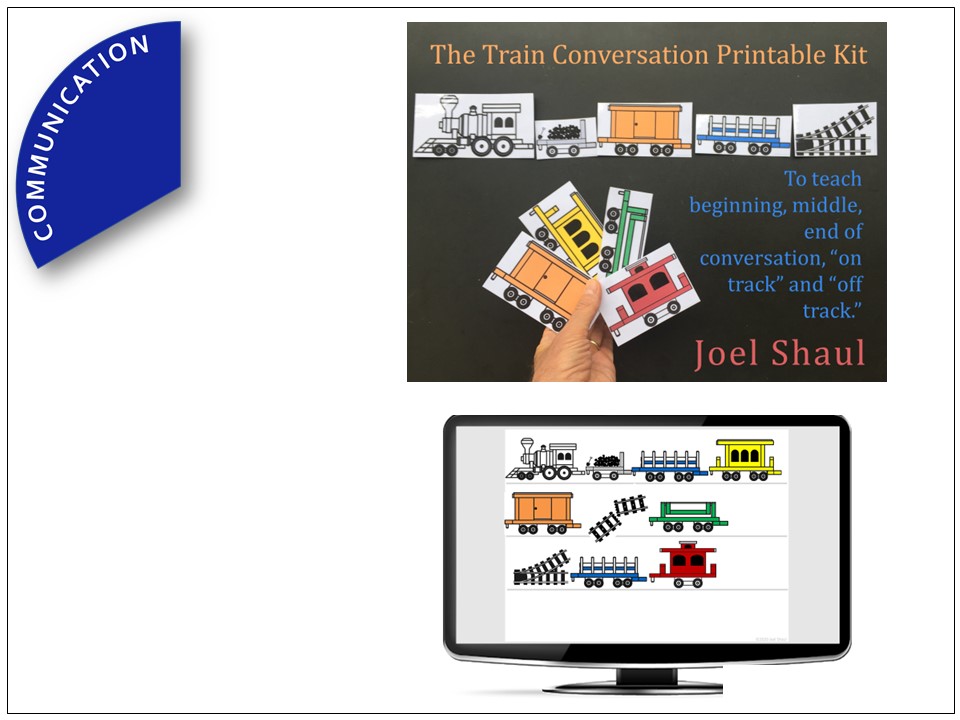
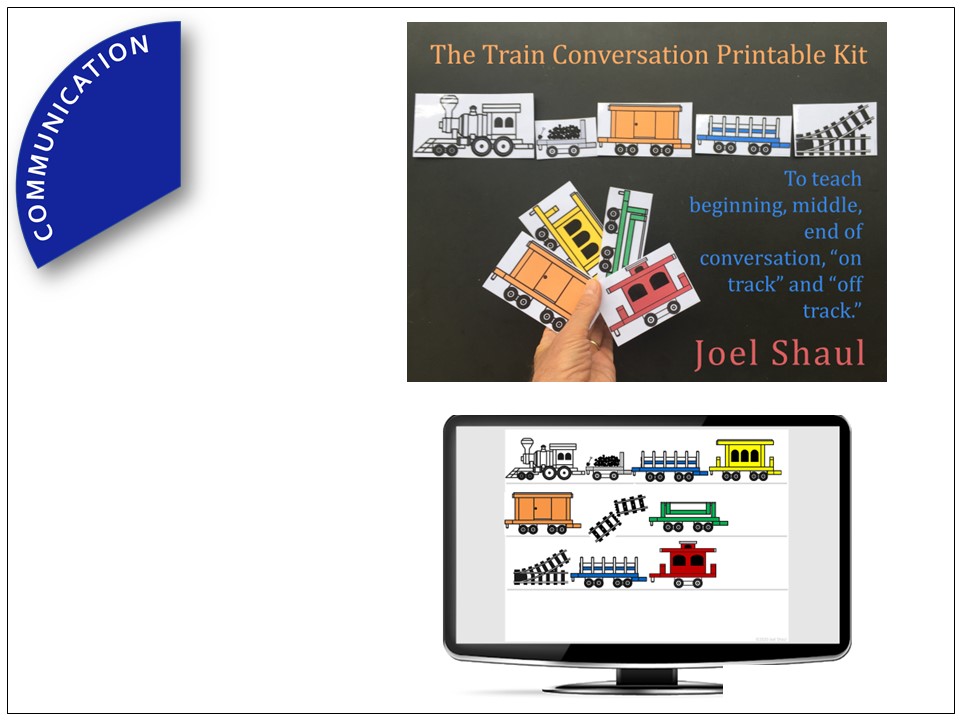
Some of these screen-based teletherapy resources I developed work even better than the printable resources I based them on. See this example below.
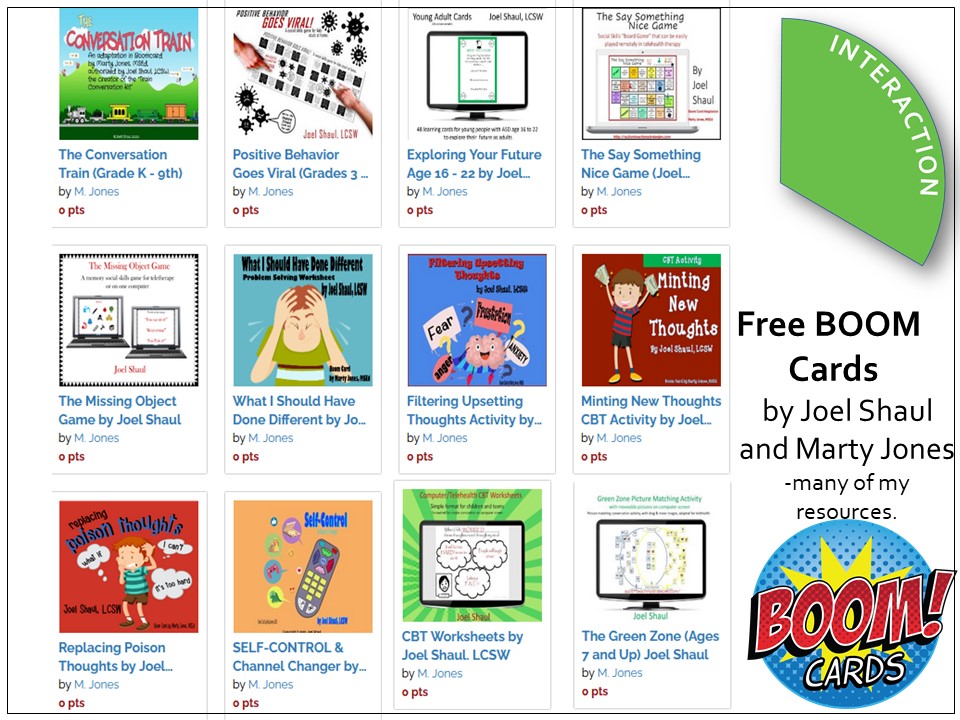
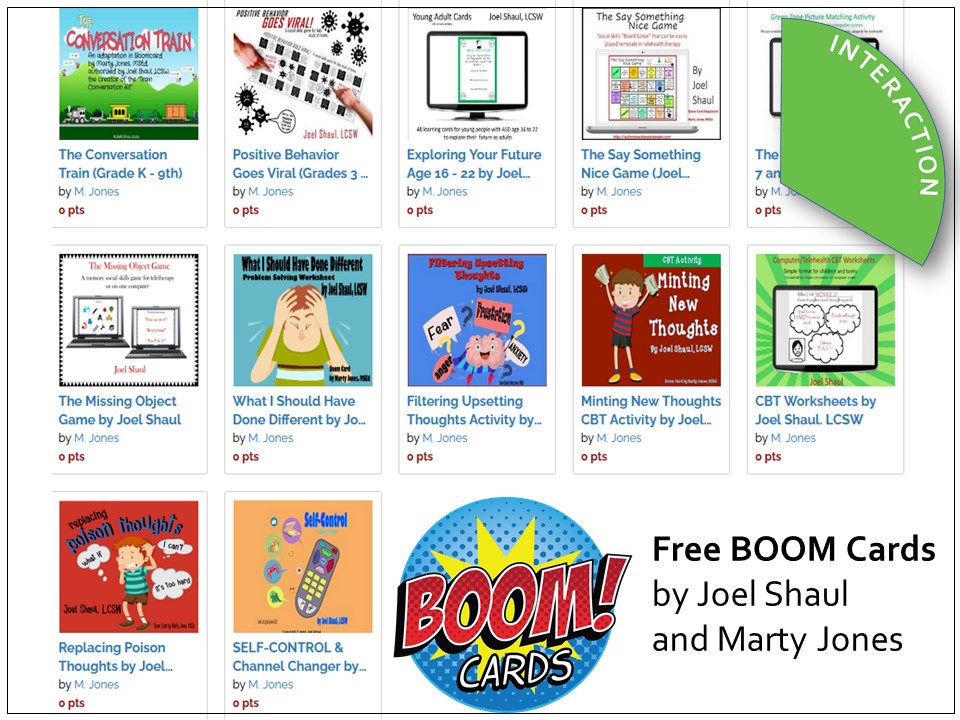
You are welcome to try, in your own office-based counseling and therapy, my own free teletherapy resources (various formats including Boom Card).
I hope you also have a successful resumption of your in-person work with children.
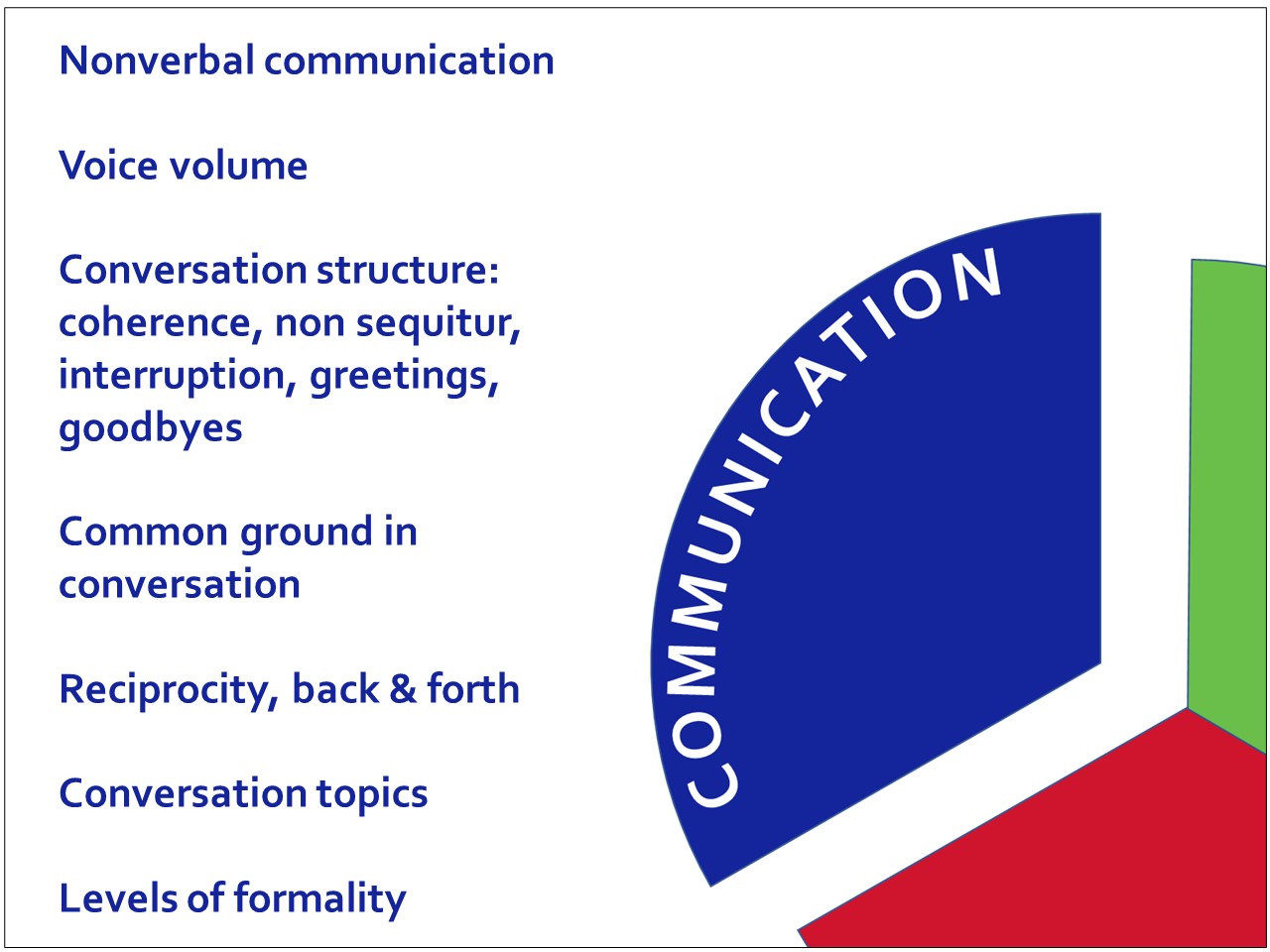
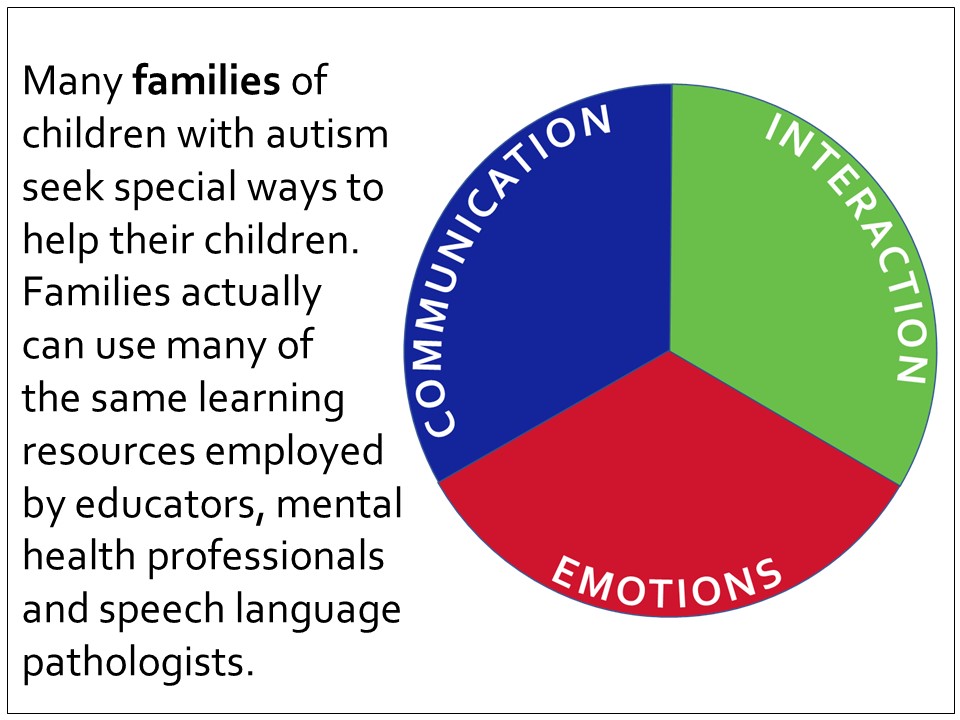
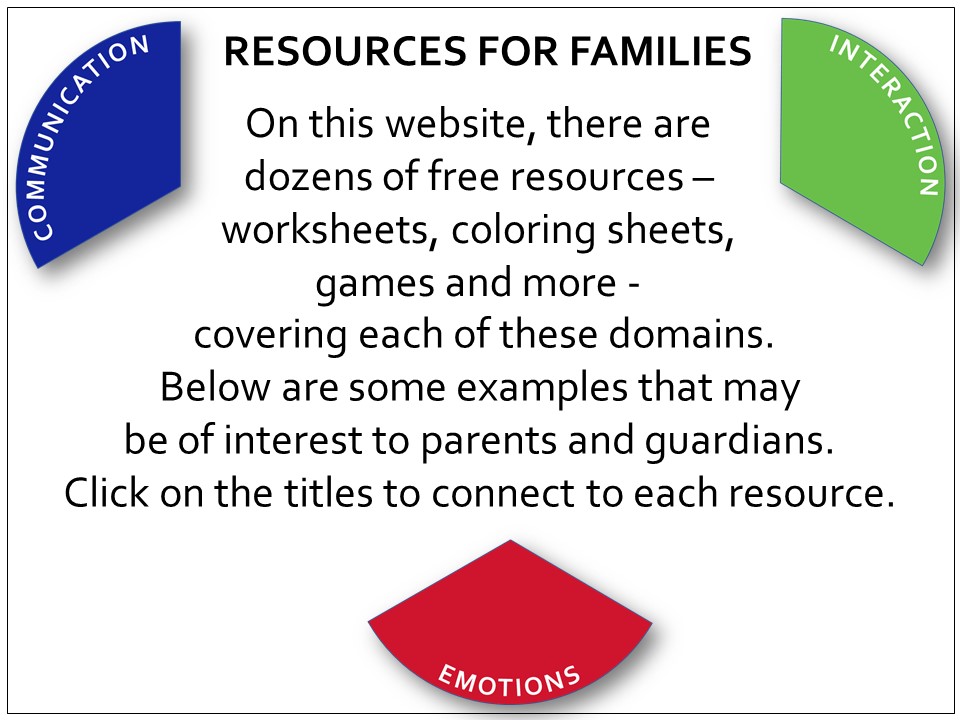
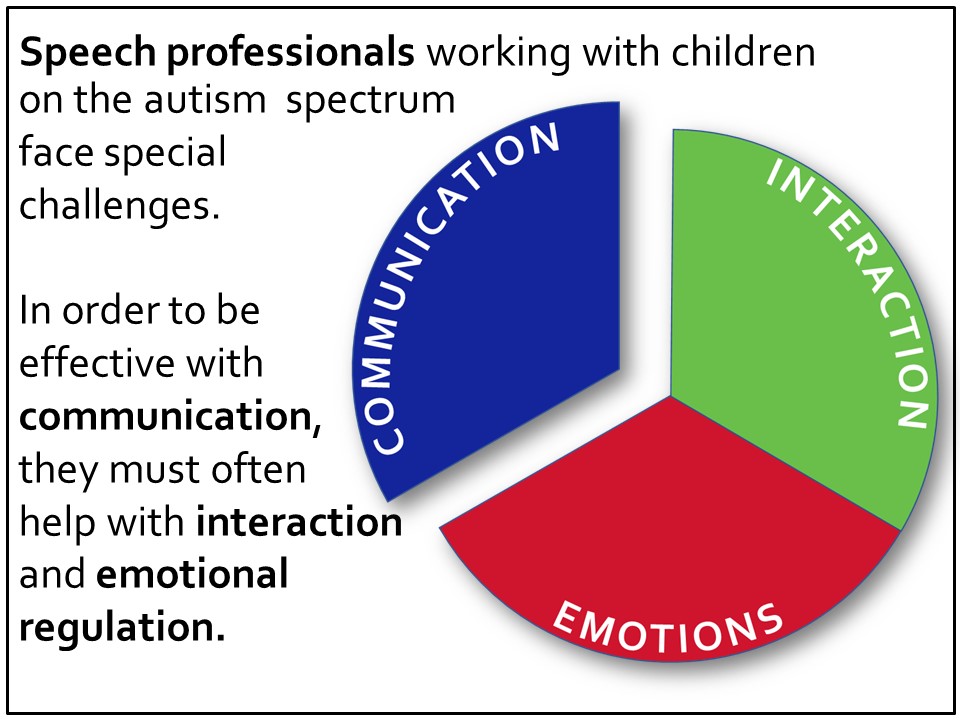
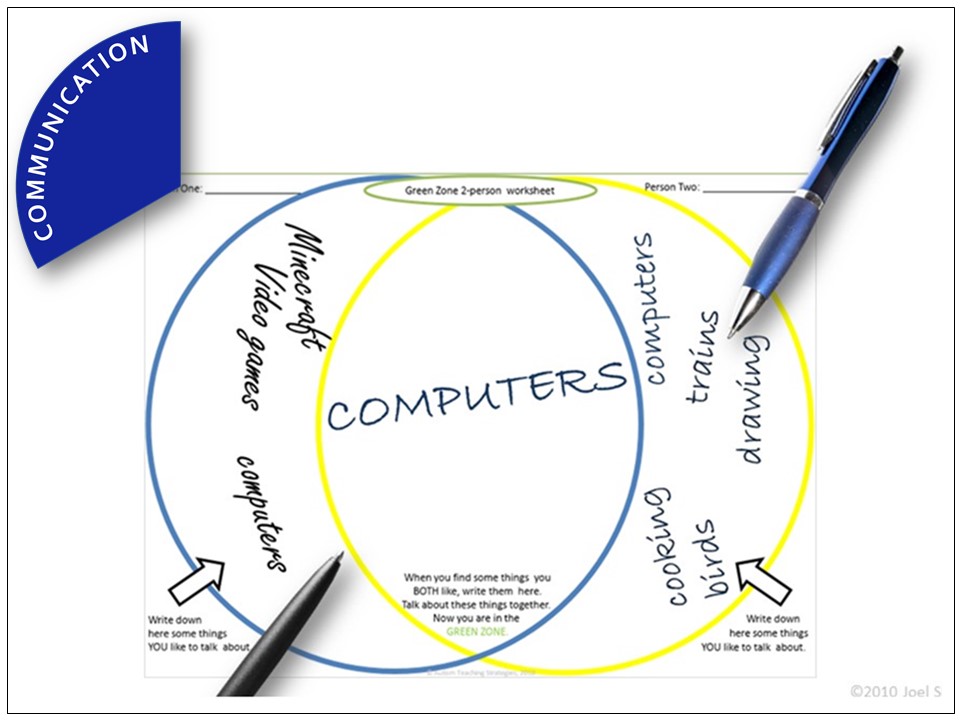
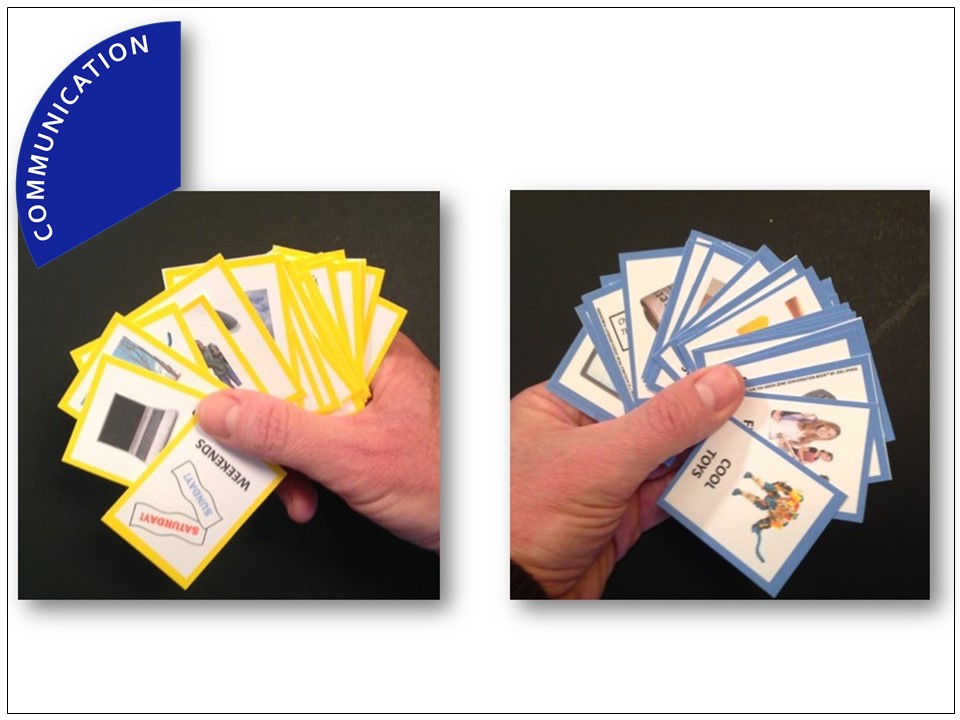
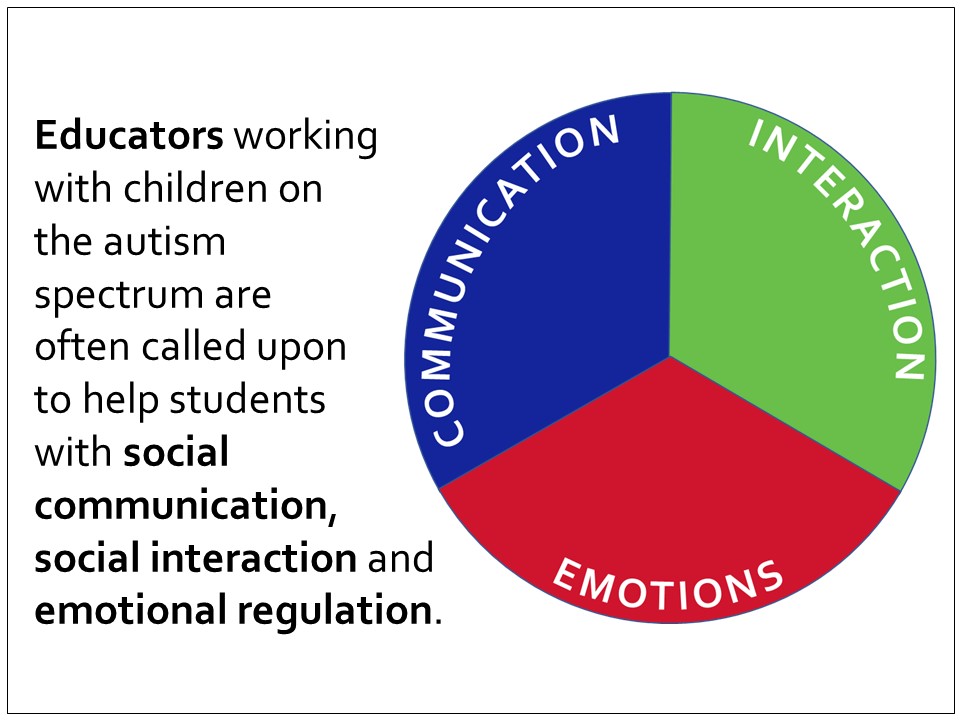
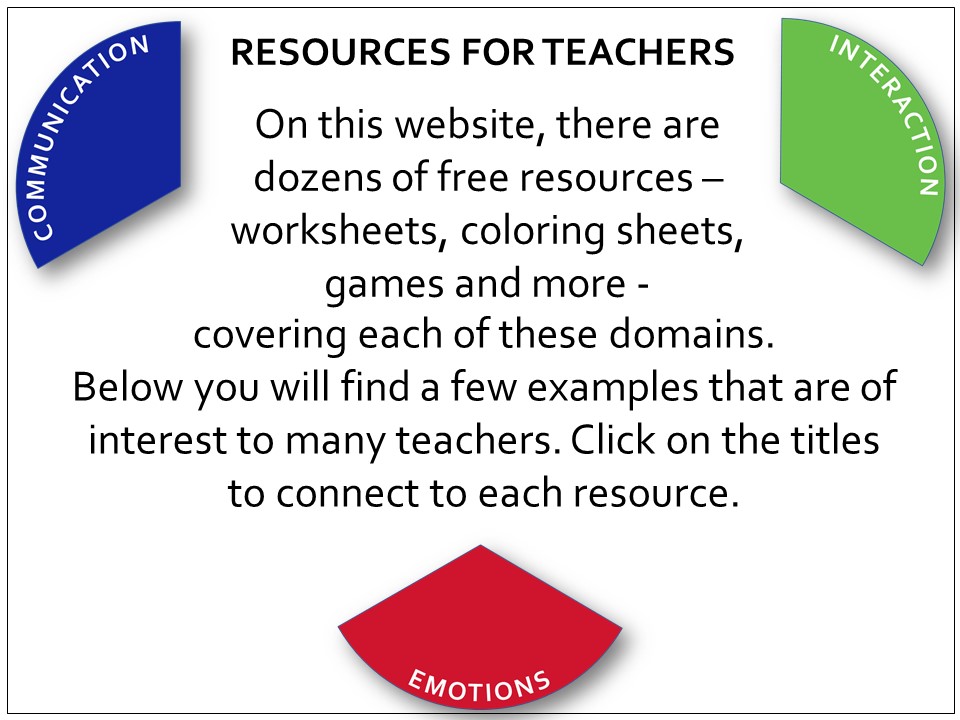
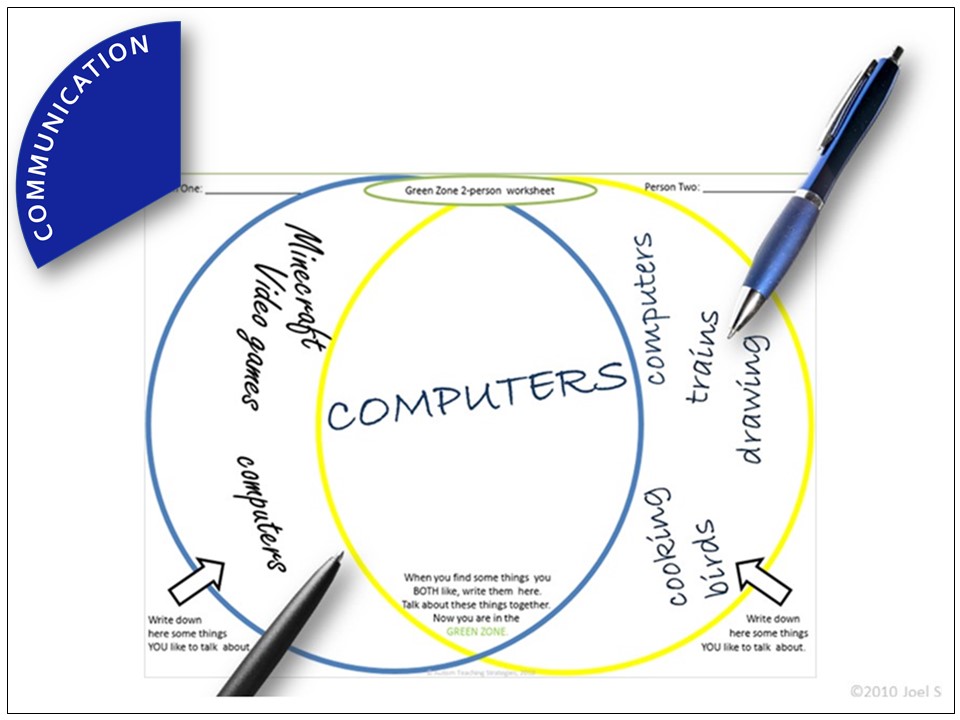
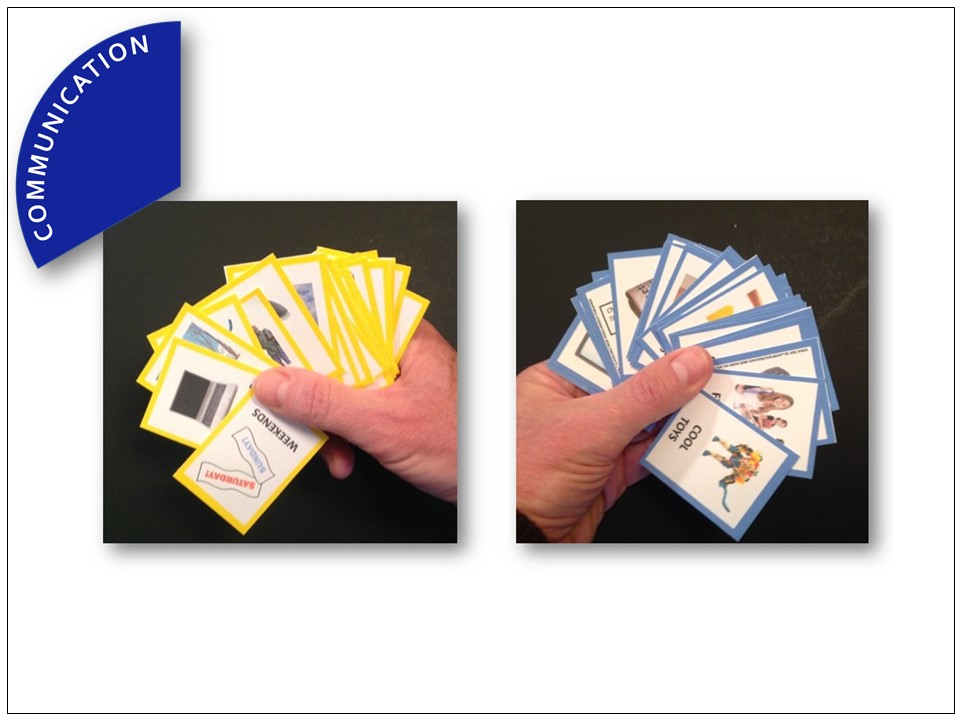
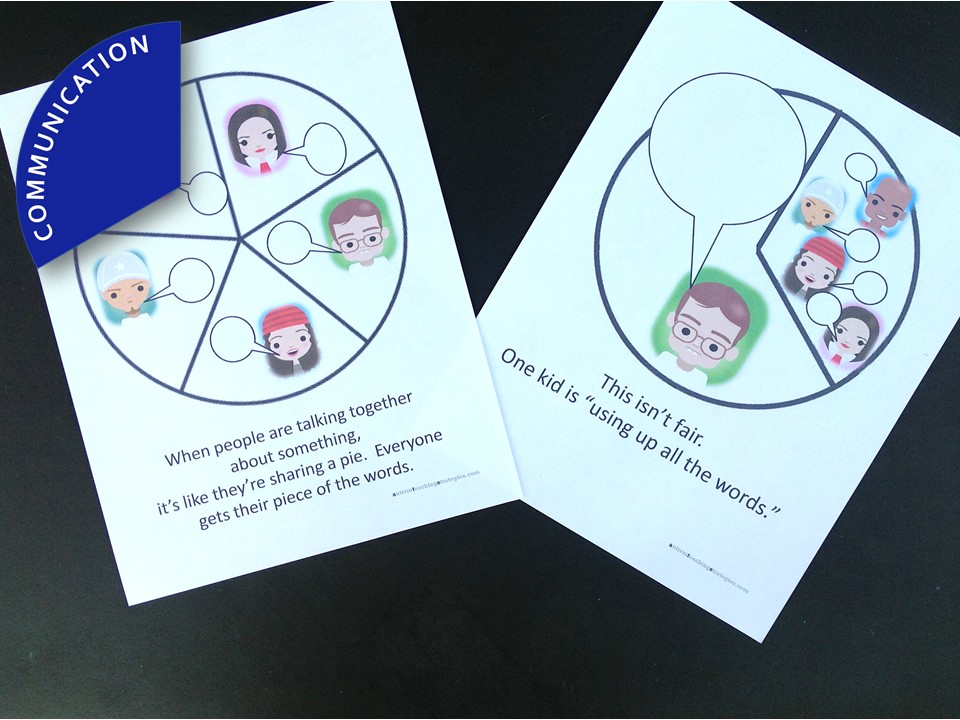
I have dozens of free resources to help children with ASD to practice conversation, nonverbal communication and diverse aspects of social communication. To access free resources on communication skills, click here. Communication .
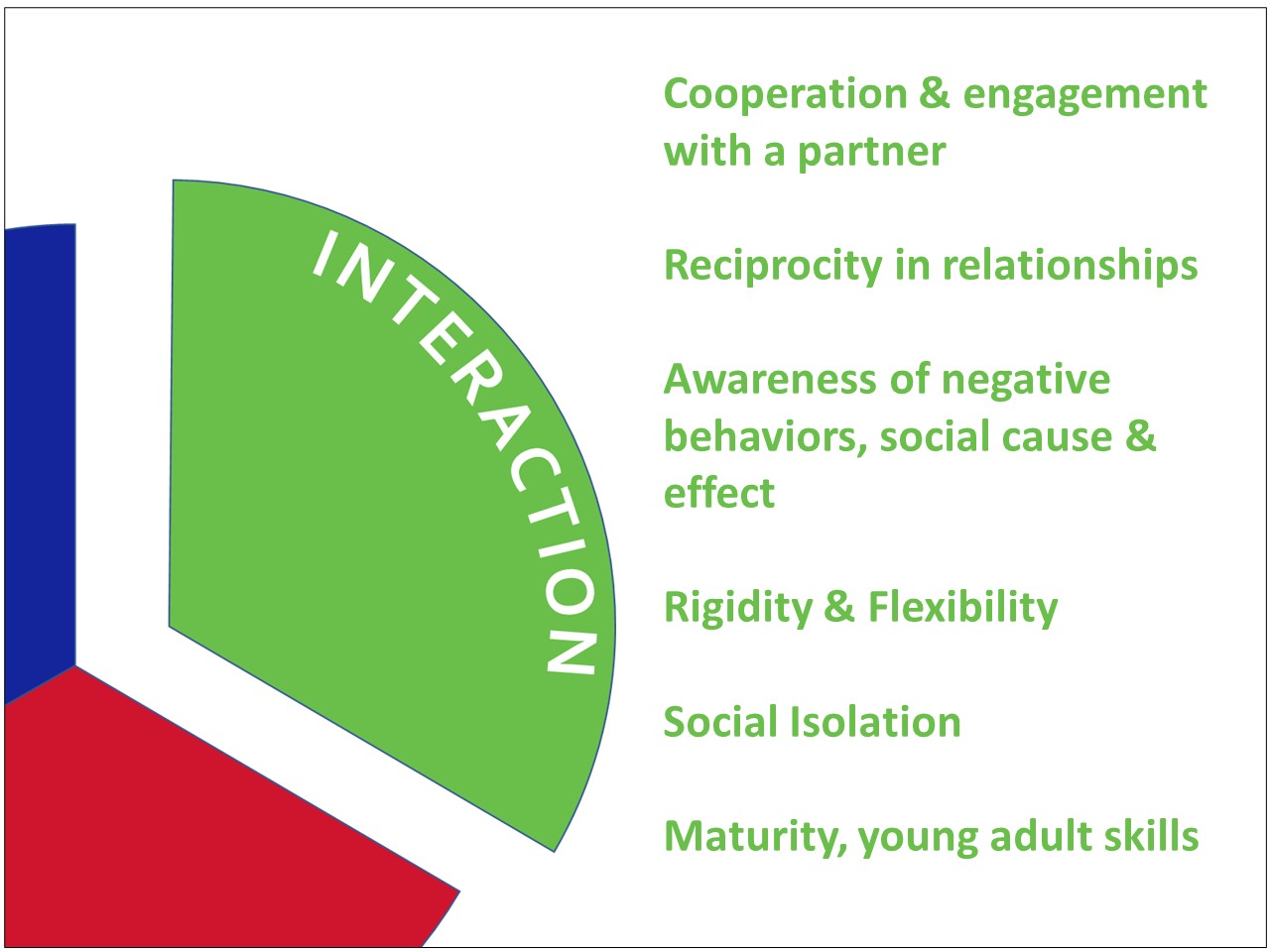
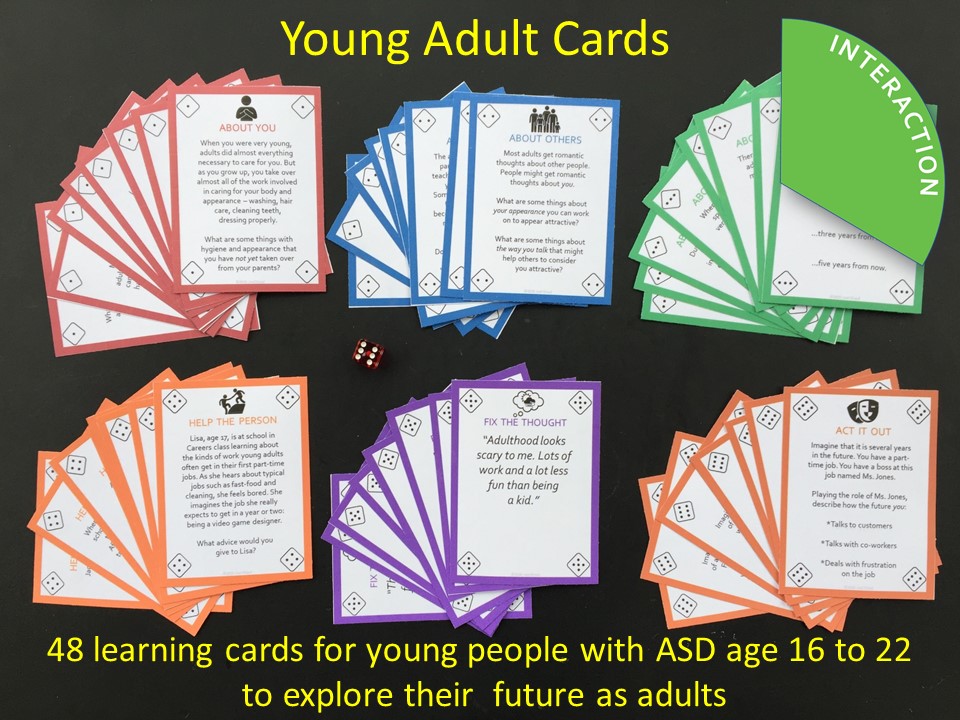
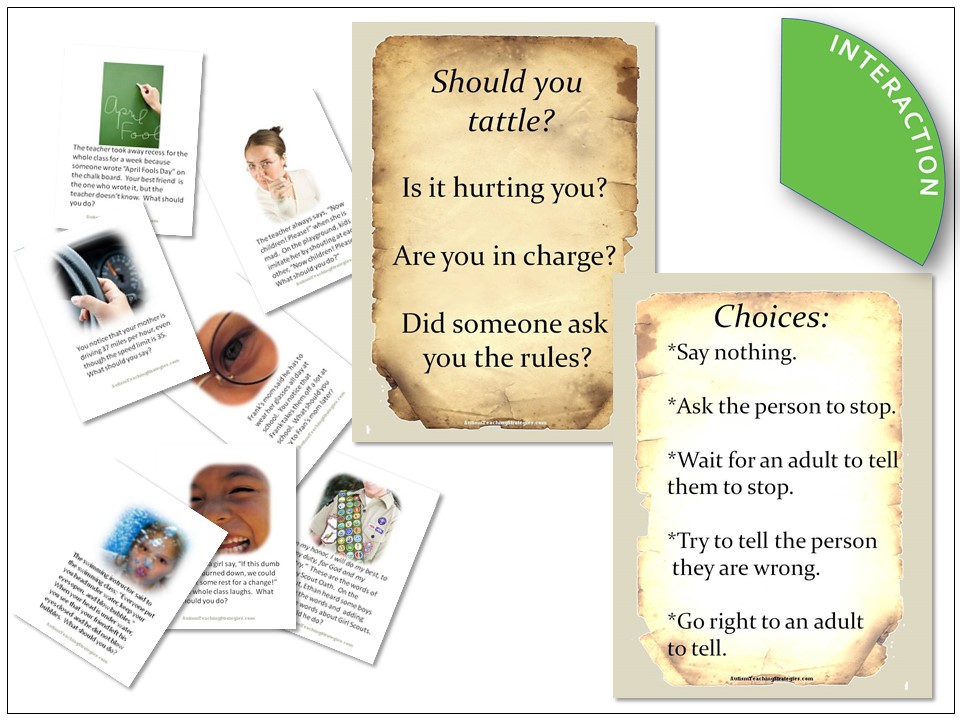
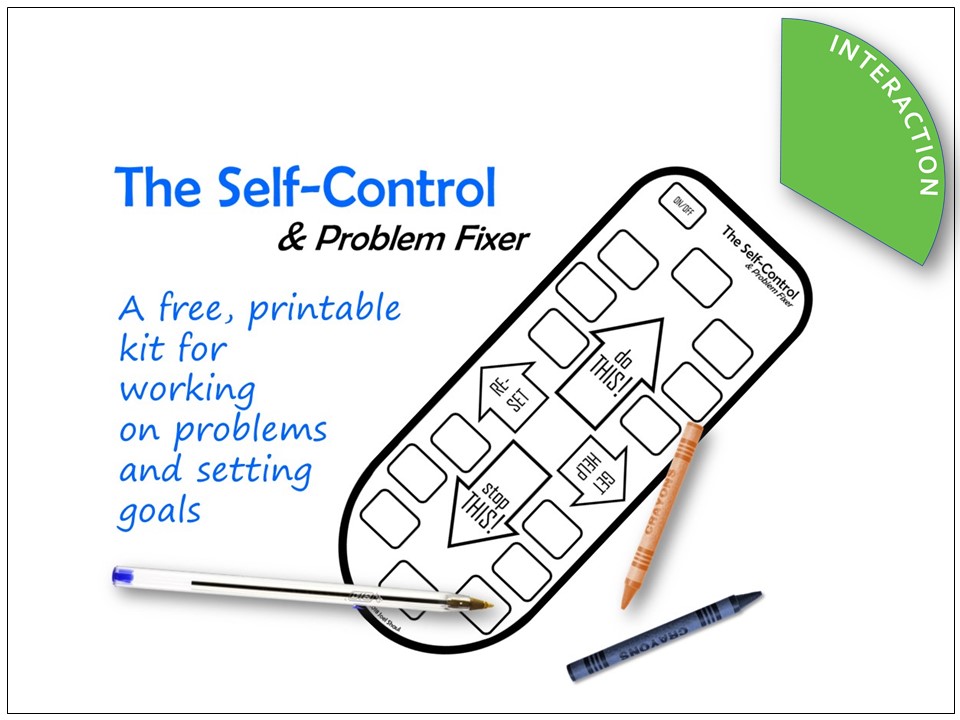
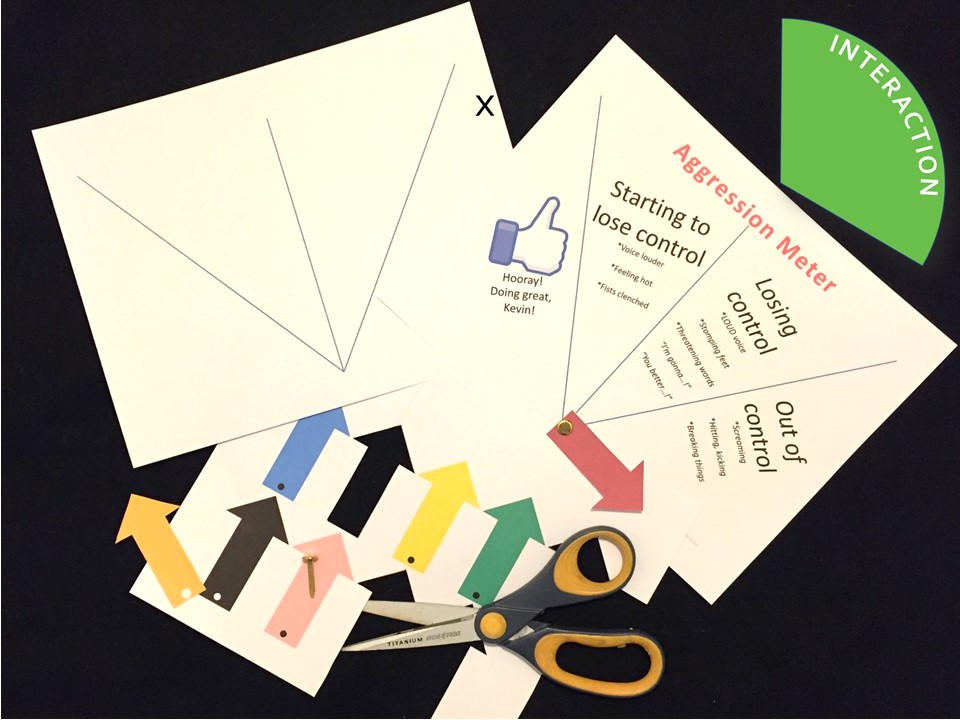
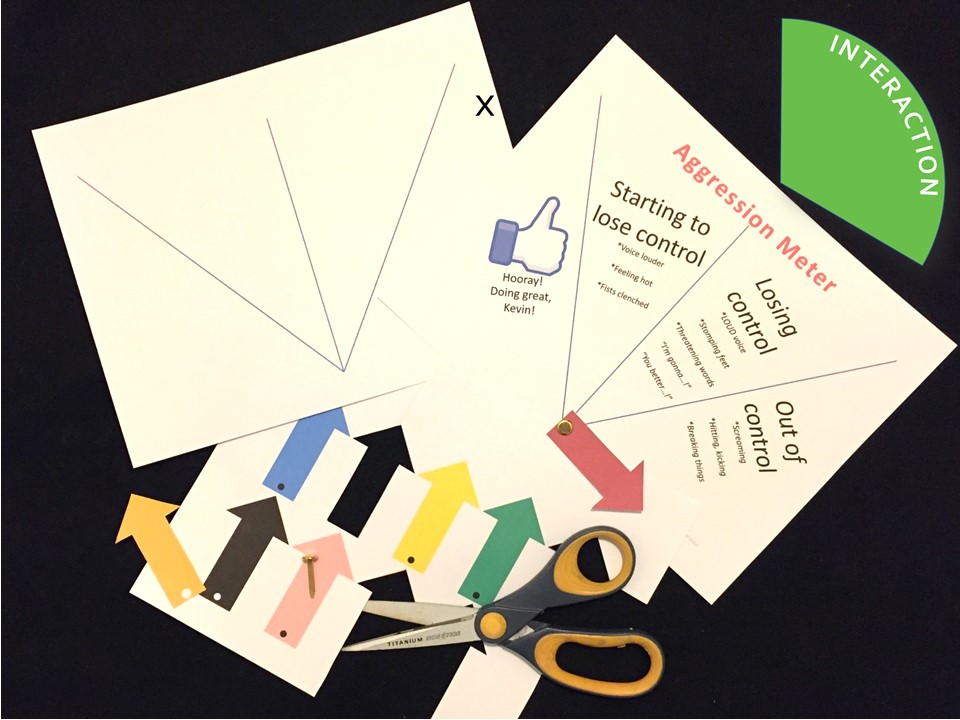
There are a number of free social skills resources to help children with autism learn about and troubleshoot many different issues pertaining to social interaction. To access free downloadable resources on social interaction skills, click here: Interaction .
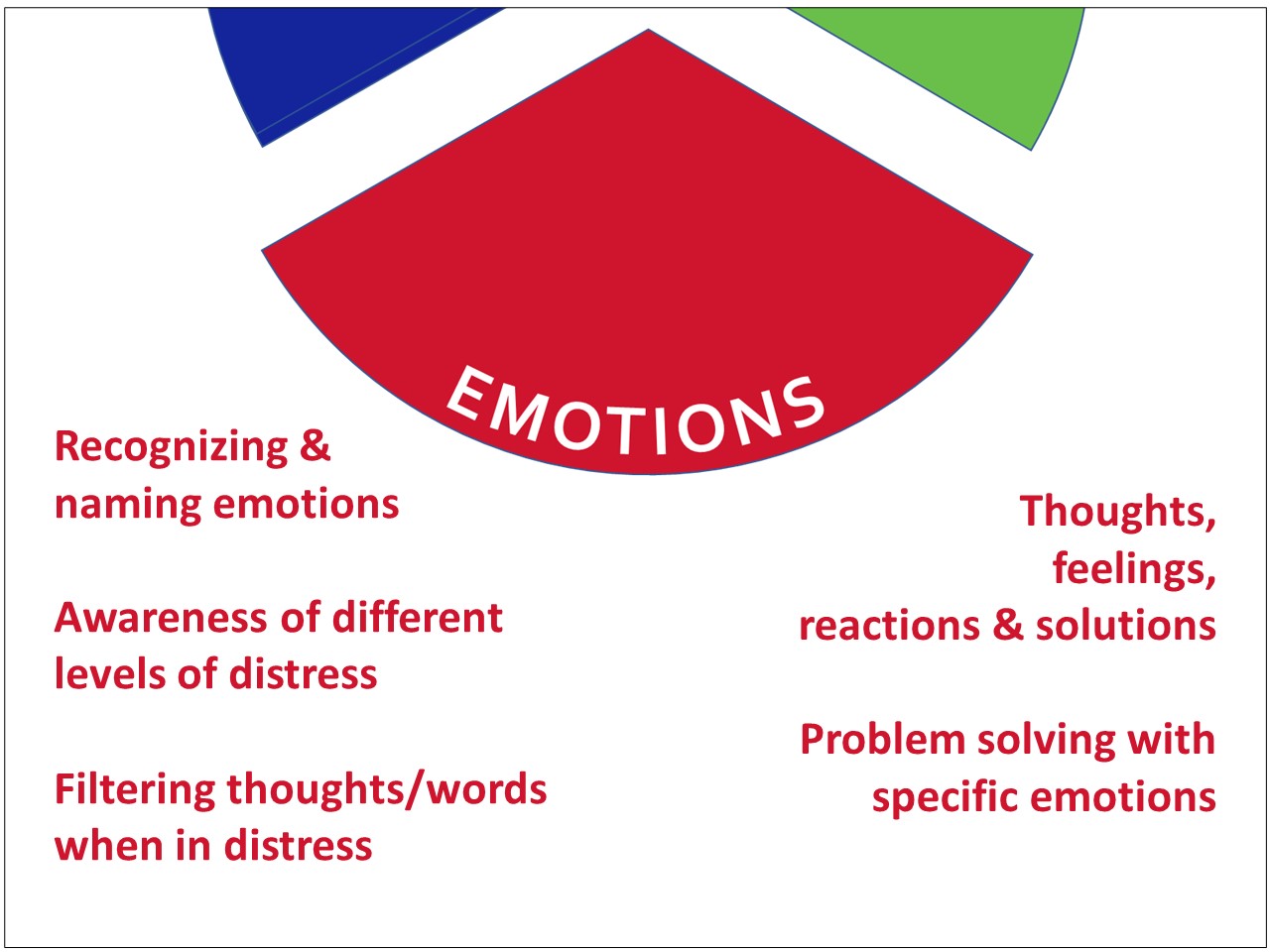
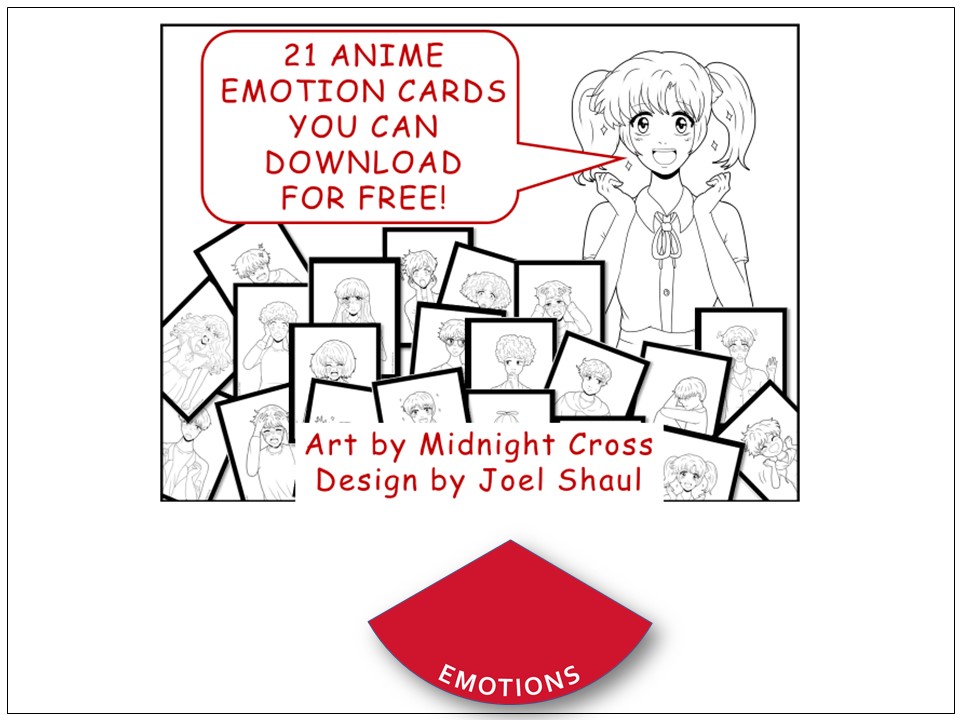
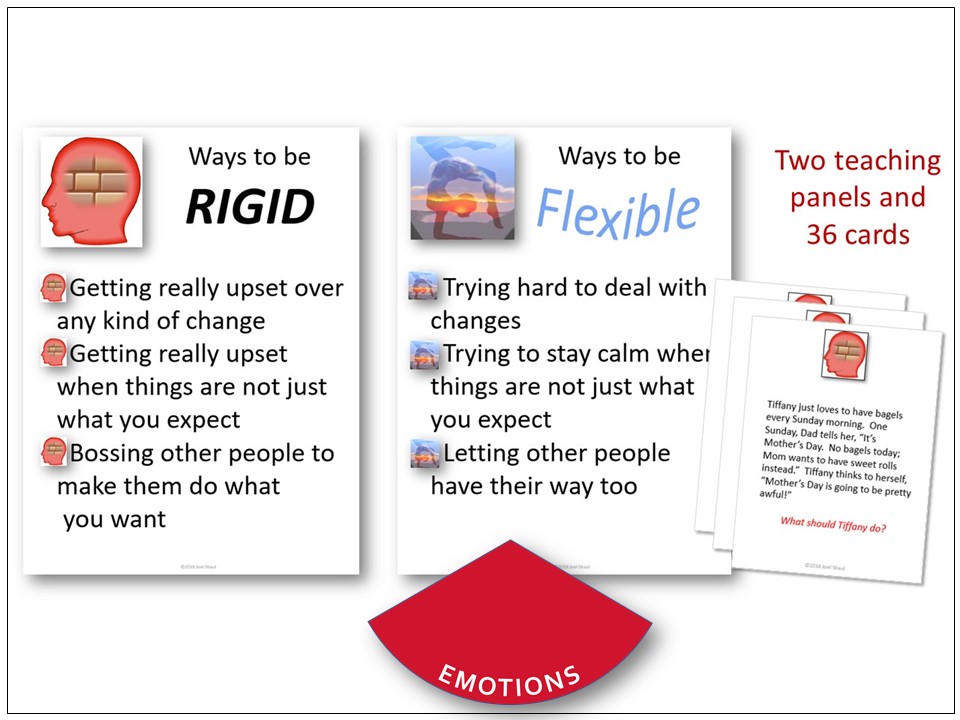
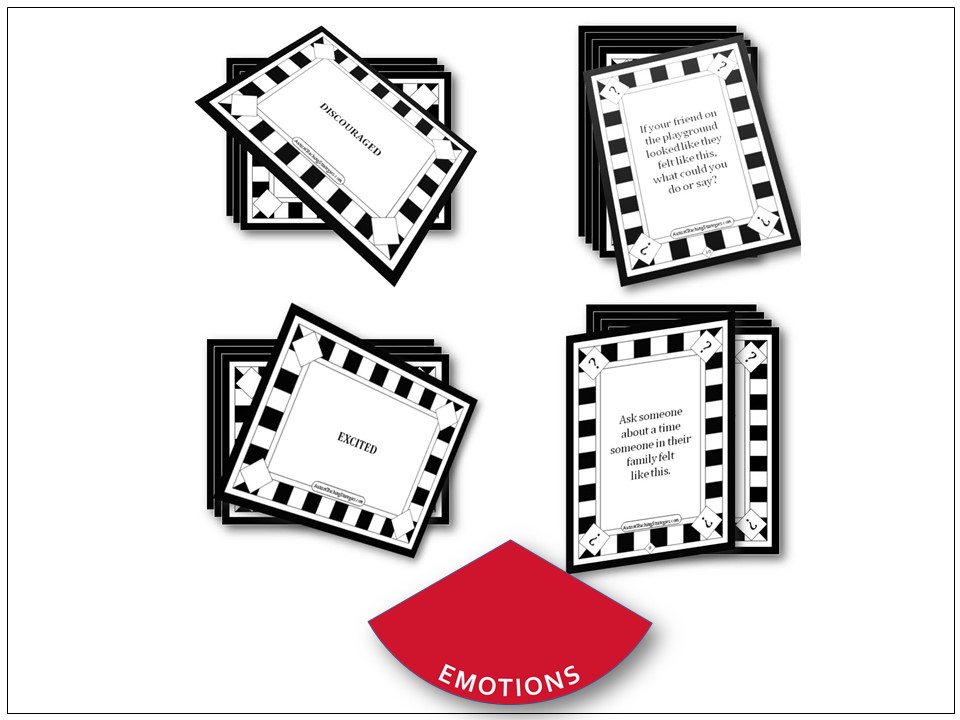
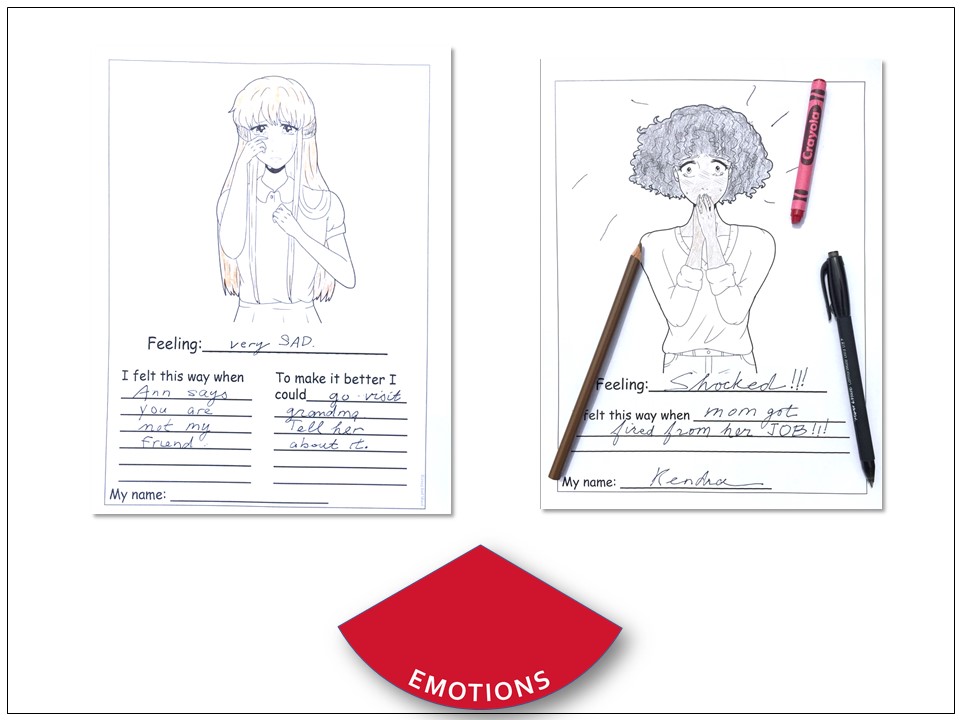
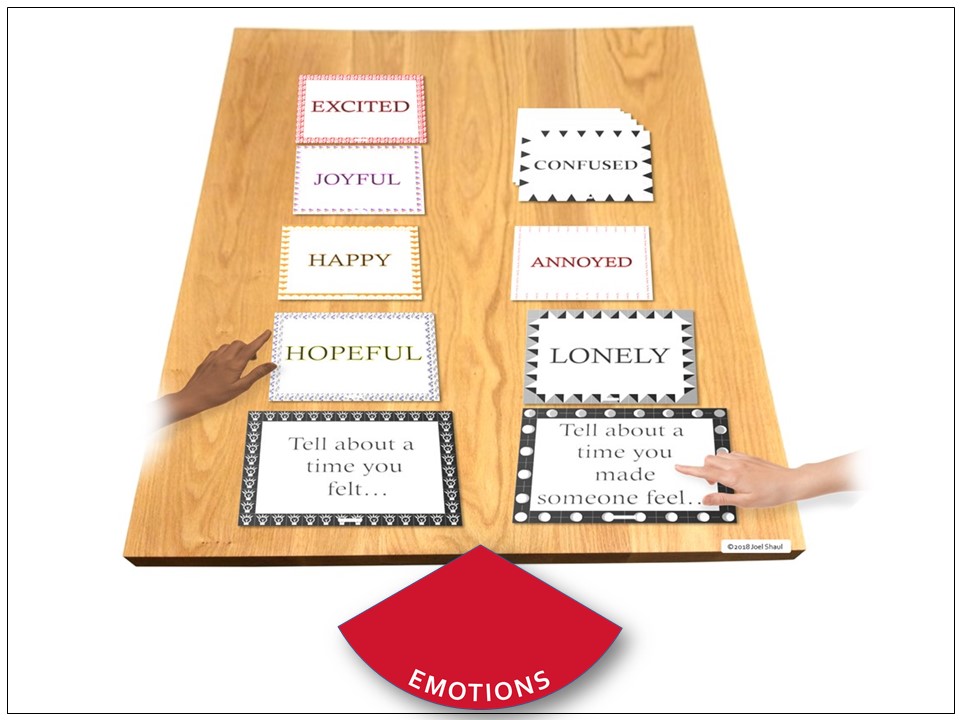
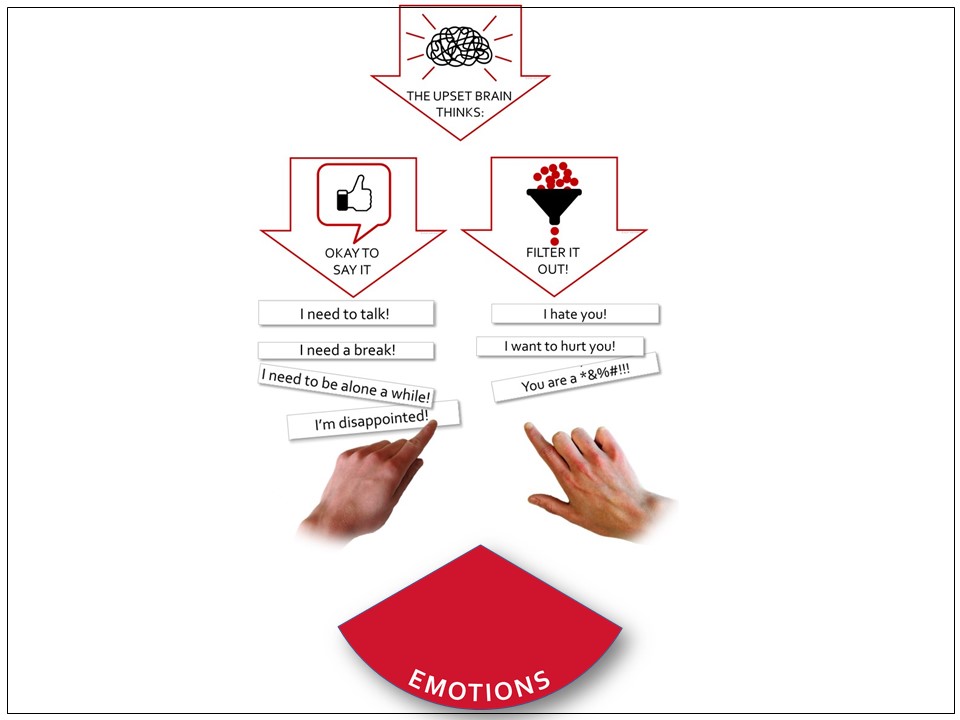
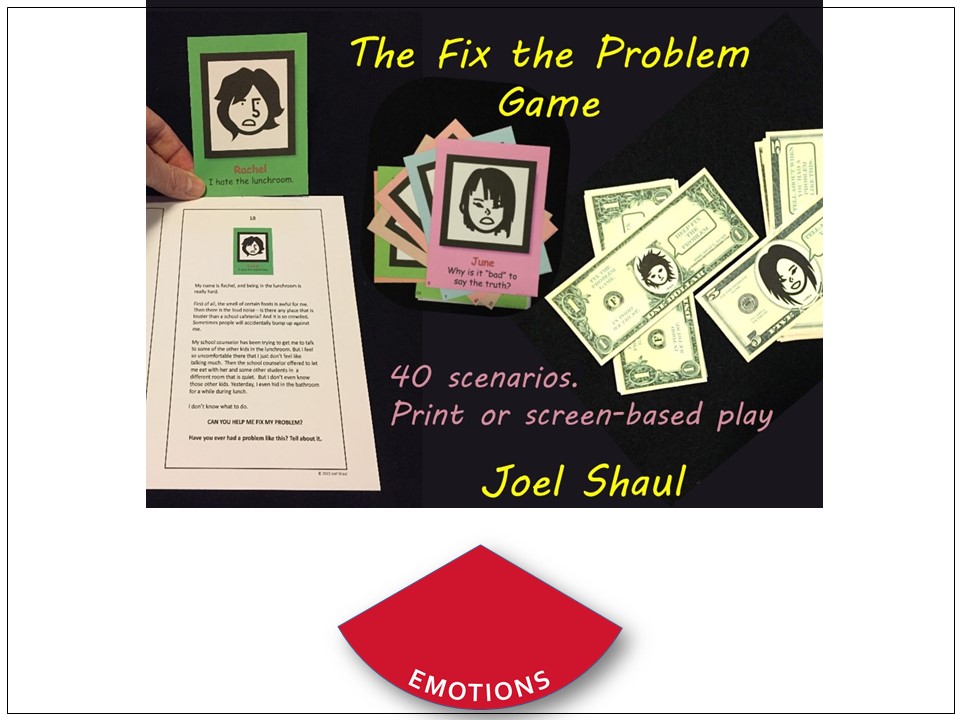
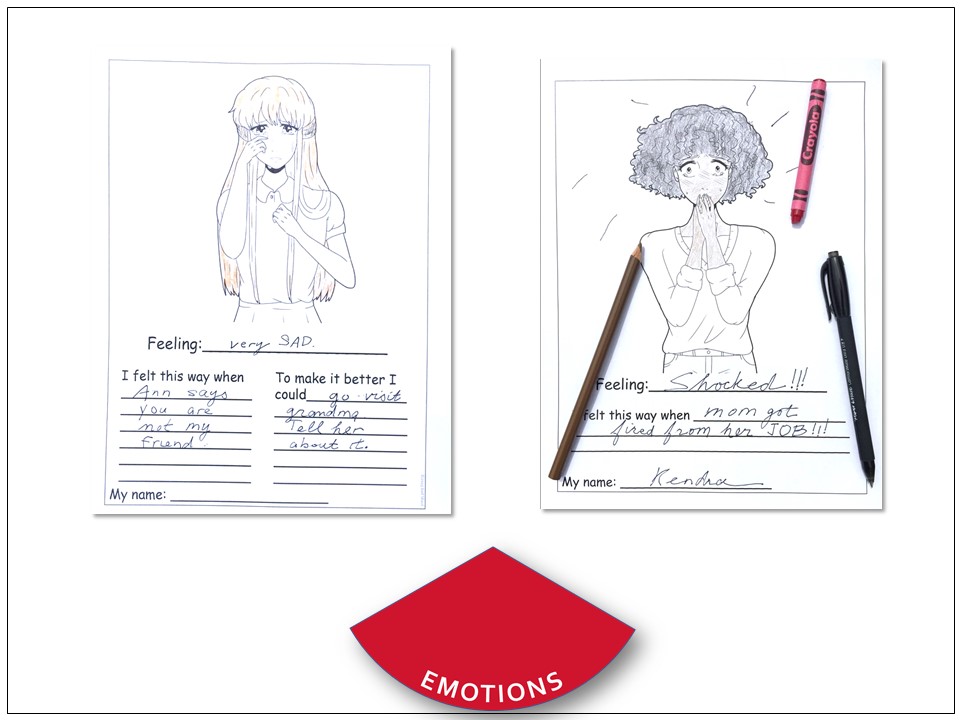
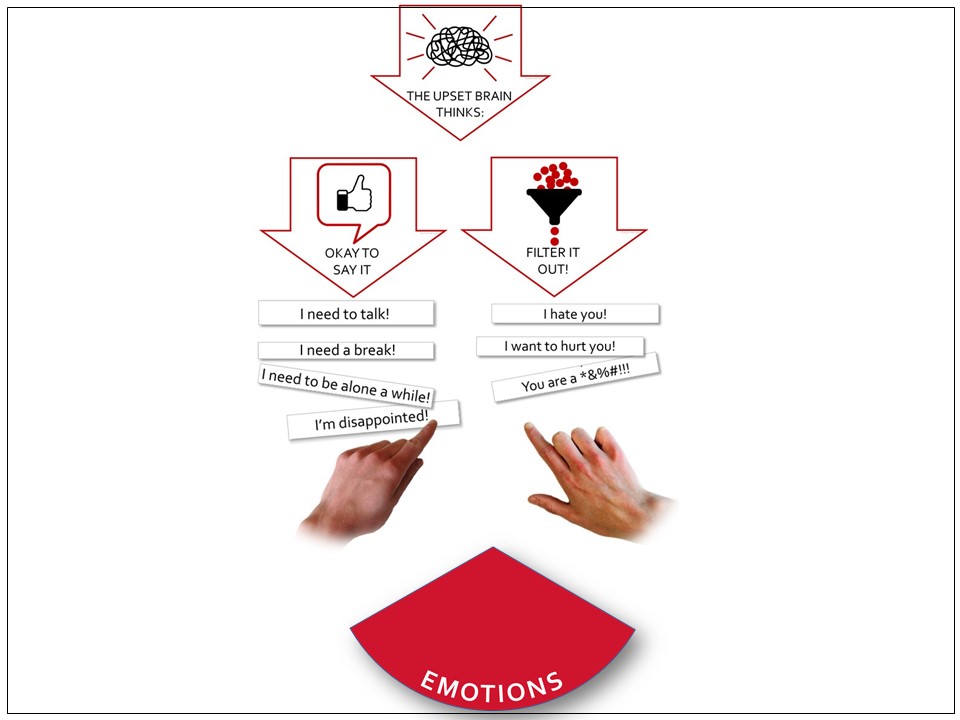
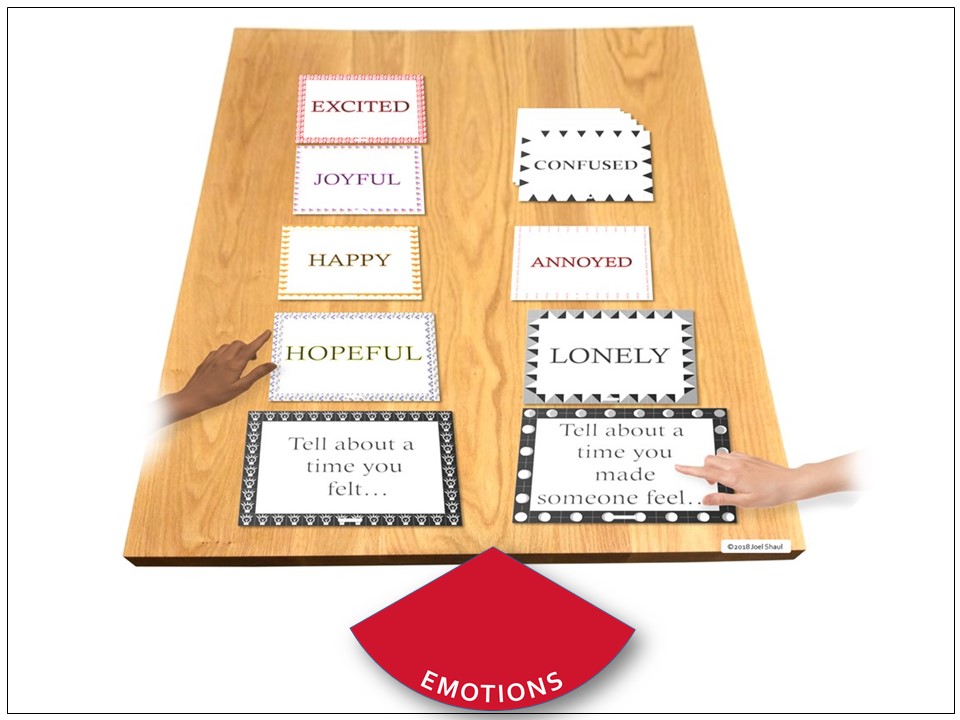
I have created a large number of appealing, user-friendly worksheets, games and videos to help children on the autism spectrum with emotional regulation. To access free materials on emotional regulation, click here: Emotions
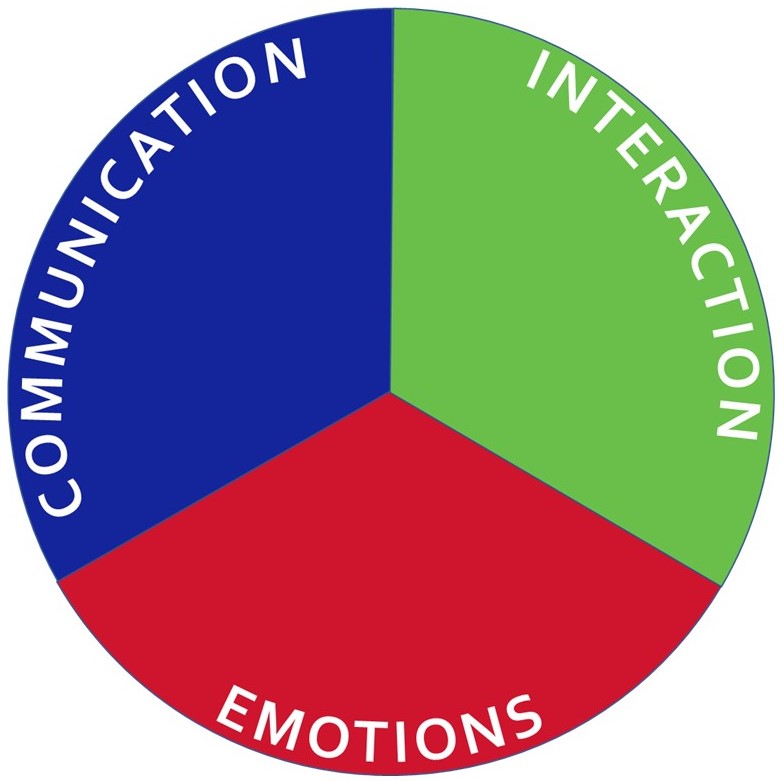
All of the free resources that don’t fit into the categories of Communication, Interaction and Emotions are grouped into a fourth category, “Other.” This includes therapy/teaching methods, demonstration videos and other resources.
Whether you are coming to this website as a professional working with children on the spectrum, or as a family member caring for a child or young adult with autism, I hope some of these things I have created are useful for you.
Click on Communication, Interaction, Emotions or Other below to be directed to the respective categories.
Since 2011, Joel Shaul has provided dozens of presentations on techniques for working with young people with autism spectrum disorders and other social and emotional challenges. His specialties are:
How to provide appealing and effective psycho-education
Strategic use of visuals
Cognitive behavioral techniques
Building your organization’s social skills teaching repertoire through free, online resources. All presentations show how to use free materials that you can use right away.
Teletherapy resources for children on the autism spectrum
Contact him for:
Presentations at conferences
Trainings at agencies, schools or organizations
Webinars hosted by your organization
Potential audiences:
Educators, mental health professionals, speech-language pathologists