
Help The Upset Person: A cognitive-behavioral group game

Download this resource:

Help the upset person activity

Years after I designed the Help the Upset Person Activity, I designed this similar – but much better game . You should probably check out The Fix The Problem Game instead. Click on the picture below to see it.
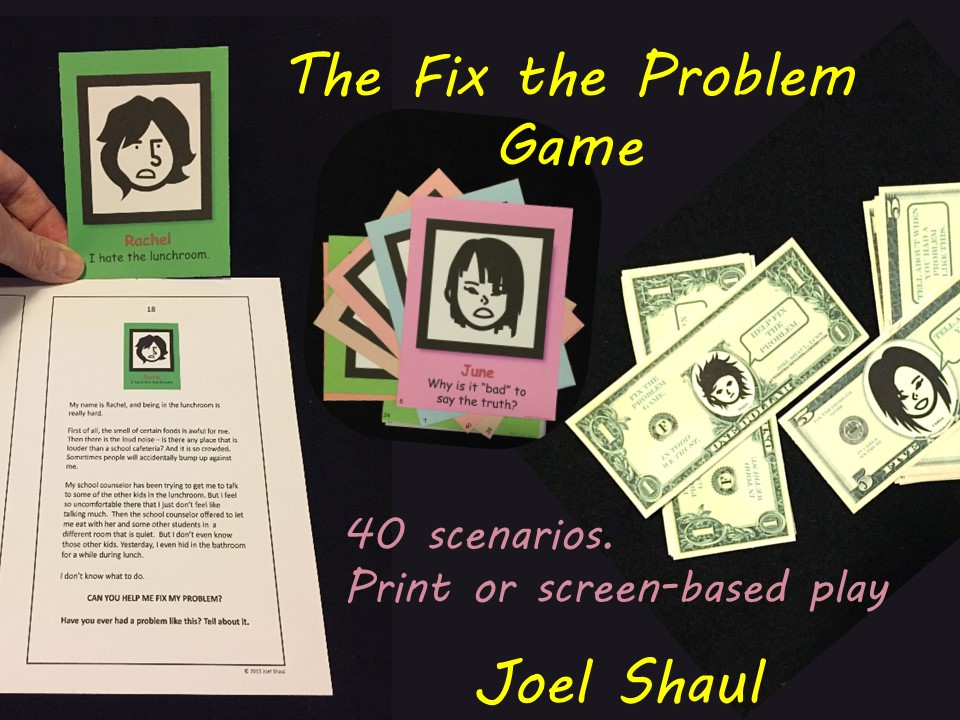
This image has an empty alt attribute; its file name is Slide1.jpg

This is an engaging and entertaining cognitive-behavioral teaching strategy  on the topic of emotional regulation.
Here is how to do it:

 

Here is how to present the activity to your client/student, small group, or class:

“When people are worried, or sad, or disappointed, or mad, they can help themselves to feel better.  They do this by thinking certain things, doing certain things, and saying certain things.  Here is a game where you get to be the one to help an upset person to calm down.

I am going to pretend to be different upset kids.  Your job is to tell me what to THINK, what to DO, and what to SAY to help solve my problem.
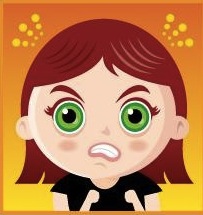
If you give me good, helpful advice on what to think, do and say, then I will hold the picture of the upset person lower and lower.  If you give me advice that makes my problem worse, or doesn’t help at all, I will raise the picture higher and higher.

If the picture ends up this high [way above your head], then you have lost the game.

If the picture gets all the way down by my knees, then you have done a great job and you have won the game.”
Here are situations you can use for your enactments of the upset person role plays:

  • Young person who is upset because children on the playground suddenly decide to change the kickball rules to  allow five bases instead of three
  • Young person who is upset because a substitute teacher is not following the normal routine and is not listening to the young person’s advice
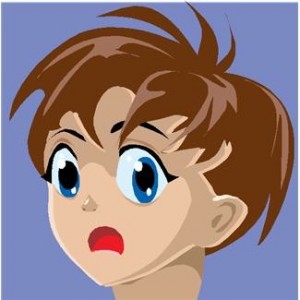
  • Young person is upset because the bakery delivered a defective cake to his birthday party—a Pikachu cake that is blue instead of yellow.  (Or, pick a local sports team’s colors and the bakery messes up the colors )
  • Young person is sad and hopeless because, although he is doing his best to fit in and socialize with peers, he has been unsuccessful
  • Young person who is on the bus on the way to the first day of a summer day camp, feeling apprehensive about new activities and the prospect of social failure
Joel Shaul, LCSW
The Conversation Train Book

 Green Zone Book Cover Click to Learn More

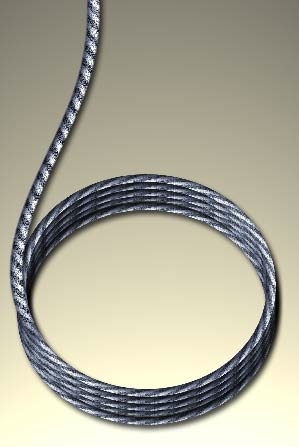
Using a rope to demonstrate “social ties” for children with autism

  Many young people on the autism spectrum can get confused regarding personal space when they are walking together with other people.  Professionals working with youth on the spectrum in therapeutic recreation programs encounter these problems frequently.  At a mall or on a trail in a park, it is not uncommon for some individuals to remain rather solitary during these group outings.  Some dart ahead of the group, restless and lost in thought.  Others lag far behind, examining an interesting flower, stone or store merchandise.  In either case, they are not well acquainted with the set of skills associated with walking together, keeping appropriate distance from others and conversing with them. A big rope, about fifteen feet long,  is a very useful visual device for increasing awareness of “connectedness” during outings.   Before the walk, you can get together with the young people and say something like this, using the rope as your prop: “When people are together on a walk, it’s like they are connected together by an invisible rope.  Even though they are all walking separately using their own legs, they are also walking together.  If you get too far behind the other people, then if they think of something interesting to tell you or show you, you are too far away to hear them.  They might feel like you are slowing them down.  If you run ahead, the people you are with might feel like you are trying to get away from them or rush them.  When you are walking with your friends, try to stay between this distance … and this distance.” [Here us where you have everyone gather around, and you use your rope to show “too far ahead” and “too far behind.”] Later, when I am on the walk following this mini-lesson employing the rope, I  use a “hauling in the rope” pantomime gesture to remind kids who are drifting away that they need to remain “tied together” with their companions. I hope you this visual-based social skills training method is helpful for your students and clients on the autism spectrum.

Joel Shaul, LCSW

Your comments on these resources are most welcome, and often helpful. Click HERE to send an email.

The Conversation Train Book

Green Zone Book Cover Click to Learn More

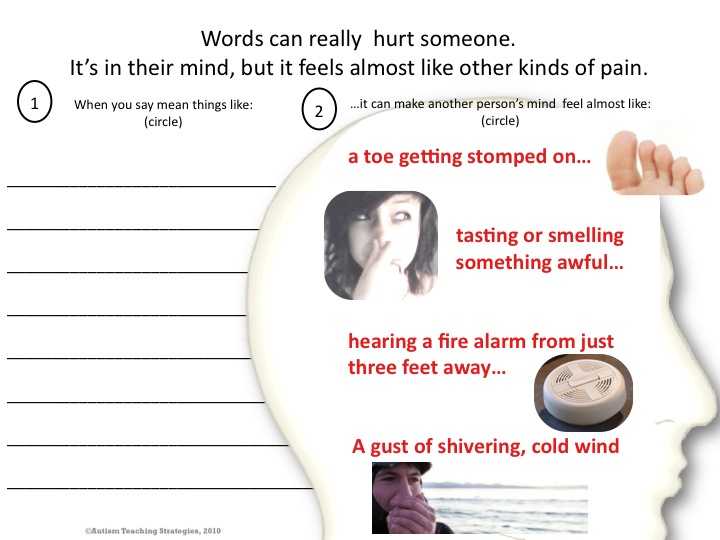
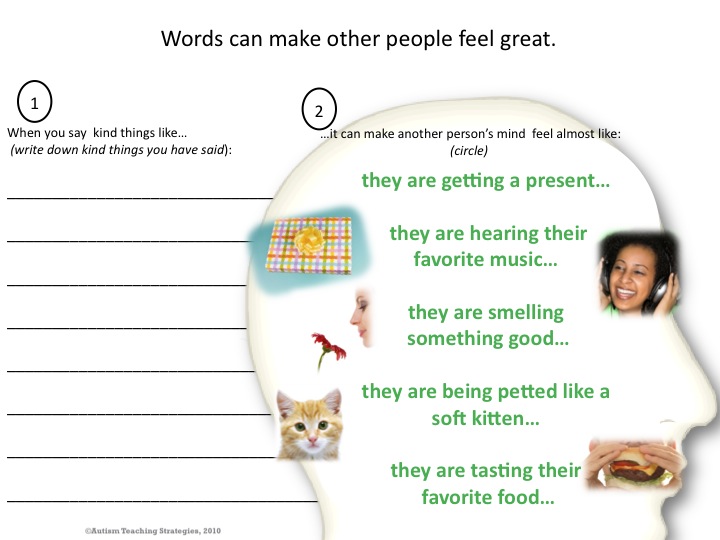
Words hurt, words help

To download the two worksheets shown below, click on the links below:

Words Hurt, Words Help Worksheets Download

[In German: Worte-tun-weh-Worte-helfen]

[In Polish]

[In Hebrew]

When I work with children with ASD on social skills, I often ask them: “How long will another person remember what you do or what you say?” A typical answer I get is: “About five minutes.”  These answers are enlightening.   Frequently, young people with ASD have the impression that other people just don’t remember too many details about what other people say and do.  A young man who sometimes neglected to button his shirt insisted that no one ever noticed.  “And even if they did see my shirt unbuttoned, they would just forget in a second.”

Young people on the autism spectrum may experience difficulty understanding the social consequences of their words and actions.  This lack of awareness can affect them in several ways. First, the child with ASD may be  less likely to say something encouraging or complimentary to another person. Second,  the child may fail to discern the harmful effects of hurtful words, and  blurt out “unfiltered” statements with harsh, judgmental or violent content.  The combination of these distorted beliefs lowers their motivation to make good impressions and also lowers their conviction that altering their own words and behavior really makes any difference anyhow.

When we try to help children with autism increase their ability to use kind words and refrain from hurtful ones, it seems very helpful to use clear visuals. It also helps to equate the other person’s emotional pain and pleasure to physical pain and pleasure.  My clients seem to “get” that other people feel physical pain and pleasure much better than they understand other people’s emotional pain and pleasure.

I developed these illustrated social story worksheets  to help children to realize that their words have the power to hurt and to help, and that their words and actions matter.

Joel Shaul, LCSW

.


.[Years after creating these worksheets, I wrote an illustrated book for children with ASD about social cause and effect. It is called Our Brains are Like Computers. To learn more about it, click HERE.

Here is another set of free social skills worksheets on the topic of social cause and effect and what others remember: Pencil Memories and Pen Memories

Pencil Memories / Pen Memories Social Cause and Effect Worksheets

Your comments on these resources are most welcome, and often helpful. Click HERE to send an email.

The Conversation Train Book

Green Zone Book Cover Click to Learn More

Compliment tag, game to teach kids with ASD an important social skill

Many young people on the autism spectrum have difficulties with the skill of giving and receiving compliments.  They might not see the point in saying something kind or flattering to another person. They tend to miss opportunities to use kind words to strengthen relationships with others.

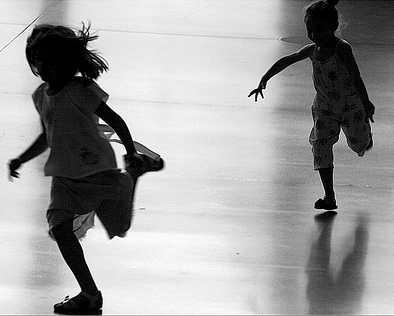
Here is a fun and hilarious game I have used with all ages of kids, from six to 18.

Tell the kids:  “This is Compliment Tag.  A compliment is when you say something nice to someone — about the way they look, something they have, something they did, something they said, or they way they are.  When you play Compliment Tag, the person who is “it” tries to tag you.  To keep from becoming “it,” you have to give this person a compliment quickly before they tag you.  If they tag you before you can give them a compliment, then you are ‘it.’ ”

Easy Compliment Tag:  Compliment something the person is wearing, hair, shoes, appearance.

Harder Compliment Tag:  Compliment something the person is good at.

This is a social skills activity for kids on the autism spectrum that seldom fails to engage kids.  Enjoy it.

Joel Shaul, LCSW

Here are some other free social skills resources for children with ASD to teach giving compliments.

Validation “Cool, Awesome” Word Prompts

Compliment Worksheets

Compliment Picture Panels

Say Something Nice Board Game

Paper Fortune Teller for Compliments

Your comments on these resources are most welcome, and often helpful. Click HERE to send an email.

______________________________________

The Conversation Train Book

 Green Zone Book Cover Click to Learn More

Welcome to Autism Teaching Strategies

I’m glad you found this website and blog.

I love learning about social skills training for young people with autism, and sharing ideas with other professionals who do similar work.  In this blog, I will be passing on some of what I have learned.

In this blog, I share lots of ideas on how to help young people on the autism spectrum with communication, relationship skills and regulation of emotion.  I offer dozens of resources for that you can download for free.  Some are are also available here in German, Spanish and French and most are available in Polish.

Come back often.  Let’s interact. Take away a few ideas, and leave a few of your own if you like.

Joel Shaul, LCSW

_________________________________

The Conversation Train Book

 Green Zone Book Cover Click to Learn More