I am an amateur (not at all accomplished) guitarist and very untrained singer. I have no musical training and I have not studied music therapy. Nevertheless, in my psychotherapy and social skill training work with young people on the autism spectrum, I have periodically employed music. This article summarizes some of what I do, in case colleagues working in speech, mental health or education might find something worthwhile to try in their own work.
Reasons I sometimes use music in my work
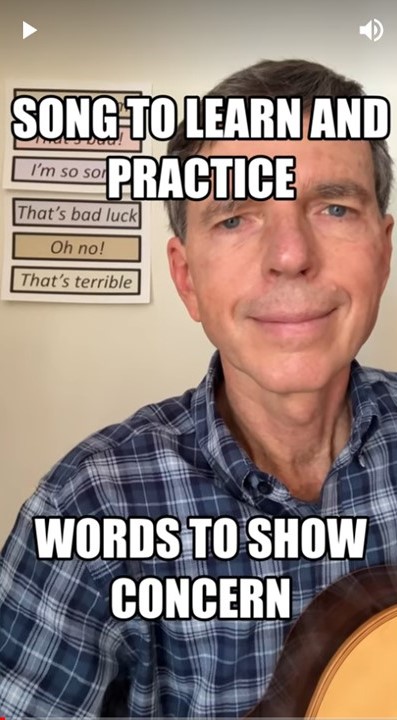
To practice fundamental words and phrases in social communication
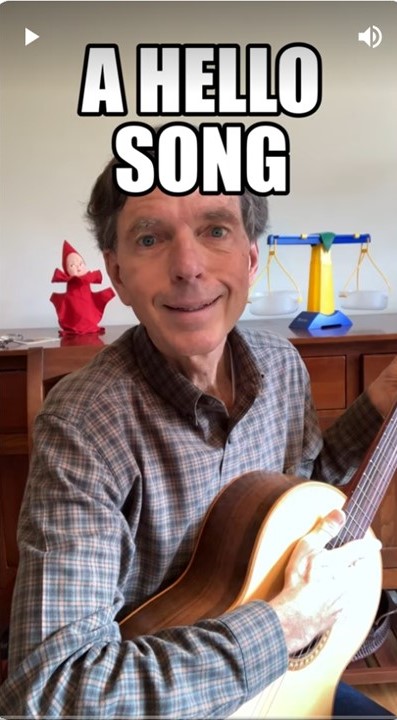
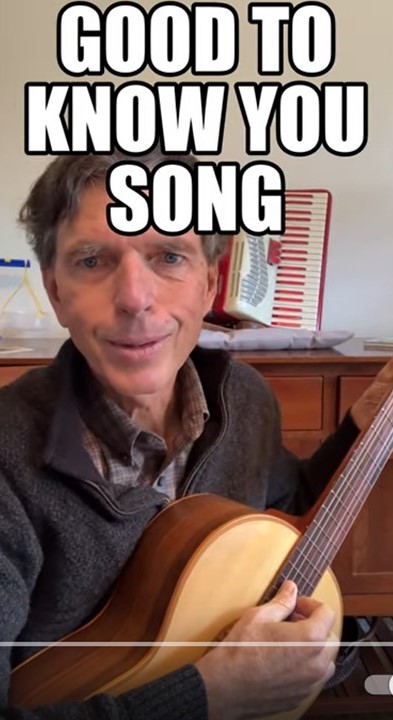
Children with ASD often skip over essential elements of conversation such as greetings, goodbyes and words of validation. I have used two kinds of songs to help with this. The first kind of song is kind of a promotion or “advertisement” for an element of speech such as greetings. Here is one example. Click on the picture to view it on YouTube.
A second kind of song for teaching elements of conversation is one that children sing along with me to facilitate practice and memorization.
I believe that many kids on the autism spectrum are unusually good at learning and recalling the repetitive words and phrases in some of these songs. Maybe this is some functional manifestation of delayed echolalia.
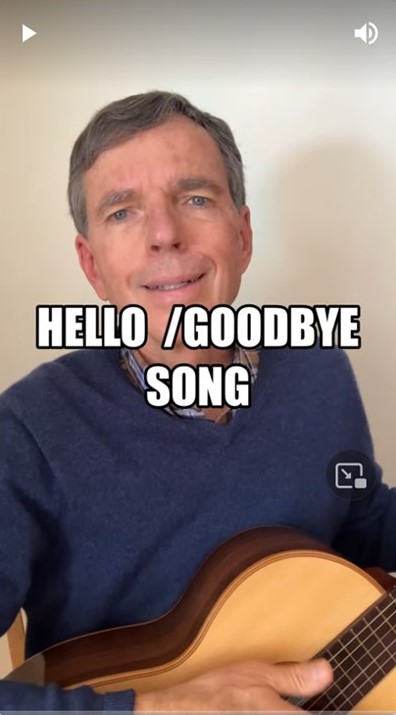
Here below is an example is a song I have often used with younger children to help them get used to greeting / saying goodbye and using the names of other children in a social skills group.
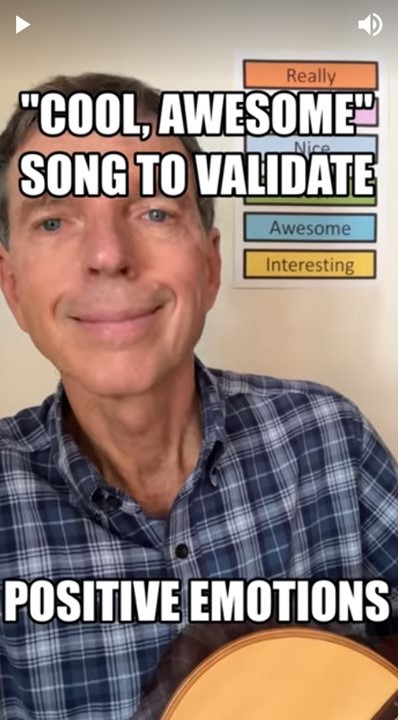
The two songs below are to teach and practice what I call words of validation. These are common words to convey interest and maintain reciprocal flow in conversation, and many young people with autism need help mastering language like this.
To facilitate communication exchange within a group
In the hundreds of social skills groups I have run, my most most important task has been to enable the participants to talk with each other and learn about one another. Here is a call and response song I created to help with this.
To promote and reinforce an important message / lesson in therapy
These are songs that I use to focus on central therapy issues. I sing them to the child, or the child can join in if they like. I have often used variations of “If you’re happy and you know it…” to practice identifying emotions and talking about feelings. For children who have become over-enthralled with pretend and fantasy, I made up a song called, “Don’t Let Pretend Get Too Big.”
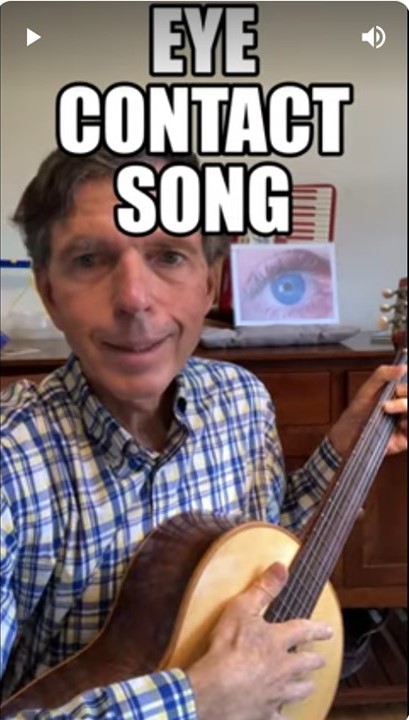
Here is a song by Cathy Bollinger about eye contact.
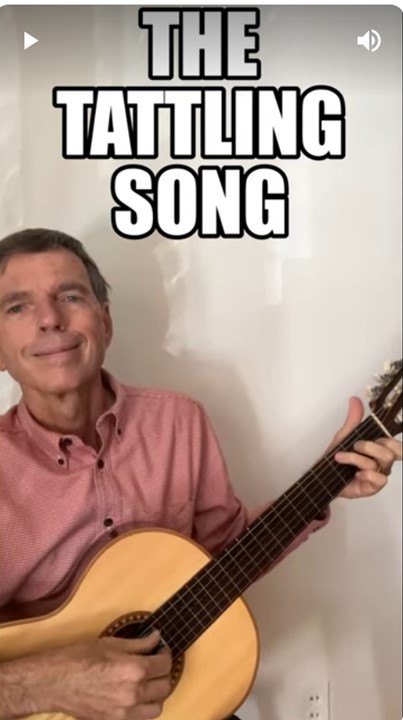
I made up this song about tattling many years ago and I use it occasionally.
To break up the routine of therapy and provide respite and levity
We ask our young clients to do really hard work, week after week, often for years. For many of these kids, a little music now and then helps maintain energy and morale.
To increase focus, comfort and commitment during therapy sessions
Many children with ASD have certain songs or music styles they like to listen to repeatedly. I have occasionally encouraged a child to let me play their favorite music in the background while we work during sessions.
Other ways I have used music in my work
Watching social skills song videos
I don’t do this too much myself, preferring instead to make up my own songs. Some videos out there contain good and useful songs, and others are not so great in my opinion, employing overly complex language and annoying features.
Exploring the child’s musical interests to identify strengths and concerns
I have often explored YouTube with young clients to learn more about children’s interests. I have sometimes discovered that my clients have found music that is helpful and inspiring and which furthers my own therapeutic agenda. Occasionally, I have discovered that a child is into music with negative and harmful messages.
When to not use music
If you are someone like me who enjoys music, you need to be careful that you don’t obligate a kid to participate in some musical activity just because it happens to be part of your therapy routine. I put away the guitar the instant any kid shows disinterest or aversion.
What I have not yet tried with music in therapy activities
As I stated in the Introduction, I am not a music therapist. Music therapists do all kinds of things I can’t do and they have all kinds of cool musical equipment to enable children to participate in a variety of meaningful ways. It would be fun and worthwhile to spend time observing music therapists at work with kids on the spectrum.
Conclusion
Whether you are a musician, or an avid musical dabbler like me, you might consider making music a part of your therapy repertoire when you are working with kids on the autism spectrum. It has often been worthwhile for me.
There are literally thousands of videos on YouTube made by people with autism. In this blog, I discuss these videos, and explain how to use them in counseling and social skills work with young people on the autism spectrum.
The amazing world of YouTube videos made by people on the autism spectrum
Please watch the video below, made by a boy with Asperger’s next to his bunk bed. Then come back to this blog, and check out my links to several dozen more terrific videos made by young people on the autism spectrum on topics such as relationships, eye contact, stimming, emotions, and more.
Why you should use YouTube videos made by people with autism for counseling, teaching and your own learning
People with autism are often the best source of information about their own issues and how to deal with them. When looking for authoritative information on what it is like to be autistic, and how to cope, it often makes sense to “ask an Aspie.”
People with autism on YouTube provide good role models for our students and clients. If you are a teacher, speech pathologist, counselor or mental health professional working with young people on the autism spectrum, you are constantly trying to motivate and inspire your students and clients. Many children and teens with ASD are isolated and demoralized. The right YouTube video can really help children with high functioning autism to talk about themselves and work on problems.
Showing YouTube videos in your school or office – or at home, if you are a parent using these videos – is easy and foolproof. In another blog, I provide simple instructions for downloading YouTube videos to your own computer and for making the playback loud enough for a group or a class to hear easily. To learn about this, FOLLOW THIS LINK HERE.
The organization of the YouTube links below
I have organized my links to YouTube videos into a number of somewhat arbitrary categories. I will be adding to this list periodically. If you are aware of particularly useful YouTube videos which I have not listed, or if you have found ways to use YouTube videos which I have not described here, I would be grateful if you could please email me at info [at] AutismTeachingStrategies [dot] com.
Please be aware that YouTube url links can change as the YouTube sites hosting the videos move the videos or take them down altogether. Kindly email me if you discover that a link no longer works.
Autism Self Description
These videos can be used to help children on the spectrum to learn about their diagnosis and to help them establish a connection with the worldwide community of people with autism.
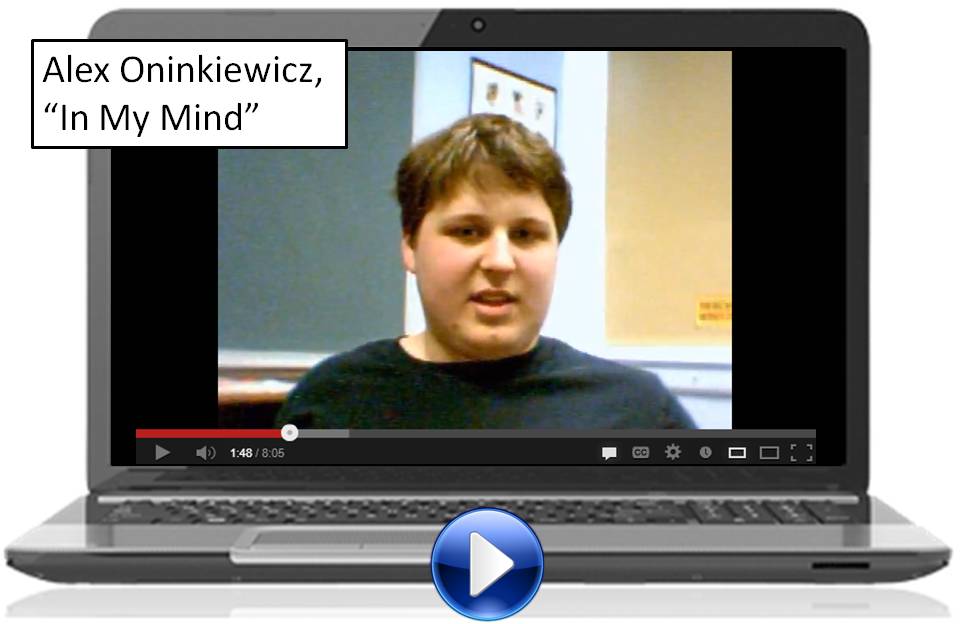
Alex’s video has gotten 1.4 million views, more than any other autism self-help video I am aware of. He talks about Asperger’s, his particular interests, auditory sensitivity, feelings of isolation, learning disabilities, and his sense of satisfaction about his conditon.
This very short and very funny animation is the first in a series of animations created by a group of teenagers with Asperger’s in England.
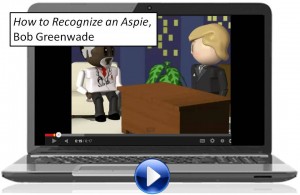
This computer animated feature was created by Bob Greenwade, and adult on the autism spectrum. It provides some good information about people with Asperger’s and pokes good-natured fun at some of their quirks.
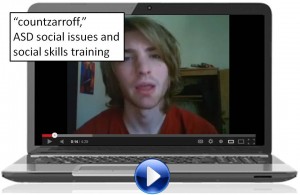
I really like this young man’s candid and humble description of his childhood experiences with social skills training in public schools and clinical settings.
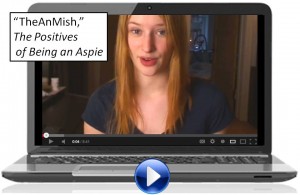
This young woman provides a positive perspective. On her YouTube channel, you can also view a video of her interviewing renowned Asperger’s expert Tony Attwood.
Autism and Communication
The creators of these videos make interesting comments about their difficulties with conversation
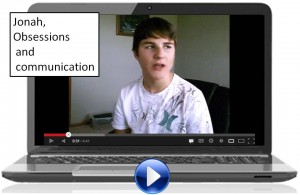
Jonah has made a number of good videos and I provide links to a couple others below. He has very clear recollections of when he was in kindergarten and how his obsessions (his own term) with airplanes distracted him in social situations.
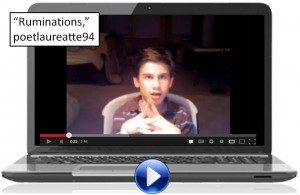
This 14-year-old boy describes his growing realization that others are put off by his style of speaking, which seems linked to his intense interests outside the realm of typical youth culture.
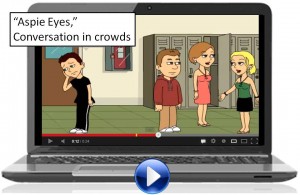
This computer animation, just 30 seconds long, captures the feelings of frustration and isolation at trying to make conversation in a crowded room.
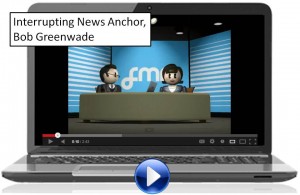
In this second video by Aspie Bob Greenwade, he pokes fun at the tendency of individuals on the spectrum to interrupt and gratuitously correct others in conversation.
Autism and Eye Contact
A great many individuals with autism have posted YouTube videos on the topic of eye contact. Watching them has been a very important learning experience for me. Here are three of my favorite ones.
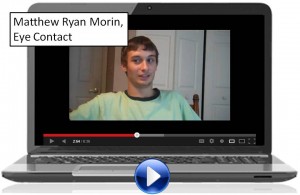
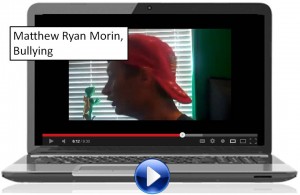
Matthew Ryan Morin, whose YouTube videos are included also in the Bullying section below, makes articulate comments about eye contact and how he has worked on it.
Arman Khodaie, who has posted dozens of YouTube self-help videos, provides a fascinating analysis of his eye contact challenges and how he has coped with them. He describes being punished by his grandmother for deficient eye contact when he was a child. Mr. Khodaie wears nonprescription glasses because it helps his eyes feel less vulnerable in social situations.
Autism and Sensory Sensitivity
If you are a neurotypical person like me, these videos might really increase your appreciation for how autistic people experience extremes of sound, taste and other senses.
This short video shows a four-year-old on the autism spectrum reacting to the noise in a gym class.
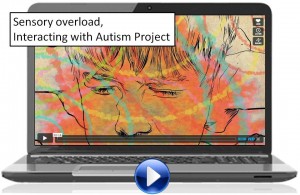
This very short animation, created by the same teens on the spectrum who created the claymation feature I listed earlier in this blog, really opened my eyes into how light and sound is experienced by individuals with autism.
This is another very short feature by the Biomation teens. The narrator describes how she can easily become disgusted when foods are served together. After following this link, you need to forward through a few others in the series to get to this one.
In this video, this young man describes how he needs to wear industrial grade ear protection when he indulges his passion, train watching. In the section below on Fascinations, I provide a link to his YouTube channel where he has posted hundreds of videos of trains.
Autism and Stimming (self-stimulation)
The internet and YouTube provide a forum where autistic people trade information about stimming and offer people without autism a window into their world.
In this video, Matthew provides a demonstration of stimming, which he edited into a montage and set the music of “I like to move it, move it.”
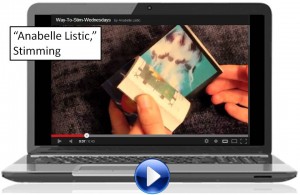
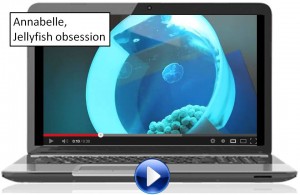
Anabelle has a YouTube channel called “Way to Stim Wednesday.” Each Wednesday, she posted a new video of herself stimming in a different way.
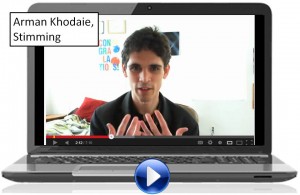
Arman Khodaie has made several videos about stimming. In this one, he assimilates feedback he has received from others who have written him comments. This demonstrates a common practice on YouTube, utilized often by individuals with autism who post videos – dialogue and information exchange, often occurring through “response videos.”
Autism and Anxiety
Many people with autism post videos on this topic. They describe their experiences and offer and solicit advice.
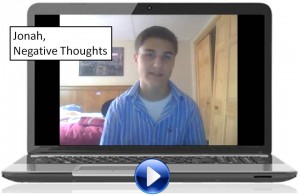
This is Jonah again, the same teenager who made the video under Communication above, talks about how anxiety affects him.
Jonah continues talking about upsetting emotions in this video. This is an excellent video to show to young people who are learning about cognitive behavioral therapy. Jonah has a sound grasp of the link between automatic negative thoughts and anxiety.
Dealing with Bullying
I only have several videos in this series and I am looking for more of them.
Watch this one all the way through. By all means do not miss the part where he acts out the parts of a bully and a mean girl who taunted him about his tics.
This is another very short animation in the Biomation series I cited above. Fast forward through several videos to get to this one.
Autism and Dating / Romantic Relationships
People with autism have posted hundreds of videos on these topics
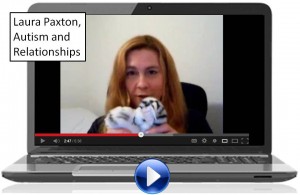
Laura Paxton provides a clear explanation about the pitfalls of being too persistent in a relationship. In one part of the video, she uses two stuffed animals to demonstrate the risks of being too “clingy.”
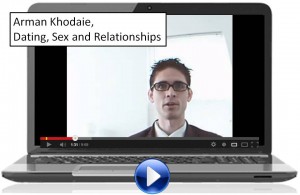
Arman Khodaie has posted a number of videos on this topic directed to both males and females on the autism spectrum.
Fascinations and Fantasy
The first several videos deal with the general issue of preferred, fixated interests affecting people with autism. I follow this with a couple videos dealing with fantasy enthrallment, which is a particular interest of mine.
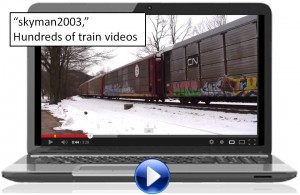
This young man on the autism spectrum, whose video about auditory / light sensitivity I featured earlier in this blog, has posted multitudes of train videos on YouTube.
Watch this video through to the part where he gives a tour of his home and shows us the accessories of his various unusual hobbies.
Tyler McNamer provides abundant insights into how he, and many other people with autism, can be affected by strong involvement in imagination.
This man’s videos receive many views and comments from other people on the autism spectrum. In this video, he reflects on how fantasy and imagination affected him at an earlier age.
Update 1-14-2022: I have free materials on my site on managing fantasy and pretend issues. To access them click HERE.
I hope you enjoy and appreciate these people’s YouTube videos.