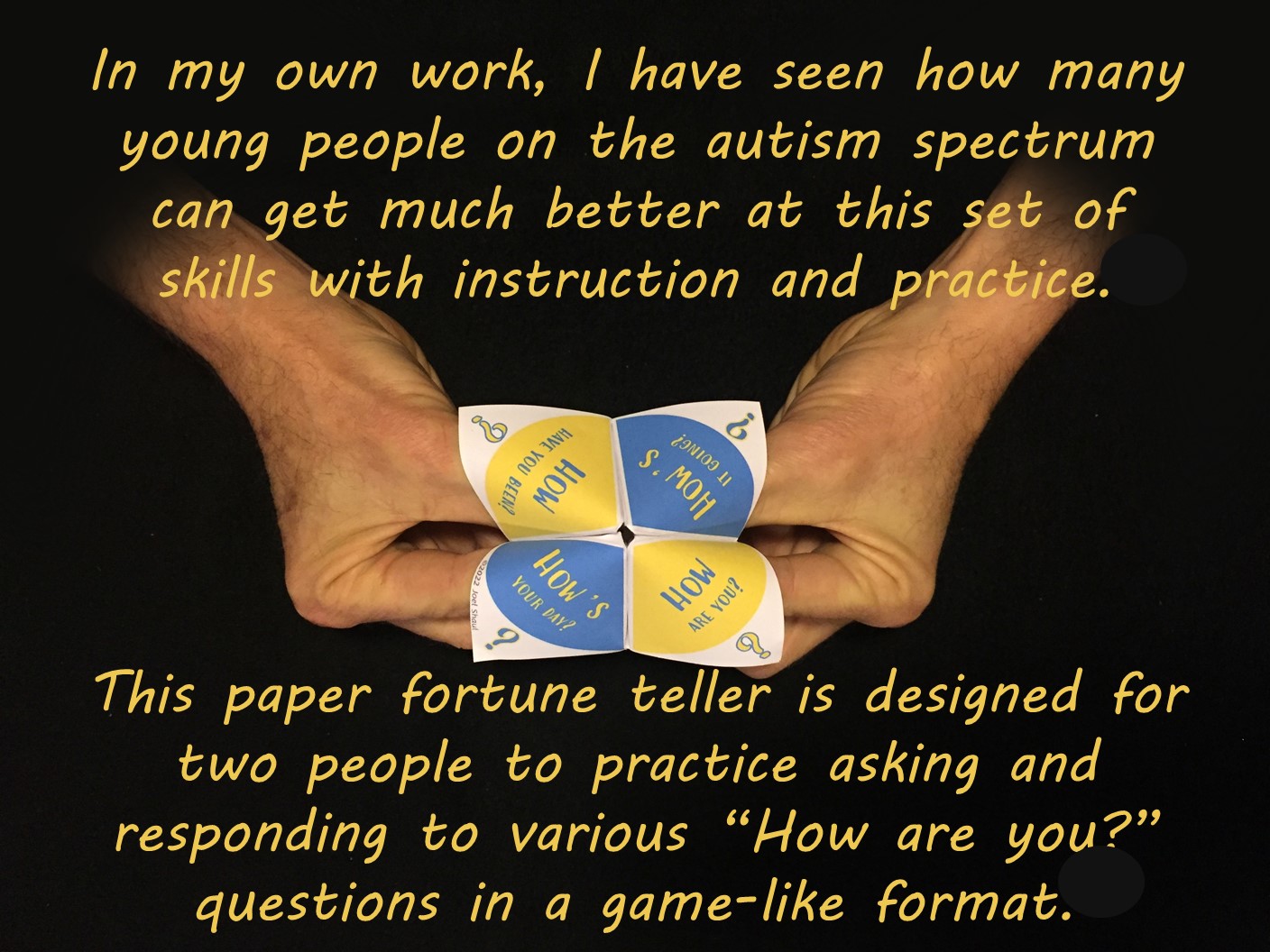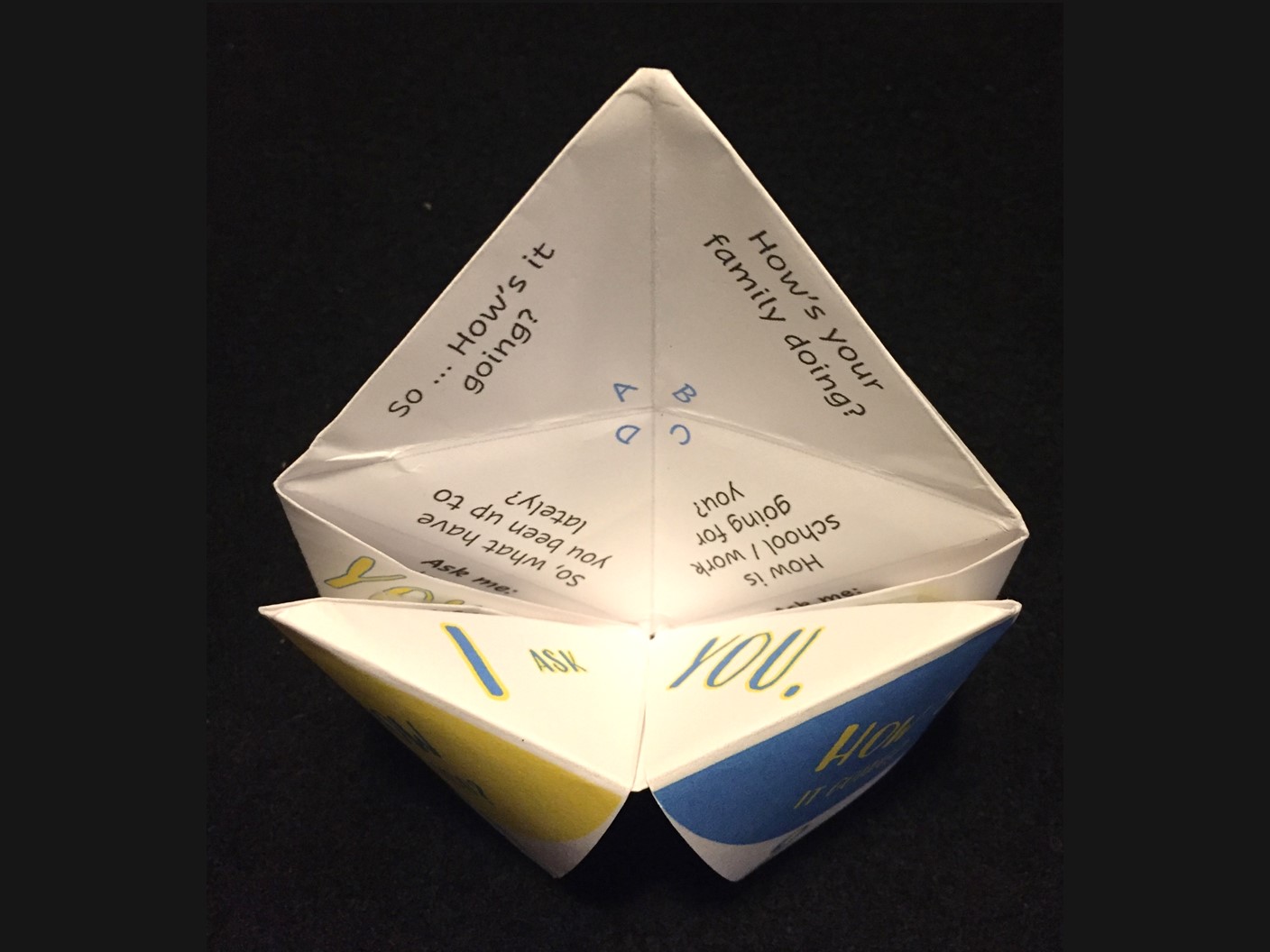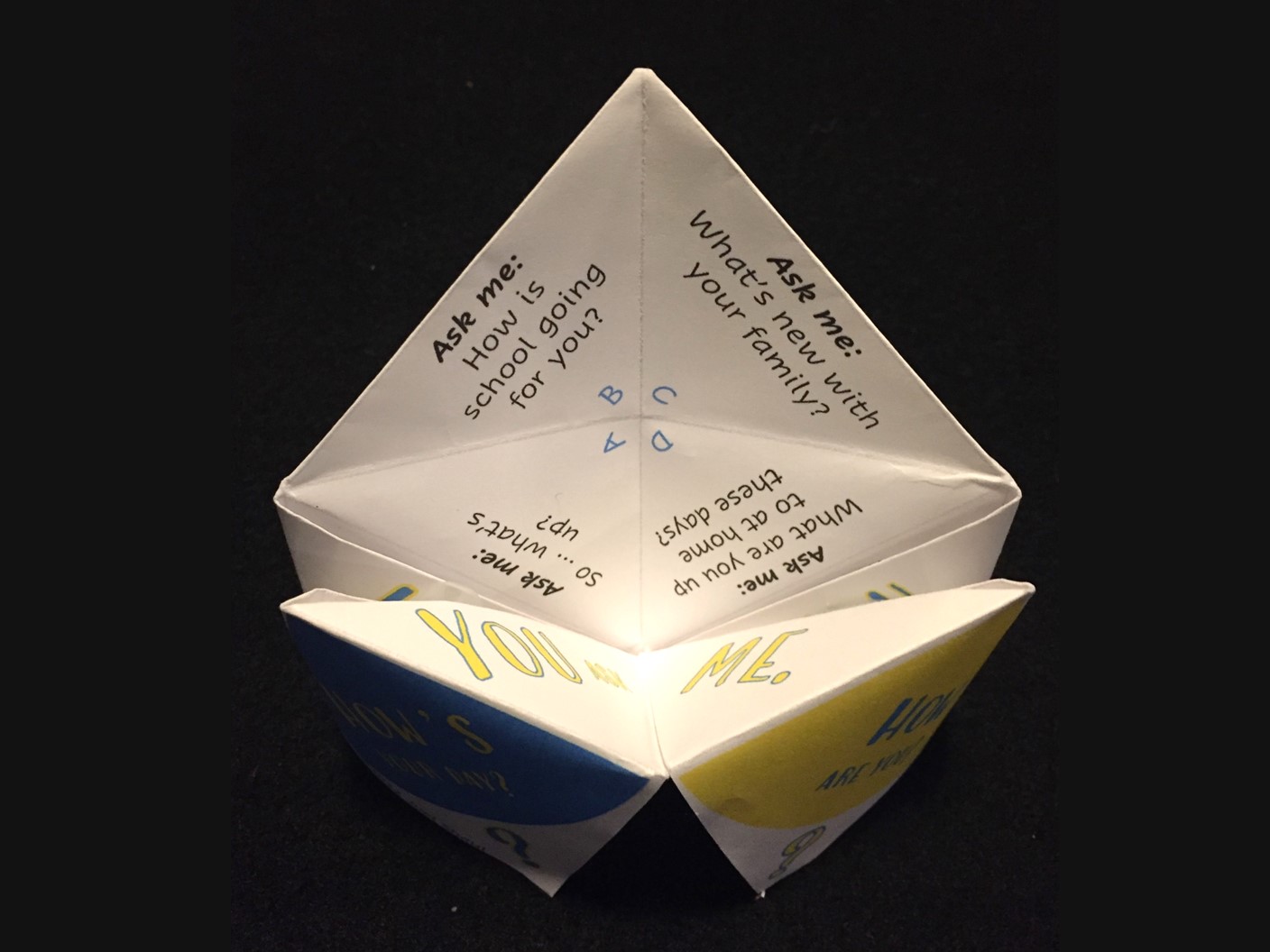

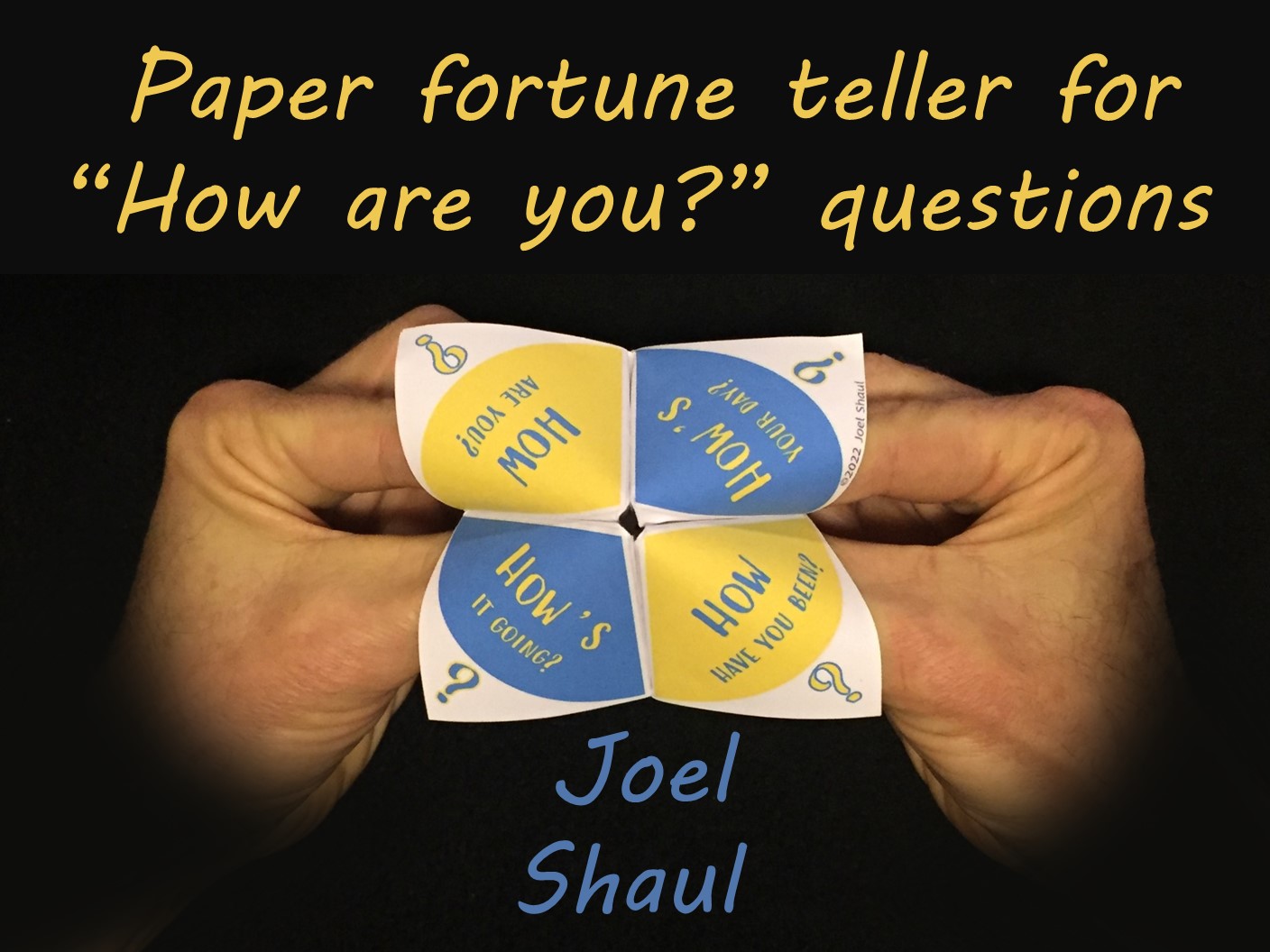
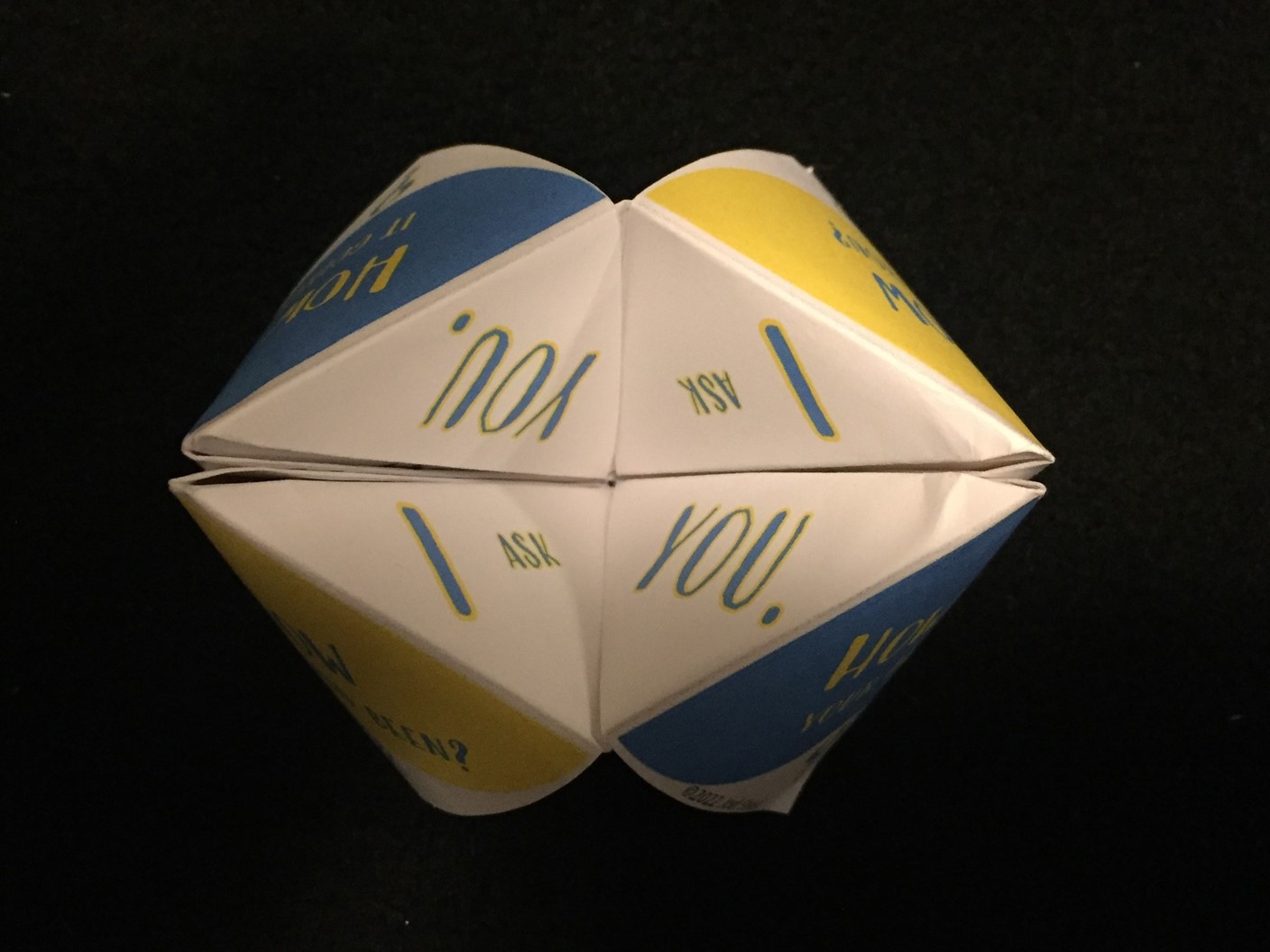
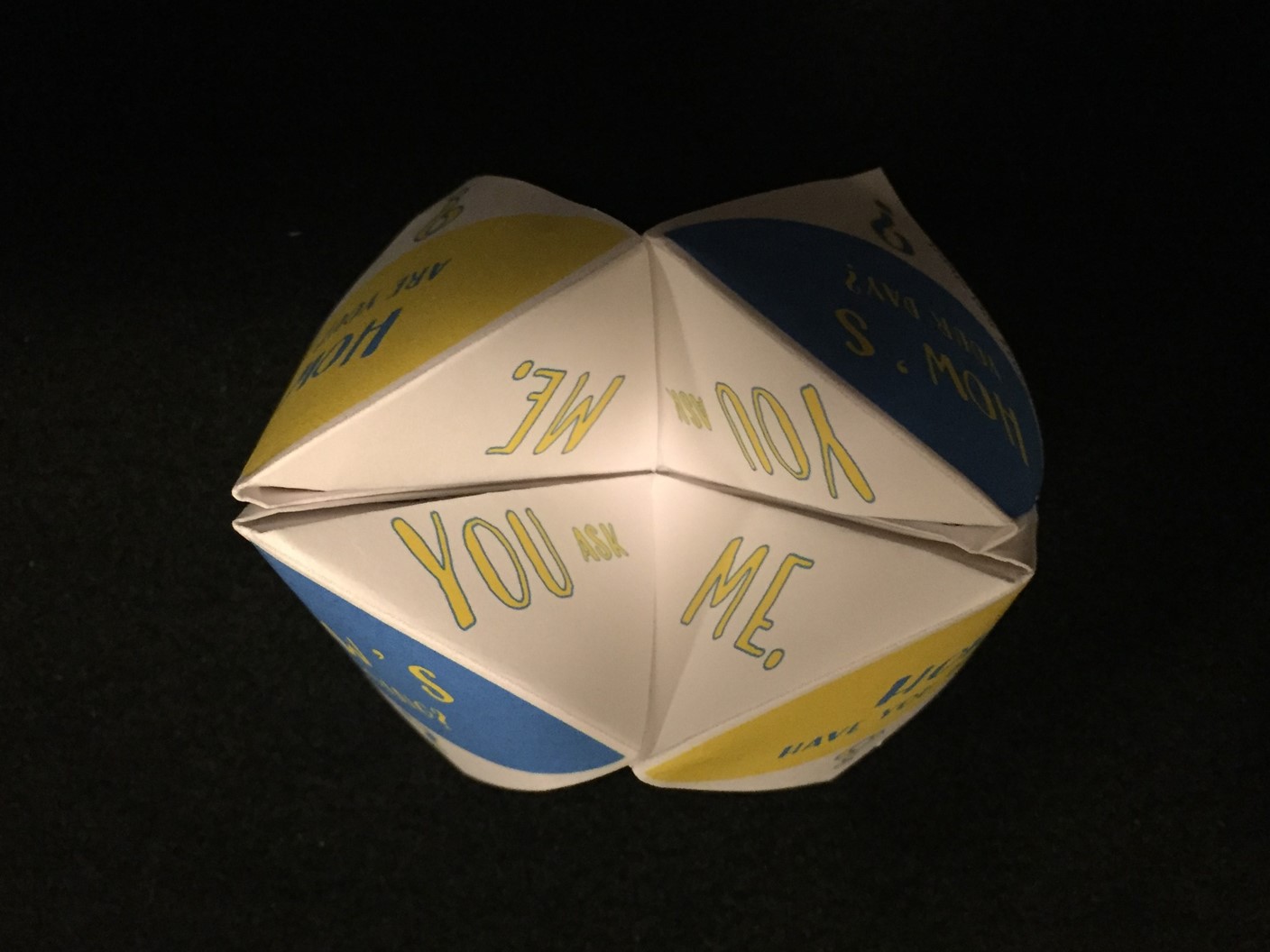
Paper fortune teller for practicing “How are you?” questions

This same resource, translated into German
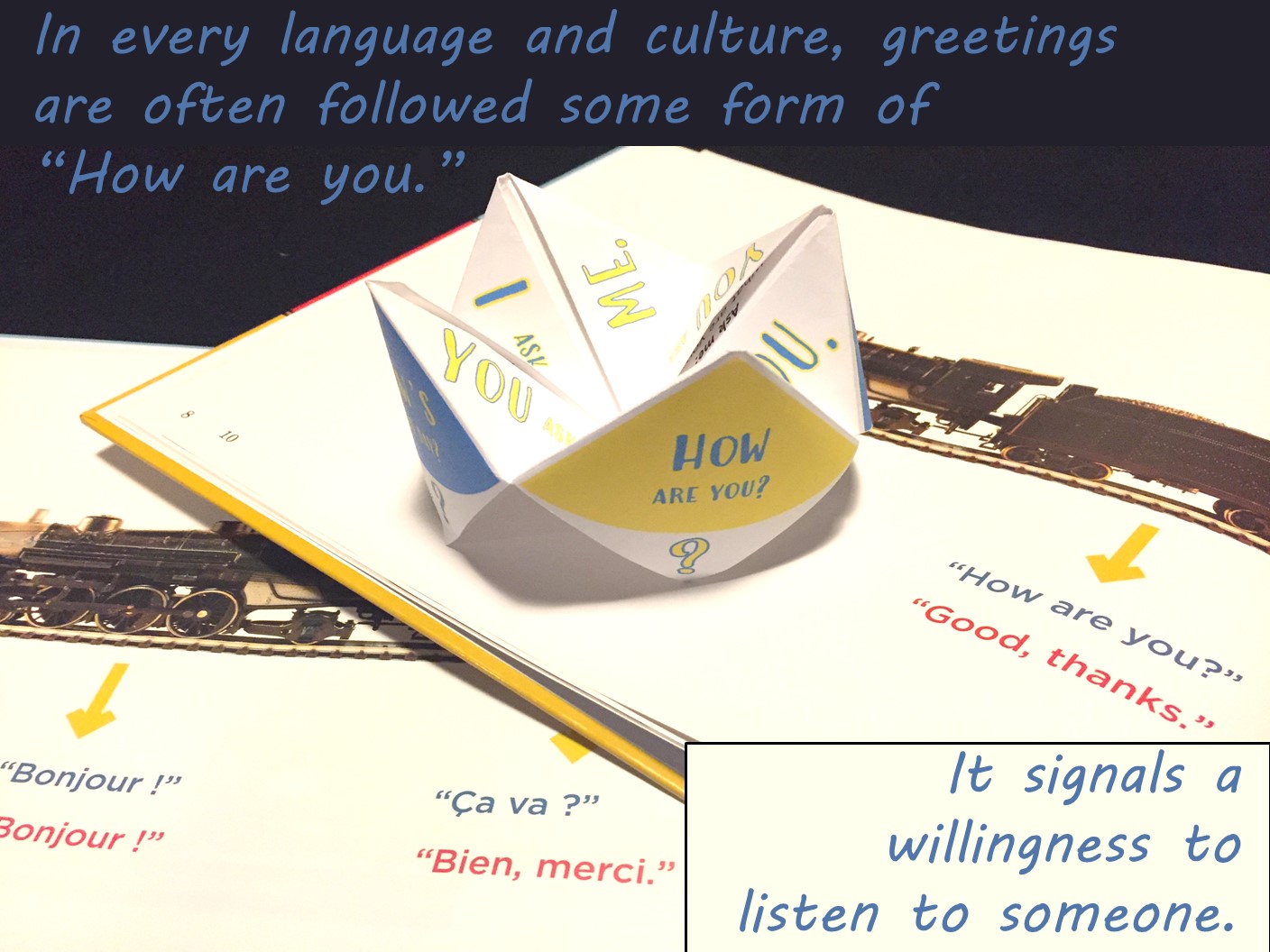
[This is page 10 of the English and French versions of my book, The Conversation Train.]

Young people with autism and “How are you?” questions

When people with ASD are asked open-ended questions like “How are you doing?”, “What’s up?” or “How’s it going?”, they often can’t figure out just what it is the other person wants to know.  Also, individuals with autism might be inexperienced at employing various quick, formulaic replies like “Fine, thanks” or “I’m doing okay. You?”

When people with autism are expected to ask other people “How are you?” or “How’s it going?”, many just avoid saying it altogether. There are several reasons for this. First, the unfolding of a conversation containing “How are you?” can be very unpredictable in length and in content.  Asking a person how they are doing often elicits a lot of information that someone with ASD may feel unprepared to take in. Second, a person on the autism spectrum might not grasp the imperative of reciprocity in conversation, so when someone asks them “How are you?” they don’t end up asking the same thing in reply.

There are many other conversation-based paper fortune tellers on the website to practice other elements of social communication. I also show how to fold them.
Don’t miss these other free worksheets, games, and teaching / therapy resources for children on the autism spectrum:

Free social skills games & activities, emotional regulation skills for kids with ASD

Free social skills games & activities, communication / conversation skills for kids with ASD

Free social skills games & activities, social interaction skills for kids with ASD

Your comments on these resources are most welcome, and often helpful. Click HERE to send an email.
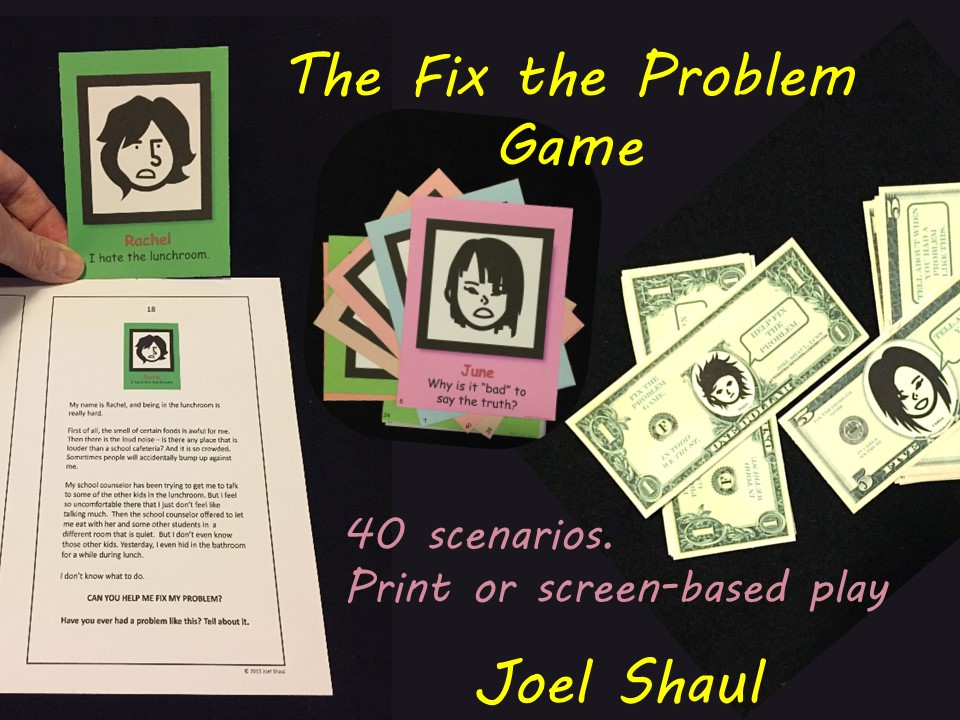
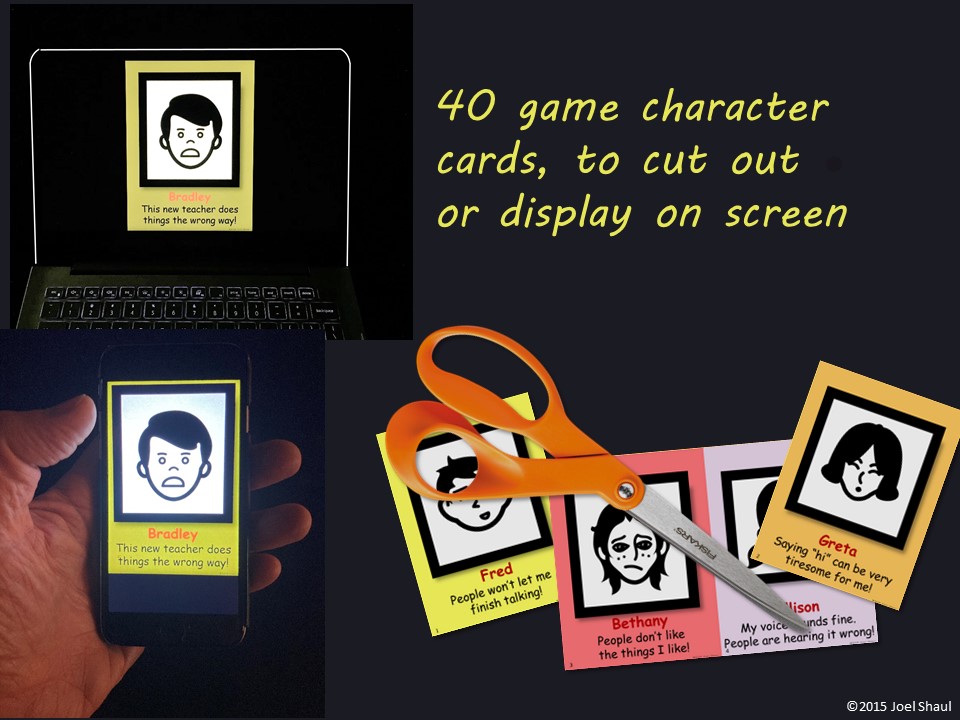
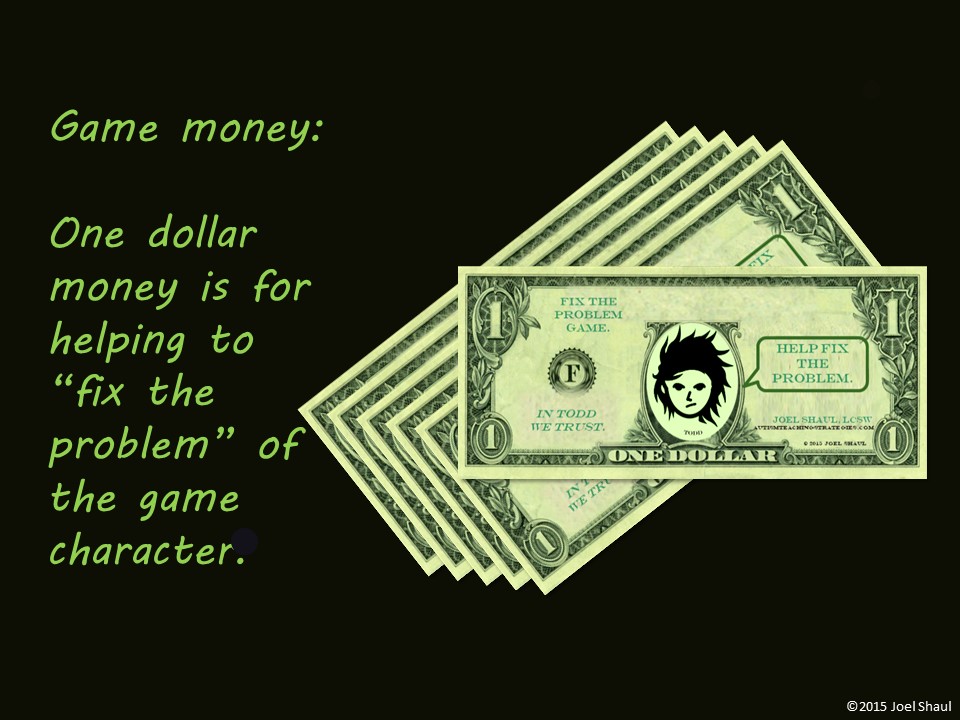
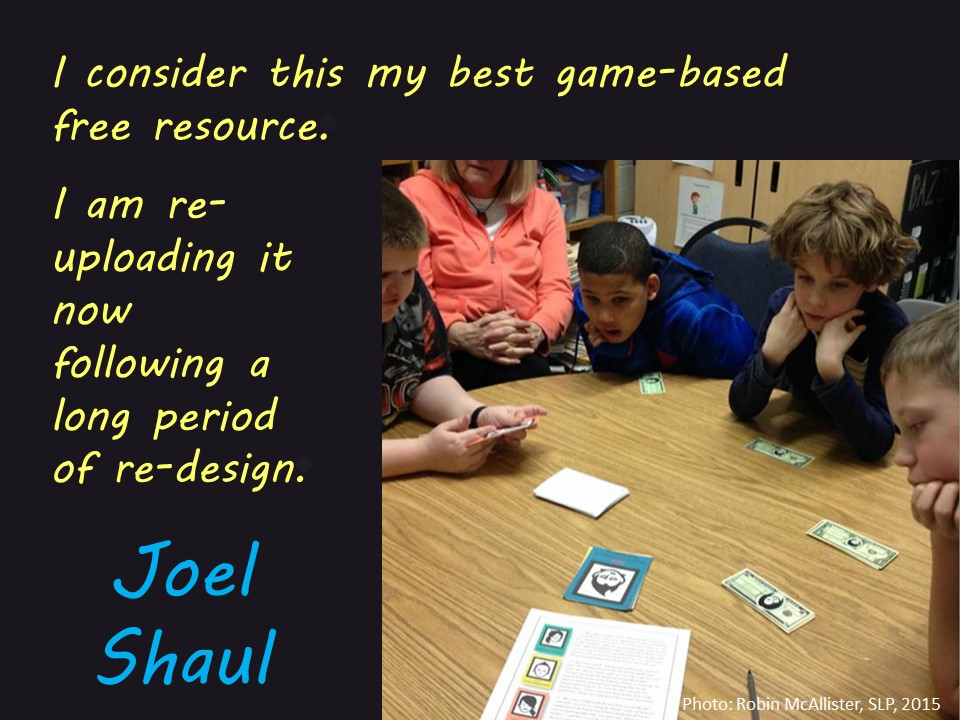
“Fix The Problem” Social Skills Game – Free Download

Fix the Problem

In German: Problemlösungs-Spiel

Don’t miss these other free social & emotional skills games, worksheets and teaching / therapy resources for children & teens with ASD:

Free social skills games & activities, emotional regulation skills for kids with ASD

Free social skills games & activities, communication / conversation skills for kids with ASD

Free social skills games & activities, social interaction skills for kids with ASD


The Conversation Train Book

Green Zone Book Cover Click to Learn More


The How Interesting Is It? kit – conversation social skills activities for children with ASD

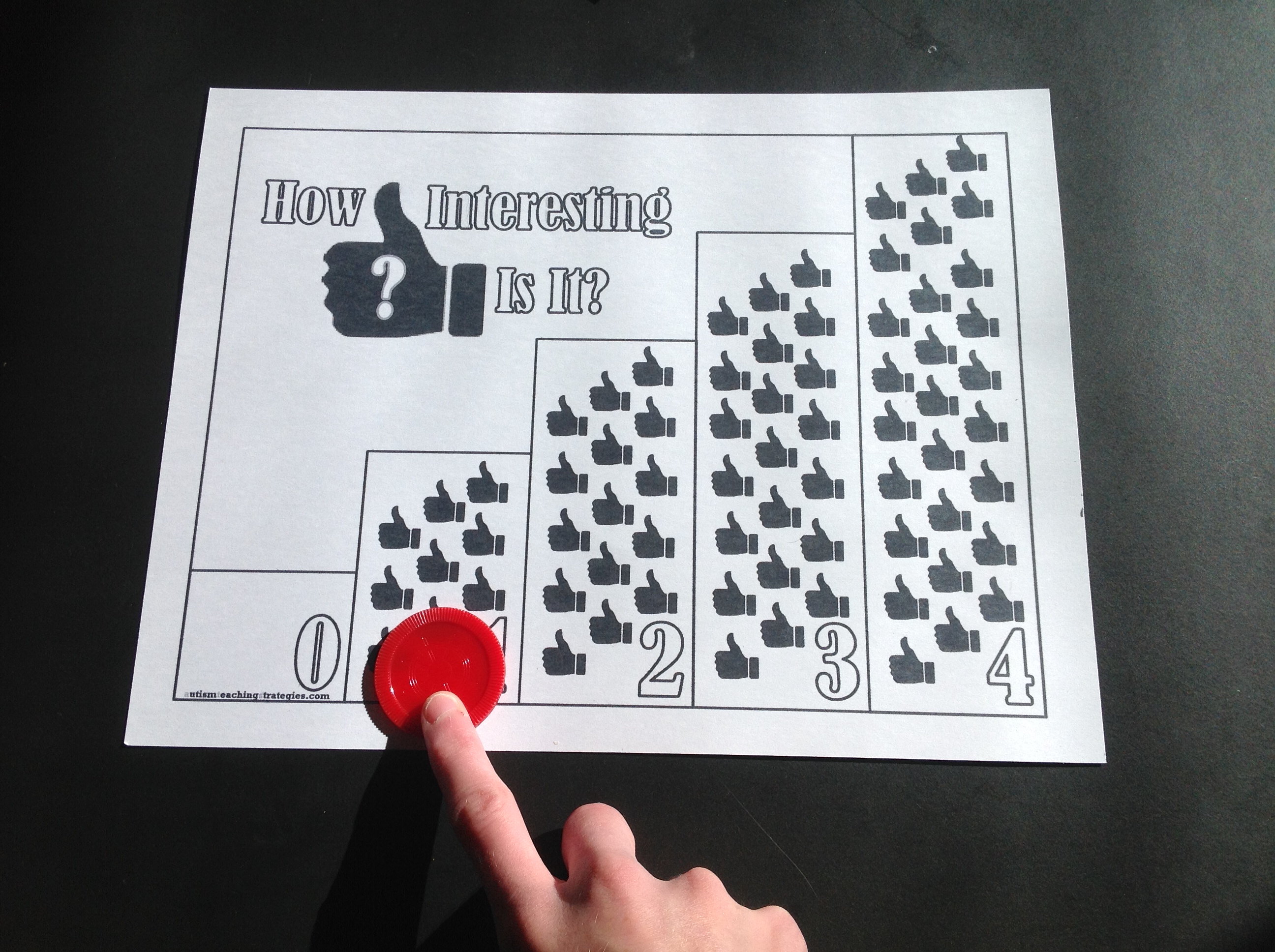
Here is part of the How Interesting Is It? kit.  The child moves the chip from one category to the next based on his assessment of how interesting a topic is to another person.
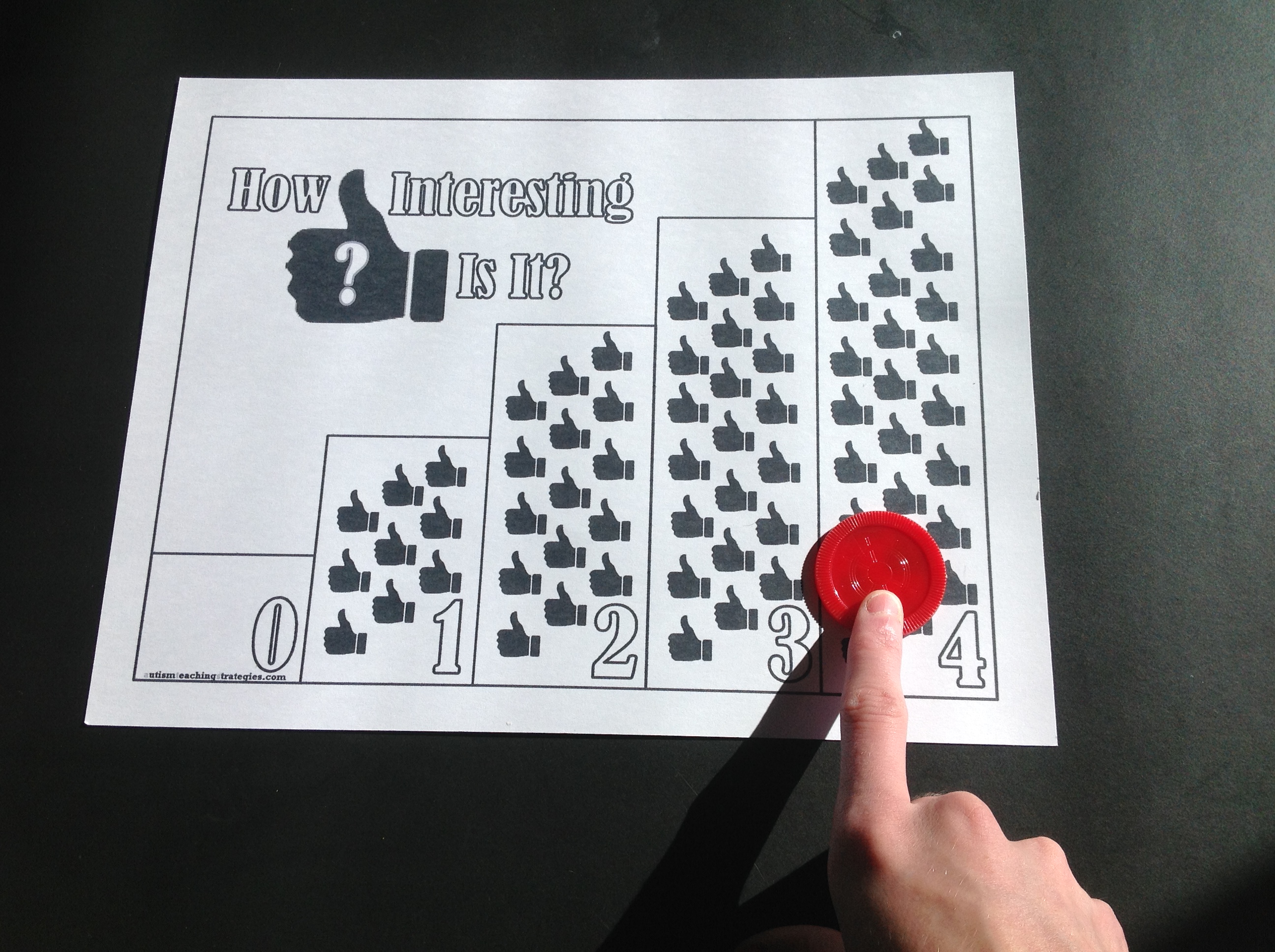
Here is part of the How Interesting Is It? kit. The child moves the chip from one category to the next based on his assessment of how interesting a topic is to another person.

Download: How Interesting Is It kit

In German: Wie Interessant Ist Es? aktivität

A set of social skills learning materials to help teach what conversation topics tend to score “likes” with peers

Children with autism spectrum disorders can find it very difficult to know what to say to their peers.  Children with ASD  tend to fall back on their own preferred topics.

Here are some activities  to increase awareness of various things that other people find interesting to talk about.  The activities employ the thumbs-up “like” symbol, which is very familiar to most children as an indicator of what pleases another person.

This kit includes:

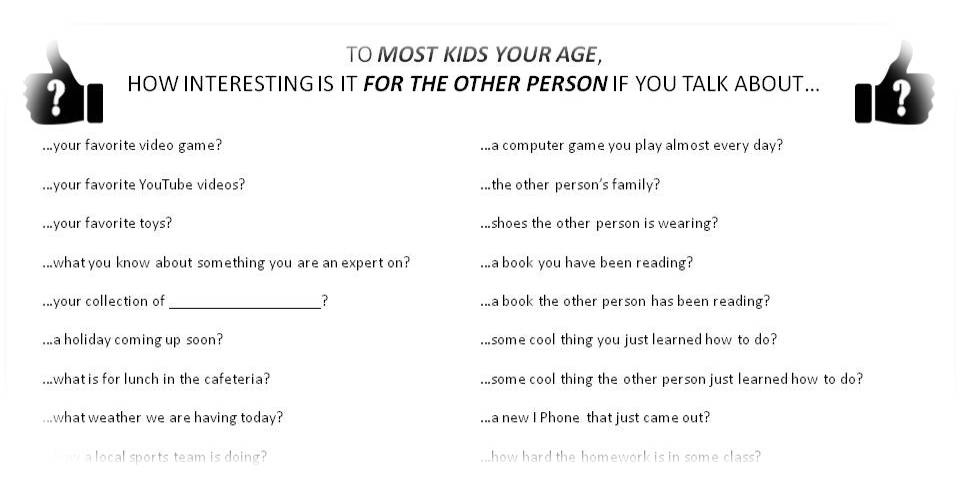
1.  How Interesting Is It?  topic list [fragment shown below].

 
How Interesting Is It topic list, fragment

This is  a list of ninety different conversation topics.  You read them out loud to children so they can rate how interesting they are.

2.  How Interesting Is It? rating sheet   [shown below].

 
IMG_2468

Children move a chip between 0 and 4 based on how interesting they think a particular conversation topic might be for another person.

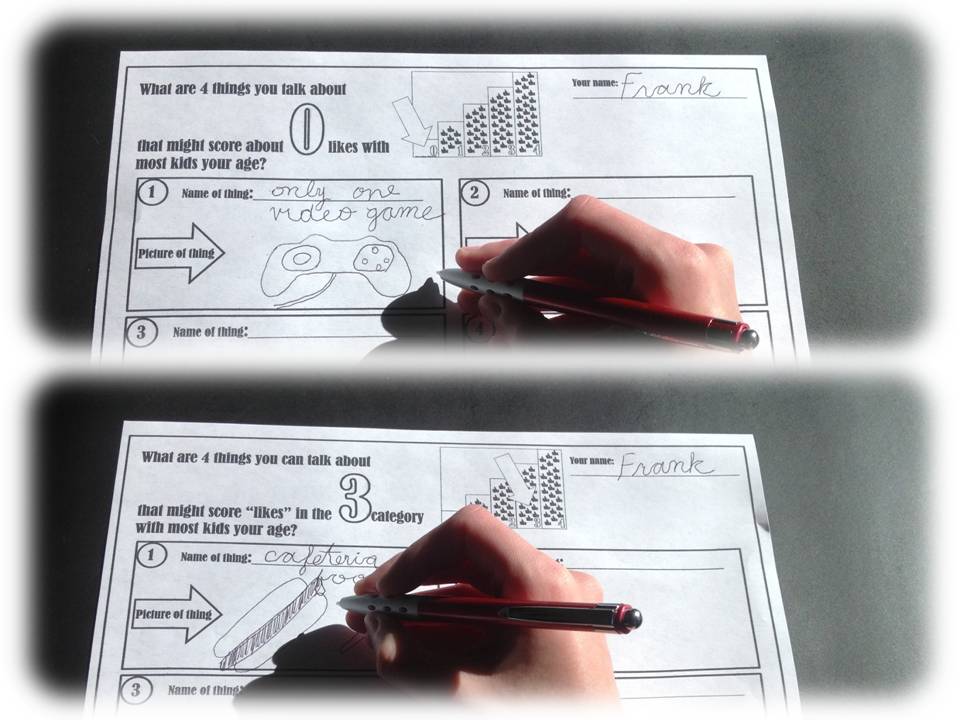
3.  How Interesting Is It? picture worksheets [examples shown below]

How Interesting Is It worksheet examples

This set of five worksheets is to help children who need more practice.

Some suggested language to use when introducing these activities:

“Who has ever seen the ‘like’ icon on Facebook or other places online?  What does it mean?  It means someone likes something that they see or hear online.  Some things online get lots of  ‘likes’.  Some get few, or none.

When you are talking to other people,  you might also be scoring  ‘likes’  –  in their minds.  Or you might not be scoring ‘likes’ at all.   When you are ‘interesting,’  it is something like scoring  ‘likes’.  When you are not interesting, or boring, you are not scoring  ‘likes’. 

You can get much better at scoring  ‘likes’ in conversation by paying close attention to what you are saying and what the other person might find to be interesting.   Your own words might seem really interesting to your own ears.  Maybe the other person will like your words too.  But, depending on the topic and what the other person finds interesting, your words might not score any  ‘likes’ at all.

Here are some activities to help you get better at scoring  ‘likes’ when you talk. 

1.  How Interesting Is It? rating sheet.  I will read you a number of different conversation topics.  For each one, you have to take a guess on how interesting, on a scale of 0 to 4, it might be to the other person.  Place your chip on the number that you think shows how interesting it is to the other person, not you. [Note to teacher: alter the wording as you read through the list, to clarify and specify as you see fit.]

2.  How Interesting Is It? picture worksheets.   For the Zero sheet, pick out some things from the list that might be uninteresting to most kids – or things that you think of yourself.  Write them down on the sheet and draw small pictures.  For the 1, 2, 3 and 4 sheets, write and draw things that kids your age might find more interesting.”

Note to teacher/therapist:  These activities work best when you add role play practice.  Select a number of topics that would rate a 3 or 4 with most children.  You play the role of the other child in the conversation. Then, assign the children to converse with you on these selected topics.

I hope you find these materials enjoyable and useful.

Joel Shaul, LCSW

Your comments on these resources are most welcome, and often helpful. Click HERE to send an email.
Your Interests Promo image for website

The Conversation Train Book

Green Zone Book Cover Click to Learn More