
Cognitive behavioral therapy picture cards for children and teens to focus attention on cognitive distortions
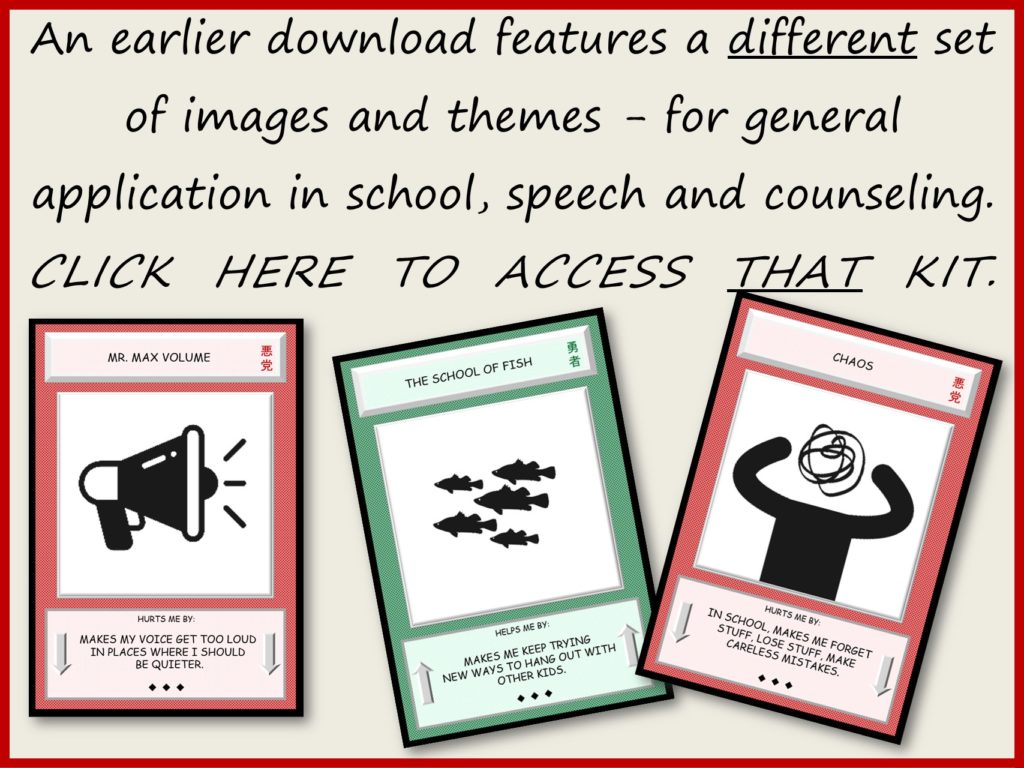
A previous post introduced the first version of this activity featuring a different selection of drag-and-drop images for a variety of social and emotional concerns. Here I provide a second version, featuring images tailored for CBT work.
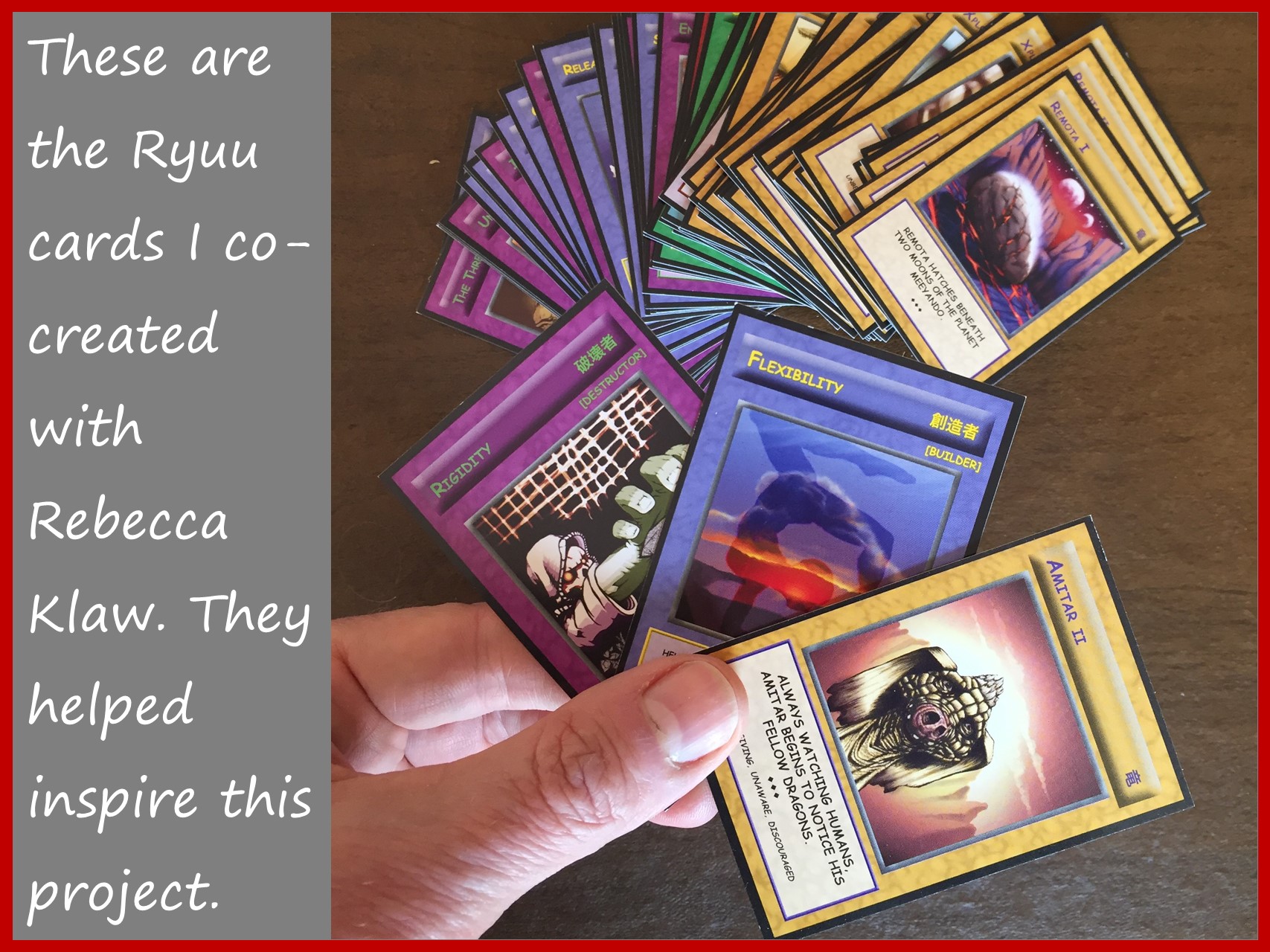
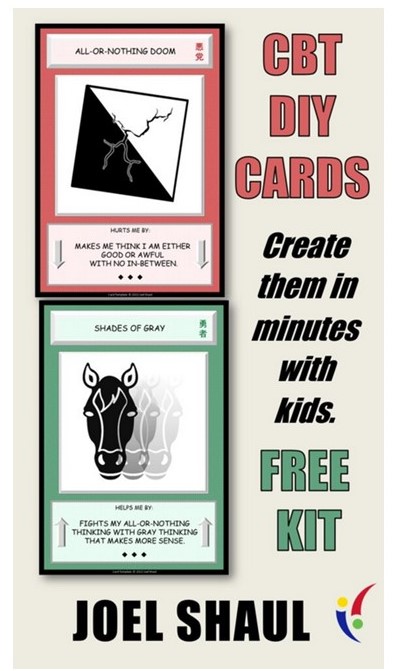
To capitalize on youth culture themes of “good guys” and “bad guys” from movies, stories, video games, and in trading card sets such as Pokémon and Yu-gi-oh, I designed this free, easy card-making project. In my own work, I find it really useful for focusing children’s attention on their problematic patterns of thinking.
Although this is designed for in-person work, it is also ideally suited for teletherapy, since the collaborative work takes place on a shared computer screen and you can mail or email the finished product to your client.
Here is a one-minute demo on YouTube of how it works.
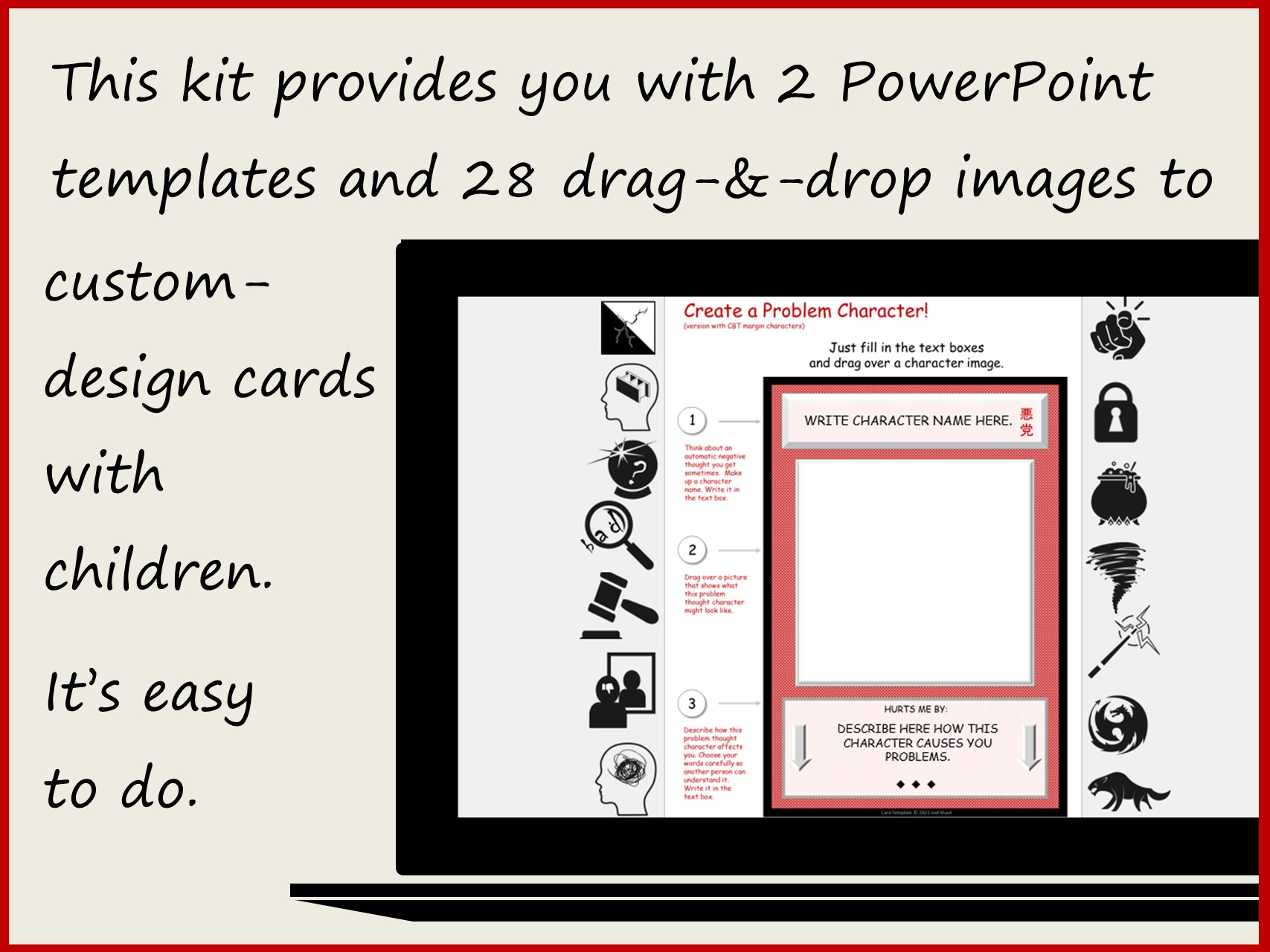
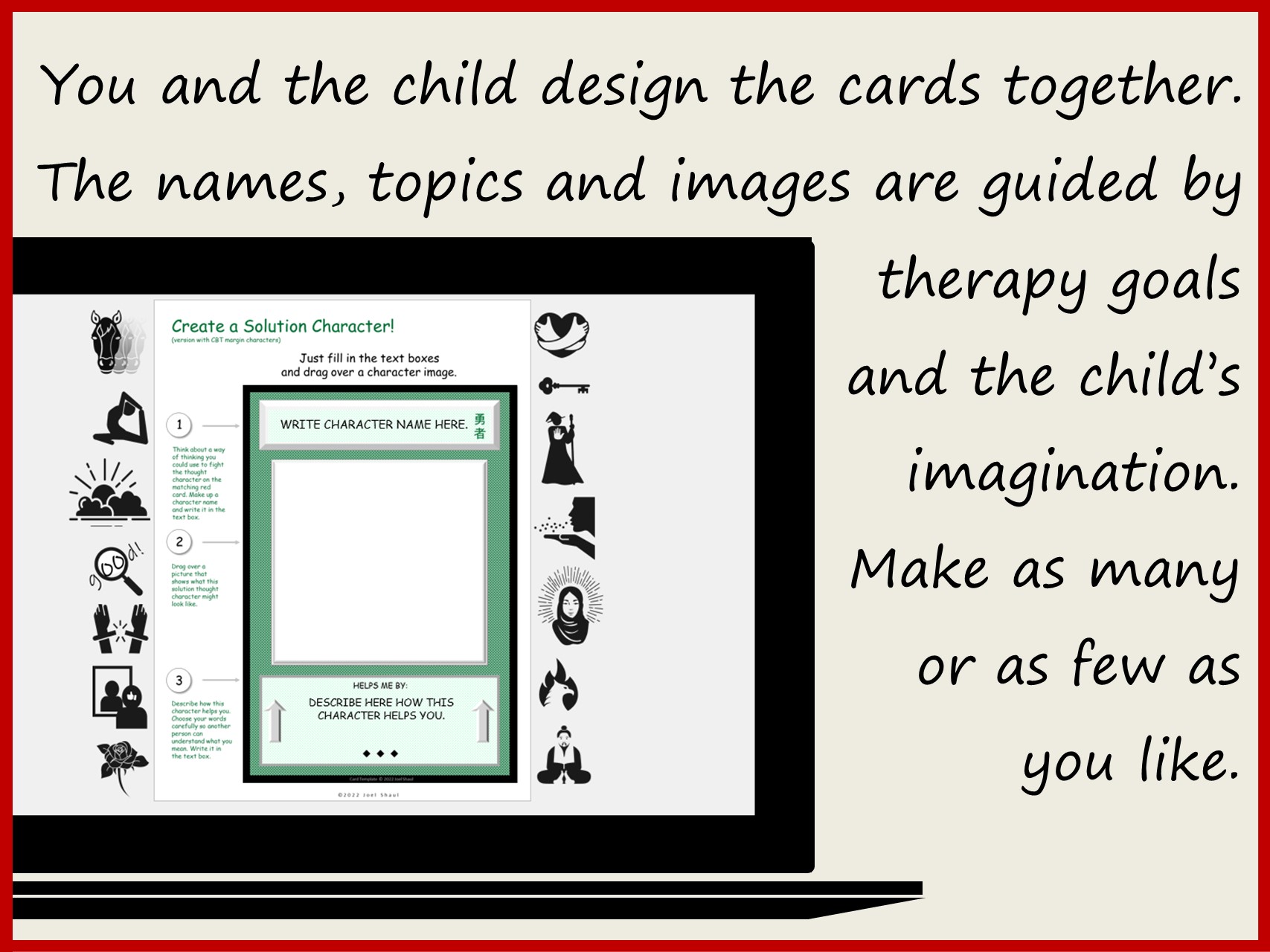
You and the child design the cards together. The names, topics and images are guided by therapeutic goals and the child’s imagination. Make as many or as few cards as you like.
An earlier download features a different set of images and themes – for general application in school, speech and counseling.
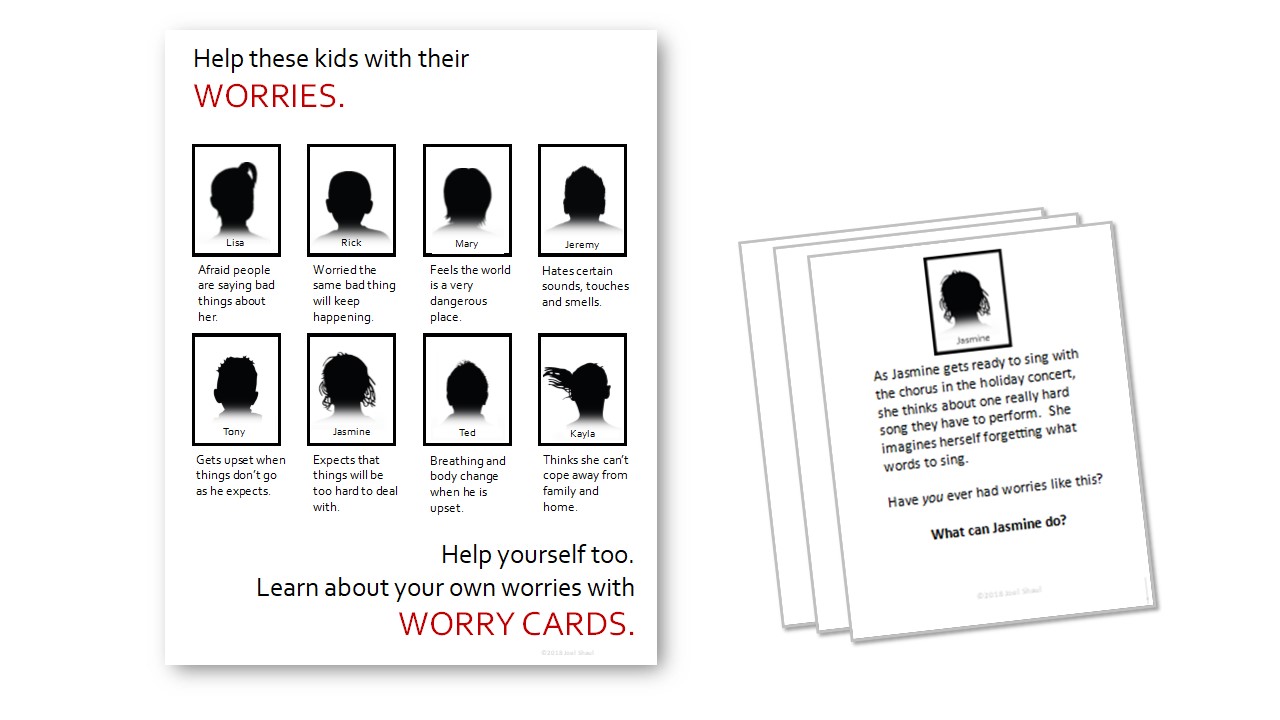
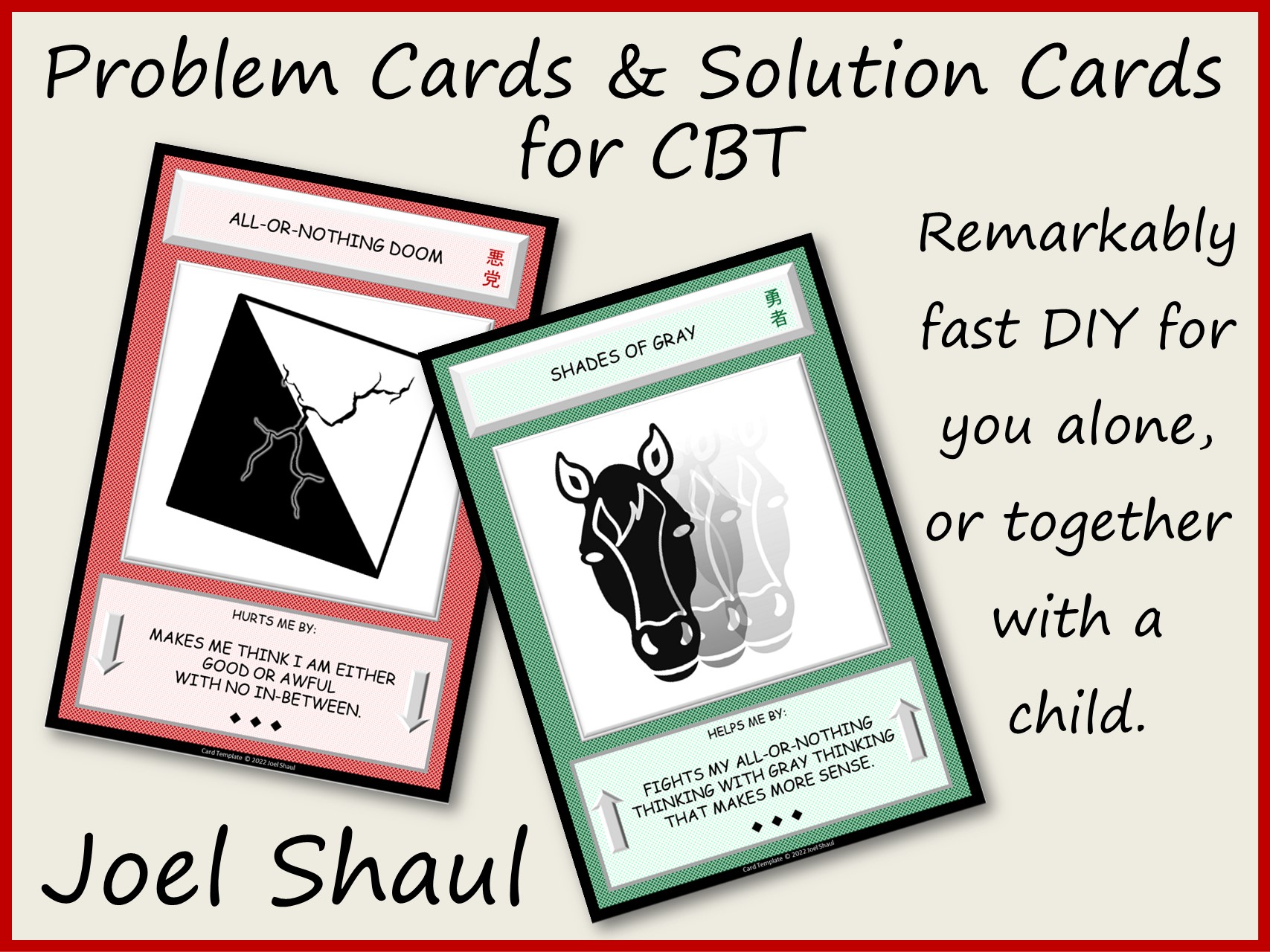
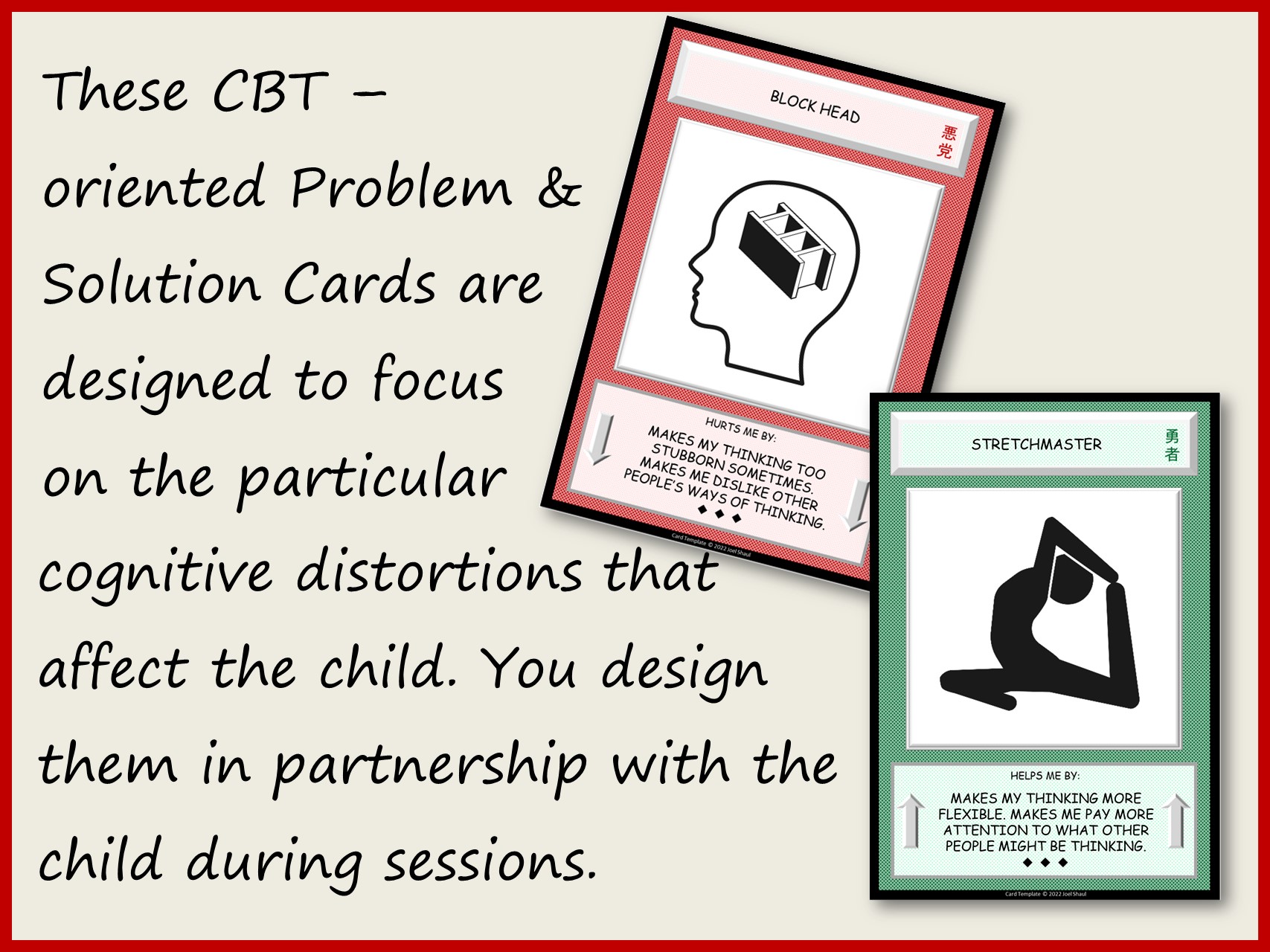
These CBT-oriented Problem & Solution Cards are designed to focus on the particular cognitive distortions that affect the child. You design them in partnership with the child during the session.
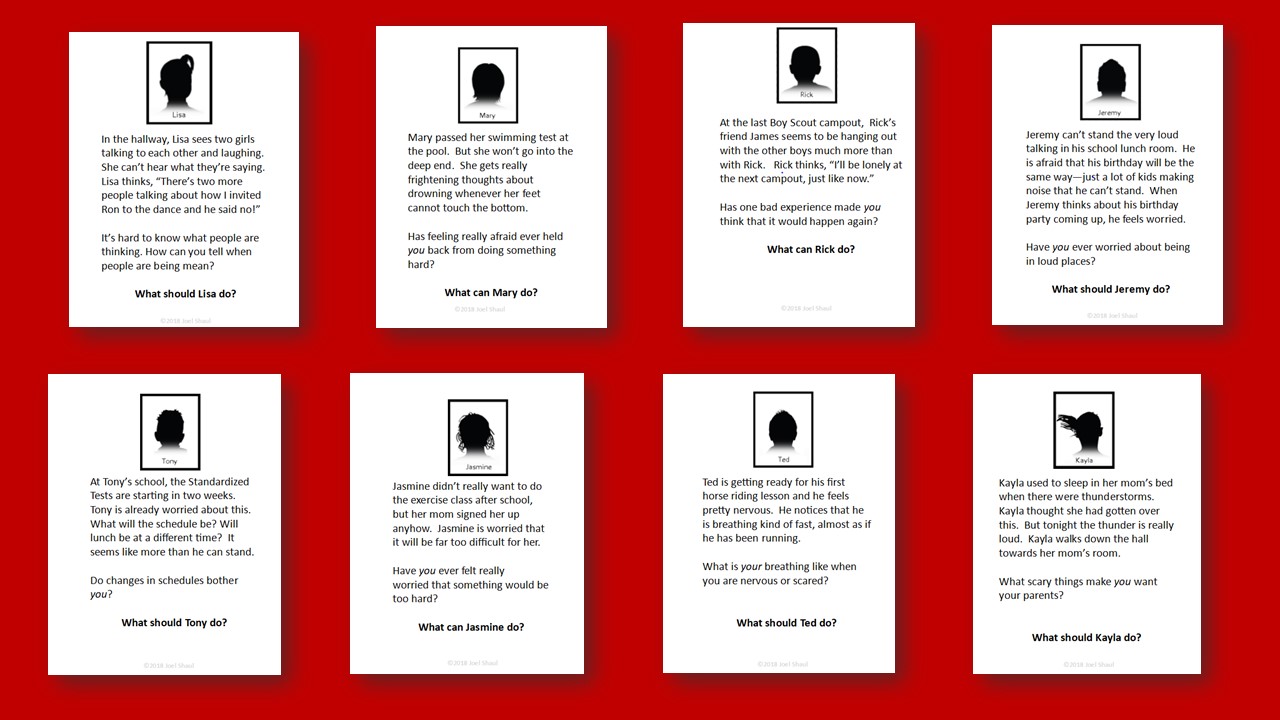
The kid picks the image and you both work on the text. Here are some examples.
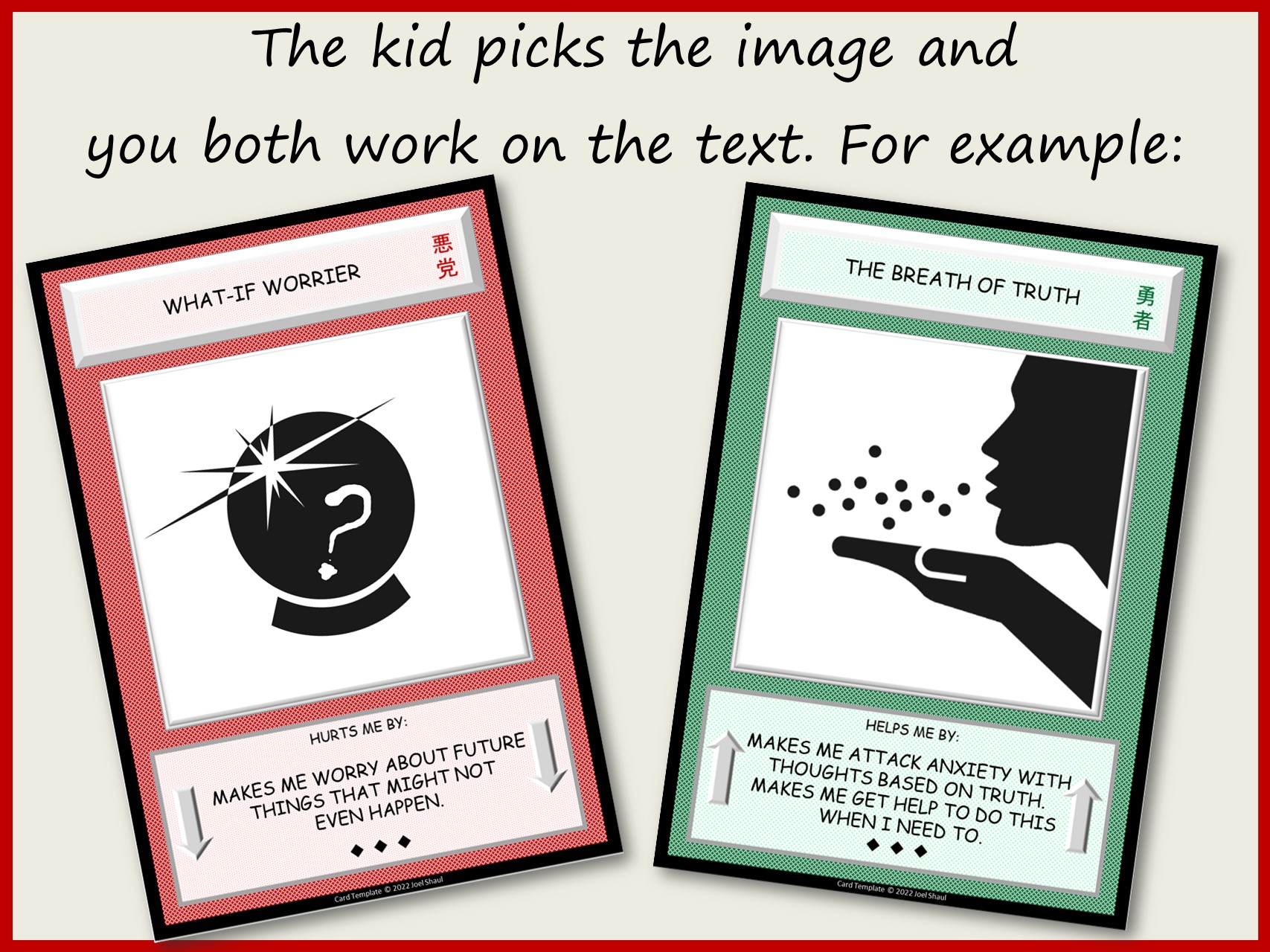
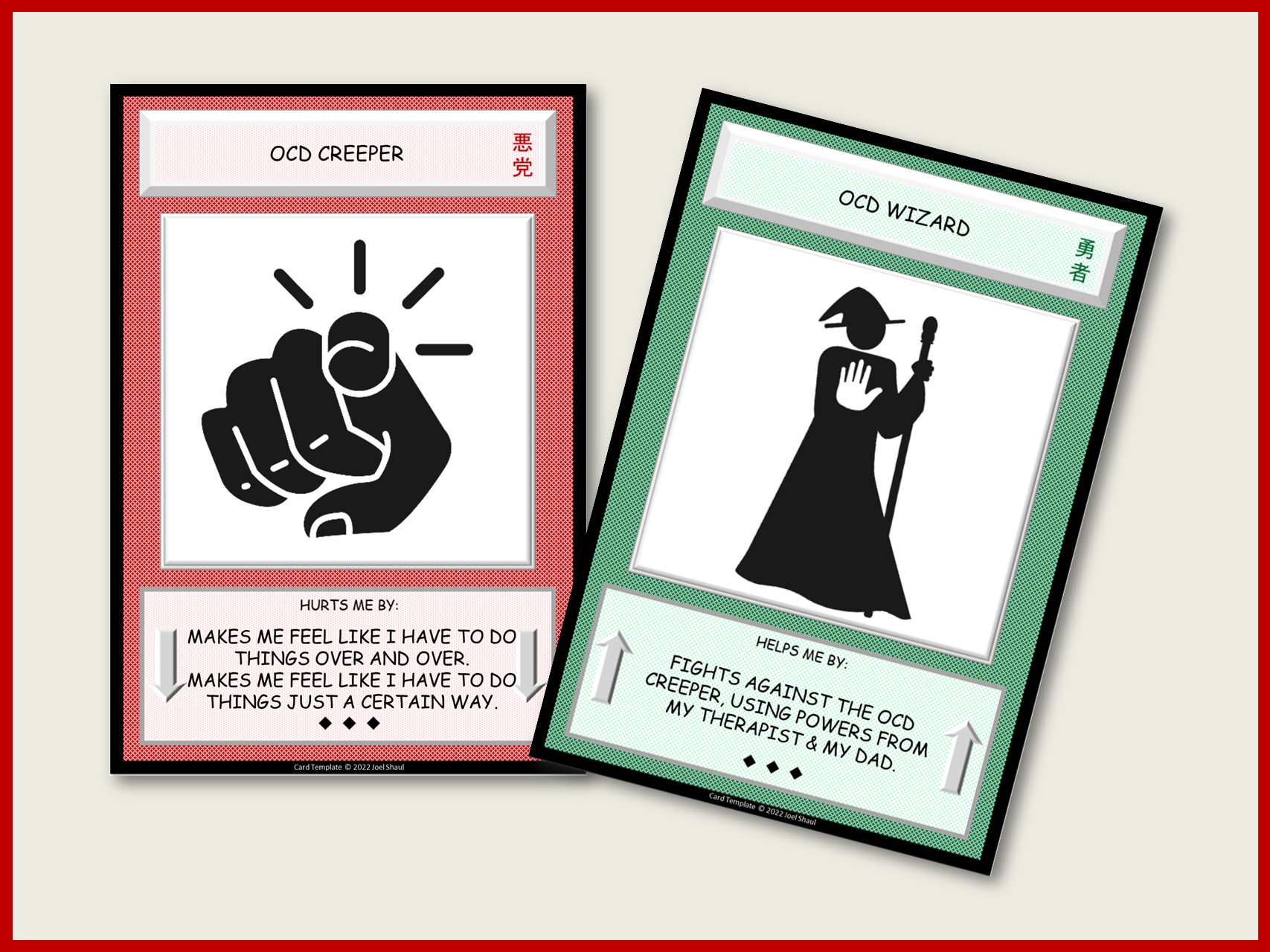
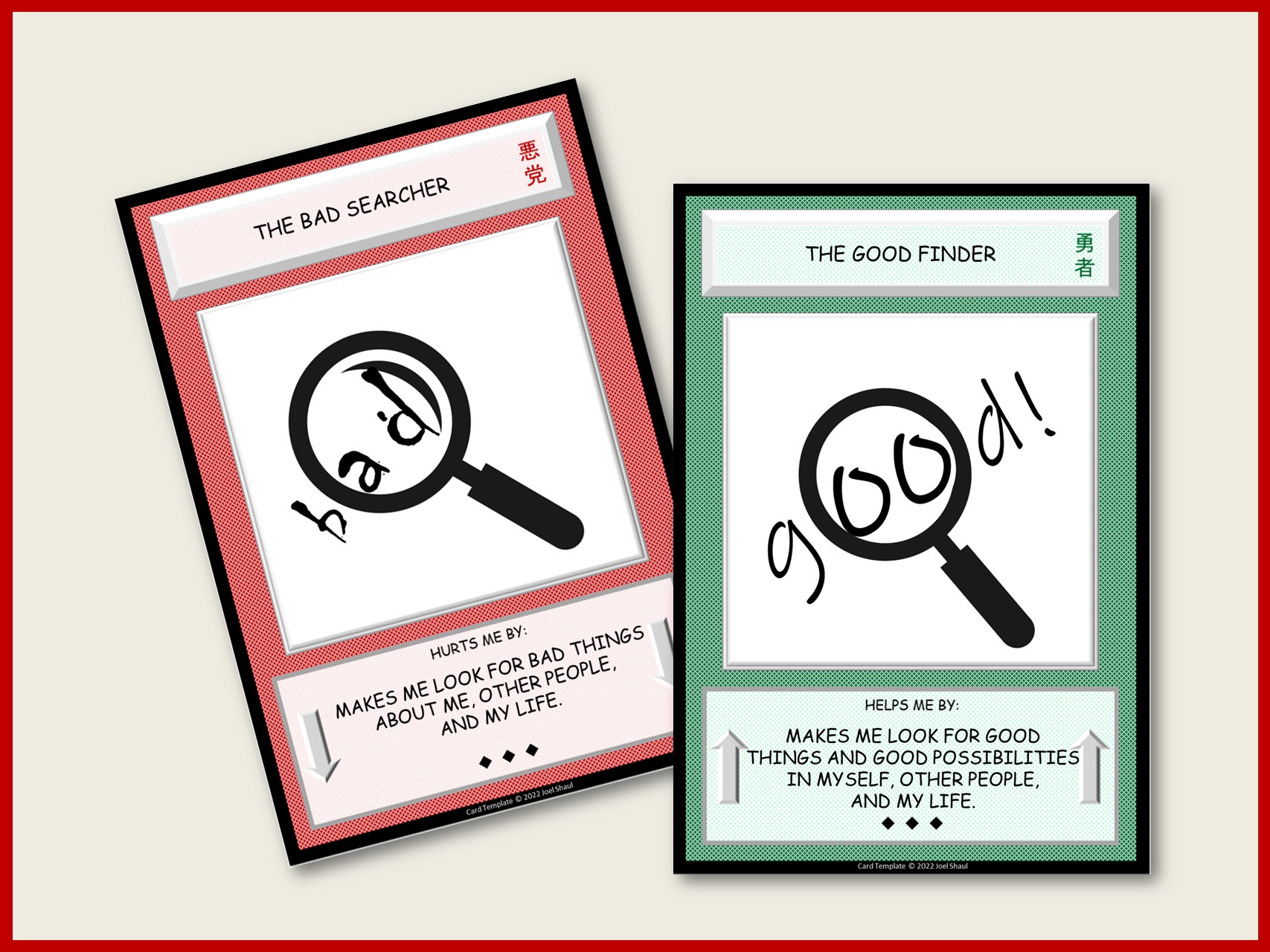
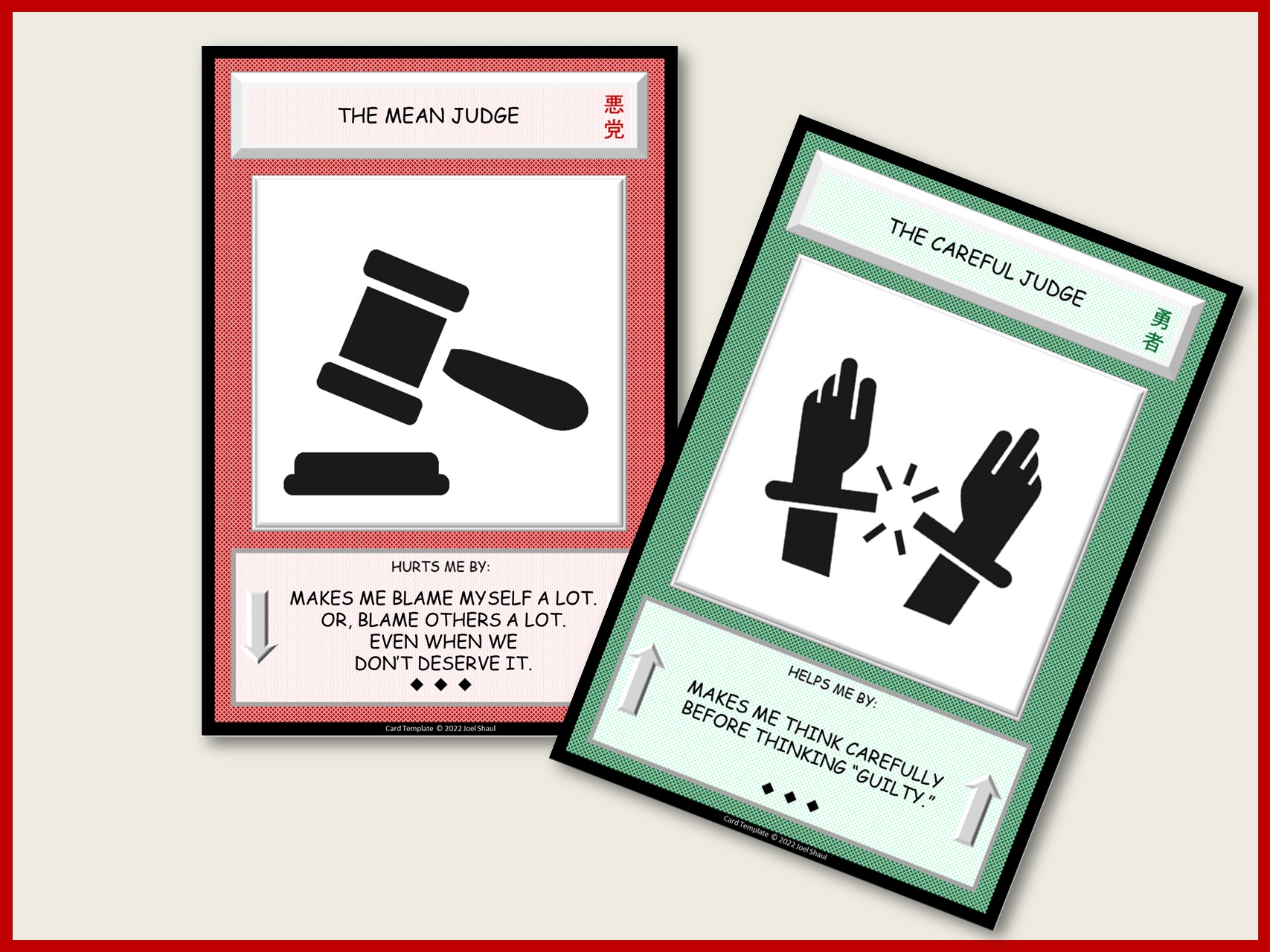
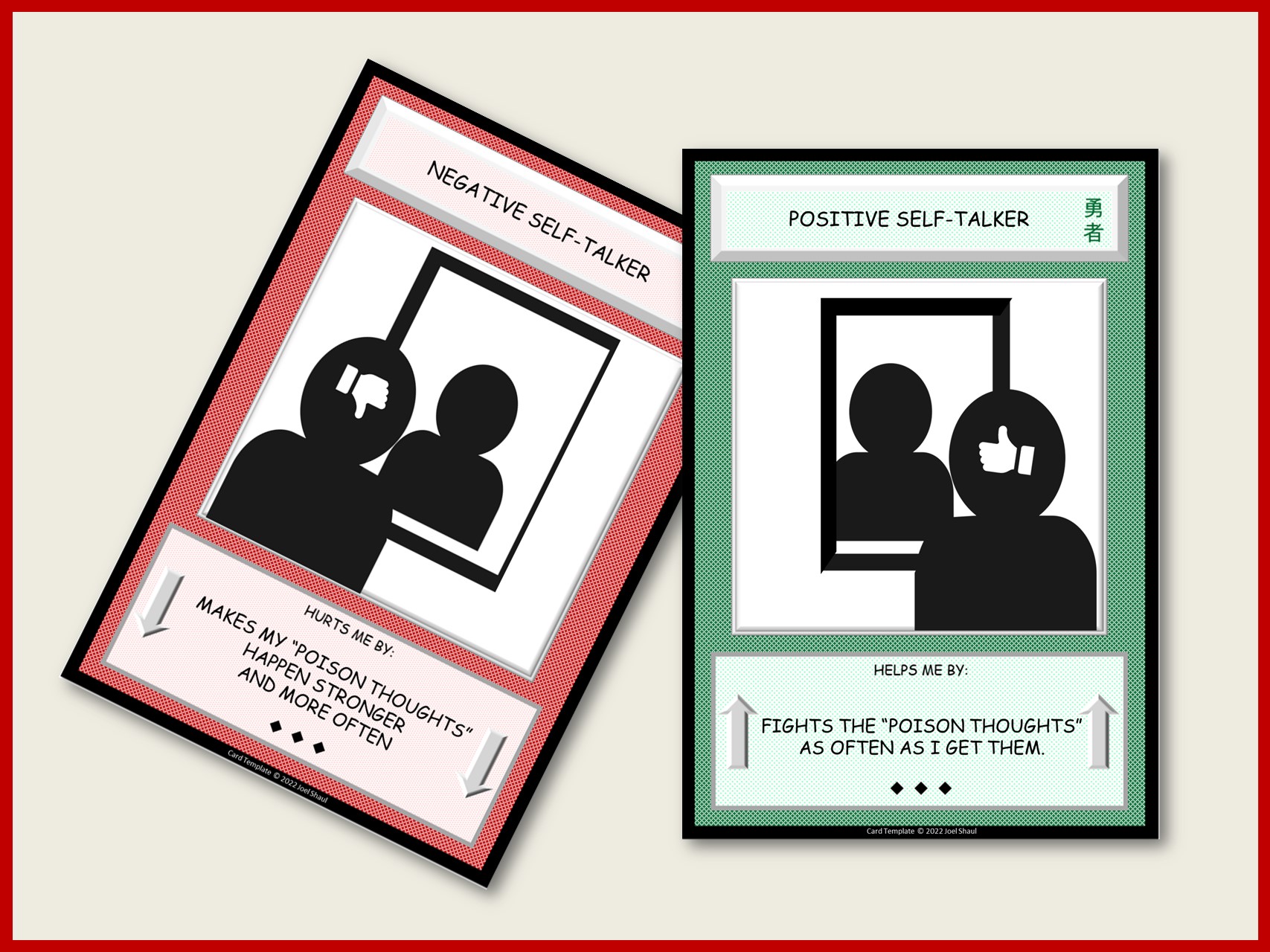
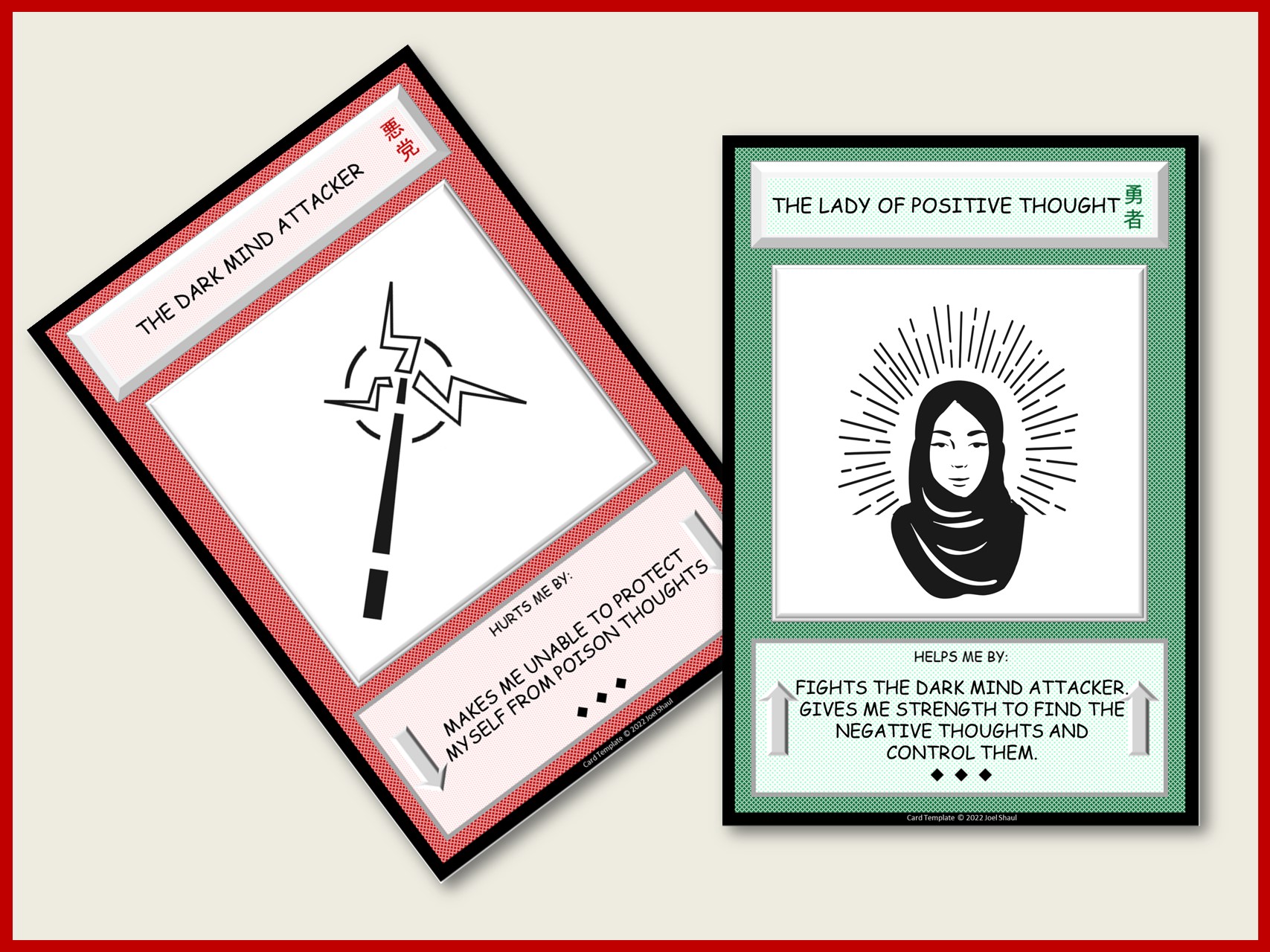
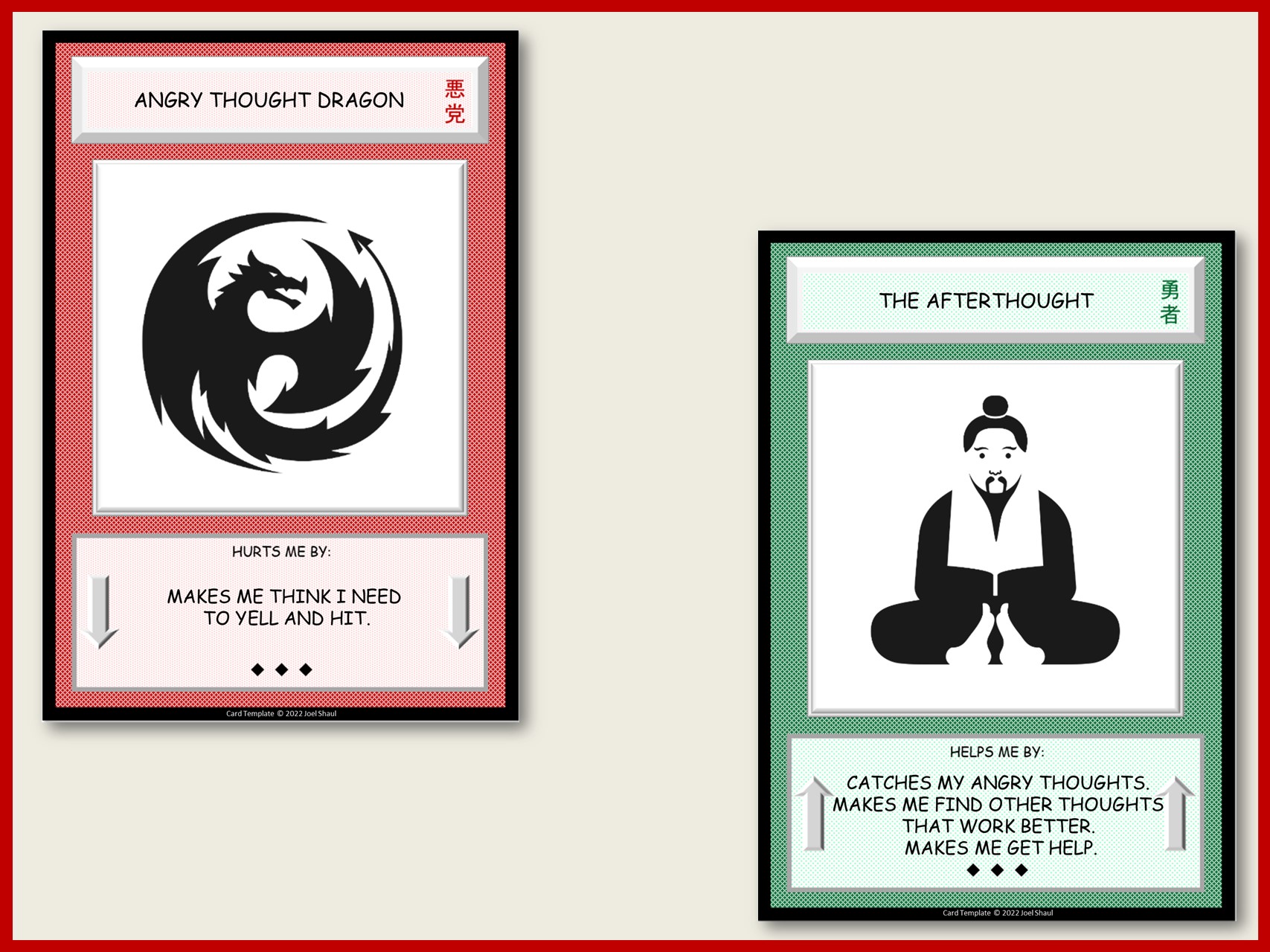
I would like to emphasize that these things are quick and easy to create. In my own work with children and teens on the autism spectrum, I typically can co-create as many as five pairs of cards in a 45 to 50 minute session. Children appreciate being able have input into naming the characters and selecting among the various drag-and-drop images.
There is great potential to add more cards, or modify existing cards, in subsequent sessions. You can print them, or just view them on the computer screen.
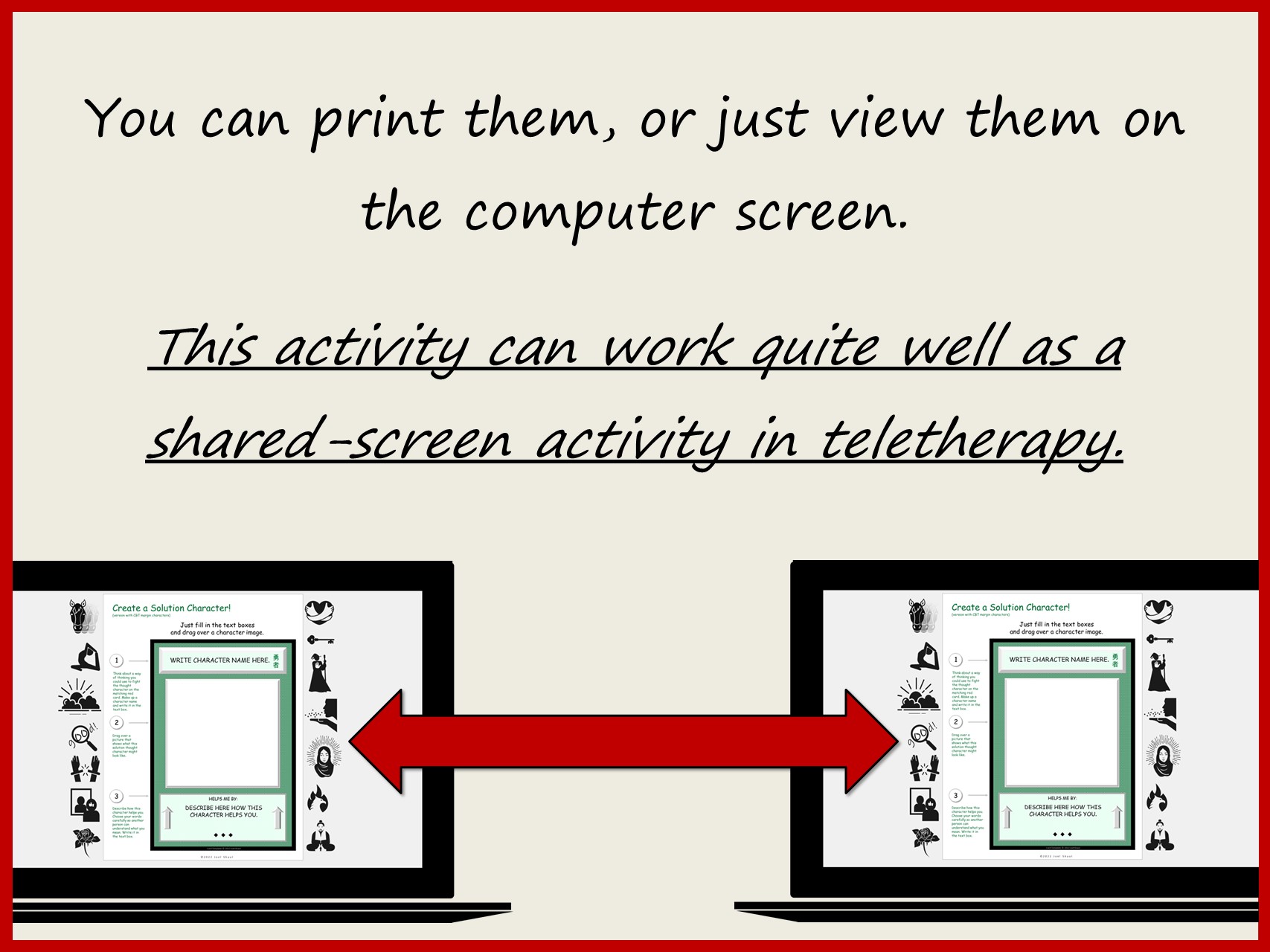
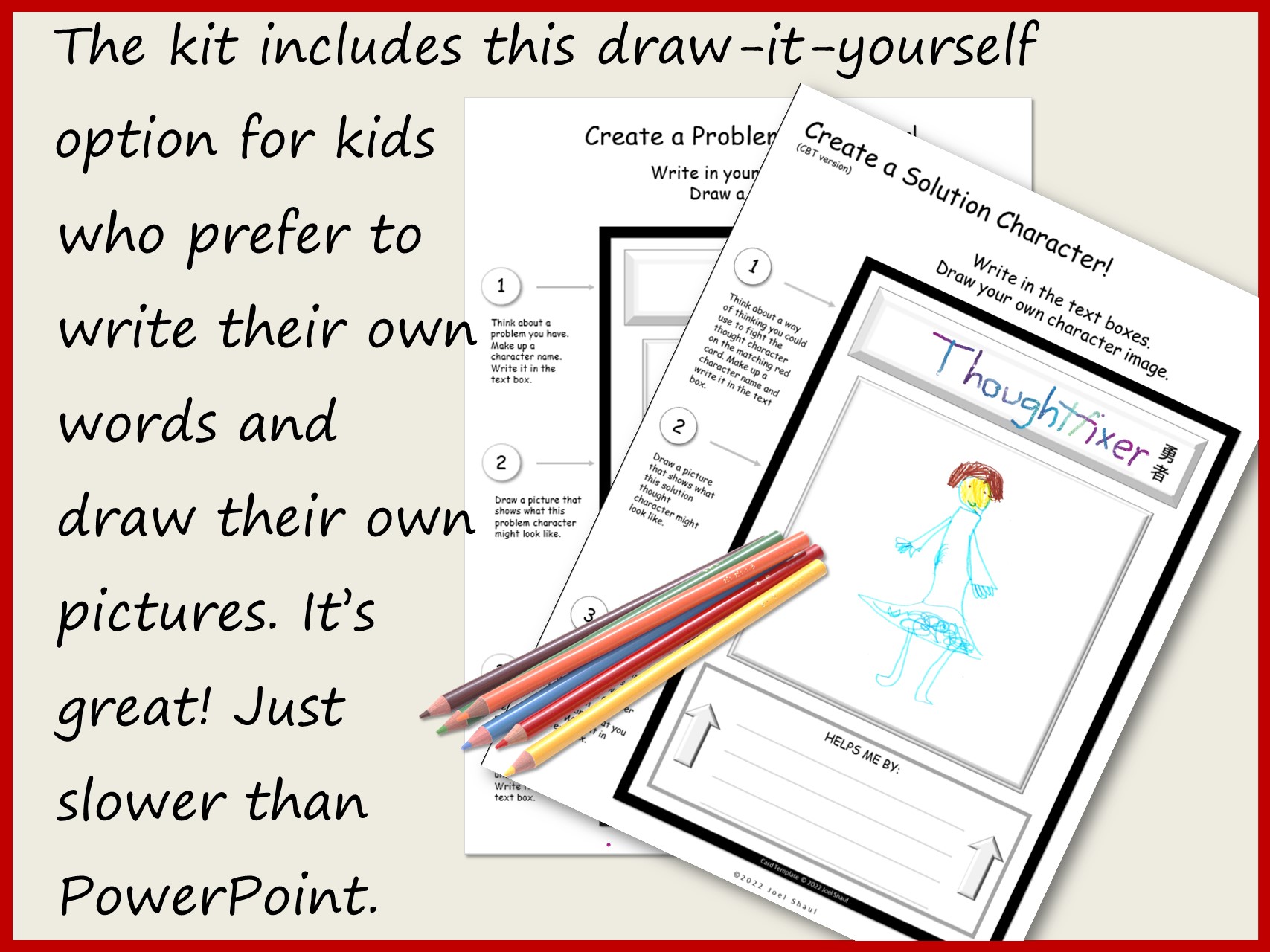
The kit includes this draw-it-yourself option for kids who prefer to write their own words and draw their own pictures.
I have lots of other CBT activities on the website to use with this activity, regular and teletherapy. Check them out.