Please follow this link to access the CBT worksheets.


Social Skills Activities for Children with Autism
AutismTeachingStrategies.com
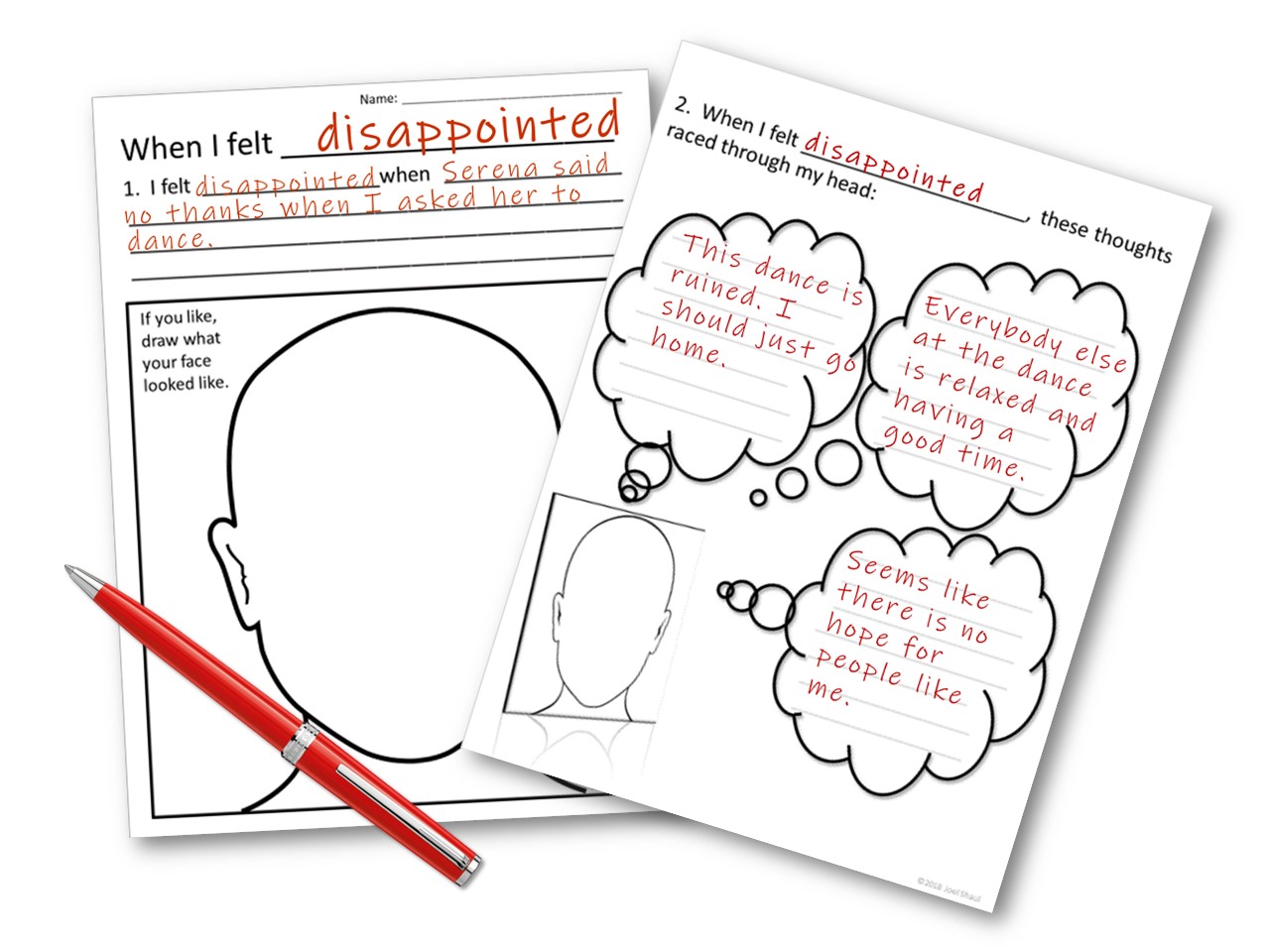
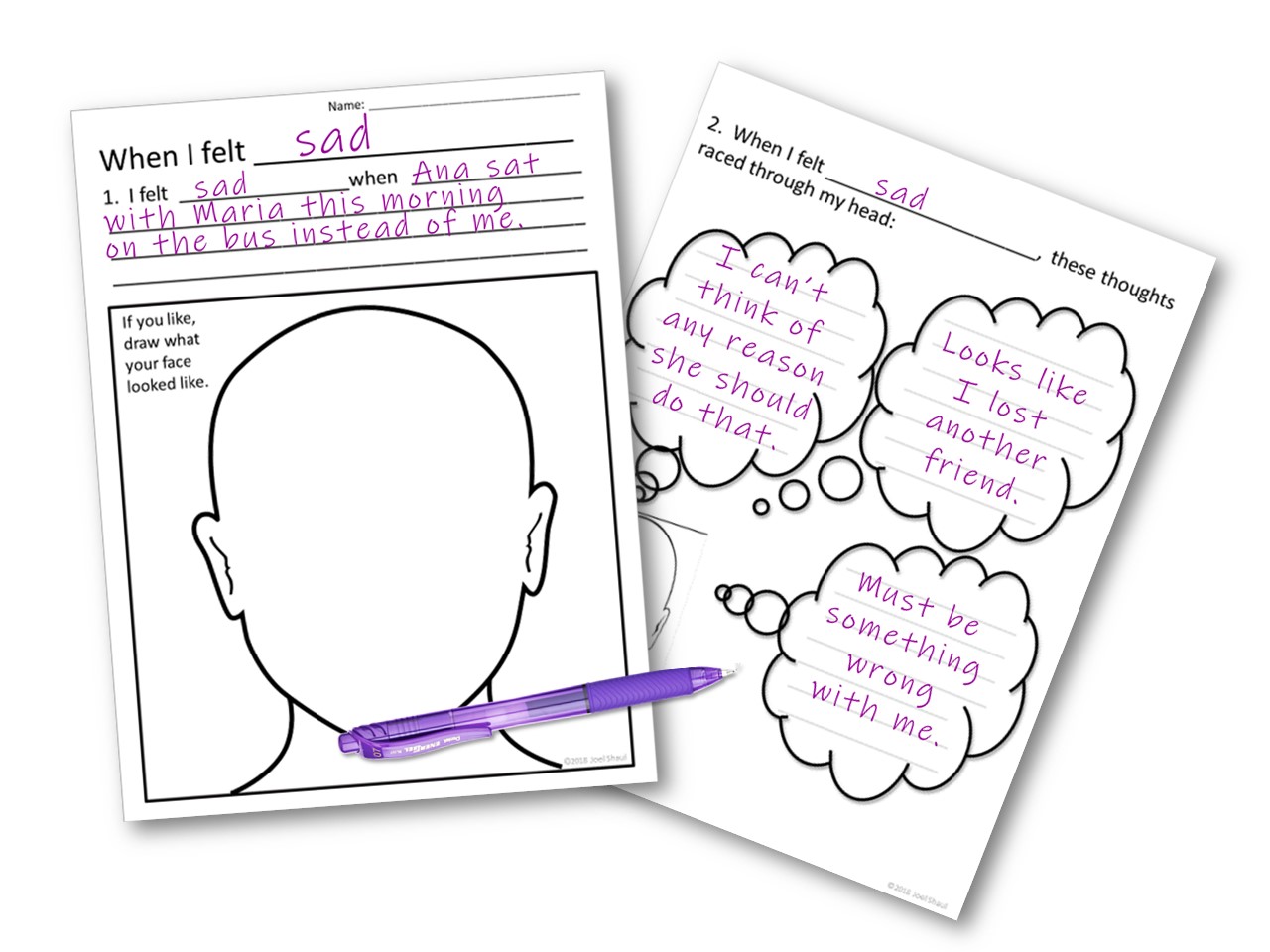
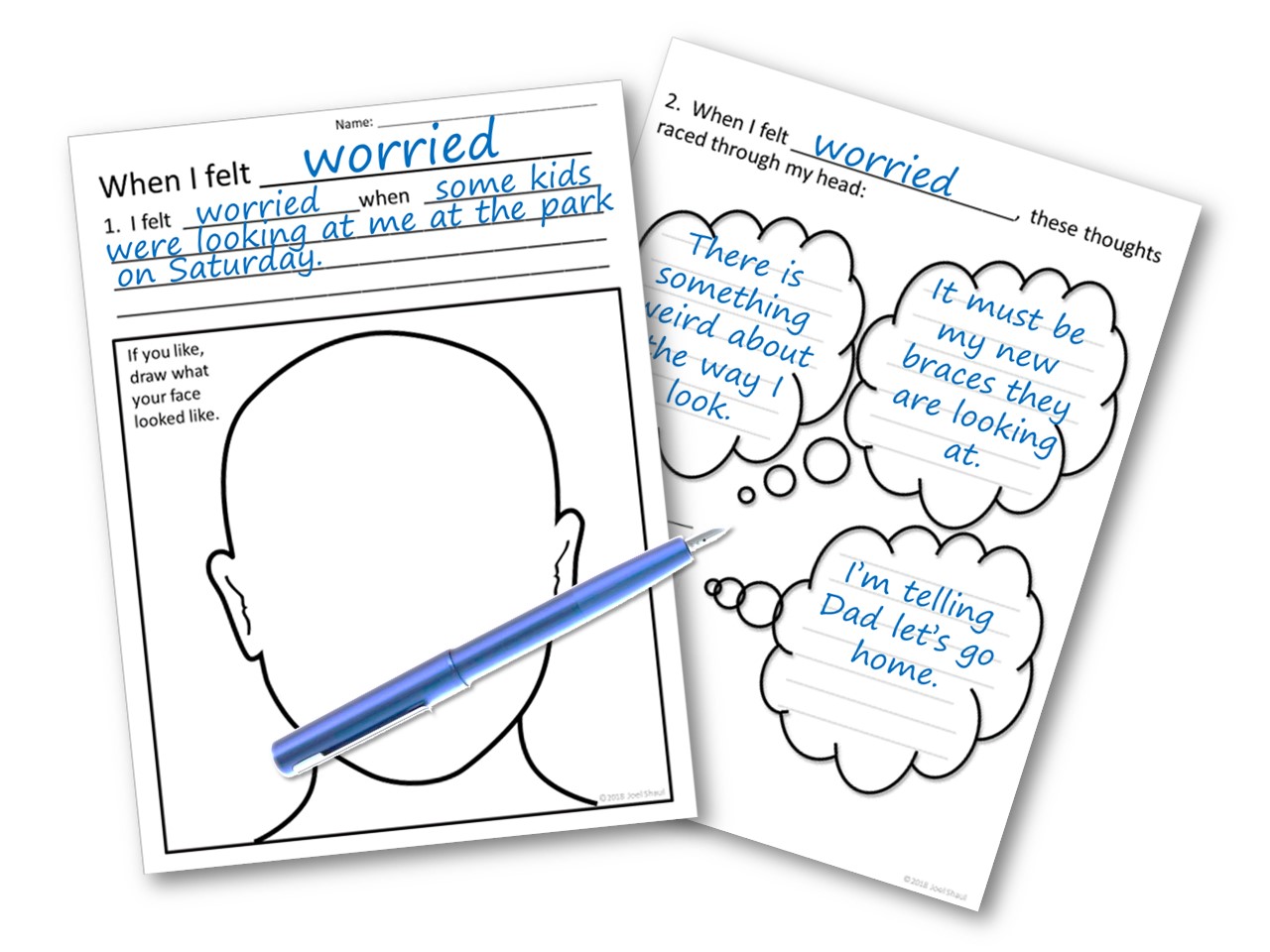
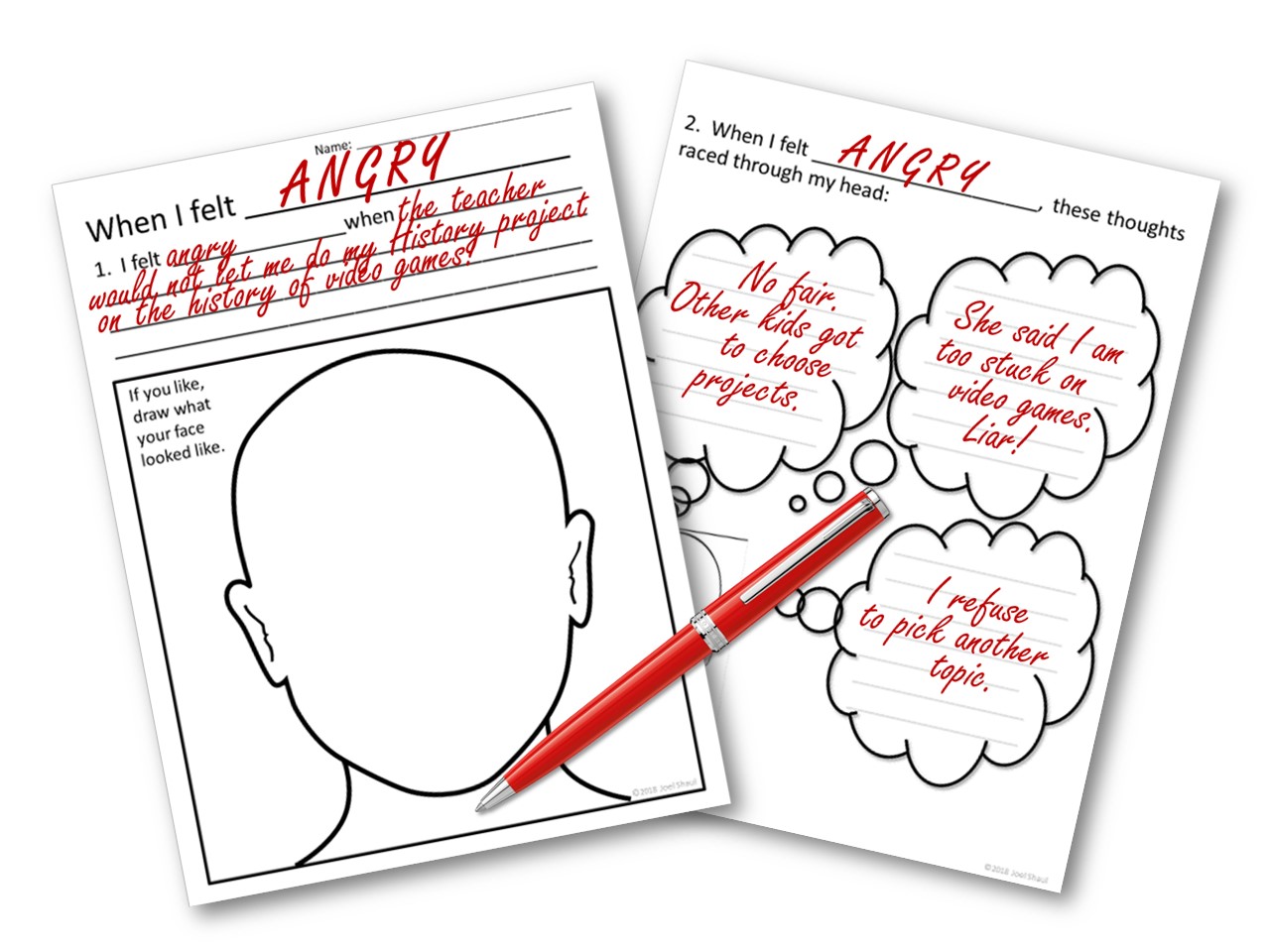
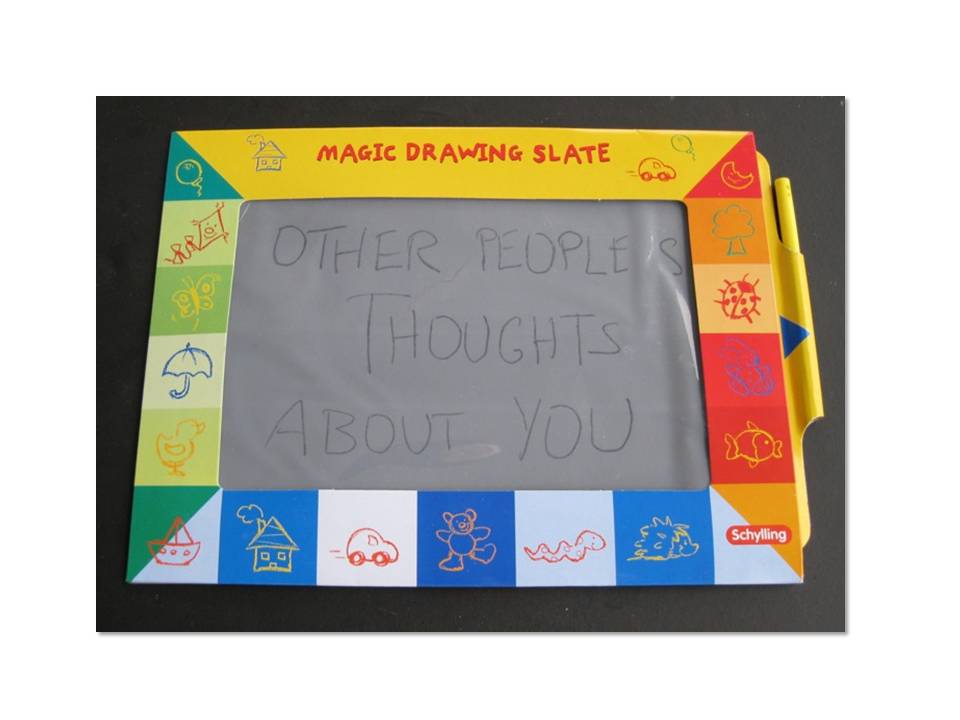
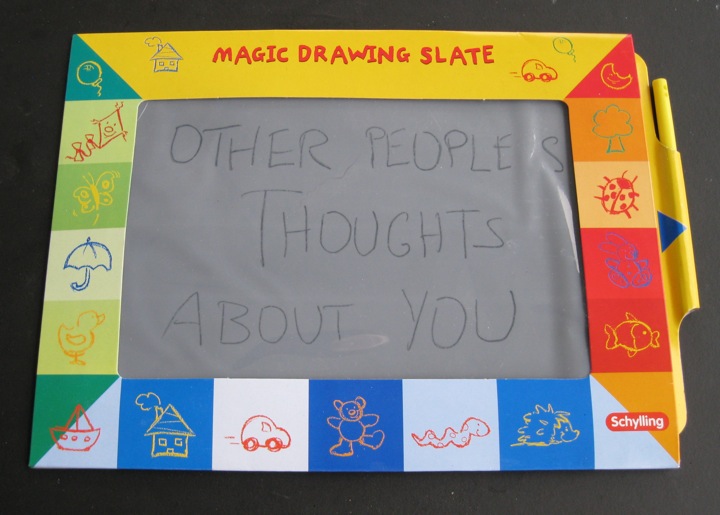 There are many good ways to help children with autism to increase awareness of what other people think, feel and remember. This blog post describes how to use a “Magic Drawing Slate” to demonstrate what people might remember about other people.
Children with autism spectrum disorders have trouble with “theory of mind,” that is, imagining and predicting another person’s thoughts. Children with ASD often learn better when they are taught with engaging and meaningful visuals. In this blog post, I explain how to use the inexpensive “Magic Drawing Slate” toy, pen and paper to help children with ASD to “picture” what kinds of things others are likely to remember about them.
Here is an anecdote to help illustrate how impaired theory of mind awareness can affect a child with autism socially. A colleague I met at a conference had a nine-year-old son on the autism spectrum with gifted intelligence. He had, at his age, read and mastered books on Norse mythology. However, he has a problem with remembering to zip up his pants while at school, and he could not be motivated to do it more consistently. The boy’s excuse: “What’s the problem? Nobody ever looks down there!”
1. Get a Magic Drawing Slate. They are available online for a couple bucks. This is a toy that erases what you write when you lift up the transparent plastic sheet on top. A small dry erase board will also suffice.
2. Draw on the Magic Slate the outline of a person’s head. Do the same on four pieces of paper.
3. Write over the head outline on the Magic Slate: “Things other people forget.”
4. Write over the head outline on several pieces of paper: “Things other people probably remember the next day [first sheet of paper], one week later [next sheet of paper] and six months later [third sheet of paper]”
5. Say something like this to the child: “Other people might hear you or notice what you do, even when when you would not expect them to. It’s like you are putting memories into their brains, as if you are programming a computer in their minds. Some things other people will forget about after a while. Other things they will actually remember for a long time. Let’s try to figure out what things people will probably forget and which things might remember later.”
6. You get the idea. You are adding a visual dimension to your autism social skills activity. Help the child write down on the magic slate things other people will not remember later. Examples: What you ate for lunch yesterday. The color you wore last Tuesday. Then, help the child to write down with pen and paper some things others will remember later. Try doing it in categories by dividing the paper “brain” into two columns, one side labelled “Nice things people might remember” and the other side “Not-nice things others might remember.”
Doing this social skills activity can generate revealing results. Some children really regard other people’s minds as a kind of “Magic Slate” that erases itself frequently. The activity seems to help many children with autism to be more aware of how their own words and actions can affect other minds in an enduring fashion.
Pencil / Pen Memories Worksheets
Words Hurt/Words Help Worksheets
I hope that these social skills activities for kids with autism are helpful and useful for you.
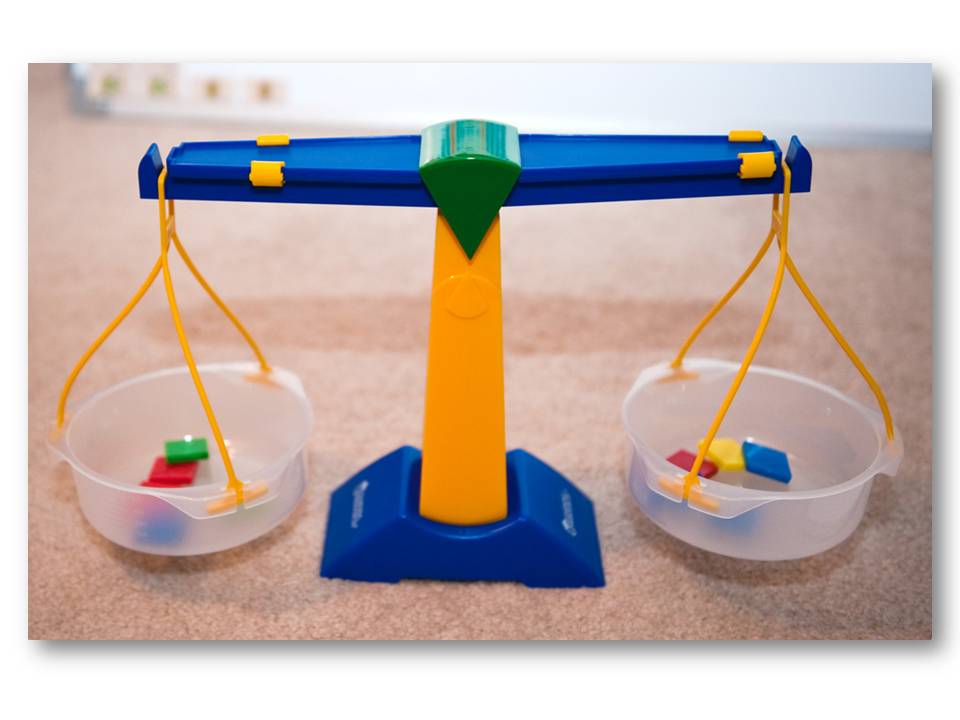
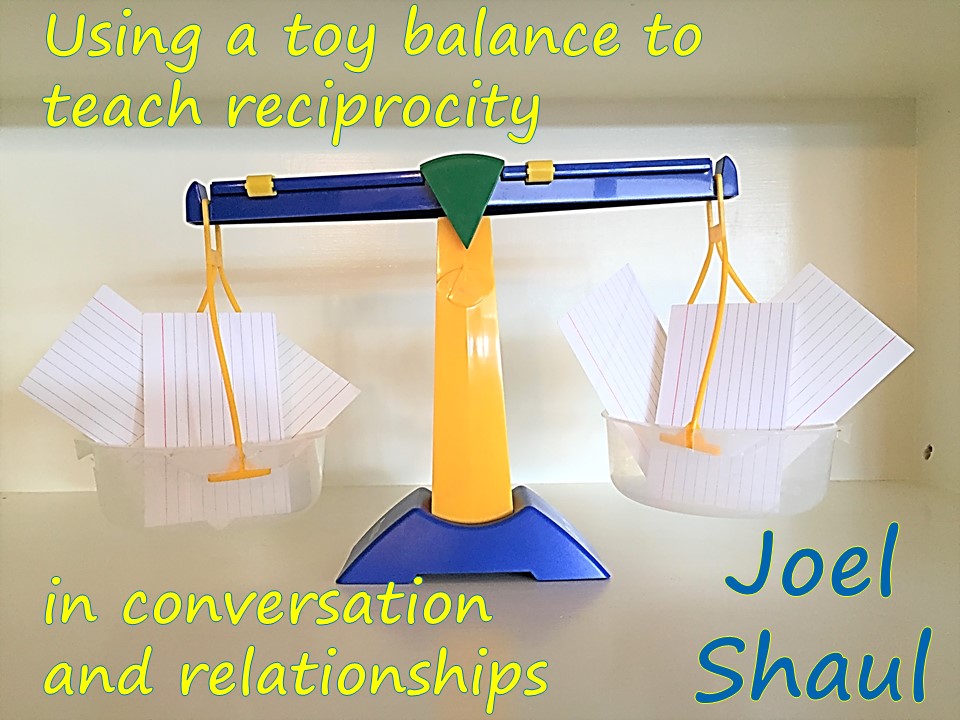
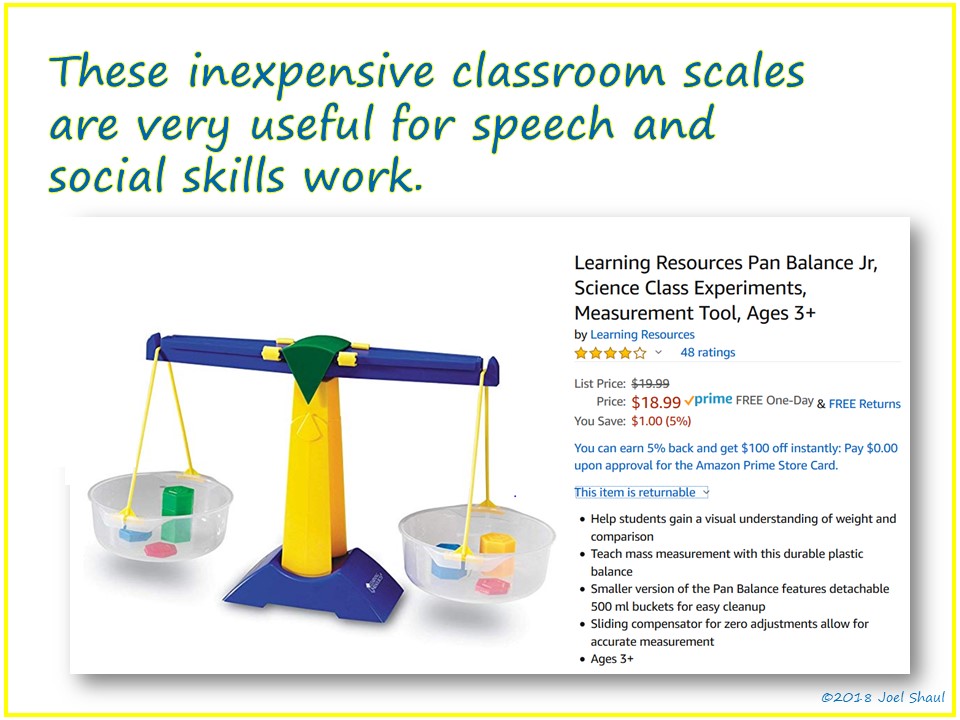
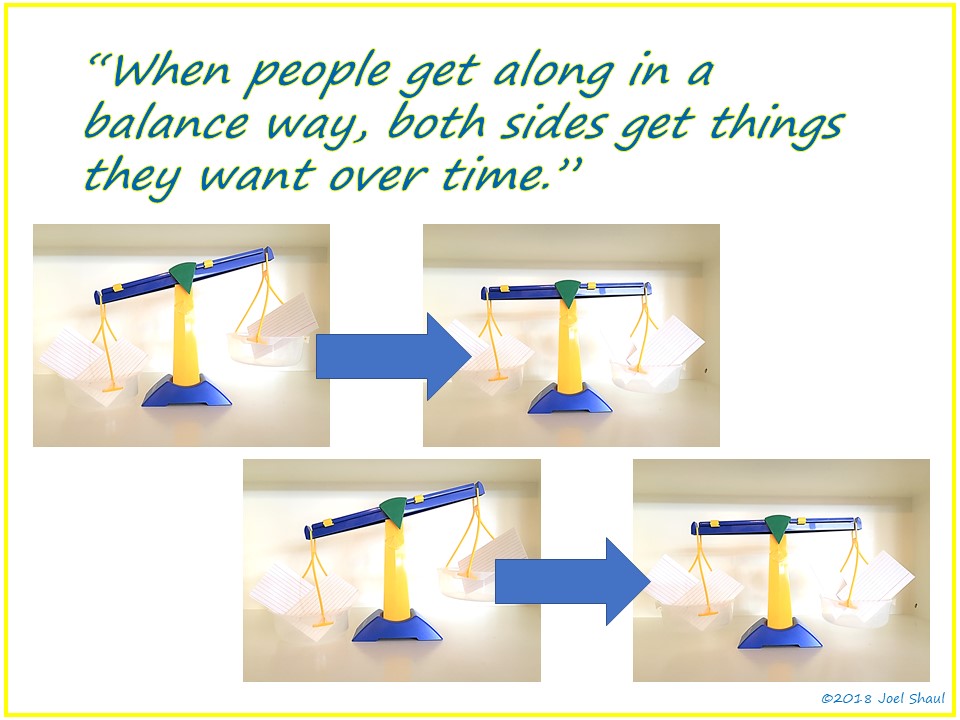
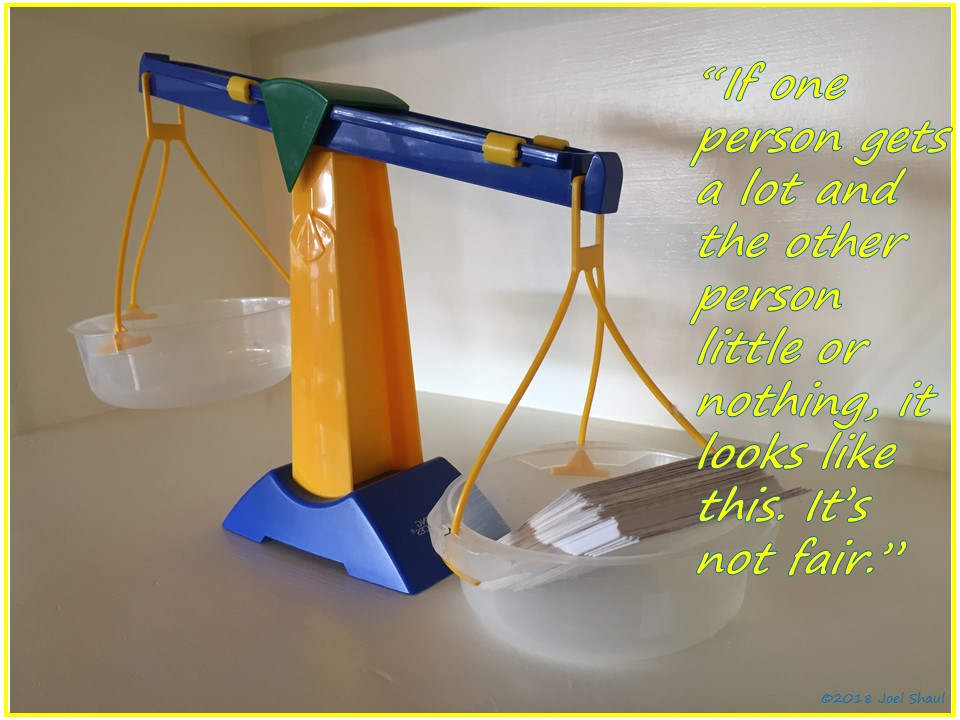
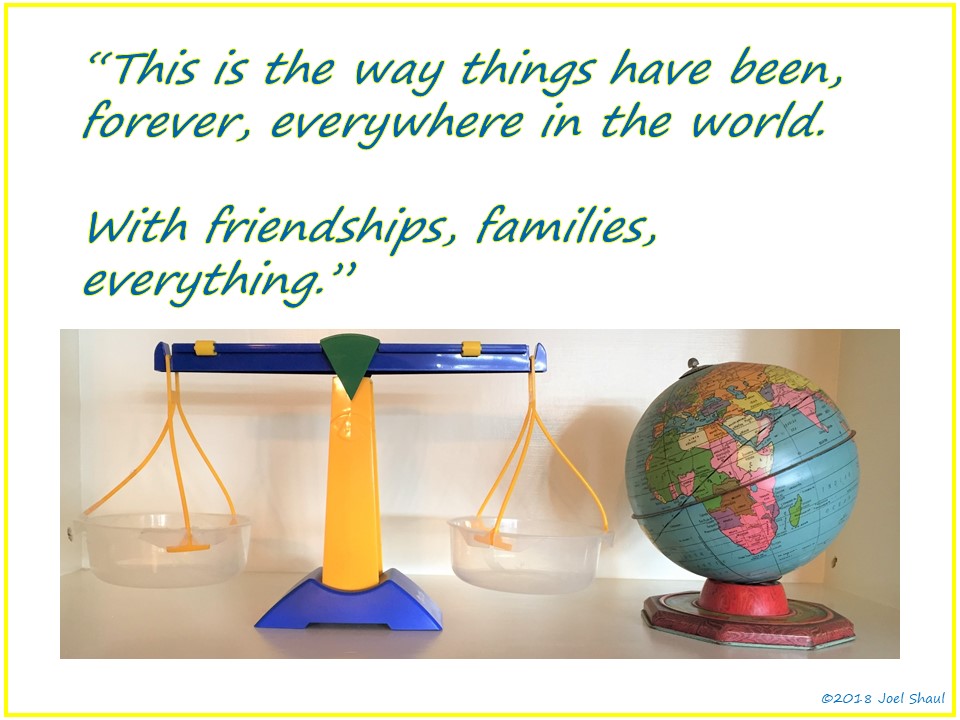
Inexpensive toy balances are terrific for teaching and practicing reciprocity in conversation and social interaction. If you have one on hand for your work with kids on the spectrum, I think you may end up using it frequently, as I have in my own work.
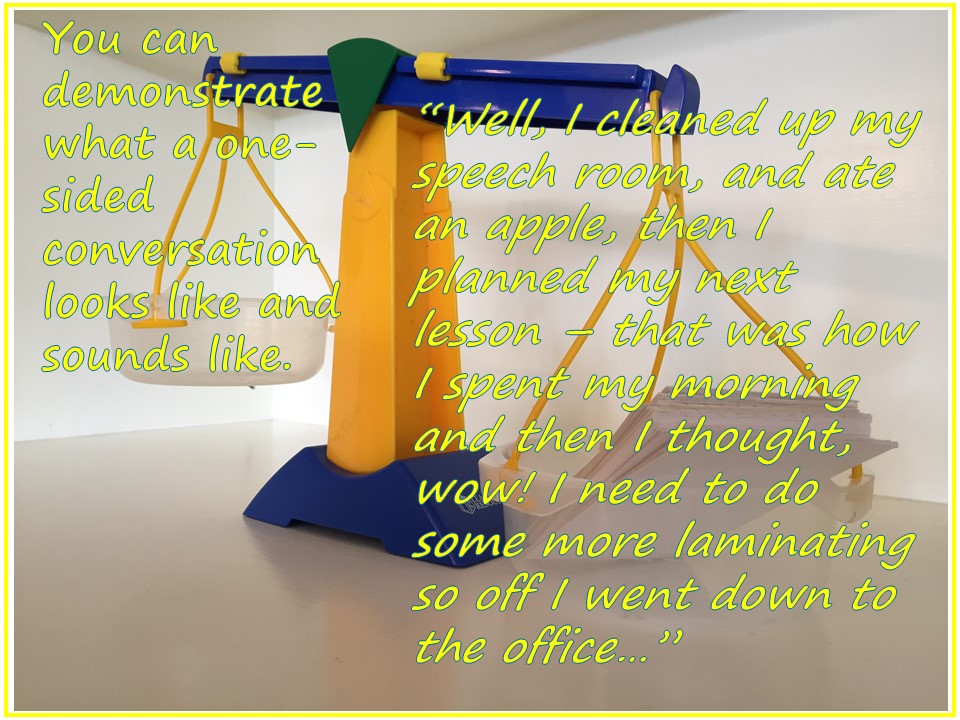
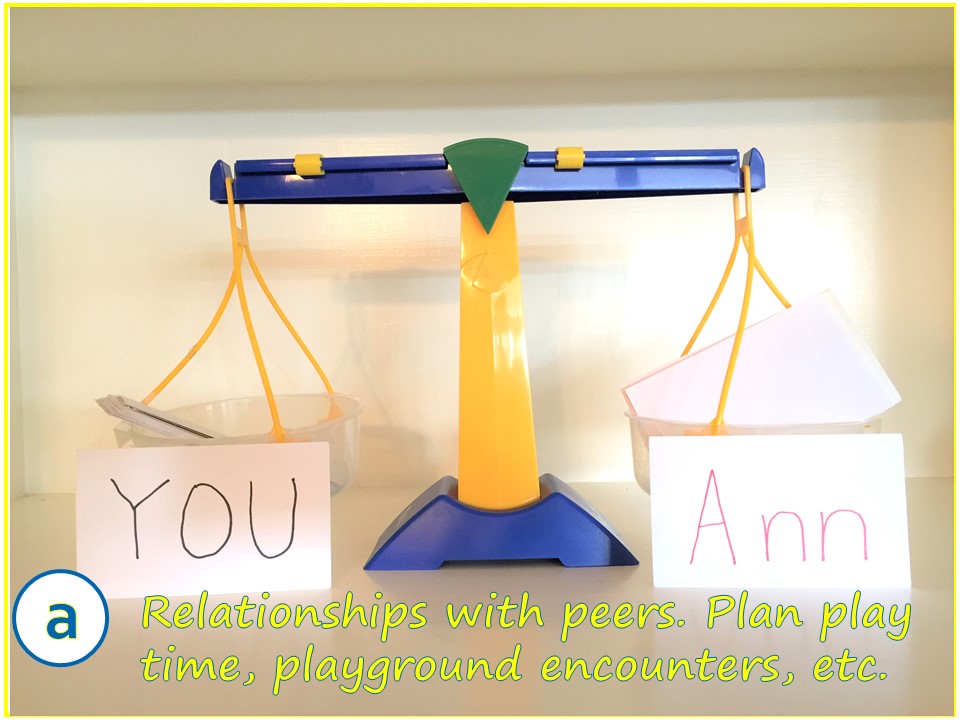
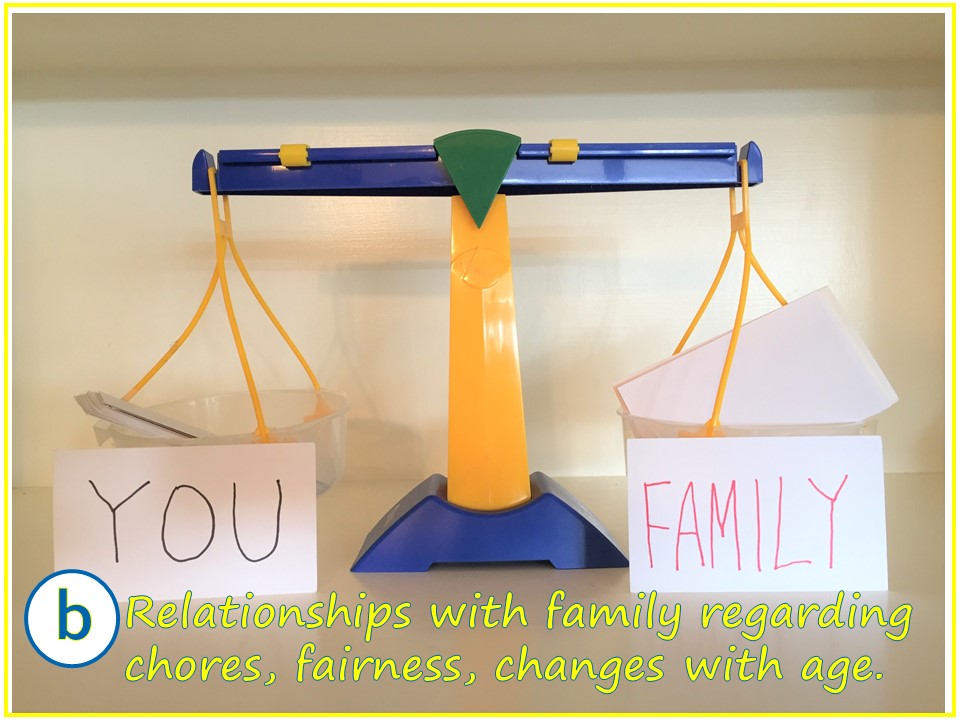
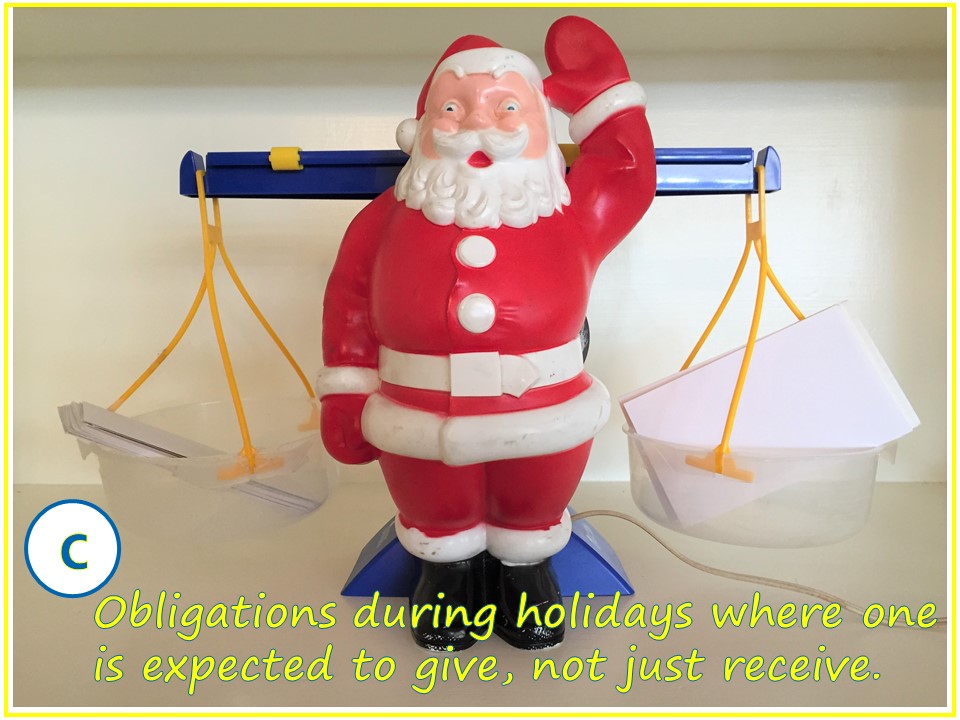
This illustrated tutorial shows you how to use the manipulate the balance and place 3×5 cards on the balance to demonstrate how to have a “balanced” conversation in which both people take and equal part. Children on the spectrum who many sometimes “monologue” can find this hands-on learning method engaging and valuable.
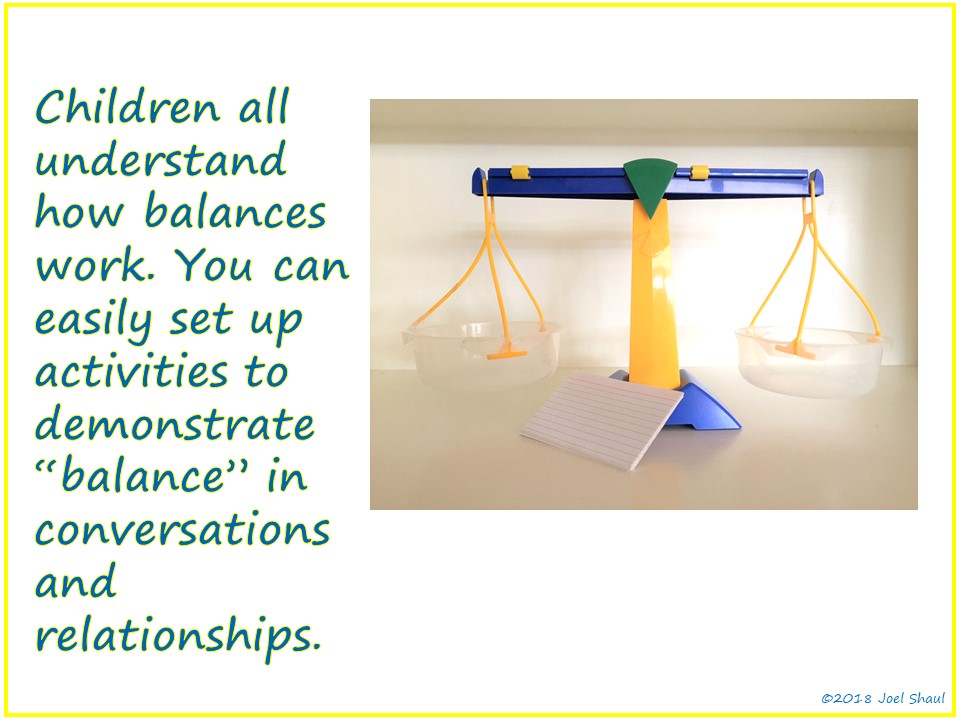
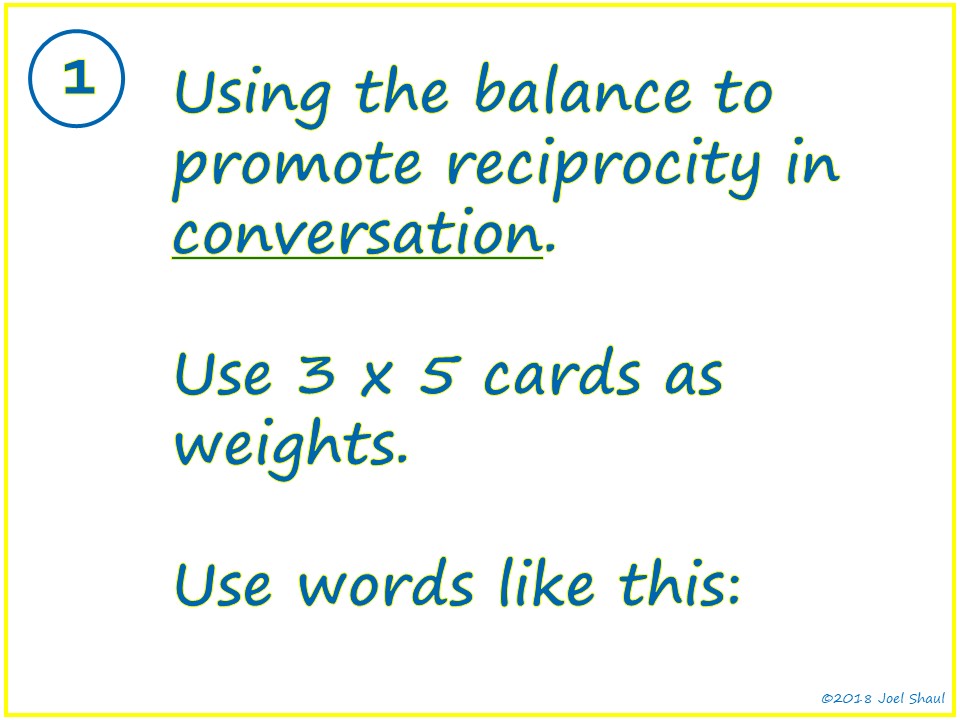
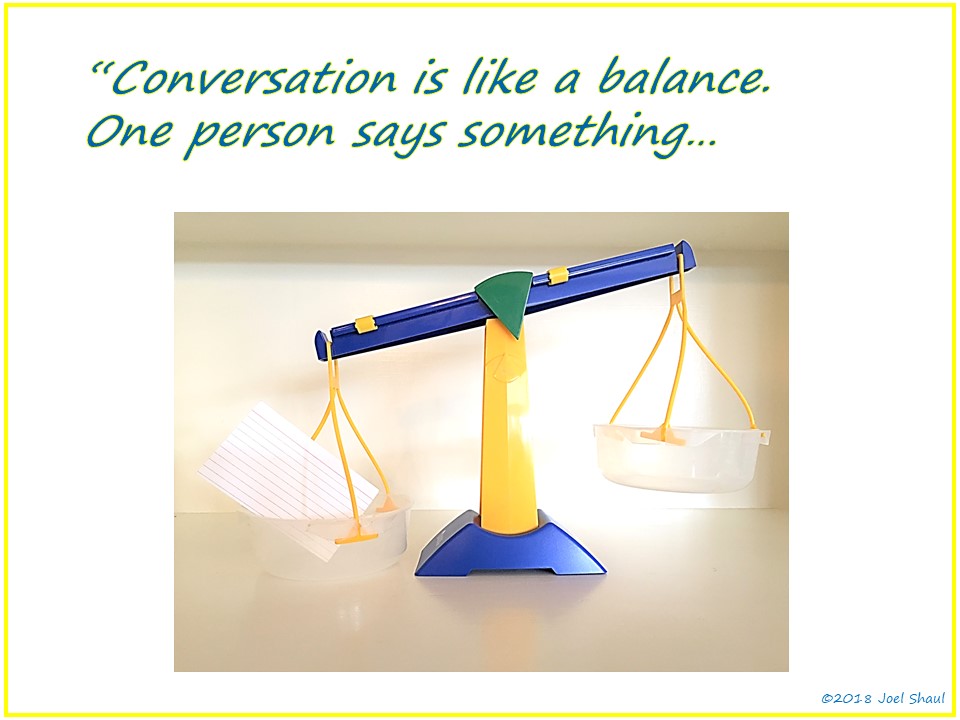
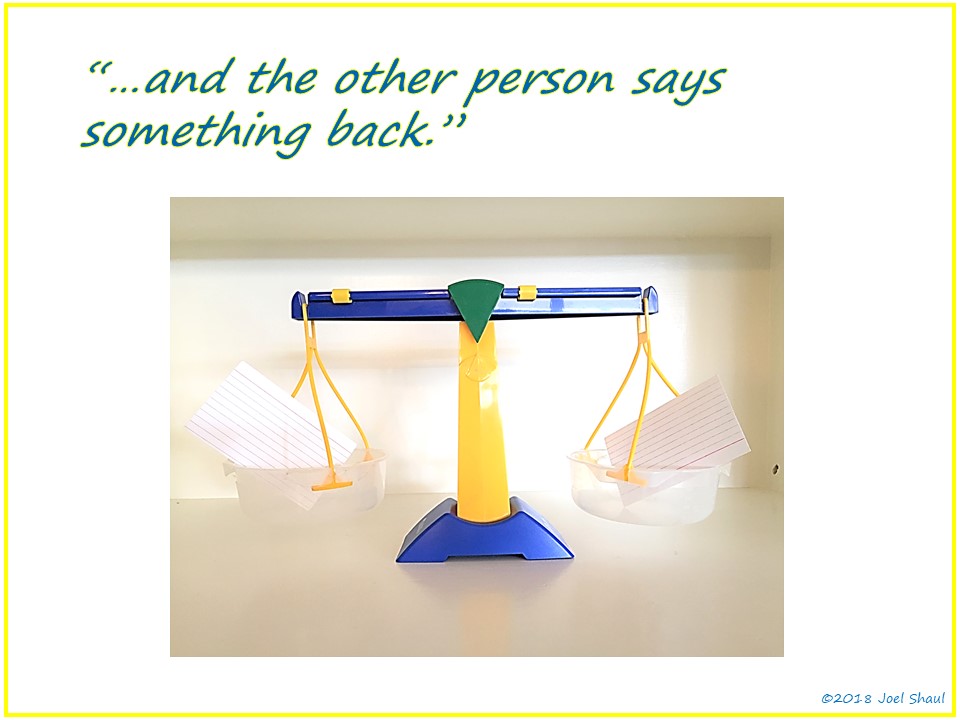
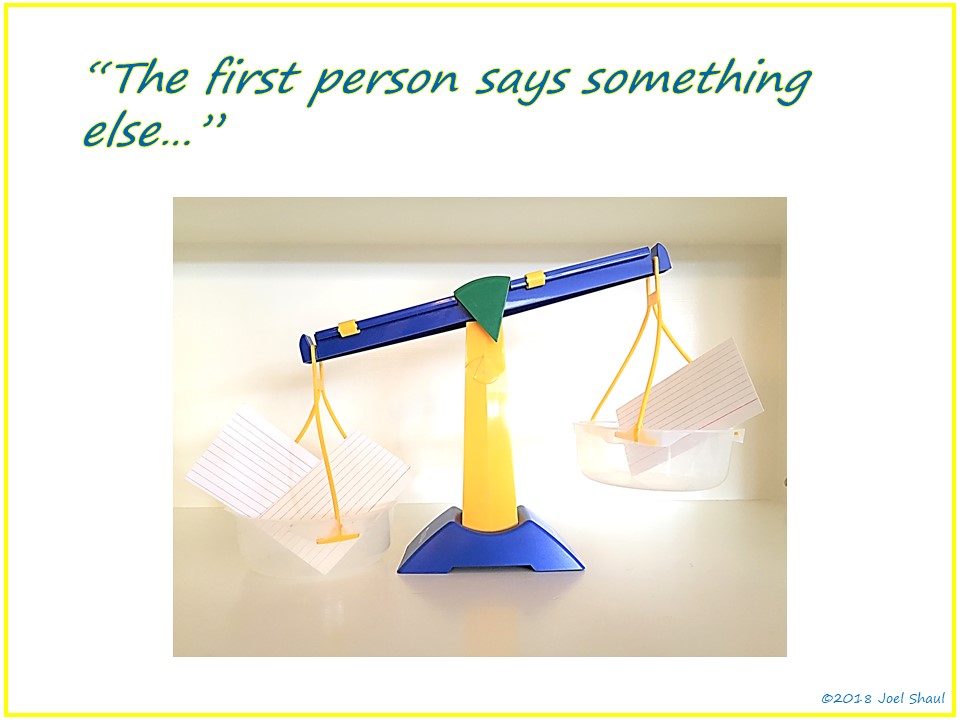
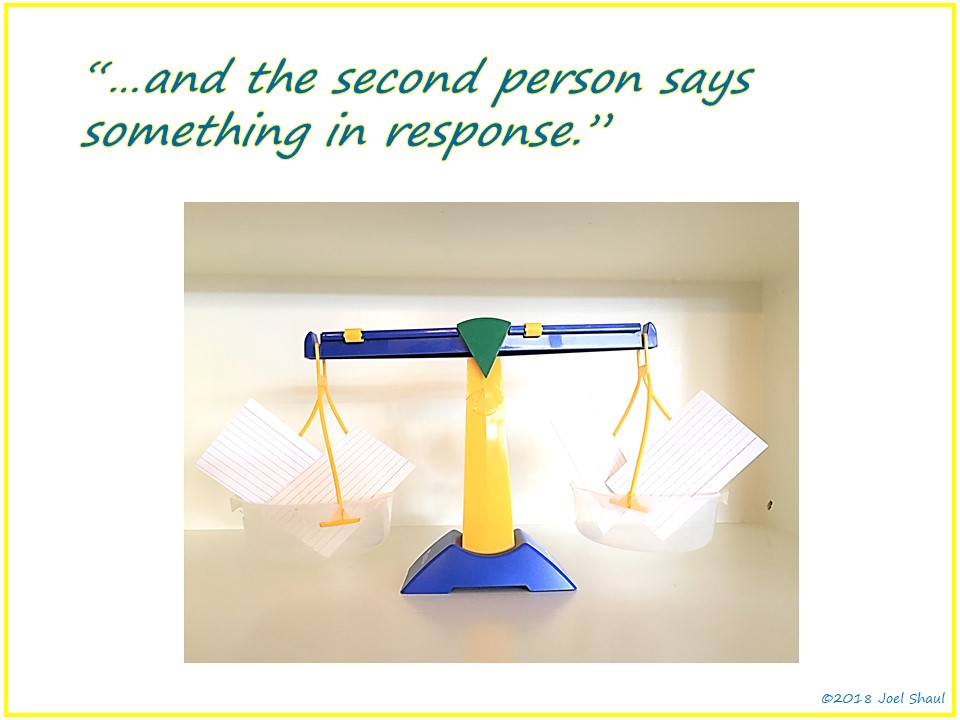
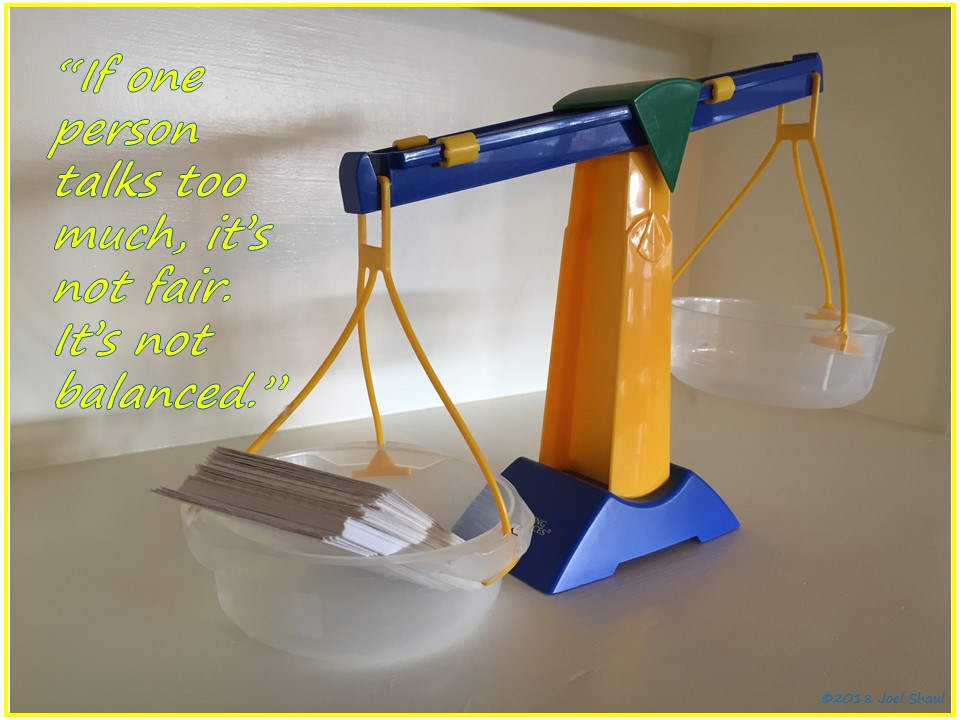
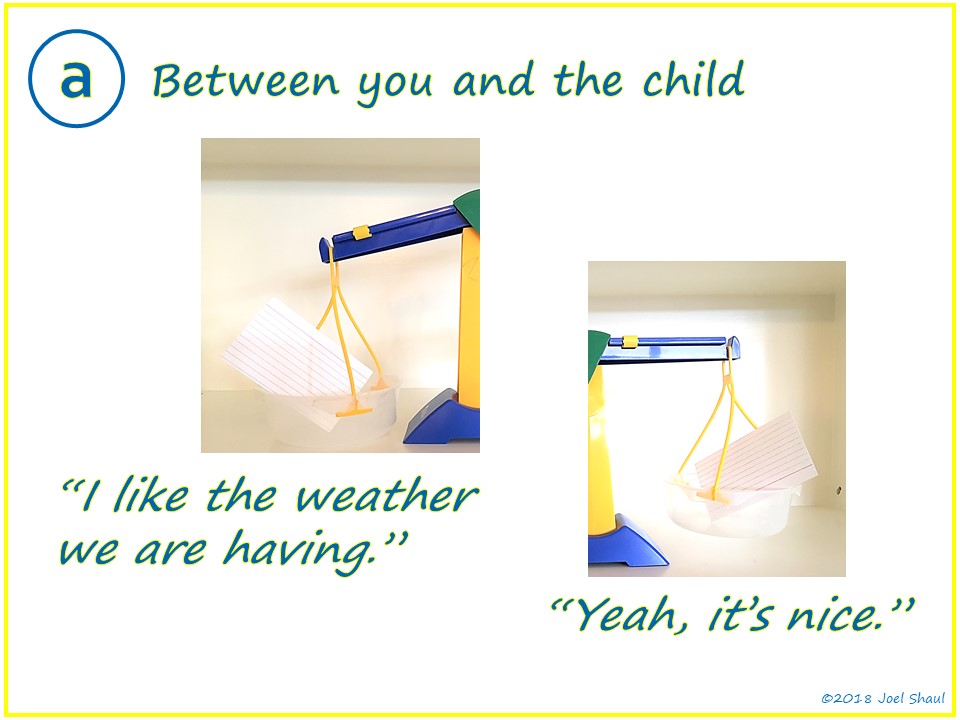
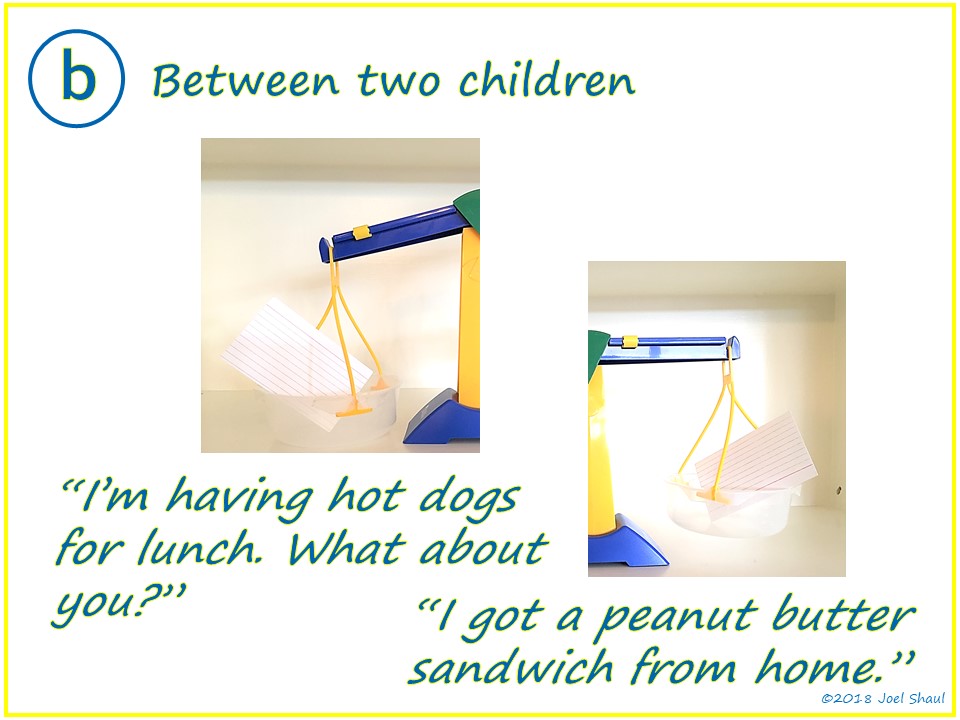
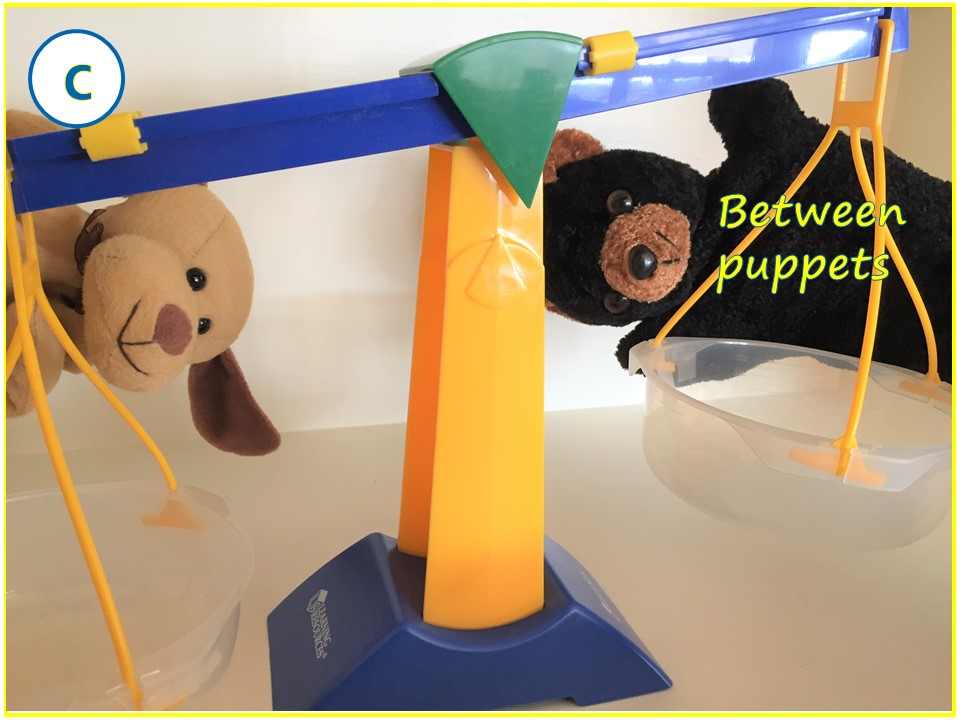
In a similar manner, you can use the toy balance to demonstrate reciprocity in social interaction. You can use the balance to demonstrate such social skills essentials as taking turns, giving and receiving, and paying back favors. The following pictures demonstrate how to use the balance and what to say while you are teaching.
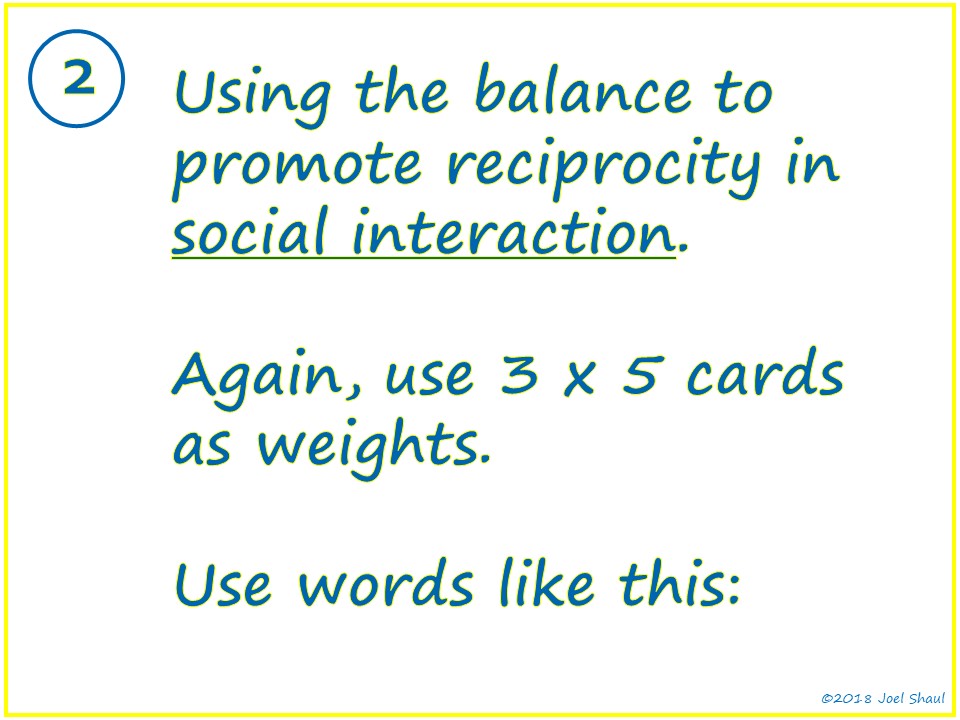
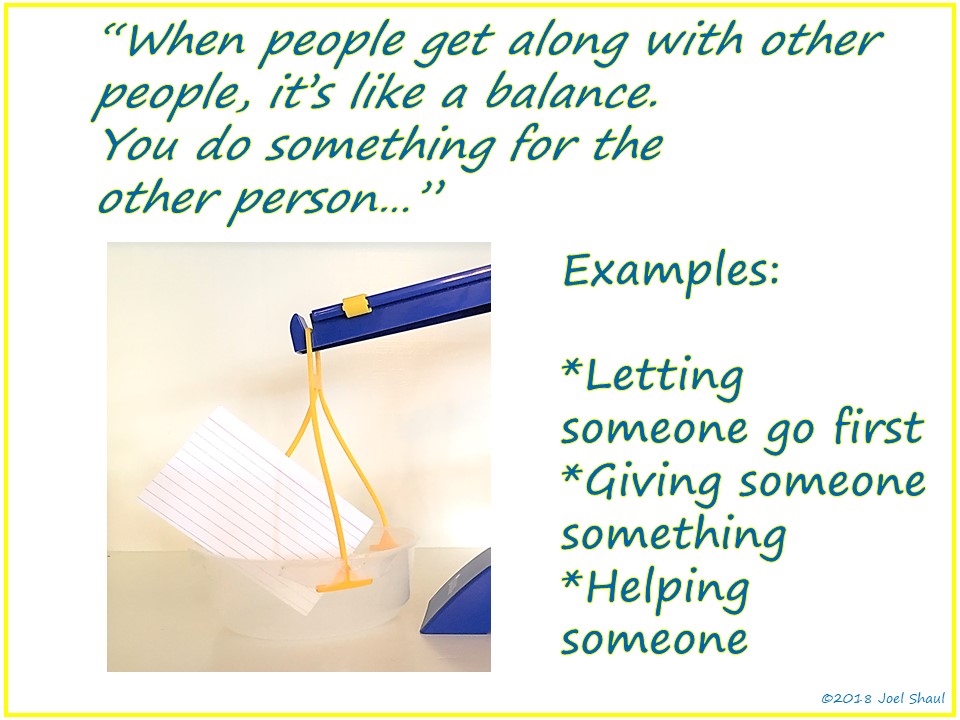
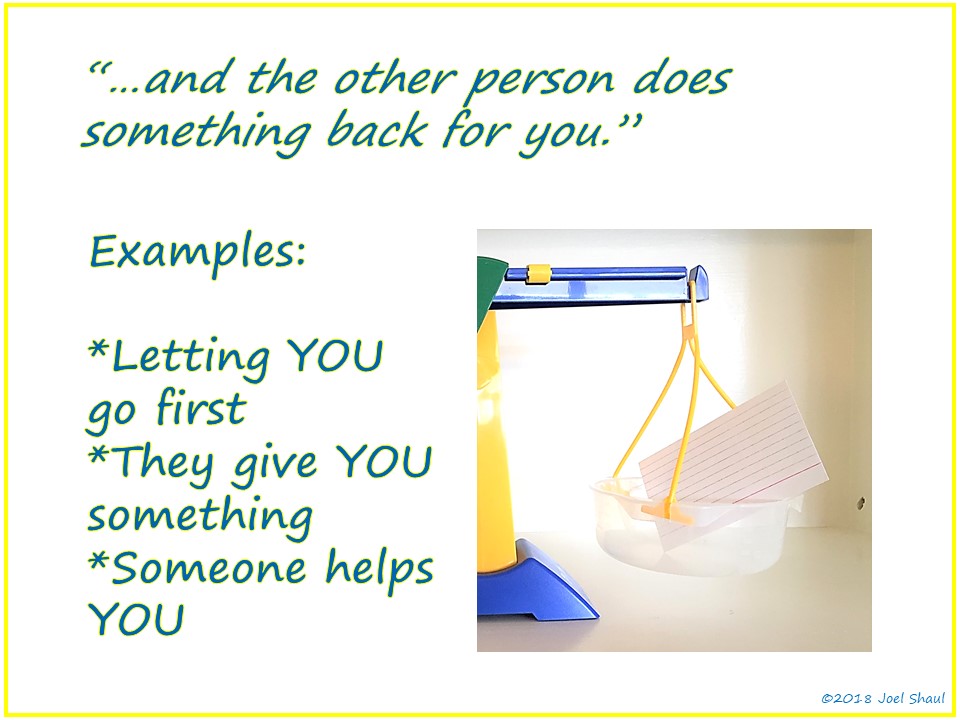
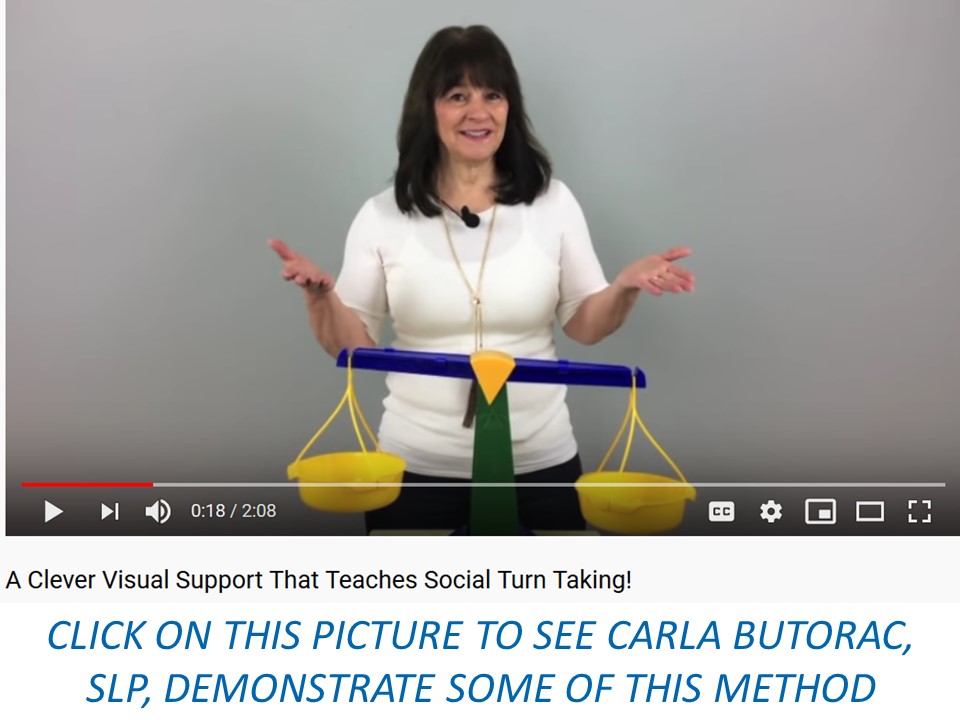
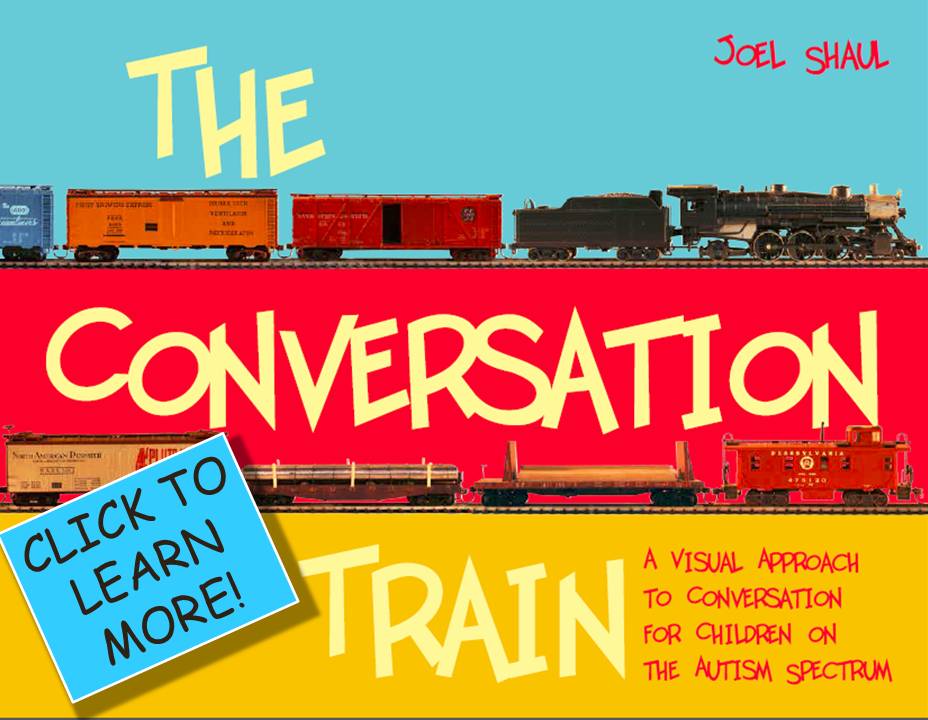
Here is another free conversation social skills resource for teaching reciprocity, but with more than two people present:
Your comments on these resources are most welcome, and often helpful. Click HERE to send an email.
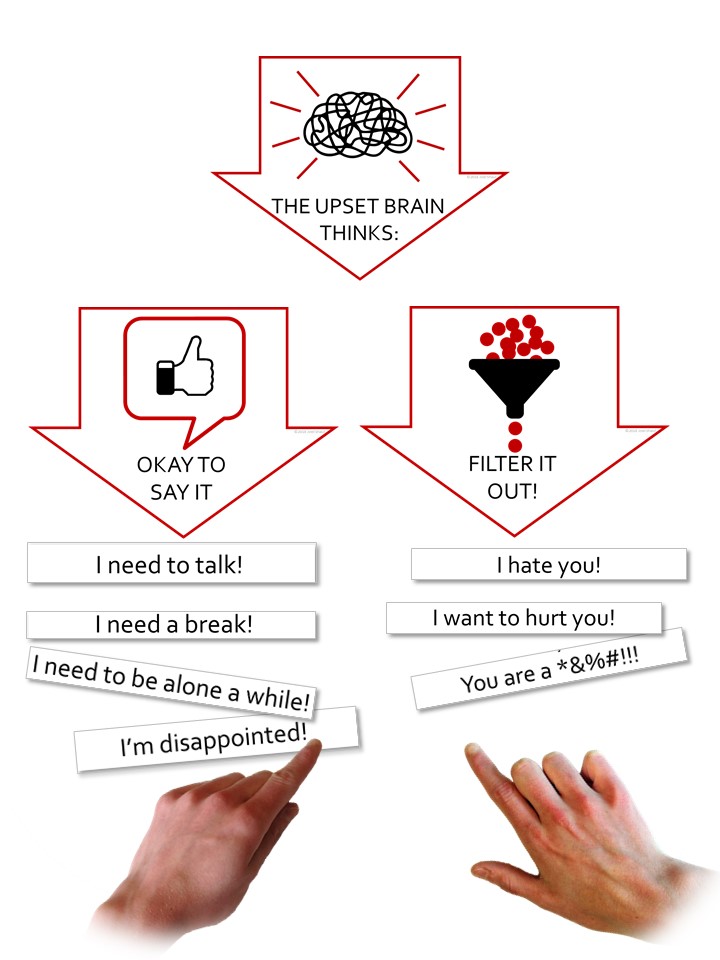
In social skills training in schools and psychotherapy settings, young people on the autism spectrum often struggle with controlling angry verbal outbursts. This is a cut-out paper kit that creates a hands-on activity to teach and practice filtering upsetting thoughts and avoiding blurting out things that are frightening or confusing to others.The Filter the Anger Activity is designed to:
* Raise awareness of okay vs. not-okay things to say when you are mad
*Introduce and reinforce the idea that thoughts can be “filtered” before they are turned into words.
Sample introduction to this activity:
“When we are upset, we can have many, many upsetting thoughts going through their mind, very quickly. The thoughts can be so many, and so powerful, that they can “escape” out of your mouth if you are not careful. Your mind has a filter in it, to help us to say the right things, instead of every one of our thoughts to rush out of our mouths.”
(Now describe a filter; depends on knowledge level of participants. Show them the filter visual)
“There are different kinds of filters.” (have them name some: coffee filter, water filter, oil filter, etc. If you have a prop to demonstrate a filter now, that is good—try a colander, a coffee filter, etc)
“You can’t see the filter in your brain, but the way it works is kind of the same. It is especially important to use your brain’s filter when you are upset or angry, so that you say things that are good, and get you help, and so you avoid saying things that frighten, confuse or anger other people.”
How to use the upset thought strips: On a big table or on the floor, have the participant(s) sort the statements into things that are okay to say, sometimes okay to say, and almost never okay to say. Use the “Filter These Out” and “You can say these” visuals to help them with the sorting.
Usually, the child will spontaneously start talking about times they made unfiltered angry statements. This provides opportunities for learning and adds a visual dimension that is very helpful.
Variations: You, the adult, can try acting out the role of an upset person who is not succeeding in filtering his words. Ask the young participants to help you to filter what you say. Ask them to offer you alternative ways to express your upset feelings.
This is a good teaching/therapy activity for social skills training and anger management for kids with autism spectrum disorders. I hope you find it helpful.
The Filter the Anger activity is much more effective when it is combined with other learning activities.
Here are some related free activities for increasing awareness of social filters, anger management and cause and effect in relationships:
What I should Have Done Different Worksheet
Customizable Meters for Awareness of Negative Behaviors
Words Hurt/Words Help Worksheets
Pencil / Pen Memories Worksheets
Your comments on these resources are most welcome, and often helpful. Click HERE to send an email.

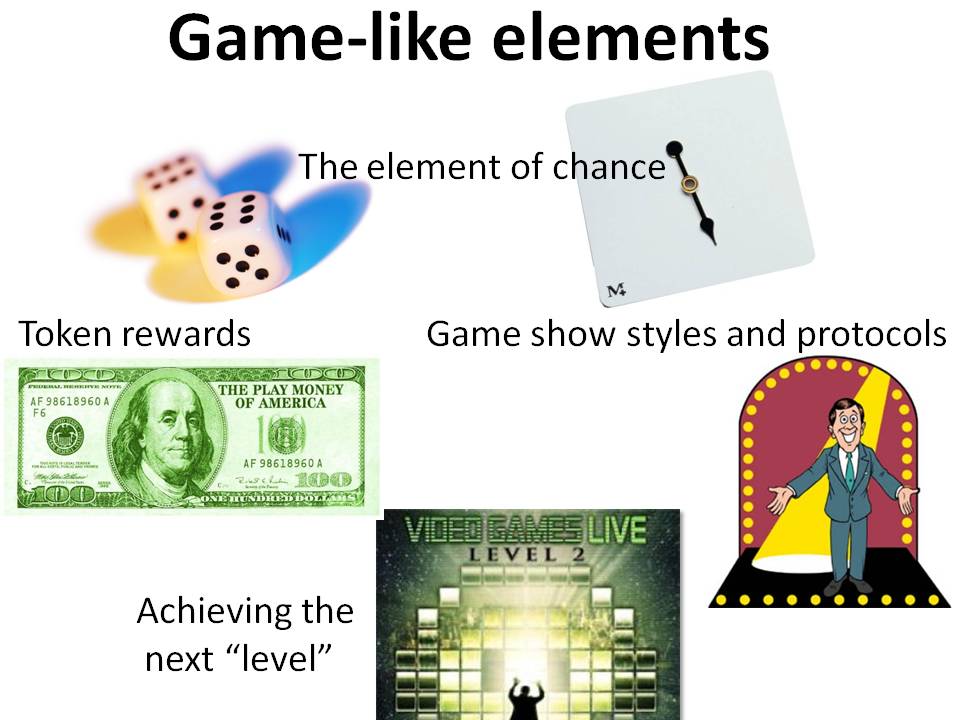
Teaching social skills to children with autism spectrum disorders can be much more effective when it is engaging and fun. By the time children with autism ends up in our classrooms or psychotherapy offices, they are often feeling pretty weary and discouraged with their problems. If we don’t introduce some elements of levity, we may lose their attention altogether.
Here are some tips for making your social skills training engaging and “game-like.” Much of this is summarized in this Youtube video, check it out: http://bit.ly/x9TvvO
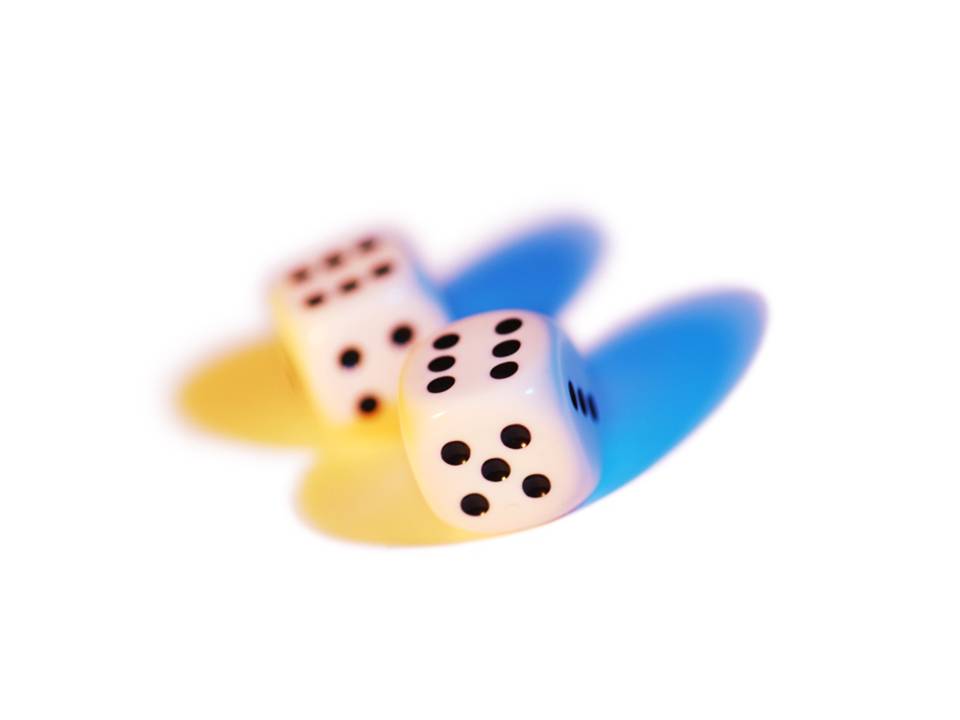
Here is an example: “Kids, we are going to play the compliment game today. A compliment is when you say something nice to someone about how they look, or about what they do, or about how they are. When it is your turn, if you roll a one or two with the dice, you have to give someone a compliment here about how they look. If you roll a three or a four, give a compliment to someone about what they are doing. If you roll a five or a six, give a compliment to someone about how they are (nice, funny, smart, fast, clever, etc.)”
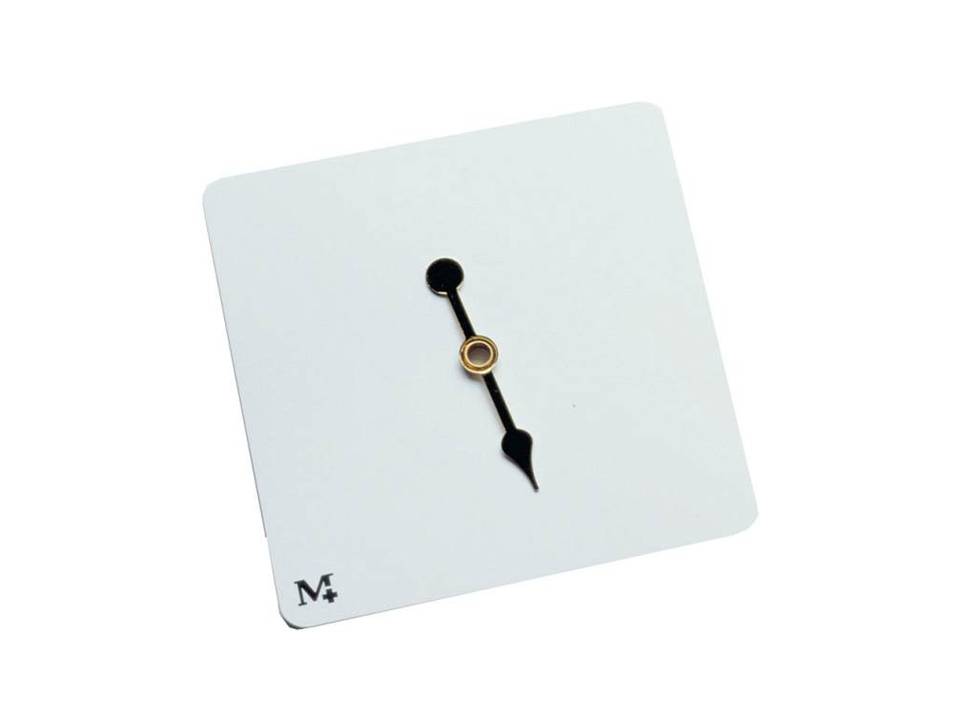
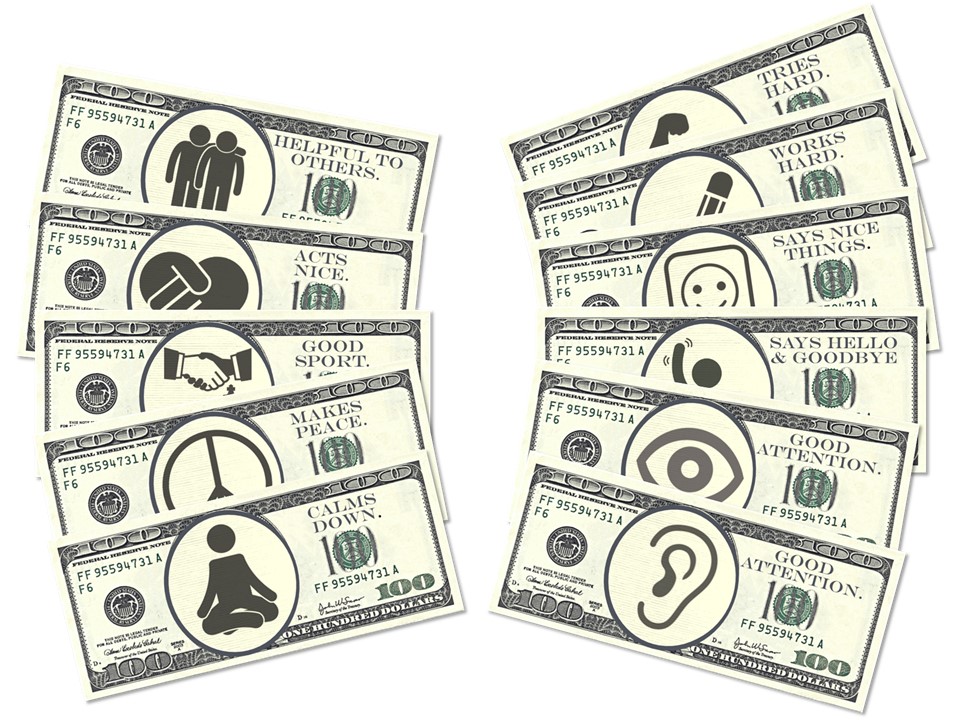
You can download this cool play money that I made! Click here.
2. Use tokens or scoring systems. These fall into two categories. The first kind of scoring system is to give out token objects (play money, marbles, etc.). These you have the kids keep in cups so they are not overly distracted by them. The second scoring system is to create a score board. Simply write the names of the children on a dry erase board, and add a hatch mark next to their names each time they score. (This is the preferred system if your kids on the autism spectrum get distracted by wanting to touch and handle the token items.)

3. Use achievement levels. Most kids on the autism spectrum play a lot of video games. Video games are usually all about “levels” and getting from one level to the next. Here is an example of how to incorporate this into an activity teaching compliments: “Kids, there are three levels of giving compliments. We are going to play a compliment game. Who will get to level three? Level one is easy. You say something nice about how someone looks. Level two is harder. You have to say something nice about the thing the person is doing. Level three is the top level. You have to know the person well enough to know their special inside qualities, like “Generous,” “Smart,” or “Helpful.”
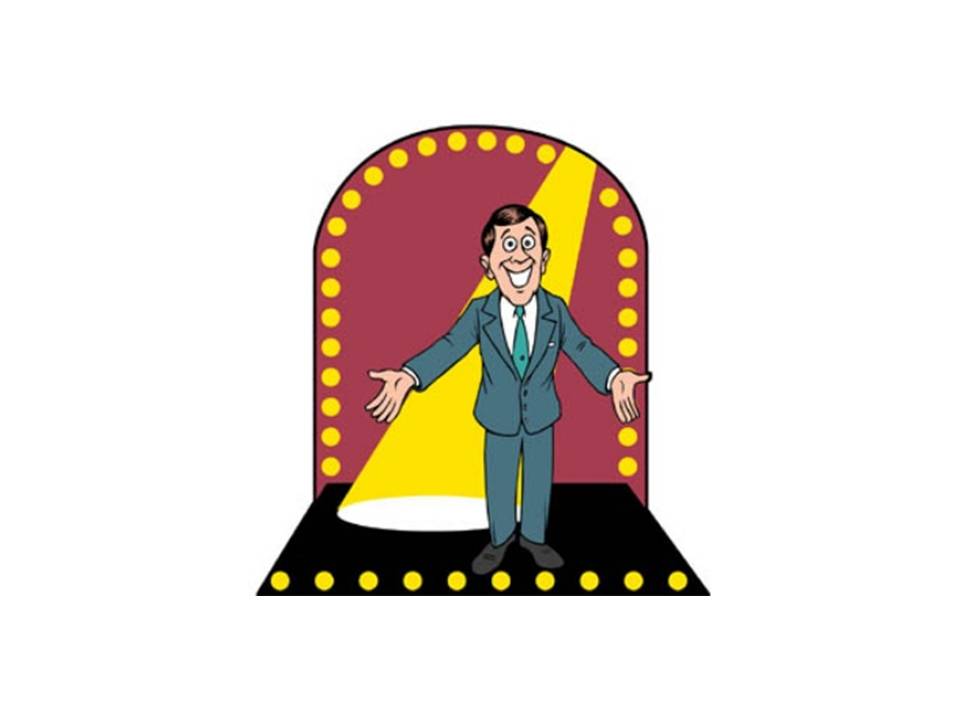
4. Build in Game-show elements. Children with autism spectrum disorders seem to appreciate it when their counselor or teacher is willing to pretend to be a game show host. Copy and print out the picture of the game show guy shown in the picture above, and stick it on the wall. If you want to get fancy, play game show music. Here is a link to Jeopardy music sound clip: http://www.youtube.com/watch?v=vXGhvoekY44 Then, abandon your professional decorum , and say something like this: “Kids, welcome to the Elmhurst School Game Show. I am your host, Ms. Apple. Today, we are going to test people’s ability to give compliments. Please welcome our first contestant, Tiffany. Tiffany, come on down!”
I wish you good luck with introducing levity and game-like qualities to your social skills training for kids on the autism spectrum.
Your comments on these resources are most welcome, and often helpful. Click HERE to send an email.